If you're been considering making the leap to T-Mobile, a recently discovered unlimited plan may be the best value, but it's only available in one place.
In a catch-up interview after a lost CES interview, Jeff Gadway, SVP for Clicks discusses the Power Keyboard, a universal MagSafe-style Bluetooth keyboard and power bank for iPhone, Android, tablets, TVs, and more. He also details the Clicks Communicator, a smartphone built around physical keys, purposeful communication, productivity, security, and the idea of a task-focused […]
eTravelSim propose des forfaits eSIM dès 3,03 € dans plus de 190 pays, avec activation rapide et tarifs fixes pour mieux maîtriser son budget data à l’étranger.
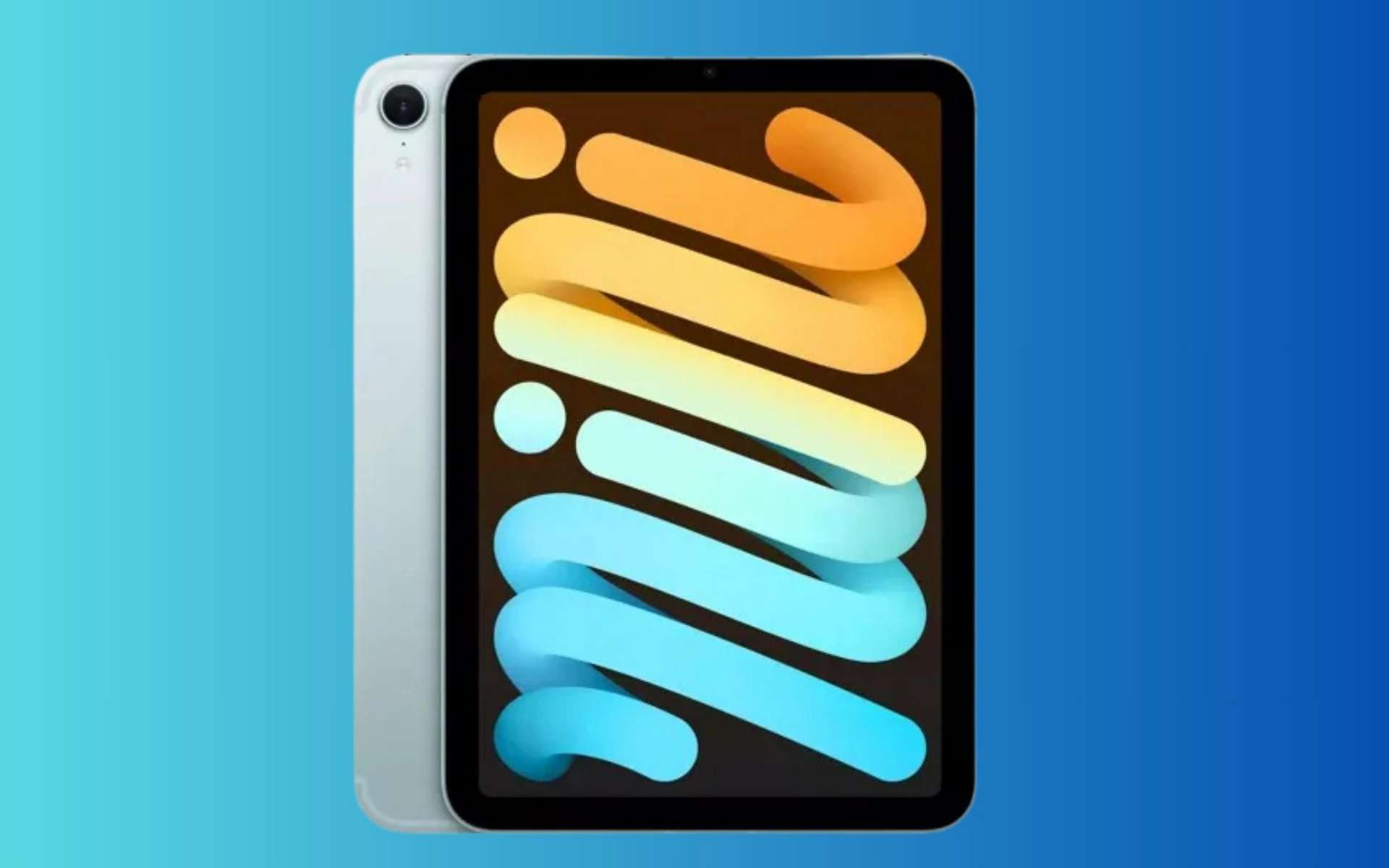
L’iPad mini 7 voit petit côté format, mais pas côté performances. À l’approche de la rentrée, la tablette Apple avec puce A17 Pro profite d’une remise chez Rakuten, une bonne occasion de l’emporter partout sans alourdir son sac.
Pratique à transporter et agréable à utiliser au quotidien, la tablette gagne du terrain sur les bancs des universités. Le choix du bon modèle passe avant tout par les besoins de la formation, les applications utilisées et le budget prévu.
Autrefois dissimulée par d'épais nuages de poussière dans le bulbe central de la Voie lactée et trop proche de son trou noir central pour être observable, même avec de grands télescopes, l'étoile S301 a finalement été débusquée avec les progrès des instruments de mesure équipant le VLT de l'ESO,...
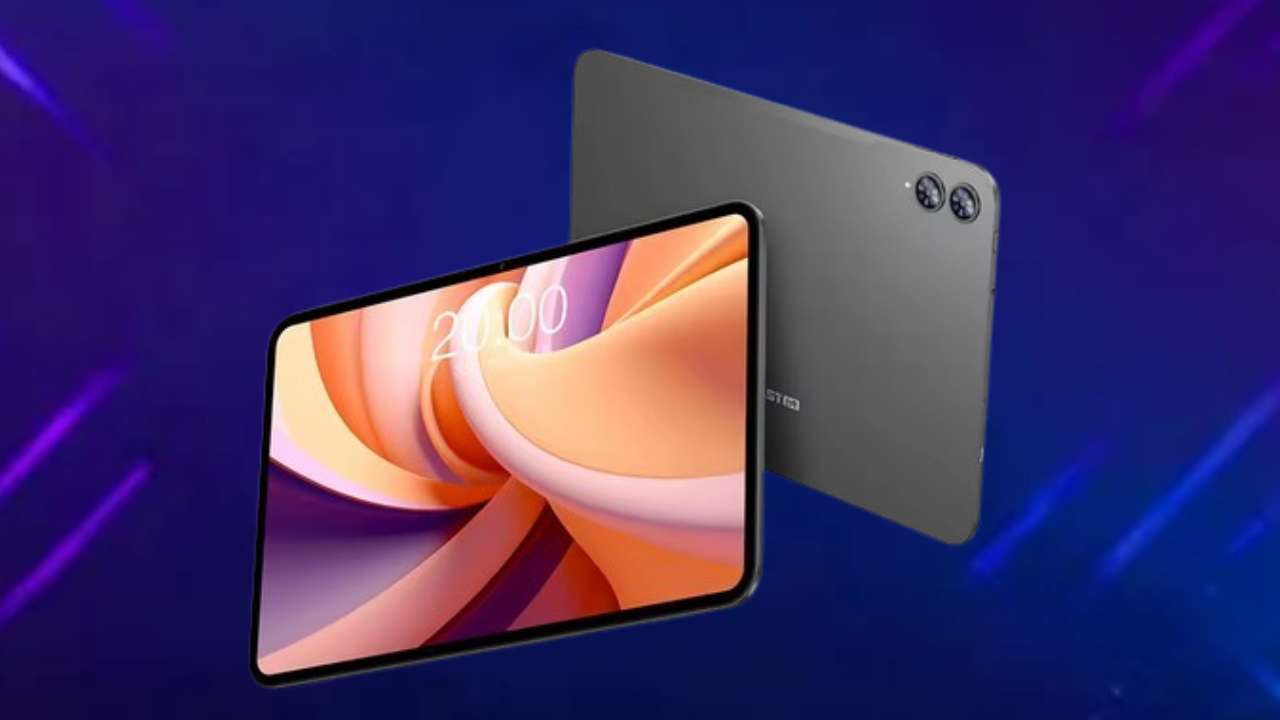
Avec sa grande dalle de 13,4 pouces et sa fréquence de 120 Hz, la tablette tactile Teclast T65 s'adresse aux personnes en quêtes d'une tablette pratique et réactive pour un usage quotidien. La connectivité 4G et son stockage extensible renforcent le côté polyvalent de cette tablette affichée à...
AST SpaceMobile booked a big year-on-year rise in revenue in Q2, driven by gateway deliveries and milestones tied to US government contracts as the direct-to-device (D2D) satellite operator continues to scale ahead of a planned beta service launch later this year.
The company stated it remains on track to meet its full-year 2026 revenue guidance of $150 million to $200 million on the back of additional contract awards from the US government.
Revenue backlog grew to approximately $1.3 billion in aggregate contracts with commercial partners and government.
Chair and CEO Abel Avellan said the company’s technology platform, spectrum strategy and manufacturing capabilities position it to deliver D2D connectivity for commercial and government customers globally, pointing to the growth of its constellation to 13 spacecraft in orbit
On its earnings call, president Scott Wisniewski highlighted growing momentum with US government customers who he said view the company’s technology as unique, strategic, innovative and flexible for communications and non-communications uses.
He said AST SpaceMobile previously flagged a trend of small development contracts evolving into larger awards, eventually maturing into full programmes of record.
“Today, you can see that trend as we are announcing three new contract awards with funded near-term value of over $100 million in total expected during 2026 and 2027.”
Further public details on the awards are expected soon, but Wisniewski described them as capabilities developed in partnership with the US Department of War over several years which employ the company’s technology to address a significant strategic need.
Trends AST SpaceMobile booked revenue of $31.5 million compared with $1.2 million in Q2 2025.
Net loss attributable to common stockholders grew from $99.4 million to $230.9 million.
Trends in the opening half followed suit, with revenue of $46.3 million compared with $1.9 million, and attributable net loss up from $145.1 million to $421.9 million.
Dinosaurs evolved into some of the largest animals ever to walk the Earth, but a new mathematical model suggests that early mammals may have crowded them out of the ecological niches reserved for the smallest creatures.
Apple continues work to get White House go-ahead to source memory from Chinese supplier CXMT, which the US government has placed restrictions on.
For Apple, the issue comes down to simple math. With the cost of making iPhones up 38% because of eye-watering memory price increases — up almost 7-fold since the beginning of 2025 — it makes sense to make pragmatic choices when it comes to sourcing supply, particularly when other computer companies (including HP and Acer) already obtain memory from CXMT.
US resistance to the plan is that because of the way Apple packages memory on chip, the use of that memory might partly contravene the technology transfer restrictions the US has in place. Note: use of off-the-shelf components is fine.
Apple has been lobbying to use memory from the supplier only on devices made and sold in China and would likely argue this is reasonable given that both HP and Acer already use CXMT memory in products sold outside the US.
Why it’s really about supply
The iPhone maker’s dilemma isn’t just about memory price, it’s also about ensuring it has enough component supply to satisfy demand for its products. This is plausibly a bigger challenge for the company, which is already warning of constrained supply because of lack of available memory. Samsung, Micron, and SK Hynix have allegedly already sold through all their DRAM production for 2027, which only sharpens Apple’s case to secure alternate sources.
With that in mind, it matters that China consumes around 20% of all Apple hardware sold globally. All the company needs is the go-ahead to use RAM from CXMT in those Chinese-made, China-sold devices.
That alone would effectively grow its usable memory supply by the same amount, because the non-restricted memory it currently has to use in Chinese-market products could be freed up for devices sold elsewhere, with CXMT covering the China-sold units instead.
With demand for its products accelerating —even amid a broad industry downturn — Apple really wants to make sure it has enough of the component to meet demand. Those powerful, on-premises 1.5TB RAM-equipped M7 Ultra Mac Studio AI clusters won’t exist unless it’s possible to find memory to put inside them.
The timeline challenge
The proposed arrangement with CXMT might not be a quick fix. Recent reporting indicated the company has already reached its production capacity for 2026, though it is working to double capacity by 2028. Apple has already tested memory chips from the company across products including iPhones and MacBooks.
While Apple this year has applied steep price increases across all its products (except for iPhones), it is now expected to increase the cost of the current iPhone 17 models perhaps as soon as this week.
Market reports already warn that Apple will raise prices on its soon-to-debut iPhone 18 Pro and iPhone Ultra devices next month, and we expect availability to be constrained, once again as a result of RAM shortages. Even if Apple gets the go-ahead to work with CXMT to close the gap, the positive impact of that arrangement is unlikely to kick in before next year.
Enjoy the pain
Elsewhere, big memory manufacturers, including SK Hynix, have announced plans to invest in new DRAM manufacturing capacity. But this will not be operational until 2029, at the earliest.
This suggests constrained product availability and higher prices for the coming months — and the only way Apple, or anyone else, will be able to limit the impact of those price increases across the entire electronics industry will be if they can obtain additional stocks of memory from vendors outside the big three. If they cannot, you can kiss the age of abundance goodbye.
Dans les profondeurs de la forêt tropicale de Bornéo se cache une créature fascinante : le lézard-moniteur sans oreilles. Ce reptile énigmatique, surnommé le « mini-dragon », défie les scientifiques par sa rareté et son mode de vie secret. Pourquoi ce petit dragon bien réel est-il si difficile à...
Et si la prochaine preuve d’une civilisation extraterrestre ne venait pas d’un message radio, mais d’un excès de chaleur invisible à l’œil ? Depuis 1960, les sphères de Dyson, ces mégastructures capables d’engloutir l’énergie d’une étoile, font rêver scientifiques et amateurs de SF. Grâce au...
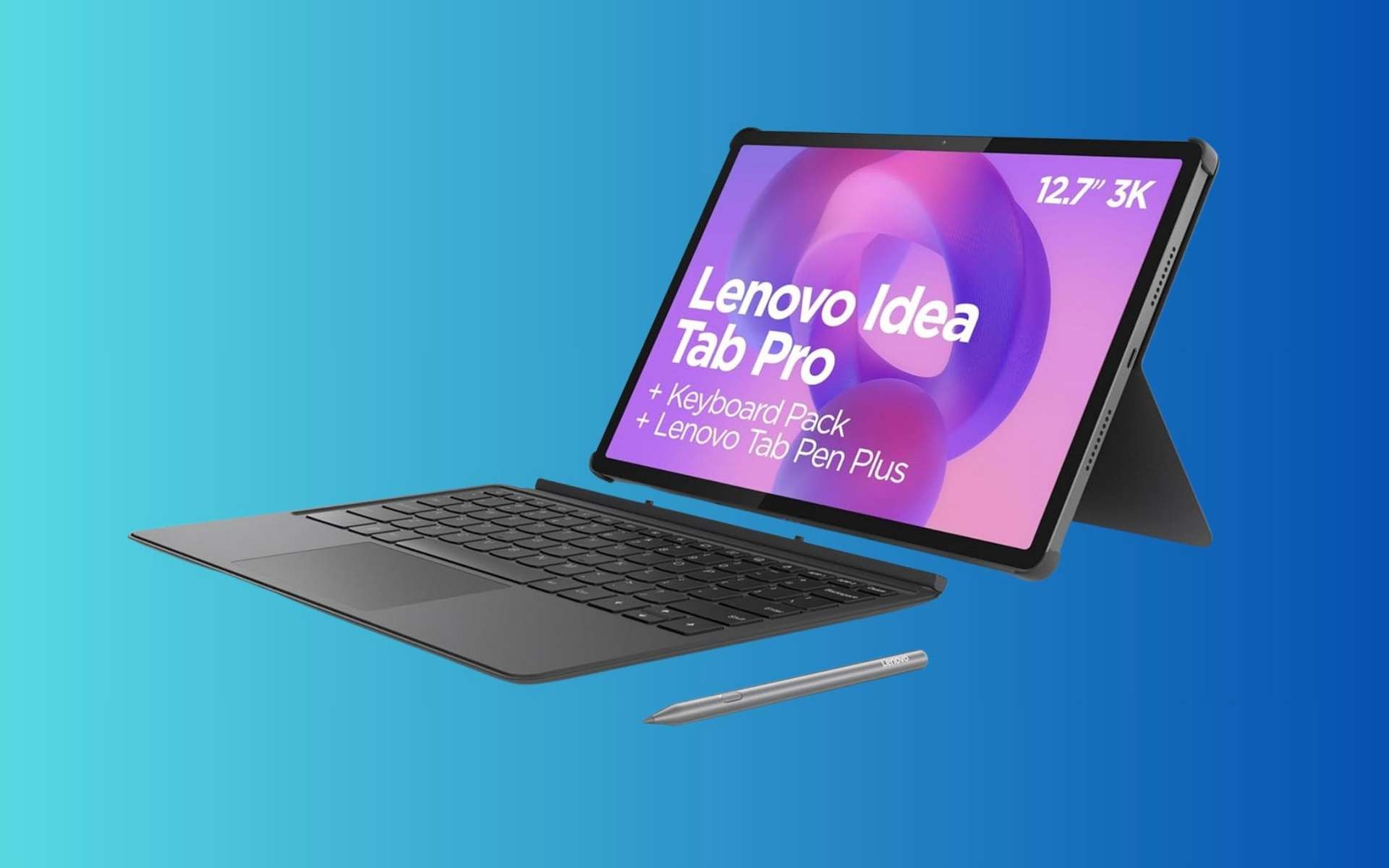
Amazon régale les amateurs de productivité et de multimédia avec une baisse de prix très incitative sur un ensemble tout-en-un d'exception ! La tablette tactile haut de gamme Lenovo Idea Tab Pro, livrée en pack complet avec son clavier détachable et son stylet Lenovo Tab Pen Plus, bénéficie...
T-Mobile officially retired its 2G GSM network on August 3, 2026, marking the end of 2G service from all three major U.S. carriers. With AT&T having discontinued 2G in 2017 and Verizon following in 2020, devices that rely solely on the older standard—including the original 2007 iPhone — can no longer connect to any cellular network in the United States. The move also affects remaining smartphones, alarm systems, payment terminals, and other IoT devices still using 2G, though T-Mobile had given customers advance notice to upgrade or transition.
T-Mobile kept its 2G network active because it still had some legacy customers who were using it. Some customers visiting the United States and using international roaming carrier agreements for connectivity also needed 2G for voice calling, but T-Mobile worked with carriers globally to prepare for the end of its 2G network.
Customers who were still on T-Mobile’s 2G network were warned well ahead of time about the shutdown and given time to transition. Smartphones, alarm panels, payment terminals, and other IoT accessories that used 2G will no longer function.
AT&T ended support for 2G almost a decade ago in 2017, and Verizon stopped supporting 2G in 2020. Now that no carriers in the U.S. support 2G, legacy devices like the original iPhone will not be able to connect to any cellular network.
MacDailyNews Take: Time marches on!
Please help support MacDailyNews — and enjoy subscriber-only articles, comments, chat, and more — by subscribing to our Substack: macdailynews.substack.com. Thank you!
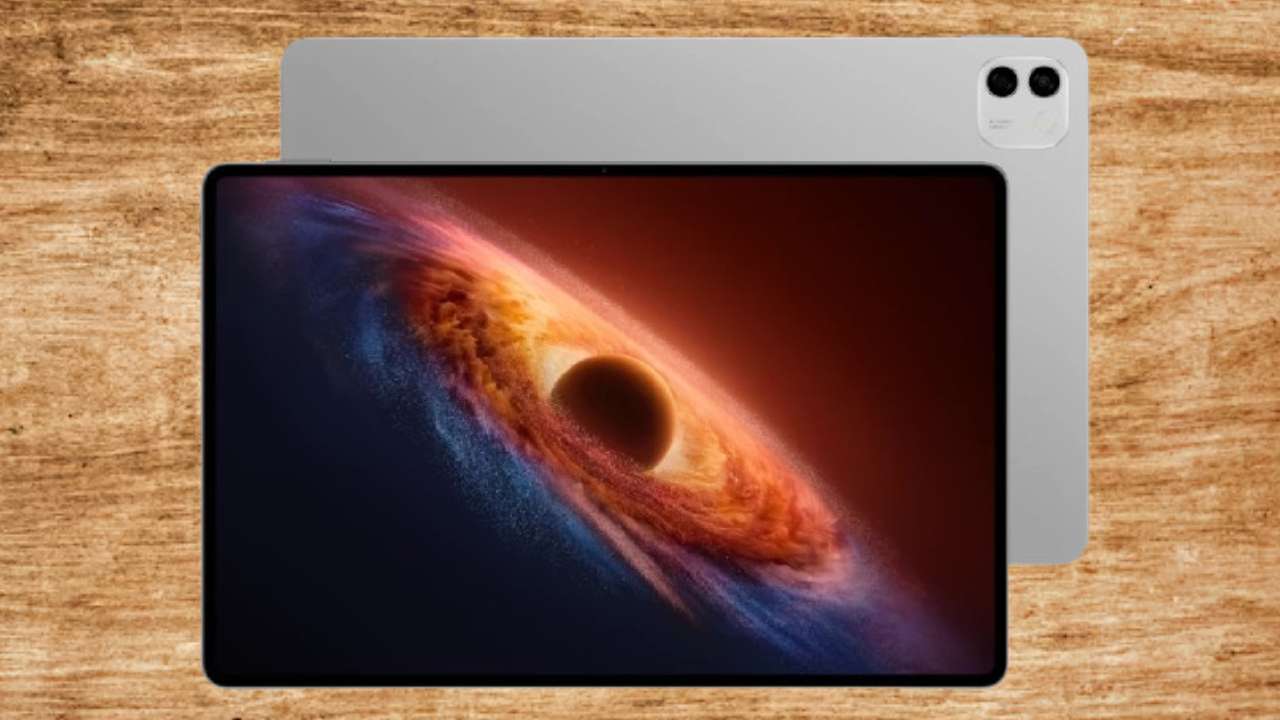
La Honor MagicPad 4, tablette tactile de pointe offrant un excellent rapport qualité-prix, bénéficie actuellement d’une remise de 25,05 € sur AliExpress, complétée par un coupon promotionnel de 63 €. Ce faisant, le prix de la tablette passe sous la barre des 600 € pour une durée limitée.
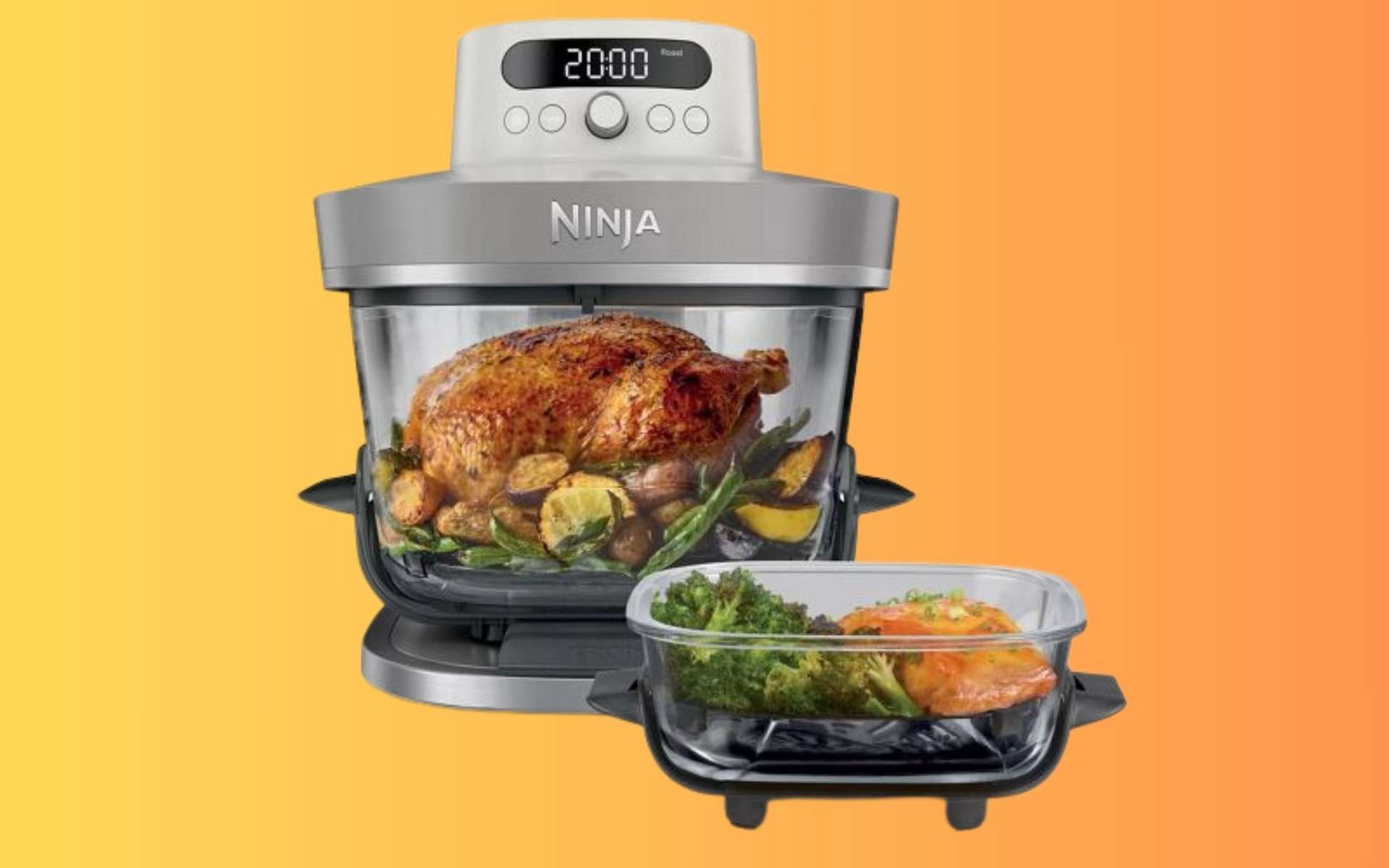
Envie de passer à un airfryer nouvelle génération ? La Ninja CRISPi Pro XL en verre 7 en 1 profite d'une offre attractive chez Rakuten. Une bonne excuse pour cuisiner plus facilement des plats croustillants avec peu de matières grasses.
Un demi-millimètre de long, et une résistance aux radiations mille fois supérieure à la nôtre. Le tardigrade doit une partie de ce pouvoir à une seule protéine, capable de s'enrouler autour de l'ADN comme un bouclier. Greffée dans des cellules humaines, elle divise presque par deux les dégâts...
 Login