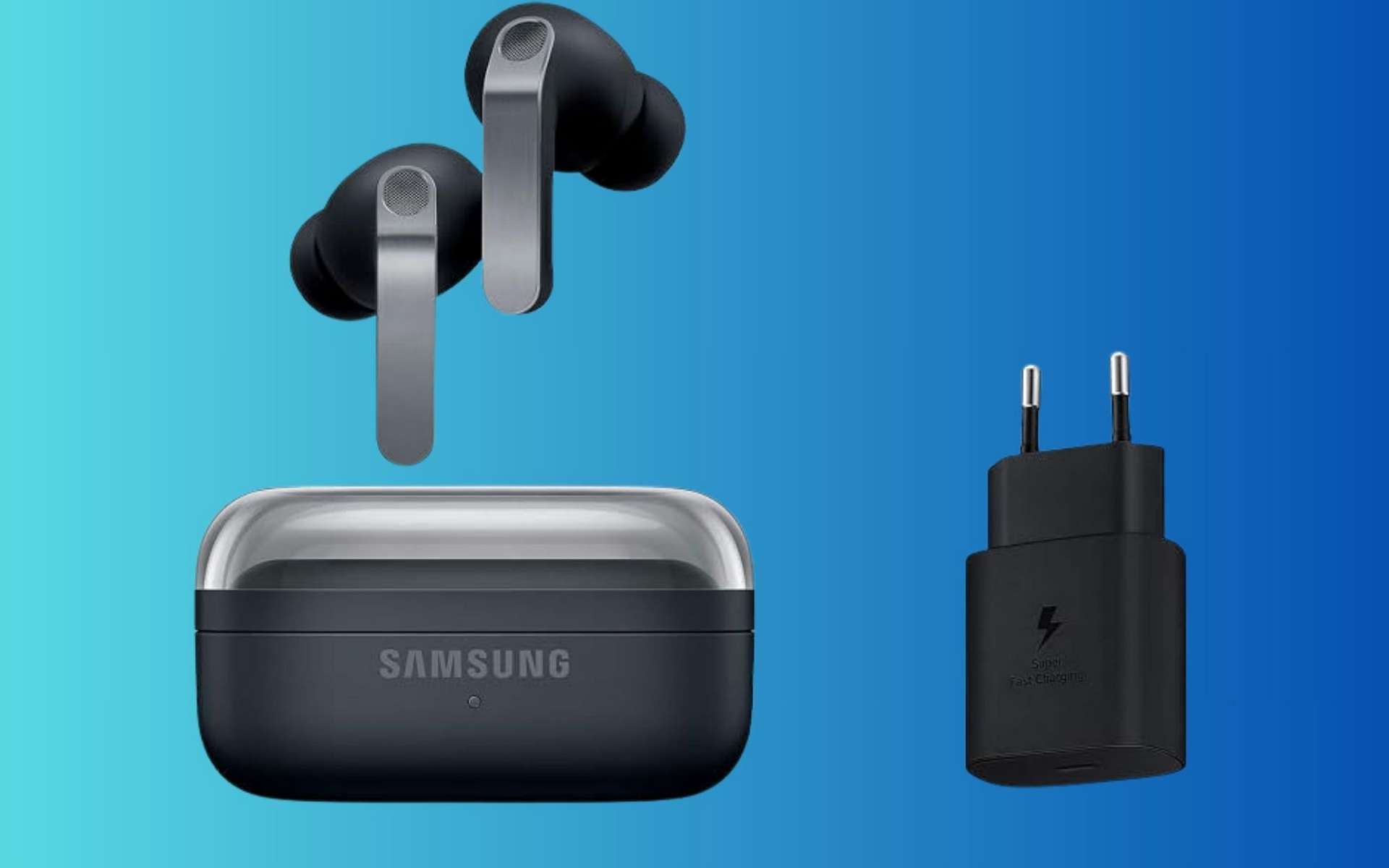
Samsung announced that its Hearing Aid feature for the Galaxy Buds 3 Pro and 4 Pro has been FDA-cleared.
It states this will work alongside its Hearing Test, which lets users use "clinical-grade, pure-tone audiometry" to test their hearing and see clear results.
Samsung says Hearing Test and Hearing Aid will arrive on the Buds 3 Pro and 4 Pro in the U.S. and other approved markets in Q4 2026.
Samsung announces that a major accessibility feature for its Galaxy Buds has cleared a key governmental hurdle.
The company announced this morning (Aug 11) that its Hearing Aid feature for the Galaxy Buds 3 Pro and 4 Pro has been FDA-cleared. Samsung says this enables the previously mentioned devices "to serve as an over-the-counter hearing aid for adults (18 or older) with perceived mild to moderate hearing loss."
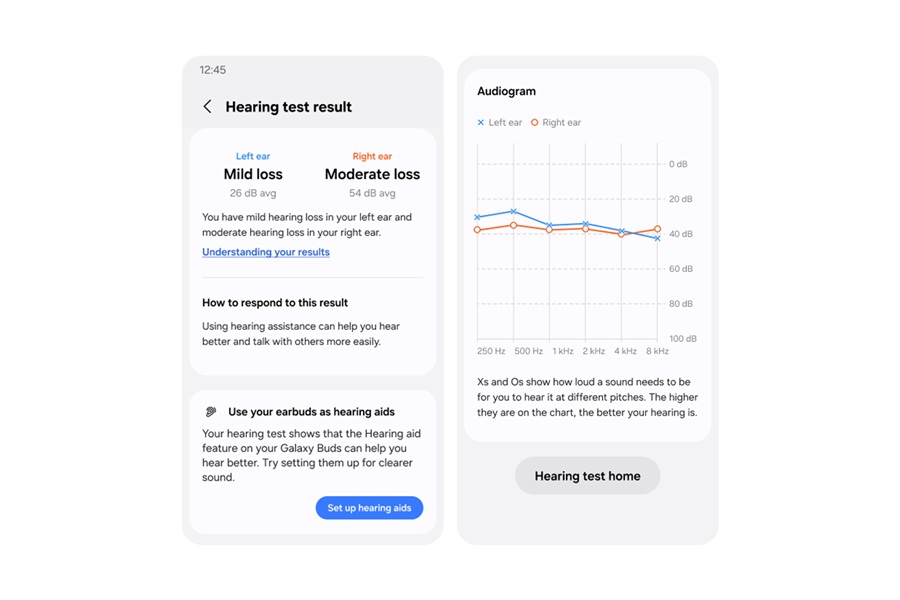
For users, this means you'll have access to the Galaxy Buds' Hearing Test, alongside this Hearing Aid feature. Hearing Test is self-administered from the Galaxy Buds menu in your Settings. Samsung says it uses "clinical-grade, pure-tone audiometry" to test your hearing in each ear. Hearing Test is also said to highlight any "hearing deficits." Your Galaxy Buds will generate an "audiogram" that Samsung says mirrors what you'd receive from a professional test.
Once completed, your test will categorize your results in one of the following categories: mild, moderate, severe, or profound.
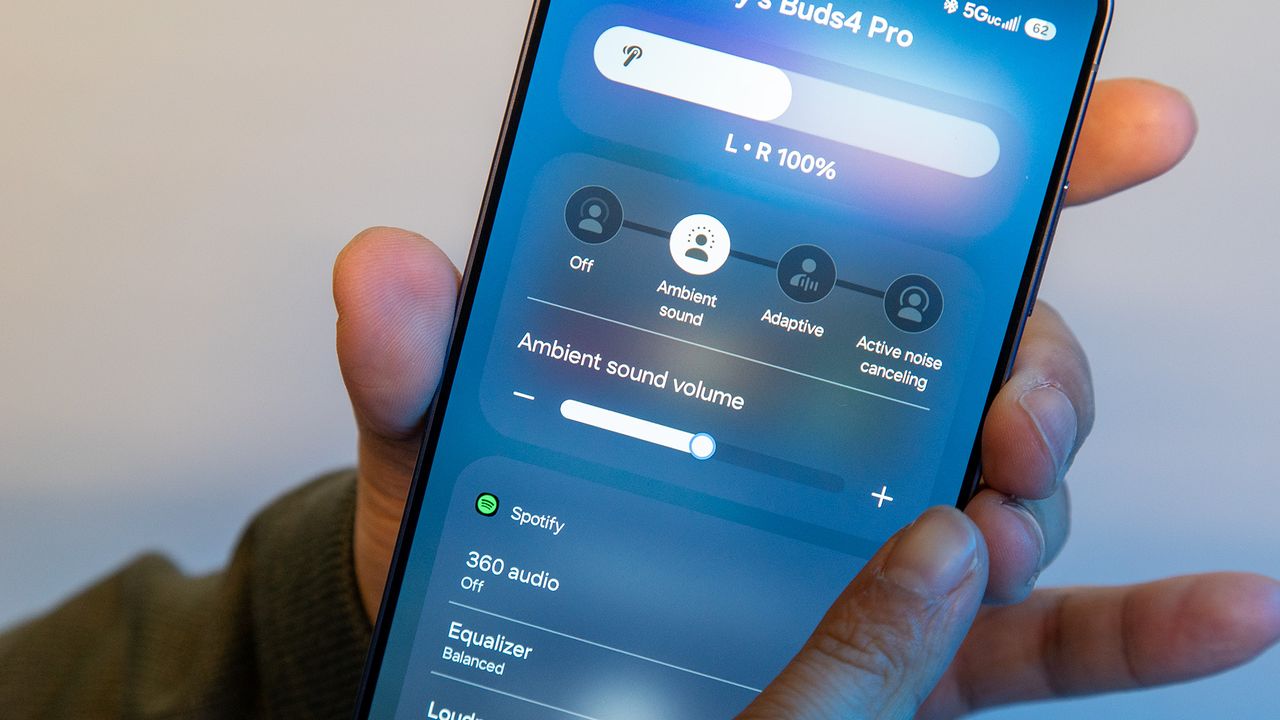
Your Galaxy Buds will then use your Hearing Test results to fine-tune its Hearing Aid feature. It might boost "high frequencies, surrounding whispers, or distant voices." The Galaxy Buds 3 Pro and 4 Pro benefit from familiar true hearing aid features, such as "noise elimination and beamforming." Hearing Test and the Hearing Aid feature for the Buds 3 Pro and 4 Pro will arrive on Galaxy devices in Q4 2026 in the U.S. and other approved markets.
Hear the world around you
(Image credit: Samsung)
Samsung has continued to focus on the user's hearing health ever since its huge Health app update in June. In the spirit of being proactive, Samsung announced Hearing Health. It will leverage your Galaxy Watch, phone, and Buds to monitor the noise level around you. If loud noises are a constant, your Galaxy Watch would let you know and urge you to make changes. The idea is to help users better preserve their hearing for the long term.
This capability was announced for the revamped app, which includes a lot of new health features for current and upcoming Galaxy devices. For example, the Galaxy Watch 9 and Watch Ultra 2 feature this new Hearing Health feature right out of the box. Samsung reiterates that users can keep tabs on their Hearing Health from the Health app, and now these new features are on the way for the Galaxy Buds to take things further.
Android Central's Take
Preserving your hearing is incredibly important. It's one of those things that if you lose it, it's hard to get back. This is even more important, given that we love earbuds. It's easy to pop those in and start listening while working, reading, or walking. But we've got to be conscious about our noise level. You never want those earbuds too loud. That's something we all learned when we were kids, right?
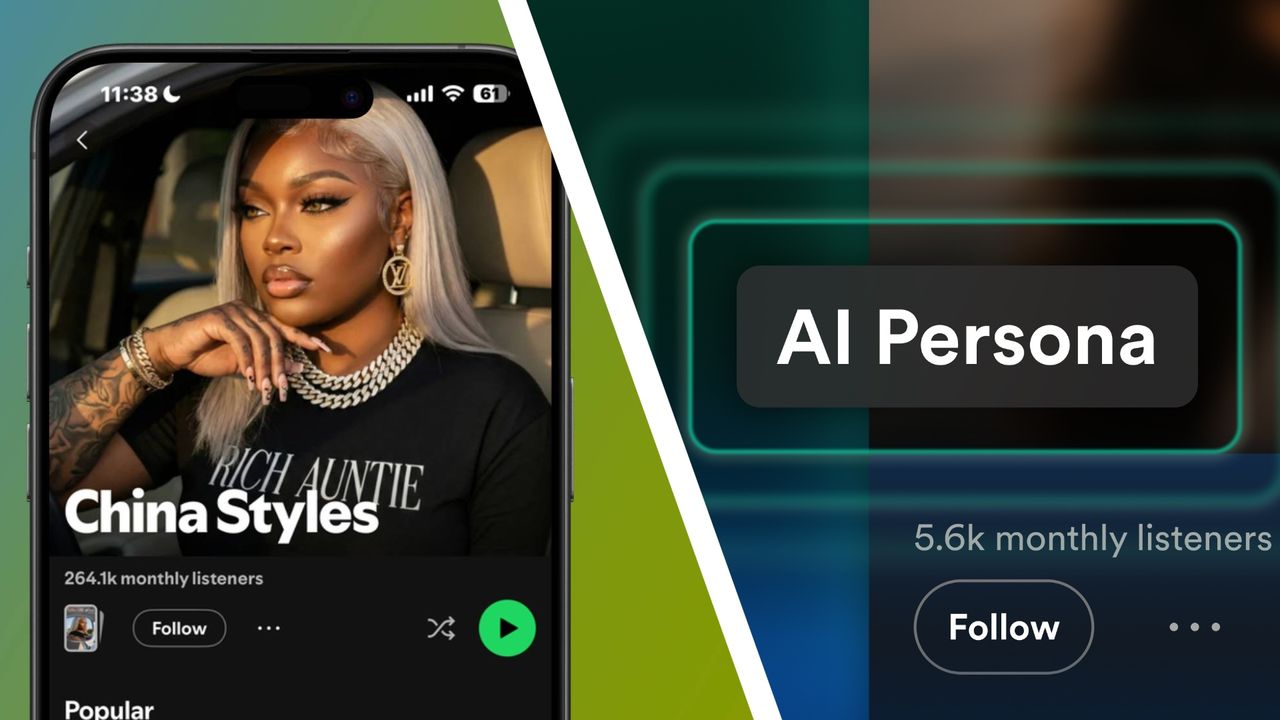
Spotify is introducing AI Persona tags in mid-September
The platform aims to improve user transparency by differentiating real artists from AI-generated ones
Spotify only reviews an artist's profile and images, and not the music itself
Spotify has fallen short on the AI transparency front compared to some of the other best music streaming services, with users pining for a fix — and now the platform is taking its biggest step yet towards combatting AI slop.
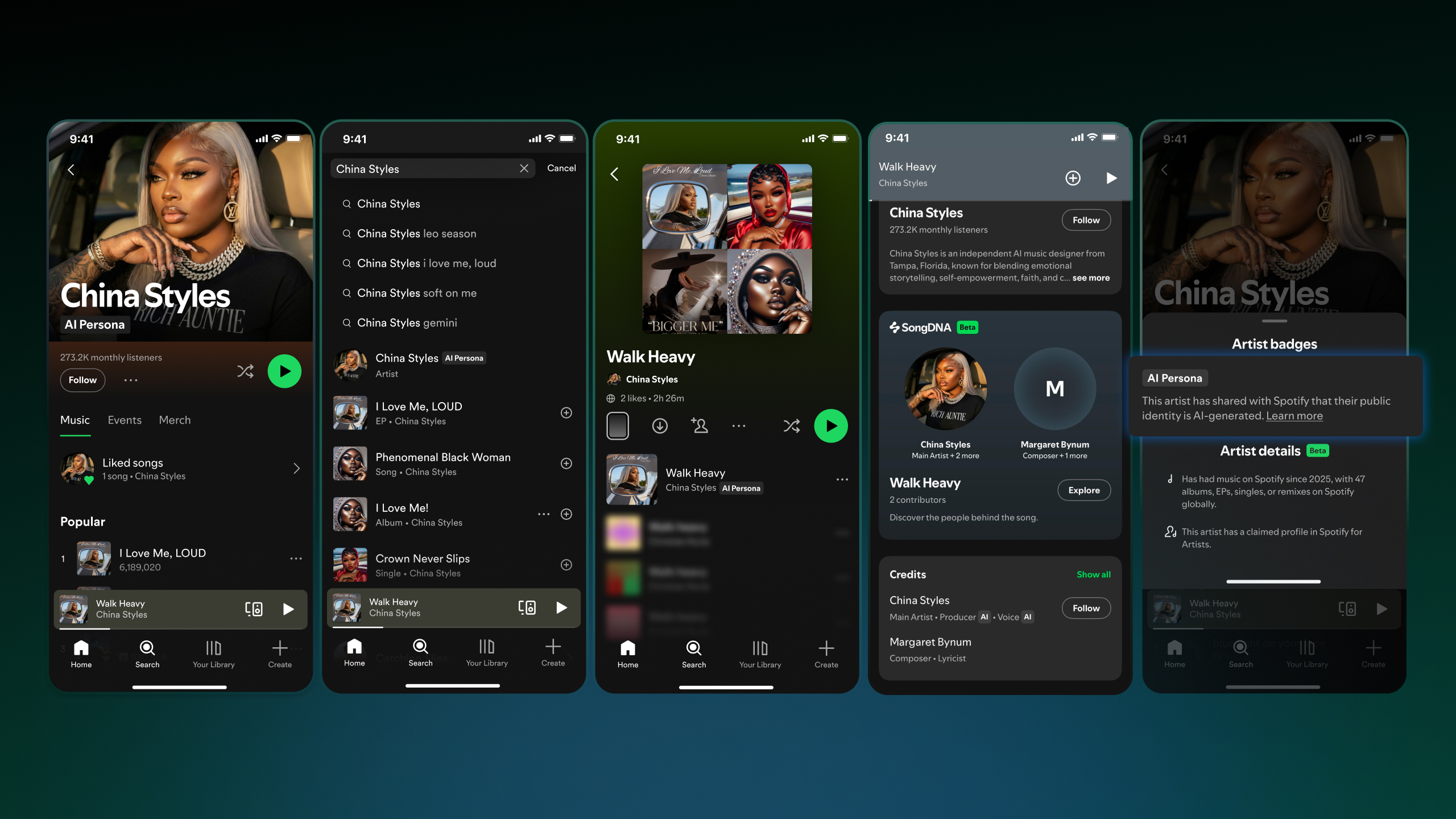
The streaming giant announced today (August 11) the arrival of new AI Persona tags, which are designed to differentiate human artists from ones that are AI-generated. Spotify says these tags will roll out to mobile in mid-September, and will appear in an artist’s profile banner, ‘About’ section, in Search, and in song rows in playlists.
Once they become available, users can be safe in the knowledge that the artists they’re listening to haven’t been generated by AI. Spotify added that artists with AI Persona tags will be excluded from all personalized recommendations by default, ensuring that your music-discovery regime remains uninfected by slop.
(Image credit: Spotify)
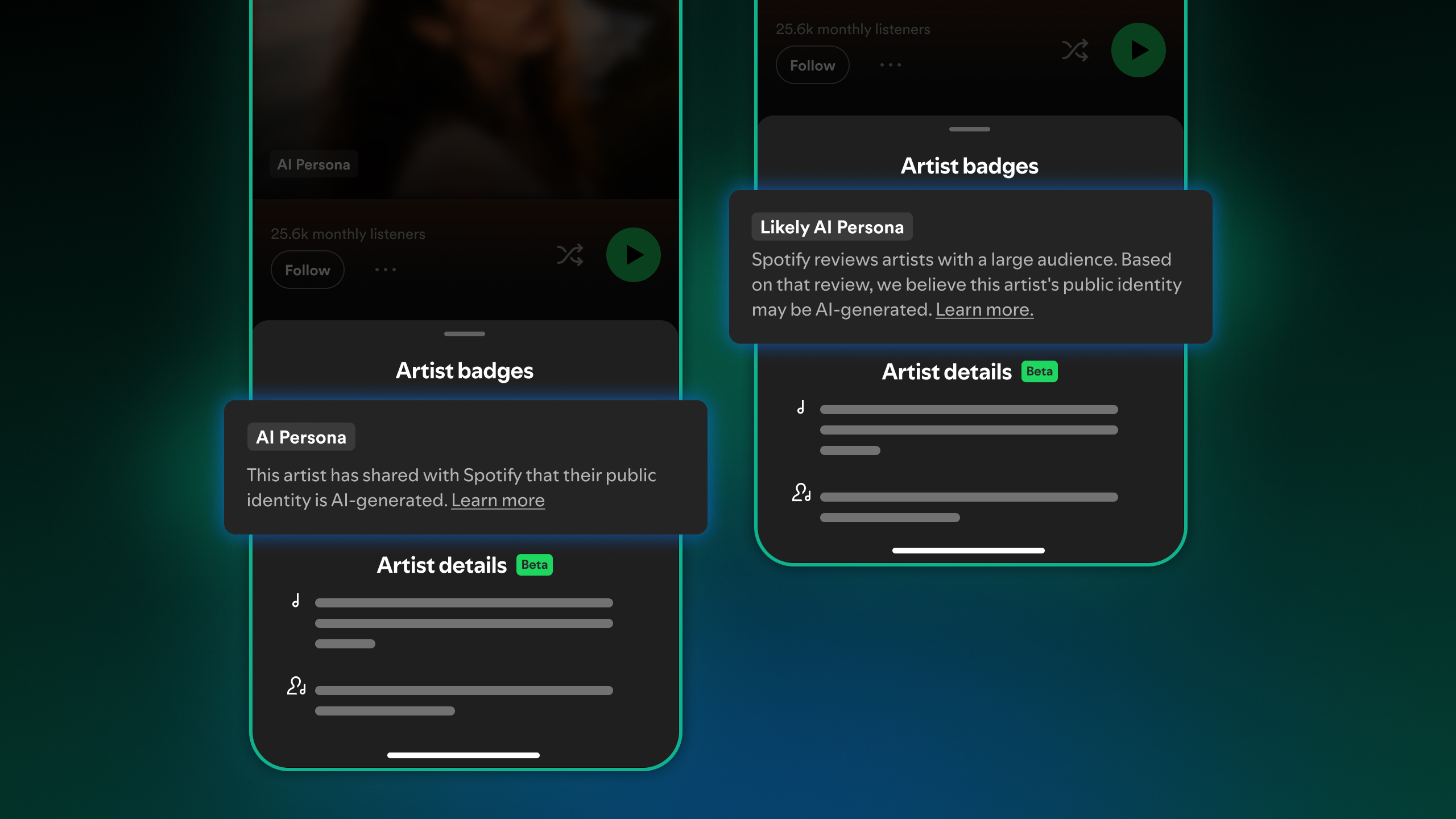
Though AI Persona tags won’t roll out for another month or so, Spotify says artists can already disclose if their profile is AI-generated. If an artist declares this, a tag reading ‘AI Persona’ will appear next to their name. ‘We hope artists will be transparent, so we are giving them the opportunity to disclose,’ the service shared in its announcement — but it’s not putting all its trust into self-disclosure.
Instead, Spotify says it will take matters into its own hands if need be, and will conduct reviews of profiles where it thinks an artist’s images have been created using generative AI to imitate a lifelike persona. If Spotify detects that an artist profile might be AI-generated, it will display a tag that reads ‘Likely AI Persona’, and the artist will be notified and given the option to self-disclose or appeal.
It’s taken Spotify a long time to catch up to the likes of Deezer when it comes to improving its transparency on AI-generated music. Deezer was the first major audio streaming service to roll out tags that explicitly say if a track has been AI-generated, and recently its Head of Research told us why we need AI filters more than ever.
Spotify’s own AI Persona tags mark a big shift for the platform, and will certainly improve the user experience by giving listeners more peace of mind. However, Spotify’s feature comes with an important caveat.
It reviews the profile only, not the music
(Image credit: Spotify)
AI Persona tags are just one of the ways Spotify has been working towards improving transparency for users. Verified by Spotify was launched a few months back — this is a certification feature that shows if an artist is legitimate, but it’s not as watertight as we’d hoped it would be.
That said, AI Persona tags target an artist’s public image, not how the music was made, which could present some issues, as it still leaves room for AI-generated music to slip its way onto the platform.
If Spotify detects that an artist is human-presenting, how are we to know that artist won’t upload AI-generated music to their profile? There’s nothing stopping that artist from publishing slop, because Spotify reviews their name, imagery, and public identity, not the music they upload.
It’s a tricky one, because while Spotify has measures in place that evaluate music and artist image respectively, it doesn’t have a comprehensive tool that reviews both components simultaneously, which again isn’t as upfront as Deezer.
As far as AI-generated content in Spotify goes, I’ve been one of the lucky ones who hasn’t encountered this issue. Because my love for physical media and radio impacts what I listen to on Spotify, I suspect that my algorithm has been trained enough to push AI slop out of my recommendations.
I do think that on top of my streaming habits, Spotify’s anti-AI music measures have helped to keep the fence up and block out unwanted songs to a certain extent — I just wish its approach to tagging was a bit more robust.
Les Samsung Galaxy Buds4 Pro glissent un son immersif dans vos oreilles tout en faisant disparaître les bruits indésirables. Des écouteurs sans fil haut de gamme qui savent autant séduire les mélomanes que les utilisateurs du quotidien.
Questa soundbar Xiaomi da 2 canali e 30W di potenza è la classica soluzione a basso costo per migliorare l'audio della tua TV o del PC senza spendere cifre troppo elevate. Oggi su eBay la prendi a soli 39,99 euro invece di 64,99 con garanzia cliente eBay e servizio Premium che ti assicura acquisti e spedizioni in totale serenità, grazie al supporto di un venditore professionale.
Nota: Prezzo rilevato in data 11 agosto alle ore 13.59 direttamente sulla pagina prodotto eBay. I prezzi su eBay sono soggetti a frequenti variazioni da parte del venditore.
La soundbar firmata Xiaomi si presenta con un sistema audio a 2.0 canali alimentato da due altoparlanti full-range di tipo racetrack capaci di erogare una potenza massima di 30W ideale per un ascolto ricco, nitido e bilanciato. L'estetica si sposa con qualsiasi ambiente domestico grazie al suo design minimalista ed elegante in colore nero opaco, dal corpo sottile e da una copertura anteriore in rete metallica monopezzo che previene l'accumulo di polvere.
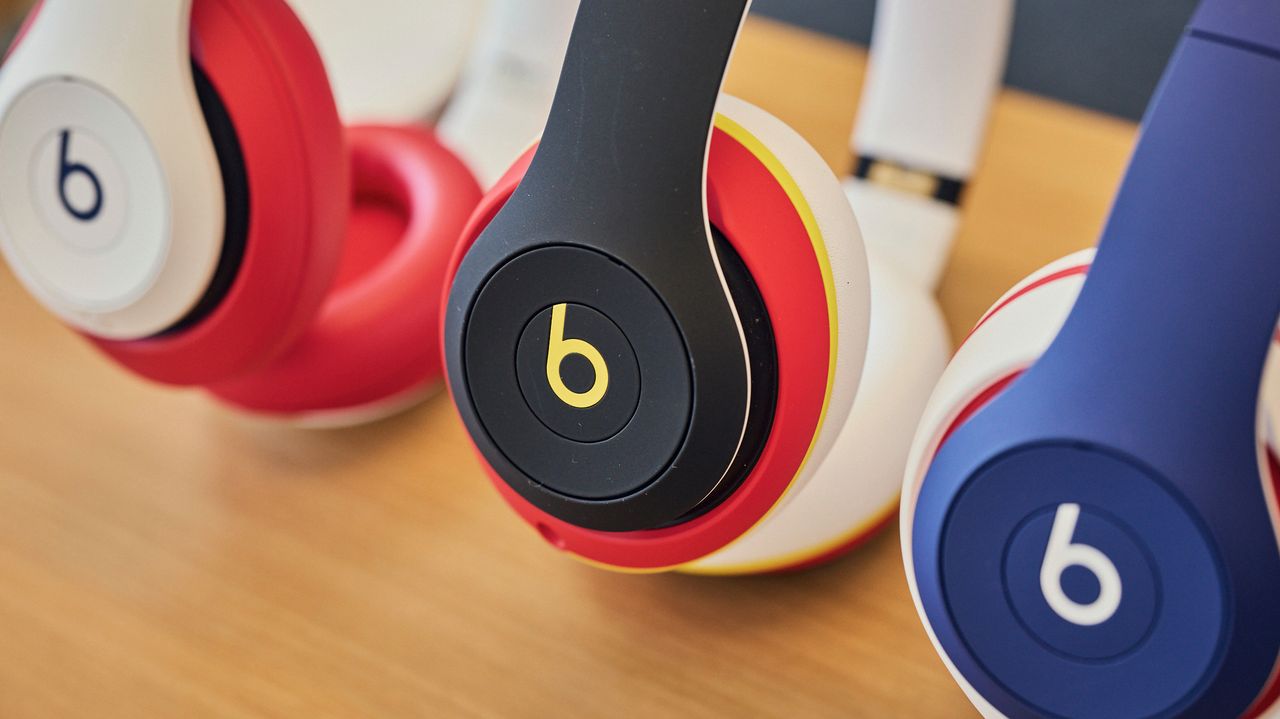
New Beats headphones teased during 2026 World Cup...
... and Beats has been silent for following two months
Reddit fans think they'll come some time after iOS 27, in September
It's been two months since the sporting event of the summer began: the 2026 World Cup kicked off on June 11. That means it's also been two months since Beats started teasing its new headphones, putting them onto footballers like Lamine Yamal and Lee Kang-in to drum up some publicity.
However, if you were hoping for an imminent release, Redditors have some bad news.
In a post on the r/beatsbydre subreddit, which is currently awash with question regarding these headphones, one forum mod has a theory about when they'll come. User jforsander points out that every previous pair of Beats headphones had iOS support added months prior to their release.
Of course, this new pair of headphones hasn't, suggesting that they're still a long time away from an official launch. In fact, the user thinks that we won't even see this software support until September, because that's when iOS 27 will come.
It follows that the headphones will be released a few months later; perhaps even up to six months later. Gulp. Unfortunately, that tracks with what we heard when we visited Beats HQ — or rather, what we didn't hear. Clearly, Beats is in no rush to strike while the iron's hot.
Will we have to wait that long?
(Image credit: Beats)
It's worth taking this missive with a slight pinch of salt. If there's no existing software support for the Beats headphones, how were those footballers using them? Surely they weren't just decoration — not at such an important sporting event, where the right pre-match playlist would surely be of paramount importance?
The cynics among you might rightly point out that the players weren't ever photographed listening to the headphones, just wearing them around their necks or attached to their bags. And it's also possible that Apple found a temporary solution for their headphones, rather than a full software rollout.
But it still stands to reason that Beats would give them a way to sporting stars who could actually listen to the headphones, and so it's possible that software support exists and online sleuths… missed it?
Something that the Reddit poster points out is that Apple might simply have become better at hiding its updated software support for new Beats devices (Apple, of course, owns Beats). They call it unlikely, but feasible.
If we are waiting past September to hear any more about these new headphones, all the money spent on soccer players might have been wasted; the buzz garnered by the move is already dying down (that is, in most places beyond the r/beatsbydre subreddit). Hopefully Beats will shift into action sooner than that.
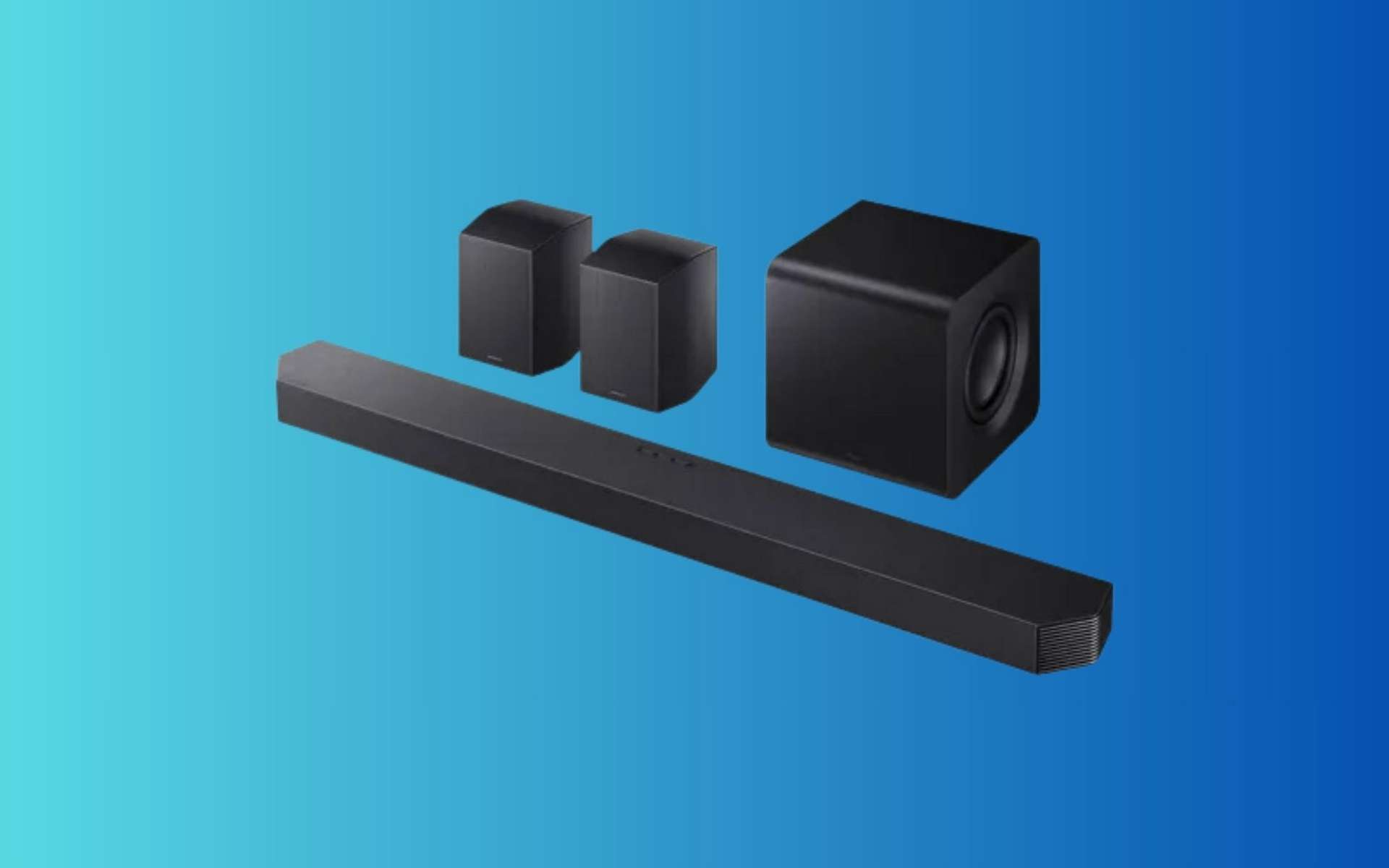
Le son de votre téléviseur manque de relief ? La barre de son Samsung HW-Q935F change complètement l'ambiance avec un son immersif, un caisson sans fil et des enceintes arrière, le tout dans une offre qui mérite largement d'être écoutée.
Brand called Saccater lists 'aéra' IEMs on Kickstarter...
... and very quickly jumps past funding targets
Designed to protect your hearing (and they look good too)
About one third of adults in the UK, and a similar number in the US, have some kind of hearing loss (according to RNID and Hearing Health Foundation respectively).
It stands to reason that those little music-playing speakers we place into our ear canals, really rather close to our ear drums (with their ever increasing driver sizes and/or driver counts nestled into the headshells) don't exactly help. But one company is offering something of an alternative.
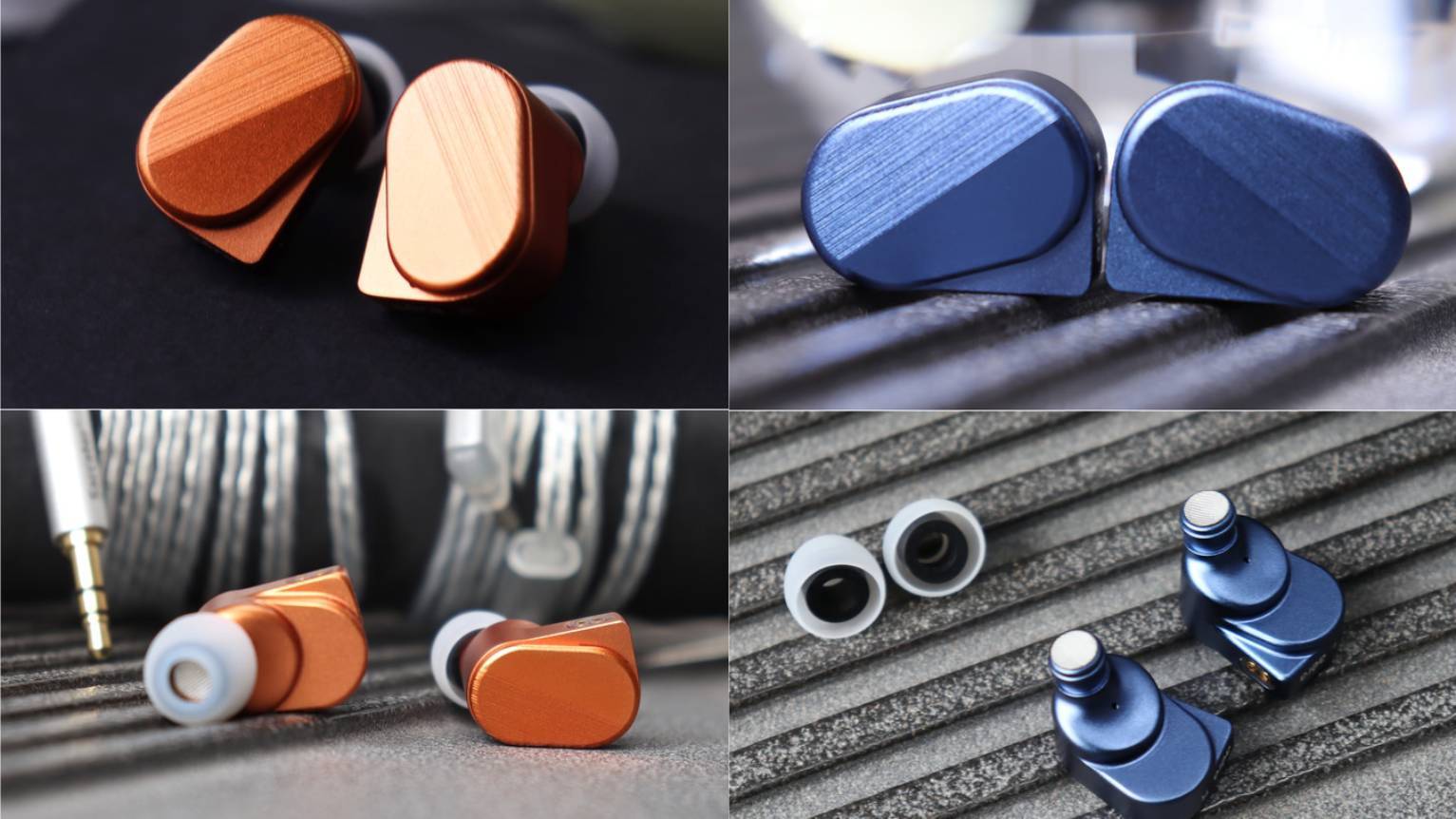
On Kickstarter, a brand called Saccater has unveiled some new in-ear monitors called aéra. These are audiophile-friendly buds with 9.6mm planar magnetic drivers, silver-plated copper wire and dual-sided concentric coils, but with some added extra considerations to protect your hearing.
That fits with Saccater's other Kickstarter projects; a series of earplugs designed for various everyday tasks. The aéra have already been fully funded on Kickstarter, with HK$210,000 (about $26,000, £19,000, AU$38,000) already pledged out of the modest HK$30,000 (roughly $4,000, £3,000, AU$6,000) goal. Each pair of buds cost HK$860 (about $110, £74, AU$150), and are due to ship in October 2026.
That means the Saccater aéra have hit their goal nearly seven times over, proving there's a big appetite for hearing-friendly earbuds.
Hear, hear(ing health)
(Image credit: Saccater)
You're probably wondering, what does 'hearing-friendly' actually mean in IEMs such as these — because they look just like the IEMs I know and love?
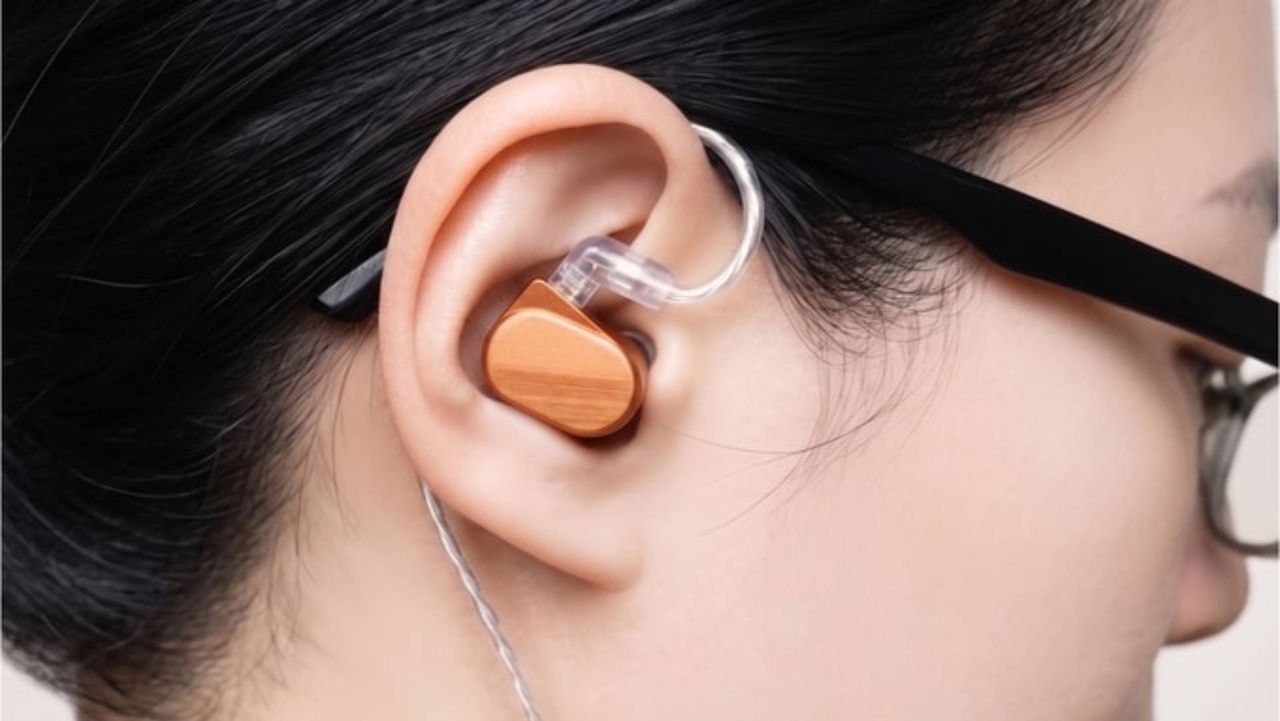
One of the key considerations is weight and design; according to Saccater, you perceive sound worse when your ear is uncomfortable, often prompting people turn turn up the volume higher than they need to. So the aéra use a "zero-pressure fit" and are incredibly light, at just 4g per bud.
Whether or not they actually protect your hearing health, then, they'll be pretty comfortable to wear.
The earbuds also come with a hearing manual to guide you through best practice to avoid damaging your ears, as well as the brand's other earplugs in the box, so you don't use the aéra just to block out noise. This latter is, according to Saccater, another way people unintentionally damage their hearing.
Despite the focus on hearing health, the aéra seem suitable for audiophiles too. They support 24 bit / 96kHz playback, a 20Hz-20kHz frequency response, and come with a range of ear tips to choose between.
They also look pretty simple and beautiful, ditching the shiny or textured designs of most modern IEMs for something understated.
Now, all of these specs and pledges are from Saccater itself, so it's hard to know just how effective the aéra will be. But the early success of the buds goes to show that hearing health is something we're all waking up to.
Cardiovascular health in midlife may influence mental function later in life. A person’s activity level and blood sugar in middle age may help shape how quickly thinking skills decline decades later. Research from UT Health San Antonio, the academic health center of The University of Texas at San Antonio, found that physical activity and better [...]
Planetary researchers analyzing images from NASA’s New Horizons spacecraft have found evidence that liquid nitrogen may still be seeping up from beneath the dwarf planet’s giant glacier, Sputnik Planitia, marking the first suggested case of recently flowing liquid on Pluto’s surface.
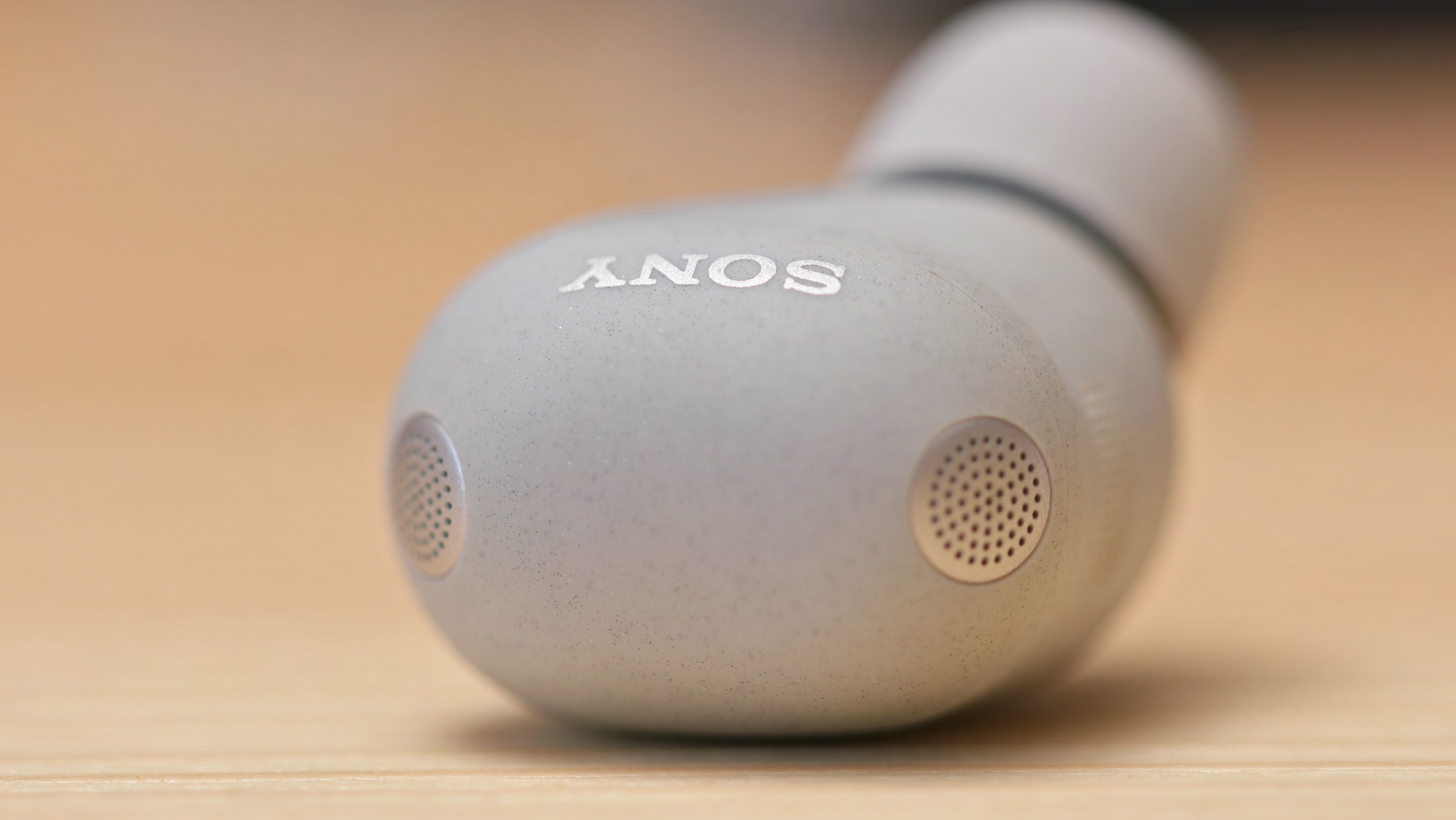
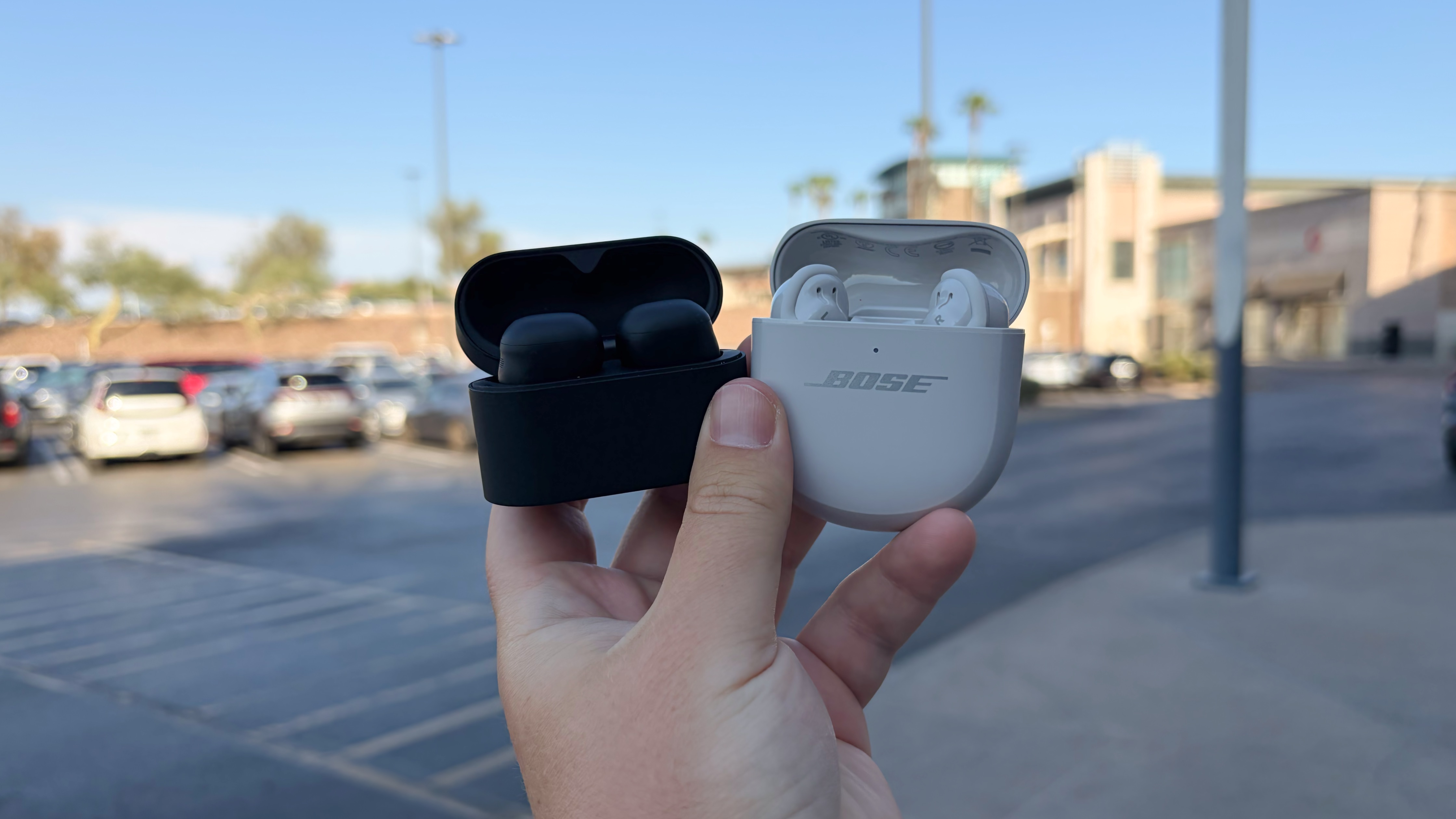
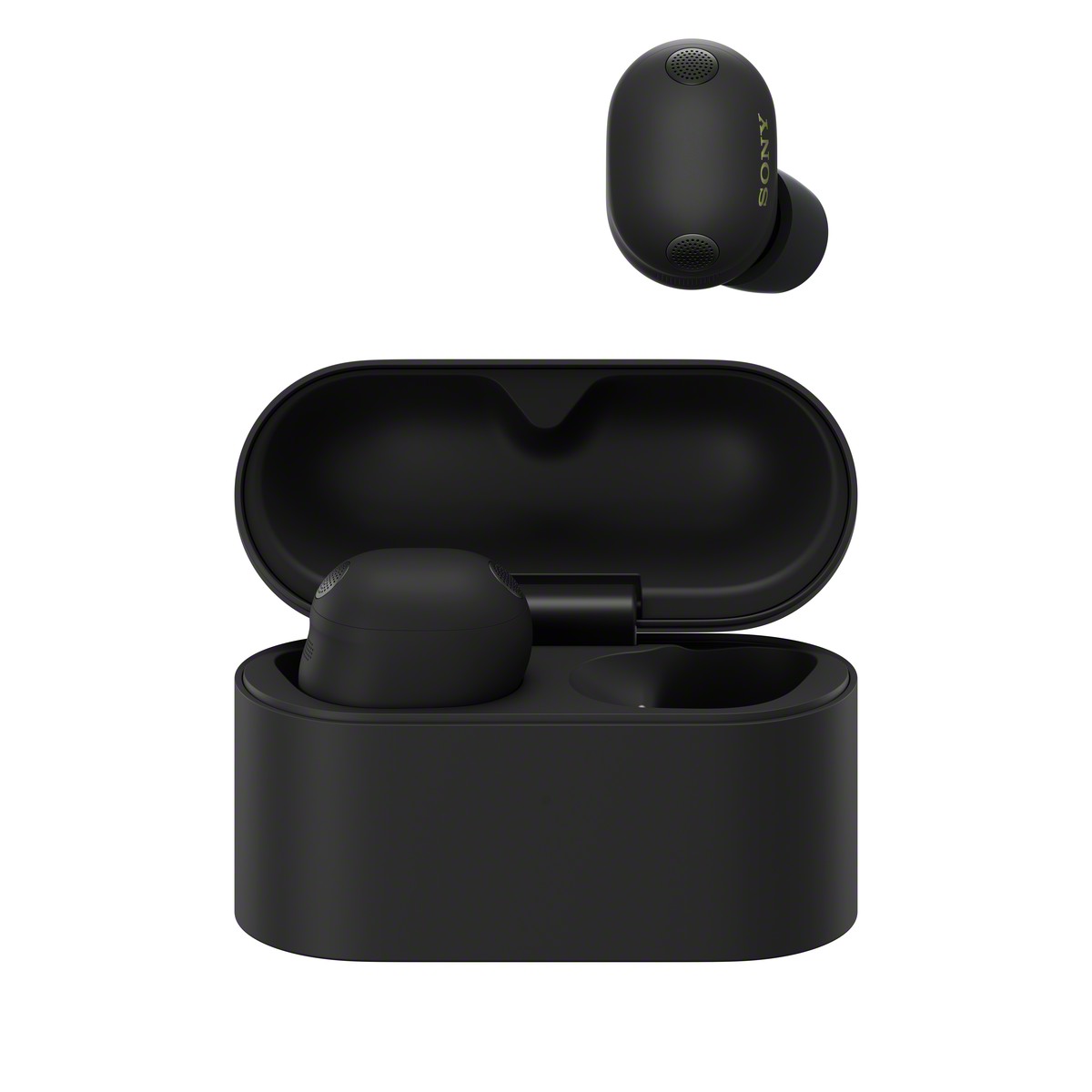
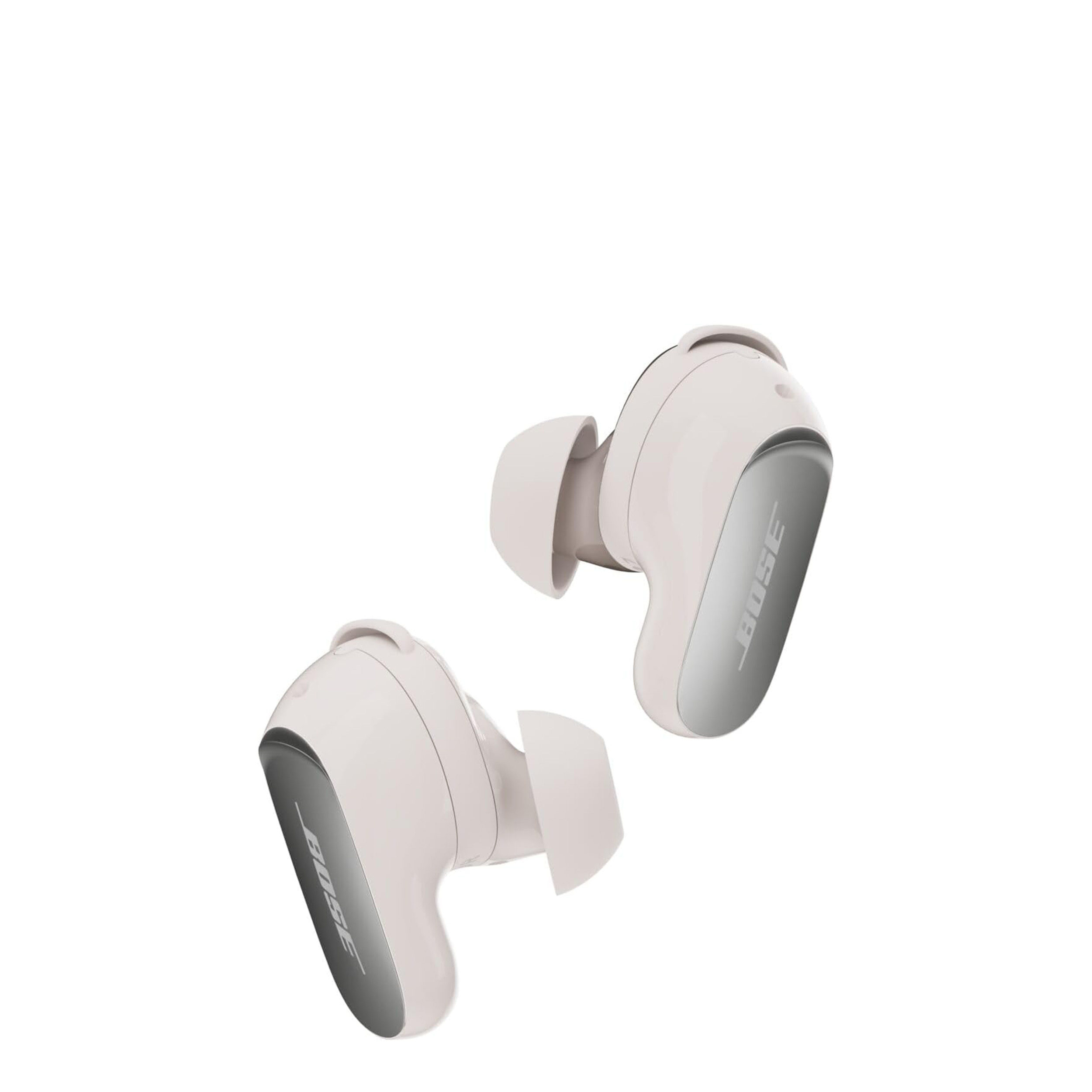
So, you need a pair of ANC earbuds. Recommendations usually start with the pairs that match your smartphone: AirPods, Pixel Buds, Galaxy Buds, OnePlus Buds, or Moto Buds. If you opt for a pair of ANC earbuds from a trusted audio brand instead, you're likely choosing between Sony and Bose. I've used both the Sony WF-1000XM6 earbuds and the Bose QuietComfort Ultra Earbuds (Gen 2) for months, and they're the best of the best when it comes to active noise-cancellation power.
But there can only be one best. So, I decided to take the flagship Sony and Bose earbuds to three noisy places to see how each one cancels out unwanted sound. This isn't a lab test or a benchmark — it's a real-world showdown that reflects how the Sony WF-1000XM6 earbuds and the Bose QuietComfort Ultra Earbuds (Gen 2) perform in everyday scenarios. While it was close, there was one pair of ANC earbuds I consistently preferred for its ANC power.
How the specs compare
(Image credit: @tshakaarmstrong)
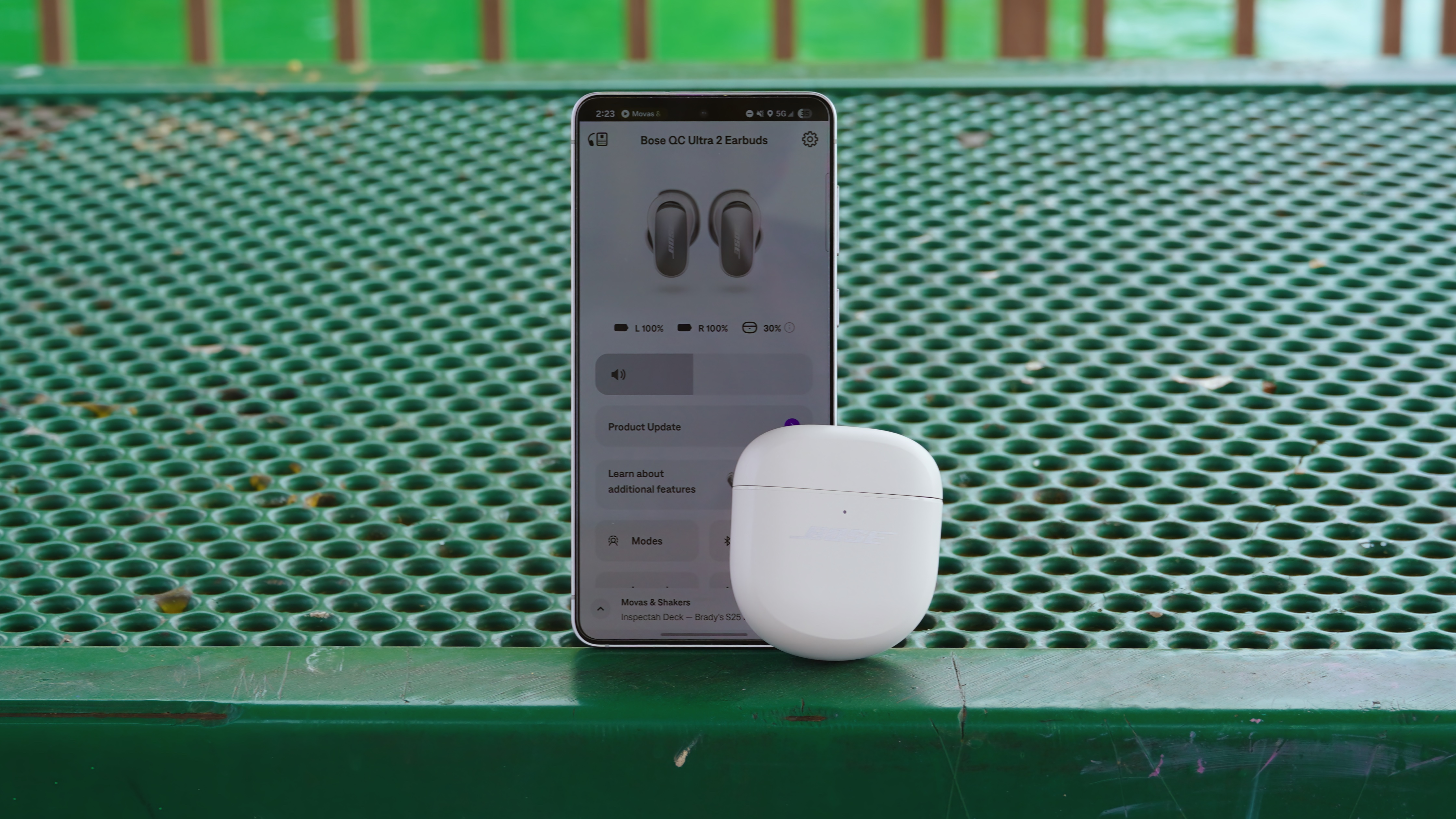
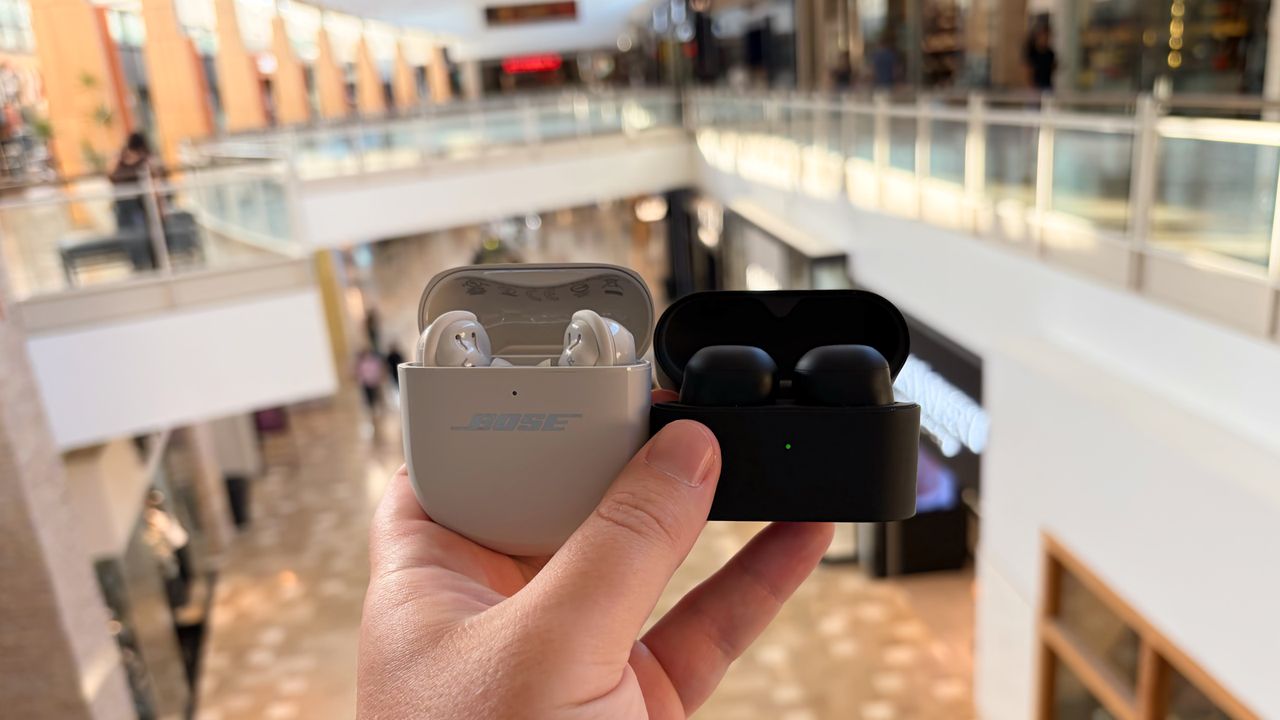
The Bose QuietComfort Ultra earbuds (Gen 2) use eight onboard microphones — four per earbud — to cancel out sound. Bose is using new AI-powered algorithms for active noise cancellation, but we don't know the specifics. The Sony WF-1000XM6 also has eight microphones split evenly between the two earbuds. Sony uses a custom QN3e processor for noise cancelation, and it's said to be 3x faster than its predecessor.
For this test, I took the Bose and Sony earbuds to loud places and tested their ANC performance. I placed the earbuds in my ears and listened for active noise cancellation without any music playing. Then, I raised the volume to a modest 50% and started playing music to see how environmental noise is perceived at a comfortable listening level.
This test is purely gauging the earbuds' ANC chops. It ignores sound quality, battery life, call quality, and other features, but every detail is covered in our full reviews of the Sony WF-1000XM6 and the Bose QuietComfort Ultra earbuds (Gen 2).
I wore Sony and Bose earbuds in a noisy coffee shop
(Image credit: Brady Snyder / Android Central)
The first place I took the Sony and Bose earbuds to was my local coffee shop. I'm regularly working from a cafe, and it's a great environment. Good vibes, superb lattes, and free Wi-Fi. The one problem every digital nomad has run into is the noise. Loud espresso machines, constant chatter, and noisy foot traffic can quickly lead to distractions. The obvious solution to this issue is a pair of ANC earbuds, and that's why I brought the WF-1000XM6 and the QuietComfort Ultra earbuds (Gen 2) along with me.
Active noise cancellation works best with consistent noise, which is why environments like a coffee shop can trip up ANC earbuds. Sudden bursts of loud conversation or intermittent machinery can pierce the ANC barrier. When I wore the QuietComfort Ultra earbuds (Gen 2) without music playing, most background noise and the radio music turned to silence. However, I could still hear laughter, the espresso machine screeching, and chairs sliding around.
I then switched to the WF-1000XM6, but Sony's earbuds struggled to cancel out the mid-frequency environmental noise. Without music playing through my earbuds, I could still hear the music from the overhead radio speakers and make out nearby conversations. Interestingly, the high-pitched sounds that broke through Bose's ANC bubble were suppressed by the Sony earbuds.
Starting to play music through each pair of earbuds at 50% volume made their flaws virtually indistinguishable. With music playing, the Sony WF-1000XM6 blocked out nearly all audible background noise. The same was mostly true of the QuietComfort Ultra earbuds (Gen 2), except for lighter tracks with strong vocals and minimal production.
In this test, I preferred the ANC power of the Bose earbuds. I really didn't like that the Sony earbuds did little to block out the chatter and background music in the coffee shop, which can be distracting.
I wore Sony and Bose earbuds under a rumbling AC unit
(Image credit: @tshakaarmstrong)
Your air conditioning unit might be producing the loudest sound in your home. I live in the Arizona desert, so my AC is running almost nonstop this time of year. Using a sound measurement tool, I recorded my AC's noise level to be 60 decibels. That's quite loud, so I sat right underneath my air conditioner and put the Bose and Sony earbuds in my ears. These low-frequency hums and rumbles coming from your AC unit pose a challenge for even the best ANC earbuds.
Both earbuds nearly canceled out the AC unit's loud noise, but the QuietComfort Ultra earbuds (Gen 2) did a better job. While the Sony WF-1000XM6 made the noise less irritating, it was still there. The Bose earbuds, by comparison, made the AC unit sound silent — even without music playing. After choosing a song and setting the volume at 50%, neither pair of earbuds had a problem blocking out the annoying rumble of my air conditioner.
In this test, the win goes to the Bose QuietComfort Ultra earbuds (Gen 2). Based on the results of the first two tests, it seems like the Sony WF-1000XM6 isn't quite as good at negating low- and mid-frequency sounds.
I wore Sony and Bose earbuds throughout a crowded shopping mall
(Image credit: Brady Snyder / Android Central)
For the final test, I took the Bose and Sony earbuds to the loudest place I could think of: a crowded shopping mall on a Friday night. I walked through a supermarket, a food court, and the concourse to get a feel for how each pair of earbuds responded to the noisy environments. Unlike the first two tests, which relied heavily on low- and mid-frequency background noise, the most challenging sounds to cancel out here were in the high-frequency range.
Sony's WF-1000XM6 earbuds actually did a better job blocking out the conversations and chatter around me in the wall, and I have a hunch as to why. There was so much talking going on that all the voices blended together into a kind of white noise the Sony buds easily canceled out. This could be why the WF-1000XM6 stopped voices in their tracks here, but didn't perform as well in the less-crowded coffee shop.
In the food court, the Sony earbuds' ability to block out higher-end sounds shined. The sizzle of frying pans and the clanking of utensils were mitigated by the WF-1000XM6, whereas they were much easier to hear through the Bose earbuds. Even at 50% volume, I could still hear some of those high-pitched noises while wearing the QuietComfort Ultra earbuds (Gen 2).
The two pairs of earbuds didn't stand a chance at canceling out the infrequent PA announcements in the food court, but this isn't surprising. Overall, the Sony earbuds won in the mall. The chatter all blending together, paired with the high-pitched nuisance sounds, gave the WF-1000XM6 the perfect environment to put its ANC strengths on display.
Verdict
(Image credit: Brady Snyder / Android Central)
Looking back on my week of ANC testing both the Bose and Sony earbuds, the winner on paper seems clear. More often than not, the Bose earbuds canceled out noise better than the Sony earbuds. Still, I'm not ready to write off the Sony WF-1000XM6 earbuds. I actually enjoyed wearing them for active noise cancellation more than the QuietComfort Ultra earbuds (Gen 2), because the Sony earbuds are decidedly more comfortable.
They're smaller, and don't make as tight of a seal in your ear as the Bose earbuds. Perceived ANC power has as much to do with passive sound isolation as it does active algorithmic cancellation. The very reason the QuietComfort Ultra earbuds (Gen 2) performed well might also be the reason I wanted to pull them out of my ears during longer listening sessions. While I found the Bose earbuds canceled out more noise on most tests, I'd reach for the Sony earbuds for their comfort anyway.
Sony
WF-1000XM6
Best for comfort
The Sony WF-1000XM6 are excellent ANC earbuds, and cancel out a whole lot of noise. Their supreme comfort helps you enjoy long listening sessions with ANC active. However, the fit may not be as secure as the Bose QuietComfort Ultra Earbuds (Gen 2).
Bose
QuietComfort Ultra Earbuds (Gen 2)
Most secure fit
The Bose QuietComfort Ultra Earbuds (Gen 2) do an excellent job of staying securely in your ears, creating a seal that helps with sound isolation. This improves ANC quality, but some users may find the characteristic uncomfortable after a while.
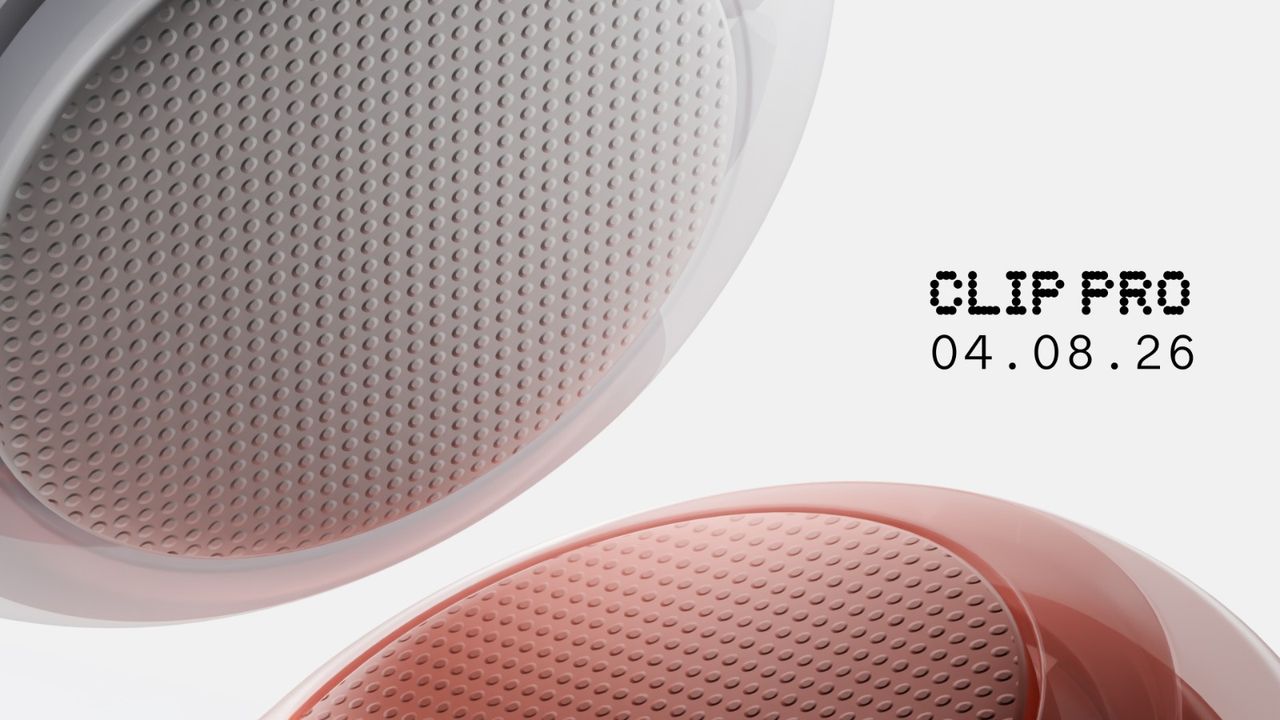
CMF announced the Clip Pro, a set of OWS (open-wearable stereo) earbuds, that will launch on August 4 at 9 am EDT (6 am PDT).
Interested consumers can sign up at nothing.tech in preparation for the launch event.
CMF is no stranger to audio devices, as it's developed the Headphone Pro and the Buds 2 Plus in recent history.
The teasers continue for CMF's next product, but now there's a date we can attach to it.
This morning (July 31), CMF by Nothing shared the details of its next product launch: the Clip Pro. The company states the Clip Pro will be its first "OWS" earbuds. These are open-wearable stereo earbuds for the "open" market. Devices like this will sit outside of your ear canal. Traditionally, devices will have a silicone tip that you slide in, but these, since they're outside, might feel more comfortable while you're outside or exercising.
CMF states the Clip Pro will launch on August 4 at 9 AM EDT (6 am PDT). We can expect these buds to clip onto our ears, funneling high-quality sound into our ears. CMF is still keeping the full design under wraps; however, its announcement teaser shows off a bit of its body.
The company says anyone who wants to be kept up-to-date about the launch can sign up.
CMF had a bit of interesting news last year when Nothing spun it off as an independent entity. Headquartered in India, a joint venture with Optiemus saw a $100 million investment and the creation of 1,800 jobs. As always, CMF will continue to focus on budget devices under $200. The company's Clip Pro will likely sit under that line, too. Also, CMF is used to developing audio devices, though OWS will be its first.
The company announced the Headphones Pro a few days after its spin-off was announced. These are over-ear headphones for $99 with a roller for ANC/volume, an Energy Slider to control bass and treble, and a shortcut button. CMF highlighted the Headphone Pro's strong battery with 100 hours of life with ANC disabled. What's more, it claims users can get four hours of audio after five minutes of charging.
If you're looking for a more "traditional" earbud, there's the CMF Buds 2 Plus.
Android Central's Take
Open earbuds sound interesting, but never interesting enough for me to grab a pair. I' sure it's probably easier on your ears. There's always been that thing growing up about not leaving earbuds in for too long. So, I can see comfortability with open buds, as well as better ear health. Nothing's launches are always good to keep an eye on, and CMF is no different.
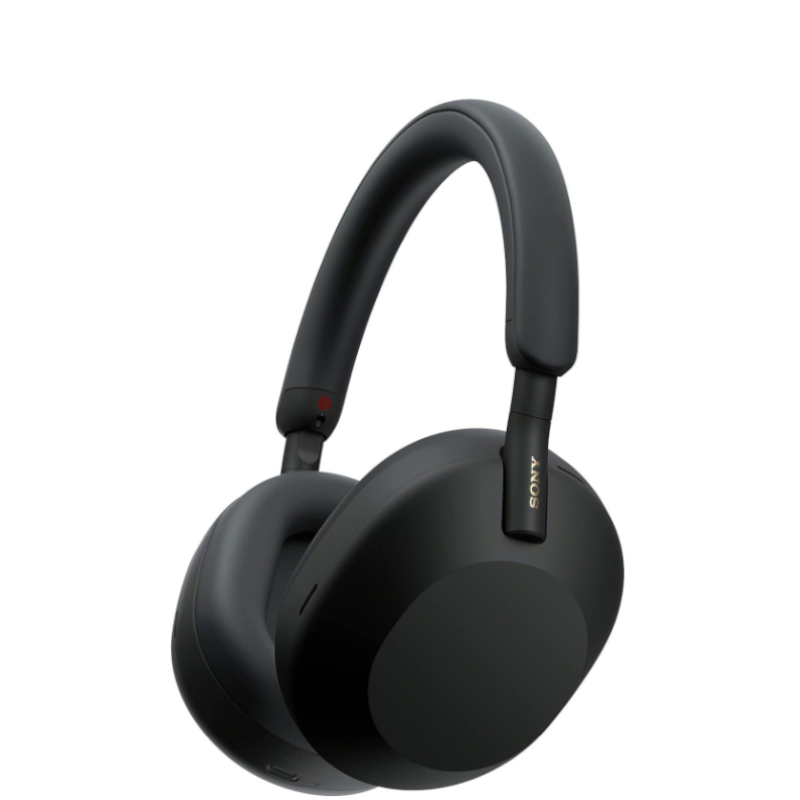
Despite being older than the top-rated Sony WH-1000XM6, the WH-1000XM5 headphones include nearly identical hardware, albeit at a substantially lower price and with regular price drops like this. They feature a powerful sound profile with advanced active noise cancellation (ANC), impressively long battery life with fast charging, as well as a range of other features like multi-point connection. The current deal is available for all four of the device's colors, which include Black, Blue, Silver, and Smoky Pink.
End of summer back-to-school deals are going live left and right, including a $150 discount on these powerful last-gen wireless headphones at Best Buy. While they may not be the latest-gen version of Sony's top noise-cancelling headphones, they still hold up in 2026, offering plenty of high-quality listening modes that most casual users will find mind-blowing.View Deal
✅Recommended if: you're looking for a powerful pair of wireless noise-cancelling headphones with comfortable ear cups and a battery life that can handle long periods of listening; you're looking for headphones for around $250 but you still want to get a high-quality pair with access to high-res listening codecs; you're looking for headphones with high-quality microphones for video conferencing, phone calls, and easy-to-use voice commands.
❌Skip this deal if: you need headphones with a dust and water resistance rating for concern-free outdoor excursions in a variety of weather conditions; you're not looking for industry-leading audio quality and you'd prefer to go with something even more affordable than these, even at this discounted rate; you'd prefer a smaller overall design that's easy to stow for optimal portability.
The Sony WH-1000XM6 may be our top pick for the best headphones on the market today, but they're not that different from their predecessor. The Sony XM5 offer super comfortable speaker cups, up to 30 hours of battery life, and fast charging that can replenish up to 3 hours' worth of battery life in just 3 minutes. Built with eight different mics, these sport a powerful ANC suite, and crystal-clear audio for phone and video calls.
While they aren't known for being very collapsible or easy to stow, the WH-1000XM5 headphones do still come with a carrying case that can at least protect them when transported in a backpack or other bag.
Da organização das tarefas ao acompanhamento dos treinos, passando por resumos de livros e uma proposta para ajudar a gerir a exposição solar, a equipa do TEK Notícias reuniu um novo conjunto de apps para Android e iOS, todas com opções gratuitas.
It turns out that major mobile manufacturer Xiaomi also makes Bluetooth speakers, and its latest model, the Xiaomi Sound Play, is aiming to deliver “immersive, powerful sound” as well as a “stylish and versatile” design.
But that’s not all. The tech giant is doing all of this while keeping its speaker nice and cheap. It comes in at just £49.90 (about $67 / AU$95) — which is refreshingly affordable for an 18W model with features such as smart lighting, Auracast, and IP68 waterproofing.
So can the Xiaomi Sound Play compete with some of the very best Bluetooth speakers around? The answer is a little more complicated than a simple yes or no.
Let’s start by looking at the areas in which the Sound Play excels, and there are a fair few of these. I alluded to some a moment ago — its waterproofing and LED lights, for example. That IP68 rating means that the speaker is fully dustproof, but can also survive a dunking under a meter and a half of water for as long as 30 minutes, so you really can take it anywhere without fear of damage.
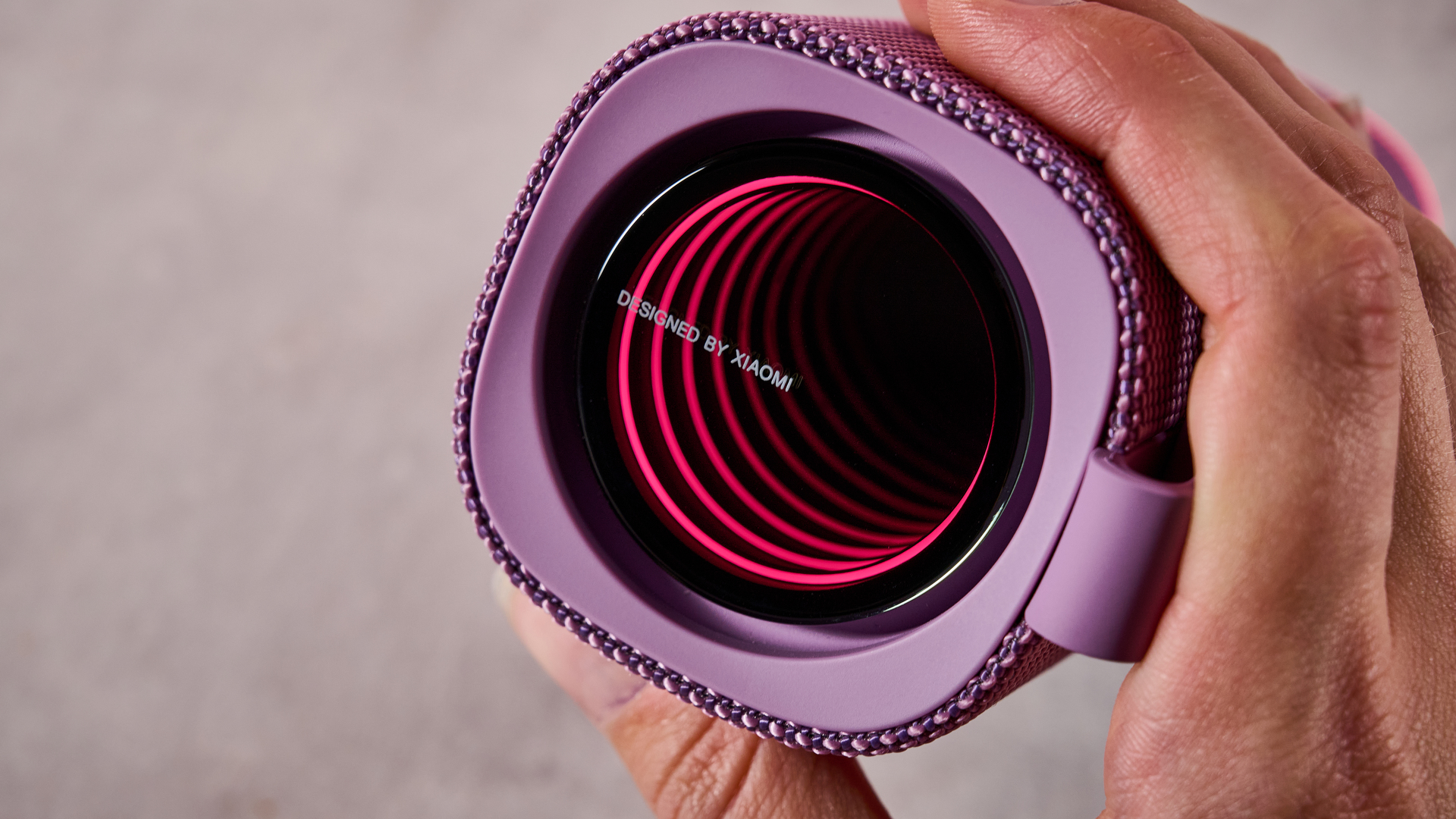
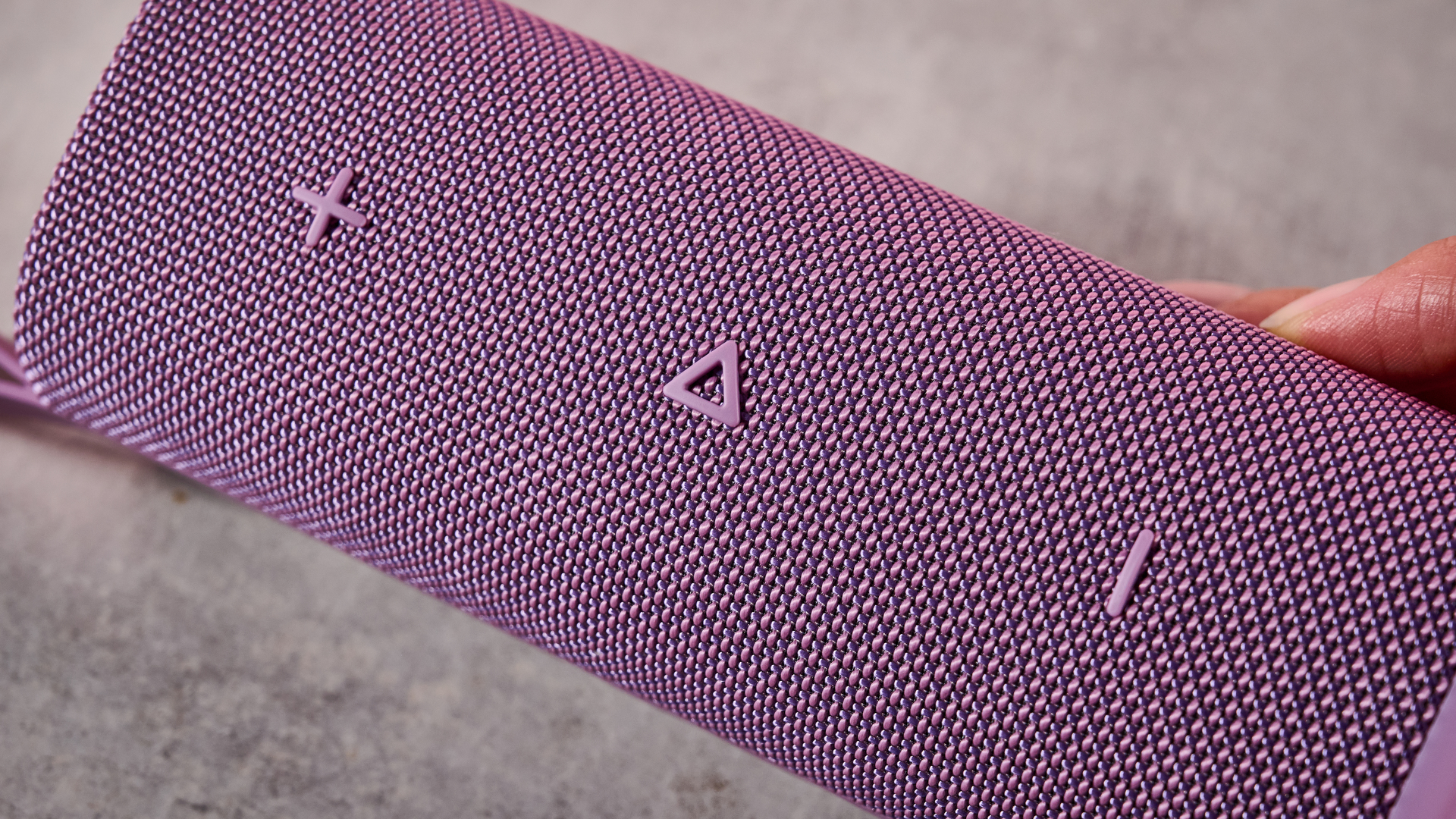
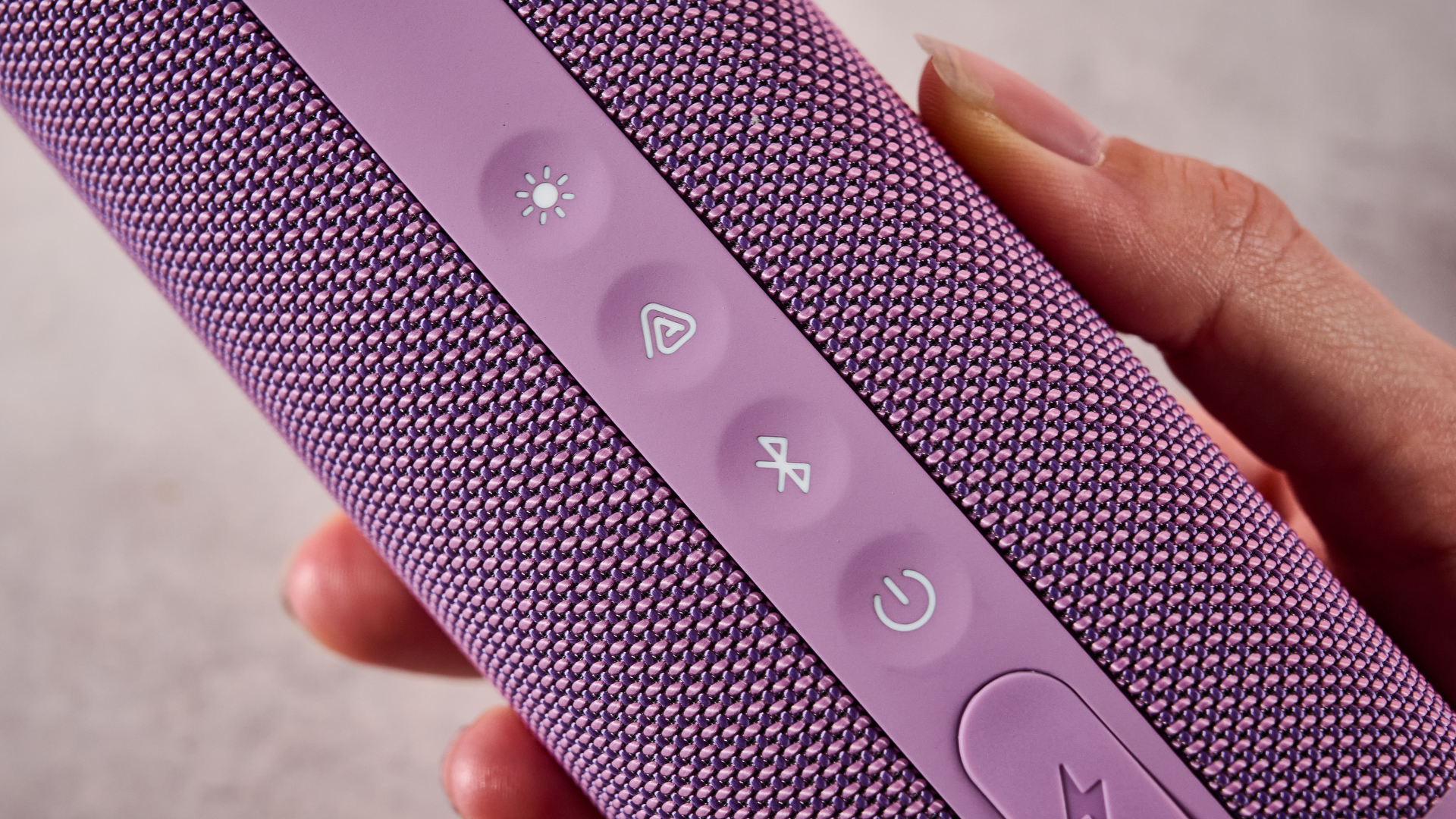
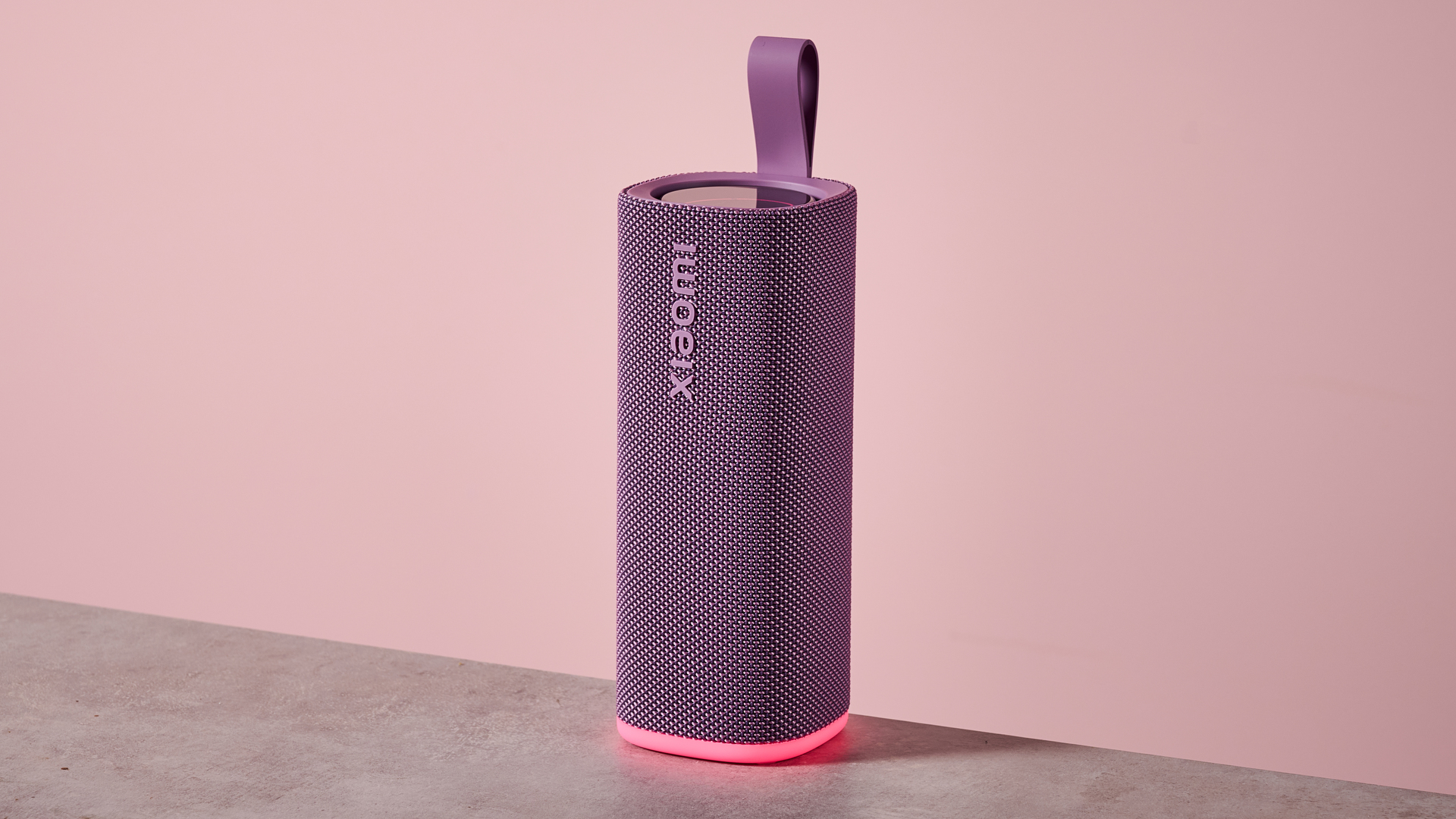
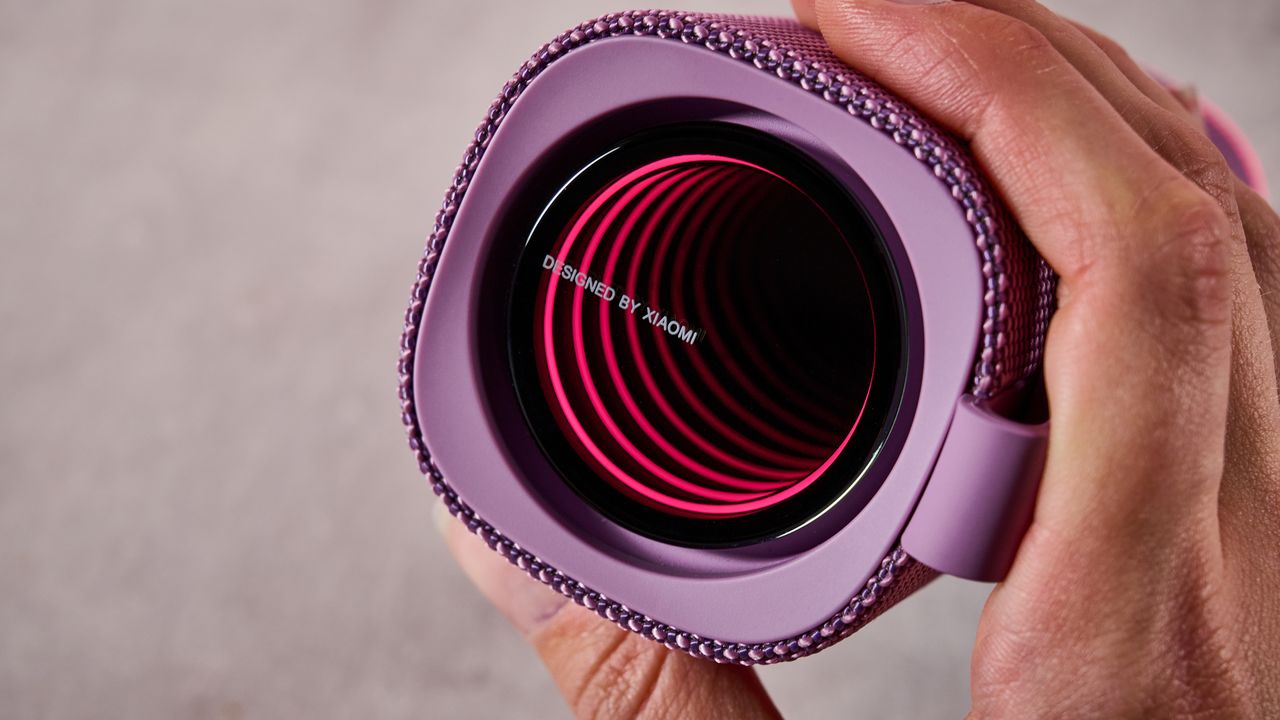
The lighting — a key selling point of this speaker — is pretty neat too. Lights sit on the base of the speaker and beneath a panel on the top side, which resembles an infinity mirror. And the rings of lighting really help to make your listening sessions more immersive, especially in lower-lit conditions. You can customize the color and pattern of the lights too, and one setting also syncs up to bass output. That level of customizability is spectacular to see on a speaker in this price category.
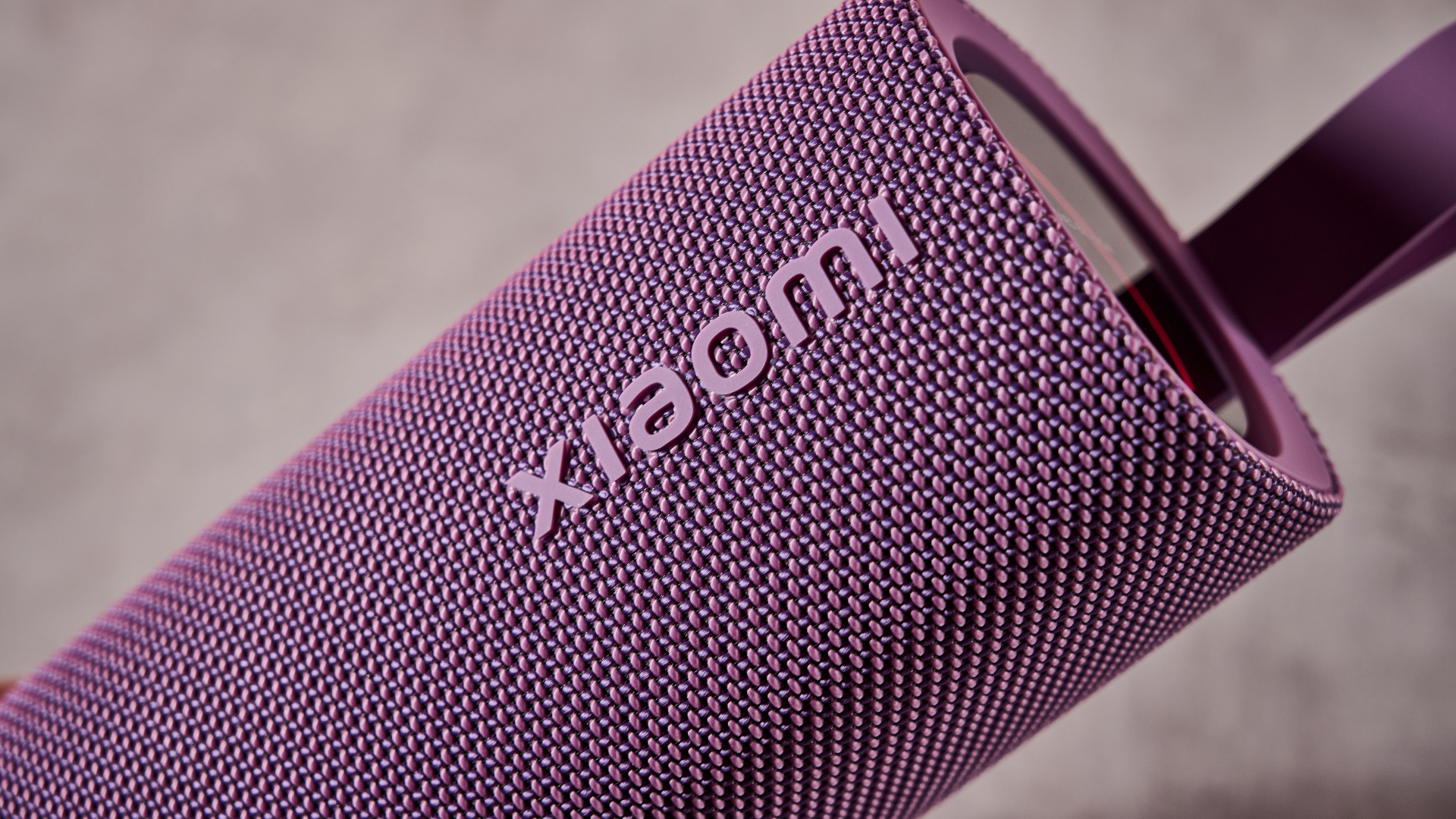
More generally, I’m quite a big fan of how the Sound Play looks. It comes in four very stylish colors — the Purple variant I tried is quite the looker, as is the Green version. It is reminiscent of the JBL Flip 7 in terms of look and feel, with a neat fabric exterior and psuedo-cylindrical build. The inclusion of the infinity mirror light and handy rubber strap also make it a real stand-out, looks wise.
Another welcome inclusion is a built-in mic, for speakerphone duties. This is something you don't often see these days and it does add value, on paper. However, I made a phone call and although my voice sounded clear on the other end, I noticed a high-pitched chime whenever the other person wasn’t speaking. It wasn’t a dealbreaker (my discussion was still easy to navigate), but it's my job to notice these things.
Other highlights include a JBL Grip-rivalling 14-hour battery life — which is excellent for a speaker of this size — as well as Bluetooth 6.0 connectivity, and true wireless stereo playback for anyone with multiple Sound Play models at their disposal.
Something that the Sound Play omits, however, is companion app support. For me, this is a bigger miss — an app could’ve opened up EQ adjustment, remote light alteration, and precise battery life tracking. The speaker’s nominal price doesn’t quite excuse this either. There are a number of budget-friendly rivals from the likes of Earfun, Edifier, and Tribit that do come with app support.
(Image credit: Future)
By now you must be wondering how Xiaomi’s speaker sounds. In honesty, it’s a bit of a mixed bag. It’s a steady performer in some areas, but in need of improvement in others.
In general, the Sound Play delivers fairly clear audio. In Yes I Know My Way by Pino Daniele, vocals had good presence in the mix, and even had a decent sense of separation from other instruments in the mid-range. OK, higher-pitched drums weren’t the most expressive or articulate, but they didn’t sound tinny at mid-volume, and bass was weighted relatively well too.
With more energetic tracks, such as Trip by Ruze, the cracks started to show. There was a slightly compressed quality to the track, and the pumping bass just didn’t come through with the command or depth of similarly sized rivals, including the JBL Grip, which I directly tested against the Sound Play.
During this comparison, the Grip just delivered a more fun performance, with enhanced directionality and low-end punch. But that’s not to say Xiaomi’s speaker was blown out of the water — it still held its own with commendable clarity in the mid-range and fairly agile bass.
In House tracks, bass drops didn’t always have the impact or dynamism I was listening out for, and vibrant drums could occasionally sound on the blunt side. But then again, the Xiaomi didn’t succumb to a boomy, super-muddy sound that a lot of its budget rivals do — it puts up a fairly controlled performance overall.
As a smaller speaker, the Sound Play can’t get super loud, and bass will thin out substantially at top volume levels. It also won’t deliver the most detailed or open sound ever — again, I found a few tracks sounded a little compressed and narrow, which isn’t helped by the lack of higher-res codecs like LDAC or aptX.
(Image credit: Future)
All in all, I think the Sound Play sounds good enough for the price you pay. Sure, it’s not the most dynamic or revealing-sounding model on the market, but you get typically clear, decently balanced sound without having to shell out all too much cash.
So, looking at the Xiaomi Sound Play as a whole, would I consider it worth buying? Well that depends. If you’re on a tight budget, and you want a speaker for less than £50, then I think the Sound Play is an option worth considering. It doesn’t sound amazing, but it gets the job done, and I’m a big fan of its durable yet eye-catching design.
However, if you’ve got a little more money to play with, then I’d suggest picking up the JBL Flip 7. That model can produce truly seismic bass, incredibly clean audio, and has a top-class companion app to boot. The JBL Grip is another neat alternative, especially if you can grab it on sale.
(Image credit: Future)
Xiaomi Sound Play review: price & release date
Priced at £49.90 (about $67 / AU$95)
Launched in May 2026
Scheduled to release in Australia in August 2026
The Xiaomi Sound Play was launched in May 2026, at the same time as its recently released 17T series. The speaker is available for £49.90 (about $67 / AU$95) in the UK, although Xiaomi told me that there are no plans for a US release, and the speaker won’t be available in Australia until August 2026. It can be purchased in one of four colors — Black, Green, Purple, or White — via Xiaomi’s digital store.
Xiaomi Sound Play review: specs
Weight
0.9lbs / 415g
Dimensions
2.5 x 2.7 x 7.9 inches / 63.4 x 69.5 x 201.1mm
Connectivity
Bluetooth 6.0
Battery life
14 hours
Speaker drivers
1x 18W full-range
Waterproofing
IP68
(Image credit: Future)
Should I buy the Xiaomi Sound Play?
Attribute
Notes
Score
Features
Adjustable lighting, good battery life, but lack of app is a shame.
3.5/5
Performance
Decently balanced audio with clear vocals, but lacks the depth and dynamism of some rivals.
3.5/5
Design
Infinity mirror and lights look great, neat color options, well protected against the elements.
4.5/5
Value
Decent enough audio and great design at a very affordable price point.
4/5
Buy it if…
You want something stylish I’m a big fan of the way Xiaomi’s Sound Play speaker looks. It comes in a funky range of colors, has personalizable lighting, and the infinity mirror feels like the cherry on top.
You’re on a tighter budget Something the Sound Play has over rivals from the likes of JBL and Bose, is that it’s available at an exceedingly low price. At £49.90 (about $67 / AU$95), it’s highly affordable, and although it could sound a little better, I think it easily earns its price.
Don’t buy it if…
You want the best-sounding speaker Although the Sound Play is a steady enough performer, offering relatively balanced audio output with clear vocals, it’s no sonic marvel. It lacks the extension and authority of similarly powered (and sized) rivals like the JBL Grip and JBL Flip 7 — so if you want truly great audio, it may not be your best option.
You’re looking for a speaker with remote controls Perhaps the biggest shame here is that the Sound Play omits a companion app. This would’ve enabled remote control of lighting, EQ, and more, and it’s something that a huge proportion of Xiaomi’s competitors can deliver.
Xiaomi Sound Play review: also consider
Xiaomi Sound Play
Ultimate Ears Wonderboom 4
JBL Go 5
Price
£49.90 (about $67 / AU$95)
$99.99 / £89.99 / AU$149
$54.95 / £39.99 (about AU$75)
Weight
0.9lbs / 415g
0.9lbs / 420g
0.5lbs / 230g
Dimensions
2.5 x 2.7 x 7.9 inches / 63.4 x 69.5 x 201.1mm
4.1 x 3.8 x 3.8 inches / 104 x 95.3 x 95.3mm
4 x 3.1 x 1.7 inches / 101 x 77.4 x 43mm
Connectivity
Bluetooth 6.0
Bluetooth 5.2
Bluetooth 6.0, USB-C
Battery life
14 hours
14 hours
10 hours (with PlayTime Boost)
Speaker drivers
1x 18W full-range
2 x 40mm active drivers, 2 x 46.1x65.2mm passive radiators
1x 45mm full range
Waterproofing
IP68
IP67
IP68
Ultimate Ears Wonderboom 4 Ah, the UE Wonderboom 4 — I just can’t get enough of this little Bluetooth speaker. For such a small model, it produces an awful lot of bass, but its compact form makes it ideal for taking just about anywhere you go. It’s also highly waterproof, offers solid battery life, and can be bought at a discount fairly regularly. Pretty good, right? Read our full Ultimate Ears Wonderboom 4 review.
JBL Go 5 The tiny JBL Go 5 recently earned a glowing five-star review from yours truly, and for good reason. Not only is it extremely affordable, but it's equipped with a sensational feature-set, is incredibly durable, and produces far better sound than its predecessor. Read my full JBL Go 5 review.
How I tested the Xiaomi Sound Play
(Image credit: Future)
I spent multiple days testing
Mainly streamed tunes via Tidal
Reviewed by someone who’s tested more than 50 Bluetooth speakers
I spent multiple days testing out the Xiaomi Sound Play, during which time I listened to countless tunes, exhausted its various features, and compared it against various rivals.
When listening to music I mainly streamed tracks over Tidal, but I dipped into Spotify from time to time as well. As always, I started out by sifting through the TechRadar reference playlist, which features songs from a wide variety of genres. I also listened to a ton of tunes from my personal library as well, though.
More generally, I’ve spent years reviewing audio gear here at TechRadar, and have tested a whole lot of Bluetooth speakers — more than 50 in fact. I’ve tried out everything from pocket-sized audio companions like the Bose SoundLink Micro Gen 2 through to luxurious large-sized alternatives like the Marshall Bromley 750, as well as Xiaomi Sound Play rivals like the JBL Grip, so I know exactly what it takes for a speaker to stand out in this highly competitive market.
Il 2 luglio 2026 il rover Perseverance ha immortalato dalla superficie di Marte un'occultazione planetaria inedita: la scomparsa temporanea della Terra dietro la luna Phobos. Le immagini catturate dall'elaborazione della fotocamera Mastcam-Z nel cratere Jezero mostrano il nostro pianeta ridotto a un singolo punto luminoso che si nasconde dietro il profilo della luna marziana. L'allineamento è stato reso possibile da una combinazione di calcoli orbitali e condizioni di luce ideali nel cielo serale del pianeta rosso.

 Login