❌

Reading view

Google Pixel 11 Series Leak Reveals Full Specifications and Pricing for Pixel 11, Pixel 11 Pro, Pro XL, and Pro Fold

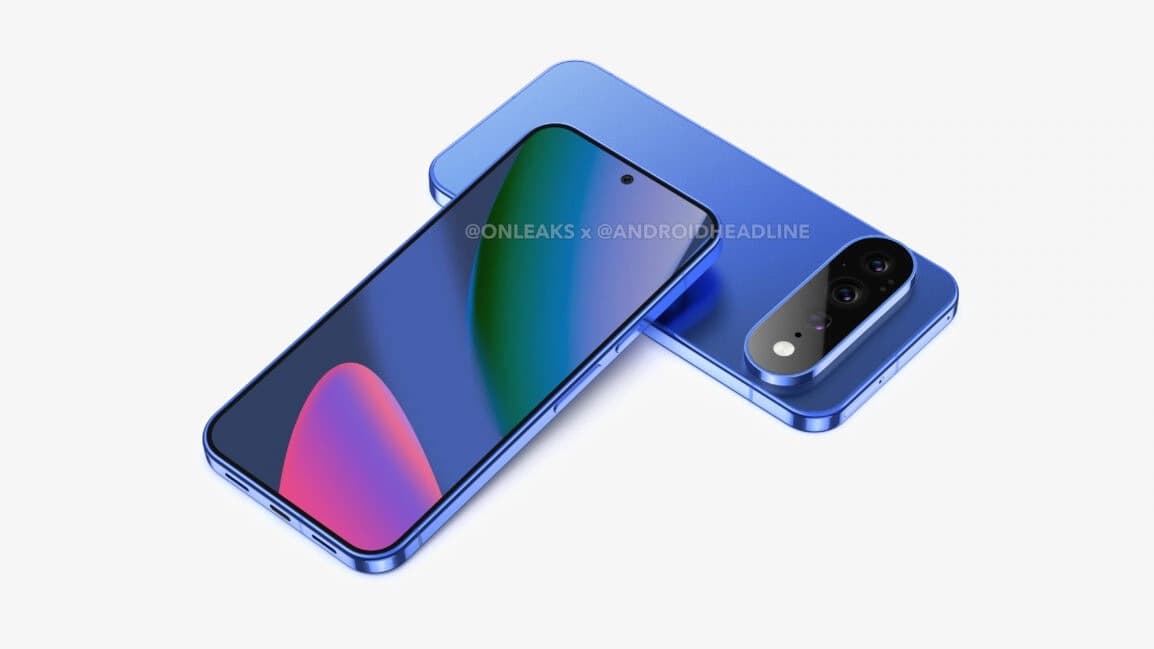
Igeekphone News August 2, 2026 – A comprehensive leak has revealed the complete specifications and pricing of Google’s upcoming Pixel 11 lineup ahead of its official launch. According to information obtained by Android Headlines, the new series will consist of four models: the Google Pixel 11, Pixel 11 Pro, Pixel 11 Pro XL, and Pixel 11 Pro Fold.

The leaked details cover display technology, cameras, battery capacities, storage configurations, and expected pricing for both the U.S. and European markets.

Google Pixel 11: Compact Flagship Starting at $899

The standard Pixel 11 will feature a 6.3-inch Actua OLED display with an adaptive 60Hz–120Hz refresh rate, 2424 × 1080 resolution, and peak brightness of 3,000 nits. The panel is protected by Corning Gorilla Glass Victus 2, making it the smallest device in the Pixel 11 family.

Performance

The handset is expected to be powered by Google’s new Tensor G6 processor alongside the Titan M3 security coprocessor.

Memory and storage options include:

  • 12GB RAM + 256GB storage
  • 16GB RAM + 512GB storage

Expandable storage is not supported.

Battery

The Pixel 11 is equipped with a 4,985mAh typical battery (4,840mAh minimum capacity) and supports:

  • 30W USB-C PPS wired charging
  • Qi2 wireless charging

Cameras

The rear camera system includes:

  • 48MP main camera (f/1.7)
  • 13MP ultra-wide camera (f/2.2)

Google is expected to offer up to 30x Super Res Zoom, while selfies are handled by a 10.5MP front-facing camera.
Additional Features

Other features include:

  • 5G connectivity
  • Under-display fingerprint sensor
  • Face Unlock
  • Dimensions: 152.8 × 72 × 8.6mm
  • Weight: 197g

Expected Price

  • United States: Starting at $899
  • Europe: Starting at €999

Google Pixel 11 Pro: LTPO Display and Professional Camera System

The Pixel 11 Pro retains the compact 6.3-inch form factor but upgrades to a Super Actua OLED LTPO display.

Display specifications include:

  • 1Hz–120Hz adaptive refresh rate
  • 2856 × 1280 resolution
  • 3,600 nits peak brightness
  • Gorilla Glass Victus 2 protection

Hardware

Like the standard model, the Pixel 11 Pro is powered by:

  • Google Tensor G6
  • Titan M3 security chip

Memory configurations include:

  • 12GB or 16GB RAM
  • 256GB or 512GB storage

Battery

The phone packs a 4,850mAh typical battery (4,707mAh minimum) with:

  • 30W USB-C PPS charging
  • Qi2 wireless charging

Triple-Camera Upgrade

Photography receives a major boost with:

  • 50MP main camera
  • 48MP ultra-wide camera
  • 48MP telephoto camera

The telephoto lens supports:

  • 5× optical zoom
  • Up to 120× Pro Zoom

Google is also expected to deliver “optical-quality” zoom at:

  • 0.5×
  • 1×
  • 2×
  • 5×
  • 10×

On the front, the Pixel 11 Pro features a 42MP selfie camera with a 103-degree field of view.

Other Specifications

  • 5G connectivity
  • Under-display fingerprint scanner
  • Face Unlock
  • Dimensions: 152.7 × 71.9 × 8.4mm
  • Weight: 204g

Expected Price

  • United States: $1,099
  • Europe: €1,199

Google Pixel 11 Pro XL: Larger Display, Bigger Battery, Faster Charging

For users seeking a larger flagship experience, the Pixel 11 Pro XL is expected to feature a 6.8-inch Super Actua OLED LTPO display with:

  • 1Hz–120Hz adaptive refresh rate
  • 2992 × 1344 resolution
  • 3,600 nits peak brightness
  • Gorilla Glass Victus 2 protection

The device continues Google’s flat-display design philosophy.

Performance

Powered by the Tensor G6, memory options include:

  • 12GB RAM
  • 16GB RAM

Storage configurations include:

  • 256GB
  • 512GB
  • 1TB

The higher-capacity storage variants are expected to include 16GB of RAM.

Battery and Charging

The Pro XL carries the largest battery in the lineup:

  • 5,115mAh typical capacity
  • 5,000mAh minimum capacity

Charging options include:

  • 45W wired charging
  • Qi2 wireless charging

Google is once again expected to omit a charger from the retail package.

Cameras

Camera hardware mirrors the Pixel 11 Pro:

  • 50MP primary sensor
  • 48MP ultra-wide camera with macro support
  • 48MP 5× telephoto lens
  • 42MP selfie camera

Additional Features

  • 5G
  • Under-display fingerprint sensor
  • Face Unlock
  • Dimensions: 162.7 × 76.5 × 8.5mm
  • Weight: 226g

Expected Price

  • United States: $1,299
  • Europe: €1,199

Google Pixel 11 Pro Fold: Google’s Next-Generation Foldable

The premium Pixel 11 Pro Fold is expected to build upon Google’s foldable smartphone lineup with refinements rather than major design changes.

Dual OLED Displays

The foldable features:

  • 8-inch internal OLED display
  • 6.4-inch external OLED display

Both panels support refresh rates up to 120Hz.

While detailed display specifications remain unavailable, the overall hardware is expected to closely resemble the previous-generation Pixel foldable.

Hardware

Inside, the device includes:

  • Tensor G6 processor
  • Titan M3 security chip

Configurations include:

  • 12GB or 16GB RAM
  • 256GB
  • 512GB
  • 1TB storage

No microSD card expansion is supported.

Battery

Battery specifications include:

  • 4,806mAh typical capacity
  • 4,658mAh minimum capacity

Charging support includes:

  • 30W USB-C PPS wired charging
  • Qi2 wireless charging

Google reportedly estimates that the device can reach 50% charge in approximately 30 minutes.

Camera System

The rear camera array consists of:

  • 48MP primary camera
  • 10.5MP ultra-wide camera with macro capability
  • 10.8MP telephoto camera with 5× optical zoom

Digital zoom reaches up to 30× Super Res Zoom.

Both the inner and outer displays feature 10MP selfie cameras with 87-degree fields of view.

Fingerprint Sensor Returns to the Side

Unlike the rest of the Pixel 11 lineup, the foldable is expected to continue using a side-mounted fingerprint sensor integrated into the power button. Face Unlock will also be supported.

Dimensions are reported as:

Folded

  • 155.2 × 76 × 10.1mm

Unfolded

  • 155.2 × 150.4 × 5mm

Weight: 239g

Expected Price

  • United States: $1,899
  • Europe: €1,999

Google Pixel 11 Series at a Glance

Model Display Processor Main Camera Battery Starting Price (US)
Pixel 11 6.3-inch Actua OLED, 120Hz Tensor G6 48MP + 13MP 4,985mAh $899
Pixel 11 Pro 6.3-inch LTPO OLED, 120Hz Tensor G6 50MP + 48MP + 48MP 4,850mAh $1,099
Pixel 11 Pro XL 6.8-inch LTPO OLED, 120Hz Tensor G6 50MP + 48MP + 48MP 5,115mAh $1,299
Pixel 11 Pro Fold 8-inch foldable OLED + 6.4-inch cover display Tensor G6 48MP + 10.5MP + 10.8MP 4,806mAh $1,899

Final Thoughts

If these leaked specifications prove accurate, the Google Pixel 11 series represents an incremental but meaningful evolution of Google’s flagship smartphone lineup. Across all four models, the Tensor G6 processor, Titan M3 security chip, Qi2 wireless charging, and high-brightness OLED displays form the foundation of the new generation.

The lineup also offers clear differentiation: the Pixel 11 targets users seeking a compact flagship, the Pixel 11 Pro enhances photography and display technology, the Pixel 11 Pro XL delivers Google’s largest conventional smartphone with faster charging, while the Pixel 11 Pro Fold continues the company’s push into the premium foldable segment.

Google has yet to officially confirm these specifications or prices, but the leak provides one of the most comprehensive previews of the Pixel 11 family to date ahead of its expected launch.

The post Google Pixel 11 Series Leak Reveals Full Specifications and Pricing for Pixel 11, Pixel 11 Pro, Pro XL, and Pro Fold appeared first on IGeeKphone China Phone, Tablet PC, VR, RC Drone News, Reviews.
  •  

Unseen Reality Launches URXR One Head-Mounted Display with Pancake Optics and 6DOF Tracking, Starting at $800

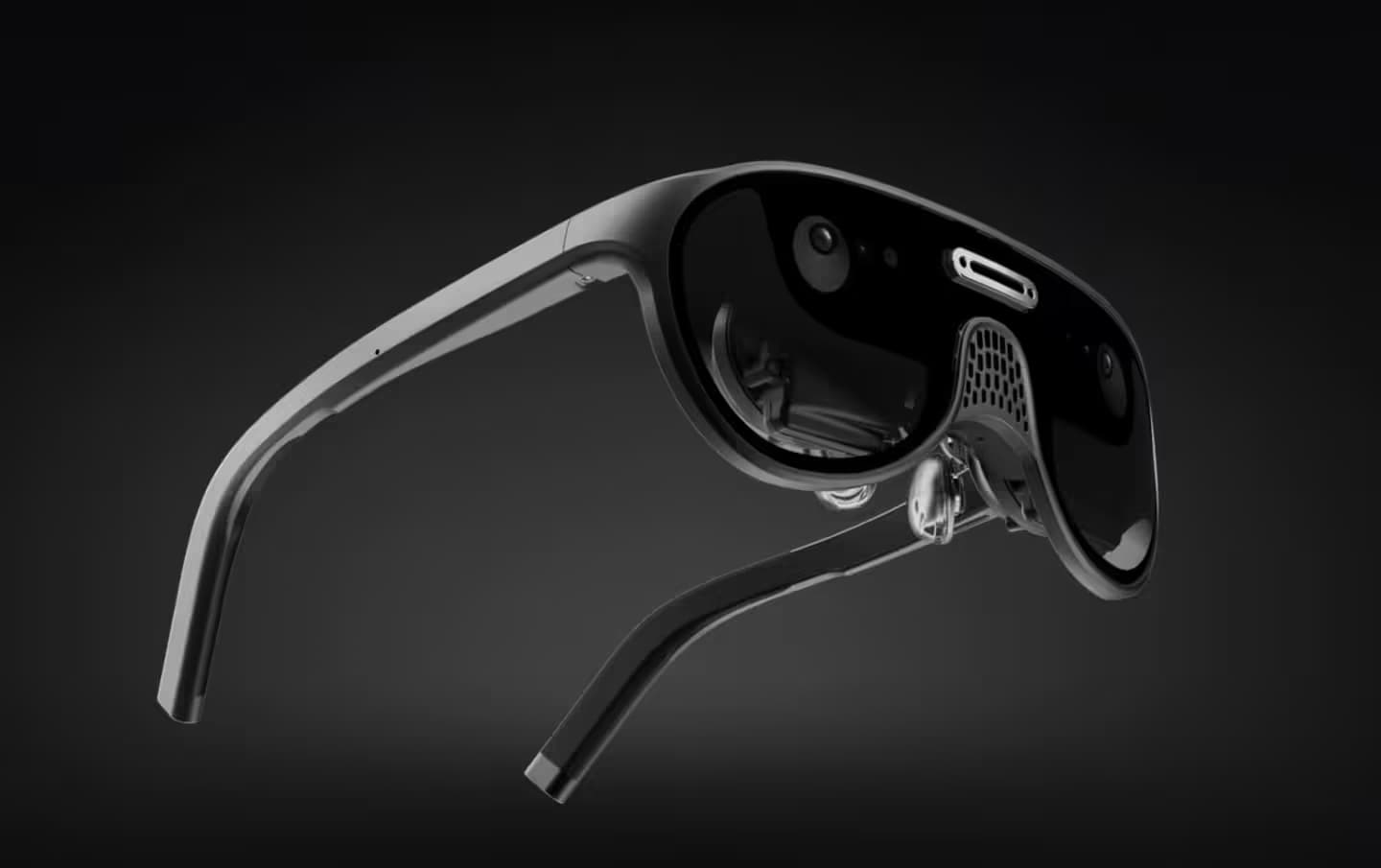
Igeekphone News August 8, 2026 – XR hardware company Unseen Reality has officially unveiled the URXR One, a lightweight head-mounted display designed to serve as a portable replacement for traditional monitors rather than a conventional virtual reality headset. The device is set to launch on Kickstarter on August 4, with an early-bird price of $800, while the expected retail price is $900. Shipments are scheduled to begin in mid-October 2026.

Designed as a Personal Display Instead of a VR Headset

Unlike most VR headsets that focus on immersive gaming or virtual environments, the URXR One is positioned as a wearable display for productivity, entertainment, and extended everyday use. The headset is optimized for displaying traditional 2D content, making it suitable for users who want a large virtual screen for work, media consumption, or multitasking.

According to Unseen Reality, the headset has been engineered for comfortable long-term wear and supports both 3 Degrees of Freedom (3DOF) and 6 Degrees of Freedom (6DOF) operating modes. Spatial tracking in 6DOF mode is enabled by a dual-camera SLAM (Simultaneous Localization and Mapping) system, allowing the virtual display to remain anchored in physical space as users move around.

Lightweight Design with Pancake Optics

One of the URXR One’s standout features is its remarkably lightweight construction. Weighing just 93 grams, the headset is significantly lighter than most standalone VR and mixed reality devices currently on the market.

The display system incorporates a Mini Pancake optical design, which helps reduce both size and weight while maintaining image clarity. The headset is equipped with:

  • Dual 1.03-inch Micro OLED displays
  • 2448 × 2064 resolution per eye
  • 90Hz refresh rate

These specifications are intended to deliver crisp visuals suitable for productivity applications, video streaming, and general computing.

Virtual Display Expands Up to 200 Inches

The URXR One enables users to create a virtual display that can scale from the approximate size of a laptop screen to as large as 200 inches, providing a flexible workspace without requiring a physical monitor.

This approach makes the device particularly attractive for mobile professionals, travelers, and users working in limited spaces who want a large-screen experience while maintaining portability.

External Device Required

Unlike standalone XR headsets equipped with onboard processors, the URXR One does not include an independent computing platform. Instead, it functions as an external display by connecting directly to compatible devices through a USB-C DisplayPort connection.

Users can pair the headset with laptops, PCs, tablets, or supported smartphones capable of video output over USB-C.

However, Unseen Reality notes that certain smartphones may not provide sufficient power or DisplayPort output through a single USB-C connection. For these devices, the company offers an optional URXR Power Hub, priced at $69, which supplies additional power and expands compatibility.

Pricing and Availability

The URXR One will be available through a Kickstarter crowdfunding campaign, offering:

  • Early-bird price: $800
  • Expected retail price: $900
  • Optional URXR Power Hub: $69

The company expects to begin shipping the headset to backers in mid-October 2026.

Final Thoughts

Rather than competing directly with immersive VR headsets, the Unseen Reality URXR One targets users looking for a lightweight, wearable personal display for productivity and media consumption. Its 93-gram design, Mini Pancake optics, dual Micro OLED displays, 90Hz refresh rate, and 6DOF spatial tracking distinguish it from traditional smart glasses while avoiding the bulk of many standalone XR devices.

If Unseen Reality delivers on its promises of comfort, display quality, and reliable spatial tracking, the URXR One could become an appealing option for professionals and enthusiasts seeking a portable large-screen experience without carrying a physical monitor.

The post Unseen Reality Launches URXR One Head-Mounted Display with Pancake Optics and 6DOF Tracking, Starting at $800 appeared first on IGeeKphone China Phone, Tablet PC, VR, RC Drone News, Reviews.
  •  

DT NO.1 E08 Smart Cycling Glasses Review: AI-Powered Vision for Outdoor Adventures

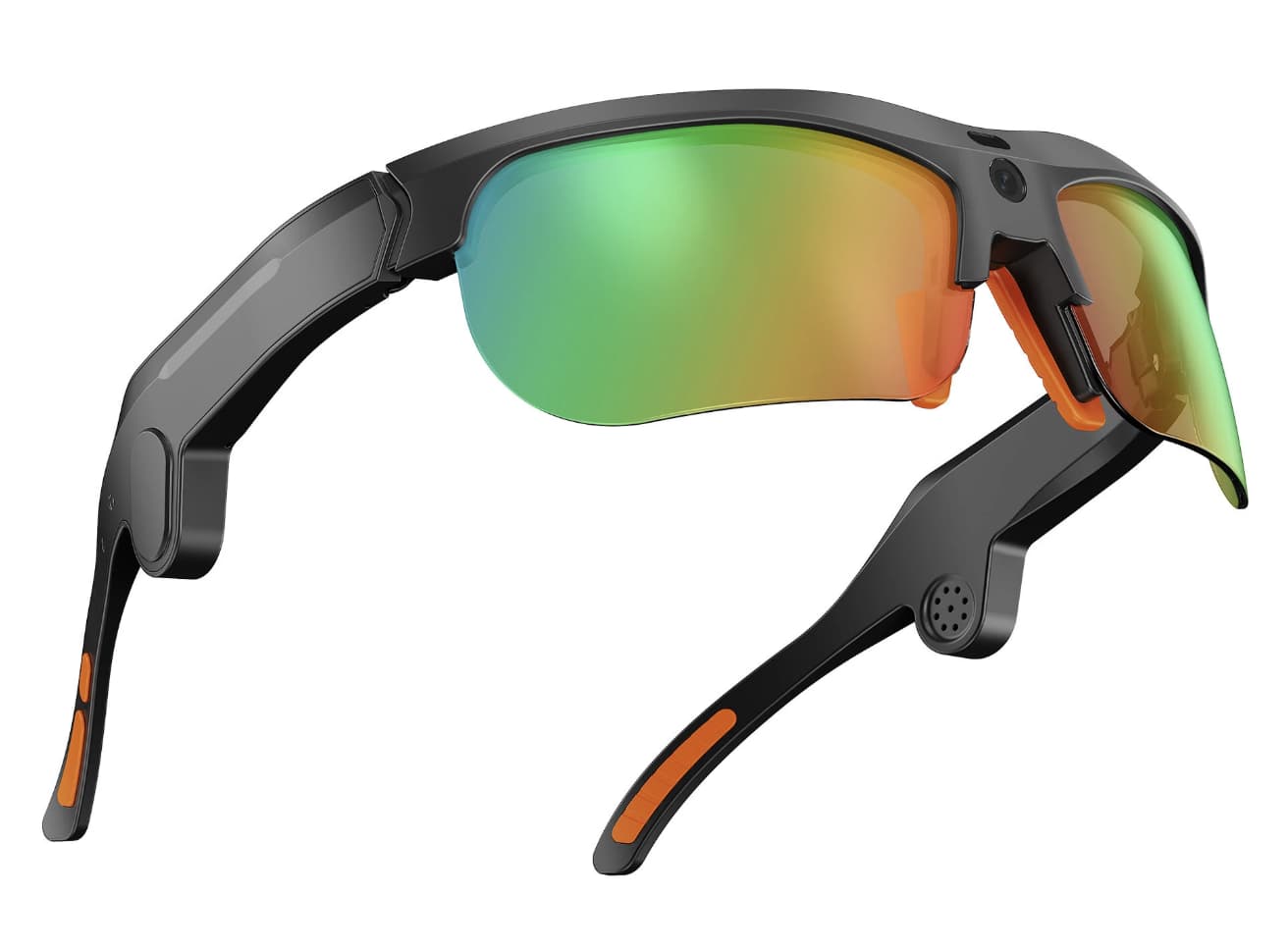
Smart wearables continue to evolve, and DT NO.1 E08 Smart Cycling Glasses are a perfect example of how artificial intelligence, photography, and audio technology can be integrated into a lightweight pair of sports glasses. Designed for cyclists, outdoor enthusiasts, and tech lovers, the E08 combines AI recognition, hands-free photography, video recording, music playback, and voice interaction into a single wearable device.

Designed for Active Lifestyles

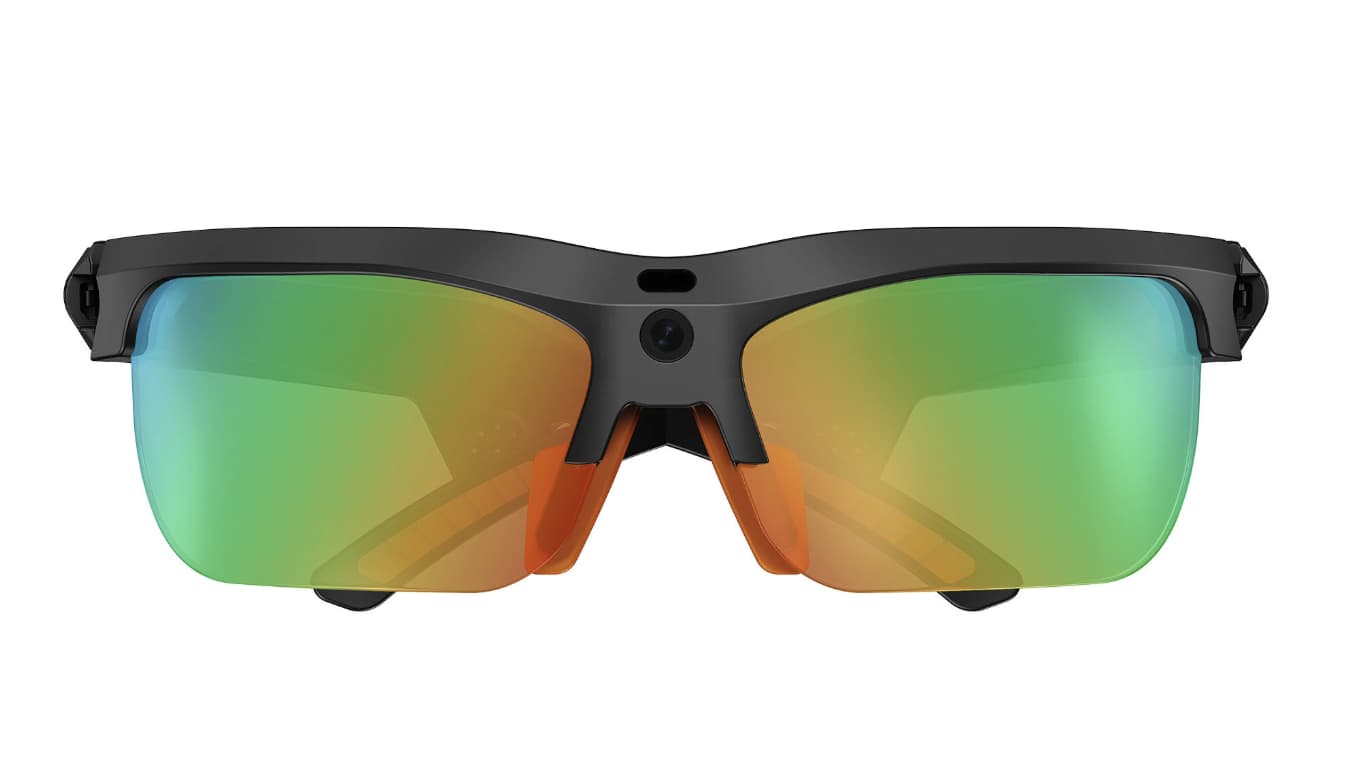
The DT NO.1 E08 features a sporty cycling-glasses design that prioritizes comfort and stability during outdoor activities. Whether you’re riding a bike, hiking, running, or traveling, the lightweight frame provides a secure fit while offering protection from sunlight and wind.

Its modern aerodynamic appearance makes it suitable for both athletic and casual use, allowing users to capture experiences without carrying additional devices.

AI-Powered Smart Assistance

One of the biggest highlights of the E08 is its built-in AI functionality. The glasses support OpenAI-powered recognition technology, enabling users to interact with intelligent voice features while on the move.

AI capabilities include:

  • Object recognition
  • Voice assistant functions
  • Smart information retrieval
  • Voice interaction
  • Real-time AI-assisted experiences

These features transform the glasses from a simple recording device into a wearable AI companion.

13MP Camera with 32MP Photo Capture

The integrated 13MP camera allows users to capture moments directly from their point of view. Unlike traditional action cameras, the E08 records exactly what the wearer sees, making it ideal for cycling adventures, scenic rides, and outdoor exploration.

Photo resolution reaches up to 32MP, delivering detailed images suitable for sharing on social media or preserving memorable experiences. The hands-free design means users can focus on the activity rather than holding a smartphone.

1080P Video Recording with EIS Stabilization

For video creators and outdoor sports enthusiasts, the E08 supports 1080P HD video recording. Electronic Image Stabilization (EIS) helps reduce vibrations and shaking, producing smoother footage during movement.

Whether cycling through city streets or mountain trails, the stabilization technology improves recording quality and makes videos more enjoyable to watch.

Fast Wi-Fi 6 Connectivity

The inclusion of Wi-Fi 6 technology enables faster wireless transfers and improved connectivity. Users can quickly synchronize photos and videos with their smartphone, reducing the need for cables and simplifying content sharing.

Wi-Fi 6 also enhances communication between the glasses and companion applications, ensuring responsive performance for AI features and media management.

Open-Ear Audio Experience

The E08 functions as more than just smart glasses. Built-in speakers provide an open-ear listening experience, allowing users to enjoy music, navigation prompts, and voice responses while remaining aware of their surroundings.

This design is especially beneficial for cyclists and runners who need to hear traffic, pedestrians, and environmental sounds for safety. The device supports up to 10 hours of music playback, making it suitable for long rides and outdoor adventures.

Smart Features for Everyday Use

Beyond photography and audio, the DT NO.1 E08 offers a range of intelligent functions:

  • Voice control
  • AI recognition
  • Hands-free operation
  • Music playback
  • HD video recording
  • Wireless file transfer
  • Outdoor sports support
  • Smart assistant integration

These features make the glasses useful not only for sports but also for travel, commuting, sightseeing, and daily activities.

Specifications

  • Camera: 13MP
  • Photo Resolution: Up to 32MP
  • Video Recording: 1080P HD
  • Stabilization: Electronic Image Stabilization (EIS)
  • Connectivity: Wi-Fi 6
  • AI Features: OpenAI Recognition & Voice Assistant
  • Audio: Open-ear speaker design
  • Battery Life: Up to 10 hours music playback
  • Charging: USB Type-C
  • Usage Scenarios: Cycling, running, hiking, travel, outdoor sports

Real-World Benefits

For cyclists and outdoor enthusiasts, the E08 provides a practical combination of safety and convenience. Users can listen to music, receive AI assistance, capture photos, and record videos without reaching for a smartphone.

The first-person perspective recording capability makes the glasses particularly appealing for adventure content creators, while the open-ear audio design helps maintain environmental awareness during activities. Smart-glasses users often view camera, audio, AI assistance, and battery life as the most important features in everyday wearable devices.

Final Verdict

DT NO.1 E08 Smart Cycling Glasses successfully blend AI technology, hands-free photography, HD video recording, and open-ear audio into a versatile wearable device. With its 13MP camera, 32MP photo capability, Wi-Fi 6 connectivity, OpenAI recognition features, and 10-hour battery life, the E08 offers an impressive package for cyclists, travelers, and outdoor adventurers.

For users seeking a smart wearable that can capture experiences, provide AI assistance, and deliver entertainment without sacrificing comfort or awareness, the DT NO.1 E08 stands out as a compelling option in the growing smart glasses market.

The post DT NO.1 E08 Smart Cycling Glasses Review: AI-Powered Vision for Outdoor Adventures appeared first on IGeeKphone China Phone, Tablet PC, VR, RC Drone News, Reviews.

  •  

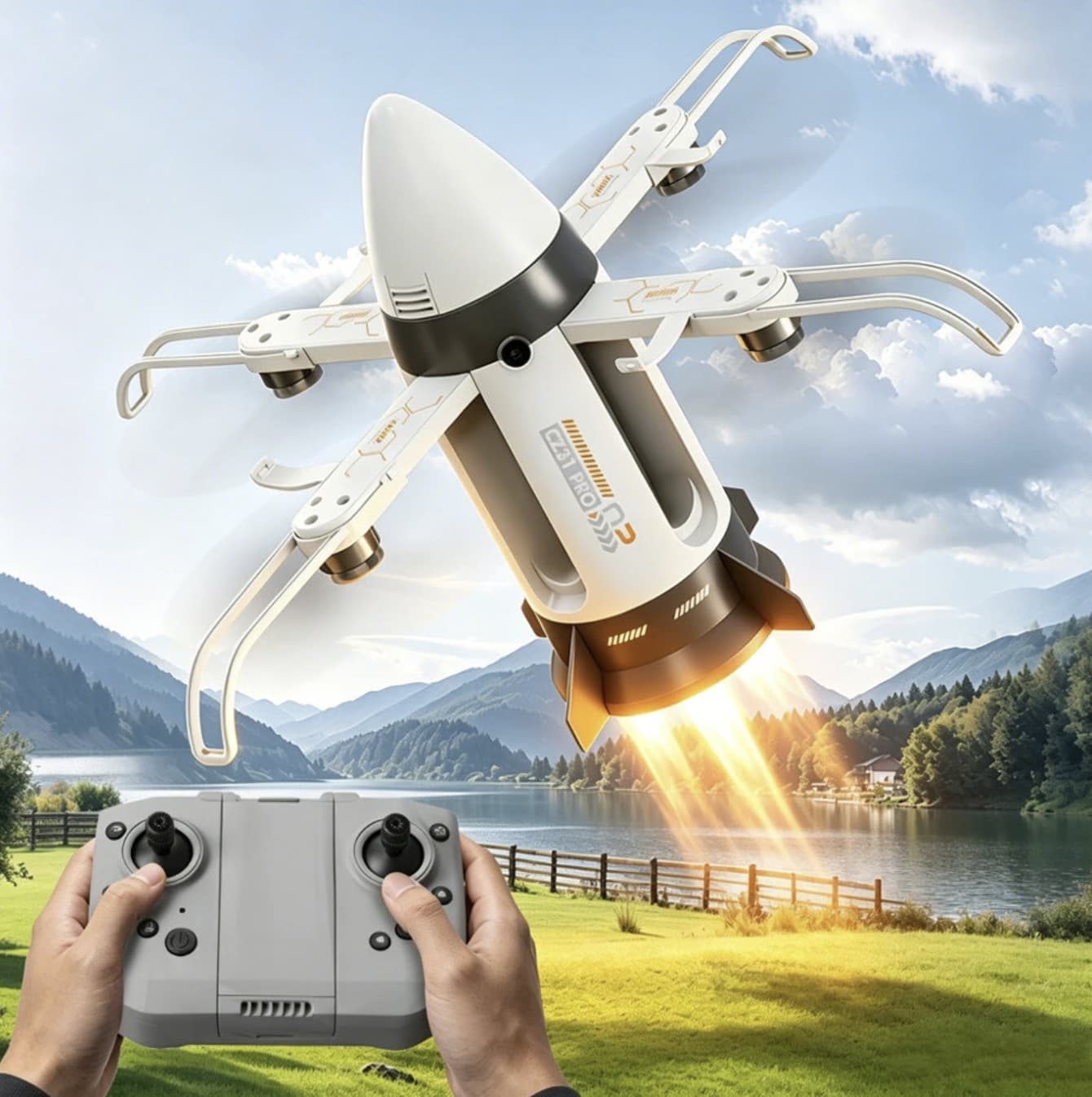
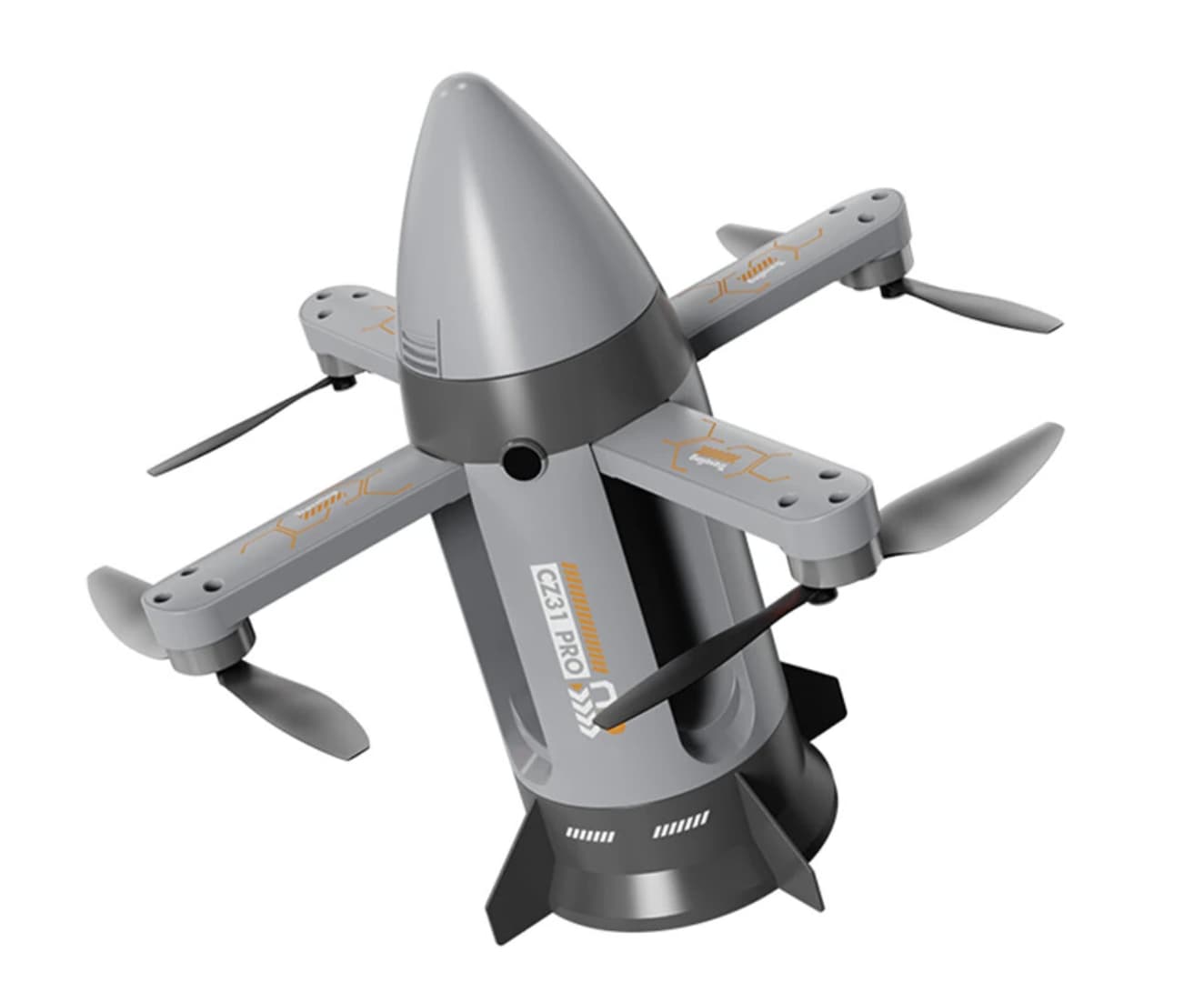
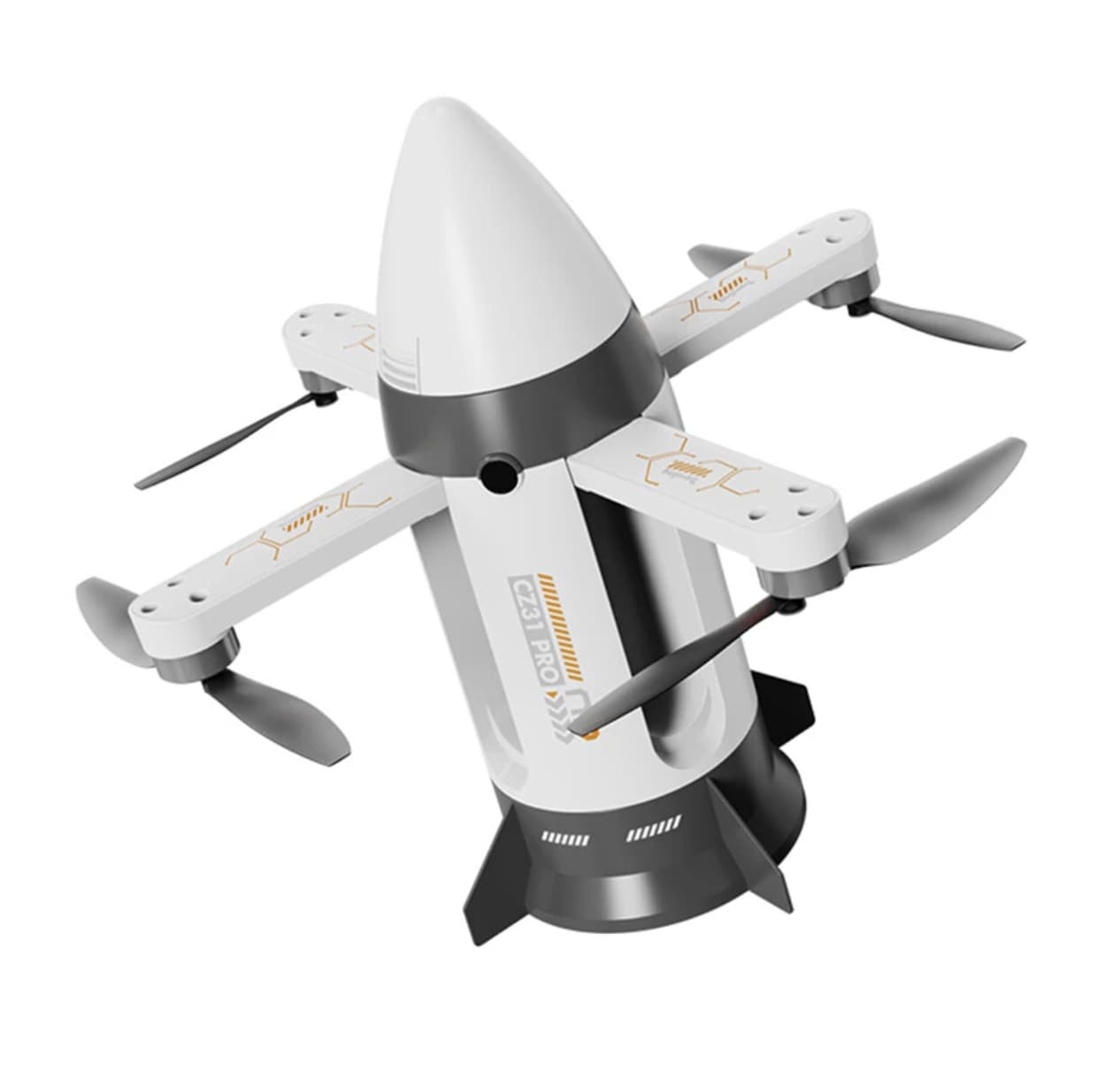
CZ31 Rocket-Style RC Drone Review: A Fun FPV Quadcopter with Brushless Power and Immersive Rocket Effects

Looking for an RC drone that stands out from the crowd? CZ31 Rocket-Style RC Drone combines an eye-catching rocket-inspired design with beginner-friendly flight controls, brushless motors, Wi-Fi FPV, and unique visual effects that make every takeoff feel like a space launch. Designed primarily for recreational flying, this Ready-to-Fly (RTF) quadcopter offers an entertaining experience for kids, beginners, and drone enthusiasts alike.

A Rocket-Inspired Design That Turns Heads

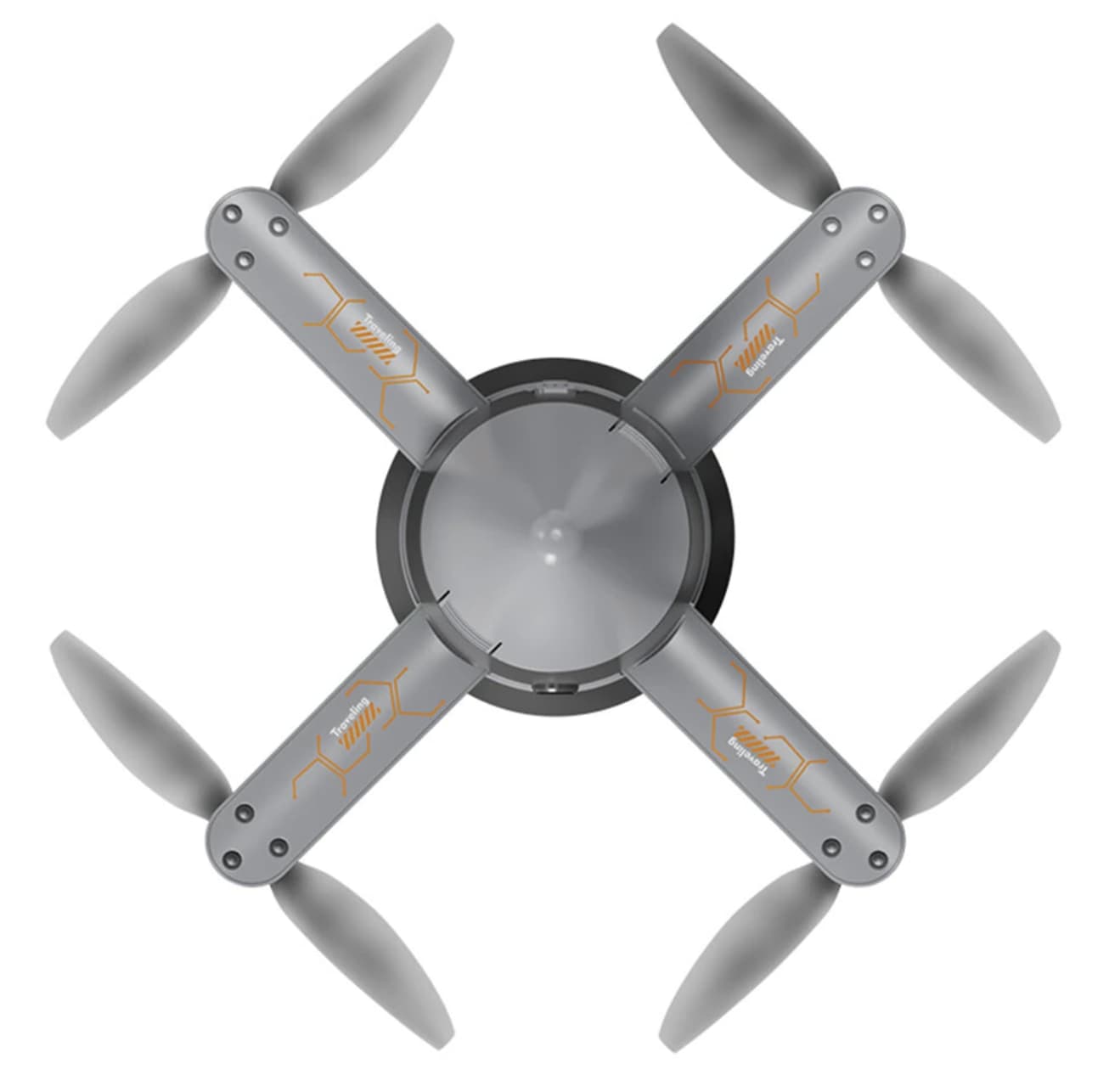
Unlike traditional quadcopters, the CZ31 adopts a rocket-inspired appearance complete with folding arms that resemble a futuristic launch vehicle. During takeoff, the drone enhances the illusion with LED lighting and a mist spray effect beneath the aircraft, creating a realistic rocket exhaust visual.

It’s important to note that the “rocket missile-launch” branding refers purely to the drone’s appearance and visual effects—it is designed solely as a recreational RC aircraft.

Brushless Motors for Stable Flight

Powering the CZ31 are efficient brushless motors, which provide smoother flight performance and greater durability compared to conventional brushed motors.

Advantages include:

  • Improved flight stability
  • Longer motor lifespan
  • Lower operating noise
  • Better efficiency
  • Enhanced reliability for regular outdoor flying

Combined with its 6-axis gyroscope, the drone delivers stable hovering and responsive controls, making it suitable for both beginners and casual pilots.

Beginner-Friendly Flight Features

The CZ31 includes several intelligent functions that simplify flying:

  • One-key takeoff and landing
  • Altitude hold
  • Headless mode
  • Multiple speed settings
  • Stable hover control

These features help new pilots gain confidence while allowing more experienced users to enjoy quick and hassle-free flights.

Wi-Fi FPV with Built-In Camera

The drone comes equipped with a 480P HD camera that supports 2.4GHz Wi-Fi FPV (First-Person View) transmission.

Pilots can connect the drone to a compatible smartphone to:

  • View live video
  • Capture aerial photos
  • Record videos
  • Experience FPV flying

The FPV transmission range is approximately 30 meters, while the remote-control range extends to around 50 meters under ideal conditions.

Mist Spray and LED Lighting

One of the most entertaining features of the CZ31 is its one-touch mist spray system.

Using the included water dropper, users can fill the small reservoir to produce a visible mist beneath the drone. Combined with colorful LED lighting, the effect resembles rocket exhaust during takeoff, making evening flights especially enjoyable.

The spray system is intended purely as a visual effect and can operate for approximately 8 minutes after a brief activation.

Compact and Portable

The CZ31 measures approximately:

  • 200 × 200 × 190 mm
  • Takeoff weight: 175g

Its foldable arms make transportation and storage convenient, allowing users to easily pack the drone into a backpack for outdoor adventures.

Battery Performance

The drone is powered by a 3.7V 1200mAh Li-Po battery, offering:

  • 6–9 minutes of flight time
  • Around 60 minutes charging time

The modular battery design also allows for quick battery swaps if additional batteries are purchased separately.

Package Contents

The Ready-to-Fly package includes:

  • CZ31 Rocket-Style RC Drone
  • 2.4GHz remote controller
  • 3.7V 1200mAh battery
  • USB charging cable
  • Spare propellers
  • Propeller guards
  • Water dropper for the mist effect
  • Screwdriver and mounting screws
  • User manual

Key Specifications

  • Rocket-inspired foldable design
  • Brushless motor system
  • 480P HD camera
  • 2.4GHz Wi-Fi FPV
  • One-key takeoff and landing
  • Headless mode
  • Altitude hold
  • LED lighting effects
  • Mist spray “rocket exhaust” effect
  • 3.7V 1200mAh Li-Po battery
  • Flight time: 6–9 minutes
  • Control range: approximately 50 meters
  • FPV range: approximately 30 meters

Who Should Buy the CZ31?

The CZ31 is a great choice for:

  • First-time drone pilots
  • Kids and families
  • Hobbyists looking for a fun recreational drone
  • Users who enjoy unique drone designs
  • Anyone seeking an affordable FPV quadcopter with visual effects

Final Verdict

CZ31 Rocket-Style RC Drone focuses on fun rather than professional aerial photography. Its rocket-inspired styling, LED lighting, mist spray effect, brushless motors, and beginner-friendly flight controls create an engaging flying experience that stands out from conventional toy drones.

While its 480P camera and modest flight time reflect its entry-level positioning, the CZ31 offers plenty of entertainment value for recreational users. If you’re looking for a unique RC quadcopter that combines imaginative design with easy-to-fly features, the CZ31 is a compelling option for weekend flying and family fun.

The post CZ31 Rocket-Style RC Drone Review: A Fun FPV Quadcopter with Brushless Power and Immersive Rocket Effects appeared first on IGeeKphone China Phone, Tablet PC, VR, RC Drone News, Reviews.

  •  

Angela Nissel faces down grief with a laugh

Angela Nissel
Angela Nissel smiles through the pain. | Image: Angela Nissel

Angela Nissel's latest book, Good Grief, Pass the Bread, Mom Is Dead, is my kind of memoir. Sure, it's a deeply emotional tale about caring for a terminally ill parent. But it's delivered with the sort of gallows humor that I often turn to to get me through tough times.

Of course, that sort of dark humor should come as no surprise from Nissel. She first made a splash with The Broke Diaries, which grew out of a blog she kept in college detailing her daily struggles and, at times, embarrassment at being a broke student. Eventually she went on to produce and write for hit shows including Scrubs and The Boondocks.

One of her most lasting cont …

Read the full story at The Verge.

  •  

The MacRumors Show: Revisiting iOS 27 Ahead of iPhone 18 Pro

After over a month of testing iOS 27, on this week's episode of The MacRumors Show we circle back to the beta and talk through our experiences with Siri AI, Liquid Glass refinements, and more.


‌iOS 27‌ is expected to launch this fall, bringing sweeping performance work across the system. Apple has cited more than 80 speed and efficiency improvements, with app launches up to 30 percent faster and AirDrop transfers up to 80 percent faster than on iOS 26. Animations, keyboard responsiveness, Home Screen page swapping, and App Library loading have all been sped up, and Apple says the improvements extend even to older iPhones like the iPhone 11.

The centerpiece of ‌iOS 27‌ is Siri AI, a substantially overhauled version of the assistant positioned as a rival to chatbots like Claude and ChatGPT. ‌Siri‌ AI can hold back-and-forth conversations, draw on personal context from Mail, Messages, Photos, and Files, and see what's on screen to answer follow-up questions. A new standalone Siri app houses ongoing conversations, while a "Search or Ask" interface, accessed via the Dynamic Island, has effectively replaced Spotlight as the default way to search the device and launch apps.

Liquid Glass, the translucent design language introduced in ‌iOS 26‌, has also been reworked. ‌iOS 27‌ adds a system-wide transparency slider in place of the binary "Clear" and "Tinted" toggle from iOS 26.1, letting users dial the effect anywhere between fully opaque and completely clear. Apple also improved how the material diffuses busy content behind it, addressing readability complaints that dogged the original rollout, and refreshed first-party app icons with additional Liquid Glass layering.

Elsewhere, Apple has leaned into contextual, on-device intelligence. For example, Call Context, a new Phone app feature, automatically surfaces relevant information, such as a flight confirmation number or order code pulled from Mail, when a user calls a business they've recently corresponded with. Apple says the feature works entirely on-device and looks only at who is being called, not at call audio, and it also appears on the Apple Watch during a call.

Calendar and Reminders now support natural language entry, letting users type something like "meeting at 2pm with Eric on July 14" and have the app suggest the date, time, and attendees automatically. Apple says ‌Siri‌ can handle more complex natural-language scheduling requests directly, including edits to recurring events.

The ‌Photos‌ app gains three generative editing tools grouped under an Apple Intelligence Tools section: an upgraded Clean Up, a new Extend tool, and Spatial Reframing. Clean Up now offers Fast, High Quality, and Auto modes for object removal and can reconstruct more complex backgrounds than before. Extend uses generative AI to fill in new content when a photo's borders are expanded, and is capped at a maximum of 25% per side. Spatial Reframing, which draws on the same spatial data used for Portrait mode, lets users shift a photo's apparent camera angle after it was taken.

The Shortcuts app has been rebuilt around a "Describe a Shortcut" interface, where ‌Apple Intelligence‌ assembles an entire automation from a plain-language description rather than requiring users to build workflows action by action manually. Safari picks up a similar natural-language approach with a new Create an Extension option for building custom browser extensions on the fly, automatic AI-driven tab organization by topic, and a "Notify Me" tool that monitors a webpage and alerts users when it changes, which is useful, Apple says, for tracking ticket sales or restocked products.

Image Playground has also been overhauled for ‌iOS 27‌, adding support for photorealistic image generation, edits to existing images via text descriptions, and additional aspect ratio options for wallpapers and Contact Posters.

‌iOS 27‌ is available now to developers and public beta testers, and Apple plans to release the software officially in September. The MacRumors Show has its own YouTube channel, so make sure you're subscribed to keep up with new episodes and clips.


You can also listen to ‌The MacRumors Show‌ on Apple Podcasts, Spotify, Overcast, or other podcast apps. You can also copy our RSS feed directly into your player.


If you haven't already listened to the previous episode of The MacRumors Show, catch up to hear our discussion about OpenAI's move into hardware and the trade secret lawsuit Apple filed against the company earlier this month.

Subscribe to ‌The MacRumors Show‌ for new episodes every week, where we discuss some of the topical news breaking here on MacRumors, often joined by interesting guests such as Kayci Lacob, Kevin Nether, John Gruber, Mark Gurman, Jon Prosser, Luke Miani, Matthew Cassinelli, Brian Tong, Quinn Nelson, Jared Nelson, Eli Hodapp, Mike Bell, Sara Dietschy, iJustine, Jon Rettinger, Andru Edwards, Arnold Kim, Ben Sullins, Marcus Kane, Christopher Lawley, Frank McShan, David Lewis, Tyler Stalman, Sam Kohl, Federico Viticci, Thomas Frank, Jonathan Morrison, Ross Young, Ian Zelbo, and Rene Ritchie.

‌The MacRumors Show‌ is on X @MacRumorsShow, so be sure to give us a follow to keep up with the podcast. You can also email us at podcast@macrumors.com or head over to The MacRumors Show forum thread. Remember to rate and review the podcast, and let us know what subjects and guests you would like to see in the future.
Related Roundups: iOS 27, iPadOS 27, iPhone 18 Pro

This article, "The MacRumors Show: Revisiting iOS 27 Ahead of iPhone 18 Pro" first appeared on MacRumors.com

Discuss this article in our forums

  •  

Oppo Reno16 Pro acelera na criatividade e inteligência artificial para as fotos, mas perde fôlego na bateria

Com uma aposta reforçada na criatividade, acompanhada por novidades com IA, o Oppo Reno16 Pro quer conquistar quem valoriza a fotografia e a conveniência de ter todas as ferramentas de edição reunidas num único lugar. Mas a redução da capacidade da bateria deixa a desejar e a subida no preço é difícil de ignorar.

The post Oppo Reno16 Pro acelera na criatividade e inteligência artificial para as fotos, mas perde fôlego na bateria appeared first on Tek Notícias.

  •  

Chrome Browser Default at the Top of the Mac App Store

Jeff Johnson (Mastodon):

Released less than a month ago by an unknown developer, Chrome Browser Default has somehow become a top download in the United States Mac App Store, alongside well-known developers Amazon, WhatsApp/Facebook/Meta, and Microsoft[…]

[…]

Chrome Browser Default is the top search result for “Google Chrome” in the Mac App Store. Chrome itself is distributed as a direct download from Google, outside the Mac App Store. Notice also that the Chrome Browser Default app icon resembles the Google Chrome app icon[…]

Both the name and icon violate Apple’s guidelines, and the preview images are not actually screenshots of the app. The App Store is great for distributing apps that piggyback on the names of popular apps. They’d be hard to find with a regular Web search, but in the App Store they appear at the top.

The app appears to do what the description says it does, though it’s quite primitive and likely vibe-coded. I can add rules, but I couldn’t find a way to edit or delete added rules, which is ridiculous. The developer’s privacy policy is on GitHub in a repository where most of the commits were co-authored by Claude.

[…]

At the bottom is a section that shows, allegedly, what “People are Saying” about the app. Yet none of these 5-star reviews are from the App Store. According to Google Search, the reviews are not from anywhere on the web.

Jeff Johnson:

This app is no longer available in the Mac App Store.

[…]

I have no idea why the Dutch name “Standaard Browser Wisselen” appears in the alert, because the App Store Purchased section says “Chrome Browser Default,” and my only Mac system language is English (US). The name of the developer in the App Store was Chinese, 立花 卢.

[…]

My suspicion is that Apple, not the developer, removed the app from the App Store, which explains why I can’t download it. Whether this removal was triggered by my blog post or by App Store user reports, I don’t know.

Craig Grannell:

Doesn’t say amazing things for the Mac App Store that I find it faster to search for something in a search engine than within the MAS itself. And that’s when I already know the name of what I’m looking for.

Previously:

  •  

Hidden Gambling Apps in Brazilian App Store

Marcus Mendes:

Last April, Brazilian officials notified Apple and Google over an alleged lack of age controls in betting apps on their respective app stores.

9to5Mac:

Brazilian users browsing the App Store rankings in categories such as Navigation, Travel, and Weather have noticed a growing number of poorly made games appearing among the top results, many of them featuring AI-generated illustrations of animals as their app icons. Many carry an AL age rating, making them available to users of all ages, including children.

As it turns out, these are so-called jacket apps, which are just a front for hidden betting and gambling apps.

[…]

The repository also includes explicit instructions intended to prevent the apps from being flagged as suspicious during App Store review. These include giving each app uniquely named startup and remote-configuration codes, making it harder for reviewers to identify them as part of the same group.

Ironically, the App Store’s own recommendation system appears to have little trouble grouping the apps together, as the “You Might Also Like” section on several of these apps points users toward other suspicious apps more frequently than they point to genuine apps.

John Gruber (Mastodon):

Obviously the main problem is that these apps disguise themselves Trojan Horse-style, and slip through App Store review undetected. I don’t think it’s reasonable to think App Store review could catch every attempt at this sort of thing though — if the horses are disguised well-enough, some of them are going to slip through. That’s actually fine.

I agree that it’s unreasonable to expect App Review to catch all those, but then Apple should not be pretending that it can. This was all obvious from day one. The public perception of App Review is completely at odds with what it actually can and does do.

But the first example 9to5Mac cites isn’t well disguised at all. What sense does it make that “PotatoPlot Puzzle” — a game featuring a rabbit potato farmer — is a weather app? How is that not a red flag right there?

[…]

I always mention that the point of such a squad shouldn’t be to make the App Store 100 percent scammer-free — which I believe is an impossible goal that would set the team up for failure. The point should be only to make the App Store free of successful scams. Focus on the most popular apps and the most lucrative apps.

The App Store is more than 18 years old. The idea of patrolling the top charts probably occurred to Apple before it even shipped. They just don’t want to do it.

Nick Lockwood:

Apple only took 24 hours to approve my iOS app update that crashed instantly on launch. Such a blessing to have that extra level of reliability and security that only a manual review process can provide 🙏

Incidentally, the crash was due to a missing dylib - something that could easily have been detected by the automated scan process, if only that scan were designed to protect users’ and developers’ interests instead of Apple’s.

Kyle Hughes:

There is simply no other way to maintain a modern, healthy software ecosystem without making sure that apps that have been around for 7 years and 20 major versions can’t get a build looked at within 48 hours. There’s no other way. Probably needs to be longer, honestly.

I had to file an Expedited Review Request because this update is a legitimate emergency. Four hours later, App Review rejected the build because they didn’t follow the first sentence of the testing instructions (which haven’t changed in 7 years). Back to Waiting for Review! There’s no other way.

Previously:

Update (2026-07-30): Kyle Hughes:

We got rejected in the Expedited Review again, this time for not having an account deletion feature. Except we do, and it’s one button press away from the screen that the reviewer was on. And it has always existed. Is this how the expedited review works? Malicious incompetence?

Update (2026-07-31): Kyle Hughes:

If you were wondering how long one of the “you can ask us to approve this build and can fix this issue in the next release” App Review errors takes to resolve when you’re in the Expedited Review Queue… me too! So far, 18 hours. (Ignoring the fact that we have the feature the rejection was for.)

Kyle Hughes:

Certainly it means “within a week,” right? “Within a month,” please? “In your lifetime,” I can only hope.

  •  
❌