❌

Reading view

Does the iPhone Duo Run Hot? Here's What Reviews Found

Multiple iPhone Duo reviews covered the device's thermal properties, and reviewer opinions varied. Some found that it was just warm, while others thought it was running too hot at times.
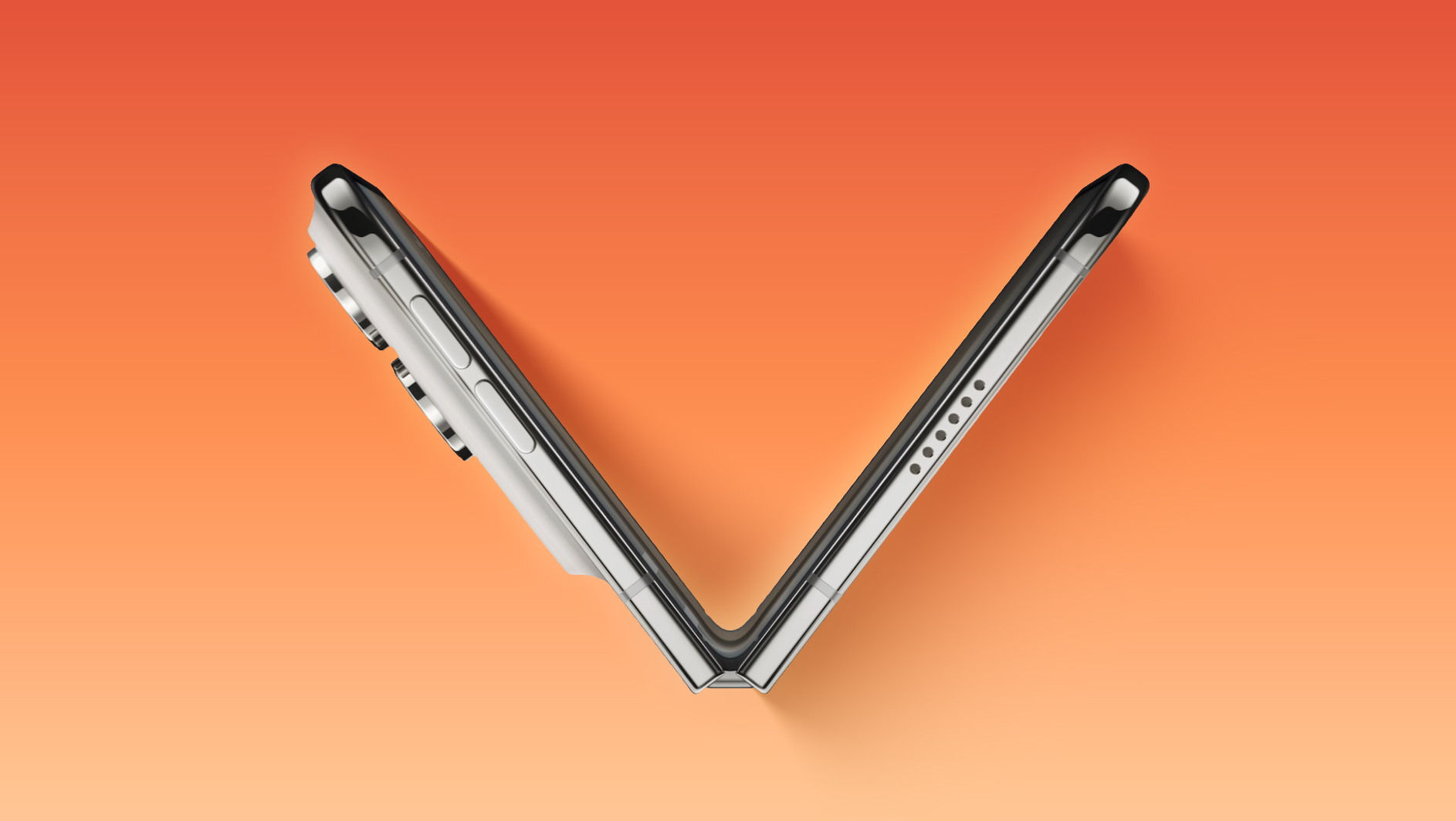

Joanna Stern said the back of the device got warm when using FaceTime and taking photos. She had to end a ‌FaceTime‌ call during testing because it got too hot. "Yeah, I'm gonna burn my hand off," she said. "This thing is getting really warm."

Apple told her the warmth was a sign of the iPhone Duo's thermal design moving heat away from the chip to keep performance up. "But to me, it just feels like the phone is really warm," she said.

The ‌iPhone Duo‌ has the same custom vapor chamber setup and A20 Pro chip as the iPhone 18 Pro, but the vapor chamber is thinner. Apple added a flexible graphite pipe in the hinge to transfer heat between the two halves, giving more surface area for heat dissipation.

The Verge said the ‌iPhone Duo‌ heats up when using the camera for a long time, especially if both displays are on for features like Duo Preview. "You can just feel the phone getting significantly hotter when this happens," reads the review. "The phone gets hot enough to start noticeably lagging after a while." The site also said it gets hot when running third-party apps, particularly video apps and apps from Google.

PetaPixel's review unit got warm when gaming, photo editing, or doing anything that stressed the processor, with the heat felt on the right side of the unfolded device.

Mrwhosetheboss did a 20-minute stress test with the ‌iPhone Duo‌ and ‌iPhone 18 Pro‌ Max. He found the ‌iPhone Duo‌ trapped heat inside when it was closed, and ‌iPhone Duo‌ performance was below the ‌iPhone 18 Pro‌ Max. When open, the ‌iPhone Duo‌ has a large high-resolution display that also affects performance. Mrwhosetheboss focused more on performance than heat, and said the difference between the ‌iPhone Duo‌ and ‌iPhone 18 Pro‌ Max isn't "massively" noticeable in day-to-day use.

HTX Studio did a 30-minute gaming test with the ‌iPhone Duo‌ and ‌iPhone 18 Pro‌ models. The ‌iPhone Duo‌ was 46.5°C, while the ‌iPhone 18 Pro‌ and Pro Max were at 43.8°C and 43.2°C, respectively. The ‌iPhone Duo‌ had a 20 percent lower frame rate than the ‌iPhone 18 Pro‌ models and it couldn't maintain 300 nits brightness, dropping to 185 nits.

9to5Mac said the ‌iPhone Duo‌ "runs a bit hotter than the ‌iPhone 18 Pro‌, but not in a way that impacts performance." Tom's Guide did a benchmark heat test and found that the ‌iPhone Duo‌ was able to spread heat evenly across the body of the device, but it was a few degrees hotter than the Galaxy Z Fold8 the site compared it to. The ‌iPhone Duo‌ scored 75.9 percent stability score on the 3DMark stress test, compared to 79 percent for the ‌iPhone 18 Pro‌ Max and 72 percent for the Z Fold8.

Gizmodo didn't find heat to be a problem, saying the vapor chamber "does a solid job cooling it down to prevent lag or slowdown" when apps use "all the CPU and GPU cores."

The ‌iPhone Duo‌ launches this Friday, so we don't have long to wait to see if heat is going to be a problem for the everyday user.
Related Roundup: iPhone Duo
Buyer's Guide: iPhone Duo (Buy Now)
Related Forum: iPhone

This article, "Does the iPhone Duo Run Hot? Here's What Reviews Found" first appeared on MacRumors.com

Discuss this article in our forums

  •  

iPhone Duo reviews in a nutshell ↦

Lex Friedman has done a very nice job of summarizing the first wave of embargoed iPhone Duo reviews:

The iPhone Duo reviews landed, and I read a slew of them. Because I care about you. And because I’m curious about Apple’s new folding phone.

Lots of links and some good summaries. Even if you’ve been devouring reviews today, Lex may point you at some opinions you haven’t seen yet.

(For the record, I expect to get my iPhone Duo review unit tomorrow or Friday, depending on a wild series of chance events.)

Go to the linked site.

Read on Six Colors.

  •  

★ HAYLOU Velo combina estilo para o dia a dia, carregamento sem fio e uma grande tela AMOLED

A HAYLOU anunciou nesta semana o HAYLOU Velo, um novo smartwatch que combina design contemporâneo com recursos práticos para o dia a dia. Com uma estrutura de liga de zinco, carregamento sem fio e duas pulseiras intercambiáveis incluídas na caixa, o Velo oferece uma alternativa versátil para quem deseja um smartwatch que combine com seu estilo pessoal e sua rotina diária.

Uma tela brilhante e um design diferenciado

O Velo conta com uma tela AMOLED de 1,96 polegada, resolução de 410×502 pixels e brilho máximo de até 1.500 nits, trazendo cores vibrantes e detalhes nítidos no pulso, mesmo em condições externos com muita luz.

HAYLOU Velo
Divulgação/HAYLOU

Uma estrutura central de liga de zinco, vidro 2.5D e botões de liga de alumínio conferem ao relógio uma aparência limpa e contemporânea. Disponível nas cores preta e branca, o Velo foi desenhado para combinar com uma série de estilos do dia a dia.

Duas pulseiras, mais maneiras de usar

O Velo vem com duas pulseiras intercambiáveis: uma pulseira texturizada com padrão ondulado (para um visual diferenciado) e uma pulseira de silicone macio (para treinos e dias mais ativos). A troca entre elas permite aos usuários adaptar o relógio a diferentes roupas e ocasiões.

HAYLOU Velo
Divulgação/HAYLOU

A personalização continua na tela, com mais de 200 mostradores disponíveis online, suporte a mostradores personalizados, quatro layouts para o menu principal e cinco estilos visuais.

Recursos inteligentes para a conveniência diária

O Velo mantém os usuários conectados com chamadas via Bluetooth e notificações inteligentes, além de ferramentas úteis, como controles de música e câmera, assistente de voz e localização do celular. Os usuários de Android também podem responder a mensagens do WhatsApp diretamente pelo pulso.

HAYLOU Velo
Divulgação/HAYLOU

Com mais de 100 modos esportivos e monitoramento diário de atividades, o Velo foi construído para acompanhar os movimentos ao longo do dia, desde as atividades da rotina até os treinos.

Carregamento sem fio, menos complicações

O carregamento sem fio torna a recarga do Velo simples e conveniente. Sua bateria de 300mAh oferece até sete dias de uso, dependendo das configurações e do uso.

HAYLOU Velo
Divulgação/HAYLOU

Com classificação de resistência à água de 1ATM, o Velo foi projetado para lidar com respingos cotidianos e chuva leve, mas não é indicado para natação ou banho.

Preço e disponibilidade

O HAYLOU Velo estará disponível nas cores preta e branca por meio dos canais oficiais de venda da HAYLOU e de parceiros varejistas selecionados em todo o mundo. O preço de varejo estimado é de aproximadamente US$45, com o preço final variando de acordo com o mercado, o varejista e o período promocional.

Para mais informações, acesse o site oficial.

Sobre a HAYLOU

A HAYLOU é uma marca global de tecnologia de dispositivos vestíveis inteligentes e áudio, comprometida em tornar a tecnologia cotidiana acessível. Por meio de produtos de áudio inteligente, dispositivos vestíveis e tecnologias práticas de saúde, a HAYLOU cria experiências confiáveis e agradáveis que ajudam as pessoas a levar vidas mais saudáveis, ativas e conectadas.

NOTA DE TRANSPARÊNCIA: O MacMagazine recebe uma pequena comissão sobre vendas concluídas por meio de links deste post, mas você, como consumidor, não paga nada a mais pelos produtos/serviços ao usar os nossos links de afiliado.

  •  

Apple Music’s New Identity Turns Sound Into Moving Images

Apple Music unveiled a new brand identity on October 21, combining a revised wordmark, a sonic signature, and moving visuals shaped through physical experiments with sound. The project brings together Apple Music and TBWA\Media Arts Lab, with an original composition by British producer Fred again.. and NEST Acoustics providing the musical foundation.

The concept is described as “made by sound.” Rather than treating music as a soundtrack added after the visuals were finished, the creative process used audio to generate movement that could be filmed and incorporated into the identity.

The reveal explains how Apple Music intends to connect its visual and audio branding across different settings. The wordmark, musical-note symbol, filmed sequences, and short composition each contribute to that identity, while the rollout determines where audiences will encounter them.

Sound Becomes Part of the Image

According to Wallpaper’s account of the project, the team played musical notes through a transducer, which converts audio signals into physical vibrations. Those vibrations moved a shallow bath of mineral oil, producing ripples and shifting refractions.

The resulting patterns were captured on camera and became material for the visual design. Fred again.. and NEST Acoustics also developed a short composition that serves as the identity’s sonic signature.

The experimentation also influenced the composition. Fast Company reports that too many notes, or notes pitched too high, created excessive movement and made the image difficult to read. Those tests helped establish constraints for the musicians as they developed the sonic signature.

The result came from adjusting sound and image together. The team could observe how a musical choice changed the liquid’s movement, then refine the composition with the visual response in mind.

A Heavier Wordmark Joins the Moving Visuals

The refresh also changes the service’s typography. Wallpaper describes a customized version of Apple’s SF Pro typeface, with bold, lowercase lettering accompanying the Apple symbol.

The musical-note icon is another component of the system. Together, the lettering, symbol, motion, and sound create several ways to identify Apple Music, depending on the setting.

Those distinctions help explain why a single screenshot cannot represent the whole project. An app icon must remain recognizable at a small size. A video sequence can use time, movement, lighting, and audio to establish a different impression.

The new identity therefore needs to be considered both as a collection of individual elements and as a coordinated presentation. Someone may prefer the animated treatment while responding differently to the static lettering; those reactions concern different parts of the same design.

Introducing a new identity for Apple Music, physically shaped by an original composition from @fredagainagain1 and NEST Acoustics. https://t.co/LFXLIfexPL

— Apple Music (@AppleMusic) October 21, 2026

The Film Shows the Physical Production Process

A companion film documents the work behind the identity. iClarified’s coverage describes a 78-second sequence moving between the practical setup and the finished visuals.

The team submerged acrylic versions of the musical-note symbol and wordmark in mineral oil. Fast Company reports that the oil was selected for its viscosity, helping create the appearance of glass rippling under sound. Filming the moving liquid and refracted light produced the distortions seen in the finished sequences.

The behind-the-scenes approach makes the production method visible. It gives viewers something specific to examine: the relationship between a musical composition, a physical response, and the image recorded by the camera.

It also provides a useful distinction between inspiration and execution. Saying that a design is inspired by music is broad. Showing sound physically influencing the material being filmed explains how that idea entered the finished work.

The Rollout Extends Beyond the App Icon

Fast Company’s reporting identifies Apple Music, TBWA\Media Arts Lab, Fred again.., and NEST Acoustics as collaborators. It says the identity will begin appearing across original content and event programming this week, with marketing, product, and other experiences following later.

That describes a staged introduction rather than a single moment when every Apple Music surface changes. Viewers may encounter the new presentation in promotional or editorial material before seeing it consistently elsewhere.

The announcement is about branding. It does not, by itself, establish changes to subscription plans, playback quality, recommendations, or the music catalog. Those product details require separate announcements.

A stylized white musical note icon with a chromatic glow on a black background.
Image Credit: Apple Inc.

A Musical Idea Gives the Refresh Its Focus

The strongest part of the project is the clear relationship between its subject and its method. A service built around listening has used a composition to influence its visual identity, giving the sound and moving image a shared origin.

How successfully the elements work across everyday settings will become clearer as the rollout progresses. For now, the reveal offers a concrete account of creative collaboration—and a reason to look beyond the icon when assessing Apple Music’s new appearance.

The post Apple Music’s New Identity Turns Sound Into Moving Images appeared first on AppleMagazine.

💾

Enjoy the videos and music you love, upload original content, and share it all with friends, family, and the world on YouTube.
  •  

Apple Music's New Look is Now Live on Apple's Website

As spotted by Hidde Collee, the Apple Music page on Apple's website now has the updated branding that Apple officially introduced earlier today.


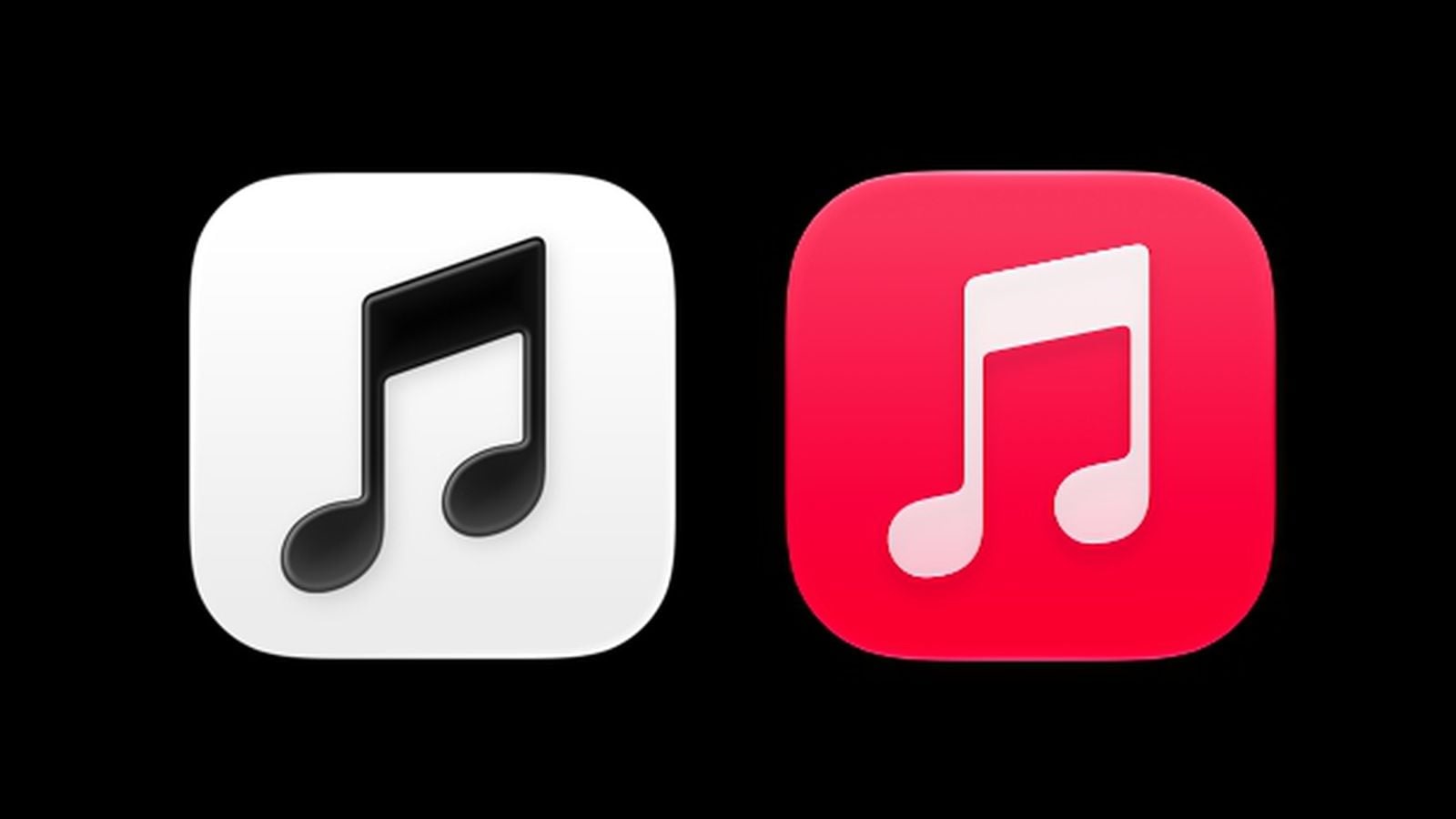
Apple Music has a new black-and-white logo and app icon, with Apple doing away with the red color scheme that it previously used for the streaming music service.

In a YouTube video released earlier today, Apple showed how the new Apple Music visuals were "made by sound." The video showed off the new Apple Music logo with colorful animations, despite the new Apple Music app icon in the iOS 27.2 beta having a more basic black-and-white design. It is unclear if a splash of color will be added later.

Apple Music's new app icon on the iOS 27.2 beta on the left, old icon on the right

Apple Music has also received a distinct font with a modern, impactful aesthetic.

The rebrand will roll out with Apple's next software releases, including iOS 27.2 and macOS 27.2. The updates are expected to be released next week.
This article, "Apple Music's New Look is Now Live on Apple's Website" first appeared on MacRumors.com

Discuss this article in our forums

  •  

MacVoices #26283: Live! – ‘Pro and Tell,’ Duo Delays, Apple at $5 Trillion, and Affinity for iPad

Apple’s upcoming “Pro and Tell” event sparks speculation about new MacBook Pro models, while iPhone Duo preorders raise questions about shipping delays and retail availability. The panel discusses Apple’s $5 trillion valuation, why HomeView won’t launch in the European Union, and the anticipated arrival of Affinity Studio on iPad, including how it could transform creative workflows and provide yet another powerful alternative to Adobe Creative Cloud. 

💾

  •  

Nocturne Cast Reunites for New York Premiere Ahead of Apple TV Debut

Apple TV brought Nocturne to New York City on October 20, hosting the crime drama’s world premiere at Regal Union Square. Liev Schreiber, Zazie Beetz, and Stephen Graham attended the event ahead of the series’ October 30 streaming debut, following the first-look announcement covered in AppleMagazine’s introduction to Nocturne.

The red carpet screening marks the latest step toward the show’s release. For viewers, the distinction between the two dates is straightforward: the New York event celebrated the production, while general streaming availability begins the following week.

The Ensemble Comes Together in New York

According to Apple’s premiere announcement, attendees also included Rory Culkin, Chrissy Metz, Poorna Jagannathan, Gary Carr, and Landon Valentin. Writer, showrunner, and executive producer John Hlavin joined the cast.

Apple’s photographs document the gathering, including appearances by the three leads together and members of the wider ensemble. The event provides a fresh occasion to revisit the series as its release approaches, rather than announcing a change to its previously established schedule.

That timing is particularly useful for anyone who encountered the project when its first images appeared in July. The cast and premise are now attached to a specific viewing plan, with the opening episodes arriving before the end of October.

Liev Schreiber, Zazie Beetz, and Stephen Graham pose together at the New York Premiere for Apple TV+’s “Servant.”
Image Credit: Apple Inc.

A Detective’s Search Becomes Personal

Schreiber plays Jonah Lynn, a former soldier and homicide detective who leaves Philadelphia for a quieter life in western Pennsylvania. That retreat is threatened by serial killer Jurek Walter, played by Graham.

Beetz portrays FBI agent Saga Bauer, whom Jonah regards as a surrogate daughter. The search for a missing victim places her in direct confrontation with Jurek, bringing Jonah’s personal loyalties into the investigation.

The official Apple TV listing supplies another part of the setup: a person believed to have been one of Jurek’s victims unexpectedly turns up alive, prompting the effort to locate someone still missing.

Together, those elements establish a thriller built around both discovery and risk. The investigation has a concrete objective, while Jonah’s relationship with Saga gives the decisions surrounding it a personal cost. How the series develops that tension will become clearer when the episodes are available.

Two Lars Kepler Novels Provide the Foundation

Nocturne draws from The Sandman and Lazarus, part of the crime-fiction series published under the name Lars Kepler.

As the authors’ official website explains, Lars Kepler is the shared pen name of Alexandra Coelho Ahndoril and Alexander Ahndoril. Both were established writers before beginning their collaboration.

The source novels give the adaptation an existing world of characters and relationships, but viewers should not assume that every event will transfer directly to television. Combining material from two books creates room to reorganize the story around a different dramatic structure.

For readers familiar with the novels, that makes the adaptation’s choices part of the interest. For newcomers, Apple’s synopsis provides the essential starting point without requiring advance knowledge of the books or their later revelations.

The Team Behind the Opening Episodes

Rowan Joffé created Nocturne for television and serves as a writer and executive producer. Hlavin developed the series for television and also writes and executive produces.

Tim Van Patten directs the first two episodes and serves as an executive producer. His credits include Franklin and Masters of the Air. A+E Studios produces the drama in association with Range Studios.

Schreiber and Beetz also hold executive producer roles, with Beetz participating through her Sleepy Poppy production company. The credits connect the leading performers with the production beyond their onscreen characters, while the opening episodes will establish the finished show’s pace and tone.

Rory Culkin and Stephen Graham pose together in front of a backdrop at the New York Premiere of Nocturne.
Image Credit: Apple Inc.

Nocturne Begins With Two Episodes on October 30

Apple’s announced release plan calls for a 10-episode season. The first two installments arrive together on Friday, October 30, followed by one new episode each Friday through December 25.

That gives viewers two ways to approach the series: follow the investigation weekly from launch, or wait until the season has completed its run. The New York premiere does not change that arrangement, and the full season will not be available on opening day.

For now, the event brings the ensemble together just before audiences can begin assessing the drama themselves. October 30 is the date to remember for the first public streaming episodes; December 25 marks the scheduled completion of the season.

The post Nocturne Cast Reunites for New York Premiere Ahead of Apple TV Debut appeared first on AppleMagazine.

  •  

Anthropic Launches Claude Duet, a Proactive AI Agent

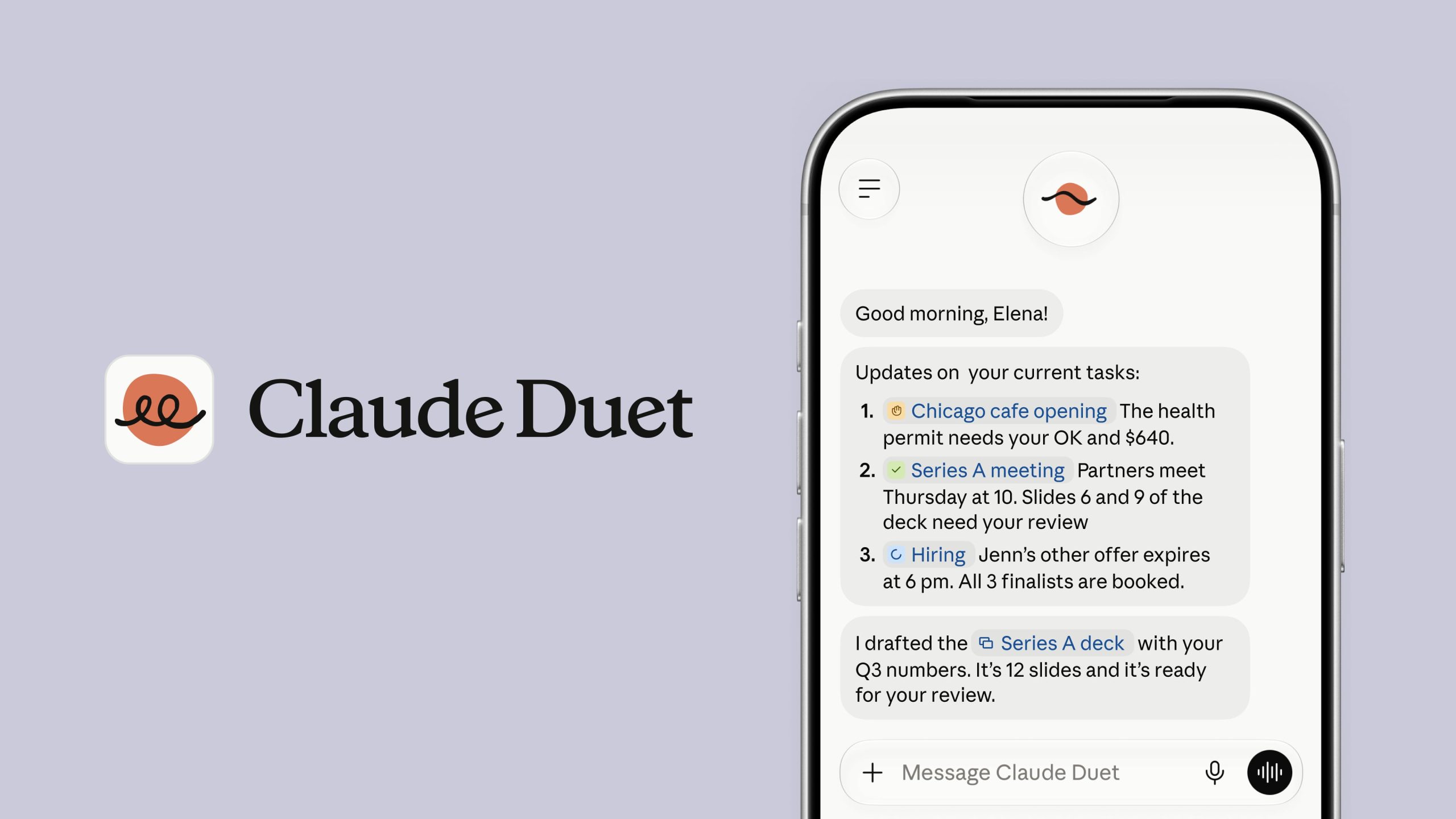
Anthropic today introduced Claude Duet, its answer to Meta's Muse agent and OpenAI's Dots agent. Like Dots and Muse, it is a proactive agent that "reaches out before you ask."


Claude Duet connects to your apps and suggests things that need your attention. It completes tasks and can work in the cloud without local access to a computer. As with Muse and Dots, Duet has a virtual machine with its own browser to complete tasks.

Anthropic says it built Duet for professionals and small business owners with too much to track, as those are the people most likely to find it helpful.

Duet is built around Opus 5.5. It sends a short brief each morning on important items from connected apps, then checks apps every few hours and sends an alert when something needs attention. It can complete simple administrative tasks or more complex tasks like building web apps. While the agent works on its own, it will get user approval before it takes actions like sending a message, making a payment, signing a document, or deleting a file.


It incorporates memory, skills, and connected apps from a Claude account, so there isn't much setup involved. Interactions happen in one ongoing thread instead of across different conversations.

Claude Duet does not see passwords or logins when given access to accounts, and it has a dedicated classifier and safety system prompt that checks each message and guards against sensitive information leaks.

Claude Duet is a standalone product that's available in a research preview right now with access granted via waitlist. It's limited to Pro and Max subscribers in the United States, and can be used via the web or a standalone Duet iOS app. Duet uses your existing Claude plan limits, and its background checks will count toward them.
This article, "Anthropic Launches Claude Duet, a Proactive AI Agent" first appeared on MacRumors.com

Discuss this article in our forums

  •  

MLS Cup Playoffs schedule on Apple TV: wild cards November 18, final December 18

The Audi 2026 MLS Cup Playoffs begin on November 18 with the wild card matches, and every postseason game streams on Apple TV, Major League Soccer said in its schedule announcement. Apple TV subscribers get the playoffs as part of their subscription, which Apple listed at $12.99 per month in February, and 2026 MLS Cup […]

The post MLS Cup Playoffs schedule on Apple TV: wild cards November 18, final December 18 appeared first on The Mac Observer.

  •  

Cambridge Analytica : Meta condamnée à 25 milliards de dollars, et elle s'en sort plutôt bien

Il y a des additions qui donnent quelques sueurs froides, même lorsqu'on s'appelle Mark Zuckerberg. Comme le rapporte The Verge, un tribunal du Nouveau-Mexique vient de condamner Meta à payer 25 milliards de dollars de pénalités dans le cadre du scandale Cambridge Analytica. Une somme astronomique, qui aurait pourtant pu être presque neuf fois plus élevée : le montant théorique des sanctions dépassait les 219 milliards de dollars. Autant dire que Facebook vient de bénéficier d'une ristourne dont même les soldes du Black Friday n'oseraient rêver. 89 % de remise immédiate, tu fais pas mieux Jeff je parie ? Image @zuck, Facebook. Pour comprendre cette nouvelle condamnation, il faut remonter à 2018. À l'époque, le monde découvre que Cambridge Analytica, une société britannique spécialisée dans l'analyse de données politiques, a récupéré les informations personnelles de millions d'utilisateurs de Facebook. Ces données ont notamment servi à établir des profils d'électeurs américains afin de...
  •  

iPhone Duo Has 'Edge Light' Feature That Debuted on Macs Last Year

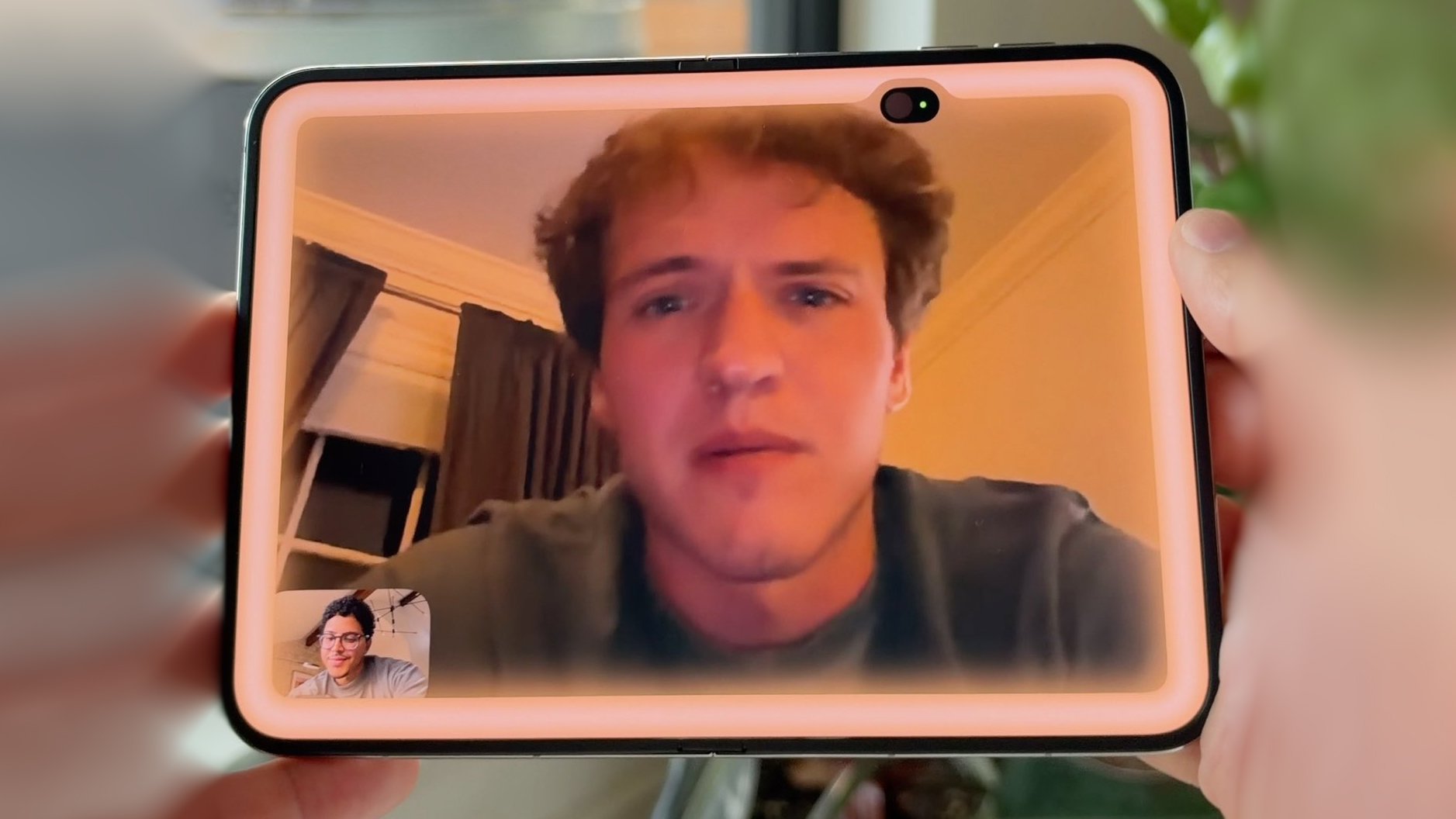
As noted by Miles Franklin, the iPhone Duo's inner display supports Edge Light, an optional setting that debuted on Apple silicon Macs last year. On video calls in apps like FaceTime, Edge Light illuminates the borders of the screen to evenly illuminate your face in low-light conditions. The feature is essentially a virtual ring light.
Related Roundup: iPhone Duo
Buyer's Guide: iPhone Duo (Buy Now)
Related Forum: iPhone

This article, "iPhone Duo Has 'Edge Light' Feature That Debuted on Macs Last Year" first appeared on MacRumors.com

Discuss this article in our forums

  •  

What 32,000 Folds Did to the iPhone Duo's Hinge

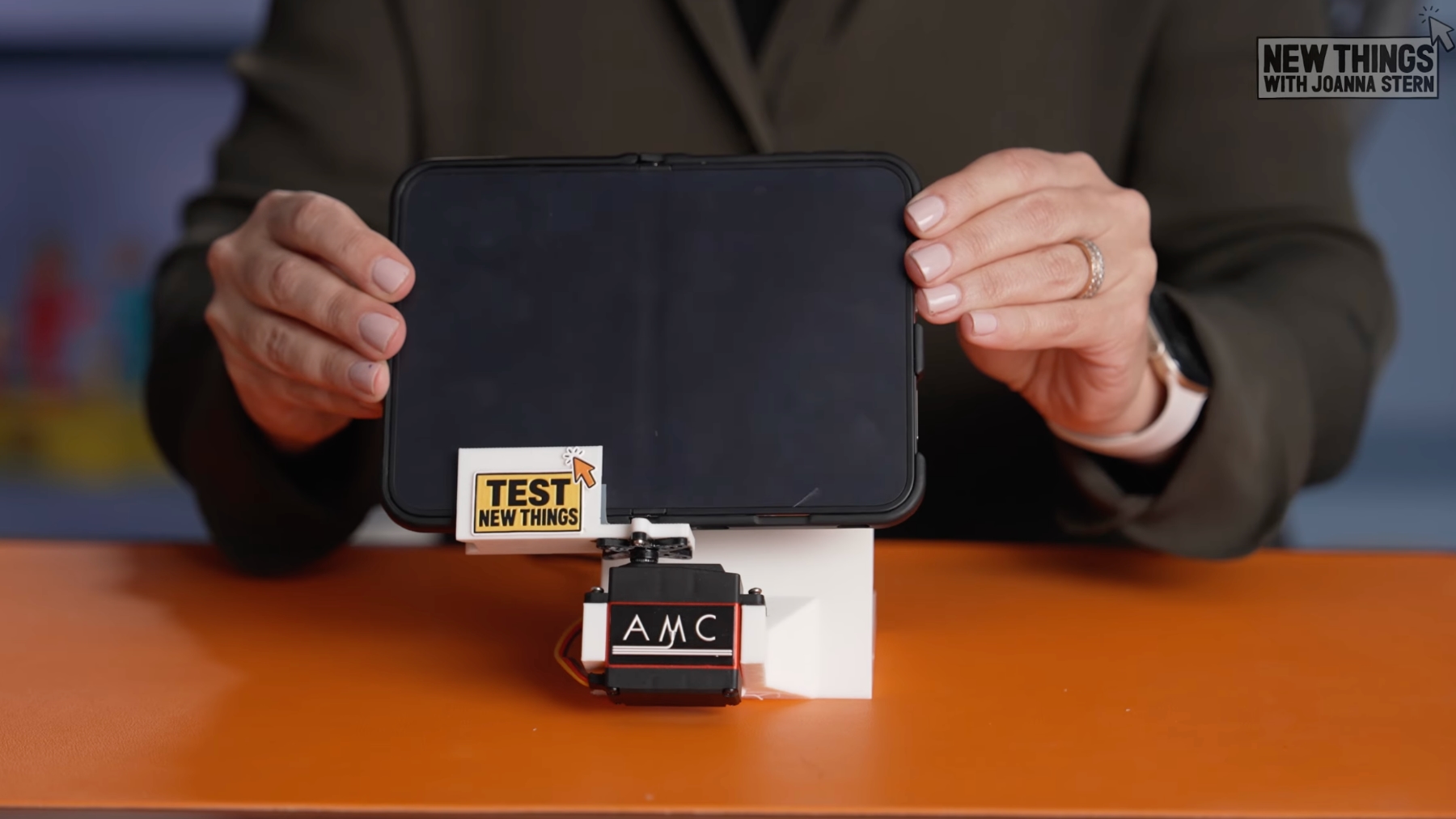
Apple hasn't shared iPhone Duo hinge tests or given a lifetime fold number like Samsung, but Joanna Stern used a custom device to subject her review unit to more than 32,000 folds over four nights.


Over the course of the testing, Stern said she thought it might be feeling looser as the number of folds increased, but her final conclusion was that she couldn't feel much of a change. A calibrated push-pull gauge used to take readings before and after the Duo fold test showed the hinge was actually stiffer than before.
But in everyday use, I really couldn't feel a difference. So, after 32,000 folds, it felt pretty much the same as day one, which is pretty darn impressive.

Stern didn't comment on whether the fold test caused the crease to be more visible, which can happen over time with other foldable devices. Her testing was done with a case on, and while the machine opened the Duo flat, it didn't close it all the way each time.


Samsung's foldable displays undergo official testing, and in 2025, the display used for the Galaxy Z Fold7 passed a 500,000-fold durability test. Samsung Display says that translates to over 10 years for average users folding their device about 100 times a day, or over six years for users who fold it more than 200 times daily.

Until Apple shares information on display and hinge durability, Stern's test is all we have to go on. It's unlikely to be the last unofficial folding stress test that we see over the next few weeks.

The full details on Stern's machine, including how it was built, can be found in her YouTube video, and she has more information in her review writeup.
Related Roundup: iPhone Duo
Buyer's Guide: iPhone Duo (Buy Now)
Related Forum: iPhone

This article, "What 32,000 Folds Did to the iPhone Duo's Hinge" first appeared on MacRumors.com

Discuss this article in our forums

  •  

Early iPhone Duo Reviews Highlight Display Strengths and Everyday Trade-Offs

Early iPhone Duo reviews are examining how Apple’s first foldable handles everyday tasks ahead of its October 23 launch. Reviewers describe an appealing inner display alongside adjustments involving one-handed use, authentication, and app layouts, providing a practical picture of where the design works well and where it asks users to adapt.

Evaluations published October 21 offer a more substantial picture than brief demonstrations, ahead of initial retail availability on OctobeIn a September 19 hands-on, Android Central’s Harish Jonnalagadda also highlighted the inner display’s coating. Those earlier impressions provide context for the October reviews, but came from a shorter session rather than extended everyday use.r 23. The emerging story combines an appealing inner display with practical questions about handling, applications, and the compromises involved in carrying one device that serves two roles.

The Matte Display Changes the Experience

The inner screen’s finish is becoming one of the most consistent points of interest. Apple’s official announcement describes a nano-textured polymer cover intended to reduce glare and minimize the visibility of the fold.

In his PetaPixel review, Jaron Schneider praises the reduction in reflections and says fingerprints are much less noticeable during normal use. He also acknowledges that people who dislike matte displays may not appreciate this one.

In a September 19 hands-on, Android Central’s Harish Jonnalagadda also highlighted the inner display’s coating. Those earlier impressions provide context for the October reviews, but came from a shorter session rather than extended everyday use.

That gives the comparison with existing foldables a more useful starting point than screen size alone. A larger panel matters less if reflections repeatedly interfere with what someone wants to see. Equally, a finish that one reader finds comfortable may disappoint someone who prefers the appearance of glossy glass.

The relevant difference is therefore partly experiential. Shoppers should examine text, photographs, and dark scenes under several lighting conditions rather than judging the screen from a promotional image.

Two foldable smartphones—the iPhone Duo in sleek silver and the A20 Pro in striking dark blue—are displayed side by side, each partially open, showcasing vivid mountain and desert landscapes on their vibrant iOS 27 screens.
Image Credit: Apple Inc.

A Folding Phone Still Has to Work Closed

Schneider’s assessment also exposes a practical tension: he finds the hardware exceptionally well made, yet describes difficulty with one-handed typing and adjusting his grip for Touch ID. His experience favors using both hands.

Those observations should remain attributed to the reviewer. Hand size, preferred grip, and familiarity can produce different reactions to the same device.

Nevertheless, they identify something worth testing before choosing a foldable. The closed phone will still handle quick messages, authentication, and tasks performed while standing or moving. Those interactions deserve as much attention as the impressive moment when the inner screen opens.

A useful demonstration would involve composing a message, reaching frequently used controls, unlocking the device, and then opening it to continue working. Comfort across that sequence reveals more than holding an unfolded phone briefly for a photograph.

Software Makes the Comparison More Complicated

Mark Spoonauer’s October 21 Tom’s Guide review praises the ease of using two applications together, but finds that applications without appropriate optimization can look poor. He also reports that rotating into portrait interrupts the side-by-side layout, which returns when the phone rotates back.

In that specific comparison, he notes that Samsung’s Galaxy Z Fold 8 keeps two narrow app windows visible in portrait.

This illustrates why “supports multitasking” is only the beginning of a useful comparison. What happens when the phone rotates, when someone switches tasks, or when an application encounters an unfamiliar shape can determine whether the extra space feels productive.

The Duo’s Split View limitations become more relevant when they interrupt a task already underway. The review describes a change in layout rather than the loss of the app pair, which returns when the device rotates back to landscape.

Buyers should check the applications they rely on most. A polished demonstration using selected software cannot establish that every banking app, editing tool, or work service will make equally effective use of the display.

Battery Testing Adds a Measured Reference Point

Tom’s Guide recorded 13 hours and 20 minutes in its web-browsing battery test, using the larger display, a 5G connection, and brightness set to 150 nits. The publication says it adapted the test to fill the Duo’s screen and ran it alongside the Galaxy Z Fold 8 and iPhone 18 Pro Max.

In that simultaneous comparison, the Galaxy Z Fold 8 lasted 10 hours and 6 minutes, while the iPhone 18 Pro Max reached 17 hours and 31 minutes. The Samsung phone had previously recorded 12 hours and 19 minutes, illustrating why results from different runs need context rather than being treated as fixed rankings.

The result provides a useful reference, rather than a promise about every owner’s day. It also demonstrates why a single competitive headline can oversimplify testing: the method, screen used, and comparison conditions belong alongside the number.

iPhone Duo reviews - A foldable iPhone Duo displaying a dashboard of widgets on the left screen and a messaging app thread on the right screen.
Image Credit: Apple Inc.

The Strongest Differences Are Practical

These accounts suggest that the Duo’s identity depends on how its screen finish, physical format, and software work together. They also reveal disagreement about whether those benefits outweigh the adjustments. Praise for construction does not automatically resolve concerns about grip or application behavior.

For prospective buyers, the useful question is which compromises fit their routine. Reading comfort, dependable access to work applications, and easy one-handed interactions may carry different weight for different people. The first reviews now provide concrete experiences to investigate, while long-term display and hinge durability still require longer observation.

The post Early iPhone Duo Reviews Highlight Display Strengths and Everyday Trade-Offs appeared first on AppleMagazine.

  •  

How to watch the US Grand Prix on Apple TV: race starts 4pm ET on October 25

The 2026 United States Grand Prix at the Circuit of The Americas in Austin streams exclusively on Apple TV in the US, with the race starting at 4pm ET (1pm PT) on October 25. Apple holds the US rights to every F1 session this season, including all practice, qualifying, Sprint sessions and Grands Prix, under […]

The post How to watch the US Grand Prix on Apple TV: race starts 4pm ET on October 25 appeared first on The Mac Observer.

  •  

iPhone Duo im Test: Revolution oder teurer Kompromiss? Das sagt die Fachpresse

Apples erstes faltbares iPhone ist bei der Fachpresse angekommen – und die Urteile fallen durchaus unterschiedlich aus. Während Display und Verarbeitung fast überall überzeugen, sehen einige Tester noch deutliche Schwächen bei Software, Kameras und Bedienung. Besonders interessant sind die unterschiedlichen Ergebnisse bei der Akkulaufzeit.

(Weiterlesen)
  •  
❌