Como comentamos mais cedo, o dia de hoje marca o 25º aniversário do iPod original — e, para comemorar essa data tão especial, a Apple incluiu nada menos que um emulador surpreendentemente completo do seu clássico reprodutor de mídia na página de erro 404 do Apple Music.
Ornado com uma moldura do primeiro iPod, uma tela monocromática e uma scroll wheel funcional, ele traz uma série de músicas que marcaram a vida do saudoso dispositivo da Maçã.
No menu “Playlists”, por exemplo, há listas de reprodução voltadas aos mais diversos gêneros, com destaque especial para 2001 — o ano de lançamento do primeiro iPod. As abas “Artistas” e “Músicas” também estão populadas com dezenas de artistas e canções, servindo como uma verdadeira cápsula do tempo.
É possível até mesmo jogar o clássico game Breakout, que pode ser acessado em Ajuste » Sobre e segurando o botão central por alguns segundos.
Captura de tela/Apple Music
Se as informações da tela “Sobre” estiverem corretas, esse iPod virtual está rodando a versão 2644.1.0 do seu sistema operacional e está carregado com 1.029 músicas. Nenhuma dessas canções, no entanto, é uma versão completa: todas têm apenas cerca de um minuto e meio.
Para conferir a novidade, basta acessar essa página. Não está claro por quanto tempo esse emulador ficará de pé, então aproveite para dar aquela brincada enquanto pode!
Muito bacana, não? 😃
O Apple Music conta com um catálogo de mais de 100 milhões de músicas e 30 mil playlists — muitas delas com suporte a Áudio Espacial (Dolby Atmos) e em altíssima definição, com áudio Lossless. Para quem ama música clássica, há um app dedicado com mais de 5 milhões de faixas, tudo em uma interface simplificada! No Brasil, são três tipos de assinatura: Universitária (R$12,90/mês), Individual (R$23,90/mês) e Familiar (R$40,90/mês). Caso você não seja um assinante, pode testar o serviço de forma gratuita por um mês. Ele também faz parte do pacote de assinaturas da empresa, o Apple One.
NOTA DE TRANSPARÊNCIA: O MacMagazine recebe uma pequena comissão sobre vendas concluídas por meio de links deste post, mas você, como consumidor, não paga nada a mais pelos produtos/serviços ao usar os nossos links de afiliado.
Apple Music is officially changing its look, and the company took a very creative approach to get there. After weeks of hints inside software testing, the streaming service showed off its new logo and overall design. Instead of just drawing something on a computer screen, the design team built the fresh visual identity using physical […]
Apple Music unveiled a new brand identity on October 21, combining a revised wordmark, a sonic signature, and moving visuals shaped through physical experiments with sound. The project brings together Apple Music and TBWA\Media Arts Lab, with an original composition by British producer Fred again.. and NEST Acoustics providing the musical foundation.
The concept is described as “made by sound.” Rather than treating music as a soundtrack added after the visuals were finished, the creative process used audio to generate movement that could be filmed and incorporated into the identity.
The reveal explains how Apple Music intends to connect its visual and audio branding across different settings. The wordmark, musical-note symbol, filmed sequences, and short composition each contribute to that identity, while the rollout determines where audiences will encounter them.
Sound Becomes Part of the Image
According to Wallpaper’s account of the project, the team played musical notes through a transducer, which converts audio signals into physical vibrations. Those vibrations moved a shallow bath of mineral oil, producing ripples and shifting refractions.
The resulting patterns were captured on camera and became material for the visual design. Fred again.. and NEST Acoustics also developed a short composition that serves as the identity’s sonic signature.
The experimentation also influenced the composition. Fast Company reports that too many notes, or notes pitched too high, created excessive movement and made the image difficult to read. Those tests helped establish constraints for the musicians as they developed the sonic signature.
The result came from adjusting sound and image together. The team could observe how a musical choice changed the liquid’s movement, then refine the composition with the visual response in mind.
A Heavier Wordmark Joins the Moving Visuals
The refresh also changes the service’s typography. Wallpaper describes a customized version of Apple’s SF Pro typeface, with bold, lowercase lettering accompanying the Apple symbol.
The musical-note icon is another component of the system. Together, the lettering, symbol, motion, and sound create several ways to identify Apple Music, depending on the setting.
Those distinctions help explain why a single screenshot cannot represent the whole project. An app icon must remain recognizable at a small size. A video sequence can use time, movement, lighting, and audio to establish a different impression.
The new identity therefore needs to be considered both as a collection of individual elements and as a coordinated presentation. Someone may prefer the animated treatment while responding differently to the static lettering; those reactions concern different parts of the same design.
Introducing a new identity for Apple Music, physically shaped by an original composition from @fredagainagain1 and NEST Acoustics. https://t.co/LFXLIfexPL
A companion film documents the work behind the identity. iClarified’s coverage describes a 78-second sequence moving between the practical setup and the finished visuals.
The team submerged acrylic versions of the musical-note symbol and wordmark in mineral oil. Fast Company reports that the oil was selected for its viscosity, helping create the appearance of glass rippling under sound. Filming the moving liquid and refracted light produced the distortions seen in the finished sequences.
The behind-the-scenes approach makes the production method visible. It gives viewers something specific to examine: the relationship between a musical composition, a physical response, and the image recorded by the camera.
It also provides a useful distinction between inspiration and execution. Saying that a design is inspired by music is broad. Showing sound physically influencing the material being filmed explains how that idea entered the finished work.
The Rollout Extends Beyond the App Icon
Fast Company’s reporting identifies Apple Music, TBWA\Media Arts Lab, Fred again.., and NEST Acoustics as collaborators. It says the identity will begin appearing across original content and event programming this week, with marketing, product, and other experiences following later.
That describes a staged introduction rather than a single moment when every Apple Music surface changes. Viewers may encounter the new presentation in promotional or editorial material before seeing it consistently elsewhere.
The announcement is about branding. It does not, by itself, establish changes to subscription plans, playback quality, recommendations, or the music catalog. Those product details require separate announcements.
Image Credit: Apple Inc.
A Musical Idea Gives the Refresh Its Focus
The strongest part of the project is the clear relationship between its subject and its method. A service built around listening has used a composition to influence its visual identity, giving the sound and moving image a shared origin.
How successfully the elements work across everyday settings will become clearer as the rollout progresses. For now, the reveal offers a concrete account of creative collaboration—and a reason to look beyond the icon when assessing Apple Music’s new appearance.
Apple Music has a new black-and-white logo and app icon, with Apple doing away with the red color scheme that it previously used for the streaming music service.
In a YouTube video released earlier today, Apple showed how the new Apple Music visuals were "made by sound." The video showed off the new Apple Music logo with colorful animations, despite the new Apple Music app icon in the iOS 27.2 beta having a more basic black-and-white design. It is unclear if a splash of color will be added later.
Apple Music's new app icon on the iOS 27.2 beta on the left, old icon on the right
Apple Music has also received a distinct font with a modern, impactful aesthetic.
The rebrand will roll out with Apple's next software releases, including iOS 27.2 and macOS 27.2. The updates are expected to be released next week.
In a YouTube video shared today, Apple said the new Apple Music visuals were "made by sound." More specifically, Apple said it played a sound through a container of water, resulting in the liquid moving at the frequency of the notes. Apple Music brand elements were placed behind the vibrating water, resulting in a new liquid-inspired look.
Apple Music's new brand identity pairs well with the Liquid Glass interface introduced last year across updates like iOS 26 and macOS Tahoe.
Apple Music visuals now have a black-and-white color scheme instead of red. The rebrand will fully roll out with Apple's next software releases, including iOS 27.2, macOS 27.2, and so forth. The updates are expected to be released next week.
Apple partnered with British record producer Fred Again and NEST Acoustics on this project.
People who own Bluesound stereo equipment have a reason to celebrate this week. The premium audio brand just rolled out a free software update that builds Apple Music directly into its BluOS platform. This means listeners no longer have to rely on workarounds to get their favorite playlists onto their high-end speakers. The music keeps […]
Apple Music subscribers can now stream directly to compatible Bluesound speakers and hi-fi equipment, allowing playback without sending audio via AirPlay 2.
Bluesound offers a range of high-end home audio products ranging from wireless speakers and soundbars to streaming components that connect to existing hi-fi systems. Its products use BluOS, a platform that lets users control music and link audio equipment across multiple rooms.
The new integration makes Apple Music accessible within the BluOS Controller app. Once a subscriber signs in, the player retrieves the music itself, freeing their iPhone or iPad from handling the audio stream. AirPlay 2 remains available.
For households with several BluOS products, the addition also brings Apple Music into the same system used to manage playback around the home. Users can play music across grouped devices or choose different music for individual rooms.
The update extends beyond Bluesound's own products to compatible BluOS equipment from NAD Electronics, PSB Speakers, DALI Loudspeakers, Cyrus, and Monitor Audio. Bluesound has not specified the streaming quality offered by the integration. The feature launched on October 20 via a free BluOS software update.
The ‘ads’ in question appear in the Settings app in iOS. They can be found near the top of the iPhone’s display and promote several products to the user, including paid-for iCloud+ storage, free trials for services like Apple Music and Apple TV, and the AppleCare+ extended warranty.
Infuriatingly for iOS users, the only way to disable these promos is to either let them expire — which in many cases could take weeks or even months, leaving a persistent notification badge on the Settings app in the meantime — or pay for the service being offered. There is not always a “dismiss” button to shoo them away for good, and when there is, some people have reported that it doesn’t seem to work.
Anunciada há pouco pela fabricante do iPhone, ela abre mão de cores sólidas para apostar em efeitos visuais inspirados por ondas sonoras — e que lembram bastante a linguagem de design Liquid Glass.
Apresentando uma nova identidade para o Apple Music, fisicamente moldada por uma composição original de @fredagainagain1 e NEST Acoustics.
Por enquanto, a Apple divulgou apenas o novo logotipo do seu serviço de streaming, criado pela NEST Acoustics.
Para chegar ao resultado acima, eles colocaram o logo do Apple Music no fundo de um tanque preenchido com óleo mineral e o cobriram depois com uma placa transparente no formato de um ícone de app. O efeito de ondas sonoras, por sua vez, foi gerado por uma composição (criada pelo DJ e produtor musical Fred Again…), cuja frequência se moveu pelo tanque.
Foram criadas duas versões do logo: uma apenas com a nota dupla e outra com a wordmark. É possível que as vejamos em uso pelo Apple Music no início de vídeos promocionais e em produções como gravações de shows.
Como tem sido o costume, a Apple publicou um vídeo de bastidores que mostra como se deu o processo de criação desses logos:
A nova identidade visual do Apple Music deverá pintar para todos nas versões 27.2 dos sistemas da Maçã, cujo lançamento é esperado para a semana que vem.
O Apple Music conta com um catálogo de mais de 100 milhões de músicas e 30 mil playlists — muitas delas com suporte a Áudio Espacial (Dolby Atmos) e em altíssima definição, com áudio Lossless. Para quem ama música clássica, há um app dedicado com mais de 5 milhões de faixas, tudo em uma interface simplificada! No Brasil, são três tipos de assinatura: Universitária (R$12,90/mês), Individual (R$23,90/mês) e Familiar (R$40,90/mês). Caso você não seja um assinante, pode testar o serviço de forma gratuita por um mês. Ele também faz parte do pacote de assinaturas da empresa, o Apple One.
NOTA DE TRANSPARÊNCIA: O MacMagazine recebe uma pequena comissão sobre vendas concluídas por meio de links deste post, mas você, como consumidor, não paga nada a mais pelos produtos/serviços ao usar os nossos links de afiliado.
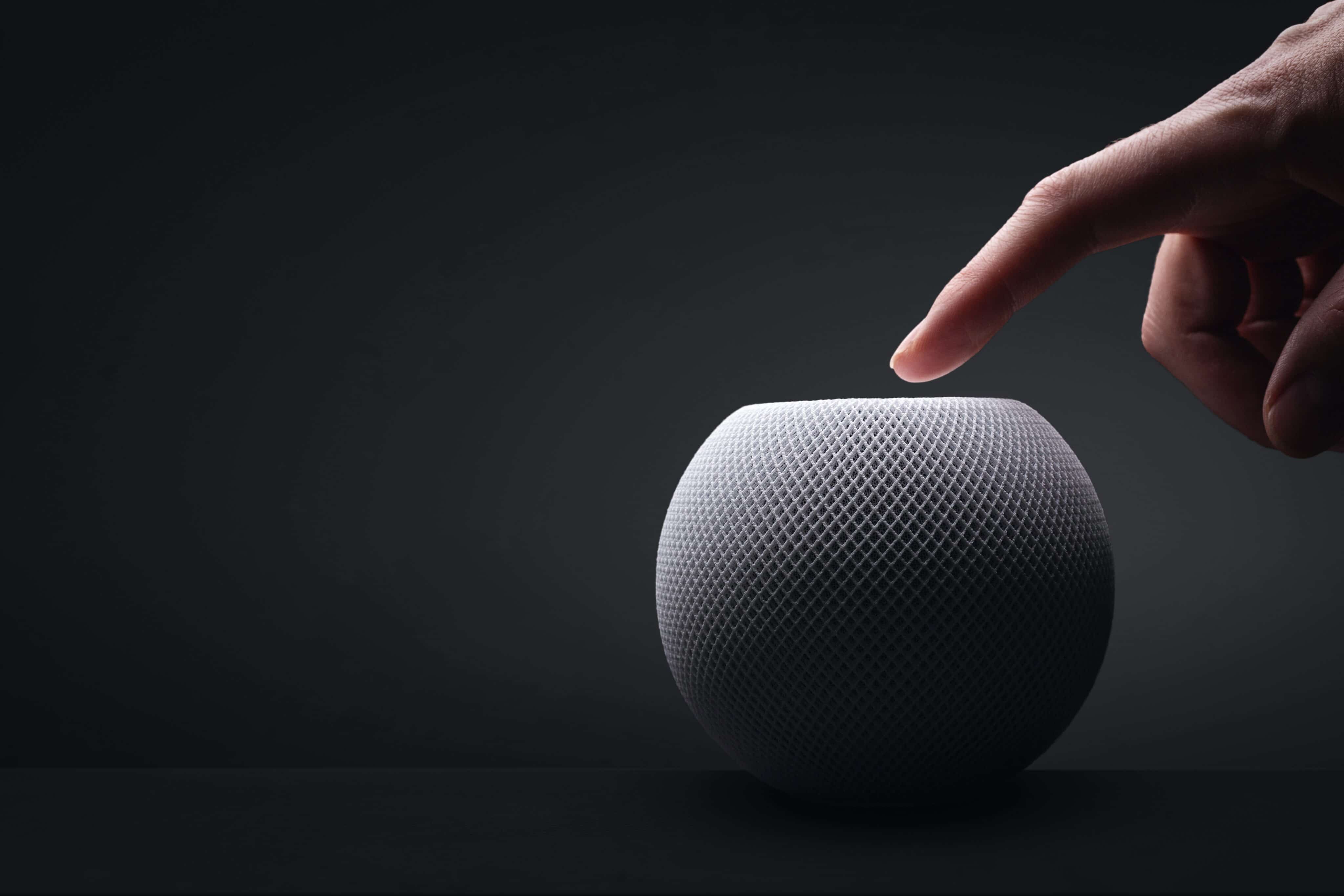
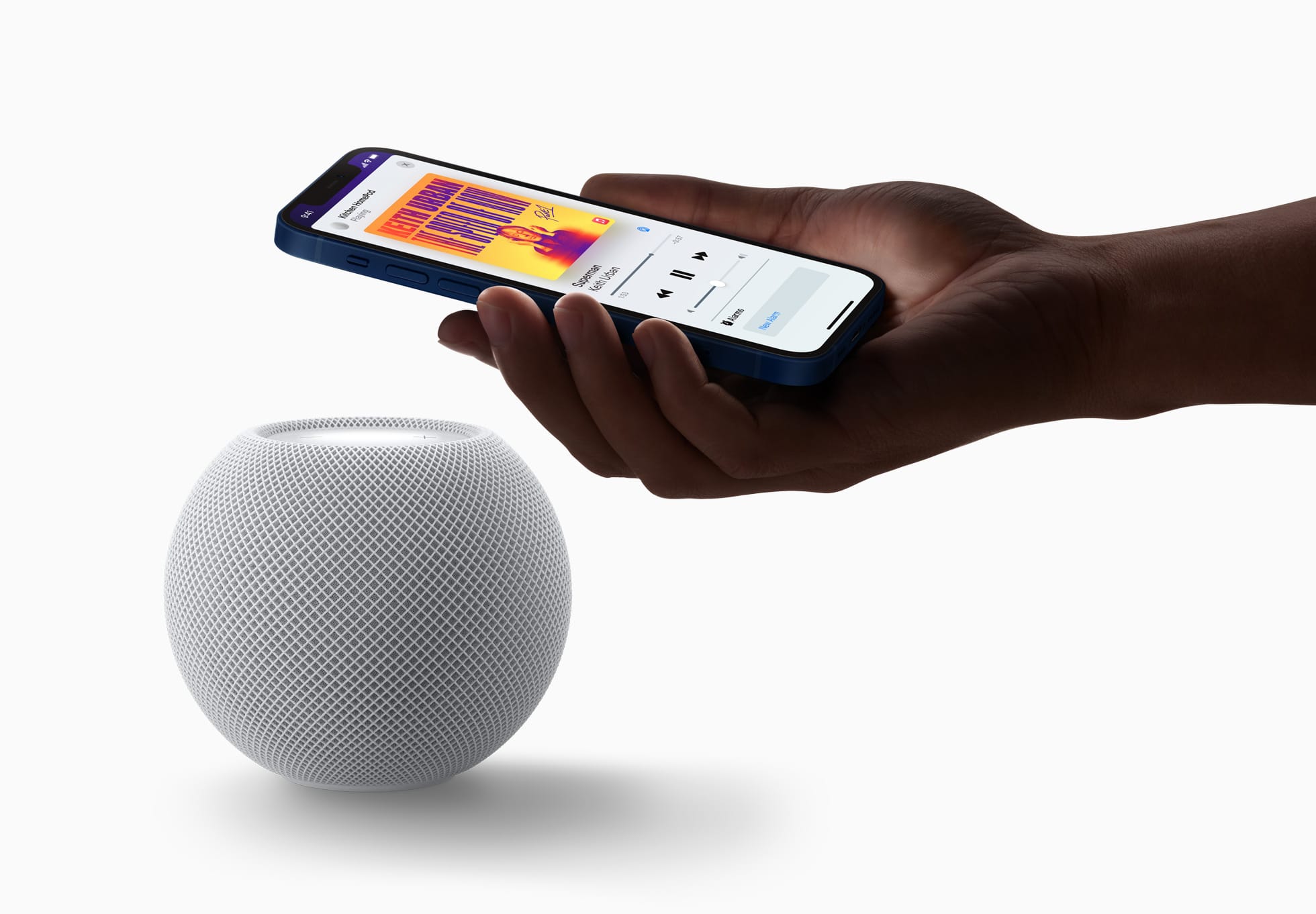
Anunciado na semana passada, o HomePod mini 2 traz algumas novidades bastante interessantes, como o suporte à Siri AI e um processador atualizado. Ainda assim, como ele se parece bastante com o seu antecessor (principalmente em termos de design), é possível que algumas pessoas ainda estejam confusas quanto às melhorias promovidas pela Apple.
Se você é uma delas, saiba que está no artigo certo! A seguir, vamos passar por todas as diferenças entre o HomePod mini de primeira geração e o HomePod mini 2 — assim, você poderá decidir qual dos dois modelos comprar ou se vale a pena trocar o seu.
Design e dimensões
Aqui você vai encontrar mais semelhanças do que diferenças entre as duas gerações da caixa de som inteligente, que contam com o mesmo visual geral, introduzido em 2020, com novas cores adicionadas em 2021 e posteriormente em 2024.
Divulgação/Apple
Com um corpo esférico envolto por uma malha colorida, ambos os modelos têm 84,33mm de altura e 97,9mm de largura, com diferença apenas no peso, menor no HomePod mini 2: 335g (ante os 345g do modelo de primeira geração).
Como dito, as cores do HomePod mini de primeira geração já foram atualizadas algumas vezes, e o modelo chegou a ser vendido nas opções branca, amarela, laranja, azul e meia-noite. O HomePod mini 2, por sua vez, pode ser adquirido nas cores branca, rosa, verde, azul e meia-noite.
Ambos os modelos seguem vindo com uma superfície circular retroiluminada com botões de “+” e “-” para ajuste rápido de volume.
A Apple disponibilizará o recurso Brilho do Som (Sound Glow), que faz essa superfície pulsar e brilhar em tempo real de acordo com a música que está tocando, para todos os modelos do HomePod mini e para o HomePod de segunda geração.
Divulgação/Apple
Tecnologia de áudio
Nesse quesito temos algumas mudanças bem curiosas de uma geração para a outra, embora pouco tenha mudado do ponto de vista de hardware.
O que ambos os modelos têm:
Driver de alcance completo e dois radiadores passivos para graves profundos e frequências altas nítidas;
Guia de onda acústica personalizada para um campo sonoro de 360º;
Tecido acusticamente transparente;
Áudio computacional para ajustes em tempo real;
Reconhecimento de Som para alarmes de fumaça e monóxido de carbono;
Áudio multiambiente com AirPlay;
Compatibilidade com setups de áudio estéreo.
O que apenas o HomePod mini 2 tem:
Compatibilidade com som surround quando emparelhado a uma Apple TV 4K;
Pode ser usado como caixa de som para Macs;
Chip S10.
Divulgação/Apple
Em termos de hardware de áudio, o HomePod mini de primeira geração leva vantagem em apenas um item: o número de microfones. Enquanto o modelo mais antigo vem com quatro microfones embutidos “para Siri em distâncias grandes”, o HomePod mini 2 vem com “apenas” três.
É possível, no entanto, que a Apple esteja compensando a ausência de um microfone no novo modelo com as novas capacidades de software viabilizadas pelo chip S10, bem mais moderno do que o S5 do HomePod mini de primeira geração.
Fontes e controles de áudio
Aqui, nada mudou. Ambos os modelos podem reproduzir áudio das seguintes fontes:
Apple Music;
Compras do iTunes;
Biblioteca de Música do iCloud com uma assinatura do Apple Music ou do iTunes Match;
Serviços de música de terceiros;
Estações do Apple Music Radio ou episódios sob demanda;
Estações de rádio do TuneIn, do iHeartRadio ou do Audacy;
Apple Podcasts;
Resumos de notícias;
AirPlay (iPhone, iPad, iPod touch, Apple TV 4K ou Mac).
Também é possível controlar a reprodução ao:
Tocar uma vez na parte superior para reproduzir/pausar;
Tocar duas vezes seguidas para pular;
Tocar três vezes seguidas para voltar;
Tocar e segurar para invocar a Siri;
Tocar nos botões de “+” e “-” para aumentar ou diminuir o volume.
O HomePod mini 2 vence com facilidade nesse quesito: é o único compatível com a versão “turbinada” da assistente virtual da Apple, a Siri AI.
De acordo com a Apple, além de ajudar em tarefas mais simples como enviar mensagens, controlar a reprodução e configurar lembretes, a Siri AI também pode conversar mais naturalmente, responder dúvidas sobre o mundo real com base em buscas na web e recomendar músicas de maneira mais precisa. Ela ainda leva mais o contexto em conta e processa a maioria das solicitações no próprio dispositivo.
O HomePod mini de primeira geração segue com a versão antiga da Siri, capaz de lidar com comandos mais básicos.
Conectividade e sensores
Tanto o HomePod mini de primeira geração quanto o HomePod mini 2 são compatíveis com descoberta ponto a ponto, para acesso fácil de convidados, e com redes Thread, além de contarem com um chip de banda ultralarga para recursos que dependem da proximidade de outros aparelhos, como iPhones.
Divulgação/Apple
Já o modelo mais antigo tem Wi-Fi 4 (802.11n) e Bluetooth 5, enquanto a nova versão conta com Wi-Fi 6E (802.11ax) e Bluetooth 6. Ambos os modelos vêm com sensores de temperatura e umidade.
Preço e disponibilidade
Já disponível em pré-venda, o HomePod mini 2 será lançado em 30 de outubro por US$150 (US$20 a mais do que o modelo anterior) nos Estados Unidos e em outros países selecionados.
Assim como seu antecessor, o novo HomePod mini também segue sem uma previsão de lançamento no Brasil ou em Portugal — quem sabe isso mude com o lançamento dos sistemas 27.2 e com a chegada da Siri AI em português.
Divulgação/Apple
Ambos os HomePods mini vêm com um cabo USB-C e um adaptador bivolt de 20W na caixa, além da documentação regulamentar, é claro.
NOTA DE TRANSPARÊNCIA: O MacMagazine recebe uma pequena comissão sobre vendas concluídas por meio de links deste post, mas você, como consumidor, não paga nada a mais pelos produtos/serviços ao usar os nossos links de afiliado.
Apple is bundling a free streaming trial with each of its new home devices on its U.S. store. The $299 Apple TV 4K comes with 3 months of Apple TV free, while the $149 HomePod mini 2 and the $299 Apple HomeView each come with 3 months of Apple Music free, according to Apple’s buy […]
Apple Music will soon launch labels on songs created with artificial intelligence, the company said in an email sent out to industry partners on Thursday.
In the email, obtained by The Hollywood Reporter, the streaming service said that AI music labels will come “later this year,” though Apple Music didn’t disclose a specific launch date.
The new labels come months after Apple Music launched transparency tags back in March, available for record labels and music distributors to disclose when content uploaded was “materially generated using AI.”
Good. As much as I enjoy working and tinkering with AI, AI “music” falls squarely in the category of AI implementations I do not understand and cannot even be remotely interested in. Perhaps I’m old-fashioned, but what’s the point of listening to “music” performed by something you can’t see live on a stage, or that you know has never lived a real life? (Obviously we can’t see The Beatles or Beethoven perform live today, but we know they were real humans with real motivations behind their work.)
If you ask me, AI music shouldn’t even be allowed on streaming services, but I suppose it’s too late to fix that problem by now. Hopefully Apple will also include a system-level toggle to permanently hide AI “music” from Apple Music’s UI, too.
Apple has raised prices for Apple Music and most Apple One bundles, citing rising licensing costs. AppleCare+ prices also increased, presumably to keep pace with rising component costs.
The price increases for Apple Music come after Spotify announced its own round of price hikes earlier this year, which Apple poked fun at on social media. Even with today’s price hikes, though, Apple Music remains cheaper than Spotify.
Apple Music no longer makes sense when I’m already paying for YouTube Premium. Apple Music goes up to £11.99, YouTube Premium is £12.99 and on top of a good music service you get no ads on YouTube.
Distilling my longtime argument down to its simplest bit, I’d ask “do you want to pay $10 a month for music for the rest of your life?”
But truly, it was never going to just be $10 per month. The price was going to go up over time. It was going to get more expensive to have access to the same music.
If you purchase your music, though, I think most people would reach a point in their life where they stop buying new music entirely or they’re only buying a few albums per year. The cost of music would go down for you over time.
That was my thinking, too, but then I found that music I’ve purchased from Apple won’t work on my HomePod. I refuse to condone that behavior, so now I have two solid reasons not to subscribe to Apple Music.
While the monthly and annual prices of AppleCare+ plans for Macs and iPads received a slight increase this week, AppleCare One continues to start at $19.99 per month in the U.S., making the multi-device plan even more valuable.
Apple has increased the monthly subscription prices for its Apple Music streaming service in the United States and other markets, marking the first hike in nearly four years. The changes took effect today.
New Apple Music pricing:
• Individual plan: $11.99 per month (up from $10.99)
• Family plan: $19.99 per month (up from $16.99)
• Student plan: $6.99 per month (up from $5.99)
Select Apple One bundles have also seen increases:
• Family plan: $27.95 per month (up from $25.95)
• Premier plan: $39.95 per month (up from $37.95)
The Apple One Individual plan remains unchanged at $19.95 per month.
In a statement to Music Business Worldwide, Apple explained the move: “As a result of rising licensing costs, Apple Music is increasing its subscription price beginning today.”
This increase follows Spotify’s earlier 2026 price adjustment in the U.S., which Apple had publicly highlighted. Despite the hikes, Apple Music’s new Individual rate of $11.99 remains lower than Spotify Premium’s current $12.99.
The last Apple Music price rise occurred in October 2022, when the Individual plan moved from $9.99 to $10.99. Apple has periodically adjusted prices for other services like Apple TV and components within Apple One bundles since then.
MacDailyNews Take: The timing aligns with broader industry trends of streaming services adjusting prices amid rising content and licensing expenses. Existing subscribers will see the changes on their next billing cycle.
Please help support MacDailyNews — and enjoy subscriber-only articles, comments, chat, and more — by subscribing to our Substack: macdailynews.substack.com. Thank you!

 Login