Actors Taye Diggs, Autumn Federici, Gary Entin, Troy Brookins, Edmund Entin and Eric Guilmette attend the world premiere of Microhouse Films and Lifetime's Reunion Island during the ALZA Festival. | Getty Images for Lifetime.
It remains to be seen if people really want to watch vertical content on horizontal TV screens, but many filmmakers and creators were confident that their latest projects would play well at Alza - New York City's first microdrama film festival. Founded by former Tribeca Festival chief operating officer Pete Torres, Alza, which took place October 16th through 18th, was billed as a showcase for the "the creativity, innovation, and growing cultural impact of stories made for the vertical screen." The festival featured a selection of microdrama and film premieres as well as industry-focused panels with executives who all seemed to genuinely beli …
With You Can See Everything, Holmes joins other such high-profile subjects as Lance Armstrong, Imelda Marcos and Anthony Weiner to allow film-makers to document their lives. But do they ever come out well?
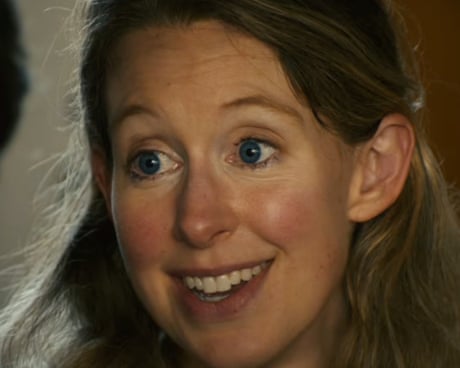
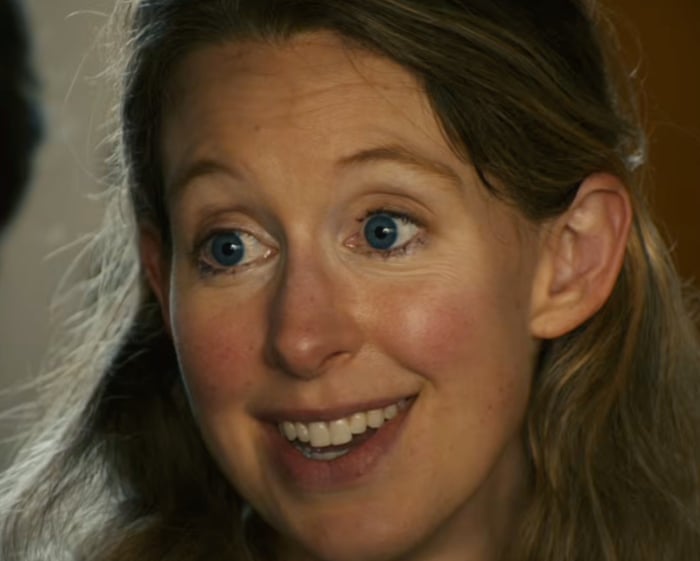
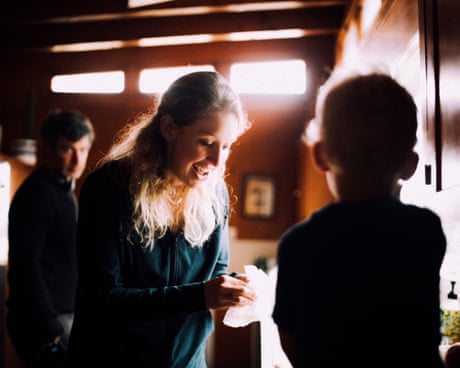
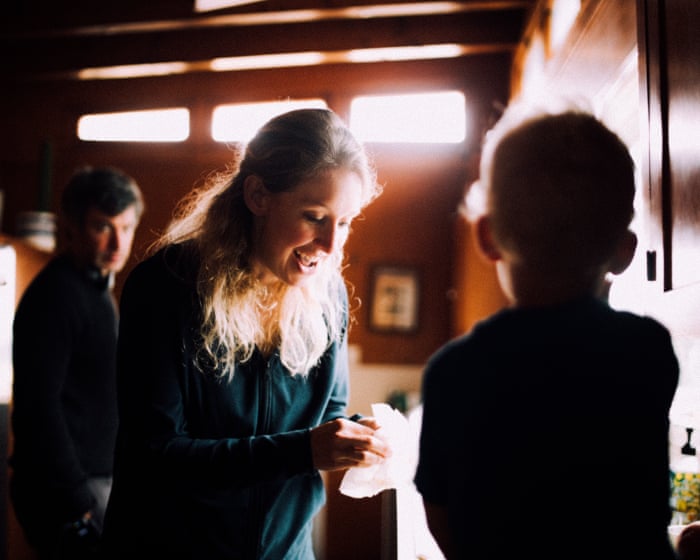
In You Can See Everything, convicted fraudster Elizabeth Holmes invites film-makers Nathan Fielder and Lance Oppenheim into her home in a supposed act of “radical transparency”. Holmes is filmed, along with her partner, Billy Evans, and their two young children, in the weeks before starting a prison sentence for defrauding Theranos investors. “The best way for people to see who she is,” Evans says, “is to give as much access as possible into our daily lives”. It may also be the best way to market “Theranos 2.0”, which the couple are working on during filming. But the documentary questions whether Holmes is presenting her authentic self or a manufactured persona. Fielder speaks for the audience when he asks Holmes in a tense exchange whether she’s “being real” with him. “I’m always being real,” she says.
That question of authenticity is at the heart of documentary film-making. You Can See Everything is as much about the ambiguous relationship between film-maker and subject as it is about Holmes herself. There is often a power struggle over narrative control in documentaries, with both sides of the dynamic wanting different outcomes from the final film. Watching You Can See Everything inevitably prompts the question: why would Holmes, days before she heads to jail, invite the scrutiny of a film crew?
The entrepreneur turned fraudster is the subject of an Oscar-tipped new documentary that takes an unusual look at her strange legacy
David Agus’s first encounter with Elizabeth Holmes at a health conference came as a shock. The Holmes he met in the green room was personable and pleasant. The Holmes he interviewed on stage was altogether different.
“The accent changed: this deep voice, very serious,” Agus, a medical oncologist, recalls by phone from Los Angeles. “It was as if I had met a person and then interviewed a separate person. That transition from the green room to the stage – I had never experienced something like that before.”

 Login