❌

Reading view

Tea Drinkers May Have Fewer Heart and Blood Vessel Problems, Large Study Finds
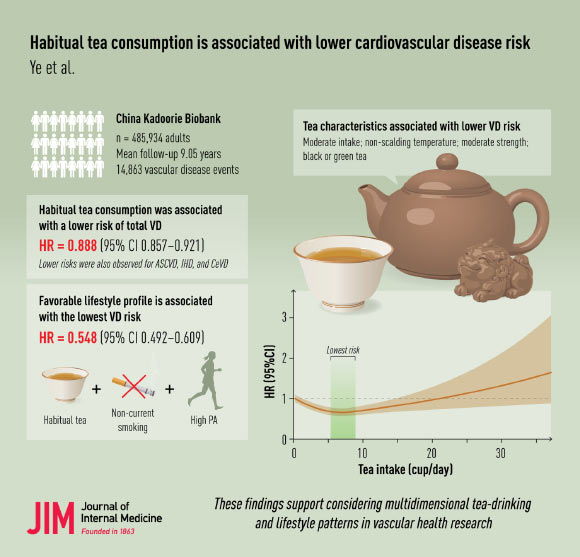
Ye et al. found an 11% lower risk of vascular disease among regular tea drinkers. Image credit: Ye et al., doi: 10.1111/joim.70172.

People who drink tea regularly appear less likely to develop heart and vascular disease than people who don’t, according to a new study published today in the Journal of Internal Medicine.

The post Tea Drinkers May Have Fewer Heart and Blood Vessel Problems, Large Study Finds appeared first on Sci.News: Breaking Science News.

  •  

« Le prix à payer pour l'abondance est énorme » : Bruno Parmentier décrypte la nouvelle menace qui pèse sur l'humanité

Les principales menaces qui pèsent sur l’humanité ne sont pas celles auxquelles nous pensons quotidiennement ! En matière alimentaire, nous avons très peur de nous faire empoisonner, alors que ce risque est devenu très faible, particulièrement en France. En revanche, nous sous-estimons fortement...

  •  

Seaweed Compounds Show Promise against Cell Damage

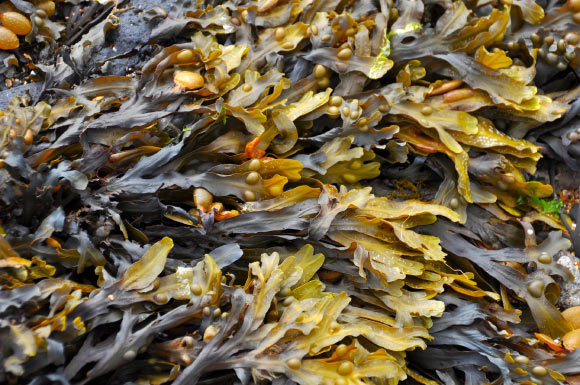
Fucoidans are structurally diverse, fucose-rich, sulfated polysaccharides derived mainly from brown seaweeds. Image credit: Ronile.

Fucoidans -- compounds found in the cell walls of brown seaweed -- could one day help treat diseases driven by oxidative stress, though the substances are far from the pharmacy shelf.

The post Seaweed Compounds Show Promise against Cell Damage appeared first on Sci.News: Breaking Science News.

  •  
  •  

Vanillin Shows Promise for Treating Chronic Wounds

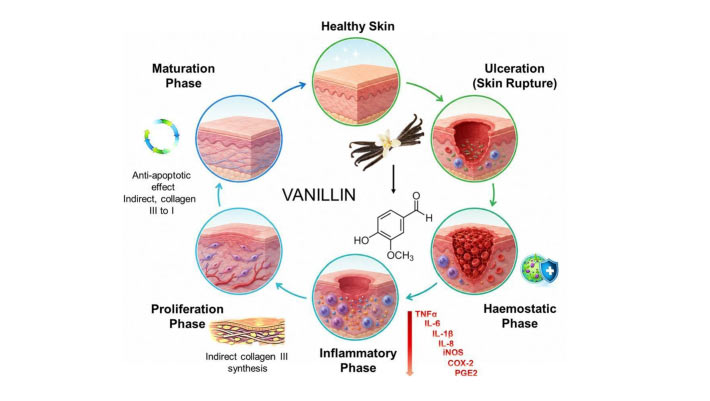
Vanillin has pronounced antioxidant, anti-inflammatory and antibacterial properties. Image credit: Stoilov et al., doi: 10.1016/j.ijpharm.2026.127263.

Vanillin, the compound that gives vanilla its familiar taste, may have a future in treating wounds that refuse to heal, according to a review paper published in August 2026 in the International Journal of Pharmaceutics.

The post Vanillin Shows Promise for Treating Chronic Wounds appeared first on Sci.News: Breaking Science News.
  •  
❌