As Garry Tan, the Y Combinator CEO, has deepened his ambitions to become a political force, the task of turning his agenda into reality has often fallen on the shoulders of one guy: Forrest Liu, his political director. The work keeps Liu, 32, plenty busy—and occasionally requires him to put his body on the line as he drums up money and support for Tan’s platform.
When Liu went to a party in Healdsburg hosted by the CEO of a big fintech company recently, he left with a sprained ankle: It turned out his sandals were the wrong choice for the outing at the sprawling estate. A few weeks later, Liu was at a home near Taos, N.M., to meet with a billionaire, a former California resident who fled there to avoid the Golden State’s proposed wealth tax, which Tan strongly opposes. The estate sat at 7,000 feet—an invitation for altitude sickness for some. Lucky for Liu, the billionaire’s home had a special supply of supplemental oxygen available.
Liu and Tan channel the finances for their efforts through Garry’s List, a dark-money nonprofit that launched in February as well as a related political action committee, so they don’t have to disclose all of the money Liu brings in from his work with the wealthy and powerful. Liu said he is “constantly raising” money. Garry’s List has also hosted events with people like Gov. Gavin Newsom, and this month it plans to do one with the heavy favorite to replace him, Xavier Becerra. In June, the PAC spent $50,000 combating a San Francisco proposal that would have taxed certain highly paid CEOs. The measure failed.
OpenAI is preparing to release a new model family, tentatively using the name “Astra,” with improved abilities to complete long-running tasks, according to three people briefed on the plans.
OpenAI CEO Sam Altman demonstrated Astra to policymakers and regulators in Washington, D.C., this week, ...
A new venture capital fund called SemiAnalysis Capital Fund I, managed by Dylan Patel, the founder of chip and infrastructure research firm SemiAnalysis, is targeting raising $400 million, according to a securities filing.
CyrusOne, a data center operator owned by private equity giants KKR and BlackRock’s Global Infrastructure Partners, is getting ready to interview and hire investment banks to advise on what could be one of the largest initial public offerings next year, according to people familiar with the discussions.
The IPO preparations indicate that some of the world’s largest asset managers are betting public investors will still want to buy shares of companies tied to the AI boom. CyrusOne could use the IPO to pay down debt borrowed to expand its data centers, while allowing private equity owners to cash out. KKR and Global Infrastructure Partners, which later became a unit of BlackRock, took CyrusOne private in early 2022 for $15 billion.
Nscale, a privately held cloud provider, on Thursday said it agreed to buy Anyscale, a startup that trains, finetunes and runs AI models and applications. Nscale is paying $1.6 billion, The Information earlier reported.
The deal will let Nscale offer more AI services, pairing its data centers ...
Apple expects choppy waters ahead for the quarter that ends in September, the company said on its June quarter earnings call. Apple’s Chief Financial Officer Kevan Parekh warned that supply constraints for advanced chip manufacturing will “increase significantly.”
Amazon stock surged in after hours trading after the ecommerce-and-cloud firm reported that revenue from its cloud division Amazon Web Services soared 37% in the second quarter, nine percentage points faster than the first quarter, bringing the division’s revenue to $42.2 billion. AWS’ operating ...
A jittery stock market isn’t the best environment for new public listings. But one young startup with deep ties to the AI boom is marching ahead with its IPO plans, at least for now.
Nscale, a UK-based AI cloud provider heavily backed by Nvidia, has been meeting with prospective investors recently and scheduled an investor day to pitch analysts and investors next week in New York, according to people familiar with the matter. It’s working with Goldman Sachs and JP Morgan on the IPO, which could happen as soon as this fall, though Nscale could still choose to delay it.
Tras permanecer ausentes durante más de 150 años, unos pequeños mamíferos volvieron a recorrer el desierto australiano. Lo que ocurrió después sorprendió incluso a los científicos: el suelo comenzó a cambiar, la vegetación reapareció y un ecosistema que parecía perdido empezó a recuperarse de una manera tan simple como extraordinaria.
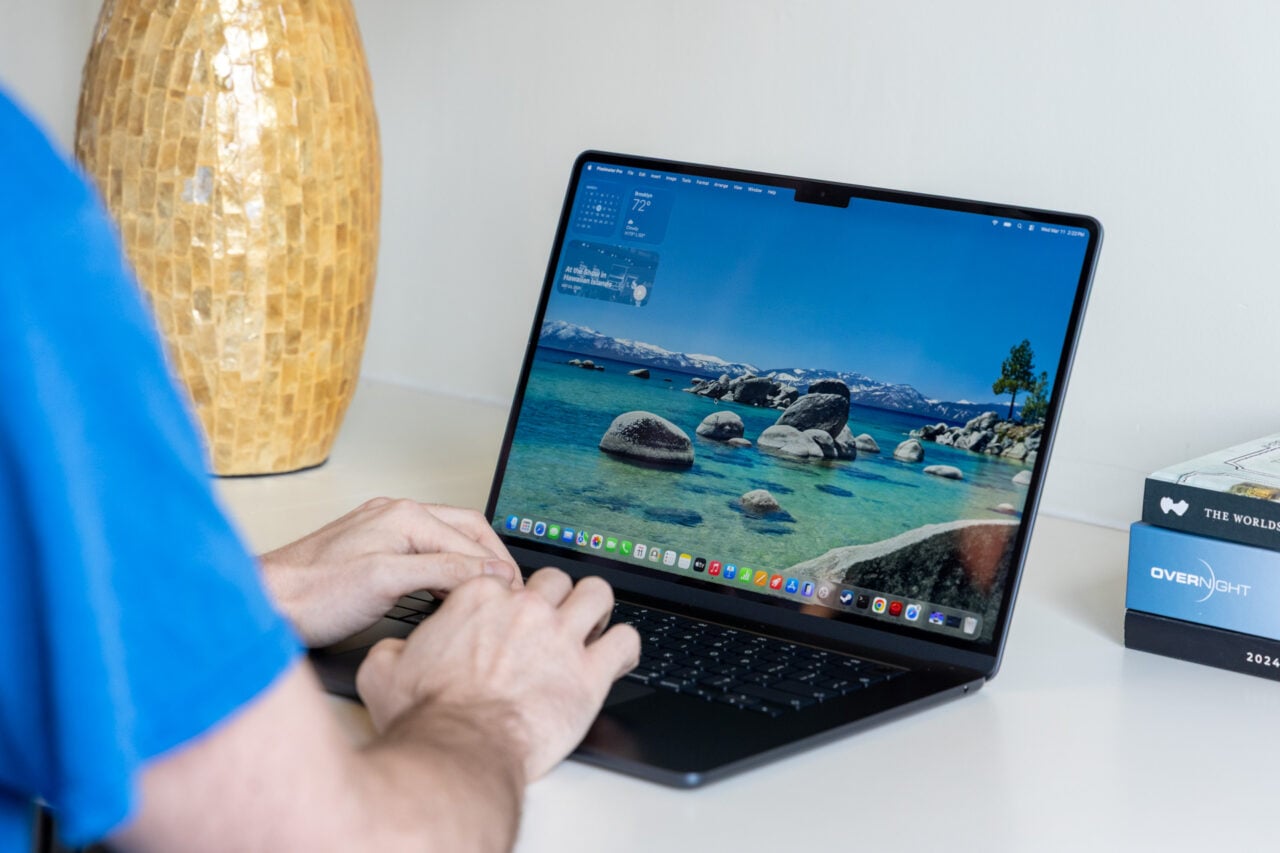
MacBook Neo sales have given Apple something the Mac rarely achieved through its premium models: immediate access to the enormous market for affordable everyday notebooks.
The new line arrived in March 2026 with a launch price of $599, or $499 through education pricing. That placed a current MacBook within reach of buyers who previously depended on discounted older models, inexpensive Windows laptops or Chromebooks.
Price opened the door, but appearance helped people walk through it. MacBook Neo entered the market in blush, indigo, silver and citrus, avoiding the visual compromises commonly associated with entry-level computers. The aluminum enclosure, color-matched keyboard and 13-inch Liquid Retina display made it look like a deliberate new Mac rather than a reduced MacBook Air.
Those choices changed the conversation around an affordable Apple notebook. Buyers could select a computer according to personality and style before considering processor benchmarks. Students could carry something visibly different from institutional gray and black laptops. Families could distinguish multiple computers by color, while first-time Mac owners received a product with its own identity.
Early shipment estimates suggest that strategy worked. IDC data shared with TechCrunch placed MacBook Neo shipments at approximately 1.1 million units during the March quarter, even though the computer had been available for only about three weeks. Apple does not disclose sales by individual Mac model, so the figure remains an independent market estimate rather than an official unit count.
The pace was nevertheless substantial enough to make MacBook Neo one of the strongest recent Mac introductions. It also pushed the story beyond one successful product launch. Apple had entered a price segment responsible for tens of millions of notebook purchases each year and found customers who had never seriously considered macOS.
Image Credit: Apple Inc.
MacBook Neo Sales Started With a Missing Price Tier
Apple spent years concentrating the MacBook line above the mainstream notebook market. MacBook Air became the accessible model, but its price still placed it beyond many students, families and buyers in countries where local income and currency conversion make Apple hardware especially expensive.
Discounted older MacBook Air generations partially filled that gap. Retailers could keep M1, M2 or M3 models available after newer versions arrived, offering buyers lower prices without Apple designing a dedicated entry-level computer.
That approach had limitations. Availability depended on remaining inventory, configurations varied among retailers and the product still looked like a previous generation being cleared from the channel. It could attract value-conscious buyers, but it did not establish a permanent starting point for the Mac.
MacBook Neo created that starting point. Apple designed the model around an A18 Pro chip rather than the M-series processors used by MacBook Air and MacBook Pro. The base configuration included 8GB of unified memory and 256GB of storage, enough for browsing, school assignments, communication, streaming and everyday productivity without competing directly with higher-performance Macs.
The model retained features that buyers encounter every day: an aluminum body, a 13-inch high-resolution display, a Magic Keyboard, a large Multi-Touch trackpad, a 1080p FaceTime HD camera and a fanless design. Apple rated its battery for as long as 16 hours under its testing conditions.
Performance headroom, memory capacity and external-display support remain more limited than on a MacBook Air. Those compromises are easier to accept when the computer is purchased for writing, research, web applications, video calls and media consumption rather than professional video production or complex development work.
IDC estimated that the sub-$700 segment represented about 75 million annual notebook shipments, close to 40% of global notebook volume. Windows and ChromeOS historically controlled more than 95% of that tier. Apple had been competing for a small premium section of the market while a far larger pool of buyers purchased elsewhere.
MacBook Neo sales gave the company a way into that pool without placing an old design or plastic enclosure at the entrance to the Mac line. A buyer comparing computers at similar prices could now choose macOS without first accepting a major premium.
Color Gave the Affordable MacBook an Identity
Low-cost laptops are frequently designed to disappear. Dark plastic, conservative finishes and generic bodies keep manufacturing simple and reduce the risk that one color will remain unsold. MacBook Neo took the opposite approach by making color one of the most recognizable parts of the product.
Silver preserves a familiar Mac appearance, while indigo offers a darker alternative without returning to standard black. Blush gives the line a softer finish, and citrus creates the visual signature that separates Neo from every other MacBook on a table.
The colors do more than decorate an inexpensive computer. They prevent the model from being defined entirely by what it lacks. Instead of asking why it has an A18 Pro rather than an M5, buyers can begin with which finish they want.
That distinction is valuable among younger customers. IDC described reactions from teenagers who focused on the display, weight and appearance rather than memory specifications or processor architecture. Their interest centered on how the computer would look at school compared with the Windows laptops and Chromebooks already around them.
Apple used a similar strategy when color helped turn the original iMac into a cultural object. Later iBook models carried bright finishes into portable computing, while colorful iMac and MacBook designs made personal computers feel less institutional. MacBook Neo revisits that idea for a generation accustomed to selecting colors for phones, headphones, cases and watches.
The approach also avoids making affordability look like punishment. A lower price does not force the buyer into an anonymous product with a visibly cheaper exterior. Neo has limitations, but its design gives owners something exclusive to the line instead of presenting the computer as a substitute for the MacBook they could not afford.
Color alone did not produce MacBook Neo sales. The launch price, battery life, macOS integration and recognizable MacBook construction carried more purchasing weight. Color made those advantages easier to notice and gave stores a product that could attract attention before a salesperson explained its specifications.
First-Time Buyers Changed the Mac Equation
Apple said customer response exceeded its expectations and connected the launch with record participation from people buying their first Mac. That audience may prove more valuable than existing owners choosing a less expensive replacement.
A first Mac purchase can introduce a customer to applications and services that become part of daily work. People who already use an iPhone can access Messages, FaceTime, Photos, iCloud, AirDrop and iPhone Mirroring from the computer without rebuilding their digital routines.
That familiarity lowers one of the barriers to changing computer platforms. A person may have used Windows throughout school or work while carrying an iPhone for years. MacBook Neo makes the switch less financially demanding, while the connected features reduce the amount of relearning required after purchase.
MacBook Neo sales also challenge the assumption that low-cost notebook buyers care only about the lowest available price. Many customers are willing to spend more than the cost of an entry Chromebook when the difference provides a better display, metal construction, longer useful life or closer integration with a phone.
The line is therefore competing on perceived value rather than absolute cheapness. A $599 launch price remains expensive beside the least costly education laptops, but it enters the same purchasing discussion as many mainstream Windows models. It no longer requires a buyer to stretch directly toward MacBook Air pricing.
Education represents a particularly large opportunity. Schools and families make purchases around durability, battery life, software management, support requirements and the number of years a computer can remain useful. A lower acquisition price gives the Mac a better chance of surviving the first stage of that calculation.
Small businesses face similar decisions. A company that previously reserved Macs for designers or executives can consider Neo for administrative work, communication and browser-based services. Wider Mac deployment then becomes possible without assigning a premium notebook to every employee.
MacBook Neo sales may also protect Apple from depending entirely on upgrades. Mature computer owners can keep a capable Mac for many years, extending replacement cycles. Bringing new people onto the platform creates additional demand without waiting for an existing MacBook Air or MacBook Pro to become obsolete.
Worldwide Adoption Is the Larger Story
The geographic distribution of the first units shows both progress and unfinished work. IDC estimated that 44% of March-quarter shipments went to the United States. That concentration is unsurprising for an Apple launch, but the larger opportunity sits in markets where Mac adoption has remained limited by price.
India offers an early example. Approximately 18,000 units reportedly shipped there during the short March launch period, while retailers later experienced difficulty obtaining enough inventory. The local starting price of ₹69,900 remained above the direct currency conversion of the U.S. price, yet it sat far below the ₹119,900 entry point reported for MacBook Air at the time.
Older MacBook Air generations had previously generated Indian sales when retailers offered substantial discounts. Neo gives Apple and its partners a current model to promote throughout the year rather than depending on irregular clearance inventory.
Availability timing will influence adoption elsewhere. The computer reached some markets later than the initial launch, including Indonesia in May. Local taxes, currency movements, distribution capacity and supply allocation can produce a very different value proposition from one country to another.
Independent forecasts remain optimistic despite severe pressure across the PC industry. TrendForce projected Apple notebook shipments could grow 7.7% during 2026 and estimated that MacBook Neo could reach between 4 million and 5 million units. IDC later said stronger-than-expected demand from the model contributed to an upward revision of its notebook forecast.
Those gains are occurring while memory shortages and rising component costs are pushing much of the computer industry toward higher prices. IDC expects worldwide PC shipments to contract during 2026, making Apple expansion unusual in a market where many manufacturers are reducing configurations and protecting margins.
Supply control helped Apple enter the lower tier at a difficult moment. The company already designs the A18 Pro, uses a highly standardized configuration and purchases components at enormous scale. That structure gave it more room to assemble a focused notebook without relying on a separate processor vendor for the central chip.
Recent Mac price increases caused by rising memory costs may test how much of the early advantage Apple can preserve. Neo depends on remaining close enough to mainstream notebooks that first-time buyers continue placing it on the same shortlist. A widening price gap would return the Mac to the premium territory the new line was created to escape.
The next evidence will arrive through education purchasing cycles and expansion in price-sensitive countries. A personal citrus or blush MacBook can win attention in a store, but deployments across schools and small businesses will depend on supply, local pricing, management costs and useful life. The first semester filled classrooms with individual Neo buyers; the coming academic year will reveal whether entire institutions are ready to replace rows of gray laptops with macOS.
Autistic children showed earlier and less age-related refinement in the brain signals involved in processing faces. A child looks at a face, and within milliseconds the brain begins sorting its features, expression, and identity. Researchers have now traced that process across the entire scalp in one of the most comprehensive studies of face perception in [...]
A new Google Earth tool allowed the creation of A.I. deepfake maps. The tech giant quickly pulled it back after a backlash and concerns about disinformation risks.
Cada año se filtran miles de millones de registros de plataformas y servicios online. La mayoría de los usuarios no se entera hasta que alguien ya ha usado sus datos. NordVPN Dark Web Monitor supervisa de forma continua si tu correo electrónico aparece en esas filtraciones y te avisa en tiempo real para que puedas actuar antes de que sea tarde.
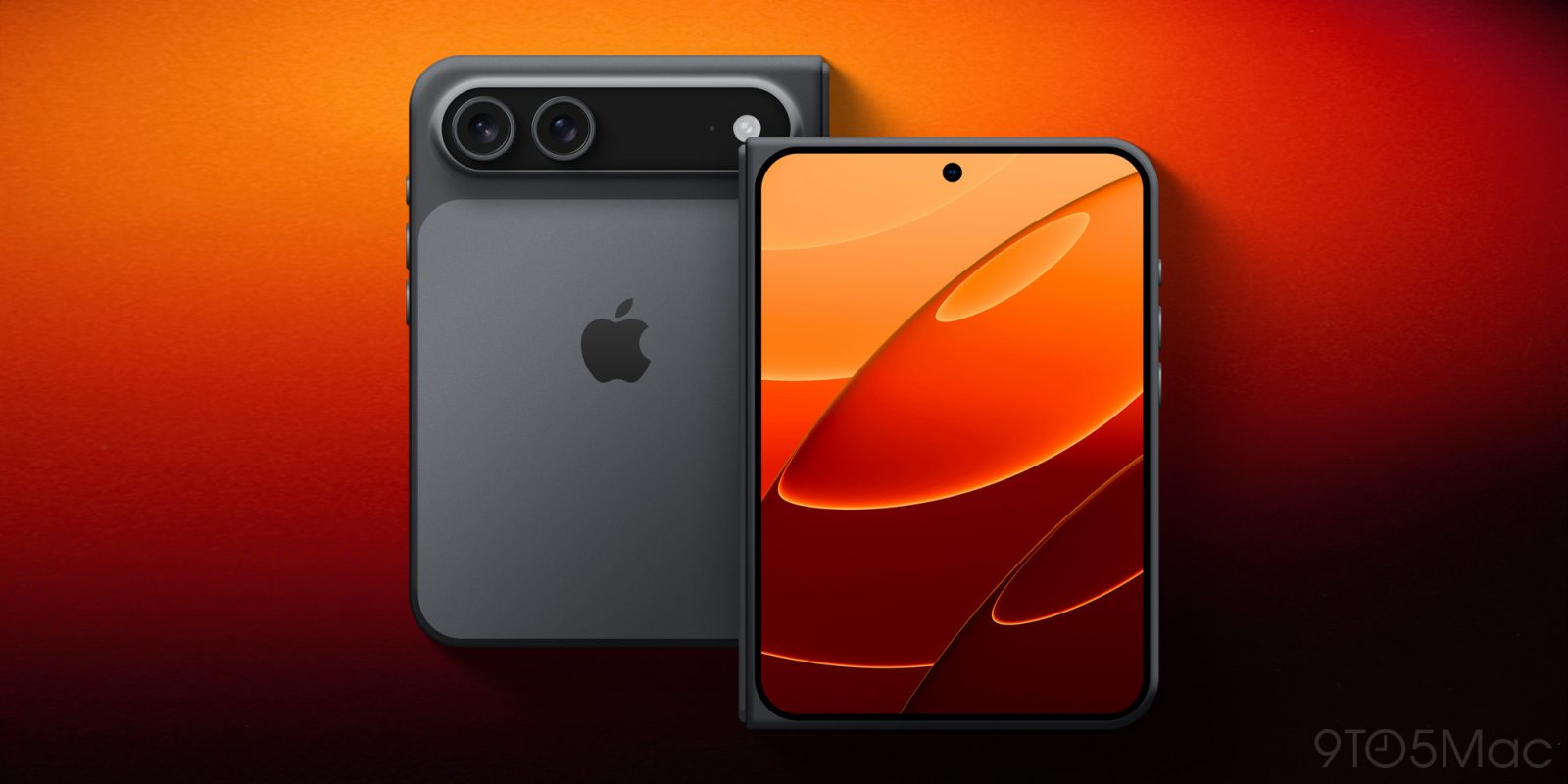
This month, Apple will be unveiling its first foldable iPhone – rumored to be called iPhone Ultra. It’s going to feature a 5.5-inch outer display and 7.6-inch inner display. In July, Samsung introduced the new Galaxy Z Fold 8 – and it comes with those same screen sizes.
Whether or not you believe Samsung only made this phone to preempt the iPhone Ultra is a different story – but one way or another, seeing the Galaxy Z Fold 8 gives us a great early idea of what iPhone Ultra will feel like in the real world.
Un extraordinario fósil descubierto en Japón ha permitido cerrar uno de los mayores vacíos en la evolución de las abejas melíferas. Su sorprendente antigüedad y sus características anatómicas ofrecen nuevas pistas sobre el origen de especies actuales y sobre cómo estos insectos afrontaron antiguos cambios climáticos.
Quem busca por um monitor com a resolução 2560x1440, também conhecida como QuadHD, quer maior fidelidade gráfica em relação ao Full HD. Essa quantidade de pixels na tela tem sido a configuração intermediária para os PC gamers, proporcionando ótima qualidade gráfica, especialmente em uma tela de 27 polegadas, pela densidade de pixels, como também altas taxas de FPS, algo que não é tão simples em 4K.
Enquanto o 1080p costuma sobrecarregar a CPU, em QHD a placa de vídeo passa a ser o componente mais exigido, embora ainda exista um certo equilíbrio com o processador.
Para ajudar você a estressar o seu hardware e verificar a estabilidade do sistema, selecionamos os 5 melhores jogos para testar o seu PC gamer em QHD.
1. Cyberpunk 2077
Mesmo anos após o seu lançamento original, Cyberpunk 2077 ainda é um dos principais benchmarks para qualquer nível de PC. Na resolução QHD, a densidade visual de Night City ganha mais nitidez comparada com 1080p, mas cobra o seu preço.
O jogo é amplamente reconhecido por levar as tecnologias de Ray Tracing e Path Tracing ao limite, exigindo que a placa de vídeo processe reflexos em superfícies molhadas, iluminação global e sombras de alto nível em tempo real, empurrando o uso da GPU frequentemente para os 100%.
No entanto, engana-se quem pensa que o título da CD Projekt Red castiga apenas o chip gráfico. Devido à sua natureza de mundo aberto massivo, com inteligência artificial complexa para pedestres, tráfego intenso de veículos e transições dinâmicas de cenários, Cyberpunk 2077 também exige um processamento massivo por parte da CPU.
Testar sua máquina em 1440p permite avaliar perfeitamente o equilíbrio do desempenho do conjunto, garantindo que o processador consiga empurrar a GPU de forma fluida sem causar engasgos ou gargalos em áreas de aglomeração urbana.
2. Crimson Desert
Crimson Desert é exigente, mas bem otimizado. O game estabeleceu um novo patamar para os visuais de mundos abertos na atualidade, principalmente quando falamos de natureza. Rodar este título na resolução QHD revela a riqueza de detalhes do continente de Pywel, destacando uma física avançada de deformação do terreno, tecidos realistas e uma vegetação extremamente densa que reage dinamicamente ao vento e às ações dos personagens, como The Witcher 3 já fazia há uma década.
A imensidão dos cenários cria um ambiente de estresse constante sobre a largura de banda da memória RAM e a velocidade de leitura do SSD NVMe, eliminando qualquer margem para travamentos. Além disso, as transições fluidas entre a exploração de planícies e as cutscenes exigem que a placa de vídeo processe efeitos climáticos pesados em tempo real.
3. Forza Horizon 6
Forza Horizon 6 eleva a barra visual ao integrar o Ray Tracing diretamente durante a jogabilidade em mundo aberto, e não apenas no modo de visualização de garagem. Em 1440p, a combinação de alta velocidade com reflexos gerados por traçado de raios nas carrocerias dos carros e poças d'água cria uma experiência que impressiona. O hardware é desafiado a processar cenários vastos e detalhados que passam pela tela a mais de 300 km/h, exigindo renderização veloz sem margem para atrasos.
Esse dinamismo faz o jogo de corrida da Playground Games um excelente termômetro para verificar a estabilidade de quadros por segundo e o tempo de resposta (frametime) do seu sistema. Como as corridas envolvem múltiplos competidores e efeitos de iluminação em constante mudança sob diferentes condições climáticas, o jogo coloca à prova a eficiência da arquitetura da sua placa de vídeo em lidar com Ray Tracing em alta resolução sem depender exclusivamente de técnicas de upscaling. Uma performance fluida aqui indica um sistema perfeitamente calibrado para jogos de alta taxa de atualização em 1440p.
4. Pragmata
O grande destaque técnico de Pragmata está no uso intensivo de Path Tracing, principalmente em reflexos nas inúmeras superfícies reflexivas dos ambientes da estação espacial do game. Em QHD, isso resulta em ambientes ainda mais detalhados, mas com um preço altíssimo.
A aplicação do Path Tracing torna Pragmata um verdadeiro triturador de placas de vídeo em 1440p, sendo o teste pesadíssimo para os núcleos de aceleração de Ray Tracing da sua GPU, seja uma GeForce ou Radeon. O nível de estresse gráfico gerado por essa tecnologia obriga o uso de reconstrução de raios e exige bastante da memória de vídeo.
5. Spider-Man 2
A chegada de Spider-Man 2 aos PCs trouxe uma Nova York virtual com um nível de complexidade e fidelidade geométrica sem precedentes. Rodando em 1440p, os reflexos por Ray Tracing nas janelas de vidro dos arranha-céus e a iluminação global que interage com o balanço do "Miranha" transformam o visual do jogo em um espetáculo à parte. O título exige muito poder de processamento bruto da placa de vídeo para calcular a oclusão de ambiente e as sombras detalhadas de uma metrópole densamente povoada, algo que também pesa bastante na CPU.
Além do poder gráfico, a locomoção em alta velocidade pelos cenários através das teias ou das asas de teia impõe um desafio considerável ao armazenamento da máquina. O jogo usa ao máximo as tecnologias de streaming de assets direto do SSD, exigindo que o processador trabalhe em perfeita harmonia para descompactar dados em tempo real e evitar quedas brutas de performance.
Manter a estabilidade em Spider-Man 2 em 1440p com Ray Tracing ativado comprova que o seu PC possui um ótimo equilíbrio entre largura de banda, armazenamento e processamento gráfico.
Essa lista poderia ser ainda maior com jogos como Horizon Forbidden West, Resident Evil Requiem, Alan Wake 2, Red Dead Redemption 2, entre outros, mas são estes os melhores jogos para testar o PC gamer em QHD que o Canaltech escolheu:

 Login