❌

Reading view

MacVoices #26167: Live! – A New Show, Goodbye BTN, Encryption Fights, Politics, and DuckDuckGo

This MacVoices Live! starts out with the introduction of the new Foreshadowing Tech series, mark the end of the British Tech Network after 18 years, and examine Apple-related privacy, politics, and search issues. Chuck Joiner, David Ginsburg, Jeff Gamet, Guy Serle, Web Bixby, Eric Bolden, Marty Jencius, and Jim Rea discuss Canada’s encryption proposal and Apple’s response, the Towson Apple Store closure, DuckDuckGo’s surge after Google search changes, and Meta’s AI pendant ambitions. 

💾

  •  

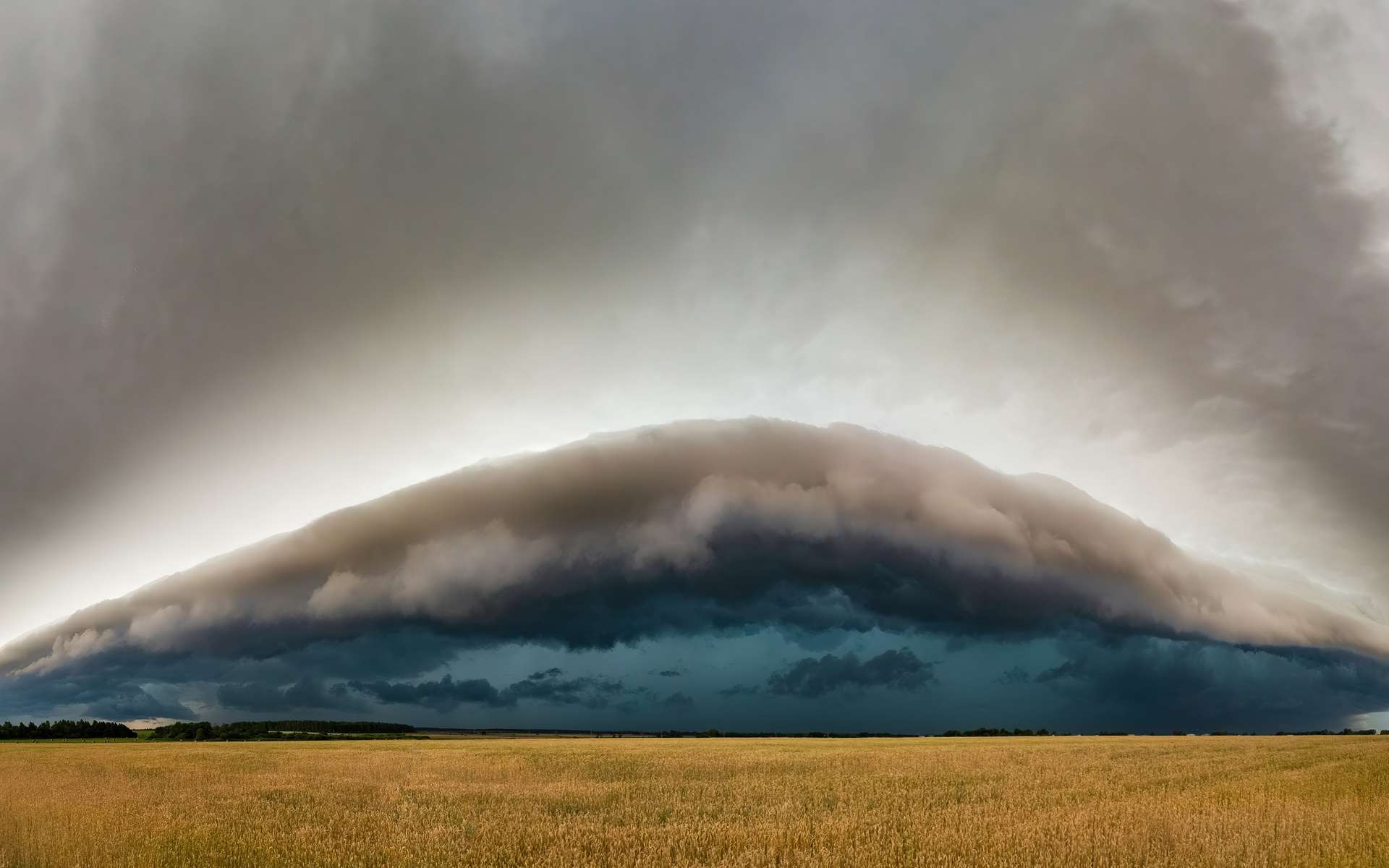
Le jour où deux orages de grêles se sont rencontrés au pire endroit possible et provoqué 1 milliard de dollars de dégâts

Un désastre exceptionnel s'est produit dans l'une des plus grandes villes du Canada il y a quelques années. Un orage de grêle géante a tout pulvérisé sur son passage, à tel point que le coût des dégâts a atteint un niveau impensable.

  •  

Sur l’île de Vancouver, entrez dans une forêt hors du temps où des géants de 800 ans frôlent les 80 mètres

Sur l’île de Vancouver, entre brume, montagnes et océan, une route sinueuse mène à un monde hors du temps. À Cathedral Grove, au cœur du parc provincial MacMillan, des arbres gigantesques dominent une forêt où la vie semble avoir conquis chaque centimètre : au sol, les troncs tombés...

  •  

First test flight of largest all-electric aircraft used just $5 of electricity

The first flight of the largest battery-electric aircraft to take to the skies lasted nearly half an hour while costing just $5 of electricity. That aviation feat comes at a time when jet fuel prices have skyrocketed because of the US war with Iran.

The test flight of Heart Aerospace’s X1 demonstrator aircraft took place at Plattsburgh International Airport in upstate New York on August 12. The X1 aircraft is comparable in size to a small regional airliner and can achieve a maximum takeoff weight exceeding 25,000 pounds with the help of four wing-mounted electric motors. The battery-electric propulsion system delivered more than one megawatt of power during the maiden flight.

All-electric aircraft can offer quieter and cleaner flight without the emissions that come from burning jet fuel. They may also prove more reliably cost-effective than conventional aircraft that come with jet fuel costs subject to geopolitical disruptions.

Read full article

Comments

© Heart Aerospace

  •  

Tesla is suing this Canadian province for cutting it out of its EV incentives

Tesla is suing the Canadian province of Manitoba for cutting the automaker out of its electric vehicle rebate program, and the fight has now reached a courtroom.

The province is asking Manitoba’s Court of King’s Bench to throw out the challenge. Tesla says the ban has already cost its Canadian customers at least $560,000 in lost rebates.

  •  

Canadian legislator reads out apparent LLM response in floor speech

Anyone who has used the Internet in recent years is probably used to encountering telltale signs of LLM prompting that lazy users sometimes forget to remove from their AI-generated pabulum. But a Canadian legislator took that idea to an embarrassing new level this week, reading an apparent LLM prompt instruction into the record during a floor speech.

Bill Oliver, a Progressive Conservative Party member of the legislative assembly of New Brunswick, noted in a speech last month that "One of the dangers associated with creating advocacy offices is that citizens often develop expectations that exceed the powers actually granted to those offices." He then went on to say out loud that "here’s a more natural, flowing version of that section that reads like a legislative speech rather than a series of short points," a line with all the hallmarks of an LLM presenting an alternative style option in response to a prompt.

The odd reading went more or less unnoticed at the time, but video of the remarks started spreading around social media networks like Reddit and Threads earlier this week. In Canada, the snafu is now getting mainstream attention from the likes of the Canadian Broadcasting Corporation and The Toronto Star, the latter of which called it a sign of "a growing divide in our society: between the elites, who are only too happy to delegate their duties to the Borg; and the masses, who find this objectionable."

Read full article

Comments

© Getty Images

  •  

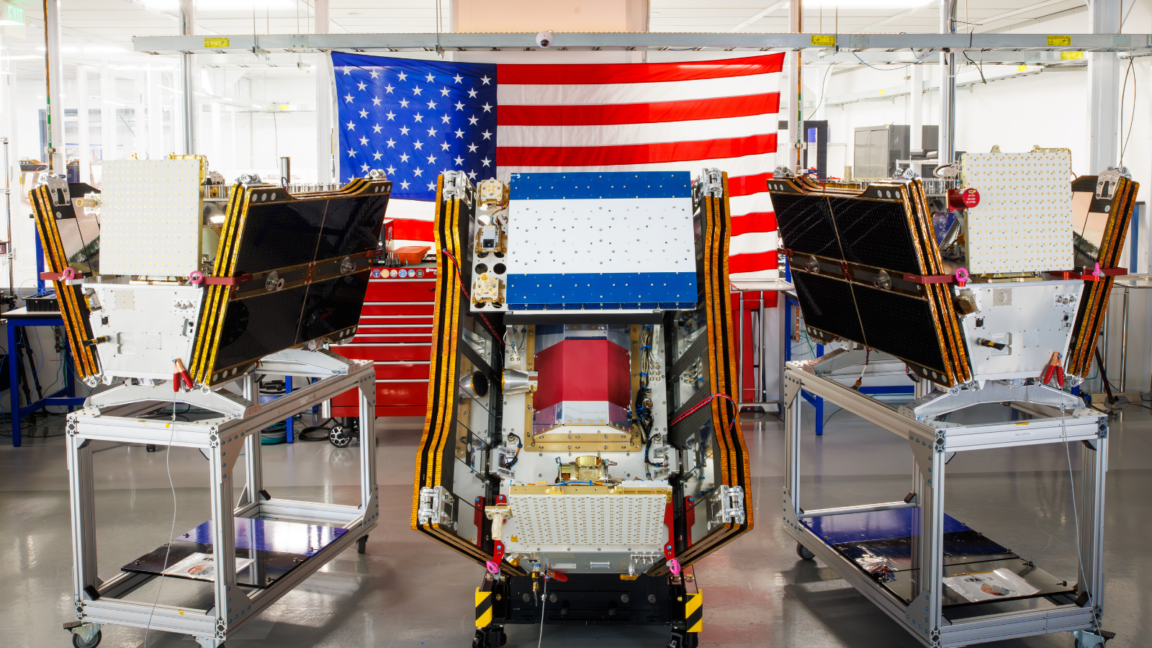
Google-backed satellites for wildfire detection launch as smoke chokes US, Canada

As smoke from hundreds of burning wildfires spread across Canada and the United States, the first three operational satellites in the Google-backed FireSat program successfully launched into orbit. The satellites will begin providing wildfire detection capable of spotting even small fires in the United States, Australia, and Europe before the end of the year.

The launch of the microsatellites aboard a SpaceX Falcon 9 rocket from Vandenberg Space Force Base in California on July 7, 2026 marks a transition to “initial operational capability” for the FireSat constellation managed by the nonprofit Earth Fire Alliance. After a three-month testing period, the three satellites will begin actively providing data to fire agencies while covering every fire-prone region on Earth at least twice per day.

FireSat represents the first satellite constellation purpose-built for detecting wildfires, including spotting smaller fires that other satellites may miss. The satellites were designed by California-based satellite manufacturer Muon Space and have received over $15 million from Google to support initial deployment. Other notable financial supporters include the Bezos Earth Fund that committed $26 million.

Read full article

Comments

© Muon Space

  •  

Incêndios no Canadá: Imagens de satélite mostram avanço do fumo que pode afetar a final do Mundial

Imagens de satélite do programa Copernicus revelam a dimensão das plumas de fumo provocadas pelos incêndios florestais no Canadá, que estão a afetar a qualidade do ar na costa leste dos Estados Unidos e a levantar preocupações antes da final do Mundial de Futebol.

The post Incêndios no Canadá: Imagens de satélite mostram avanço do fumo que pode afetar a final do Mundial appeared first on Tek Notícias.

  •  

New Crested Dinosaur Species Identified in Canada

Life reconstruction of Plesiolophus warnerensis. Image credit: Connor Ashbridge / CC BY 4.0.

A new genus and species of lambeosaurine hadrosaurid dinosaur has been identified in southern Alberta, Canada, dating back 77 million years to the Campanian age of the Cretaceous period.

The post New Crested Dinosaur Species Identified in Canada appeared first on Sci.News: Breaking Science News.

  •  

New pipeline in Canada to proceed after C$150bn pledged to ease BC and First Nations concerns

Port expansion and protections for whales part of BC and Alberta plan to expand country’s presence overseas

The governments of Canada and the province of Alberta will move forward on a major new oil pipeline after the pair announced a plan to ease concerns of British Columbia and First Nations on the Pacific coast.

Canada’s prime minister, Mark Carney, shuttled between British Columbia and Alberta on Thursday to announce more than C$150bn in new investments in both provinces, part of a broader project of reducing trade with the United States and expanding his country’s presence in overseas markets.

Continue reading...

© Photograph: Canadian Press/Shutterstock

© Photograph: Canadian Press/Shutterstock

© Photograph: Canadian Press/Shutterstock

  •  

Spectaculaire, ce joyau des Rocheuses défie les couleurs que l'on croit possibles dans la nature

Canada : L’eau du lac Peyto s’étire en une étendue turquoise, éclatante comme un joyau niché au creux des Rocheuses. Tout autour, les forêts sombres montent la garde, dressant leur ombre sur les rives tandis que les glaciers lointains déposent sur la surface leurs éclats de lumière cristalline....

  •  

Canada Missed Chances To Inspect OceanGate's Titan Before Fatal Implosion

An anonymous reader quotes a report from Wired: A report from Canada's Transportation Safety Board has highlighted regulatory failures that allowed OceanGate's unregistered, unflagged, and uncertified Titan submersible to operate out St. John's, Newfoundland, for years before it imploded on a tourist trip to the wreck of the Titanic in 2023. "When it came to the Titan, critical information existed across multiple federal government organizations, but no one was responsible for connecting the dots," says TBS chair Yoan Marier in a statement. "Without a complete picture of the operation, the Titan continued to operate in Canada without regulatory oversight." [...] As OceanGate continued to operate from St. John's in 2021 and 2022, the Titan made successful dives to the Titanic and several sites within Canadian waters. The company eventually interacted with a total of 10 Canadian federal agencies, including Parks Canada, the Department of National Defense, and the Royal Canadian Mounted Police. But the company's operations were never directly reported to the team responsible for marine safety. "In terms of the actual people that were responsible for marine oversight, their focus was on the Canadian support vessel," says TSB investigator Jason Melvin. While TSB investigators did not have access to the wreckage of the Titan itself, which remains with the US Coast Guard, they did analyze portions of the carbon fiber left over from its manufacture. They calculated that a hull made to OceanGate's exact specifications might have been able to make hundreds of millions of dives to Titanic depths before failing. However, the composite samples as built had porosity and waviness between layers and were ground down in a way that might have introduced defects. When the TSB tested the compressive strength of the carbon fiber, it indicated the material could fail in as few as 30 deep dives. [...] The TSB is recommending increased oversight of the riskiest vessels and improvements in information sharing between departments, and is requiring that all human-occupied submersibles be subject to international construction and safety standards.

Read more of this story at Slashdot.

  •  

Des terriers d’écureuils vieux de 700 000 ans livrent une découverte que personne n’avait vue venir

Des terriers restés prisonniers du pergélisol pendant des centaines de milliers d’années ont livré un témoignage exceptionnel sur les écosystèmes de l’ère glaciaire. Grâce à l’ADN préservé dans des excréments fossilisés d’écureuils terrestres, des chercheurs ont reconstitué une partie de leur...

  •  

Cyrille Bret : « Cette Coupe du monde sera bien plus qu’un tournoi de football : elle sera une immense bataille de récits »

La Coupe du monde 2026 ne se jouera pas seulement sur les stades. Entre affirmation de la puissance américaine, tensions migratoires et rivalités diplomatiques, le tournoi s'annonce comme un révélateur des fractures et des rapports de force qui traversent le monde contemporain. La Coupe du monde...

  •  

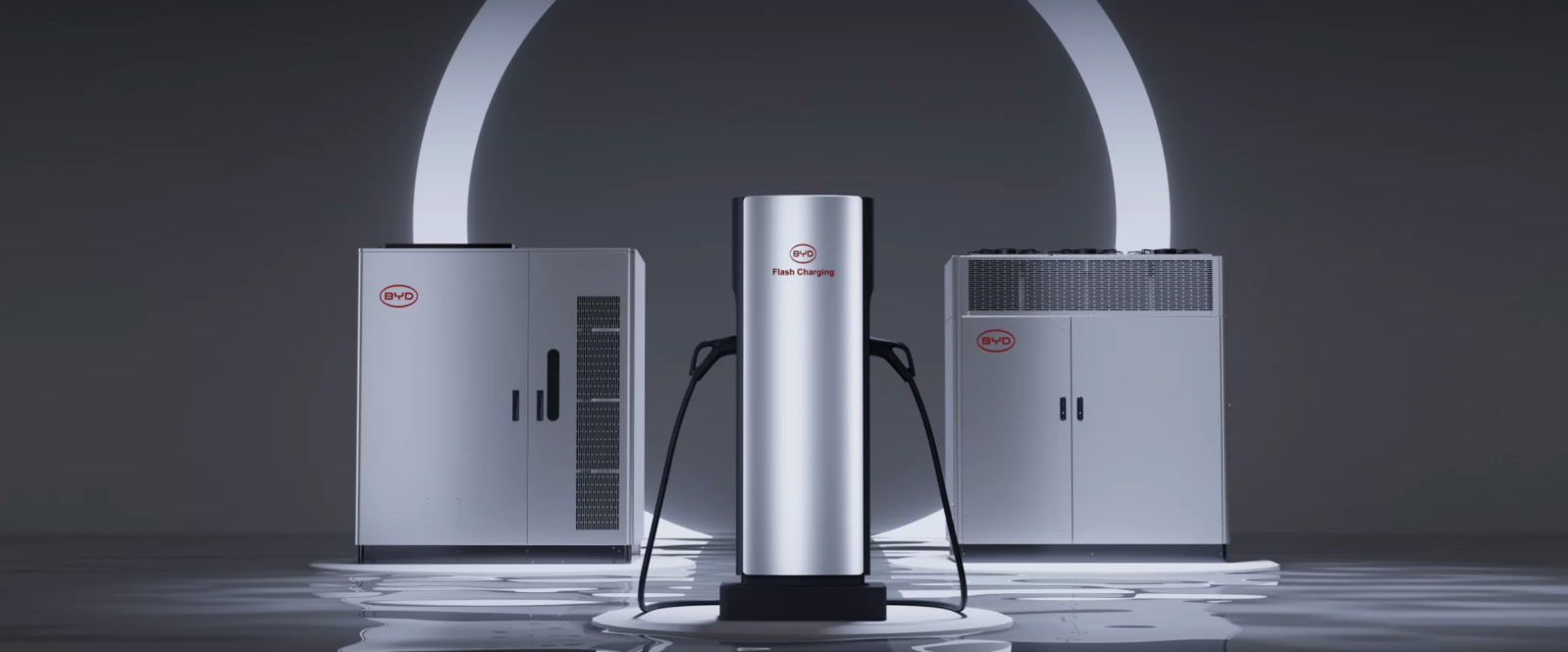
BYD is bringing its 5-min ‘Flash’ electric car charging to Canada

BYD is preparing to bring its megawatt “Flash Charging” network, which can add about 250 miles (400 km) of range in 5 minutes, to Canada – the first confirmed deployment in North America.

The plan was revealed through a new BYD job posting in Toronto for a manager tasked with executing “BYD’s flash charging network expansion strategy and business growth across Canada.”

  •  
❌