In a MacVoices After Dark supplemental, members of the panel continue their discussion of Apple’s HomeView and Apple TV announcements. Pricing, functionality, and real-world value are debated as they examine HomeView’s potential as a smart home controller, its limitations compared to an iPad, and possible future capabilities. Apple TV’s higher price raises questions about performance, […]
Of these, the most interesting is HomeView, a brand-new product category from Apple, but not a brand-new category in this space. Amazon and other vendors have been making a "speaker with a screen glued onto it" type of product now for several years.
It’s interesting to think about why Apple chose to release this product now. I suspect a big part of the reason is that they finally got their act together with Siri AI. A product like this wouldn’t work without it.
Another data point, though, is where Apple stands with Apple Home right now. It’s always felt to me like a bit of a lukewarm project out of Apple, where they put some effort into it, but just enough. In the first few years after release, it was feature-limited and buggy, so much so that I drifted away from Apple Home integration for a couple years.
In the last six months, however, I have gone all in again with Apple Home, and the second attempt has been a lot more successful. My blinds now go up automatically at sunrise and my lights reliably turn on when I walk in the room. Announcements come through my HomePods and my exterior cameras tell me when someone’s at my door right on the Apple TV.
The automation stack is deeper with Shortcuts support. Home Assistant offers more control, but I think Apple Home is enough for most people. More importantly for my family, Apple Home is something they can control without feeling like they need computer science degrees.
What Apple needs to focus on now is stability and privacy. Put simply, we need the lights to turn on (and off) when we expect them to, and we need to feel like our camera systems aren’t being converted into a small-market television program on the other side of the world. Apple has something to offer here if they’re willing to put more wood behind the arrow.
With the release of this new hardware, I feel like the pieces are falling into place. I’ve given Apple Home a second chance. Now Apple needs to stay committed to making it reliable and private for everyone in the house.
This session starts out by reviewing the third-party smart home devices for HomeView, their pricing, capabilities, and how they compare with more established options. TextExpander’s new free tier sparks a discussion of its limitations, business strategy, and competition from TextBlaze, Typinator, and Apple’s built-in text replacement. snippet restrictions, practical applications, and whether the free offering is worthwhile are examined by the panel. They also explore Apple’s HomeView ecosystem, Matter and Thread compatibility, third-party smart home devices, and the importance of privacy.
Apple’s new HomeView takes center stage (no pun intended) as the panel examines its design, features, pricing, and potential role in the smart home. From tabletop and wall-mounted models to HomeKit integration, FaceTime, calendars, and home automation, the discussion explores practical uses and limitations. Panelists who have already ordered HomeView share their buying decisions, while […]
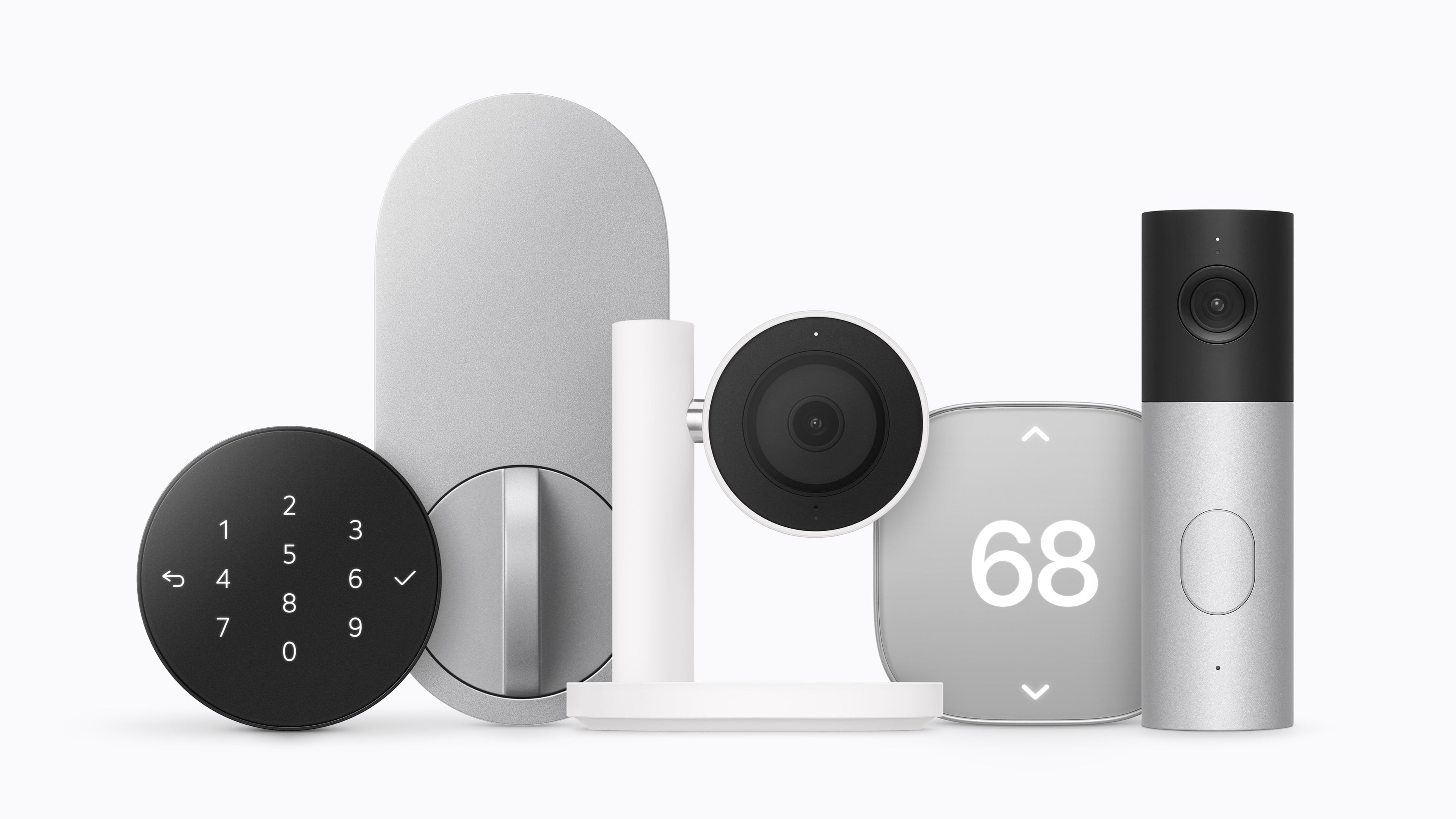
Apple today announced Apple Home Collection, a new lineup of smart home accessories — including indoor and outdoor cameras, thermostats, temperature sensors, and a video doorbell and door lock — designed in collaboration with LG Electronics and Schneider Electric. These new accessories are simple to set up starting with one tap with iPhone, and everything is managed through the Apple Home app — no separate app or account required. Each accessory is encrypted end-to-end in Apple Home, so only users and the people they choose can access their home data.
[…]
LG’s Video Doorbell offers dual cameras that capture separate views of visitors and packages — allowing users to switch between the front and bottom camera views seamlessly — along with a built-in spotlight and a chime that plays through HomeView, HomePod, and HomePod mini. The front camera captures 2.5K resolution video, and the bottom camera captures full HD resolution.
LG’s Floodlight Cam delivers powerful perimeter monitoring with adaptive dual floodlights that activate automatically when motion is detected, and low-light color night vision that preserves clarity in darker conditions so users can see more of what’s happening outside.
[…]
LG’s Smart Deadbolt Lock brings a new level of convenience to home access. Using Ultra Wideband technology, the lock can tell how close a user is and when they’re approaching the door. As a user with a home key on a compatible iPhone or Apple Watch walks up, the door unlocks automatically, with no tapping required.
[…]
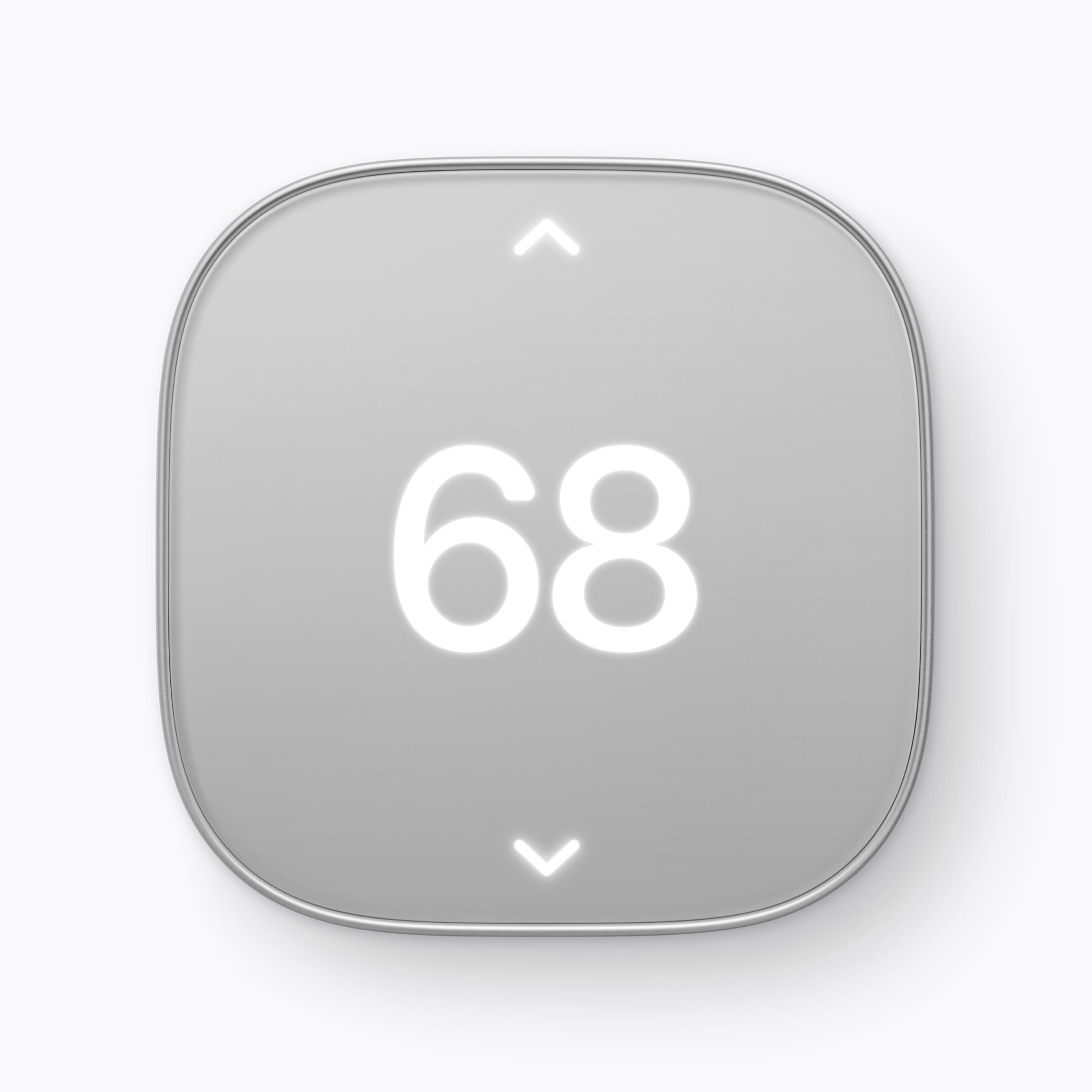
Two new Smart Thermostats are available — one from LG Electronics and one from Schneider Electric — so users can choose the product that best fits their home’s broader energy ecosystem.
The thing that makes this partnership awkward for Apple is that these products — doorbells, cameras, deadbolt locks — are products that require the utmost of trust. What products could possibly require more trust than a camera with footage of what’s going on in or at your home, or a lock that controls who can get in? I think that’s why Apple wants to get into this market with products that they can put their stamp of approval on. But LG, of all companies, was just exposed in a scandal for shipping “smart” TVs that literally listen to the ambient audio in the room — even in standby! — and invade your privacy by tracking what content appears on screen.
Apple today introduced Apple HomeView, designed to be central to the home and personal to everyone in it. With a stunning 7-inch Liquid Retina display, HomeView brings entertainment, connection, and smart home management together in one place, from playing music and making FaceTime calls to home monitoring and hands-free automations with voice control — all designed with privacy and security at the core. HomeView recognizes users by their faces, adapting so they can access their personal content in Messages, FaceTime, Calendar, Reminders, and Find My.
[…]
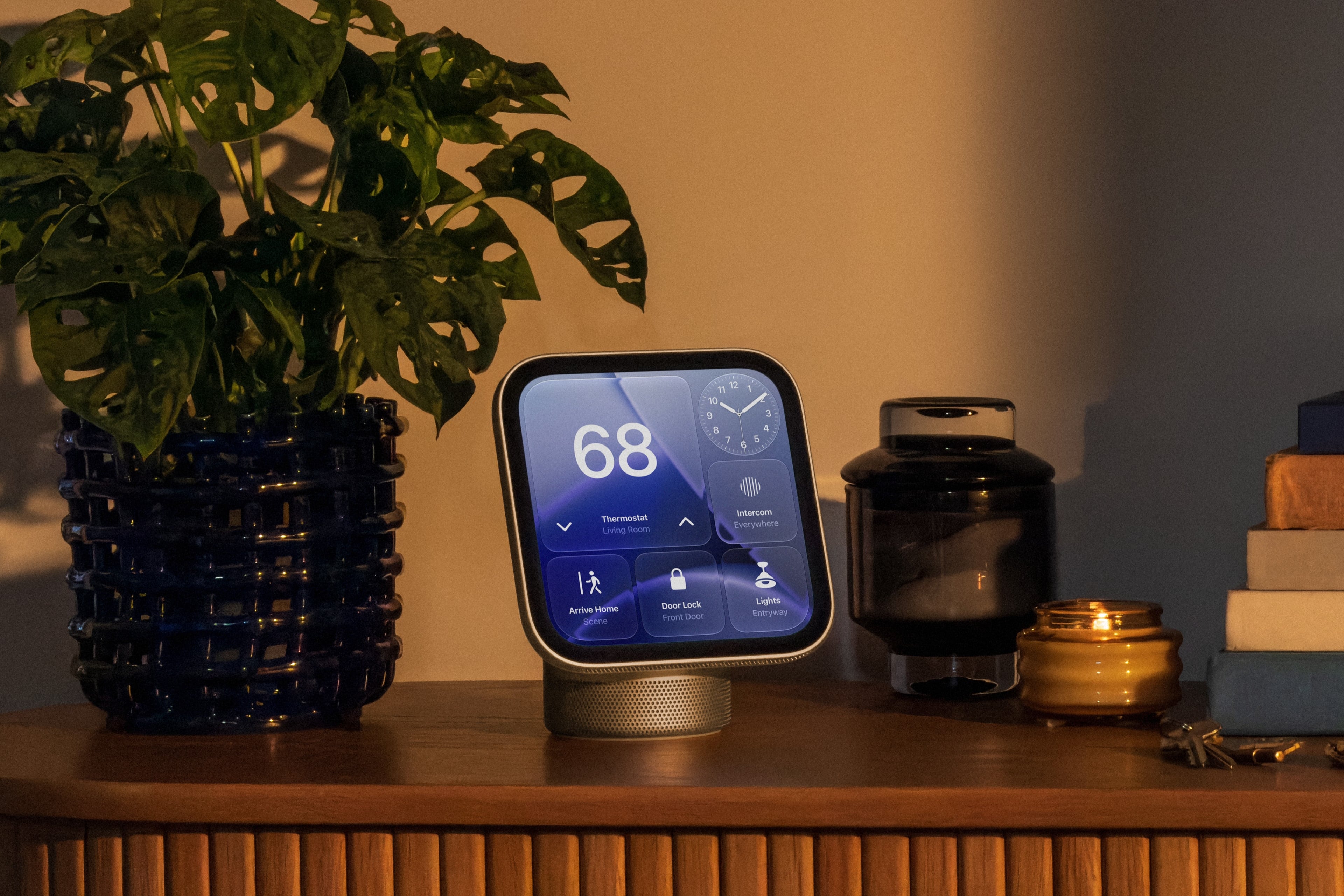
Designed to fit in any space, HomeView can be placed on a tabletop as the center of the home or wall-mounted to fit in spaces like the entryway or hallway.
I guess the best part is the price. $299 (not including wall mount) is less than the base iPad and the same as the Apple TV. But I just can’t imagine what I would use this thing for. It does not seem more appealing than an iPhone or HomePod for any tasks. I wouldn’t want to dedicate any kitchen space for it, and the cord is a problem. Why would I not just use an old iPad or iPhone, which are wireless and support apps and standalone video? Maybe it would be interesting if it could do something extra, like act as a Time Capsule.
HomeView does not have FaceID. I asked about this and Apple reps said that first, your home is (reasonably!) presumed to be a safe space. But in order for users to be recognized — by voice or face — they must have a “registered [non-watch] personal device” that supports Apple Intelligence and Siri AI, that device must be present on the home’s Wi-Fi network, and it must have been recently unlocked.
It doesn’t have an App Store. Instead, Apple has a curated selection of apps, including FaceTime, Messages, and Safari. A handful of third-party media apps like Spotify are available, and developers can bring over existing CarPlay apps. If your iPhone already has one of these CarPlay apps installed, it can automatically appear on the HomeView after setup. (There are no video streaming apps like YouTube, Netflix, or Disney+, but if those companies choose to make their apps available on the CarPlay framework, they will show up on the HomeView; for now, you’ll have to consume videos by using the Safari browser.)
Beyond that, though, it seems like HomeView is at least starting life as a very limited app platform. Apple does say that if you make a Siri AI query for your personal content, it will search everything on your iPhone or iPad—and that includes apps that aren’t on the HomeView. So you should be able to query your iPhone apps, but not actually run them.
I do think I want one, but there are a few things to settle besides price and value. For starters, having more screens in the house doesn’t seem like a winning proposition (the HomePods we’ve got work OK for alarms, reminders, etc.), and the American fascination with the kitchen island (which, by the way, needs power sockets in the middle…) doesn’t translate to European flats.
Wait… I just noticed something else from the HomeView video🤔
When she goes to grab the HomeView, you can see her right hand reach out to grab the lower right hand corner of the screen. But then the cut shows her grab the top of the base to rotate it?
Did they not like the cut where the entire base rotates? (This would would have shown the USB-C plug rotate along with the entire unit)
Folks speculating HomeView is the tail end of Tim Cook’s product “leadership,” but 1) Ternus is the CEO and can torpedo it if he thinks it’s a stinker. 2) He’s also the guy who spearheaded iPad’s “what’s a computer?” campaign and the idea that an iPad was a viable replacement.
The biggest issue with Apple’s Home ecosystem is the absolutely garbage Home app. Still, in 2026, there is a tab dedicated fully to buying more smart home gadgets (aka, an ad) within the iOS Home app and it can’t be removed. Yet rooms are buried up top. Pitiful.
This is the ONE THING (“One more thing”?) I’d been hoping to get from
@Apple
in this announcement: they were redoubling efforts on HomeKit/Home.app to make the ecosystem actually work better… annnnnd did not get that impression. At all.
IMHO, as an HomeKit user with dozens of devices in 2 Homes, there is SO MUCH low-hanging fruit that
@Apple
could be working on to improve the UX, it is pathetic.
The original HomePod didn’t come to the EU either for 5 months, and even then it was only in two countries. The original HomePod never came to Ireland at all, before it was discontinued. But if you only listened to the pundits, this is somehow now the DMA’s fault.
It is so convoluted that people will be having trouble understanding it, and if they have trouble understanding it they’ll be having trouble trusting it. Most of what it does involves somehow sucking in the juices from the people’s devices that cohabitate with it.
[…]
That it works at all is impressive, but will people really put their integrity in its hands? Between this and the various “always-listening” features of the recent Apple Watch releases, I’m thinking Apple has gotten a bit too high on its own supply.
Apple overhauled the external display APIs in iOS 27 for unclear reasons and replaced it with a ‘scene accessory’ API, which I believe powers the iPhone Duo’s both-screens-at-once entitlement-gated API.
Enter HomeView, with its ‘CarPlay’ API, which is clearly a stopgap solution that will please nobody.
But if we’re beaming UI from a connected iPhone, the external scene accessory API suddenly looks more promising. That way you could do ‘real’ apps without an App Store.
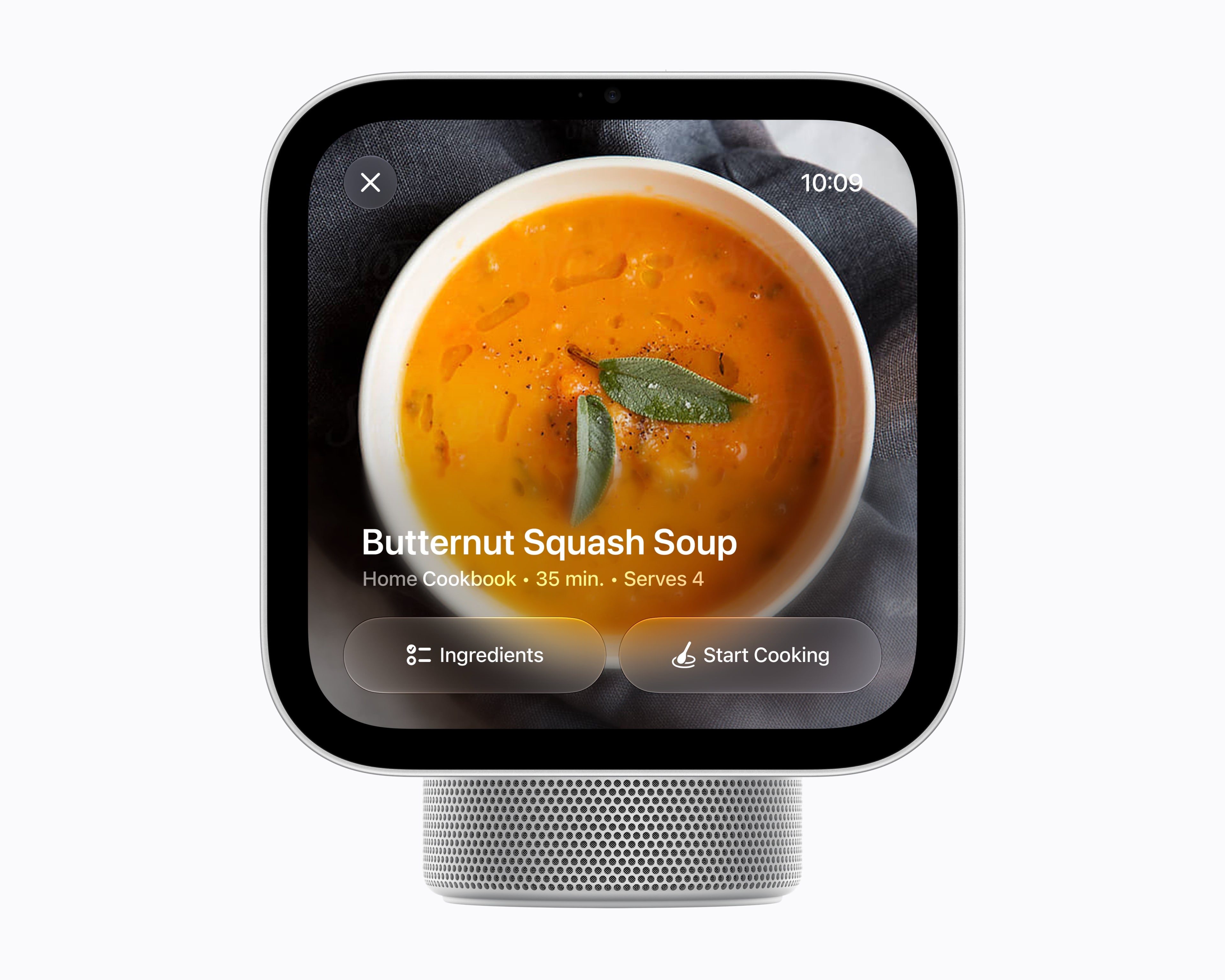
I do think the basic concept is an intriguing idea. But as an implementation of that concept, my initial impressions are threefold. First, I am unconvinced that anyone in a family would use this for anything other than playing music or podcasts, rather than just using their phones. And if that’s the case, why not just have a HomePod? Apple’s video shows family members taking turns to use the HomeView, rotating it on the kitchen island to face themselves. Why? Why does the mom check her calendar on this, rather than on her iPhone, while the dad is using it to follow a French toast recipe? There’s a real “Why do we need this?” question here and I don’t think Apple’s video answers it, at all.
I don’t have a HomeView yet. But I’m excited to own one.
[…]
I’m confident that Apple won’t show endlessly scrolling promos on that screen.
[…]
Yes, my phone shows those things. Yes, my Apple Watch shows those things. But I like that data being glanceable and not requiring I look at a full-on distraction machine. I’m thinking the HomeView might be the Kindle hardware of tiny bits of data I want.
Apple postponed the HomeView repeatedly — first until spring 2025, then summer, then fall, and then again throughout 2026 before finally unveiling it this past week. And the hardware betrays its age. With thick bezels, an A18 processor and 8 gigabytes of memory, this is clearly a product conceived years ago. Finished units have been sitting boxed up in warehouses for the better part of a year, waiting for the software to catch up.
Apple produced a 3-minute promotional video that purports to show a “typical” family using a HomeView. The ad has drawn criticism from John Gruber and TidBITS readers, who were horrified by the behaviors portrayed, and more to the point, it doesn’t seem to show the HomeView making life any better. Certainly, nothing in that video matches how any “typical” morning has ever gone in our household.
Although we use our HomePods heavily to turn lights on and off and listen to music, it’s hard to think of much else we would choose to do on the HomeView.
[…]
As someone who cooks seriously, I’m skeptical of HomeView’s one-step-at-a-time approach.
I cook a lot and can’t imagine using HomeView for recipes. I always reformat and edit them beforehand. I print them out so I can jot notes as I’m cooking and easily see more than one at once without having to fiddle with a screen.
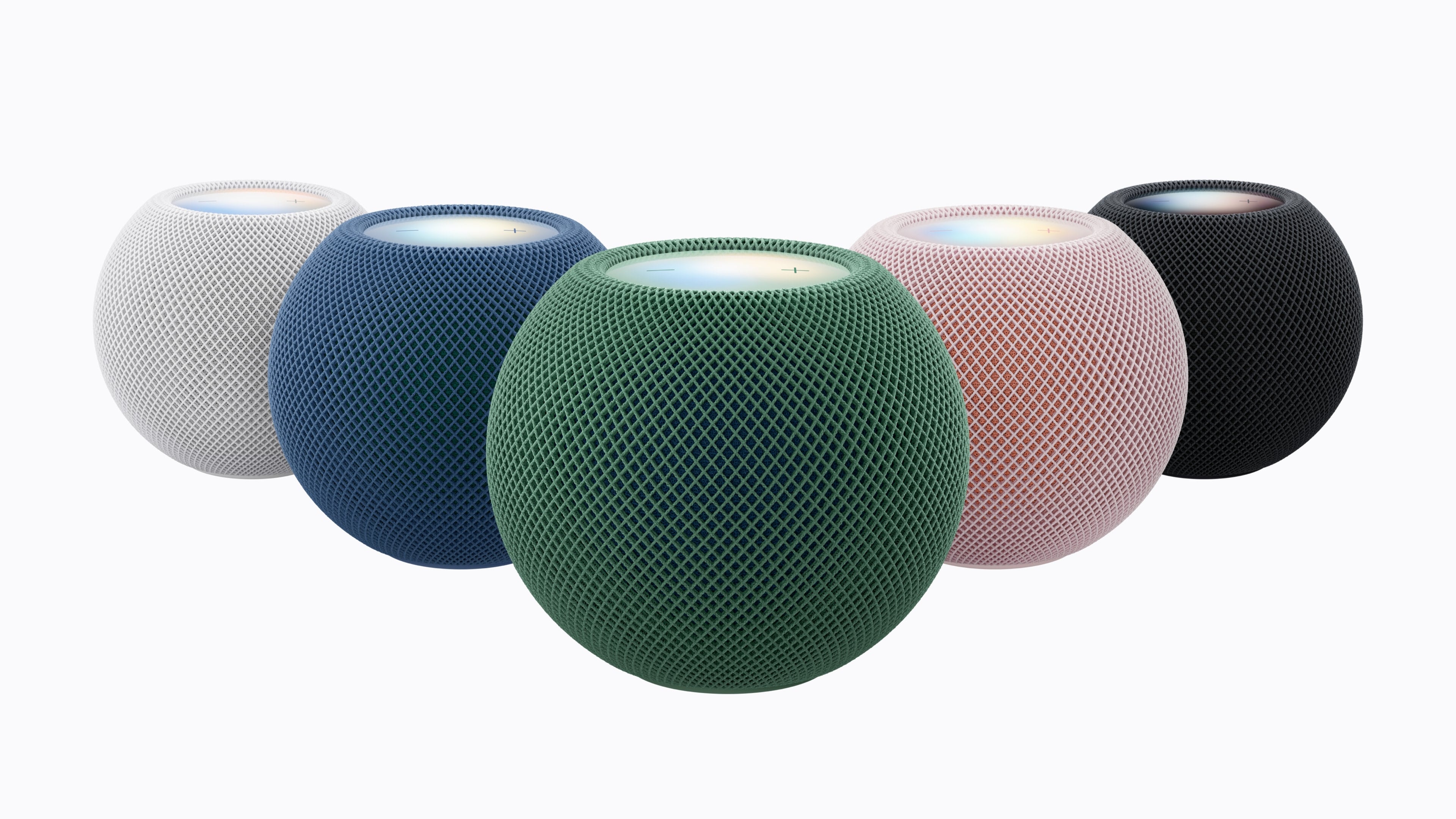
Apple today announced HomePod mini 2, featuring Siri AI, gorgeous new colors, and enhanced audio experiences. Siri AI, coming to HomePod mini 2 in a future software update, is a profoundly more capable and conversational assistant with personal context understanding, broad world knowledge that powers tasks like richer music discovery, and the ability to tap into even more apps — bringing a whole new level of capability to HomePod mini.
[…]
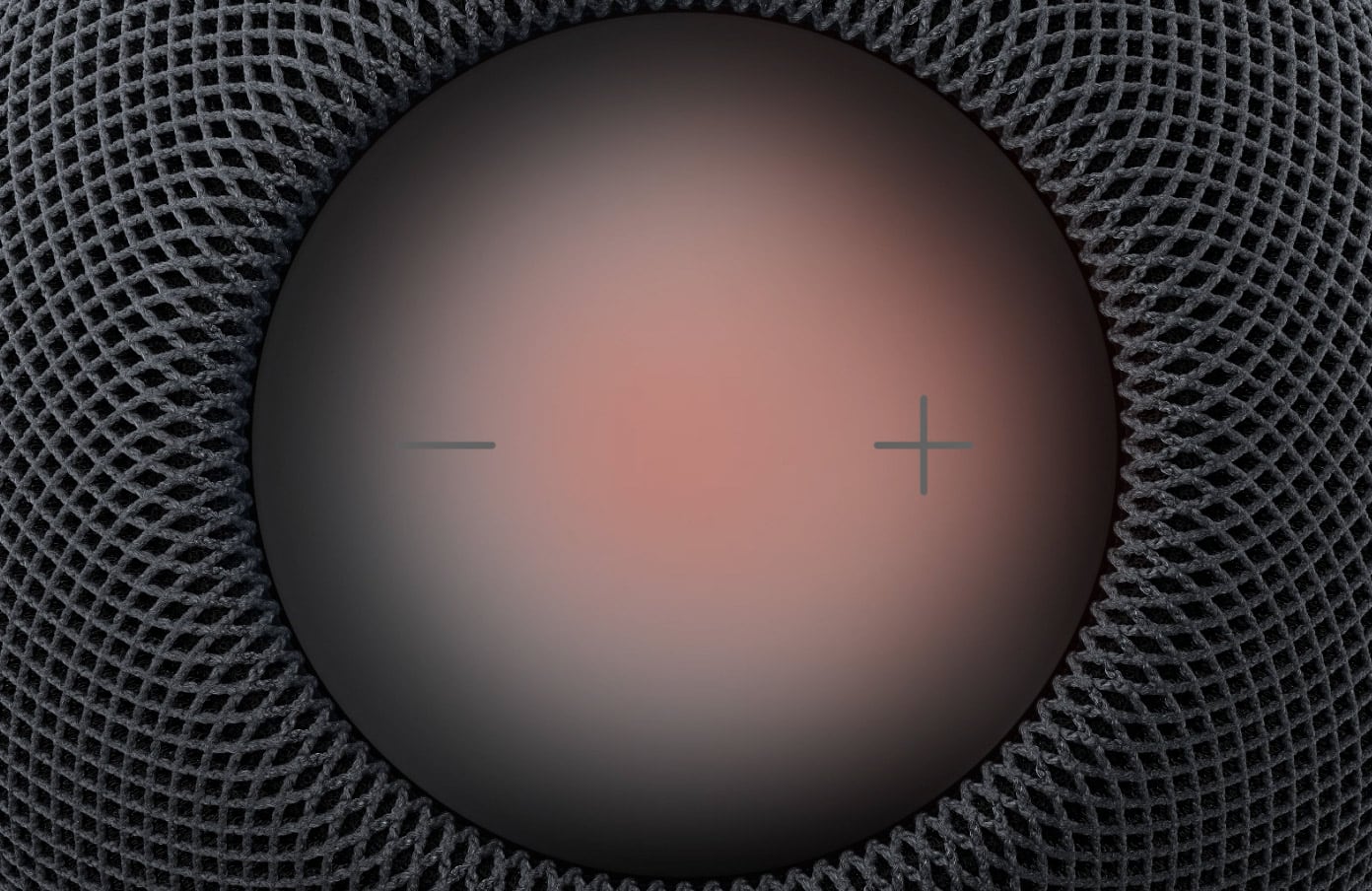
With Sound Glow, the top of HomePod mini transforms into a visual canvas that glows and pulses in sync with the music, reacting in real time to bass and treble.
[…]
Sound Recognition gives HomePod mini users peace of mind by listening for a smoke or carbon monoxide alarm and, if one is detected, sending a notification immediately to the user’s iPhone, iPad, and Apple Watch.
The price has increased from $99 to $149. Our HomePod is placed high enough that the top isn’t visible, anyway. I assume it still can’t play all my purchased music.
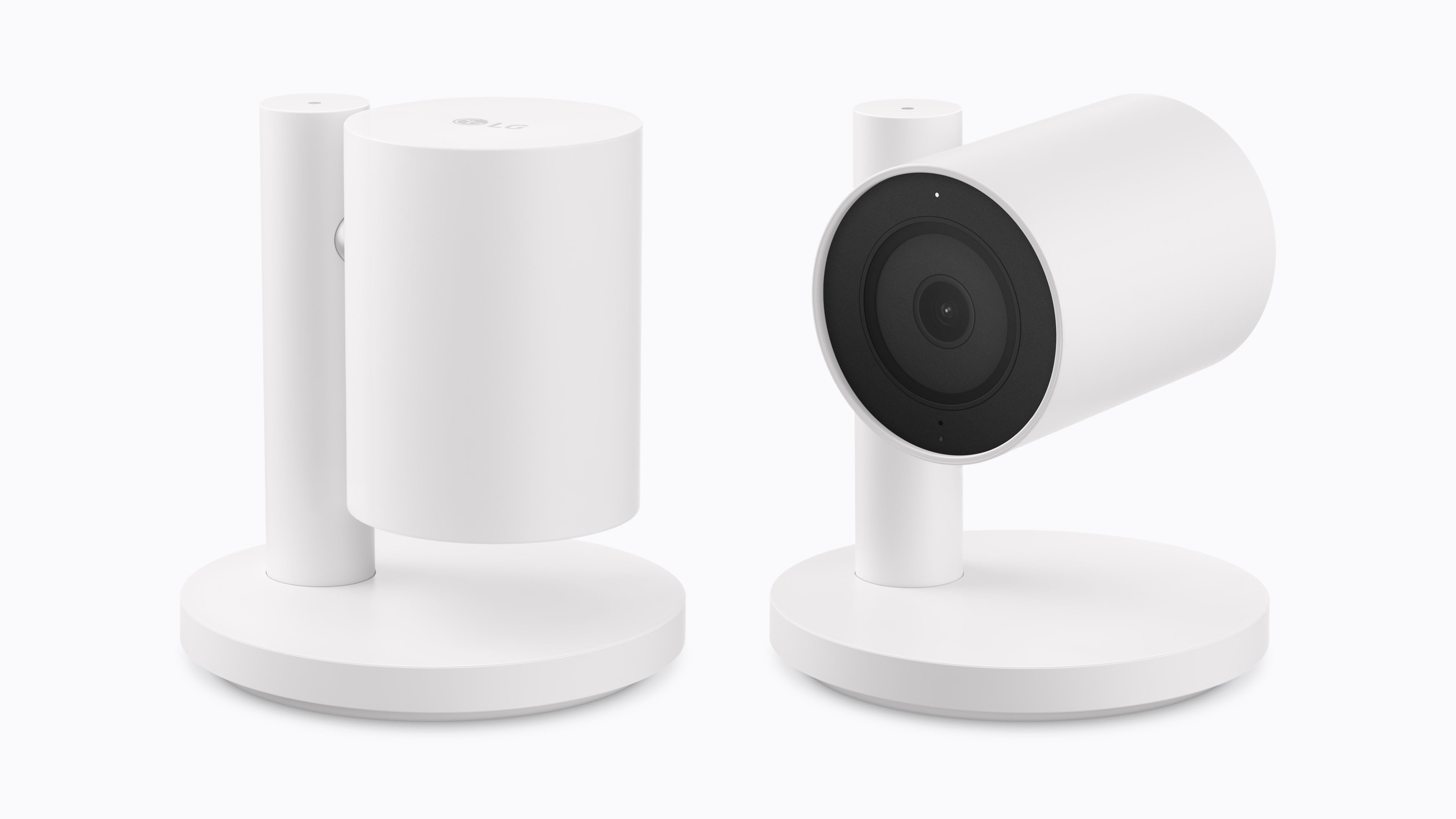
LG has developed a video doorbell, a floodlight camera, outdoor and indoor cameras, a thermostat, and a temperature sensor, along with a smart lock that supports Ultra Wideband for hands-free door unlocking. Schneider Electric will offer a smart thermostat and temperature and humidity sensors. Device installation will also be available through a partnership between ADT and Apple Retail in the U.S. for an additional fee.
Source: Apple.
Standout features include:
the ability of the cameras to pick out faces, animals, vehicles, and packages,
iCloud+ support for HomeKit Secure Video,
the ability for the indoor cameras to tilt down when a household member returns home,
adaptive temperature on the thermostat that adjusts heating and cooling according to whether someone is home, and
the ability to shift heating and cooling use (U.S. only) to when available energy sources are cleaner.
Source: Apple.
Pricing for the devices is as follows:
LG Video Doorbell Wired: $249.95
LG Floodlight Cam: $399.95
LG Outdoor Cam Plug-In: $299.95
LG Indoor Cam Plug-In: $199.95
LG Smart Deadbolt Lock: $349.95
LG Smart Thermostat: $199.95
LG Temperature Sensor: $39.95
Schneider Home Smart Thermostat: $199.95
Schneider Home Room Sensor: $39.95
The cameras will be available in the U.S., Canada, and the UK, with other devices limited to the U.S. and Canada.
As part of today’s announcements related to Home (including the brand new HomeView, which we’ve covered here), Apple also announced HomePod mini 2, an update to its popular line of diminutive speakers for the home first launched in 2020. The new HomePod mini comes in new colors, will support Siri AI in select markets with a future software update, has a new ‘Sound Glow’ top panel that intelligently adapts colors shown to match what is playing, and offers more integrations with the Apple TV 4K and Mac – all while delivering improved and richer sound compared to the first-generation model.
First, the look. The HomePod mini 2 looks nearly identical to its predecessor, except for the aforementioned Sound Glow and the new colors: pink, green, blue, white, and midnight. From the photos we’ve seen so far, they look really nice, and I’m personally a fan of the green and pink options.
Sound Glow is the most apparent hardware-related innovation here: the top panel has been re-engineered to become “a visual canvas that glows and pulses in sync with the music”. The panel reacts in real time to bass and treble, adjusting its animation accordingly, but it also borrows from the Music app’s Now Playing screen: the colors displayed on Sound Glow will be subtly color-matched to the artwork of the audio that’s playing now. According to Apple, Sound Glow will also play custom animations when a soundscape like ‘Rain’ is activated, although a footnote on Apple’s website suggests that the feature will require an iPhone with Apple Intelligence enabled.
Sound Glow.
The real-time music analysis capabilities of the HomePod mini are made possible by the upgraded chip inside the device, the S10 previously seen on the Apple Watch. (The original HomePod mini had an S5.) In addition to dynamically adapting to sound in real time, the S10 is behind the HomePod mini 2’s ability to run Siri AI (more on this below) as well as to become part of a four-speaker surround group when combined with the also-new fourth-generation Apple TV 4K.
When four speakers are grouped, they can coordinate with an Apple TV to recognize each other’s position in a room and calibrate audio levels and timings to match what is playing. As someone who used for several years a two-HomePod mini pair with an Apple TV in my old apartment, I’m very intrigued by the potential of four little units carefully placed in my larger living room. As detailed by Apple, surround sound requires four HomePod mini 2 or HomePod (2nd generation) speakers in matching pairs front and center, so you can’t mix and match HomePod and HomePod mini 2 at the back of your couch, for instance.
In addition to Apple TV, the HomePod mini 2 can also act as a default speaker for the Mac now. This potentially creates even more purchasing problems for me because, while I have a Sonos Move speaker at my desk, I dislike that I cannot set it as a default sound destination for my Mac mini, so I may even have to consider new speakers for my desk now. Ouch.
I love this look. I need this setup (but not in pink).
In its announcement today, Apple touts the work that has gone into computational audio powered by the S10 and aspects such as “Apple-designed force‑cancelling passive radiators” to improve the HomePod mini’s bass extension; those are things that we can only evaluate with an actual hands-on (ears-on?) with the product. What we can judge today is the Siri AI announcement: HomePod mini 2 will support Siri AI with a future software update, which means the assistant will be able to draw from the user’s context from a paired Apple device (Apple mentions “device”, not “iPhone”, meaning that iPad and Mac should work, too?) and offer personalized suggestions. You can read more about Siri AI in my review from last month here. In an interesting detail, however, Apple notes that even if you have Apple Intelligence disabled on a paired device, you’ll still get access to Siri AI’s newfound world knowledge features when Siri AI becomes available on HomePod mini 2:
Once Siri AI is enabled on a supported HomePod mini speaker, even users without an Apple Intelligence-enabled iPhone or iPad will benefit from Siri AI’s broad world knowledge; its ability to have rich, natural conversations; and its improved music discovery.
Notice how the quote above mentions “iPhone or iPad”, which makes the role of the Mac a little unclear.
That’s about it for the HomePod mini 2. It costs $149, which seems fair given the product’s features, and is available for pre-order today in the U.S. and 23 other countries. It launches on October 30, presumably without Siri AI given Apple’s “future software update” wording. It’s available in Italy, and I’m leaning toward pre-ordering two of them.
Today, Apple announced the highly anticipated HomeView, a Siri AI-powered device for controlling your HomeKit devices and accessing other apps and services like Apple Music, your calendar, Reminders, Apple Podcasts, and more.
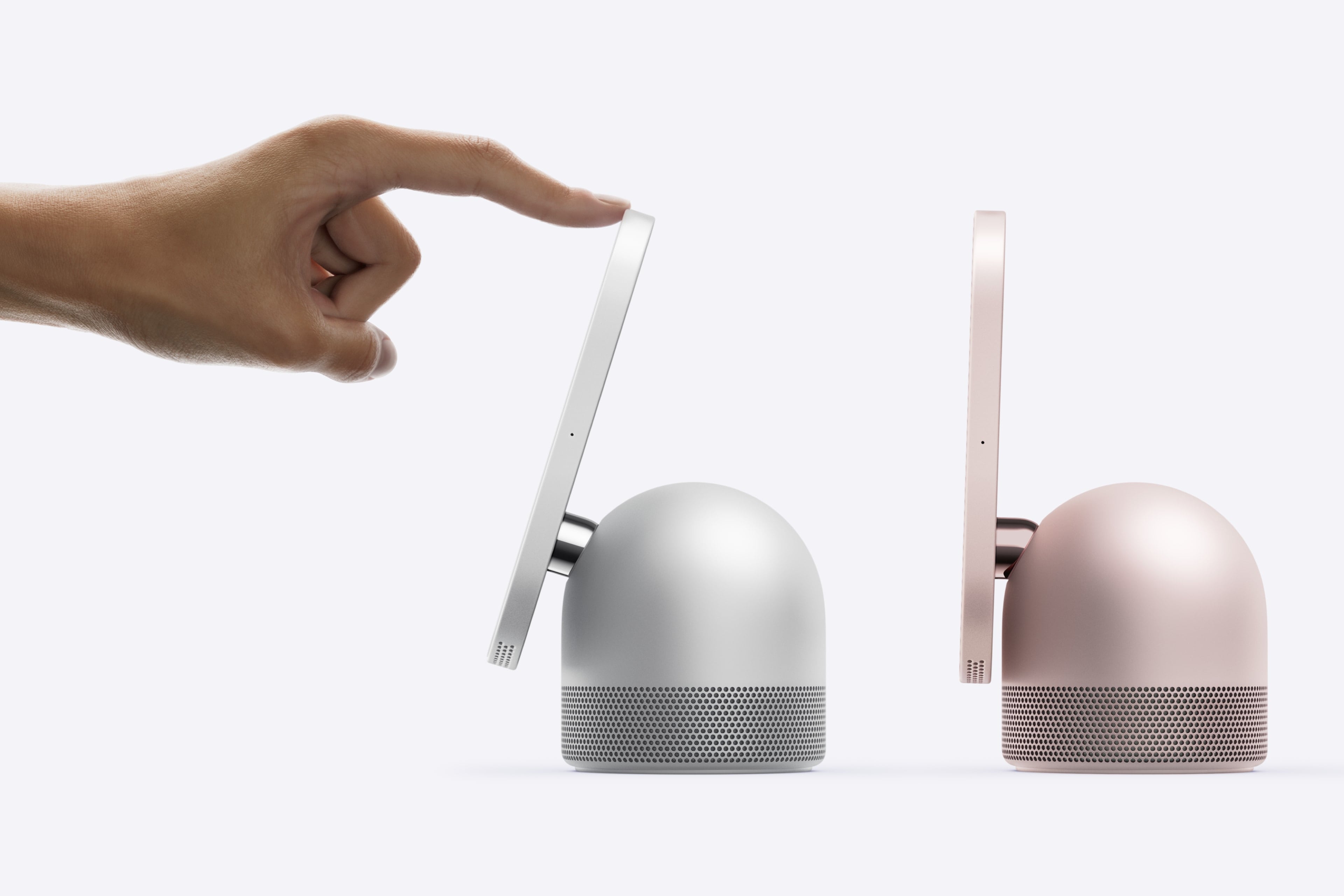
The table top HomeView’s screen tilts. Source: Apple.
HomeView comes in two configurations, each of which is $299 and will launch on November 13 and can be preordered today. The first sits on a flat surface and has a domed aluminum base and a 7-inch Liquid Retina True Tone display that tilts. The base houses a downward-firing woofer and two force-cancelling passive radiators and the display has two drivers that support Spatial Audio.
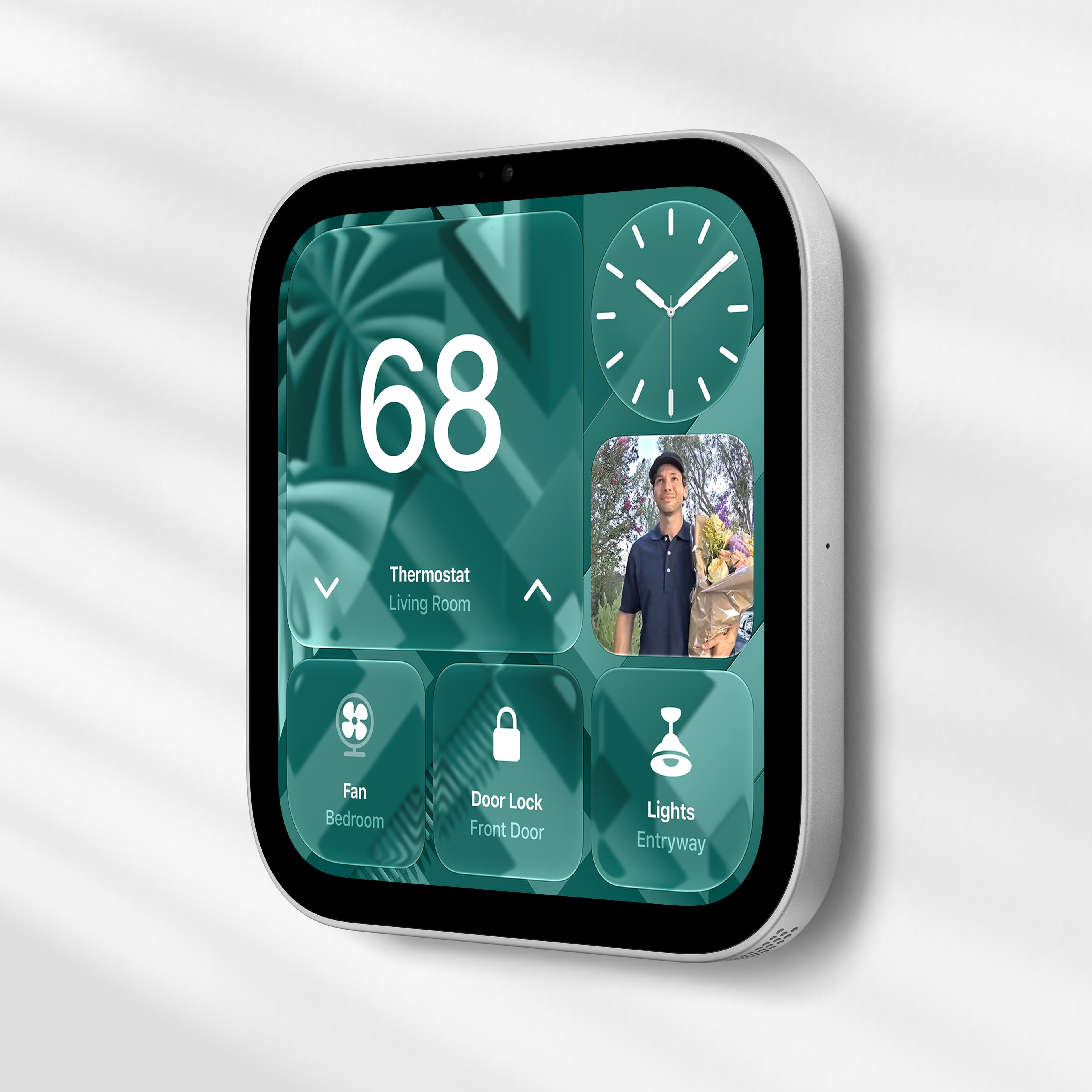
The Wall Mounted HomeView. Source: Apple.
The second HomeView model is meant to be hung on a wall, but the functionality of both is roughly the same. The main difference being that the wall-mounted version lacks the other model’s base and its woofer.
HomeView faces. Source: Apple.
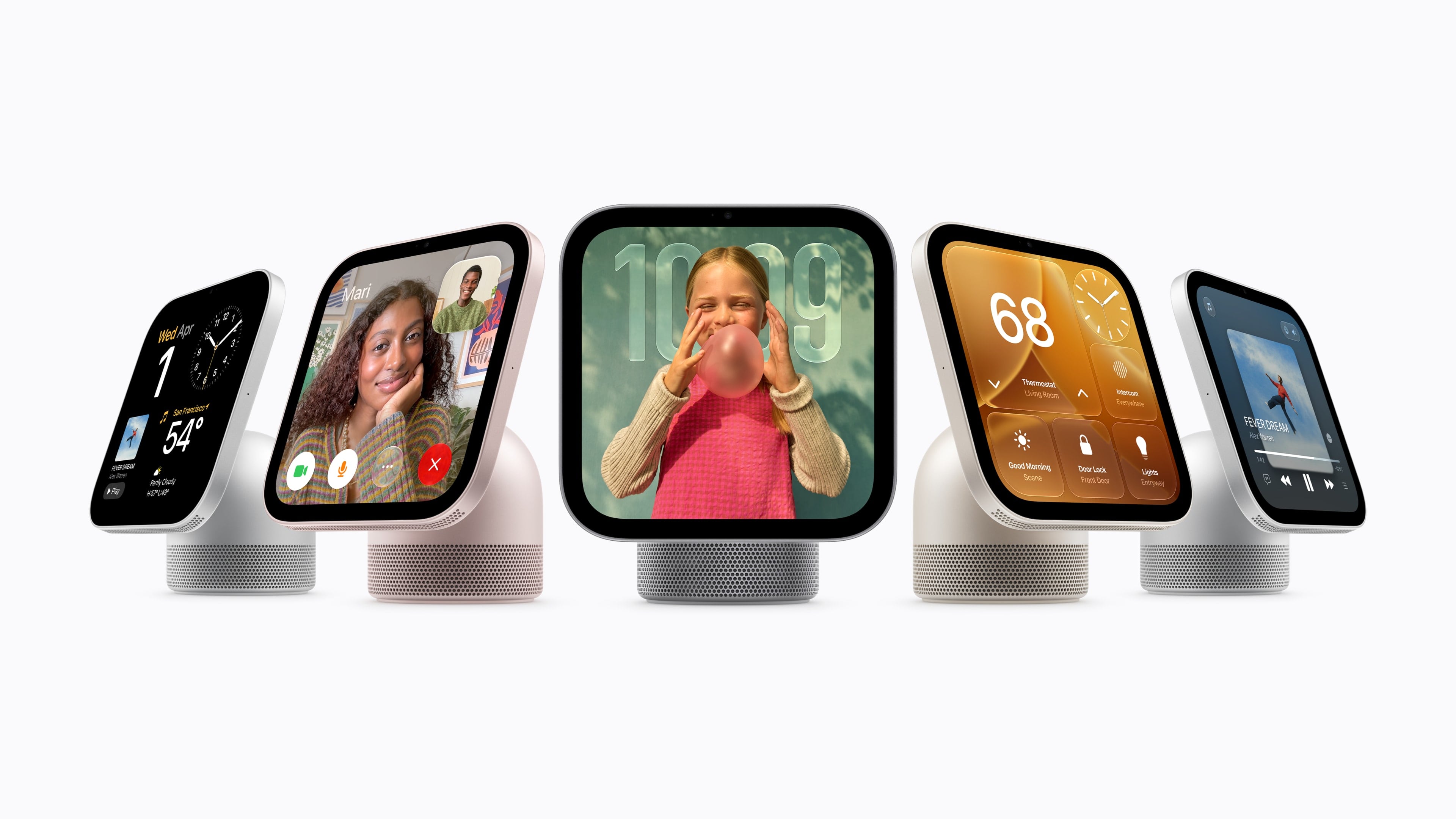
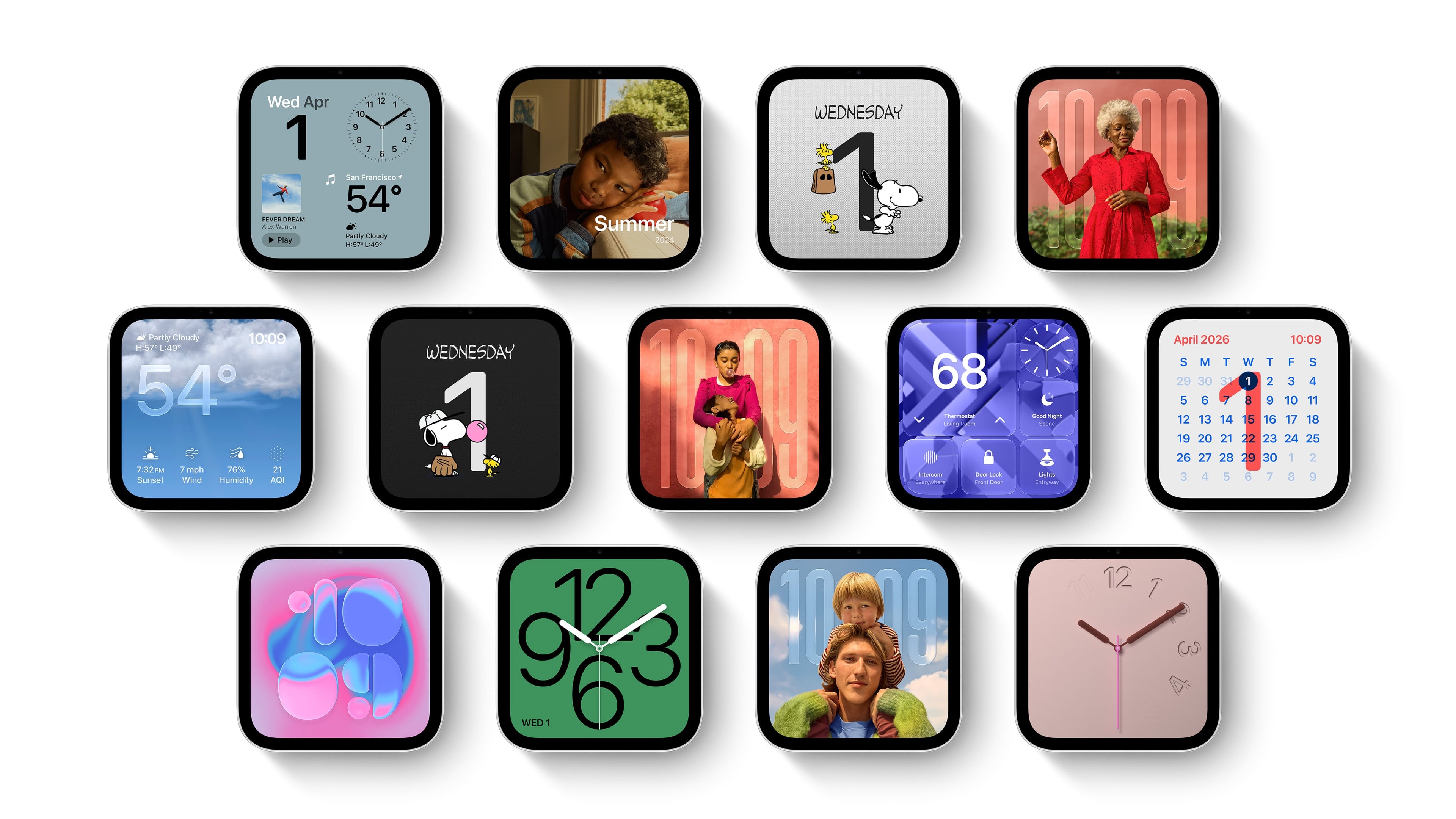
The HomeView features a series of customizable faces that are navigated by swipe gestures. There are faces for photos, weather, a clock, for example, which are reminiscent of Apple Watch faces. There are also tiles for controlling HomeKit devices and widgets for things like the weather and your calendar, which are similar to the iPhone’s StandBy Mode widgets.
As for apps, Apple includes a selection of their own apps like FaceTime, Music, Podcasts, TV, News, and Messages along with select video and audio apps from third parties. As a smart home hub, HomeView allows users to watch HomeKit camera feeds and control locks, thermostats, lights, blinds, and other compatible devices. Of course, Siri AI is a big part of the HomeView story, too, serving as a means for navigating the device’s UI, interacting with apps, and requesting information conversationally.
Source: Apple.
Under the hood, the HomeView is powered by an A18 chip with Secure Exclaves for processing audio and video data. According to Apple, Messages and Calendar content are only available when a user is recognized and their paired iPhone or iPad is present and recently unlocked.
Overall, I love the look of the HomeView and have been thinking about where I’d place it in my home as I write this. I also like the blend of concepts that draw from the Apple Watch, StandBy Mode, and widgets. My hope, though, is that the third-party developer story expands beyond the limited audio and video apps mentioned in Apple’s press release.
Preorders are live now in Australia, Canada, India, New Zealand, the UK, and the U.S. and will begin on Thursday, October 15, at 9 a.m. SGT in Singapore. The HomeView is not available in the EU because Siri AI is not available there.
For the wall-mounted version, Apple is offering a $59.95 USB-C Wall Connector and a $79.95 AC Wired option, both of which are available for preorder now in the U.S. A Power Mount PoE option will be available in early 2027 for $129.95 in the U.S., too.
The announcement that Apple’s making a home-related announcement on Tuesday was hardly unexpected. Most things Apple does these days are reported in advance, usually by Bloomberg’s Mark Gurman.
Apple… is nearing the launch of a new product category: a wall-mounted display that can control appliances, handle videoconferencing and use AI to navigate apps…. The company is gearing up to announce the device as early as March and will position it as a command center for the home, according to people with knowledge of the effort. The product, code-named J490, also will spotlight the new Apple Intelligence AI platform, said the people, who asked not to be identified because the work is confidential.
J490 did not, in fact, ship in March of 2025. The failed Apple Intelligence roll-out meant that the company had to push back the release of its AI-powered home products until after it could fix its AI issues and launch Siri AI last month.
It’s been a long time coming. Apple has made some runs at addressing the smart-home market in the past, but it’s never seemed to be part of a coherent, consistent strategy. (Many of us still can’t forgive it for abandoning the AirPort product line just as the advent of mesh networking would have provided the company opportunities that ended up accruing to companies like Eero, now a part of Amazon.)
Perhaps in new CEO John Ternus, Apple really does have a powerful internal advocate for the smart home. In a funny twist of fate, Apple’s intransigence in this category hasn’t really harmed its chances. Amazon and Google have been selling products similar to J490—touchscreen voice assistant home hubs—for years now, but they have failed to catch fire. I’ve used multiple Echo Shows and Google Nest Hubs in my kitchen over the years, and they have all been various degrees of terrible.
More broadly, the entire smart home market has suffered from fragmentation and mediocrity. Early devices were expensive, unreliable, and impractical. Things have gradually improved, and the tech giants have reached a detente that has made everything more interoperable. But even so, it’s really only this year that (for example) I feel like the smart lock has reached a level of tech capability that allows it to fulfill its promise, thanks to UWB support.
So is there a universe in which Apple rolls into this category at this late date and actually finds success where others have struggled to get traction? I’m not saying it’s a likely scenario, but it’s certainly possible. Apple’s track record with prioritizing user security and privacy is certainly an asset for anyone considering adding tech devices (especially ones with sensors) to their personal spaces. Apple’s tight device integration could also be a strong selling point for the many users who are fully bought in to the ecosystem.
So I’m saying there’s a chance.
The future of home is widgets?
The more I think about J490 or the HomePad or whatever it will ultimately be called—my money’s still on something with the HomePod name, possibly even just HomePod—the more I feel like it will expose Apple’s current thinking about the role of apps on its platforms. (Kind of an important topic.)
The wild success of the iOS App Store starting in 2009 transformed how Apple viewed the role of software in its operating system. Handed a big hammer, Apple saw nails everywhere. The Mac got an App Store, which exists, but I think nobody would consider a hit. The Apple Watch got an App Store, which also exists but seems kind of pointless. Messages got an App Store, which also exists, much to my surprise. And of course, tvOS was revamped under the premise that “the future of TV is apps,” but that future never really arrived.
Perhaps Apple has taken notice that the everything-has-an-App-Store strategy is really showing diminishing returns. The problem is, what do you do with a device like this forthcoming touchscreen? It doesn’t run iOS or tvOS, but apparently yet another variant of Apple’s omni-OS foundation. If it supports playing video from Apple TV but not Netflix, or podcasts from Apple Podcasts but not Overcast, or music from Apple Music but not Spotify, that’ll be frustrating. And the strength of the iPhone app ecosystem is one of Apple’s greatest assets.
So what’s Apple to do? My best guess is that it’s going to use some technology we’ve already seen to let your apps peek through on this new device from your iPhone. macOS Sequoia introduced the ability to display widgets and receive notifications directly from your iPhone—a feature that, given the timing, might actually have been invented for this as-yet-unreleased device!
In the long run, I wonder if the answer on devices that are ancillary to the iPhone—and I’ll throw the Apple Watch in here, too, since it already does this—is to allow app developers to include apps for alternate Apple platforms along with their existing App Store apps. You don’t actually need to use the watchOS App Store to download Apple Watch apps—you just get the iPhone app and your iPhone installs the app on your watch. If Apple wants real apps running on its smart home devices, perhaps they just transfer over from your iPhone.
In the meantime, projecting widgets doesn’t seem like a bad compromise to make the home hub more personal without requiring yet another App Store and all that complexity.
Of course, the next problem this product will face is that, as a device that sits in a home, it is probably going to need to interact with more than a single user. Beyond the Mac, Apple has struggled with the concept of multiple people using a single device. You can do it on Apple TV, but it’s not a great experience. You can do it, sort of, on HomePods. But if Apple is going to tie in the contents of a user’s iPhone with this home hub, it needs the device to be able to shift context on the fly and display content from a particular person’s iPhone, or (in the case of children or guests) someone without a paired iPhone at all.
Tricky stuff, and not a place where Apple has a great track record. Gurman’s reports suggest Apple is going to try a form of face recognition (that’s sub-Face ID level, but that’s probably okay for something found inside a home) in order to determine the context of which person is interacting with the device. We’ll see how it goes, and how responsive it can be if it’s got to connect to an iPhone and display widgets or load other personal data.
The Siri AI question
Then there’s the feature that has made these products all wait for their moment in the sun: Apple Intelligence. Apple has been slow to roll out iOS 27, probably to limit a surge of use of Siri AI on Apple’s servers. Numerous people have reported that Siri AI feels a little slower now than it did this summer, when the user base was smaller.
These products—not just the home hub, but next-generation HomePod mini speakers—will live or die with the functionality of Apple’s voice assistant. I’ve found Siri AI to be a pleasant surprise, an entirely functional voice assistant that replaced an entirely dysfunctional one. But if it fails me on my iPhone or iPad, I can just do things myself. That’s a lot less true on a device that’s meant to use voice as its primary interaction mode. Apple needs to get this right.
The rest of the story
Finally, there’s the question of how Apple will approach the entire smart home ecosystem. What product categories are worthy of Apple’s own brand name, and what ones can be served by preferred partners?
Gurman’s report this week that Apple is working with LG to build a smart lock and a series of security cameras, starts to answer that question. At least for now, it seems that Apple is going to approach this with three tiers: a few Apple-built products (home hub, speakers, TV box), some “second-party” products built in collaboration with Apple but released by LG and possibly others (cameras, lock), and presumably other Matter and Apple Home certified products that will receive Apple’s attention, promotion, and Apple Store placement.
I do wonder how Apple will make its decisions about what products it will decide to build itself. Will it go this far, but no further? Or do its LG collaborations give it time to figure out what categories could use a little bit of Apple magic? (Once again, I am imploring Apple to consider bringing back AirPort.)
That said, I’ve got a couple of Aqara 4K security cameras that work great, and the Aqara and Schlage UWB locks are pretty great. Apple doesn’t need to build products in new categories if other companies are making products that meet Apple’s standards. And maybe it’s hoping that its own moves here will set a direction and encourage further investment, so Apple doesn’t have to do everything itself.
After years of Apple never engaging with the smart home category for very long, this is an opportunity for a reset. What Apple announces on Tuesday will be a good start, but we’ve seen good starts from Apple before. It needs to keep its eye on the category, keep shipping new products, and continually improve its home software. If this is just a short-term lease, it’ll be pointless. Apple needs to get a mortgage and settle into its new home.
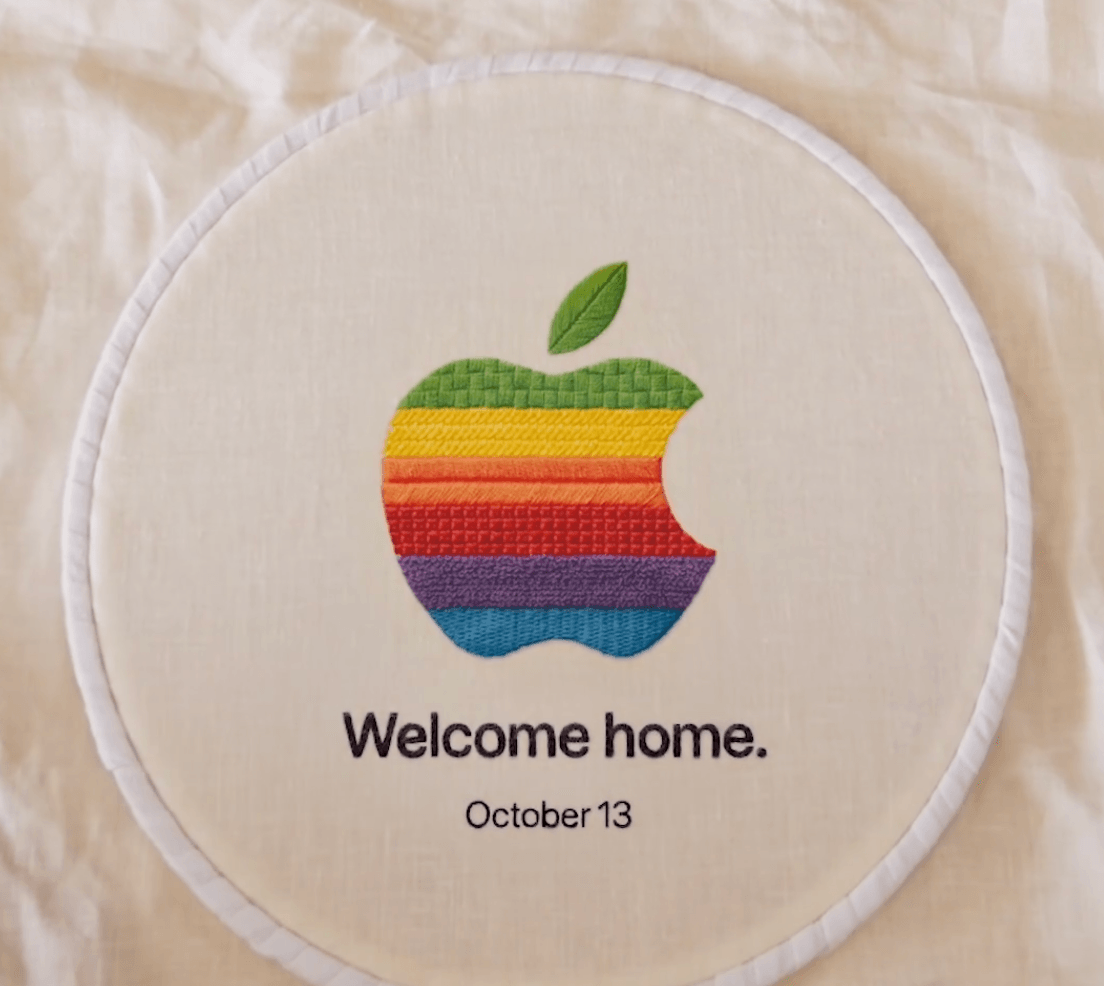
In a post by Greg Joswiak on X and email to creators and media outlets, Apple has said it will hold an ‘Experience’ in Tribeca, New York on Tuesday, October 13 at 09:00 am Eastern.
Speculation and rumors have circulated for months that a home hub product is imminent. The latest reports from Mark Gurman suggest it will sit on a semi-circular base reminiscent of an iMac G4 and control your HomeKit devices, incorporates SiriAI, and uses voice and facial recognition to identify with whom it is interacting. There have also been rumors that a new HomePod mini and Apple TV 4K may be launched. The ‘Welcome home’ tagline of the event certainly seems to suggest the announcements will be HomeKit-related.
As always, MacStories will be covering the event, so stop by next Tuesday for all the news.
Apple’s stock rebounds after recent product price increases, prompting a discussion of customer loyalty, upgrade timing, refurbished options, and long-term confidence in the company. Chuck Joiner, David Ginsburg, Eric Bolden, Jim Rea, and Marty Jencius also examine why advanced Home features may require a 2TB iCloud+ plan, then debates Apple’s rumored foldable iPhone, including price, […]
Siri AI is an entirely new version of Siri deeply integrated into iPhone, iPad, Mac, Apple Watch, and Apple Vision Pro. It can draw on personal context understanding to search across messages, emails, photos, and more, and get things done across apps with even more systemwide app actions. Additionally, Siri AI can answer questions related to the content on a user’s screen or go out to the web to get up-to-date information using broad world knowledge and generate a helpful answer. A dedicated Siri app allows users to revisit a past conversation or kick off a new one — all in one place — and uses iCloud to privately sync conversational history across a user’s products.
Powered by the next generation of Apple Intelligence, Siri AI is a completely reimagined version of Siri that is more helpful, more capable, and more intelligent. With detailed, engaging responses and natural back-and-forth conversation, Siri AI helps users get more done than ever.
[…]
Siri has been rebuilt from the ground up with powerful AI at its core. It takes full advantage of the bold new architecture for Apple Intelligence, including the next generation of Apple Foundation Models that run on device and on servers using Private Cloud Compute. When Private Cloud Compute is handling users’ requests, their personal data is not stored nor made accessible to Apple or anyone else. Outside experts can continue to verify this privacy promise at any time. Additionally, Siri AI uses the system orchestrator to tap into core capabilities like the Spotlight index and App Toolbox, which work entirely on device to keep users in control of their data.
[…]
For products that support Apple’s most advanced on-device model ever, Siri AI offers even more expressive voices, as well as a major boost in accuracy with systemwide dictation. Users have the ability to customize the expressiveness and pace of Siri’s voice so it’s just right for them. Dictation now captures what users say as polished text with greater precision, automatically handling capitalization, punctuation, and formatting as they speak. With improved speech understanding, users can speak naturally and trust that their words will appear clearly, accurately, and as intended.
I remain uninterested in these more advanced Siri features. They matter in that Apple needs to show that they’re not “behind” and that they can actually deliver on what they announce and advertise. But I don’t find the use cases compelling and wouldn’t trust the results.
If you really care about a particular concert, would you believe Siri about how the tickets work and that it will auto-create a reminder at the right time? Why should I believe that it can figure out whether a particular irregularly shaped object can fit inside an irregularly shaped container when said shapes are probably not even published on the Web? Can it really dig into my e-mail to find the right flight info? An answer without being able to see the sources is not useful. And I certainly don’t want it to pick for itself which vacation photos to send out.
I just want the basic features—from a decade or so ago, like music controls, reminders, and access to my purchases—to work quickly, reliably, and offline to the extent possible. I did not hear anything to suggest that this was a focus. Instead, everyone is celebrating how slow the demos were because that proves they weren’t fake.
The other interesting thing to note from the keynote: watching the demos, there is ZERO doubt these are real, recorded demonstrations on live devices. There will be no confusion about what is real or fake like there was at WWDC 2024 and the initial attempt at the new Siri.
And, if your standards are the state of the art in AI circa June 2024, when Apple took their first crack at answering the question, they did quite well.
[…]
What’s fascinating about this specific demo is that it also showed just how far behind Apple is.
[…]
Still, the bubble was strong enough to convince OpenAI to make the exact same mistake Dropbox did: the company somehow convinced itself that it could make enough money selling subscriptions to consumers; Anthropic, meanwhile, realized that it was enterprises who were willing to pay for AI’s massive productivity benefits, even as OpenAI failed to capitalize on their consumer market penetration by refusing to build an advertising product.
This is a long-winded way of saying that I don’t think that Apple’s agentic shortcomings are a big deal, at least for now. Agents help you do work and be more productive, and consumers don’t want to work or care about being productive. What they do want to do is watch short-form video, and an iPhone is simply much better at that than any other device ever will be; in that context, Siri being good enough is enough, and it appears that Apple crossed that bar.
They need to execute, they need to prove this can scale, and most of all, they need to get third-party apps on board with App Intents and App Schemas. But it seems like they’re doing all of that. This is not a done deal but it is very realistic.
Siri doesn’t have access to the filesystem or tool-calling, so it’s completely unable to do the kinds of tasks you might easily do with Codex or Claude. It’s a good start, but the state of the art has already dramatically shifted over the past year. The question is will Siri move in this direction, or stick to providing answers from the web?
Will Apple introduce its own distinct Codex-style agentic programming model that can do all this, and work with Xcode? You would hope so…
The revamped version of Siri that is officially named “Siri AI” will be available to test in the iOS 27, iPadOS 27, macOS 27, and visionOS 27 developer betas starting today, and it is coming to the Apple Watch in a future watchOS 27 beta. “Siri AI” will also be included in the public betas of each platform that are launching in July.
“Siri AI” requires a device that is compatible with Apple Intelligence.
Apple senior vice president of software engineering Craig Federighi has explained why the company launched a standalone Siri app in iOS 27, after previously characterizing a dedicated chatbot as contrary to its Apple Intelligence strategy.
[…]
“We see Siri not as a separate chatbot, just an unintegrated place you go and chit-chat, but rather as an integral, conversational tool that you use in the moment, deeply integrated into your experience.”
…And playlists, contacts, settings and preferences. Peel off the agentic slop bandwagon and focus on core performance, smarter caching, and resilience under adverse network conditions.
Though this is a test conducted on the very first version of Siri A.I. from a fixed point in Calgary, it seems to work quite well. So far, it is better than any version of Siri Apple has released yet and, as you can see above, it is almost as good as the original 2010 demo, before Apple acquired the company.
On the one hand, if Siri has indeed become this reliable at understanding queries like those demoed so far, it’s indeed impressive. On the other hand, I can’t help but ask myself, once again, whether people at Apple even know how regular people actually use their phones and devices.
Apple executives downplay and obfuscate the role of Google in Siri AI. The Siri AI announcement didn’t even mention Google or Gemini once! Does anyone actually believe Apple’s BS? The argument seems to be that since Google made a bespoke implementation for Apple, Google is not really involved, and it’s all Apple. Ridiculous.
It’s really odd to me that Apple is getting so much credit for Google’s work. Siri now “works” to the extent it does because Siri is to a very large extent Gemini, and Apple has wrapped that in a bow.
Apple didn’t “nail” anything. Apple failed at its own internal efforts and was forced to outsource.
This is the advantage of being a platform: you can fail and still win.
Apple’s Siri team, led by Craig Federighi, held a post-WWDC keynote tech talk with members of the press this afternoon to talk through iOS 27 and the new Siri AI.
During the talk, Federighi shared more details about Apple’s collaboration with Google.
Apple looks like it will use some combination of Google Gemini models, combined with Google’s Confidential Inference and Apple’s own Private Cloud Compute for private hosting. These systems will process both your queries and evaluate private data from your devices.
[…]
Apple has since “expanded” PCC to encompass Google’s hardware as well. I will confess that I find the details of the new “expanded” PCC just a bit vague. It sounds a lot like Apple is primarily going to rely on Google’s existing confidential compute (running in Google datacenters) to process this data, but they’re bolting on a new layer of technical security to control which models are actually running. In any case: security experts can argue about whether this is good enough to keep Cozy Bear away from your data. What I will grant is that it’s probably good enough to keep Google and Apple from accessing your stuff, which is what most people are worried about in the first place.
So why am I so nervous?
[…]
So far we’ve discussed two adversaries: the misaligned designers of private agents (such as search operators), and the possibility of remote prompt injection attacks. But of course, in any discussion of technical privacy systems we need to talk about the last elephant in the room: your government.

 Login