❌

Reading view

At Scotland’s ancient Cladh Hallan, homes were full of human bones

In 2001, archaeologists were painstakingly excavating a dwelling at the Bronze-Age site of Cladh Hallan in  the Outer Hebrides islands off of Scotland’s northwestern coast. The house had been oval in shape, with a low door leading to an interior hearth. Other conveniences included sunken storage areas and stone-lined water storage tanks. Under the floors of these houses, though, and under the feet of the occupants, was a fascinating feature that evokes the opening scenes of a classic horror film. 

As the archaeologists slowly dug through the floor of the structure, they came unexpectedly upon a human skeleton, legs tucked up in the fetal position. Another skeleton, similarly arranged, was found beneath a different roundhouse’s floor. These people had clearly been laid to rest with care, with stones laid out around them. 

When archaeologists began to study the remains, though, they were staggered to learn that each body’s parts had not all come from the same person. These were composite mummies, assembled with the remains of at least six people who had died over the span of two hundred years. But this wasn’t a jumbled-together macabre collection or evidence of a Bronze-Age serial killer. These bodies had been treated carefully and buried in stone-lined graves. So what were the people of Cladh Hallan doing with the dug-up remains of their ancestors? 

What was Cladh Hallan? And what mummies were found there?

More than four thousand years ago, early farmers began to work the soil on the Outer Hebrides islands off of Scotland’s northwestern coast. At the time, the Roman Empire and even ancient Greece were specks on the chronological horizon. Along the Aegean coast, Minoans and Mycenaeans were building palaces and cities. Farther north, Germanic tribes were exporting amber and expertly forging bronze and gold artifacts. 

At Cladh Hallan, early farmers grew barley, herded sheep, and foraged the abundant resources on the island’s beaches. Their descendants continued to thrive on the island for centuries, the population grew, and so did the need for land.
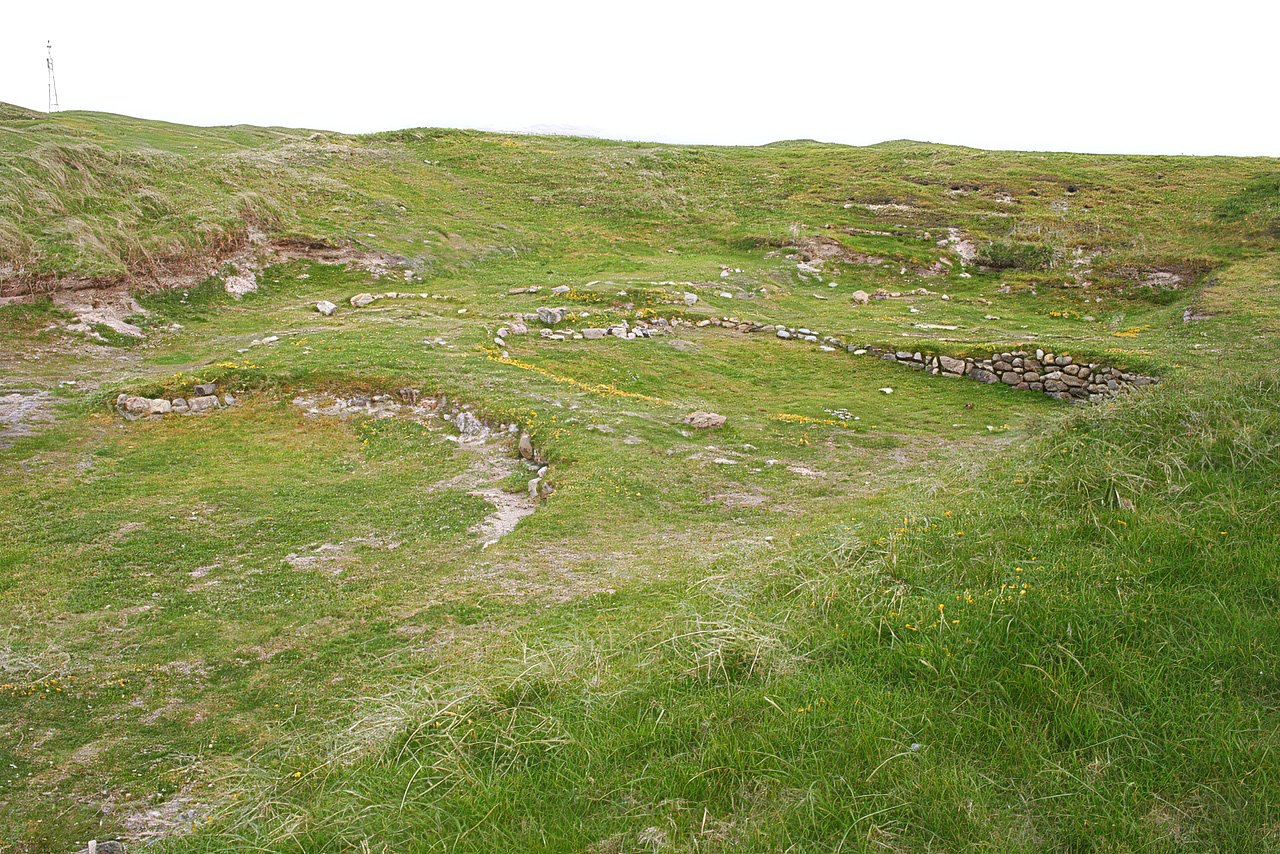
Green field with stone outlines of oval structures.
Ancient farmers at Cladh Hallan built circular dwellings today known as roundhouses. Image: Anne Burgess / CC BY-SA 2.0

Nearly a thousand years into Cladh Hallan’s occupation, with living space on the small island becoming harder to find, people started building over the burial grounds of their ancestors. But the islanders were definitely aware of the graves beneath their feet—in fact, they went out of their way to acknowledge the people buried in them. 

Residents of Cladh Hallan dug down into these older burials containing both cremated and unburnt remains, removing some parts and leaving the rest undisturbed. Then they assembled the exhumed remains into the requisite anatomical combinations that modern archaeologists have found centuries later. Once this was done, the composite bodies were once again laid to rest under the foundations of the roundhouses. 

The best mummy finds at Cladh Hallan

The two best-known adult skeletons from Cladh Hallan are the most unusual. Each was found under a roundhouse. One skeleton was identified as male, the other female, based on their pelvic bones. The bodies date to between 1300 and 1500 BCE…mostly. 

The skeleton originally identified as a woman had a man’s skull where her own head used to be. Two of the teeth were missing from the skull, and those had been placed in each of the woman’s hands. By radiocarbon dating the bones, researchers found that the skull actually belonged to a man who had died at least a century earlier, perhaps a relative from an older generation. 

The body originally identified as male was put together from three different people—all confirmed as male through DNA testing. The burial was made up of a man’s torso, a second man’s skull, and a third man’s jawbone. Each of these men had died at different times over the span of about 150 years. Again, ancestry and family identity seem to play a big part in these re-burials. 

It isn’t terribly uncommon for cultures to include their deceased loved ones in celebratory, ritual, or even daily activities. Every few years, families in the Toraja region of Sulawesi, Indonesia exhume the remains of loved ones, clean them, dress them in fresh garments, and honor them with festivals. 

South Korean “death beads” are made from the cremated remains of family members and displayed in the home. 

Pre-colonial Inca religious tradition included regular ceremonial processions featuring the remains of people “buried” in natural alcoves in the Andes mountains and mummified by the dry, cold mountain air. The Cladh Hallan skeletons had once been mummified as well, though this was not mummification as it was practiced in ancient Egypt, nor like the mountainside Inca tradition. 
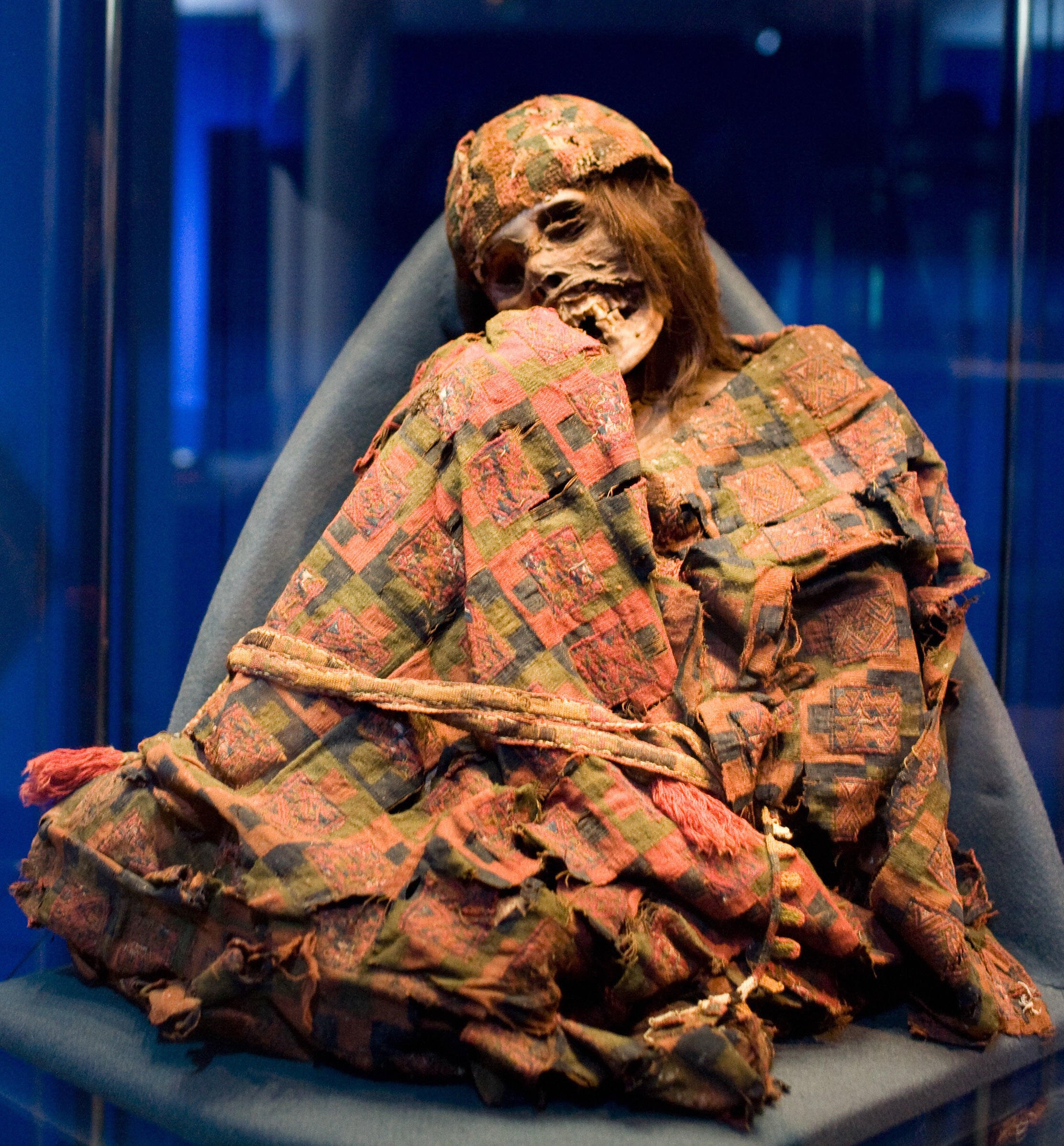
View of a mummified Inca woman at the "Mummies - The Dream of Everlasting Life" exhibition at the Reiss-Engelhorn Museum in Mannheim 27 September 2007. With more than 70 mummies gathered from the four corners of the world, the Museum is presenting the world's largest mummy-exhibition to date. The exhibition highlights the process of mummification as practiced not only in ancient Egypt, but on almost every continent, and over the centuries. The exhibition opens from 30 September 2007 to 24 March 2008. AFP PHOTO MICHAEL LATZ GERMANY OUT (Photo credit should read MICHAEL LATZ/DDP/AFP via Getty Images)
Ancient Egyptians were far from the only society to mummify their dead. For instance, many Inca mummies have been found in the mountains, such as this female Inca mummy. Image: Getty Images / Staff / MICHAEL LATZ

First, the bodies were tightly wrapped in fabric, which kept the bones and soft tissue flexed into the fetal position. This is why the limbs remained so tightly curled towards the torso, and why the bodies were so well-preserved. Archaeologists were able to identify this type of preservation based on microscopic changes to the surfaces of the bones from the acidic environment of the peat bogs in which the bodies were submerged after wrapping.

Why peat is so good at preserving bodies

Peat is a dense, wet accumulation of centuries of decaying plant matter, and is a feature of lots of landscapes, particularly in the northern latitudes. People have used dried peat as fuel for thousands of years, since it burns well and slowly, and is plentiful in areas where there aren’t a lot of trees for firewood. Peat from the Scottish isles, notably, is responsible for the smoky, earthy taste characteristic of Scotch whiskey. 

Peat bogs are so packed with plant material that there is almost no oxygen present, which is great for preservation, as is the typically cool temperature beneath the peat’s surface. The lack of oxygen keeps microbes and other critters from consuming the body’s soft tissues, and the tannic acid from all the decaying plants in the bog turns skin dark and leathery. 

By first burying the bodies of family members under layers of peat, the people at Cladh Hallan ensured that the remains would be as intact as possible when later generations exhumed them. This not only means that the Bronze Age inhabitants of the island were well aware of peat’s preservative properties, but that the entire process was a deliberate sequence of events. 

Related 'That Time When' Stories

But why did people in Cladh Hallan make these many-part mummies?

Archaeologists interpret the pieced-together reburials as a part of a social or religious tradition that emphasized family lines and reverence for ancestors. Stones clearly marked the graves under the roundhouses, so the homes’ placement was definitely on purpose. 

The initial bog burials were deliberately used as a source of family remains, and the parts that composed the buried skeletons seem to have been deliberately chosen, though we may never know why or how. It seems as though ancestor-recycling may have been a regular process at Cladh Hallan in the later part of the Bronze Age, as older generations gave way to new. 

Archaeologists also surmise that the exhumed mummified remains were initially kept above ground, maybe in a special place in the house, and included as a part of daily life. These multi-ancestor figures might have been consulted when important decisions were made, or they may have been seen as household protectors. 

Archaeology can never really uncover the full story of what people thought and believed thousands of years ago. Thoughts do not fossilize, and decay and weathering affect even the best-preserved archaeological sites. 

We will probably never know exactly what it was like to live at Cladh Hallan when it was a busy, thriving settlement. We may never understand how the people that lived there conceived of their world, or how they thought about spirituality. Thanks to the burials at Cladh Hallan, though, we have a tantalizing glimpse of how people may have seen death in their universe as a continuous, pieced-together chain of lives lived over generations. 

In That Time When, Popular Science tells the weirdest, most surprising, and little-known stories that shaped science, engineering, and innovation.

The post At Scotland’s ancient Cladh Hallan, homes were full of human bones appeared first on Popular Science.
  •  

Rome Banned Pagan Worship in 392, but a Thracian Temple May Have Kept It Going for Decades

In November 392, the Roman emperor Theodosius I signed a law banning every pagan rite, including those performed in private. Against that date, the claim now coming from Bulgaria’s National Museum of History sounds startling: that people went on honoring the old gods until around the middle of the fifth century, in a temple built […]

  •  

A 2,800-Year-Old Bone Flute Turns Up at Troy in the Age of Homer, the First Musical Instrument Found after Years of Digging

In 160 years of digging at Troy, nobody had found anything you could play. Archaeologists have pulled walls, gates, jewelry, weapons and tableware out of the ground in huge quantities, but never an instrument. This season that changed. The team led by Rüstem Aslan of Onsekiz Mart University in Çanakkale, in northwestern Turkey, recovered a […]

  •  

A Roman “Highway Rest Stop” With Barracks-Style Rooms and a Bathhouse Found in Southern Spain

Roman Spain had a network of official roadside stops for officials, soldiers and couriers, yet archaeologists know very few of them for certain. A new study may have added one. The building lies on the edge of Mellaria, a Roman town in the south of the country, on the road between the provincial capitals of […]

  •  

A 180-Foot-Long Stone Tomb With “Antennae” Found in Western Sahara Is Over 4,000 Years Old

On a gravel plain in northern Western Sahara, with no shade for miles, there is a heap of stones 54.5 meters (179 feet) long. Two rows of stone slabs run out from it like the arms of a V that never quite closes. Archaeologists call these rows “antennae”, and the monuments antennae tumuli (a tumulus […]

  •  

Arrival of the Suebi, Alans and Visigoths did not erase deep genetic legacy of Roman Hispania

An international study led by the Institute of Evolutionary Biology (IBE, CSIC-UPF) in Barcelona, the Natural Sciences Museum of Barcelona, Harvard University and the University of the Basque Country (EHU) has reconstructed the genetic history of the Iberian Peninsula between the first and eighth centuries A.D. using 243 ancient genomes from 31 archaeological sites.

  •  

Antelope collagen found in 60,000-year-old ochre offers clues to early human practices

In the journal Proceedings of the Royal Society B, a research team from Kyushu University, Universitetet i Bergen and the University of Copenhagen reports that it found traces of ancient collagen protein from the common eland (Taurotragus oryx), a species of antelope, on a 60,000-year-old ochre-rich surface in the Kilpdrift Complex, a Middle and Later Stone Age archaeological site located within the coastal cliffs of the De Hoop Nature Reserve in South Africa.

  •  

Case of mysterious medieval skeleton buried in Roman-era sarcophagus at Westminster Abbey finally solved

In the late 1800s, Westminster Abbey clergy stumbled upon a mysterious sarcophagus. The lid was decorated with an 11th-century Anglo-Saxon cross, but the base had a fourth-century Roman funeral inscription. For nearly 150 years, the tomb has baffled experts, but the abbey's consulting archaeologist may have finally figured out who was buried there, according to a new study.

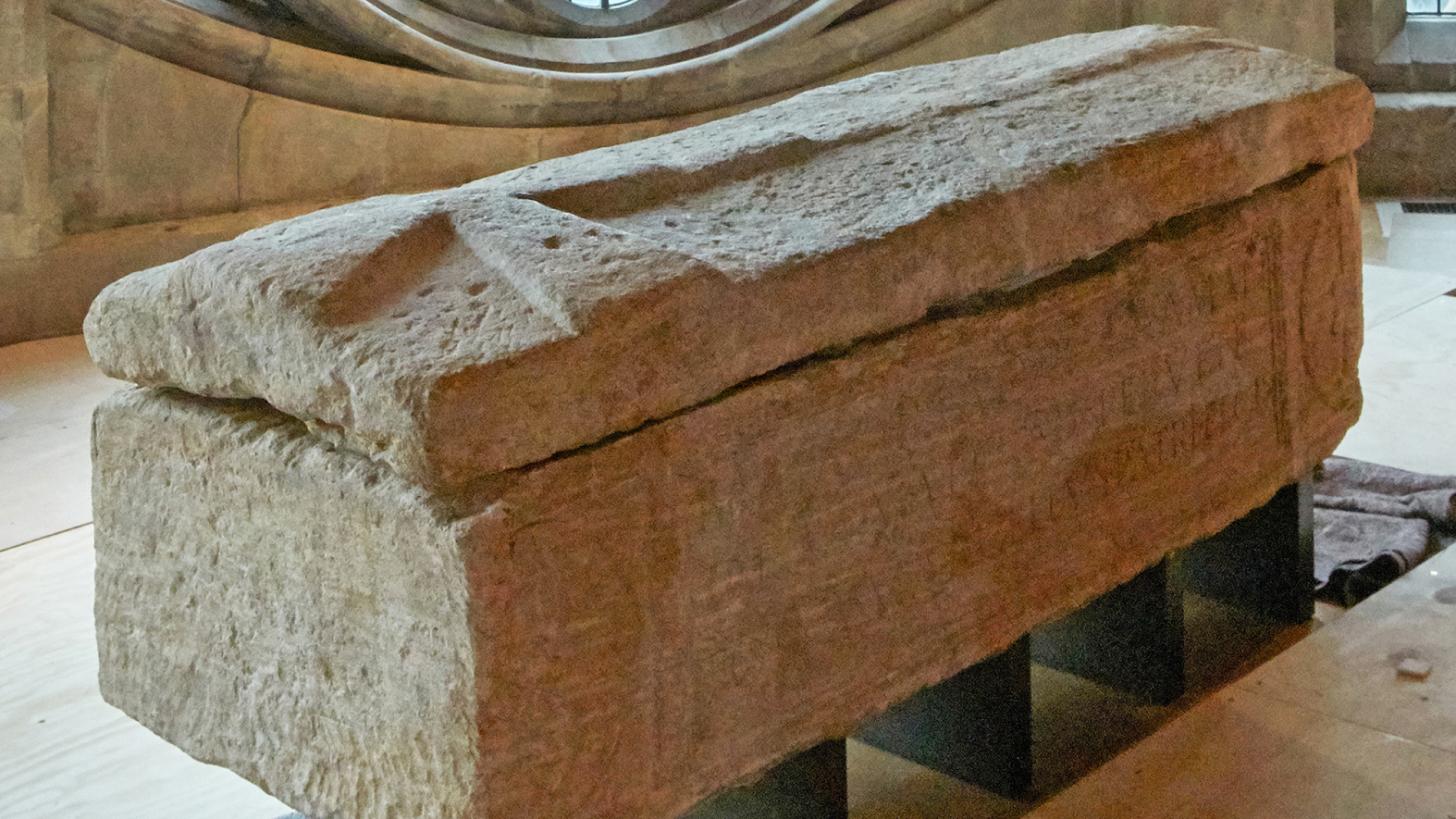
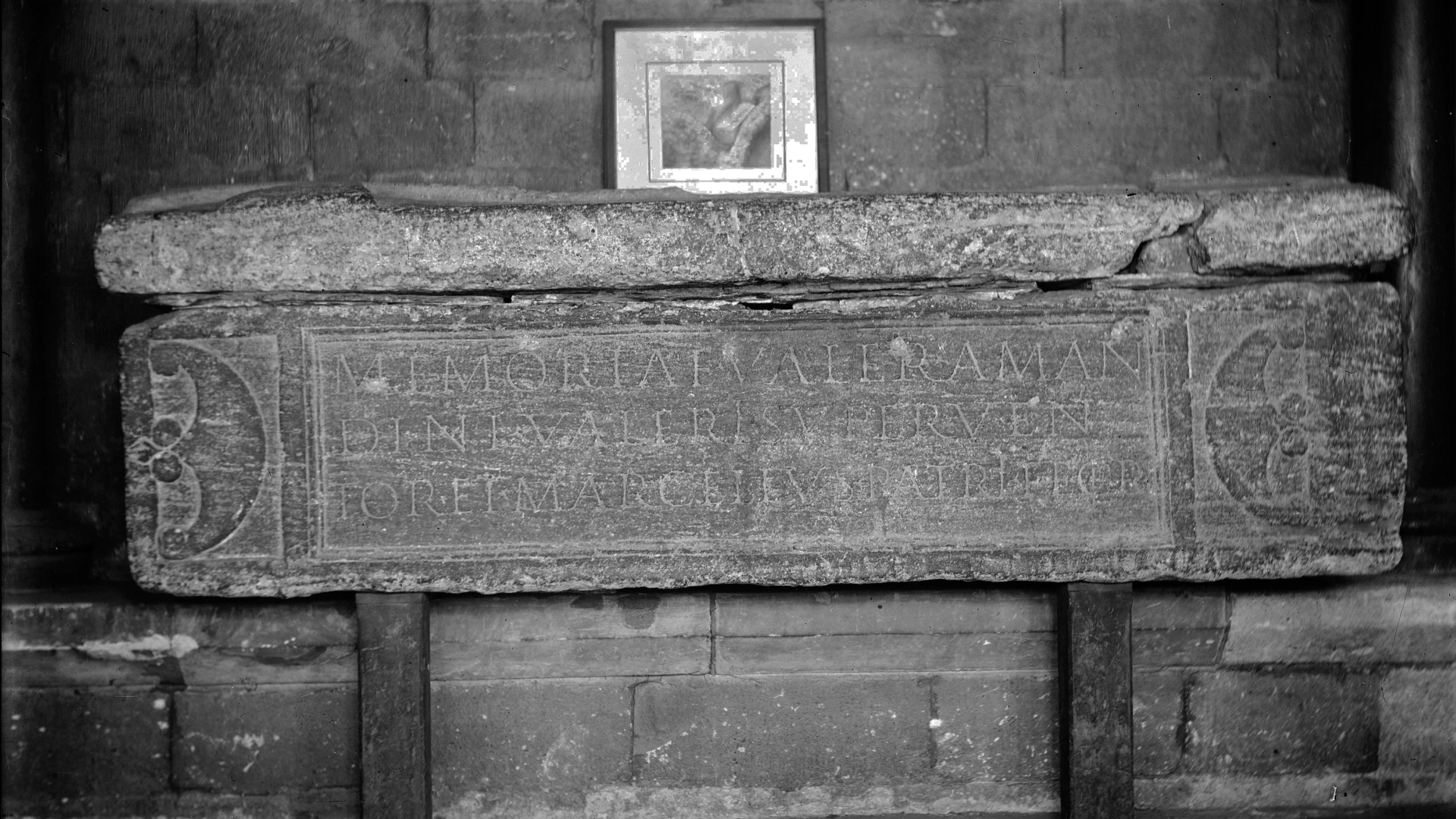
Westminster's chief mason unearthed the stone sarcophagus in 1869, but when experts investigated it, they discovered that the burial had been looted earlier that century. Experts also noticed that the carved decoration on the side of the sarcophagus was stylistically Roman, with a Latin inscription that can be translated as "To the memory of Valerius Amandinus. Valerius Superventor and Marcellus made this for their father." But an enormous medieval cross had been carved into the lid of the sarcophagus, suggesting that the tomb had been reused to bury an important religious figure hundreds of years later.

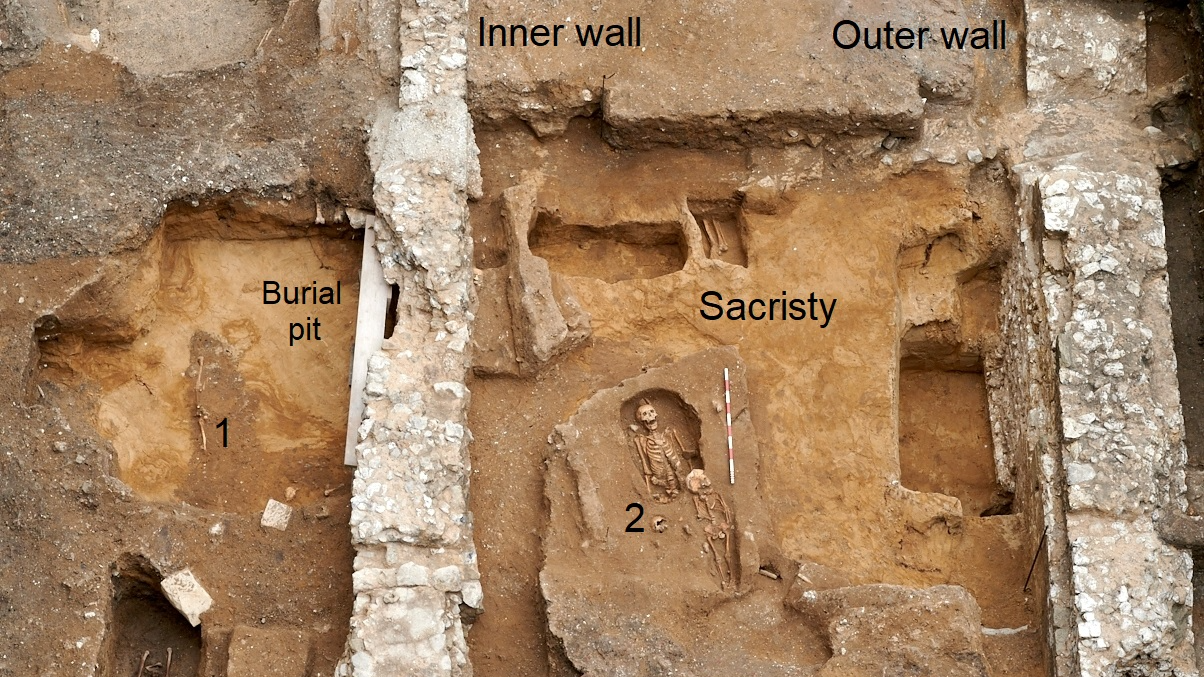
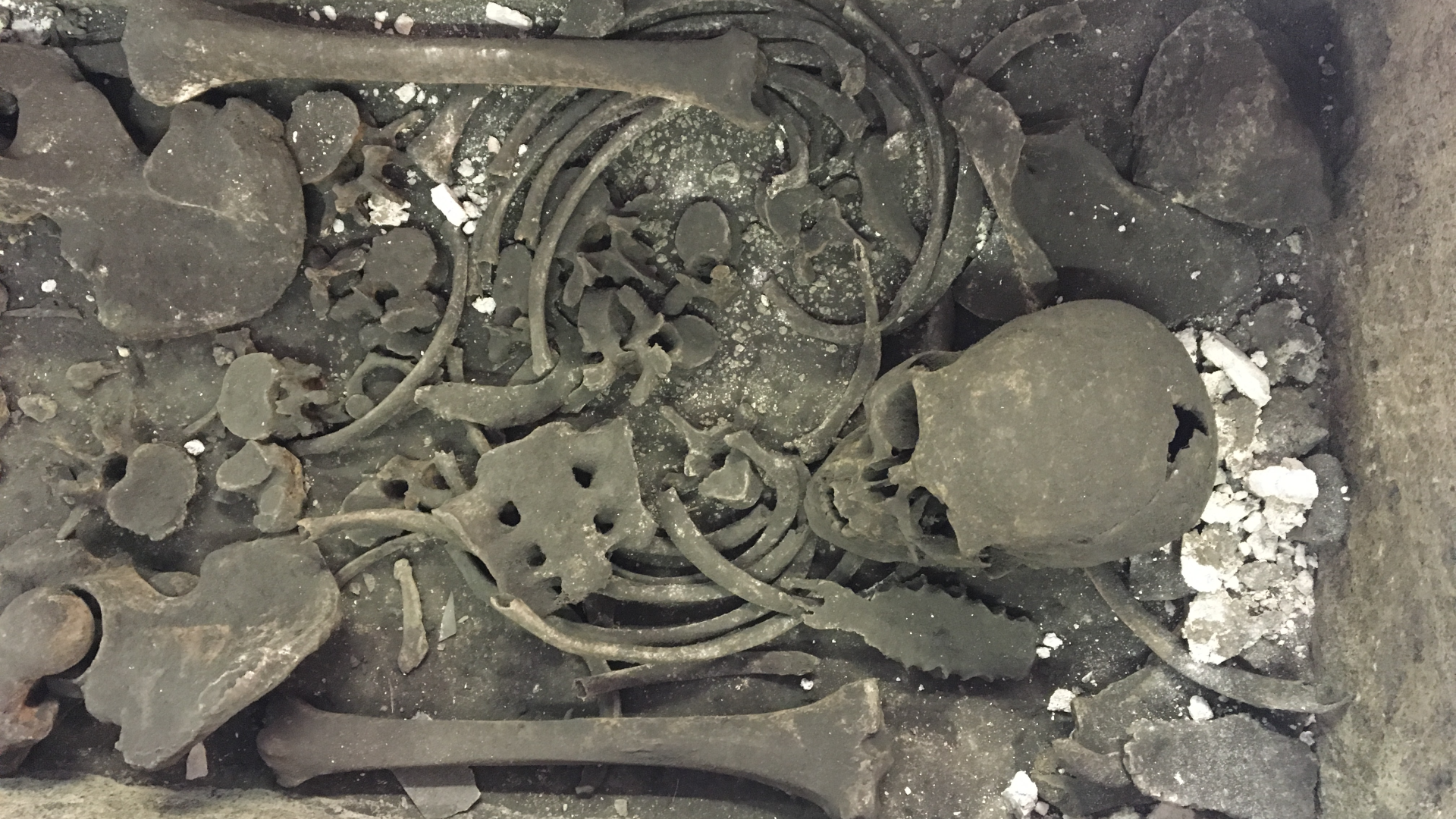
The mystery of the medieval individual buried in a Roman sarcophagus remained unsolved for 150 years, as no one thought that any bones were left inside. But when the stone coffin was opened for conservation in 2016 and a full skeleton was discovered, clues to the identity of the deceased finally came to light, Warwick Rodwell, the consultant archaeologist for Westminster Abbey, wrote in a study published Wednesday (Oct. 21) in the Journal of the British Archaeological Association.

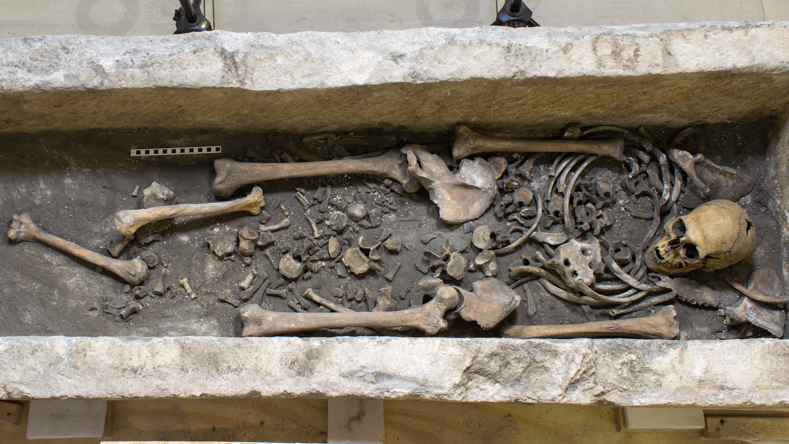
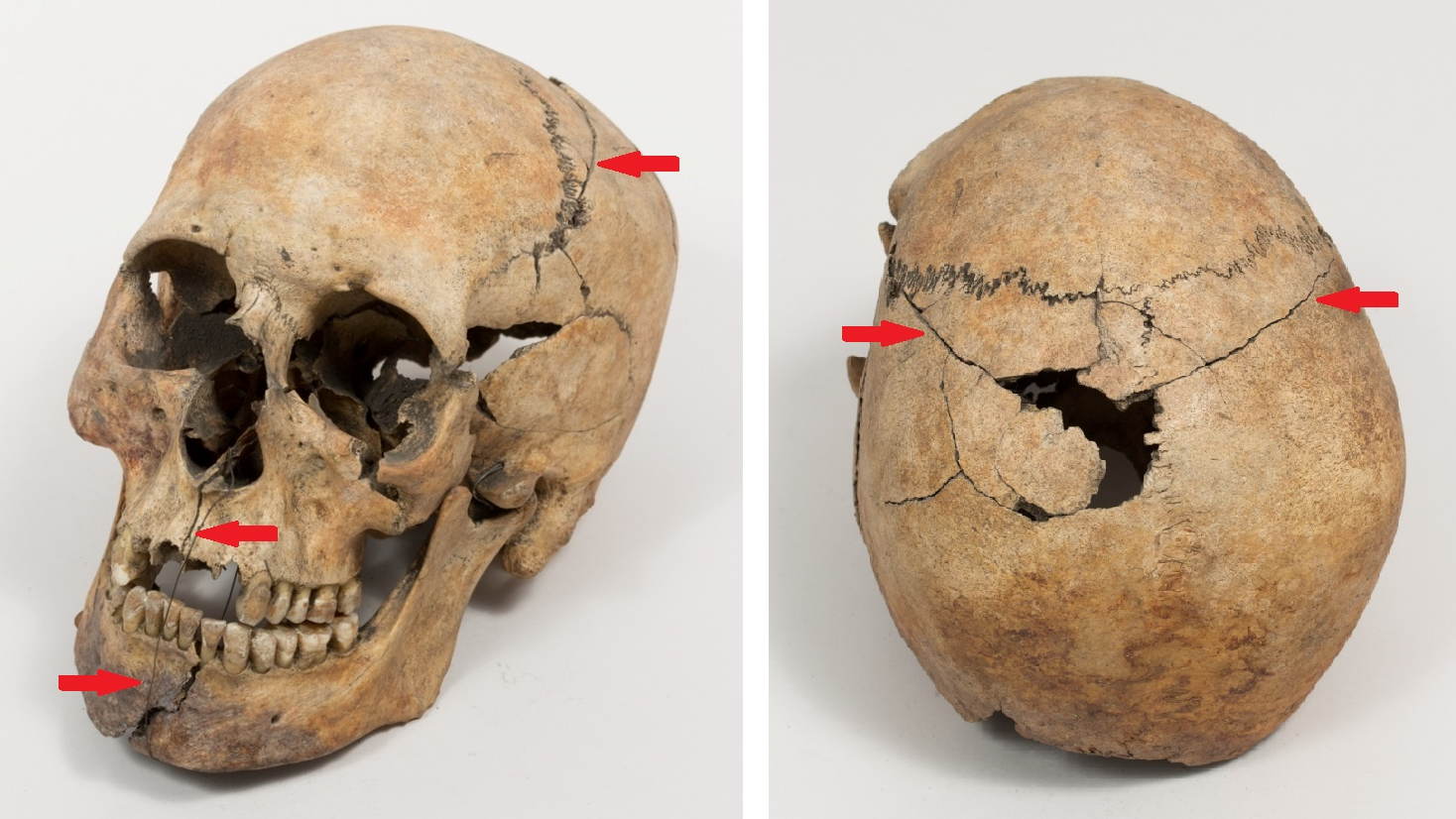
Although the skeleton had been disturbed over the years, with a hole accidentally made in the skull and arm and leg bones mixed up, it was clear that the person was male, middle-aged, and of average height, bioarchaeologist James Langthorne of Pre-Construct Archaeology wrote in a 2016 report. The man also had some evidence of osteoarthritis, two healed rib injuries and gout. The bones were carbon-dated to between 987 and 1052, confirming that the Roman-era sarcophagus was reused in the Middle Ages.

a limestone sarcophagus whose lid has been carved into a large cross
Dean & Chapter of Westminster
a black-and-white photograph of the side of a Roman sarcophagus showing an inscription
Dean & Chapter of Westminster
an aerial view of an excavation showing walls and the burial pit where a Roman sarcophagus was placed
© Pre-Construct Archaeology Ltd; (CC-BY-ND 4.0)
a human skeleton fully laid out in a sarcophagus but with several bones misplaced
© Pre-Construct Archaeology Ltd; (CC-BY-ND 4.0)
two views of a human skull showing post-mortem damage and reconstruction
© Pre-Construct Archaeology Ltd; (CC-BY-ND 4.0)

"This brings us to the final question of importance: who was he?" Rodwell wrote in the study. Despite the lack of grave goods, which may have been stolen in the early 19th century, "he was almost certainly an abbot" who was given a dignified burial in a stone sarcophagus with a large cross, Rodwell wrote.

Based on the birth and death dates of the abbots of Westminster and their tenure as clergy, Rodwell narrowed the candidates down to Wulfsige (abbot from 988 to 993), Ælfwig (abbot from 993 to 1020) and Wulfnoth (abbot from 1020 to 1049). Given that Wulfsige left Westminster to become a bishop elsewhere, he was likely not buried in the abbey.

"Consequently, we have two viable contenders for the occupant of the sarcophagus," Rodwell wrote. "The fact that Ælfwig was already a monk of Westminster might favour him."

Although the final resting place of Ælfwig may have been found after a millennium, some questions remain unanswered.

For example, it is unclear why an 11th-century abbot was buried in a recycled fourth-century Roman sarcophagus. The reuse of Roman coffins is extremely unusual, Rodwell noted in the study, and nothing comparable to this sarcophagus has ever been found. One explanation for the reuse may rest with the Latin inscription, whose first word — "memoriae" (to the memory) — suggests that Valerius Amandinus was an early Christian himself. This Roman may have been a significant figure in Roman London, Rodwell wrote, but "unfortunately, nothing is known about his career."

Experts are also unsure where the Roman sarcophagus came from. It was made from limestone sourced from Oxfordshire, a county in the South of England. But perhaps the coffin was originally buried in a Roman mausoleum and they were unearthed and moved at some point, Rodwell noted. But as Rodwell pointed out in the study, "there could be a villa and its cemetery somewhere in the vicinity of Westminster Abbey, awaiting discovery."

The sarcophagus is currently on display in the Queen’s Diamond Jubilee Galleries at Westminster Abbey.

What do you know about the Empire's conquest of the British Isles? Find out with our Roman Britain quiz!

  •  

Undeciphered Voynich manuscript may have been bound out of order, study finds

The mysterious and undeciphered Voynich manuscript has caused consternation among code-breakers, linguists and scholars of medieval literature for more than a century. But now experts think they've worked out why it's so hard to crack: It was bound incorrectly in the 15th century, meaning the pages are out of order. The new linguistic analysis of the document has moved researchers closer to figuring out what the text was all about.

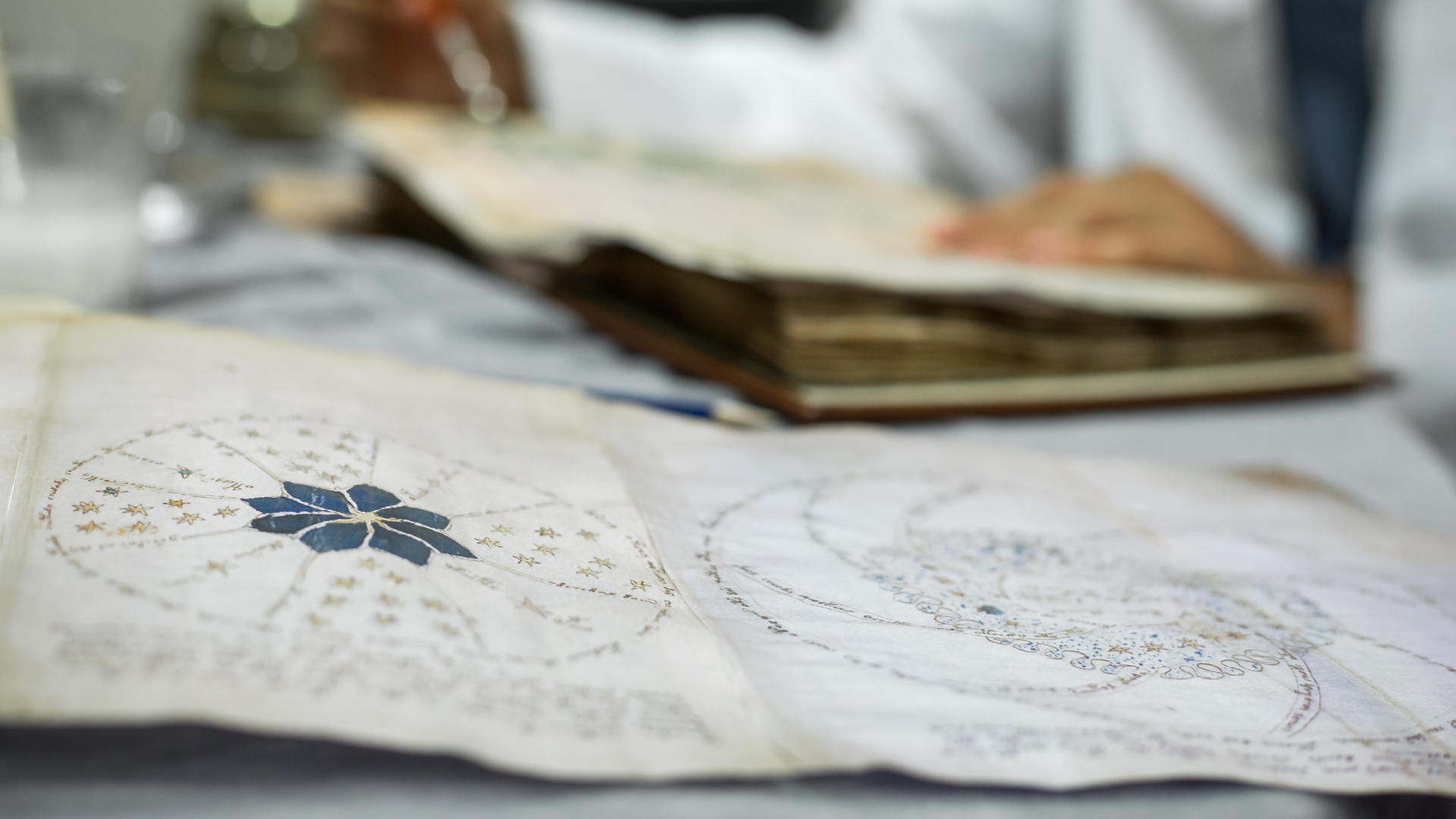
The Voynich manuscript is a medieval codex made up of leaves of parchment carbon-dated to the early 15th century. Its 240 pages are covered with about 38,000 words of a unique script called "Voynichese" along with illustrations of people, plants and astrological symbols. Also known as the Beinecke Cipher manuscript, the document was initially owned by a Holy Roman emperor and was purchased by Wilfrid Voynich in 1912. Since 1969, the manuscript has been in the collection of Yale University's rare book library. Experts have unsuccessfully tried to decipher the manuscript for more than a century.

"We don't know if it's a code," Lisa Fagin Davis, study co-author and executive director of the Medieval Academy of America, told Live Science. "But there are some odd characteristics of the Voynich manuscript in terms of its physical structure."
When doing research on the number of scribes who copied the document, Davis realized from the handwriting that the manuscript's pages alternate in ways that don't make sense. In addition, she said, "there are several examples where the image goes off the page in the middle and comes out on the other side, even though there are a bunch of pages in between."

In a study published Monday (Oct. 19) in the journal Digital Medievalist, Davis and co-author Colin Layfield, an information systems researcher at the University of Malta, suggested that the inconsistent structure of the enigmatic manuscript is the result of someone mis-binding a manuscript they were unable to read.

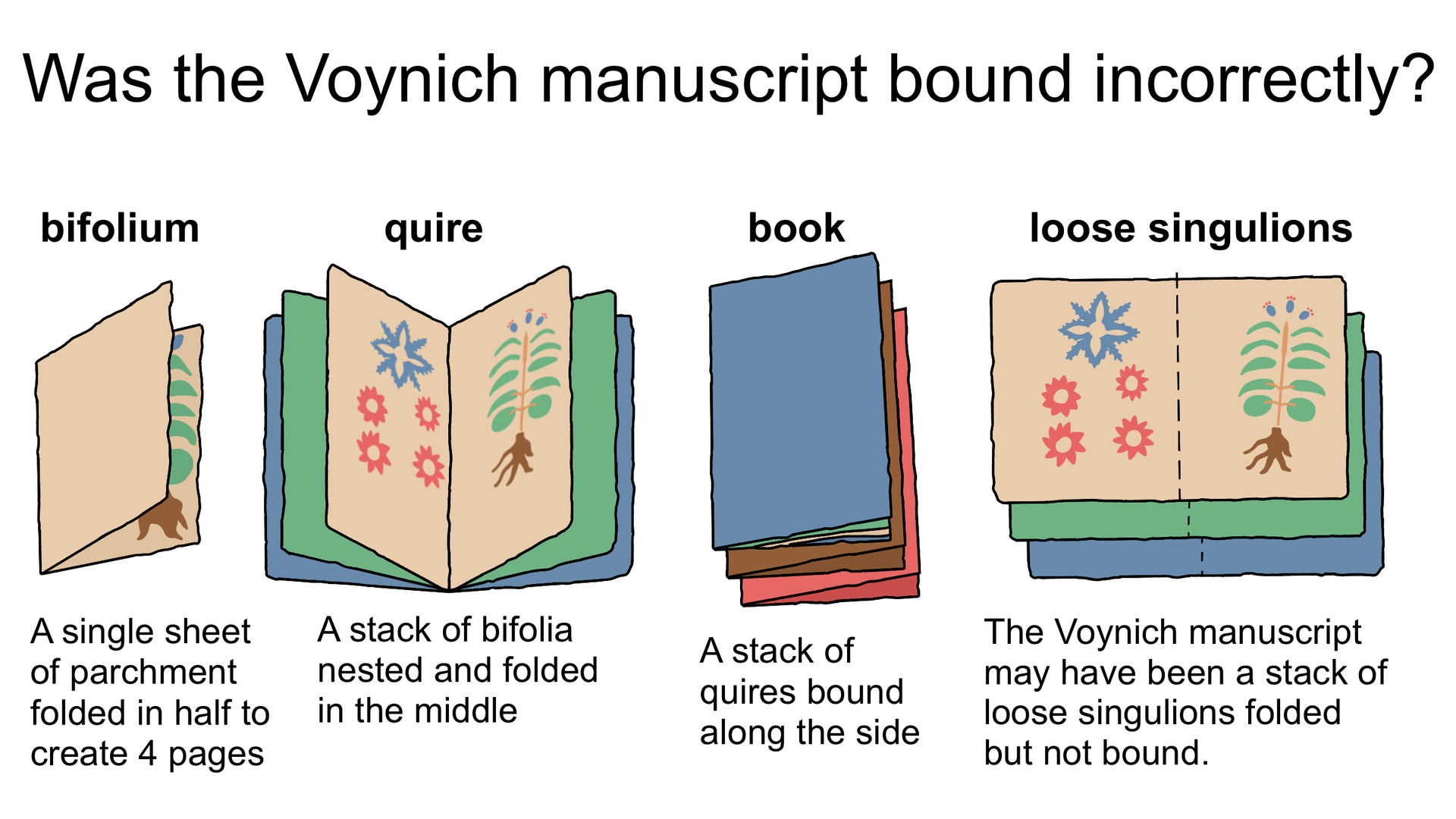
a series of illustrations of how a medieval book was bound

An illustration of how the Voynich manuscript may have been bound incorrectly. (Image credit: Quinn Reynolds for Live Science)

Medieval manuscripts were made up of rectangular sheets of parchment (animal skin), typically folded in half to produce what experts call a bifolium. Around five bifolia would typically be nested together, creating what experts call a quire. Then, a stack of quires would be bound together along the spine to create a book. However, Davis and Layfield suggested that the Voynich manuscript was intended to be a stack of singulions — a series of loose bifolia never meant to be bound together as a quire or a book.

This is not the first time a researcher has suggested the Voynich manuscript has pages out of order. But Davis and Layfield analyzed the graphic properties of the untranslated document to see if their hypothesis made sense.

"We're viewing it as a text and assuming it has a message," Layfield told Live Science, which means it should be possible to statistically compare blocks of text to see if they're similar or disconnected. Layfield used a technique called latent semantic analysis (LSA), which is a natural language processing technique invented in the late 1980s to find hidden patterns in texts.

LSA is particularly useful for small sets of data, Layfield explained. "Modern AI techniques need ridiculous amounts of data to train on, which we just don't have. We've got just 35,000 or so words. That's it." The researchers' LSA analysis of the Voynich manuscript revealed that some pages had low similarity, suggesting they may not have gone together, while others had high similarity, bolstering the idea that they were supposed to be read together.

By looking at the Voynich manuscript as a collection of singulions, Davis and Layfield solved some of the nagging issues with the document.

"When you start to think about it in the context of the other strange features of the manuscript, all of those problems are resolved," Davis said. "It solves the problem of each scribe writing one sheet. It solves the problem of the images crossing the gutter."

This means that any previous work on the Voynich manuscript that assumes it was ordered correctly now needs to be reconsidered, she said, but it also means there is new progress on the book.

"This work helps us think about whether there's actual meaning underneath it all," Davis said. "It doesn't get us there," she said about a definitive translation, "but it moves the ball because you can't make sense out of a book where all the pages are mixed up."

Davis is optimistic that someone will crack the Voynich mystery, in part because a similar modern puzzle known as Cain's Jawbone has been successfully deciphered by a handful of people. This devilishly difficult linguistic puzzle from the 1930s consists of 100 pages of a murder mystery arranged in the wrong order. Due to the unique nature of the text and its vague, stylized language, even AI has failed to solve it.

"We have some ideas for other work we want to do," Davis said. For example, there's a large water stain in the upper margin of some of the pages of the Voynich manuscript. "The stain should be symmetrical from one page to the next but it's not. That also supports the idea that the manuscript is bound out of order."

Davis and Layfield are thinking about ways to compare the stain shapes across the pages, as that may help them reorder the incorrectly organized pages.

See if you know what these mysterious artifacts are with our archaeological fragments quiz!

  •  

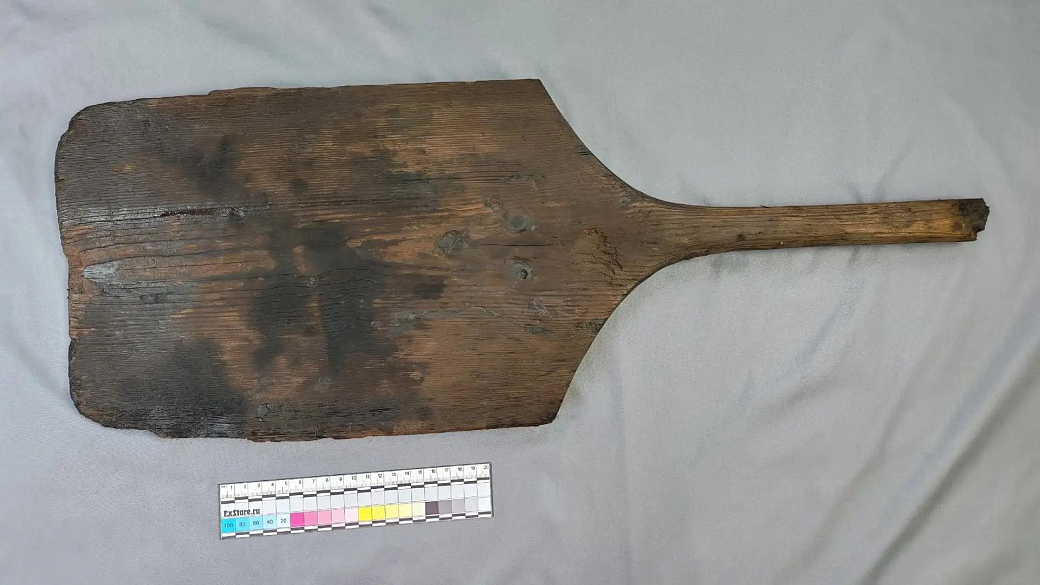
11th-century 'pizza peel' discovered in Russia doubled as a medieval game board

Archaeologists have unearthed an 11th-century wooden kitchen gadget with an ancient board game carved into the back. Medieval bakers may have used the wooden paddle not just to transfer bread into an oven but also to pass the time while they waited for the food to cook, the researchers said.

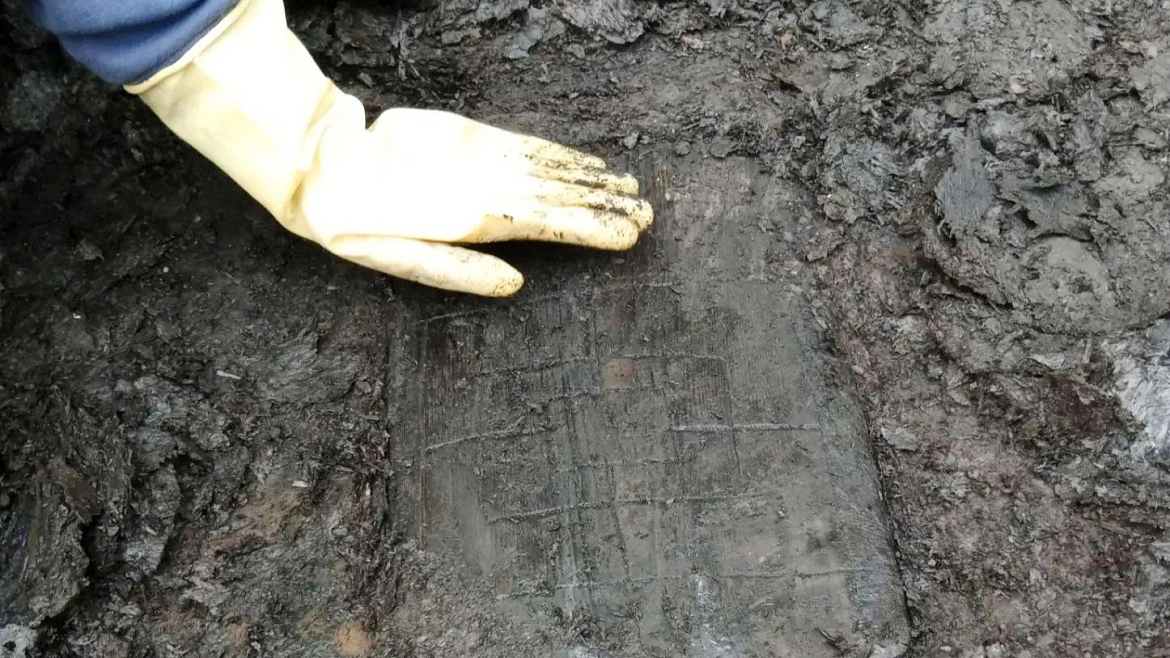
"We discovered a fragment of a fairly large shovel," Sergey Toropov, director of Novgorod State University's Center for Archaeological Research, said in a translated statement. "Most likely, it was a bread shovel, which was used to bake bread in an oven. On the reverse side, however, three squares have been carved, one inside the other."

The "bread shovel" — also known to contemporary home bakers as a wooden bread peel, a pizza paddle or a pizza peel — was found at the archaeological site of Pyatnitsky in the center of Staraya Russa, a medieval town between Moscow and St. Petersburg where last month, archaeologists reported their discovery of a "snake amulet."

a flat, rectangular wooden paddle with a broken-off handle

Archaeologists discovered a wooden baking implement — likely a pizza-paddle-like tool — dating back to medieval times. (Image credit: Novgorod State University)

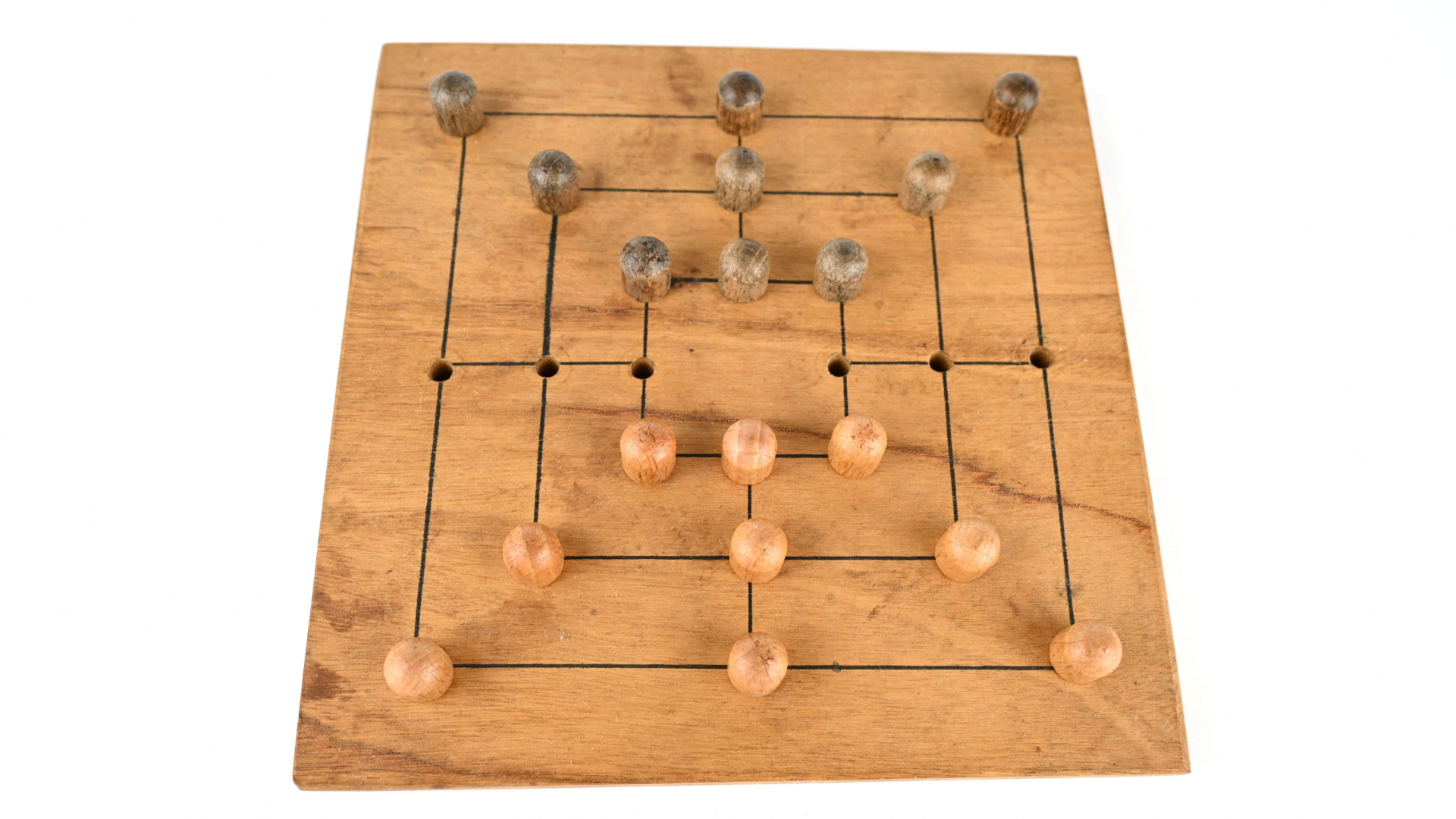
The preserved portion of the bread peel measures about 12 by 16 inches (30 by 40 centimeters), and it was likely crafted from oak. While one side is flat, likely for baking tasty treats, the other side had been carved with a board for the ancient game known as merels, merrelles, mills, nine-men's morris or cowboy checkers.

The origin of the game is unknown, but historical records and archaeological artifacts suggest a similar two-person logic game was played by the ancient Romans two millennia ago — and the game may be even older than that. In the Middle Ages, merels became particularly popular across Europe and Asia, possibly because it requires little equipment and can be set up quickly.

a wooden board with 24 holes and 3 concentric squares and 18 pegs

A typical merels (also known as nine-men's morris, mills or merrelles) board and pieces. (Image credit: Alamy)

A typical merels board has three nested squares connected by horizontal and vertical lines. Each player has nine pieces of the same color. The goal is to arrange the pieces into columns of three along the lines. When a player forms a line, they can remove any one of their opponent's pieces. In this way, merels is a mixture of tic-tac-toe and checkers. A player wins when their opponent has only two pieces left or is completely blocked. (You can play an online version here.)

"Perhaps special boards for playing merels existed in antiquity," Toropov said, "but more often, one finds playing boards scratched or carved into the flat surfaces of household objects."

The archaeologists are not sure whether the wooden bread peel served two functions or whether it was repurposed as a game board after it broke and was no longer useful.

"At any moment, one could mark out a board on a flat surface, find suitable pieces — for example, small stones lying underfoot, and while away some time," Toropov said.

Merel boards and playing pieces have been recovered from ninth-century archaeological sites in the kingdom of the Rus', whose ancestors were Vikings who arrived in what is now Russia in the eighth century, according to the statement, but "a find as well-preserved as the one from Staraya Russa is practically unique."

  •  

Romans may have set fire to Celtic town during conquest to 'humiliate' the enemy, archaeologists find

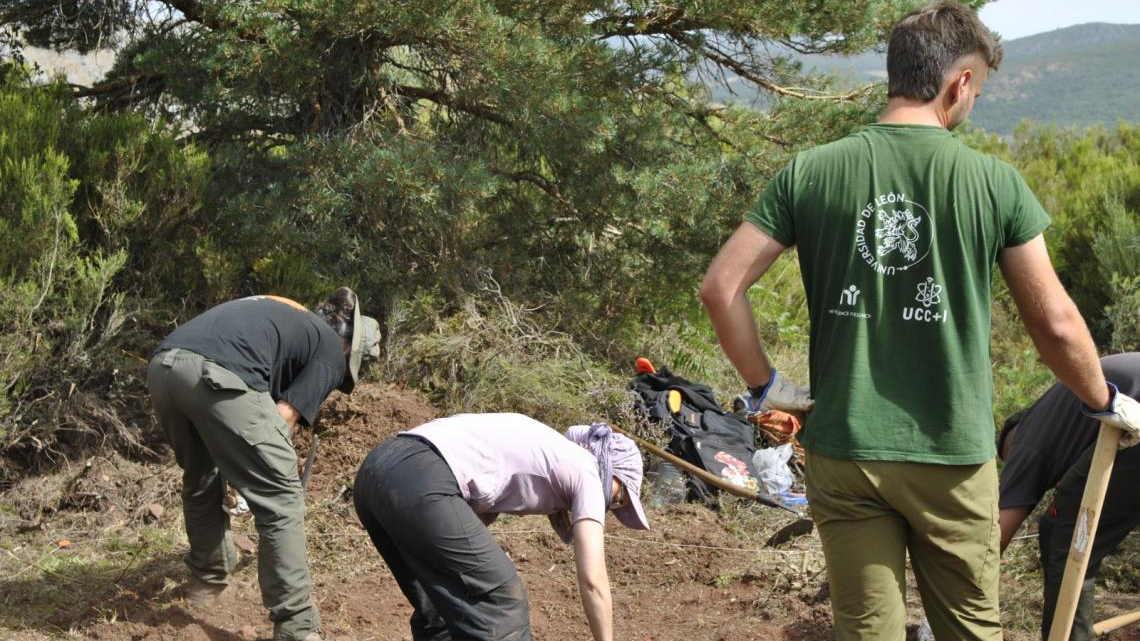
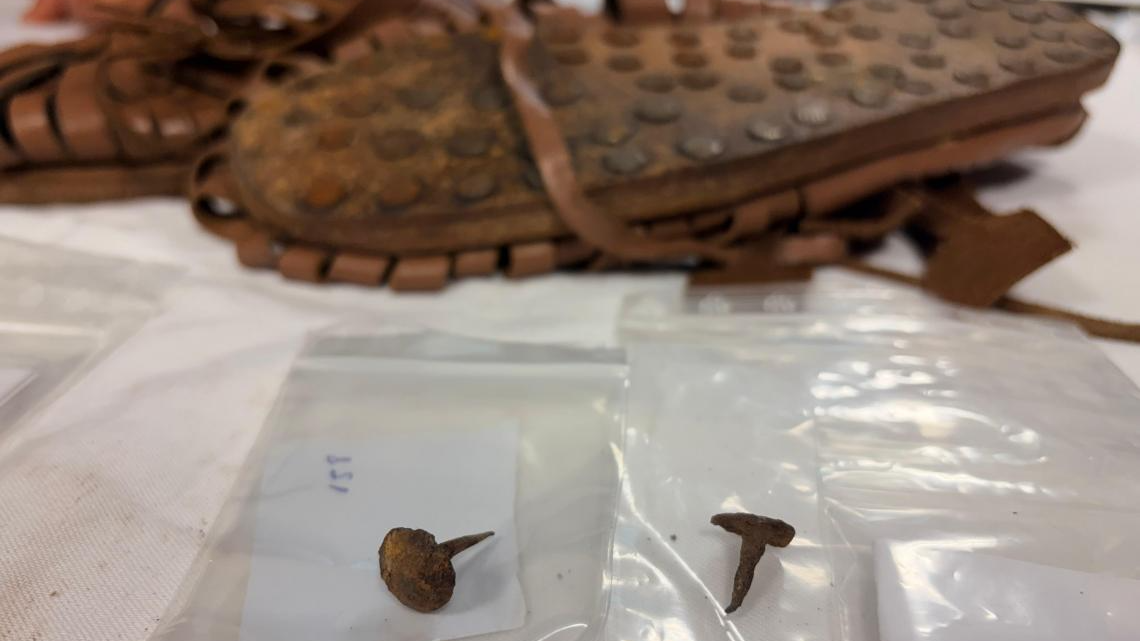
Archaeologists have unearthed a Roman military camp in Spain, where they found fragments of weapons and metal tacks from soldiers' shoes. The camp was used during the Cantabrian Wars fought by Emperor Augustus as he expanded the Roman Empire in the first century B.C.

The fortified military camp is made up of an earthen platform roughly 39 feet (12 meters) wide, which is surrounded by a stone perimeter wall about 5 feet (1.5 m) thick, according to a translated statement. Uncovered during excavations earlier this year, the camp is situated about one-third of a mile (500 m) from where an Iron Age settlement was once inhabited by the Cantabri people, a group of Celtic tribes that lived among the Cantabrian Mountains in modern-day northern Spain.

The Cantabri fiercely resisted Roman rule for a decade, but in 19 B.C., they were conquered by the military commanded by Emperor Augustus. The Cantabrian Wars marked the end of local control over the territory, as the Iberian Peninsula then came under control of the Roman Empire.

three people work on a wooden archaeological site

Archaeologists work at the site of the Roman fort. (Image credit: University of León)

"It's not easy to find a camp associated with a hill fort in this condition," Eduardo González Gómez de Agüero, an archaeologist at the University of León who co-directed the excavation project, said in the statement.

Among the well-preserved remains at the camp were metal weapon fragments and small iron tacks known as hobnails, which were hammered into the bottom of Roman soldiers' leather military sandals to help provide traction on rocky and muddy terrain. These objects are evidence that the Roman military was prepared to attack and subdue the Iron Age community, according to the statement.

The archaeologists also uncovered evidence of a major fire that destroyed most of the pre-Roman settlement, including two temples. González Gómez de Agüero suggested that the Romans may have deliberately set the fire as part of their conquest.

"It's not just about defeating the enemy, but about humiliating them, erasing their identity, and breaking their connection to the land," he said in the statement.

Researchers are still working on establishing the chronology of the Romans' final attack on the Cantabri and want to understand if the settlement was destroyed in a single event or over time. Previously, another research team found 66 Roman camps in northern Spain, showing the immensity of the empire's attacks against the Cantabri.

The latest find is helping researchers understand the scale and location of Rome's fight for control of the Iberian Peninsula.

"It is an important step in understanding how the conquest was carried out on the Cantabrian slope of León, an area where it was necessary to link the Roman camps with Iron Age settlements," Carlos Fernández Rodríguez, an archaeologist at the University of León, said in the statement.

Can you identify these historical objects of war? Test your smarts with our weapons of the world quiz!

  •  

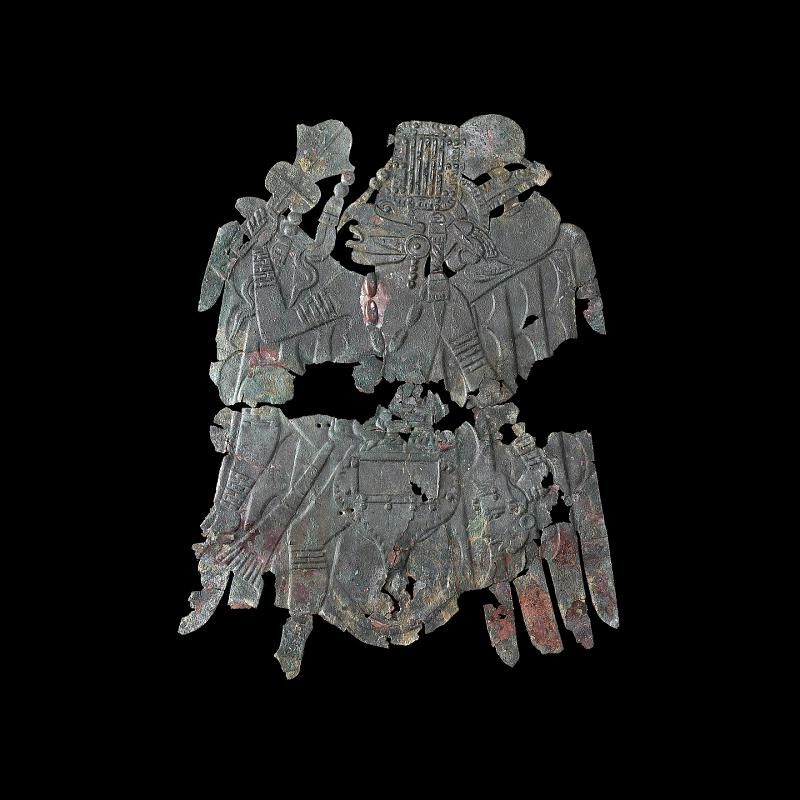
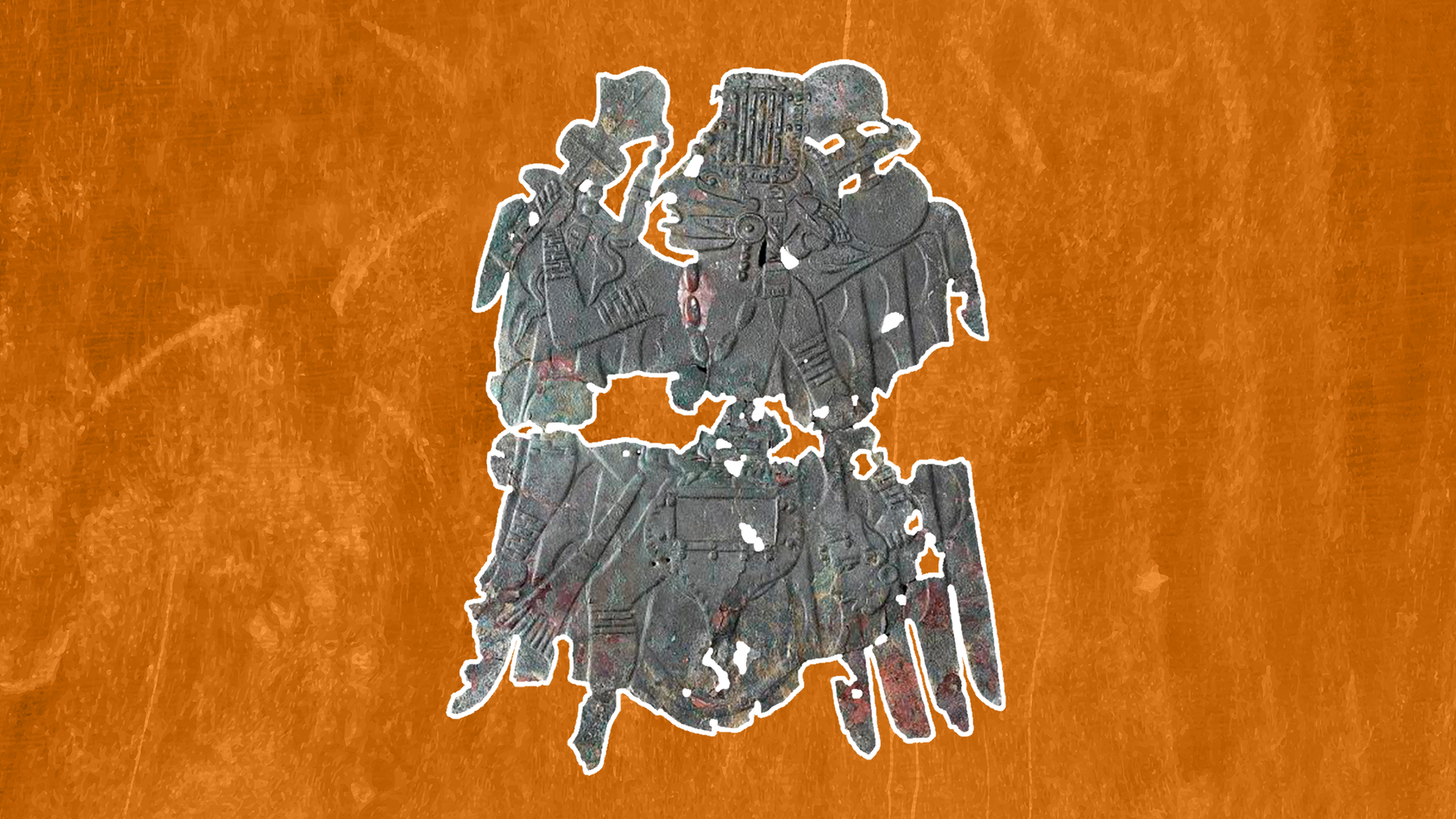
'Birdman' copper plate: A 700-year-old depiction of a Native American warrior that may be a woman holding a weapon and a severed head

a copper plate in the shape of a human wearing a bird costume against a black background

This hammered copper artifact depicts an Indigenous person wearing a bird costume and holding a severed head and a mace. (Image credit: Smithsonian National Museum of Natural History (CC0))
QUICK FACTS

Name: "Birdman" copper plate

What it is: A copper plate with a hammered decoration

Where it is from: Cahokia Mounds, Illinois

When it was made: 13th century

This copper plate was discovered in the late 19th century in a prehistoric Native American burial at the Etowah Indian Mounds archaeological site in Georgia, but it was likely made hundreds of miles away at Cahokia Mounds in Illinois. While the decorative plate showcases long-distance trade and a shared ritual culture among early Indigenous groups in the southeastern United States, the nature of the human figure depicted on the artifact has been debated for over a century.

The "Birdman" relic is one of two hammered copper plates that Smithsonian archaeologist John P. Rogan unearthed in the 1880s while digging in a burial mound at Etowah, a centuries-old village occupied by thousands of Native Americans from 1000 to 1550. Etowah was part of the "mound-building," or Mississippian, phase of Indigenous occupation; other famous sites include Moundville in Alabama and Cahokia in Illinois. These groups had extensive trade networks and shared a common artistic and ceremonial tradition known as the Southeastern Ceremonial Complex.

This copper artifact, known as Rogan Plate 1 or the "Birdman" plate, is in the collection of the Smithsonian National Museum of Natural History in Washington, D.C. The plate is roughly 11 inches (28 centimeters) tall and had been buried with a high-status person who likely died at Etowah in the mid-14th century. But experts believe the copper plate was an heirloom made decades earlier, at Cahokia, and traded south to Etowah.

A human figure dominates the copper plate with its elaborate bird costume. The person carries a severed head by the hair in their left hand, while their right hand holds a club or mace. The figure also wears a pleated skirt or loincloth that may have been made from human scalps. This bird-human figure is commonly depicted in the Southeastern Ceremonial Complex and has been called a dancing warrior, eagle warrior, eagle dancer, hawk dancer, falcon dancer and falcon warrior. But more often, the figure is called Birdman or Morning Star, a prehistoric Mississippian hero associated with agriculture and rebirth.

Archaeologists' interpretations of the Birdman plaque from Etowah have long assumed that the represented figure is a male warrior. In a 2004 study, for example, archaeologist Adam King wrote that "this plaque would have served as an emblem of office awarded to a chieftain, and would have accompanied him as a sign of his strength among the ancestral spirits."

But the sex of the skeleton in the Etowah burial is unclear, and there were high-status graves of both men and women at Etowah, archaeologist Billie Follensbee and art historian Katie Buford wrote in a 2017 study. Although experts previously assumed that both Rogan Plate 1 and Rogan Plate 2 represented male warriors, Follensbee and Buford found that the figures have slender bodies with prominent right breasts, suggesting the "Birdman" may have actually been female.

"A female bird-human warrior could have represented a gender variant individual in the form of the well-known Native American phenomenon of the 'manly-hearted woman,' a woman who has assumed the usually male role and the garb of a combat soldier," Follensbee and Buford wrote. In addition to the historic term "manly-hearted woman," third-gender or gender-variant individuals in Indigenous North America are often referred to as "two-spirit," a broad term Indigenous people coined in 1990 to describe people who take on gender-nonconforming roles.

The commemoration of a two-spirit individual on a copper artifact, as well as the use of the artifact as a high-status grave good, "not only demonstrates the Native American cultural acceptance of such gender variant roles but also further serves to celebrate the elite status and achievements of these 'manly-hearted women,'" Follensbee and Buford wrote.

For more stunning archaeological discoveries, check out our Astonishing Artifacts archives.

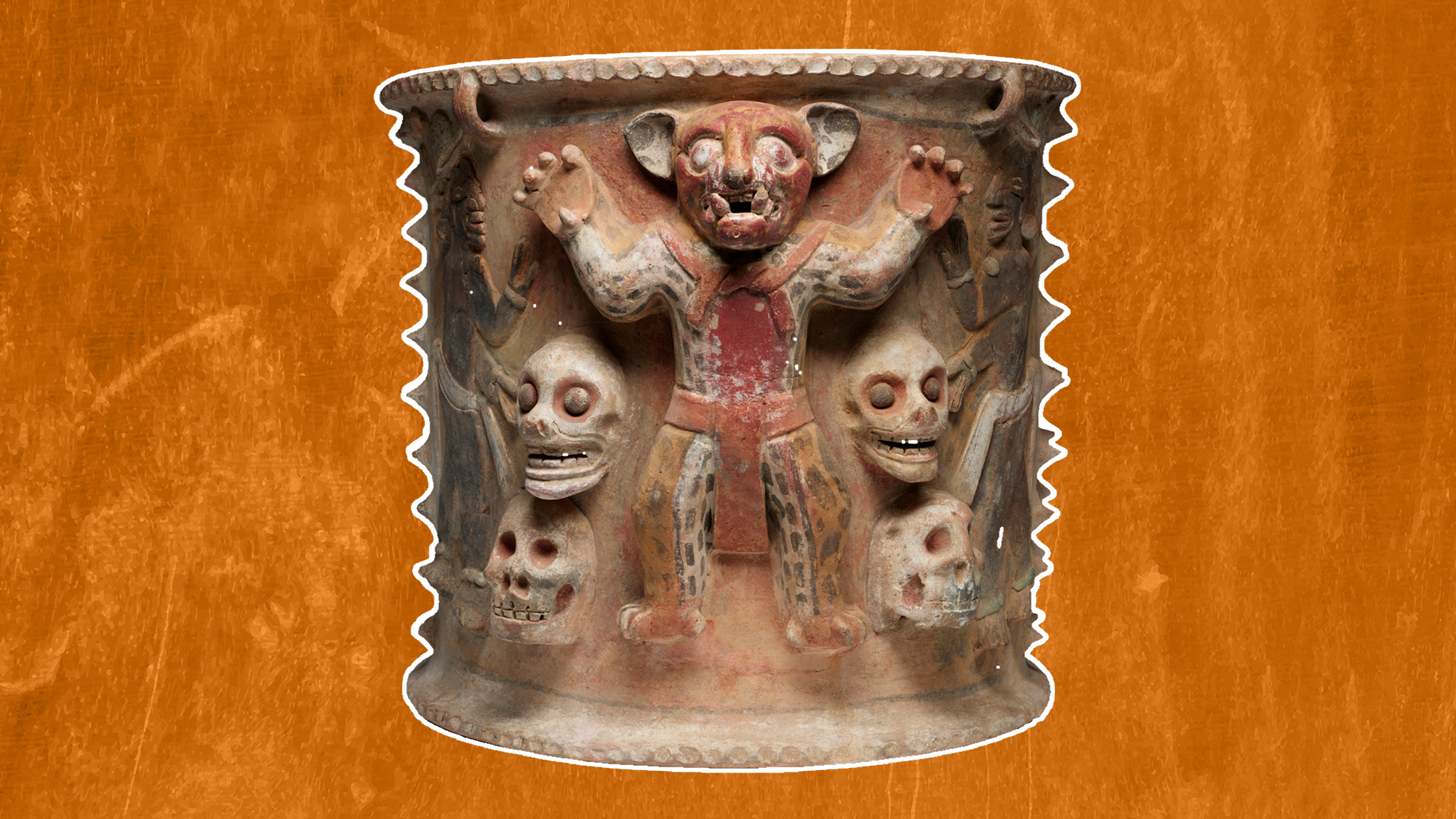
a ceramic urn with a person dressed like a jaguar surrounded by four human skulls

Jaguar Urn

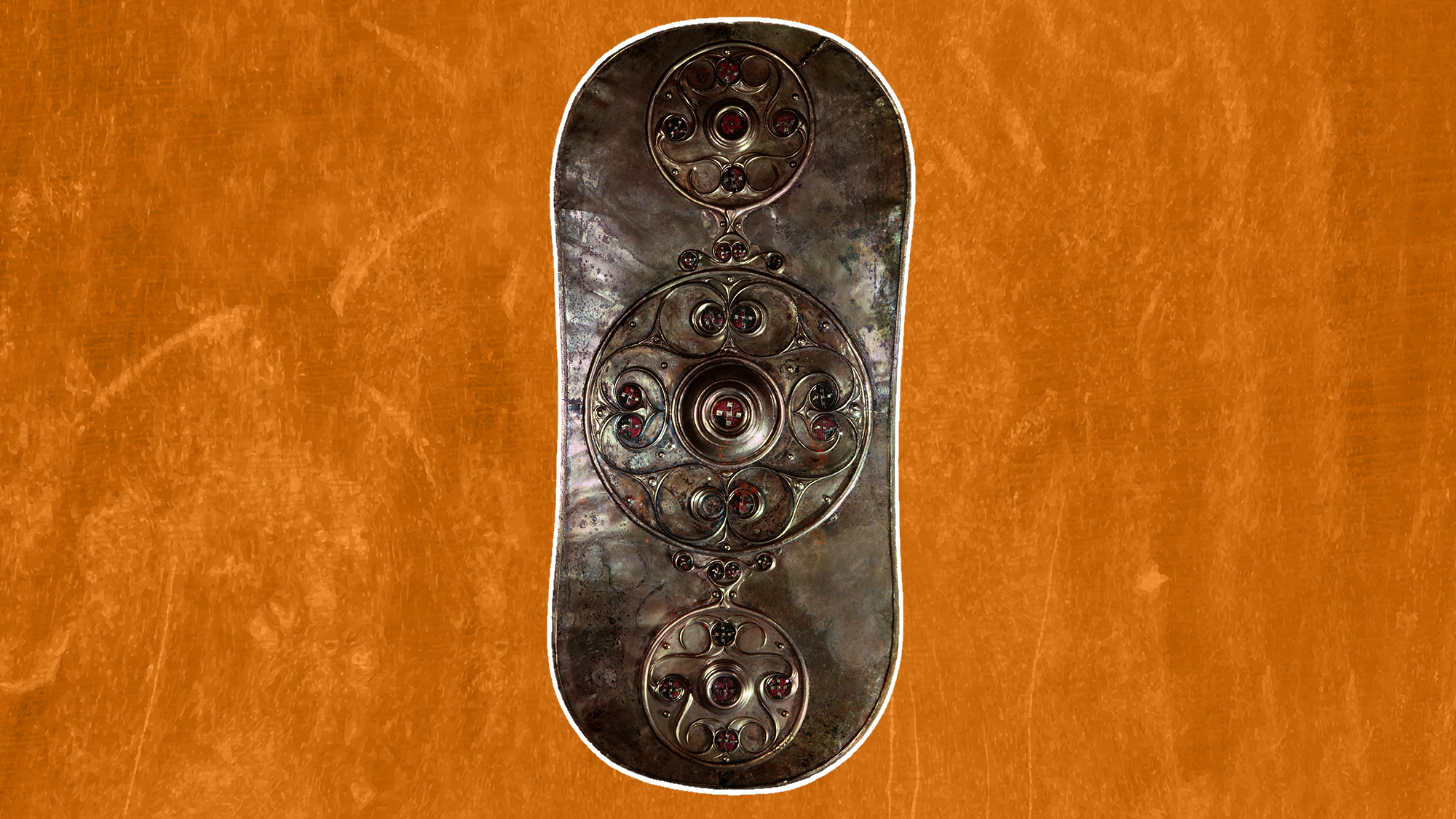
a tall bronze shield with red roundel decorations against an orange background

Battersea Shield

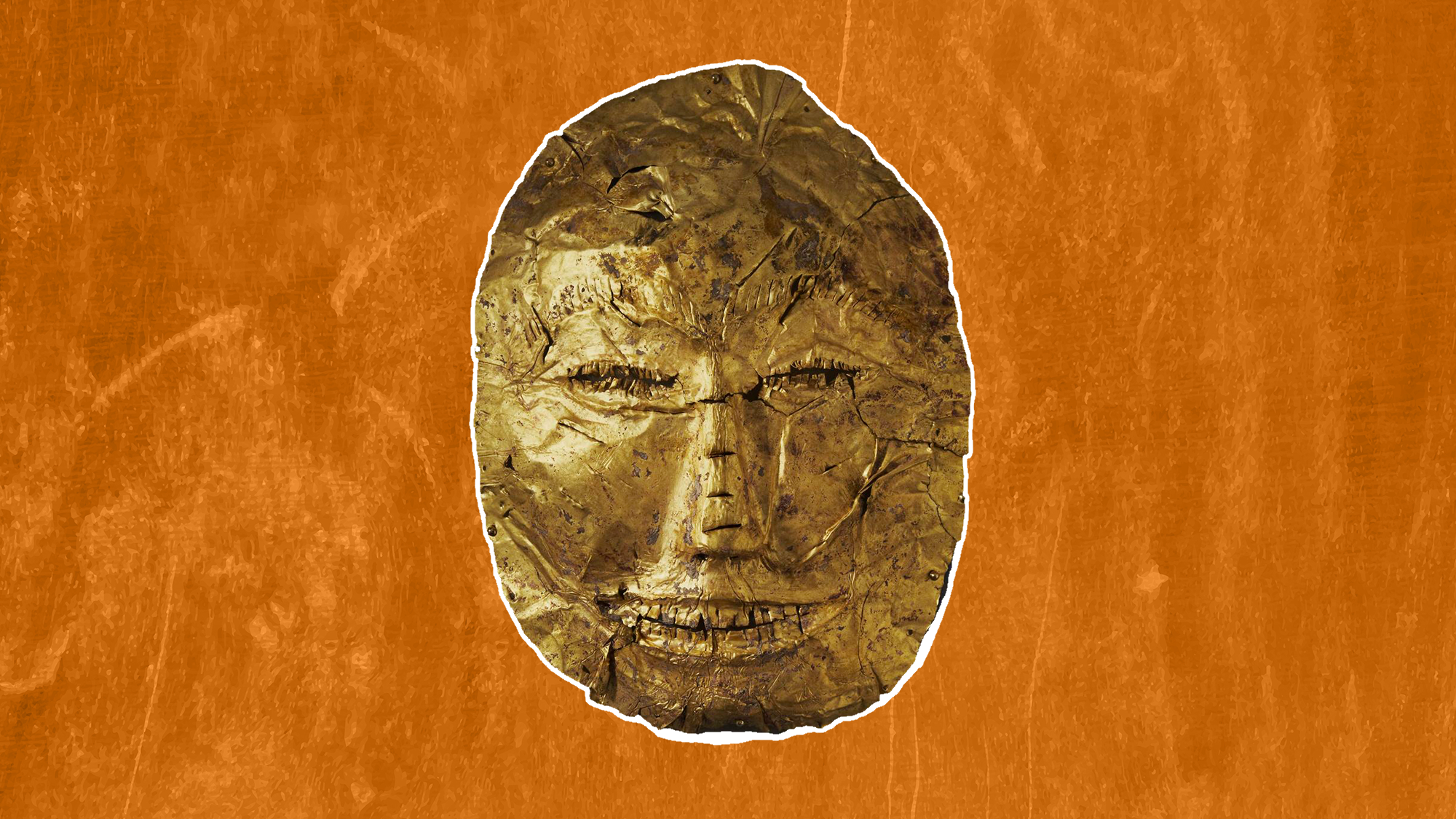
a humanlike gold mask against an orange background

Java Mask

Can you put together last week's Astonishing Artifact?

  •  

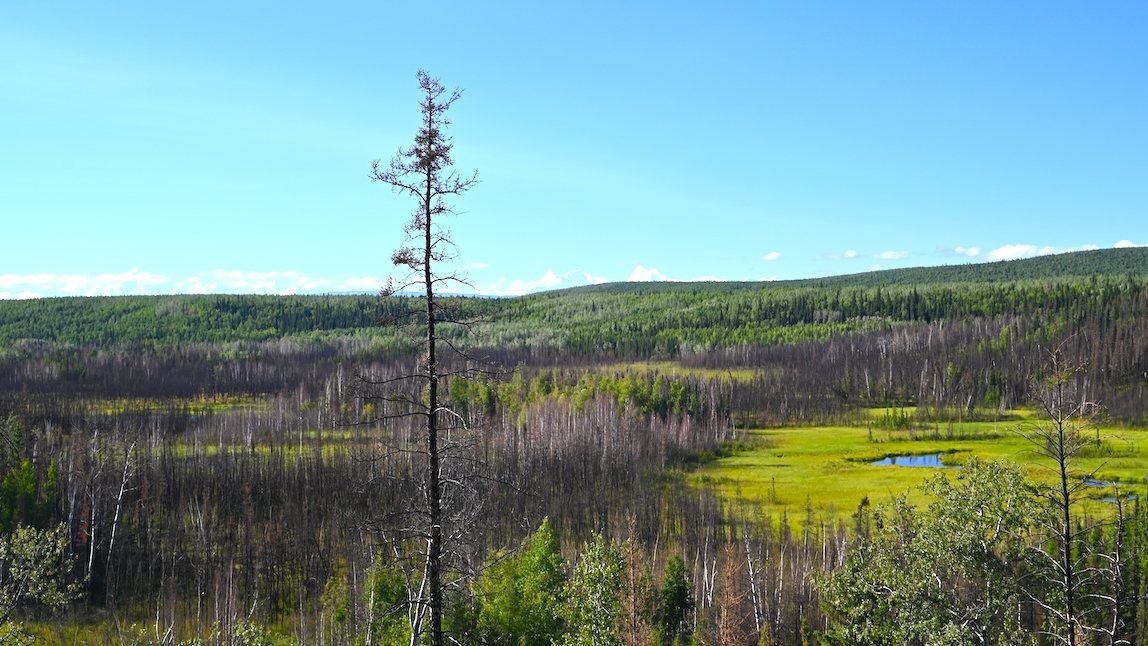
Archaeologists discover the oldest dwelling in the Western Hemisphere at a 13,800-year-old site in Alaska

Archaeologists digging at a 13,800-year-old site in interior Alaska have unearthed thousands of artifacts and fossils, including what may be the bones of the earliest domesticated dogs in the Americas, the earliest needles and dwellings in the Western Hemisphere, and stone tools that reveal cultural connections across the Bering Land Bridge.

At a site called Shégˊ Xdaltthˊíˊ (which means "They Were There" in the Alaska Native Athabascan language), about 34 miles (55 kilometers) southeast of Fairbanks, archaeologists have excavated an encampment that some of the first people to settle in North America used off and on for a millennium.

Shégˊ Xdaltthˊíˊ is located in eastern Beringia, the geographical region that connected northeast Asia and northwest North America during the last ice age. The most recent archaeological and genetic studies suggest that the ancestors of today's Indigenous Americans entered the continent around 21,000 years ago. But since Beringian sites are often the remains of small seasonal hunting camps and are scattered across a large geographic area, much is still unknown about the earliest people who called the Western Hemisphere home.

"I expected we'd find hunting tools and knapping [stone tool making] debris surrounding a hearth or two, but I had no idea that we'd stumble into a base camp with tens of thousands of artifacts," study first author Kelly Graf, an archaeologist at the University of Kansas, told Live Science in an email. "It was a total surprise!"

In a study published Wednesday (Oct. 14) in the journal Science Advances, Graf and co-authors detailed their discoveries at Shégˊ Xdaltthˊíˊ, focusing on the earliest occupation, which occurred around 13,800 years ago, as evidence of people "settling in" to their new territory.

The researchers found a hearth, a small pit, and a dirt stain where a wooden post had once stood, likely the remains of a lean-to or early tent house. Additionally, the archaeologists unearthed stone tools, bone needles and a pendant made from an antler. Nearby, they found an earth oven, which was full of charcoal and animal bones and was likely used to slow-cook meat for a large family group.

"The complex feature at Shégˊ Xdaltthˊíˊ represents the earliest potential case of a habitation structure in North America," the researchers wrote in the study. "Early Alaskans knew their surroundings well."

Cross-cultural links

The archaeologists were also surprised by the stone tools recovered at Shégˊ Xdaltthˊíˊ because they are distinctively shaped and unique to central Alaska. Known as diamond-shaped hafted bifaces, the tools were crafted from rhyolite and basalt and are similar to those typically found much farther west in Beringia, in modern-day northern Siberia. Additionally, obsidian artifacts discovered at Shégˊ Xdaltthˊíˊ reveal that people brought the volcanic rock to the site from a geological source hundreds of miles to the northwest.

Bones from more than a dozen wolf-like animals suggest a further connection to Asia, according to the researchers. An analysis of the jaw of one of the animals showed that it was not from a dire wolf (Aenocyon dirus) or from a Pleistocene Beringian or gray wolf (Canis lupus sp.) but rather a population of wolf-like animals unique to central Alaska. Current genetic evidence suggests that early domesticated dogs in North America came from Siberian wolves. The timing and geographical location of Shégˊ Xdaltthˊíˊ provides circumstantial evidence that the people may have been dog owners.

"Like humans, potentially, the canids of Shégˊ Xdaltthˊíˊ and other early Alaskan sites were recent immigrants from Asian Beringia," the researchers wrote.

Although Shégˊ Xdaltthˊíˊ reveals a relationship with sites in Asia, there is also evidence of connections with early American sites south of the Canadian ice sheets, according to the study.

One clue to these connections is the presence of bone artifacts in a sewing kit. The archaeologists found eight bone needle fragments at Shégˊ Xdaltthˊíˊ. Previously, the only recovered eyed needles had come from Paleoindian sites in temperate North America. Therefore, the needles from Shégˊ Xdaltthˊíˊ are the oldest needles ever discovered in the Western Hemisphere, and they reveal connections with sites farther south, according to the study.

Another clue is the pendant, which was crafted from antler. The pendant had a hole drilled at one end and was fashioned into a point at the other end. This piece of ancient jewelry is similar to personal adornment items found farther south in North America.

"The co-occurrence of these cultural features at the single site of Shégˊ Xdaltthˊíˊ is truly notable," the researchers wrote, and they "highlight the strong cultural connection between early Beringians and Americans."

It is still unclear whether the people at Shégˊ Xdaltthˊíˊ were traveling to make these connections. "It would be hard to pin down whether or not they were moving back and forth during a lifetime, but at least we can say there is a connection," Graf said.

a person with light skin holds a broken animal bone in their hand

Archaeologists recovered bison bone and a hearth, among other things, at the Beringian site. (Image credit: Kelly Graf)

Further work in Beringia is needed

Future excavations in Beringia could help archaeologists learn more about the earliest people in the Americas, according to Graf. "Alaska is a big place and so remote, so there are really just a few small areas that have been intensively investigated," she said.

Spencer Pelton, an archaeologist at the University of Wyoming who was not involved in the research, wrote in an accompanying perspective published in the journal Science Advances that early Indigenous sites in Beringia are key to understanding the peopling of the Americas.

"Shégˊ Xdaltthˊíˊ is remarkable because it is the oldest site in the Americas containing a large and rich assemblage of features, artifacts, and faunal refuse indicative of prolonged residential occupation, providing an unprecedented glimpse into the lives of North America's first residents," Pelton wrote.

Graf is already planning future archaeological excavations in the area. "We're hoping to bring some younger Alaska Native folks out with us in the coming summers," she said, as incorporating local knowledge is important to the project. "Two of our co-authors are elders from Alaska Native corporations nearest to the site," she said. Elders named the Shégˊ Xdaltthˊíˊ site and have visited it to discuss where to excavate and what the archaeologists might find.

There is much left to learn about what was happening in Beringia 14,000 years ago, the researchers wrote, particularly since there are currently only two archaeological sites — including the 24,000-year-old Bluefish Caves site in the Yukon — that suggest humans were settling in Beringia considerably earlier.

How much do you know about the first people to reach the Americas? Find out with our First Americans quiz!

  •  
❌