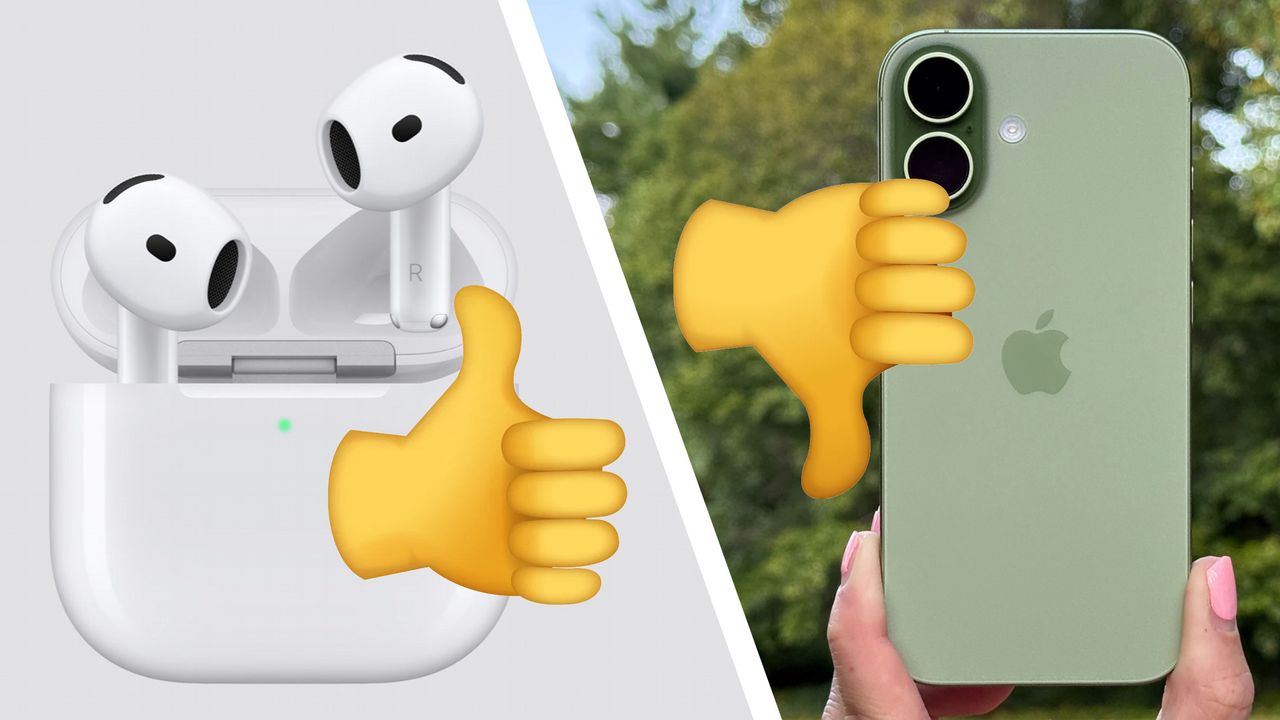
❌

Reading view

Bose acquires Skullcandy to help it reach a wider audience

A pile of Skullcandy headphones sitting on a mixing board in a studio.

Bose announced today it has acquired Skullcandy. Although the two companies are competitors in the consumer audio space, Skullcandy recently partnered with its new owner to bring several of Bose's audio technologies - including its head-tracking spatial audio and excellent active noise cancellation (ANC) - to products like the Skullcandy Crusher 1080 ANC headphones and Method 360 ANC earbuds.

Specific details about the deal weren't shared, but according to a news release, Bose plans to keep Skullcandy a separate brand that will become part of its premium consumer audio business. Skullcandy will remain based in Park City, Utah, where it was …

Read the full story at The Verge.

  •  

4 cheap headphones and earbuds we've tested to avoid 'headphone dodger' fines — they're all cheaper than the £100 you'll pay if you're caught

  • UK government cracks down on people who annoy others with phone music
  • Fines of up to £100 for those people
  • It's cheaper to just buy these headphones

People who play music, TikTok videos or out-loud video calls on public transport probably aren't self-aware enough to know how annoying it is, but apparently the UK government does, because it's finally cracking down on so-called "headphone dodgers".

From next Monday, transport authorities will be allowed to fine rule-breakers by up to £100 if they're causing a nuisance. Prime Minister Andy Burnham is fronting the campaign, after previous governments toyed with the idea.

It's a good idea, but the success is dependent on enforcement, as transport safety officers and not drivers are expected to hand out the fines. Given how minimally-staffed most public transport services are, some (me) are dubious that the rules will make a difference.

However if you've been a 'headphone dodger' and you want to turn a new leaf (good on you), it'd make sense to buy a pair of headphones that cost much less than the £100 penalty fare.

And naturally, we've tested a few that we can recommend…

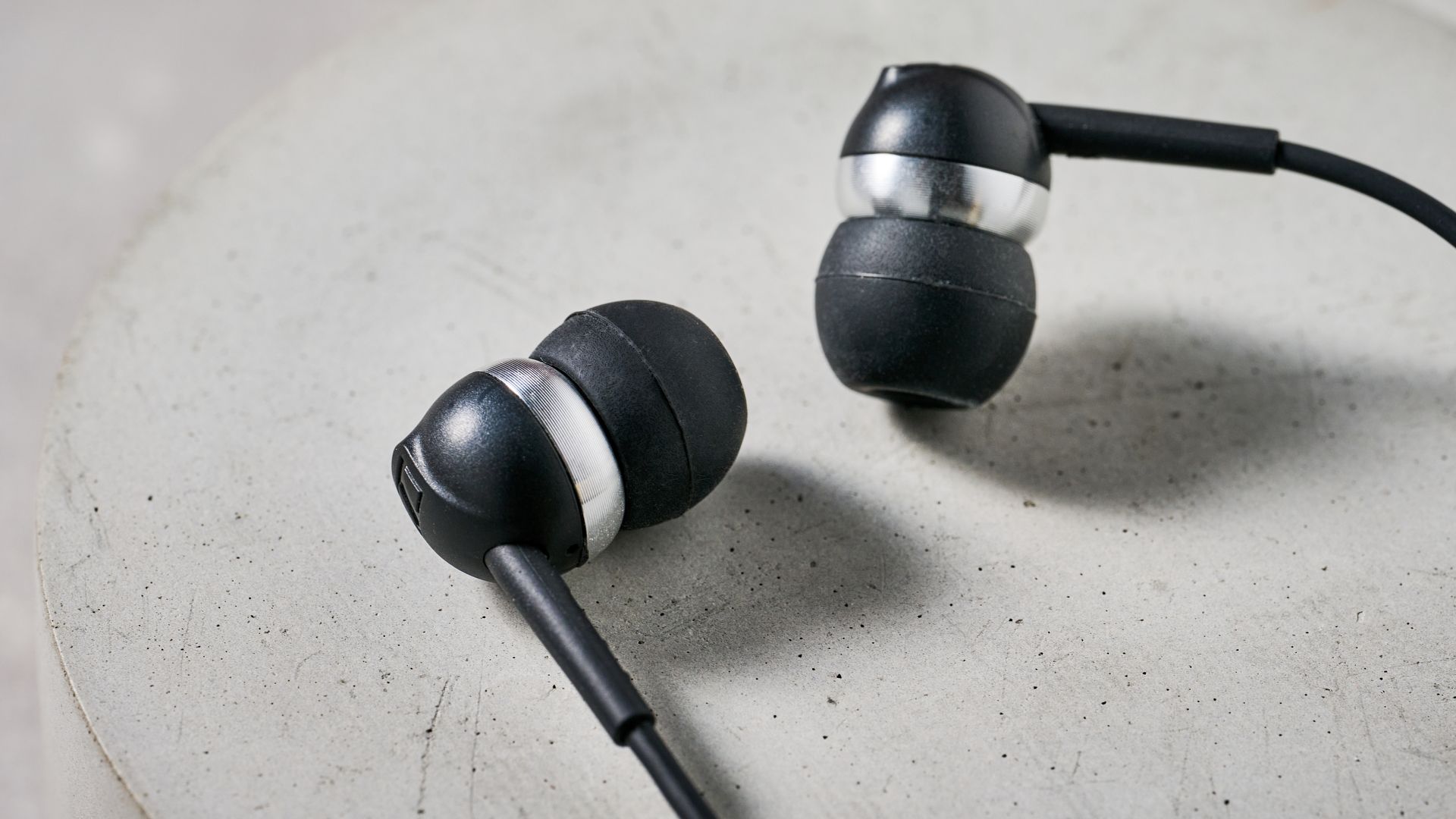
Sennheiser CX 80U

Sennheiser CX 80U earbuds on block

(Image credit: Future)

Starting with something nice and cheap, we've got some wired earbuds, which you can easily plug into the USB-C port on a phone and keep bundled up in your pocket the rest of the time. No Bluetooth dropouts, no losing a bud as you board the bus, no apps, none of that.

The Sennheiser CX 80U sound great, block surrounding noise quite well, and offer a nice simple design. We gave them 4.5 stars out of 5 in our review, only knocking them for some missing features of pricier buds.

Best of all, though, they're really cheap. They launched for $39.95 / £34.99 in January this year, but you can find them even a little cheaper than that on Amazon.

Sony WH-CH530 (or even the Sony WH-CH730N)

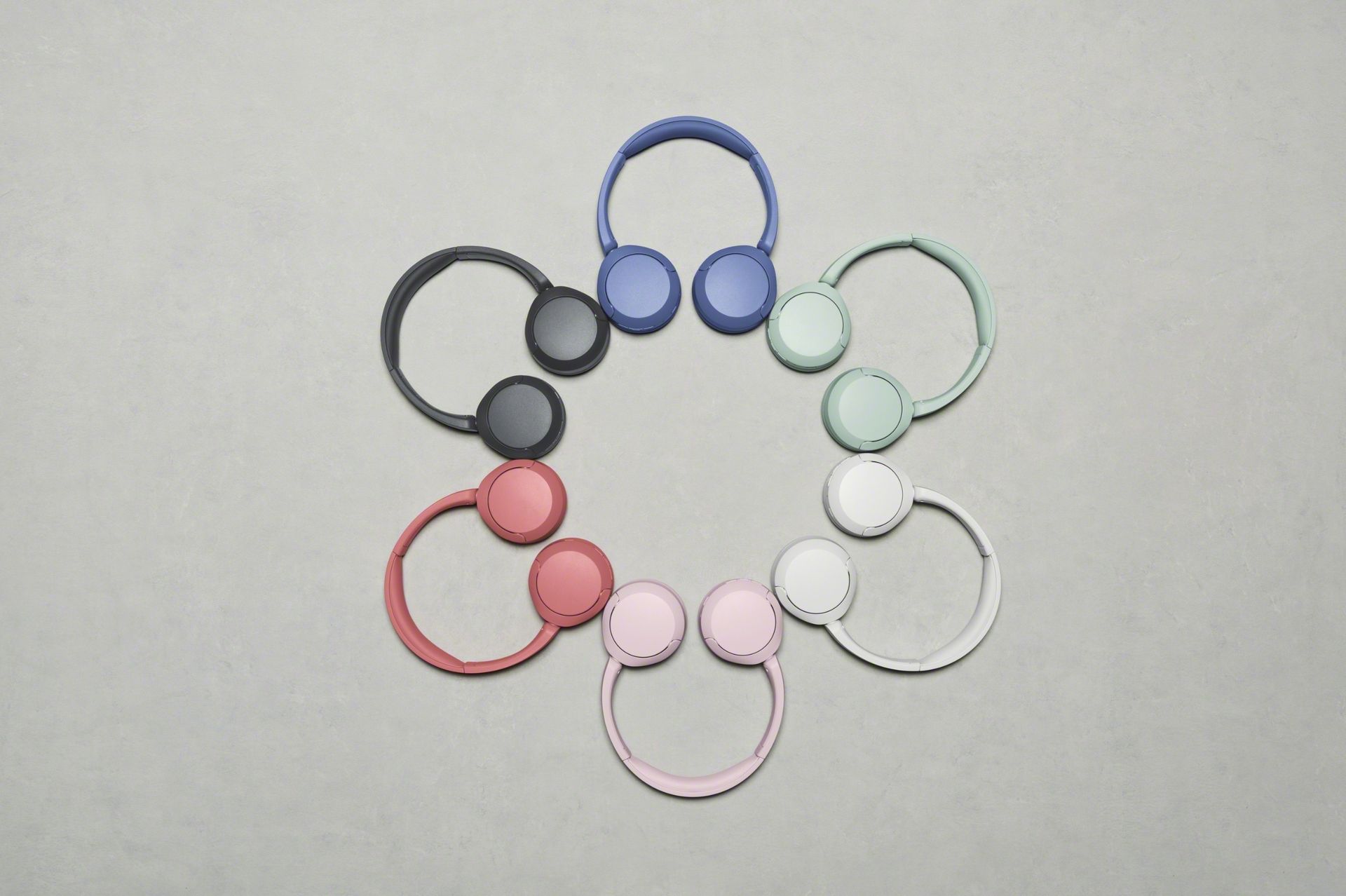
Sony WH-CH530N headphones in different colors, arranged in a circle to form a flower shape, on a gray floor

(Image credit: Sony)

If you want great-value headphones, you can't go wrong with a pair from Sony, and its recently-released Sony WH-CH530N are really affordable at $69 / £50.

We haven't yet finished testing these on-ears, they're that new, but their predecessors the WH-CH520 got 4.5 stars in our review. We praised the balanced sound and long-lasting battery, and the newer pair will likely bring improvements.

As you can see in the picture, they come in a wide range of colors, and also have noise cancellation, which isn't something you can say about all options at this price point.

Prefer over-ears? Go for the just-reviewed, all-new Sony WH-CH730N: a solid four stars and they're just under that £99 (or equivalent, in your country of residence) fine line, if you'll pardon the pun…

JLab JBuds Mini ANC

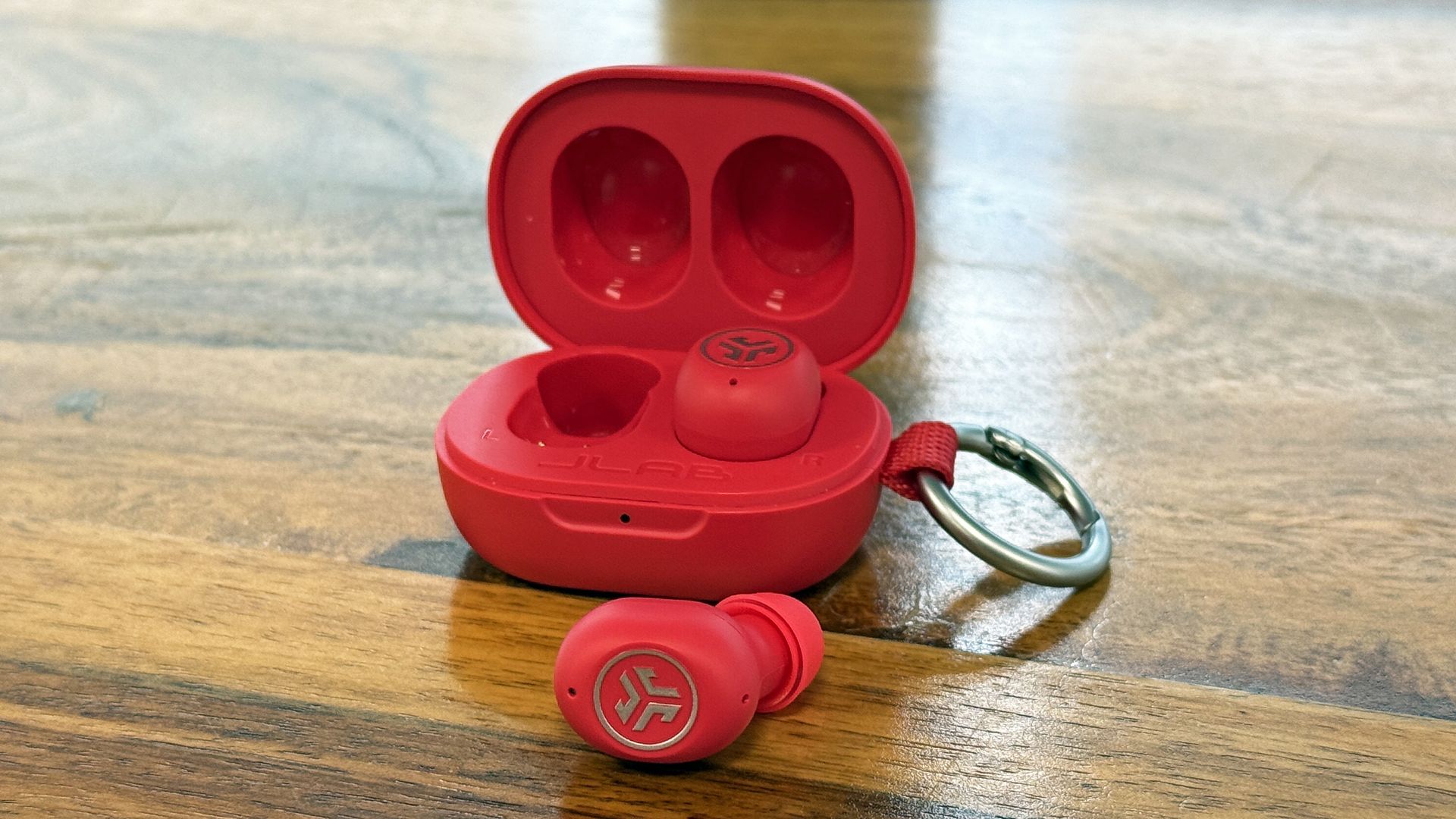
JLab JBuds Mini ANC earbud outside the case

(Image credit: Future)

Last, but not least, let's look at some standard wireless noise-cancelling earbuds, which we got to try earlier this year.

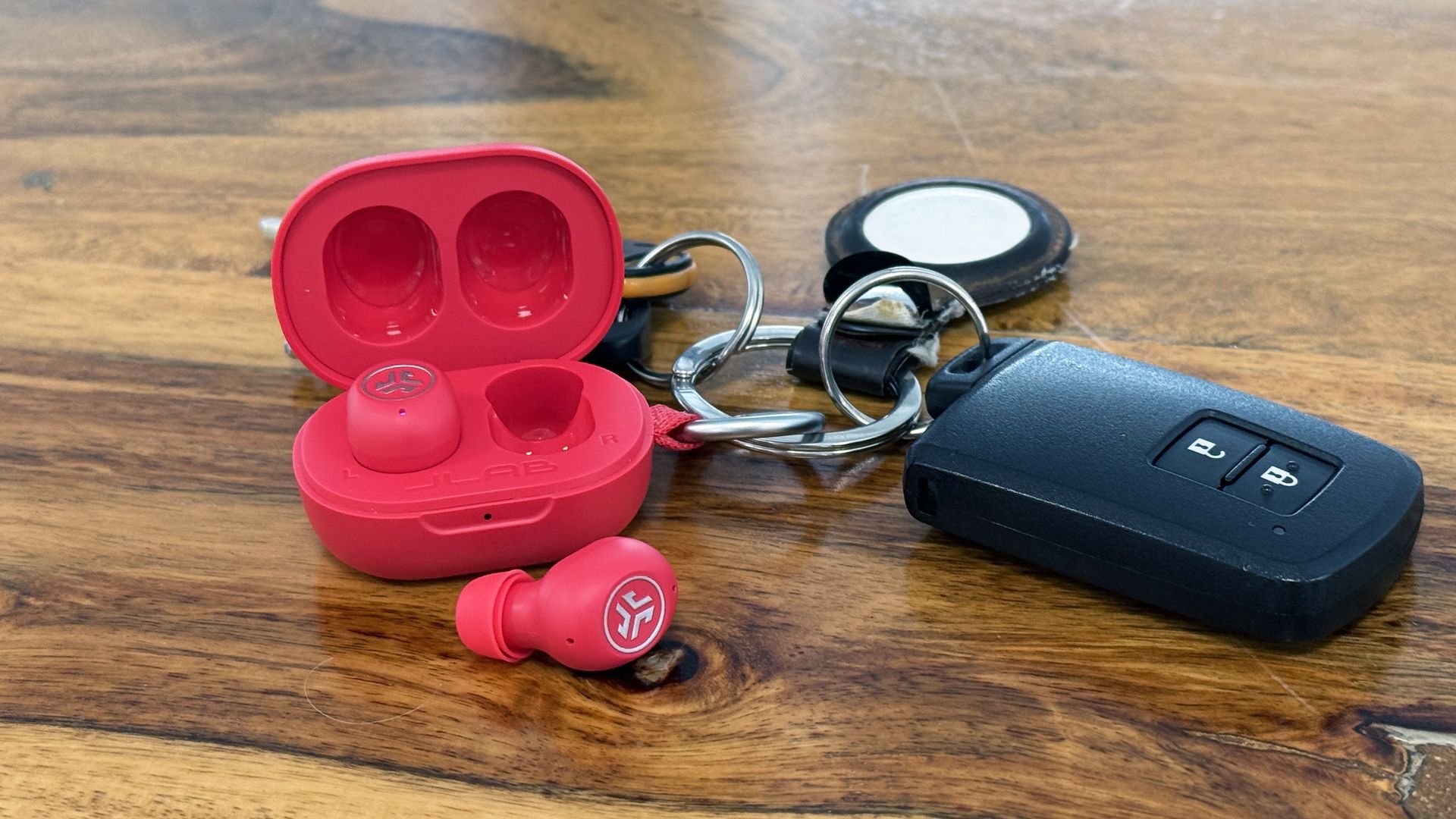
The JLab JBuds Mini ANC are tiny — you can even clip the case onto your keyring — so you've got no excuse for not having buds on the bus. At $49.99 / £49.99 they won't break the bank either.

We enjoyed the non-ANC JLab JBuds Mini too, when they came out three years ago, and they're ideal for people who want lightweight buds.

Have further thoughts? Drop us a comment — or better yet, fill out the poll below this text and then add your comment!

  •  

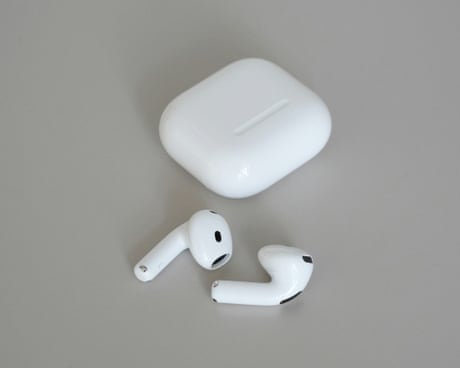
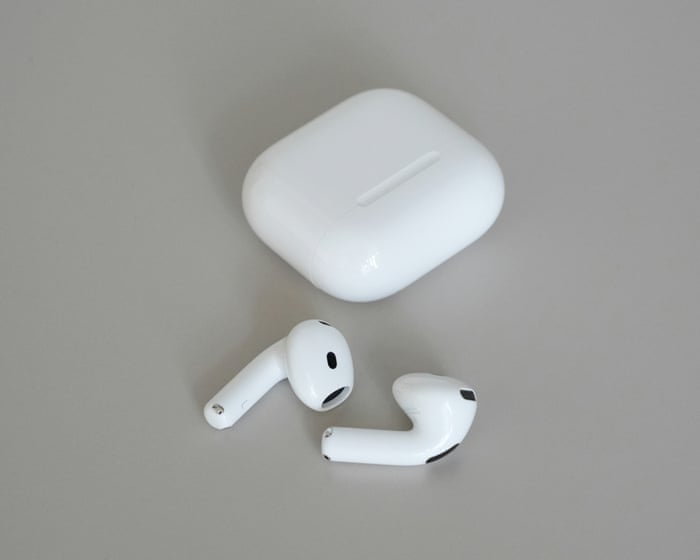
Apple AirPods 5 review: the best open-fit earbuds yet

Upgraded, cheaper AirPods have noise cancelling, sound and controls to rival many plugged-in buds but without tips

Apple’s latest AirPods set a new standard for open-fit buds with upgraded noise cancelling that now rivals many plugged-in designs of the same price.

The AirPods 5 have the same design the popular AirPods 4 offering an option for those that do not like silicone ear tips used by most noise cancelling earbuds. They come in two versions, with or without a wireless charging case and swipe controls, costing from £119 (€149/$129/A$219) – £10 cheaper than the launch price of their predecessors.

Connectivity: Bluetooth 5.3, SBC, AAC, H2 chip

Battery life: four or five hours with ANC (22 hours with case)

Water resistance: IP57 (up to 1 metre for 30 minutes)

Earbud dimensions: 30.2 x 18.3 x 18.1mm

Earbud weight: 4.3g each

Charging case dimensions: 46.2 x 50.1 x 21.2mm

Charging case weight: 32.3g/34.7g

Case charging: USB-C or wireless (Qi or Watch)

Continue reading...

© Photograph: Samuel Gibbs/The Guardian

© Photograph: Samuel Gibbs/The Guardian

© Photograph: Samuel Gibbs/The Guardian

  •  

Razer wants Pokémon fans to choose their fighter with three new gaming headsets, and I choose Charizard

Pokémon turns 30 this year, which means those of you who remember playing Pokémon Red and Blue on a Game Boy are now old enough to have disposable income. Razer apparently understands the assignment.

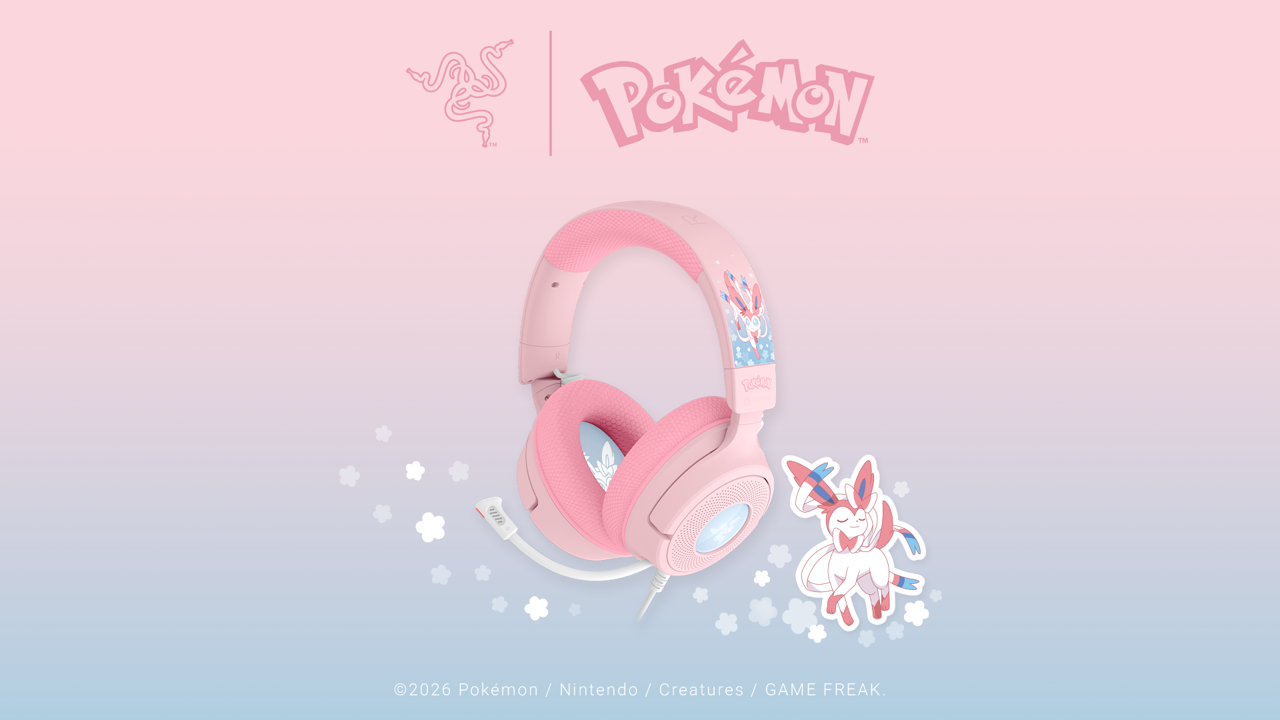
Razer has announced three new Pokémon-themed gaming headsets featuring Charizard, Lucario, and Sylveon, expanding a collection that already proves Pokémon merchandise does not have to be confined to plushies, trading cards, and whatever extraordinarily expensive piece of cardboard you just lost an eBay auction for.

Technically, none of these headsets is new. Razer is giving existing models Pokémon makeovers rather than launching new hardware. Charizard and Lucario get versions of the Razer BlackShark V3 X HyperSpeed, while Sylveon adorns the wired Razer Kraken V4 X. They're being released as part of Pokémon's ongoing 30th anniversary celebrations.

That's fine by me. Sometimes I don't need a revolutionary new driver architecture. Sometimes I just want Charizard on my head.

Charizard wins the headset battle, obviously

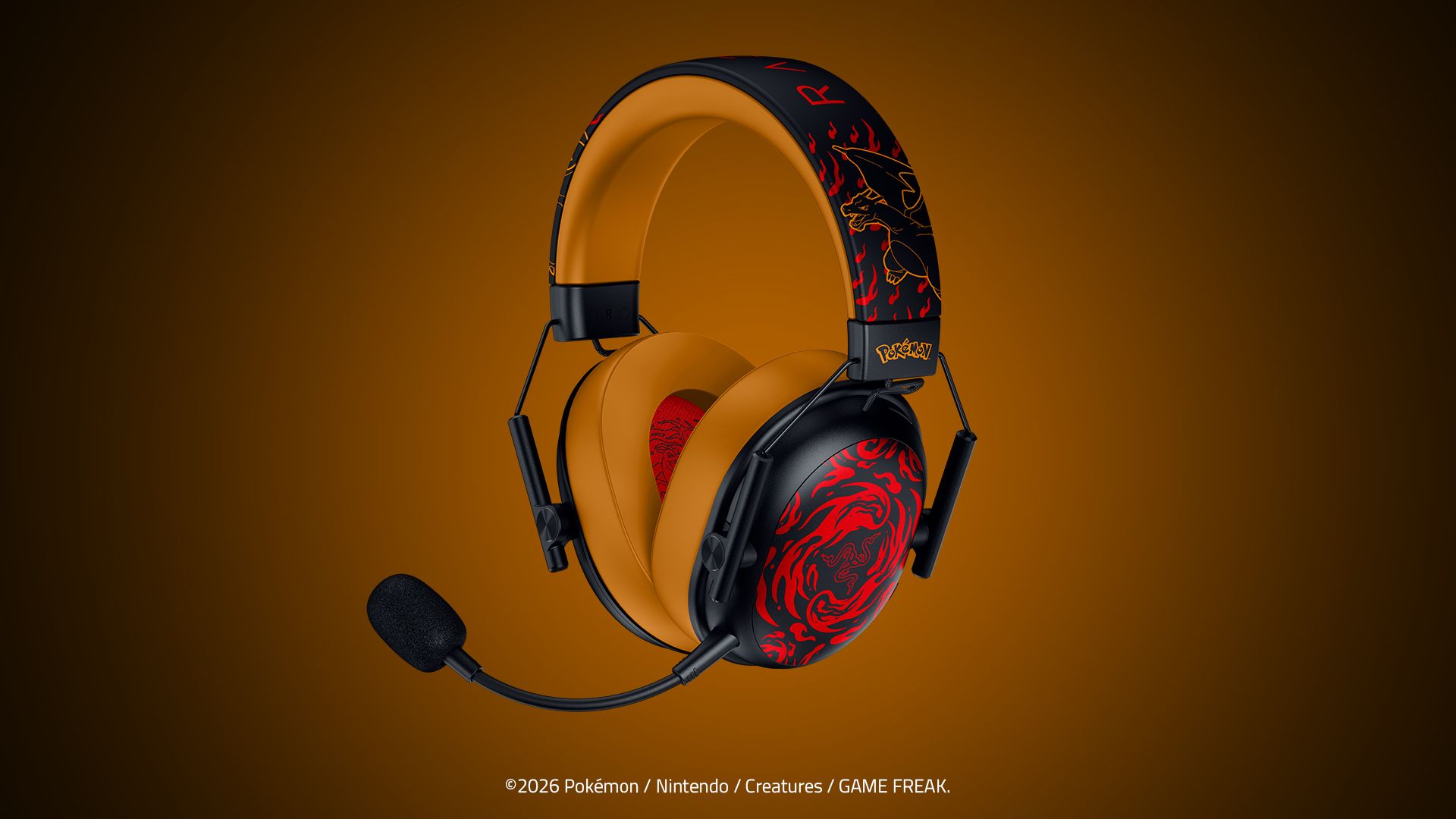
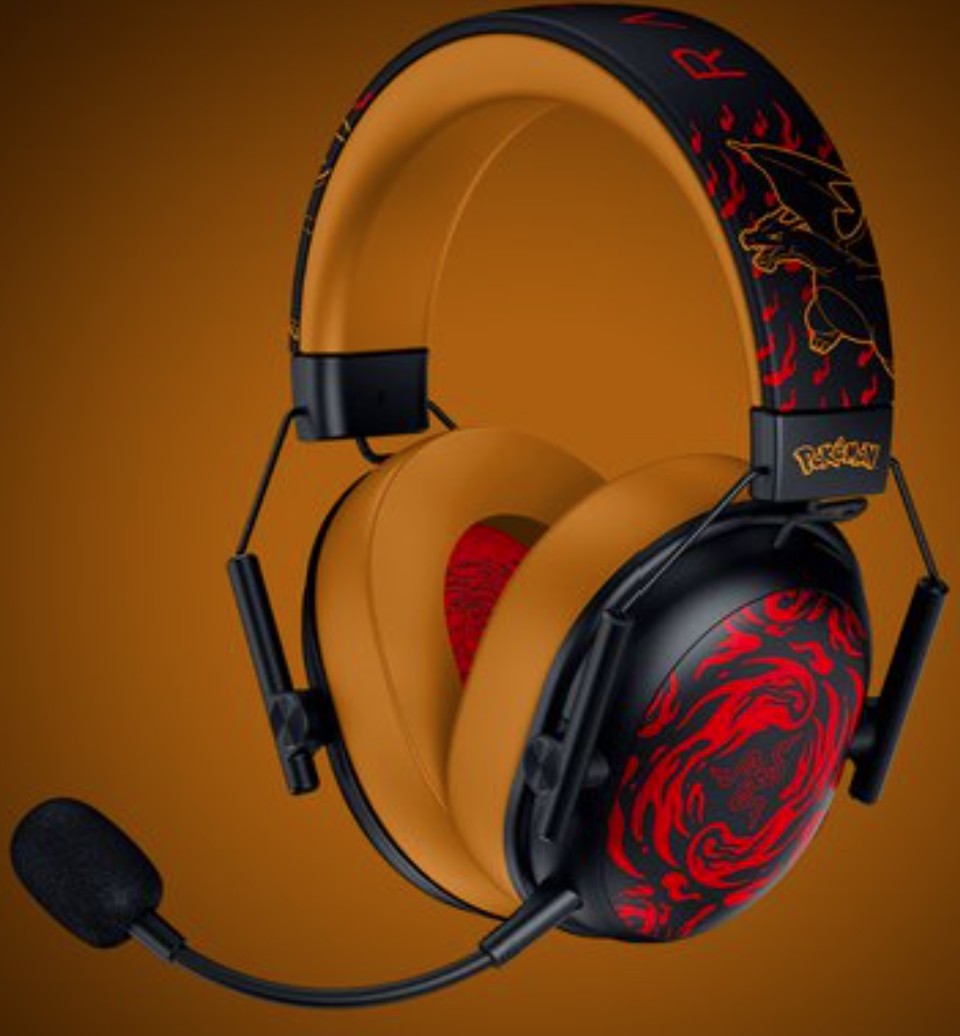
Charizard Edition: Razer BlackShark V3 X HyperSpeed Charizard Edition headset in black and orange, featuring flame graphics on the earcups, a boom mic, and Charizard headband art.

Razer BlackShark V3 X HyperSpeed Charizard Edition headset in black and orange, featuring flame graphics. (Image credit: Razer)

I've got the BlackShark V3 X HyperSpeed Charizard Edition here for photography, and Razer wisely resisted the temptation to simply make the entire thing bright orange.

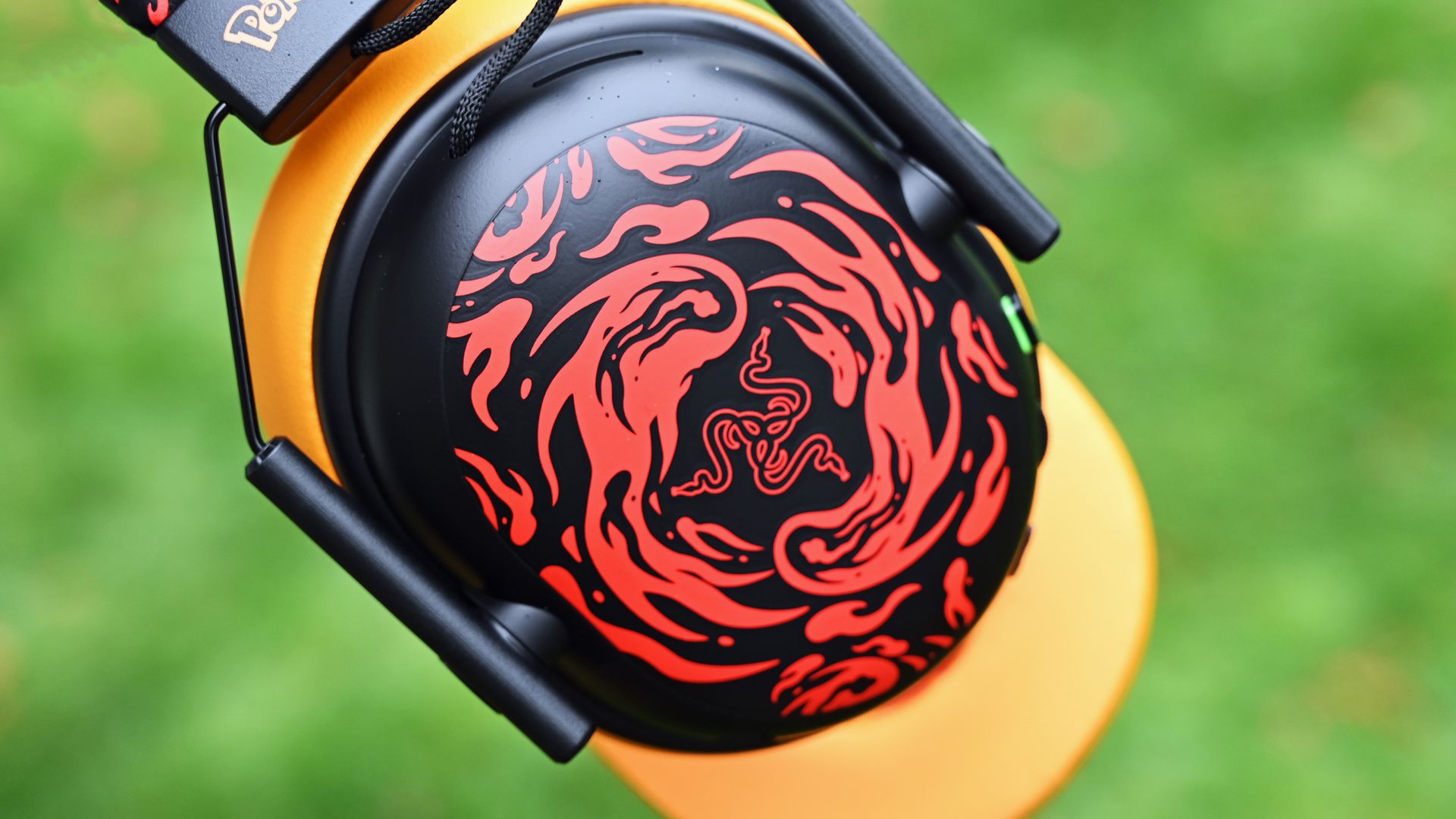
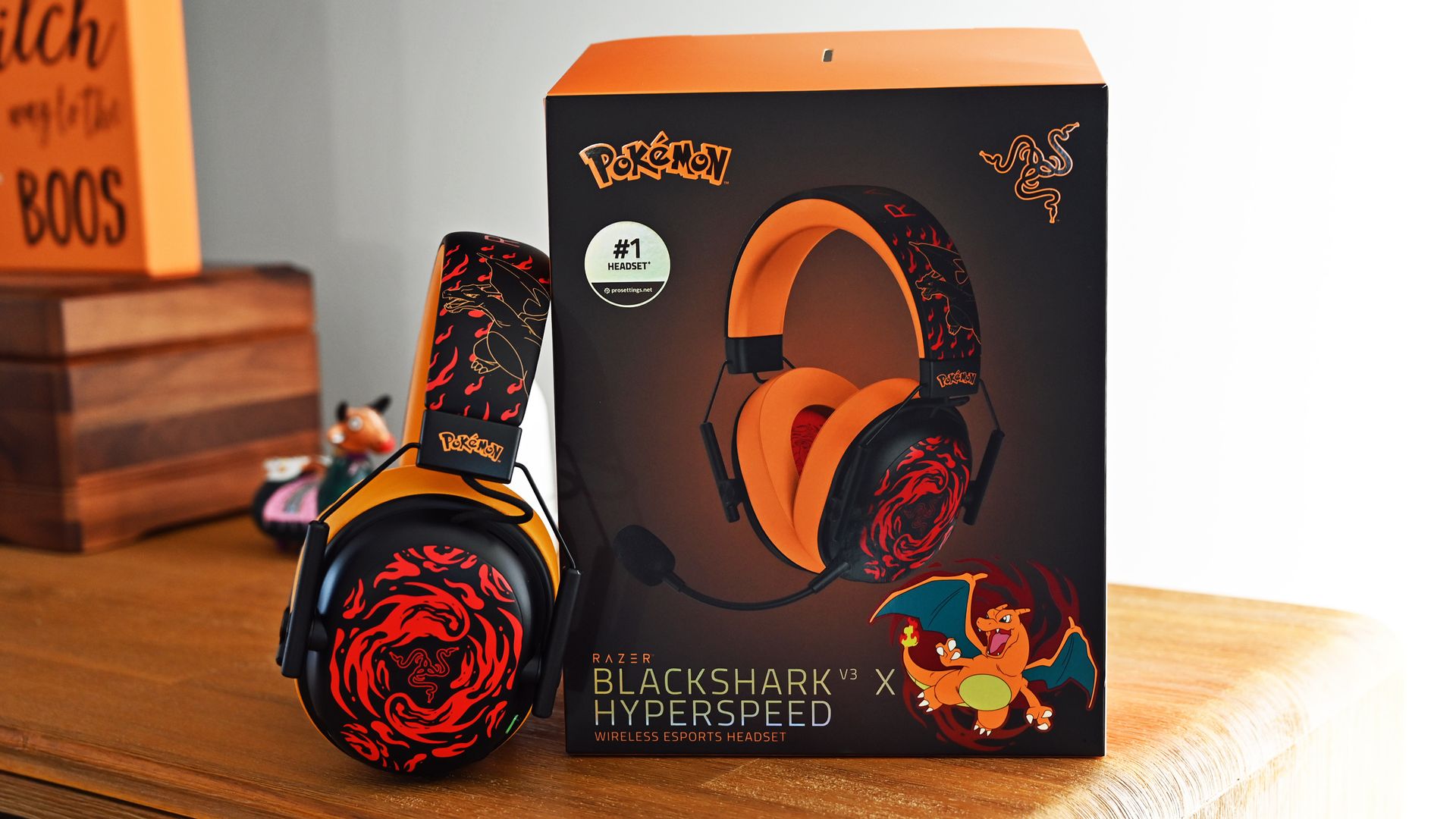
Instead, there's a black exterior with fiery red Charizard artwork across the earcups and headband, contrasting against orange ear cushions and headband padding. The result looks unmistakably Pokémon without resembling something stolen from a ten-year-old's bedroom.

It also helps that Charizard remains one of the most immediately recognizable Pokémon ever created. The original Generation I Pokémon is officially Fire/Flying type, despite decades of childhood logic insisting that the giant fire-breathing dragon surely had to be Dragon type.

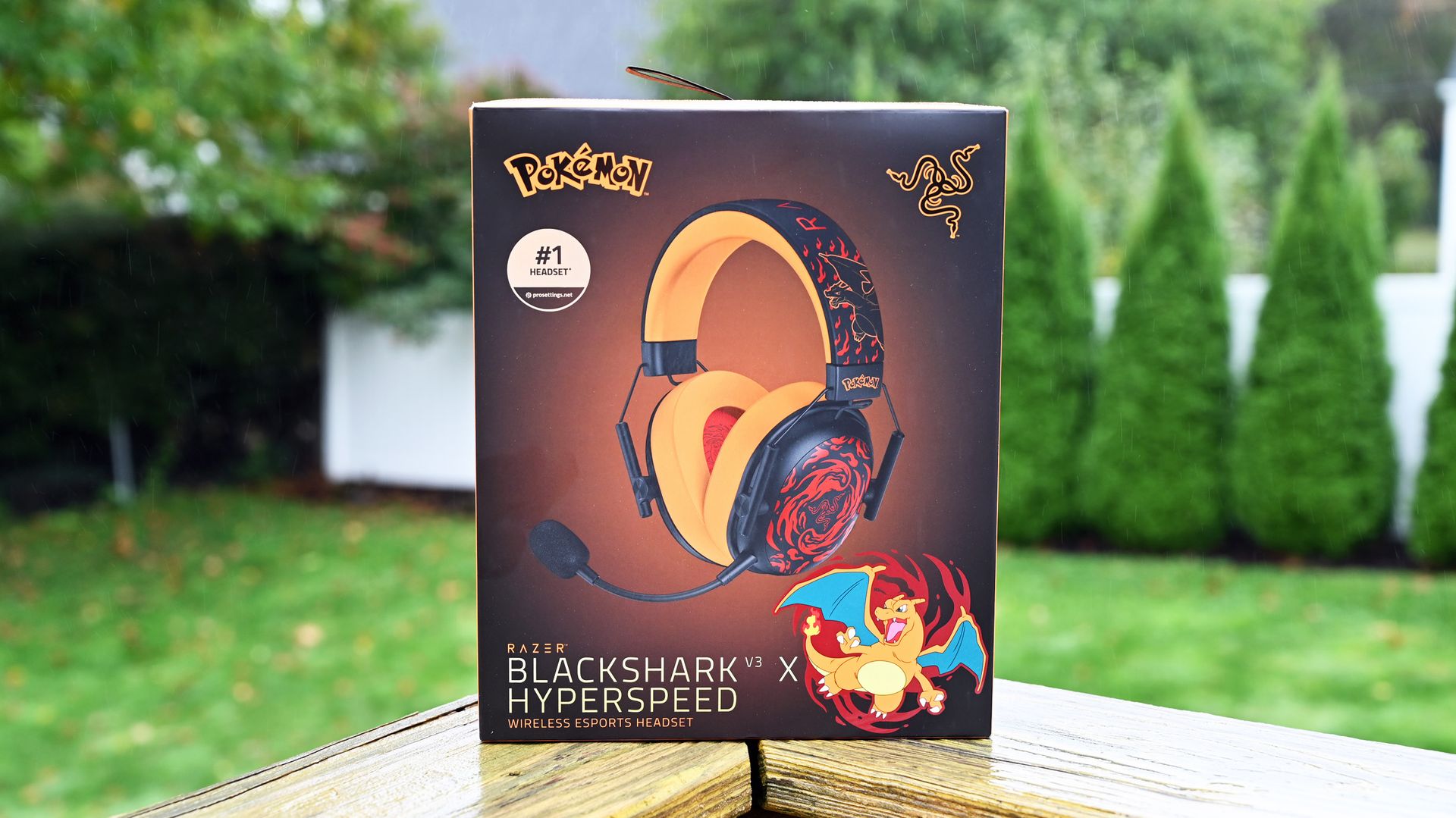
Razer BlackShark V3 X HyperSpeed Charizard Edition retail box on a wood deck with trees in the background.

Razer BlackShark V3 X HyperSpeed Charizard Edition retail box. (Image credit: Daniel Rubino)

Underneath that paint job is the regular Razer BlackShark V3 X HyperSpeed, which starts at $99.99 without the Pokémon treatment. It uses Razer's second-generation TriForce 50mm drivers and 2.4GHz HyperSpeed wireless, with Bluetooth and USB connectivity also available. Razer lists the standard model at just 270g.

The Charizard tax, therefore, works out to $20, with this edition carrying a $119.99 MSRP in the United States. (And for some reason, it's at Target for $139.99, but you can pick it up today, at least!)

If you're still reading this, I'm sure you've paid more for considerably less sensible Pokémon-related things.

Close-up of the black earcup faceplate featuring swirling red flame designs around the Razer logo, framed by a yellow cushion and metal wire slider.
Daniel Rubino
Close-up inside the yellow headset ear cushion, showing the red interior speaker fabric printed with a black line-art illustration of Charizard.
Daniel Rubino
Close-up of the Razer Charizard headset headband featuring red flame graphics, gold line art, and a black hinge piece stamped with the yellow Pokémon logo.
Daniel Rubino
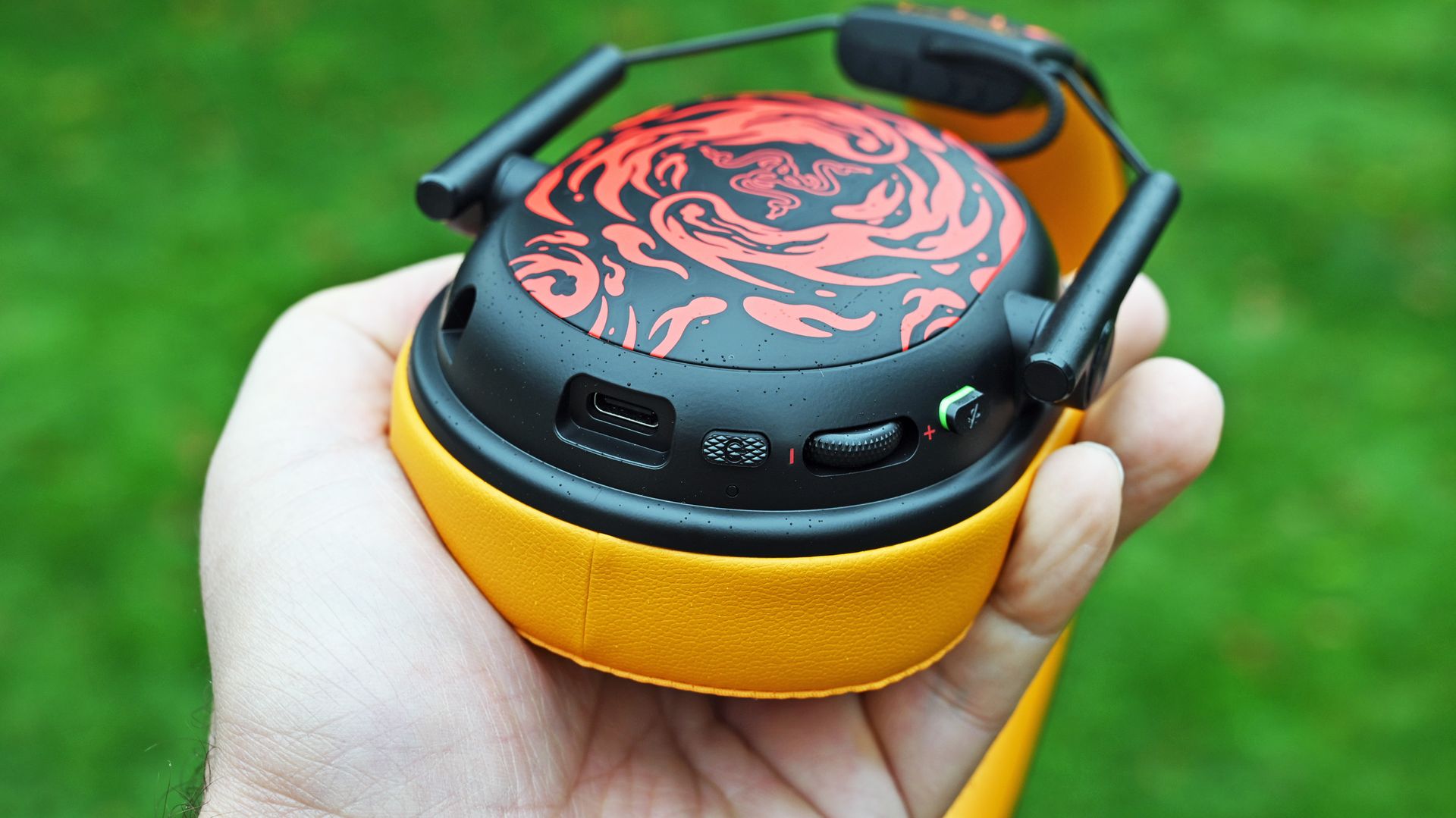
Hand holding the headset earcup, showing bottom controls including a USB-C port, power button, volume dial, and mic mute button against a yellow cushion.
Daniel Rubino

It's worth emphasizing that the V3 X isn't the flagship BlackShark. That distinction belongs to the BlackShark V3 Pro, which Windows Central's Zachary Boddy reviewed last year. He called the V3 Pro "the closest to perfection I've ever seen a gaming headset reach," praising Razer for addressing seemingly every complaint about the previous generation.

Basically, the "X" versions of Razer products are more budget-friendly, as the V3 Pro is $249.99.

If Pokémon isn't enough to dictate your purchasing decision, we've also extensively tested the competition in our best Xbox headsets guide.

Product shot of the Razer Charizard headset.

Pokémon
Razer
BlackShark V3 X Hyper Speed (Charizard edition)

The Razer BlackShark V3 X Hyper Speed – Charizard Edition unleashes Charizard’s fiery determination into an officially licensed Pokémon wireless gaming headset, perfect for staying locked in and ready to roast the competition on PC, console, and mobile.

Team Lucario has entered the chat

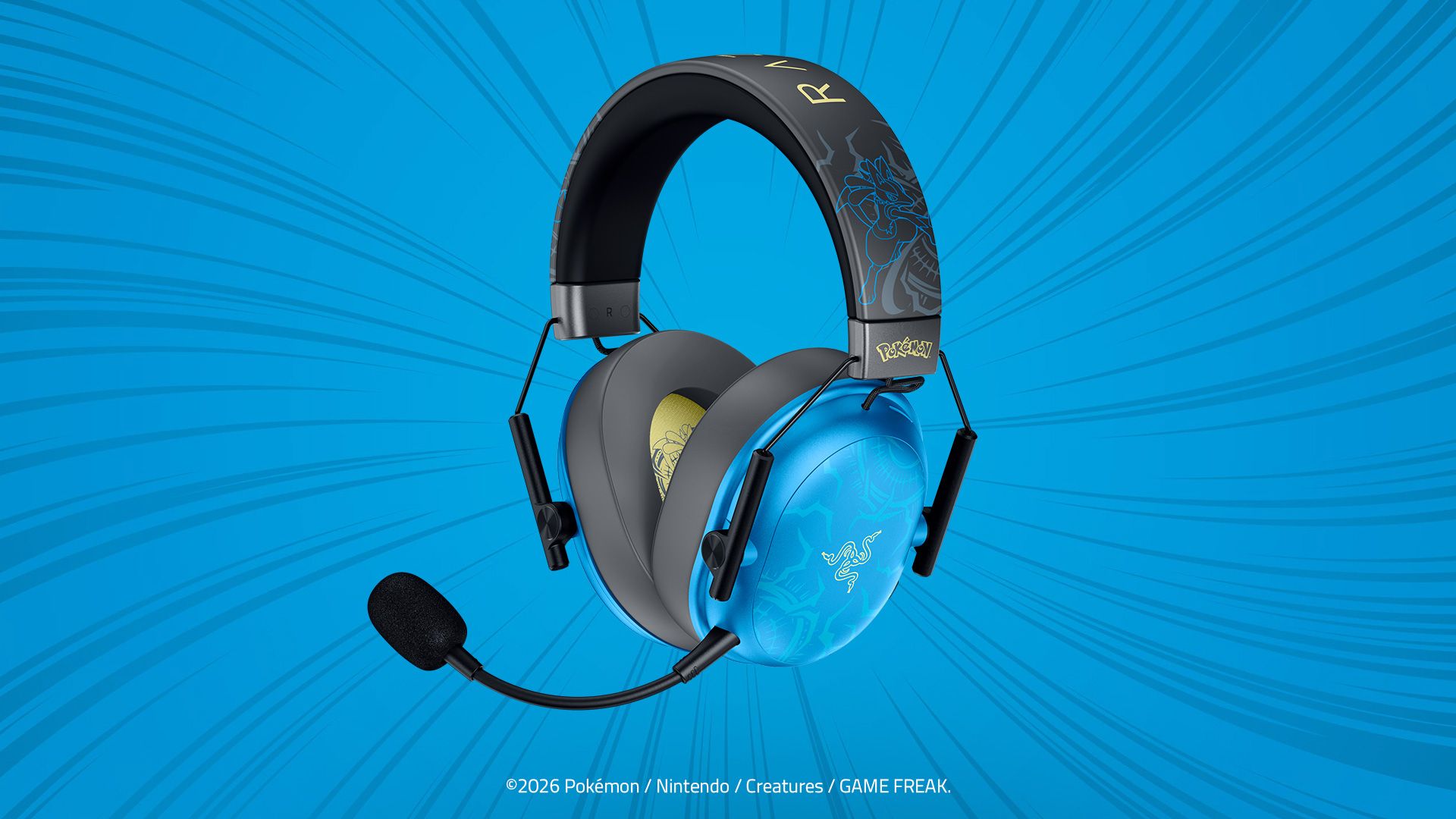
Lucario Edition: Razer BlackShark V3 X HyperSpeed Lucario Edition headset in blue and black, featuring aura designs on cyan earcups, a boom mic, and Lucario headband art.

Razer BlackShark V3 X HyperSpeed Lucario Edition headset in blue and black, featuring aura designs on cyan earcups. (Image credit: Razer)

If Charizard is a little too "look at me, I'm on fire" for your tastes, Lucario gets exactly the same BlackShark V3 X HyperSpeed treatment for $119.99.

Razer describes the design as inspired by Lucario's "calm intensity," and the blue finish certainly makes it the more restrained of the pair. The actual Pokémon is Fighting/Steel type, which makes attaching it to a competitive gaming headset feel appropriately on-brand.

Same headset, same 50mm Gen-2 drivers, same HyperSpeed wireless. Your decision essentially comes down to which monster you'd rather have watching over your K/D ratio.

Lucario gets a slight head start in the US, too. It's available exclusively from Target from October 7, while Charizard launches October 13 through Razer.com and Target. Both are also headed to broader retail in Latin America, Europe, Australia, and New Zealand.

And then there's Sylveon

Pastel pink Razer Kraken V4 X Sylveon Edition wired headset with a white microphone, featuring Sylveon headband graphics and a Sylveon character illustration.

The new Pastel pink Razer Kraken V4 X Sylveon Edition wired headset. (Image credit: Razer)

Sylveon goes in an entirely different direction, and not just aesthetically.

The Razer Kraken V4 X Sylveon Edition is a wired headset with 40mm TriForce drivers, a retractable HyperClear cardioid microphone, and Chroma RGB lighting (sweet). It comes decked out in Sylveon's characteristic pink-and-blue color scheme.

It's wonderfully unapologetic.

Sylveon is a Fairy-type Pokémon and one of Eevee's evolutions, officially categorized as the "Intertwining Pokémon." Its ribbon-like feelers can apparently send out a soothing aura that erases hostility, which frankly sounds like technology every Call of Duty voice-chat lobby desperately needs.

The Sylveon Kraken V4 X costs $109.99 and launches October 13 exclusively through Target in the United States, with wider retail availability across Latin America, Europe, Australia, and New Zealand.

I choose you, Charizard

There's obviously no technical reason to replace a perfectly good headset purely because Razer printed a Pokémon on it. This is merchandising. Razer knows it, Pokémon knows it, I know it, and your wallet is about to find out.

But that's also rather missing the point.

The BlackShark V3 X HyperSpeed is already a lightweight wireless headset offering 2.4GHz, Bluetooth, and USB connectivity. For an extra $20, Pokémon fans can get essentially the same hardware dressed as Charizard or Lucario. Sylveon fans have a slightly cheaper, wired alternative with RGB.

And having actually seen the Charizard edition outside Razer's immaculate press renders, I'll say this: it's pretty damn cool.

Sometimes that's enough justification.

Besides, it's Pokémon's 30th anniversary. Treat yourself.

Click to join us on r/WindowsCentral

Join us on Reddit at r/WindowsCentral to share your insights and discuss our latest news, reviews, and more.

  •  

Samsung could soon challenge Apple, Sony, and Bose with its Galaxy Studio headphones

What you need to know

  • Samsung is reportedly developing its first Galaxy-branded over-ear headphones, which could launch as Galaxy Studio.
  • The leak comes from evowizz, who previously revealed Samsung's Galaxy Buds On before their official launch.
  • Samsung hasn't confirmed a launch date, although its rumored November Galaxy Glasses event could be a possibility.

Samsung could soon have a challenger to Apple's AirPods Max and Sony's flagship over-ear headphones, with the company reportedly working on a new pair called Galaxy Studio.

For years, brands like Sony, Apple, Bose, and Sennheiser have dominated the premium over-ear headphone market in the U.S. But it looks like another major brand could be joining the competition very soon. According to a new leak, Samsung is developing its own pair of over-ear headphones to complement the Galaxy Buds lineup, and they could be called Galaxy Studio.

As spotted by 9to5Google, leaker evowizz on X has shared that Samsung's upcoming over-ear headphones will carry the Galaxy Studio branding. Interestingly, this is the same leaker who first revealed details about Samsung's open-ear earbuds, which officially launched earlier this month as the Galaxy Buds On. And now, the leaker has shared the name of Samsung's next audio product as well.

Sony WH-1000XM6 testing on Android Central

(Image credit: Apoorva Bhardwaj / Android Central)

There isn't much information about the Galaxy Studio headphones just yet. We don't know what they'll look like, what features they'll offer, or how Samsung plans to position them against premium headphones like the AirPods Max and Sony's WH-1000X series.

There's also no word on when Samsung plans to launch the Galaxy Studio. However, with the name now reportedly surfacing, there's a chance we could start hearing more about the headphones over the coming weeks.

Samsung still has a few major products left to unveil this year. The company is reportedly preparing to launch its first Galaxy Glasses powered by Android XR sometime in November, and it's possible Samsung could use the same event to introduce its new over-ear headphones as well.

Of course, that's just speculation for now, and Samsung hasn't officially confirmed the Galaxy Studio headphones. But it'll be interesting to see what the company comes up with, especially considering how competitive the premium headphone market already is. We'll update this article as more details about the Galaxy Studio emerge.

  •  

The best last-minute audio deals for Amazon Prime Big Deal Days

Update, 7:35 pm ET, Wednesday, Oct. 7: We rechecked every price on Amazon this evening. The Beats Studio Pro are now $149.95, four listings came out because Amazon no longer shows a buy box for them or only one third-party unit is left, and several prices and Prime labels changed. More deals are in our live Prime Big Deal Days roundup.

The Beats Studio Pro are $149.95 on Amazon until the sale ends at 2:59am ET Thursday. That’s half off their $299.99 list price, and Amazon doesn’t require Prime for it. Sony’s WH-1000XM6 are $378, and the rest of the page runs from $27.95 JBL earbuds to $899 Sonos and Bose soundbars. Many of the deals that started with the sale on October 6 are Prime member prices, and each one is labeled.

Beats Studio Pro: $149.95 (was $299.99)

Beats Studio Pro $149.95 (was $299.99)

Noise-canceling over-ear headphones at half price

See It

The Beats Studio Pro are half off at $149.95, and Amazon sells them directly without a Prime requirement. Beats rates the battery for up to 40 hours with noise canceling off and up to 24 hours with it on, and lists lossless audio over the USB-C port. They pair with iPhones and Android phones alike.

Beats Powerbeats Pro 2: $179.95 (was $249.99)

Beats Powerbeats Pro 2 $179.95 (was $249.99)

Ear-hook workout earbuds with heart rate monitoring

See It

Beats builds the Powerbeats Pro 2 around what it calls secure-fit ear hooks, and at $179.95 the workout earbuds are about $70 off their $249.99 list price. Beats lists noise canceling, heart rate monitoring, and sweat and water resistance, and rates them for up to 45 hours of playback with the charging case. If you’d rather have wingtips than hooks, the Beats Powerbeats Fit are $159.95, about $40 off their $199.99 list price.

Bose SoundLink Plus: $179 (was $269)

Bose SoundLink Plus $179 (was $269)

A waterproof Bose speaker at $90 off

See It

Ninety dollars off puts the Bose SoundLink Plus at $179. Bose rates it for up to 20 hours on a charge and lists it as waterproof and dustproof. The bigger Bose SoundLink Max is $279, $120 off.

Marshall Emberton III: $99.99 (was $179.99)

Marshall Emberton III $99.99 (was $179.99)

A waterproof Marshall speaker at $80 off

See It

At $99.99, the Marshall Emberton III is $80 off its $179.99 list price, and the deal doesn’t require Prime. Marshall lists it as a waterproof and dustproof portable speaker with 32-plus hours of playtime. The larger Marshall Middleton is $149.99 for Prime members, and the Marshall Acton III home speaker is $189.99.

Best headphone and earbud deals

Sony’s WH-1000XM6 are $378, $81.99 off their $459.99 list price, and Sony’s listing cites 12 microphones and up to 30 hours of battery. Nothing’s Headphone (1) are $189 for Prime members, and Nothing’s listing cites up to 80 hours of playback. More Soundcore models are in our Anker and Soundcore deals post, and our Apple deals post covers AirPods and Beats.

Best Bluetooth and smart speaker deals

The Sonos Era 100 SL is $149, $40 off its $189 list price, and the JBL Charge 6 is $149.95 with a built-in power bank, according to JBL’s listing. The JBL Go 4 is $34.95 for Prime members. Our Logitech deals post covers the Ultimate Ears speakers, and the deals under $50 post collects cheaper picks.

Best soundbar, subwoofer and bookshelf speaker deals

Sony’s BRAVIA Theater System 6 is $548, $251.99 off its $799.99 list price, and the BRAVIA Theater Bar 6 is $448. The Sonos Arc Ultra and the Bose Lifestyle Ultra Soundbar are both $899, $200 off. Our TV and home theater deals post covers the TVs these pair with.

Prime Big Deal Days headphone deals FAQ

When does the Prime Big Deal Days sale end?

The sale ends at 11:59pm PT on Wednesday, October 7, which is 2:59am ET on Thursday. At about 7:35pm ET, Amazon’s countdown on the Skullcandy Crusher Evo at $89.99 showed roughly seven and a half hours left.

Is the Sony WH-1000XM6 on sale for Prime Big Deal Days?

Yes. The Sony WH-1000XM6 are $378, $81.99 under their $459.99 list price.

Are AirPods on sale for Prime Big Deal Days?

Yes. The Apple AirPods Pro 3 are $179, $70 off their $249 list price.

Are Bose speakers on sale for Prime Big Deal Days?

Yes. The Bose SoundLink Plus is $179, $90 off its $269 list price, and the Bose SoundLink Max is $279, $120 off its list price. The Bose SoundLink Flex (2nd Gen) is $99, down from a typical price of $119.99.

Do you need Prime to get these headphone deals?

For many of them. Amazon lists the Sennheiser Momentum 4 at $170.99, the Nothing Headphone (1) at $189 and the Marshall Middleton at $149.99 as Prime member prices. The Beats Studio Pro at $149.95 and the AirPods Pro 3 at $179 showed no Prime requirement when we checked at 7:35pm ET on October 7.

Are there good headphone deals under $50?

Yes. The Sony WH-CH520 are $33 without Prime, the Soundcore Q20i are $37.97 for Prime members, and the JBL Vibe Beam earbuds are $27.95.

More Prime Big Deal Days coverage

The post The best last-minute audio deals for Amazon Prime Big Deal Days appeared first on Popular Science.

  •  

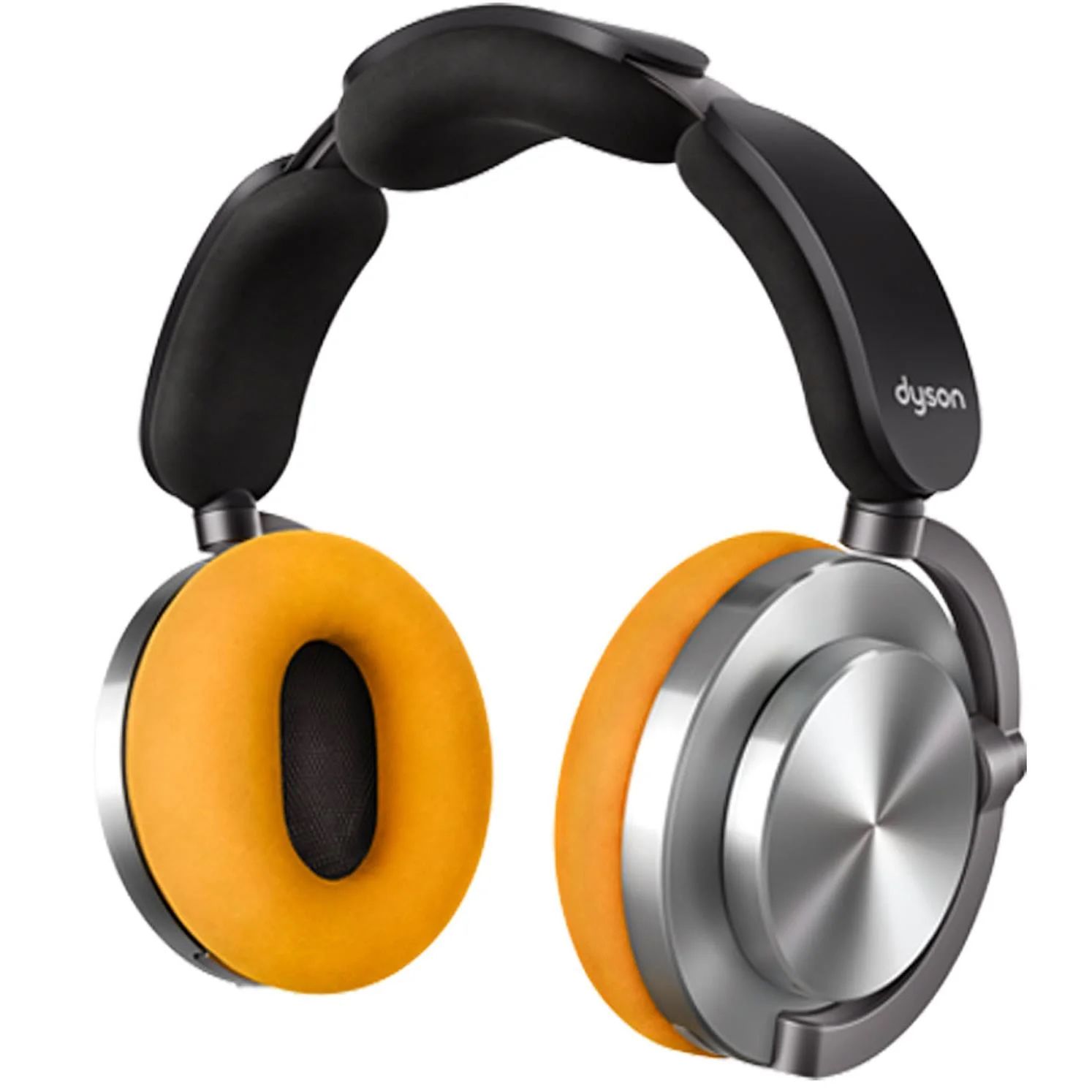
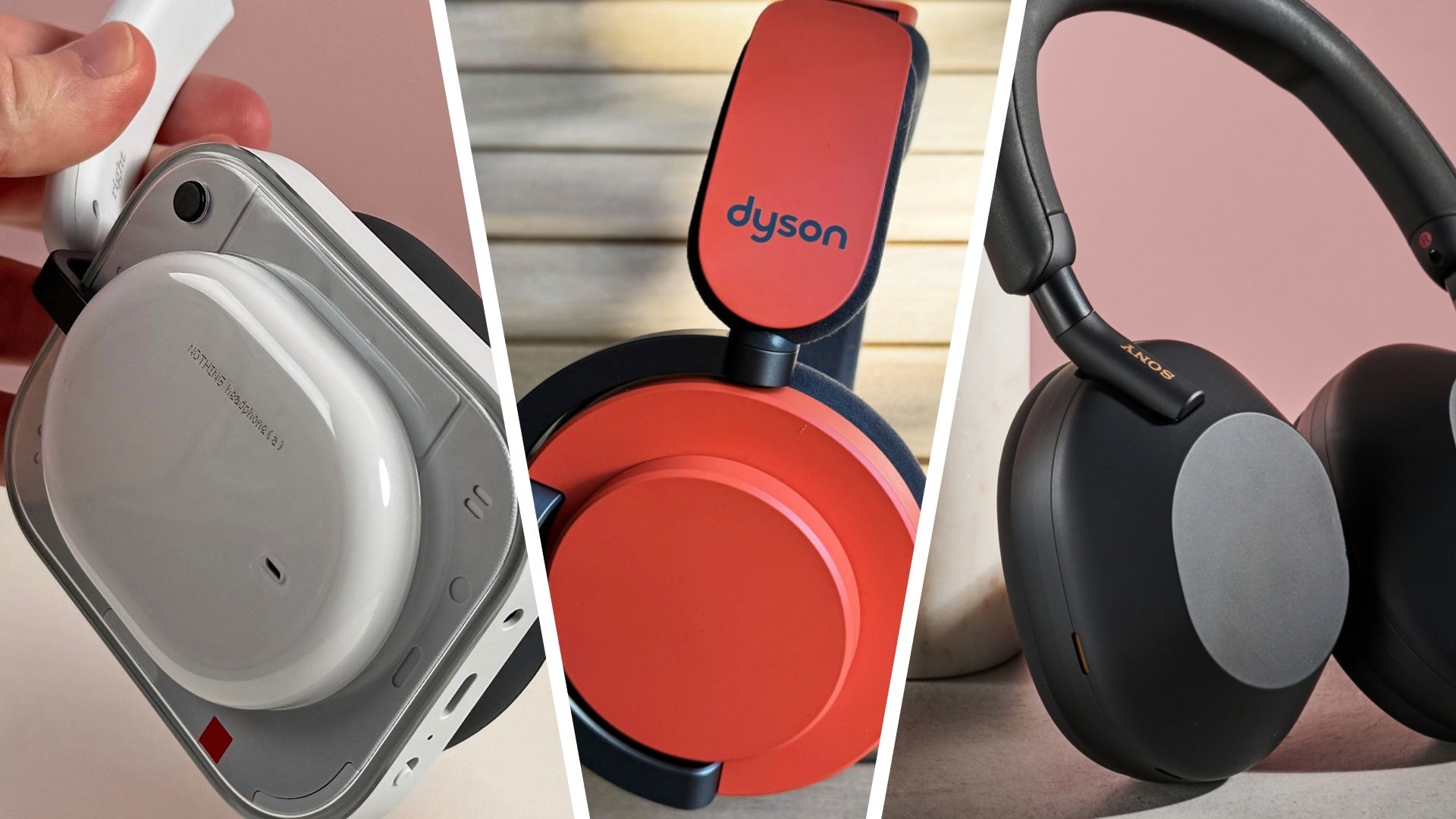
Dyson's OnTrac headphones are discounted to AU$299 — as an audio expert, these are the 3 over-ears I would recommend instead

It’s been just over two years since Dyson introduced its second pair of headphones, the OnTrac, to the world. While they were a significant improvement — both in terms of sound and general design — over the Zone, I ultimately found in my Dyson OnTrac review that they still couldn’t quite challenge the class leaders — namely Sony and Bose.

A strong factor in that realisation was their exorbitant AU$799 price tag. Not only was that too much for the Dyson headphones (regardless of brand name), it also allowed other manufacturers to charge AU$700 or more for their premium cans — here’s looking at you, Sony, Bose and Sennheiser.

Now, two years later, the Dyson OnTrac has plummeted to a much more acceptable AU$299 during Dyson’s Spring Sale event. At this price, I think they’re worth a look. The noise cancellation is very good, and a 55-hour battery life gives them greater stamina than the closest competitors. I also can’t really fault the ability to customise them, since it’s a feature that’s still pretty unique. That being said, they’re incredibly heavy, so I found I could only wear them for short stints.

At this price, the Dyson OnTrac becomes a lot easier to recommend, although I’d still tread with caution. Their looks may make them stand out from the crowd, but where audio quality is concerned, they can be beaten. Although I don’t see them getting any cheaper, even during Black Friday 2026 sales in Australia later this year.View Deal

However, for your AU$300, or thereabouts, you’re not short of great alternatives. So, if you’ve got a burning desire to invest in a new set of mid-priced headphones, take a look at my top recommendations below.

Do note that Amazon recently announced dates for its Prime Big Deal Days sales event. If experience is anything to go by, there’s a good chance my three recommended pairs of headphones below could receive bigger discounts when Prime Big Deal Days kicks off, but they’re worth every cent even right now.

For just under AU$200 (for the white model), the Nothing Headphone (a) are a terrific buy. A vast improvement over the Headphone (1), this newer set delivers a detailed, expansive soundstage coupled with good noise cancellation. Plus, their 135-hour battery life eclipses the OnTrac by some margin. View Deal

QuietComfort SC: was $499.95 now $349.99
Nearly as good as the premium QuietComfort Ultra, the SC misses out on the Immersive Audio mode — though they do come with a soft case. They have dropped to well below AU$300 before, which could happen during the next Prime Day sales event. View Deal

If your budget can stretch, the Sony WH-1000XM5 will reward you with superior sound quality, incredible comfort and excellent ANC. They’re comfortable to wear for long periods and benefit from a smartphone app that opens up a huge world of customisation.View Deal

  •  

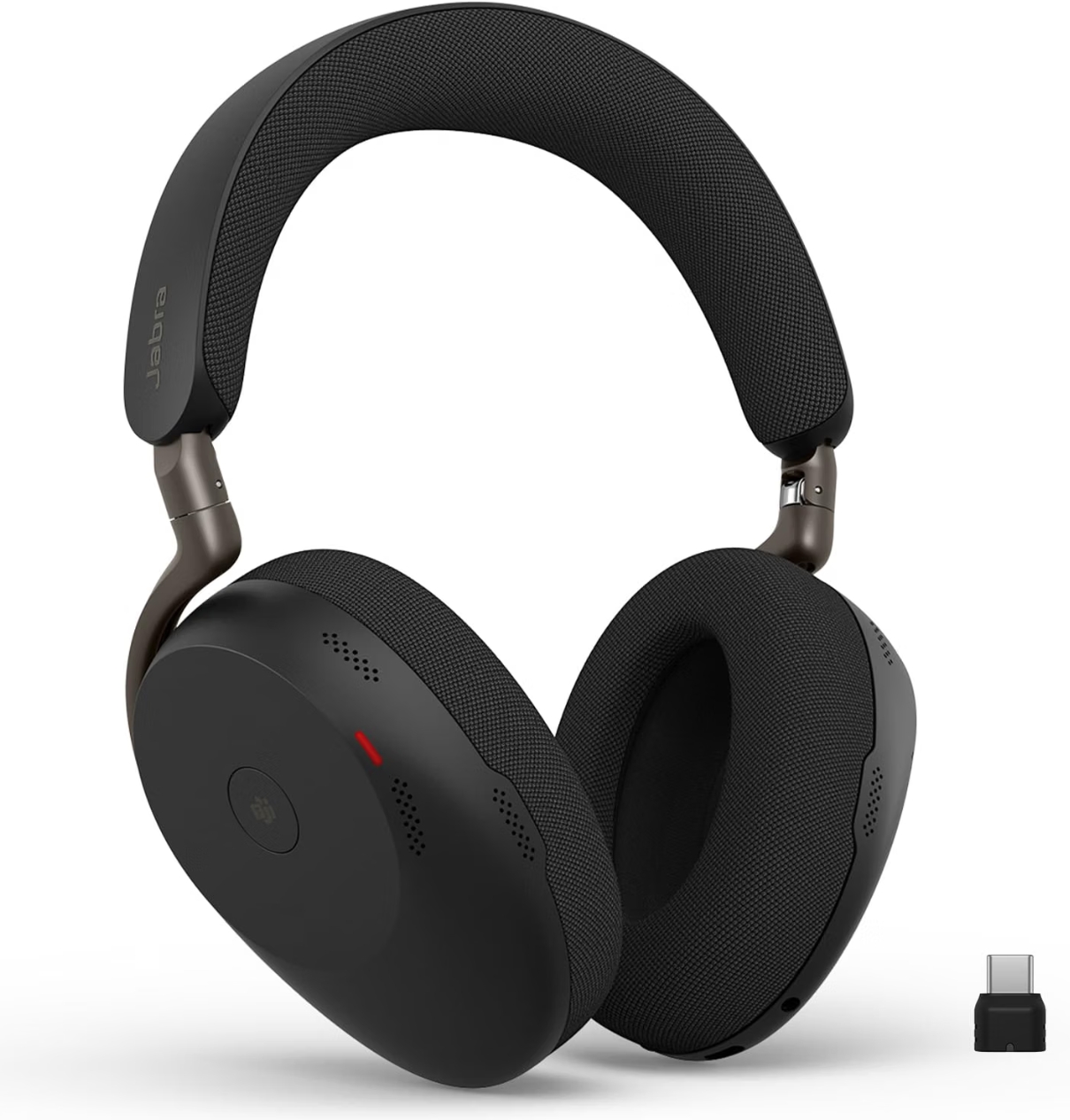
Forget Sony and Bose — Jabra's Evolve3 85 is my new meeting headset

If you need a headset to use at work, Bose's QuietComfort Ultra Gen II and the Sony WH-1000XM6 are undoubtedly good choices. I prefer the Bose because of its comfort and sound quality, and it is the headset I use while traveling.

But I found out recently that there is a better choice: Jabra's Evolve3 85. It is positioned as a work headset, but it does so much more; I used it for the better part of three months now, and I'm convinced that it is better than what Bose and Sony have to offer. Coming in at $475, it is on the higher end of the scale, but it has meaningful advantages over its immediate rivals.

Jabra Evolve3 85 review on Android Central

(Image credit: Apoorva Bhardwaj / Android Central)

Let's start with the design. The Evolve3 85 is the lightest headset in its category at 220g, and I immediately noticed the difference. Bose and Sony's headsets are at least 30g heavier, and switching between the QC Ultra Gen II and the Evolve3 85, it's clear that Jabra nailed the comfort. The lightweight design ensures you get a fit that doesn't lead to any fatigue even with all-day use.

The ear cushions have a breathable design, and that extends to the headband as well. Build quality is great, and while it is light, you never get a feeling that it is flimsy — it's built to last. Another positive is the case; the headset folds flat and fits snugly into the bundled case, which is significantly smaller than what you get with Bose and Sony. This is a big deal in and of itself, as the Evolve3 85 doesn't take up anywhere as much room in your bag.

Jabra Evolve3 85 review on Android Central
Apoorva Bhardwaj / Android Central
Jabra Evolve3 85 review on Android Central
Apoorva Bhardwaj / Android Central
Jabra Evolve3 85 review on Android Central
Apoorva Bhardwaj / Android Central
Jabra Evolve3 85 review on Android Central
Apoorva Bhardwaj / Android Central

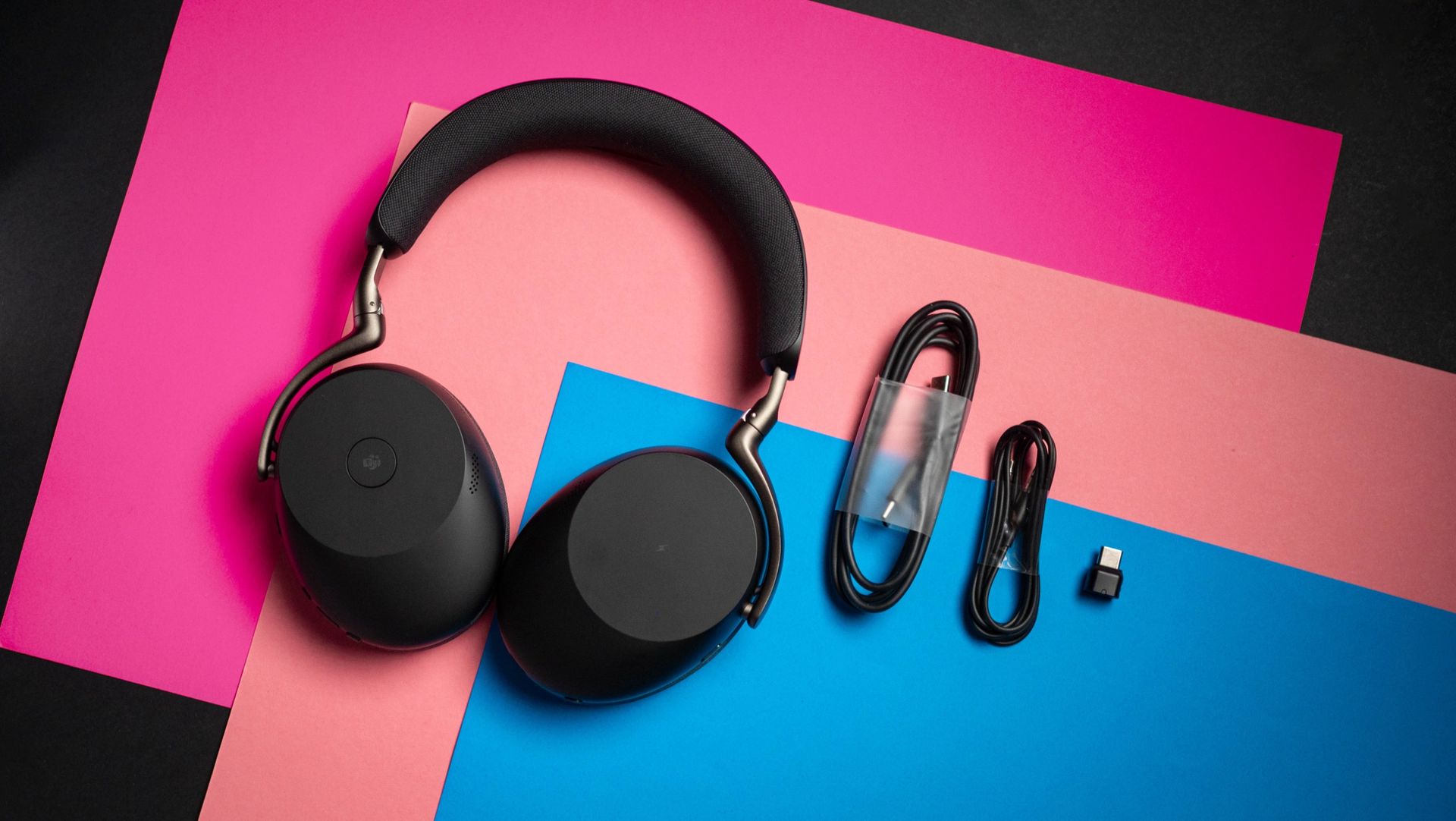
I also like the connectivity on offer. The Evolve3 85 uses Bluetooth 5.3, and I didn't see any issues pairing the headset with my Pixel 11 Pro XL, Find X9 Ultra, X9 Pro, Galaxy Z Fold 8 Ultra, iPhone 17 Pro, or the iPad Pro M4. It has Fast Pair, so it's about as easy to connect it to an Android device. There's also USB-C and 3.5mm connectivity if you want to plug the headset in, and my favorite inclusion is a USB-C receiver that lets me use the headset with my Windows machine.

I don't like using Bluetooth with Windows; my Gigabyte motherboard has a Bluetooth modem that's built clearly as an afterthought, because it is flaky at the best of times. As such, the convenience of being able to use a receiver to connect the headset with Windows is just great, and I like that Jabra went with USB-C. You also get USB-C and 3.5mm cables in the box, and I like the attention to detail that the brand lavished when it comes to connectivity.

Jabra Evolve3 85 review on Android Central
Apoorva Bhardwaj / Android Central
Jabra Evolve3 85 review on Android Central
Apoorva Bhardwaj / Android Central
Jabra Evolve3 85 review on Android Central
Apoorva Bhardwaj / Android Central
Jabra Evolve3 85 review on Android Central
Apoorva Bhardwaj / Android Central

Connectivity is a big part of what makes a work-related headset stand out, and the Evolve3 85 excels in this area. Oh, and you can easily change the battery itself, should you need to down the line. I like tech that's built to last, and given that batteries tend to degrade over time, they're usually the biggest point of failure in a headset, so it's good to see Jabra addressing the issue.

There are other niceties as well; Jabra's ClearVoice does a good job tuning out ambient noises when you're talking, and it holds up astonishingly well. I use NVIDIA Broadcast to do the same, but ClearVoice is a good enough alternative. On that note, it has dedicated ANC as well, and it does an effective job blocking sounds in your surroundings if you're in a meeting or outdoors. The headset pairs with whichever digital assistant you use on your phone, and there are physical controls.

Jabra Evolve3 85 review on Android Central
Apoorva Bhardwaj / Android Central
Jabra Evolve3 85 review on Android Central
Apoorva Bhardwaj / Android Central
Jabra Evolve3 85 review on Android Central
Apoorva Bhardwaj / Android Central
Jabra Evolve3 85 review on Android Central
Apoorva Bhardwaj / Android Central

Sound quality is pretty good, too. Honestly, given how much Jabra positioned this as a work headset, I didn't think it would sound as good as its rivals, but the 32mm drivers do a great job. You get a detailed sound with plenty of bass, clean mids, and a tight treble. It's obviously built for meetings, but the headset is just as effective at extended music listening sessions. In fact, the only problem is that you don't get AptX codecs — it is limited to SBC and AAC.

Another thing Jabra does well is charging tech; the Evolve3 85 includes wireless charging, and I didn't realize just how convenient this is until I used the headset — I now want all of my Bluetooth headsets to have this as standard. There's fast charging too, with a 5-minute charge delivering five hours of power. The headset lasts well over 23 hours of meetings, with regular music listening at 60 hours — double that of Bose and Sony. Basically, you'll only need to charge it once a week even if you use it all day.

Jabra Evolve3 85 review on Android Central

(Image credit: Apoorva Bhardwaj / Android Central)

You get six mics in total, and they use MEMS solid-state tech, delivering better fidelity and low distortion. I attended dozens of meetings with the Evolve3 85 over Google Meet, Zoom, and Microsoft Teams, and the headset did a brilliant job.

While the Evolve3 85 is targeted as a work headset, it is just as great to listen to music or podcasts, and the lightweight design combined with all the extra features gives it a unique advantage you just don't see in this category.

Jabra Evolve3 85 headset render

Jabra
Evolve3 85

With a highly comfortable design, great sound quality, and unique features designed for meetings, the Evolve3 85 is the best work headset around.

  •  

I can buy cheap Amazon earbuds with volume controls for far less than Apple's step-up AirPods 5 model — how is it getting away with this?

On our podcast I’m known as the Apple hater, but over the past year I’ve let up a little — even defended the company.

I’ve said Apple could be the only company capable of releasing camera glasses without major backlash thanks to privacy-first approach, celebrated its approach to AI as possibly genius if the bubble does pop, and most recently said the iPhone Duo looks great and that the visible crease in some shots should be ignored — as if it’s like the Z Fold 8 Ultra you’ll never see it while you’re using it.

But in our most recent episode, I saw something that I couldn’t believe in the new AirPods 5 specs. I had to actually message our Audio Editor because I thought I must be wrong.

How are on-bud volume controls only now coming to AirPods? And how are they reserved for the pricier model?

Take back (volume) control

I brought this up in the podcast, but my Apple-wielding colleagues — Axel Metz and Matt Evans — argued the feature isn’t that useful anyway. Those with Pro-level AirPods that boast volume controls noted that they rarely use them

Folks, that’s beside the point.

Volume controls are one of the most basic earbuds functions. Take a minute to scroll through Amazon, and you can find dozens of wireless earbuds under $20 that offer volume controls. This shouldn’t be something reserved for the fifth generation of a premium earbuds brand like AirPods. It’s absurd!

Oh, and I think volume controls on the buds are useful, for what it’s worth. If I’ve set my phone up to watch a YouTube video and the volume spikes, I want to be able to quickly swipe down without reaching over; or I might want to change the volume of my workout tunes mid-session without pulling my phone out and risking getting distracted.

Sure, it’s not a game changer, but as I said already, it’s a basic feature we should expect. It would be like if your iPhone didn’t have an email app — there are ways around it, but why cut off the root of the problem?

Apple iPhone 18 Pro and iPhone 18 Pro Max Hands-On

Perhaps I shouldn't give Apple ideas (Image credit: Jacob Krol/Future)

What really grinds my gears, however, is that volume controls still aren’t truly standard. If you get the base $129 / £119 / AU$219 AirPods, you’ll be out of luck — you need to pay extra for the $149 / £139 / AU$249 model with a wireless charging case.

This isn’t anywhere near as egregious as those ridiculously expensive Mac Pro wheels from early 2020 — back when we could worry about such trivialities in the ‘before times’ — but it feels like a remnant of Apple’s arrogance, and the quality that has put me off the company’s tech for all these years.

People can get the earbuds they want, and I’m sure the AirPods 5 will be just as solid as the previous generation. But when there are so many excellent audio options out there, my philosophy is to get a pair that respects you, offers genuine value for money, and won’t nickel-and-dime you for features that should have been added back in the first-generation model — not as an upcharge on the fifth-generation iteration.

  •  

Airpods: Das sind die neuen Funktionen in iOS 27

Das wohl größte Kunststück der Airpods ist, dass sie mit jedem iOS-Update neue Funktionen erhalten, ohne dass sich die Hardware ändern muss: 2024 wurden sie zu (rudimentären) Hörgeräten, mit iOS 26 kam die Live-Übersetzung. So ist es wenig verwunderlich, dass die Airpods auch mit iOS 27 neue Funktionen erhalten, für die Sie keine neuen Kopfhörer kaufen müssen.

Wenn Sie möchten, können Sie diese Funktionen bereits jetzt mit der iOS-27-Beta testen – oder Sie warten noch etwa einen Monat, bis iOS 27 für alle erscheint.

Auf folgende neue Funktionen dürfen Sie sich freuen:

iOS 27: Das sind die neuen Airpods-Funktionen

Equalizer

Vielleicht liegt es daran, dass Apple mit dem neuen Klangprofil der Airpods Pro 3 auf viel Missmut gestoßen ist, vielleicht war es aber auch so an der Zeit: Mit iOS 27 spendiert Apple den Airpods endlich einen Equalizer. Natürlich dürfen Sie hier keinen umfangreichen 7-Band-Equalizer wie bei anderen Herstellern erwarten, aber die drei Frequenzbereiche, die Apple anzupassen erlaubt, sind besser als nichts.

Der Equalizer setzt den H2-Chip voraus und ist daher für die Airpods Pro 2, die Airpods Pro 3, die Airpods 4, Airpods 5 und die Airpods Max 2 verfügbar. Sie finden ihn unter Einstellungen > [Name Ihrer Airpods] > Audio & Routing > Equalizer.

Überarbeitete Einstellungen

Wenn Sie sich für den Equalizer in die Airpods-Einstellungen begeben, werden Ihnen vielleicht einige Veränderungen auffallen. Bestand der Bereich bisher aus einer mehr oder weniger willkürlichen Liste von Funktionen und Einstellungen, hat Apple ihn in iOS 27 ordentlich aufgeräumt. Die verschiedenen Einstellungen sind jetzt sinnvoll nach Unterkategorien gruppiert und daher deutlich übersichtlicher.

Aktuell bester Preis: Airpods Pro 3

Shop
Preis
Price comparison from over 24,000 stores worldwide

Anpassungen für adaptiven Modus

Wo wir gerade bei Einstellungen sind: Mit iOS 27 erweitert Apple die Noise-Cancelling-Einstellungen der Airpods. Verwenden Sie den adaptiven Modus, der die aktive Geräuschunterdrückung abhängig von den Umgebungsgeräuschen dynamisch anpasst, können Sie ihn nun so einstellen, dass er näher am Transparenzmodus oder an der Geräuschunterdrückung arbeitet.

Dafür gibt es sowohl in den Einstellungen im Bereich „Hörmodus“ als auch im Kontrollzentrum, ein neues Interface. Ist das mittlere Symbol – der adaptive Modus – ausgewählt, erscheint zwischen den beiden äußeren Symbolen – Transparenzmodus links und Geräuschunterdrückung rechts – ein neuer Regler, auf dem Sie das Symbol für den adaptiven Modus in mehreren Stufen verschieben und so seinen Ausgangspunkt in die eine oder andere Richtung verschieben können.

Im Kontrollzentrum müssen Sie bei verbundenen Airpods lange die Lautstärkeanzeige gedrückt halten und dann auf das Hörmodus-Symbol unten links drücken, damit die Modusauswahl erscheint. Die granulare Anpassung des adaptiven Modus ist logischerweise nur auf Airpods verfügbar, die den adaptiven Modus selbst unterstützen, also die Airpods Pro 2, die Airpods Pro 3, die Airpods 4 (ANC), beide Airpods-5-Modelle, die Airpods Max 1 und die Airpods Max 2.

Bedienungshilfen – Namenerkennung

Verwenden Sie die Airpods als Hörhilfe, erhalten Sie mit iOS 27 eine neue Funktion: Erkennen die Airpods dass Sie jemand mit Ihrem Namen anspricht, werden Sie benachrichtigt, um Sie darauf aufmerksam zu machen. Die Funktion können Sie mithilfe eines Schalters unter Einstellungen > Bedienungshilfen > Geräusch- & Namenserkennung (im Abschnitt „Hören“) aktivieren.

Siri AI

Sobald die neue Siri – Siri AI – verfügbar ist, können Sie auch mit der neuen Version sprechen, wie jetzt mit der alten. Das funktioniert viel besser, da Siri AI jetzt auch natürliche Sprache versteht.

Der Wermutstropfen: Aktuell versteht Siri AI ausschließlich Englisch – andere Sprachen werden zeitnah nachgereicht, erklärt Apple – und außerdem läuft sie in der EU aus regulatorischen Gründen nur auf dem Mac und Apple TV. Wann Siri AI auch auf dem iPhone und iPad verfügbar sein wird – die Europäische Kommission bezeichnet sie wegen ihrer Marktmacht als „Gatekeeper“ –, ist unbekannt.

Aktuell bester Preis: Airpods 5 (mit kabellosem Ladecase)

Shop
Preis
Price comparison from over 24,000 stores worldwide

Fitnessdaten ohne Apple Watch

Apple hat den Airpods Pro 3 einen Herzfrequenzsensor spendiert, sodass Sie die entsprechenden Trainingsdaten auch ohne Apple Watch registrieren können. Mit iOS 27 erlaubt Apple mithilfe des dem zugrundeliegenden „Gymkit“-Frameworks obendrein, die Herzfrequenzdaten der Airpods Pro 3 mit kompatiblen Trainingsgeräten zu teilen.

Ortung mit Apple Watch

Ebenfalls den Airpods Pro 3 vorbehalten ist die Möglichkeit der präzisen Ortung, denn als einzige Airpods verfügen sie über einen Ultrabreitband-Chip (UWB) im Ladecase, mit dessen Hilfe Sie Airpods sehr viel genauer orten können, wenn Sie sich in der Nähe befinden. Bisher mussten Sie dafür Ihr iPhone verwenden, ab iOS 27 können Sie es auch mit einer kompatiblen Apple Watch. Ausgenommen aller SE-Modelle unterstützt diese Funktion jede Apple Watch seit der Series 6.

Aktuell bester Preis: Airpods Max 2

Shop
Preis
Price comparison from over 24,000 stores worldwide

  •  

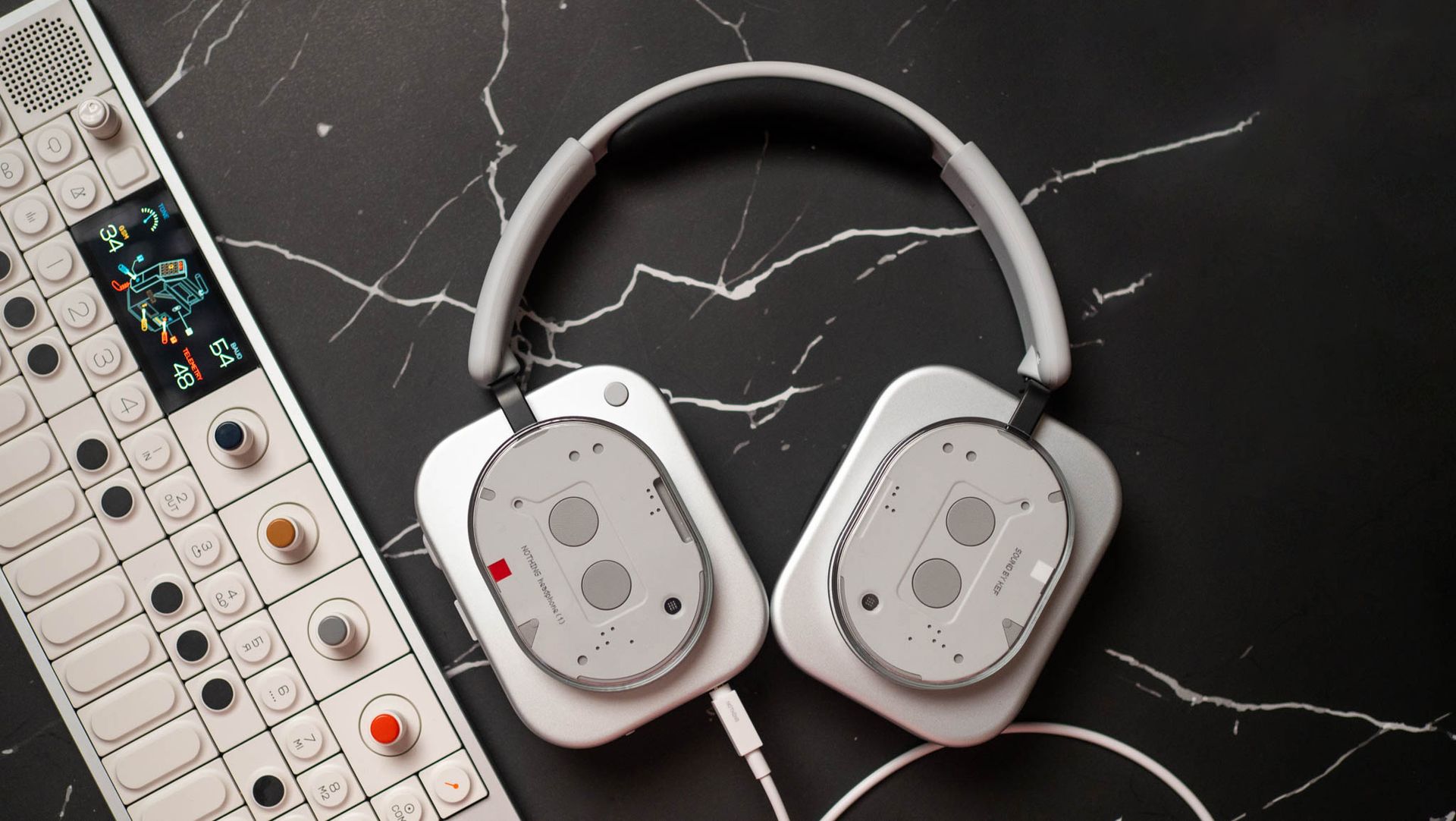
Nothing's Headphone 1 is going Pro? Rumors allege upgrades and a 'premium' feel are possible

What you need to know

  • Rumors now say Nothing is getting closer to a new audio product launch dubbed the "Headphone 1 Pro" late in September.
  • The device could enter a more premium aesthetic for consumers with a $399 price tag, 60 hours battery life, improved ANC, and a triple audio driver setup.
  • The original Headphone 1 were pretty good, and could've arguably been one of the best (if not the best) audio product of 2025.

Nothing's first over-ear headphones made a splash when they debuted. Now, rumors suggest the company wants to make even more noise with a "Pro" model.

Late this week, a post by Dealabs suggests Nothing is developing a "Headphone 1 Pro" model, and a launch could be closer than we think (via 9to5Google). As with any device, especially one marked by "Pro," design changes/improvements are possible. The publication claims the Pro headphones could feature "aluminum and glass" on their body. The idea could be to not only separate the Pro from the base model, but also to solidify a "premium" aesthetic, as the post notes.

White and black colorways are supposedly likely once this (allegedly) hits the market around September 29, 2026. However, rumors claim Nothing plans to make the Pro tag matter with a triple audio driver. Improved bass, sharper audio precision, and improved treble were mentioned.

Whispers allege real-time "adaptive" ANC that could outshine the original's. Battery life is another highlight. The Pro model could offer 60 hours of playback time. What's not clear is whether this is with ANC active or not. The original model could run for 35 hours with ANC on and 80 hours with it off. If this higher number concerns the former, that could be a huge boon to consumers.

There's nothing official, but rumors claim the Headphone 1 Pro could run consumers $399 in the U.S.

The original model was good

Nothing Headphone 1 testing on Android Central

(Image credit: Apoorva Bhardwaj / Android Central)
Android Central's Take

The idea of a Pro headphone from Nothing sounds intriguing. I'm not really a fan of wearing over-ear headphones out or away from my computer. I'm a gamer, so that's usually when I'll ever wear something like this. But there's a huge market for over-ear headphones. Music is probably the best thing for them. You can connect them to your phone, get a workout in, or hop on the bus or train and immerse yourself in sound. That's what I'd like from Nothing. If it's going Pro, go immersive, too.

If you take a quick step back to when the Headphone 1 launched, Nothing stuck them with a $299 price tag in the U.S. The Pro model would ask for ~$100 more, if we're to believe these early rumors. Anyway, Nothing wanted to make a bold statement with these headphones. The device brought back real, physical buttons, rollers, and paddles that make the experience more manageable.

There were pieces of aluminum that accented the Headphone 1. The Pro version could take that up a bit, and with more glass, too. In our experience, the Headphone 1 was a good piece of hardware. In fact, it was arguably one of the best audio products of 2025. Considering the positioning of the controls, the Headphone 1 made it easy to control our music. What's more, since these buttons are physical, we avoided those accidental song skips or pauses.

Nothing equipped the Headphone 1 with "a custom 40mm driver with sound tuned by KEF" that sounded "amazing," per Android Central's Harish Jonnalagadda.

  •  

AirPods 5 just pulled off the impossible for Apple — more features, lower price

While the major headlines from Apple’s September event were understandably on the iPhone Duo foldable, one of the standout announcements for me concerns the AirPods 5.

Apple’s non-Pro series of earbuds are once again available in two flavours, with a few, admittedly useful, features separating the two. Perhaps the biggest shock, however, is that both the AirPods 5 and AirPods 5 with Wireless Charging Case (that name will eventually become annoying to type out) cost less than the previous AirPods 4 with ANC.

The two-year-old model launched at AU$299. The new AirPods 5 models can be yours for AU$219 and AU$249. Given the fact that Apple has been no stranger to price hikes in recent times, it’s quite remarkable that the popular AirPods got a price cut.

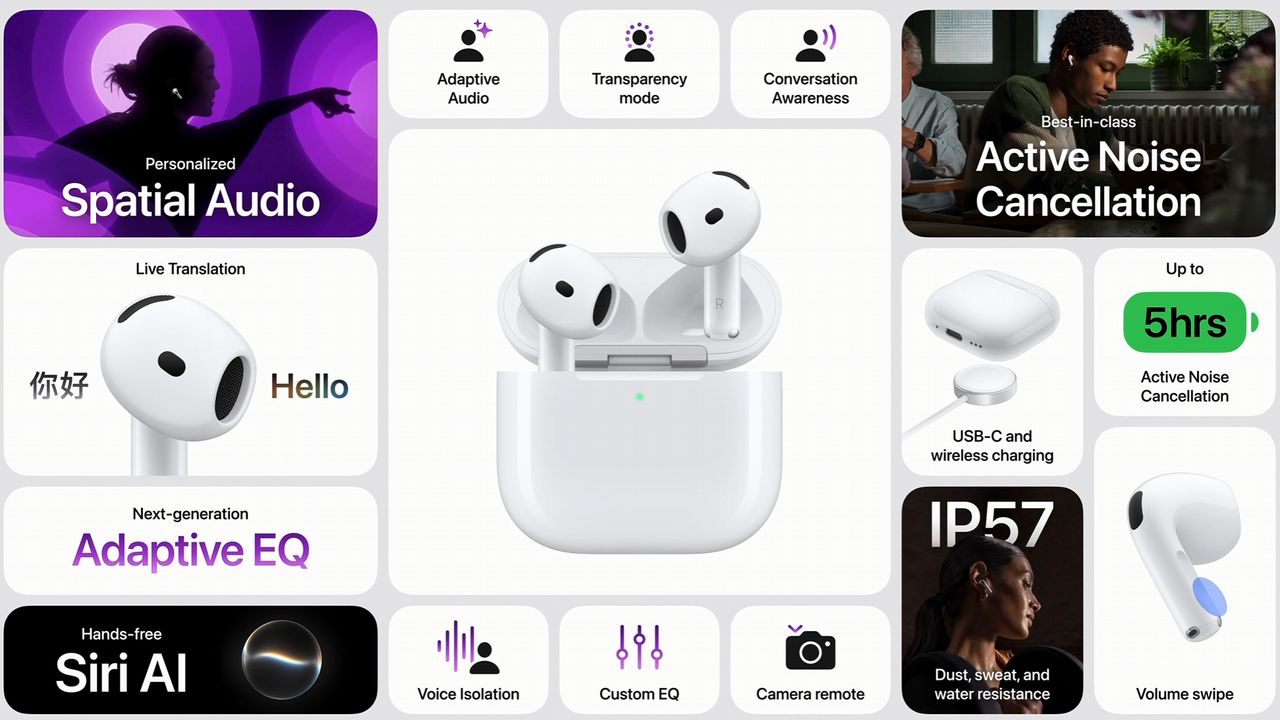
More impressive still, both models introduce notable upgrades over their predecessors. Apple is claiming industry-leading ANC for an open-ear design, alongside a richer, more detailed sound, with support for Personalised Spatial Audio. Apple also claims they’re more durable than before, and you also gain access to Live Translation (previously a Pro-only feature), Adaptive EQ and up to five hours of playtime with ANC on.

The AirPods 5 with Wireless Charging Case not only get a wireless charging case (shock) but also on-stem volume control. Take it from me as an AirPods Pro 3 user, this feature alone is worth its weight in gold — it’s so intuitive to use!

The Apple AirPods 5 and AirPods 5 with Wireless Charging Case (yep, still annoying to type) will be available from September 18, and you can preorder them today from the following retailers. Amazon would be my top choice, as you can save a couple of dollars on RRP.

AirPods 5 deals in Australia

AirPods 5 with Wireless Charging Case deals in Australia

While the pricing of the AirPods 5 is commendable, I also have to bring your attention to the AirPods Pro 3, which are available for AU$347 at the time of writing at Amazon.

AirPods Pro 3: was $429 now $347
They did drop to a low of AU$299 during Prime Day, but this is still a great price on Apple’s flagship earbuds. They deliver best-in-class noise cancellation and a rich, full-bodied sound. While the AirPods 5 now also get the same Live Translation, the Pro 3s also rock a heart-rate sensor and longer battery life of up to 10 hours. View Deal

  •  

Nothing Headphone (1) Pro Leaked: Triple-Driver Audio, 60-Hour Battery and September 29 Launch

Nothing appears to be preparing a more premium version of its over-ear headphone lineup. According to information reported by Dealabs, the company is expected to introduce the Nothing Headphone (1) Pro in the coming weeks, with a European price of €349 and a U.S. price of $399. Nothing’s move into premium headphones also gives the brand another way to extend its distinctive Nothing’s transparent design language beyond smartphones and earbuds.

The new model is reportedly scheduled to launch on September 29, positioning it firmly in the premium wireless headphone market rather than the entry-level segment.

Nothing’s Transparent Design Gets a Premium Treatment

The Headphone (1) Pro is expected to continue Nothing’s recognizable design language, including the brand’s semi-transparent aesthetic. The headphones are reportedly offered in black and white, while the construction combines an aluminum body with scratch-resistant glass elements.

The headset is also said to carry an IP52 rating, providing some protection against dust and light water exposure. While that rating does not make the headphones suitable for heavy rain or water immersion, it could provide additional peace of mind during everyday use.

Triple-Driver System Could Be the Biggest Upgrade

One of the most interesting features of the Headphone (1) Pro is its reported three-driver audio architecture. Instead of relying on a conventional single-driver setup, the headphones are expected to use separate drivers to handle different parts of the frequency range.

The high-frequency section could use an XMEMS driver, a technology designed around extremely fast mechanical response and precise high-frequency reproduction. If implemented as reported, the combination could give Nothing a stronger technical selling point against other premium wireless headphones.

The company is also reportedly working with Metropolis Studios, a well-known London recording and mastering facility, on the headphone’s tuning. That collaboration could help Nothing pursue a more studio-oriented sound profile rather than simply emphasizing heavy bass or consumer-friendly sound.

10 Microphones and Adaptive ANC

The Headphone (1) Pro is expected to include 10 microphones, which could support both active noise cancellation and voice-related functions.

The headphones are reportedly equipped with adaptive active noise cancellation (adaptive ANC) that can adjust to surrounding conditions. A transparency mode is also expected, allowing users to hear environmental sounds without removing the headphones.

This combination should make the Headphone (1) Pro more practical for commuting, office use and other situations where users may need to switch between immersive listening and environmental awareness.

Hi-Res Audio, LDAC and More Sound Controls

For wireless audio, the new headphones are expected to support LDAC and Hi-Res Audio, potentially giving compatible devices access to higher-quality Bluetooth audio transmission.

Nothing is also reportedly preparing a Flat EQ option alongside more advanced sound-adjustment features. The company may position these controls toward listeners who want greater control over how their music sounds rather than relying solely on preset profiles.

The reported involvement of Metropolis Studios further suggests that audio quality will be one of the major selling points of the Pro model.

Bluetooth 6.1 and a 3.5mm Headphone Jack

Connectivity is another area where the Headphone (1) Pro could stand out. The headset is reportedly expected to use Bluetooth 6.1, while also retaining a 3.5mm audio jack.

The wired connection will be useful for listeners who prefer a direct audio connection, want to avoid Bluetooth compression, or need to connect the headphones to devices without wireless audio support.

The combination of modern Bluetooth connectivity and a traditional wired input also gives the headphones greater flexibility across different listening environments.

Up to 60 Hours of Battery Life

Battery life could be another major advantage. The Headphone (1) Pro is reportedly capable of delivering up to 60 hours of playback, although real-world endurance will likely depend on factors such as ANC usage, volume level, codec selection and connection mode.

The headphones are also expected to support fast charging, allowing users to restore listening time without keeping the headset connected to power for long periods.

Nothing Headphone (1) Pro: What to Expect

Based on the leaked information, the Nothing Headphone (1) Pro could be a significant step beyond a typical lifestyle-focused wireless headset. Its combination of a three-driver audio system, XMEMS technology, 10 microphones, adaptive ANC, LDAC, Bluetooth 6.1 and up to 60 hours of battery life gives it a specification sheet aimed squarely at the premium market.

The reported €349 European price and $399 U.S. price would also put it in direct competition with established premium headphone brands.

Nothing has yet to officially confirm all of these specifications, so the final hardware, features and regional pricing should be treated as unconfirmed until the company makes its announcement. If the September 29 launch date is accurate, more official details should emerge soon.

The post Nothing Headphone (1) Pro Leaked: Triple-Driver Audio, 60-Hour Battery and September 29 Launch appeared first on IGeeKphone China Phone, Tablet PC, VR, RC Drone News, Reviews.

  •  

Open-Ear Earphones With Bluetooth 6.0: 14mm Drivers, Battery Life and Everyday Use

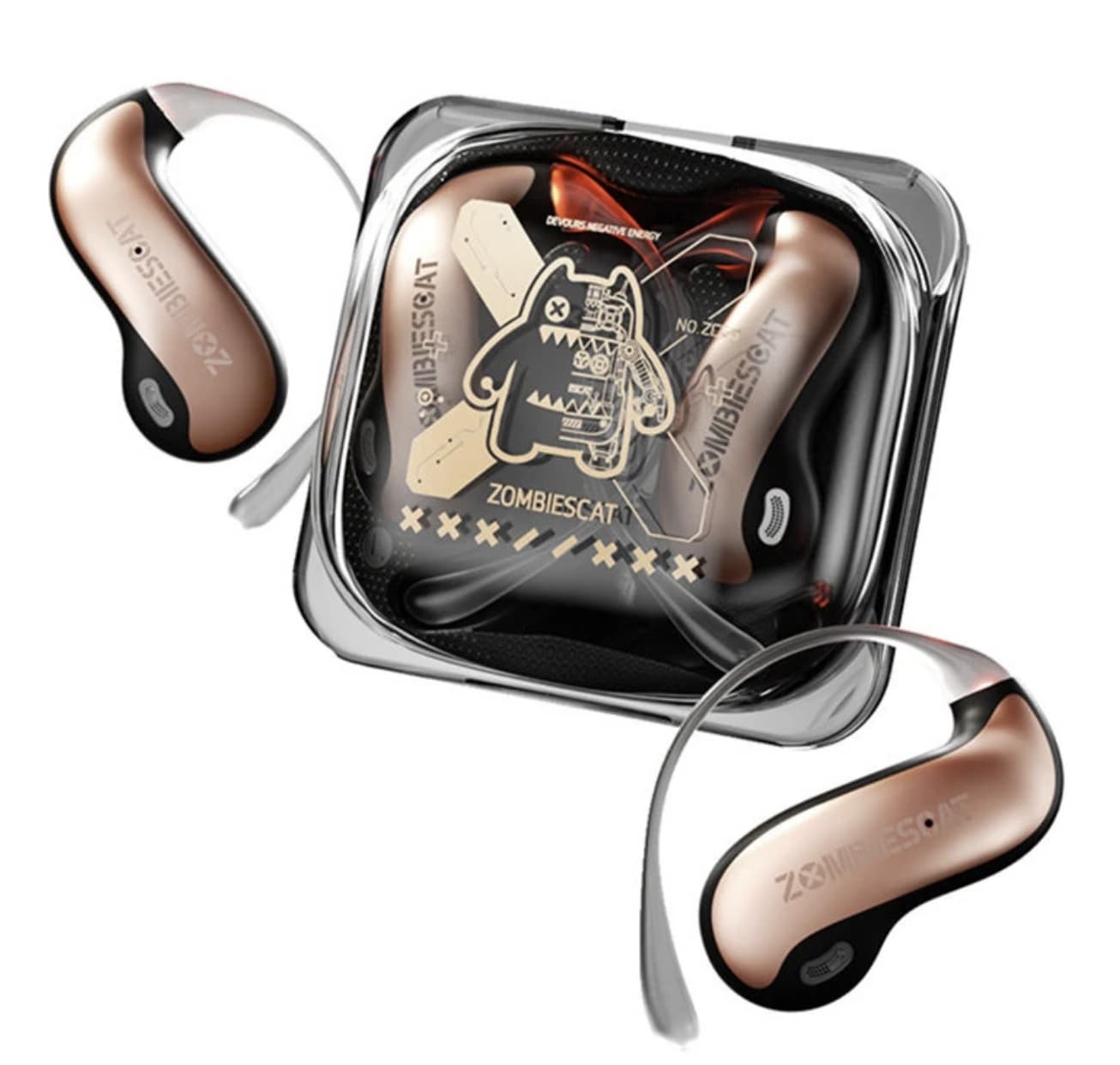
As wireless earbuds continue to get smaller, comfort and awareness of your surroundings can become just as important as compact size. The Zombies Cat B22 takes a different route with an open-ear earclip design that rests around the ear instead of blocking the ear canal. Combined with Bluetooth 6.0 and large 14mm drivers, the B22 is designed for users who want wireless audio while staying more connected to their surroundings during everyday activities and workouts.

That design is paired with Bluetooth 6.0, 14mm dynamic drivers, claimed 720° panoramic sound, a built-in microphone, and a small warm-colored safety light. Instead of trying to compete purely on conventional earbuds specifications, the B22 is designed around the idea of keeping music available while maintaining a more open connection with the surrounding environment.

According to the Banggood listing, the B22 supports Bluetooth 6.0, uses 14mm speakers, offers up to 4.5 hours of playback from the earbuds themselves and up to 20 hours when combined with the charging case.

The B22’s biggest idea is its open-ear design

The most interesting part of the Zombies Cat B22 is not actually Bluetooth 6.0. It is the way the earphones are worn.

Rather than pushing an earbud into the ear canal, the B22 uses an earclip-style open-ear structure. This can be appealing to people who dislike the plugged-in sensation of traditional in-ear headphones or want to remain more aware of their surroundings while listening.

That makes the B22 sports headphones particularly relevant to walking, commuting, cycling and other situations where completely isolating yourself from environmental sound may not be desirable.

It also changes the way the headphones should be evaluated. The goal is not simply maximum isolation. Instead, the B22 is built around a balance between personal audio and environmental awareness.

14mm drivers give the B22 a larger audio foundation

Inside the compact earphones are 14mm dynamic drivers.

A larger driver does not automatically guarantee better sound, but it gives the B22 a substantial hardware foundation for producing bass, vocals and higher-frequency details. For an open-ear design, that can be particularly important because there is no sealed ear canal to create the same acoustic conditions as conventional in-ear headphones.

The product listing describes the 14mm drivers as being designed for a broad soundstage with stronger bass and clear treble.

The stated frequency response is 20Hz–20kHz, covering the commonly specified range for consumer headphones.
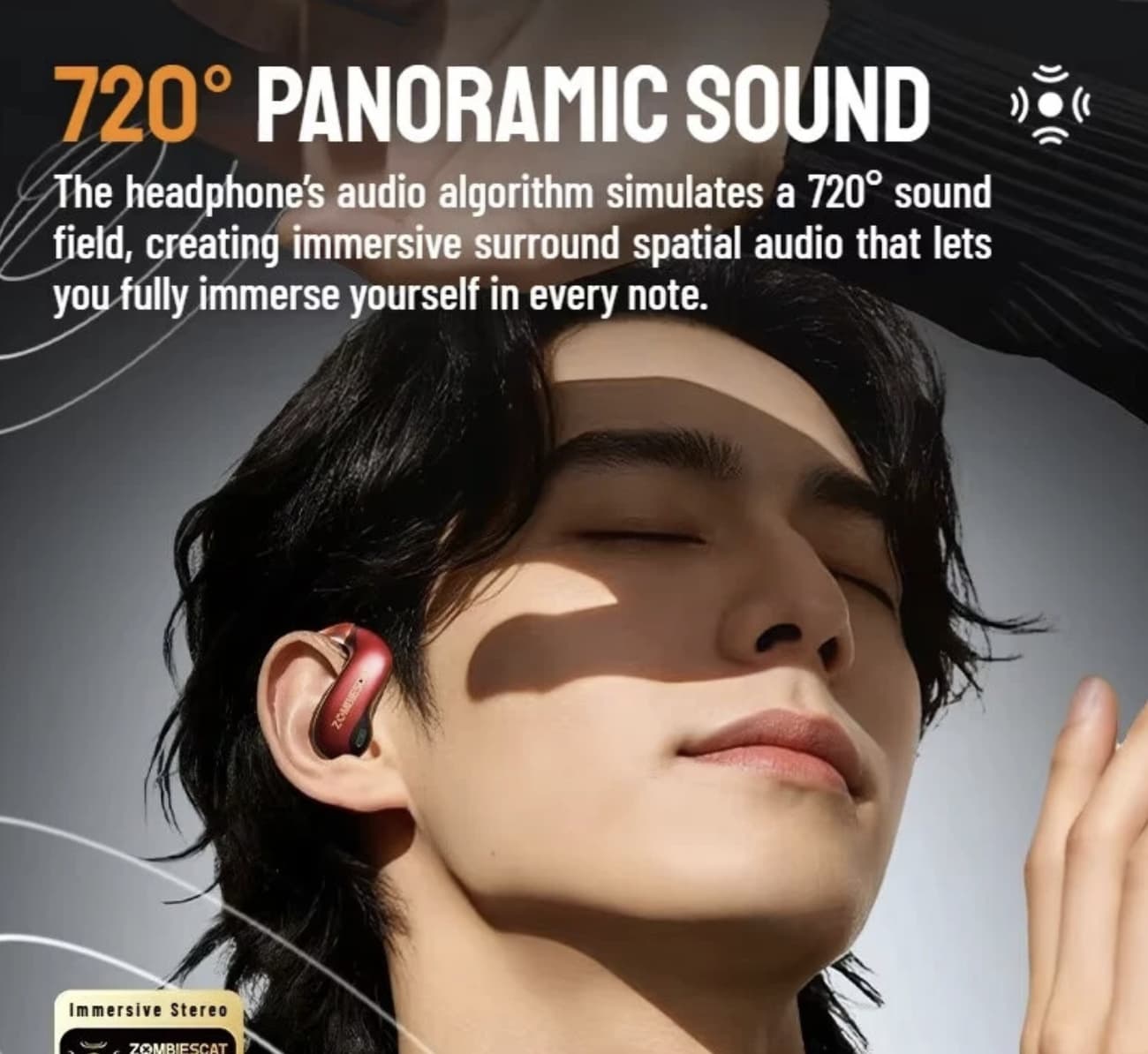
What does “720° surround sound” mean here?

The B22 also promotes 720° panoramic sound, which is one of its more unusual specifications.

This should be understood as a spatial-audio presentation rather than literally having sound physically travel in every direction around the listener. The idea is to create a wider and more immersive sense of positioning than conventional stereo playback.

That could make movies, games and music feel more spacious, although the real-world effect will depend on the recording, device and listening environment.

For buyers, the more meaningful takeaway is that Zombies Cat is positioning the B22 as an immersive open-ear headphone, rather than a basic wireless sports earbud.

Bluetooth 6.0 focuses on connection and responsiveness

The B22 uses Bluetooth 6.0 and supports HSP, HFP, A2DP and AVRCP profiles. The listed transmission distance is up to 10 meters.

For everyday users, the important part is less about the Bluetooth version number itself and more about how the headphones fit into daily use.
Bluetooth 6.0 is intended to provide a modern wireless connection, while the supported profiles cover common functions such as music playback, hands-free communication and remote media control.

The listing also highlights low latency for gaming and video. That makes the B22 potentially more versatile than headphones designed exclusively for music listening, although actual latency can vary depending on the connected phone, computer or game system.

The built-in warm light is more than decoration

One of the B22’s most distinctive physical features is its integrated warm safety light.

The light is positioned as a visibility feature for activities such as night running and cycling. Rather than functioning purely as an RGB-style visual effect, the concept is to make the wearer easier to notice in darker surroundings.

This is a clever addition because open-ear headphones are already aimed at active users. A small visibility feature gives the design another practical purpose.

However, the light should be considered an additional visibility aid rather than a replacement for proper cycling or running safety equipment.

Battery life is designed around shorter daily sessions

The B22 uses a 40mAh battery in each earphone and a 300mAh charging case.

Banggood lists approximately 4.5 hours of playback from the earbuds alone and up to 20 hours with the charging case. Charging the case and earbuds is listed at around one hour.

That makes the B22 better suited to several shorter listening sessions than extremely long continuous use.

For example, a commute, workout, walk or evening gaming session can fit comfortably within the stated earbud runtime. Once the earbuds are returned to the case, the additional battery capacity extends the overall listening time.

As always, actual runtime can vary with volume, connection conditions and other usage factors.

The earclip format makes the B22 a sports-oriented headphone

The B22 weighs approximately 43 grams as listed for the product, with dimensions of 60 × 28 × 52mm.

Its physical design is clearly aimed at people who want something different from conventional TWS earbuds.

The earclip structure avoids the need for a traditional silicone ear tip, while the open-ear configuration can make the headphones more suitable for users who prefer a less enclosed listening experience.

That said, fit is highly personal. An earclip that feels secure for one person may not feel identical for another, so the B22’s design should be viewed as an alternative to conventional earbuds rather than a universal replacement.

A microphone makes it useful beyond music

The B22 includes a built-in microphone and supports the standard Bluetooth calling profiles listed by Banggood.

This means the headphones can also be used for calls and voice communication rather than functioning only as a music player.

For people who frequently switch between podcasts, music, phone calls and video content, that makes the B22 a more practical everyday accessory.

Who should consider the Zombies Cat B22?

The B22 makes the most sense for users who specifically want an open-ear Bluetooth headphone rather than a conventional sealed earbud.

It could be particularly interesting for:

  • Runners and walkers who prefer an open listening style
  • Cyclists looking for headphones with an additional visibility feature
  • Commuters who dislike the pressure of in-ear tips
  • Users who want larger drivers in an open-ear design
  • People interested in Bluetooth 6.0 headphones
  • Gamers and video viewers looking for a more spacious audio presentation

It may be less suitable for someone whose first priority is strong passive isolation or deep noise blocking, because the open-ear concept is fundamentally designed around a different listening experience.

Zombies Cat B22 specifications

Feature Zombies Cat B22
Wearing style Open-ear earclip
Bluetooth Bluetooth 6.0
Driver 14mm dynamic driver
Frequency response 20Hz–20kHz
Claimed audio feature 720° panoramic sound
Bluetooth profiles HSP / HFP / A2DP / AVRCP
Transmission distance Up to 10m
Earbud battery 40mAh
Charging case 300mAh
Earbud playback Up to 4.5 hours
Total playback with case Up to 20 hours
Charging time About 1 hour
Microphone Yes
Product weight About 43g
Product dimensions 60 × 28 × 52mm
Colors Black, Red, Beige

The specifications above are based on the product information currently published by Banggood.

Final thoughts

Zombies Cat B22 earphone is interesting because it does not try to be another ordinary pair of TWS earbuds.

Its combination of an open-ear earclip structure, 14mm dynamic drivers, Bluetooth 6.0 and built-in warm safety lighting gives it a clearly defined identity. The claimed 720° panoramic sound is another attempt to make the listening experience more immersive without returning to a conventional closed-in design.

The real appeal of the Zombies Cat B22 is not simply its specifications, but the way its open-ear design fits into everyday listening. By leaving the ear canal open, the B22 can be a useful alternative for running, commuting, walking or casual listening when staying aware of nearby sounds is important. For users who prefer a less isolated listening experience than traditional in-ear earbuds provide, the B22 offers a distinctive combination of comfort, situational awareness and wireless convenience.

The post Open-Ear Earphones With Bluetooth 6.0: 14mm Drivers, Battery Life and Everyday Use appeared first on IGeeKphone China Phone, Tablet PC, VR, RC Drone News, Reviews.

  •  

Apple's big AirPods 5 launch event might be over, but its most anticipated headphones may well arrive later this month

  • Evidence points to Beats 360 coming later in September
  • That's despite Beats' owner, Apple, having just hosted a big launch event
  • We now know a lot about these new headphones too…

While the AirPods 5 upgrades offer you the best features of the AirPods Pro, they were small consolation at an Apple Event in which people were hoping for more sweeping audio upgrades. No AirPods with cameras, no HomePods upgrade despite teases, and no new Beats headphones.
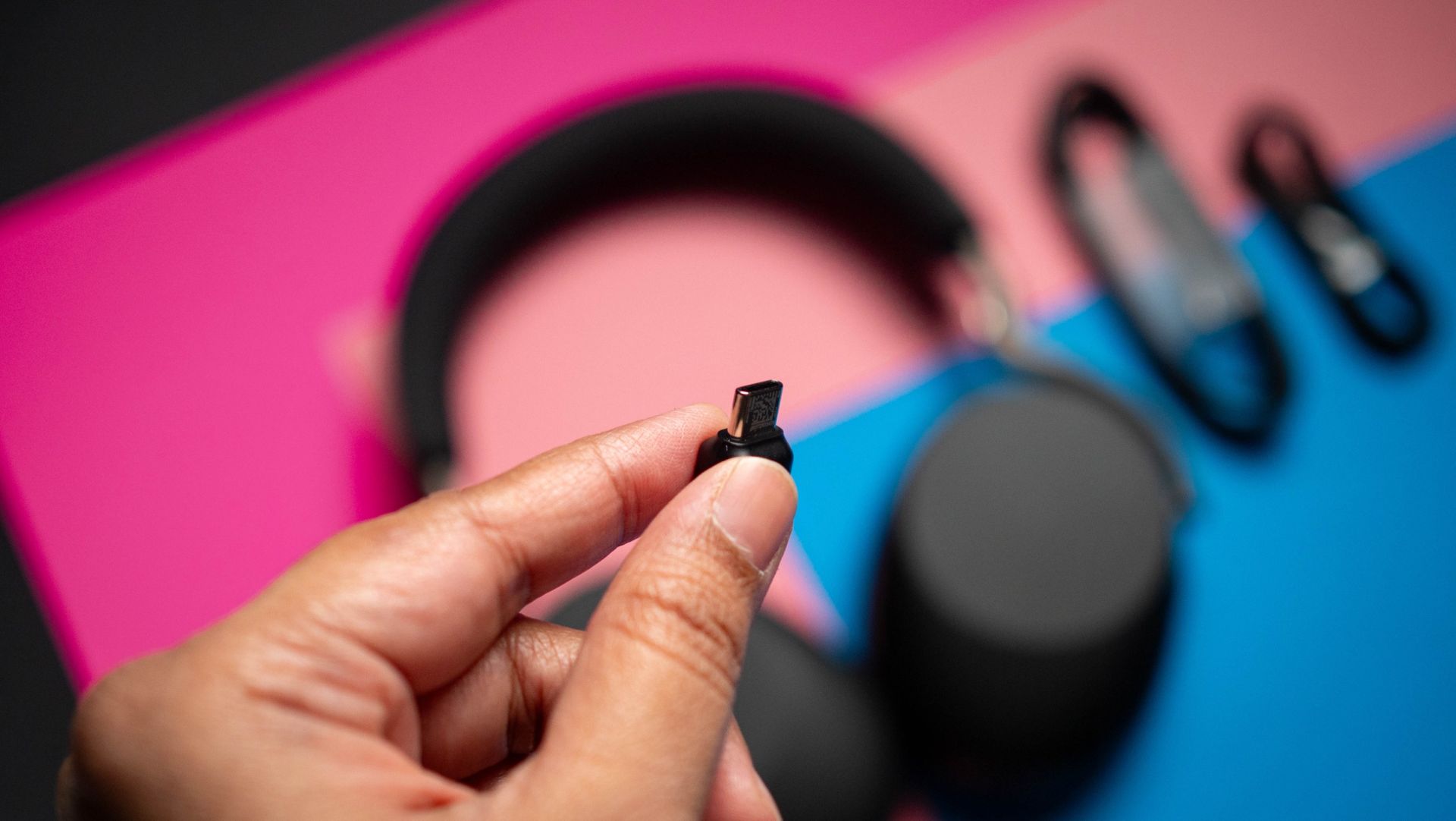
However, that latter point could be addressed later in the month. How come? because according to MacRumors, Apple just released a firmware update for the Beats 360 headphones. Yes, that same pair of Beats 360 headphones we've been hearing rumors about for months, but that have yet to be officially announced.

Why is Apple updating headphones that don't exist? Well, bear in mind we've been seeing them for months, as Apple gave them to multiple soccer World Cup players to show off during the tournament. Celebrity sportspeople need their tech updating too, after all.

There's no indication of what this update does, and it doesn't really matter. It's all about what this update suggests.

A Beats 360 release date just around the corner?

Because of this recent software update, many now think that the Beats 360 are due to be unveiled at some point in September.

While Apple already has just had its big product unveiling event of the year (on September 9, around 14 hours ago at the time of writing), that doesn't rule out new Beats devices. Apple generally lets its Beats sub-brand operate independently.

In fact, it would've been pretty bizarre if we had seen the Beats 360 shown off at the Apple event, for this fact.

We know a lot about how the Beats 360 look, thanks to plenty of leaks (and, of course, the fact that they were literally on the necks, heads and bags of a few soccer players months ago). They sound like a big step up from what we've seen, but as the launch of a new range, it's hard to know how they'll stack up to existing models.

Beats' last product launch was in October 2025, when it showed off the Powerbeats Fit, so maybe we'll see the brand take the same late-September-early-October window for its new device. Or devices? We've only heard about the Beats 360, but that doesn't rule out siblings of other form factors.

  •  

AirPods 5 and AirPods 5 with Wireless Charging are like a greatest hits rollout of AirPods Pro — just without the hearing health or heart-rate modules

  • Two AirPods 5 models: 50% better ANC, Adaptive Audio and Live Translation
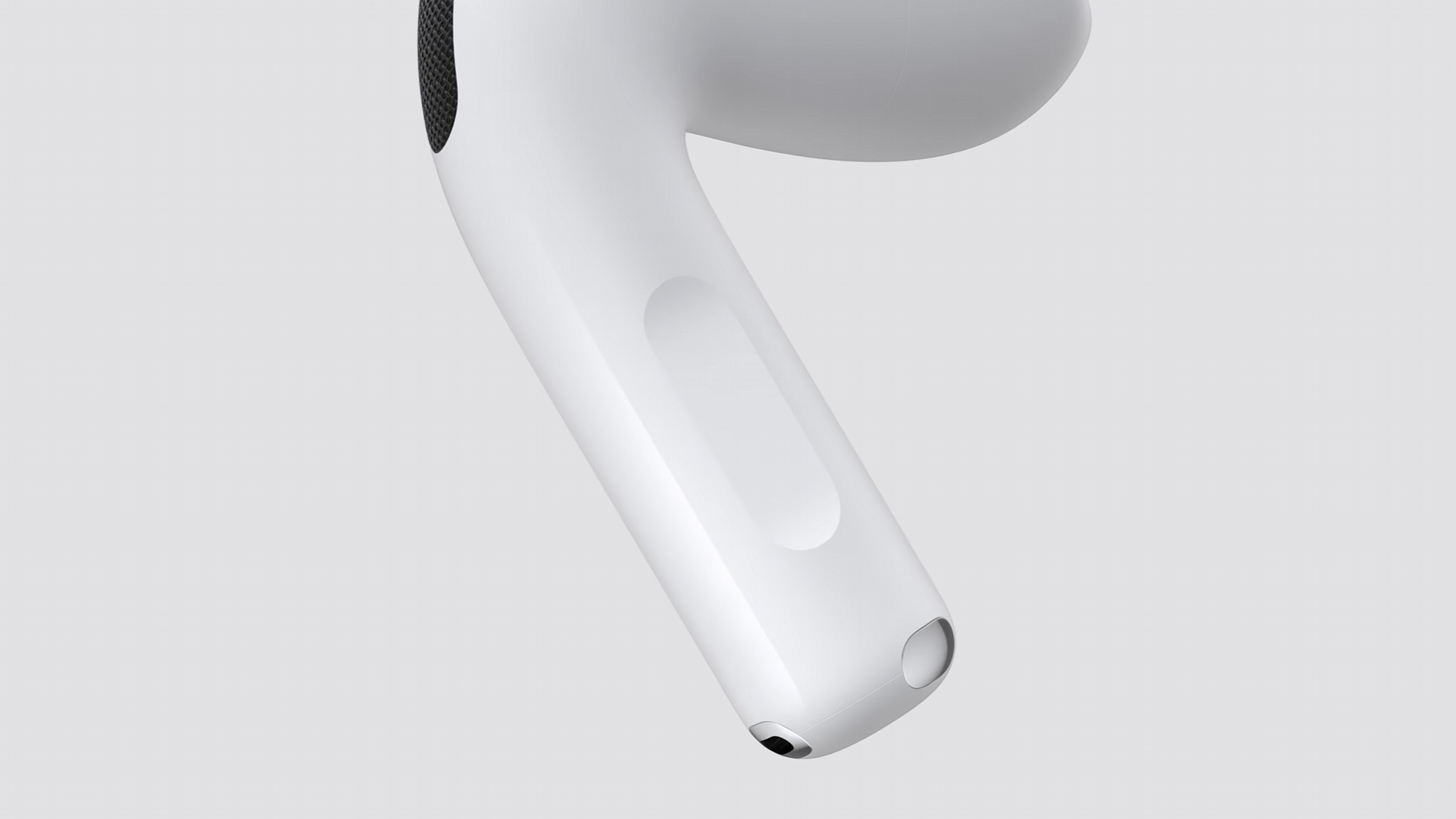
  • A step up model boasts wireless charging and volume swipeable stems
  • $129 / £129 for AirPods 5; $149 / £149 for AirPods 5 with Wireless Charging

If you watched our Apple event coverage, you'll know that Apple's decided to double up on its non-Pro AirPods rollout as it did before, and each model within the new AirPods 5 duo features ANC, whether you really felt you wanted it or not.

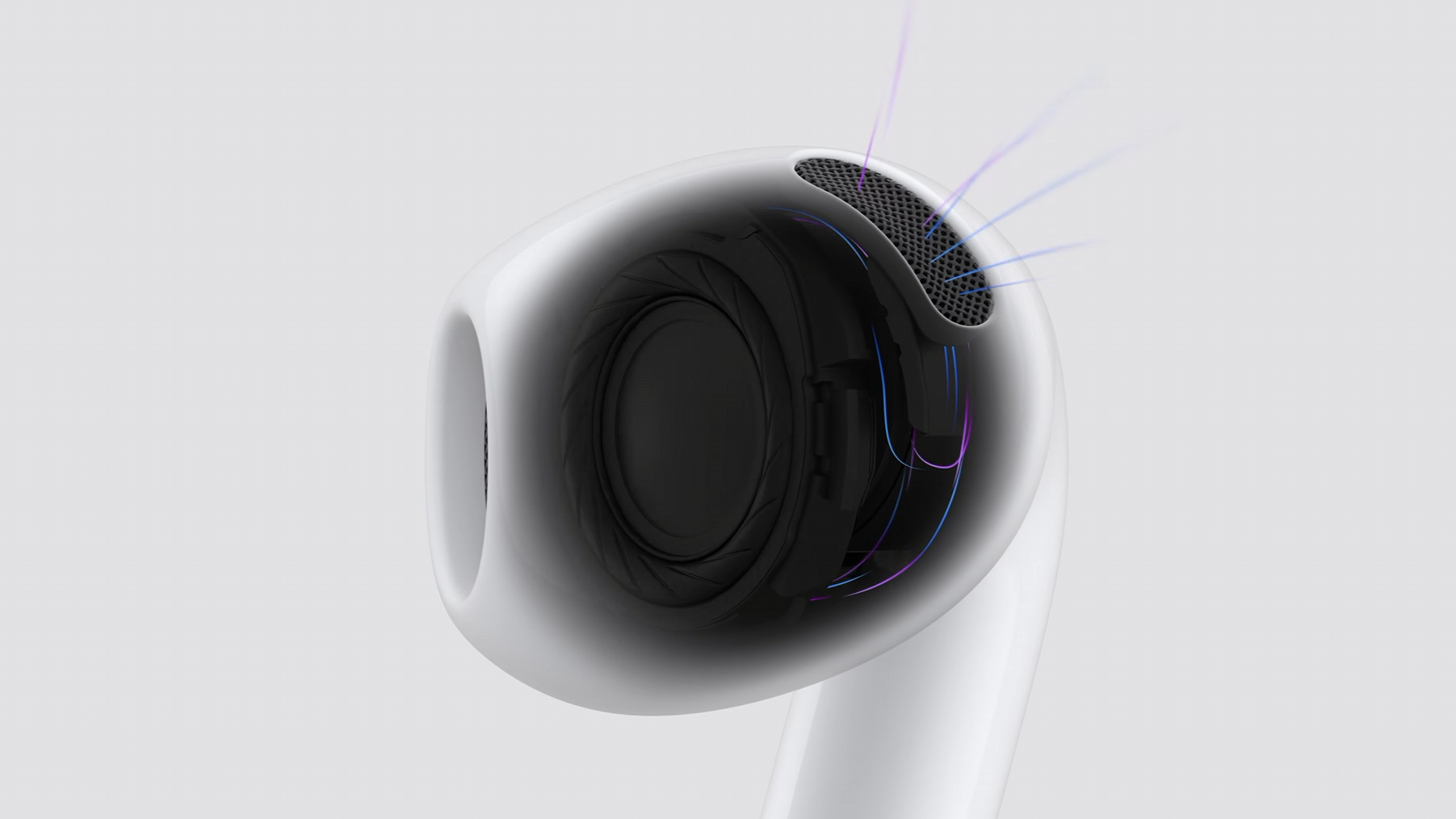
And Apple definitely wants you to want it, because along with an "all-new multiport acoustic architecture" in this open-fit style, the company claims the new onboard ANC will remove up to 50% more external noise compared to AirPods 4 with Active Noise Cancellation.

One of the key upgrades here is Live Translation inclusion in both sets (previously the sole preserve of the Pro lineup) as well as Personalised Spatial Audio and Adaptive EQ. And the new battery now offers up to 20 hours in total with ANC (up to five hours from the buds themselves, which is an hour more than their older siblings, or four with ANC) or up to 22 hours if listening without ANC.

True, it's still not great in the stamina stakes. But this really is Apple's entry-level AirPods offering and for some, cash (not battery life) is king.

Screenshot from Apple's September 2026 event

(Image credit: Apple)

Also, it's worth pointing out while Live Translation and Adaptive EQ is here, there are none of those rumored cameras, low-res or otherwise — even in the top-tier option. We didn't expect them 'til 2027 and it turns out we were right to stick to that.

Although Audio Intelligence and Siri Recap did launch at the event, these are software upgrades meant to help enhance what you hear (and in some cases, transcribe it, although the promise is that Apple will neither record, nor store said information). Anyway, no, Apple eyes in your ears are still a way off yet.

It's been nearly two years since AirPods 5's predecessors launched (where does the time go?) but the original AirPods 4 with Active Noise Cancellation were priced at $179 / £179 / AU$299 when they landed on September 20, 2024. And no such pricing exists now. That's right, both models are cheaper.

The company knows that change isn't always good when it comes to the delicate topic of coin, so it hasn't troubled us with new figures in the standard set, which will sell for the original basic model's $129 / £129 (likely AU$199) asking fee.

And the step-up model? That will cost $149 / £149 (around AU$209), so less than the original AirPods 4 with ANC.

Apple's 'pay for what you want (and enjoy what you buy)' is refreshing

Screenshot from Apple's September 2026 event

(Image credit: Apple)

OK, no cameras, no hearing health suite and of course no heart-rate monitoring, but you have to hand it to Apple. It's like someone at an Apple Park board meeting stood up and said, "Why don't we just let fans of AirPods pick their perks?" You love to see it.

Want on-volume stem swiping? It has been added it to the step-up model! A case that supports wireless charging? That's also in the $20 / £20 more expensive option. In isolation these upgrades don't feel too significant, but for me these choices are bang on — every little win adds a little value, no?

I'd plump for the set with the on-volume stems for sure. I know that for me, this is a perk worth paying for, and it's the first time Apple's added it to its open-fit earbuds design. For clarity, this design sits in your concha (or ear well) and does not require the ear-tips of the AirPods Pro lineup to create a secure seal within your ear canal.

I've lost count of the number of times I've knocked cheap earbuds — and even pricier ones — for making me dig out my phone when I need to lower the volume, and for me this is a key perk. Thanks, AirPods 5 with Wireless Charging!

  •  

Good news: Apple almost totally dodged inflation on the new iPhones, AirPods and Watches — bad news: the price of all other iPhones just got jacked up

Earlier this year, many Apple products (but not iPhones, AirPods or Watches) were hit with a huge set of price hikes. And then, more recently, Apple unveiled its new Mac mini range, which also comes at a 50% higher starting price than just five months before.

This left me (and probably a lot of other people) fearing the worst about the prices of the new stuff coming at Apple's September 2026 event.

But as we watched new products being announced that were the same price, or actually better value, than their predecessors, I felt like I was watching Neo dodging RAM-ageddon bullets… even though the iPhone 18 Pro price rose (check out our full list of iPhone price hikes), it felt reasonable.

But then, just like Neo, we got clipped and dropped to the ground by the fact that Apple quietly increased the price sof all its older phones following the event. Here's the new pricing for those models:

The increased iPhone prices

Model

New starting price

Old starting price

iPhone 17

$899 / £899

$799 / £799

iPhone Air

$1,099 / £1,099

$999 / £999

iPhone 17e

$699 / £699

$599 / £599

iPhone 16

$799 / £799

$699 / £699

Let's run through how well we did in different areas in the US and UK prices (it may differ elsewhere, of course).

Apple's launch prices compared

New product

Launch price

Comparison model

Launch price

Apple Watch Series 12

$399 / £369

Apple Watch Series 11

$399 / £369

Apple Watch Ultra Series 4

$799 / £749

Apple Watch Ultra Series 3

$799 / £749

AirPods 5

$129 / £119

AirPods 4

$129 / £119

AirPods 5 with Wireless Charging Case

$149 / £139

AirPods 4 with Active Noise Cancellation

$179 / $169

iPhone 18 Pro

$1,199 / £1,199

iPhone 17 Pro

$1,099 / £1,099

iPhone 18 Pro Max

$1,299 / £1,299

iPhone 17 Pro Max

$1,199 / £1,199

iPhone Duo

$1,999 / £1,999

Samsung Galaxy Z Fold8 Ultra

$2,099 / £1,899

Apple Watch

A nice easy win here — we got new features across both the new regular model and the new Ultra, and we got them for the same price as the previous model. That's pretty great given the levels of inflation we're dealing with.

The only potentially offputting thing is Apple's slightly new always-listening Siri Recap option, now — but not the price, mercifully.

AirPods 5

These were the big win on value, in my opinion. When reporting on the AirPods 5 rumors, we said that we really wanted to see Apple improve what you got for the money specifically, because its entry-level were behind the best budget earbuds from competitors.

Well, that's exactly what we got. The basic AirPods 5 now have active noise cancellation, and along with other improvements this should make them competitive again at the same price. And the mid-range AirPods 5 model get on-ear volume controls and a few other small quality-of-life upgrades, which makes them cheaper than last year's mid-range model. It's a win all around — and you can pre-order them today.

iPhone 18 Pro

This is where things get rockier — but both models have a relatively modest $100 price increase in the US, which is under 10%, and in the world of 2026, I'll take that.

Of course, they've also improved compared to the previous model, and from what Apple's saying the new variable aperture camera system and the much longer battery life provided by the (somehow also super-powerful) A20 Pro chip might be well worth the extra cash.

iPhone Duo

Look, do I think $1,999 is an appealing price for a phone? It's not what I'd choose to pay. I wasn't happy about the rumors of it being that high, but it was kind of inevitable. However, the iPhone Duo folding phone needs to be assessed in context — and that context is: the Samsung Galaxy Z Fold 8 Ultra costs more in the US (in the UK, Samsung has the edge).

It only costs $100 more, I'll grant you, but a win is a win — and again, given the price rises elsewhere in Apple's range earlier this year, I think it was far from a given that its fancy folder was going to actually undercut the competition.

It's not all roses

Will we be as lucky with future releases? Perhaps not. It's notable that these product categories are some of the few that didn't get price rises in the hikes earlier this year.

We're expecting the Apple TV 4K and HomePod mini to get new versions soon, for example, and these will probably arrive with the same price the current models do… which were just jacked up significantly. Same for the rumored new entry-level iPad.

And then there's the small matter of Apple having raised the prices of all its existing iPhone models. Unlike the iPhone 18 Pro, those increases don't come with any hardware or performance upgrades — they're just more expensive.

And I assume this means we're not getting a base iPhone 18 at all, if all these phones are sticking around with higher prices.

  •  
❌