❌

Reading view

RIP Margaret Hamilton, whose code saved the Apollo 11 Moon landing

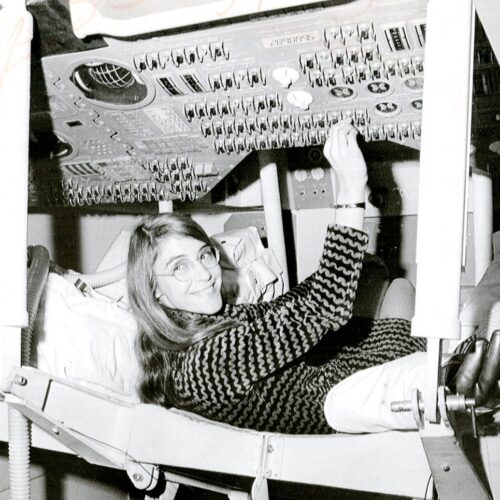
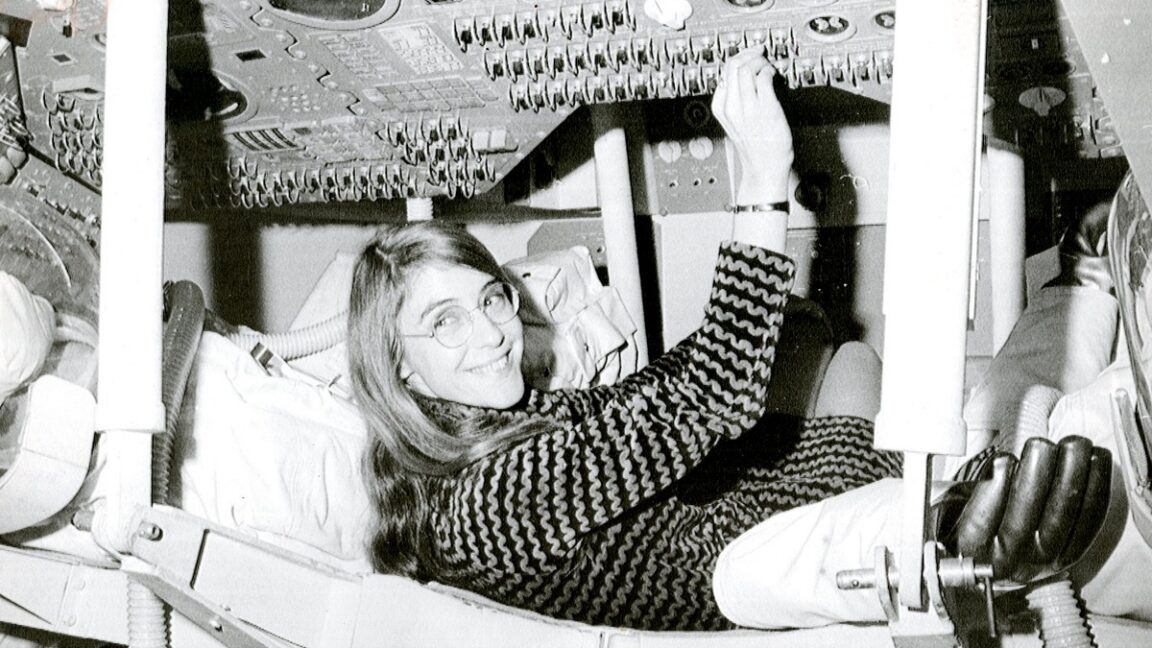
Margaret Hamilton, who coined the term "software engineering" and led the development of onboard flight software for NASA's Apollo program in the 1960s, died last week at the age of 90. A recipient of the Presidential Medal of Freedom in 2016, Hamilton was also immortalized as a LEGO minifig the following year—part of the "Women of NASA" set that also included astronauts Mae Jemison and Sally Ride.

“To say Margaret Hamilton was a pioneer—to say she was ahead of her time—would be a dramatic understatement. She was a software engineer at a time when that field was in its infancy, and she not only developed advanced code herself but also led a team in using that nascent technology to develop one of the most complex systems humanity had ever achieved,” said Olivier de Weck, interim head of the MIT Department of Aeronautics and Astronautics. “The Apollo program still stands as one of our greatest testaments to the power of collaboration, ingenuity, and engineering, and Hamilton was a fundamental contributor to that program’s success.”

Born in 1936 in Paoli, Indiana, Hamilton graduated from Earlham College in 1958 with a degree in mathematics and a minor in philosophy—the latter a nod to her father (a poet) and grandfather (a headmaster). She married her first husband, James Cox Hamilton, that same year. The plan was for her to work until he finished his law degree, after which he would support her through graduate school to earn a PhD in mathematics.
Read full article

Comments

© NASA/Public domain

  •  

RIP Margaret Hamilton, whose code saved the Apollo 11 Moon landing

Margaret Hamilton, who coined the term "software engineering" and led the development of onboard flight software for NASA's Apollo program in the 1960s, died last week at the age of 90. A recipient of the Presidential Medal of Freedom in 2016, Hamilton was also immortalized as a LEGO minifig the following year—part of the "Women of NASA" set that also included astronauts Mae Jemison and Sally Ride.

“To say Margaret Hamilton was a pioneer—to say she was ahead of her time—would be a dramatic understatement. She was a software engineer at a time when that field was in its infancy, and she not only developed advanced code herself but also led a team in using that nascent technology to develop one of the most complex systems humanity had ever achieved,” said Olivier de Weck, interim head of the MIT Department of Aeronautics and Astronautics. “The Apollo program still stands as one of our greatest testaments to the power of collaboration, ingenuity, and engineering, and Hamilton was a fundamental contributor to that program’s success.”

Born in 1936 in Paoli, Indiana, Hamilton graduated from Earlham College in 1958 with a degree in mathematics and a minor in philosophy—the latter a nod to her father (a poet) and grandfather (a headmaster). She married her first husband, James Cox Hamilton, that same year. The plan was for her to work until he finished his law degree, after which he would support her through graduate school to earn a PhD in mathematics.

Read full article

Comments

© NASA/Public domain

  •  

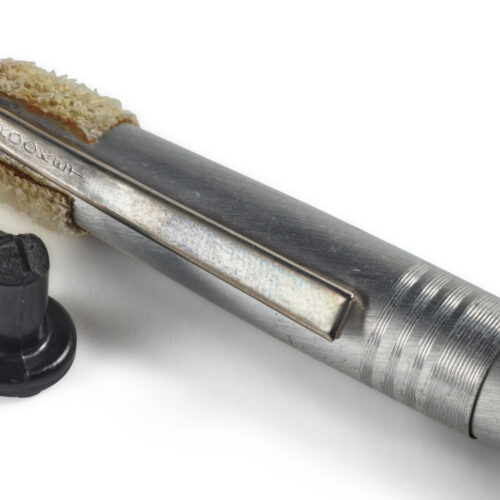
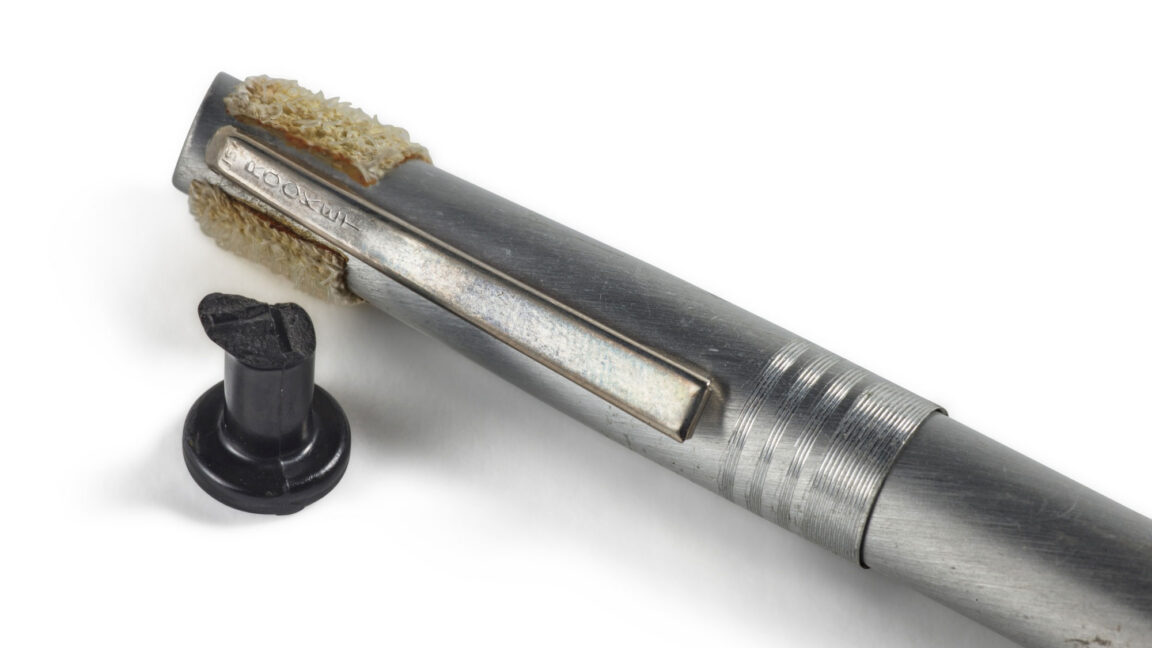
Buzz Aldrin sells famous felt-tip pen that helped launch Apollo from the Moon

A dried-out felt-tip marker and a snapped-off piece of molded black plastic sold for $857,600 at a Sotheby's auction on Wednesday.

What otherwise might have been worthless bits of trash commanded the highest bids due to where the two items were 57 years ago—lifting off aboard NASA's Apollo 11 spacecraft on humanity's first mission to land astronauts on the Moon. More than flown odds and ends, one was the problem that almost stranded Neil Armstrong and Buzz Aldrin on the lunar surface, and the other was the simple solution to saving the mission.

"Houston, Tranquility. Do you have a way of showing the configuration of the engine arm circuit breaker?" radioed Aldrin to Mission Control after realizing he or Armstrong had inadvertently broken off the top of the circuit breaker switch that would enable their ascent engine to ignite, beginning their trip back to Earth. "The reason I'm asking is because the end of it appears to be broken off. I think we can push it back in again. I'm not sure we could pull it out if we pushed it in, though."

Read full article

Comments

© Sotheby's

  •  

Apollo Moon Landings | The Technology Used Explains Why They Are Struggling To Do It Again

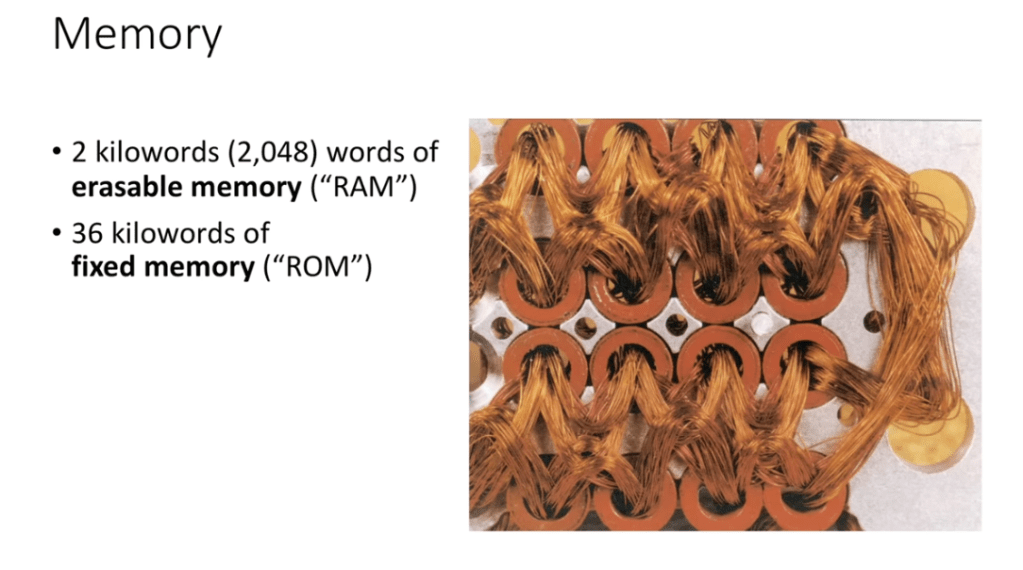
The Apollo Guidance Computer was crucial for the success of the 1969 Moon landing, operating effectively despite its limited technology. Today, Moon landing efforts face challenges but to do so again the U.S. needs to re-engineer new designs using new technology. NASA cannot just turn the clock back 60 years.

  •  

Can We See the Apollo Landing Sites from Earth?

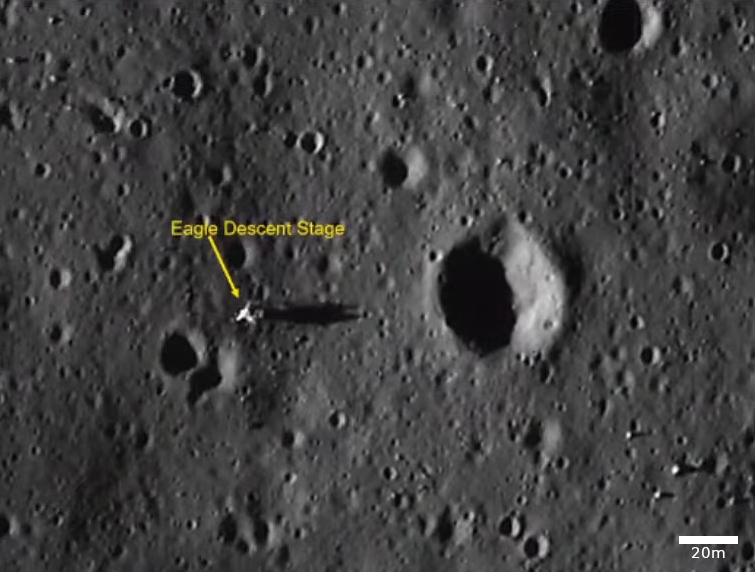
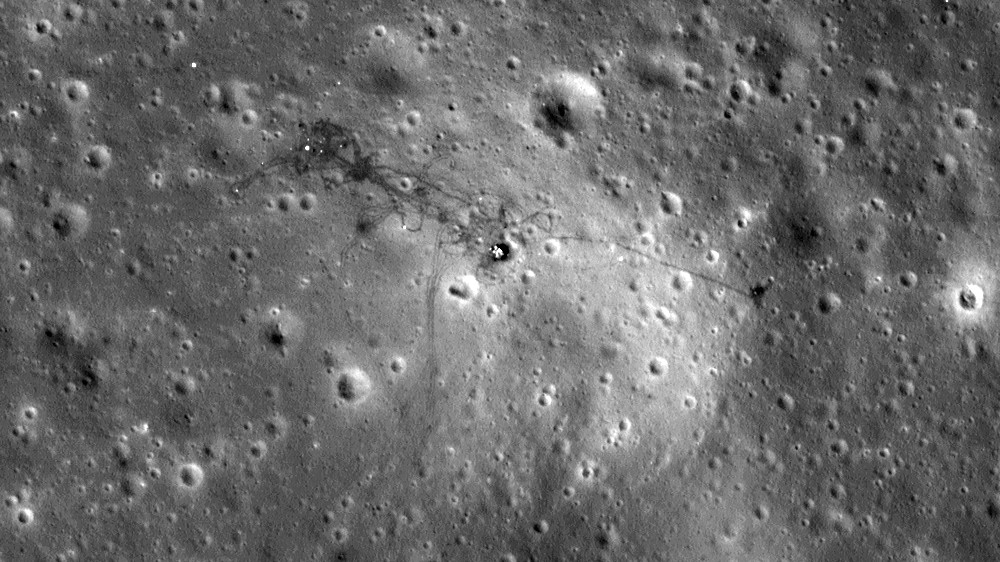
Many "Moon Landing Hoax" proponents dismiss any pictures from NASA which clearly show Apollo Moon landing sites, taken by the lunar orbiter spacecraft. Also we have clear images from India’s ISRO lunar orbiter. But we can’t resolve the Apollo Lunar Module descent stages with Earth-based telescopes because of the limitations of the physics involved.

  •  

Was the 1969 Moon Landing Faked?

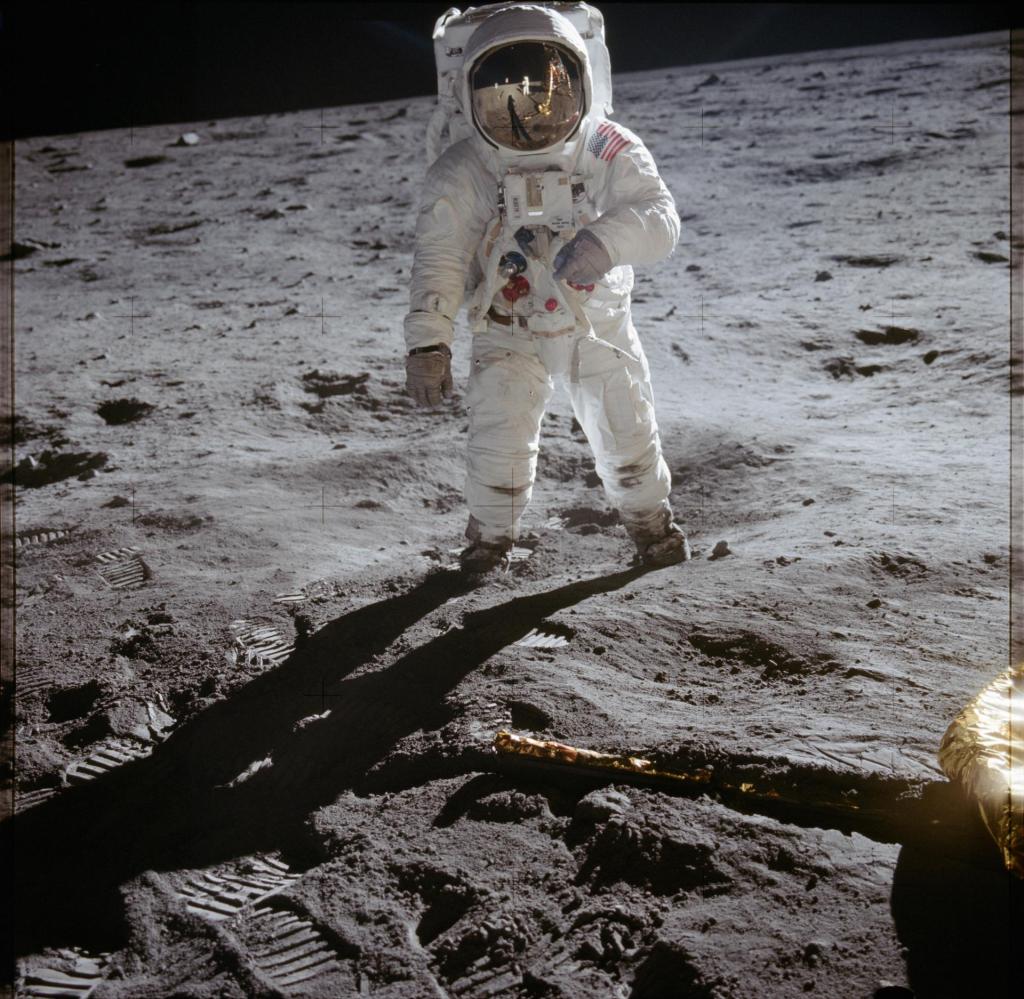
There are various conspiracy theories claiming the Apollo Moon landing was faked, some citing a spoof video as evidence. I reference my personal experiences and testimonies from Apollo astronauts, emphasizing the authenticity of the Moon landing. I highlight the significance of eye witness statements in discerning historical truth.

  •  
❌