Doom is much more than a classic, bloodsoaked first-person shooter known for its chaotic action, over-the-top weapons, and challenging boss fights. For some odd (but very enjoyable) reason, it’s served as a benchmark for testing basic computing capabilities for well over 30 years. Name a device——calculators, ATMs, digitally enabled tractors, and even biochips built with E. coli bacteria—and someone has likely coded it to run Doom.
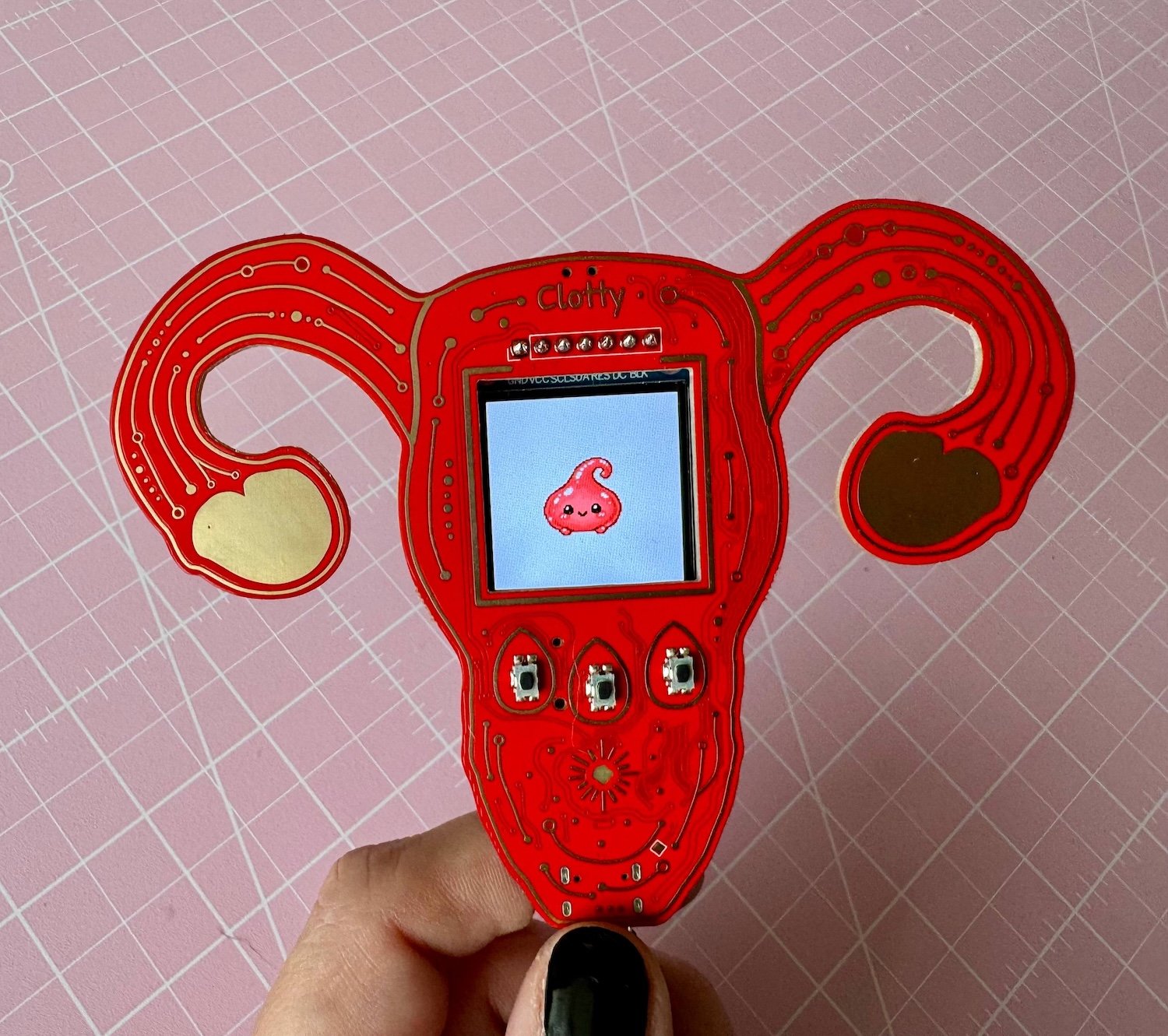
The latest entry in the ever-growing list of Doom compatible contraptions is a double-dose of DIY ingenuity, however. The Linux software engineer known as Miss Molerat recently began tinkering with a pocket-sized medical gadget made specifically to keep track of her menstrual cycle. But unlike many similar commercial products, “Clotty” keeps all personal data strictly on the device itself. It never connects to an external cloud or offloads sensitive information to a company’s servers, thereby preventing any unwanted data harvesting. And it does all this on a custom, uterus-shaped minicomputer running on a Raspberry Pi microcontroller.
Clotty includes a Tamagotchi-like sprite players must maintain and keep happy. Credit: Miss Molerat
“I have one thing that has been bothering me for as long as I’ve been menstruating: despite my cycle being very regular, I somehow manage to get surprised by PMS each and every month anew,” Clotty’s inventor wrote on her website’s blog.
Clotty “does the boring stuff” for her by tracking her period via a Tamagotchi-like digital pet that requires attention and maintenance throughout each month. The pixelated creature’s mood shifts depending on the cycle phase, but it also can go on little quests and offer various minigames in the meantime.
“[It’s] basically some sort of adorably shaped mirror version of my own moods that serves as a reminder that I, too, am just some sort of creature that tries to stay alive and happy,” explained Clotty’s creator.
But why stop there? Clotty is powerful enough to run Doom on its itty-bitty LCD screen, which is thematically perfect given the project’s overarching, bloody motif. This means that, when not keeping up with personal health, a user can also blast through wave after wave of space demons using small onboard sensors.
The inventor admitted that Clotty is still in its “fetal stage,” but she plans to add more features like a menstrual cycle history archive, more games, and even some reproductive health trivia. It’s also a completely open-source project, so anyone can follow her online tutorials and download files for Clotty (and Doom).
The concept of a corporate psychopath is eerily recognizable, depending on your work history. It’s also notoriously misunderstood. The archetype of the manipulative, self-serving manager has regularly resurfaced in popular culture for decades, but concrete evidence supporting the wider concept is debatable. For example, a research study went viral in 2016 after estimating upwards of 1-in-5 business employees fit the “psychopath” bill, only to be retracted two years later. Additionally, psychiatrists widely agree that only about 1 percent of the general population truly can be considered clinically psychopathic.
That said, many of the people determined to claw their way to the top of the company ladder display at least some of the trademark psychopathic behaviors. Many theorists have convincingly argued this has a lot to do with corporate capitalism’s foundational principles, which leave it easily exploited by the most ruthless and manipulative among us.
Clive Boddy, one of the world’s foremost investigators of corporate psychopathy, recently took this idea to its logical historical conclusion. In a study recently published in the Asian Journal of Business Ethics, Boddy reviewed one of toxic corporate leadership’s earliest documented examples—and he makes today’s nightmare coworkers sound tame in comparison.
Who was Jeronimus Cornelisz?
Meet Jeronimus Cornelisz, an all-time contender for World’s Worst Boss. According to archival accounts, the 17th century Dutchman Cornelisz embodied every core corporate psychopath characteristic over 400 years ago while working for the conglomerate that started it all: the Dutch East India Company.
Established in Amsterdam in 1602, the Dutch East India Company is arguably the world’s first multinational, shareholder-owned company. It quickly amassed enough funds and power to rival most sovereign countries through the import and export of spices, tea, luxury items, coffee, wine, and enslaved populations. The Dutch East India Company eventually exerted enough influence to wage its own wars, mint its own currency, form colonies, as well as arrest and execute convicts.
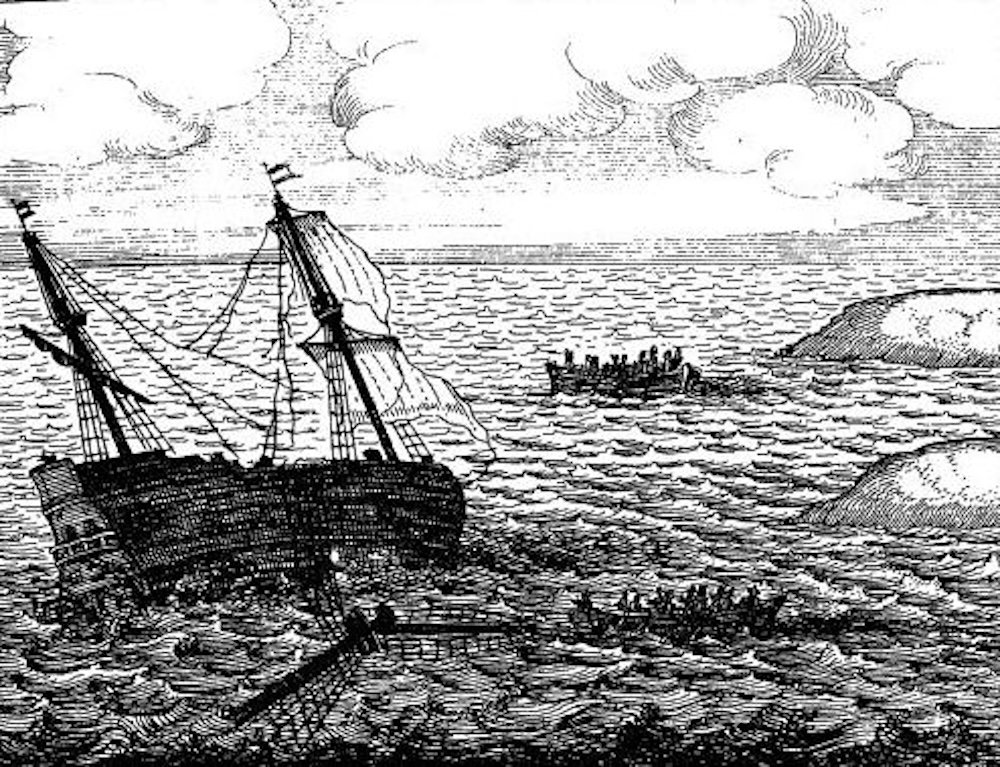
All of this was made possible through a vast fleet of ships,but even the best outfitted vessels sometimes fell afoul of nature. In June 1629, a Dutch East India Company’s flagship called Batavia collided with a reef off the Western Australian coast. Nearly 300 survivors made it to the nearby island shores, but their remote location ensured they wouldn’t survive without help. The ship’s senior officers soon set off in an open longboat on a 1,900-mile journey to present-day Jakarta, then the Dutch East Indies’ capital. Before leaving, they appointed under-merchant Jeronimus Cornelisz to the top corporate position in their absence.
An illustration from 1647 depicting survivors being transferred from the wrecked Batavia to nearby islands in the ship’s boats. Credit: Wikimedia Commons
Mutiny, murder, and malignant narcissism
Unbeknownst to Batavia’s departing senior crew, Cornelisz had already spent weeks scheming on ways to incite a mutiny. The plan was to take control of the vessel then steer its copious stores of gold and silver to a new life. Cornelisz apparently viewed getting marooned as an inconvenient detour, and quickly got to work on his hostile takeover.
According to firsthand accounts, Cornelisz immediately consolidated power by swapping fellow council members with loyalists and requiring them to pledge an oath of allegiance to him. Next, he tricked suspected opponents under the direction of a soldier named Wiebbe Hayes to search a nearby island for supplies, then left them to die.
Although his revised plan required any impending rescue ship, Cornelisz’s ultimate goal remained the same—get as far away as possible, then start his own kingdom using riches plundered from Batavia. Over the ensuing months, Cornelisz directed his gang to kill more than 100 of the shipwrecked men, women, and children. Cornelisz often justified the murders under the pretense of conserving food and water, when in actuality he was continuing to eliminate perceived threats. Meanwhile, some of the surviving women were subjected to sexual abuse.
However, Cornelisz underestimated his abandoned compatriots. As the operatically psychopathic Cornelisz terrorized his group of survivors and scrounged for supplies, Hayes’ team reportedly discovered freshwater wells and hunted local wallabies, seals, and fish. The two sides subsequently squared off on multiple occasions after learning of each others’ continued existence until a rescue ship finally arrived in October 1629. After nearly three months, only about a third of Batavia’s original passengers and crew were left.
Management ultimately decided Cornelisz wasn’t internal promotion material, even by Dutch East India Company standards. Nearly everyone involved in his reign of terror was executed. As for Cornelisz and his closest loyalists, authorities eventually hanged them, but not before cutting off their hands.
The tragedy of the Batavia is an admittedly extreme case study, but Boddy argued that it illustrates how corporate structures have facilitated and encouraged psychopathic behaviors since the invention of the corporation itself.
“The same playbook we see in toxic workplaces today appears in this case from 1629,” he said. “He removed opponents, rewarded loyalists, created fear, manipulated followers and pursued power at any cost.”
A corporate (psychopath) case study
In recent years, some historians have expressed doubts about details in the Batavia saga after reviewing available evidence and recontextualizing cultural dynamics. Instead of focusing on the machinations of a single ruthless corporate psychopath, they contend Batavia is more accurately a case study in group desperation. But even when viewed under this lens, the chilling event is still a cautionary tale about corporate capitalism’s darker underpinnings.
“Perhaps the most striking finding is that another leader facing the same circumstances achieved completely different outcomes,” Boddy said. “This was effectively a natural experiment in leadership. One group prospered while the other descended into murder and abuse.”
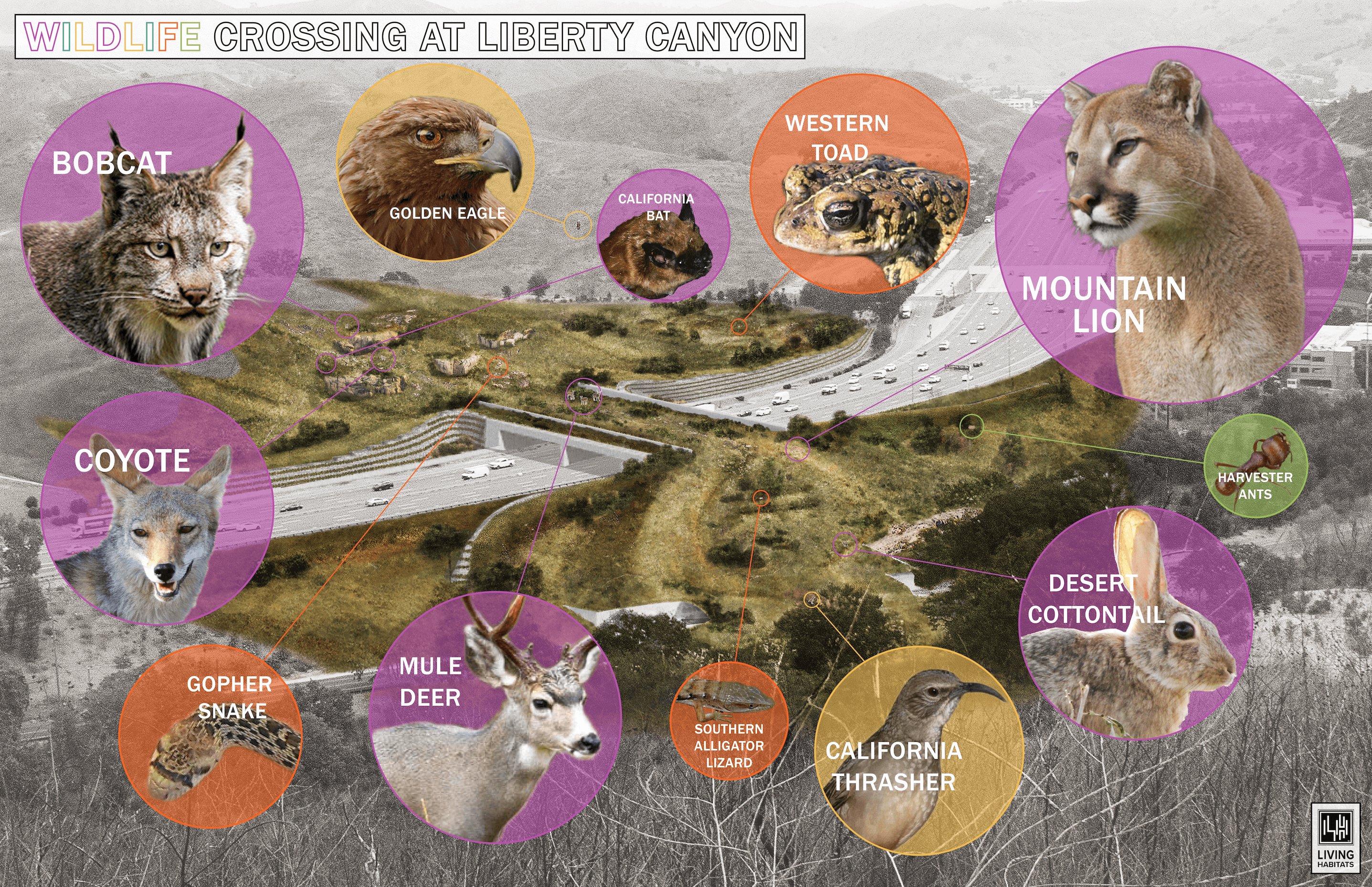
California is known for its giant, multi-laned highways bustling under bright blue skies. And while this infrastructure is useful to humans, the Golden State’s many highways represent an almost impenetrable barrier for wildlife.
Wildlife crossings are structures that help animals safely cross roads. In the United States, collisions between motorists and large animals take place more than a million times a year. Experts estimate that this results in 400 human deaths every year. But the problem isn’t just road accidents. Habitat fragmentation is also a concern, especially for species that require a large range. Inbreeding can occur if a small enough group of animals becomes isolated.
In the Los Angeles area, mountain lions (Puma concolor), also known as pumas or cougars, are currently the species most vulnerable to genetic isolation caused by roads and development, according to the project’s website. And the 101 Freeway appears to be the most important obstacle, out of all the roads in the area, to the region’s ecological health.
Some of the many species that will benefit from the crossing. Image: Living Habitats/Wallis Annenberg Wildlife Crossing
As such, the Wallis Annenberg Wildlife Crossing aims to reconnect local plants and animals in the ecosystem of the Santa Monica Mountains. It’s about 210 feet long and about 170 to 174 feet wide. A thick, sturdy-looking vegetation-covered bridge already straddles the busy freeway—but the weather might throw a wrench in the project’s schedule.
“We’re just hoping El Niño‘s on our side,” Beth Pratt, president of the Wildlife Crossing Fund, tells the Los Angeles Times, in reference to the climate pattern that typically brings wetter winter weather along the United States’ southern border. Flooding would put work on pause, according to the outlet. “I keep saying, ‘Mother Nature, we’re trying to help you. Let’s not throw any more complications our way.’”
About 2,000 years ago, while Augustus ruled Rome, a leftover patch of ice in the Canadian Arctic stopped shrinking and began to grow. A team from the Lamont-Doherty Earth Observatory, part of Columbia University, argues that this turning point marked the beginning of the next glaciation, what most people would call the next ice age. […]
In 2001, archaeologists were painstakingly excavating a dwelling at the Bronze-Age site of Cladh Hallan in the Outer Hebrides islands off of Scotland’s northwestern coast. The house had been oval in shape, with a low door leading to an interior hearth. Other conveniences included sunken storage areas and stone-lined water storage tanks. Under the floors of these houses, though, and under the feet of the occupants, was a fascinating feature that evokes the opening scenes of a classic horror film.
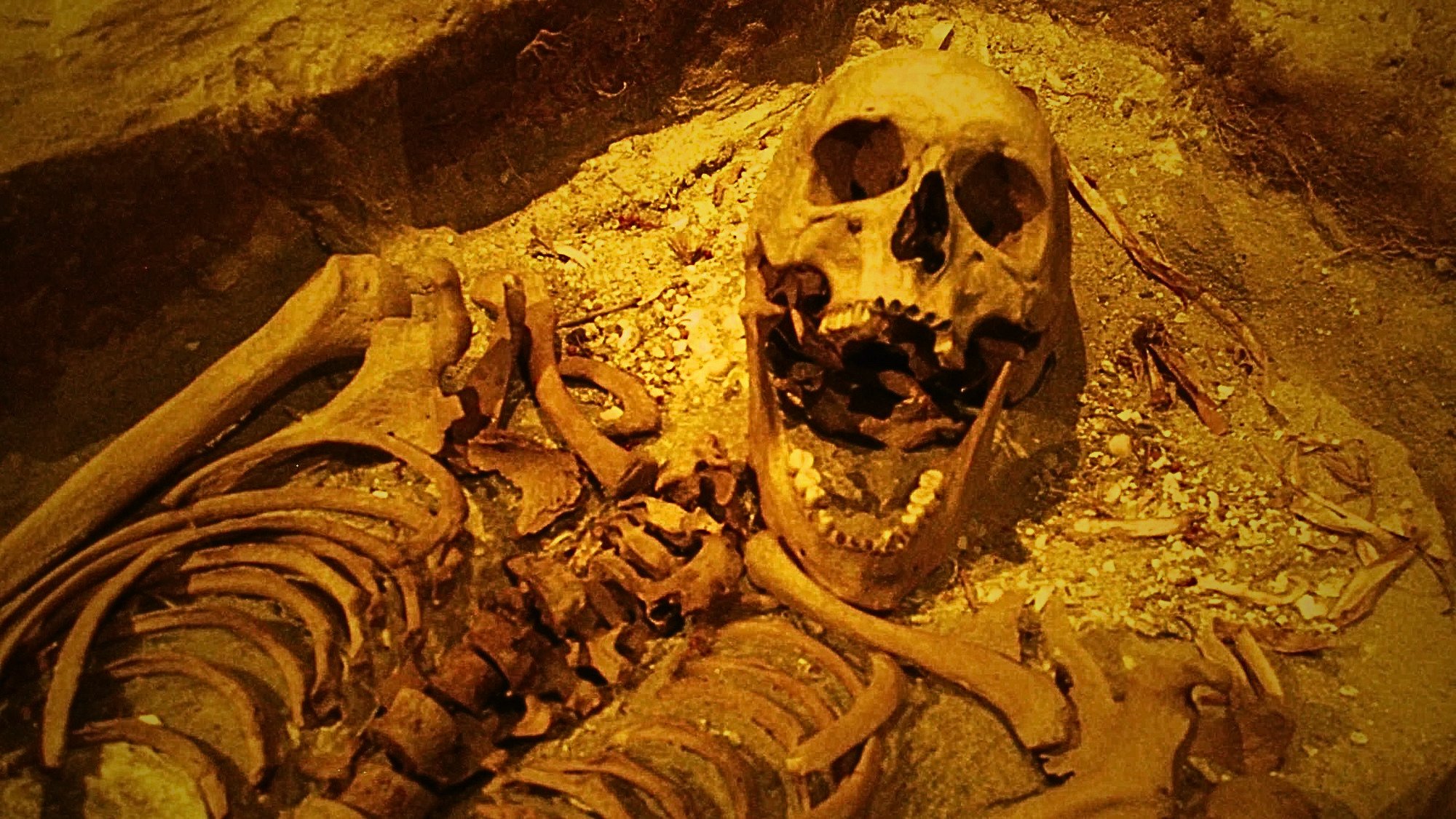
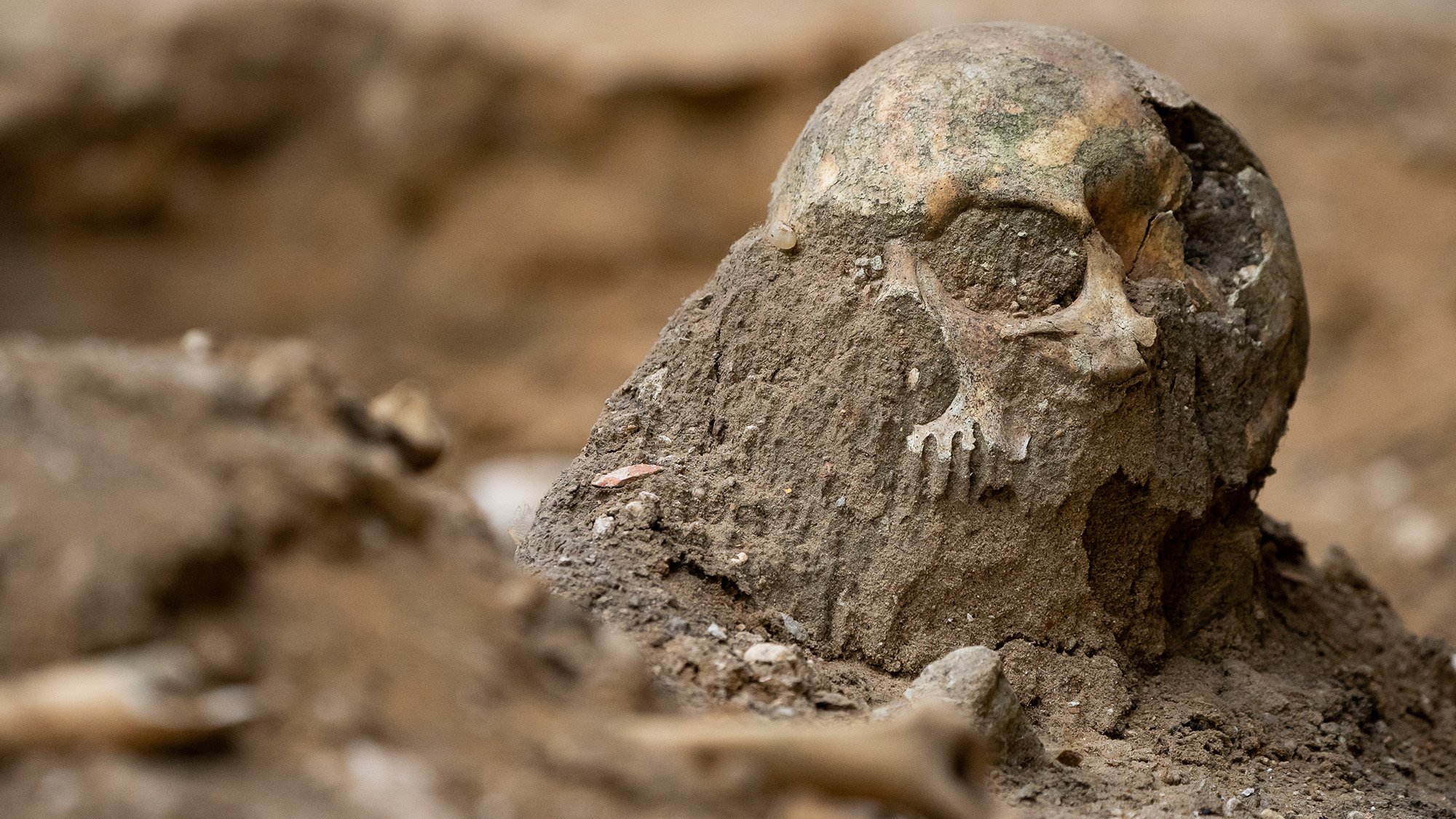
As the archaeologists slowly dug through the floor of the structure, they came unexpectedly upon a human skeleton, legs tucked up in the fetal position. Another skeleton, similarly arranged, was found beneath a different roundhouse’s floor. These people had clearly been laid to rest with care, with stones laid out around them.
When archaeologists began to study the remains, though, they were staggered to learn that each body’s parts had not all come from the same person. These were composite mummies, assembled with the remains of at least six people who had died over the span of two hundred years. But this wasn’t a jumbled-together macabre collection or evidence of a Bronze-Age serial killer. These bodies had been treated carefully and buried in stone-lined graves. So what were the people of Cladh Hallan doing with the dug-up remains of their ancestors?
What was Cladh Hallan? And what mummies were found there?
More than four thousand years ago, early farmers began to work the soil on the Outer Hebrides islands off of Scotland’s northwestern coast. At the time, the Roman Empire and even ancient Greece were specks on the chronological horizon. Along the Aegean coast, Minoans and Mycenaeans were building palaces and cities. Farther north, Germanic tribes were exporting amber and expertly forging bronze and gold artifacts.
At Cladh Hallan, early farmers grew barley, herded sheep, and foraged the abundant resources on the island’s beaches. Their descendants continued to thrive on the island for centuries, the population grew, and so did the need for land.
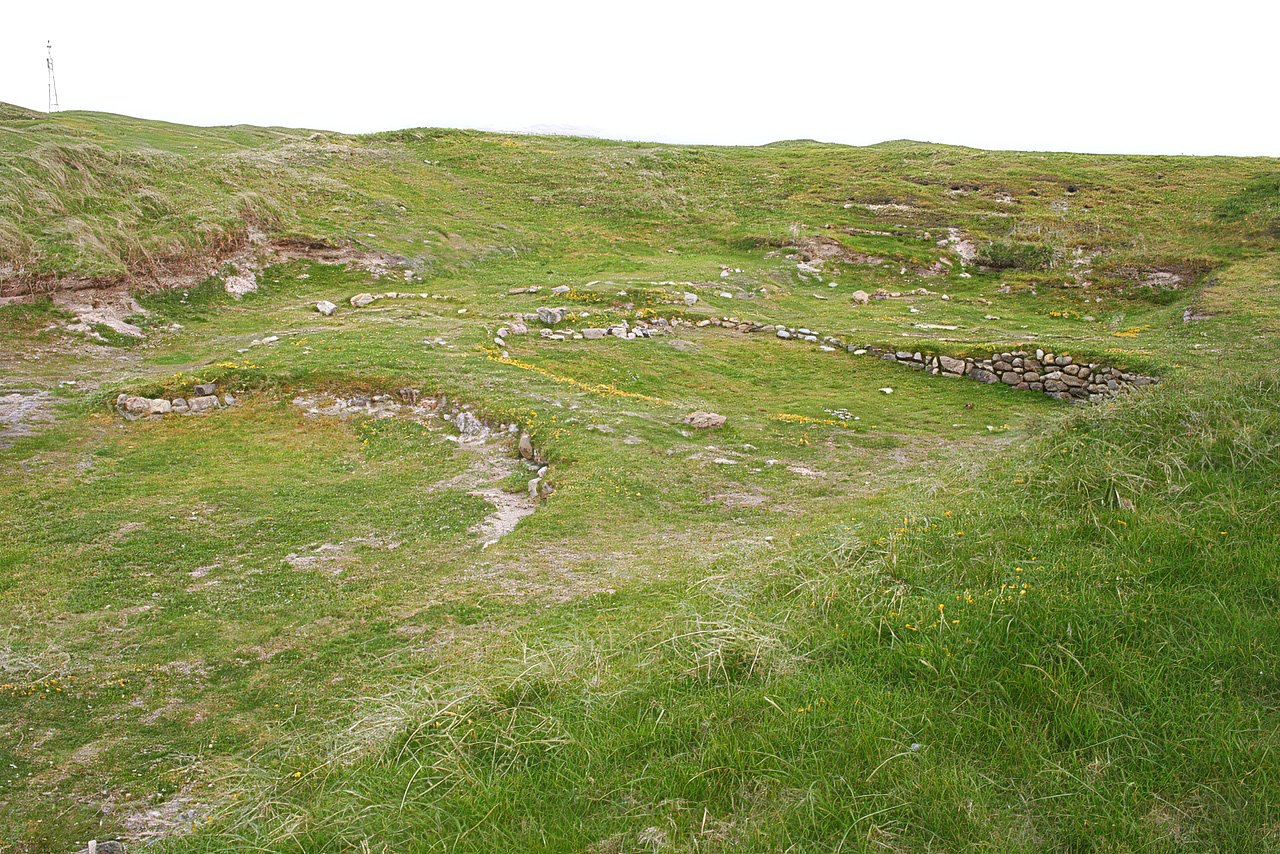
Ancient farmers at Cladh Hallan built circular dwellings today known as roundhouses. Image: Anne Burgess / CC BY-SA 2.0
Nearly a thousand years into Cladh Hallan’s occupation, with living space on the small island becoming harder to find, people started building over the burial grounds of their ancestors. But the islanders were definitely aware of the graves beneath their feet—in fact, they went out of their way to acknowledge the people buried in them.
Residents of Cladh Hallan dug down into these older burials containing both cremated and unburnt remains, removing some parts and leaving the rest undisturbed. Then they assembled the exhumed remains into the requisite anatomical combinations that modern archaeologists have found centuries later. Once this was done, the composite bodies were once again laid to rest under the foundations of the roundhouses.
The best mummy finds at Cladh Hallan
The two best-known adult skeletons from Cladh Hallan are the most unusual. Each was found under a roundhouse. One skeleton was identified as male, the other female, based on their pelvic bones. The bodies date to between 1300 and 1500 BCE…mostly.
The skeleton originally identified as a woman had a man’s skull where her own head used to be. Two of the teeth were missing from the skull, and those had been placed in each of the woman’s hands. By radiocarbon dating the bones, researchers found that the skull actually belonged to a man who had died at least a century earlier, perhaps a relative from an older generation.
The body originally identified as male was put together from three different people—all confirmed as male through DNA testing. The burial was made up of a man’s torso, a second man’s skull, and a third man’s jawbone. Each of these men had died at different times over the span of about 150 years. Again, ancestry and family identity seem to play a big part in these re-burials.
It isn’t terribly uncommon for cultures to include their deceased loved ones in celebratory, ritual, or even daily activities. Every few years, families in the Toraja region of Sulawesi, Indonesia exhume the remains of loved ones, clean them, dress them in fresh garments, and honor them with festivals.
South Korean “death beads” are made from the cremated remains of family members and displayed in the home.
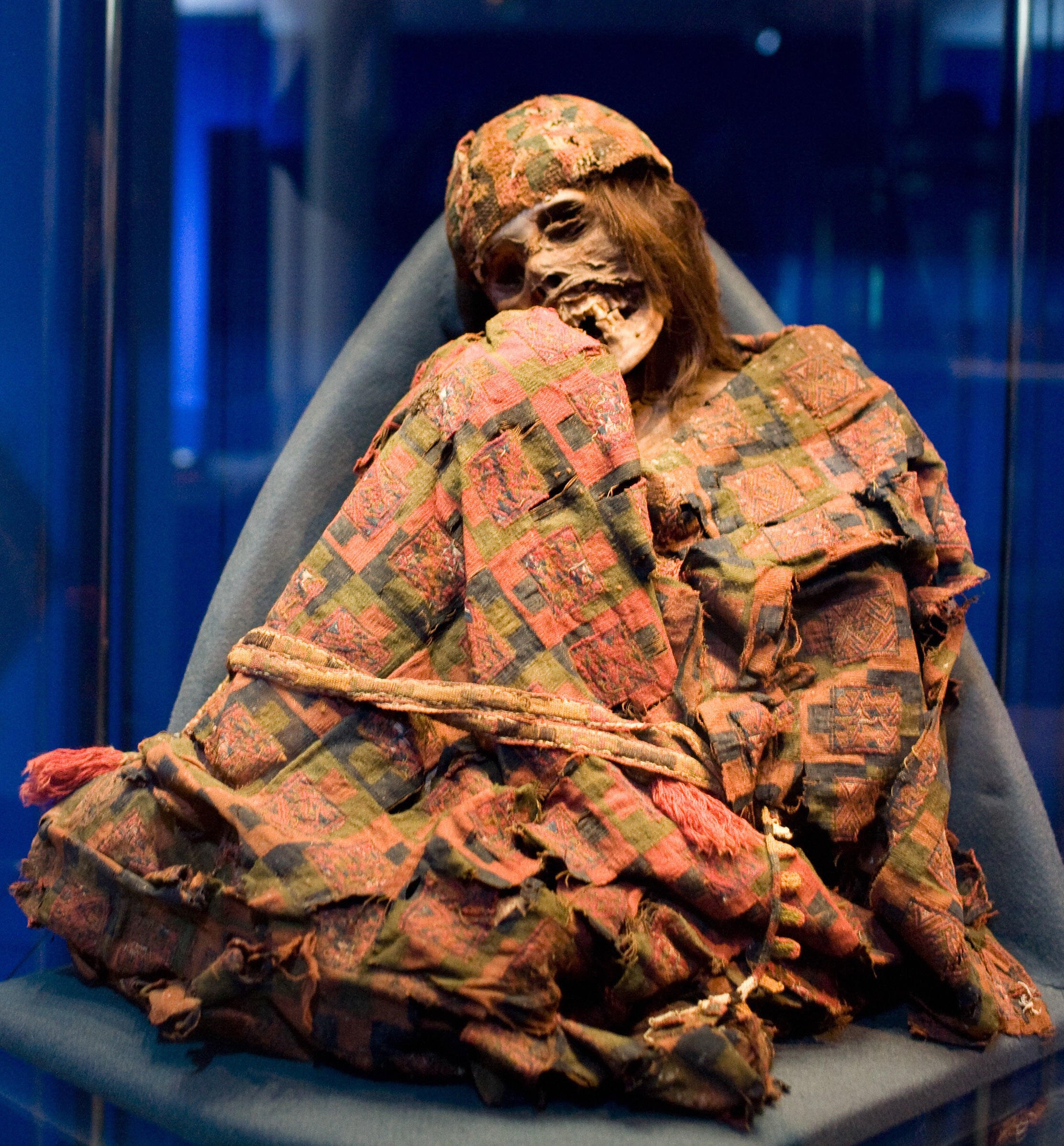
Pre-colonial Inca religious tradition included regular ceremonial processions featuring the remains of people “buried” in natural alcoves in the Andes mountains and mummified by the dry, cold mountain air. The Cladh Hallan skeletons had once been mummified as well, though this was not mummification as it was practiced in ancient Egypt, nor like the mountainside Inca tradition.
Ancient Egyptians were far from the only society to mummify their dead. For instance, many Inca mummies have been found in the mountains, such as this female Inca mummy. Image: Getty Images / Staff / MICHAEL LATZ
First, the bodies were tightly wrapped in fabric, which kept the bones and soft tissue flexed into the fetal position. This is why the limbs remained so tightly curled towards the torso, and why the bodies were so well-preserved. Archaeologists were able to identify this type of preservation based on microscopic changes to the surfaces of the bones from the acidic environment of the peat bogs in which the bodies were submerged after wrapping.
Why peat is so good at preserving bodies
Peat is a dense, wet accumulation of centuries of decaying plant matter, and is a feature of lots of landscapes, particularly in the northern latitudes. People have used dried peat as fuel for thousands of years, since it burns well and slowly, and is plentiful in areas where there aren’t a lot of trees for firewood. Peat from the Scottish isles, notably, is responsible for the smoky, earthy taste characteristic of Scotch whiskey.
Peat bogs are so packed with plant material that there is almost no oxygen present, which is great for preservation, as is the typically cool temperature beneath the peat’s surface. The lack of oxygen keeps microbes and other critters from consuming the body’s soft tissues, and the tannic acid from all the decaying plants in the bog turns skin dark and leathery.
By first burying the bodies of family members under layers of peat, the people at Cladh Hallan ensured that the remains would be as intact as possible when later generations exhumed them. This not only means that the Bronze Age inhabitants of the island were well aware of peat’s preservative properties, but that the entire process was a deliberate sequence of events.
But why did people in Cladh Hallan make these many-part mummies?
Archaeologists interpret the pieced-together reburials as a part of a social or religious tradition that emphasized family lines and reverence for ancestors. Stones clearly marked the graves under the roundhouses, so the homes’ placement was definitely on purpose.
The initial bog burials were deliberately used as a source of family remains, and the parts that composed the buried skeletons seem to have been deliberately chosen, though we may never know why or how. It seems as though ancestor-recycling may have been a regular process at Cladh Hallan in the later part of the Bronze Age, as older generations gave way to new.
Archaeologists also surmise that the exhumed mummified remains were initially kept above ground, maybe in a special place in the house, and included as a part of daily life. These multi-ancestor figures might have been consulted when important decisions were made, or they may have been seen as household protectors.
Archaeology can never really uncover the full story of what people thought and believed thousands of years ago. Thoughts do not fossilize, and decay and weathering affect even the best-preserved archaeological sites.
We will probably never know exactly what it was like to live at Cladh Hallan when it was a busy, thriving settlement. We may never understand how the people that lived there conceived of their world, or how they thought about spirituality. Thanks to the burials at Cladh Hallan, though, we have a tantalizing glimpse of how people may have seen death in their universe as a continuous, pieced-together chain of lives lived over generations.
In That Time When, Popular Science tells the weirdest, most surprising, and little-known stories that shaped science, engineering, and innovation.
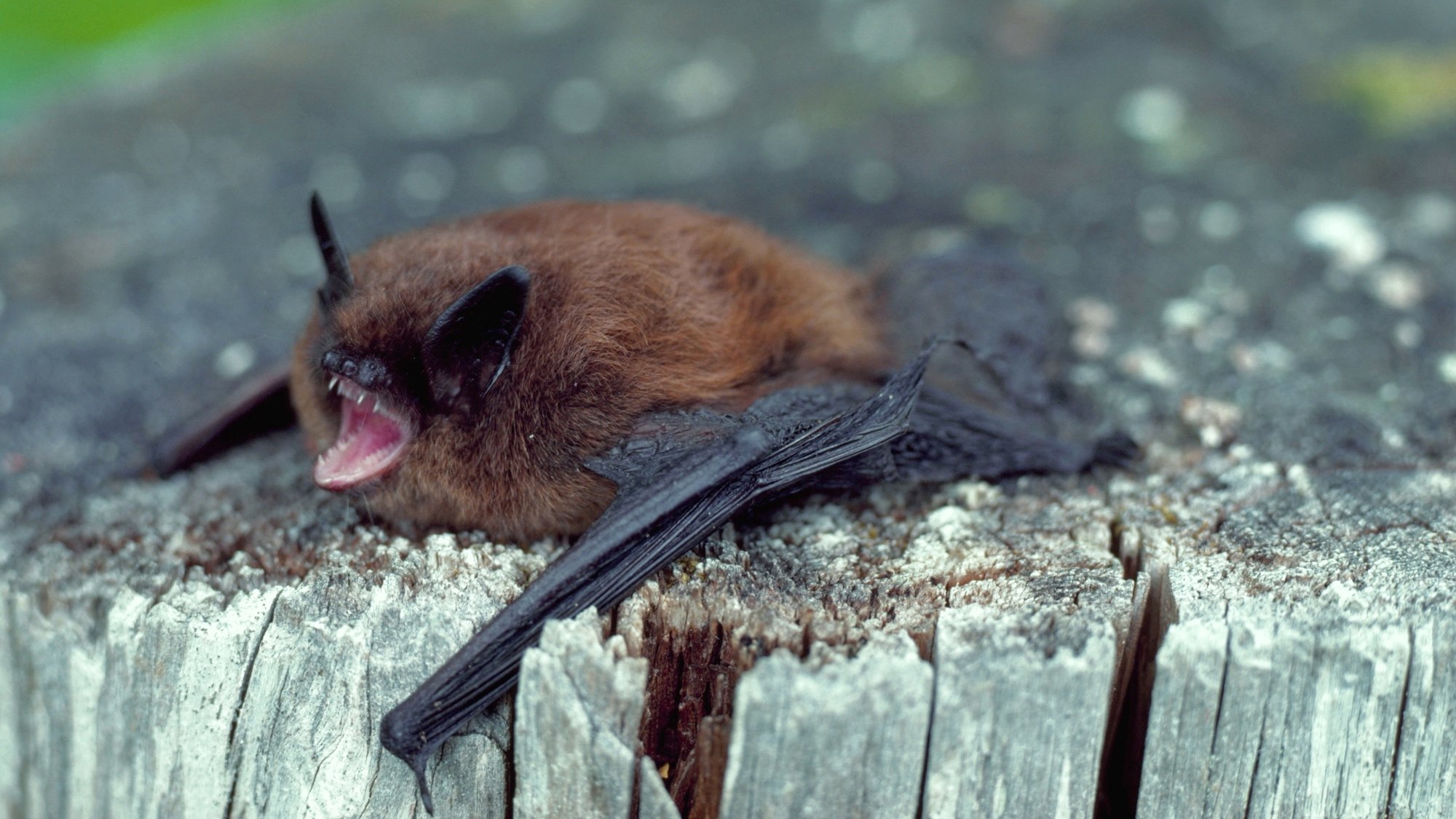
A single bat colony contains hundreds or even thousands of the winged mammals. But with less-than-ideal eyesight and so many neighbors, how do mothers identify their pups amid the extremely crowded conditions? Writing in a new study published today in the journal Frontiers in Ethology, researchers say it often comes down to the subtle, unique vocalizations emitted by their individual offspring. To assess their responses, the team relied on an even more delicate biological signal—the mother bat’s own heartbeat.
The investigation began when biologists at Japan’s Doshisha University noticed a surprising—but consistent—behavior among the Japanese house bats (Alionoctula abramus) in their laboratory colony. Whenever a pup wandered too far from its roosting area, only its mother raced to the rescue.
“We knew that pups emit isolation calls—acoustic distress signals—when separated. But seeing this strict behavioral selectivity made us wonder: what is happening inside the mother when she hears these calls?” recalled study co-author and Doshisha University biologist Kazuki Yoshino-Hashizawa.
To learn more, Yoshino-Hashizawa and his colleagues monitored four mother bats who each recently birthed a litter of three pups. Some of the litters only contained females, so they decided to exclude the young males from the study to avoid sex-based variations. At two days old, the team recorded clips of the female pups’ tiny isolation calls. These function like the cries from a human baby, and each vocalization has its own unique tones.
However, Japanese house bats grow quickly. The new generation started making echolocation calls at about eight days old, and they ceased isolation calls after around 12 days. After roughly one month, they began flying like adults and set off on their own within the colony. The researchers then recorded their adult echolocation calls, as well.
Around 40 days after the pups’ birth, the team isolated each mother and played them the various audio clips while monitoring their heart rates using an ECG machine. As a control, they also played the recording of a random adult male bat. The study’s authors quickly saw that a mother bat’s heart rate sped up when they heard cries of their own pups, but not the pups that belong to other bat moms. Surprisingly, the mother bats’ heart rates boosted the most from recordings of the older, independent pups. Researchers theorize this might relate to the bats’ memory of more recent calls, but that idea requires more study to confirm.
Still, don’t get overly sentimental. The team also recorded strong heart rate reactions when the mothers heard calls from the random adult male. It’s possible the bats interpreted the sounds as a threat, but the team stopped short of categorizing the reactions as good or bad.
“‘[Heart rate measurement] cannot distinguish between positive emotions, such as maternal motivation, and negative ones, such as stress or alarm,” Yoshino-Hashizawa added.
Instead, the study authors suggest heart rates may be a solid starting point when trying to analyze bat behaviors and responses to their everyday environment. At the same time, a mother bat’s heart certainly seems to patter a bit more for her pups.
“[This] suggests that these vocalizations instantly physiologically prime the mother to engage in maternal behavior,” explained Yoshino-Hashizawa.

 Login