❌

Reading view

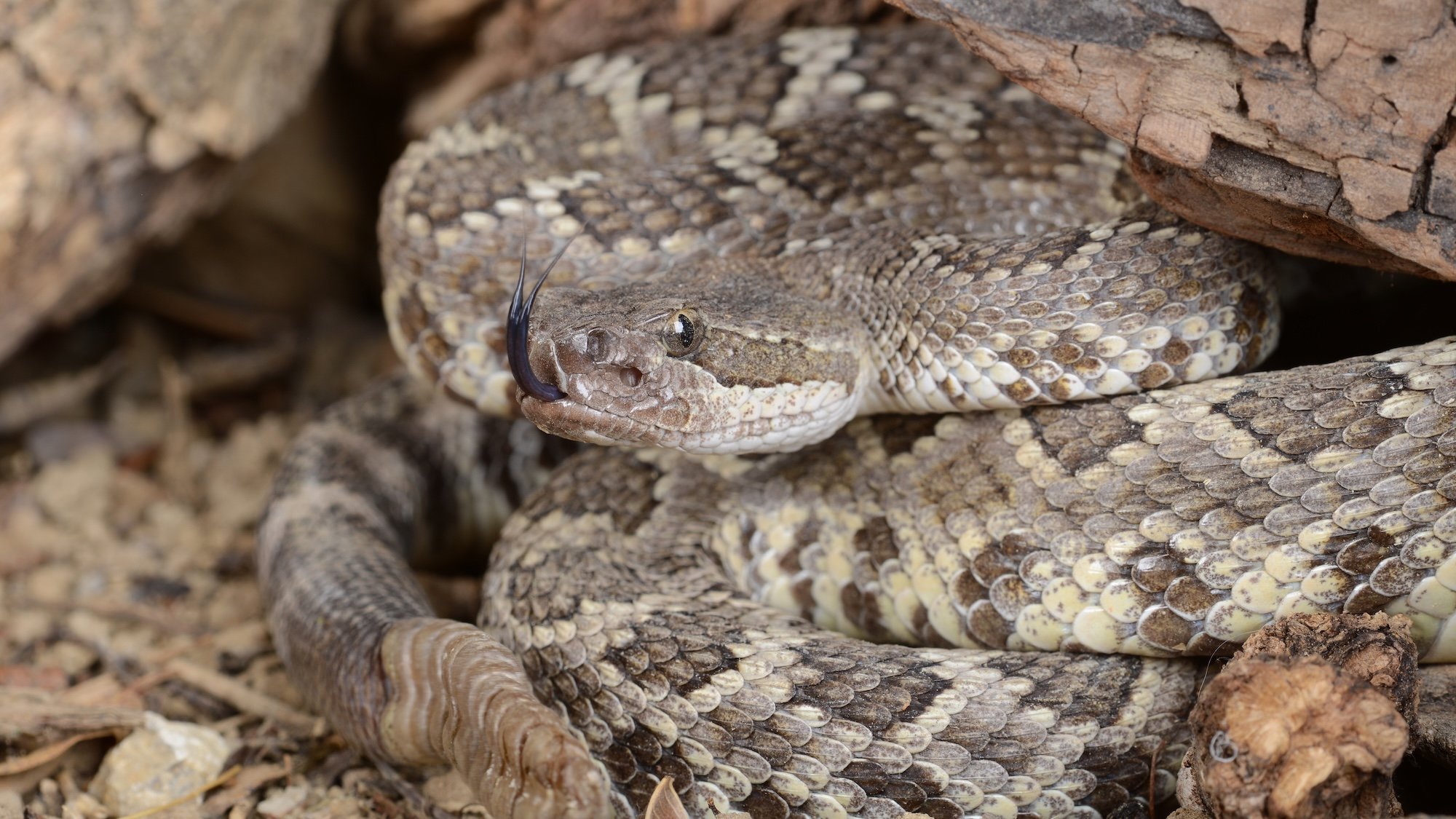
Rattlesnake bite venom is based on their personality

Rattlesnake venom is a complex blend of necrotic toxins designed to quickly disrupt blood coagulation and destroy tissue cells. This effective biological weapon comes at a major premium, however. Snakes must regularly replenish their venom reserves, which means they need to dole out just the right amount with each bite. Injecting too little venom into prey may allow their next meal to escape, while delivering too much can leave a rattlesnake defenseless against its own predators.

But that doesn’t mean rattlesnakes adhere to a one-bite-fits-all policy. According to researchers at California’s Loma Linda University, the amount of venom routinely varies by individual reptile. Their recent findings published in Frontiers in Ethology indicate these dosage ranges aren’t randomly distributed, and that snakes and their venom are much more complicated than many people realize.

“This study gives us a better understanding that reptiles, such as rattlesnakes, are behaviorally complex and have personalities like humans do,” explained Loma Linda University biologist and study co-author Chelsea Martin.

Martin and her colleague, William Hayes, focused on the preferences of the Pacific rattlesnake (Crotalus oreganus helleri). On three occasions over a four-week window, the team offered 48 snakes the chance to sink their fangs into a membrane-covered beaker. Previous experiments mainly focused on the frequency of bites, but Martin and Hayes also measured the amount of injected venom in each instance. They then compared the data across snakes.

“The results were striking in their consistency,” the study’s authors wrote in an accompanying Phys.org rundown.

The team also reported measured behaviors like aggressiveness, bite willingness, and the amount of venom amount were statistically significant and repeatable across many of the snakes. Additionally, their study further debunks the lingering myth that larger snakes actually produce less venom.

“Larger snakes expended more venom than smaller snakes, as expected given their greater capacity for venom storage,” explained the biologists, while noting that actual delivered levels still occasionally varied regardless of size.

The study’s authors emphasize that their findings shouldn’t be held against the rattlesnakes themselves. While often feared, the snakes generally do everything they can to avoid confrontations with larger animals like humans. Bites are almost always the result of an unintentional encounter in the wild rather than an overly aggressive serpent. If anything, it’s people who aren’t paying attention to their surroundings, and not the other way around.

“One practical lesson remains unchanged: No rattlesnake should be approached or handled on the assumption that it will behave predictably,” the authors said. “Consistent individual differences do not make any particular snake safe.”

The post Rattlesnake bite venom is based on their personality appeared first on Popular Science.
  •  

Treefrog ‘fingerprints’ are on their eyeballs

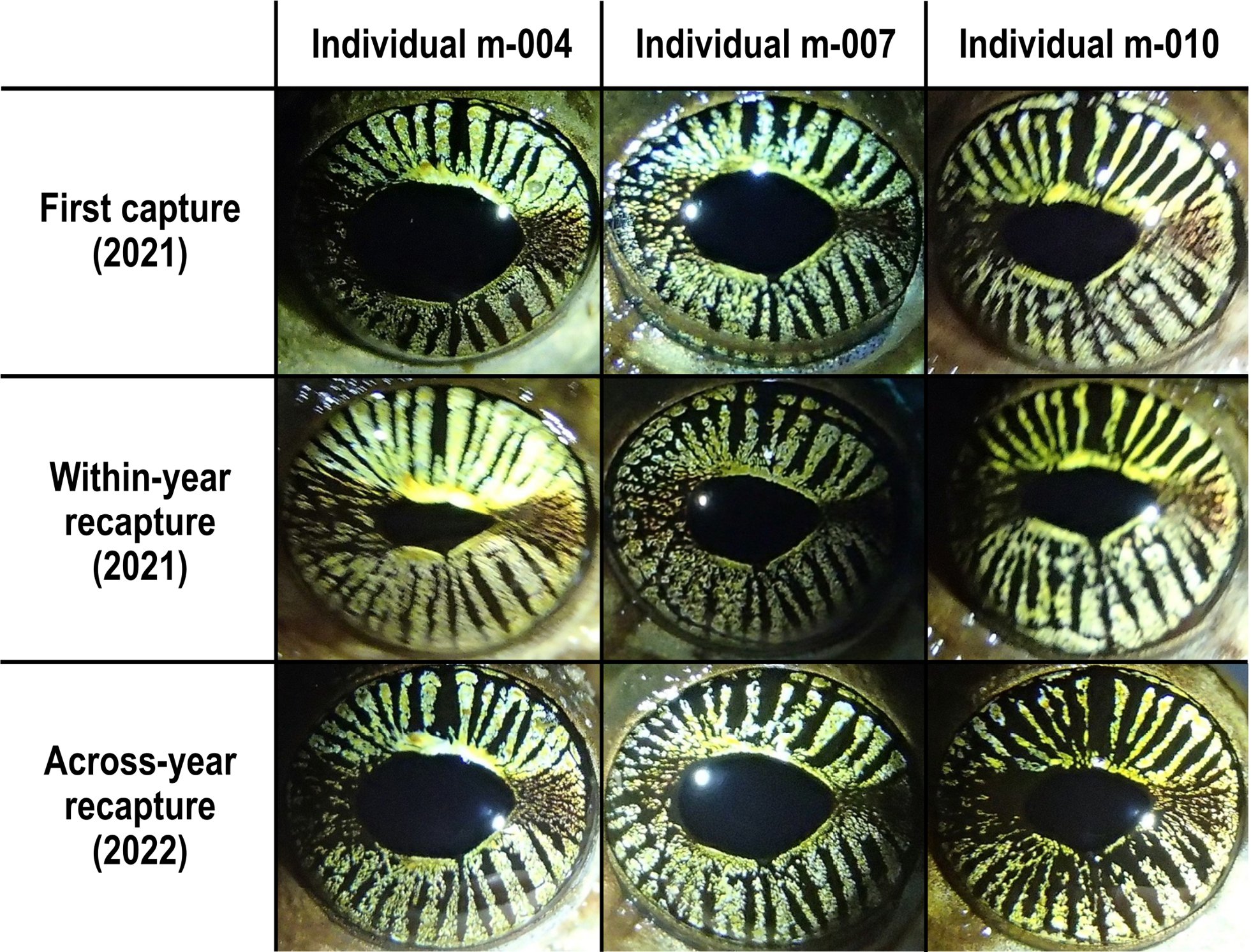
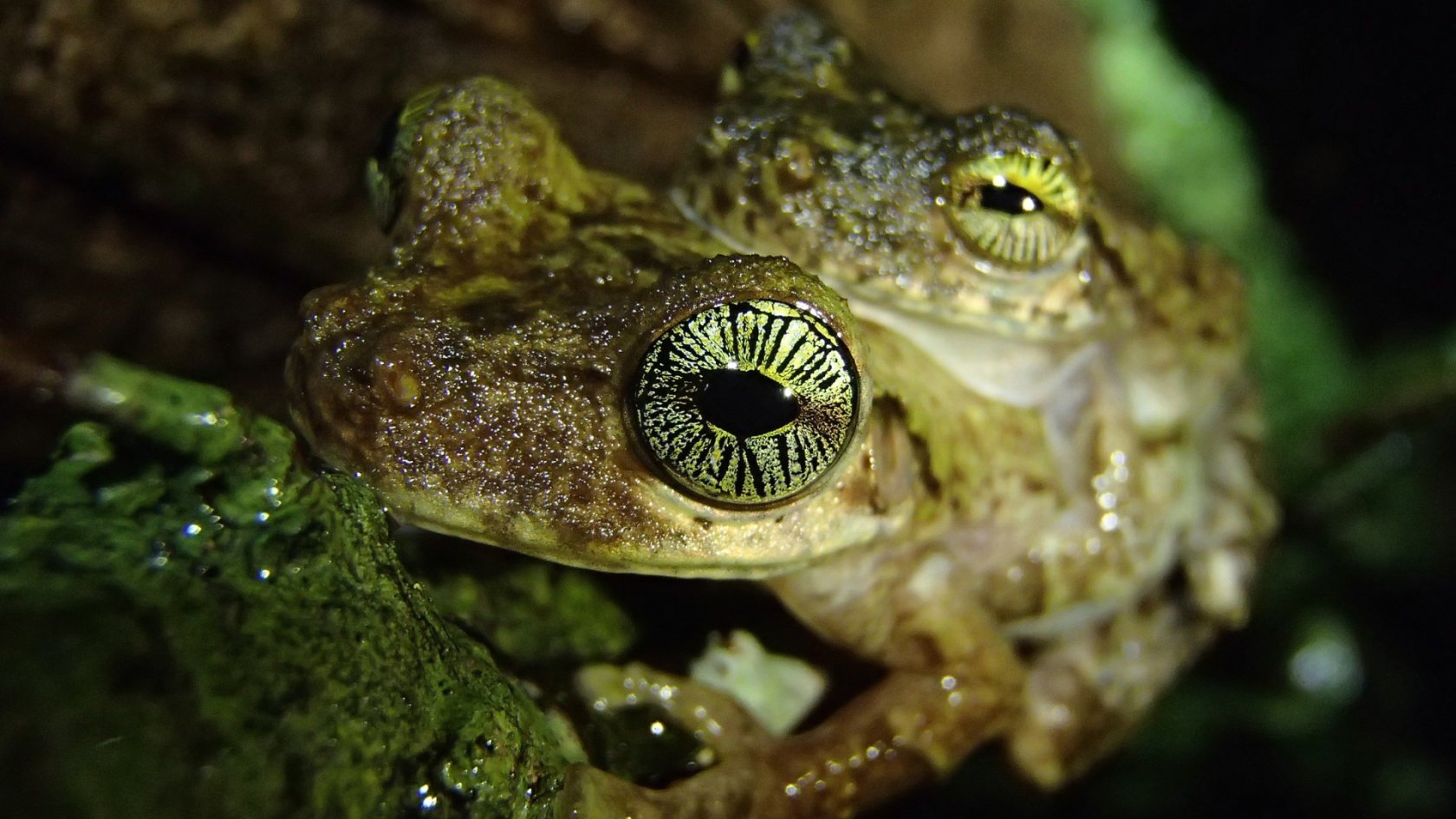
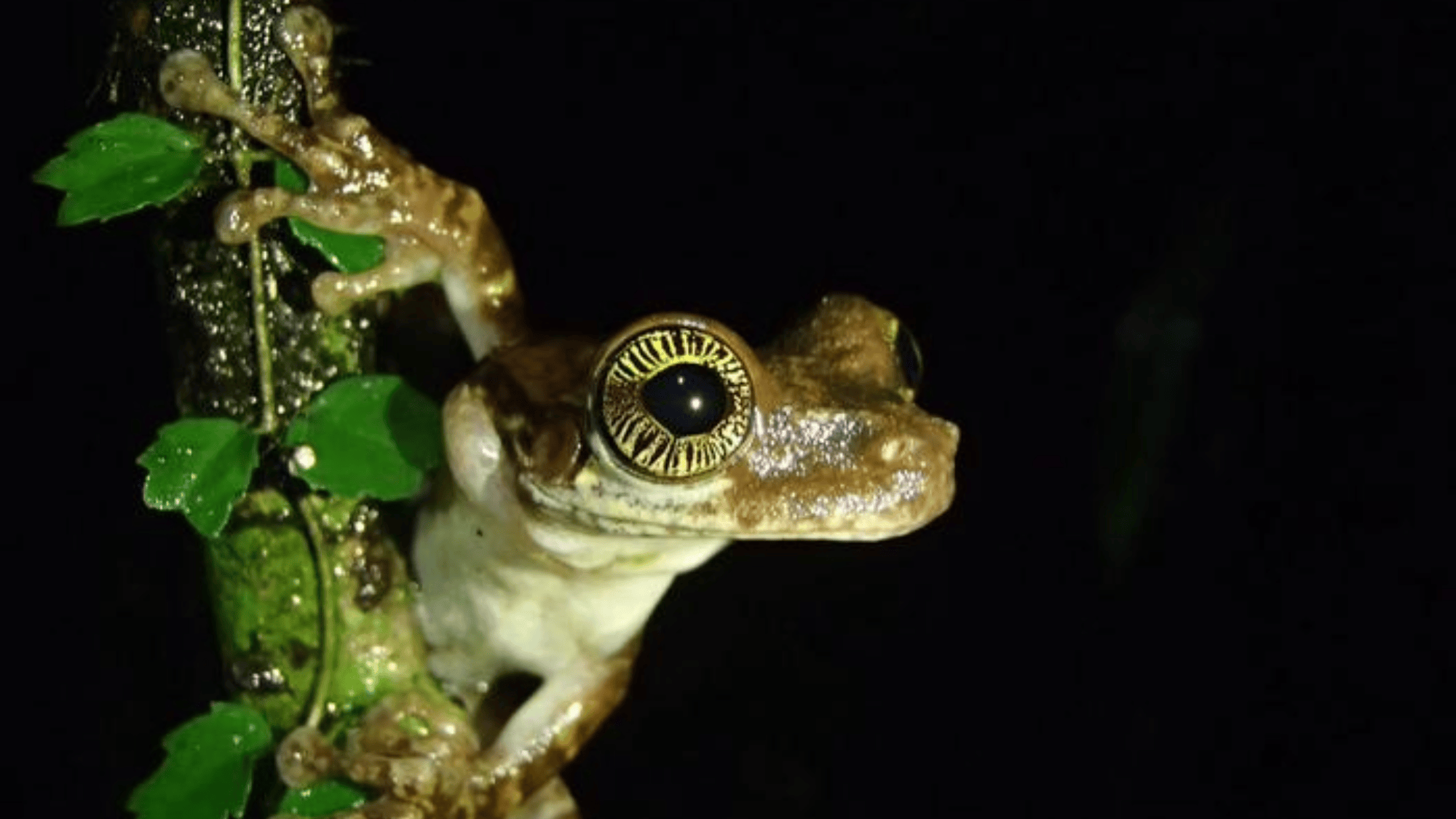
Our fingerprints, patterns on whale flukes, and fur patterns on cheetahs are examples of the natural ways we can tell one individual animal from another. For an Amazonian treefrog called the egg-eating spiny-backed frog (Osteocephalus oophagus), we need to look into their eyeballs. Fine black radial lines cross their golden irises, and form a pattern similar to our fingerprints. A study recently published in the journal Herpetozoa details the discovery.

The project began with study co-author Mélissa Peignier, a behavioral ecologist at the University of Bern in Switzerland, admiring frog eyes. 

“At the time, I was doing my PhD, studying Allobates femoralis in the field in French Guiana,” Peignier said in a statement. “My first reaction was simply something along the lines of, ‘Wow, what beautiful eyes!’ That initial curiosity gradually turned into a genuine interest in the species, and I realised how little we actually know about them.”

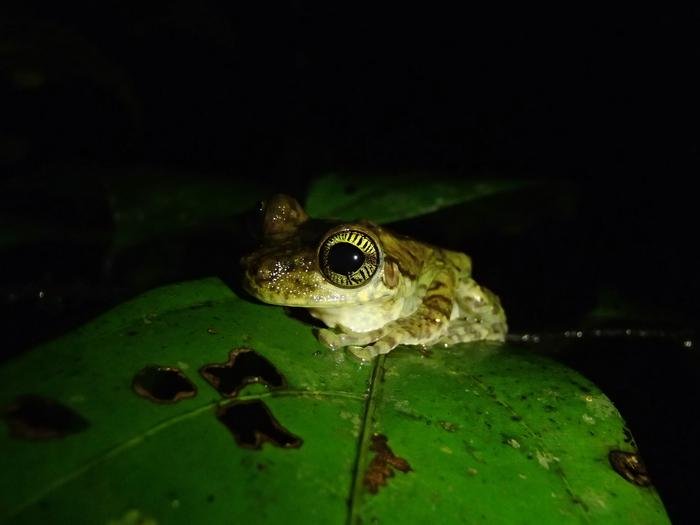
a green frog sitting on a leaf
Osteocephalus oophagus in situ. Photographed in French Guiana (4°02’N, 52°41’W; ) between March and May 2021. Image: Mélissa Peignier et al., 2026.

There was also an ethical component. One of the standard ways to tell amphibians apart from one another is toe-clipping, where a section or all of a single toe is removed. This procedure can affect their survival, physiology, and behavior. 

“Other studies have used toe-clipping, which involves removing some of the digits. Personally, I was uncomfortable with this approach, especially given that these are arboreal frogs that rely on their limbs to climb trees.”

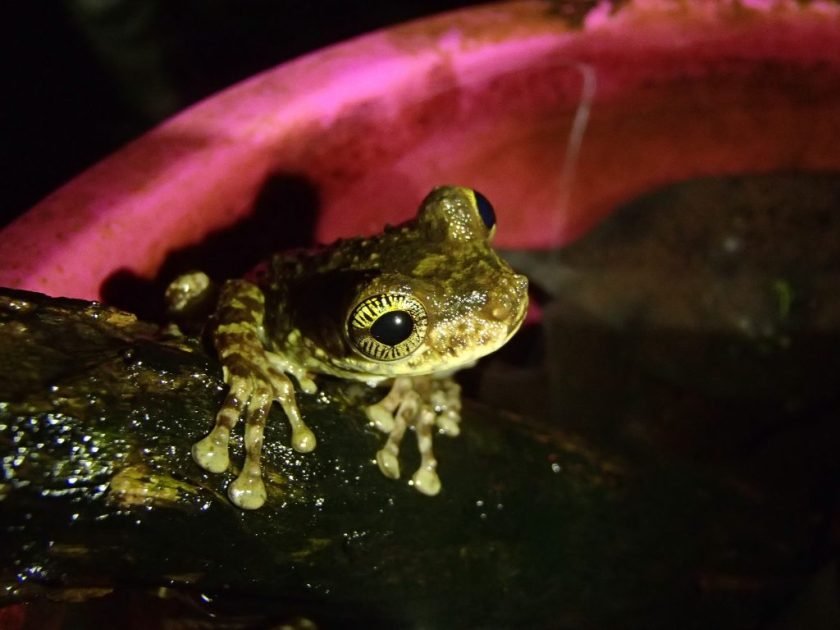
a green frog on a stone
Osteocephalus oophagus in situ. Photographed in French Guiana (4°02’N, 52°41’W; ) between March and May 2021. Image: Mélissa Peignier et al., 2026.

Looking for other markings could offer a more humane solution and a way to observe the animals natural behavior unimpeded.

For this study, fieldwork took place over three rainy seasons (2021 to 2023) on a river island in the Nouragues Nature Reserve in French Guiana. They identified 103 individual frogs over the course of the study.

Example of the diversity of iris patterns from eight Osteocephalus oophagus individuals photographed in French Guiana (4°02’N, 52°41’W; Bongers et al. 2001) between March and May 2021, 2022, and 2023. Image: Mélissa Peignier et al., 2026.

During their later encounters, the team took pictures of each animal’s eyes without touching it and then compared the images with a reference library. This way, the recognised frogs were left undisturbed and their eyes appeared in their more natural state. The identifications were then independently verified using Wild-ID, a software package that analyzes photographic markings in animals.

They found highly distinctive iris patterns. Within one season, between 56 and 80 percent of the frogs were recaptured and reliably re-identified. According to the team, this indicates that the patterns on their eyes remain stable enough to monitor the frog in the short-term. Photographs could even be taken of frogs while in their mating embrace (called amplexus) without disrupting them. The team hopes that this method will spread. 

two frogs with one on top of the other's back
Osteocephalus oophagus in situ. Photographed in French Guiana (4°02’N, 52°41’W; ) between March and May 2021. These frogs are in amplexus, or their mating embrace. Image: Mélissa Peignier et al., 2026.

“In a world where biodiversity is declining at an alarming rate, it is essential that we minimise our impact on the animals we study,” added Peignier. “If we can reliably identify individuals using naturally occurring features, we may be able to reduce the need for more invasive marking techniques while still collecting the data needed to answer important scientific questions.”

While the reliability of the eye markings will vary between species, and should be done case by case, the team sees considerable promise for amphibians with complex irises. And working with them offers its own benefits. 

“Honestly, the frogs themselves are incredibly beautiful and surprisingly chill, which makes working with them a real pleasure,” Peignier said. 

The post Treefrog ‘fingerprints’ are on their eyeballs appeared first on Popular Science.
  •  

Deer mating season can be deadly for drivers. Solar powered roadsigns may help.

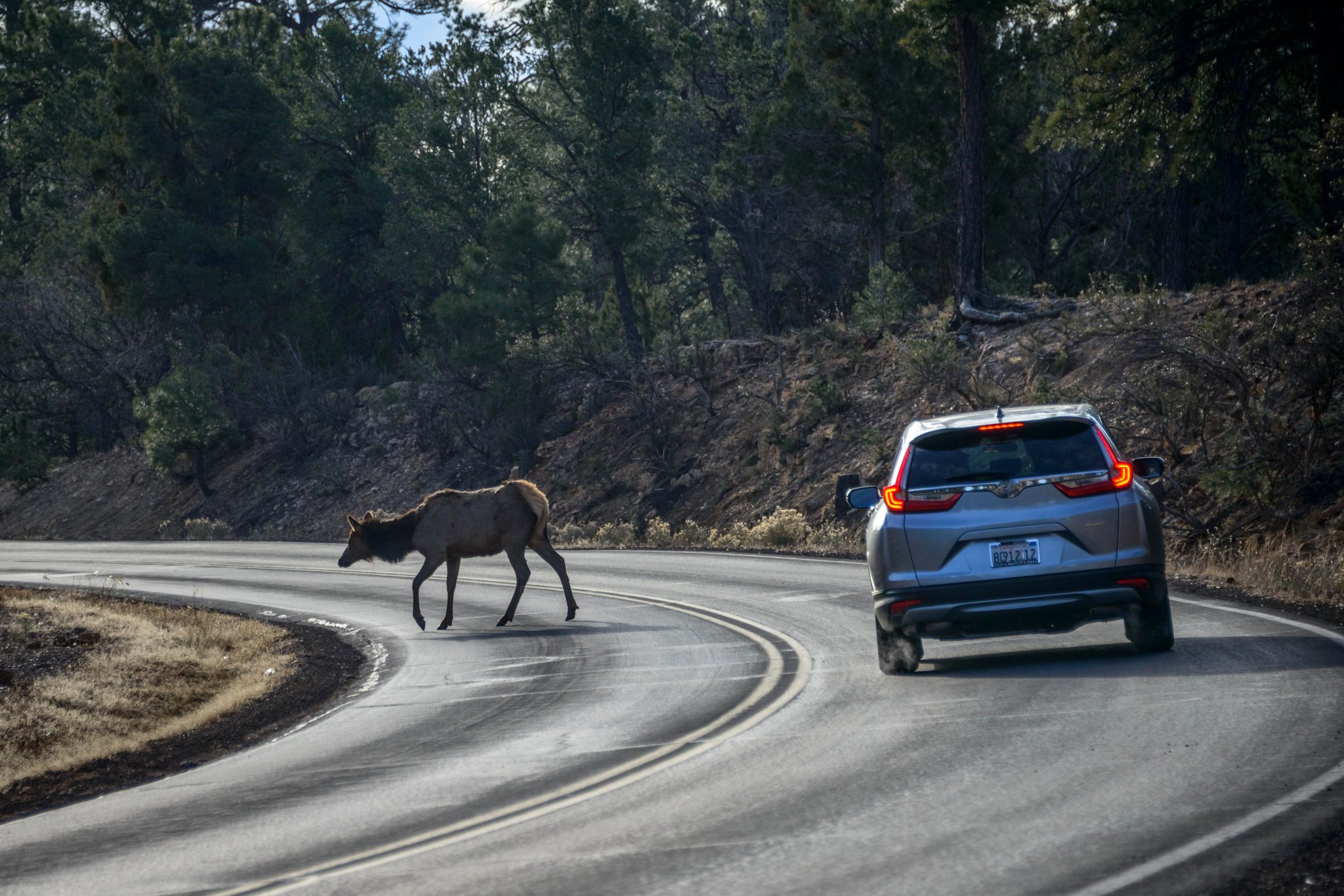
Fall is here, and with it comes very determined deer. Mating season for the hoofed ruminants typically begins once temperatures dive and the days grow shorter, but the annual event also poses problems for humans. The deer have one thing on their mind, which means they pay even less attention to vehicles and roadways. In New Jersey, roughly 41 percent of all annual animal collisions occur between October and December, while the AAA Foundation for Traffic Safety routinely tallies over 275 fatalities from similar accidents nationwide every year.

Driving gets even riskier in rural areas, which frequently host higher deer populations and much darker roads. However, a recent pilot program in Virginia offers a promising tool that may keep commuters safe while also allowing the animals to do their thing. At the Virginia Tech Transportation Institute (VTTI), researchers designed an automated digital roadside sensor system that warns drivers of large jaywalkers like deer and elk.

According to VTTI engineer Shreyas Bhat, the year-long trial demonstrated a “measurable change” in how local drivers responded when alerted to oncoming wildlife. Bhat and his colleagues tested the system with help from the state’s Department of Transportation along a 14-mile section of Route 460 in southwest Virginia. The array was composed of eight portable, solar-powered trailers and customizable digital message signs. Each station included thermal cameras analyzed by onboard machine learning software, which triggered the sign alerts whenever it flagged nearby medium– to large–sized animals.

Over the course of the trial, researchers amassed driving data on over 10,000 vehicles, while the detection system maintained an estimated accuracy of around 97 percent. This is particularly impressive given the region’s environmental and infrastructural challenges.

“This system is unique because of the requirements of the area—it needed to be solar powered, portable, and be able to withstand all weather conditions,” explained VTTI engineer Jean Paul Talledo Vilela.

The team reported an average reduced speed of about three miles per hour thanks to the roadside warning signs. That may not seem like much, but even a slight slowdown can save lives. It also proved people took note of the system.

“Speed is an important data point to understand if drivers were actually paying attention to the message board,” said Talledo Vilela. “Even if they are not braking aggressively, some reduction in speed indicates that they may be paying more attention to their surroundings because they got that alert.”

While Talledo Vilela, Bhat, and their collaborators are still parsing through data from the program,(it ended in September) the initial findings remain promising. From here, the team hopes to refine the overall system while organizing future trials in other regions of the country. If successful, the relatively simple installations could also be adapted for other year-round road safety situations like construction or real-time weather hazards.

The post Deer mating season can be deadly for drivers. Solar powered roadsigns may help. appeared first on Popular Science.
  •  

Baby manta rays stick to the shallows to avoid sharks and orca

Before giant manta rays (Mobula birostris) can grow to up to 30 feet long and 4,409 pounds, they must start small like most living things. Giant manta ray babies (called pups) in Central America don’t have their size to protect them from orca whales (Orcinus orca) and the numerous sharks in the open ocean. Their solution—sticking to the coast, where there is plenty of food to help them grow and defend themselves. A new study published today in the journal Frontiers in Fish Science details the baby rays’ behavior. 

“We show that manta rays’ lifestyle isn’t a one-size-fits-all behavior. Giant manta rays in Central America undergo a dramatic shift in space use as they mature,” Jeffry Madrigal-Mesén, a study co-author and project leader of Mantas Costa Rica, said in a statement. “Juveniles remained strictly within shallow nearshore waters that serve as coastal refuges, but most of the tracked adults executed long-distance transboundary migrations along the continental shelf break into Central America.”

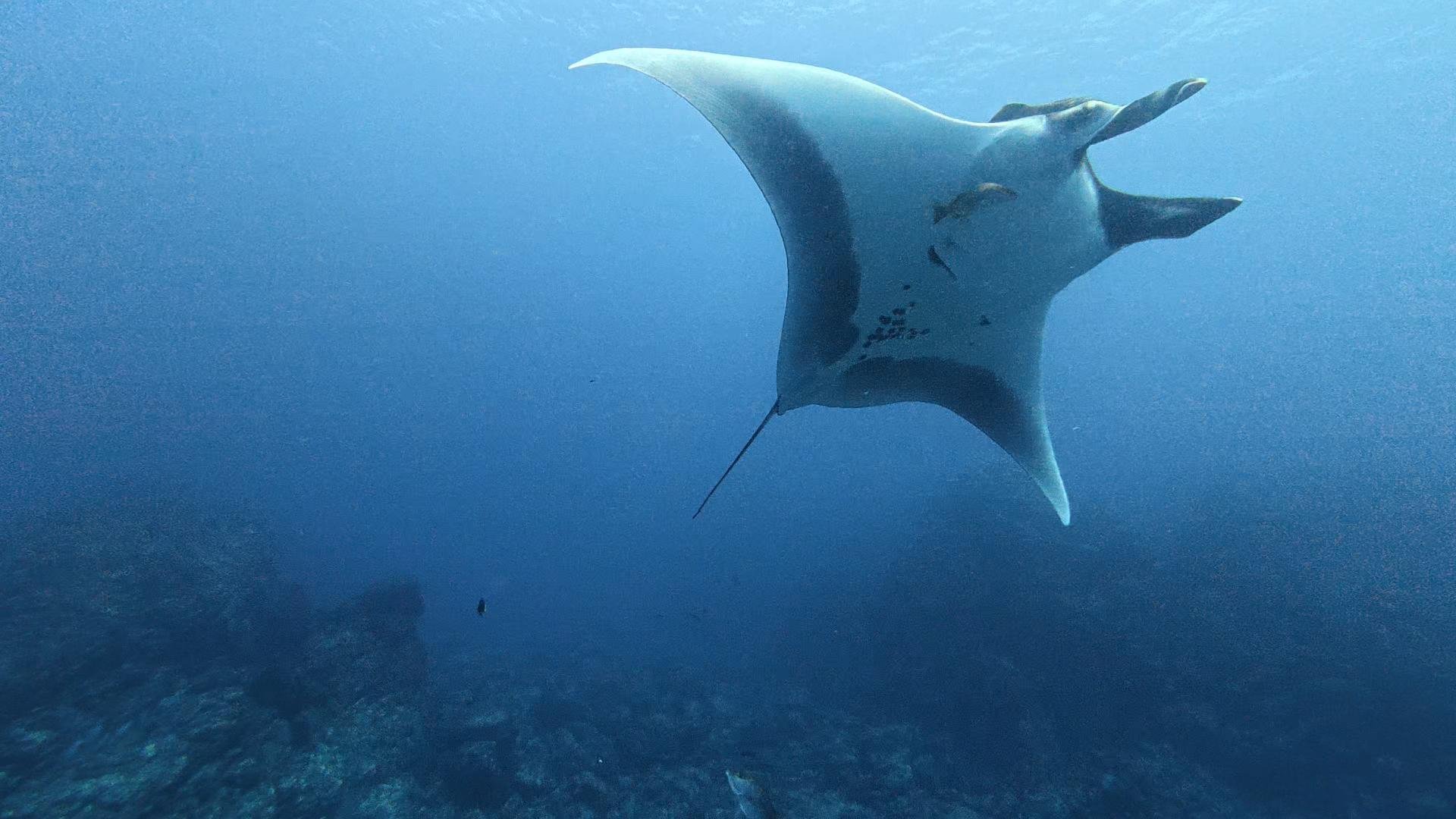
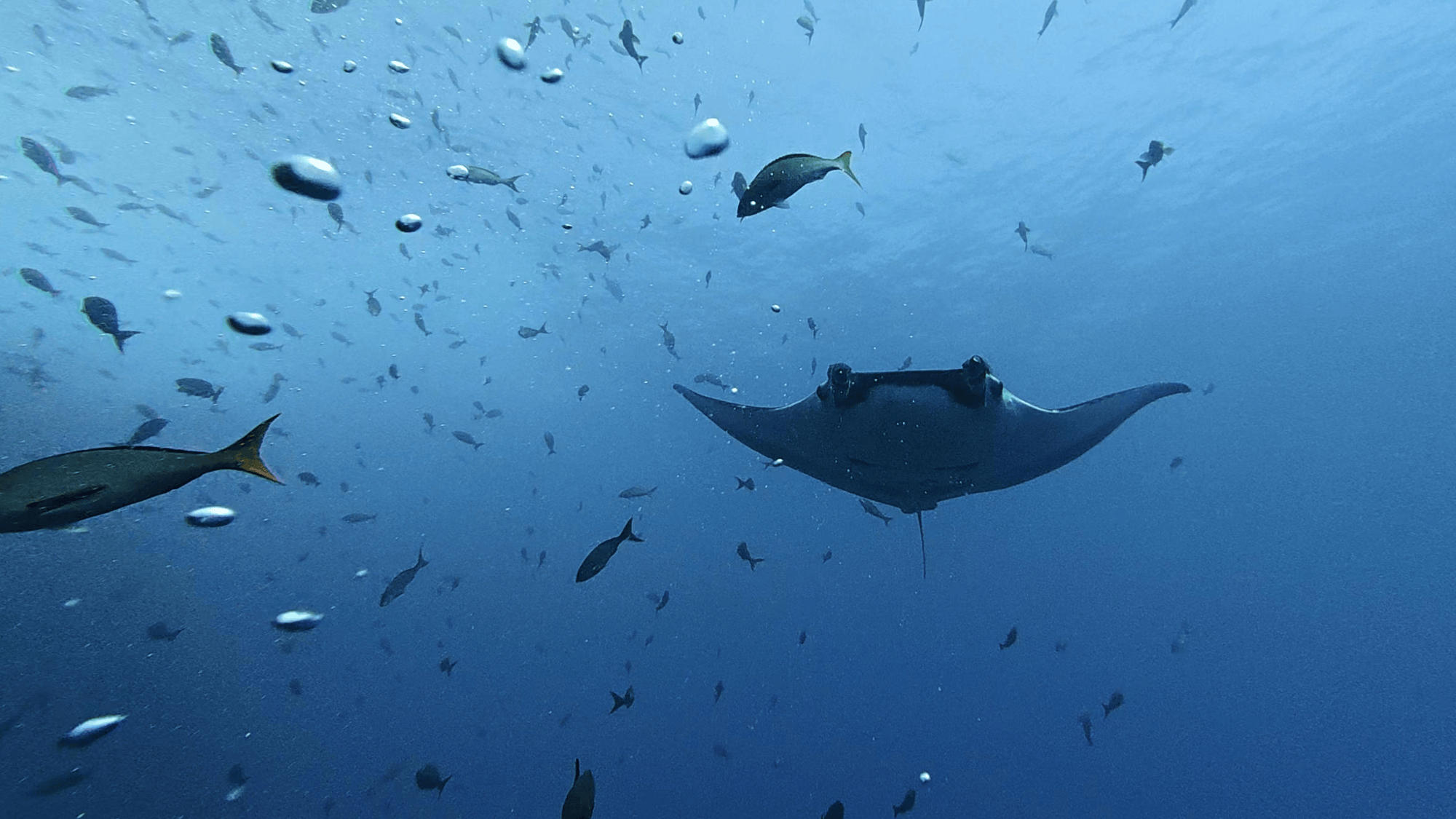
a manta ray swimming
Puntitos, one of the immature mantas the scientists followed. Image: Jeffry Madrigal.

Where the pups grow

In the study, the team used multiple methods to track and identify mantas at five locations between 2018 and 2025. Acoustic telemetry uses underwater sound pulses to monitor fish movements and allowed the team to track 59 individual rays. With satellite telemetry, transmitters track movement and behavior from a distance and helped the team track large-scale movements of 12 individuals. Lastly, photo identification helped to identify individual manta rays.

“If we hadn’t used all three technologies together, we simply wouldn’t have been able to piece this puzzle together,” explained Madrigal-Mesén. “Combining these tools turned fragmented data into a unified, undeniable story.”

The team ended up with a dataset of over 12,000 detections. The data showed that young mantas (those with a body about 10 feet or less) stick to shallow coastal refuges. In these more shallow spots, the pups have a safe place that doesn’t overlap with their predators’ hunting grounds. They have plenty of food and places to hide, and even get essential services like cleaning from reefs.

“Mature adults can rely on their massive body size and their ability to dive deep to evade threats. But juveniles don’t have that luxury,” said Madrigal-Mesén. “What is truly amazing is seeing how strictly young manta rays stick to coastal waters as long-term refuges. We see the same individuals more often than once a year. In fact, just recently, they were sighted again at the exact same tagging location. It is always a joy to see them again—they have truly become a part of the family.”

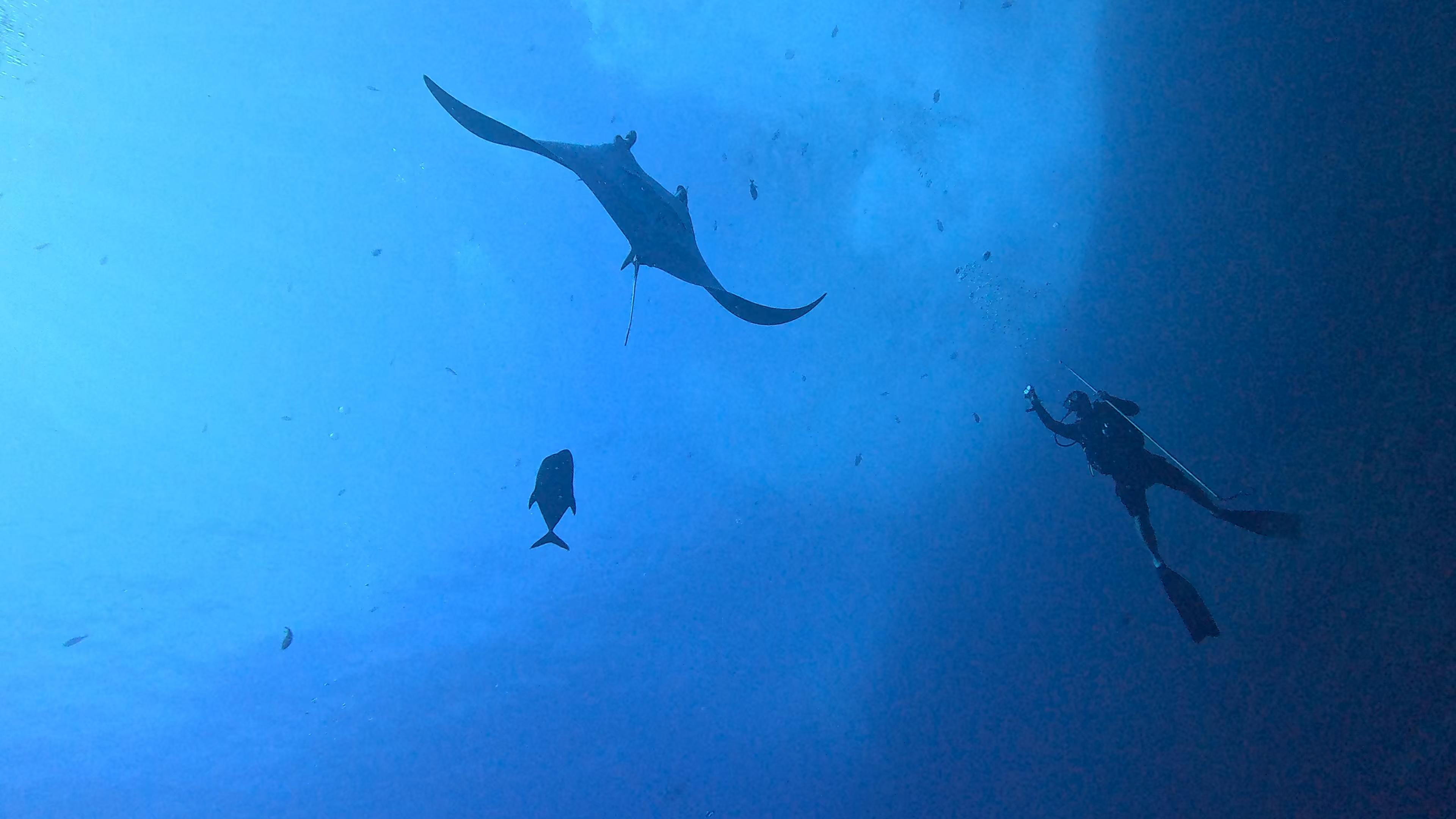
a manta ray swimming by a diver
Manta ray in close proximity to a diver. Image: Jeffry Madrigal.

By comparison, nine mature mantas in the study went on expansive migrations along the continental shelf break. One manta ray nicknamed Mickey Mouse because of a spot pattern on his belly had movements that suggest the fish also continue to display loyalty to a particular site once they grow up. Unusually approachable for a manta, Mickey Mouse allowed the team tag him multiple times over several years, which provided a continuous dataset. In 2020, he logged 462 acoustic detections at a coastal hub called El Secreto. He returned to the same shelf in 2023, and stayed there for 38 days.

“Nearshore cleaning stations transcend basic hygienic function; they act as primary social hubs where courtship and reproductive interactions take place,” said Madrigal-Mesén. “Returning to a predictable coastal depot allows mature rays to prioritize social and cleaning needs before undertaking large-scale regional migrations.”

Traveling the manta swimway—safely

Once they leave coastal regions, adult manta rays face different dangers. Coastal areas are often legally protected marine reserves, but the open ocean is another story. They no longer have legal protection and are exposed to dangers from industrial fisheries and vessel strikes.

According to the team, this shows that marine protected areas alone are not enough to protect this highly mobile species as it swims across Central America. They say that multi-national “conservation swimways”  that link the domestic juvenile coastal refuges with adult migratory corridors could help keep the endangered rays safe. 

“This study opens a new chapter for manta ray research in Central America,” Madrigal-Mesén concluded. “We hope it sparks fresh enthusiasm and encourages future collaborators to join us in executing the new ideas and research projects we have planned for the conservation of this species.”

The post Baby manta rays stick to the shallows to avoid sharks and orca appeared first on Popular Science.
  •  
❌