Login

Stranger Than Heaven director says Makoto Daito's life story is 'not just entertainment' and hopes it will break the barriers of racism — 'I hope that Makoto’s life journey really speaks to people around the globe who have had similar experiences'
- Stranger Than Heaven director Mikinobu Abe says the game's narrative is very unique
- Abe hopes that Makoto Daito, the main character, and his background resonate with players of mixed heritage and that players will engage with the narrative
- Abe says, "We put a lot of focus on telling this narrative about a man's life who starts by facing a lot of racism"
Stranger Than Heaven director Mikinobu Abe hopes the game's multi-era narrative and its mixed-heritage protagonist will resonate with players and those who have experienced discrimination.
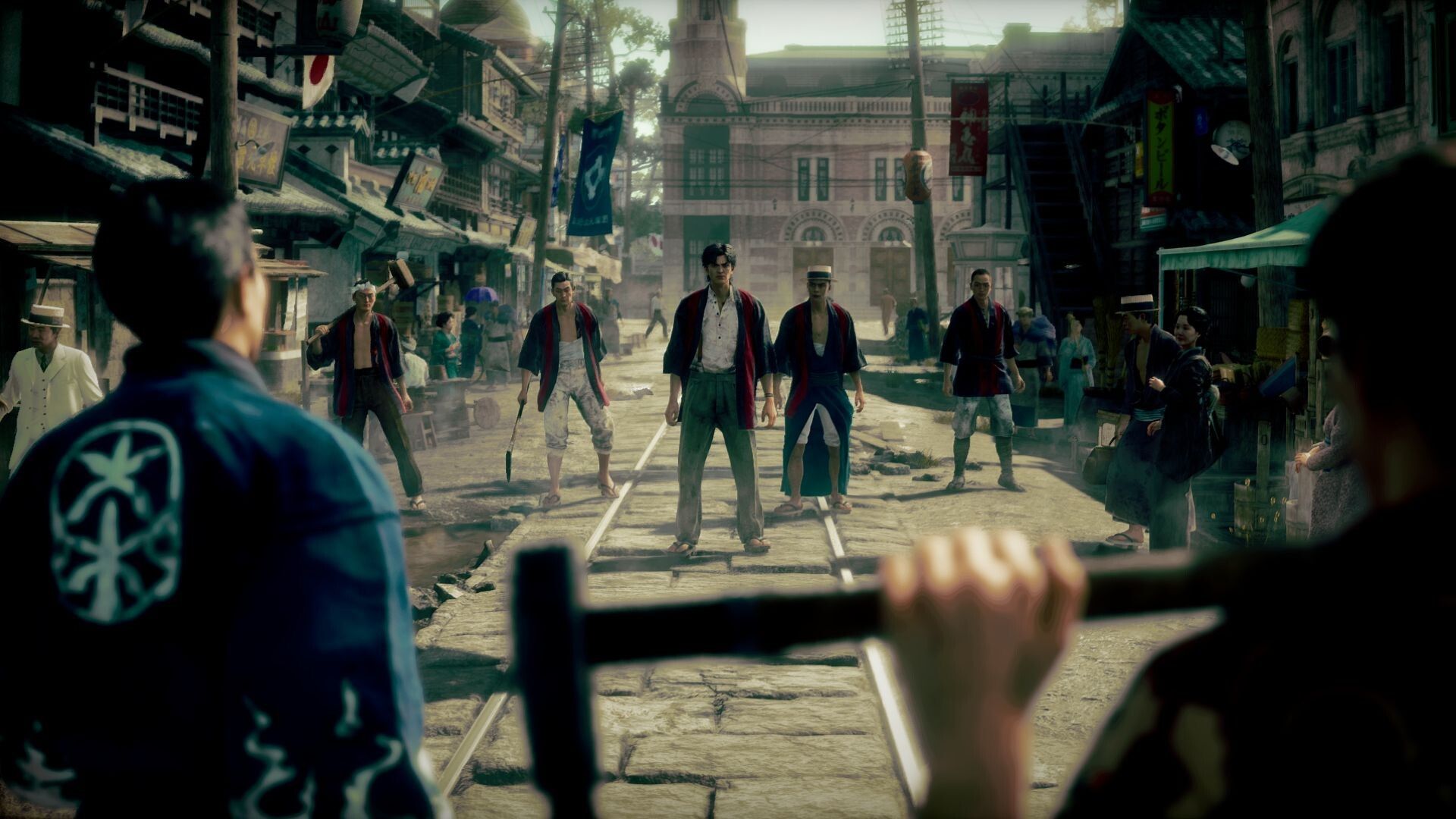
In an interview with TechRadar Gaming, Abe explained how Stranger Than Heaven's story, which spans 50 years across five distinct eras and cities in Japan, is not a concept he's ever experienced in a video game before, and believes it's "not just entertainment."
"I would say experiencing one man's life as a narrative and as a gameplay experience is something that I have personally never played before as a video game medium. I think that aspect of the game could be something that’s not just entertainment," Abe said.
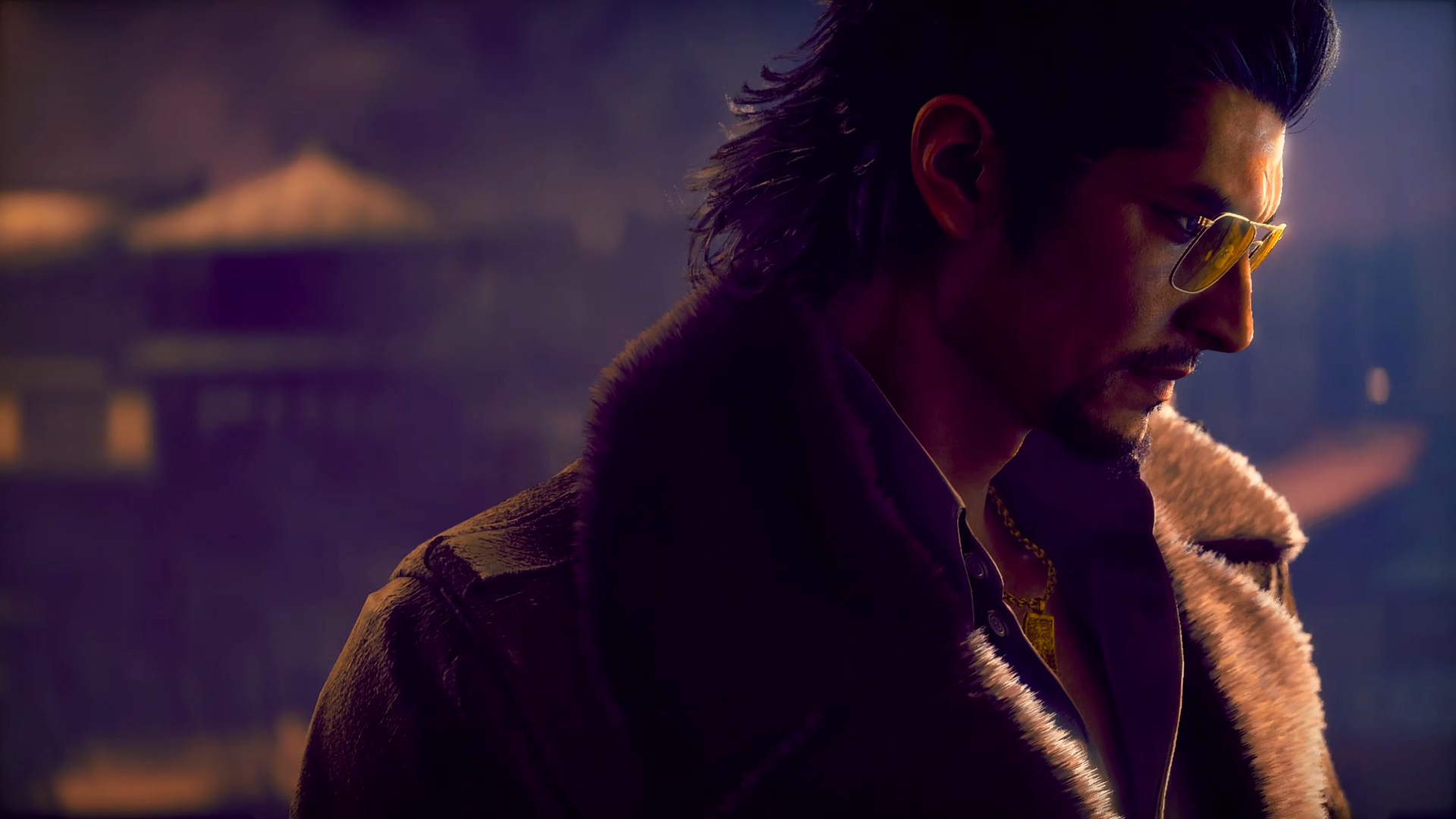
The director continued to discuss the main character, Makoto Daito, who is of Japanese-American descent, and how his mixed heritage background and the racism he experiences when he first arrives in Japan are aspects of the story that he hopes players engage with.
Abe also said that while RGG Studios was developing the narrative for Makoto, it "felt it was really natural that music would be a big part of this character," and was one of the things that would help break the barriers of the racism he experiences.
"Once he comes to Japan, he faces a lot of discrimination, and people won't even talk to him just because of his race and language," he said. "So, music was the only thing for him that would break those barriers and help him communicate with people. That was really natural for us to put into the narrative.
"Of course, Captain Orpheus is the one who's going to teach him how to make money off of music. And for Daito, because he has that experience, it was really natural for him to start making money, and you know, start showbiz as his life's work. So that's why we always wanted the concept of music in this game to tell the narrative of Makoto’s life. That was the starting point of why we wanted music."
Abe continues, saying that he and Daito's actor, Yu Shirota, have both experienced discrimination and wants players to immerse themselves in the story, even if they're only playing Stranger Than Heaven for entertainment.
"Because of the way Makoto Daito’s story is written, where he starts from a mixed-heritage background, comes to Japan, and gets discriminated against, I hope that Makoto’s life journey really speaks to people around the globe who have had similar experiences," Abe said.
"I myself have had one before, and our lead actor also had a similar experience before, so we put a lot of focus on telling this narrative about a man's life who starts by facing a lot of racism. I hope it really encourages people, as well as the player who just wants to entertain themselves while playing the game can also get immersed in this narrative."
The director concluded, "So the concept of a man's life is, I think, one of the biggest things that I would love the player to experience, and I can’t wait for them to experience."
Stranger Than Heaven launches on January 15, 2027, for PS5, Xbox Series X and Series S, and PC.