❌

Reading view

The $15 billion ad-powered AI startup your doctor may already be using

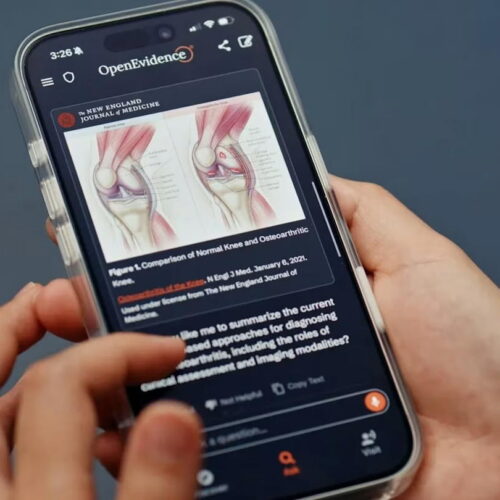
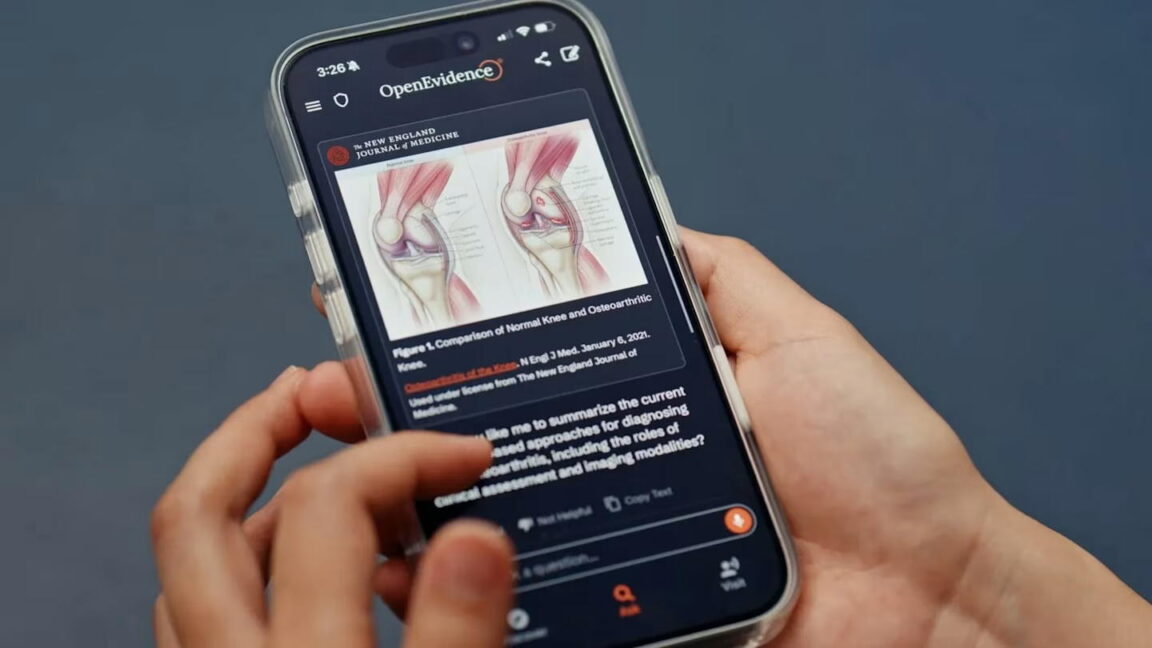
Nearly two-thirds of US doctors are turning to an AI-powered search engine to make patient decisions, propelling a little-known tech startup to a $15 billion valuation while prompting a debate over the future of patient care.

Miami-based OpenEvidence, founded by serial entrepreneur Daniel Nadler in 2022, said that many of America’s 1 million physicians processed more than 42 million prompts last month. Doctors are using the company’s chatbot to scour medical journals and clinical guidelines to help diagnose and treat patients.

The ads-powered platform has grown largely by word of mouth, penetrating a sector where few tools have seen similar traction. “We’re the first viral consumer internet app in healthcare,” Nadler told the FT in an interview.
Read full article

Comments

© OpenEvidence

  •  

Science says your boss should talk less in meetings

Close to 1 billion meetings take place each day around the world. CEOs spend nearly three-quarters of their workdays in meetings. Planning for and spearheading meetings eats up the lion’s share of managers’ time. In much of the industrialized world, meetings are both the metronomes and menaces of people’s working lives.

Given the enormous time spent in workplace meetings, do we know what they accomplish or how to make them as worthwhile as possible? For decades, the answer was… not really. Meetings weren’t a particularly accessible subject of study. But that has changed. Once a tiny niche area, “meeting science” is a growing specialization among organizational and social psychologists. The field is accelerating as archived virtual meetings provide vast swaths of data. And it is providing a fascinating window into human behavior.

Meeting to talk helps fulfill basic human needs to connect, communicate, and cooperate. People have long come together—in caves, fields, market squares, and town halls—to get something done, share ideas, get on the same page, or just to remark on the weather. But meeting scientists define their subject as gatherings of people “with some goal or structure to the event,” says organizational psychologist Liana Kreamer of the Florida Institute of Technology, who coauthored a review of over three decades of meeting science in the 2026 Annual Review of Organizational Psychology and Organizational Behavior.

Read full article

Comments

© https://www.gettyimages.com/detail/photo/hangover-at-the-office-royalty-free-image/1770771124

  •  

Rewilding could help vulnerable islands keep pace with rising seas

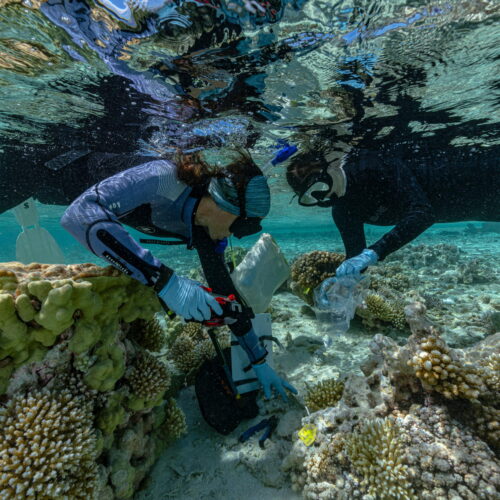
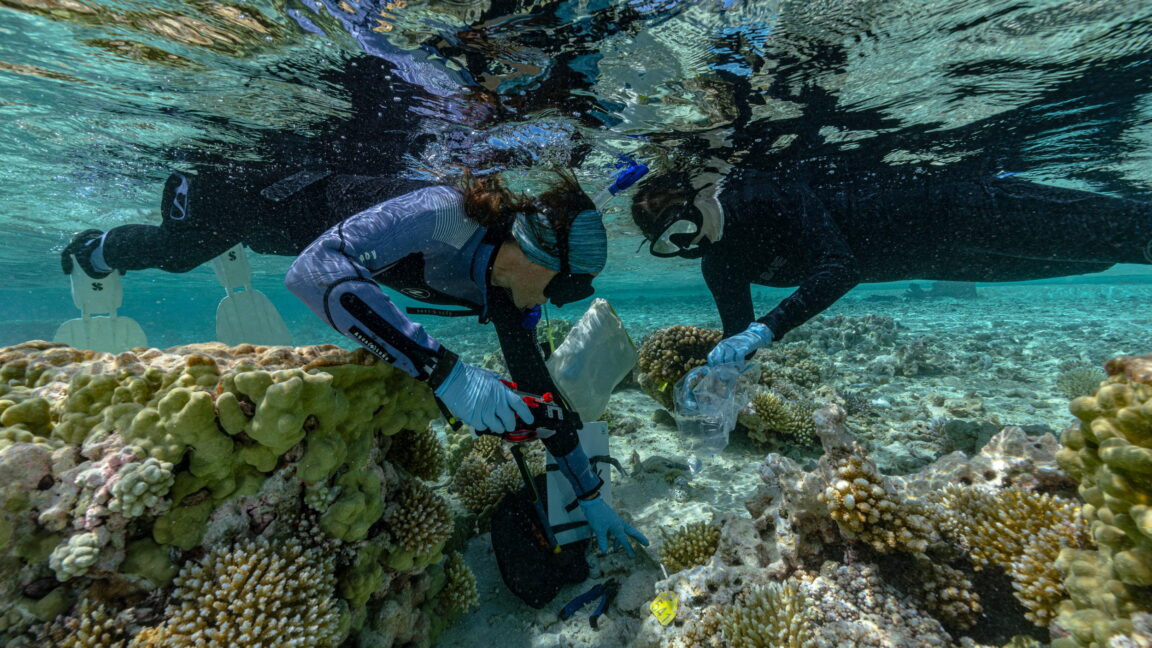
Coral-fringed tropical atolls are among the landforms most threatened by global warming, but many have a potential superpower: Healthy ecosystems may help them keep pace with rising seas.

Atoll islands with native vegetation and thriving seabird populations are “naturally active systems that can change and adapt to their environmental conditions if they are allowed to do so,” said Nick Graham, a marine ecologist at Lancaster University in the United Kingdom, who led an international team of scientists that studied island resilience across 28 atoll islands in the Pacific and Indian oceans.

Their paper, published Wednesday in Science Advances, shows that restoring atoll ecosystems reinforces their growth. Seabirds ferry nutrients from the open ocean and deposit them on the atolls as guano that nurtures land plants, marine life and coral growth. This provides more material for reef building, as parrotfish and other reef feeders turn dead coral into sand to maintain beaches, while native plants with extensive root networks stabilize sediments.

Read full article

Comments

© Alexis Rosenfeld/Getty Images

  •  

Ukraine blindsided by Starlink throttling restrictions and intelligence gaps

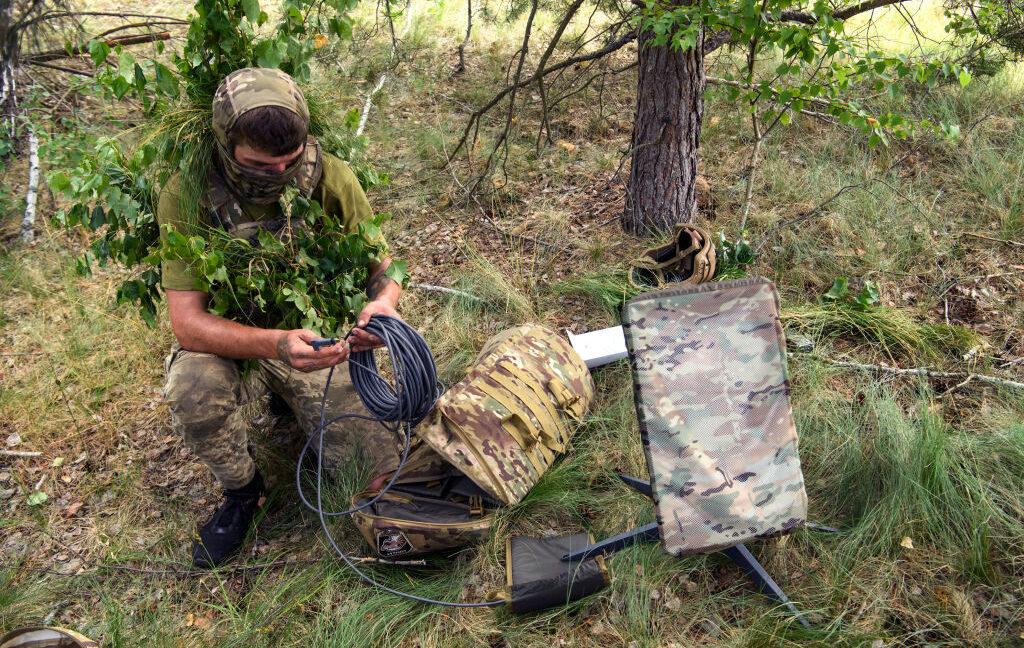
Ukrainian troops have been caught off guard by restrictions on Elon Musk’s Starlink satellite Internet systems that disrupted frontline operations, while Kyiv received no warning from its partners of a Russian missile attack on its energy facilities for the second day running, according to Ukrainian officials.

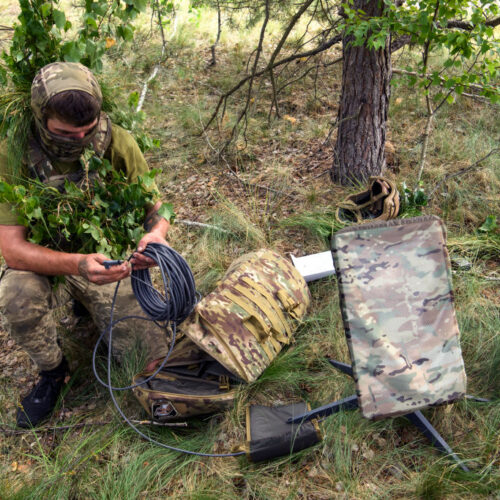
Starlink terminals used by Ukrainian drone units began experiencing signal failures at speeds above 160 km/h, disrupting several missions early on Wednesday morning, according to military personnel and senior Ukrainian officials.

“Logistics at the frontline and middle strikes are badly limited,” one senior official familiar with the situation on the front told the FT. Ukraine’s middle strikes target Russian military supply lines and logistics. The limitations came with “no warning, just in the middle of the night,” the official said.

Read full article

Comments

© NurPhoto / Contributor

  •  

They war-gamed dimming the Sun. It went even worse than you think.

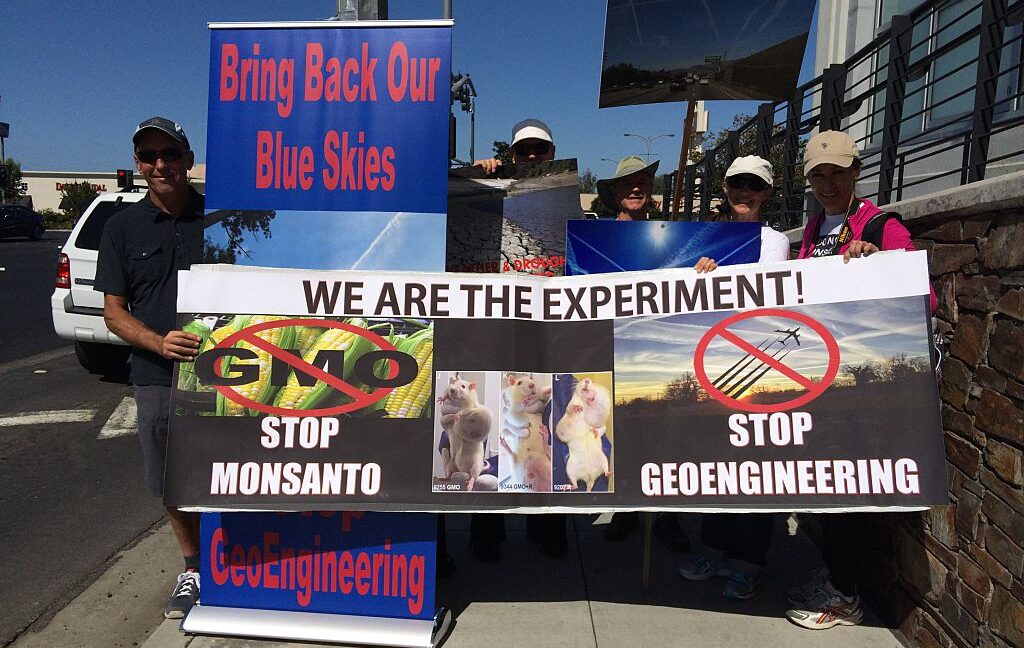
When it comes to deciding the fate of the planet, Colleen Golja always thought science and reason would have a seat at the table. That was until one morning last September in London, when the climate researcher took part in the first in a series of war games. The goal: to prevent an uncontrolled global race to develop a technology aimed at cooling the planet but that comes with vast, unknown risks that could reshape life on Earth.

“I thought that would be such an easy thing. Like, we can all agree to do ethical research and make sure it's for the better of all humans,” she told WIRED. “And boy, was I wrong.”

The simulation, titled Exploring Geopolitical Tipping Points and Climate Cooling Strategies, saw a couple dozen foreign-relations experts, scientists, military personnel, and former government officials from across the world convene in a meeting room at Queen Mary University of London. After making introductions over coffee and little yogurts, they sat at tables arranged in a square with the name of the country or organization each person was playing: national governments, climate NGOs and nonprofits, indigenous groups, and tech companies. Golja was assigned to provide technical advice to help participants make scientifically literate decisions.

Read full article

Comments

© Lisa Werner / Contributor

  •  
❌