❌

Reading view

Frontier OpenAI Model Exposes Stunning Exploit That Leaves Millions of Web Servers Open to Attack

Security researchers using an OpenAI model have uncovered two stunning security flaws in PHP,  the software that underpins nearly 70 percent of all websites on the internet. 

The flaws are so catastrophic that all websites using PHP — all untold millions of them — are advised to immediately take their servers down and apply the latest patch, which was released Wednesday. Vast swathes of the internet, following the news, have gone dark. Some that went offline for a time include Wikipedia, Steam, and even government websites.

Many organizations, however, may not have the time, resources, and personpower to swiftly implement the patch, making them potential sitting ducks until they do. According to the New York Times, the information released on the vulnerability can be used to reverse engineer the attack and take control of victim’s servers and steal information. The best course of action if you can’t patch your website, the National Security Agency advised, is dramatic: keep your site offline and don’t turn it back on.

Just as extraordinary as the breadth of the threat was how it was identified. The flaws were discovered by researchers at the cybersecurity firm Calif by using OpenAI’s GPT-5.6 Sol model, as part of a collaboration with the AI company. It then reported the flaw to the PHP Foundation back on August 11. 

The Google-owned security firm Wiz independently found the flaws, too, and made a report on August 24. Wiz called it one of the “most severe vulnerabilities discovered in PHP, and arguably in software history.”

Adding to the alarm presented by the exploits, there have been concerns raised over OpenAI’s role in how they were identified.

The flaws have been present in versions of PHP dating backing to 2004. But through OpenAI’s “Patch the Planet” program, and by using its flagship GPT-5.6 Sol model, Calif found it in only a matter of days. In a sense, these exploits only exist because of current powerful AI models. And moreover, OpenAI encouraged their discovery through its programs.

The messy disclosure of the vulnerability doesn’t help matters. OpenAI followed standard responsible practices, but some of the details around the hack leaked a day before it was officially scheduled to be announced.

Even if no leaks occurred, though, the damage caused by the mere knowledge that the vulnerabilities exist — which again, is largely thanks to AI — would still be catastrophic. It was the inevitable next chapter in all the bluster around AI companies revealing their agentic models’ hacking prowess. A headline in The Atlantic proclaimed that the “AI-Hacking Apocalypse Began Last Night.” OpenAI will tout the discovery as undeniable proof of its AI’s capabilities, while the rest of the world picks up the pieces of a shattered internet.

More on AI: AI Experts Already Doomsday Prepping for When AI Takes Out the Entire Financial System

The post Frontier OpenAI Model Exposes Stunning Exploit That Leaves Millions of Web Servers Open to Attack appeared first on Futurism.

  •  

I use Bitdefender Total Security to protect all of my devices, and it’s down to $28 at Newegg

I've used Bitdefender Total Security to protect my own devices for years, and I highly recommend it. I've found a great deal on the security software at Newegg that brings a year's coverage for up to 10 devices down to under $30.

Bitdefender Total Security 2026 is reduced to $28 (was $100) at Newegg with promo code EPF56892. It doesn't get much cheaper than this, so well-worth checking out.

• Best for: Households with multiple devices, anyone wanting protection across different operating systems, and people looking for antivirus software with additional privacy and ransomware defenses.

• Why I like it: I use Bitdefender Total Security to protect all of my devices at home, and it's much more than a traditional antivirus tool. As well as keeping you safe from viruses, spyware, Trojans, ransomware, and other malicious software, it also uses behavioral detection to identify suspicious activity and defend against unknown threats.

Today's best antivirus software deal

Total Security 2026: was $99.99 now $27.99
Bitdefender Total Security provides one year of protection for 10 Windows, macOS, Android, and iOS devices, with malware detection, ransomware defense, privacy tools, parental controls, and limited daily VPN access included.View Deal

Why we recommend it

The software can block online tracking, monitor attempts to access your webcam or microphone, and identify potentially dangerous websites. The subscription covers up to 10 devices running Windows, macOS, Android, and iOS.

The package also includes access to Bitdefender VPN, although it's limited to 200MB per day per device, which is only really enough for occasional use. Parental control features will be of interest to anyone with children, although availability and functionality depend on the OS.

In covering the software, we said: "Bitdefender tops our list and ticks every box. It performed well across our testing, boasts all the tools you need to protect your devices from malware (and more), and is nice and easy to use – regardless of platform. While some expert users might wish for a little more granular customization, we think that Bitdefender strikes the right balance in terms of configuration and ease of use."

Price context & historical value

Newegg sells the one-year, 10-device subscription for $99.99, but is currently offering it at $52.99. Enter EPF56892 at checkout to save a further $25, bringing the final price to $27.99.

That represents a $72 saving against the original price, approximately 72% off. If you activate the program on all 10 devices, the first-year cost works out to approximately $2.80 per device.

It's important to remember that this is a one-year license, rather than a permanent software purchase. You're not locked in though. What I usually do is search for a new deal around the renewal time.

For more options, take a look at our roundup of the best antivirus software.

Should you buy it?

✅ Buy the Bitdefender Total Security if...

You want one antivirus subscription covering Windows, Mac, Android, and iOS devices. It's also great for ransomware protection, malicious website detection, and privacy tools. At $27.99, this is a fantastic deal.

❌ Skip Bitdefender Total Security if...

You only need to protect one computer and are satisfied with your device's built-in antivirus software. Windows includes Microsoft Defender, and macOS and mobile operating systems have their own security protections.

  •  

Wikipedia was down for many—here's what we know about the outage

Wikipedia went down for many users around the world today, according to Downdetector — but the issues now seem to be resolved.

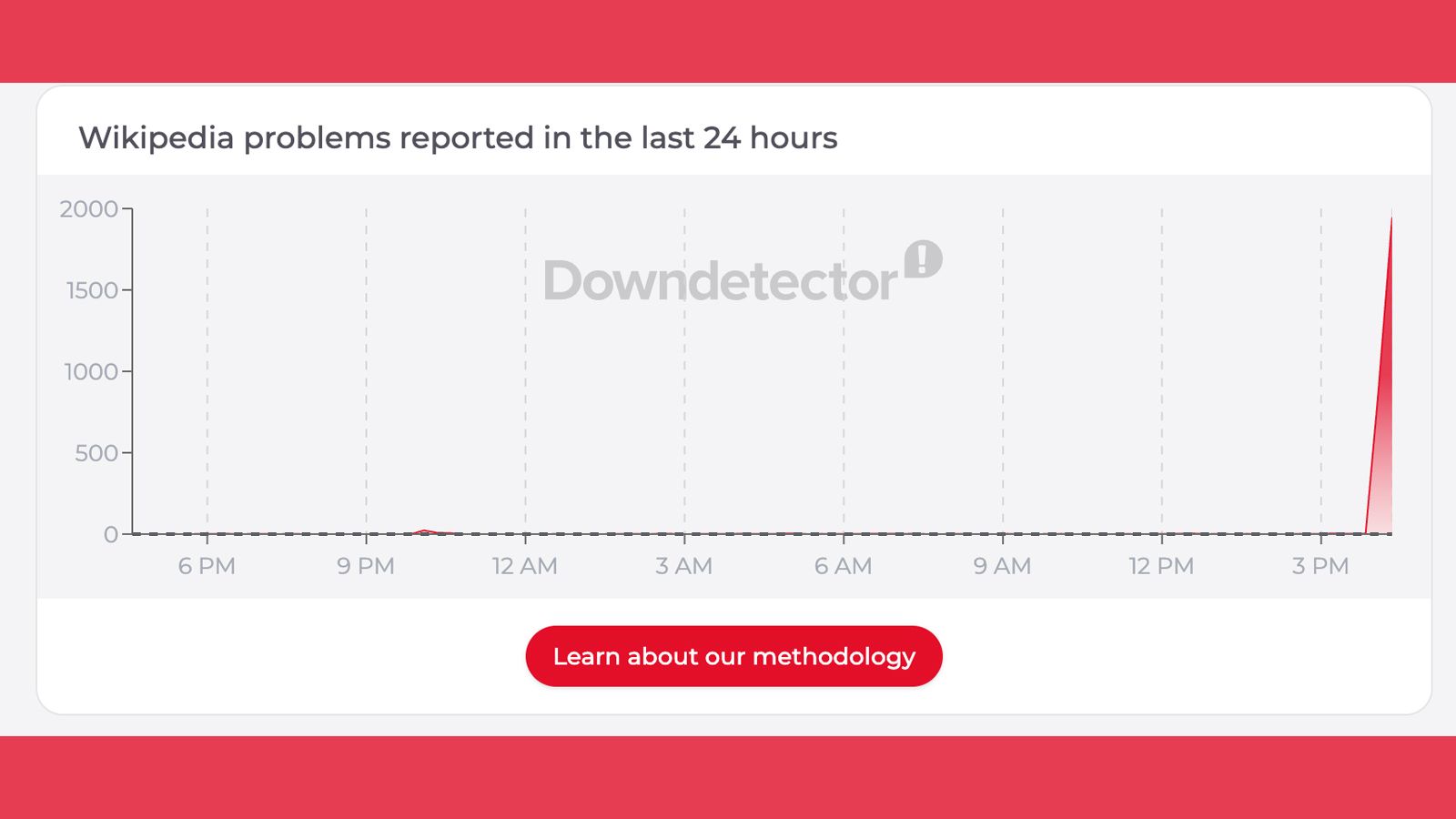
The problems started at around 10.51am ET / 3.51pm BST, when a large spike in reports appeared on the outage-tracking website — the reports peaked at just over 2,000 in the US and 850 in the UK.

It appears that some 'emergency maintenance' from Wikimedia was the culprit and appears to have now finished — but you can follow what happened in our liveblog below...

A sharp spike in reports

A Downdetector graph showing a Wikipedia outage

(Image credit: Downdetector)

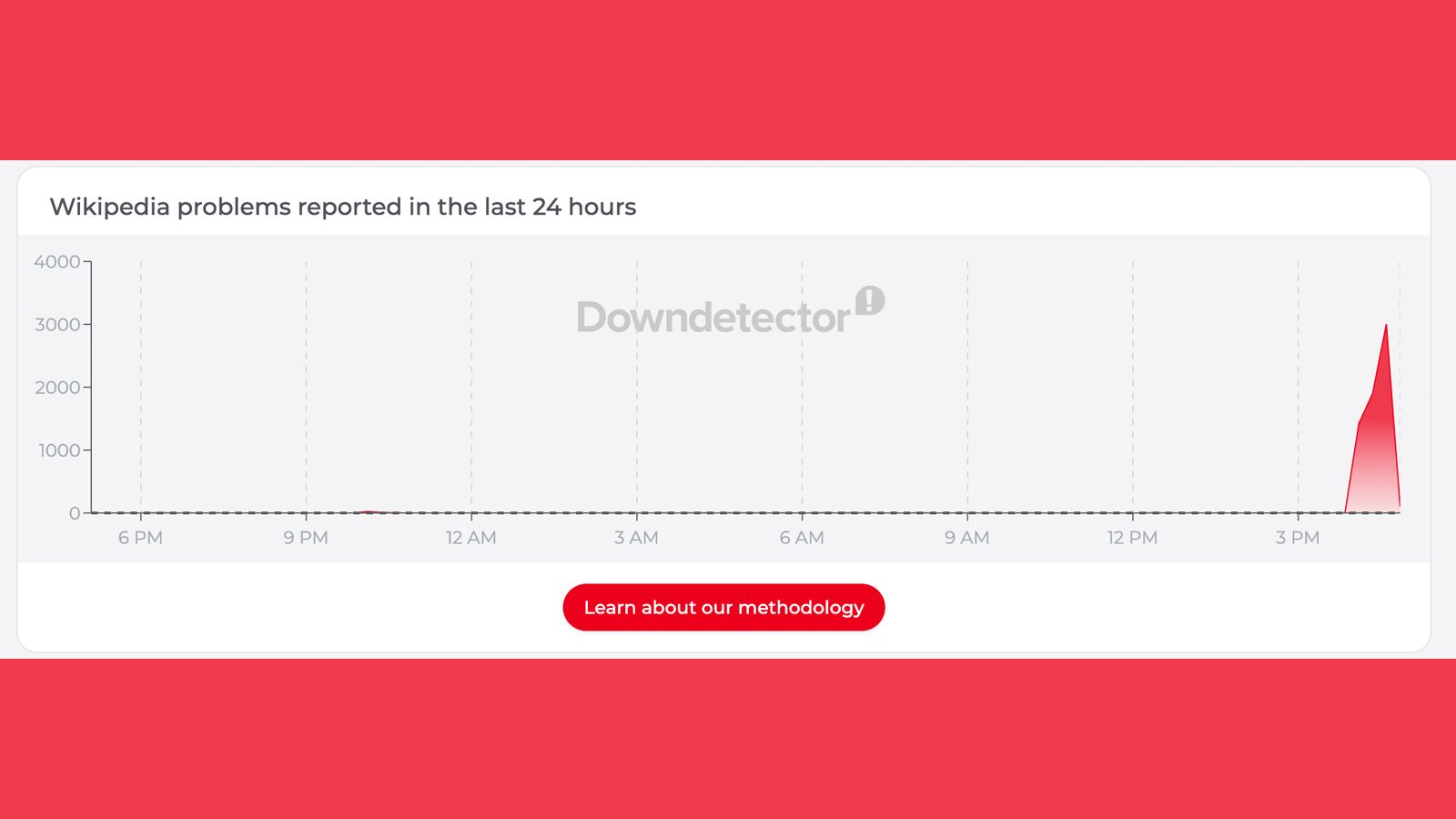
Wikipedia is working okay for me here in the UK, but it isn't for thousands of users right now — the reports graph on Downdetector is now over 3,000 in the US, and it's climbing in the UK too.

The cause is so far unclear, as there are no current issues at the major cloud providers like AWS, Google Cloud or Cloudflare. I'll be digging into this and reporting back shortly...

Please try again later...

THAT’S A FIRST, I HAVE NEVER SEEN WIKIPEDIA GO DOWN LIKE THIS?everything but the index page fails to load… huhhh??? https://t.co/5DtJ51QIkiOctober 21, 2026

This is what Wikipedia and Wikimedia currently look like for many users — an "error" page with a "please try again later" message. I've also never seen it go down like that, although it's working fine for me in the UK.

Strangely, there are a few other outages running concurrently right now, including Asana and the Internet Archive. It isn't yet clear if they're related, but they did start at very similar times (around 10am ET / 3pm BST). Wikipedia is certainly the worst-hit, though.

'Emergency maintenance'

A Wikimedia note about scheduled maintenance

(Image credit: Wikipedia)

This probably explains today's Wikipedia issues — the Wikimedia Foundation status page says 'emergency maintenance' is in progress.

The foundation hasn't explained how long the maintenance will last or what it's for, but that should hopefully mean it's pretty short-lived...

Phew, it's back

A Downdetector graph showing a Wikipedia outage

(Image credit: Downdetector)

Good news, it looks like the Wikipedia outage was indeed short-lived — or at least only lasted an hour.

The Downdetector reports have plummeted back down to zero, which suggests that 'emergency maintenance' is now finished.

Fortunately, that was all a lot more straightforward than the major PHP flaw that's turned government websites dark and sent website admins scambling...

  •  

Website admins across the world bracing for impact following major PHP flaw reveal

  • PHP discloses two critical remote code execution vulnerabilities that could enable website takeover and data theft
  • Details leaked before patch release, prompting an early security advisory and urgent upgrade warning
  • Researchers confirmed the flaws are real, with widespread impact expected across multiple PHP versions

PHP, arguably the most popular programming language for websites and web applications in the world, contains two critical-level vulnerabilities that could expose countless sites to remote code execution (RCE) attacks, the provider has revealed.

The flaws could lead to website takeovers, data theft, malicious redirects, and a whole swathe of similarly sinister situations.

Security rush hour

PHP published a new security advisory, giving admins a “heads up” on an incoming patch.

“The PHP security team would like to give advance notice of an upcoming security release,” the advisory reads.

“It is scheduled for Wednesday, 21 October 2026 at 14:00 UTC. It addresses two critical vulnerabilities, both rated CVSS v4.0 9.2. All PHP users are encouraged to prepare now so they can upgrade as soon as the release is available. We reserve the right to release earlier should details of either vulnerability become public, or should evidence of active exploitation appear in the wild.Full details, affected versions, and the fixed versions will be published with the release.”

If you’re thinking the announcement is rather unorthodox and that PHP might as well just released the patch - you’re absolutely right. The problem is that someone spilled the beans on the vulnerabilities before the official embargo was lifted, having the cybersecurity community scrambling for answers.

That ‘someone’ is a person with an alias ‘petecooper’, who published a new post on Y Combinator’s Hacker News forum earlier this week. In the post, they claimed PHP would disclose two remote code execution bugs on October 22 2026.

The post has since been deleted so we couldn’t independently verify it, but BleepingComputer says the post claimed the bugs carried CVSS scores of 10.0 and affected PHP versions dating back to PHP 5.

The post also labeled the bugs as CVE-2026-109618 and CVE-2026-109619, which was subsequently confirmed. Therefore, the only thing that’s wrong is the CVSS score which seems to be 9.2, not 10.0.

Among the people who knew about the flaw and the upcoming patch were watchTowr, and Florian Roth, Head of Research at Nextron Systems.

The embargo on the news was set for October 20, with the patch due a day later, on October 21. However, yesterday Roth posted on X, saying “Okay, since the news is already out: an RCE vulnerability in PHP core, CVSS 10.0. Further details are scheduled for release on October 20. Only PHP 8 will receive patches.”

Leaking the zero-days

This forced PHP’s hand, not just to release the advisory, but also to send a notice to its ANNOUNCE mailing list, according to BleepingComputer.

Security researchers watchTowr confirmed the news, saying the bugs are tracked as CVE-2026-109618 and CVE-2026-109619, and that the duo is being nicknamed “php2shell” by the community. Obviously, technical details are being withheld to protect users, but most likely affect PHP versions 5, 6, 7, and 8.

"In the last hour, two remote code execution vulnerabilities in PHP have been leaked. These vulnerabilities were previously scheduled under embargo and due for release on Thursday at 11 am ET," watchTowr CEO Benjamin Harris told BleepingComputer.

"While we are not able to share technical information at this point for obvious reasons, given the sensitivity, we can confirm that these vulnerabilities are indeed real. Both of them are CVSS10 and are understood to affect PHP versions 5, 6, 7, and 8."

The researchers also told the publication they managed to successfully reproduce CVE-2026-109618, confirming the flaws actually work. Good news is, there are still no confirmed reports of the flaws being used as zero-days in the wild.

  •  

New prize launches for books co-written with AI

After months of controversy over the possible use of AI by winners of prestigious awards, the Prix Pascal de Littérature IA is rewarding fiction written with the help of LLMs

A prize for AI-written books has launched this week.

The Prix Pascal de Littérature IA invites submissions of manuscripts co-written with AI tools, with the winner promised publication.

Continue reading...

© Photograph: Cheng Xin/Getty Images

© Photograph: Cheng Xin/Getty Images

© Photograph: Cheng Xin/Getty Images

  •  

A Microsoft exec has admitted that the Windows 11 design team is using AI

  • Windows 11 is cutting some Copilot features on the right-click menu
  • At the same time, a Microsoft exec said that "AI has already helped our design team accelerate significantly"
  • The exec added that "we're even seeing designers contribute directly to code fixes" and this has caused quite a stir online with anti-AI pushback

Windows 11 is getting tweaked to cut back on Copilot functionality, while at the same time, a Microsoft exec has admitted that the operating system's design team are using AI to help them – which has provoked something of a reaction, as you might expect.

First up, the move to cut back on AI, which as Windows Latest reports consists of stripping out some Copilot options from Windows 11's context menu, the one which pops up when you right-click on a file or folder.

In a post on the Microsoft 365 Message Center, the company explained: "We're retiring the OneDrive Copilot Summarize, Create FAQ, Compare Files, Ask a question, Explain image, Explain images, Compare images, Extract text actions from the File Explorer context menu."

These are Copilot actions which are tied to OneDrive, then, that folks who don't use Microsoft's cloud storage wouldn't have seen anyway.

You can still reach these options using the 'Ask Copilot' icon in the right-click menu, so overall, this is a streamlining change for the better (albeit one that some users won't even realize has happened).

It's not being implemented right away, but from mid-November, and by the end of the year, these options will have disappeared from Windows 11's context menu.

Now for the more controversial development that Windows Latest also noticed, namely a comment from a Microsoft executive on X. Diego Baca, who is VP of Design for Windows, posted in reply to a comment pushing for "Windows design unification" (better consistency) and using AI to help to that end.

Baca observed: "On AI agents, 100% agree. I'm not the best person to speak to the engineering side, but AI has already helped our design team accelerate significantly. We're even seeing designers contribute directly to code fixes that improve craft, consistency, and quality. That's exciting progress, and we're only getting started."

The key part of this that's getting picked up on social media is the admission that AI is being used by the Windows 11 design team to ensure tasks are completed more swiftly, and that it's helping designers to contribute code fixes. As you might guess, there are some unhappy people out there due to this admission.

Analysis: a chorus of noticing

Woman disgusted by her Windows 11 laptop

(Image credit: Phovoir / Shutterstock)

As noted, the reaction on Reddit has been predictably full of barbs and withering fire at Microsoft. This upvoted post complains: "We noticed [the use of AI in coding], the rapid decline in quality, every patch bricking at least some devices, major releases bricking entire fleets, and the introduction of major security vulnerabilities that are easily exploitable makes it clear the codebase is being vibecoded with insufficient code review and testing."

In fact, there's quite a chorusing of "we noticed" or "we know" regarding Microsoft turning to AI in coding, as well as the inevitable "slop" accusations, including the likes of: "And this is how Linux goes mainstream, not because it becomes better, but because Microslop becomes unusable thanks to AI integrations." (I should note that as you may have seen, Linux has its own controversies with AI, but that's a whole other story).

At any rate, I think we need to dig down a bit into the meaning of Baca's statement here. When the exec says, "AI has already helped our design team accelerate significantly," it's a pretty broad statement – perhaps referring to assistance on the design brainstorming front more than coding.

Yes, designers may "contribute directly to code fixes" now with the help of AI, but how often is that really happening? I'm guessing not that much, and that this work is more about simple interface tweaks and polish than anything, and this code will be passed to software engineers to be fully checked and reviewed – the main hope being it saves a bit of time. There's a lot of the Windows interface to fix, after all.

I think the hostility here is a bit unfair given that Baca is just trying to be honest about what Microsoft is doing, and I don't think the reality is that Windows 11's interface is suddenly being vibe-coded (by AI) to any great extent. What's happening is that Windows 11 users are jumping on this and venting because they're fed up of too many bugs, and that has nothing to do with the design team.

For me, this is about Microsoft's broader failure with Windows 11 bug testing and flaky updates, which isn't something you can lay at the door of AI as such. Rather, this is about the overall QA (quality assurance) processes which aren't picking up these problems and sorting them out before release (whether any given bug was introduced by AI, or not).

This is what's really the root cause of the outbursts on social media here, and the comments about patches going wrong and general unreliability. And this is what Microsoft really needs to fix, and fast – it remains the biggest problem with Windows 11 that needs addressing.

  •  

State Bank of India reports cyberattack — thousands of customer records affected, here's what we know

  • State Bank of India is investigating a suspected dark web data leak affecting thousands of customer records
  • Exposed information reportedly includes personal details, loan-related data, and customer identifiers
  • Bank has launched a forensic investigation but has not yet confirmed the source or authenticity of the leak

The State Bank of India (SBI) has confirmed losing sensitive data on thousands of its users, and worryingly said that it doesn’t yet know when or where the leak took place.

SBI is India’s largest public-sector bank, and one of the country’s biggest financial institutions. Its majority owner is the Indian government, and it provides services such as personal and business banking, loans, credit cards, and similar.

The company has filed a new report with the country’s stock exchange, saying it experienced “an incident involving the loss of certain data.” In the filing, it said that in mid-October 2026 it was contacted by its Threat Intelligence Service Provider, the Defence Cyber Agency, and CERT-In, in response to an alert regarding data leaking into the dark web.

Leaking PII

375,000 records were apparently made available on the dark web, among which were 3,897 bank customer records containing Personally Identifiable Information (PII).

“The exposed information reportedly included customers’ registered mobile numbers, dates of birth, names, gender, email addresses, residential addresses, branch and CIF identifiers, lead IDs, and metadata associated with loan/lead records and other related files,” the filing says.

So far, the bank does not know if the leak is authentic, who leaked it, or how they obtained the data. It kicked off a detailed investigation to determine the source and extent of the exposure, and assess any associated risks. Cyber incident response and containment protocols were triggered, and an independent CERT-In-empanelled cybersecurity agency was brought in for forensic analysis.

The bank stressed that the leak does not have a material impact on its business operations, and that it expects to continue functioning as usual.

In the meantime, an X account called CyberPulse56 flagged a dark web forum post, made on October 16 2026 by a threat actor called Siriusim. In the post, the actor claimed to have 375,000 CSV rows and 2,722 PDF documents belonging to the bank. They allegedly contained personal customer information, loan applications and supporting documents, account-opening applications, and address and other application-related details.

The Free Press Journal later established that the post was made on BreachForums, one of the most popular dark web cybercrime forums, and concluded that at least some of the data found there was authentic. It found that a WhatsApp profile picture associated with one number matched the passport-size photograph on that person’s KYC document, and it also found that the shared sample was primarily related to loans and contained KYC fields.

No clear connection to SBI

However, there was no information connecting the data to SBI, any of its subsidiaries, or third-party providers in its supply chain. Therefore, we cannot conclude if SBI was actually breached or not. There are a number of ways this data might have wound up on the dark web - it could originate from an older breach, it could be from an entirely different entity, or it could be a recycling of multiple older breaches - something cybercriminals are known for doing.

However, if the data is confirmed authentic, it could be a major risk for the bank’s customers. Information such as postal addresses, CIF identifiers, and loan records, can be used to create highly convincing phishing emails, through which the victims could end up downloading malware, or sharing vital login credentials with the attackers.

This type of stage-two compromise can then lead to ransomware or BEC attacks, which could cause severe disruptions, trigger class-action lawsuits, and result in brand erosion. SBI users should be wary of incoming email messages, especially those claiming to be from the bank, carrying a sense of urgency, or threatening account closure or funds displacement.

Via The Hacker News

  •  

Maybe Vibe Coding Should Be Called “Cuck Coding” Because You Just Sit in a Chair and Watch

Vibe coding is the act of telling an AI what you want to program and letting it write all the code for you. When it was first adopted, it was supposed to embody the sort of care-free optimism that was running in AI circles at the time, high off the possibilities of the tech. AI models had become so powerful that you could build an app using the same conversational language that you deploy while confiding in ChatGPT.

But the “vibes” are different now. Programmers were quickly forced to grapple with the new reality that AI coding tools brought to their profession. Now that everyone’s using AI to churn out code, you have to crank out even more work to keep up and meet your boss’s quota. It may be more “efficient” — and even that’s contested, since someone needs to do the hard work of verifying all that AI pablum — but it hasn’t exactly made people’s jobs easier. Meanwhile, everyone with a Claude subscription and a half-baked app idea fancies themselves a bona fide programmer, too.

In sum, vibe coding has gone from a novelty to something viewed as a necessary evil, or worse, as an object of suspicion. It’s no longer something to brag about. A recent tweet making the rounds in tech circles perhaps encapsulates this shift, joking about using the term “cuck coding” instead of vibe coding “because you just sit in a chair and watch.” Even posters on r/ClaudeCoding found the humor in it.

Vibe coding can churn out marvelous work, but it’s hard to divorce the optimism around it from the clueless bosses who are forcing their employees to heavily use AI to code. Epic Games, the game developer behind the mega hit shooter Fortnite, reportedly went the extra step of basically mandating actual vibes-based coding, telling employees that there would be “no more hand-written code” and that the unnamed game they were working on should be “generated with full AI workflows.” Epic was later met with waves of mockery for bragging that it “vibe coded” its game launcher to be faster than its competitor Steam.

As vulgar as the term sounds, maybe “cuck coding” is indeed the term that more accurately reflects what’s actually going on. You watch and burn… lots of tokens.

More on AI: Major Data Center Developer Rents Floating Prison Barge to House Contract Construction Workers

The post Maybe Vibe Coding Should Be Called “Cuck Coding” Because You Just Sit in a Chair and Watch appeared first on Futurism.

  •  

AI 'antidetect' browsers are making scams, fraud, and influence operations harder to spot

  • Cybercriminals use antidetect browsers to disguise devices, hijack accounts, and evade fraud detection systems
  • Stolen session cookies, fake identities, and AI automation help scale scams and account abuse
  • Researchers warn AI-integrated antidetect tools are lowering barriers for large-scale fraud operations

Cybercriminals have started using antidetect browsers as part of their tech stack, helping them evade detection while deploying session cookies, creating thousands of fake accounts, and passing Know Your Customer (KYC) checks. This is according to a new in-depth report published by security experts Check Point Research (CPR), in which it says that Russian, Iranian, and Chinese hackers are spearheading these activities.

What are antidetect browsers?

When users log into services like Facebook or TikTok using regular browsers, they leave behind digital fingerprints - screen resolution, operating system, fonts. This information can be used to identify and track a device across online sessions, and if a single entity (for example, a digital marketing agency) tries logging into multiple accounts from the same browser, it might trigger a security alert (or simply go against certain terms of service).

Hence the need for antidetect browsers - specialized software whose key feature is the ability to create isolated profiles with different digital fingerprints, making multiple accounts appear to originate from separate devices.

They are generally used to manage social media accounts, advertising, and e-commerce accounts, or to run web scraping operations or test websites across environments.

Antidetect browsers are not malicious by design, and are mostly used by digital marketing agencies and affiliate marketers. However, just as many other good things, these browsers are actively used by cybercriminals to exploit the tech and run fraudulent accounts.

Many competing tools are available today, but a handful stand out - Kameleo, AdsPower, Multilogin, GoLogin, and Dolphin Anty.

According to CPR, underground forums are full of discussions on using antidetect browsers for different fraudulent activities. These mostly originate from Chinese, Iranian, or Russian hackers, and generally revolve around Kameleo, AdsPower, and Multilogin.

“We selected these specifically on the basis of documented references across underground forums and criminal marketplaces, indicating active adoption beyond their stated commercial purposes,” CPR explained.

Analyzing these discussions, CPR discovered that the threat actors primarily use antidetect browsers to leverage stolen session cookies. When they steal a cookie, they can inject it into a clean browser profile to assume control of the account and operate it unabated. Banking accounts and cryptocurrency wallets are the most popular targets.

AI seasoning

Besides banks and crypto wallets, threat actors are also using these browsers to test payment credentials across e-commerce platforms without triggering any alarms. They’re also using them to apply for loans under fabricated identities, and to create fake accounts in bulk, which are then used to generate advertising revenue at scale.

At the same time, Artificial Intelligence is making these operations easier to scale, CPR says. AdsPower, for example, offers integration with Large Language Models (LLM) through a Model Context Protocol (MCP) server, allowing AI-powered workflows to connect with browser profiles. Through automation marketplaces, it also offers different templates for things like commenting, liking, or sending messages across multiple accounts.

A combination of antidetect browsers, AI account management, and AI generated content creates a powerful concoction that allows threat actors to run large, coordinated campaigns with minimal involvement. This allows them to build and “warm up” fake accounts over time, which then appear more credible and are easier to use in scam and fraud attacks.

“The antidetect browser ecosystem represents a sophisticated, commercially mature, and increasingly AI-driven infrastructure that has fundamentally lowered the barrier to running scam and fraud operations, as well as coordinated inauthentic operations at scale,” CPR warns. “These commercially maintained tools are available in dozens of languages, backed by customer support teams, tested daily against the world’s largest social media platforms, and are now integrated with LLM pipelines that remove the human operator from the execution layer.”

The researchers advise security teams to look beyond account behavior and focus on the infrastructure, including residential proxies, browser fingerprint inconsistencies, and unusual session-cookie patterns. Social media platforms should start analyzing antidetect browsers to better understand how they bypass their detection mechanisms, while companies should review whether their security systems can detect account takeovers involving session cookies.

  •  

Apple Pay faces UK crackdown that could change iPhone tap-to-pay

  • The UK government wants more Apple Pay alternatives for consumers
  • It’s proposing opening the technology up to other companies
  • It also wants Apple to charge lower fees for access

If you pay for an item using the contactless tech on any of the best iPhones, you’re locked into Apple’s way of doing things. But the UK government’s competition regulator — the Competition and Markets Authority (CMA) — is proposing new rules that could blast open the way you pay using your iPhone.

According to a press release on the UK government website, the CMA believes that “Apple’s fees and rules are blocking UK fintechs and other businesses from innovating and growing” and that its proposed changes are “expected to result in substantially lower access fees, helping make it commercially viable for more businesses to innovate and compete.”

The CMA pointed out that no rivals to Apple Pay exist in the UK, as opposed to in the EU, where several alternatives can be used. The CMA believes this is due to both high fees charged by Apple and restrictions placed on certain technology by the Cupertino giant.

For instance, while Apple allowed third-party companies to offer Apple Pay alternatives in the UK back in 2024, one condition was that these firms had to use Apple’s Secure Element, which encrypts important payment card information during transactions.

In the EU, however, European Union-wide rules mean that Apple must let companies use host card emulation (HCE) for free instead of the Secure Element, if they wish. The CMA wants that kind of technology to be available in the UK and says it does not believe that doing so would raise any “inherent security concerns.”

Commenting on the CMA’s move, Mattias Eld, CEO & Co-founder at contactless firm Fidesmo, said: “Buying an iPhone should not mean handing Apple the keys to your wallet. Consumers should rightly choose how they pay, and banks should choose who they work with. But for over a decade Apple has honed its domination over tap-to-pay, through the careful and deliberate stifling of its competitors. This has allowed Apple to charge banks inflated transaction fees, with the threat of exclusion from such a vast market leaving them little choice but to pay.”

Apple pushes back

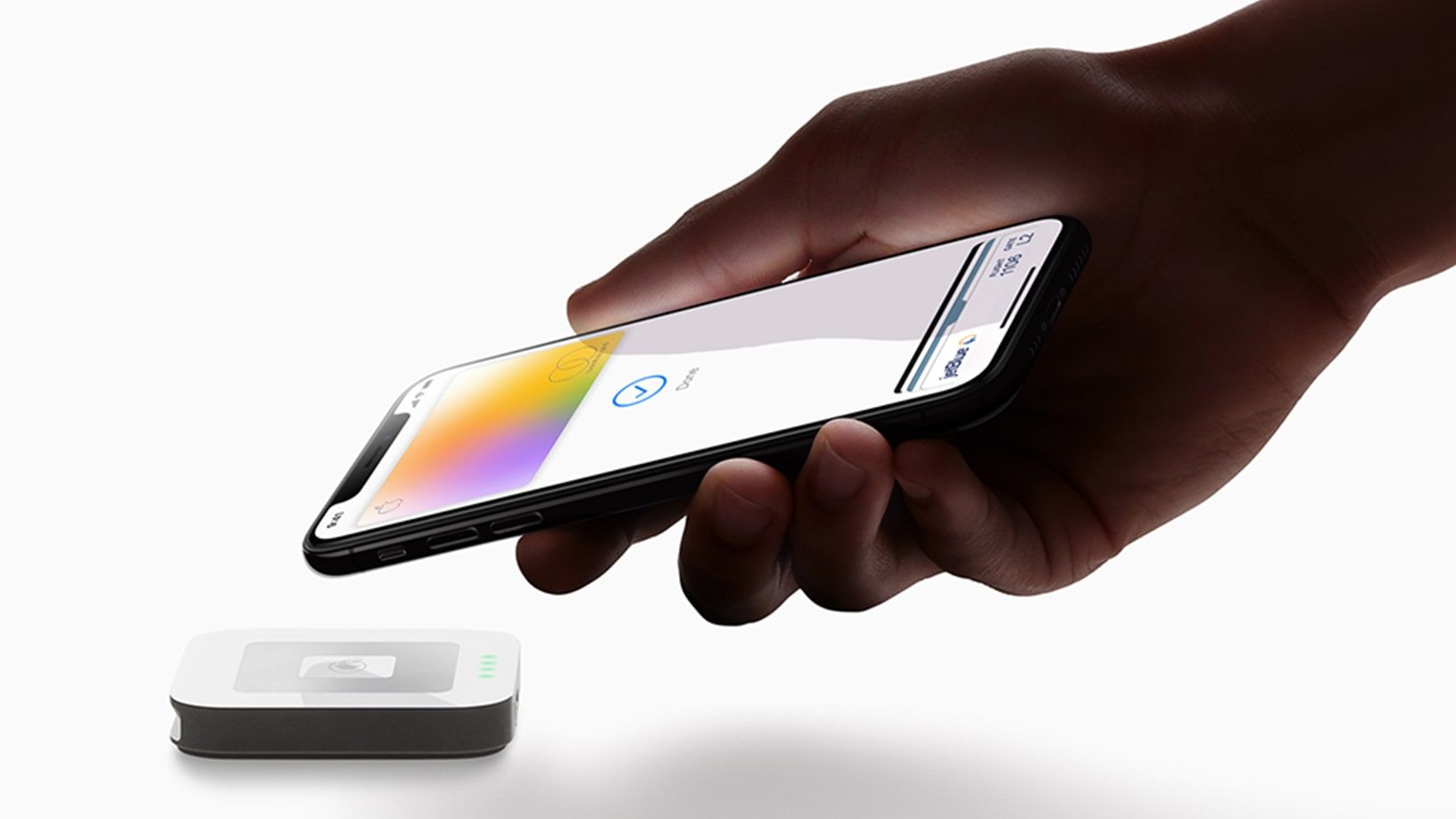
A person paying using an Apple Card and Apple Pay.

(Image credit: Apple)

The CMA says that while it isn’t seeking to dictate the prices or terms that Apple must set, it wants to propose “principles for how this should be determined, with the expectation that charges would be substantially lower than Apple’s current fees while still fairly rewarding Apple for providing access.”

However, Apple has pushed back against the CMA’s proposals, telling Reuters that “We do not believe the CMA should require ​Apple to adopt an approach with lower privacy and security protections. We will continue to engage constructively to reach ​an outcome that is in the best interest of our users.”

Why does Apple restrict access to contactless payment tech? One answer might simply lie in the almighty dollar: as with the App Store, Apple charges third-party firms for access and likely doesn’t want to give up that revenue stream.

I’m not entirely convinced that that’s the main reason, however — after all, Apple is one of the wealthiest companies on the planet and makes huge profit margins on every product it sells. Is nickel and diming really such a core strategy when its iPhone revenue alone jumped 21% to $54.25 billion in the third quarter of 2026?

Analysis: Apple fears it could pay the price

To me, a stronger argument centers on something else: control. This has been an obsession for the company since the days of Steve Jobs, and Apple is acutely, painfully sensitive to how its products are perceived.

If Apple loosened its grip on something so vital to the user experience as payments and financial services and a third-party contactless provider then got hacked or scammed customers, Apple fears that that will reflect badly on itself as a company. For the perfectionists at Apple, anything that lessens the user experience due to Apple’s actions is an absolute no-go. By taking payments entirely under its own aegis, Apple reassures itself that nothing will go wrong.

There’s a degree of logic to that. Apple has proven its security credentials and works harder than many companies to keep its systems incredibly safe. Going with a third-party means trusting someone else whose track record might not be as strong. But that certainly doesn’t mean that only Apple can safeguard your payment information — or indeed that only Apple should be allowed to even try.

If the CMA gets its way, Apple might be forced to change its ways. The company has already been forced to crack open its contactless walled garden in the EU, and the UK might soon follow. The way you pay using your phone might look very different as a result.

  •  

Nvidia RTX 6060 GPU could be a long way off, and may fall short of the PS6

  • Nvidia's RTX 6060 may not arrive until 2029 a leaker claims
  • They note that when there are supply issues (the current RAM shortage), Nvidia tends to drag out the release of lower-end GPUs
  • They also believe it's unlikely the RTX 6060 will match the PS6 for frame rates

Nvidia's budget GPU for its next-gen range may not be released for three years yet, if a new rumor about the RTX 6060 turns out to be correct.

Wccftech spotted a post from leaker Kepler on the NeoGAF forums, who chipped in with speculation on Nvidia's graphics cards in a thread about the cost of the PlayStation 6.

Kepler was responding to a comment observing that the PS6 is going to go up against the RTX 6060 when it launches in terms of comparisons to PC gaming, and the leaker said — add seasoning with this as ever — that the "6060 will launch much later (and based on recent trends I doubt it will match PS6)".

In a further post, the leaker added: "When there's a supply shortage Nvidia tends to really drag the release of lower end cards. There's a good chance RTX 6060 comes out in 2029."

This would mean we're looking at an early-to-mid 2028 launch for the RTX 6090, 6080 and 6070, which lines up with more recent rumors. Of course, that's not a foregone conclusion, and Kepler is clearly speculating here.

Recent reports from analysts indicate that the PS6 will likely launch in 2028, though some have argued that Sony's next-gen console could appear late in 2027 (alongside other devices, perhaps).

Analysis: late, as well as short on performance?

The Asus Dual OC RTX 5060 inside a PC case.

(Image credit: Future)

Of course, what Kepler contends here is what Nvidia is supposedly planning right now, and just as with the PS6, a lot of the direction that Team Green goes in with its next-gen GPUs will depend on the memory crisis. Graphics cards do, of course, use video RAM (VRAM), and the next generation of GeForce products will be expected to up the ante on that score. (Gamers are already unhappy with Nvidia's current-gen VRAM configurations).

The problem is that there's no shortage of predictions that RAM cost inflation is going to get even worse in 2027, after it has already spiked in a big way through the middle of this year. The theorizing then runs that 2028 is also going to be a difficult year, which lends weight to the argument that the RTX 6060 will indeed be late to the GPU party.

In short, I wouldn't rule out the possibility of a 2029 arrival for the RTX 6060 as suggested, which obviously isn't great news for those hoping to score a more wallet-friendly next-gen Nvidia GPU.

It's also interesting to note that Kepler believes the RTX 6060 won't be as powerful as the PS6 for gaming frame rates, but I'd take that claim with even more salt than the rumors around timing.

Gauging hardware capabilities at this stage is obviously a trickier task, but Kepler's assertion isn't an impossibility of course. Note that the current RTX 5060 matches the PS5 Pro's gaming performance (roughly, for rasterization as opposed to ray tracing), so if the RTX 6060 couldn't equal the PS6, that would be a clear disappointment for PC gamers on a budget (particularly if the VRAM loadout again turns out lean).

  •  

Microsoft expands sovereign cloud offerings as data control concerns grow

Microsoft expanded its sovereign cloud offerings on Tuesday, adding new security, governance and AI capabilities as customers, particularly in Europe, demand greater assurance over where data is stored, who can access it and how critical services operate during disruptions.

The announcement builds on Microsoft’s ongoing digital sovereignty efforts, assisting organizations in applying appropriate levels of control to each workload rather than forcing a rigid, one-size-fits-all approach.

“Organizations are considering more than where data resides. They also seek to understand who can access and operate their systems, how sensitive digital assets remain protected, which technology dependencies matter most and whether critical services can continue as regulatory, geopolitical, security or network conditions change,” Douglas Phillips, president and CTO at Microsoft Specialized Clouds, said in a blog post.

The developments come amid growing international scrutiny of how global tech providers handle sensitive data and the extent of control customers retain over their digital infrastructure.

“Three factors are driving this, including stricter data regulations, rising geopolitical tensions, and growing AI adoption,” said Pareekh Jain, CEO at EIIRTrend & Pareekh Consulting. “Governments and enterprises want greater control over where their data is stored, who can access it, and whether critical systems can operate during disruptions. For instance, governments and big enterprises in Europe are worried about keeping their important data on an American company’s computers. Europe has proposed a new law that would limit the use of US cloud companies for sensitive government data in many areas. Microsoft is responding to these concerns while competing with local sovereign cloud providers.”

New controls across cloud and AI workloads

Microsoft is introducing the Sovereign Control Panel, a unified Azure portal experience that will allow organizations to assess their sovereignty posture, identify risks and gaps, apply controls, and evaluate workload portability. The panel is scheduled to enter public preview at Microsoft Ignite.

Expanding on Azure Key Vault Managed Hardware Security Module (HSM), which gives customers dedicated protection over encryption keys, Microsoft is now extending control beyond its own infrastructure. External key management with Azure Managed HSM is now generally available, enabling organizations to keep root encryption keys in hardware they own and operate on-premises or through a trusted third party.

In limited preview, Azure Confidential Clean Rooms will use confidential computing to support collaboration involving sensitive data, where participants will be able to analyse shared information while limiting broader exposure of the underlying data.

Microsoft is also expanding Azure Local to bring more cloud capabilities into customer-operated environments. The ability to transition workloads between connected and disconnected states is entering public preview. Additionally, DocumentDB and Blob Storage are entering public preview on Azure Local, while SQL Server on Azure Local is already generally available for connected and disconnected deployments.

On the AI front, Foundry Local is scheduled to become generally available at Microsoft Ignite for connected and disconnected operations on Azure Local. It will support local inference and agentic retrieval in natural language, backed by an expanded model catalog from Microsoft, partner networks, and the open-source community.

To further protect data during processing, Confidential Virtual Machines on Azure Local is now generally available, leveraging hardware-encrypted memory and isolation alongside workload attestation before sensitive keys or data are released.

While these additions give enterprises greater flexibility, industry analysts emphasize that localized deployments do not automatically erase vendor dependency.

“Depending upon the deployment model, in the public cloud, enterprises get better visibility, stronger access controls, and more control over encryption keys,” said Ashish Banerjee, senior principal analyst at Gartner. “In the Sovereign Private Cloud, they can operate infrastructure locally and even disconnect selected workloads from Azure. But I would not call this complete control. Enterprises still need to check whether Microsoft remains involved in identity, software updates, management, or technical support for the services they use.”

The article originally appeared on CIO.

European oversight and partner options

For customers in the EU and the European Free Trade Association (EFTA), Microsoft is rolling out Data Guardian. Under this model, a trusted regional partner will provide independent oversight of remote access requests by Microsoft engineers. Simultaneously, a Production Touch Ledger will create tamper-evident logs of all technical actions performed.

Microsoft is also broadening its Sovereign Partner Ecosystem, highlighting regional operators like Bleu Cloud in France and Delos Cloud in Germany, alongside independent software vendors specializing in security, identity, observability, and backup.

Geopolitical realities and market limits

Despite these additions, analysts note that technical controls cannot eliminate geopolitical dependence entirely. US hyperscalers (Amazon, Google, and Microsoft) continue to account for roughly 70% of the European cloud market, whereas European providers’ market share has contracted over the last decade.

The new measures introduced under Microsoft Sovereign Cloud do reduce risks but cannot eliminate them. “Local infrastructure, independent encryption keys, and disconnected operations make it harder for external parties to access data or disrupt services. However, Microsoft remains subject to applicable US laws, sanctions, and export restrictions. Enterprises gain greater operational independence but not complete legal or technological independence,” added Jain.

Furthermore, while sovereign cloud capabilities can offer greater control over data, infrastructure, and operations, this often comes with trade-offs in cost, performance, scalability, and access to services.

Banerjee noted that sovereignty should be assessed workload by workload, rather than applied as a label to the entire cloud environment. Greater sovereignty generally comes with greater cost and responsibility. Local or disconnected environments may not receive every Azure service at the same time. Enterprises may also need dedicated infrastructure, specialist skills and separate continuity arrangements. On top of that, they may lose some elasticity and economies of scale.

“So, I would not recommend maximum sovereignty for every workload. Reserve it for workloads where the legal, operational or geopolitical risk genuinely justifies the additional complexity,” added Banerjee.

  •  

Quantum error correction goes well beyond breakeven

Running complicated algorithms on quantum computing hardware is going to require the use of logical qubits, where collections of hardware qubits are linked together in ways that allow errors to be detected and corrected. In general, the more hardware qubits you dedicate to each logical qubit, the better the chances are of identifying errors. But, given that the hardware qubits are prone to errors, adding more of them also increases the probability that errors will occur. If the hardware error rate is too high, then growing the logical qubit will only make matters worse.

Fortunately, several companies have demonstrated hardware where the error rate is not too high. Several demonstrations show logical qubits are beyond the breakeven point, where adding more qubits improves performance. The problem is that the improvement isn't very dramatic. To lower error rates to levels we'll need to run complex algorithms, we'd have to add a completely impractical number of qubits to each logical qubit.

On Monday, Quantinuum announced that its current generation of hardware is capable of scaling well beyond the breakeven point. Each step up in the size of logical qubits improved some measures of their performance by a factor of over 10.

Read full article

Comments

© Quantinuum

  •  

I’m a CTO. AI still needs your human expertise | Madhu Shashanka

AI is increasingly getting good at doing some tasks, but it can never replace human workers’ judgment

Autonomous cars, which may be the safest we have built, keep getting easily avoidable parking tickets. While Waymos crash far less often than human drivers over tens of millions of miles, they’re still terrible at performing basic tasks – keeping out of disabled parking spots and tow-away zones, or steering clear of a church garage during Sunday service, according to the Wall Street Journal.

That is the state of AI today: impressively capable at something complex, yet embarrassingly clumsy at something easy. And it has implications for what work will remain human and what will be automated by AI.

Madhu Shashanka is co-founder, chief scientist and chief technology officer at Concentric AI, a data security software company

Continue reading...

© Illustration: Guardian Design/Westend61/Getty Images

© Illustration: Guardian Design/Westend61/Getty Images

© Illustration: Guardian Design/Westend61/Getty Images

  •  

The local computing rebellion

Take a close look at your monthly software bills. The charges that once seemed small and separate can add up to a new kind of dependency: subscriptions for word processing, creative tools, storage, and now AI features bundled into products, whether you asked for them or not.

For many people, it’s no longer a choice between buying software or renting it. The software they used to run on a PC increasingly depends on an account, an internet connection, a cloud service, or a particular plan. Even when an application runs locally, its essential features may rely on online authentication, remote storage, or services that can change without much notice.

Microsoft and Adobe are prominent examples of this shift. Their subscriptions offer real benefits, including frequent updates, collaboration, and access across devices. But people who are looking for a dependable word processor or video editor can find themselves navigating bundles, account requirements, cloud storage prompts, and AI features they don’t want. Users are growing frustrated that they have little choice about being forced into cloud services.

Interest in local computing

The response is a renewed interest in local computing: software that runs on a person’s own computer, stores work where they choose, and does not require a recurring payment for basic use. This isn’t a rejection of cloud computing. It’s a demand for a more balanced relationship between local machines and remote services. Home users and small businesses are turning to open source and other locally installed applications. They may not offer every advanced feature of a commercial suite, but many users don’t need every feature. If a free, locally run tool can handle the work, then “good enough” can be a rational decision.

The same logic applies to AI. Some users want powerful models hosted in the cloud. Others want to experiment with AI on their own hardware, keep sensitive information close, or avoid paying for an always-online service. Local AI still has limitations, including hardware demands and uneven performance. But it gives people another option, and options matter when customers feel locked into a remote service.

Cloud computing is also no longer limited to systems an organization deliberately chooses to put in a public cloud. It is embedded in everyday software. A productivity application can depend on identity services, online licensing, synchronization, remote storage, telemetry, or AI services. A tool that looks like a desktop program may be part of a much larger cloud relationship. Such an arrangement can be useful. Centralized updates and shared documents make work easier for distributed teams. But when software depends on a provider’s back end, the organization inherits risks it may not have assessed: outages, price changes, loss of access, data retention questions, and shifting product terms.

Users are voting with their feet when they choose local alternatives. Providers should read that vote as feedback, not nostalgia. Customers want the convenience of cloud services without surrendering control over where their software runs, where their files live, or whether an AI assistant is part of the package.

Providers should offer real options

The answer is not to abandon cloud platforms. For many workloads, cloud infrastructure remains the best option for scale, resilience, collaboration, and access to managed services. The answer is to stop treating cloud dependence as the inevitable price of using modern software.

Providers can make the choice real by offering offline access where practical, clear and durable licensing, straightforward file export, and local storage as a genuine option. They should explain which features require connectivity and what happens when a subscription ends. If AI is included, users should be able to understand what it does and how to turn it off without losing unrelated functionality.

This is not just a consumer relations issue. It is strategic planning. Enterprises should consider three things now.

First, inventory the software employees rely on and identify which functions depend on a vendor’s cloud. Include desktop applications, browser extensions, identity systems, storage, and AI features. Record what breaks during an outage or after a license expires. A dependency map can reveal that a supposedly local workflow relies on remote services for authentication, collaboration, or even basic operation. That knowledge helps organizations plan for continuity and negotiate from a position of understanding.

Second, establish policies for where work data may be stored and processed. Decide which information can go to external services, which AI tools are approved, and how employees can use local alternatives. These rules should be practical enough to follow. A blanket prohibition may drive users toward unsanctioned tools. A clear set of approved choices can reduce risk while recognizing that teams have different needs.

Third, build flexibility into long-term procurement and architecture. Evaluate products not only for features and subscription cost, but also for offline capability, data portability, exit terms, and support for local deployment. Keep important workflows from depending on a single vendor when a reasonable alternative exists. This does not mean avoiding subscriptions. It means knowing what the organization receives for the recurring cost and how it can leave if the deal changes.

The local computing movement is a reminder that technology is valuable when it solves a problem on terms users and organizations can accept. For some needs, that’s a managed cloud service. For others, it’s a dependable application running on a computer the user controls.

Cloud providers that dismiss this movement risk confusing convenience with consent. Customers will keep choosing tools that fit their work, budgets, and privacy expectations, even when those tools are simpler. The winning strategy is not to force every workload into the cloud. It is to make cloud services compelling enough that customers deliberately choose them, while preserving a credible path to local computing when they do not.

  •  

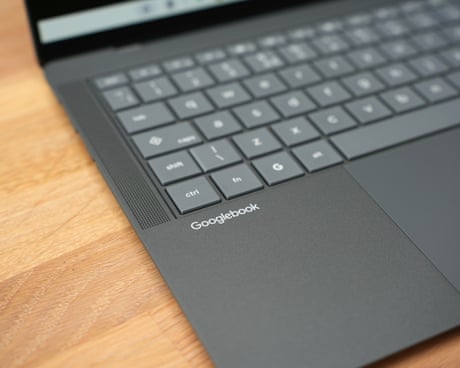
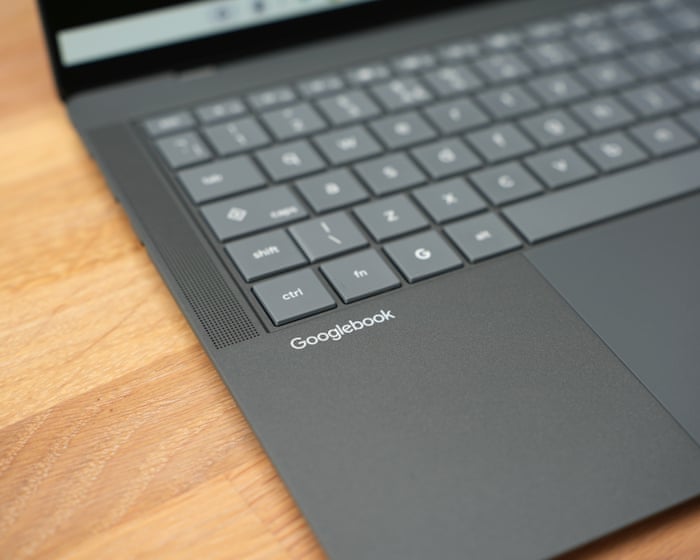
Googlebook review: Google’s new laptops are woefully underbaked

Great hardware let down by software flaws on these pricey machines that combine ChromeOS with Android

Google’s attempt to create a new type of laptop to compete with Windows and macOS machines is finally here, combining the best of ChromeOS and Android into the new Googlebook. With advanced links to Android phones and the best of Google built in, can these Googlebooks really compete with a MacBook Air or Surface Laptop? I took two for a spin to find out.

For years, Chromebooks have been the boss of budget laptops, but Googlebooks take a different, far more premium approach. Made by a range of traditional PC makers, including Acer, Asus, Dell, HP and Lenovo, they start at £999 (€1,099/$899/A$2,299) – a far cry from the £160 Chromebooks.

Continue reading...

© Photograph: Samuel Gibbs/The Guardian

© Photograph: Samuel Gibbs/The Guardian

© Photograph: Samuel Gibbs/The Guardian

  •  
❌