❌

Reading view

One-way attack drones intercepted using US ally’s uncrewed air system integrated with rockets
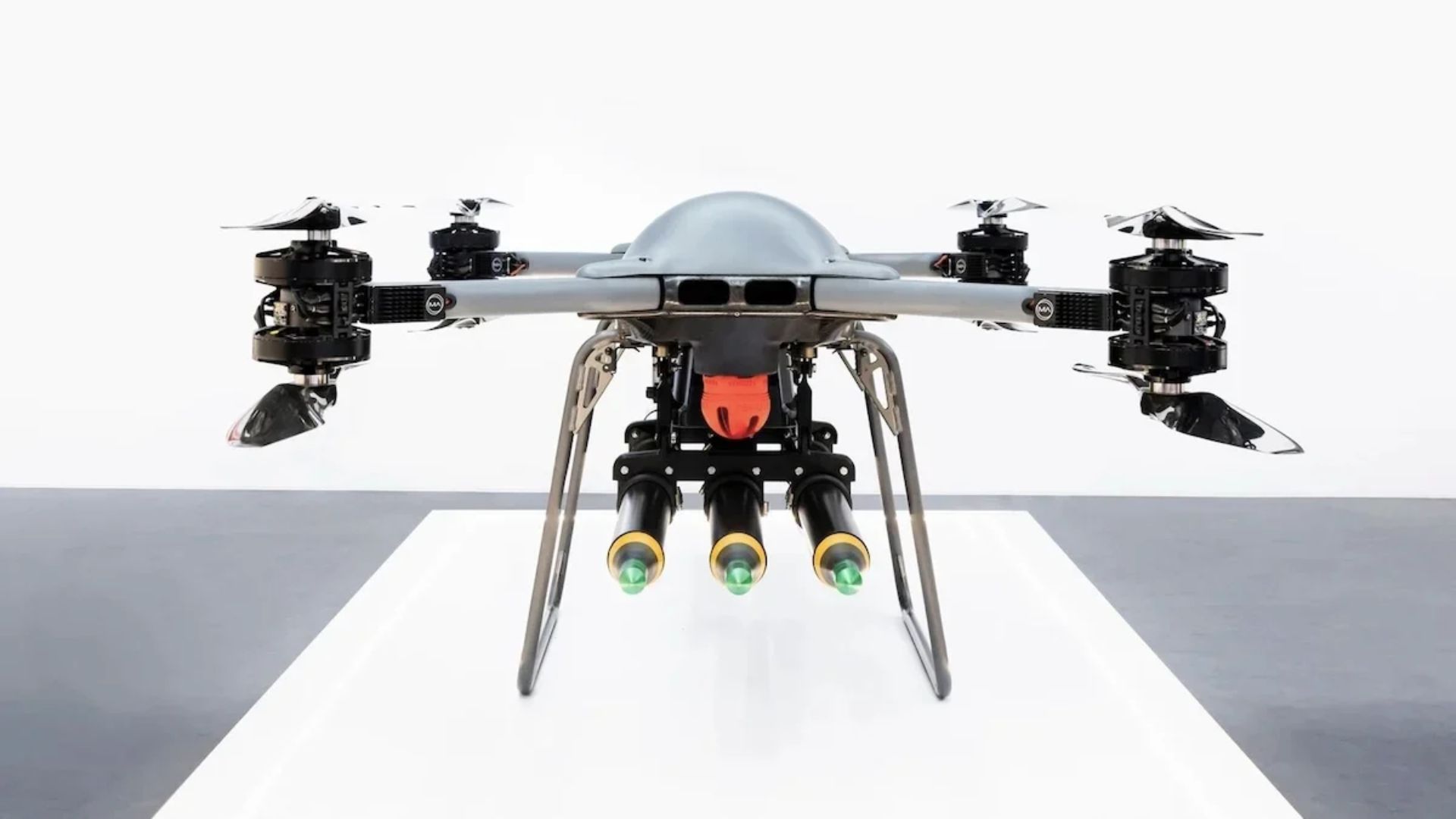
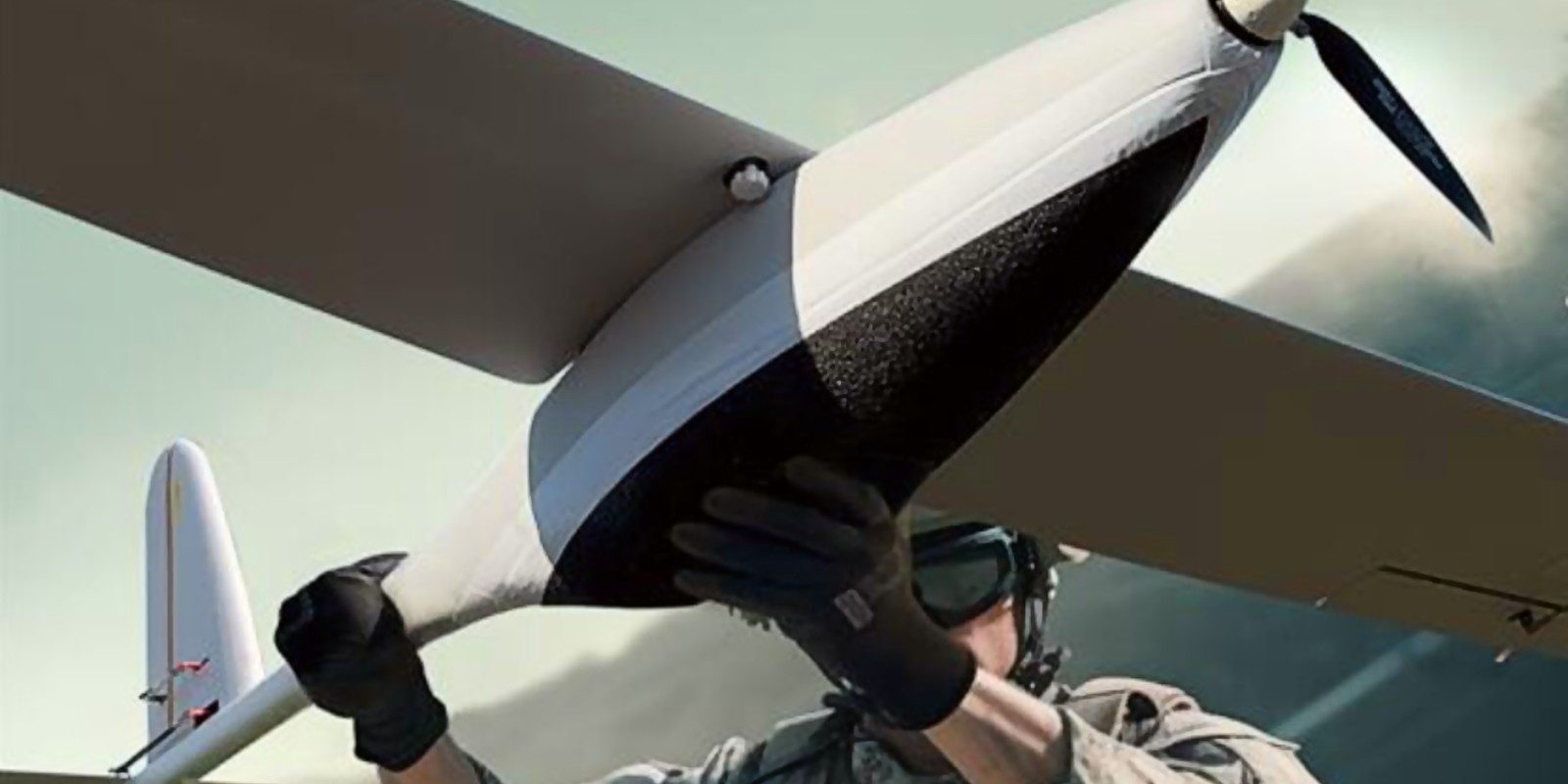
A new uncrewed air system (UAS) successfully intercepted multiple one-way attack drones. The modified version of T-150 Uncrewed Air System (UAS) conducted the mission during a US Office of the Under Secretary for Research & Engineering (OUSW) experiment.

Developed by BAE Systems subsidiary Malloy Aeronautics, the TRV-150 was equipped with a three-pod launcher firing BAE Systems’ laser-guided APKWS rockets to engage several targets in succession without landing or reloading.

Low-cost precision weapons integrated onto uncrewed platforms

The trials, conducted alongside BAE Systems Maryland-based partner, SURVICE Engineering, demonstrated how low-cost precision weapons can be integrated onto uncrewed platforms to counter the growing drone threats on the battlefield.

“Our customers are facing drone threats right now, so we’ve worked at pace with our partners to move from concept to a proven system, which can engage multiple targets in a single mission,” said Thomas Lancashire, Head of UAS Business Development, BAE Systems’ FalconWorks.

“Military technology is evolving faster than ever and it’s vital that effective capabilities reach those who protect us as quickly as possible. In today’s environment, the speed at which we deliver equipment can be just as important as the system itself,” added Lancashire.

First-ever single-shot firing of a precision munition from T-150

The company revealed that these latest tests build on the first-ever single-shot firing of a precision munition from an adapted T-150 in July last year, extending that capability through the use of a production-ready three-pod launcher system to engage with air targets.

“Supporting the warfighter has been at the core of SURVICE’s mission since its founding over 45 years ago. Bringing the TRV-150 to the US warfighter and now adding APKWS as a proven, precise, and cost-effective capability to our TRV-150 UAS platform is exactly the type of innovation SURVICE was designed to deliver,” said Gregory Thompson, President SURVICE.

Besides its counter-drone role, the platform has also already been deployed with UK armed forces to deliver tactical logistics, most notably with the Royal Navy’s Carrier Strike Group where it carried supplies between ships throughout its eight-month Indo-Pacific deployment last year. The version of the Malloy T-150 involved in these air-to-air targeting trials, known as the TRV-150, was adapted to meet the US Army requirements by industry partner SURVICE Engineering whilst the APKWS modification kit was developed and integrated by BAE Systems FalconWorks division, according to a press release.

SURVICE Engineering is one of several industry partners working with BAE Systems around the world to develop tactical counter-drone systems, combining agility, affordability and operational flexibility within a multi-role configurable concept. The team will now look to build on this success to extend the T-150’s use in this way to the maritime environment, with the aim of ultimately helping protect customers from similar threats at sea, as per the release.
  •  

US Army’s new Javelin launcher is 25% lighter, detects targets twice as far away

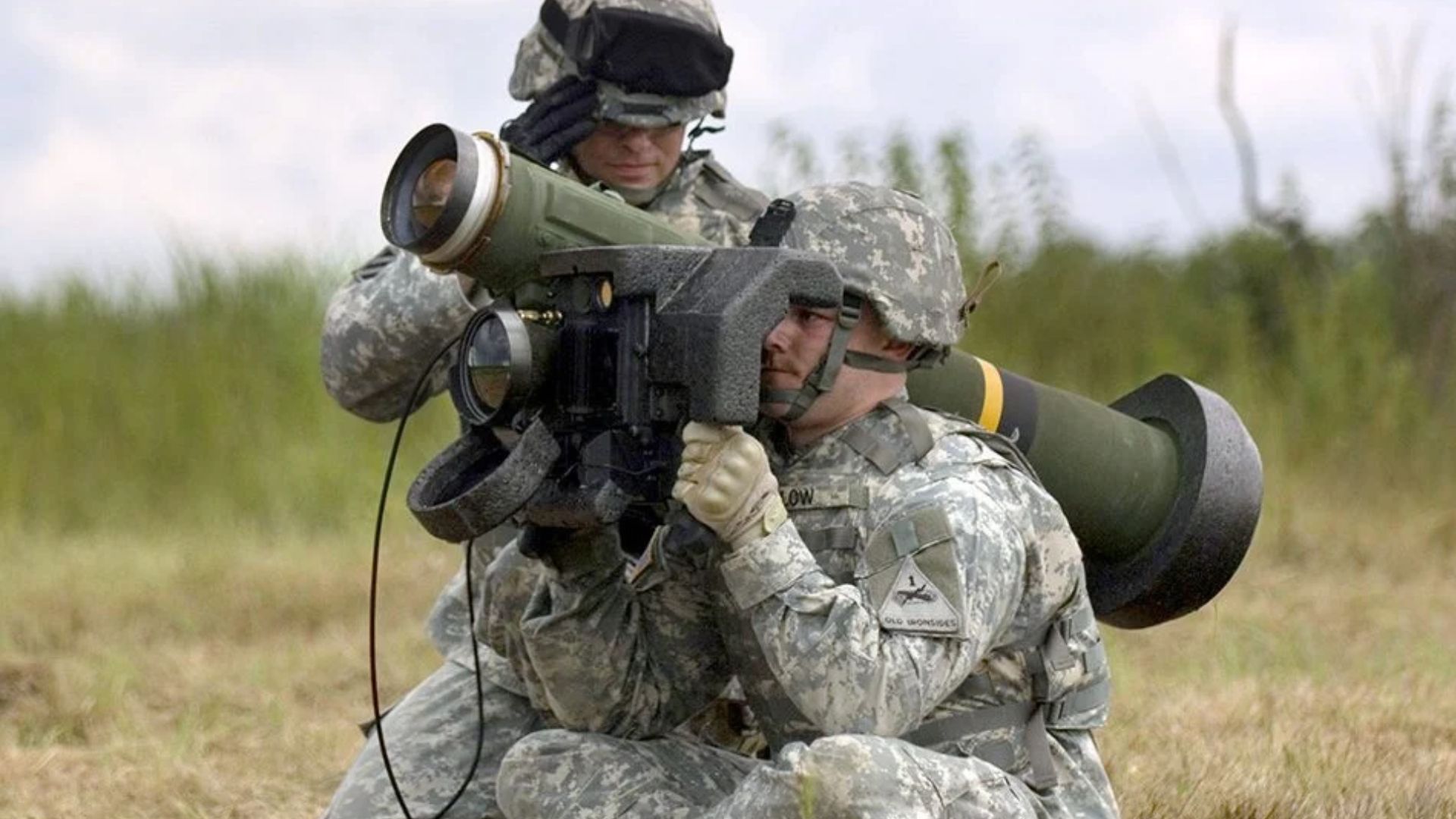
The US Army has awarded the Javelin Joint Venture, a partnership between Raytheon and Lockheed Martin, a $215 million contract to produce a new generation of launch units for its Javelin anti-tank missile system. The Lightweight Command Launch Unit (LWCLU) is designed to give soldiers improved target-detection capabilities in a smaller, lighter package while remaining compatible with existing and future Javelin missiles.

Announced on October 19, the production contract comes five months after the joint venture delivered its first LWCLUs to the Army. The new launcher is intended to replace the legacy Command Launch Unit (CLU), modernizing a key part of a weapon system used by US forces and international customers.

The upgrade focuses on the equipment soldiers use to find, identify, and engage targets, rather than introducing an entirely new missile. That distinction matters because the launcher’s sensors and targeting interface are central to how the Javelin system operates on the battlefield.

Smaller launcher with 2x target-detection range

The LWCLU is 30% smaller and 25% lighter than the existing Block I Command Launch Unit, according to the companies. It also doubles the target-detection and recognition range, helping soldiers spot and identify potential threats from farther away.

The launcher is more than a housing for the missile. It incorporates the sighting and fire-control equipment used to observe the battlefield, acquire a target, and prepare the weapon for launch. The LWCLU’s updated sensors, displays, and image processing are intended to provide clearer imagery and improve target recognition, including during nighttime operations.

The weight reduction is also significant for infantry. Soldiers may need to carry the launcher over difficult terrain while moving between positions, so a smaller and lighter unit can reduce the physical burden without requiring a change to the missiles themselves.

How Javelin launcher works

The Javelin system consists of a reusable command launch unit and a separate missile housed in a launch tube. The launcher provides the operator with the imaging and targeting interface, while the missile carries its own guidance system.

Once a target is acquired and the missile is launched, Javelin uses an imaging infrared seeker to guide itself toward the target. This fire-and-forget approach lets the operator move after firing instead of continuously steering the missile. Javelin can also attack armored vehicles from above, targeting their comparatively vulnerable upper surfaces, or use a direct-attack mode against other targets.

The LWCLU is designed to work with past, current, and future Javelin variants. That compatibility allows the Army to upgrade the equipment used to operate the weapon without requiring an entirely new missile family.

Production ramps up after initial deliveries

The contract follows earlier investment in the manufacturing process. Raytheon said in May that it invested $22 million to modernize its LWCLU factory in Tucson, Arizona, the increase production speed and capacity. The Javelin Joint Venture also manufactures the system with Lockheed Martin in Orlando, Florida.

The partnership said it has produced more than 55,000 Javelin missiles and over 12,000 reusable command launch units to date. The latest contract supports the transition from initial deliveries toward broader production of the upgraded launcher.

For the Army, the improvement is a relatively focused modernization: better target observation and recognition, less equipment weight, and continued compatibility with an established missile system.

As militaries place greater emphasis on infantry mobility and rapid target identification, upgrading the launcher could extend the usefulness of the Javelin without requiring soldiers to learn an entirely new weapon system.

  •  

Ukraine Claims World's First Drone Evacuation of Wounded Soldier

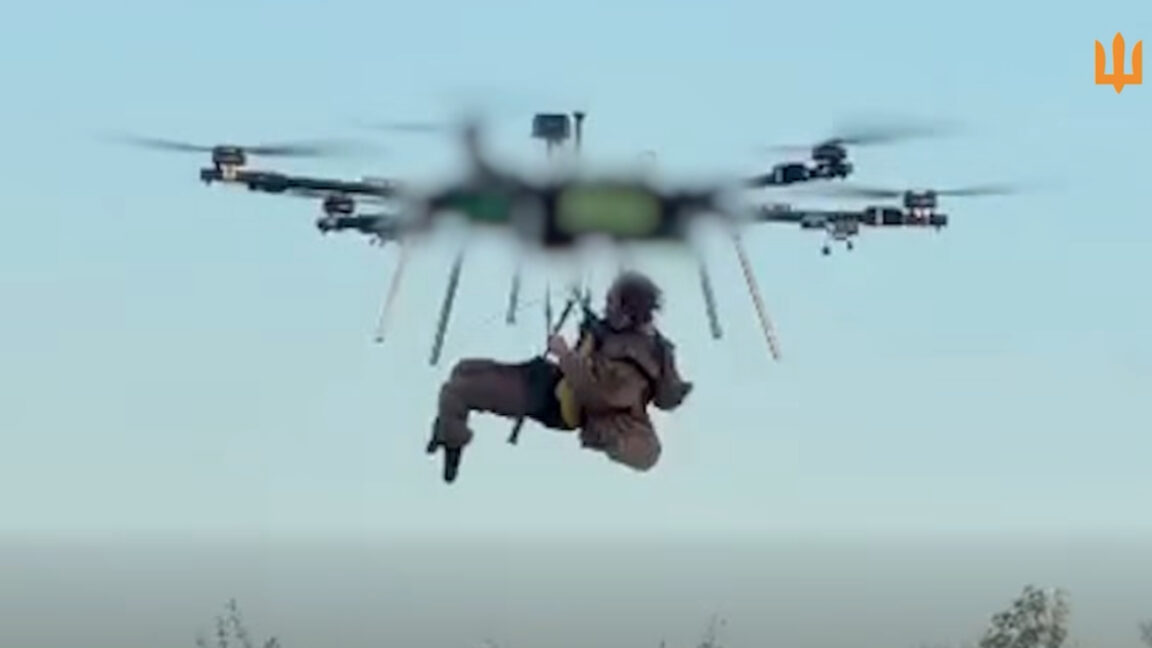
Ukraine says it carried out the world's first evacuation of a wounded soldier by aerial drone, using a heavy-lift hexacopter after enemy drones and landmines made conventional ground evacuation too dangerous. NBC News reports: Shared by the 92nd Separate Assault Brigade on Monday, the video shows the soldier strapping himself into a large drone and being flown at what appears to be relatively low altitude over blurred-out territory. The drone carefully lowers him, and the drone operator greets him with "Welcome back to the ground!" The video also shows blurred faces of drone operators who carried out the mission. The post said the unidentified infantryman was wounded at his position. "Due to intense enemy drone activity and the presence of landmines, evacuation using conventional unmanned ground vehicles was impossible," the brigade said. "At that point, the specialists in our unit took it upon themselves to attempt something that had never been done before: evacuating a serviceman using an aerial drone," it added. The craft was a heavy-lift hexacopter, it said, originally designed as a bomber by a Ukrainian manufacturer. It looks about twice the size of the soldier in the video. The specialists working on the mission had to ensure the drone could carry a human being without flipping over or swaying excessively, according to the unit.

Read more of this story at Slashdot.

  •  

Ukraine’s drone rescue of wounded soldier puts much touted idea into practice

Ukraine’s unprecedented drone rescue of a wounded soldier from the battlefield has shown once again how battlefield necessity can spur innovation. The operation was revealed just days after separate Ukrainian drones designed for casualty evacuation were deployed for frontline testing—taking a step beyond the US military’s decades of experimentation with similar concepts.

The drone evacuation of the injured soldier took place at an undisclosed time and place on the frontline where the presence of Russian drones and landmines made it impractical to send in a wheeled ground robot, according to The Kyiv Independent. On October 19, Ukraine’s Army shared a video of the drone evacuation, showing the wounded soldier securing himself in a harness suspended beneath a heavy hexacopter drone with six rotors before being flown to safety.

“This is a historic event, the next stage of evacuating the wounded, which we will all come to,” said Napalm, a programmer of the 92nd separate assault brigade's unmanned ground systems company, who went by his callsign per Ukrainian military practice, in a statement. “Now the serious systematic work begins, so that such missions are carried out constantly.”

Read full article

Comments

© 92nd Separate Assault Brigade of the Ukrainian Ground Forces

  •  

Department of War drafts EV battery factory into military drone duty with $75M grant

As if to prove that there may not be money for universal childcare or nationalized healthcare but there is ALWAYS more money for war, the US Department of War has awarded Amprius a $75 million grant to convert a civilian EV battery production line to churn out high-energy-density batteries for military drones.

more…
  •  

WWII fighter plane crash found in Hungary after nearly 80 years

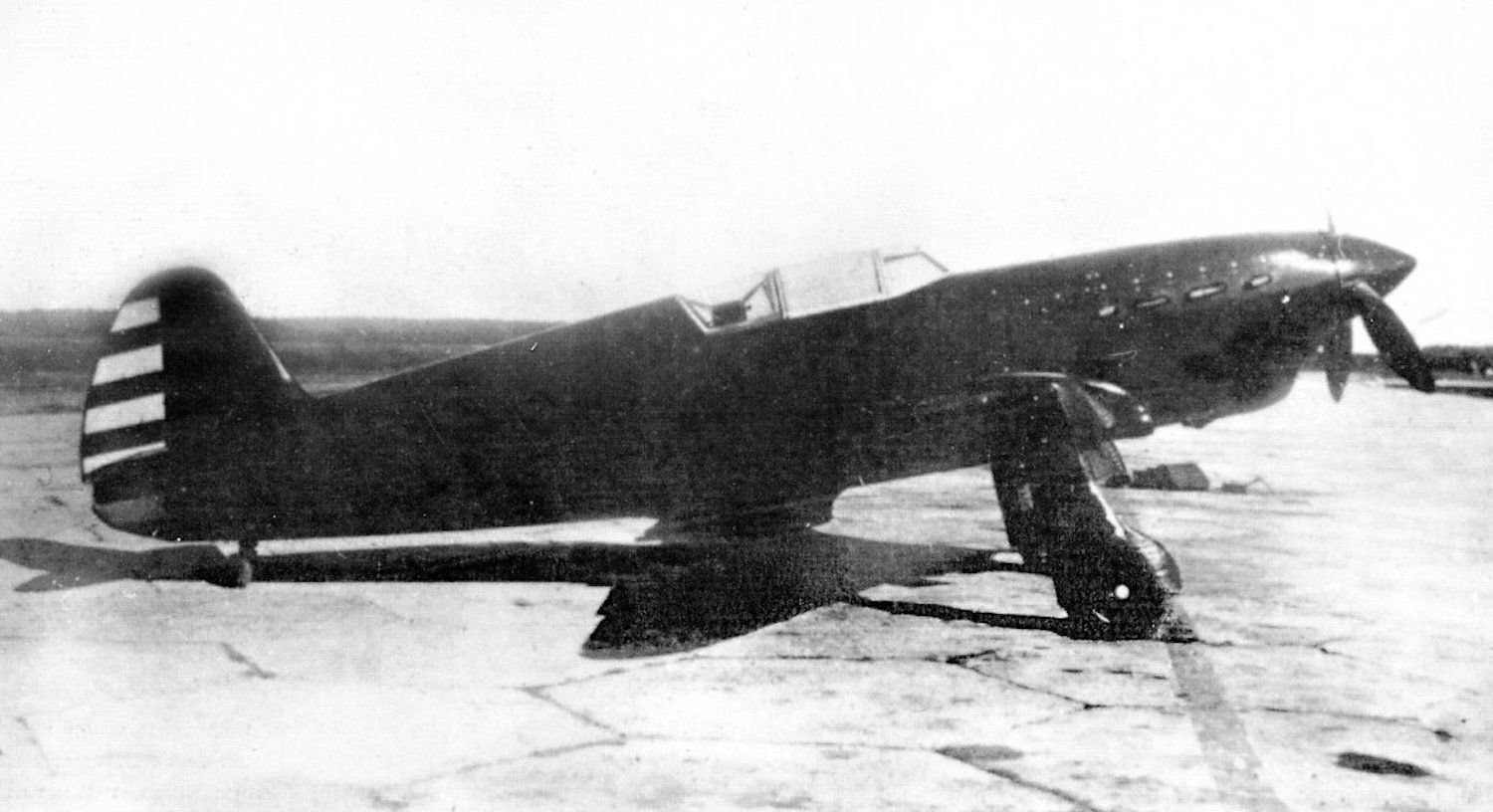
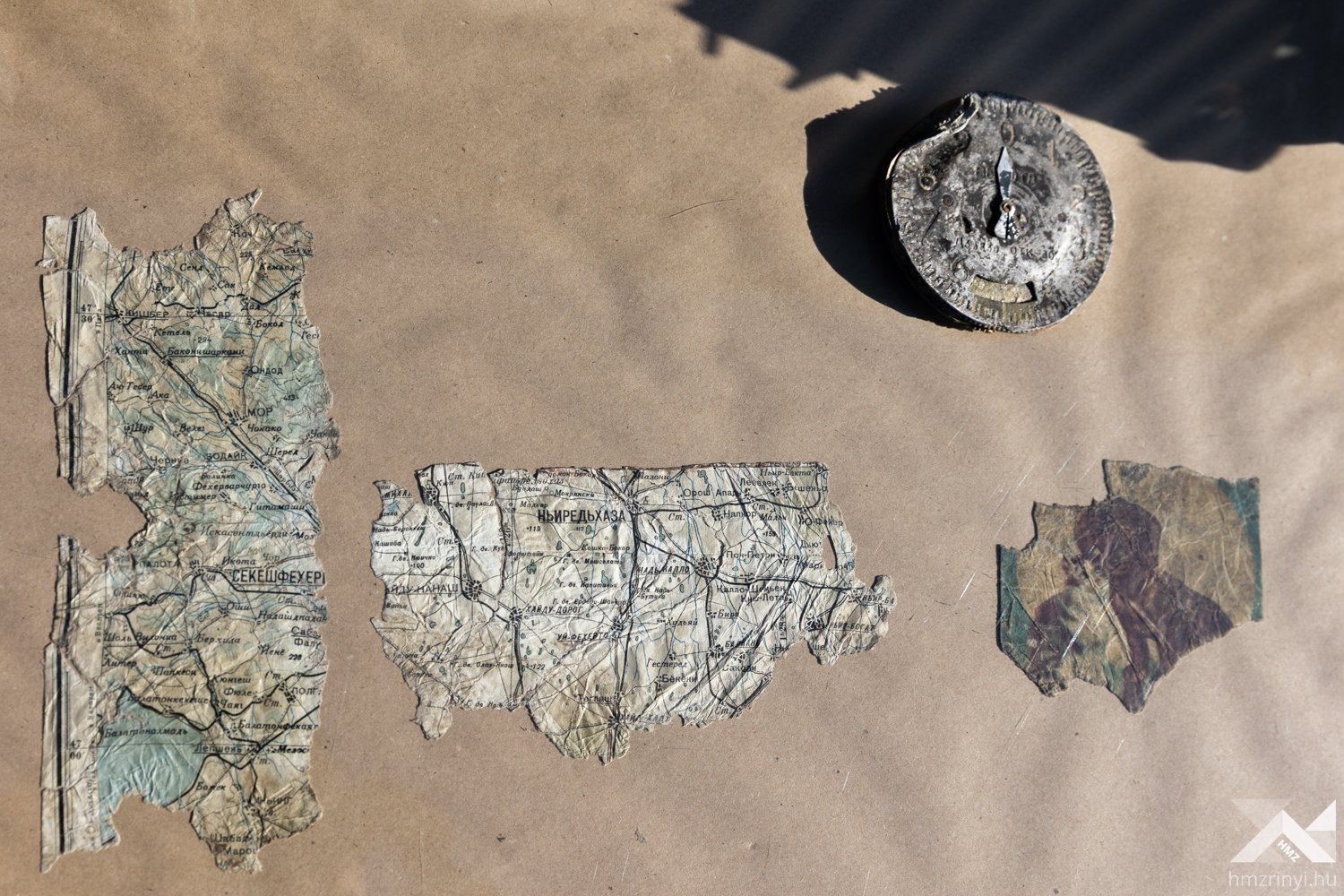
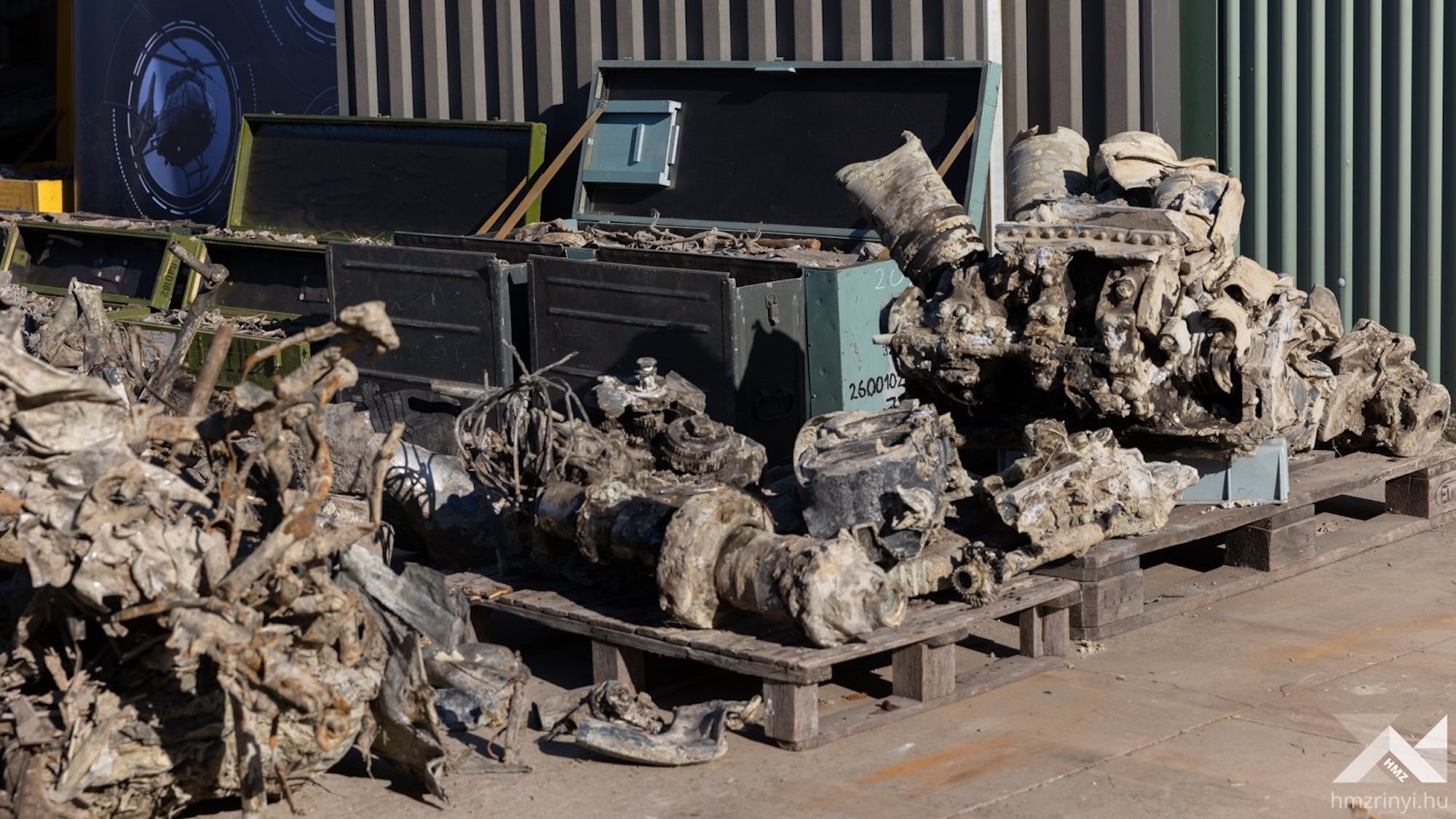
After nearly 82 years, historians in Hungary have finally located a missing Soviet aircraft downed by a German ace pilot during World War II. After a monthslong investigation that involved painstaking archival dives and eyewitness interviews, a team led by Hungarian Aircraft Wreck Research Association co-founder István Kocsis pinpointed the Yakovlev Yak-1 fighter plane. The aircraft was buried over 17 feet underground roughly 50 miles southeast of Budapest. Despite the poor condition of many of the plane’s components, the recoverable remnants still included portions of the aircraft’s fabric covering and even some of the pilot’s personal items.

“Discoveries of this aircraft type on such a significant scale are extremely rare,” a member of the Hungarian Defense Forces said during a recent press conference announcing the find.

Black and white photo of Yak-1 fighter plane on tarmac
The wreck was finally located about 50 miles southeast of Budapest. Credit: Wikimedia Commons / Public Domain

The crash dates back to November 1944, after Soviet Guards Lieutenant Alexander Semyonovich Andrianov encountered German Lieutenant Peter Düttmann above the town of Törtel. Unfortunately for Andrianov, Düttmann was already infamous for his dogfighting abilities, and the Nazi pilot eventually shot down his Soviet foe. Although Andrianov successfully ejected with his parachute, he was later taken prisoner of war. Although Andrianov’s fate is unclear, historians estimate roughly half of all Soviet servicemen taken as POWs died while in German hands.

The Yak-1 fared even worse. Constructed from composite materials like steel tubing, wood, and even fabric, the crash destroyed the aircraft and immediately scattered the wreckage. With no one to claim it, the plane slowly sank into the region’s particularly loose soil over the next eight decades.

Items recovered from Soviet plane crashing including pieces of a map, an illustration that appears to show a cat, and a compass
Archaeologists managed to recover a portions of a book signed by Andrianov. Credit: Zsuzsa Szűcs-Horváth

Much of the plane remained intact underground, but military archaeologists chose to rely on a recovery strategy called block lifting. Instead of excavating at the site, heavy machinery portioned out hefty chunks of earth that the researchers then carefully cleared one layer at a time. This layer-by-layer method allowed them to identify and preserve numerous smaller pieces of wreckage, including the engine serial number and construction identification that matched Andrianov’s Yak-1. The team also exhumed some of Andrianov’s personal belongings, including a book signed by the pilot.

While much of the wreck was heavily deformed from the crash’s impact, restoration experts are confident they can reconstruct many of the Yak-1’s parts. Once preserved and documented, these sections of the plane will go on public display at Budapest’s Military History Museum while the rest remain safely archived.

The post WWII fighter plane crash found in Hungary after nearly 80 years appeared first on Popular Science.

  •  
❌