❌

Reading view

Quantum error correction goes well beyond breakeven

Running complicated algorithms on quantum computing hardware is going to require the use of logical qubits, where collections of hardware qubits are linked together in ways that allow errors to be detected and corrected. In general, the more hardware qubits you dedicate to each logical qubit, the better the chances are of identifying errors. But, given that the hardware qubits are prone to errors, adding more of them also increases the probability that errors will occur. If the hardware error rate is too high, then growing the logical qubit will only make matters worse.

Fortunately, several companies have demonstrated hardware where the error rate is not too high. Several demonstrations show logical qubits are beyond the breakeven point, where adding more qubits improves performance. The problem is that the improvement isn't very dramatic. To lower error rates to levels we'll need to run complex algorithms, we'd have to add a completely impractical number of qubits to each logical qubit.

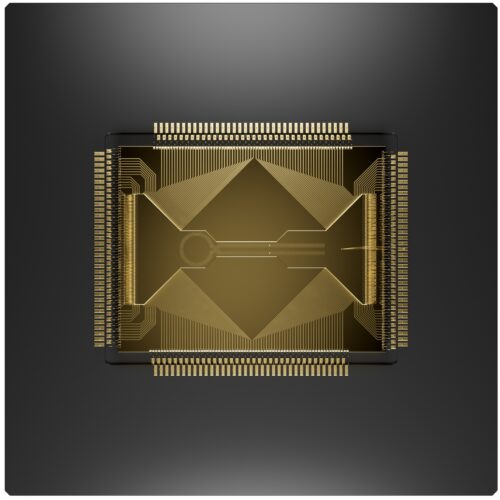
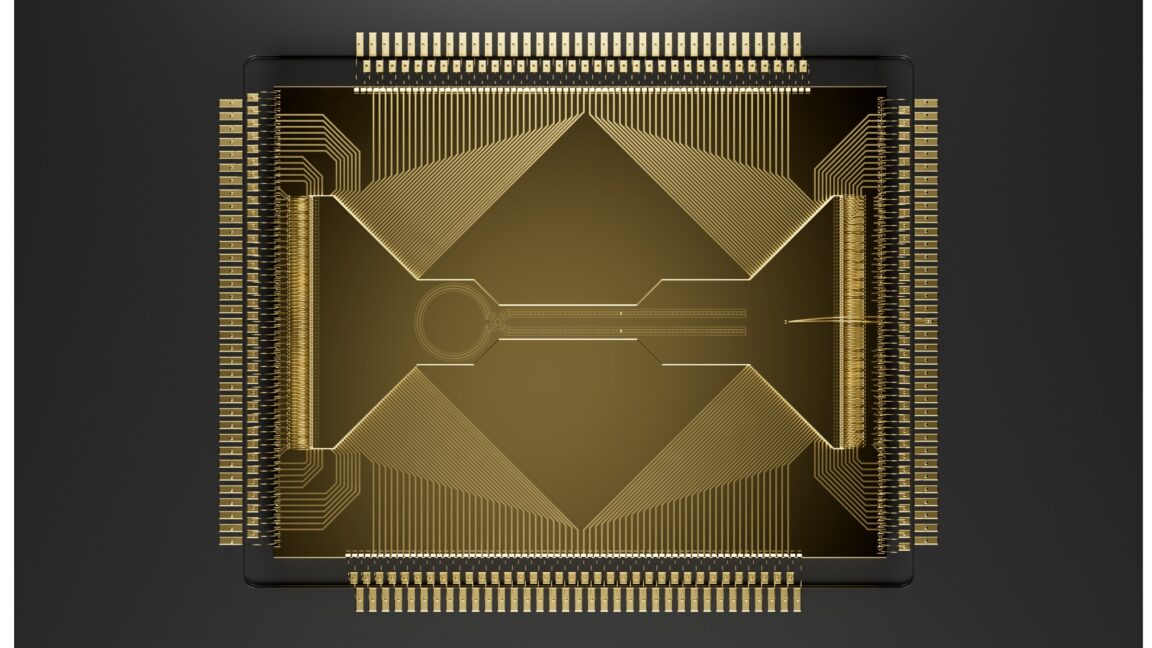
On Monday, Quantinuum announced that its current generation of hardware is capable of scaling well beyond the breakeven point. Each step up in the size of logical qubits improved some measures of their performance by a factor of over 10.
Read full article

Comments

Β© Quantinuum

  •  

High-speed video reveals how honey bee stingers pump venom

Credit: Ramirez-Esquivel et al 202

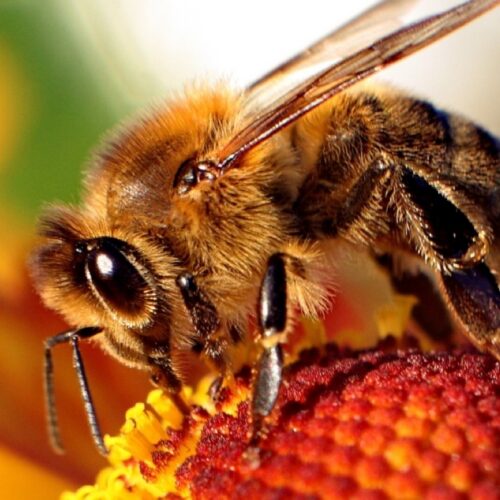
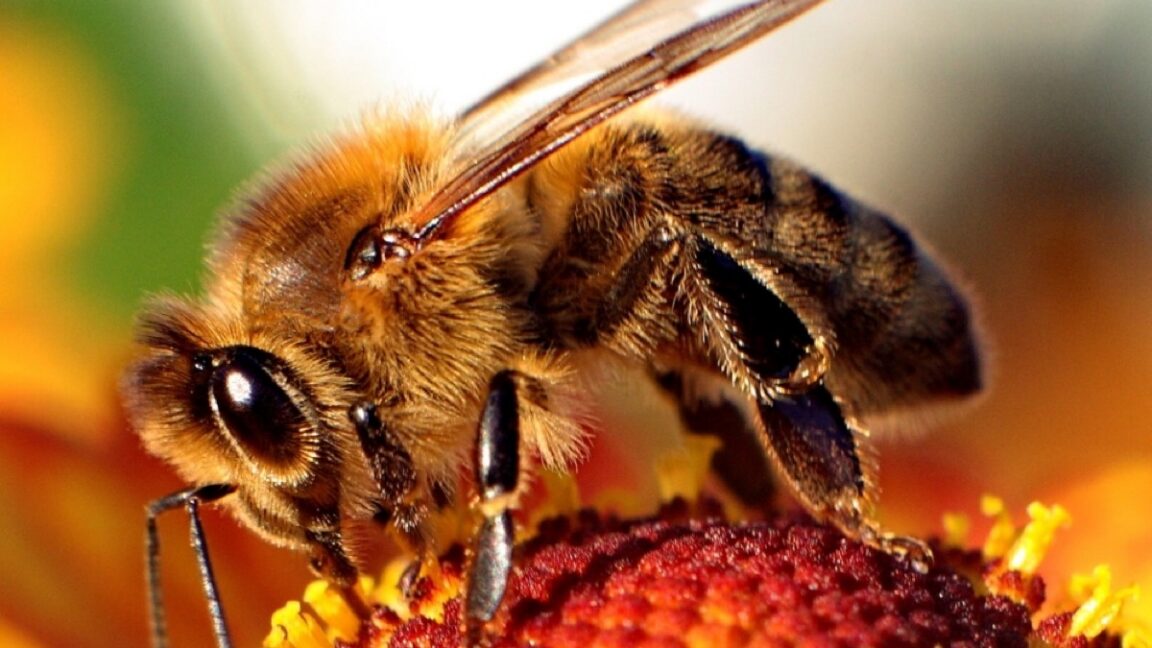
Honey bees are known to leave their stingers embedded in tender flesh once they sting you and fly away. Scientists have now determined that the stinger is able to continue pumping venom into its unfortunate victim even after the bee flies away, thanks to a unique double-piston pump-like mechanism, according to a new paper published in the Proceedings of the National Academy of Sciences.

Different species have evolved different mechanisms for delivering venom, which involves piercing the skin and then pumping venom from a gland or reservoir. Spiders, for instance, have muscles surrounding their venom glands, which contract and eject venom through hollow fangs. Bees, wasps, and ants deliver venom via their stingers, either by contracting muscles around the venom reservoir or through stiff elements called lancets working together to pump venom.

Honey bees (Apis mellifera) add a unique feature: Worker bees fly away after inserting their stingers in the target, leaving the stinger behind. The stinger continues to penetrate the tissue and pump venom on its own, a rare phenomenon known as autotomy. A honey bee's stinger has three main interlocking elements that form the venom canal: a stylet that widens to form the main pumping chamber and two sharp-tipped lancets that slide back and forth, piercing the tissue and pumping venom into the target. But the precise mechanism by which the pumping action is achieved has never been directly observed.

Read full article

Comments

Β© Maciej A. Czyzewski/CC BY-SA 4.0

  •  
❌