Login

Nvidia RTX 6060 GPU could be a long way off, and may fall short of the PS6
- Nvidia's RTX 6060 may not arrive until 2029 a leaker claims
- They note that when there are supply issues (the current RAM shortage), Nvidia tends to drag out the release of lower-end GPUs
- They also believe it's unlikely the RTX 6060 will match the PS6 for frame rates
Nvidia's budget GPU for its next-gen range may not be released for three years yet, if a new rumor about the RTX 6060 turns out to be correct.
Wccftech spotted a post from leaker Kepler on the NeoGAF forums, who chipped in with speculation on Nvidia's graphics cards in a thread about the cost of the PlayStation 6.
Kepler was responding to a comment observing that the PS6 is going to go up against the RTX 6060 when it launches in terms of comparisons to PC gaming, and the leaker said — add seasoning with this as ever — that the "6060 will launch much later (and based on recent trends I doubt it will match PS6)".
In a further post, the leaker added: "When there's a supply shortage Nvidia tends to really drag the release of lower end cards. There's a good chance RTX 6060 comes out in 2029."
This would mean we're looking at an early-to-mid 2028 launch for the RTX 6090, 6080 and 6070, which lines up with more recent rumors. Of course, that's not a foregone conclusion, and Kepler is clearly speculating here.
Recent reports from analysts indicate that the PS6 will likely launch in 2028, though some have argued that Sony's next-gen console could appear late in 2027 (alongside other devices, perhaps).
Analysis: late, as well as short on performance?
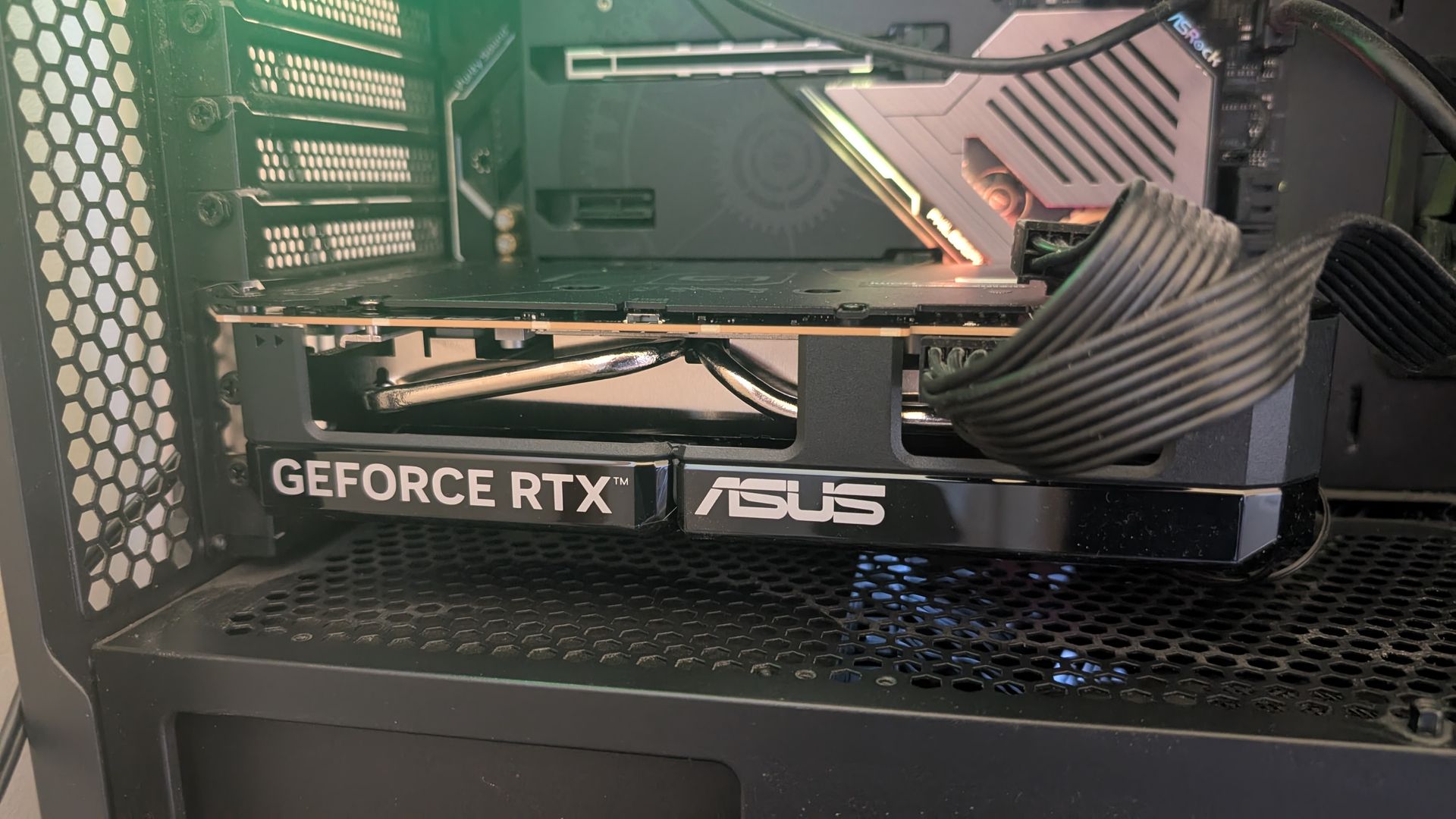
Of course, what Kepler contends here is what Nvidia is supposedly planning right now, and just as with the PS6, a lot of the direction that Team Green goes in with its next-gen GPUs will depend on the memory crisis. Graphics cards do, of course, use video RAM (VRAM), and the next generation of GeForce products will be expected to up the ante on that score. (Gamers are already unhappy with Nvidia's current-gen VRAM configurations).
The problem is that there's no shortage of predictions that RAM cost inflation is going to get even worse in 2027, after it has already spiked in a big way through the middle of this year. The theorizing then runs that 2028 is also going to be a difficult year, which lends weight to the argument that the RTX 6060 will indeed be late to the GPU party.
In short, I wouldn't rule out the possibility of a 2029 arrival for the RTX 6060 as suggested, which obviously isn't great news for those hoping to score a more wallet-friendly next-gen Nvidia GPU.
It's also interesting to note that Kepler believes the RTX 6060 won't be as powerful as the PS6 for gaming frame rates, but I'd take that claim with even more salt than the rumors around timing.
Gauging hardware capabilities at this stage is obviously a trickier task, but Kepler's assertion isn't an impossibility of course. Note that the current RTX 5060 matches the PS5 Pro's gaming performance (roughly, for rasterization as opposed to ray tracing), so if the RTX 6060 couldn't equal the PS6, that would be a clear disappointment for PC gamers on a budget (particularly if the VRAM loadout again turns out lean).