❌

Reading view

‘I’m always being real’: what on earth persuades disgraced people like Elizabeth Holmes to let the cameras in?

With You Can See Everything, Holmes joins other such high-profile subjects as Lance Armstrong, Imelda Marcos and Anthony Weiner to allow film-makers to document their lives. But do they ever come out well?

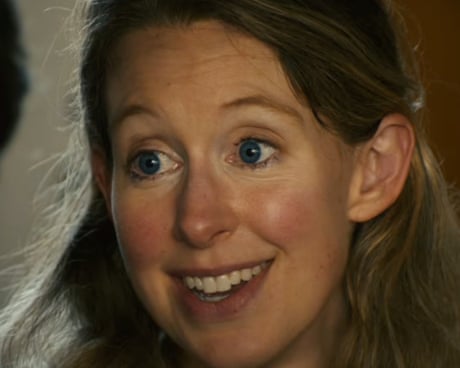
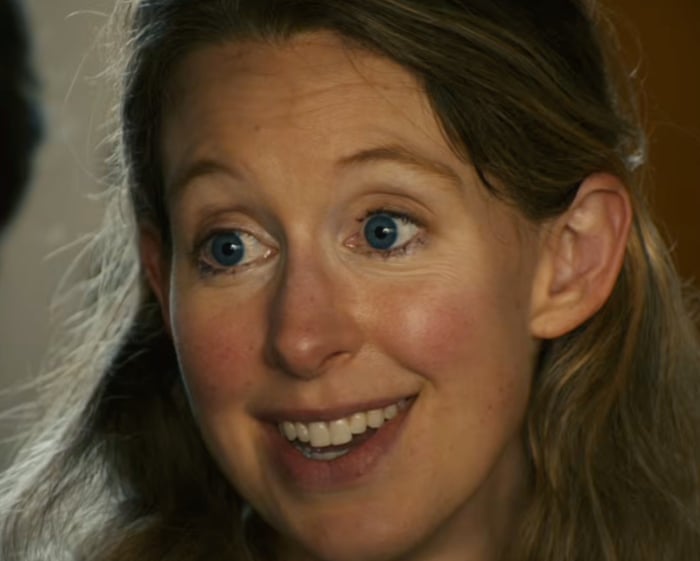
In You Can See Everything, convicted fraudster Elizabeth Holmes invites film-makers Nathan Fielder and Lance Oppenheim into her home in a supposed act of “radical transparency”. Holmes is filmed, along with her partner, Billy Evans, and their two young children, in the weeks before starting a prison sentence for defrauding Theranos investors. “The best way for people to see who she is,” Evans says, “is to give as much access as possible into our daily lives”. It may also be the best way to market “Theranos 2.0”, which the couple are working on during filming. But the documentary questions whether Holmes is presenting her authentic self or a manufactured persona. Fielder speaks for the audience when he asks Holmes in a tense exchange whether she’s “being real” with him. “I’m always being real,” she says.

That question of authenticity is at the heart of documentary film-making. You Can See Everything is as much about the ambiguous relationship between film-maker and subject as it is about Holmes herself. There is often a power struggle over narrative control in documentaries, with both sides of the dynamic wanting different outcomes from the final film. Watching You Can See Everything inevitably prompts the question: why would Holmes, days before she heads to jail, invite the scrutiny of a film crew?

Continue reading...
© Photograph: Courtesy of A24
© Photograph: Courtesy of A24
© Photograph: Courtesy of A24

  •  

The dangers of letting tech billionaires shape our world

As SpaceX impacts Ukraine and AI-generated music divides artists and fans, critics are asking what happens when technology has too much control over our lives

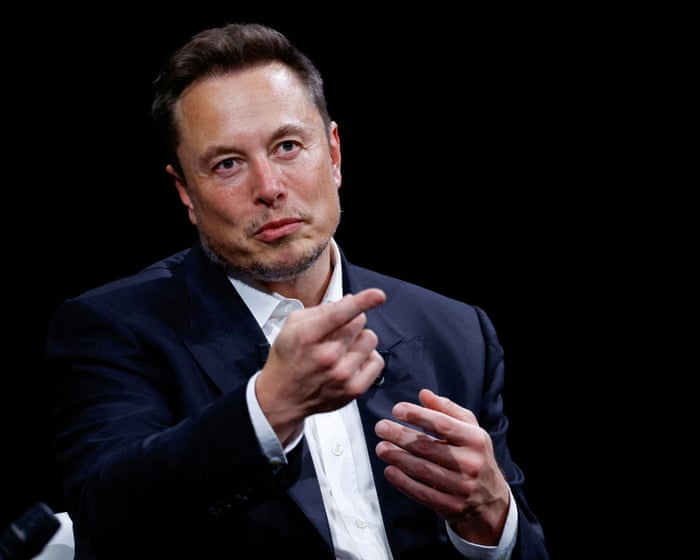
Hello, and welcome to TechScape. I’m Blake Montgomery, US tech editor at the Guardian, writing to you while sitting in front of Roy Lichtenstein’s monumental Drowning Girl, on view in New York City. Today in tech, we’re discussing the perils of Elon Musk’s one-man global infrastructure, AI-generated music and a Guardian AI conference in Paris.

Continue reading...

© Photograph: Gonzalo Fuentes/Reuters

© Photograph: Gonzalo Fuentes/Reuters

© Photograph: Gonzalo Fuentes/Reuters

  •  

New AI tool can predict cancer survival by a single patient selfie, study suggests

System can estimate a person’s biological age and predict chances of cancer survival from a single photograph

Doctors have developed an artificial intelligence tool that can predict a cancer patient’s chances of survival from a single photograph of their face.

The AI system was custom-built by experts at Mass General Brigham, a nonprofit, integrated academic healthcare system in Massachusetts, to estimate biological age and directly predict survival outcomes in patients diagnosed with cancer.

Continue reading...

© Photograph: Addictive Stock Creatives/Alamy

© Photograph: Addictive Stock Creatives/Alamy

© Photograph: Addictive Stock Creatives/Alamy

  •  

AI firm Anthropic to commit 5% of shares to fund for ‘public good’

The $48bn giveaway comes amid concerns about the tech and as the company prepares for a stock market listing

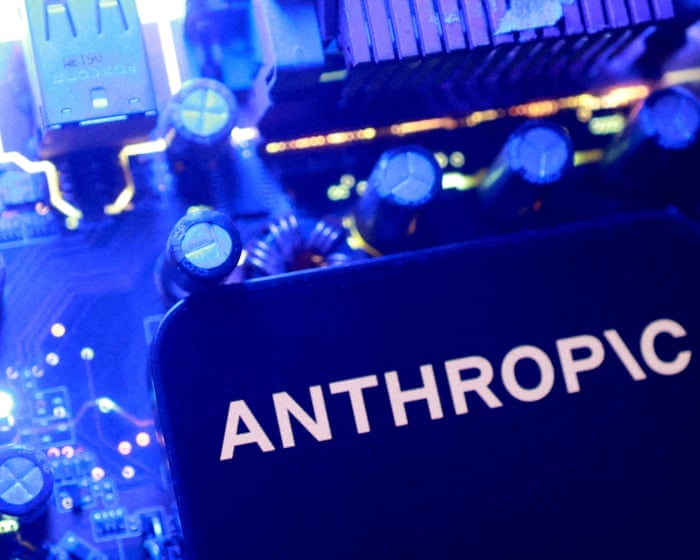
Anthropic has said it will commit 5% of its shares to a fund for the “public good”, as the AI developer behind the Claude chatbot seeks to bolster its appeal before its stock market listing.

The company announced it would commit the shares, worth around $48bn (£36bn) at its latest valuation in May, subject to shareholder approval. It will add a further 2% of its stock to the fund for every 50% increase in its value above an undisclosed baseline.

Continue reading...

© Photograph: Dado Ruvić/Reuters

© Photograph: Dado Ruvić/Reuters

© Photograph: Dado Ruvić/Reuters

  •  
❌