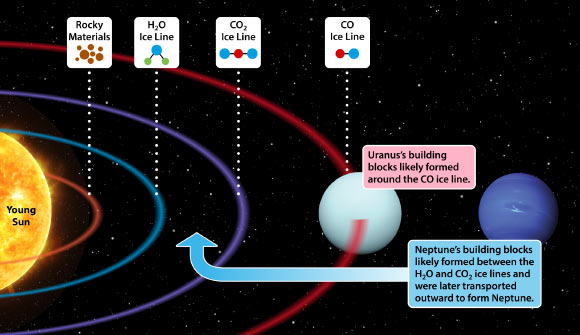
Uranus and Neptune are often described as near-twins, but a new study suggests their chemistry, and possibly their histories, may differ more than expected.
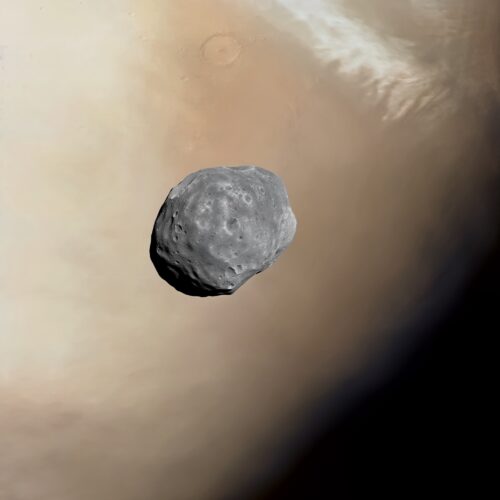
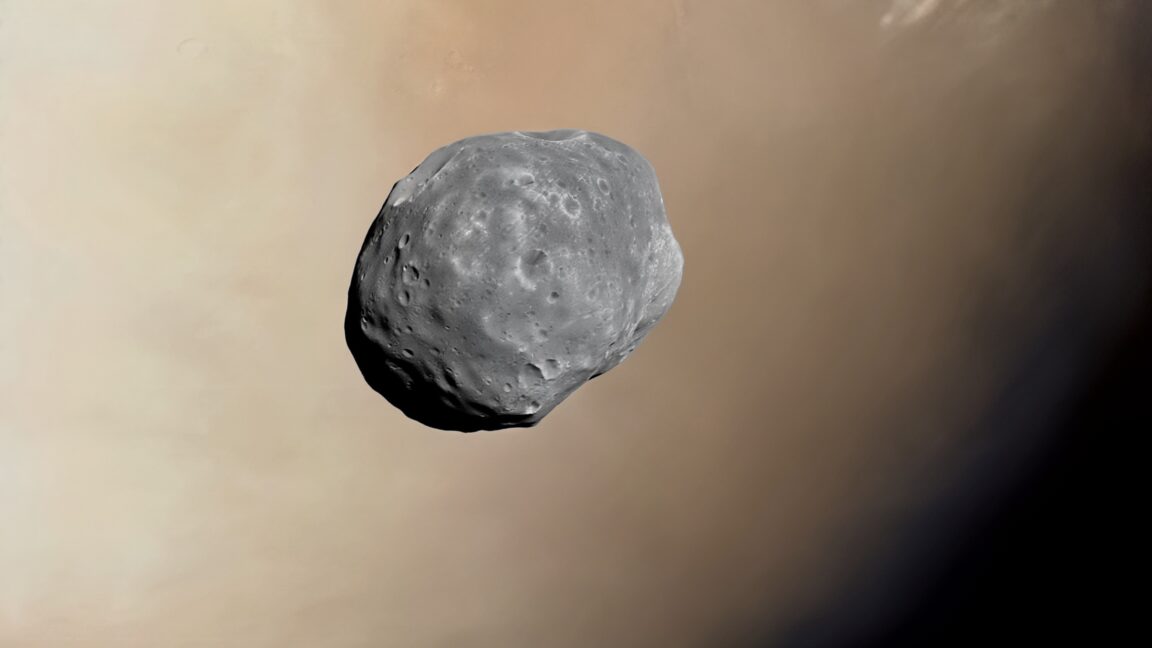
Japan launched a $578 million mission Monday on a five-year expedition to land on the largest moon of Mars and retrieve samples for return to Earth, a daring international project that could yield new insights into the formation of the Solar System.
The robotic Martian Moons eXploration mission, known as MMX, lifted off at 3:41 pm EDT Monday (4:41 am Japan Standard Time Tuesday) from Tanegashima Space Center in southern Japan.
The MMX spacecraft rode into orbit atop a 207-foot-tall (63-meter) H3 rocket, Japan's flagship launch vehicle. The rocket assigned to MMX debuted a new souped-up configuration with four strap-on solid rocket boosters, full-throttle main engines, and an extended payload shroud to accommodate the demands of Japan's heaviest and most ambitious interplanetary mission to date.
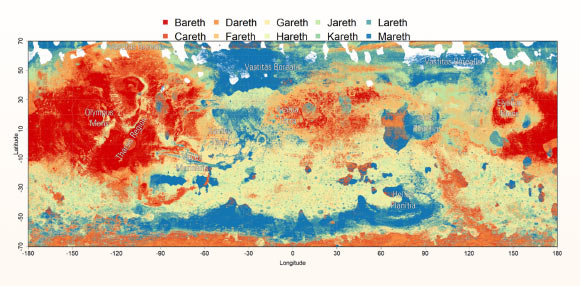
Planetary researchers at the University of Sydney have proposed a new way to classify the soils of Mars, along with a new word for them: areth (the name comes from Ares, the Greek name for Mars).
Most planetary scientists will tell you the heyday of Venus exploration was more than a generation ago. That is about to change.
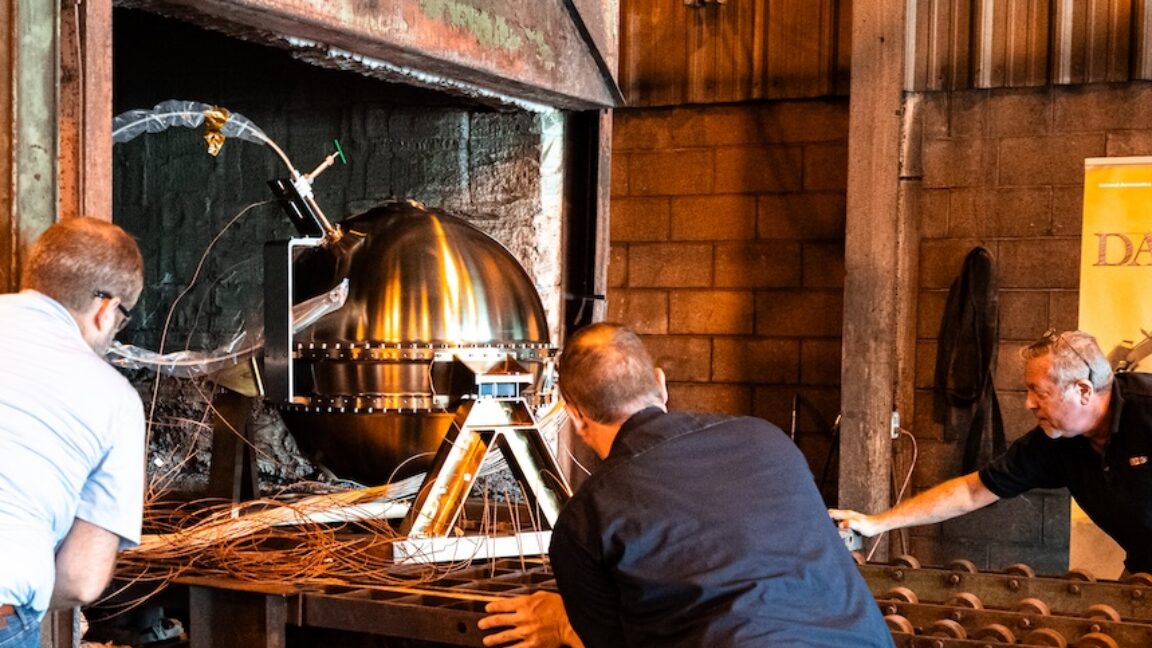
Two NASA missions are on track to launch to Venus in the early 2030s. The first, known as the Deep Atmosphere Venus Investigation of Noble gases, Chemistry, and Imaging (DAVINCI), is now scheduled for launch in December 2030, a year earlier than previously planned. DAVINCI will send a parachute-assisted descent probe through the atmosphere of Venus, returning the first direct images of the planet's surface since 1982. A second mission, Venus Emissivity, Radio science, InSAR, Topography, And Spectroscopy (VERITAS), will follow with a launch in November 2032 to map the Venusian surface by radar from orbit.
The European Space Agency is building another orbiter, Envision, for launch to Venus in 2032. The Venus armada might get started as soon as next year, when Rocket Lab aims to launch a privately funded probe to search for signs of organic material in the planet's clouds.

 Login