Google's DMCA case against scraper SerpApi collapsed because SearchGuard protects ad revenue, not copyright. The same reasoning weakens every site's anti-bot defense against AI crawlers.
Ray Williams, supervisor of test support operations at NASA’s Stennis Space Center near Bay St. Louis, Mississippi, poses for a photograph on July 16, 2026. Williams is among the first engineers and technicians sworn in as new NASA civil servants at Stennis as part of the administrator’s directive to strengthen technical core competencies within the civil service workforce.
NASA/Danny Nowlin
Ray Williams’ progression at NASA’s Stennis Space Center near Bay St. Louis, Mississippi, has uniquely prepared him for his new role.
As part of NASA’s plan to restore core competencies by converting contractors to civil service, the New Orleans native and Grambling State University graduate now works as a supervisor for test operations support at the agency’s E-Complex.
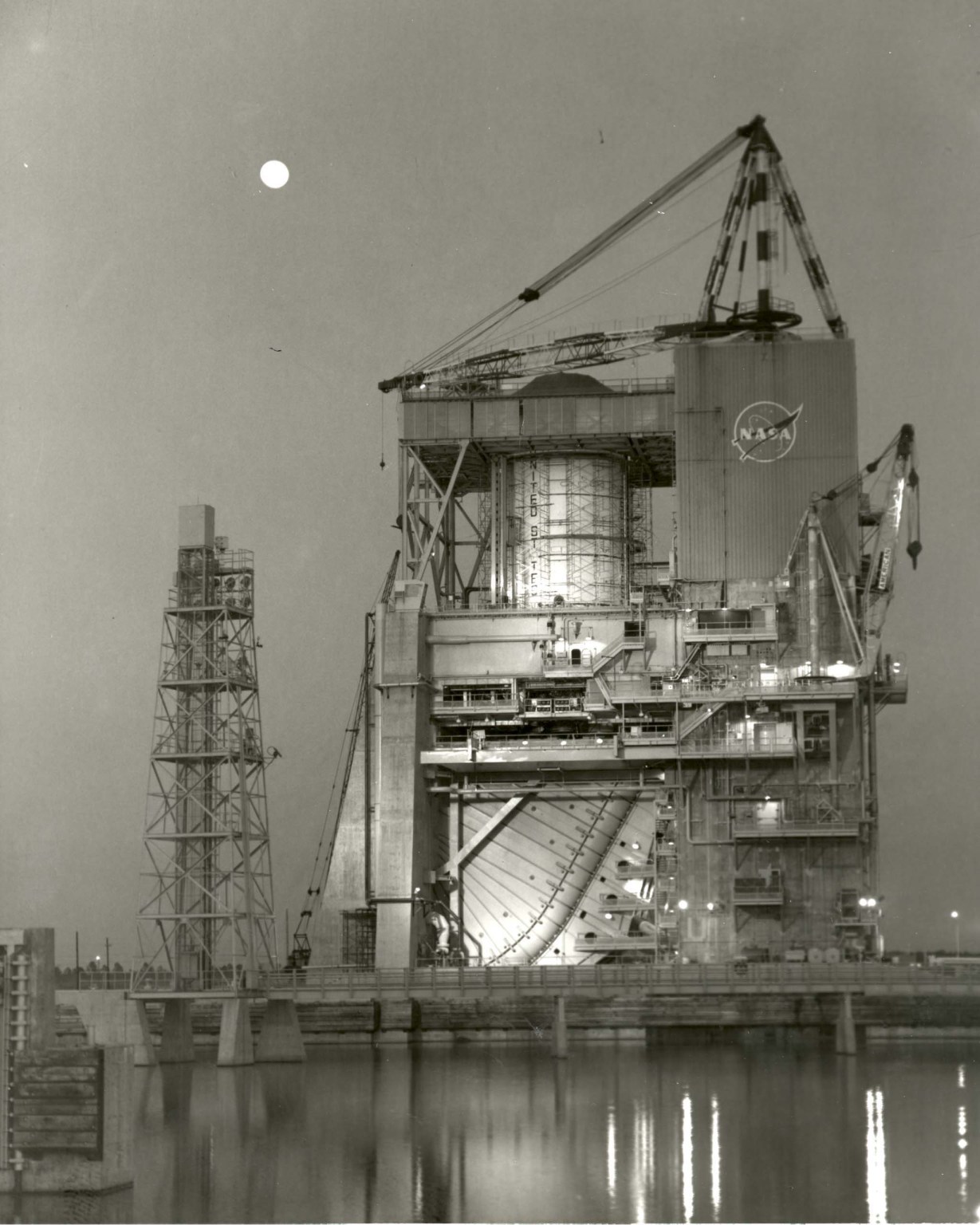
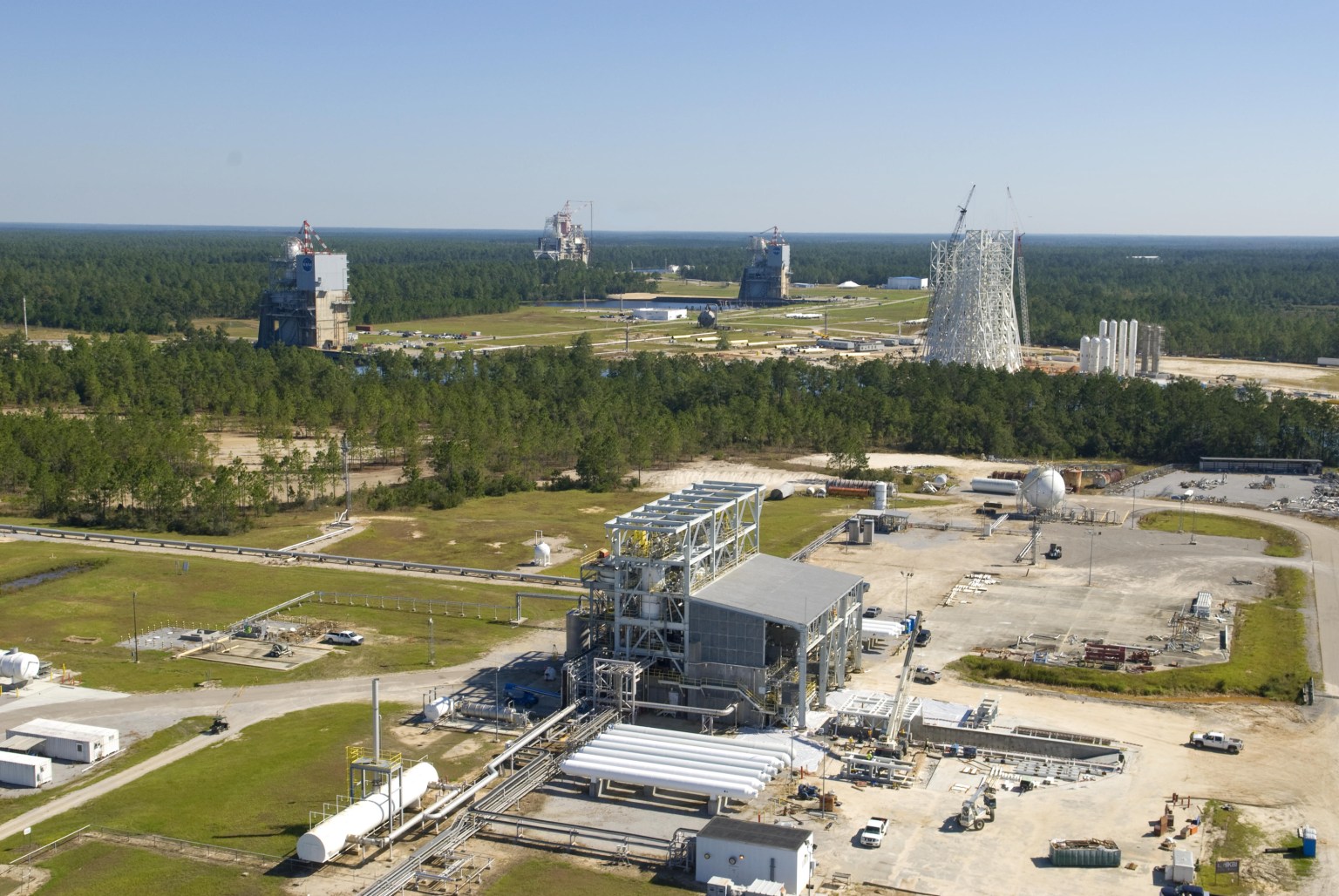
This propulsion testing facility provides mission-critical engineering capabilities to NASA. Through the use of high- and low-pressure propellant systems, engineers are able to focus on development testing of propulsion system components before integration into complete engine systems. Thanks to the versatility of its infrastructure and test team, the complex is uniquely equipped to support projects for the growing commercial aerospace industry and is capable of supporting a wide range of component, engine, and stage test activities.
“Ultimately, my goal is to continue to grow within my own abilities as an engineer and as a supervisor, and to help grow those that I have the opportunity to lead,” said Williams. “I want to align myself with the agency’s goals as a whole to continue to utilize our unique skillset to grow, build, evolve, and innovate.”
Williams began his career at the E-Complex in 1998 as an electrical technician contractor during the facility’s design and build phase. He quickly became familiar with the facility layout, the various systems under development, and the requirements involved in designing, building, and integrating those systems. He later advanced to the role of instrumentation and electrical engineer, gaining extensive institutional knowledge while developing expertise in the principles and importance of data validation.
In total, he brings 28 years of experience to NASA, along with an intimate understanding of the daily challenges his team of technicians faces.
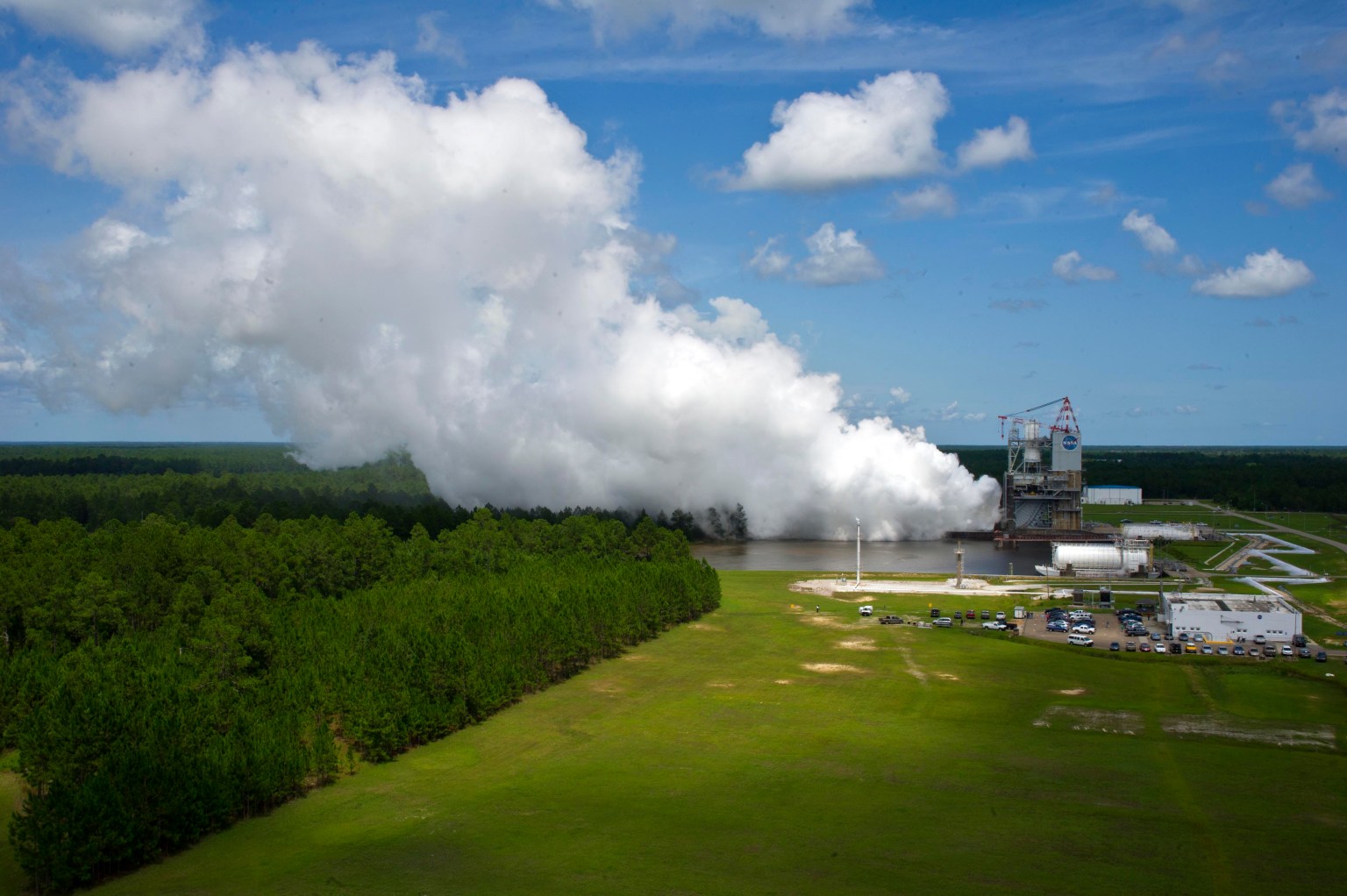
Williams’ primary work location is the E-1 test stand, which is able to handle extremely high pressures and massive flow rates of super cold cryogenics.
Unlike the A and B test complexes at NASA Stennis, where a fully built engine or stage can be installed, fueled, and fired, the E-Complex is highly adaptable.
When commercial partners need to validate large, complex components, they provide specific requirements. The team then customizes the test facility to replicate the exact extreme conditions the hardware is expected to encounter during operation. NASA collects and analyzes data from these precisely controlled test conditions to validate design predictions and determine whether design modifications are needed throughout the development process, from subscale testing through full-scale testing.
Whether validating valve timings, ensuring facility instrumentation is properly calibrated, supporting ultra-high pressure pumping and cryogenic transferring operations, or troubleshooting electrical and mechanical support systems, Williams and his team must execute each task with precision. By retaining Williams’ facility specific expertise in-house as a civil servant, NASA reduces long term operational risk.
Williams describes the opportunity to perform this mission critical work in public service as a dream come true, a dream that began decades ago during an elementary school field trip to NASA Stennis. Today, he finds himself working at NASA just as the agency returns to the Moon to stay through Artemis missions and builds a Moon Base, humanity’s first lunar outpost.
“Having the opportunity to play a role at NASA means a lot,” said Williams. “To this day, I am still a kid at heart looking out at the sky and the galaxy. Being a part of the mission and doing things I know we are capable of doing is an amazing, but also humbling, opportunity.”
Claude Mythos Preview discovered new attacks in testing against weakened cryptographic algorithms, which protect online financial transactions, private communications and more.
For over 20 years, Live Science has been committed to bringing you the latest breakthroughs and incredible discoveries with clarity, authority and good humor (when appropriate, of course). In that time, we've evolved through a modernized website design, a transition to more deeply reported stories, and the addition of engaging videos produced by a dedicated team.
Over the years, we have relied on advertising to support our team of journalists. However, the fast-changing economic landscape has pushed us to continue evolving so we can deliver quality science journalism. That is why I am proud to say we have launched Live Science Pro,a new space on Live Science that allows you to directly support our award-winning team of science journalists so we can continue writing best-in-class stories.
Right now, the world needs credible, rigorous science more than ever. Our mission is to responsibly communicate that science with the highest degree of accuracy, informing the scientific community and sparking the fascination of those who can't wait to learn about our world and the universe beyond. By joining Live Science Pro, your subscription supports this goal and allows us to produce high-quality journalism that is written and fact-checked by our experienced writers and editors, without ever seeing an advertisement on our articles. This means you get all the science, and none of the distractions.
While you can still read the latest science news for free, written to the same high standards as our Pro content, as a part of your paid membership, a Live Science Pro subscription gives you access to our Science Spotlight features, which take an in-depth look at the paradigm shifts and breakthroughs that will transform science in the coming years. Your subscription puts must-reads at your fingertips, including our insightful analyses, which give you crucial context for the biggest science headlines; and interviews and exclusive book excerpts, which provide a more personal look at the people driving progress. You also get access to our opinion pieces, which reveal how experts are thinking about the biggest issues in their fields.
Plus, you'll receive our exclusive, members-only weekly newsletter, which provides a curated look at the stories our writers and editors are most excited about and their take on what matters most in their areas of expertise.
To mark the launch of Live Science Pro, we're offering an introductory price of $3 for the first three months, or for an even better value, you can sign up for an annual subscription for just $30 for the first year. You can find more details on how to subscribe here: livescience.com/subscription
Right now, there are more voices and options than ever. We know you demand credibility and accuracy from your science reporting, and we thank you, again, for placing your trust in ours.
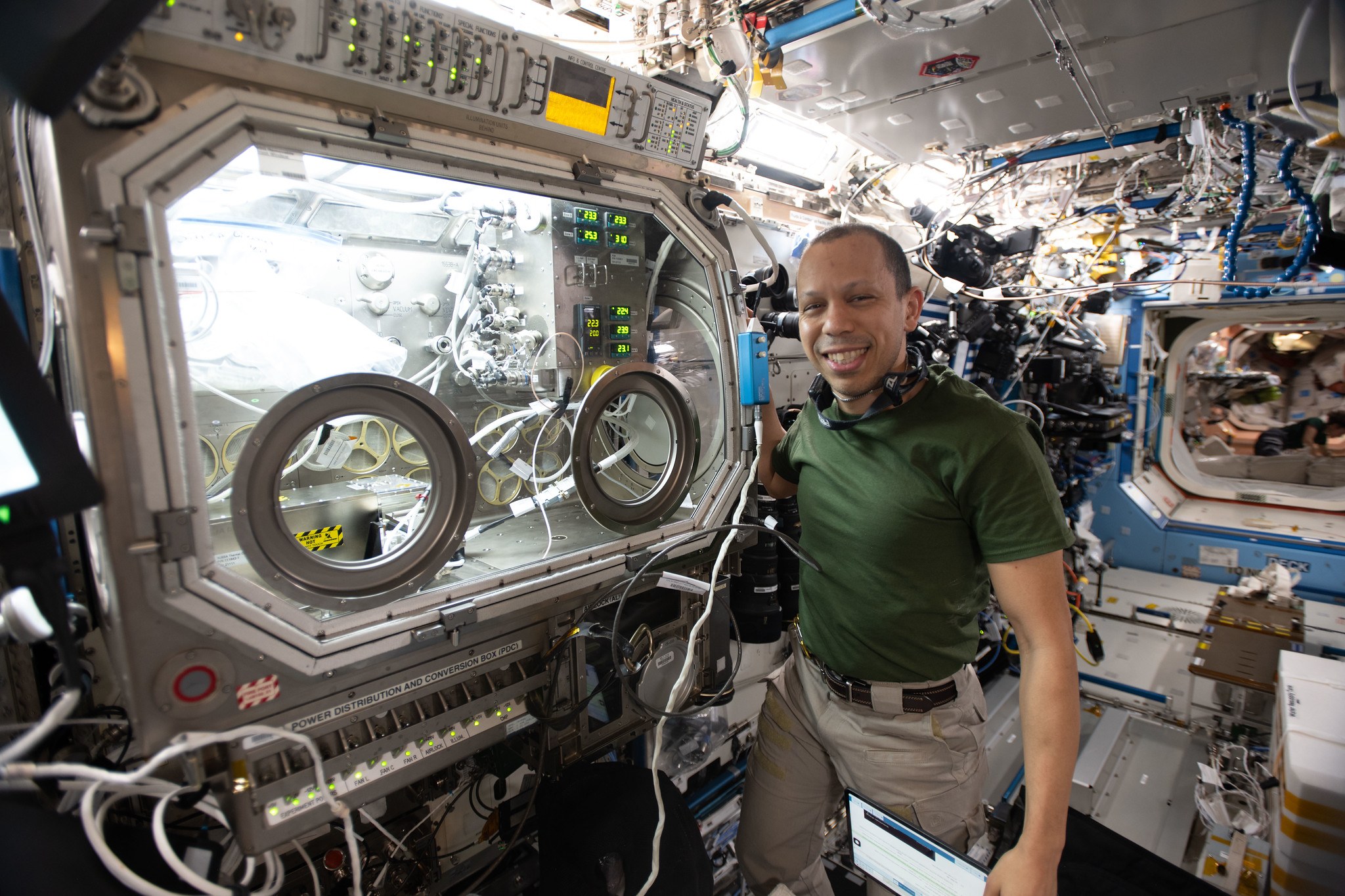
NASA astronaut and Expedition 74 flight engineer Chris Williams shows off the Destiny laboratory module’s Microgravity Science Glovebox aboard the International Space Station. Williams was supporting semiconductor crystal research to help advance the commercial space economy and promote Earth-based industries.
NASA/Chris Williams
NASA astronaut Chris Williams will recap his recent eight-month mission aboard the International Space Station during a news conference at 2:45 p.m. EDT Tuesday, Aug. 4, from the agency’s Johnson Space Center in Houston.
NASA will stream this event live through a variety of platforms. Learn where to watch online:
United States-based media interested in attending in person must contact the NASA Johnson newsroom no later than 5 p.m., Friday, July 31, at jsccommu@mail.nasa.gov.
Media wishing to participate by phone must contact the Johnson newsroom no later than two hours before the start of the event. To ask a question by phone, media must dial into the news conference no later than 15 minutes prior to the start of the call. NASA’s media accreditation policy is available online.
Williams returned to Earth on July 26, after logging 241 days as an Expedition 73/74 flight engineer during his first spaceflight. He returned along with Roscosmos cosmonauts Sergey Kud-Sverchkov and Sergei Mikaev, completing 3,856 orbits of the Earth over the course of their more than 102-million-mile journey. They also saw the arrival of six visiting spacecraft and the departure of eight.
During his mission, Williams supported a wide range of scientific investigations and technology demonstrations. He helped advance research for new cancer treatments and improved in-space manufacturing of materials used in high-performance computers and electronics. Williams also completed two spacewalks to prep for space station power system upgrades and to replace a faulty joint on the Canadarm2 robotic arm. The crew’s work aboard the space station helps improve life on Earth and prepare for future human missions to the Moon and Mars.
To learn more about International Space Station research, operations, and its crews, visit:
An annual convention in the California desert offered a safe space for believers to discuss extraterrestrial encounters, crop circles and other paranormal phenomena.
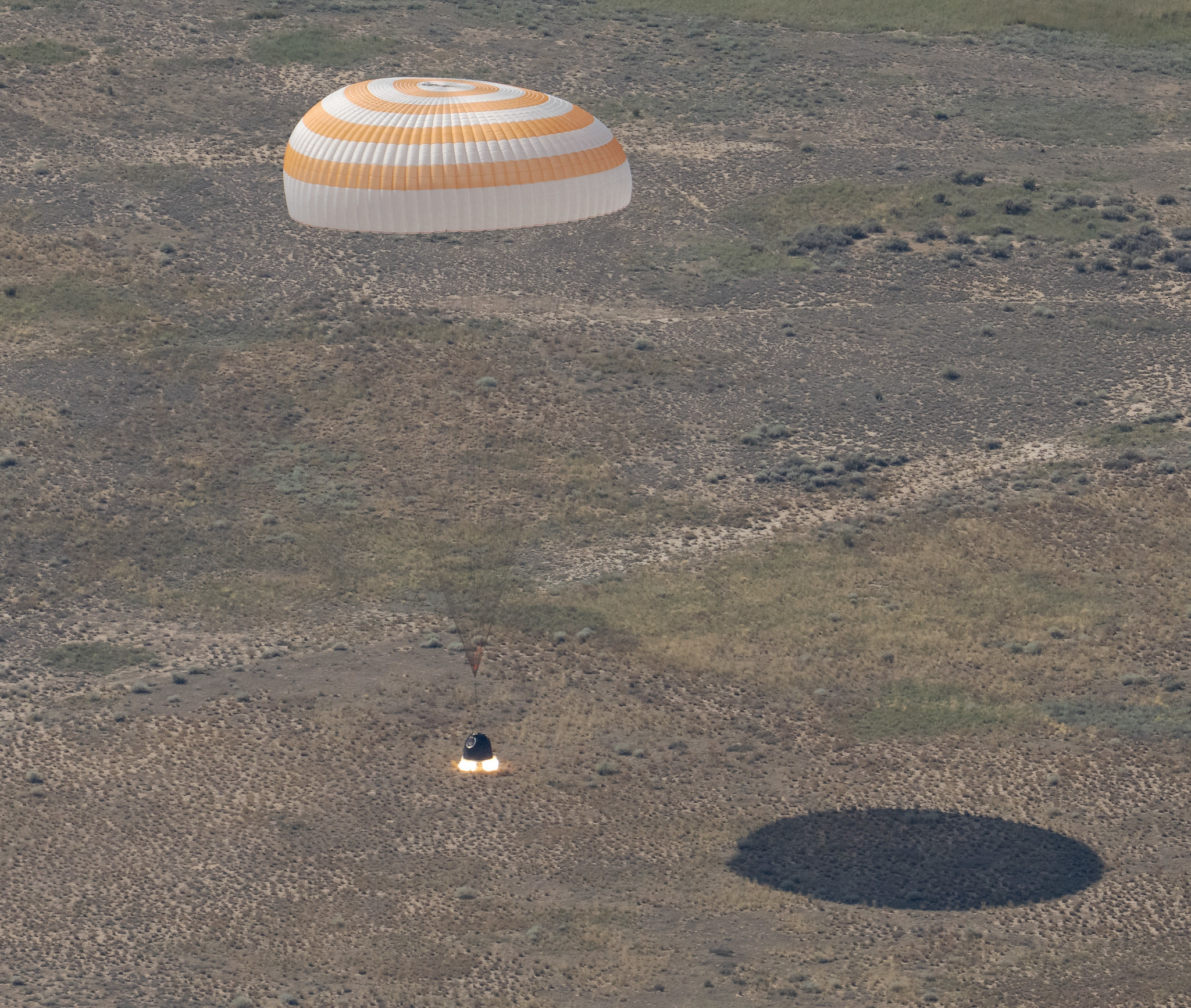
The Soyuz MS-28 spacecraft is seen as it lands in a remote area near the town of Zhezkazgan, Kazakhstan with Expedition 74 NASA astronaut Chris Williams, and Roscosmos cosmonauts Sergey Kud-Sverchkov, and Sergei Mikaev aboard, Sunday, July 26, 2026.
NASA/Bill Ingalls
Concluding an eight-month science mission aboard the International Space Station, NASA astronaut Chris Williams returned to Earth on Sunday alongside Roscosmos cosmonauts Sergey Kud-Sverchkov and Sergei Mikaev.
The crew made its safe, parachute-assisted landing at 5:27 a.m. CDT (3:27 p.m., Kazakhstan time), southeast of Dzhezkazgan, after departing the space station at 2:03 a.m., aboard the Soyuz MS-28 spacecraft.
The crew was in space for 241 days, orbiting the Earth 3,856 times and traveling more than 102 million miles. They launched to the International Space Station on Nov. 27, 2025. The mission was the first for Williams and Mikaev and the second for Kud-Sverchkov.
While aboard the orbiting laboratory, Williams supported a wide range of scientific investigations and technology demonstrations. He helped advance research for new cancer treatments and improved in-space manufacturing of materials used in high-performance computers and electronics. Williams also completed two spacewalks to prep for space station power system upgrades and to replace a faulty joint on the Canadarm2 robotic arm. The crew’s work aboard the space station helps improve life on Earth and prepare for future human missions to the Moon and Mars.
Following post-landing medical checks, the crew members will fly by helicopter to Karaganda, Kazakhstan, where recovery teams are based. Williams then will board a NASA aircraft bound for the agency’s Johnson Space Center in Houston.
For more than 25 years, people have lived and worked continuously aboard the International Space Station, advancing scientific knowledge and making research breakthroughs not possible on Earth. The space station helps NASA understand and overcome the challenges of human spaceflight, expand commercial opportunities in low Earth orbit, and build on the foundation for long-duration missions to the Moon, as part of the Artemis program, and to Mars.
To learn more about International Space Station research, operations, and its crews, visit:

 Login