❌

Reading view

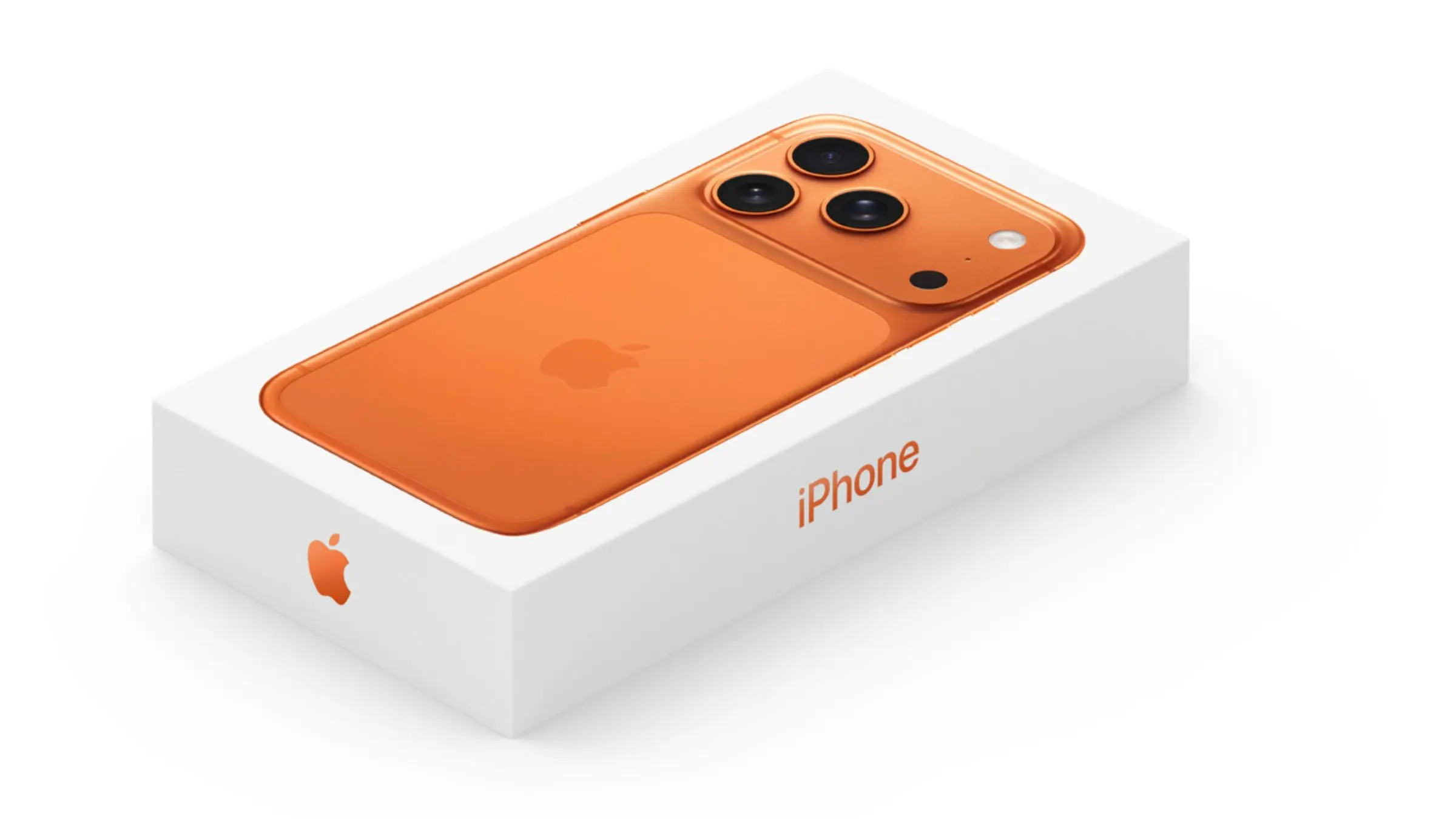
iPhone Ultra, Apple pronta a prendersi il mercato pieghevoli? Cosa dicono le stime

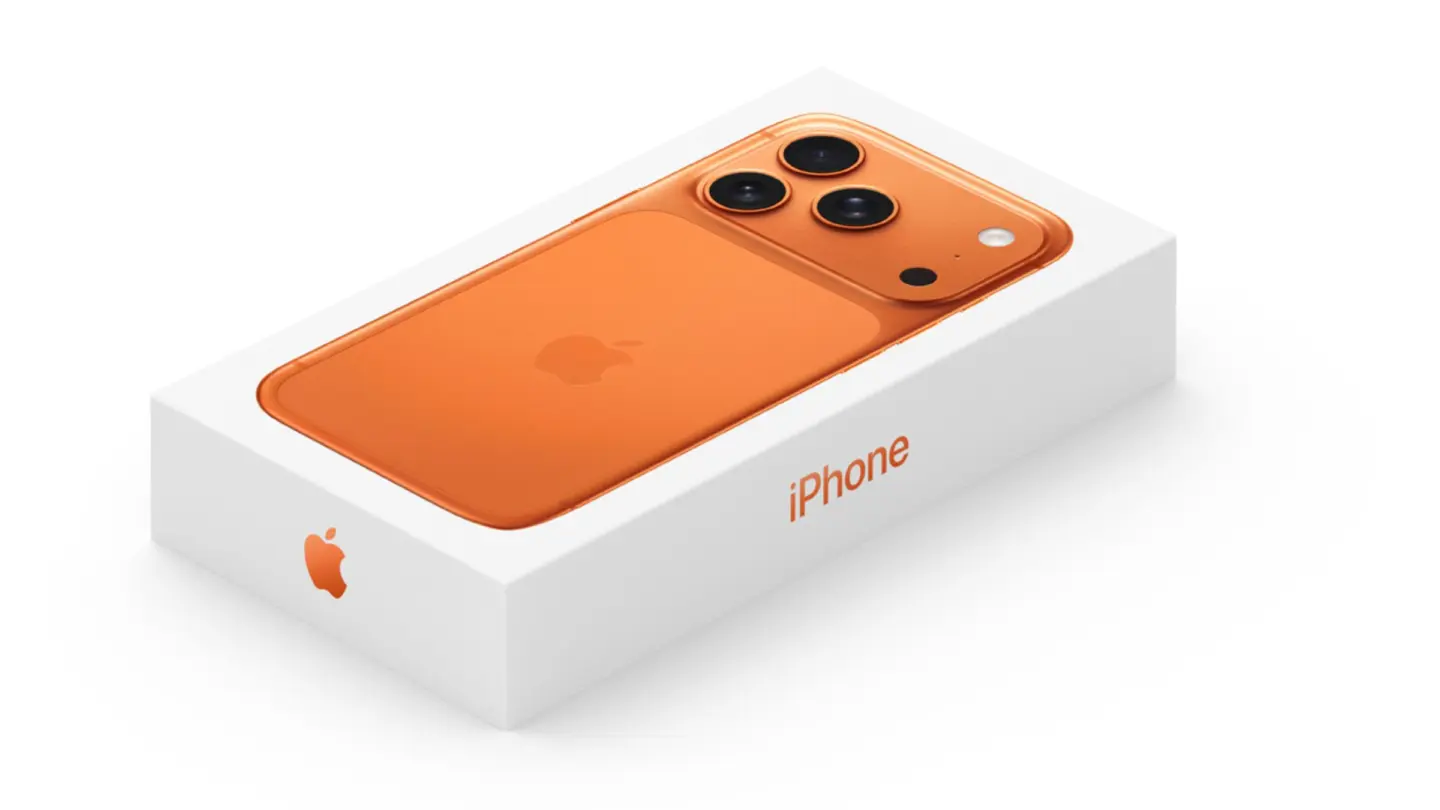
L'arrivo sul mercato dell'iPhone Ultra potrebbe cambiare profondamente gli equilibri del mercato pieghevole. Sia quelli esterni, espandendo l'importanza di quella che è rimasta comunque una nicchia fino ad oggi, sia quelli interni: perché chiaramente ci si aspetta che Apple possa prendersi fin da subito una fetta importante del settore.

Al lancio del primo melafonino pieghevole non dovrebbe mancare molto: la produzione sembra aver incontrato qualche intoppo, ma Cupertino dovrebbe comunque svelarlo a settembre, assieme ad iPhone 18 Pro e Pro Max. Semmai l'effettivo approdo sul mercato potrebbe essere dilazionato di qualche settimana o mese rispetto ai due modelli "tradizionali", ma comunque dovrebbe cadere entro il 2026.

LA SPINTA DI APPLE

Per poter misurare l'impatto della mela morsicata sul mondo dei pieghevoli, insomma, dovremmo aspettare almeno i primi mesi del 2027. Ma il mercato non è fatto certo solo di letture postume: è importante cercare di prevedere i trend, e gli analisti di Counterpoint Research nel loro ultimo report ci forniscono proprio una possibile anteprima di quanto spazio iPhone Ultra potrebbe ritagliarsi nel segmento dei foldable.


Il TOP Android senza compromessi? Samsung Galaxy S25 Ultra, compralo al miglior prezzo da Nuovetecnologie.eu a 696 euro.

CLICCA QUI PER CONTINUARE A LEGGERE

  •  
  •  

Samsung unboxa Samsung: i video di Galaxy Fold 8, Ultra, Flip, Watch 9 e Ultra 2

Le mani sopra ai pieghevoli e smartwatch appena lanciati da Samsung noi ce le abbiamo già messe, come vi abbiamo raccontato nella nostra anteprima. Ma senza passare per il rito dell'unboxing: Galaxy Z Fold 8, Galaxy Z Fold 8 Ultra, Galaxy Z Flip 8, Galaxy Watch 9 e Galaxy Watch Ultra 2 infatti sono già disponibili al preordine, ma le spedizioni inizieranno l'8 agosto.

Nell'attesa, quindi, ci ha pensato Samsung, che rilasciato una serie di video dedicati proprio all'unboxing di ciascuno dei suoi nuovi prodotti. Li trovate qui sotto.

  •  

“Vamos conseguir capturar consumidores que nunca consideraram um dobrável com o novo Fold8”

As expectativas para a nova geração de dobráveis da família Galaxy Z são elevadas e Bernardo Cunha, responsável pela estratégia e marketing de produto da Samsung Portugal diz que quem entra no universo dobrável raramente volta atrás e acredita que o novo formato do Z Fold8 vai ter grande adesão em Portugal.

The post “Vamos conseguir capturar consumidores que nunca consideraram um dobrável com o novo Fold8” appeared first on Tek Notícias.

  •  

Lawsuit Filed After Apple's A12 and A13 Chips Hit With New Unpatchable Exploit

Last month, cybersecurity research firm Paradigm Shift published details about a boot ROM vulnerability affecting Apple's A12 and A13 chips, but it has since removed the blog post after being sued by digital forensics firm Magnet Forensics.


In a complaint filed in Georgia federal court this month, Magnet Forensics alleged that the security vulnerability revealed by Paradigm Shift was substantially the same as the one its former employee Mario Del Gaudio worked on before joining Paradigm Shift. Accordingly, Magnet Forensics alleged that Del Gaudio exposed its trade secrets.

Apple's A12 and A13 chips power the iPhone XS and iPhone 11 series, along with select other devices. A boot ROM vulnerability cannot be patched with an iOS update, as it involves code permanently embedded in the chip's read-only memory.
This article, "Lawsuit Filed After Apple's A12 and A13 Chips Hit With New Unpatchable Exploit" first appeared on MacRumors.com

Discuss this article in our forums

  •  

Fire Reported Near Apple Park

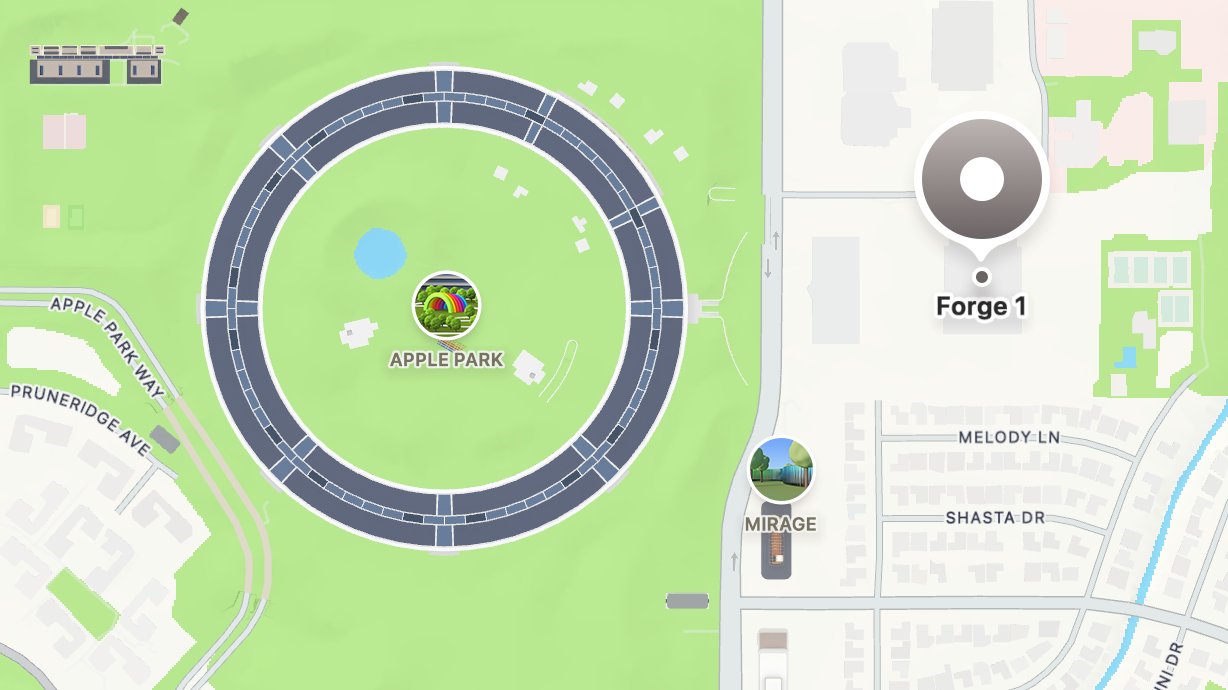
According to the Santa Clara County Fire Department, firefighters responded at approximately 5:30 p.m. local time on Thursday to a report of an outdoor fire at an Apple-leased building adjacent to Apple Park in Cupertino, California.


The fire occurred outside of a building known as Apple Forge 1, which spans 18920 to 18922 Forge Drive. While one person on social media described the damage as "huge," the photos they shared only show damage to some fencing on the property. The incident report was marked as closed after 45 minutes. It is unclear if there were any injuries.

We have reached out to Apple for comment.
This article, "Fire Reported Near Apple Park" first appeared on MacRumors.com

Discuss this article in our forums

  •  

Apple Loses Masimo Appeal

Marcus Mendes:

Apple’s requests to overturn a $634 million patent verdict and secure a new trial in its long-running legal battle with Masimo were denied.

Wesley Hilliard:

There doesn’t appear to be any other path for appeal or recourse, as the judge rejected both requests for either a new judgement or trial.

[…]

In the end, Masimo didn’t succeed in getting the Apple Watch banned or fundamentally redesigned. It won an empty victory with the funds it will be paid, and the patents affecting the lawsuit will expire in 2028 and 2029 anyway.

Paul Terpstra:

Although the ruling confirms the financial penalty, it does not affect current Apple Watch users. The smartwatch’s blood oxygen monitoring feature remains available after Apple introduced a software update in January 2024 that allowed sales to continue despite earlier legal challenges.

Previously:

  •  

HSBC upgrades Apple to Buy, raises price target to $366 ahead of Q3 earnings

Beige Apple logo on beige

HSBC has become the latest Wall Street firm to show increased confidence in Apple upgrading the stock from Hold to Buy and raising its price target to $366 from $260.

Analyst Nicolas Cote-Colisson cited Apple’s “operational turning point,” improving iPhone demand, and a promising AI-driven product cycle as key factors behind the upgrade. The new target implies roughly 10-12% upside from recent trading levels around $325–$333.

“Apple is at an inflection point with a strong cycle ahead,” the note indicated, pointing to better-than-expected hardware momentum, services resilience, and the upcoming rollout of enhanced Apple Intelligence features. HSBC also outlined a blue-sky scenario that could push the target even higher if AI execution exceeds expectations.

This move follows several other recent analyst actions in July 2026:

• Citi raised its price target to $365 from $315 (Buy rating) on July 13, emphasizing market share gains and AI upside.

• KeyBanc downgraded the stock to Underweight with a $250 target on July 14, a more cautious outlier view.

• Earlier in the month, JPMorgan lifted its target to $345.

The adjustments come as investors gear up for Apple’s fiscal third-quarter earnings on July 30, 2026. Analysts will be watching iPhone sales trends, services growth, gross margins, and forward guidance into the fall launch season.

The consensus on AAPL is a Moderate Buy, with an average price target around $325–$330 across 30+ analysts. Bullish firms continue to highlight Apple’s ecosystem strength and AI potential as drivers for a multi-year growth story.

Apple shares have shown resilience in 2026, up significantly year-to-date, though they remain sensitive to macroeconomic factors and competition in premium smartphones.

MacDailyNews Take: KeyBanc is regularly wrong on Apple, so their recent downgrade is actually yet another positive sign for AAPL.


‎
Please help support MacDailyNews — and enjoy subscriber-only articles, comments, chat, and more — by subscribing to our Substack: macdailynews.substack.com. Thank you!

Support MacDailyNews at no extra cost to you by using this link to shop at Amazon.

The post HSBC upgrades Apple to Buy, raises price target to $366 ahead of Q3 earnings appeared first on MacDailyNews.

  •  

MacBook Neo’s success wasn’t luck, it was a plan

It’s difficult to ignore the fact that Apple seems to have turned its MacBook Neo into a weapon to promote platform growth, with enough performance under the hood to make competitors seem inferior.

And even as the PC industry moves to try to compete with Apple’s last huge Mac success, the company is already planning a powerful follow-up.

That points to the discipline Apple has applied to the Mac since the introduction of Apple Silicon. The company has built a clear product roadmap, strong entry-level pricing, and steady performance gains. This focus is now paying dividends, giving people the impetus to keep placing their trust in Apple and its Macs — even as the industry raises prices in the face of RAMageddon and price increases. 

The numbers don’t lie

“Apple’s recent price increase seems to be an inevitable response to these cost increases. In the second half of the year, other PC OEMs are expected to continue to raise prices, and the overall ASP increase is expected to continue,” Counterpoint said in a post Wednesday. The researcher tells us global PC shipments shrank 4% in the second quarter of 2026 as rising costs hit demand. The Mac maker, by contrast, moved in the opposite direction, generating 13% growth in the quarter — mainly on the back of the MacBook Neo introduction. 

Recent IDC data gives Apple 10.1% year-over-year growth and just under 10% (9.9% to be exact) of the worldwide PC market, even as the overall market declined 4.9%.

“With emerging supply chain and tariff challenges inflating memory prices…, Apple’s incredibly aggressive price-point for the MacBook Neo makes its release feel all the more like a gut punch to one of the PC market’s most valuable price tiers,” Futurum Research Director Olivier Blanchard said when the Neo was released. 

Neo 2.0 is already coming

In the immediate future, as competitors raise prices on the PCs that compete with Apple’s lower-cost device, Cupertino is already plotting the path toward MacBook Neo 2. Reports claim this will debut in March in new colors and use the A19 Pro chip from the iPhone 17 Pro, with performance boosted by slightly more unified memory (12GB, rather than 8GB). That’ll make it a much better Mac, likely with 10-15% performance gains and the ability to run Apple Intelligence, making it the best and most affordable AI PC in its class.

Just four months after the Neo’s rollout, Apple is already in position to leak rumors of an even more computationally capable follow-up, while competitors struggle to compete with the original on performance, build quality, and price. Still, the Neo might get more expensive, reporting warns, with the lowest-price 256GB model now gone, making the $599 Mac a mirage we can only wistfully hope to see again. 

That might matter less in context, as PC makers everywhere boost prices while RAM, chips, and storage prices head north, along with transport, logistics, and energy costs. “While [Apple] did raise prices in line with the broader market, it still remains well positioned against rivals facing the same cost pressures,” said Jean Philippe Bouchard, vice president for consumer devices at IDC. 

“As market conditions continue to worsen, the importance of supply chain management and capabilities are increasingly important,” Bouchard said. “The largest vendors, with their buying power and long-standing supplier ties, are best positioned to take share from smaller rivals.”

This was never about luck

This isn’t solely a market take about competition, it’s about planning.

Few in the industry seemed prepared for the massive memory price increases that hit this year. Apple clearly planned its low-cost Mac well before that happened, hoping to seize the PC market at the low-mid-range. This is precisely what it seems to have done, what it continues to do, and what it will continue to do.

The recent reports that it has a successor planned shows the breadth of the Mac company’s strategic vision, as Apple has quite clearly sought to fully exploit the failings of Windows and the internal contradictions of a value-conscious industry in stiff competition with itself.

With the first M-series Macs about to enter the replacement cycle, Apple has built a market it can capitalize on for at least a decade, meaning it already has a vision for PC sales that extends at least as far. That’s the kind of road map corporate purchasers want when they make platform deployment decisions, which is why Apple’s 10% share gains are the beginning of even more significant market change. 

You can follow me on social media! Join me on BlueSky,  LinkedIn, Mastodon and subscribe to my daily Apple-related news summaries at The Core.

  •  

Own nothing, upgrade everything: Apple’s new Klarna deal

Just in time for the iPhone’s 20th anniversary, Apple is moving closer to becoming a service company. It is set to launch its new deal with Klarna next week and when it does, Apple enthusiasts in the US will effectively be able to subscribe to their favorite Apple hardware, with the cost spread across up to three years.

This matters because when combined with Apple One and Apple’s Creator Studio subscriptions, the Klarna arrangement brings Apple closer to offering a full subscription model for hardware, software, and services. The only thing you don’t get under the new arrangement is AppleCare, for which you’ll allegedly need to pay extra.

Moving closer to hardware-as-a-service

Apple has slowly been transitioning toward hardware-as-a-service for almost a decade. Back then, Forrester analyst Frank Gillet predicted the company would eventually offer bundles of services and products for a monthly, all-in, fee. 

This isn’t quite where we are yet; you still need at least three subscriptions to get close. But, after the better part of a decade, Apple has moved much nearer to the hardware-as-a-service idea.

There are some products reportedly excluded from the arrangement, including MacBook Neo, Apple Watch SE, the entry-level iPad, and iPhone 16. Clearly, Apple sees those products as sufficiently affordable. 

Easy payments for RAM-ageddon

The new Klarna arrangement comes as Apple is forced to increase product prices as AI-driven memory price inflation becomes widely felt across every economy. In theory, I assume, Apple hopes to make its products available to cash-strapped consumers who need new hardware, while also navigating a time of deep economic tumult and uncertainty. It’s thought the company has previously rejected these plans to protect normal hardware sales, but normality is a kingdom we no longer seem to possess. Interesting times. Probable inflation incoming.

“Apple Upgrade lands at precisely the moment Apple needs it,” IDC analyst Francisco Jeronimo wrote in a note seen by Computerworld. “Having just pushed Mac and iPad prices up on the back of the memory shortage, with iPhone increases widely expected in September — as well as the new iPhone foldable expected at $2,500 — Apple’s real risk is that rising prices even further can impact the upgrade cycle.” 

New age, new shopping habits

The introduction of the scheme gives consumers a way to purchase the company’s popular high-end devices when they are introduced — no doubt,at higher cost — this fall. Plus, of course, if it’s good enough for GM, it’s good enough for Apple.

It’s all about attitude, too. From Apple’s perspective, it has done plenty of the groundwork required to convince its customers that subscription payments for things you value are no bad thing. 

Reluctance to embrace “Access Not Ownership’”purchasing models has dropped dramatically since Apple — and CEO Tim Cook — first began banging the drum for services income. Apple’s services stream has now become its second-biggest revenue driver after the iPhone. It has over 1 billion paid subscriptions, and an active hardware installed base of more than 2.5 billion devices globally.

A combination of changed customer habits and external threat means the stars are now aligned for hardware-as-a-service models. “Reframing a device as a low monthly payment protects that [upgrade] cadence and allows Apple to start marketing their products as device-as-a-service to consumers, which no other vendor was ever able to do,” Jeronimo wrote to me. 

There is a one-more-thing aspect to this: the products are effectively being leased, a new approach that will give Apple a stronger grip on EOL devices, helping it grab more of them for refurbishment, resale, and recycling. Over time, this will give the company a much stronger grip on the lucrative second-user market that exists around Apple equipment, even while for almost every consumer product we find the life we want is something we can rent, but probably can’t afford to own.

Managing future risk

The other solid reason to take a partnership approach is risk management. Apple had intended to develop its own buy-now, pay-later scheme via Apple Pay Later, but abandoned that plan as it became riskier with rising bank rates. “Also, by backing the program with Klarna rather than reviving the in-house subscription plan it shelved in 2024, Apple captures the demand upside without taking the credit risk onto its own balance sheet,” Jeronimo said.

You can follow me on social media! Join me on BlueSky,  LinkedIn, Mastodon and subscribe to The Core.

  •  

Apple and the changing of the guard

As Apple gears up to anoint John Ternus the new company CEO in September (while current leader Tim Cook takes a seat on the board) the company appears to be firing on all cylinders ahead of the leadership transition. 

What’s going well

Just look at the evidence: 

  • Apple is building market share across its entire product range; even memory-driven price inflation doesn’t seem to have dampened demand for its hardware yet.
  • While Apple had to raise prices, the company’s MacBook Neo remains seriously popular. It’s sitting atop Amazon’s US best-selling chart, which currently includes six Macs in the top 10. The Neo has topped this chart since its introduction.
  • Apple’s iPhone 17 series continues to sell well, with recent market data showing sustained growth. Both Counterpoint and IDC tell us that iPhone shipments continue to increase, even as other vendor shipments slide.
  • IDC analyst Francisco Jeronimo recently estimated that Apple’s upcoming foldable iPhone Ultra could grab 29.4% of global folding smartphone sales this year, rising to 34.9% in 2027.
  • The company’s new 27 series of operating systems is attracting a great response as beta testers report that it is already solid, stable, and performing well.
  • The AI narrative has really changed, with analysts no longer quite so starry-eyed at the prospects for the big frontier AI firms. Apple’s edge-AI-enabling approach is winning converts.

What’s coming up

The company’s newly-filed lawsuit against OpenAI may or may not succeed, but it will certainly help consolidate recognition of the importance of Apple’s designs and intellectual property in whatever hardware emerges from the AI firm. It also means both Apple and OpenAI are already competing in hardware, even though neither company yet offers anything that directly challenges the other. 

Apple has just set out its stall to brand-loyal fans in a big way and did so before OpenAI gets to woo the same set of customers with a wriggle of its Jony Ive-tinged talisman.

The stage is set for intense competition between the two. Though some say Apple’s needs to improve employee retention, if it does find proof of efforts to use recruitment to engage in industrial espionage, it’ll be easier to represent its own products as being the OG for new hardware. 

If nothing else, it means consumers will forever be asking, “If OpenAI’s designers are so good, why did it need to poach them from Apple?” Doubt is a weapon.

Managing perception

It doesn’t matter how the case goes, because there fight is already affecting consumer psychology. It also means that as Ternus prepares to take his seat atop the rainbow-colored Apple throne, we can already size him up. “A man is measured by his enemies,” Joe Abercrombie wrote in “The Trouble With Peace.”

Given the proximity of the leadership transition, it’s highly probable that Ternus signed-off on the litigation; in doing so he — and Apple — tell us to expect more of the same. 

Apple has, rightly or wrongly, decided that OpenAI will become its new existential bugbear, following in the footsteps of Microsoft Windows, Real Networks, Adobe Flash, Android, and Samsung, all of whom have been useful foils against which Apple has been able to build and maintain its identity.

Looking at that list, you’d be tempted to believe that nothing much is new. Apple has often defined itself by the enemies it sometimes keeps. What has been will be again, which in this case means even as OpenAI attempts to carve out an identity as a hardware manufacturer delivering solutions to compete with Apple and Google, Ternus’ team’s looks to drive a consensus-shaped wedge into the pro-LLM propaganda. 

That blow comes as Apple finally gets its act together around AI, and as the company prepares for a future in which the world’s most-used wearable device also becomes the wearable way to woo Siri AI.

My kingdom come

Rising market share, powerful solutions, an increasingly recognized and respected approach to AI, and an ideological crusade — these details constitute Apple’s place today and are Tim Cook’s coronation gift to Ternus. He’s passing along a strong and hyper-profitable baton that screams of timeliness and relevance even as the company gets set, ready, to go with a year or two of new product designs, new product families, and a 20thanniversary iPhone.

This is Apple’s party. OpenAI’s name didn’t make the list. 

You can follow me on social media! Join me on BlueSky,  LinkedIn, Mastodon and subscribe to The Core.

  •  
❌