❌

Reading view

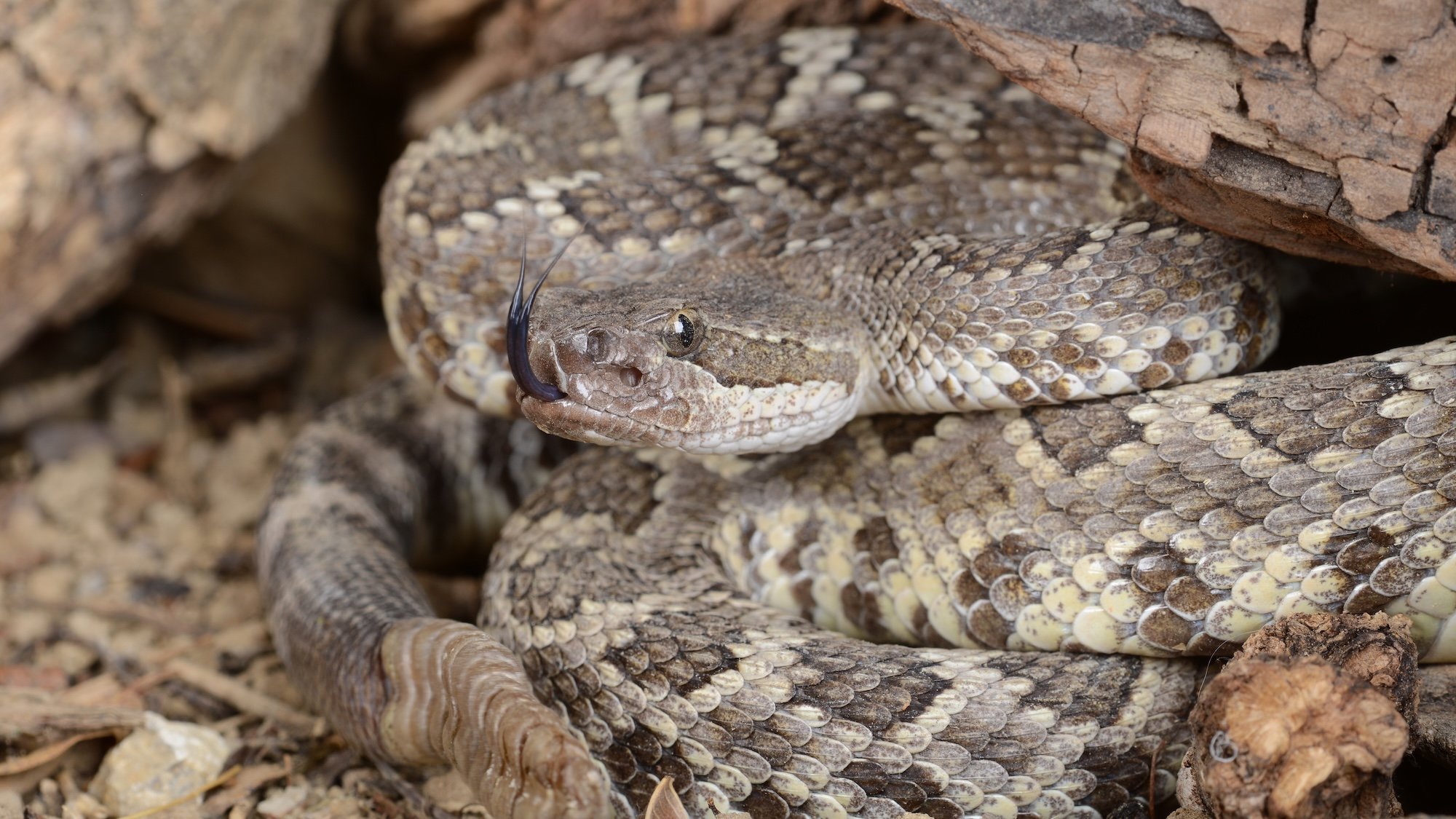
Rattlesnake bite venom is based on their personality

Rattlesnake venom is a complex blend of necrotic toxins designed to quickly disrupt blood coagulation and destroy tissue cells. This effective biological weapon comes at a major premium, however. Snakes must regularly replenish their venom reserves, which means they need to dole out just the right amount with each bite. Injecting too little venom into prey may allow their next meal to escape, while delivering too much can leave a rattlesnake defenseless against its own predators.

But that doesn’t mean rattlesnakes adhere to a one-bite-fits-all policy. According to researchers at California’s Loma Linda University, the amount of venom routinely varies by individual reptile. Their recent findings published in Frontiers in Ethology indicate these dosage ranges aren’t randomly distributed, and that snakes and their venom are much more complicated than many people realize.

“This study gives us a better understanding that reptiles, such as rattlesnakes, are behaviorally complex and have personalities like humans do,” explained Loma Linda University biologist and study co-author Chelsea Martin.

Martin and her colleague, William Hayes, focused on the preferences of the Pacific rattlesnake (Crotalus oreganus helleri). On three occasions over a four-week window, the team offered 48 snakes the chance to sink their fangs into a membrane-covered beaker. Previous experiments mainly focused on the frequency of bites, but Martin and Hayes also measured the amount of injected venom in each instance. They then compared the data across snakes.

“The results were striking in their consistency,” the study’s authors wrote in an accompanying Phys.org rundown.

The team also reported measured behaviors like aggressiveness, bite willingness, and the amount of venom amount were statistically significant and repeatable across many of the snakes. Additionally, their study further debunks the lingering myth that larger snakes actually produce less venom.

“Larger snakes expended more venom than smaller snakes, as expected given their greater capacity for venom storage,” explained the biologists, while noting that actual delivered levels still occasionally varied regardless of size.

The study’s authors emphasize that their findings shouldn’t be held against the rattlesnakes themselves. While often feared, the snakes generally do everything they can to avoid confrontations with larger animals like humans. Bites are almost always the result of an unintentional encounter in the wild rather than an overly aggressive serpent. If anything, it’s people who aren’t paying attention to their surroundings, and not the other way around.

“One practical lesson remains unchanged: No rattlesnake should be approached or handled on the assumption that it will behave predictably,” the authors said. “Consistent individual differences do not make any particular snake safe.”

The post Rattlesnake bite venom is based on their personality appeared first on Popular Science.
  •  

Treefrog ‘fingerprints’ are on their eyeballs

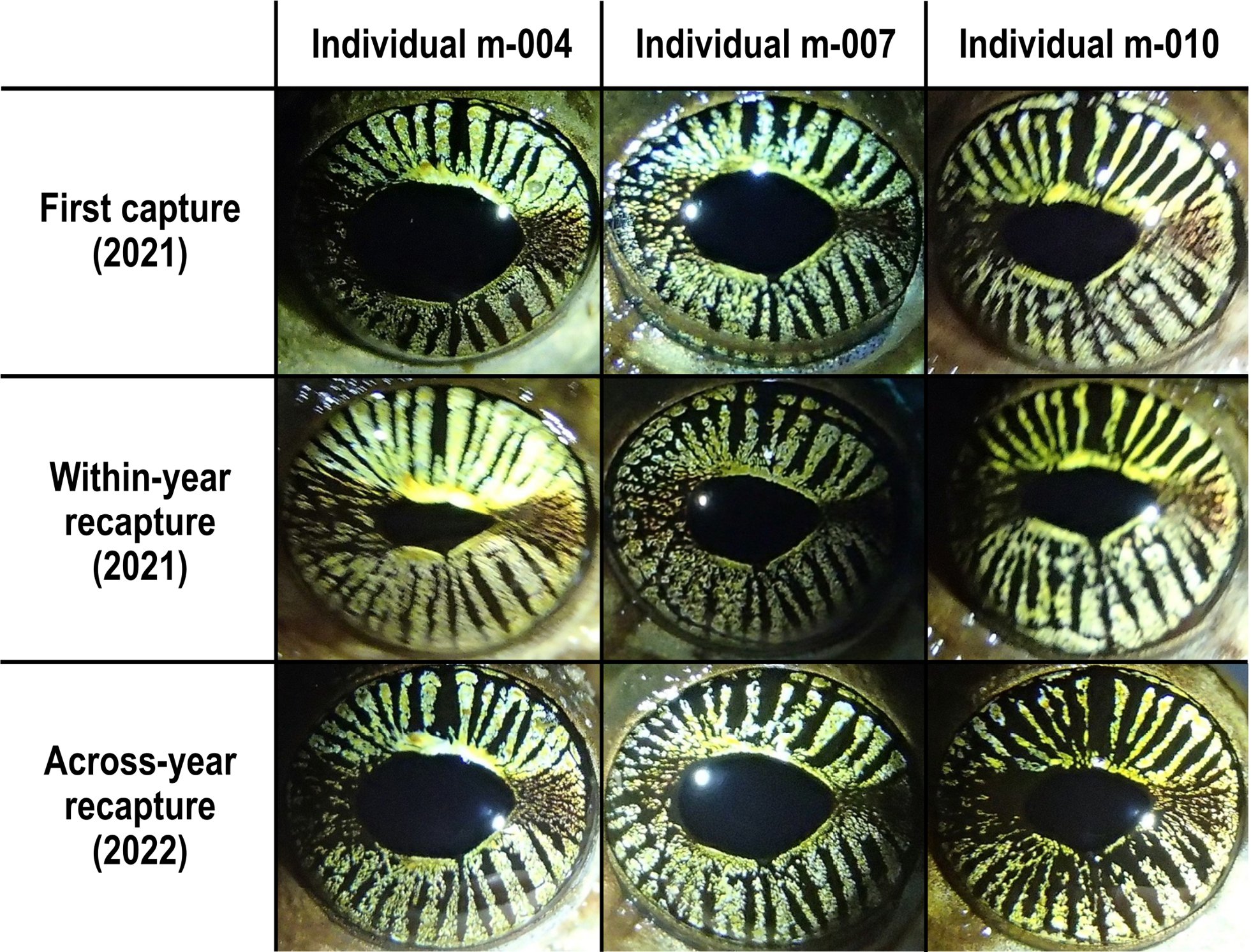
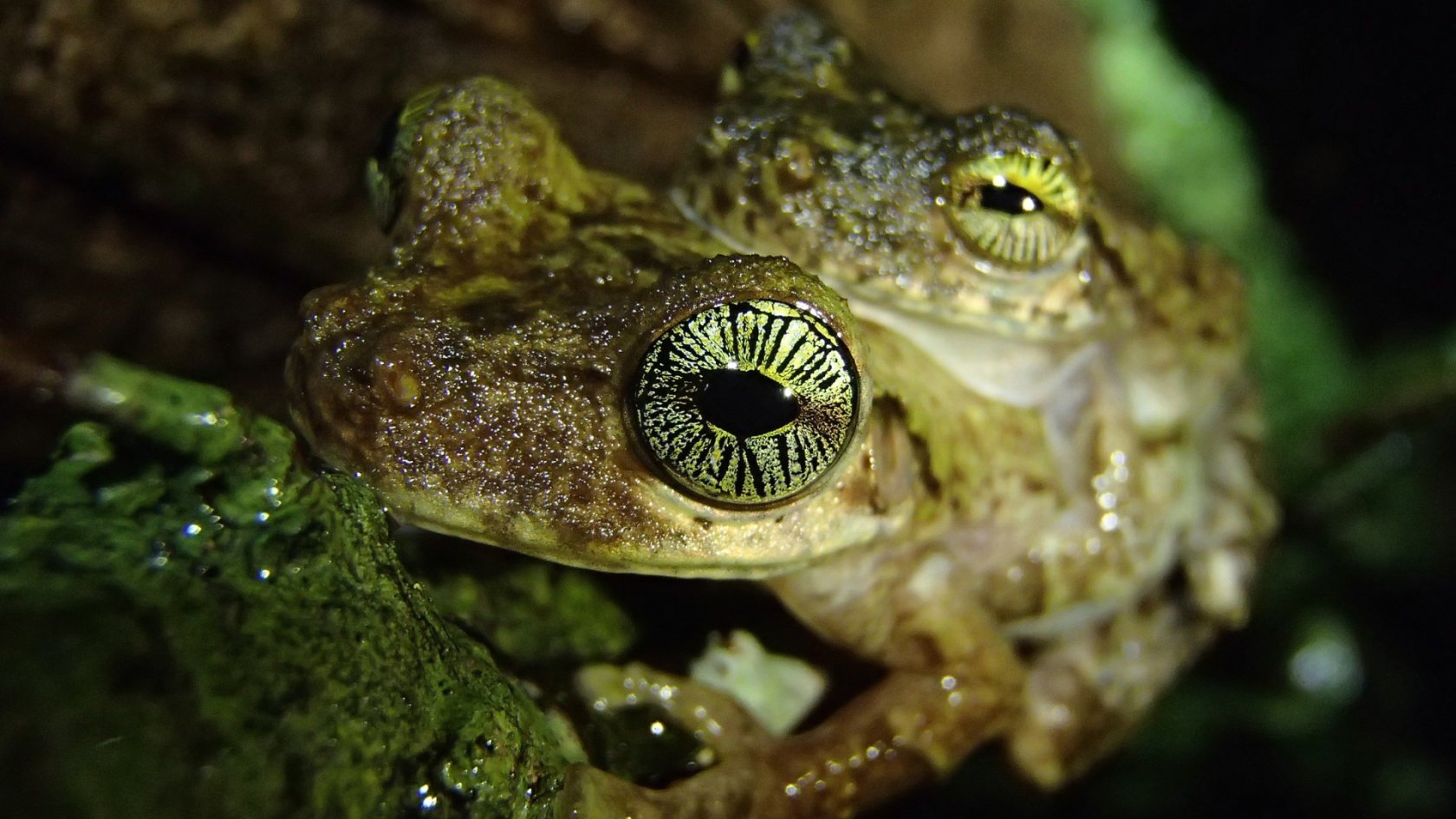
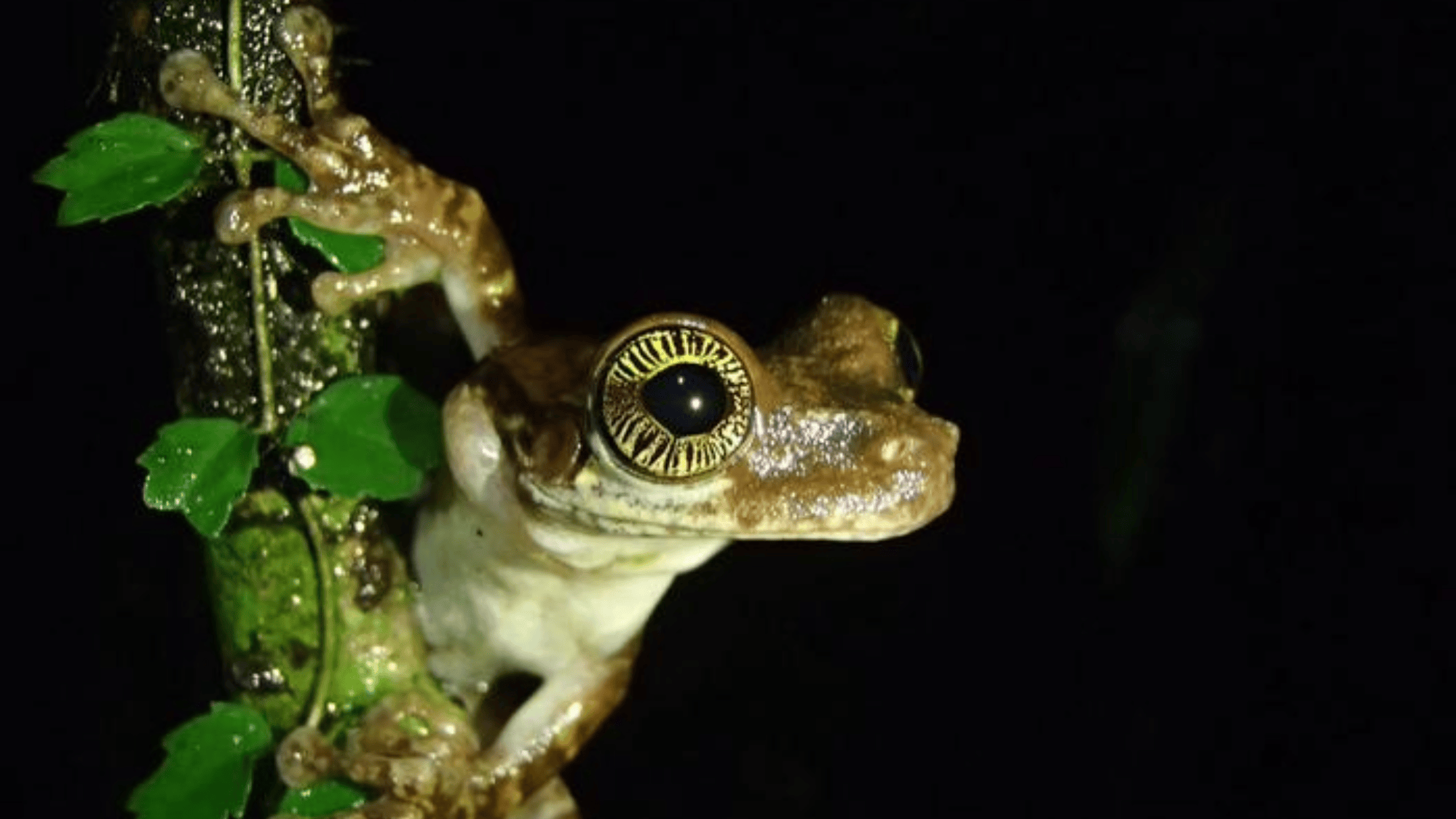
Our fingerprints, patterns on whale flukes, and fur patterns on cheetahs are examples of the natural ways we can tell one individual animal from another. For an Amazonian treefrog called the egg-eating spiny-backed frog (Osteocephalus oophagus), we need to look into their eyeballs. Fine black radial lines cross their golden irises, and form a pattern similar to our fingerprints. A study recently published in the journal Herpetozoa details the discovery.

The project began with study co-author Mélissa Peignier, a behavioral ecologist at the University of Bern in Switzerland, admiring frog eyes. 

“At the time, I was doing my PhD, studying Allobates femoralis in the field in French Guiana,” Peignier said in a statement. “My first reaction was simply something along the lines of, ‘Wow, what beautiful eyes!’ That initial curiosity gradually turned into a genuine interest in the species, and I realised how little we actually know about them.”

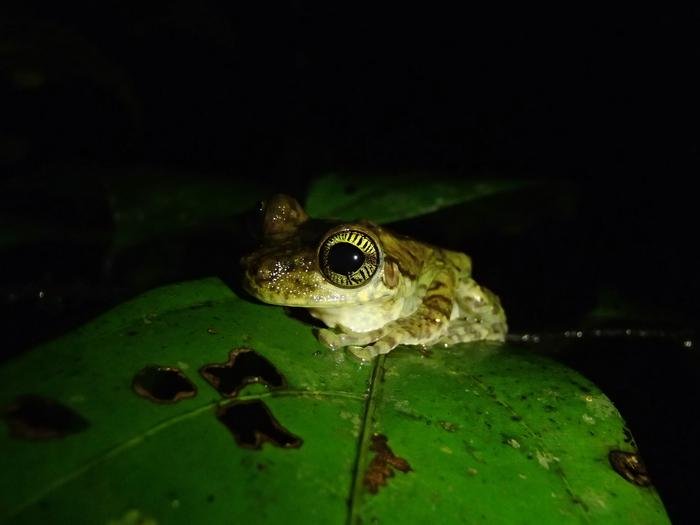
a green frog sitting on a leaf
Osteocephalus oophagus in situ. Photographed in French Guiana (4°02’N, 52°41’W; ) between March and May 2021. Image: Mélissa Peignier et al., 2026.

There was also an ethical component. One of the standard ways to tell amphibians apart from one another is toe-clipping, where a section or all of a single toe is removed. This procedure can affect their survival, physiology, and behavior. 

“Other studies have used toe-clipping, which involves removing some of the digits. Personally, I was uncomfortable with this approach, especially given that these are arboreal frogs that rely on their limbs to climb trees.”

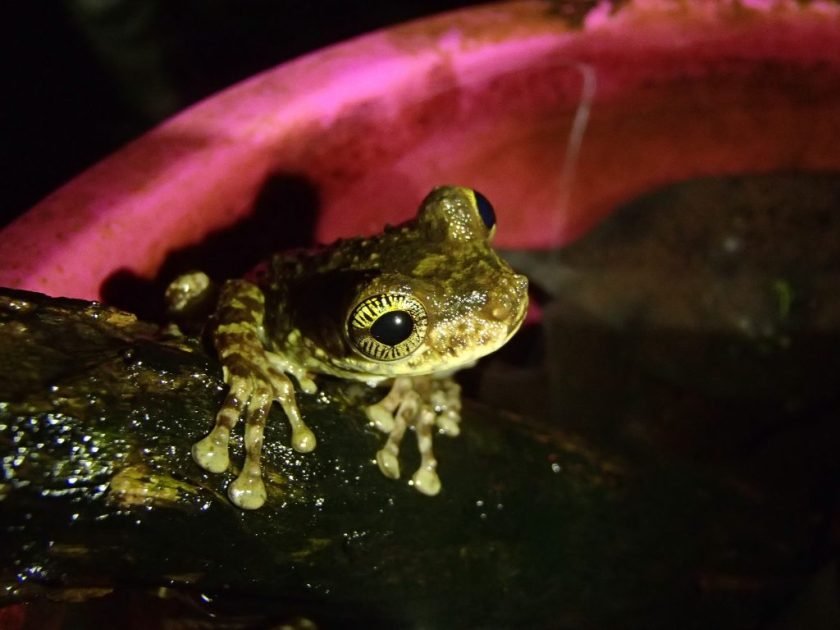
a green frog on a stone
Osteocephalus oophagus in situ. Photographed in French Guiana (4°02’N, 52°41’W; ) between March and May 2021. Image: Mélissa Peignier et al., 2026.

Looking for other markings could offer a more humane solution and a way to observe the animals natural behavior unimpeded.

For this study, fieldwork took place over three rainy seasons (2021 to 2023) on a river island in the Nouragues Nature Reserve in French Guiana. They identified 103 individual frogs over the course of the study.

Example of the diversity of iris patterns from eight Osteocephalus oophagus individuals photographed in French Guiana (4°02’N, 52°41’W; Bongers et al. 2001) between March and May 2021, 2022, and 2023. Image: Mélissa Peignier et al., 2026.

During their later encounters, the team took pictures of each animal’s eyes without touching it and then compared the images with a reference library. This way, the recognised frogs were left undisturbed and their eyes appeared in their more natural state. The identifications were then independently verified using Wild-ID, a software package that analyzes photographic markings in animals.

They found highly distinctive iris patterns. Within one season, between 56 and 80 percent of the frogs were recaptured and reliably re-identified. According to the team, this indicates that the patterns on their eyes remain stable enough to monitor the frog in the short-term. Photographs could even be taken of frogs while in their mating embrace (called amplexus) without disrupting them. The team hopes that this method will spread. 

two frogs with one on top of the other's back
Osteocephalus oophagus in situ. Photographed in French Guiana (4°02’N, 52°41’W; ) between March and May 2021. These frogs are in amplexus, or their mating embrace. Image: Mélissa Peignier et al., 2026.

“In a world where biodiversity is declining at an alarming rate, it is essential that we minimise our impact on the animals we study,” added Peignier. “If we can reliably identify individuals using naturally occurring features, we may be able to reduce the need for more invasive marking techniques while still collecting the data needed to answer important scientific questions.”

While the reliability of the eye markings will vary between species, and should be done case by case, the team sees considerable promise for amphibians with complex irises. And working with them offers its own benefits. 

“Honestly, the frogs themselves are incredibly beautiful and surprisingly chill, which makes working with them a real pleasure,” Peignier said. 

The post Treefrog ‘fingerprints’ are on their eyeballs appeared first on Popular Science.
  •  

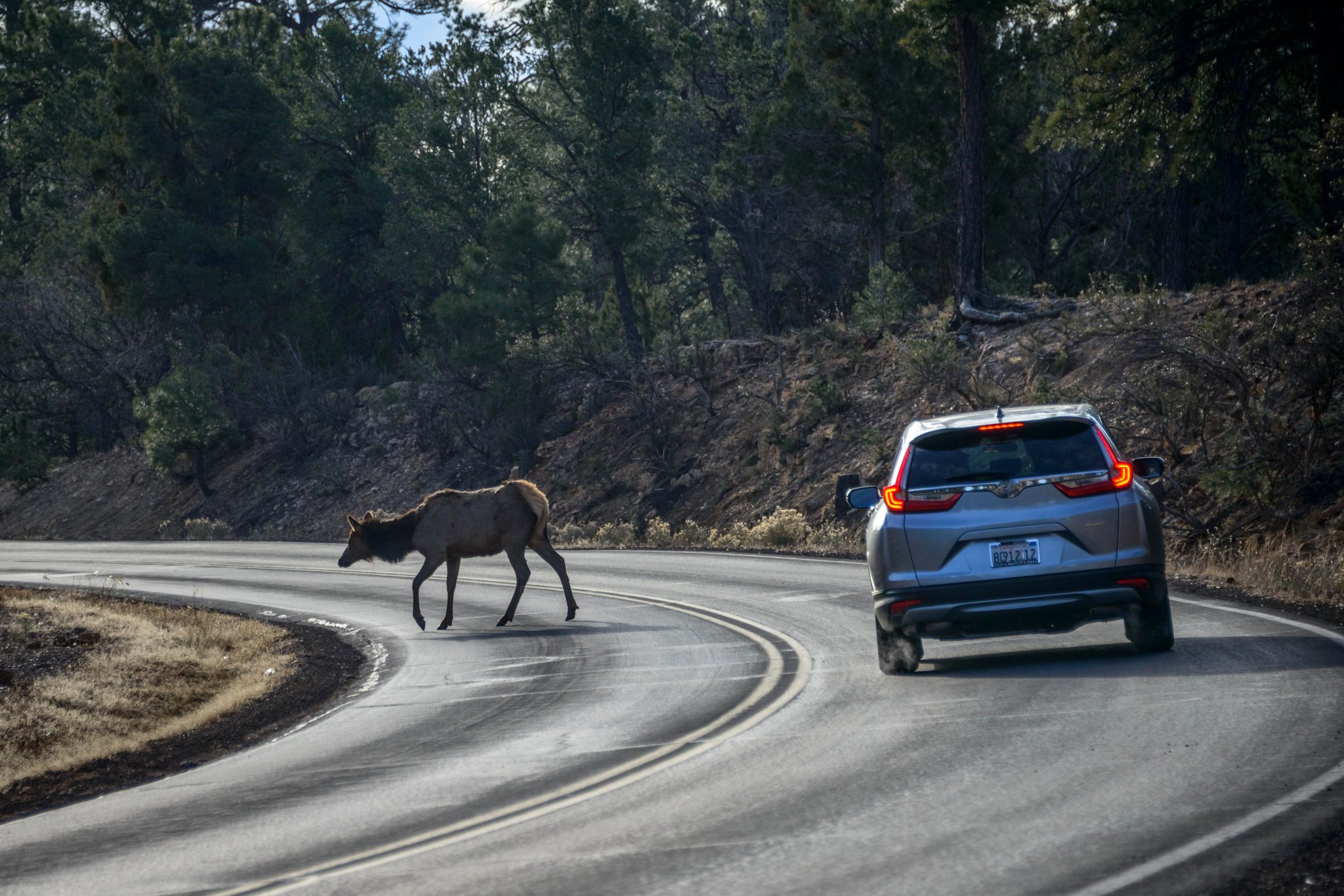
Deer mating season can be deadly for drivers. Solar powered roadsigns may help.

Fall is here, and with it comes very determined deer. Mating season for the hoofed ruminants typically begins once temperatures dive and the days grow shorter, but the annual event also poses problems for humans. The deer have one thing on their mind, which means they pay even less attention to vehicles and roadways. In New Jersey, roughly 41 percent of all annual animal collisions occur between October and December, while the AAA Foundation for Traffic Safety routinely tallies over 275 fatalities from similar accidents nationwide every year.

Driving gets even riskier in rural areas, which frequently host higher deer populations and much darker roads. However, a recent pilot program in Virginia offers a promising tool that may keep commuters safe while also allowing the animals to do their thing. At the Virginia Tech Transportation Institute (VTTI), researchers designed an automated digital roadside sensor system that warns drivers of large jaywalkers like deer and elk.

According to VTTI engineer Shreyas Bhat, the year-long trial demonstrated a “measurable change” in how local drivers responded when alerted to oncoming wildlife. Bhat and his colleagues tested the system with help from the state’s Department of Transportation along a 14-mile section of Route 460 in southwest Virginia. The array was composed of eight portable, solar-powered trailers and customizable digital message signs. Each station included thermal cameras analyzed by onboard machine learning software, which triggered the sign alerts whenever it flagged nearby medium– to large–sized animals.

Over the course of the trial, researchers amassed driving data on over 10,000 vehicles, while the detection system maintained an estimated accuracy of around 97 percent. This is particularly impressive given the region’s environmental and infrastructural challenges.

“This system is unique because of the requirements of the area—it needed to be solar powered, portable, and be able to withstand all weather conditions,” explained VTTI engineer Jean Paul Talledo Vilela.

The team reported an average reduced speed of about three miles per hour thanks to the roadside warning signs. That may not seem like much, but even a slight slowdown can save lives. It also proved people took note of the system.

“Speed is an important data point to understand if drivers were actually paying attention to the message board,” said Talledo Vilela. “Even if they are not braking aggressively, some reduction in speed indicates that they may be paying more attention to their surroundings because they got that alert.”

While Talledo Vilela, Bhat, and their collaborators are still parsing through data from the program,(it ended in September) the initial findings remain promising. From here, the team hopes to refine the overall system while organizing future trials in other regions of the country. If successful, the relatively simple installations could also be adapted for other year-round road safety situations like construction or real-time weather hazards.

The post Deer mating season can be deadly for drivers. Solar powered roadsigns may help. appeared first on Popular Science.
  •  

Baby manta rays stick to the shallows to avoid sharks and orca

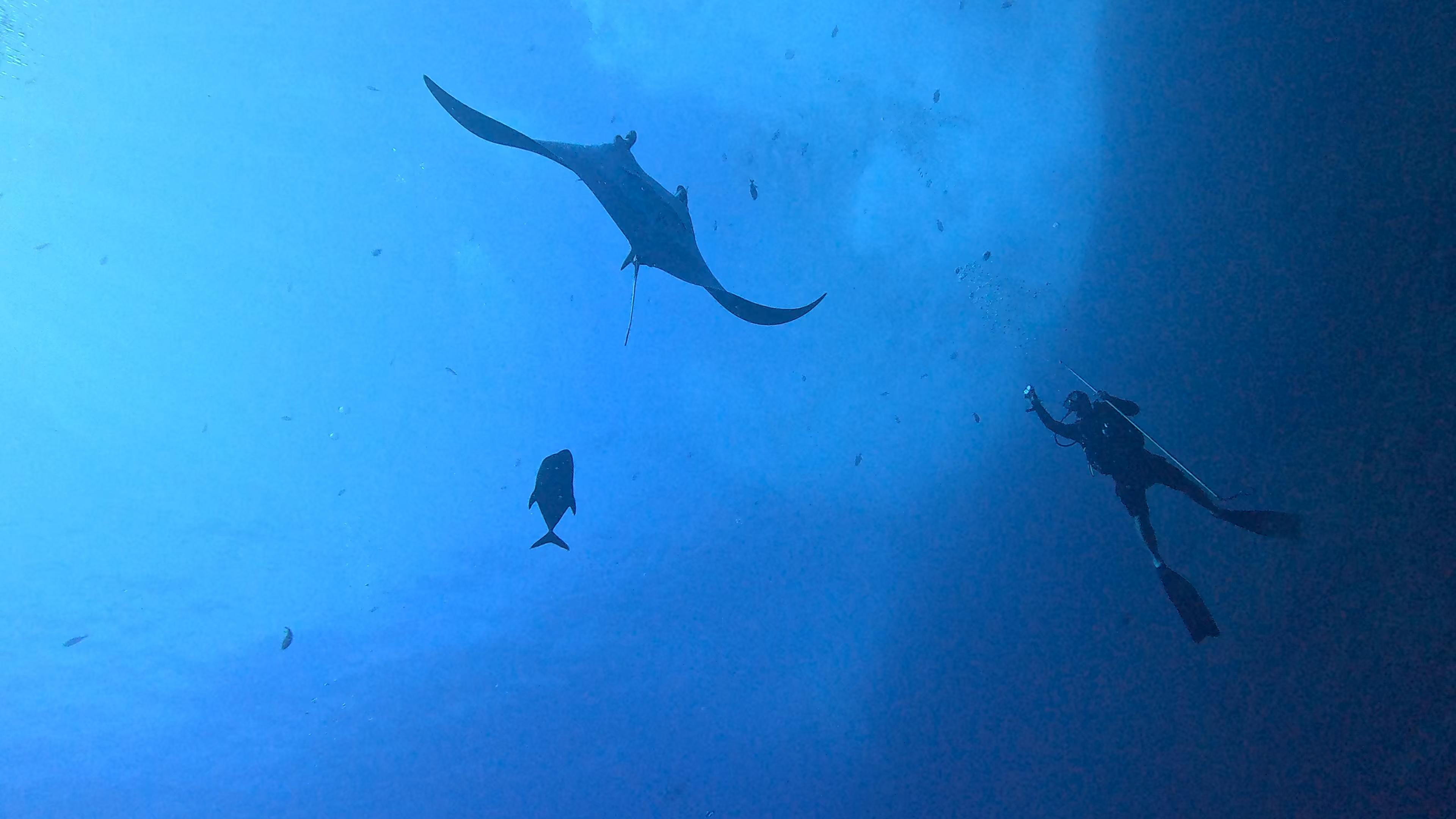
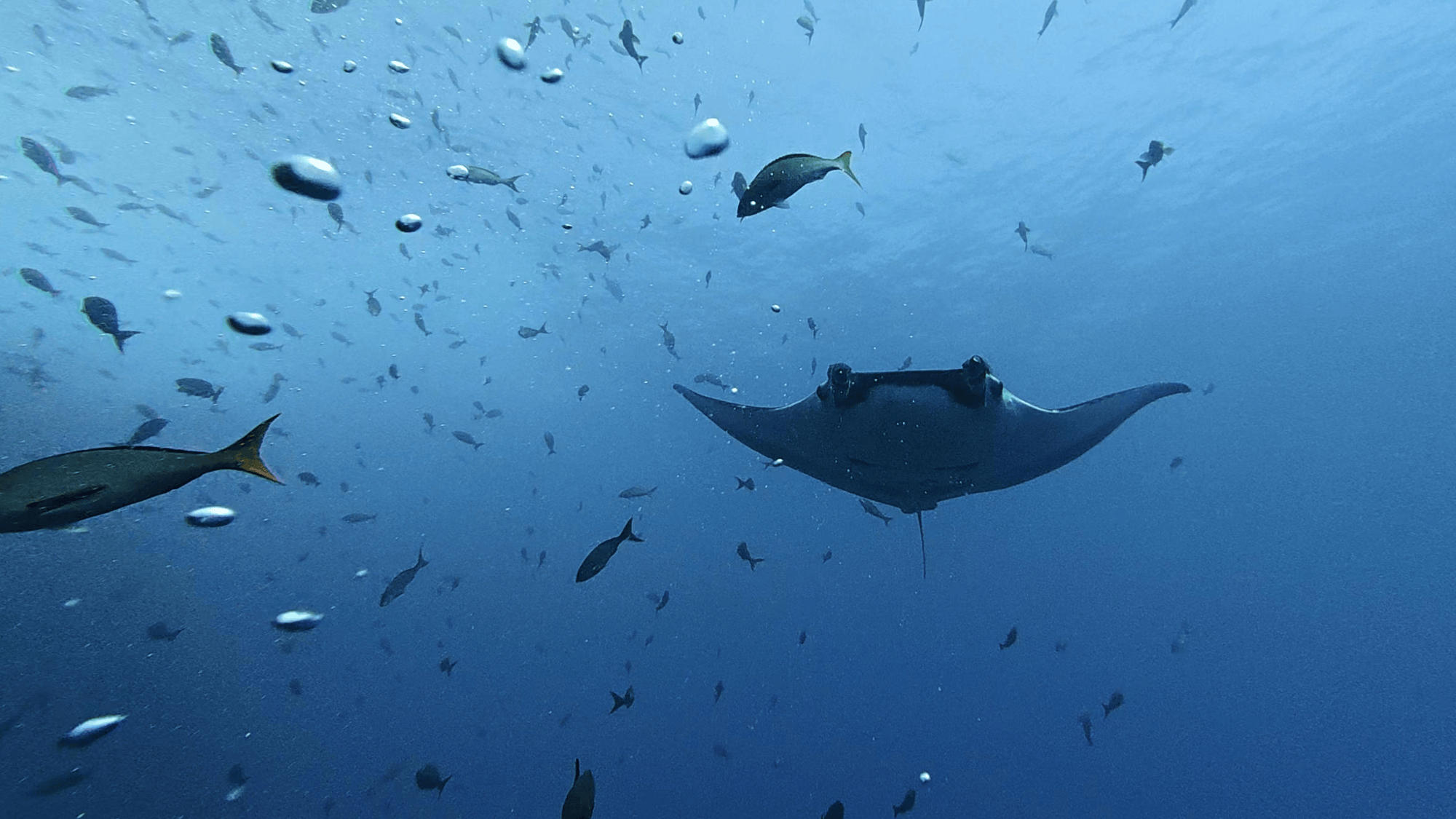
Before giant manta rays (Mobula birostris) can grow to up to 30 feet long and 4,409 pounds, they must start small like most living things. Giant manta ray babies (called pups) in Central America don’t have their size to protect them from orca whales (Orcinus orca) and the numerous sharks in the open ocean. Their solution—sticking to the coast, where there is plenty of food to help them grow and defend themselves. A new study published today in the journal Frontiers in Fish Science details the baby rays’ behavior. 

“We show that manta rays’ lifestyle isn’t a one-size-fits-all behavior. Giant manta rays in Central America undergo a dramatic shift in space use as they mature,” Jeffry Madrigal-Mesén, a study co-author and project leader of Mantas Costa Rica, said in a statement. “Juveniles remained strictly within shallow nearshore waters that serve as coastal refuges, but most of the tracked adults executed long-distance transboundary migrations along the continental shelf break into Central America.”

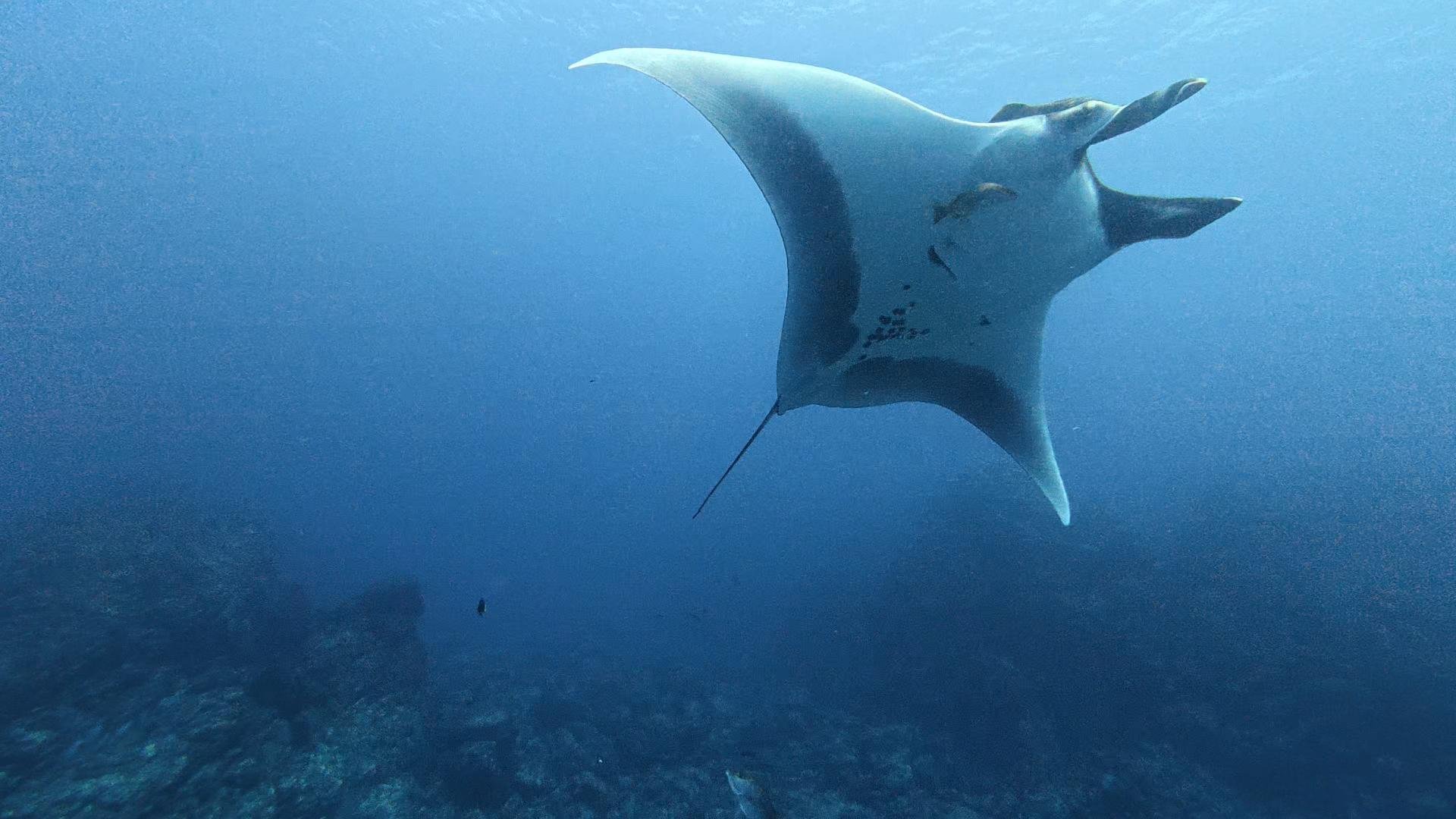
a manta ray swimming
Puntitos, one of the immature mantas the scientists followed. Image: Jeffry Madrigal.

Where the pups grow

In the study, the team used multiple methods to track and identify mantas at five locations between 2018 and 2025. Acoustic telemetry uses underwater sound pulses to monitor fish movements and allowed the team to track 59 individual rays. With satellite telemetry, transmitters track movement and behavior from a distance and helped the team track large-scale movements of 12 individuals. Lastly, photo identification helped to identify individual manta rays.

“If we hadn’t used all three technologies together, we simply wouldn’t have been able to piece this puzzle together,” explained Madrigal-Mesén. “Combining these tools turned fragmented data into a unified, undeniable story.”

The team ended up with a dataset of over 12,000 detections. The data showed that young mantas (those with a body about 10 feet or less) stick to shallow coastal refuges. In these more shallow spots, the pups have a safe place that doesn’t overlap with their predators’ hunting grounds. They have plenty of food and places to hide, and even get essential services like cleaning from reefs.

“Mature adults can rely on their massive body size and their ability to dive deep to evade threats. But juveniles don’t have that luxury,” said Madrigal-Mesén. “What is truly amazing is seeing how strictly young manta rays stick to coastal waters as long-term refuges. We see the same individuals more often than once a year. In fact, just recently, they were sighted again at the exact same tagging location. It is always a joy to see them again—they have truly become a part of the family.”

a manta ray swimming by a diver
Manta ray in close proximity to a diver. Image: Jeffry Madrigal.

By comparison, nine mature mantas in the study went on expansive migrations along the continental shelf break. One manta ray nicknamed Mickey Mouse because of a spot pattern on his belly had movements that suggest the fish also continue to display loyalty to a particular site once they grow up. Unusually approachable for a manta, Mickey Mouse allowed the team tag him multiple times over several years, which provided a continuous dataset. In 2020, he logged 462 acoustic detections at a coastal hub called El Secreto. He returned to the same shelf in 2023, and stayed there for 38 days.

“Nearshore cleaning stations transcend basic hygienic function; they act as primary social hubs where courtship and reproductive interactions take place,” said Madrigal-Mesén. “Returning to a predictable coastal depot allows mature rays to prioritize social and cleaning needs before undertaking large-scale regional migrations.”

Traveling the manta swimway—safely

Once they leave coastal regions, adult manta rays face different dangers. Coastal areas are often legally protected marine reserves, but the open ocean is another story. They no longer have legal protection and are exposed to dangers from industrial fisheries and vessel strikes.

According to the team, this shows that marine protected areas alone are not enough to protect this highly mobile species as it swims across Central America. They say that multi-national “conservation swimways”  that link the domestic juvenile coastal refuges with adult migratory corridors could help keep the endangered rays safe. 

“This study opens a new chapter for manta ray research in Central America,” Madrigal-Mesén concluded. “We hope it sparks fresh enthusiasm and encourages future collaborators to join us in executing the new ideas and research projects we have planned for the conservation of this species.”

The post Baby manta rays stick to the shallows to avoid sharks and orca appeared first on Popular Science.
  •  
  •  

Random Ohio Town Turns Into Scene From ‘Silent Hill’ After Massive Chemical Leak

The Northern suburbs of Toledo, Ohio turned into a real life Don DeLillo novel overnight, after an explosion at a chemical facility sent plumes of industrial compounds billowing into the sky.

According to the local station WTOL11, the blast happened at a chemical distribution site in Ohio’s Lucas County on Tuesday night, prompting an immediate evacuation order for anybody living within one mile of the disaster zone. Those within three miles were given an order to shelter in place.

In a press conference on Wednesday, city emergency officials explained that the leaking chemical exhaust is glycidyl methacrylate, an industrial manufacturing chemical broadly suspected to be carcinogenic to humans.

Maps show numerous residential neighborhoods in the immediate vicinity, the closest being a trailer park just 0.25 miles as the crow flies from the site of the chemical explosion. The nearby Ottawa river, a tributary of Lake Erie, is situated under a half mile to the South.

Complicating matters for first responders and any broader evacuation order is the onset of a fog alert, which combined with the hazmat emergency has turned Toledo into America’s apocalypse zone du jour.

Images circulated by WTOL11 on Facebook show the cataclysmic scenes unfolding across the city, with commenters expressing confusion over whether the clouds of haze were caused by the airborne chemical leak, the fog, or a noxious mix of both.

“I can’t see out my window,” one Toledo resident wrote. “Should I and my dog leave?”

More on disasters: Giant Oil Tanker Runs Aground in Marine Nature Preserve, Spills Nonstop for Weeks

The post Random Ohio Town Turns Into Scene From ‘Silent Hill’ After Massive Chemical Leak appeared first on Futurism.

  •  

Mac Studio’s carbon footprint is 314 kg to Mac mini’s 30 kg, and use is the gap

Apple’s Product Environmental Reports put the base Mac Studio, with M5 Max, 36GB memory and 512GB storage, at 314 kg of gross greenhouse gas emissions (CO2e). The base Mac mini, with M6, 16GB memory and 256GB storage, comes in at 30 kg, and the largest single line separating them is customer product use. Both reports […]

The post Mac Studio’s carbon footprint is 314 kg to Mac mini’s 30 kg, and use is the gap appeared first on The Mac Observer.

  •  

Apple Watch Series 12 carbon footprint is 10 kg, Ultra 4 13 kg, AirPods 5 11 kg

Apple’s Product Environmental Reports give Apple Watch Series 12 a carbon footprint of 10 kg of gross greenhouse gas emissions (CO2e), Apple Watch Ultra 4 13 kg and AirPods 5 with Wireless Charging Case 11 kg. All three reports carry a “date introduced” of September 9, 2026, and are based on U.S. configurations with packaging […]

The post Apple Watch Series 12 carbon footprint is 10 kg, Ultra 4 13 kg, AirPods 5 11 kg appeared first on The Mac Observer.

  •  

iPhone Duo’s carbon footprint is 93 kg, 30 kg more than iPhone 18 Pro

Apple’s Product Environmental Report for iPhone Duo gives the foldable a carbon footprint of 93 kg of gross greenhouse gas emissions (CO2e) for the 256GB model. Apple’s report for iPhone 18 Pro puts the same storage tier at 63 kg, so the Duo starts 30 kg higher before any storage upgrade. Both reports carry a […]

The post iPhone Duo’s carbon footprint is 93 kg, 30 kg more than iPhone 18 Pro appeared first on The Mac Observer.

  •  

Fungi help pine trees survive heat stress

In hot weather, trees “sweat” to cool down by releasing water from their leaves or needles and then replacing it with water from the soil. But during long periods of high temperatures, trees may release more water than they can replace. To strengthen forests against heat stress and other environmental hazards, scientists have suggested adding fungi to the soil. 

Soil fungi living on tree roots are called ectomycorrhizal fungi. They help trees absorb water by expanding their root networks, and trees help the fungi by providing them with sugars for energy. This beneficial partnership is known as symbiosis. Scientists at Fujian Agriculture and Forestry University in China tested whether symbiosis with ectomycorrhizal fungi could help the pine trees Pinus massoniana survive warmer temperatures. 

For their experiment, the researchers grew pine seedlings with and without ectomycorrhizal fungi in a greenhouse under different temperature conditions. First, they grew fungi called Cenococcum geophilum for 45 days on a gel-like substance called agar. At the same time, they grew the pine seedlings for 30 days, then transferred them into pots with natural soil. 

After 15 days in the pots, the researchers spread the gel-like agar containing the fungi over small 1 x 1 centimeter (cm) areas of the pine root tips to introduce the fungi to the seedlings, a process called inoculation. They assumed that the fungal network would expand from the starting area to colonize new root tips as the seedlings grew. The team’s inoculations included 6 different C. geophilum strains and 1 fungi-free control. To simulate heat stress, the researchers replicated each of the 7 inoculations at 25°C (77°F) and 35°C (95°F). They repeated each inoculation condition in 3 pots with 3 seedlings, for a total of 126 seedlings. 

After 60 days, the researchers harvested the pine seedlings and used a microscope to count how many of their root tips had fungi. They divided the number of root tips with fungi by the total number of root tips to calculate a colonization rate. They considered seedlings with a colonization rate of 80% or higher to have successfully formed a symbiotic relationship with the fungi. Then, the researchers analyzed seedlings with an 80% colonization rate to investigate their symbiotic partnerships.

The team observed that pine seedlings grown under heat stress at 35°C were 24% to 59% smaller than those grown at 25°C, and their needles were yellow instead of a healthy green. However, the seedlings that formed a symbiotic relationship with the ectomycorrhizal fungi were greener and 80% heavier than the control seedlings. 

Investigating the trees further, the team measured 3 chemical compounds related to plant stress, including malondialdehyde (MDA), proline, and nitric oxide. Plants release MDA when damaged, so high MDA levels mean a plant is struggling. In contrast, plants release proline and nitric oxide to repair cells or hold water, so high amounts of these compounds mean a plant is healing.

To measure MDA and proline levels in the pine needles, the researchers mixed them with different acids that change color depending on the sample’s MDA or proline content. To measure nitric oxide, the researchers mixed the needles with a protein that converts the compound into a chemical that changes color. They found that inoculated seedlings at 35°C had about 30% to 40% less MDA, 15% to 30% more proline, and 150% more nitric oxide in their roots than the control seedlings. 

Finally, the researchers measured changes in gene activity in the inoculated pine seedlings. They identified active genes by analyzing RNA molecules from the pine seedling roots with a process called RNA sequencing or transcriptomics. They found that inoculating the seedlings with ectomycorrhizal fungi activated more genes related to root strength, water retention, cell defense, and general plant protection than were activated in the control seedlings. 

By combining chemical analyses with growth measurements, the team concluded that a symbiotic partnership with the ectomycorrhizal fungi helped the pine seedlings survive heat stress. They demonstrated that through prolonged heat, inoculated seedlings maintained greener needles and lower levels of stress chemicals. They suggested that ectomycorrhizal fungi could be an ecological tool to help trees stay hydrated in a warming world. They recommended that future researchers conduct field trials with inoculated trees to translate these findings into forest management strategies. 

The post Fungi help pine trees survive heat stress appeared first on Sciworthy.

  •  

You Know That Terrifying Global Warning Threshold They’ve Been Worried About for a Decade? Climate Change Is Speeding Up So Much That Now We’re Due to Cross It In Just Over a Year

In December 2015, 195 countries at the UN Climate Change Conference signed the Paris Agreement, a legally binding international treaty on climate change. The treaty’s overarching goal was to keep the “temperature increase to 1.5 degrees Celsius above pre-industrial levels.”

While unquestionably meant well, the agreement has quickly turned into little more than a footnote as global warming has stormed ahead. Scientists have long warned that we’re on a path to blaze past that foreboding threshold in a matter of years, possibly by 2030.

And now, according to the latest projections, that day is poised to come even sooner. In a new article in the journal Climate and Atmospheric Science, two researchers from the University of Kansas claim that a recent doubling in the rate of global warming means that we could blow past the Paris Agreement threshold as soon as 2028.

The researchers analyzed temperature records through last year and observed a “statistically significant doubling of the global warming rate” between 2011 and 2025, compared to the period between 1971 and 2025.

“Extrapolating this accelerated rate projects a crossing of the 1.5 degrees Celsius threshold by 2028, nearly a decade earlier than previous estimates,” they concluded. “These findings suggest a narrower window remains to limit warming to 1.5 degrees Celsius, underscoring the urgency for rapid and substantial reductions in greenhouse gas emissions.”

Realistically, it’s hard to imagine that we won’t fail to stop the warming in time.

“However, the inertia of existing political, economic, and technological systems3 limits the pace at which such actions can be implemented, narrowing the remaining window for achieving the 1.5 degrees Celsius target,” the researchers concluded in their paper.

The United States, long among the biggest carbon polluters on the planet, has not only officially withdrawn from the Paris Agreement twice during Donald Trump’s terms as president, but his administration has actively reversed environmental laws while giving the fossil fuel industry free rein through deregulation.

It’s a sad state of affairs that the UN Environment Program appears to be painfully aware of. In a new Emissions Gap Report, published today, the body found that “new climate pledges under the Paris Agreement have only slightly lowered global temperature rise over the course of this century.”

“Given the size of the cuts needed, the short time available to deliver them and a challenging political climate, a higher exceedance of 1.5°C will happen, very likely within the next decade,” the report reads.

Worse yet, we have the tools to make substantial cuts to greenhouse emissions — but we’re not using them due to a lack of incentives.

“The required low-carbon technologies to deliver big emission cuts are available,” the report concludes. “Wind and solar energy development is booming, lowering deployment costs.”

“This means the international community can accelerate climate action, should they choose to do so,” it continues. “However, delivering faster cuts requires would require navigating a challenging geopolitical environment, delivering a massive increase in support to developing countries, and redesigning the international financial architecture.”

More on climate change: Amid Terrifying Readings, Experts Fear El Niño Is About to Wreak Havoc

The post You Know That Terrifying Global Warning Threshold They’ve Been Worried About for a Decade? Climate Change Is Speeding Up So Much That Now We’re Due to Cross It In Just Over a Year appeared first on Futurism.

  •  

California Wildfires Damage Homes, Exmoor Dark Skies Festival Marks a Decade — Today’s Environmental Briefing for Sat, Oct 17 2026

Firefighters work in a smoky, burned forest beside a road.

Environmental change is being measured in forests cleared, crops stressed and species pushed from their habitats. But the response is also being shaped by decisions about money, land and technology, and by people trying to protect both livelihoods and the places they depend on.

Brazil’s latest figures offer one of the clearest signs of progress: forest clearing in the Amazon fell to 3,335 square kilometers in the year ending July 31, 2026, 42% below the previous year and the lowest level since records began in 1988. The Cerrado also saw a decline. The drop comes ahead of a presidential run-off in which the rainforest’s future is a key issue. Whether the reduction lasts remains uncertain.

Elsewhere, the costs of adapting to environmental pressures are immediate. Drought has left England’s pumpkins smaller than usual, with growers warning the crop could be the worst on record. In Southern California, wildfires have damaged or destroyed six homes, while a firefighter suffered heat exhaustion. And in the UK, proposals to cut hundreds of millions of pounds from the heat pump grant scheme could affect support for households switching from gas, oil or LPG boilers.

These stories sit alongside questions about what governments choose to prioritize. US voters in battleground states want candidates to discuss climate change, but candidates have largely stayed quiet. In Britain, Chancellor John Healey has made a growth case for Heathrow’s proposed third runway, while the prime minister has not backed the project. The government is studying consultation responses. The choices are practical as well as political: how to cut emissions, where to direct public funds and whose concerns shape decisions.

On the ground, communities are building their own responses. In Sergipe, women shellfish gatherers are resisting mangrove degradation and fighting for access to the areas where they work. In coastal Indonesia, Wisye Sahambangung leads a women’s group restoring mangroves and creating economic opportunities. Their work connects habitat protection with income and access to natural resources.

Other reports show how easily conservation efforts can create new pressures. Researchers found fewer wild pollinators in areas with higher concentrations of honeybees, which were observed bumping into or chasing other pollinators from flowers. The finding complicates the idea that more beekeeping automatically helps pollinators. In western states, efforts to reduce wolf numbers raise questions about the animals’ social lives and their role in nature. Meanwhile, countries are falling short of pledged funding and ocean-protection goals ahead of the UN biodiversity conference, COP17.

Technology and spectacle bring their own questions. Starlink’s reported restrictions in Ukraine have prompted US senators to seek an investigation into who imposed them, while the service remains important to Ukraine’s wartime operations. At a different scale, Belfast Harbour is to test zero-emission transport and energy systems with £15m in funding.

The Exmoor Dark Skies Festival, with about 80 events planned, offers another way people encounter the natural world: through walks, astronomy sessions and moonlit swims. The weeks ahead will show whether policy commitments match the scale of environmental pressures, and whether local efforts can endure with the resources and access they need.

The post California Wildfires Damage Homes, Exmoor Dark Skies Festival Marks a Decade — Today’s Environmental Briefing for Sat, Oct 17 2026 first appeared on EnviroLink Network.

  •  

US Voters Want Climate Answers, but Candidates Stay Quiet

A cactus silhouetted against the sun over the Arizona desert.

Polls show that Democrats and Republicans in battleground states want candidates to talk more about the climate crisis. Most Americans feel uneasy or alarmed about climate change and, in red and blue states alike, want to know how political leaders plan to address it. Yet candidates in midterm campaigns across the country have responded with near silence.

This year, people in the US have endured a record-hot summer and roughly $2,000 per household in additional energy and mortgage costs. The higher costs are linked to the country’s dependence on fossil fuels, with the fuel supply disrupted by Donald Trump’s decision to attack Iran.

The post US Voters Want Climate Answers, but Candidates Stay Quiet first appeared on EnviroLink Network.

  •  
❌