❌

Reading view

Ailanthone suppresses HSV-1 and eases keratitis in mice

A plant-derived compound called ailanthone reduced HSV-1 replication in several cell models and eased corneal disease in a mouse model of herpes simplex keratitis, according to the study. The researchers found that ailanthone acted mainly after the virus entered cells and linked much of this effect to reduced expression of integrin beta 2, or ITGB2, a host protein that supports viral replication. The results identify ailanthone as a potential drug candidate, but the experiments do not establish that it is safe or effective in people.

The team began by screening natural compounds and testing ailanthone in African green monkey kidney Vero cells infected with HSV-1. Concentrations of 100 to 3,000 nanomolar reduced transcription of the viral immediate-early genes ICP0 and ICP4 and the late gene gD in a dose-dependent manner. The compound also reduced plaque formation and the concentration of progeny virus released into culture. Ailanthone had a half-maximal cytotoxic concentration above 10,000 nanomolar in these cells, while its half-maximal effective concentration against viral replication was 197.4 nanomolar, giving a selectivity index greater than 50. It also suppressed HSV-1-induced increases in the inflammatory cytokine genes IL-1B and TNF-α.

Antiviral activity was subsequently observed in human corneal epithelial cells, a model more directly relevant to the tissue affected by keratitis. Ailanthone concentrations of 100 to 500 nanomolar markedly reduced the cytopathic effects of HSV-1F, lowered expression of ICP0, ICP4 and gD, and reduced the viral induction of IL-1B and TNF-α. Its effective concentration in these cells was 50.16 nanomolar, with a cytotoxicity concentration above 10,000 nanomolar and a selectivity index greater than 100. The researchers also tested the compound in human retinal pigment epithelial ARPE-19 cells, where it reduced viral gene expression, plaque formation and progeny-virus titers while showing low cytotoxicity.

Activity was not restricted to the laboratory HSV-1F strain. In ARPE-19 cells, ailanthone concentration-dependently inhibited the late gD gene in the clinical acyclovir-resistant strain HSV-1/153, whereas 1,000 nanomolar acyclovir had little effect. The compound’s effective concentration was 35.05 nanomolar against HSV-1F and 227.4 nanomolar against HSV-1/153, with selectivity indices above 100 for both strains. A time-of-addition experiment indicated that ailanthone did not prevent attachment of HSV-1 to cells. It reduced entry under one experimental schedule and had its strongest effect on post-entry replication, where it lowered gD expression.

To investigate how the compound might work, the researchers combined computational target prediction with protein-interaction network analysis. They identified 36 targets shared by ailanthone and herpes simplex keratitis, then selected ITGB2 as a highly connected hub in the resulting network and as a top candidate in molecular docking. The predicted docking score for ailanthone and ITGB2 was −8.6 kcal per mole. Computational predictions alone cannot establish direct binding, so the team also performed a drug affinity responsive target stability assay in THP-1 cell lysates. Ailanthone protected ITGB2 from digestion by the protease pronase E in a dose-dependent manner, while acyclovir did not, providing biochemical evidence consistent with a direct interaction.

Functional experiments then tested whether ITGB2 was necessary for the antiviral effect. Three independent small interfering RNAs reduced ITGB2 messenger RNA and protein in THP-1 cells. Following HSV-1 infection, this knockdown lowered gD messenger RNA and protein and reduced the number of plaques produced when culture supernatants were transferred to fresh Vero cells. The converse pattern appeared when ITGB2 was overexpressed: elevated ITGB2 increased gD expression in infected cells, and it partially counteracted the reduction in gD protein caused by ailanthone in 293T and ARPE-19 cells. Together, these loss- and gain-of-function results support the conclusion that ailanthone’s antiviral activity is mediated at least partly by lowering ITGB2.

The researchers next tested ailanthone in an acute mouse model of HSV-1 keratitis. Six-week-old male BALB/c mice received a corneal scratch followed by application of HSV-1F, then received intraperitoneal ailanthone at 1 or 5 milligrams per kilogram or acyclovir at 5 milligrams per kilogram on days 1, 3 and 5 after infection. The methods section states that six animals were assigned to each group, although the discussion says five mice per group were used in the animal experiment. The 5-milligram-per-kilogram ailanthone treatment significantly reduced clinical disease scores, improved the appearance of the cornea under normal and cobalt-blue illumination, and lowered fluorescein staining scores on days 3 and 5. Hematoxylin and eosin staining at day 6 also indicated reduced corneal inflammation, and viral titers in ocular swabs were significantly lower than in infected mice given vehicle.

Analysis of mouse corneal tissue was consistent with the proposed mechanism. ITGB2 was upregulated in the corneas of infected animals, and ailanthone reduced its fluorescence intensity in a dose-dependent manner. Acyclovir did not significantly alter corneal ITGB2 levels. The investigators interpreted this as evidence that ailanthone differs from a direct viral DNA-replication inhibitor: the data are consistent with modulation of a host dependency factor rather than action solely through a viral enzyme. However, the study did not determine precisely how binding to ITGB2 leads to lower protein abundance. The authors note that transcriptional regulation, changes in messenger-RNA stability, or enhanced protein degradation could all be involved, and dedicated experiments would be required to distinguish among them.

Several limitations constrain how far the findings can be generalized. The cell experiments used established lines, including corneal epithelial and retinal pigment epithelial cells, rather than primary human corneal cells or an intact human immune system. The animal experiment examined acute primary infection in young male mice, whereas recurrent reactivation and the inflammation associated with repeated episodes are important features of human herpes simplex keratitis. Ailanthone was administered by intraperitoneal injection, but no topical ophthalmic formulation, corneal penetration, intraocular distribution, or optimized dosing regimen was evaluated. Long-term ocular toxicity and safety under repeated exposure also remain unknown. The natural compound may additionally affect multiple targets, and compensation among integrins could limit or alter its effects. The evidence therefore supports further preclinical investigation of ailanthone and ITGB2 as a host-directed antiviral strategy, not a clinical recommendation or a claim of human therapeutic benefit.

Subject of Research: Preclinical evaluation of ailanthone as a host-directed inhibitor of HSV-1 replication and herpes simplex keratitis.

Article Title: Natural compound ailanthone alleviates herpes simplex keratitis in mice by inhibiting HSV-1 replication

Article References: Chen, L., Yang, E., Zhang, X., Zhang, L., Wu, L., Chen, S., Jin, W., Qin, Q., Chen, R., Wu, J., & Chen, D. (2026). Natural compound ailanthone alleviates herpes simplex keratitis in mice by inhibiting HSV-1 replication. Frontiers in Pharmacology, 17, Article 1937590. https://doi.org/10.3389/fphar.2026.1937590

Image Credits: AI Generated

DOI: 10.3389/fphar.2026.1937590

Keywords: HSV-1, herpes simplex keratitis, ailanthone, ITGB2, host-directed antivirals, viral replication, corneal infection, mouse model, integrin beta 2, drug resistance, Natural, compound
  •  

Apple Watch Series 12 carbon footprint is 10 kg, Ultra 4 13 kg, AirPods 5 11 kg

Apple’s Product Environmental Reports give Apple Watch Series 12 a carbon footprint of 10 kg of gross greenhouse gas emissions (CO2e), Apple Watch Ultra 4 13 kg and AirPods 5 with Wireless Charging Case 11 kg. All three reports carry a “date introduced” of September 9, 2026, and are based on U.S. configurations with packaging […]

The post Apple Watch Series 12 carbon footprint is 10 kg, Ultra 4 13 kg, AirPods 5 11 kg appeared first on The Mac Observer.

  •  

macOS 27.2 RC notes flag missing notification prompts after a clean install

Apple’s macOS 27.2 release candidate notes say Macs with a clean install of the build might not prompt you to allow notifications for some apps, including Calendar, Maps, Find My, Home and Weather. Apple also lists a second known issue where display settings might not be restored correctly when an external display is connected, and […]

The post macOS 27.2 RC notes flag missing notification prompts after a clean install appeared first on The Mac Observer.

  •  

Xcode 27.2 RC requires macOS Tahoe 26.6 and adds Simulate Fall to Device Hub

Apple’s Xcode 27.2 RC requires a Mac running macOS Tahoe 26.6 or later and includes Swift 6.4 with SDKs for iOS 27.2, iPadOS 27.2, tvOS 27.2, watchOS 27.2, macOS 27.2 and visionOS 27.2. According to Apple’s release notes, the build also adds Simulate Shake, Simulate Fall and Simulate Memory Pressure to Device Hub, plus a […]

The post Xcode 27.2 RC requires macOS Tahoe 26.6 and adds Simulate Fall to Device Hub appeared first on The Mac Observer.

  •  

iOS 27.2 RC notes tell Quest lab patients to wait for results before updating

Apple’s iOS 27.2 release candidate notes tell anyone with an upcoming Quest lab appointment to wait to update iOS versions until they receive their results. Apple lists it as a known issue (184530996) and says lab results are also available under Browse > Lab Results in the Health app. The note sits in the iOS […]

The post iOS 27.2 RC notes tell Quest lab patients to wait for results before updating appeared first on The Mac Observer.

  •  

OpenBSD 8.0 arrives with security record still intact

OpenBSD 8.0 is here, marking the project's 61st release and continuing its schedule of semiannual releases dating back to 1996. What started more than 30 years ago as a fork of NetBSD has grown into one of the most security-conscious operating systems in active development. In a post to the project's announcements mailing list, OpenBSD founder Theo de Raadt highlights a host of improvements included with the latest version and writes that the project remains "proud of OpenBSD's record of more than thirty years with only two remote holes in the default install."

The latest OpenBSD version brings new features and improvements across the board. These changes, particularly the new Intel Arc support and expanded virtual address space, should improve compatibility with modern graphics cards and allow the system to map more than 4GB of VRAM. Some of the major updates noted in the release newsletter are as follows:

  • Added support for Intel Arc A-Series (DG2/Alchemist) graphics cards.
  • 512GB kernel virtual address space on AMD64, up from 4GB, allowing VRAM mapping above 4GB.
  • Added hibernation support for ARM64 systems.
  • A new RPKI-to-router daemon: rtrd(8).
  • RISC-V improvements including kernel support for the 'V' vector extension and support for Advanced Interrupt Architecture.
  • Wireless network driver additions and improvements, including 802.11n and 40 MHz channels for the qwx(4) wireless driver.
  • Added support for up to 64 virtual CPUs per guest virtual machine.
  • Security and internal improvements for LibreSSL 4.4.0 and OpenSSH 10.6.
  • Improvements to the vmm/vmd virtualization stack.

The new OpenBSD also retires support for Loongson architecture after the port stopped working with the Clang 22 compiler. If you're interested in reading over all the changes that come with the new OpenBSD 8.0, you can take a look at the release announcement.

Read full article

Comments

© OpenBSD

  •  

Diabète et surpoids : des scientifiques découvrent que ce régime alimentaire fait mieux que les médicaments

Et si une simple modification de l’alimentation permettait de mieux contrôler le diabète de type 2 tout en perdant davantage de poids qu’avec un traitement classique ? Des chercheurs chinois ont comparé, pendant 84 jours, un régime enrichi en certains nutriments à la prise de metformine. Leurs...

  •  

Russian spacecraft maneuvers in "extreme proximity" to satellite used by Ukraine

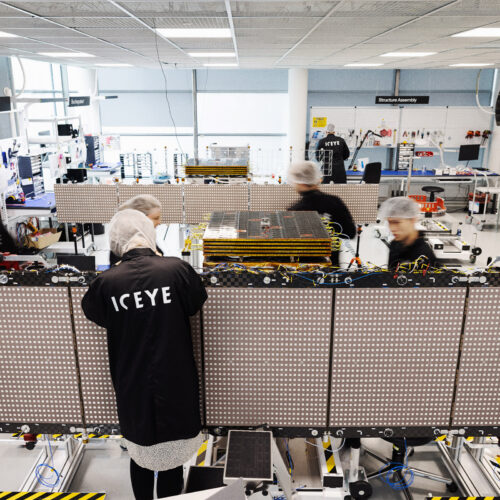
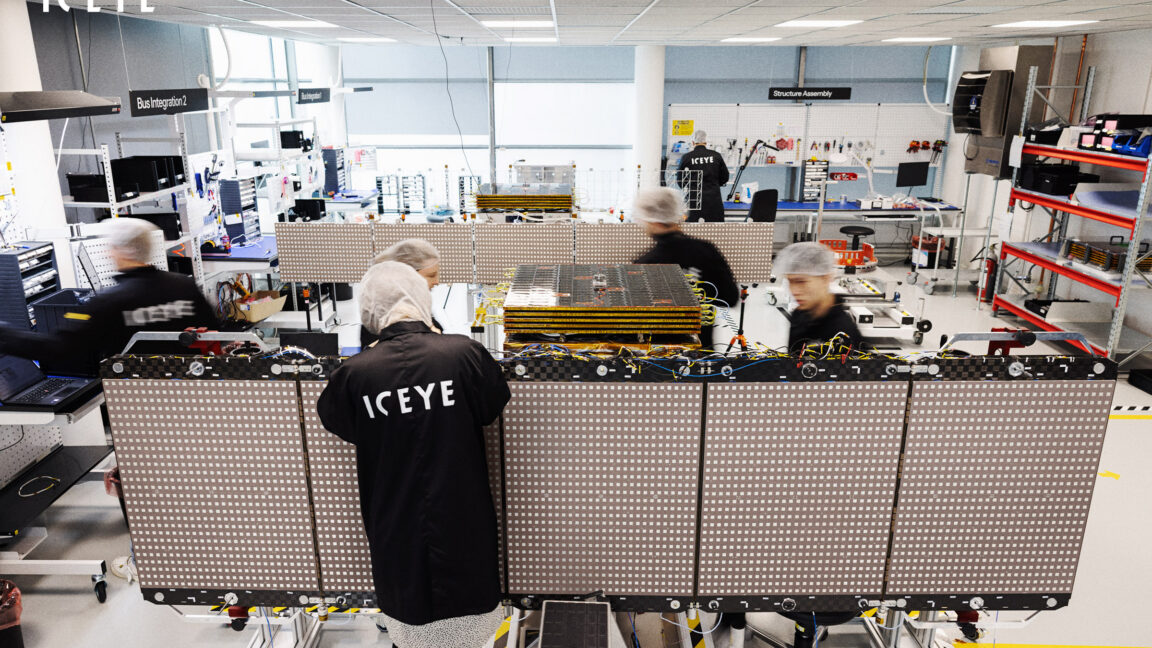
A Russian military satellite maneuvered in "extreme proximity" of a commercial Earth-imaging satellite in recent days in the first known example an unsanctioned rendezvous in low-Earth orbit, according to orbital intelligence company LeoLabs.

The Russian spacecraft, Kosmos 2612, "conducted a deliberate series of maneuvers toward ICEYE-X36, a US-operated commercial imaging satellite," LeoLabs said. "Kosmos 2612 closed from hundreds of kilometers away to extreme proximity to ICEYE-X36. It then maneuvered around ICEYE-X36, remained nearby for an extended period, and then began moving away."

US military officials and independent analysts have tracked Kosmos 2612 since its April launch on a Soyuz rocket from a spaceport in northern Russia. Within weeks, it became apparent that at least four of the six satellites from that launch were stalking ICEYE-X36 after they adjusted orbits to line up with the orbit of the ICEYE spacecraft.

Read full article

Comments

© ICEYE

  •  

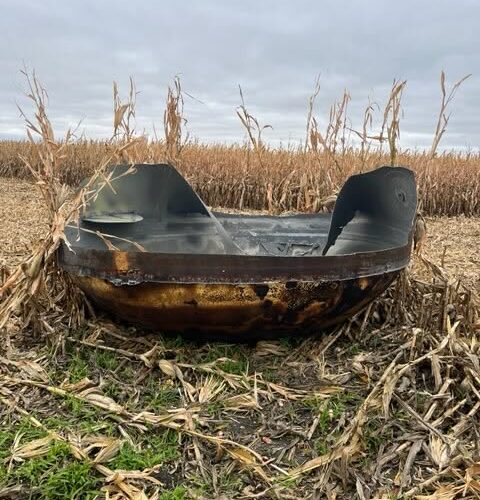
A Chinese rocket deorbited over Minnesota and left this in a farmer's cornfield

About a month ago, a Chinese rocket took off from a remote spaceport in the Gobi Desert, released 10 satellites into orbit, then reignited its engine and put itself on a trajectory to rain down debris over the American Midwest.

The rocket's flight on September 15 lasted between 75 and 80 minutes, and it came down without completing a full orbit of the Earth. Social media posts at the time showed streaks of fiery debris falling from the sky, heading north over Kansas toward Minnesota. The overnight spectacle was also visible on the western horizon from Wisconsin.

The exact time, location, and direction of the debris allowed experts to connect it to the launch of a Zhuque-2E rocket, a medium-lift vehicle built by a Chinese company called LandSpace. The rocket had launched from Dongfeng, a commercial launch zone co-located with the military-run Jiuquan Satellite Launch Center in northwestern China, less than two hours before.

Read full article

Comments

© Stevens County Sheriff's Office

  •  

Rivian limits point-to-point driving to invite-only testers under NDA

Rivian’s point-to-point driving feature will first reach owners through an invitation-only “Autonomy Early Access Program,” and the owners it picks will have to sign a non-disclosure agreement to get in.

The program, laid out on a new Rivian support page, covers US R1 Gen 2 and R2 owners who pay for Autonomy+. Rivian says point-to-point launches to that group in late 2026 and won’t expand broadly until 2027.

more…
  •  

Tesla loses Cybercab assembly lead to Rivian R2 weeks after launch

Tesla’s Senior Manager of Cybercab General Assembly at Gigafactory Texas, Jody Kerns, is leaving the company to become Rivian’s Director of General Assembly for the R2 in Normal, Illinois.

He’s the second Cybercab launch leader to leave Tesla this year. The head of Cybercab new product introduction walked out in April, before the vehicle ever carried a paying passenger.

more…
  •  
  •  

Rivian R2 gets live Pet Cam in update, AI assistant, and more

Rivian is rolling out Pet Cam, a new feature in software update 2026.36 that lets R2 owners check on a pet left in the vehicle through a live video feed in the Rivian app.

It’s exclusive to the R2. R1T and R1S owners get new remote Pet Mode controls instead, and the same update brings the Rivian Assistant to the R2, four months after the SUV launched.

more…
  •  

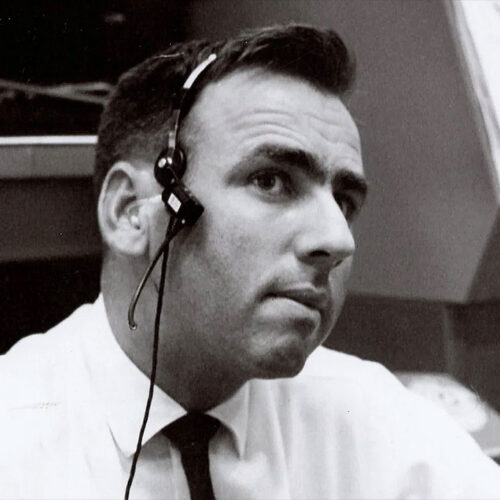
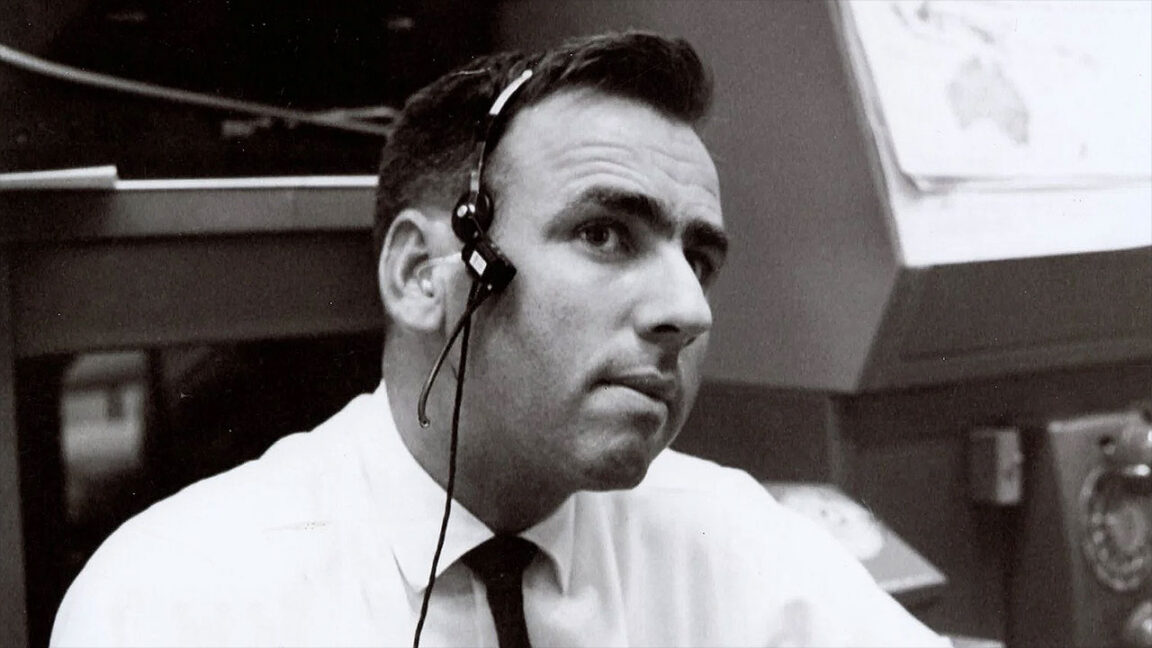
Milt Windler, NASA flight director who helped save Apollo 13, dies at 94

Milt Windler, one of the four leaders of Mission Control who in 1970 directed the round-the-clock efforts to bring the Apollo 13 astronauts back to Earth safely, has died at the age of 94.

Windler died on Thursday, surrounded by his loving family, according to a brief notice posted online.

Named a NASA flight director in 1968 after working on recovery operations during the Mercury and Gemini programs, Windler also led a shift of flight controllers for the Apollo 8 first circumlunar flight and Apollo 10 lunar landing dress rehearsal, as well as the second, third and fourth moon landings — Apollo 12, Apollo 14 and Apollo 15. He then served as a flight director for all three crewed missions to the United States' first space station, Skylab.

Read full article

Comments

© NASA

  •  

Rivian: LiDAR R2 reaches customers in 2027, employees get it this year

Rivian’s first R2s with LiDAR and its in-house RAP1 autonomy computer will go to employees before the end of 2026. Paying customers will have to wait until 2027. It could be interpreted as a delay compared to previous communications.

The automaker laid out the timeline at an investor conference in New York this week, along with updates on point-to-point driving, its Uber robotaxi deal, and what LiDAR now costs it: “a few hundred dollars.”

more…
  •  

Rivian R3 will be ‘materially’ cheaper than R2, and R4 goes even lower

Rivian CEO RJ Scaringe says the upcoming R3 crossover will come in “materially lower” than the R2 on price, and that a follow-up model, the R4, will push prices down further still.

He didn’t give a number. But it’s the clearest sign yet that Rivian plans to keep walking its lineup down toward the heart of the market after the R2 launch.

more…
  •  
❌