A new section in the iOS 27 privacy policy shows that Apple has reversed its stance on using customers’ data to train its AI models. Previously, the company assured customers that it had no need for customer data, and would figure out how to make Siri AI work well without it.
Apple maintains that it “takes steps to ensure that personal data is not stored or used by Apple.” But as Heisepoints out, and Apple has said in the terms of service for a few years now, the audio material may be listened to by Apple employees after anonymization.
[…]
It also admits that data collected may be reviewed by “review personnel.” It is unclear if “review personnel” are Apple employees or a third-party company contracted to read conversation transcripts, as it has historically been.
Starting today, when a user enables Siri AI, they will see a setup screen asking whether they want to opt in to “improve Siri and Apple Intelligence,” with two options: “Share Audio and Text” or “Not Now.”
[…]
What’s important to note here is that nothing is changing about the type of data Apple collects if you opt in to this setting. What’s changing is that Apple will now use the data to train and refine its Foundation Models, as well as Siri and Dictation like before.
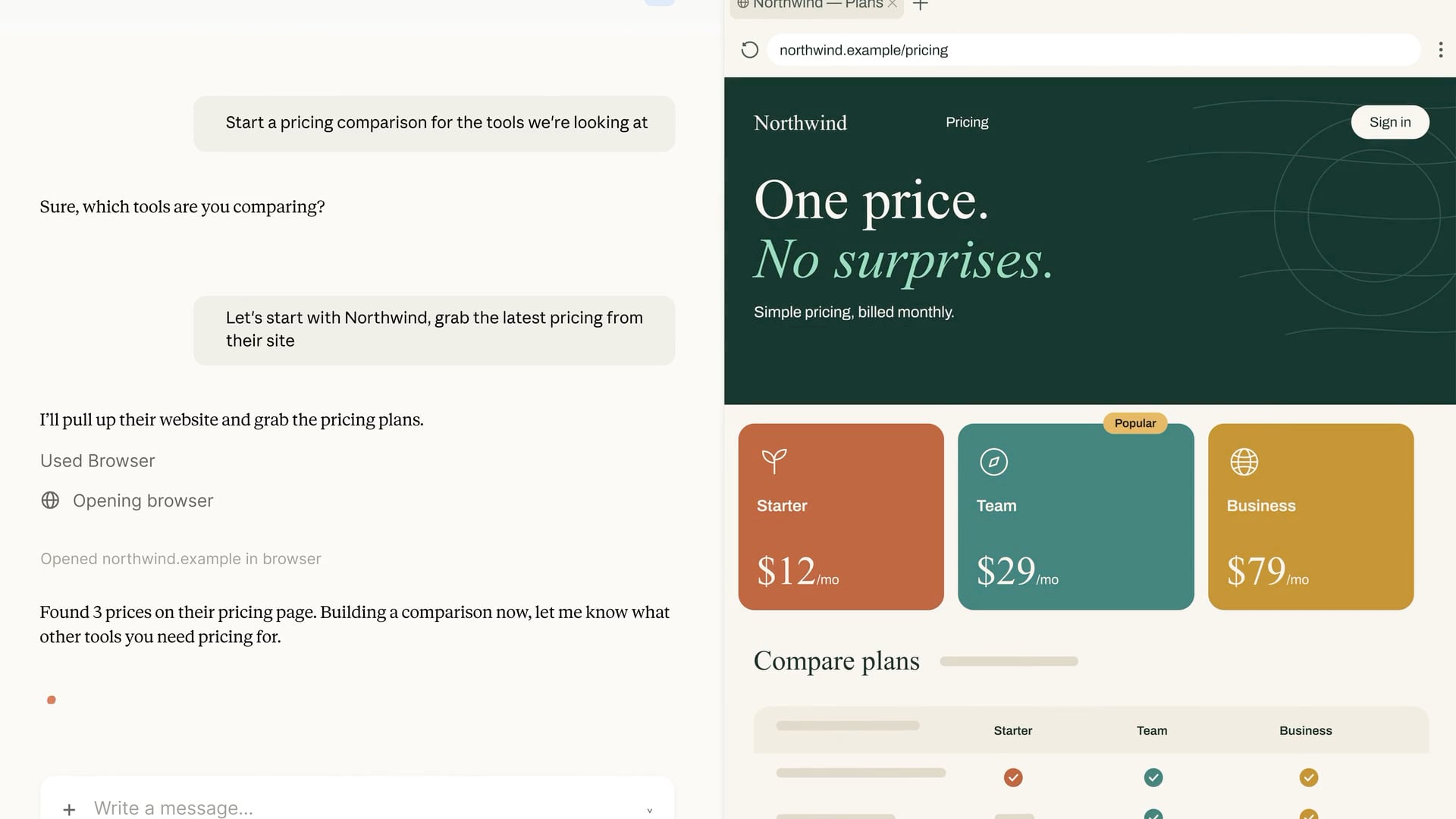
Claude Cowork and ChatGPT Work are competing to become the workplace AI agent. Here’s how their files, browser, desktop, and automation capabilities compare.
In theory, developing a spacecraft that will fly to Mars, insert itself into orbit around the red planet, and relay transmissions back and forth to large satellite dishes on Earth is a relatively straightforward proposition.
NASA's procurement of a "Mars Telecommunications Network" spacecraft, however, has turned out to be one of the most engrossing dramas of the year for the US space agency.
The agency finally reached a decision earlier this month, selecting Blue Origin to develop, launch, and operate a $700 million spacecraft at Mars. However, the main competitor for the award, Rocket Lab, was not happy—at all. On Friday, the company filed a protest of NASA's decision with the US Government Accountability Office.
Agora, o assistente pode usar os modelos GPT-5.6 ou GPT-6 Astra quando precisa pesquisar ou raciocinar sobre questões mais difíceis — e o usuário pode escolher qual usar com um seletor.
Além disso, a empresa também simplificou os limites de uso diários do GPT-Live:
Go: até 3 horas com o GPT-Live-1 mini, substituindo o acesso ao GPT-Live-1;
Plus: até 3 horas com o GPT-Live-1;
Pro (US$100/mês): até 15 horas com o GPT-Live-1;
Pro (US$200/mês): uso ilimitado do GPT-Live-1;
Plus e Pro: não mudam mais para o GPT-Live mini depois de atingir o limite de uso do Voice.
Com essas mudanças, os planos Plus e Pro não mudam mais para o GPT-Live-1 mini depois de atingir o limite de uso do Voice. Além disso, os níveis separados de inteligência do Voice (Instant, Medium e High) foram descontinuados.
Novidades para o ChatGPT Work e Codex
A OpenAI anunciou também que a Deep Research está agora disponível no ChatGPT Work e no Codex para os planos Plus, Pro, Business, Enterprise e Edu. Basta ao usuário digitar @Deep Research ou pedir explicitamente para usá-la no comando.
Outra novidade chegando aos dois recursos é o plugin Data, que ajuda a analisar dados de negócios conectados. É possível fazer uma pergunta sobre um negócio, investigar mudanças ou até mesmo criar um dashboard interativo sobre o conteúdo analisado.
Now everyone can put data to work.
We’re introducing a new Data agent in ChatGPT Work so you can turn your company’s data into answers, interactive dashboards, and action—just by asking.
Just add the Data Plugin in ChatGPT Work, connect to the data sources and context you… pic.twitter.com/R7N3I2NFCN
Agora também é possível compartilhar arquivos e pastas no ChatGPT pela Biblioteca. É possível compartilhar com pessoas específicas ou com integrantes do workspace, com opções de gerenciamento de acesso e uma visualização dos conteúdos compartilhados.
Por fim, a Biblioteca também suporta agora o Box, o Dropbox e o SharePoint, que se juntam ao Google Drive para permitir que o usuário pesquise com facilidade por arquivos e pastas disponíveis nessas plataformas e os usem como contexto em conversas.
Enquanto Images 2 foi um update mais corpulento, o Images 2.5 chega com novidades incrementais (detalhes mais nítidos, geração de imagens até 50% mais rápida, edição mais precisa e ferramentas de criação/compartilhamento avançadas).
ChatGPT Images 2.5—faster, sharper, smarter, with better tools for creating whatever you can dream of.
– Faster image generation to keep your ideas flowing
– Improved fidelity for more natural, recognizable images
Em seu post de anúncio, a OpenAI explicou que o novo modelo produz “luz mais natural” e “texturas mais ricas”, além de seguir instruções de edição mais fielmente ao longo de várias tentativas. Ele também estaria melhor na hora de preservar o assunto principal de uma imagem de referência.
Além dessas melhorias, também foi introduzido o recurso “Sketch”, que permite ao usuário desenhar uma imagem de referência diretamente no ChatGPT, bem como predefinições (templates) de formatos populares de imagens, compartilhamento de prompts e mais.
Some ideas are easier to draw than describe.
Use Sketch to draw right in ChatGPT and show it exactly what you have in mind.
Por fim, a OpenAI anunciou duas versões do Images 2.5 voltada a desenvolvedores: o GPT-Image-2.5 Flare e o GPT-Image-2.5 Sunburst, os quais estarão disponíveis por meio da API 1Application programming interface, ou interface de programação de aplicações. do ChatGPT (com o Flare como opção padrão). Enquanto o primeiro traz uma oferta de recursos mais comum, o segundo é voltado para “workflows visuais premium” que demandam um maior nível de controle.
Use-o [GPT-Image-2.5 Sunburst] para fluxos de trabalho criativos e de edição, como campanhas publicitárias prontas para produção ou imagens de produtos com acabamento profissional.
O Images 2.5 já foi liberado para usuários de todos os planos do ChatGPT, do ChatGPT Work e do Codex em todas as plataformas suportadas.
Le forfait NordVPN Premium n’a pas le même rôle que l’offre Basique. C’est justement ce qui le rend intéressant. Pour la rentrée, l’enjeu n’est pas seulement de sécuriser une connexion Wi-Fi dans un train, un hôtel ou un espace de coworking. Il s’agit aussi de reprendre la main sur ses mots de...
In a study of 2,266 workers in Finland, evening-type people, or night owls, were up to three times more likely to be treated for depression or anxiety than morning types, with poor work-life balance identified as a key contributing factor.
In the August 2026 MacVoices Update, Chuck outlines how a little time off slowed down some projects, reviews new episode artwork designed to better communicate each show’s subject, discusses why feedback is so important to what you hear and see, and delivers the Support Report form the month. http://traffic.libsyn.com/maclevelten/MV26245.mp3 Show Notes: Support: Become a MacVoices […]
Hot on the heels of OpenAI’s addition of a cloud-based browser to ChatGPT Work, Anthropic has added an in-app browser to Claude Cowork in its desktop app. What’s interesting about the two browser implementations is that while both ChatGPT Work and Claude Cowork are meant to be used for general knowledge work, Claude Cowork’s browser is something of a hybrid that mixes aspects of OpenAI’s Codex built-in browser with its ChatGPT Work cloud-based browser.
First of all, I do not yet have access to Claude’s in-app browser, so the following is based solely on Anthropic’s announcement and other documentation. Still, the differences are worth understanding since the tools are aimed at different workflows.
Like Codex’s in-app browser, Claude Cowork’s in-app browser is built into the desktop app itself. That ties Claude’s browser to the instance of its app running on your Mac. Turn your Mac off or close the Claude app, and the browser becomes unavailable. Leave the Claude app running, and you’ll be able to control the browser session remotely through the Claude mobile app or the web.
From there, however, the browsers diverge. As you’d expect, the Codex implementation is developer-oriented, with tools to build, inspect, and annotate web pages along with access to a terminal, repos, and diffs. In contrast, Claude Cowork’s in-app browser opens automatically as needed for general-purpose web tasks instead of development tasks.
Also, while both ChatGPT Work’s and Claude Cowork’s browser implementations benefit from being isolated from your other day-to-day browser use outside those apps, their handling of login credentials is a little different. As I wrote in greater detail yesterday, ChatGPT separates the login process from the model’s activity and evaluates the login page for things like phishing schemes. Claude Cowork’s in-app browser offers two ways to log in: manually, or by importing cookies from logged-in sessions in another browser. Currently, Claude supports cookie imports on the Mac from Chrome, Edge, and Firefox, but not Safari. In addition to the security benefits that come with a browser that runs isolated from your everyday browser, Claude also requests permission before acting on a site for the first time, blocks high-risk sites, checks actions against the your requests, and uses the same prompt injection protections as its Chrome extension.
My first-run experience with ChatGPT Work’s cloud browser was a mixed bag but showed promise. Although I haven’t tried Claude Cowork’s browser yet, I’m glad to see Anthropic moving in the same direction as OpenAI here. Isolating agent browsing by bringing the browser into Claude and ChatGPT doesn’t solve every security issue, but it’s a good starting point. I expect we’ll see both Anthropic and OpenAI iterate quickly on this theme in the coming months.
Framework started shipping pre-built Ryzen 7040-based Framework Laptop 13 computers and compatible motherboards in 2023. In June 2026, Framework released BIOS 3.20 for the devices. The update adds mainboard support for features, including a haptic touchpad and new speakers, for the higher-end Framework Laptop 13 Pro and fixes issues, including one “where the Battery Extender status was reported incorrectly following a reboot, hibernation, or shutdown after the timer had expired," per a post on Framework’s forum from an employee.
Some users say that they installed the update successfully.
The MacVoices Live! panel examines backlash around Apple rumor reporting, especially Vision Pro speculation and the impact of click-driven headlines on developers and readers. Chuck Joiner, David Ginsburg, Marty Jencius, Eric Bolden, Brian Flanigan-Arthurs, Jeff Gamet and Mark Fuccio then turn to Bartender’s return after past trust concerns, alternatives for menu bar management, and whether […]
Surfshark One+ réunit VPN, antivirus, blocage des publicités et surveillance des données personnelles dans une formule pensée pour renforcer simplement la sécurité numérique sur plusieurs appareils.
NordVPN Standard est proposé dès 3,49 €/mois avec une connexion chiffrée, des serveurs rapides et les fonctions VPN essentielles, sans inclure les options supplémentaires des packs complets.
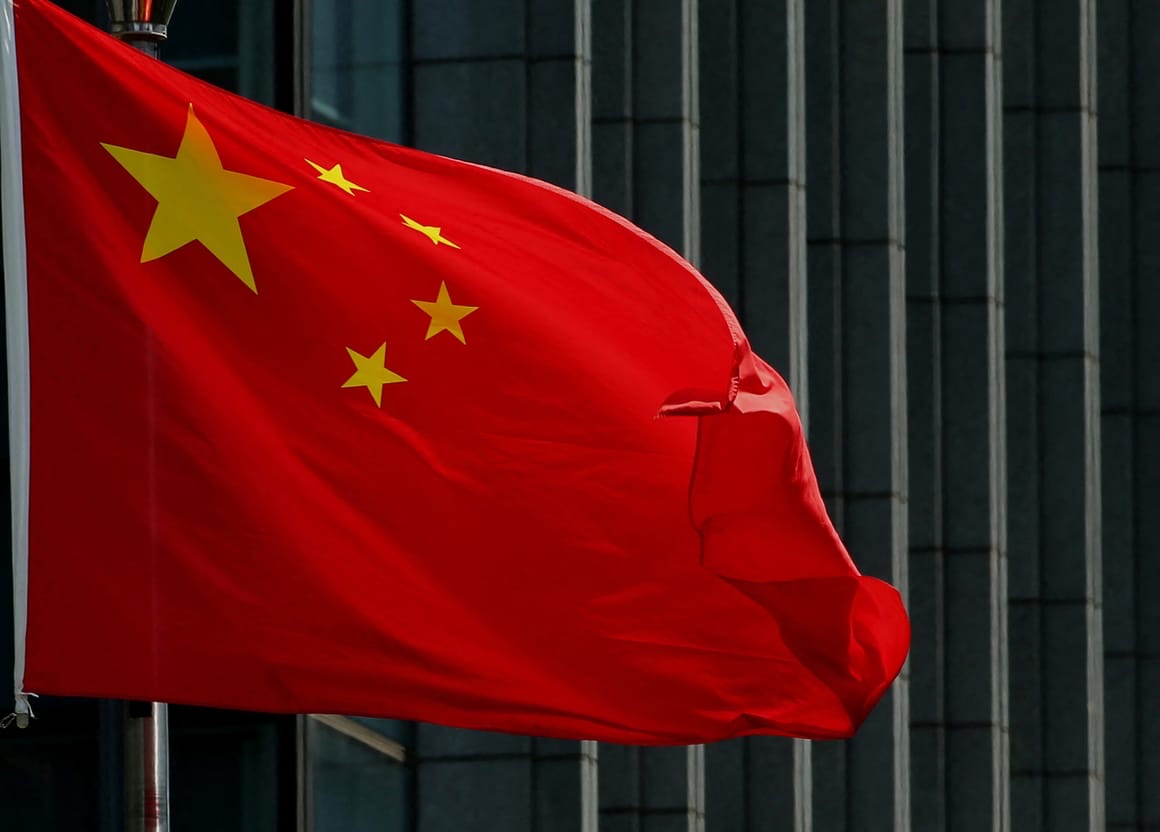
Apple in China occupies a position unlike the company’s presence in any other country. China is simultaneously a major consumer market, a critical manufacturing center, an extensive developer economy and the home of Apple’s most determined hardware competitors.
That combination creates an opportunity few technology companies can ignore. China has hundreds of millions of affluent mobile users, a strong appetite for premium devices and a digital economy built around smartphones.
It also creates unusual complexity. Apple must compete with Huawei, Xiaomi, Oppo and Vivo while satisfying Chinese regulations, navigating tensions between Beijing and Washington and reducing its manufacturing dependence without damaging the supplier network that helped make the iPhone possible.
The latest market figures show why Apple cannot treat China as a business it has already lost. IDC estimated that Apple captured 18.1 percent of Chinese smartphone shipments during the second quarter of 2026, placing it second behind Huawei at 22.6 percent.
Apple’s shipments increased by 24.4 percent from the previous year even as the wider Chinese smartphone market contracted. The recovery demonstrated that Chinese demand for the iPhone remains substantial when product design, storage, performance and pricing align with consumer expectations.
The same figures also show why the position can never be considered secure. Huawei remains ahead, local brands respond quickly and a few percentage points can separate several major vendors.
Apple in China Still Has Room to Grow
China is already one of Apple’s largest markets, but its scale means that even established product categories contain room for expansion.
The country has a large premium smartphone segment, extensive 5G coverage and consumers accustomed to using mobile devices for communication, payments, shopping, entertainment, transport and work.
An iPhone purchase can also lead to AirPods, Apple Watch, iPad, Mac, iCloud storage and paid applications. The commercial opportunity is therefore larger than the initial handset transaction.
Apple’s strongest advantage is its integrated ecosystem. An iPhone can share passwords, photographs, messages and files with a Mac or iPad, while AirPods and Apple Watch extend the experience without requiring separate accounts and setup systems.
That continuity becomes more valuable as households accumulate devices. Replacing one iPhone is relatively easy. Leaving an ecosystem containing several products, purchased applications, cloud storage and shared family services involves greater friction.
Apple also benefits from a premium identity that remains recognizable in China. Local manufacturers now produce sophisticated flagship phones, but the iPhone continues to operate as both a personal computer and a luxury consumer product.
The importance of that status should not be exaggerated. Chinese buyers are technically informed and increasingly willing to support domestic brands. Brand recognition can attract attention, but it does not excuse weak features or an uncompetitive product cycle.
Recent iPhone Demand Shows the Opportunity
Apple’s 2026 recovery offers a useful example of how quickly its position can improve.
China’s smartphone shipments fell 4.3 percent during the second quarter as memory and component costs pushed several manufacturers toward higher prices. Apple and Huawei held prices more stable, giving buyers a reason to purchase while competing brands became more expensive.
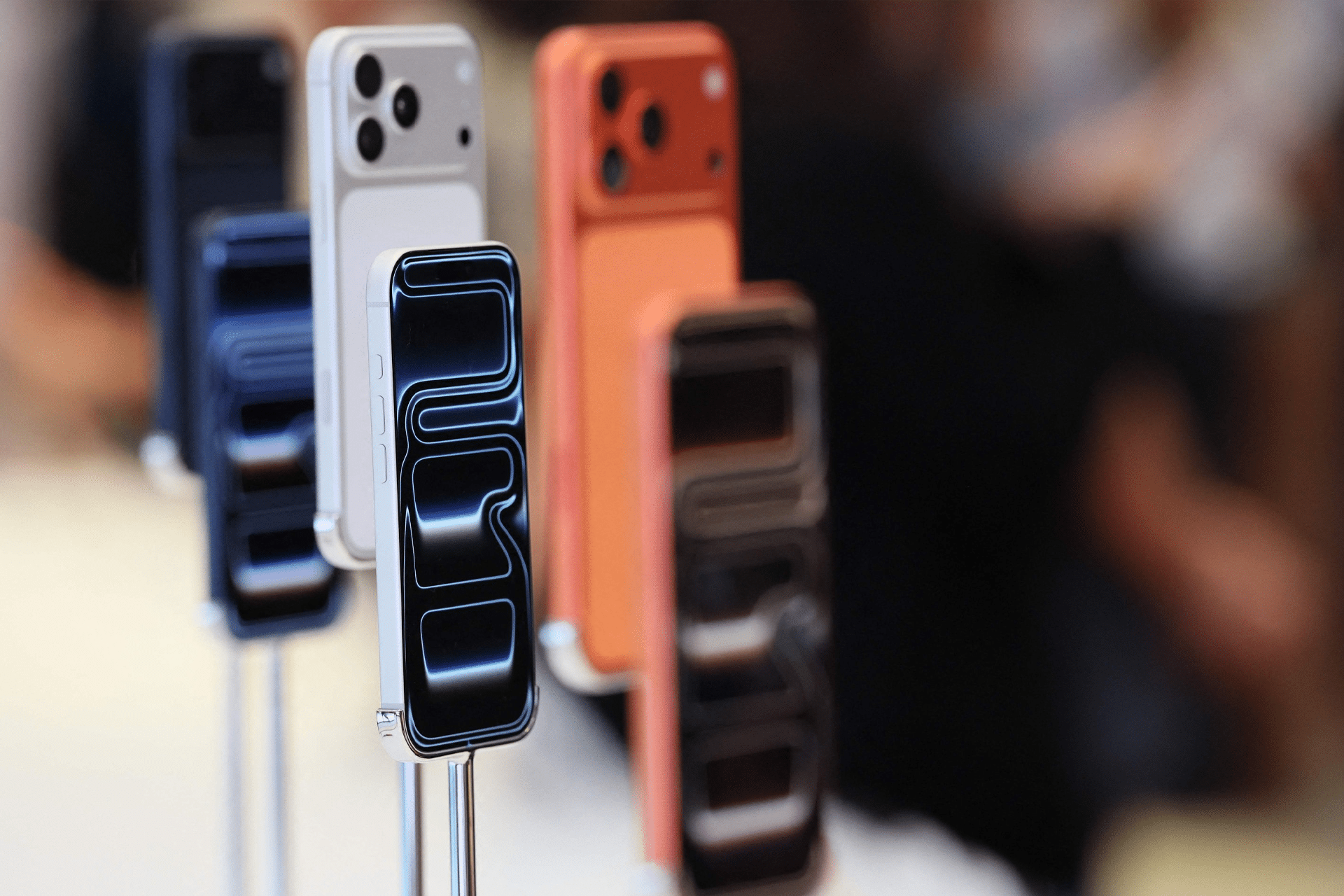
The iPhone 17 generation also addressed several areas where Apple’s standard models had appeared conservative beside Chinese flagships. Stronger base specifications made the regular iPhone more competitive without requiring every customer to move into the Pro tier.
This matters in a market where consumers compare display technology, camera systems, storage, battery life, charging and AI features closely. Apple cannot depend entirely on iOS loyalty when domestic companies introduce visible hardware improvements at several price levels.
The rebound does not establish a permanent trend. Smartphone demand in China remains affected by economic confidence, upgrade cycles, government incentives and the timing of major shopping festivals.
Apple’s position can also look different according to the research firm and whether a report measures shipments or consumer sales. Quarterly rankings should be treated as evidence of momentum rather than a final judgment on the market.
The important signal is that Chinese consumers have not broadly rejected the iPhone. Demand can return rapidly when the product and price create a convincing upgrade.
Huawei Makes China Apple’s Hardest Market
Huawei gives Apple a competitor with advantages unavailable to most global smartphone manufacturers.
The company combines strong national recognition with advanced cameras, communications technology, custom chips, local services and an expanding HarmonyOS ecosystem. Its return to premium smartphones removed the opening Apple had gained when U.S. restrictions disrupted Huawei’s access to important components.
Huawei can also position its products as part of China’s technological self-reliance. That message carries commercial and political weight beyond a conventional comparison between two phones.
Apple must therefore compete against product quality and national sentiment simultaneously. An iPhone can offer strong performance and still lose a purchase to a domestic flagship viewed as technically capable and strategically important.
Xiaomi, Oppo and Vivo add different pressures. They move quickly across price categories, experiment with folding designs, adopt larger batteries and provide features adapted to local applications and buying habits.
Chinese phone makers also operate inside a retail and software environment they understand directly. They can build relationships with local platforms, carriers and commerce services without translating a global strategy into Chinese requirements.
Apple follows a more centralized product model. That consistency protects the identity of the iPhone, but it can make the company slower to answer features gaining popularity inside one country.
Services Depend on Local Rules
Apple in China is not only an iPhone business. The installed device base creates demand for applications, cloud storage, entertainment, subscriptions and digital purchases.
China has an enormous developer community producing games, commerce platforms, social services, education tools and productivity software. The App Store connects those developers with high-value iPhone and iPad customers.
The relationship is commercially important but politically complicated. Apple must operate the mainland App Store according to Chinese law, including rules affecting games, generative AI, communications services and content.
Applications available elsewhere may be absent from the Chinese storefront. Developers may also need licenses or regulatory approval before distributing certain categories of software.
Apple changed commission rates and related policies for the mainland China storefront in March 2026. The company described the adjustments as part of maintaining a strong business opportunity for Chinese developers.
Regulatory and developer pressure has not disappeared. Complaints involving commissions, distribution restrictions and payment policies continue to challenge Apple’s control of the platform.
The company cannot simply copy its response from another region. European rules focus heavily on alternative marketplaces and interoperability, while China combines competition concerns with content regulation, data localization and licensing requirements.
Every concession must therefore be designed for a distinct legal environment without fragmenting iOS into an unmanageable collection of regional systems.
China Is Also Part of the Product
Apple’s relationship with China extends far beyond the devices sold there.
For more than two decades, Apple and its manufacturing partners built a dense network of factories, component suppliers, engineers, logistics operators and toolmakers across the country.
That network does more than provide low-cost labor. It can place specialists from several suppliers near an assembly site, modify production lines quickly and increase output to enormous volumes during a product launch.
China’s infrastructure also supports the less visible stages of manufacturing. Components require precision tooling, testing equipment, chemicals, packaging, subassemblies and experienced quality-control teams before final assembly begins.
Apple has expanded iPhone production in India and moved parts of its Mac, iPad, Apple Watch and AirPods supply chains to countries including Vietnam. It is also increasing semiconductor and component commitments in the United States.
Those investments reduce the danger of relying on one country, but they do not recreate China’s complete manufacturing environment immediately.
A factory in another region may assemble an iPhone while still depending on Chinese machinery, materials, subcomponents or engineering support. Production diversification is therefore a gradual redistribution of individual stages rather than a clean departure.
Apple must reduce concentration risk without weakening the manufacturing system responsible for its product quality, scale and launch schedules.
Image Credit: AFP Photo
Trade Tensions Turn Efficiency Into Risk
The same China supply chain that provides Apple with extraordinary efficiency also exposes the company to political decisions outside its control.
Tariffs can raise the cost of devices exported from Chinese factories. Export restrictions can limit access to materials or production equipment, while sanctions may affect suppliers and technology partners.
Chinese government policies can influence the use of foreign devices inside state agencies and companies. U.S. rules can restrict the technologies available to Chinese firms that also participate in Apple’s supplier network.
Apple cannot solve these problems through product design alone. It must maintain relationships with two governments whose technology policies increasingly emphasize security, domestic production and strategic independence.
Moving more assembly to India gives Apple additional flexibility, particularly for iPhones destined for the United States. China nevertheless remains important as a production center and consumer market.
An aggressive withdrawal could damage supplier relationships and local sales. Moving too slowly could leave Apple vulnerable to another trade disruption.
The company is trying to preserve Chinese capabilities while creating enough capacity elsewhere to keep a political dispute from becoming a worldwide product shortage.
Retail Stores Give Apple a Direct Relationship
Apple’s physical stores remain an important advantage in China because they give the company direct contact with customers.
The stores allow buyers to compare models, receive technical support, attend educational sessions and enter the ecosystem without depending entirely on a carrier or reseller.
That experience is particularly valuable for premium products. A customer considering a Mac, Apple Vision Pro or high-end iPhone may need more explanation than someone replacing an inexpensive handset.
Retail locations also communicate long-term commitment. A prominent store represents more than a sales channel; it signals that Apple intends to remain part of the local technology market.
Online commerce is equally important. Chinese consumers are accustomed to large shopping festivals, aggressive promotions and rapid delivery through domestic platforms.
Apple must balance its controlled global pricing with a market where discounts can change quarterly rankings. Too little flexibility makes the iPhone appear expensive, while frequent reductions can train customers to delay purchases and weaken its premium image.
The strongest 2026 performance came partly from avoiding price increases while component costs were forcing rivals to reconsider their pricing. That advantage may disappear when competitors adjust their supply chains or launch another cycle of promotions.
Chinese Consumers Set a Higher Product Standard
China is often discussed as a sales problem for Apple, but it also functions as a demanding test of the iPhone.
Domestic flagship phones compete through larger batteries, rapid charging, advanced camera hardware, folding displays and deep integration with local digital services.
Features considered experimental elsewhere can become established expectations more quickly in China. Apple’s slower adoption cycle may look disciplined in one market and conservative in another.
The company must decide which expectations represent durable improvements and which are temporary specification contests. Copying every local feature would weaken Apple’s focused product strategy, but ignoring major changes creates openings for rivals.
This pressure can benefit Apple globally. Competition in China forces the company to defend the value of its standard iPhone, improve battery efficiency, strengthen cameras and make software features more useful outside English-speaking markets.
The opportunity is therefore not limited to selling more devices. China can reveal where Apple’s global assumptions no longer match the most competitive part of the smartphone industry.

 Login