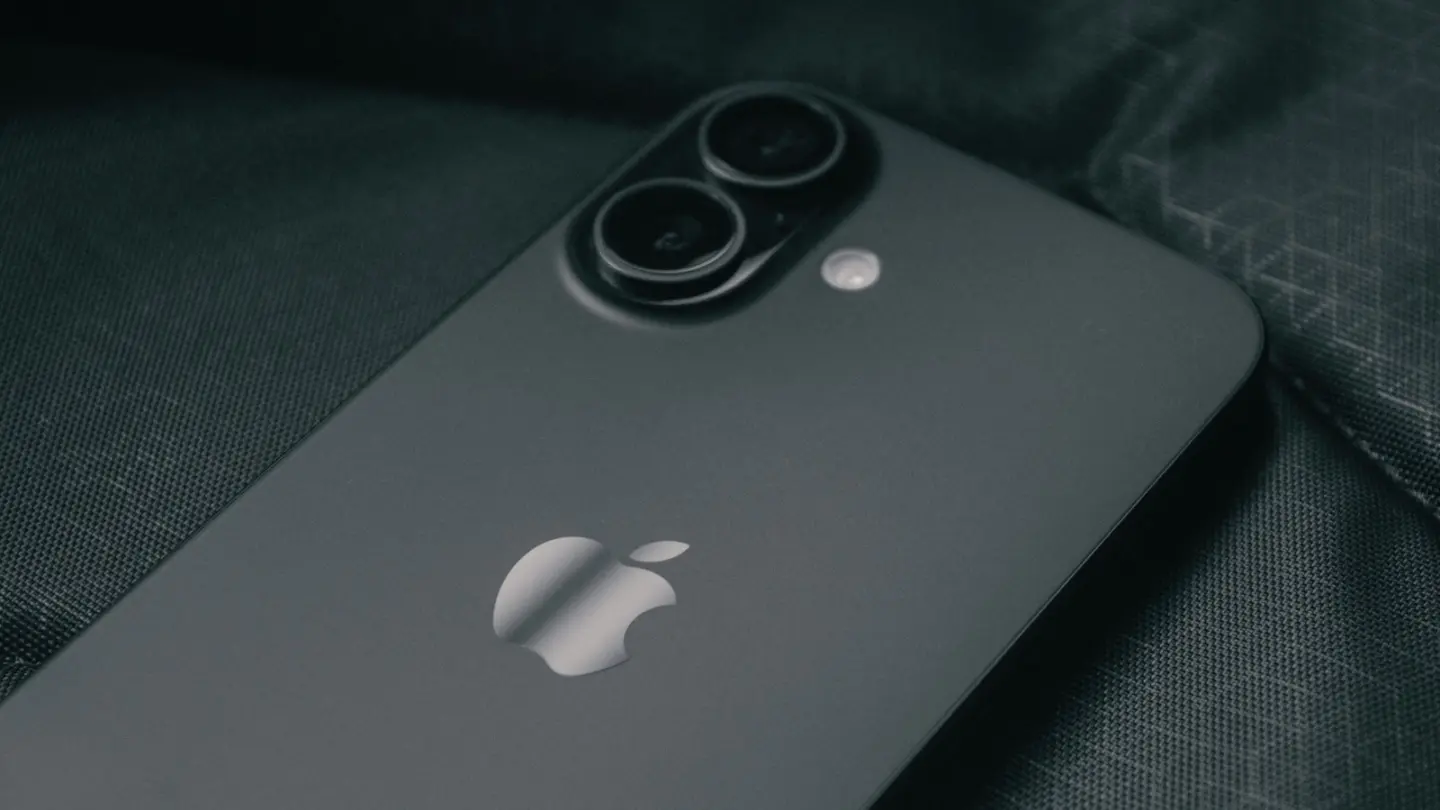
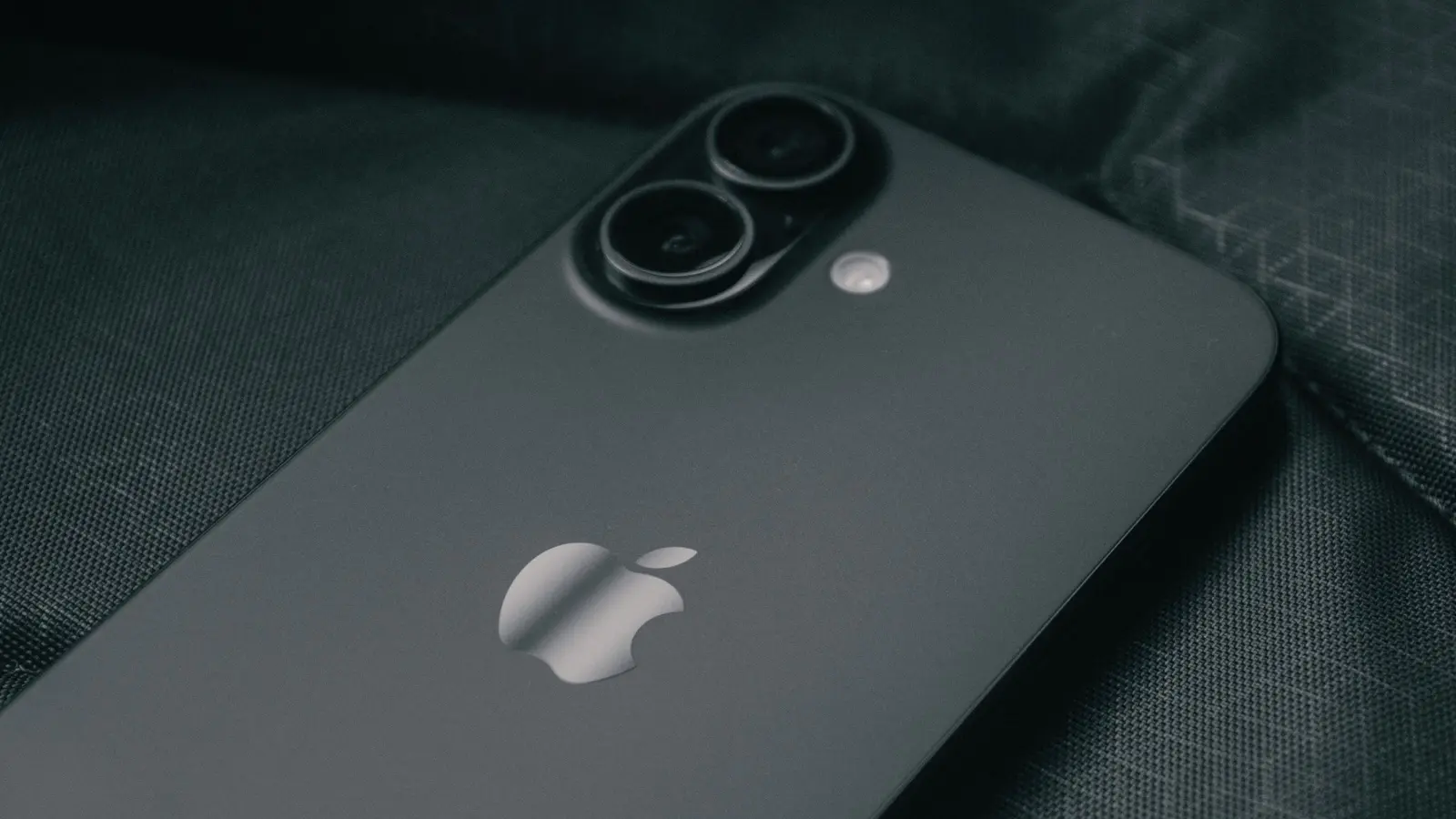
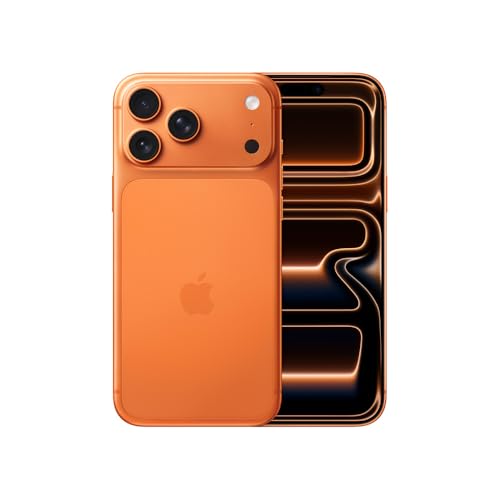
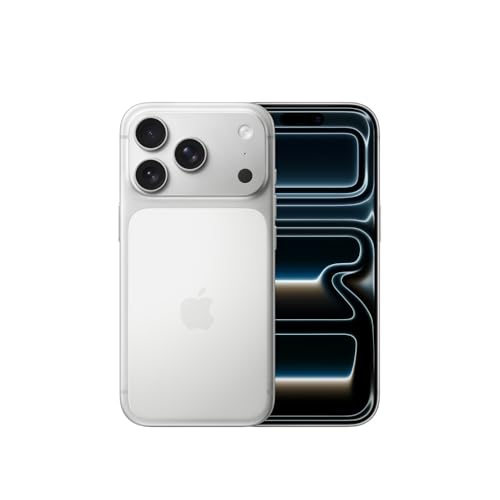
Apple recently launched its first foldable phone, and the high price is raising eyebrows. At $1,999, the new iPhone Duo carries a price tag that easily beats out a brand-new MacBook Air. Buyers are naturally asking how a phone that fits in a pocket can cost twice as much as a laptop. The answer comes […]
Apple sells seven iPhones this week, from the $699 iPhone 17e to the $1,999 iPhone Duo, and only two of them carry a dedicated telephoto lens. That makes the decision simpler than the size of the lineup suggests: the iPhone 18 Pro at $1,199 is the cheapest iPhone Apple sells with a real zoom lens, […]
O iPhone Duo foi apresentado ao mundo há apenas um dia, mas sua divulgação segue de vento em popa. Em uma série de vídeos publicados pela Apple em seu perfil no TikTok, a empresa destaca diversos aspectos do seu primeiro smartphone dobrável, além de também fazer algumas brincadeiras.
No vídeo abaixo, por exemplo, o iPhone Air e o iPad mini estão “sentados” em uma mesma mesa, com a legenda indicando que esse seria o “making of” do iPhone Duo — uma vez que, quando aberto, ele é ainda mais fino do que o Air e possui uma tela com quase o tamanho do display do iPad mini (7,6 contra 8,3 polegadas).
Em outro vídeo, a empresa mostra as diferentes formas de uso do iPhone Duo, que pode ficar semiaberto (inclusive funcionando como um suporte), associando essas possibilidades às poses de meditação.
Na mesma pegada do vídeo acima, a publicação abaixo mostra que é possível apoiar o iPhone Duo e rolar de forma mais agradável por um aplicativo — no caso deste vídeo, o app Fotos (Photos).
Já o vídeo abaixo mostra o contraste de um MacBook Pro e do iPhone Duo, que estão dispostos em uma mesma bancada e na mesma “posição” — de modo que, quando semiaberto, a parte inferior da tela do dobrável funciona como teclado, como no próprio MacBook (porém em um tamanho bastante reduzido, é claro).
Outro vídeo destaca as capacidades de multitarefa do iPhone Duo, que roda uma versão adaptada do iOS para aproveitar as possibilidades da tela dobrável. No vídeo, é possível ver o Apple Music rodando ao lado do app Fotos.
Até mesmo o som ao fechar o dispositivo virou alvo de marketing pela Apple — que, no vídeo abaixo, mostra um usuário tirando uma foto com o aparelho e, em seguida, fechando-o rapidamente, causando um eco no ambiente.
The eyebrow-raising proposal, delivered during the president’s speech at the midterm convention, would cost $1.2 trillion and would need congressional approval.
É, meus amigos… A crise causada pelo aumento dos custos de chips de memória e armazenamento atingiu o produto mais consolidado da Apple, o iPhone.
A empresa atualizou, há pouco, a Apple Store Online com os novos valores praticados para os smartphones que já estavam em linha antes da chegada dos iPhones 18 Pro/18 Pro Max e Duo. E sim, nem o 17e escapou!
Como já era de se esperar, esses aumentos se refletiram em vários outros países onde a Apple atua, como o Brasil.
Confira as tabelas com os preços antigos e os novos! 🤑
Nos EUA
iPhone 16 e 16 Plus
Modelo
Preço anterior
Preço novo
Variação
16 de 128GB
US$700
US$800
+14,3%
16 Plus de 128GB
US$800
—
—
16 Plus de 256GB
US$900
—
—
Como podemos observar, apenas uma configuração do iPhone 16 está disponível. O 16 Plus foi descontinuado.
iPhone 17e
Modelo
Preço anterior
Preço novo
Variação
256GB
US$600
US$700
+16,7%
512GB
US$800
US$900
+12,5%
iPhone 17
Modelo
Preço anterior
Preço novo
Variação
256GB
US$800
US$900
+12,5%
512GB
US$1.000
US$1.100
+10%
iPhone Air
Modelo
Preço anterior
Preço novo
Variação
256GB
US$1.000
US$1.100
+10%
512GB
US$1.200
US$1.300
+8,3%
1TB
US$1.400
US$1.700
+21,4%
iPhones 17 Pro/17 Pro Max vs. iPhones 18 Pro/18 Pro Max
Modelo
Preço
Modelo
Preço
Variação
17 Pro de 256GB
US$1.100
18 Pro de 256GB
US$1.200
+9%
17 Pro de 512GB
US$1.300
18 Pro de 512GB
US$1.400
+7,6%
17 Pro de 1TB
US$1.500
18 Pro de 1TB
US$1.800
+20%
—
—
18 Pro de 2TB
US$2.400
—
17 Pro Max de 256GB
US$1.200
18 Pro Max de 256GB
US$1.300
+8,3%
17 Pro Max de 512GB
US$1.400
18 Pro Max de 512GB
US$1.500
+7,1%
17 Pro Max de 1TB
US$1.600
18 Pro Max de 1TB
US$1.900
+18,8%
17 Pro Max de 2TB
US$2.000
18 Pro Max de 2TB
US$2.500
+25%
Apple Watches
Curiosamente, a Apple mexeu apenas nas versões com as caixas maiores do Apple Watch Series 12 — ou seja, os modelos de 42mm seguem os mesmos preços. O SE 3 e o Ultra 4 seguem intactos.
Modelo
Preço
Modelo
Preço
Variação
Series 11 (GPS, alumínio de 46mm)
US$430
Series 12 (alumínio de 46mm)
US$450
+4,6%
Series 11 (GPS + Cellular, alumínio de 46mm)
US$530
Series 12 (GPS + Cellular, alumínio de 46mm)
US$550
+3,8%
No Brasil
iPhone 16 e 16 Plus
Modelo
Preço anterior
Preço novo
Variação
16 de 128GB
R$6.800
R$7.000
+2,9%
16 Plus de 128GB
R$8.500
—
—
16 Plus de 256GB
R$9.300
—
—
iPhone 17e
Modelo
Preço anterior
Preço novo
Variação
256GB
R$5.800
R$6.000
+3,4%
512GB
R$7.300
R$7.500
+2,7%
iPhone 17
Modelo
Preço anterior
Preço novo
Variação
256GB
R$8.000
R$8.300
+3,7%
512GB
R$9.500
R$9.800
+3,1%
iPhone Air
Modelo
Preço anterior
Preço novo
Variação
256GB
R$10.500
R$11.000
+4,7%
512GB
R$12.000
R$12.500
+4,1%
1TB
R$13.500
R$15.500
+14,8%
iPhones 17 Pro/17 Pro Max vs. iPhones 18 Pro/18 Pro Max
Modelo
Preço
Modelo
Preço
Variação
17 Pro de 256GB
R$11.500
18 Pro de 256GB
R$12.000
+4,3%
17 Pro de 512GB
R$13.000
18 Pro de 512GB
R$13.500
+3,8%
17 Pro de 1TB
R$14.500
18 Pro de 1TB
R$16.500
+13,7%
—
—
18 Pro de 2TB
R$21.000
—
17 Pro Max de 256GB
R$12.500
18 Pro Max de 256GB
R$13.000
+4%
17 Pro Max de 512GB
R$14.000
18 Pro Max de 512GB
R$14.500
+3,5%
17 Pro Max de 1TB
R$15.500
18 Pro Max de 1TB
R$17.500
+12,9%
17 Pro Max de 2TB
R$18.500
18 Pro Max de 2TB
R$22.000
+18,9%
Apple Watches
Modelo
Preço
Modelo
Preço
Variação
Series 11 (GPS, alumínio de 46mm)
R$5.899
Series 12 (GPS, alumínio de 46mm)
R$6.099
+3,4%
Series 11 (GPS + Cellular, alumínio de 46mm)
R$6.799
Series 12 (GPS + Cellular, alumínio de 46mm)
R$7.399
+8,8%
Não está nada fácil, infelizmente… 😭
iPhone 17 Pro Max
Cores: prateado, laranja-cósmico ou azul-intenso Armazenamento: 256GB, 512GB, 1TB ou 2TB
Material: alumínio ou titânio Cores: cinza-espacial, prateado, ouro rosa, preto brilhante, natural, dourado ou ardósia Tamanho: 42mm ou 46mm Conectividade: GPS ou GPS + Cellular Pulseiras: esportiva ou estilo milanês
NOTA DE TRANSPARÊNCIA: O MacMagazine recebe uma pequena comissão sobre vendas concluídas por meio de links deste post, mas você, como consumidor, não paga nada mais pelos produtos/serviços usando os nossos links de afiliado.
In my years of reviewing beauty tech, it was upgrading my hair dryer that made the biggest difference to my routine. I used to dread hair-wash days: the chore of shampooing, conditioning and rinsing my hair, plus the time – and aching arms – spent getting it dry again.
My clunky, bargain-bucket hair dryer of seven years was weighty, deafeningly loud, and took a painstaking 20 minutes to dry my hair. So happier days really did arrive when I switched to a new model.
A Apple parece estar preparando seus sistemas para a nova leva de produtos que será lançada em breve. A menos de 24 horas do evento “Surprise and shine” (“Surpreendente e brilhante”), a empresa adicionou nada menos que 37 novos identificadores de hardware ao seu backend, abrangendo iPhones, iPads, Macs, Apple Watches e outros dispositivos.
A descoberta foi feita por Aaron Perris. No X, ele compartilhou todos os identificadores, sendo sete deles relacionados a iPhones.
A bunch of upcoming Apple device identifiers have been found on Apple’s backend. Interestingly, there are 7 iPhone models listed. We only know of 6.
O número chama atenção pois, até o momento, os rumores dão conta de seis modelos compondo a futura linha: “iPhone 18 Pro”, “iPhone 18 Pro Max” e “iPhone Ultra”, além dos “iPhone 18”, “iPhone Air 2” e “iPhone 18e” — os três últimos, segundo as notícias, só serão lançados no ano que vem.
Isso, porém, não significa necessariamente que a Apple esteja preparando um sétimo iPhone do qual nunca ouvimos falar. O identificador pode muito bem ser simplesmente uma variante de um dos modelos já esperados — como, por exemplo, uma configuração específica do “iPhone Ultra” destinada à China.
Além dos iPhones, a lista inclui nove identificadores de Macs, oito de iPads, nove de Apple Watches, um de Apple TV e três associados à categoria “HomeAccessory”, utilizada internamente pela Apple para produtos domésticos.
Lembrando que, no evento de amanhã, a Apple muito provavelmente lançará produtos como o “Apple Watch Series 12”, o “Apple Watch Ultra 4”, uma nova geração da Apple TV e, quem sabe, o aguardado hub inteligente para a casa — além dos iPhones, é claro. Novos Macs (como um iMac com chip M6 e a estreia dos “MacBooks Ultra”) e iPads (como o iPad mini com tela OLED), contudo, não são esperados para esta semana.
When two black holes merge, the resulting object rings like a struck bell, radiating gravitational waves that fade in a distinctive pattern called ringdown.
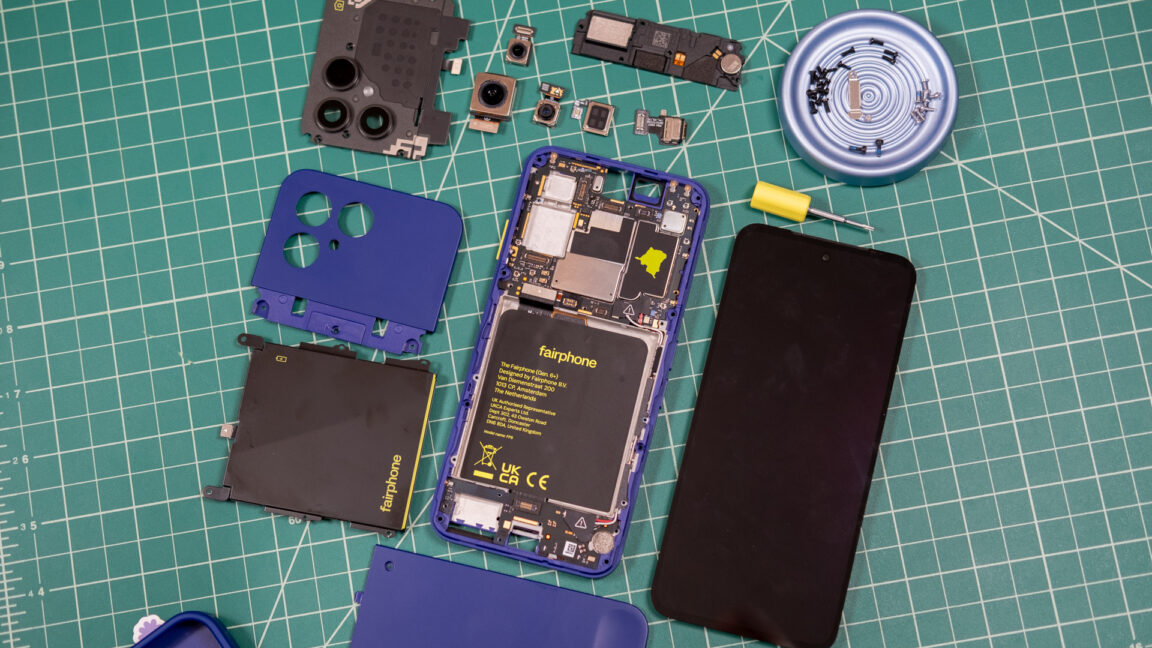
Smartphone longevity didn't used to matter. In the past, before you could wear out or break a phone, there was always some shiny new thing to buy. Today, we expect our smartphones to go the distance, but they've also become less repairable and, in many cases, more fragile. Fairphone, a Dutch smartphone maker that has just entered the US market, thinks about phones differently.
The new $650 Fairphone Gen 6+ is designed both for longevity and easy repairability. There are trade-offs to this approach if you're used to the standard glass and aluminum sandwiches filled with glue, gaskets, and teeny-tiny screws. But the drawbacks could be worth it for the right buyer. Fairphone CTO Chandler Hatton told Ars that Fairphone's goal is to provide a compelling mobile experience while also enabling the user to "fully own" their device. At the end of the day, this is what a lot of people say they want in a smartphone.
Take it apart, put it back together
These days, Google, Samsung, and Apple support phones with software updates for the better part of a decade, but will the hardware last that long? And what happens when it needs a repair? You may be out of luck or out a lot of money, but Fairphone prioritizes the self-repair experience.
If you’re a MacBook Air or MacBook Neo owner, there’s one accessory that I consider an absolute must-have; a USB-C hub. Why? Because it considerably expands the port options available to you, it’s not cumbersome, and the good news is that they’re also pretty cheap at around $25. What’s not to like? A good USB-C ... Read More
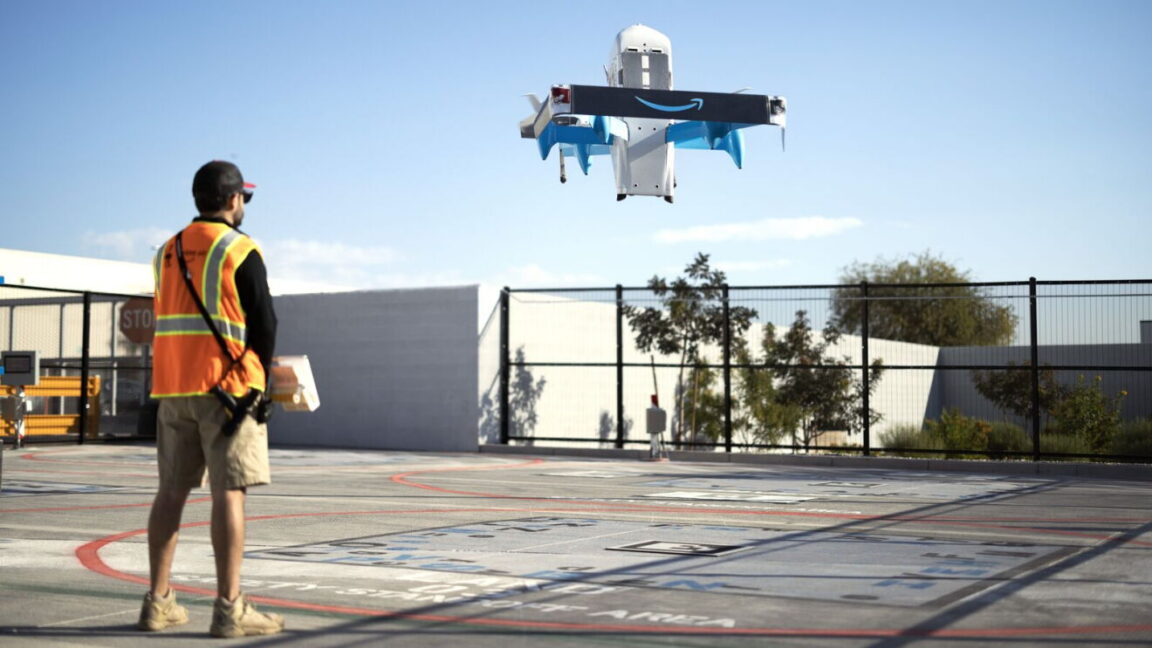
Amazon wants to grow its Prime Air delivery drone service sixfold to reach nearly 500 cities and towns across the United States by the end of 2026. The planned expansions from Amazon and its rivals could make the convenience of delivery drone services available to tens of millions more people in the coming months—but will also test more communities’ tolerance for increased noise from daily drone flights.
On August 19, Amazon announced it would soon launch Prime Air in the metropolitan areas of Chicago; Cleveland; Atlanta; Syracuse, New York; and Boise, Idaho, with more to come later in the year. Each Prime Air site offers delivery drone service within an area of about 175 square miles, with delivery times ranging from half an hour to an hour.
Prime Air already operates out of Amazon warehouses in 10 cities across seven states. Those include primarily suburban neighborhoods of Phoenix; Tampa; Kansas City; Omaha, Nebraska; Baton Rouge, Louisiana; Detroit; Houston; and San Antonio, Dallas, and Waco, Texas.
The first flight of the largest battery-electric aircraft to take to the skies lasted nearly half an hour while costing just $5 of electricity. That aviation feat comes at a time when jet fuel prices have skyrocketed because of the US war with Iran.
The test flight of Heart Aerospace’s X1 demonstrator aircraft took place at Plattsburgh International Airport in upstate New York on August 12. The X1 aircraft is comparable in size to a small regional airliner and can achieve a maximum takeoff weight exceeding 25,000 pounds with the help of four wing-mounted electric motors. The battery-electric propulsion system delivered more than one megawatt of power during the maiden flight.
All-electric aircraft can offer quieter and cleaner flight without the emissions that come from burning jet fuel. They may also prove more reliably cost-effective than conventional aircraft that come with jet fuel costs subject to geopolitical disruptions.
BOE wants a share of the OLED supply chain for Apple's next iPad Air, aiming to land a secondary sourcing role behind primary supplier Samsung Display, according to a report from South Korea's The Elec.
Sources cited by The Elec say the Chinese panel maker is building out its iPad Air OLED effort at its B12 fab in Chongqing, home to BOE's sixth-generation OLED production line, ahead of the launch of a redesigned iPad Air that isn't expected to launch until the first half of 2027. Samsung Display already holds the lead supply role for that panel and is on track to begin ramping production toward the end of this year or the start of next, as previously reported.
BOE still has to clear Apple's qualification process. Samples reportedly still need to be submitted for evaluation, and a verdict on whether the company wins any commercial orders is not expected until closer to the end of the year. Even a favorable outcome may only translate into modest volume at first, with output confined to iPad Air units destined for the Chinese market or to refurbished devices, rather than the entire global launch.
The sources put BOE's qualification decision at some point in November or December, noting Apple typically finalizes production approval just one to two months ahead of mass production actually starting. Should BOE fall short of that bar, Samsung Display will end up carrying the entire initial production run by itself.
Becoming a supplier for the OLED iPad Air would be a meaningful expansion for BOE, which has experience providing OLED panels for the iPhone, but has struggled to break into larger OLED products. Samsung Display and LG Display have held onto that ground in tablets specifically, and BOE has lost, rather than gained, footing elsewhere in Apple's OLED lineup recently; its utilization on Apple-dedicated lines reportedly slid from roughly 82% in 2024 to about 48% earlier this year as Apple is set to lean on Samsung instead for the upcoming OLED iPad mini.
The redesigned iPad Air is expected in 11 inch and 13 inch sizes, with a hybrid OLED panel pairing a glass substrate with thin film encapsulation, a single stack RGB emissive layer, and an LTPS backplane, with a refresh rate of 60Hz. That keeps it below the iPad Pro's tandem stack OLED panel on cost, while still moving the iPad Air away from an LCD.
BOE is also reportedly pursuing a secondary supplier role for Apple's OLED MacBook Pro from its 8.6 generation B16 fab in Chengdu, but persistent yield problems there make commercial shipments to Apple unlikely soon. Industry sources do not expect BOE to enter that supply chain until sometime after 2028.
The iPhone Air reaches one year on sale next month, and Apple is now closer to launching its successor than it is to the original's debut. On this week's episode of The MacRumors Show, we discuss what's next for the device.
The first-generation model has had a difficult run. A KeyBanc Capital Markets survey found virtually no demand for the device within weeks of its September 2025 launch, supply chain analyst Ming-Chi Kuo reported that suppliers were asked to cut capacity by more than 80% between launch and early 2026, and Luxshare and Foxconn both wound down production, leaving the phone believed to be entirely out of manufacture. Apple discounted it heavily in March, and SellCell data put its ten-week depreciation at 44.3% on average, against 34.6% for the iPhone 17 series. The Weibo leaker known as "Digital Chat Station" said in May that the device had barely surpassed 700,000 activations even after multiple rounds of price cuts.
A single rear camera left a $999 phone looking less capable than the cheaper iPhone 17, which has two, and the absence of the iPhone 17 Pro's vapor chamber cooling means the Air runs warmer under load. It also lacks stereo speakers. Battery life falls short of a full day for many users, mitigated in part by the dedicated MagSafe battery accessory Apple sells alongside it. With the iPhone 17 Pro starting at $1,099, the Air occupies a $100 gap that gave buyers little reason to stop there.
Almost every change rumored for the second-generation model targets one of those points. Bloomberg reported in June that Apple will add an Ultra Wide lens alongside the existing 48-megapixel Fusion camera, and that the dual-lens design has reached advanced testing with the same exterior as the current model save for the extra lens.
Almost everything other than the battery sits inside the iPhone Air's camera plateau, and Apple has reportedly asked suppliers for an ultra-thin Face ID module to free up space. The company also plans to adopt Samsung's CoE display technology, which is thinner and brighter than the current panel and debuts first on the foldable iPhone. Digital Chat Station expects a 3,500mAh battery, up from 3,149mAh, and The Information reported that Apple wants the device to be lighter and to gain vapor chamber cooling despite the added hardware.
The device will also likely feature the A20 Pro chip, binned in some form like its predecessor, along with Apple's second-generation N2 wireless networking chip, the C2 modem, and 12GB of RAM, unchanged from the current model. Externally, little is expected to change beyond the additional rear camera, but Pu expects a slightly smaller Dynamic Island, in line with the wider iPhone 18 lineup. A lavender color option could replace Sky Blue.
Pricing is the biggest open question. The Information reported that Apple is considering a lower price for the second model, but the surrounding lineup is moving too. Pu expects the iPhone 18 Pro and Pro Max to cost $250 to $300 more than the current Pro models owing to 2nm silicon and memory costs, and the foldable iPhone is rumored to start somewhere between roughly $2,000 and $2,500. A widened gap between the Air and the Pro tier could change the calculation that undermined the original, particularly once the camera disparity with the standard iPhone disappears.
Apple's confidence in the fall lineup appears to be growing in the meantime. The company reportedly told suppliers to prepare roughly 10 million foldable iPhones this year, up from an earlier forecast of seven to eight million, and has booked parts for around 80 million smartphones in the second half of 2026. Samsung, meanwhile, says the Galaxy Z Fold 8, Z Fold 8 Ultra, and Z Flip 8 drew 1.44 million pre-orders in South Korea across seven days, a company record, with the redesigned Z Fold 8 accounting for close to half of them.
The iPhone 18 Pro, iPhone 18 Pro Max, and foldable iPhone are expected in September, and Apple has already begun preparing for the event, opening a lottery for U.S. retail employees to staff it. The MacRumors Show has its own YouTube channel, so make sure you're subscribed to keep up with new episodes and clips.
If you haven't already listened to the previous episode of The MacRumors Show, catch up to hear our discussion about the iOS 27 beta, talking through our experiences with Siri AI, Liquid Glass refinements, and more.
The MacRumors Show is on X @MacRumorsShow, so be sure to give us a follow to keep up with the podcast. You can also email us at podcast@macrumors.com or head over to The MacRumors Show forum thread. Remember to rate and review the podcast, and let us know what subjects and guests you would like to see in the future.
FaceTime Dual Capture is bringing simultaneous front-and-rear camera streaming to video calls in iOS 27, allowing compatible iPhones to show the caller and their surroundings without repeatedly switching between cameras.
The feature expands technology Apple introduced with the iPhone 17 family. Dual Capture already allows the Camera app to record through the Center Stage front camera and a rear camera at the same time. iOS 27 brings a similar capability directly into live FaceTime calls.
During a call, the front camera can continue showing the speaker while the rear camera displays whatever the iPhone is pointing toward. Someone attending a concert can share the performance and remain visible. A parent can show a child playing without disappearing from the conversation. A person asking for technical assistance can remain on screen while directing the rear camera toward the equipment causing the problem.
Dual Capture removes the awkward sequence of switching to the rear camera, showing something, and switching back to continue speaking face to face. Both perspectives remain available inside the same call.
Image Credit: Thomas Trutschel Photothek/Getty Images
FaceTime Dual Capture Changes Camera Switching
The normal FaceTime camera control changes from a simple front-or-rear choice on supported iPhones. When the caller activates the rear camera, iOS 27 keeps the front camera visible by default.
The main view displays the rear camera feed while a smaller window contains the front camera image. This picture-in-picture arrangement gives the other participant a continuous view of the caller’s reaction, commentary, or explanation.
To activate both cameras during a supported FaceTime call:
FaceTime > Start a video call > Tap the Flip button
Tapping the Flip button turns on the rear camera without immediately removing the front view. The other participant begins receiving both perspectives as part of the FaceTime stream.
The caller can disable the front view when it is no longer needed. This provides a conventional rear-camera presentation for situations where the surroundings should occupy the complete image.
To return to a single camera view:
FaceTime > Tap the camera view > Disable the front camera
The exact labels and placement may change before the public release of iOS 27 because the feature is still being tested in beta software. Its basic behavior is already established: the Flip control activates the rear camera while retaining the front camera feed.
Dual Capture does not create two independent FaceTime calls. Both images belong to one video stream, so the caller does not need a second account, device, or invitation.
The feature also differs from screen sharing. FaceTime screen sharing transmits applications and interface activity from the iPhone display. Dual Capture transmits live video from two physical cameras.
Image Source: Google
Which iPhones Support Dual Capture
Apple has limited FaceTime Dual Capture transmission to the iPhone 17, iPhone 17 Pro, iPhone 17 Pro Max, and iPhone Air. Each model includes Apple’s 18MP Center Stage front camera and the Dual Capture capability introduced in the Camera app.
An older iPhone that supports iOS 27 cannot originate a Dual Capture stream. It continues to use the normal option of selecting either the front camera or a rear camera during a call.
Older models can still receive and display a Dual Capture feed when they are running iOS 27. This allows an iPhone 16 or another supported device to see both views transmitted from an iPhone 17, even though it cannot send the same presentation back.
Both participants need iOS 27 for the new FaceTime layout to work as intended. The transmitting device must also be one of the supported iPhone 17-generation models.
This limitation is based on Apple’s official feature support rather than the simple presence of front and rear cameras. Earlier iPhones have camera hardware capable of operating in several multi-camera applications, but Apple has not extended its native Dual Capture implementation to them.
Third-party applications have offered forms of simultaneous multi-camera recording for years through Apple’s developer frameworks. The difference is that iOS 27 integrates the experience into FaceTime, where users can activate it through the familiar camera-switching control.
iPhone 17 Owners Receive a Second Dual Capture Feature
Describing FaceTime Dual Capture as retro-compatible with the iPhone 17 does not fully explain its relationship with the hardware. The iPhone 17 family introduced Apple’s native Dual Capture recording in 2025, and iOS 27 now gives that existing camera system another purpose.
Inside the Camera app, Dual Capture produces a saved video containing front and rear views. Apple lists support for recording at up to 4K Dolby Vision at 30 frames per second on the iPhone 17.
FaceTime uses the camera pairing for live communication instead. Network quality, bandwidth, device temperature, and FaceTime processing can affect the transmitted resolution, so users should not assume that a call will preserve the Camera app’s maximum 4K recording specification.
The Center Stage front camera also contributes more than resolution. Its square sensor gives the iPhone greater freedom to adjust framing without requiring the device to be physically rotated. Center Stage can help keep the caller positioned inside the smaller front-camera view while the rear camera follows the subject being shared.
That combination makes Dual Capture more useful than placing two untreated camera feeds beside each other. FaceTime can preserve the speaker’s presence while directing most of the screen toward the event, object, or location being discussed.
The feature may require more processing power and energy than an ordinary single-camera call. Running two camera sensors while encoding and transmitting live video can increase battery consumption and device temperature, especially during long calls over cellular data.
Apple has not published separate battery estimates for Dual Capture FaceTime calls. Users planning extended sessions may want access to power and a stable Wi-Fi connection.
iOS 27 Prepares FaceTime for iPhone 18
FaceTime Dual Capture arrives shortly before Apple’s expected iPhone 18 generation, making it likely to become part of how the company demonstrates the new phones’ camera and communication abilities.
Apple has not announced the iPhone 18 lineup or confirmed its final camera specifications. Compatibility with FaceTime Dual Capture is therefore expected from the software’s “iPhone 17 and newer” positioning, but individual iPhone 18 models should not be treated as confirmed until Apple presents them.
The software release gives existing iPhone 17 owners access without requiring another hardware purchase. That approach also provides Apple with a working FaceTime feature before the next iPhone launch rather than introducing the camera mode and communication interface at the same moment.
Future hardware could improve the experience through faster processors, stronger image stabilization, upgraded sensors, or more efficient video encoding. None of those additions is required for the supported iPhone 17 family, which already contains the camera system needed to transmit both views.
Dual Capture is only one part of the FaceTime update. Apple is also improving video-call quality when the network connection is weak, addressing a problem that becomes especially relevant when two live camera views require transmission. Traditional Chinese support is joining FaceTime Live Captions as well.
The weak-connection improvement may determine how dependable Dual Capture becomes away from Wi-Fi. A feature designed for travel, events, repairs, and outdoor calls needs to tolerate changes in cellular bandwidth without freezing both views or forcing the session to end.
FaceTime Dual Capture remains part of the iOS 27 beta as Apple prepares the public update for September. Apple can still adjust the interface, performance, device requirements, and picture-in-picture behavior before the completed software reaches iPhone 17 owners.
Apple has increased its estimated trade-in values for most current iPhone, iPad, Mac, and Apple Watch models in the United States. The adjustments give customers slightly more credit toward a new device, although some older Apple hardware and several Android phones have moved in the opposite direction.
The updated values are maximum estimates rather than guaranteed payments. Apple calculates the final credit after confirming the model and inspecting its condition. A damaged display, enclosure problems, missing functionality, or an inaccurate description can reduce the amount offered.
Most of the increases are modest, but they arrive across several of Apple’s largest product categories at the same time. Recent iPhones receive between $10 and $25 more, every iPad category listed in Apple’s summary gains value, and several popular Macs receive larger increases.
The revisions also reinforce the role of trade-ins within Apple’s retail operation. Credit can reduce the cost of a regular purchase, be delivered through an Apple Gift Card, or lower payments at the beginning of an eligible Apple Upgrade lease.
Image Credit: Apple Inc.
Trade-In Values Rise Across iPhone and iPad
Every iPhone 16 model included in the update receives a higher maximum estimate. The iPhone 16 Pro Max moves from $685 to $695, retaining the highest listed value among the affected iPhones.
The iPhone 16 Pro increases from $550 to $560, while the iPhone 16 Plus moves from $455 to $465. The standard iPhone 16 receives the largest increase within the family, rising by $25 from $435 to $460.
These changes narrow the difference between the standard iPhone 16 and the larger Plus model. The Pro models retain substantially higher estimates, reflecting their higher original prices and stronger position in the used-device market.
An additional $10 or $25 will not transform the cost of an upgrade, but it can offset part of a case, charger, AppleCare plan, or storage upgrade. The difference also becomes more relevant for customers comparing Apple’s direct program with a third-party reseller offering a similar amount.
Apple’s iPad adjustments are more consistent. The maximum estimate for an iPad Pro rises from $670 to $690, an increase of $20. The iPad Air moves from $445 to $460, while the standard iPad rises from $220 to $235.
The iPad mini also gains $15, moving from a maximum of $250 to $265. That means every current iPad category displayed in Apple’s trade-in summary receives a higher estimate.
Apple’s direct trade-in values are generally lower than the prices an owner might obtain through a private sale. The program instead emphasizes convenience: the device can be returned at an Apple Store or sent using Apple’s online process, with the credit connected directly to a new purchase.
A private sale can produce a better return, especially for a recent device in excellent condition. It also requires the owner to set a price, find a buyer, manage payment, and handle the transfer independently. Apple’s program trades some resale value for a simpler exchange.
Mac and Apple Watch Changes Are Less Consistent
Mac trade-in values receive some of the largest increases, but the category also includes notable reductions.
The MacBook Air rises from a maximum of $485 to $520, adding $35. The Mac mini receives the same increase, moving from $340 to $375. The MacBook Pro changes only slightly, increasing from $685 to $690.
Apple leaves the current iMac estimate unchanged at $355. The Mac Studio receives a larger increase from $975 to $1,045, reflecting the higher value retained by recent desktop configurations.
Older professional desktops move in the other direction. The iMac Pro falls from $325 to $315, while the top Mac Pro estimate declines from $2,090 to $2,045.
That $45 reduction at the top of the Mac range means Apple’s maximum Mac trade-in offer decreases even though several mainstream models receive more credit. The changes appear more closely connected to the resale position of individual product families than to a uniform increase across every computer.
Mac estimates can vary considerably because one model name can cover different years, processors, memory configurations, storage capacities, and physical designs. Apple asks for a serial number before producing a more specific estimate for a Mac.
The Apple Watch adjustments are similarly mixed. Apple Watch Ultra 2 rises from $295 to $305, while Apple Watch Series 9 increases from $120 to $130.
Apple Watch Series 10 remains unchanged at a maximum of $150. The original Apple Watch Ultra falls from $215 to $205, losing $10.
Wearable trade-in values can decline quickly because watches receive frequent updates and are exposed to greater physical wear than many computers or tablets. Battery condition, display damage, case wear, and working buttons can influence whether the device receives the estimated credit.
Apple also accepts devices that no longer qualify for monetary value. Those products can be returned for recycling, including older hardware and accessories that would otherwise remain unused.
Image Credit: Apple Inc.
Android Offers Face Several Reductions
Apple accepts selected smartphones from Samsung, Google, and other manufacturers when customers move to an iPhone. The latest revisions are less favorable to several Android devices.
The maximum Android estimate across Apple’s displayed range decreases from $370 to $360. Individual changes vary by model.
The Samsung Galaxy S23 Ultra drops from $230 to $200, a $30 reduction. Google’s Pixel 8 Pro declines from $170 to $165.
Other devices remain unchanged. The standard Galaxy S23 continues to carry an estimated value of up to $125, while the OnePlus 12 remains at up to $200.
Apple’s Android offers are primarily designed to remove friction for people moving to the iPhone. They do not necessarily match the amount available from the manufacturer, a carrier promotion, or a private buyer.
Carrier promotions can advertise considerably higher trade-in credits than Apple, particularly around a new iPhone launch. Those offers commonly require an eligible unlimited plan, a new line, monthly bill credits, or a commitment lasting two or three years.
Apple’s direct credit is easier to understand because it is tied to the assessed value of the device rather than a long carrier agreement. The best choice depends on whether the customer values flexibility, immediate credit, or the largest possible promotional discount.
A Higher Estimate Is Not the Final Offer
Apple’s published figures represent the maximum available for qualifying devices in suitable condition. The online estimate is based on the answers supplied before the product is inspected.
After receiving the device, Apple or its trade-in partner verifies its identity and checks whether it powers on, functions properly, and matches the reported condition. A difference can produce a revised offer.
Customers can accept or reject a lower revised value. Rejecting it cancels the trade-in and returns the device, although the payment arrangement for the accompanying purchase may also be adjusted. If the inspected value is higher than the original estimate, Apple says it automatically increases the credit.
The way the credit is delivered depends on the purchase. When a customer pays in full for a new iPhone, iPad, Mac, or Apple Watch, the confirmed value can be returned to the original payment method up to the price of the new product. Any remaining amount can be issued through an Apple Gift Card.
With an eligible monthly payment arrangement, the estimated credit can be applied directly to the new device’s purchase price. Under Apple Upgrade, a qualifying trade-in owned by the customer can reduce payments across the initial lease term. Another device cannot be traded in each time the customer exercises the lease’s upgrade option.
Values also differ between countries and can change without a product announcement. The revised dollar amounts apply to Apple’s United States program, while local market prices, available models, currencies, and trade-in partners determine estimates elsewhere.
Anyone considering an exchange should obtain a fresh estimate shortly before purchasing. Apple requires the trade-in device to arrive within the specified return period and says an online estimate is generally protected for 14 days after the customer receives the new product.
More than 150 years after Charles Darwin first wondered whether certain sticky-leaved Saxifraga plants might be secretly carnivorous, Kunming Institute of Botany researcher Tao Deng and colleagues say they have finally confirmed it.
Apple’s popular MacBook Air is experiencing significant supply shortages, while the company explores turning its upcoming smart glasses and headsets into health and fitness devices, according to reporting from Bloomberg News‘ Mark Gurman in his Power On newsletter.
MacBook Air Hit by Memory Shortage
The global shortage of memory chips, driven by surging demand from AI data centers, has now reached Apple’s highest-volume Mac. Retail sources describe inventory of the MacBook Air as more constrained than they can recall. Online orders through Apple’s site show delivery estimates stretching into late August, with some higher-RAM or customized configurations delayed into September.
The crunch previously affected lower-volume models such as the Mac mini and Mac Studio. Apple has already raised prices on Macs and iPads (including a $200 increase that took the MacBook Air’s starting price to $1,299 in the U.S.) to offset higher component costs. The company is also exploring sourcing memory from Chinese suppliers for devices sold in China and is prioritizing production and sales of the entry-level 14-inch MacBook Pro ahead of an expected M6 refresh later in the fall. Marketing for the back-to-school season has been adjusted, with greater emphasis on the Pro and warnings that the MacBook Air is “subject to availability.” The timing is particularly challenging, as the MacBook Air is typically a strong seller during that period.
Health and Fitness Ambitions for Glasses and Headsets
Separately, Apple is working to position its future smart glasses and headsets as health and fitness devices. The company’s Vision Products Group is hiring a strategic product design leader to “define the future of health, well-being, and fitness experiences across vision products,” seeking candidates experienced in digital health products and sensor-driven features.
Earlier plans to bring similar capabilities to the Vision Pro, including a Fitness+ experience that would use body-tracking technology to analyze movements during workouts, were dropped due to technological hurdles and the headset’s weight. Future lighter glasses could incorporate a range of sensors to track movement, form, posture, and other fitness data without compromising comfort, Gurman reports. These features are not expected in the first-generation smart glasses (anticipated around 2027) but are part of longer-term plans that could complement devices such as the Apple Watch.
These developments highlight ongoing supply-chain pressures in consumer electronics caused by AI infrastructure buildouts, alongside Apple’s continued expansion of its health and wearable ecosystem beyond the Watch and AirPods.
MacDailyNews Take: Lighter Apple smart glasses will enable a huge range of applications. We can’t wait!
The Apple Glasses will be the key as holding up slabs of glass as “windows” is suboptimal. When we’re running in a race, for example, we don’t want to have to hold an iPhone or even glance at an Apple Watch, but with a pair of Apple Glasses constantly overlaying time, pace, splits, etc. it’ll be ideal! — MacDailyNews, September 6, 2019
Please help support MacDailyNews — and enjoy subscriber-only articles, comments, chat, and more — by subscribing to our Substack: macdailynews.substack.com. Thank you!

 Login