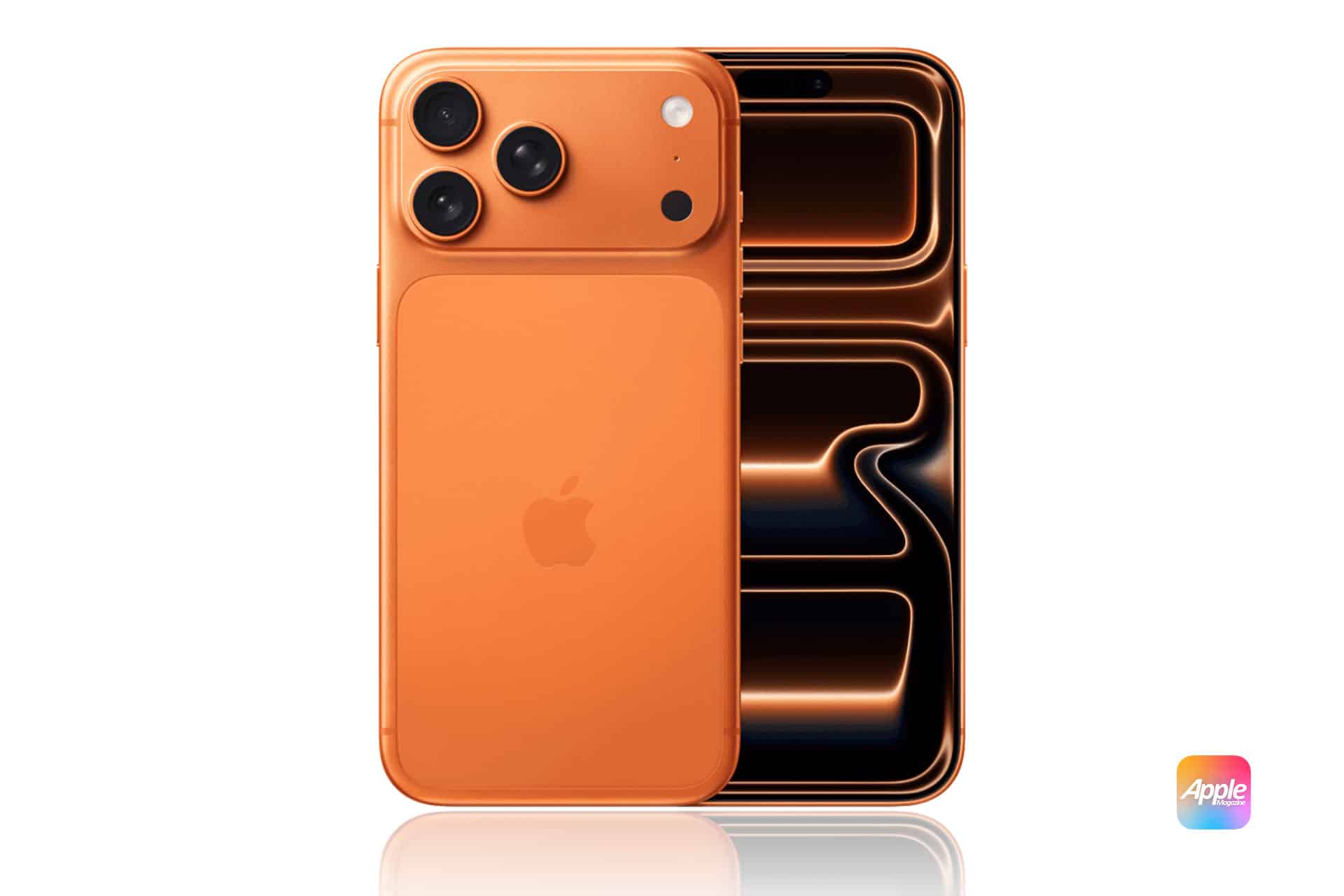
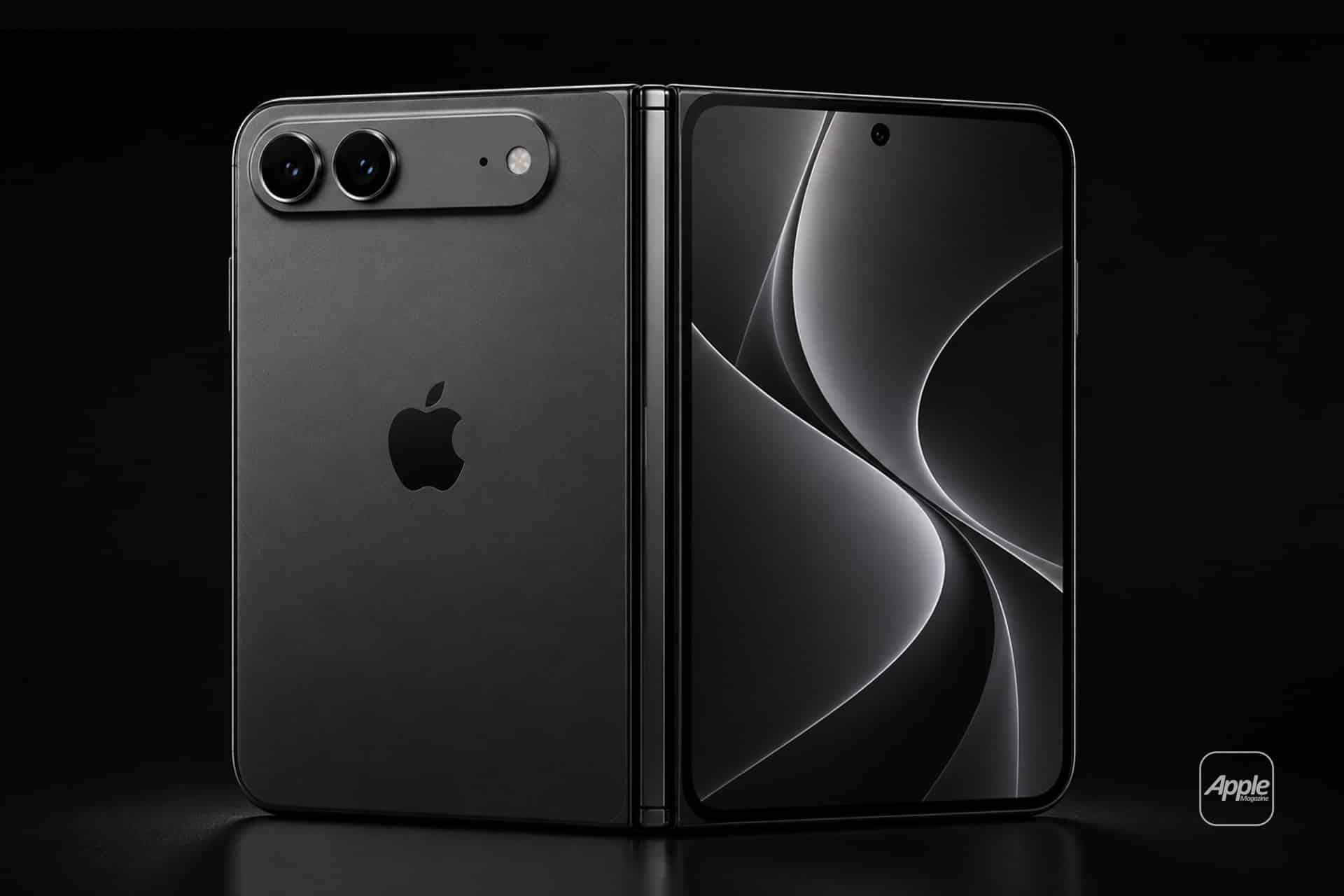
Faltam poucas horas para o evento especial “Surprise and shine”, no qual a Apple deverá apresentar oficialmente seu primeiro iPhone dobrável — chamado nos rumores mais recentes de “iPhone Duo”, embora parte da imprensa ainda trate o produto como “iPhone Ultra”. E, no momento em que todos os olhos se voltam para Cupertino, um executivo da Samsung aproveitou para dar uma “dica” pública à concorrente.
Em entrevista à revista WIRED, Hee-Cheul Moon, chefe do grupo de P&D Mecânico Avançado da Samsung, afirmou que a chegada da Apple ao mercado de dobráveis é vista com bons olhos internamente — e até como uma validação do trabalho que a companhia coreana vem fazendo há sete anos nessa categoria.
Ao ser questionado sobre o que diria à Apple antes da estreia do rival, Moon foi direto: “A chave para entregar o maior valor ao cliente nesse mercado é o peso do aparelho.” E completou dizendo que essa não é uma equação simples de resolver.
Segundo estimativas, o dobrável da Apple deverá pesar entre 230 e 241 gramas — mais que o iPhone 17 Pro Max (233g) e bem acima dos 201g do Galaxy Z Fold8, o modelo mais leve já lançado pela Samsung na linha principal. Para chegar a esse número, a empresa afirma ter revisado cerca de 270 componentes e mais de 180 peças auxiliares do aparelho, eliminando 15 delas, redesenhando a placa de circuito interna e usinando a placa de suporte da tela a cerca de 0,2mm de espessura — mudança viabilizada por um novo filme de liga de titânio, batizado de “Flex Titanium”, que a Samsung diz ajudar a manter a tela mais plana e a conter o avanço do vinco ao longo do tempo.
Resta saber se a Apple — que, ao que tudo indica, investiu pesado no desenvolvimento da dobradiça do “iPhone Duo” — conseguirá equilibrar a robustez buscada com um peso mais competitivo, ou se o “conselho” da Samsung vai se confirmar como o principal ponto fraco do novo aparelho.
A sul-coreana também postou um vídeo intitulado “Welcome to Foldables” (“Bem-vinda aos Dobráveis”), provavelmente como forma de provocação à Apple:
A resposta, pelo menos para boa parte dessas dúvidas, virá já nas próximas horas.
Faltando poucas horas para o evento “Surprise and shine” da Apple, uma nova leva de rumores trouxe detalhes que praticamente fecham o quadro do que a empresa deverá anunciar hoje.
As informações, divulgadas por Mark Gurman (da Bloomberg), indicam o possível nome oficial do iPhone dobrável, sua faixa de preços e uma série de especificações técnicas — além de novidades para Apple Watch e AirPods.
“iPhone Duo”: nome, preço e especificações
Depois de meses sendo tratado internamente como “iPhone Ultra”, o primeiro iPhone dobrável da Apple deverá chegar ao mercado como “iPhone Duo” — um nome que reforça a característica central do aparelho, que terá duas telas (uma externa e uma interna, ao abrir).
Segundo o relato, o preço de entrada será de US$2.000 para a versão com 256GB de armazenamento. As versões de maior capacidade — que deverão chegar a 2TB — podem levar o preço a algo próximo de US$3.000. A Apple estaria absorvendo parte do aumento de custos causado pela recente crise de memória (RAM 1Random access memory, ou memória de acesso aleatório./NAND) para conseguir manter o valor de entrada nessa casa, repassando o excedente apenas para quem optar por mais armazenamento.
Cores branco e azul-escuro (aparentemente sem opção em preto).
O lançamento nas lojas está previsto para “o mais cedo possível em outubro“, segundo o termo usado no relato, sugerindo que o dispositivo poderá chegar depois dos “iPhones 18 Pro/18 Pro Max”.
“iPhones 18 Pro e 18 Pro Max”
Do lado dos modelos tradicionais, o desenho deverá permanecer praticamente idêntico ao da geração anterior — a principal mudança visual ficará por conta da nova cor estilo cereja, substituindo o laranja da linha atual.
As atualizações mais relevantes ficarão por conta de:
Ilha Dinâmica (Dynamic Island) menor e aprimorada, agora com suporte a três Atividades ao Vivo (Live Activities) simultâneas (contra duas atualmente);
Great reporting from @markgurman. The new Dynamic Island with 3 items is already supported in iOS 27. Here’s what it looks like.
Ótima reportagem de @markgurman. A nova Dynamic Island com 3 itens já é suportada no iOS 27. Aqui está como ela fica. O código requer uma região de sensor com menos de 100 pontos de layout de largura, ou abaixo de 16,57mm para esse novo modo. O iPhone 17 Pro tinha 20,76mm.
Novo sistema de câmeras, com o modelo Pro Max ganhando abertura variável para maior controle de profundidade de campo e melhor desempenho em pouca luz;
Chip “A20 Pro”;
Câmara de vapor redesenhada para dissipação de calor;
Cores preta, azul clara, prateada e cereja.
Quanto aos preços, o aumento deverá ficar limitado a US$100 por modelo — bem abaixo do que analistas vinham projetando (entre US$200 e US$300), embora o valor final possa variar mais em mercados fora dos Estados Unidos, dependendo da cotação local.
Apple Watches
Os novos relógios não deverão trazer mudanças radicais de design, mas há novidades importantes: o “Apple Watch Series 12” deverá recuperar a opção de caixa em cerâmica, enquanto o “Ultra 4” provavelmente ganhará melhorias de autonomia de bateria.
O destaque, porém, é um recurso batizado de “Recaps”, ligado à Siri e a um novo app “Readiness” (variante do Sinais Vitais). A função usaria os sensores do relógio — e, segundo os rumores, também trechos de conversas captadas ao longo do dia — para gerar um resumo das atividades do usuário. A Apple garantiria que nenhum áudio é armazenado nem transcrito; os dados seriam processados e descartados na hora, exigindo hardware específico de processamento seguro de áudio, presente apenas nos modelos novos. O recurso poderá ficar ativo o dia todo, ser acionado sob demanda ou vinculado a locais específicos.
“AirPods 5”
Por fim, a linha de earbuds também deverá ganhar uma atualização mais discreta, com os “AirPods 5” trazendo cancelamento de ruído ativo bastante aprimorado. Como na geração anterior, deverão continuar existindo duas versões — uma com estojo de recarga sem fio e outra sem esse recurso.
O evento “Surprise and shine” começará às 14h (horário de Brasília) e deverá confirmar — ou desmentir — boa parte dessas informações de última hora.
Atualização 09/09/2026 às 10:09
Em um estilo já diferente do de Tim Cook, o novo CEO 2Chief executive officer, ou diretor executivo.John Ternus acaba de publicar um teaser no X:
Pelo pouco que dá para ver no vídeo, podemos interpretar a luz com uma alusão à abertura variável da câmera do “iPhone 18 Pro Max”, e na parte inferior dá para ver um pouquinho da nova cor cereja.
Notas de rodapé
1
Random access memory, ou memória de acesso aleatório.
Apple’s stock rebounds after recent product price increases, prompting a discussion of customer loyalty, upgrade timing, refurbished options, and long-term confidence in the company. Chuck Joiner, David Ginsburg, Eric Bolden, Jim Rea, and Marty Jencius also examine why advanced Home features may require a 2TB iCloud+ plan, then debates Apple’s rumored foldable iPhone, including price, […]
The iPhone Ultra price could establish an entirely new tier within Apple’s smartphone range. Current estimates place the company’s first foldable iPhone above $2,000, with some industry forecasts suggesting an average selling price near $2,500 and higher-storage configurations approaching $3,000.
Apple has not confirmed the device, its name, or its retail price. The iPhone Ultra branding also remains unofficial, although it has appeared repeatedly in reports concerning Apple’s planned expansion beyond the Pro and Pro Max levels.
The foldable is expected to join the iPhone 18 Pro family during Apple’s fall hardware cycle. Rather than replacing the iPhone Pro Max, it would sit above it as a separate model built around a book-style design and a display that expands to approximately the size of a small tablet.
A price beyond $2,000 would make it the most expensive iPhone Apple has released. The current iPhone 17 Pro Max starts at $1,199 in the United States, leaving a difference of at least $800 between Apple’s established flagship and the lowest estimates for the foldable.
Recent projections have pushed that gap even wider. Reports citing analyst Ming-Chi Kuo have discussed a possible range between $2,300 and $2,500, while an IDC estimate cited in supply-chain coverage placed the average selling price at approximately $2,500. Storage upgrades could take selected configurations closer to $3,000.
iPhone Ultra Price Creates a New Flagship Tier
Apple has spent years arranging the iPhone range around a price ladder. Standard models serve the center of the market, while Air and Pro devices address different preferences involving weight, cameras, materials, performance, and display size.
A foldable iPhone would require another level. Its internal display, hinge, structural materials, battery arrangement, and manufacturing tolerances introduce costs that do not exist in a conventional iPhone.
The rumored hardware points to a device intended to combine phone and tablet functions. Reports describe an outer screen measuring about 5.5 inches and an internal display of approximately 7.8 inches. When closed, the product would operate as a compact iPhone. Opening it would provide enough space for larger applications, side-by-side content, expanded video, and an iPad-style software interface.
Apple is reportedly developing interface changes that would let applications take greater advantage of the internal display instead of simply enlarging an iPhone layout. That software work may become one of the main distinctions between the device and existing foldables, particularly if Apple can connect it closely with iPad multitasking conventions.
The hinge is expected to use liquid metal, an amorphous alloy chosen for strength and resistance to deformation. Apple has also reportedly focused on reducing the visible display crease, one of the most recognizable compromises found on current folding phones.
Those elements help explain a premium price without guaranteeing that customers will accept it. A $2,000-plus phone would compete for spending that could otherwise purchase an iPhone and an iPad, a high-end Mac, or several years of conventional smartphone upgrades.
The device would therefore need to offer more than the novelty of a folding screen. Durability, battery life, camera performance, application behavior, repair costs, and long-term display reliability will influence whether buyers view the iPhone Ultra as a versatile computer or an unusually expensive phone.
Costly Engineering Behind the Fold
Rumors suggest Apple may use Touch ID in the side button instead of Face ID. The change would not necessarily represent a retreat from facial authentication across the rest of the iPhone range. A foldable chassis has limited internal space, and eliminating the TrueDepth camera hardware could help Apple manage thickness around the outer and inner displays.
The reported design includes two rear cameras and front-facing cameras accessible in both folded and unfolded positions. That arrangement may leave the iPhone 18 Pro Max with the more extensive photography system, despite the foldable carrying a much higher price.
Such a decision would position the iPhone Ultra around form factor and productivity rather than making it the automatic leader in every specification. Apple has used similar distinctions elsewhere, allowing one product to command a premium for its design while another retains advantages in cameras, battery endurance, or sustained performance.
Display production is another source of expense. Folding OLED panels require flexible materials, protective layers, specialized hinges, and tighter assembly controls. Apple’s reported pursuit of a nearly crease-free screen may increase component costs and reduce early manufacturing yields.
The company is also entering the category after competitors have spent several generations addressing hinge failures, screen damage, dust protection, and application scaling. Arriving later gives Apple access to a more mature supply chain, but its design standards may create additional production challenges.
Industry estimates suggest Apple’s arrival could help raise the average selling price of book-style foldables throughout 2026. Competitors already sell premium folding phones, yet a model priced near $2,500 would push the category further away from mainstream flagship pricing.
Image Credit: AppleMagazine
Apple Upgrade Softens the Monthly Number
Apple Upgrade could make the iPhone Ultra price appear less intimidating at checkout. The Klarna-backed program lets eligible US customers lease selected Apple devices through fixed monthly payments rather than covering the entire retail price upfront.
Current iPhones can be leased for 12 or 24 months. At the end of the term, customers may return the device, move into another eligible Apple product, or pay the remaining amount required to keep it.
That structure can produce lower monthly payments than traditional financing because the customer is not necessarily paying the entire purchase price during the lease. Part of the product’s value remains in the device at the end of the agreement.
A future iPhone Ultra could fit naturally into this model. Its high retail price and expected resale value would give Apple and Klarna room to separate the cost of using the phone for two years from the cost of owning it permanently.
No monthly figure has been announced for the foldable. Apple cannot price an Apple Upgrade lease until it establishes the phone’s retail cost, residual value, eligible term, and trade-in conditions. A simple calculation that divides $2,000 or $2,500 by 24 months would therefore be misleading.
The monthly charge may be considerably lower than a standard purchase installment, but the customer does not automatically own the iPhone after making the scheduled lease payments. Keeping it requires an additional payment based on the remaining value specified by the agreement.
AppleCare+ is also separate from the current Apple Upgrade lease price. That differs from the former iPhone Upgrade Program, which bundled AppleCare+ coverage into its monthly payments. Protection could be particularly relevant for an expensive first-generation foldable containing a flexible display and complex hinge.
Trade-in credit may reduce the monthly charge, while storage selection would push it higher. Sales tax, cellular service, accessories, and optional protection would remain additional costs. Apple Upgrade changes when and how customers pay, but it does not turn a $2,000-plus product into a lower-priced iPhone.
Limited Supply Could Intensify Early Demand
Apple is reportedly preparing millions of foldable units, but production may be heavily weighted toward the final months of 2026 and 2027. Supply-chain estimates have ranged from 7 million to 10 million devices, with different reports using different production periods and assumptions.
The foldable may be announced alongside the iPhone 18 Pro and iPhone 18 Pro Max but reach customers later. That would resemble the 2017 launch of the iPhone X, which was introduced with the iPhone 8 family in September and released in November.
A delayed retail date would give Apple more time to accumulate inventory while preserving the device’s place in its fall presentation. It could also place the iPhone Ultra into the holiday quarter with considerable demand concentrated around a relatively small supply.
High pricing does not necessarily prevent shortages during the first weeks of an Apple product launch. Early adopters, developers, collectors, and customers waiting specifically for an Apple foldable represent a smaller audience than the conventional iPhone market, but they may still outnumber the units available at release.
Apple Upgrade could add another source of demand by replacing the full retail figure with a monthly lease price inside the Apple Store. That presentation may make the phone accessible to customers who would reject a $2,500 purchase while accepting a recurring payment and returning the device later.
Kuo expects only 500,000 to 1 million foldable iPhones to ship during the third quarter, a supply level that could push some deliveries four to six weeks beyond the opening preorder window.

 Login