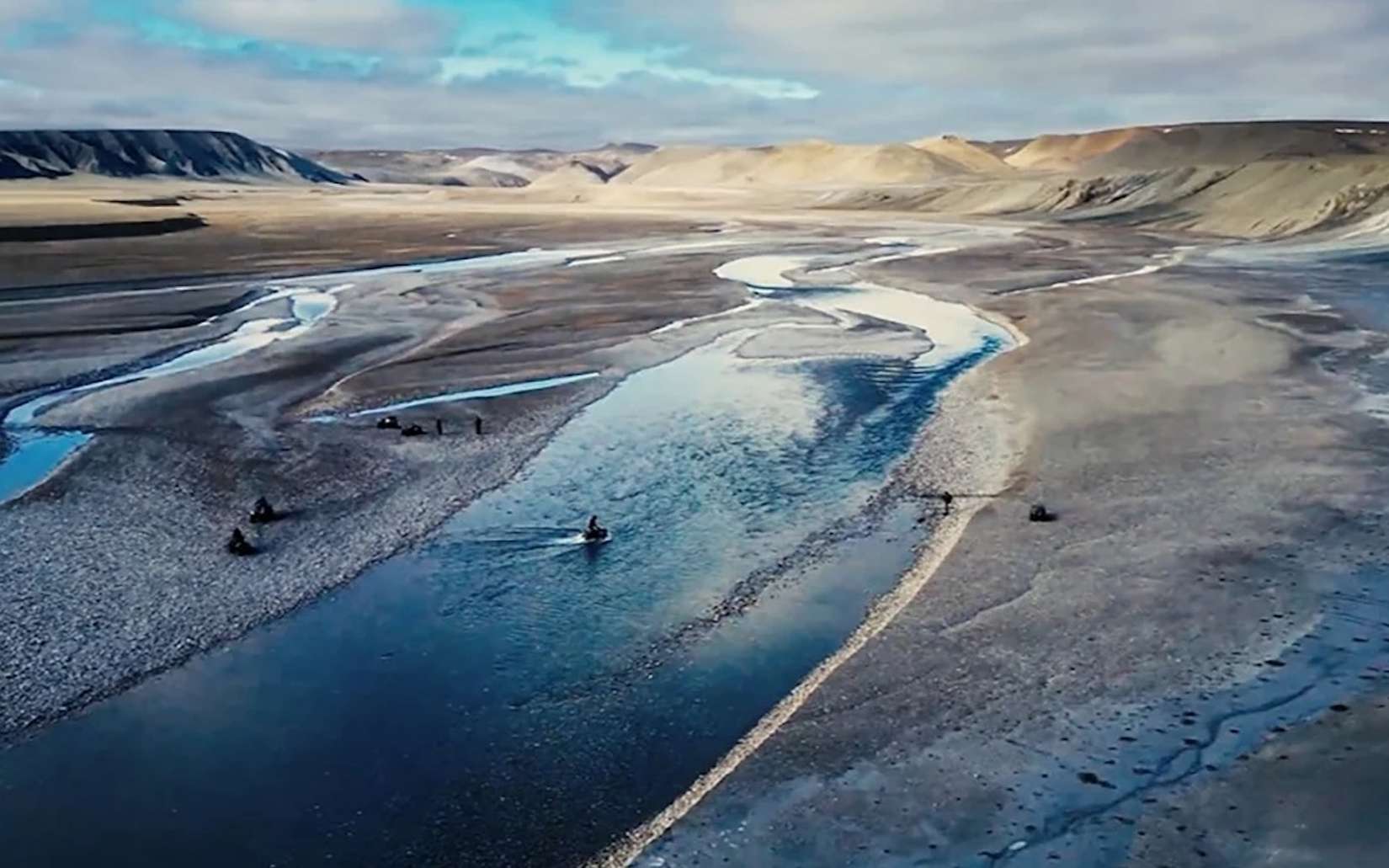
« Ce n’est pas possible » : ces scientifiques ont dû refaire l’expérience avant de croire ce qu’ils voyaient en Arctique


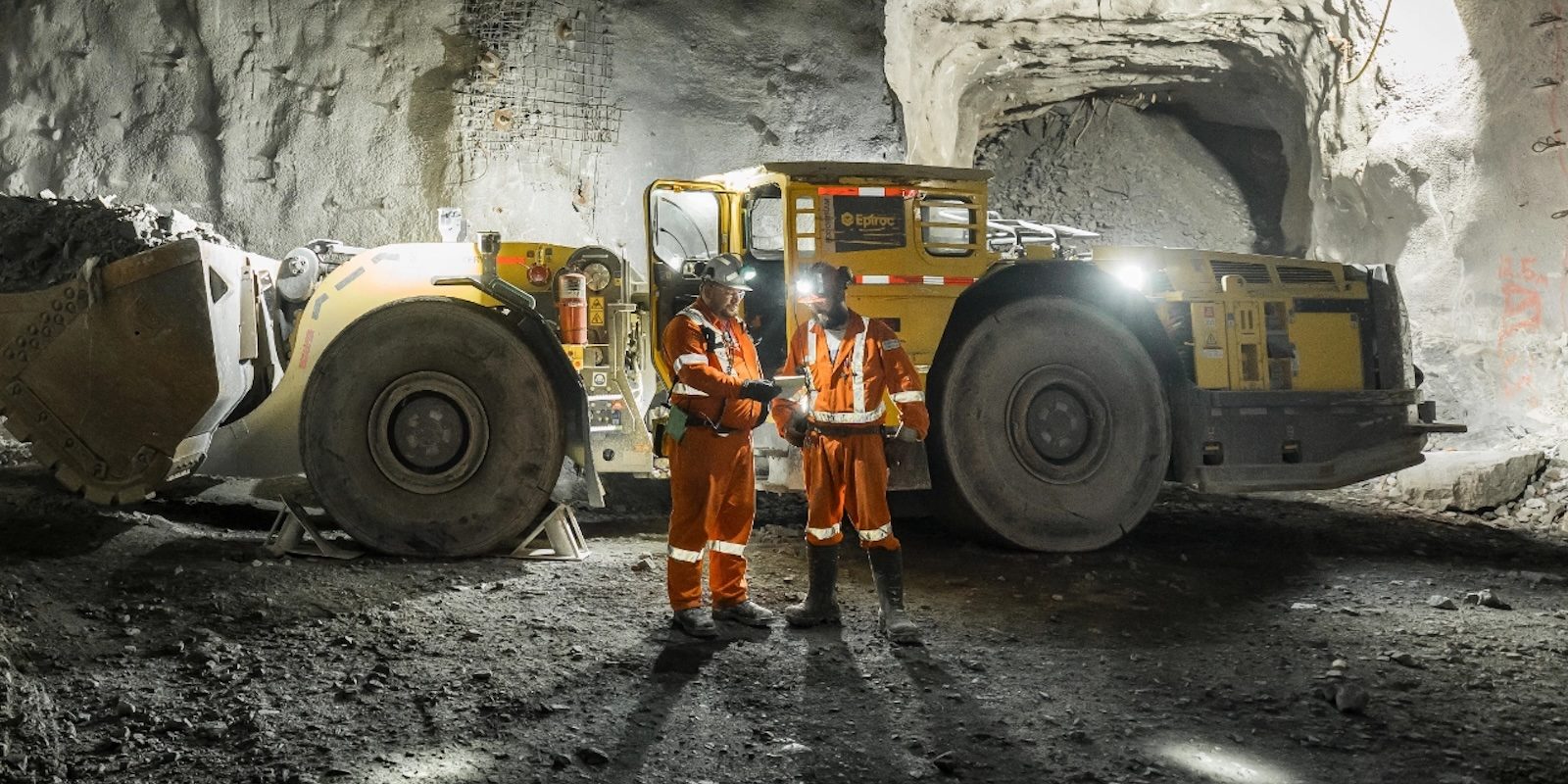
There’s an impossible amount of good-looking girls in Sudbury, and an equally impressive wealth of high-grade nickel and copper ore living “just” 8,500 feet below the town’s surface, too – and Glencore Canada is sending a bunch of big EVs down to get it.
more…
For several decades, paleontologists have described Miracinonyx trumani -- an extinct species of cheetah-like felid that roamed the North American prairies and steppe terrains more than 13,000 years ago -- as North America’s answer to the African cheetah (Acinonyx jubatus).
The post Ancient DNA Rewrites Story of Enigmatic ‘American Cheetah’ appeared first on Sci.News: Breaking Science News.

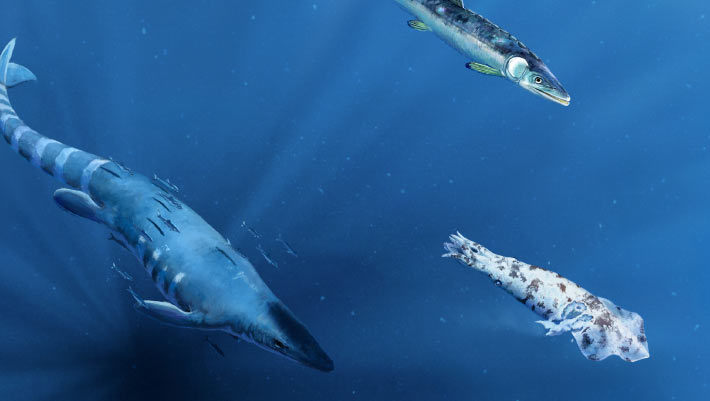
Paleontologists studying a fossil unearthed in southern Manitoba, Canada, have identified what they believe are two bite marks on the internal skeleton of the ancient giant cephalopod Enchoteuthis.
The post Fossil of Giant Squid-Like Creature from Cretaceous Period Bears Marks of Deadly Attack appeared first on Sci.News: Breaking Science News.


The first flight of the largest battery-electric aircraft to take to the skies lasted nearly half an hour while costing just $5 of electricity. That aviation feat comes at a time when jet fuel prices have skyrocketed because of the US war with Iran.
The test flight of Heart Aerospace’s X1 demonstrator aircraft took place at Plattsburgh International Airport in upstate New York on August 12. The X1 aircraft is comparable in size to a small regional airliner and can achieve a maximum takeoff weight exceeding 25,000 pounds with the help of four wing-mounted electric motors. The battery-electric propulsion system delivered more than one megawatt of power during the maiden flight.
All-electric aircraft can offer quieter and cleaner flight without the emissions that come from burning jet fuel. They may also prove more reliably cost-effective than conventional aircraft that come with jet fuel costs subject to geopolitical disruptions.


© Heart Aerospace

Tesla is suing the Canadian province of Manitoba for cutting the automaker out of its electric vehicle rebate program, and the fight has now reached a courtroom.
The province is asking Manitoba’s Court of King’s Bench to throw out the challenge. Tesla says the ban has already cost its Canadian customers at least $560,000 in lost rebates.
Anyone who has used the Internet in recent years is probably used to encountering telltale signs of LLM prompting that lazy users sometimes forget to remove from their AI-generated pabulum. But a Canadian legislator took that idea to an embarrassing new level this week, reading an apparent LLM prompt instruction into the record during a floor speech.
Bill Oliver, a Progressive Conservative Party member of the legislative assembly of New Brunswick, noted in a speech last month that "One of the dangers associated with creating advocacy offices is that citizens often develop expectations that exceed the powers actually granted to those offices." He then went on to say out loud that "here’s a more natural, flowing version of that section that reads like a legislative speech rather than a series of short points," a line with all the hallmarks of an LLM presenting an alternative style option in response to a prompt.
The odd reading went more or less unnoticed at the time, but video of the remarks started spreading around social media networks like Reddit and Threads earlier this week. In Canada, the snafu is now getting mainstream attention from the likes of the Canadian Broadcasting Corporation and The Toronto Star, the latter of which called it a sign of "a growing divide in our society: between the elites, who are only too happy to delegate their duties to the Borg; and the masses, who find this objectionable."


© Getty Images

GM thinks its newest Starlight L PHEV SUV could be China’s best value hybrid, offering 260 km (~160 miles) of all-electric range, spacious six-passenger seating, and a modern technology package at an affordable price. And it’s exactly the kind of vehicle that the company could try to rebadge for North America
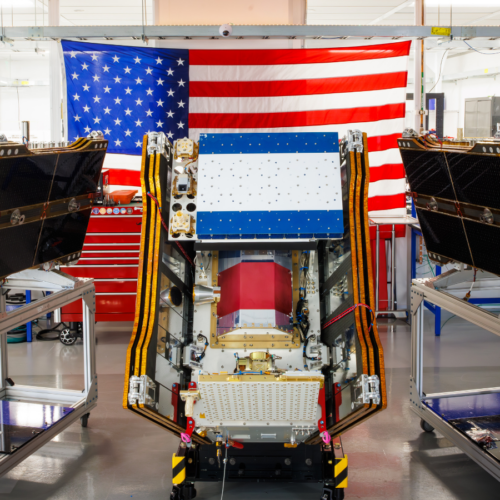
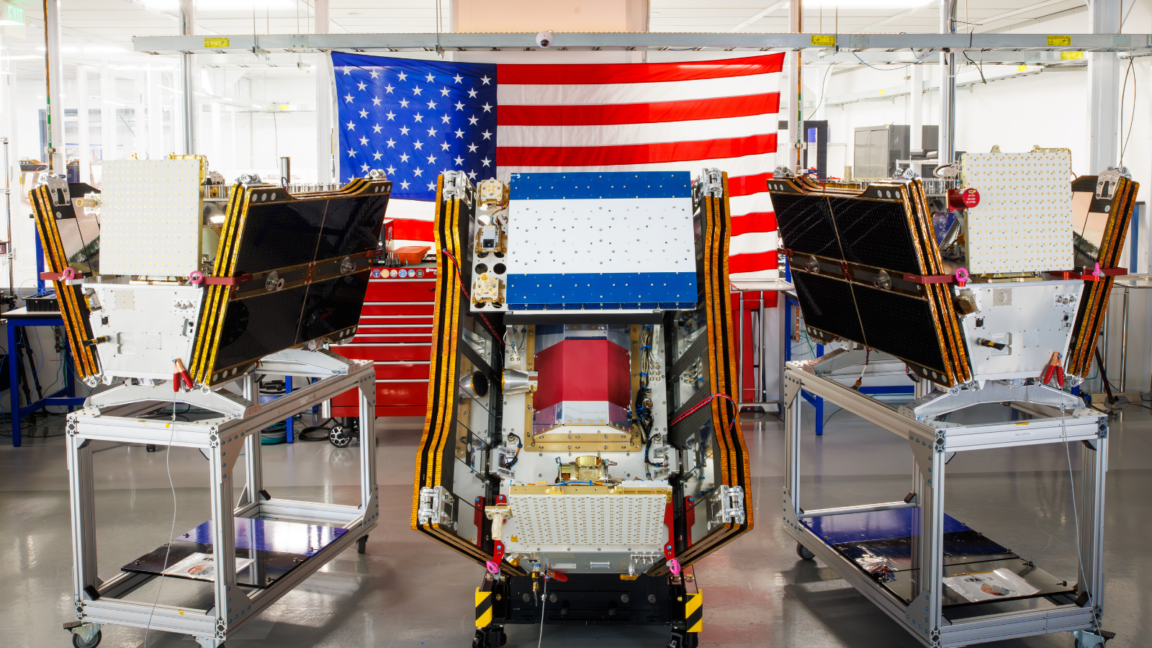
As smoke from hundreds of burning wildfires spread across Canada and the United States, the first three operational satellites in the Google-backed FireSat program successfully launched into orbit. The satellites will begin providing wildfire detection capable of spotting even small fires in the United States, Australia, and Europe before the end of the year.
The launch of the microsatellites aboard a SpaceX Falcon 9 rocket from Vandenberg Space Force Base in California on July 7, 2026 marks a transition to “initial operational capability” for the FireSat constellation managed by the nonprofit Earth Fire Alliance. After a three-month testing period, the three satellites will begin actively providing data to fire agencies while covering every fire-prone region on Earth at least twice per day.
FireSat represents the first satellite constellation purpose-built for detecting wildfires, including spotting smaller fires that other satellites may miss. The satellites were designed by California-based satellite manufacturer Muon Space and have received over $15 million from Google to support initial deployment. Other notable financial supporters include the Bezos Earth Fund that committed $26 million.


© Muon Space
Imagens de satélite do programa Copernicus revelam a dimensão das plumas de fumo provocadas pelos incêndios florestais no Canadá, que estão a afetar a qualidade do ar na costa leste dos Estados Unidos e a levantar preocupações antes da final do Mundial de Futebol.
The post Incêndios no Canadá: Imagens de satélite mostram avanço do fumo que pode afetar a final do Mundial appeared first on Tek Notícias.

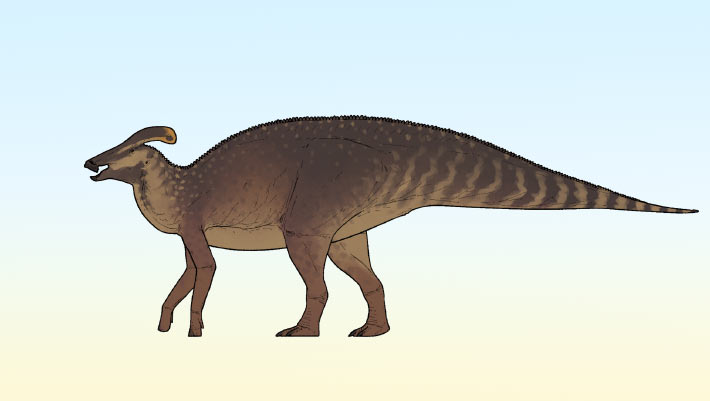
A new genus and species of lambeosaurine hadrosaurid dinosaur has been identified in southern Alberta, Canada, dating back 77 million years to the Campanian age of the Cretaceous period.
The post New Crested Dinosaur Species Identified in Canada appeared first on Sci.News: Breaking Science News.
Port expansion and protections for whales part of BC and Alberta plan to expand country’s presence overseas
The governments of Canada and the province of Alberta will move forward on a major new oil pipeline after the pair announced a plan to ease concerns of British Columbia and First Nations on the Pacific coast.
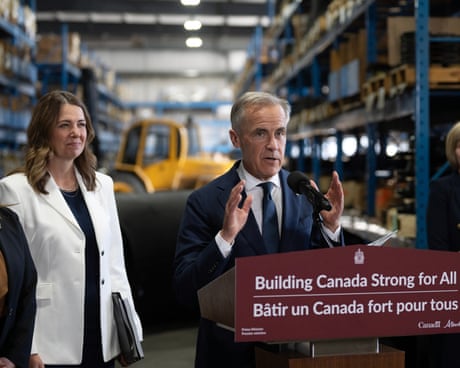
Canada’s prime minister, Mark Carney, shuttled between British Columbia and Alberta on Thursday to announce more than C$150bn in new investments in both provinces, part of a broader project of reducing trade with the United States and expanding his country’s presence in overseas markets.
Continue reading...
© Photograph: Canadian Press/Shutterstock

© Photograph: Canadian Press/Shutterstock

© Photograph: Canadian Press/Shutterstock

Read more of this story at Slashdot.

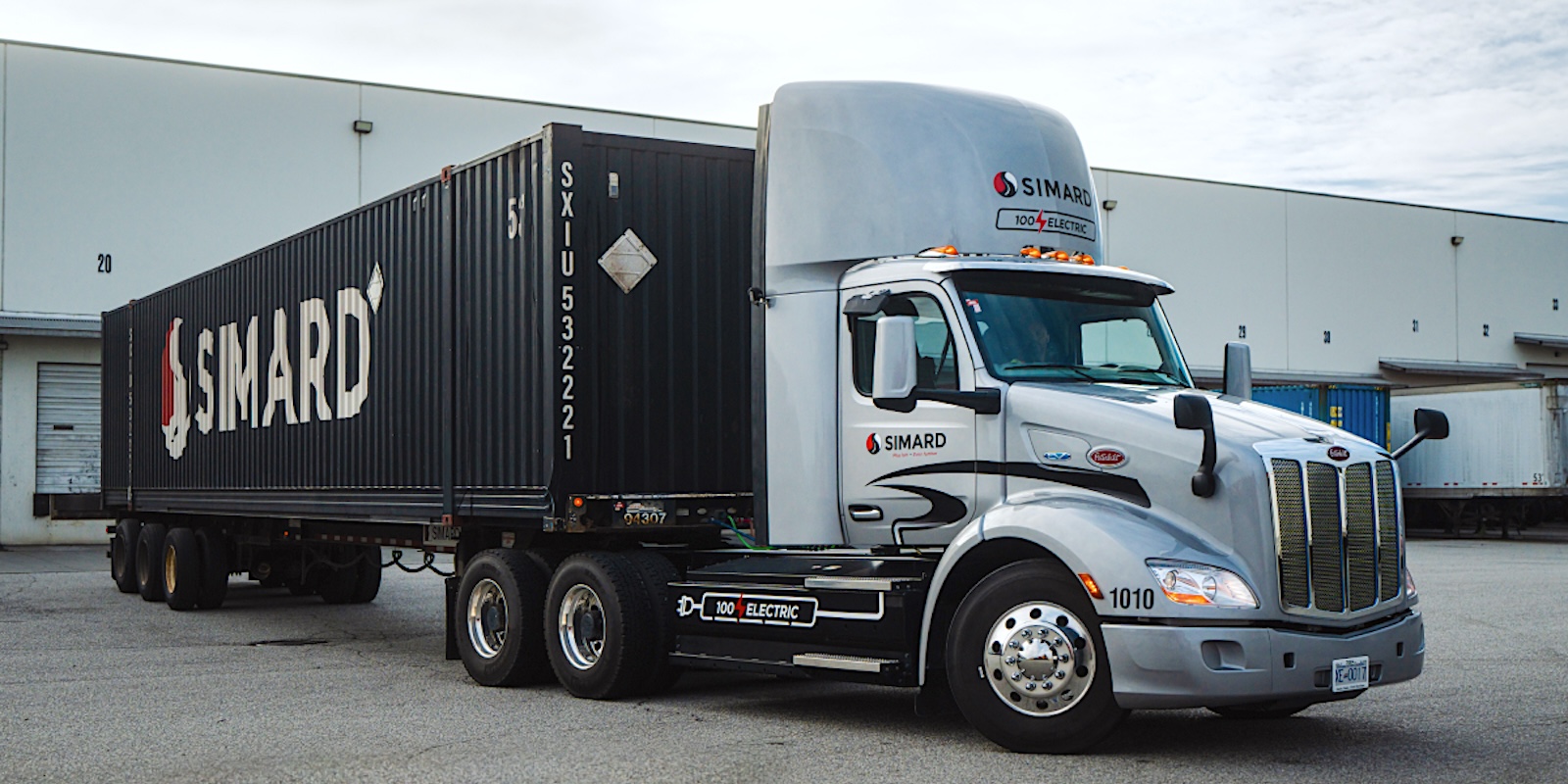
A fleet of electric Peterbilt 579EV Class 8 trucks is being put to work on container-hauling routes at the Port of Vancouver as part of a new, data-sharing pilot program designed to measure real-world benefits of electric drayage trucks on first-mile delivery routes.