Ian Clarke (aka ancient Slashdot reader Sanity), designer of the peer-to-peer communication platform Freenet, is back with an update on the project's progress following the launch of its P2P network in March. He writes: Earlier this year, Slashdot covered the launch of the completely redesigned Freenet. I recently gave a talk about what we've been building since then. Unlike traditional web applications, apps on Freenet have no central server or database; instead application state is distributed across the network. These now include decentralized group chat, publishing, search, and fully decentralized Git hosting. The talk also gets into some of Freenet's internals, including how we use machine learning for network routing.
Brad Lightcap, a longtime leader, said he was starting a new venture. His exit from the artificial intelligence company is the latest in a series there.
Uma nova investigação revela que mais de um terço das infeções por infostealers tem origem na execução de ficheiros diretamente a partir de pastas temporárias dos navegadores. Comportamentos de risco, como descarregar software de fontes não seguras, continuam a ser explorados pelos cibercriminosos.
O 9.º Tribunal de Recurso dos EUA recusou ontem o recurso das empresas tecnológicas, concluindo que a Secção 230 oferece uma defesa de responsabilidade, e não imunidade total. O julgamento que envolve 29 procuradores-gerais estatais começa esta quarta-feira em Oakland.
L’essor des drones sous-marins pourrait modifier en profondeur l’équilibre stratégique des océans. Des chercheurs chinois estiment que ces engins autonomes sont désormais capables de menacer une infrastructure essentielle.
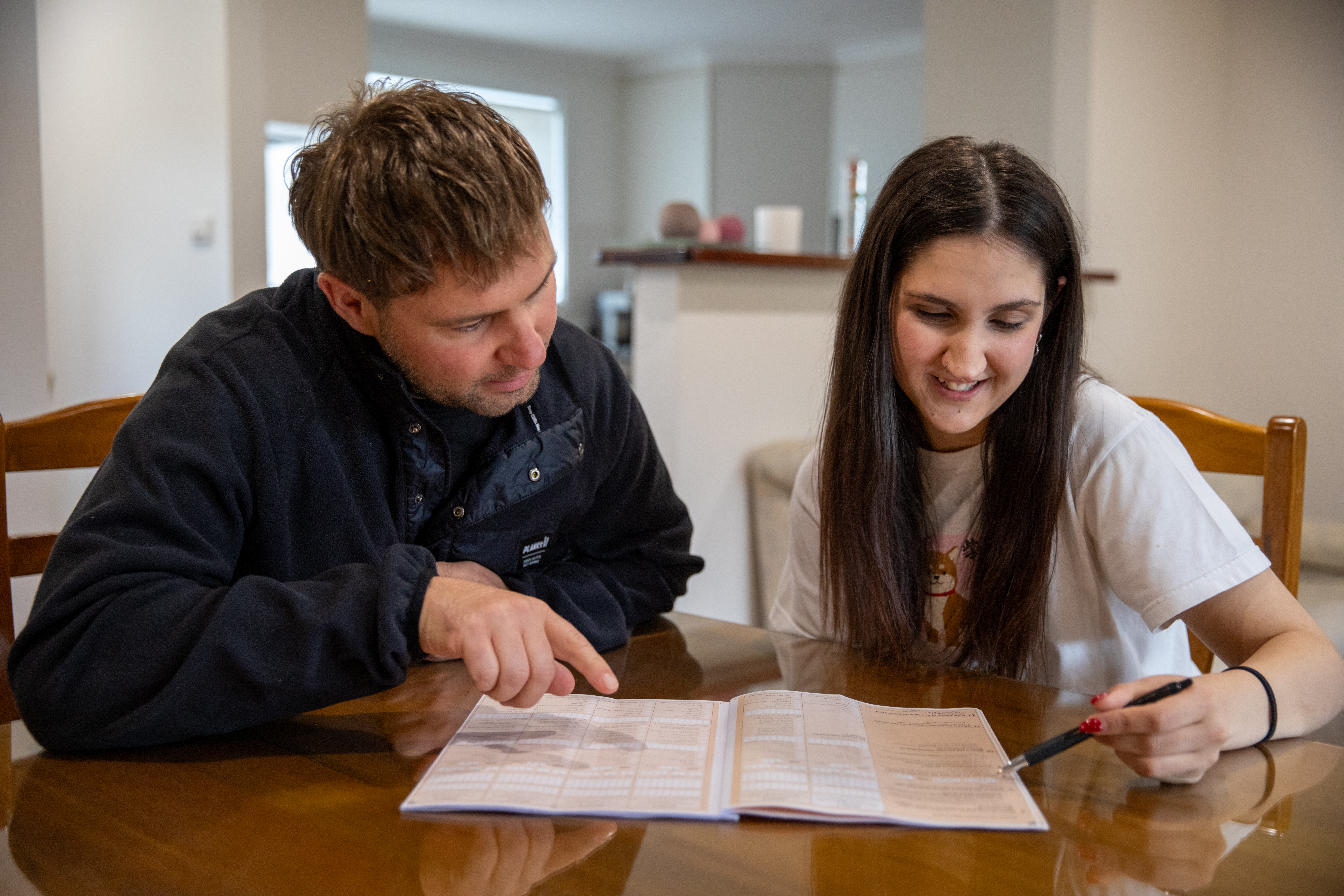
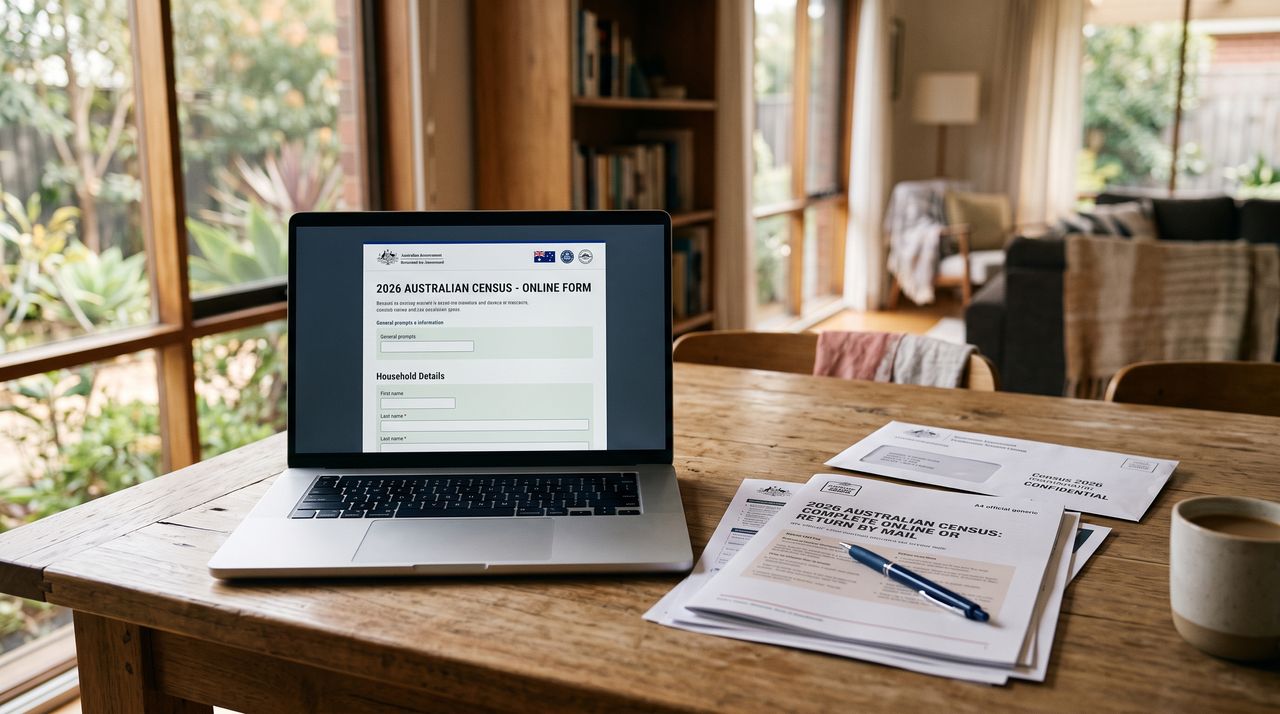
Every five years, the Australian Bureau of Statistics (ABS) takes a snapshot of Australia through the Census. The last one was held in 2021, which means households across the country are being contacted again in 2026.
The information collected helps show how Australia's population and households are changing and is used to plan services and infrastructure, from schools and hospitals to transport and housing.
This guide answers the key questions about the 2026 Census, including when to complete it, who needs to be counted, what happens if you're late, fines, privacy and what to do if you're away from home.
The ABS also has a handy guide to doing the Census. It's a useful overview, but we've gone a little further below by answering some of the practical questions it doesn't cover.
If you're unsure how the Census rules apply to your situation, call the Census Contact Centre on 1800 181 227 for advice.
When is the 2026 Census in Australia?
Census night for the 2026 Census is Tuesday August 11 2026. Think of it as the snapshot date: questions about where you're staying and who's in your household should reflect Tuesday night.
You can complete the form earlier if you've received your instructions and already know where you'll be on August 11. If your plans are still up in the air, it's better to wait until you know where you'll be staying.
Can you complete the Census after Census night?
Census night isn't a hard submission deadline. If you haven't completed the form on Tuesday August 11, you can still submit it on Wednesday, Thursday, Friday or later.
The ABS continues collecting forms and following up with households after Census night, so if you're late, complete it as soon as you can.
(Image credit: Australian Bureau of Statistics (ABS))
Is the 2026 Census compulsory in Australia?
Yes. Completing and submitting the 2026 Census is compulsory under the Census and Statistics Act 1905. But being late doesn't automatically mean you'll be fined.
The ABS first follows up with people who haven't completed their form. If someone still doesn't respond, they may be sent a written direction formally requiring them to provide the information. Ignoring that direction can lead to prosecution and a fine.
How much is the fine for not completing the Census?
If you've received a written direction and still don't comply, you can face a fine of up to AU$364 for each day you don't comply.
The Census is designed to count everyone who's in Australia on Census night. That includes babies and children, international students, visitors and visa holders.
That doesn't mean everyone fills out their own form. In most homes, one person completes the household form for everyone staying there that night.
What if you don't have a fixed address?
You should still be included in the Census. If you're experiencing homelessness, the ABS provides Census field staff and other support to help you take part. If you're staying with someone on Census night, you can be included on their household form.
If you're travelling around Australia without a fixed or return address, such as camping, or in a caravan or boat, you still need to be included in the Census.
You'll generally be counted where you're staying on Census night. A caravan, tent or boat can be counted as your dwelling for the night, including at a caravan park, camping ground or marina.
If you don't have a usual address, the 2026 Census form lets you record that. For the usual-address question, the ABS says to select Elsewhere in Australia, choose Enter address manually and enter None in the suburb/locality box.
How do you complete the 2026 Census?
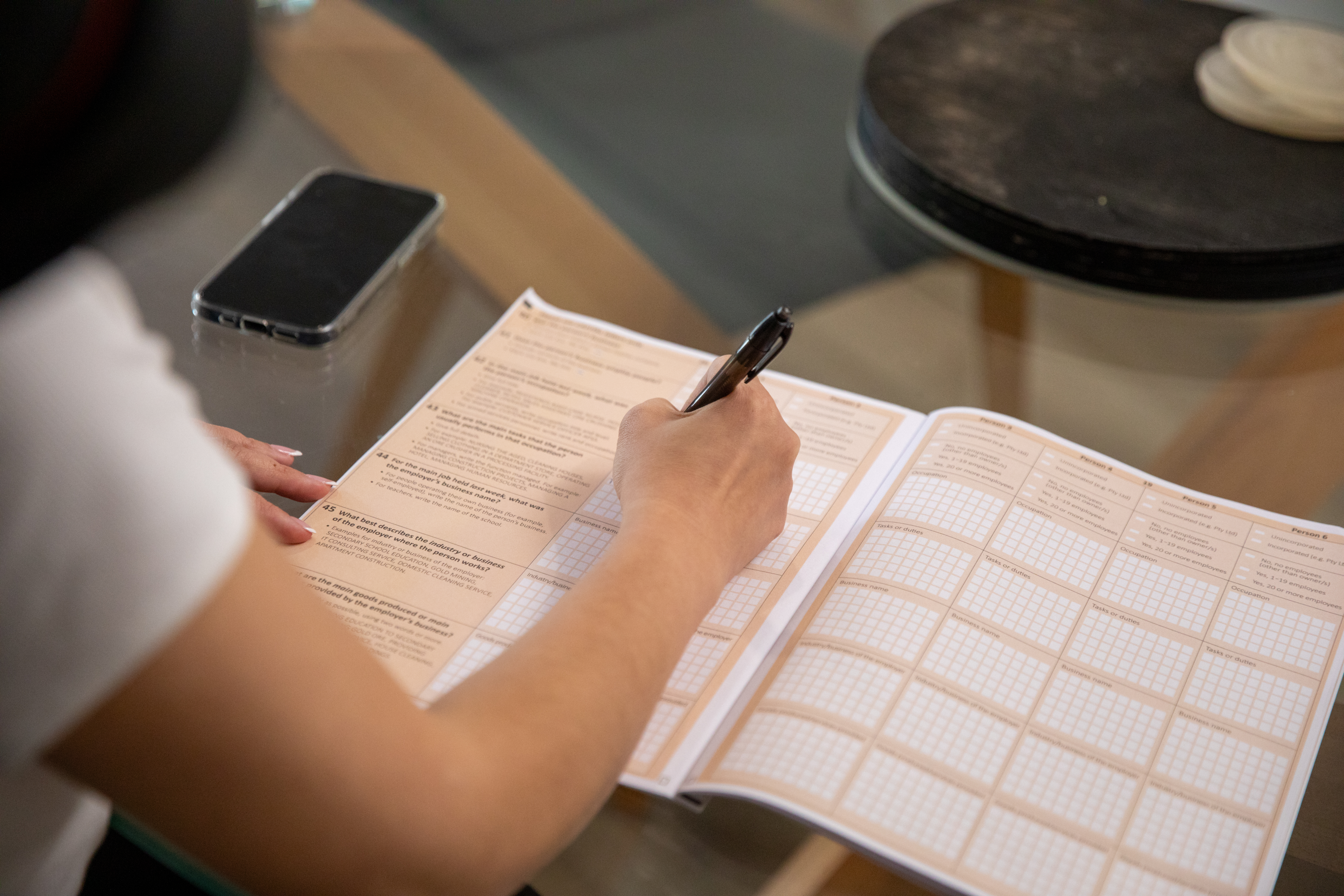
For most households, the process starts with instructions to complete the Census online. These include a Census number and temporary password you can use to access the form.
The ABS says the average household takes about 30 minutes to complete it.
What if you haven't received or have lost your Census letter?
Yes. Paper forms are available to anyone who wants one. Some households will receive a paper form automatically, while others can request one if they'd rather not complete the Census online.
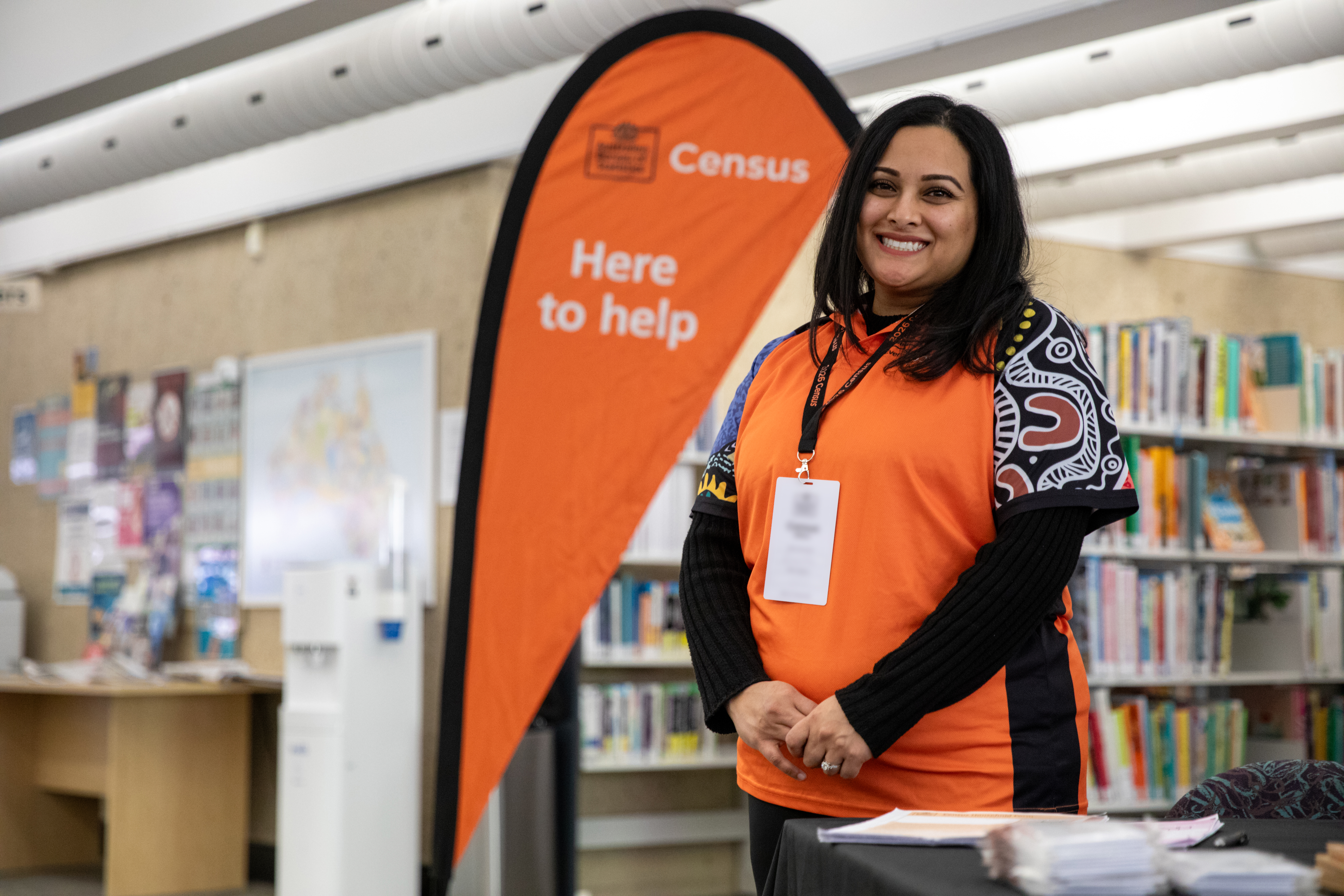
If you need help completing the Census, the Census website has support options, including language and accessibility support. You can also contact the Census Contact Centre on 1800 181 227.
What if there are more than six people in your household?
A paper Census form can include up to six people. If more than six people are staying at your address on Census night, you can complete the Census online or request an extra paper form.
Can you complete your Census answers privately?
Yes. If you don't want other people in your household to see your answers, you can request a separate Census form and complete your information privately. The ABS explains how this works in its 2026 Census collection notice.
Can you change your Census answers after submitting the form?
Once a Census form has been submitted, the ABS says it can't be reopened or edited.
We couldn't find specific online guidance for what happens if you complete the Census early and your plans later change, so we called the ABS media line to clarify. The advice was to contact the Census Contact Centre on 1800 181 227. They'll talk you through the options if your plans have changed or you've realised you made a significant mistake.
Separately, the ABS has processes for dealing with multiple responses. If more than one Census form is submitted for the same person, it keeps the one containing the most complete information about that person.
(Image credit: Australian Bureau of Statistics (ABS))
What if you're away from home on Census night?
If you're away from your usual home on Census night, you'll generally be counted where you actually spend the night. Your usual address can record you as temporarily away.
That can include staying with friends or family or spending the night in a hotel, hospital or aged care home. The ABS also has arrangements for people travelling overnight by plane, train or bus.
If you're temporarily overseas on Census night, you won't be counted in the Census for that night.
What if you're working on Census night?
If you're working overnight but will return to your usual home on Wednesday August 12 and won't be included on a Census form elsewhere, the ABS says you can be included on the form for your usual home.
How are FIFO workers counted in the Census?
Fly-in, fly-out (FIFO) workers who are staying at a worksite or camp on Census night should generally be counted there. For example, if you normally live in Perth but you're at a mining camp in the Pilbara, you'd be counted at the camp and listed as temporarily away from your usual address in Perth.
Why might a Census field officer visit your home?
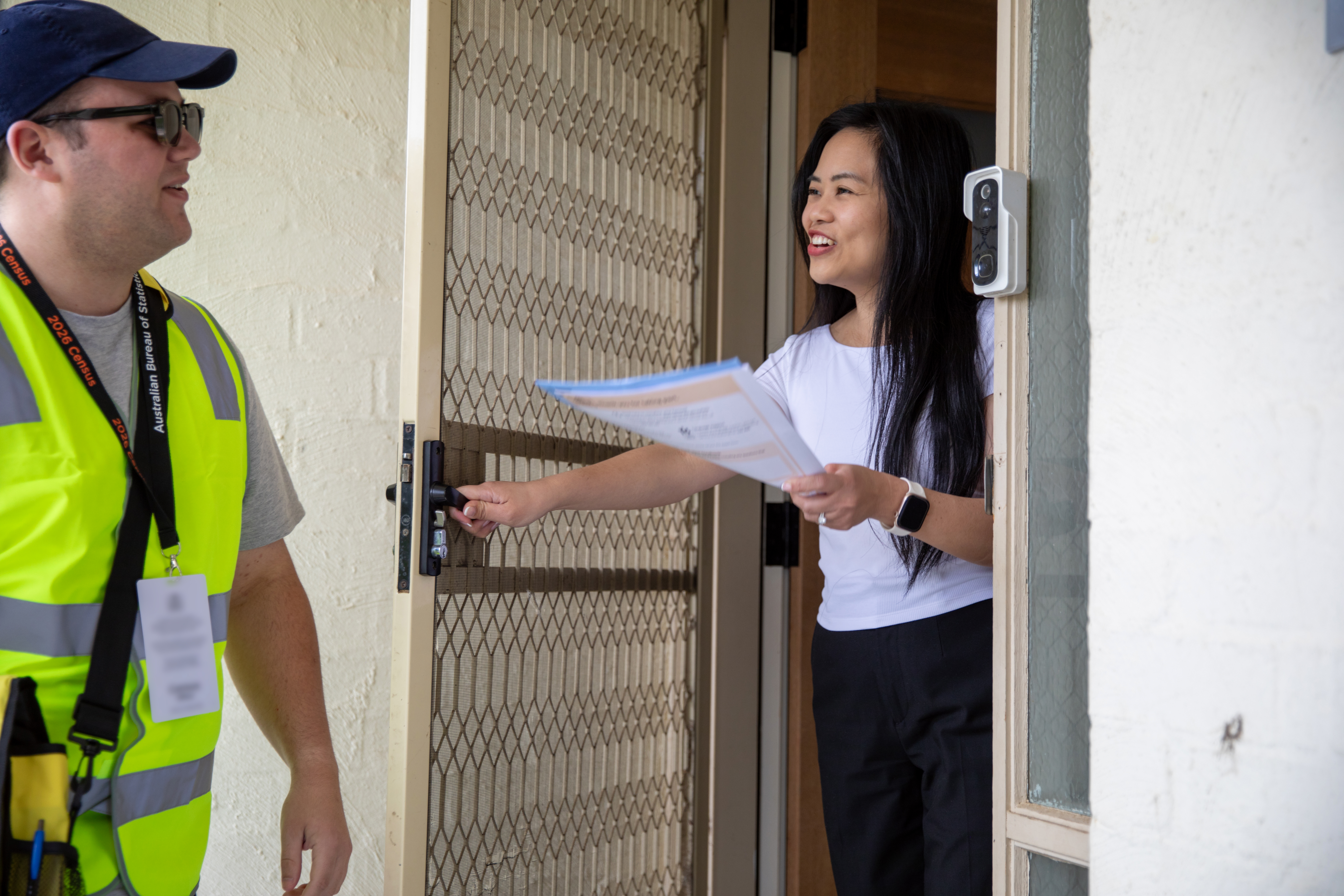
Census field officers may visit homes to deliver letters or forms, help people complete the Census or follow up after Census night where a completed form hasn't been received.
So a knock at the door doesn't automatically mean there's a problem. In some areas, field visits are simply part of how the Census is carried out.
How can you check if a Census worker is genuine?
If someone claiming to work for the Census contacts you and you're unsure whether they're genuine, verify them through official ABS channels rather than relying on the contact details they give you. Use the official Census website or call the Census Contact Centre on 1800 181 227.
How can you tell if a Census text, email or website is genuine?
The same caution applies to texts, emails and websites. The ABS says genuine Census text messages use the sender ID CENSUS, while texts about other ABS surveys use ABSGov. The official Census website uses a .gov.au address.
(Image credit: Australian Bureau of Statistics (ABS))
What questions are on the 2026 Census?
The 2026 Census contains 66 questions covering areas such as your household, age, cultural background, education, work and income, housing, religion and people who are away on Census night.
One of the biggest changes in 2026 is the addition of questions about gender and sexual orientation. Everyone is asked about their sex as recorded at birth, while people aged 16 and over are also asked about their gender and how they describe their sexual orientation.
The ABS says the change is intended to build a clearer picture of Australia's LGBTQ+ population and help inform health and community services. If you'd prefer not to answer, both the gender and sexual orientation questions include a prefer not to answer option.
People can also report up to four ancestries in the 2026 Census.
Do you have to answer every Census question?
No. The question about religion is explicitly marked as optional on the 2026 Census form.
The gender and sexual orientation questions for people aged 16 and over also include a "prefer not to answer" option. So, while taking part in the Census itself is compulsory, that doesn't mean every question requires you to provide a particular answer.
Is your 2026 Census information private?
Yes. Census information is protected by law, and the ABS says it doesn't share identifiable information from your Census form with other government departments or direct marketing companies.
That means your individual Census answers aren't handed to the Australian Taxation Office (ATO) to check your tax return or to Centrelink to check your eligibility for a payment.
No. The Census isn't anonymous because it asks for names and addresses. However, the ABS separates names and addresses from other Census information after processing.
When will the 2026 Census results be released?
The first 2026 Census results are due to be released in June 2027, with further data releases continuing into 2028.
Census data will be free to access through ABS tools including QuickStats, TableBuilder and ABS Data Maps.
(Image credit: Australian Bureau of Statistics (ABS))
Adding more fuel to the fire over which city is actually Australia’s best place to live, those residing in the all-seasons-in-a-day city of Melbourne have a new statistic on their side — and it all relates to fixed-line broadband speed.
Ookla, the company behind the hugely popular Speedtest tool that helps anyone diagnose their home internet speeds, has published its latest Global Index rankings, revealing median fixed-broadband download speeds by country and city.
As a country, Australia is slowly but surely moving up the table. There was a time we ranked as low as 86th, but we now sit at 50th, with a median fixed-broadband download speed of 162.34Mbps.
That improvement follows NBN Co’s September 2025 speed-tier shake-up, which introduced a 2Gbps wholesale option for eligible FTTP and HFC premises, alongside faster speeds on several existing higher-end tiers. Of course, not every Australian can access 2Gbps just yet — and, as we’ll see, the plan you choose is only one part of the equation.
For context, Singapore takes the crown with a median download speed of 447.75Mbps. One can only dream of a day when that becomes a reality Down Under.
Why the huge gap?
There are several reasons why Australia trails the pack so dramatically — although with 141 other countries clocking slower speeds, things could certainly be worse — and, in my mind, one of the most obvious is that many Australians are still connected to comparatively slow NBN plans.
The most recent report, covering the March quarter of 2026 and published in July, revealed there were just over 2.665 million active 50Mbps NBN connections, out of a total of 8.839 million residential broadband services. That works out to around 30.2%.
A 50Mbps plan naturally puts a ceiling on the speed a customer can record in a Speedtest. If enough users on lower-speed tiers are represented in Ookla’s sample, that will bring the national median down.
One relatively straightforward way for Australia’s international standing to improve, then, is for more eligible households to take advantage of NBN Co’s free fibre upgrade. The program is open to millions of eligible FTTN and FTTC premises, allowing them to upgrade to FTTP if they take out an eligible high-speed service — such as one of the best NBN 500 plans.
A fixed-line civil war
Move the slider over to ‘City’ and the results become much more varied, with cities from North and South America, Asia and Europe all jostling for position. Valparaíso in Chile takes the crown with a huge 425.84Mbps, followed by Abu Dhabi with 399.92Mbps, for example.
Australian cities evidently have some work to do. Scroll down to position 64 and you hit Melbourne with a median download speed of 177.69Mbps — faster than Australia’s national median, it must be said — while Sydney trails behind in position 76 with a meagre 149.91Mbps.
A difference of 27.78Mbps might not sound like much, but Melbourne’s median result is around 18.5% faster than Sydney’s. When intercity tensions are already high, that’s a huge bragging right for the southerners.
Wait, we can (try to) explain
Nobody ever wants to be seen as the weaker of two, and while the reported figures are great news for people in Victoria, there is potentially a plethora of factors at play that pave the way for a Melbourne victory.
We’re not here to make excuses, of course, but there are plenty of unknowns.
Firstly, there could simply be a larger proportion of Melburnians connected via superior fibre-to-the-premises infrastructure. FTTP allows households to access the fastest NBN plans, including the newer multi-gigabit options where available.
While it’s not totally conclusive, there is some evidence to support this idea. That evidence is publicly available technology-mix figures, although they’re reported at a state level, rather than for Greater Melbourne and Greater Sydney specifically. Data compiled from NBN rollout information indicates Victoria has a higher share of premises using FTTP than NSW — roughly 66% versus 60% — while it also indicates there are more active connections on the inferior fibre to the node (FTTN) connection type in NSW too.
This doesn’t completely settle the argument. The figures not only include regional areas, but they also show the technology available to a property, as opposed to an active plan supplying an address.
All fixed-line connections are welcome
Furthermore, on the subject of NBN, Ookla’s Speedtest results don’t only capture NBN connections, but fixed-broadband tests from other fixed networks too, including private fibre operators. Both Melbourne and Sydney are home to several such networks, including Vocus, GigaComm and OptiComm, while Melbourne also has DGtek — a private FTTP network concentrated in the city’s CBD and inner south-east.
Exact figures for active connections on those networks are tricky to come by. But if Melbourne has a higher concentration of people connected to these kinds of high-speed private fibre services, they could be recording considerably quicker test results and helping push its city median upwards.
Not telling the complete story?
Another excuse potential explainer is the way Ookla collects its data. Whereas the ACCC’s Measuring Broadband Report — which published its final instalment in June 2026 — monitors a selected group of Australian homes across nine popular ISPs, Ookla receives data when people choose to run a Speedtest.
This doesn’t mean someone repeatedly checking their connection can single-handedly skew the data, as Ookla averages each unique user’s results into a single sample for the relevant time period and location. Still, the results are dependent on who chooses to test. Melbourne’s sample could contain a different mix of internet plans, connection technologies, devices and Wi-Fi setups than Sydney’s.
(Image credit: TP-Link)
When did you last check your Wi-Fi router?
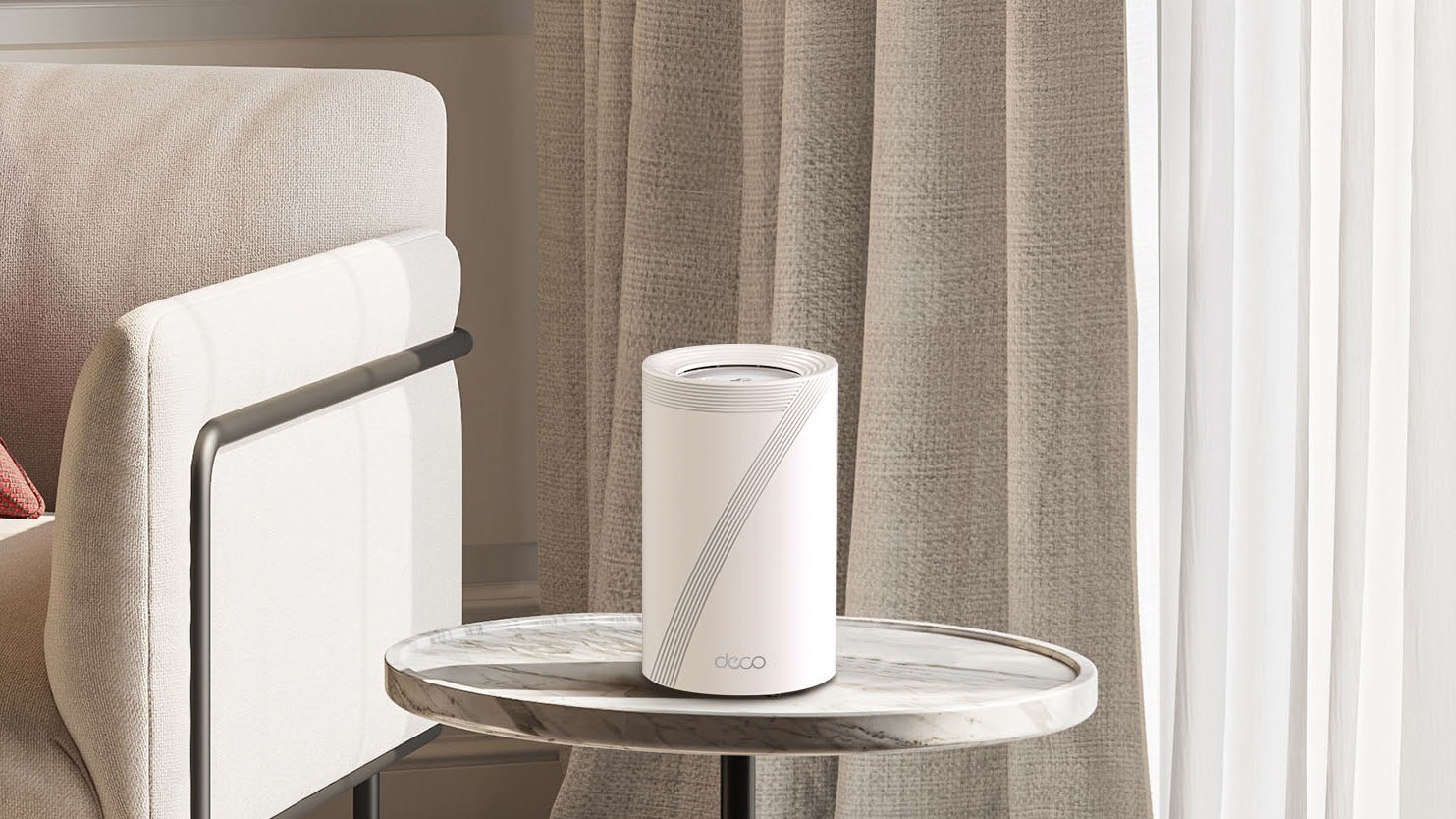
Home equipment can make a considerable difference too. A household with a Wi-Fi 5 router tucked away in a cupboard, a busy 2.4GHz network and a phone testing from the other end of the house could record a much slower result than the same connection tested over Ethernet.
On the flip side, a newer Wi-Fi 6E or Wi-Fi 7 router, a properly positioned mesh system and a compatible device can give a household a far better chance of getting close to the speeds it actually pays for. That doesn’t make the underlying internet plan any faster, of course — it simply means the home network is less likely to be the bottleneck.
If your own Speedtest result seems suspiciously low, it may be worth checking out our guide to the best mesh Wi-Fi systems to find out if your home could benefit from an upgrade.
And, trying to claw a point back for Sydney, it can be argued that people often run a speed test when their internet connection starts lagging. While Melbourne’s median tested speed is higher, that doesn’t necessarily mean every connection in the city is consistently faster or more reliable.
A new NYT Strands puzzle appears at midnight each day for your time zone – which means that some people are always playing 'today's game' while others are playing 'yesterday's'. If you're looking for Monday's puzzle instead then click here: NYT Strands hints and answers for Monday, August 10 (game #890).
Strands is the NYT's latest word game after the likes of Wordle, Spelling Bee and Connections – and it's great fun. It can be difficult, though, so read on for my Strands hints.
Want more word-based fun? Then check out my NYT Connections today and Quordle today pages for hints and answers for those games, and Marc's Wordle today page for the original viral word game.
SPOILER WARNING: Information about NYT Strands today is below, so don't read on if you don't want to know the answers.
NYT Strands today (game #891) - hint #1 - today's theme
What is the theme of today's NYT Strands?
• Today's NYT Strands theme is… Fresh from the market
NYT Strands today (game #891) - hint #2 - clue words
Play any of these words to unlock the in-game hints system.
CHEEP
HINTS
CHIVE
COME
TRACE
MANOR
NYT Strands today (game #891) - hint #3 - spangram letters
How many letters are in today's spangram?
• Spangram has 13 letters
NYT Strands today (game #891) - hint #4 - spangram position
What are two sides of the board that today's spangram touches?
• First side: left, 5th row
• Last side: right, 8th row
Right, the answers are below, so DO NOT SCROLL ANY FURTHER IF YOU DON'T WANT TO SEE THEM.
NYT Strands today (game #891) - the answers
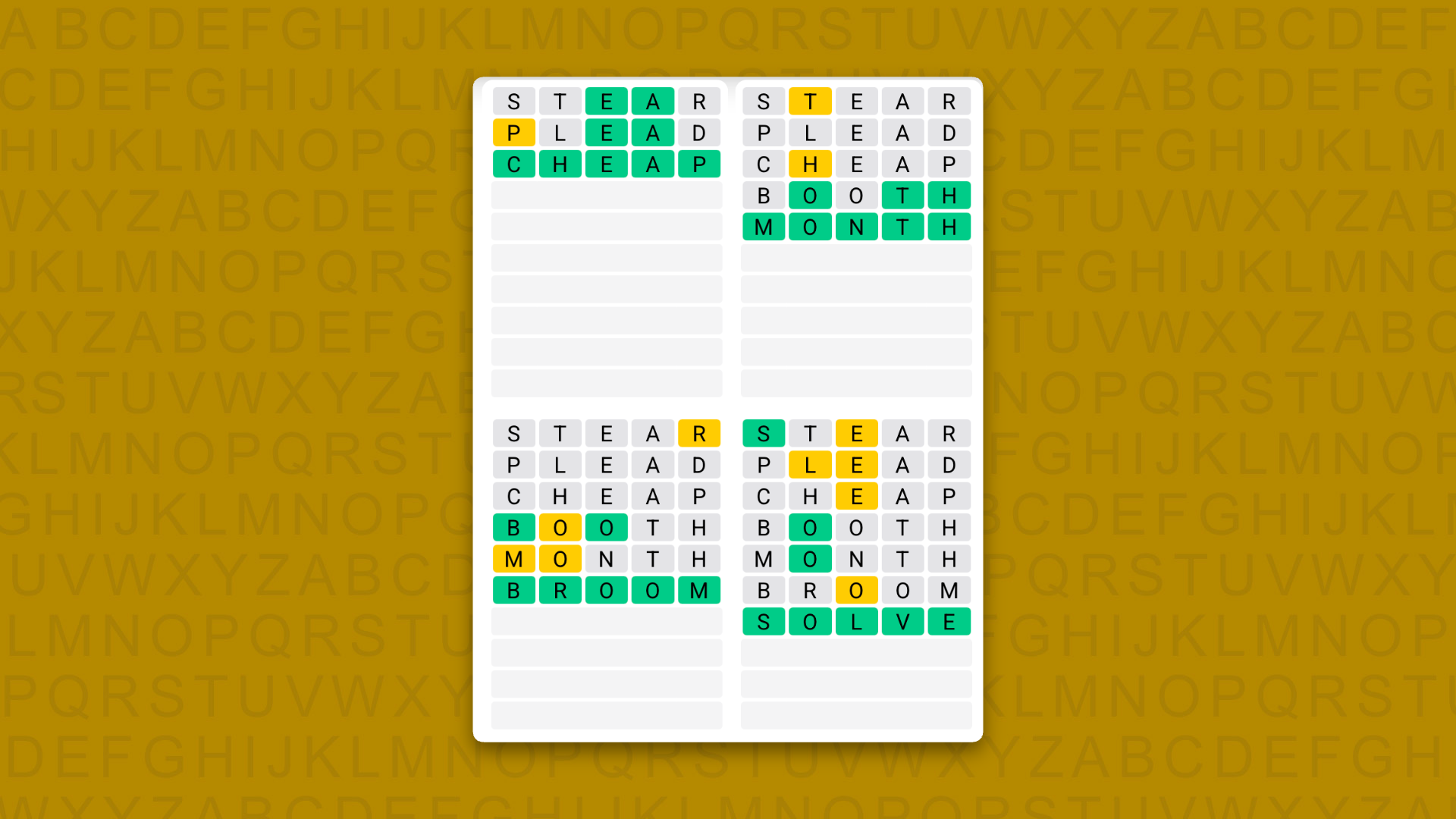
(Image credit: New York Times)
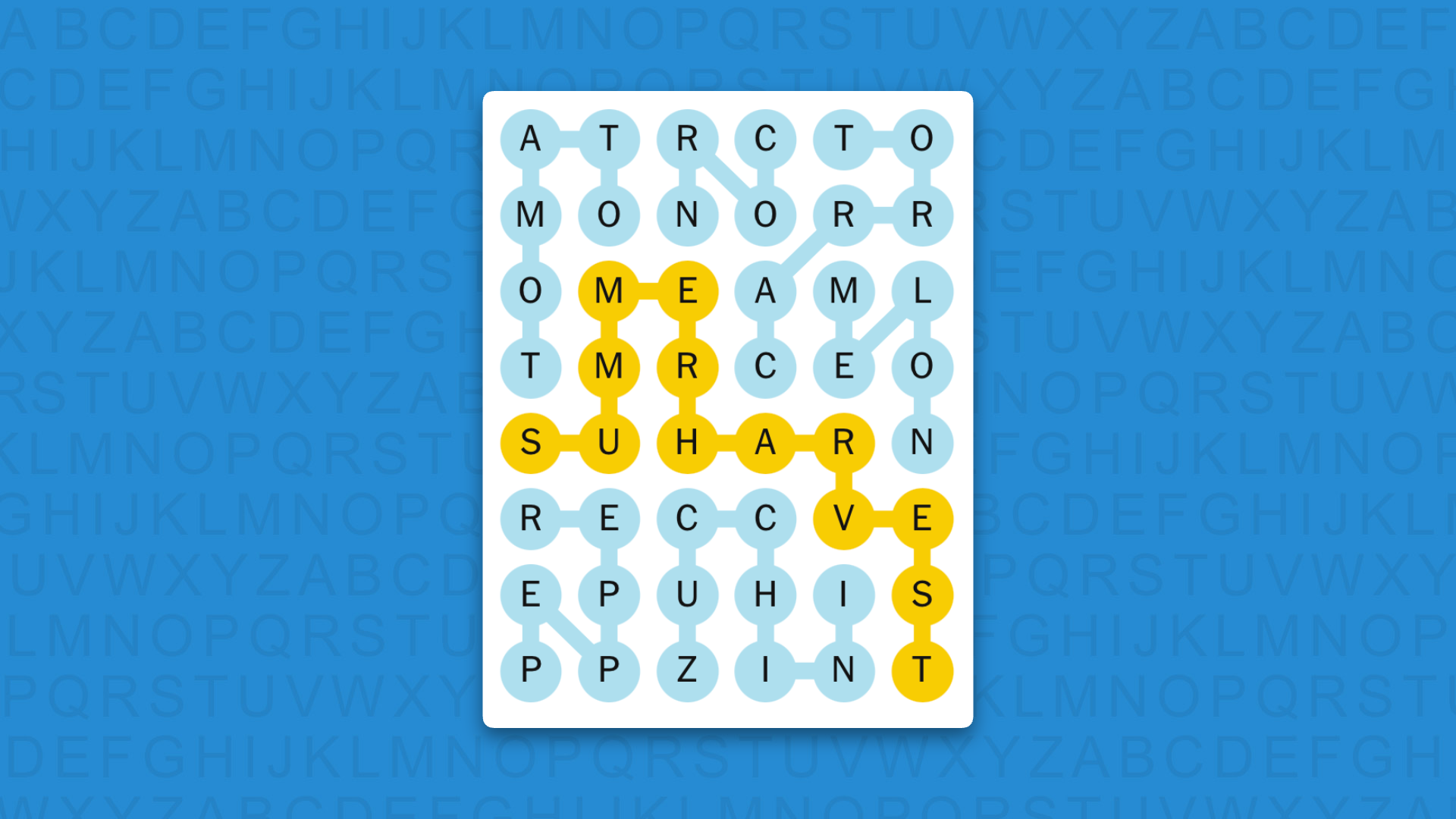
The answers to today's Strands, game #891, are…
TOMATO
ZUCCHINI
PEPPER
MELON
CORN
CARROT
SPANGRAM: SUMMERHARVEST
My rating: Easy
My score: Perfect
One for the veggie lovers among us.
ZUCCHINI took me a while to put together, in part because I come from a land where we call zucchini courgettes, but mainly because I can’t spell and missed the double C.
This misstep aside I sped through today’s game, finding it harder to find a decent crop of non-game words.
Yesterday's NYT Strands answers (Monday, August 10, game #890)
DATA
FACTS
FIGURES
STATISTICS
SPECIFICS
SPANGRAM: PROOFPOSITIVE
What is NYT Strands?
Strands is the NYT's not-so-new-any-more word game, following Wordle and Connections. It's now a fully fledged member of the NYT's games stable that has been running for a year and which can be played on the NYT Games site on desktop or mobile.
I've got a full guide to how to play NYT Strands, complete with tips for solving it, so check that out if you're struggling to beat it each day.
A new Quordle puzzle appears at midnight each day for your time zone – which means that some people are always playing 'today's game' while others are playing 'yesterday's'. If you're looking for Monday's puzzle instead then click here: Quordle hints and answers for Monday, August 10 (game #1659).
Quordle was one of the original Wordle alternatives and is still going strong now more than 1,500 games later. It offers a genuine challenge, though, so read on if you need some Quordle hints today — or scroll down further for the answers.
Enjoy playing word games? You can also check out my NYT Connections today and NYT Strands today pages for hints and answers for those puzzles, while Marc's Wordle today column covers the original viral word game.
SPOILER WARNING: Information about Quordle today is below, so don't read on if you don't want to know the answers.
Quordle today (game #1660) — hint #1 — Vowels
How many different vowels are in Quordle today?
• The number of different vowels in Quordle today is 4*.
* Note that by vowel we mean the five standard vowels (A, E, I, O, U), not Y (which is sometimes counted as a vowel too).
Quordle today (game #1660) — hint #2 — repeated letters
Do any of today's Quordle answers contain repeated letters?
• The number of Quordle answers containing a repeated letter today is 0.
Quordle today (game #1660) — hint #3 — uncommon letters
Do the letters Q, Z, X or J appear in Quordle today?
• No. None of Q, Z, X or J appear among today's Quordle answers.
What letters do today's Quordle answers start with?
• O
• B
• T
• S
Right, the answers are below, so DO NOT SCROLL ANY FURTHER IF YOU DON'T WANT TO SEE THEM.
Quordle today (game #1660) — the answers
(Image credit: Merriam-Webster)
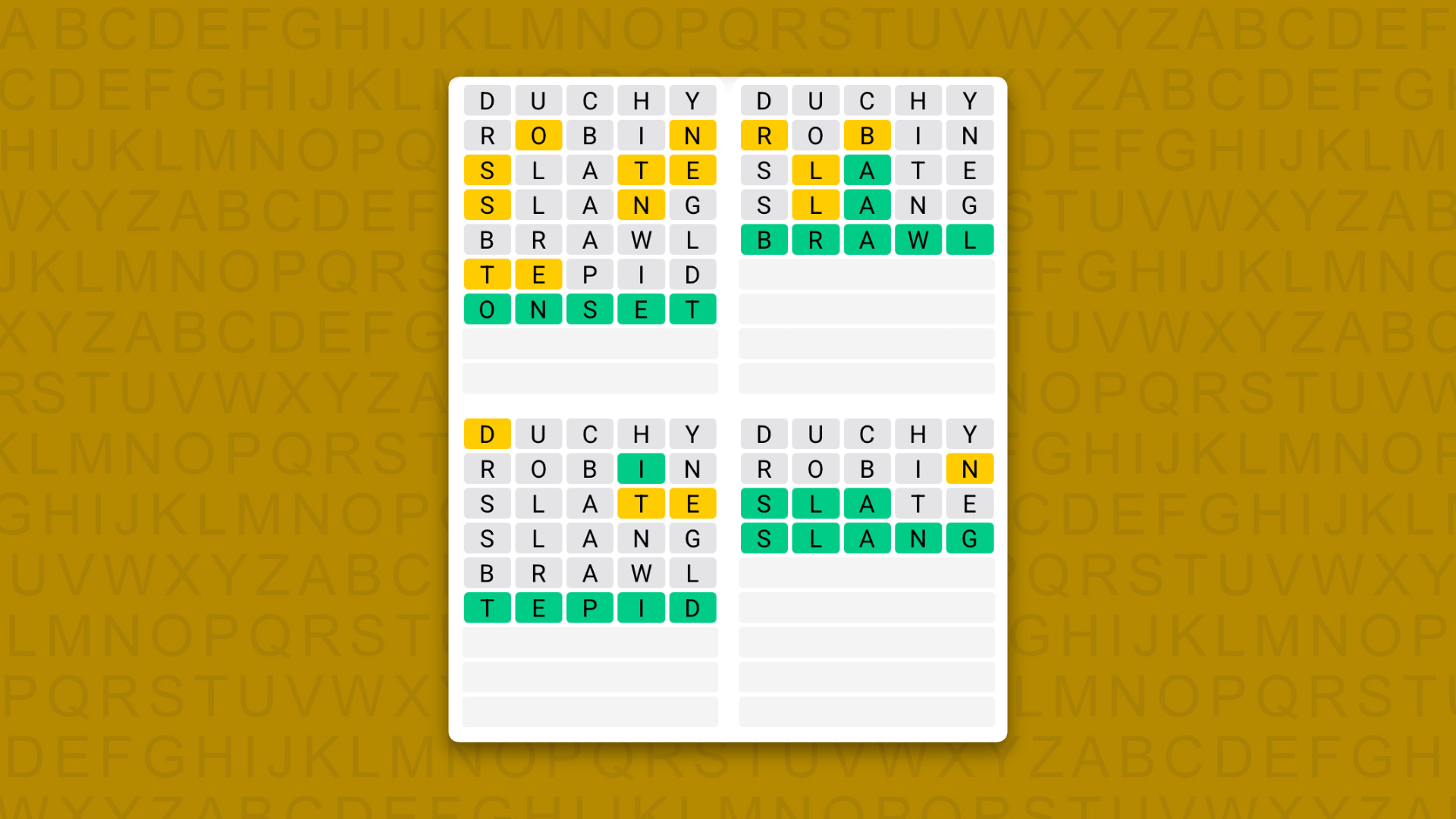
The answers to today's Quordle, game #1660, are…
ONSET
BRAWL
TEPID
SLANG
Sometimes I like to look at the four Quordle words as a creative writing task and imagine a story, or the opening of a story based on them.
Most days, it’s impossible but today is a good one — an urban tale of young men who are quick with their fists but whose lack of streetwise vernacular is embarrassingly poor.
Daily Sequence today (game #1660) — the answers
(Image credit: Merriam-Webster)
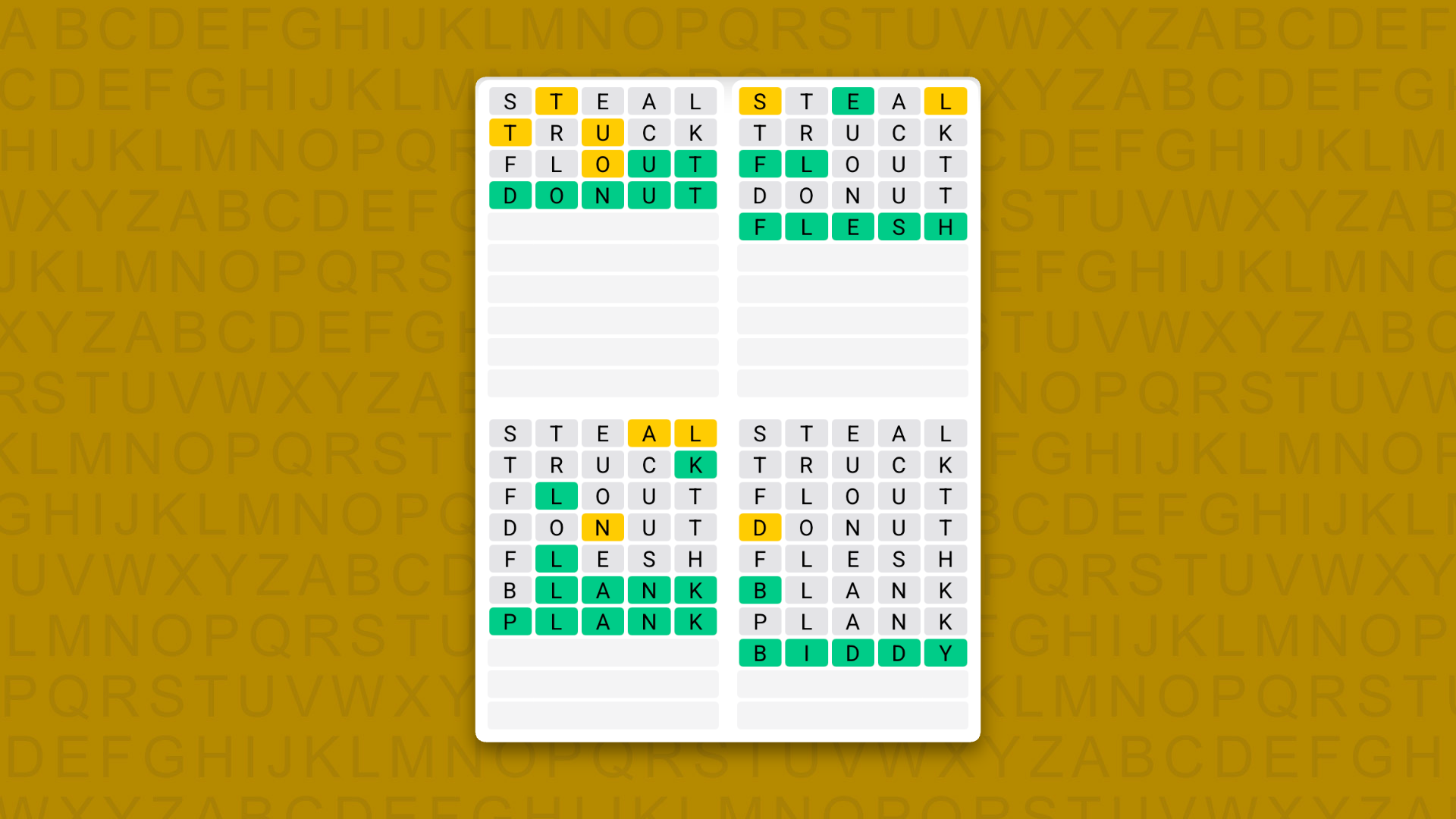
The answers to today's Quordle Daily Sequence, game #1660, are…
The release of Muse Glimmer, a model that can be freely downloaded and modified, is likely to intensify a debate over whether A.I. should be restricted.
Taiwan deliberately throttled mobile internet across the Taichung area during its annual Han Kuang war games, "simulating communication disruption in the event of a Chinese attack or natural disaster," reports Reuters. The drill accompanied air-raid exercises and military rehearsals aimed at defending strategically important areas such as the Penghu Islands. From the report: Democratically governed Taiwan, which China claims as its own territory, has long lived with the threat of a Chinese invasion and holds air raid drills along with its war games every year, clearing people from the streets for 30 minutes. During the internet "throttling" drill, centered on Monday on the major central metropolis of Taichung, only basic mobile phone services worked, though other functions including ATMs, traffic signals, landlines and fixed internet services were not affected.
Air raid sirens rang out in Taichung "and people cleared the streets from 2:30 p.m. (0630 GMT) as the government sent simultaneous text messages in Chinese and English telling mobile phone users of "simulated air attacks on communication infrastructure." The government had widely flagged the drill ahead of time, including posting details on social media, and most people Reuters spoke to at the Taichung train station were prepared. [...] The same exercise will be repeated on Thursday in northern Taiwan, including the capital Taipei.
As data centers gobble up memory chips, other industries that need the components, including electronics companies like Apple and medical device makers, are asking for government help.
O novo modelo da OpenAI pode ser capaz de identificar e explorar vulnerabilidades "zero-day" em sistemas reais de forma autónoma, sem intervenção humana. A empresa ativou protocolos de segurança e vai envolver agências governamentais na sua avaliação
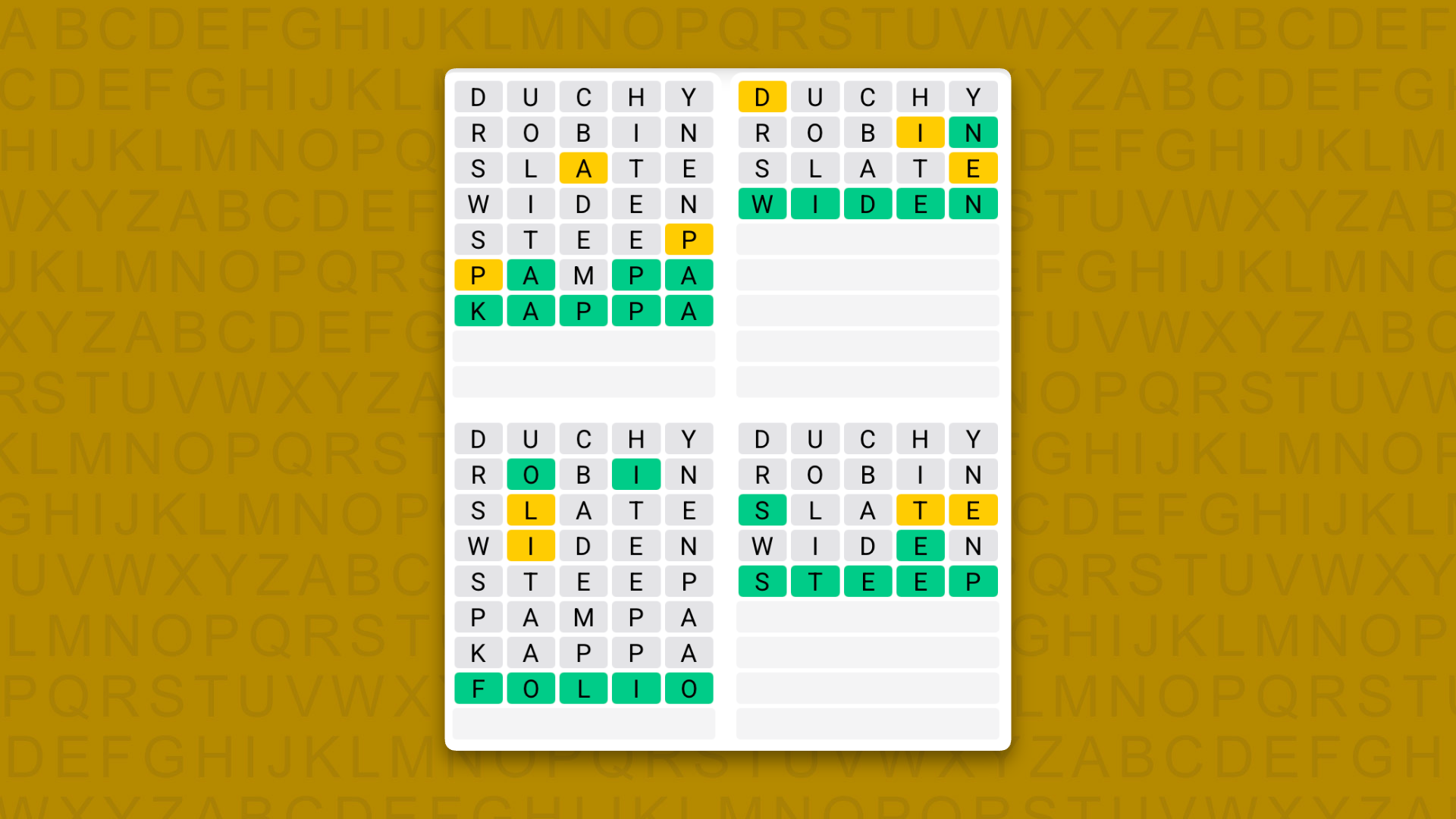
A new Quordle puzzle appears at midnight each day for your time zone – which means that some people are always playing 'today's game' while others are playing 'yesterday's'. If you're looking for Saturday's puzzle instead then click here: Quordle hints and answers for Saturday, August 8 (game #1657).
Quordle was one of the original Wordle alternatives and is still going strong now more than 1,500 games later. It offers a genuine challenge, though, so read on if you need some Quordle hints today — or scroll down further for the answers.
Enjoy playing word games? You can also check out my NYT Connections today and NYT Strands today pages for hints and answers for those puzzles, while Marc's Wordle today column covers the original viral word game.
SPOILER WARNING: Information about Quordle today is below, so don't read on if you don't want to know the answers.
Quordle today (game #1658) — hint #1 — Vowels
How many different vowels are in Quordle today?
• The number of different vowels in Quordle today is 4*.
* Note that by vowel we mean the five standard vowels (A, E, I, O, U), not Y (which is sometimes counted as a vowel too).
Quordle today (game #1658) — hint #2 — repeated letters
Do any of today's Quordle answers contain repeated letters?
• The number of Quordle answers containing a repeated letter today is 3.
Quordle today (game #1658) — hint #3 — uncommon letters
Do the letters Q, Z, X or J appear in Quordle today?
• No. None of Q, Z, X or J appear among today's Quordle answers.
A new NYT Strands puzzle appears at midnight each day for your time zone – which means that some people are always playing 'today's game' while others are playing 'yesterday's'. If you're looking for Saturday's puzzle instead then click here: NYT Strands hints and answers for Saturday, August 8 (game #888).
Strands is the NYT's latest word game after the likes of Wordle, Spelling Bee and Connections – and it's great fun. It can be difficult, though, so read on for my Strands hints.
Want more word-based fun? Then check out my NYT Connections today and Quordle today pages for hints and answers for those games, and Marc's Wordle today page for the original viral word game.
SPOILER WARNING: Information about NYT Strands today is below, so don't read on if you don't want to know the answers.
NYT Strands today (game #889) - hint #1 - today's theme
What is the theme of today's NYT Strands?
• Today's NYT Strands theme is… Isn’t that a bit much
NYT Strands today (game #889) - hint #2 - clue words
Play any of these words to unlock the in-game hints system.
RANG
WRATH
FRIED
RULER
FLIRTED
THERE
NYT Strands today (game #889) - hint #3 - spangram letters
How many letters are in today's spangram?
• Spangram has 9 letters
NYT Strands today (game #889) - hint #4 - spangram position
What are two sides of the board that today's spangram touches?
• First side: left, 1st row
• Last side: right, 4th row
Right, the answers are below, so DO NOT SCROLL ANY FURTHER IF YOU DON'T WANT TO SEE THEM.
NYT Strands today (game #889) - the answers
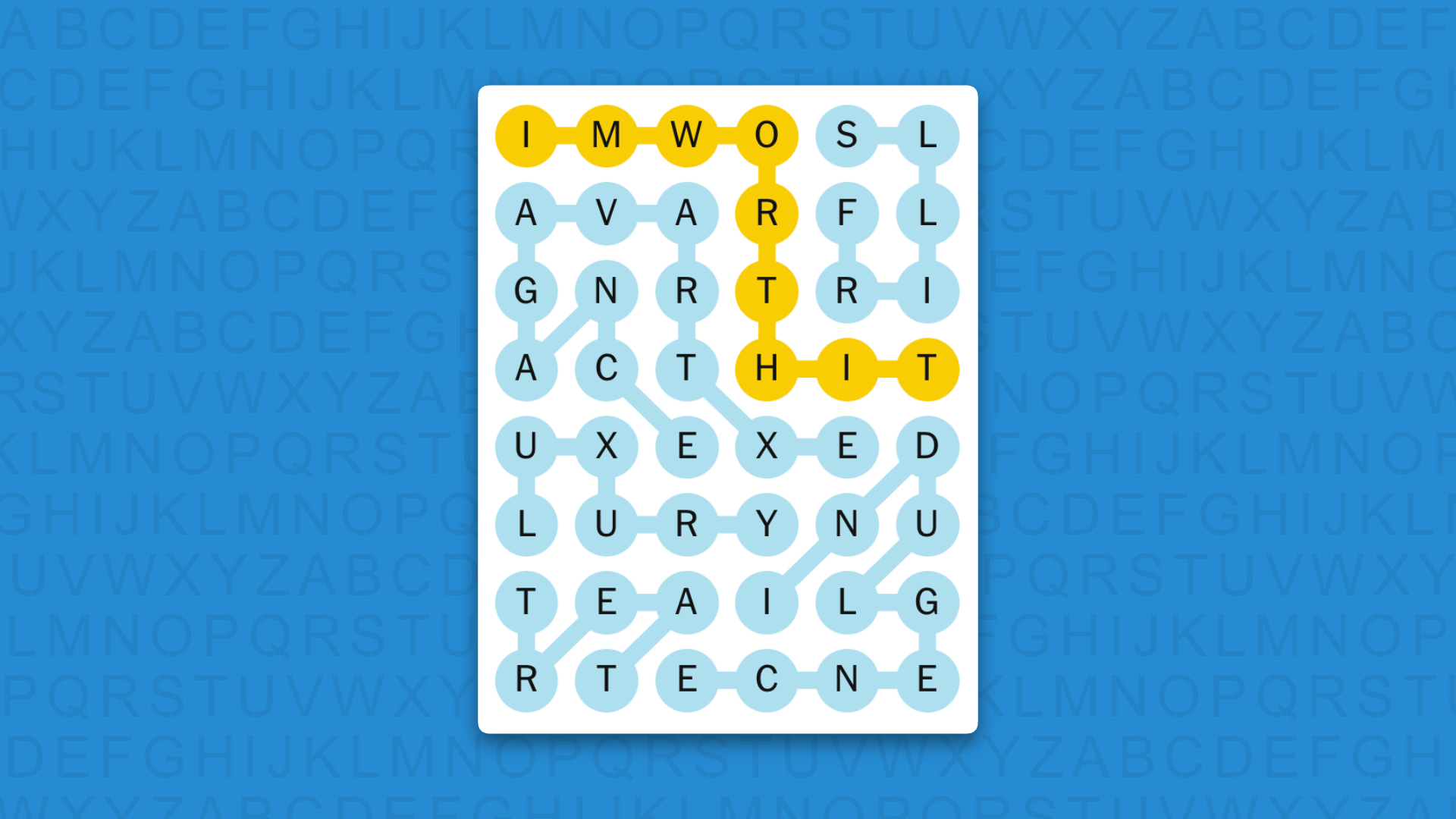
(Image credit: New York Times)
The answers to today's Strands, game #889, are…
LUXURY
EXTRAVAGANCE
TREAT
INDULGENCE
FRILLS
SPANGRAM: IMWORTHIT
My rating: Hard
My score: 1 hint
It was hard to ignore the two Xs on the board, so that’s where I began first — spying LUXURY and then EXTRAVAGANCE, although I did manage to start the latter with the wrong letter E, quite a drag for a 12-letter word.
After this burst I ground to a halt and busied myself with finding some interesting non-game words. A hint gave me TREAT, but I had to spend a good couple of minutes staring at these five letters before I connected them in the right order.
After all this, I think I’m going to pamper myself with a scoop of vegan ice cream.
Yesterday's NYT Strands answers (Saturday, August 8, game #888)
TRACK
DROP
LOOP
CUTBACK
TUNNEL
CORKSCREW
SPANGRAM: ROLLERCOASTER
What is NYT Strands?
Strands is the NYT's not-so-new-any-more word game, following Wordle and Connections. It's now a fully fledged member of the NYT's games stable that has been running for a year and which can be played on the NYT Games site on desktop or mobile.
I've got a full guide to how to play NYT Strands, complete with tips for solving it, so check that out if you're struggling to beat it each day.
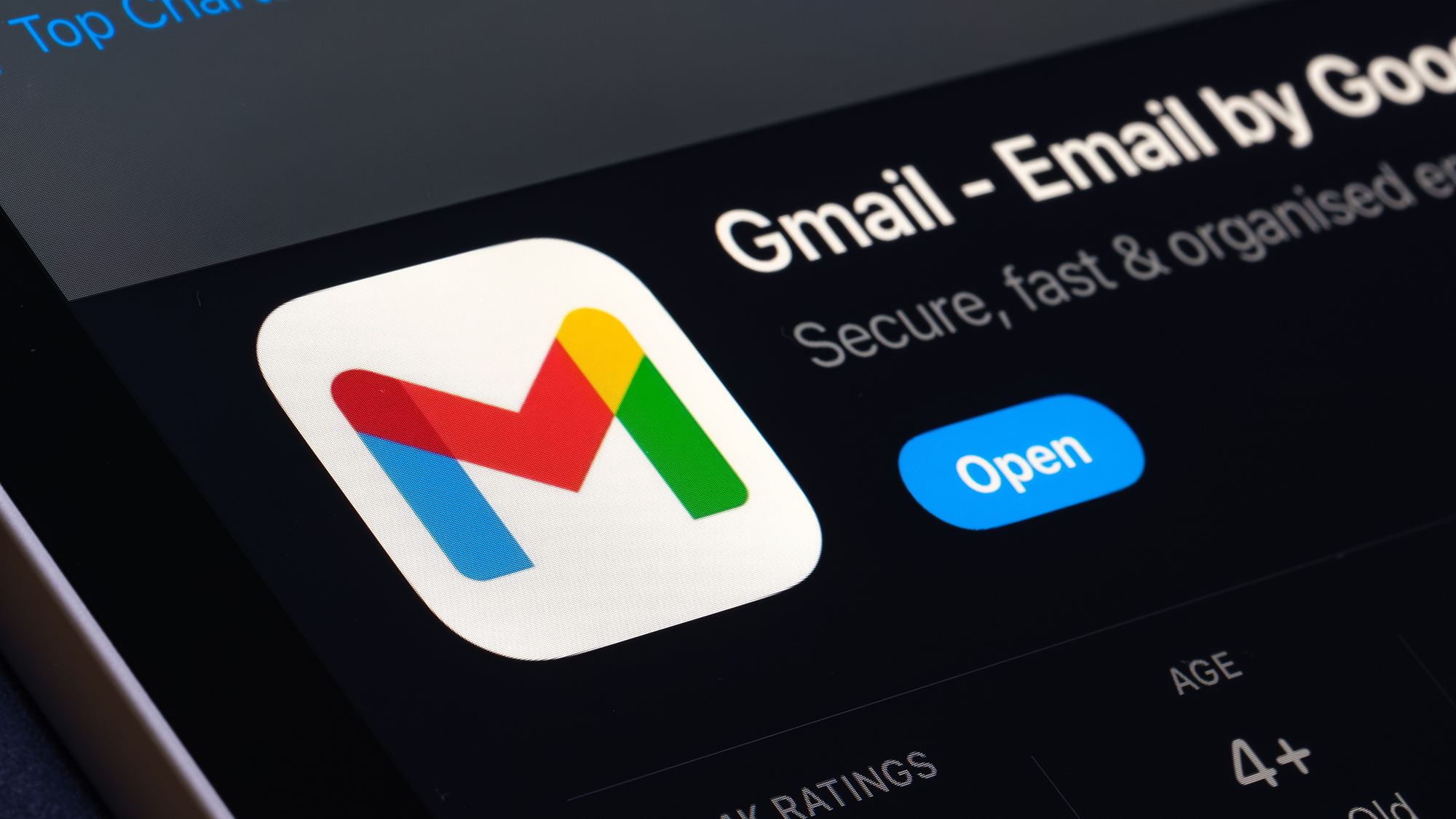
If you're of a certain age, you'll remember the frisson of excitement around the launch of Gmail back in 2004. The idea of getting 1GB of storage space completely free of charge seemed wild — and all of your messages could be got at in a simple web browser tab.
As someone who had become accustomed to deleting emails to save space, and painstakingly moving over message archives manually every time I got a computer upgrade, this sounded fantastic. So did being able to get at my emails from any device I wanted, instantly (that seems less appealing these days, somehow).
Something else Gmail has done really well down the years is act as a hub for other email accounts, letting you import and send messages from other accounts inside the Gmail interface — with all the benefits of powerful search, filtering, and spam flagging tools. Now though, most of that functionality is going away.
These are features that I've relied on for decades inside Gmail, and it's going to make my email experience much more frustrating and fragmented.
What's changing
Gmail is focusing on Google emails now (Image credit: Ascannio / Shutterstock)
Charting the gradual dismantling of these features inside Gmail is tricky, because the updates have largely come through emails to users and updates to support documentation — there aren't really any official blog post announcements to point to (it's not surprising Google wants to keep all of this quiet).
The most recent news is that the ability to send emails from other accounts through Gmail is going away, and will be switched off completely from January 2027. If you currently send your Outlook or Yahoo messages through Gmail, as I do, you're going to have to find another solution from the start of next year.
A couple of other features are also being killed off in January 2027 as well, though these changes are ones we've known about for a while. You'll no longer be able to import messages from other accounts via the old POP protocol — something I've relied on for years to get emails from all of my various accounts into the same place — and you won't be able to use the Gmailify feature that essentially adds a few Gmail features (like spam protection) to your third-party accounts.
As someone who primarily uses Gmail on the web, and has several email accounts feeding into it, these are significant changes — and I'm not the only one upset about them. My current setup means I can have separate emails for work, app sign-ups, newsletters, and so on, and keep them all in Gmail for searching, filtering, and labeling, and it's been a simple and reliable setup.
Now I'm going to have to go back to jumping between three or four different email apps to check everything. Different rules, different storage limits, different interfaces. It's an annoying set of changes, which Google hasn't really explained — presumably the idea is to keep users focused on Gmail, and to cut costs.
What to do next
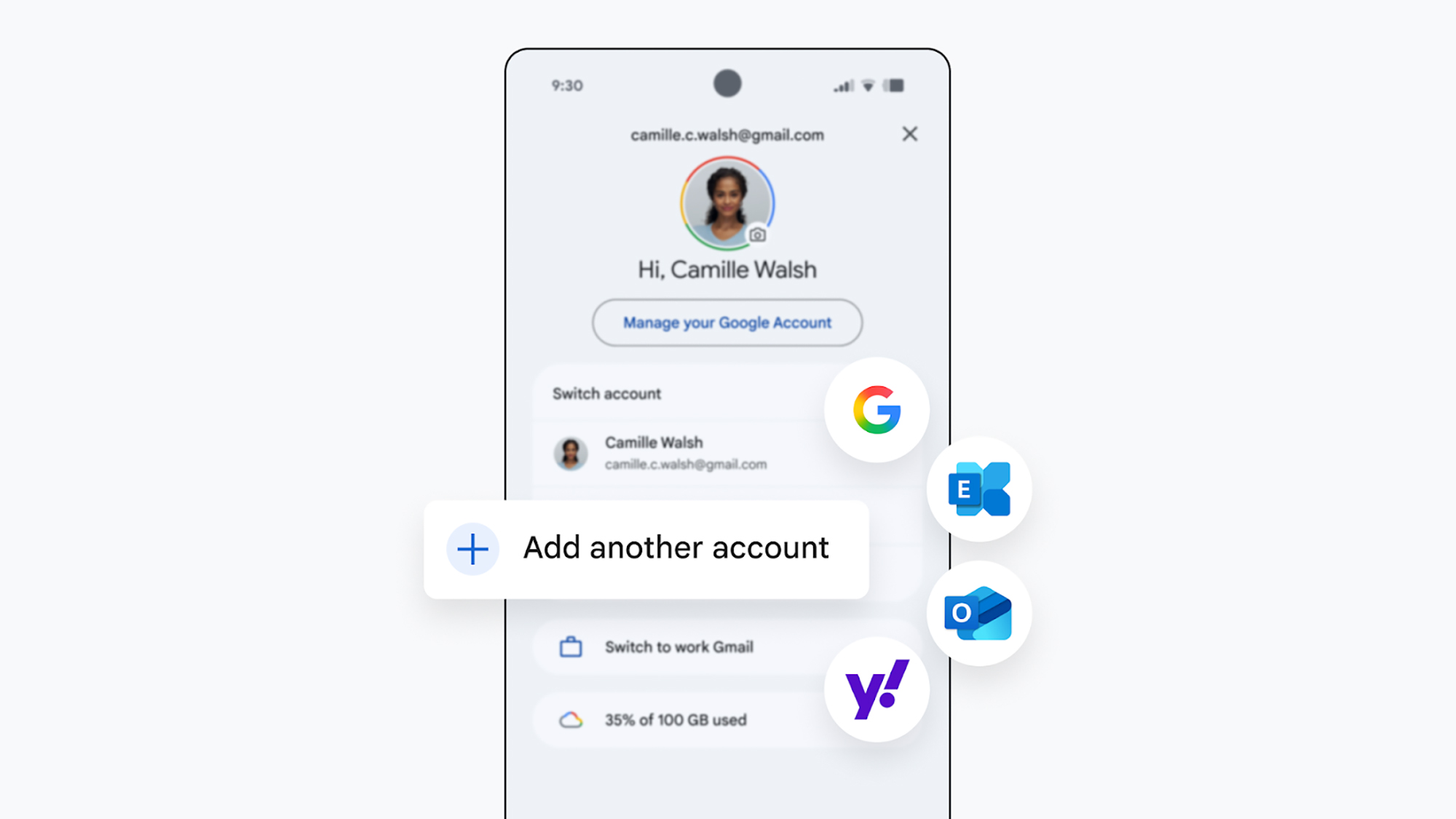
You can still access other accounts in Gmail on mobile (Image credit: Google)
You do have a few options for trying to cling on to Gmail as a message hub, though none of them are ideal. You can get your third-party email account to auto-forward messages to Gmail — it means you'll have them in your Gmail archive for filtering and searching, though there's no 'send as' functionality.
This might cost you too: It's a paid-for extra for Yahoo Mail for example. That's particularly galling for me, because Yahoo is one of the accounts I feed into Gmail. I rely on it for newsletters, tickets, store accounts, general admin, and the like, and now I'm not going to be able to get at any of that inside Gmail.
Another option is to set up a desktop email client on Windows or macOS, which feels very old school. Gmail still supports the IMAP standard, and so do most other modern email services: all of your email will be together in one place, but you're only going to be able to access everything in one place from whatever desktop computer you set this up on.
Lastly, you can still add third-party accounts inside the Gmail app for Android or iOS. However, while this will let you view all your emails in one unified inbox, it won't actually move anything over to Gmail — if you open up the web app, your other accounts and all the messages inside them won't be there.
It's all a bit of a sorry mess, and I'm not sure exactly what I'm going to do going forward. What's certain is that I'm not going to be able to carry on as I have been, and that Gmail is going to be a significantly less useful email hub for me in the future.
Do jogo que desafia as regras absurdas das passwords ao simulador que deixa lançar asteroides sobre qualquer cidade, passando pela viagem ao fundo do oceano e pela ferramenta para gastar a fortuna de Bill Gates, o neal.fun é uma das colecções de experiências interactivas mais originais da web.

 Login