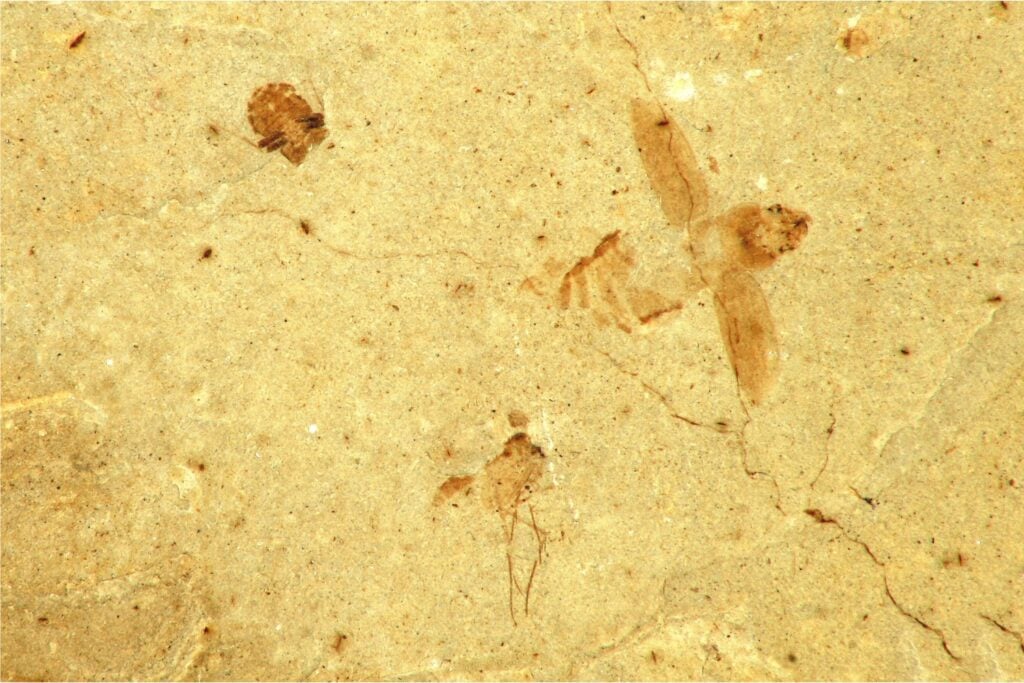
Un extraordinario fósil descubierto en Japón ha permitido cerrar uno de los mayores vacíos en la evolución de las abejas melíferas. Su sorprendente antigüedad y sus características anatómicas ofrecen nuevas pistas sobre el origen de especies actuales y sobre cómo estos insectos afrontaron antiguos cambios climáticos.
Durante décadas se creyó que esto sucedía después de la muerte. La ciencia explica por qué esa idea parece tan convincente, aunque en realidad nunca sucede.
Un reciente estudio arqueológico pone en duda lo que creíamos saber sobre las civilizaciones antiguas. ¿Es posible que técnicas avanzadas de construcción existieran miles de años antes de lo aceptado?
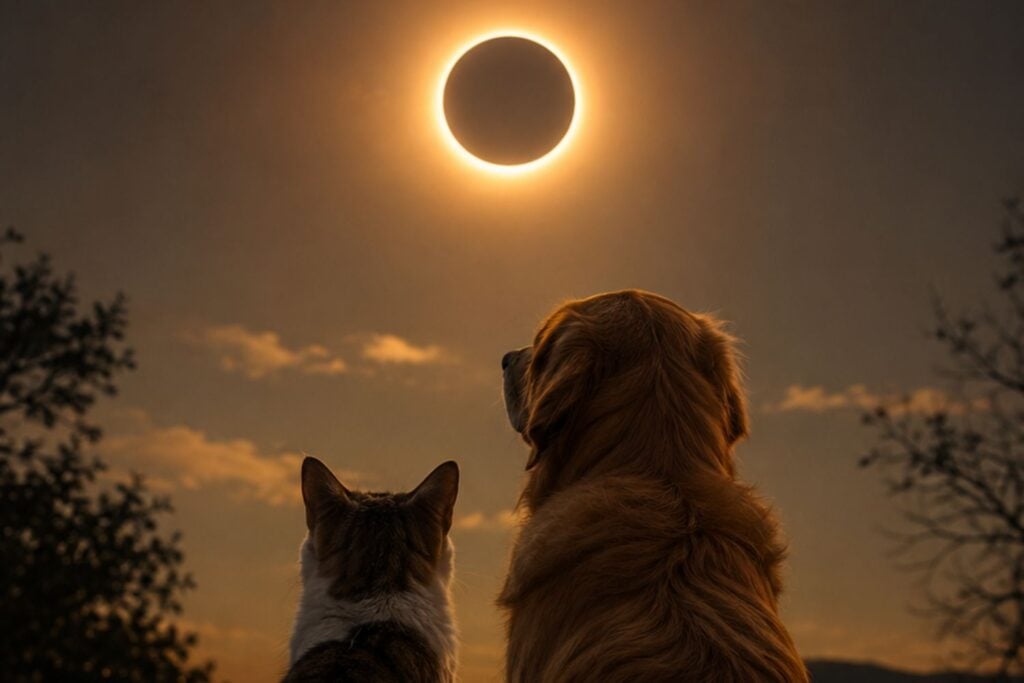
Mesmo num eclipse total, a tecnologia ajuda a que ninguém fique de fora. Chama-se LightSound e é um pequeno dispositivo capaz de transformar a luz do Sol em notas musicais, permitindo que pessoas cegas ou com deficiência visual "ouçam" a passagem da Lua em frente ao astro-rei.
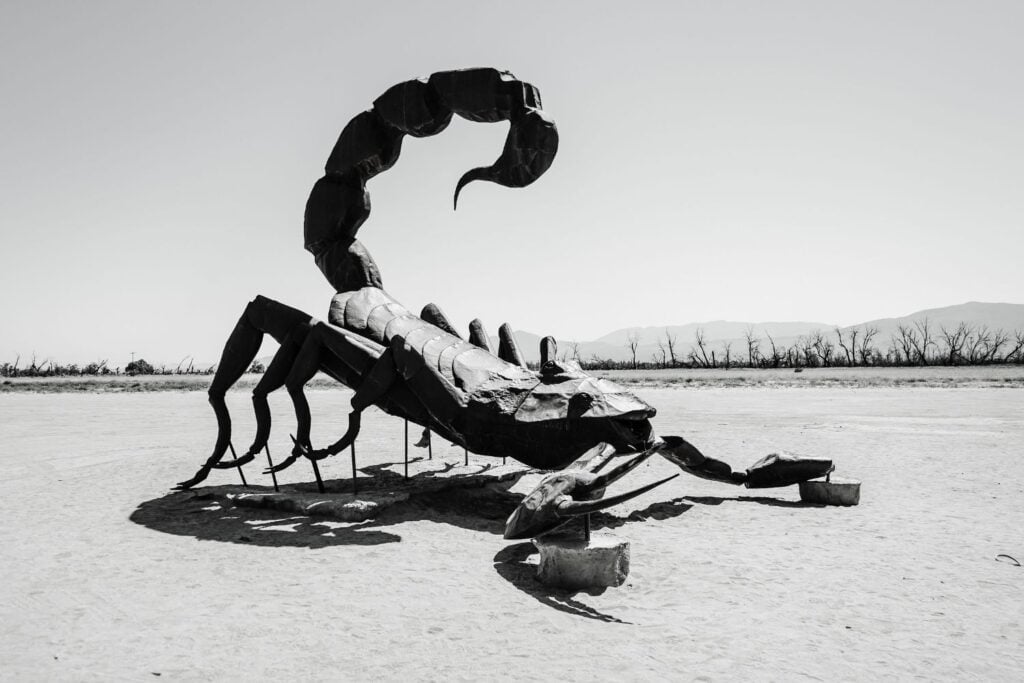
Durante más de un siglo, un misterioso fósil permaneció almacenado sin que nadie lograra identificarlo con certeza. Ahora, un nuevo estudio revela su verdadera identidad y confirma que pertenecía a una criatura colosal que habitó la Tierra hace más de 400 millones de años.
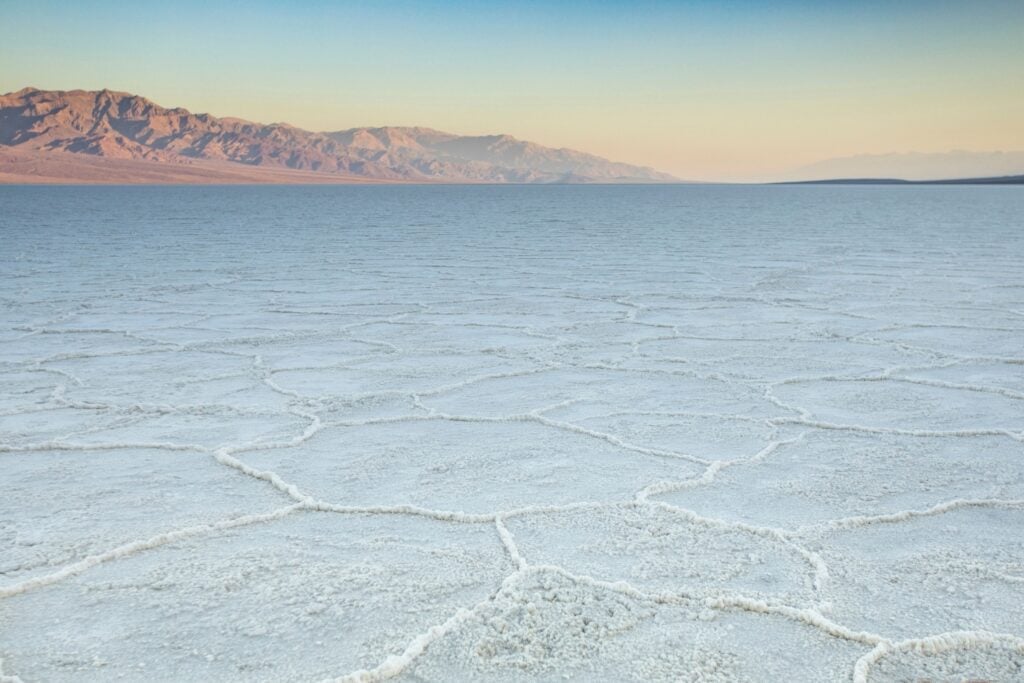
En uno de los rincones más extremos del planeta, una gigantesca superficie blanca rompe por completo con el paisaje desértico. Su formación, fruto de un proceso natural que se desarrolló durante milenios, ha dado lugar a una de las salinas más impresionantes del mundo.
La ciencia descifra un misterio de siglos: ¿por qué el cristianismo medieval agrupaba a los individuos de las tumbas por género y no por lazos familiares biológicos?
Un innovador escaneo aéreo dejó al descubierto cientos de estructuras escondidas bajo la selva amazónica y reveló indicios de una civilización mucho más avanzada y numerosa de lo imaginado. El hallazgo plantea nuevas preguntas sobre el pasado de la región y sobre un misterio que sigue sin respuesta.
Un informe de Kew Gardens advierte que solo se ha evaluado formalmente una pequeña parte de las plantas y los hongos conocidos. La digitalización de herbarios y el uso de inteligencia artificial permiten identificar especies, estimar su riesgo de extinción y decidir dónde concentrar los esfuerzos de conservación.
Un fósil hallado en China conserva estómago, hígado e intestinos de un reptil marino de hace 245 millones de años y obliga a revisar la evolución de los antepasados de cocodrilos y dinosaurios.
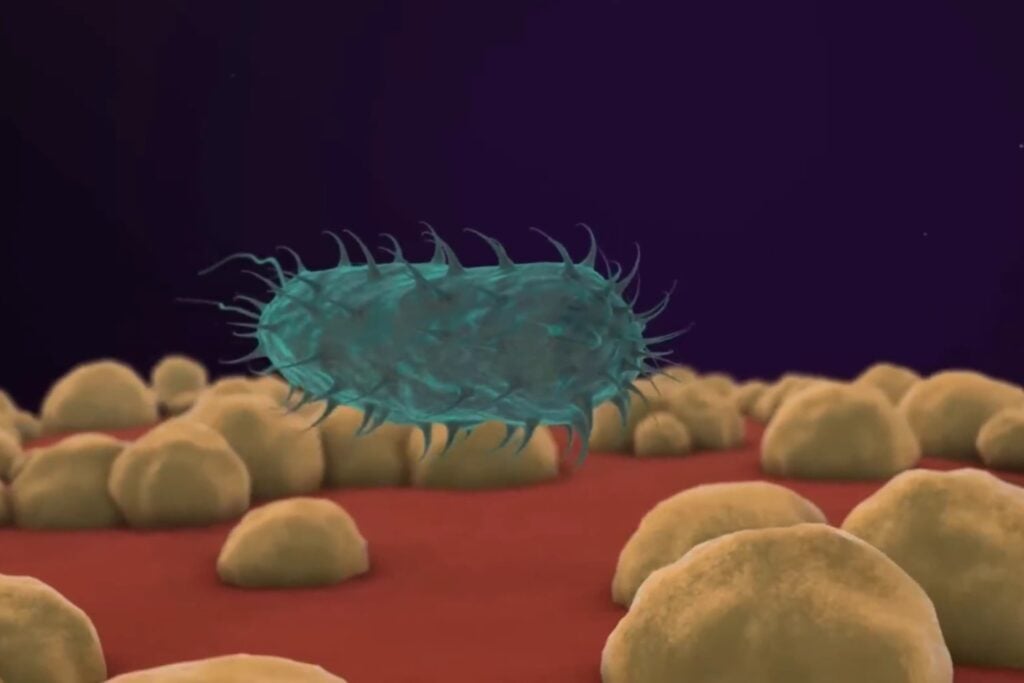
Alemania registró una temporada de infecciones por Vibrio más temprana de lo habitual, mientras Florida confirmó 12 casos de Vibrio vulnificus y una muerte. La enfermedad continúa siendo poco frecuente, pero el calentamiento de las aguas y las inundaciones pueden ampliar las condiciones favorables para estas bacterias.
El descubrimiento de un esqueleto casi completo demuestra que algunos de los primeros perros eran cazadores de emboscada y no veloces corredores como sus descendientes actuales.
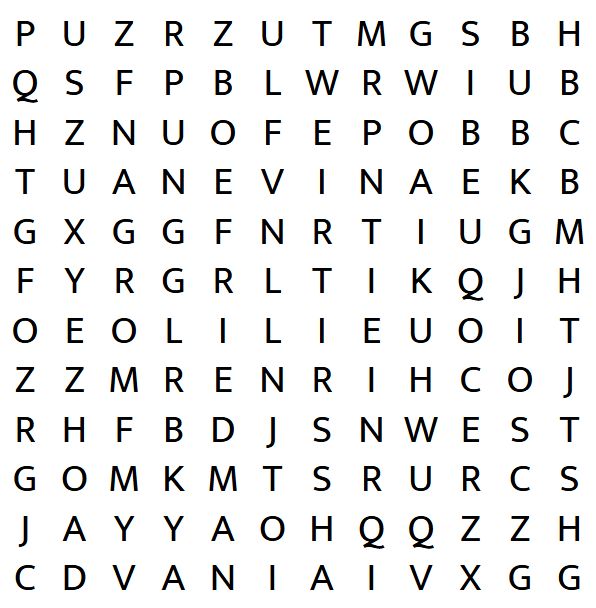
Hoy te proponemos una sopa de letras en la que aparecen escondidos los apellidos de diez científicas que han nacido en el mes de agosto. De todas ellas hemos hablado en el blog (¡busca sus nombres usando las pistas!). Los apellidos pueden estar escritos en horizontal, en vertical o en diagonal (en cualquier dirección y sentido).
Para facilitar la tarea, vamos a darte una pista sobre cada una de estas científicas, y mostrarte una imagen de cada una de ellas, aunque no están dispuestas necesariamente en el mismo orden.
Sobre las científicas
Esta astrogeóloga eligió en 1969 el lugar en el que debía alunizar el Apolo 11.
El trabajo de esta viróloga fue clave en la cadena de investigación hacia una vacuna contra la poliomielitis, que finalizó en 1955 con la aprobación de la vacuna de Jonas Salk.
Fue una de las personas que lideró el esfuerzo criptoanalítico contra el contrabando internacional y el narcotráfico por radio y mensajes codificados.
Esta matemática es conocida por su gran precisión en la navegación astronómica. Calculó la trayectoria para el Proyecto Mercury (1961) y para el vuelo del Apolo 11 (1969).
La investigación de esta ictióloga se centró en el análisis del impacto de contaminantes sobre la vida marina y el agua potable a través del análisis de huevos de peces fertilizados.
Fue una pionera en el estudio de la arquitectura de ordenadores en Francia.
Esta arqueóloga jugó un papel clave en la comprensión de los jeroglíficos hititas al descubrir una tableta con alfabeto fenicio.
Esta bioquímica fue la persona encargada de coordinar la comisión creada por el Gobierno Español para la resolución del problema del síndrome del aceite tóxico (1981).
Esta astrónoma fue una pionera en espectroscopia, publicando el «Atlas of Representative Stellar Spectra» (1899).
El trabajo de esta patóloga incluyó estudios sobre infecciones por virus y la vacunación preventiva contra la fiebre tifoidea en los soldados.
Las diez científicas (imágenes extraídas del blog).
Por si no has identificado a alguna de ellas, eneste enlace puedes ver la solución.
En Allonnes, los arqueólogos franceses han desenterrado una ciudad gala completa: talleres metalúrgicos, un mercado próspero y la prueba física de la trata de personas antes de la conquista romana.
O cenário parece saído de outro mundo (e é mesmo): um vasto campo de padrões em forma de favos de mel que intriga os cientistas e poderá guardar pistas sobre o passado de Marte.
Una señal diminuta, oculta al lado de uno de los astros más deslumbrantes del cielo, puede resolver un enigma de décadas y abrir otra vía para estudiar cómo viven y mueren las estrellas gigantes.
À medida que os incêndios florestais continuam a afetar várias regiões da Europa, um nova ferramenta, que usa dados dos satélites Copernicus, permite acompanhar, em tempo real, a evolução dos fogos, a propagação do fumo e as emissões de carbono.
Las charcas temporales son ecosistemas que se llenan y secan cíclicamente, albergando organismos adaptados a una estacionalidad muy marcada. Un estudio reciente ha evaluado el impacto del aumento de la temperatura previsto para los próximos años a causa del calentamiento global en la eclosión de los diferentes organismos que componen el zooplancton, analizando sedimentos de charcas de Chile y España. Los resultados muestran un recambio de los grupos que emergen bajo mayor temperatura, lo que podrá producir cambios en la biomasa y el flujo de energía en las redes tróficas, resaltando la vulnerabilidad de estos ecosistemas.
A remarkable collection of ancient inscriptions within a cave in eastern Spain is providing archaeologists with deep new insights into the early religious practices it once housed.
Among the new findings, researchers say the inscriptions are shedding new light on the prominent role women played in a subterranean cult, which centered on a previously unknown ancient goddess.
There, researchers recently documented at least 120 Latin inscriptions dating to the first and second centuries A.D.—a significant increase in the number of writings from this era known to exist at Cova Dones.
Previously, only around 15 of these inscriptions had been identified. The new findings elevate Cova Dones to what may be the Roman Empire’s largest known cave sanctuary containing Latin inscriptions.
One of the newly uncovered Latin inscriptions, enhanced with image overlay shown in lighter coloration (Image Credit: University of Alicante).
The Ritual Space of an Ancient Goddess is Revealed
Research at the cave was led by researchers from the University of Alicante and the University of Zaragoza, which revealed not only the inscriptions, but also a well-preserved ritual space located at a depth of close to 200 meters within the cave.
Among the discoveries researchers have made are a small collection of votive inscriptions, which are dedicated to what appears to be a goddess referred to simply as “Domina,” which means “The Lady.”
Three of those inscriptions also feature an unrecognized epithet—MALACI—which the researchers believe may describe some aspect of this mysterious goddess, possibly related in some way to the water that flows through the underground ritual space within the cave.
“Thanks to a set of five votive inscriptions, we know for certain that in Roman times a goddess, reverentially called Domina, ‘the Lady,’ was venerated in the cave,” says Silvia Alfayé, a professor of Ancient History at the University of Zaragoza.
Alfayé also says that the inscriptions further indicate the active role women played in the deity’s worship during this period.
Anatomy of an Ancient Roman Subterranean Cult
Within the newly-identified ritual space at Cova Dones, several individual female names were identified among the newly discovered inscriptions. This, according to Alfayé and her colleagues, reinforces the notion that the sanctuary had been a regular destination for women, rather than merely serving as an occasional site of pilgrimage.
Members of the research team during the documentation of the Latin inscriptions at Cova Dones (Image Credit: University of Alicante).
Specifically, the presence of the inscriptions all within a single chamber, which the research team has dubbed the “Roman Sanctuary,” places them alongside natural pools fed by underground water, which may have added to the allure of the subterranean ritual landscape the cave offered.
Strengthening that interpretation, the archaeologists also discovered spindle whorls, a variety of small tools used for spinning thread that were closely linked with women’s domestic and symbolic roles in the ancient Roman world, and beyond. Their presence near the inscriptions, the researchers believe, could imply links to ceremonies performed in the cave long ago, which may have incorporated textile-related offerings.
Ongoing Discoveries at Cova Dones
The recent findings at Cova Dones are only the latest offerings from the ancient site, which is already renowned for the ancient human presence it has preserved.
In 2023, The Debrief reported on discoveries within the cave that are now recognized as the largest known collection of surviving Paleolithic cave art in eastern Iberia. Such discoveries include more than 100 paintings and engravings dating back over 24,000 years.
The discovery of the Roman sanctuary occurred the following year, with the detection of Latin inscriptions and a coin featuring the Roman emperor Claudius, which archaeologists believe may have been left as a votive offering.
Then in 2025, archaeologists discovered more than 100 intentionally modified stalagmite formations, a unique category of archaeological evidence known as speleofacts. Altogether, such discoveries have helped cement Cova Dones as one of the most important sites in Europe to preserve evidence of prehistoric human modifications to an underground space.
One of a pair of bronze rings uncovered beneath the rock inscriptions at Cova Dones (Image Credit: University of Alicante).
Unraveling the Mysteries of a Subterranean World
Adding to the recent Roman inscription discoveries, Alfayé and her colleagues have also discovered artifacts that include bronze rings, a bracelet, ceramic vessels, faunal remains, and additional ritual objects—all of which provide additional clues that may help to reconstruct centuries of religious activity that once occurred deep within the cave.
Presently, many of the inscriptions await deciphering, and some large sections of the cave remain that have not yet been explored. With the promise of additional discoveries, archaeologists are confident that Cova Dones has only just begun to reveal its secrets.
In the coming years, new chapters in the story of this ancient subterranean landscape await discovery, exploration, and interpretation.
Micah Hanks is the Editor-in-Chief and Co-Founder of The Debrief. A longtime reporter on science, defense, and technology with a focus on space and astronomy, he can be reached atmicah@thedebrief.org. Follow him on X @MicahHanks, and at micahhanks.com.

 Login