Login

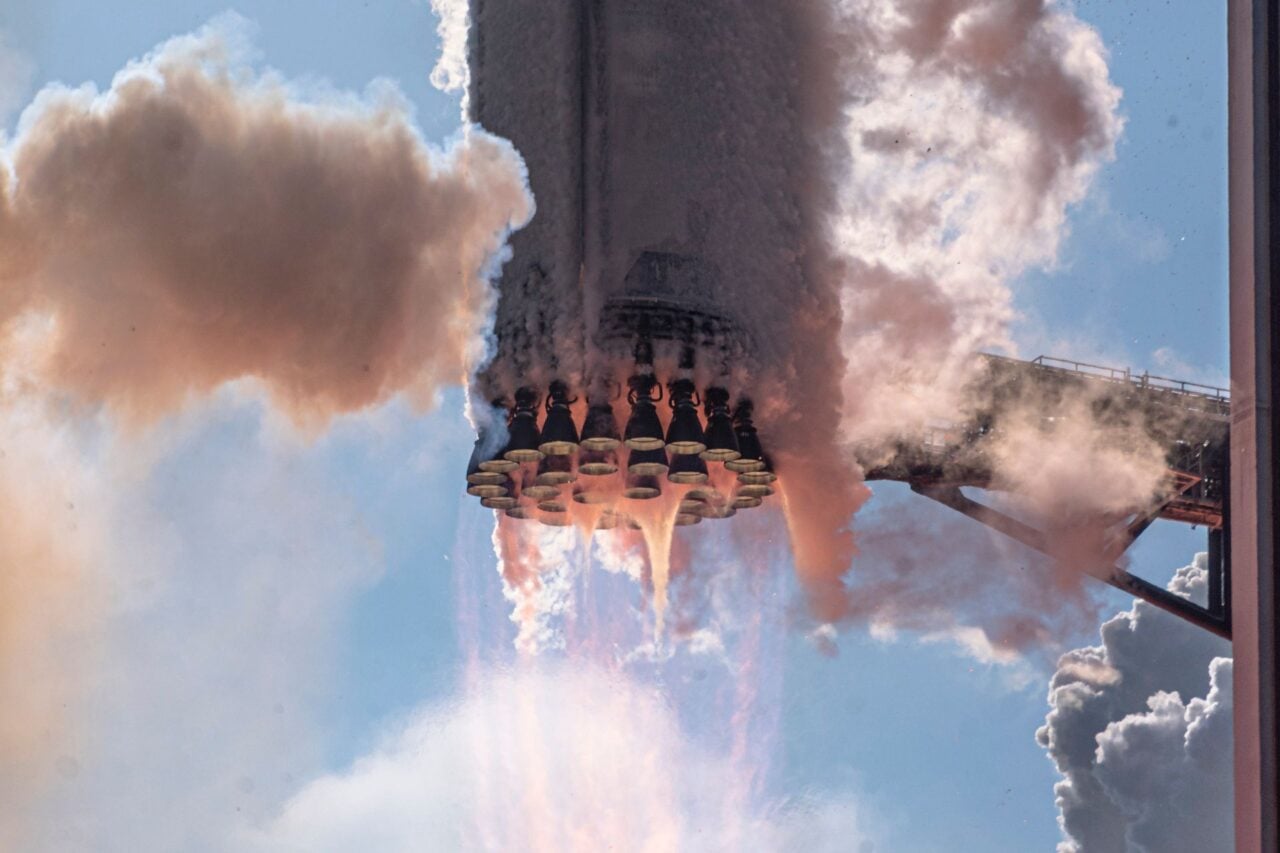
Will SpaceX’s 13th Test Flight of Starship Be Lucky?
The 33 engines of the rocket’s booster stage had begun to ignite during Thursday’s launch attempt, but were then shut down. SpaceX will try again on another day.

Nearly 400 days and a billion kilometers after leaving Earth, China’s Tianwen-2 spacecraft has arrived at its target: the near-Earth asteroid 469219 Kamoʻoalewa, also known as 2016 HO3. And the mission’s first photo of the rock has already had scientific impact, reopening an ongoing investigation over whether Kamoʻoalewa began as a chunk of the Moon.Continue reading "Tianwen-2 arrives at target asteroid Kamoʻoalewa"
The post Tianwen-2 arrives at target asteroid Kamoʻoalewa appeared first on Astronomy Magazine.
Let the science begin: The world’s first commercial space telescope is up and running. On July 6, Blue Skies Space delivered data from its Mauve satellite to the international roster of universities enrolled in the Mauve Science Program, shifting the mission into full scientific operations. It’s the next step for a mission that reached orbitContinue reading "The first commercial space telescope delivers"
The post The first commercial space telescope delivers appeared first on Astronomy Magazine.
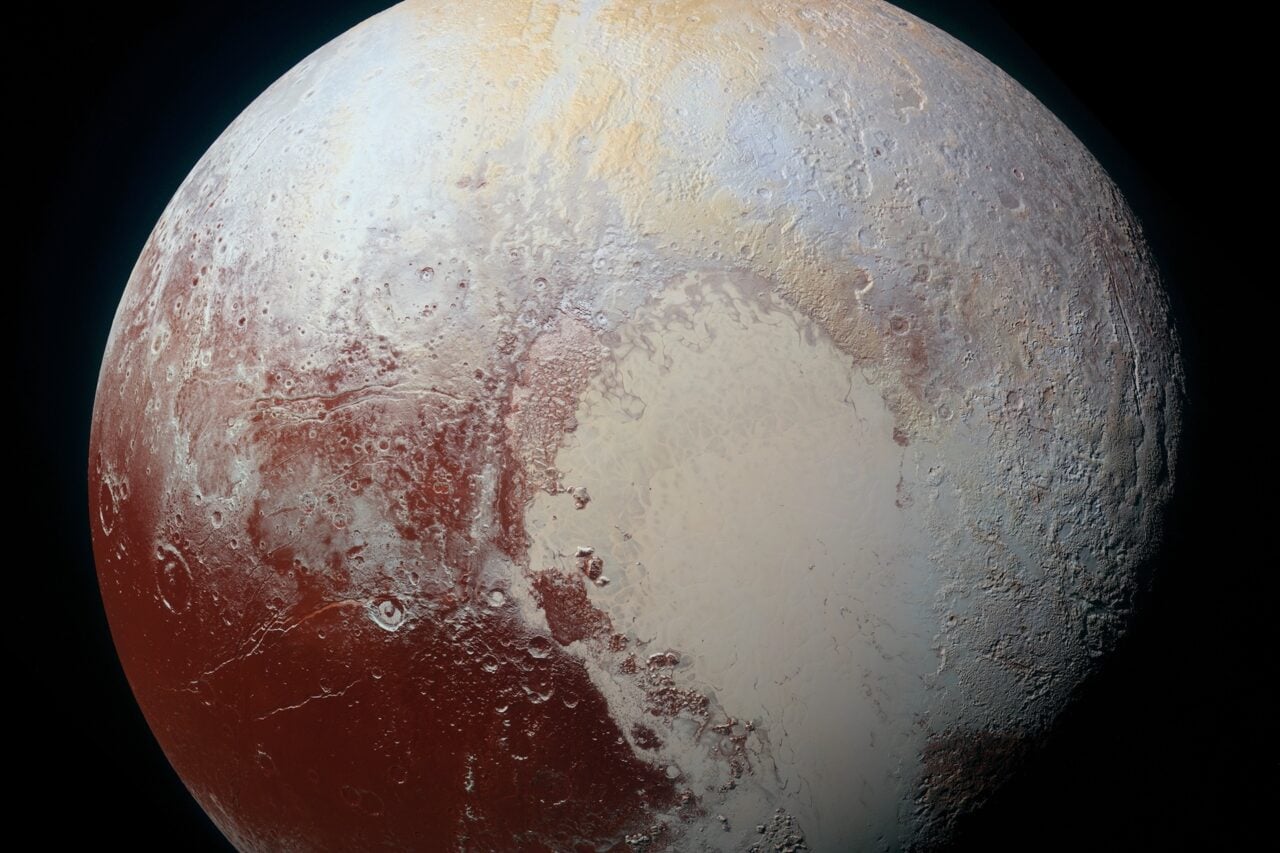
New Horizons launched in January 2006, and by July 14, 2015, it had reached its primary goal: Pluto. The first spacecraft to study Pluto up close, it conducted measurements of Pluto’s atmosphere, mapped the surface geology, observed Pluto’s moons. New Horizons also investigated the dwarf planet’s interior structure, adding support to the theory that PlutoContinue reading "July 14, 2015: New Horizon arrives at Pluto"
The post July 14, 2015: New Horizon arrives at Pluto appeared first on Astronomy Magazine.
A new ruling by the U.S. Supreme Court protecting voter rights could extend to astronauts living and working in space and training internationally, their families, and the multitude of NASA workers who travel to support their missions.
On Monday (June 29), the Supreme Court ruled that mail-in ballots can be counted toward a total vote even if they arrive after election day, as long as they are postmarked by election day. The ruling followed efforts by the Trump Administration to place restrictions on mail-in voting. In a new statement, the nonpartisan activist organization Astronauts for America spoke out in support of the Supreme Court's decision, which supports absentee voting.
"We don't want to see barriers put in place [that] make it more challenging for somebody to exercise their constitutional right of voting," retired NASA astronaut Wendy Lawrence told Space.com. Lawrence is a member of Astronauts for America, as well as a veteran of the U.S. Navy, where she served as a captain, engineer and helicopter pilot.
An executive order issued by President Trump in March 2026 attempted to place a number of restrictions on voting in the country, including limitations on mail-in or absentee voting. The order directed the United States Postal Service to only transmit ballots for states that compile and submit lists of eligible mail-in voters 60 days before elections, added requirements and complications to mail-in ballots and attempted to limit who receives a ballot in the mail.
This order not only added layers to limit voting access, but it conflicted with existing procedures set by states for absentee voting. Additionally, the U.S. Constitution places the authority to change election rules and processes with Congress, not the president, though this was not the first executive order put out by Trump to attempt to change election rules, CNN has reported.
In a 5-4 ruling, the Supreme Court blocked the U.S. Postal Service from carrying out this executive order, declaring that mail-in ballots may be counted if they arrive up to five days after election day, as long as they are postmarked by election day.
"This is key to making sure we have free and fair elections, that people have the ability to cast their vote, and it's not an overwhelming burden for them to do that again," said Lawrence.
In a statement shared on social media, Astronauts for America commented on the recent ruling.
"We at Astronauts for America are pleased to see the justices take this critical step toward safeguarding free and fair elections, and ensuring that every eligible voter has their ballot counted," the statement reads. "As astronauts, some of us cast our votes from space. As military veterans, many of us relied on voting by mail. Upholding this grace period ensures that astronauts and other Americans are able to exercise their civil rights."
"Voting is the cornerstone of our American democracy, and this is an important step forward in our battle to ensure everyone has the right to vote," the statement continued. "While the Supreme Court ruling should be celebrated, we must continue standing up for our democracy and constitutional principles."
Astronauts have used absentee voting systems for decades, and they do so regularly: Astronauts have been living in orbit on board the International Space Station continuously since November 2000. When astronauts are going to be in space during an election, NASA has a digital system that allows them to submit absentee votes. But as the statement above suggests, astronauts don't just need absentee voting during their space missions.
Astronaut training can take place all around the world, especially if there is a mission with international collaboration. Lawrence shared that, during her tenure with NASA's space shuttle program, there was a 16-month period when she had to live and train full-time in Russia. And, astronauts don't prepare for space in a vacuum. Family members like spouses might travel with them for long-term training, and there are a wide variety of mission managers and support staff for crewed missions (and their families) who might have to be on long-term travel as well.
Additionally, many astronauts like Lawrence are also military veterans who, during their service, are only able to vote through absentee voting, sometimes for years on end. While this ruling extends far past astronauts, even within the space sector, absentee voting has protected the constitutional rights of many.
A long-standing ban on commercial supersonic flights over the United States would be overturned in a new rule proposed by the US Federal Aviation Administration. That could pave the way for the possible return of commercial supersonic airliners—as long as such aircraft can reduce the ground-level impacts of their sonic booms.
The FAA originally banned overland supersonic flights by civil aircraft in 1973, following US military tests involving supersonic flights over US cities such as Oklahoma City, Chicago, and St. Louis in the 1960s. But the Trump administration has championed the repeal of the ban to pave the way for supersonic airliners that could operate without disruptive sonic booms. So the FAA’s new rulemaking action on June 30, 2026, follows the direction of an executive order issued by President Trump on June 6, 2025.
The newly proposed rule would replace the 53-year prohibition with an interim “noise-based” certification standard requiring any sonic boom overpressure at the surface to be kept below 0.11 pounds per square foot. That proposed standard is based on the Colorado-based startup Boom Supersonic having demonstrated quiet Mach cutoff flights with its XB-1 aircraft—harnessing specific atmospheric conditions while flying just beyond supersonic speeds at higher altitudes so that the aircraft’s shockwaves are refracted upward into the atmosphere rather than traveling to the ground.
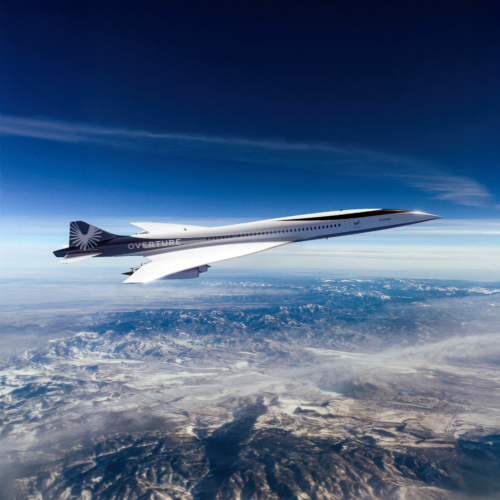
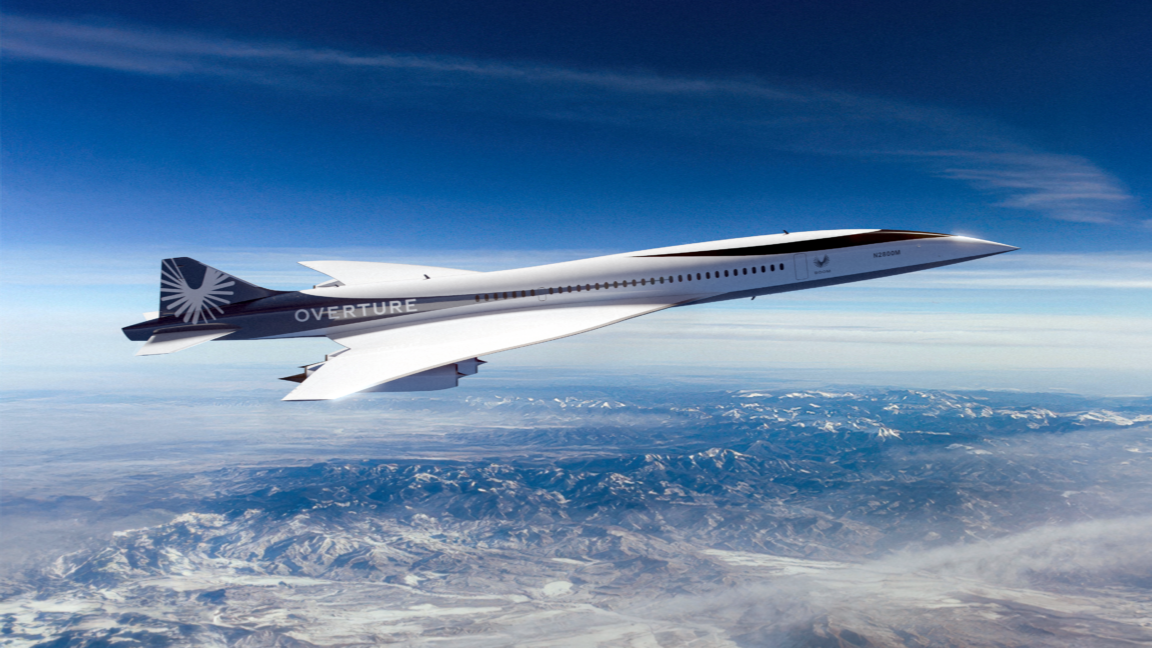
© Boom Supersonic


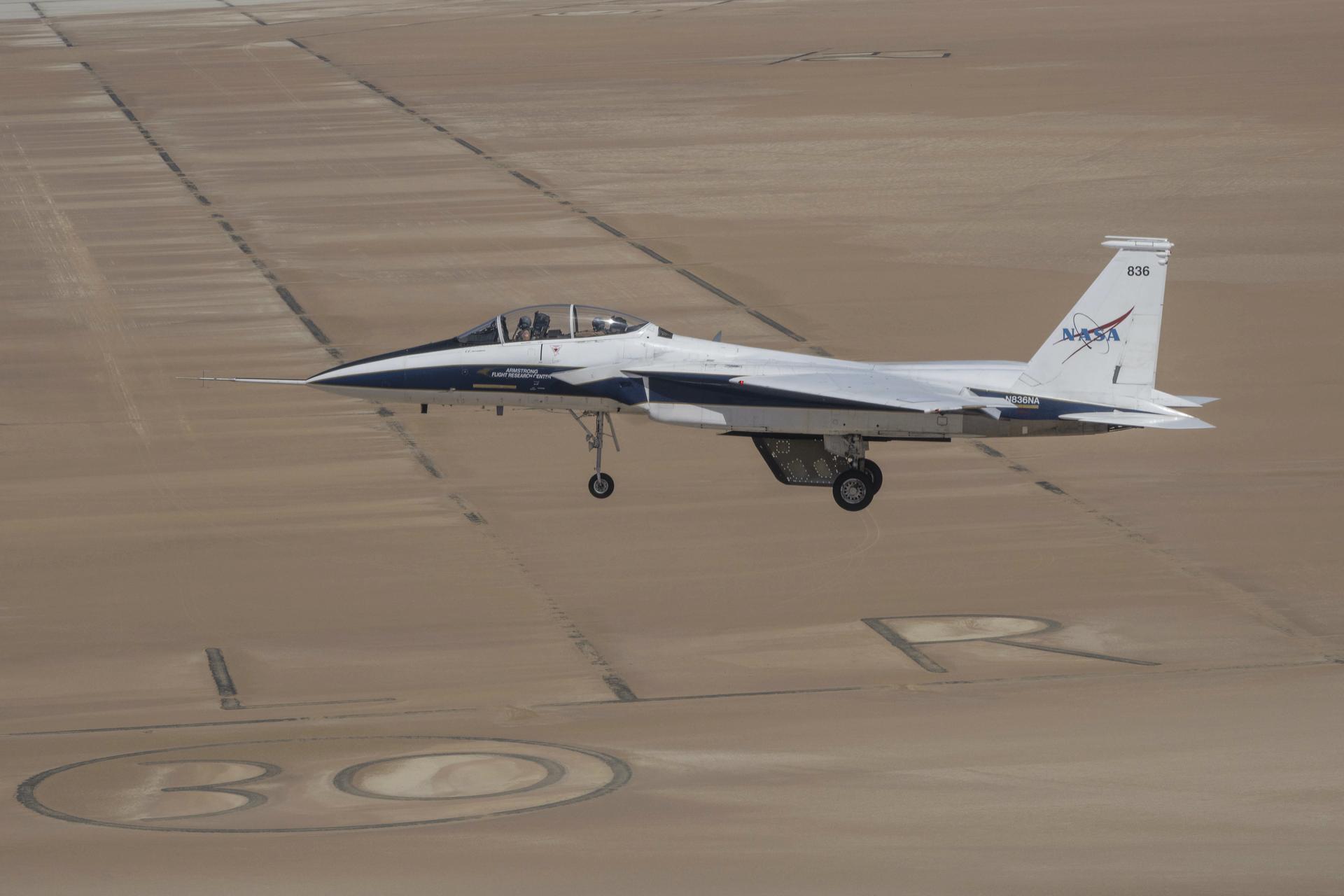
Flight tests are a big part of how NASA turns breakthrough ideas into reality. From flying humans faster than the speed of sound to proving designs that helped shape the space shuttle, flight testing transforms bold concepts into safer, more efficient technologies that benefit the public.
“Flight tests are a way to safely and effectively prove new technology, which helps certification authorities certify equipment,” said Wayne Ringelberg, chief pilot at NASA’s Armstrong Flight Research Center in Edwards, California. “It helps industry iterate and make systems better, and it promotes research in areas where new ideas can be developed.”
For nearly 80 years, teams at NASA Armstrong have used flight testing in the Southern California desert to push the limits of aerodynamics and advance aviation. Thanks to that work, NASA-developed innovations are aboard every U.S. commercial aircraft and inside every control tower today.
“The space side of NASA uses flight test, too. Every mission, like Artemis II, is never routine,” Ringelberg said. “Everything we’re doing when flying a test mission is something new or different.”
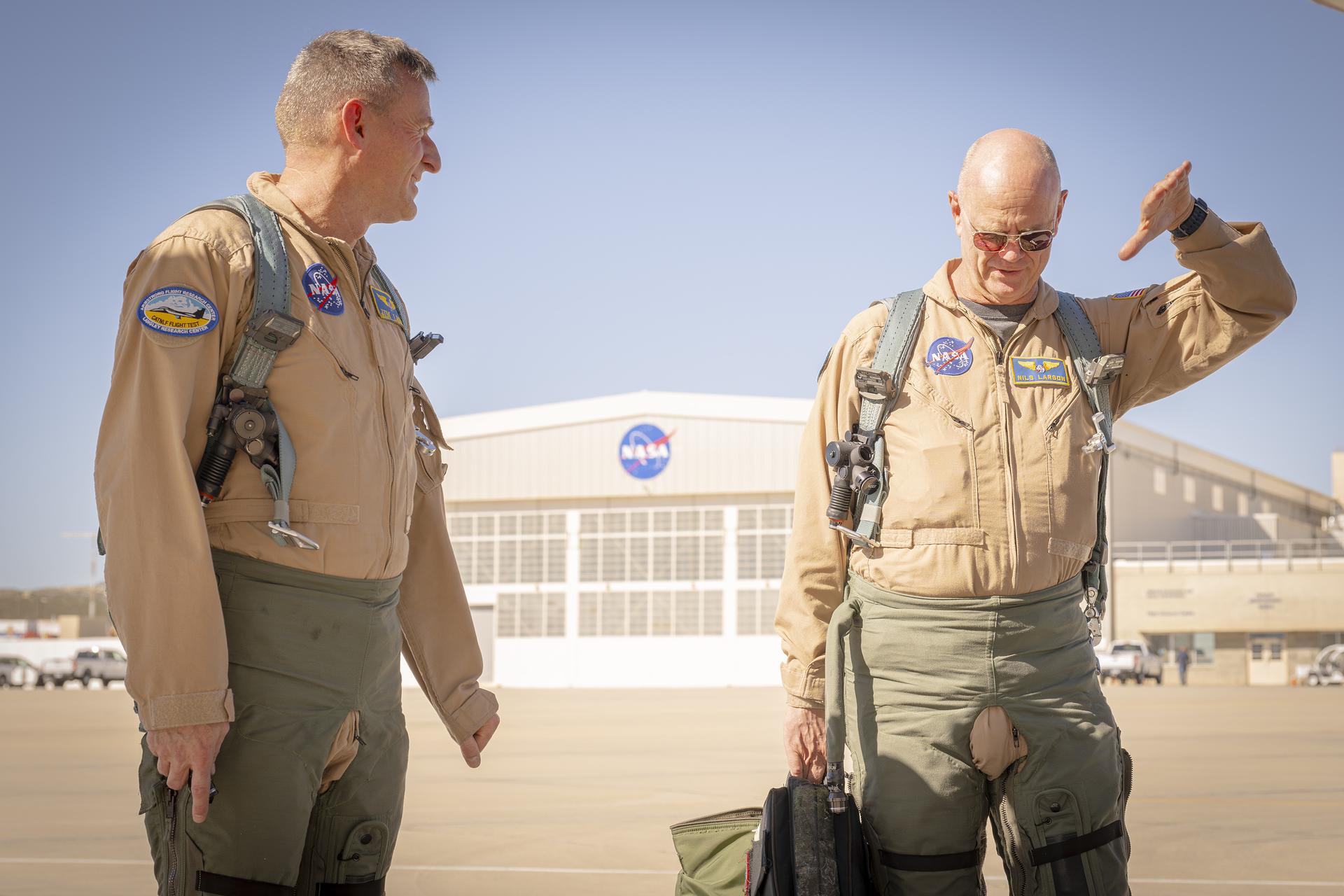
Every NASA test flight — whether it’s studying new software, hardware, or the revolutionary technology of an experimental X-plane — relies on engineers, researchers, pilots, maintenance crew, control room operators, and many others working together.
“Experienced operators and engineers evaluate how things work in flight,” Ringelberg said. “Most new technologies are designed to work in a lab or can be tested in a wind tunnel or other facility, but you never really know how they’ll perform until you fly them.”
Preflight tests often include computer analysis, simulation, wind tunnel testing, and ground tests focused on an aircraft’s ability to withstand the forces of flight and the environments through which it may fly. After hardware or software is deemed safe to fly, researchers turn the mission over to the flight test team.
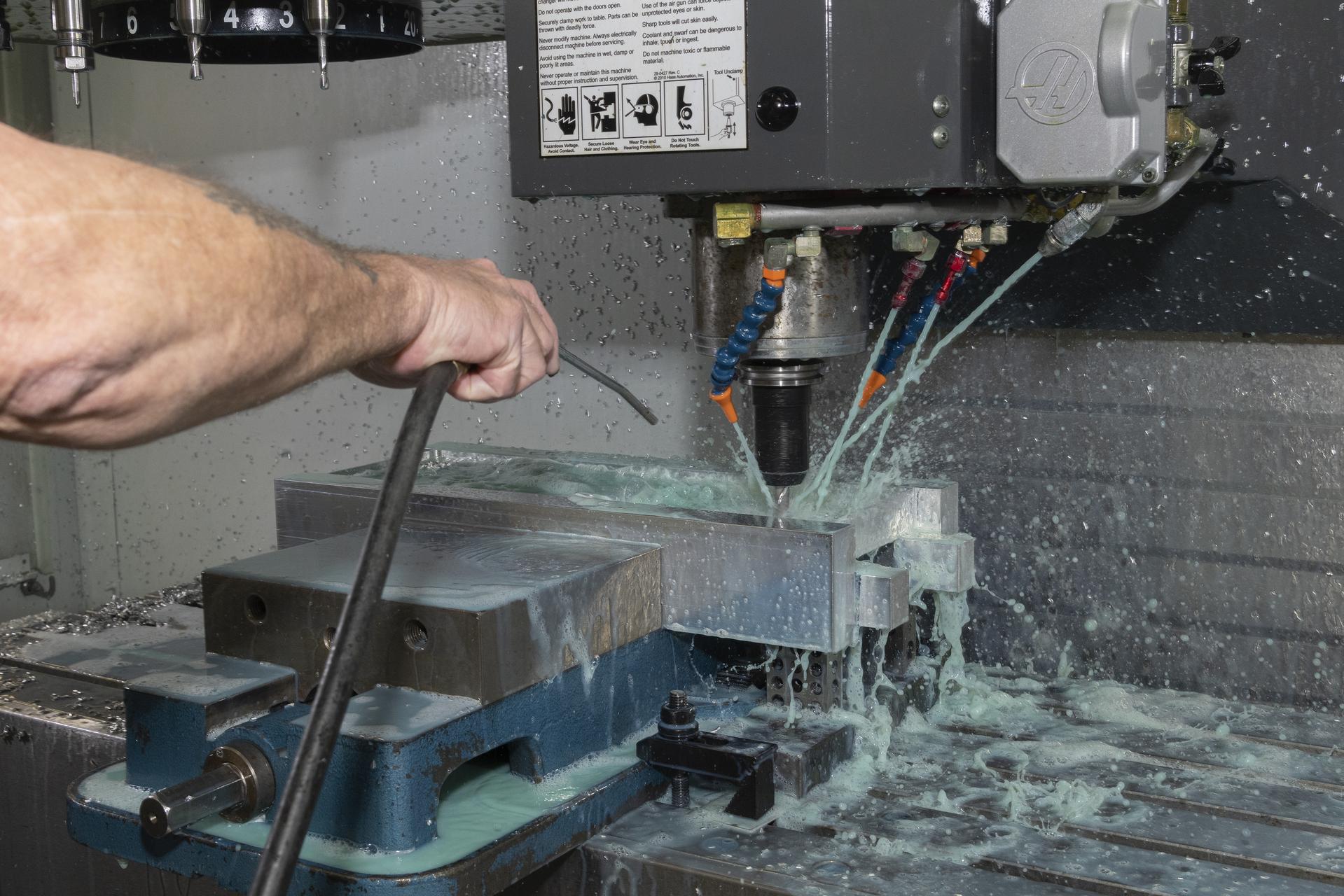
To support testing, NASA Armstrong maintains an aircraft fleet modified to create space for new hardware or instruments, as well as the ability to integrate new software. These aircraft are flying laboratories, and pilots are trained to accomplish experimental missions.
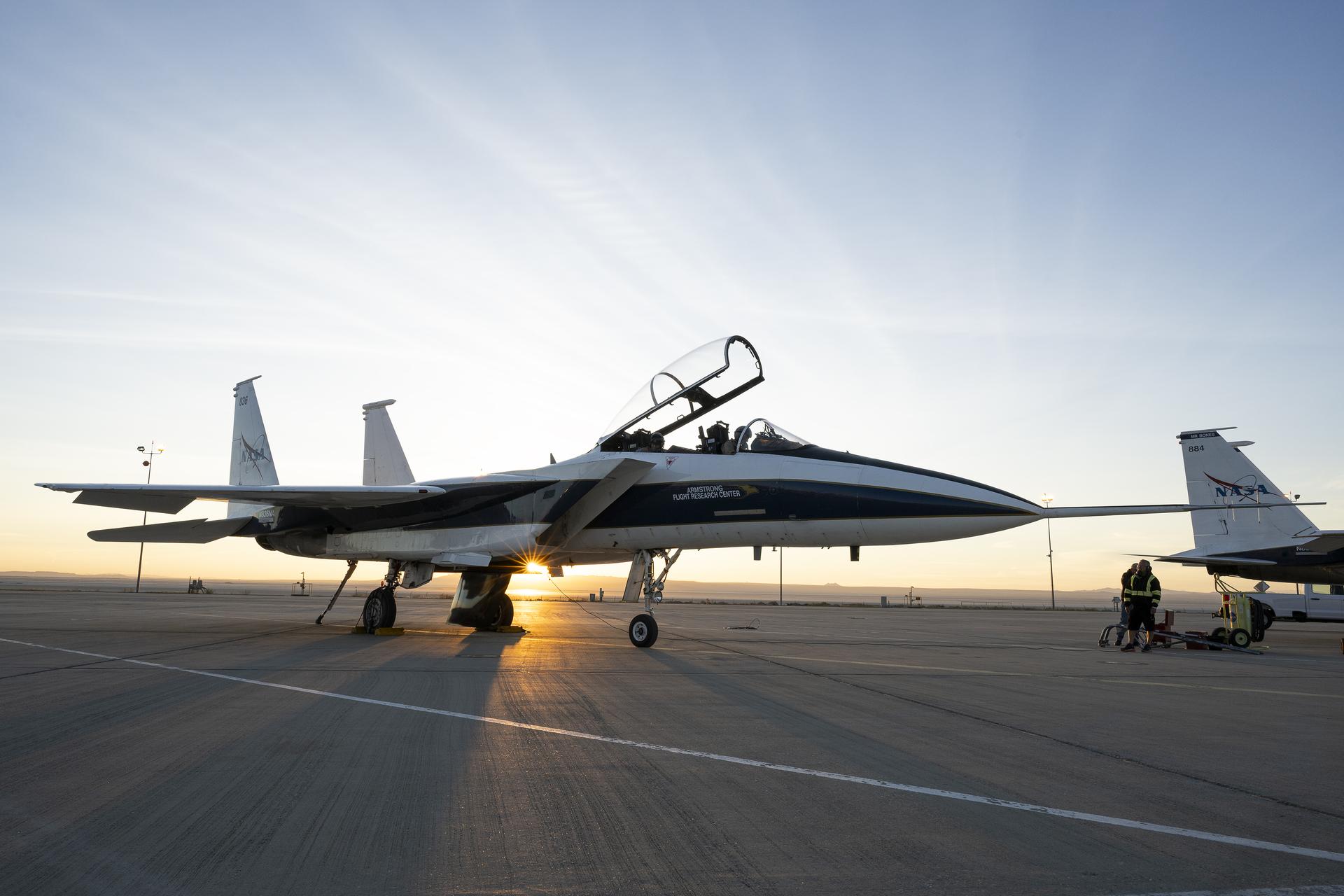
For example, flight testing recently helped NASA gather critical data on laminar flow, or the smooth flow of air, over a wing. The work could lower fuel costs for future airliners. Computer modeling, wind tunnel tests, and other methods helped advance the research, but to find out even more about how the wing concept could reduce drag for future airliners, NASA used a scale model in actual flight.
NASA researchers strapped the Crossflow Attenuated Natural Laminar Flow (CATNLF) model wing to the belly of one of NASA Armstrong’s F-15s. The arrangement allowed them to collect all the information they would need without doing the extensive, costly modifications required to install a full-scale wing on an aircraft.
After a flight series is complete, engineers and researchers analyze the data. Did the instrument work as designed? Did the experimental aircraft perform safely at a high altitude? Did the software operate as planned? Each test raises its own set of questions to evaluate.
NASA continues working with academia, the Department of War, and industry partners to advance U.S. aviation through flight test and bring new benefits to the flying public.
NASA’s Mars Odyssey spacecraft completed its 60,000th orbit of the Red Planet on June 23, 2015. When Odyssey launched in April 2001 with a goal of better understanding Mars’ environment, the Red Planet was generally thought to be dry, barren world; the mission transformed our understanding, discovering widespread subsurface water ice. Its continuous observations haveContinue reading "June 23, 2015: 60,000 orbits for Mars Odyssey"
The post June 23, 2015: 60,000 orbits for Mars Odyssey appeared first on Astronomy Magazine.
Rocket launches this week Tonight, Monday, June 22, according to tracking from Next Spaceflight, The China Aerospace Science and Technology Corporation (CASC) plans to launch a Long March 7A rocket from the Wenchang Space Launch Site located in the South China Sea on the island of Hainan at 10:10 p.m. EDT. The payload has notContinue reading "SpaceX tests new vehicle, Swift gets a lift"
The post SpaceX tests new vehicle, Swift gets a lift appeared first on Astronomy Magazine.
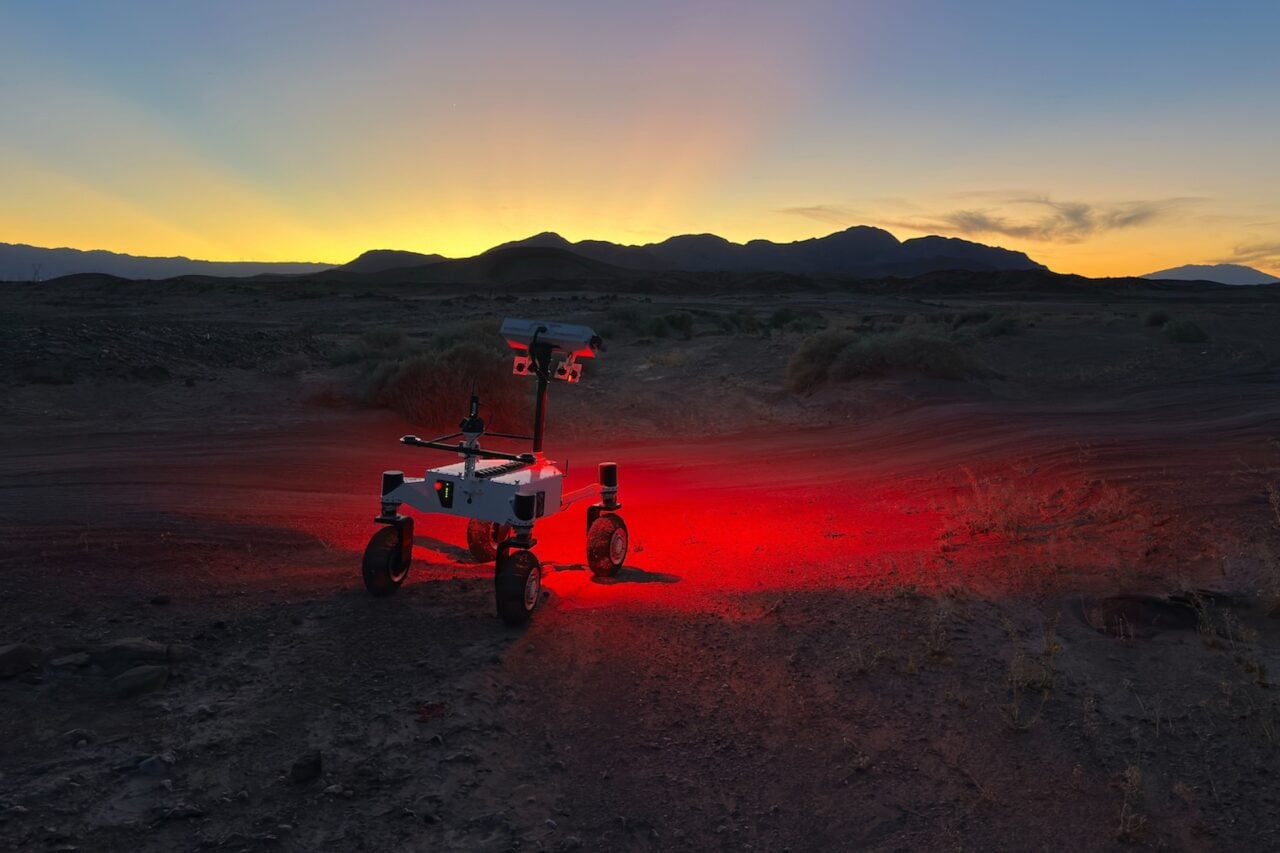
One new mission is setting out to study menstruation in microgravity for the first time ever.
Forty-six years ago, NASA engineers asked Sally Ride if 100 tampons was the right amount to send with her for a six-day spaceflight. Though people laugh at that fact today, there has still never been any scientific study dedicated to studying menstruation in space. But a non-profit called Operation Period aims to change that. Led by Gen-Z researchers, this non-profit works to provide what its founder Manju Bangalore calls "menstrual freedom," which she says would mean everyone can have easy access to menstrual products. Meanwhile, the organization also aims to tackle the wider issues that leave people without such access in the first place. With its upcoming suborbital mission Operation Period-01 (OP-01), this ambitious team is taking their cause into microgravity. On OP-01, the mission's founder will launch to space to conduct the research themselves on a Virgin Galactic suborbital flight in 2027.
In conducting their work here on Earth, Operation Period found that "there were still some of those same gaps in spaceflight medicine," Manju Bangalore, the founder and executive director of Operation Period and research astronaut in training for OP-01, told Space.com. " I want all menstruators to be able to live life with their full dignity and reach their fullest potential, and that includes astronauts."
With a background in physics and astronomical engineering as well as with training in bioastronautics and having spent time working at NASA, Bangalore brings her love of space to this cause. She and Priya Abiram, the Director of Research at Operation Period's Redshift Lab, feel so strongly about their message, even 9 years since the pair founded their non-profit; in fact, with this mission, the two will become some of the youngest South Asian women to travel to space.
"On a personal level, I've always been fascinated by space and human space exploration. It's what's always excited me as a child, and I've kept that curiosity going," Bangalore said. "I didn't think those two missions would ever combine into this. It wasn't something I ever planned, but I'm very grateful to lead this historic mission to advance menstrual health in this way."
And just as this team is excited to bring their research into a suborbital environment, Virgin Galactic is excited to be expanding the range of microgravity science the non-profit supports. "This mission with Operation Period is a powerful example of how Virgin Galactic can continue to support real-time, in-flight scientific investigation into long-overlooked areas of human health, helping advance more inclusive and innovative exploration that delivers insight for both space and life on Earth," Virgin Galactic director of system analysis & research Amber Favaregh said in an emailed statement.
Recently, Operation Period expanded to include a research wing, and this mission will be conducted under that umbrella. The team was not yet able to share specific details on the exact protocol that will be conducted during the mission, information they said will be shared at a date closer to launch, but they did share the current issues that this research aims to begin to address.
Currently, astronauts typically choose to fully suppress their periods during their spaceflights, through hormonal IUDs or oral contraceptive pills. While that is a choice astronauts might continue to make in the future, without data to show the reality of dealing with a period in space, astronauts are left with fewer choices with their own bodies. Comprehensive data on menstruation in space will also be important if astronauts are to complete longer spaceflights or even extended stays on the moon. While the mission has not yet revealed its priorities and exactly what data it will collect, with such limited data on menstruation in space, there is a lot of knowledge to be gained.
While "the data that we have, although limited, says that it is generally safe to menstruate, in terms of long duration missions, we don't have quantitative data," Bangalore said. "We don't have enough data to continue to assist with patient resource allocation for mission planners."
Historic missteps like the "100 questions" moment with Sally Ride highlight an issue that could have big effects on future, longer-term missions. Sure, having a ridiculous number of backup products would ensure that there is no need unaddressed, mass considerations for spaceflight are extremely serious and future missions will need to have better data to know what will be needed in a microgravity environment.
And just like with other science in space, the research conducted in microgravity will also be used on Earth. The pair aim to collect menstruation data that will benefit astronauts as well as people back on our home planet. .
"I think on Earth, there's a lot of gaps right now in menstrual health research," Bangalore said. As just one example, she cited recent findings that menstrual product companies were reporting incorrect absorbency of their products because they were testing products with saline, which is very different from menstrual blood. "This was potentially leading to doctors to underdiagnosed heavy menstrual bleeding, which right now the stats say affects 20% of American menstruators," Bangalore said.
With this being the first mission of its kind, OP-01 will not answer every question that remains about menstruation and space, but it will bring data to a conversation decades in the making. "Our hope is to continue to iterate this research so that we can do future suborbital flights, as well as orbital flights, to continue to create larger data sets," Bangalore said. "I think the point of preliminary studies is to be able to know what questions to ask in the future, so we don't expect that this suborbital flight will solve everything or create all the data that we need, right, but we hope that this will be a good stepping stone."
Momentum for this research was actually sparked by many millions of views on a viral social media video in which Bangalore conducted an early version of a menstrual fluid dynamic experiment in a low-gravity environment aboard a parabolic flight.
This viral moment "ended up being a really cool kind of 'in' to continue talking about destigmatizing periods," she said. "Through that, I got to talk more about the gaps in spaceflight medicine, in terms of menstrual health."

It's Juneteenth in the U.S. today (June 19), a federal holiday that commemorates the end of slavery in America.
Though the Civil War ended in April of 1865, it wasn't until June 19 that same year when Union soldiers officially enforced the law that all enslaved people would be free. But the end of slavery was only the beginning of the challenges soon to follow; for one, segregation between Black and white people in the U.S., both systemic and informal, persisted for years. And we still live in a time when active racism, and the consequences of prior racism, trickle into many aspects of society.
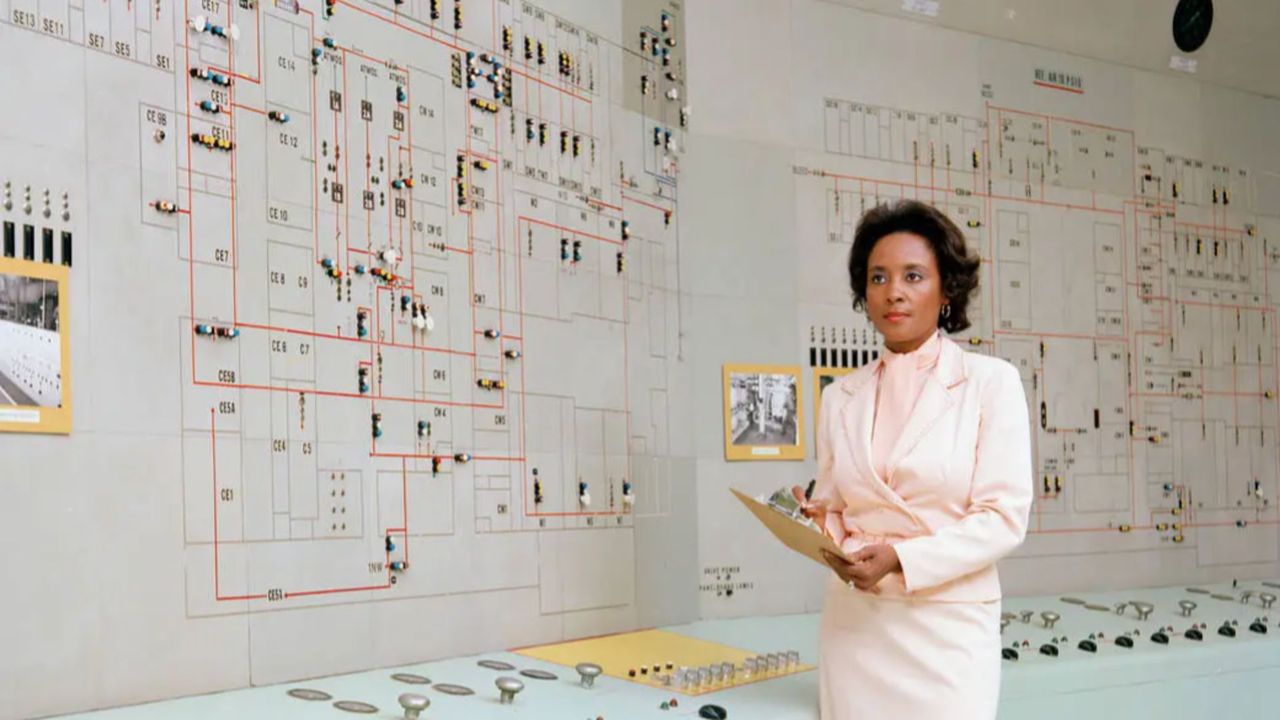
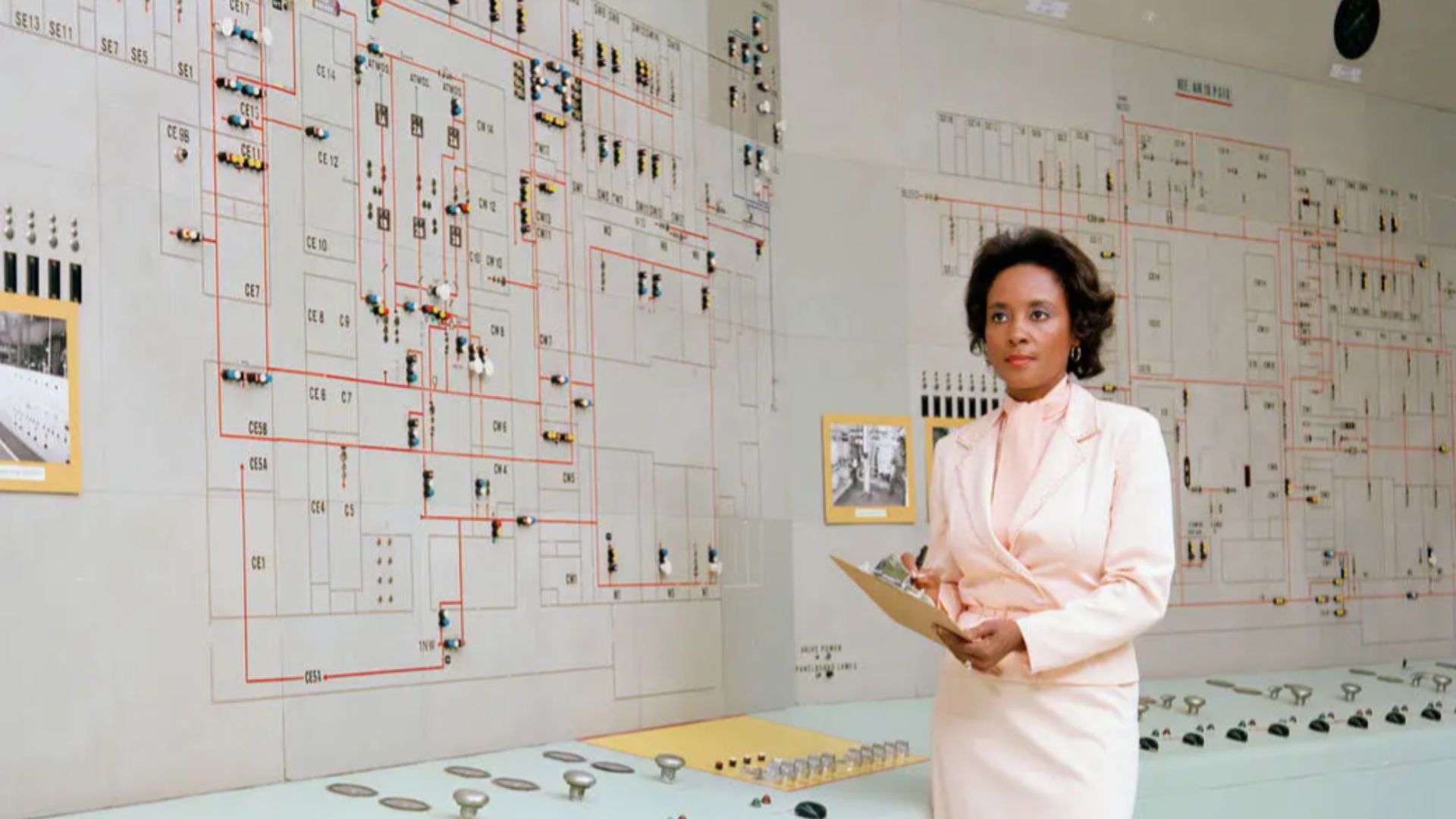
It indeed affected NASA; Black women at the agency were once discriminated against despite making serious contributions to the space program. Our image of the day today celebrates the accomplishments of one such woman, Annie Easley.
In 1955, Annie Easley started working for NASA's predecessor organization, the National Advisory Committee for Aeronautics (NACA). Her job was to serve as a "human computer," which was a position unique to the time. (NACA was dissolved in 1958, and its duties and personnel were taken on by the newly created NASA.)
Human computers at NACA and NASA were women who worked as basically early versions of computer programmers. To be a human computer, you had to be extremely good at mathematics, performing reliable calculations on a consistent basis to aid space missions.
Eventually, though, NASA moved toward the use of machine computers more often; Easley transitioned along with the space agency, ultimately becoming a full-fledged computer programmer.
As NASA explains, Easley's career shifted once again as it progressed. After some time, she took a position as the space agency's EEO, or Equal Employment Opportunity, counselor. She worked with NACA/NASA for 34 years before retiring in 1989. She passed away in 2011.
Like Easley, many of NASA's human computers became computer programmers once the agency made the transition to relying more heavily on machine computers. They together performed hundreds of thousands of calculations for the space program.
Easley alone was able to develop code that was crucial in research of energy-conversion systems, which paved the way for hybrid vehicles like the Centaur upper-stage rocket. Down the line, this work of hers contributed to the 1997 launch of the Cassini spacecraft that headed to Saturn.
However, the story wasn't as golden as it sounds retrospectively. Though NACA started hiring white women as "computers" in 1935, the agency didn't begin allowing Black women to enter the workforce until 1943. And that was only due to a shortage of professionals because of World War 2. In fact, human computers at the agency were not called professionals but rather "subprofessionals," and they were regularly talked down to by men who worked at the organization.
Black women had it particularly bad: They had to jump through hoops imposed by both racism and sexism.
Easley was one of just four African Americans out of 2,500 employees at NACA when she was hired.
In a 2001 interview, Easley recalled her mother saying to her: "'You can be anything you want to. It doesn't matter what you look like, what your size is, what your color is. You can be anything you want to, but you do have to work at it.'"
"I still believe that," she said.