❌

Reading view

Melhores câmeras de segurança Wi-Fi de 2026!

💾

Selecionamos e ranqueamos as melhores câmeras de segurança Wi-Fi de 2026, com opções para áreas internas e externas, visão noturna, detecção inteligente e monitoramento pelo celular. Descubra qual modelo da TP-Link, Intelbras, Positivo ou outras marcas oferece o melhor custo-benefício para proteger sua casa.

Seja membro deste canal e ganhe benefícios:
https://www.youtube.com/channel/UCdmGjywrxeOPfC7vDllmSgQ/join

00:00 Oiiiii!
01:26 Intelbras IM3C - https://amzn.to/4dPbhzs
02:19 Novadigital CS-BTS PRO - https://meli.la/2q6Cpct
03:13 Intelbras IM9+ - https://meli.la/1SXKPb6
03:55 RecomendAI
04:11 Icsee A28 - https://meli.la/1KHriQJ
05:09 TP-Link Tapo C210 - https://meli.la/2Xw6JzY
05:59 Smart Câmera Wi-Fi 2ª Geração Positivo Casa Inteligente - https://amzn.to/43hkR8c
06:52 TP-Link Tapo C520WS - https://meli.la/2EThnY1
07:43 Se inscreve ae!

- Guia de Compras TecMundo: https://www.tecmundo.com.br/guia-de-compras/
- Newsletter do Guia de Compras: https://mailchi.mp/nzn/newsletter-guiadecompras
- Entre no nosso canal de ofertas no WhatsApp: https://bit.ly/tecmundoofertas
⚠️ Assine a newsletter do The BRIEF e seja sempre o mais informado no café da empresa: https://thebrief-newsletter.beehiiv.com/subscribe?utm_source=youtube&utm_medium=hojenotec&utm_campaign=maio

#[Tipo: Lista]

Extensão do TecMundo: encontre cupons escondidos nas principais lojas online: http://bit.ly/3ZkKOji

- Os melhores cupons Online para você! https://www.tecmundo.com.br/cupons

💡 Participe dos canais do TecMundo no WhatsApp!
- TecMundo: https://bit.ly/whatstecmundo
- Voxel: https://bit.ly/whatsvoxel
- Mega Curioso: https://bit.ly/whatsmegacurioso
- Minha Série: https://bit.ly/whatsminhaserie

💡 Temos grupos também no Telegram!
- TecMundo: https://bit.ly/3JZoTbm
- Voxel: https://bit.ly/telegramvoxel
- Mega Curioso: https://bit.ly/telegrammegacurioso
- Minha Série: https://bit.ly/telegramminhaserie

#vpn #melhorvpn #segurançadigital #privacidadenaweb #vpnparastreaming #acessogeografico #protecaodedados #internetsegura #nordvpn #protonvpn #surfshark #cyberghostvpn #expressvpn #windscribe #mullvad

CRÉDITOS
Roteiro: Nilton Kleina
Apresentação: Pedro Castro
Imagens e áudio: Lucas Ghitelar e Felipe Pedro
Produção: Vitória Schmitz
Edição de vídeo: Joaquim Macruz
Motion Graphics: Gustavo Silva
Arte da thumb: Arthur Russo

A melhor programação está no TecMundo
- História da Tecnologia
- Análises, Unboxings e tudo sobre Produtos!
- TecDocs
- Matérias especiais
- Assistência Tec
- Lives de tradução e cobertura de eventos
- Listas
- Hoje no TecMundo

  •  

The Probiotic Breakthrough for Natural Anxiety Relief and Better Mental Health

Holding Supplement CapsuleA surprising gut-brain discovery suggests that anxiety could one day be treated with specially designed probiotics. Could anxiety be shaped, at least in part, by tiny organisms living in the gut? Research from Duke-NUS Medical School and the National Neuroscience Institute of Singapore points to a striking connection between gut microbes and anxiety-related behavior. The [...]
  •  

Hammerhead Sharks Up Close with Bertie Gregory | Official Trailer | National Geographic

💾

In Mexico’s Pacific waters, Bertie Gregory goes in search of one of the ocean’s most iconic predators: the hammerhead shark. Once abundant in these seas, hammerhead numbers have plummeted, making sightings increasingly rare. Bertie investigates what’s driving the hammerhead decline, and how protected waters offer hope for the future. His journey culminates in a rare and unforgettable encounter that shines a light on the future of one of the world’s most famous sharks.

Explore the World with National Geographic subscriptions: https://natgeo.com/ytngmagazine

➡ Subscribe: https://on.natgeo.com/4p5A0D6
➡ Get more Nat Geo Full Episodes: https://on.natgeo.com/3V5ZfHI
➡ Get wild with Nat Geo Animals Full Episodes: https://on.natgeo.com/3V2EOLO

And check out more National Geographic series and specials here:
➡ Disney Plus: https://on.natgeo.com/3q6on5p
➡ Hulu: https://on.natgeo.com/3Qor0Ko
➡ NGTV: https://natgeo.com/tv
➡ ABC: https://abc.com

#NationalGeographic #OfficialTrailer #BertieGregory

About National Geographic:
National Geographic is the world's premium destination for critically acclaimed storytelling around science and exploration. Discover amazing wildlife, ancient civilizations, hidden worlds, and the incredible wonders of our Earth. Through world-class scientists, photographers, journalists, and filmmakers, Nat Geo inspires fans of all ages to connect with, explore, and care about the world.

Get More National Geographic:
Official Site: https://nationalgeographic.com
Instagram: https://instagram.com/natgeo
Facebook: https://facebook.com/natgeo
Threads: https://threads.com/@natgeo
X: https://x.com/NatGeo
LinkedIn: https://linkedin.com/company/national-geographic
TikTok: https://tiktok.com/@natgeo
Reddit: https://reddit.com/user/nationalgeographic
Pinterest: https://pinterest.com/natgeo

Hammerhead Sharks Up Close with Bertie Gregory | Official Trailer | National Geographic
https://youtu.be/boryVTP7u3k

National Geographic
youtube.com/natgeo
  •  

Next-gen powerful missile for interception, combat, self-defense fired from French fighter jet

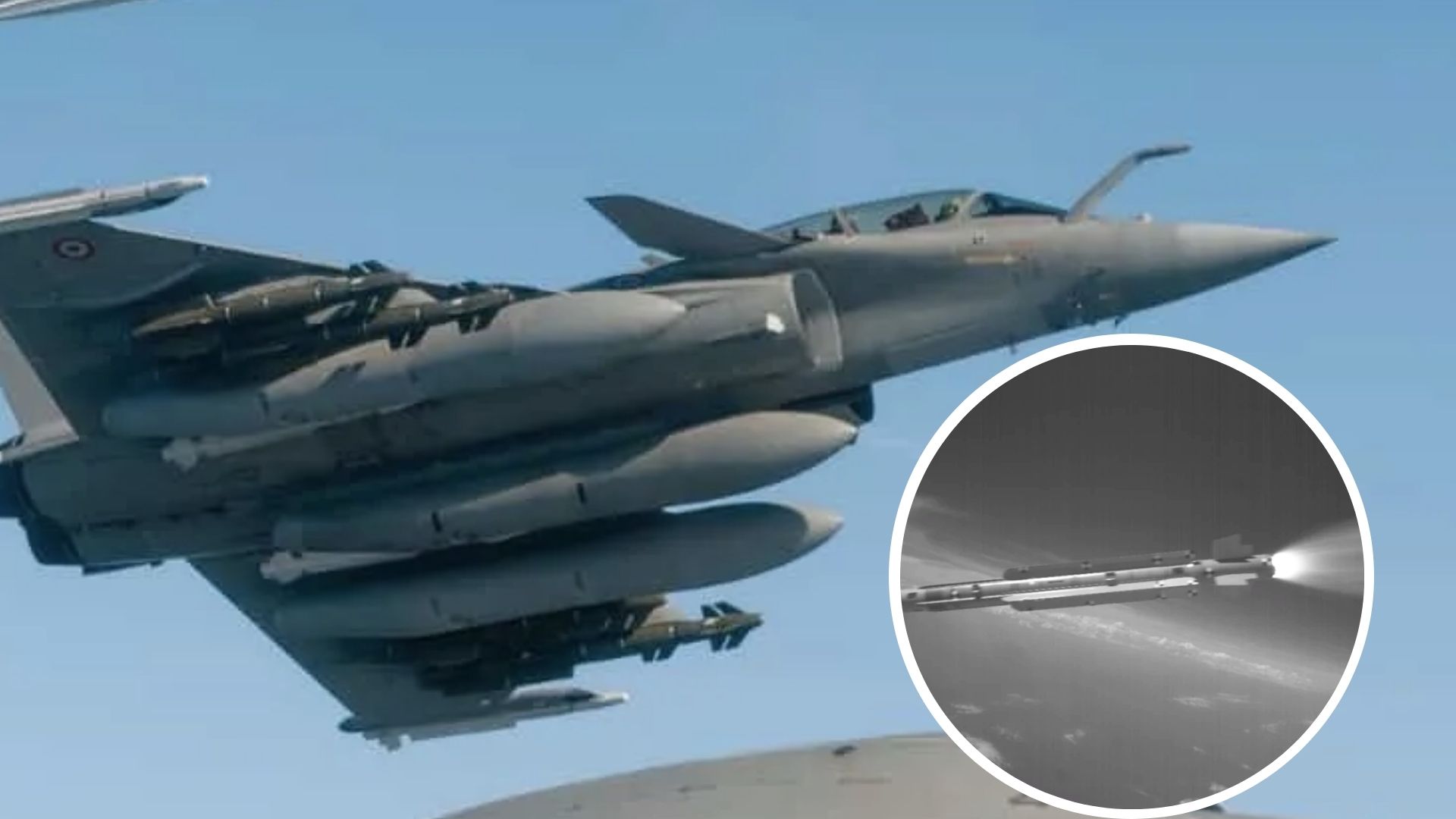
A French fighter jet has successfully conducted the second development firing of MICA NG air-to-air missile. The New Generation Missile for Interception, Combat, and Self-Defence (MICA NG) was fired from Rafale.

Conducted for the first time in supersonic flight configuration, this firing took place at the DGA Missile Testing Centre’s Mediterranean site.

The test is a major step towards the missile’s qualification and  integration with the Rafale since the first development shot from a Rafale which took place in June 2025.

Firing was made under highly demanding operational conditions

The test was conducted in collaboration with the teams of MBDA, DGA, Dassault Aviation, and the French Air and Space Force.

This firing was made under highly demanding operational conditions. It successfully evaluated the performance of the MICA NG’s infrared seeker in a supersonic flight context, thereby validating its capabilities to handle all types of current and future threats, according to MBDA.

It’s also revealed that the firing successfully validated the full deployment chain of the infrared version of the missile, particularly its seeker, even in extremely challenging flight conditions and high temperatures.

Missile uses seeker to automatically correct its trajectory

The seeker is a system used by the missile to automatically correct its trajectory based on the information it receives. In its infrared version, it uses the infrared radiation emitted by the target. In a supersonic flight configuration of the Rafale, at faster than the speed of sound (Mach 1), the MICA NG and its infrared seeker are subjected to a higher ambient temperature, according to MBDA.

The higher this temperature, the lower the contrast between the target of interest and the background of the image, and the more difficult it will be for the seeker to detect it. This test validated the capabilities of the MICA NG’s infrared seeker under these conditions.

MBDA also revealed that the MICA NG is equipped with advanced technologies that enable it to address high performance future threats that will be faster and  more stealthy. This enhances France’s capability to maintain its operational superiority in contested and high-intensity airspaces.

In addition to the usual targets covered by air-to-air missiles (aircraft, helicopters), the MICA NG extends its capabilities to targets characterized by very low infrared and electromagnetic signatures, such as drones, stealth fighters, and highly maneuverable cruise missiles, according to a press release.

MBDA also highlighted that MICA NG will ensure interception, close combat, and self-defence capabilities for fighter aircraft to maintain air superiority, as well as for ships and areas of terrestrial interest in its VL MICA NG version.

With each development milestone, MBDA moves closer to delivering a next-generation air-to-air weapon that combines advanced sensors, extended range, and superior flexibility.

The successful test not only demonstrates the maturity of the MICA NG program but also highlights France’s commitment to maintaining technological superiority in the rapidly evolving domain of aerial warfare.

  •  

Animal vs. Plant Protein: Scientists Found a Surprising Nutritional Difference

Grilled MeatResearch suggests that equal servings of animal protein may pack a much bigger muscle-building punch than their plant-based counterparts. When it comes to protein, the same serving size on paper may not mean the same nutritional payoff in the body. A 2023 Purdue University study found that two ounce equivalents (oz-eq) of animal-based protein foods [...]
  •  

Les plus grosses pouponnières d'exoplanètes ne se trouvent pas où on le croyait !

Depuis une trentaine d'années, on observe des pouponnières d'étoiles, qui sont également des pouponnières pour les exoplanètes au sein de nuages moléculaires et poussiéreux instables, susceptibles de s'effondrer gravitationnellement. Mais selon des astrophysiciens, l'Univers est capable de...

  •  

1,700-year-old legendary Roman-era submerged bridge found in Switzerland’s Solothurn

A long search has finally concluded: Swiss divers have discovered a legendary Roman-era bridge that researchers have been trying to locate for decades. It may be the only pile trestle of its kind that exists.

As plans were underway to construct a bridge over the Aare River, Swiss archaeologists hired by Cantonal Archaeology conducted routine archaeological investigations in the area near Solothurn, Switzerland, which has long been a subject of interest for archaeologists.

A bridge pier, known as a pile trestle, was believed to have been built in this location. Archaeologists were eager to investigate due to the area’s “strategic geography” and “its position along an important transalpine trade and military route.”

And finally, as construction work would be carried out, archaeologists were hired by Cantonal Archaeology to take the plunge, which they did several times, guided by previous accounts of the presence of “stakes” in the waters. On fins, they came to discover a row of timber piles near Solothurn’s Wengi Bridge.

The piles, just under 6.56 feet long and arranged in the direction of the current, provided the first physical evidence of a pile trestle ever found. Upon analyzing the wood and remnants of the bridge pier, they confirmed its existence, dated it to the 4th century, and established that it was linked to the city’s development as a castrum, or fortified settlement.

A major bridge pier

This long-sought bridge was part of a major road connecting Italy with the Rhine River, according to LBV. Sections of this road had already been identified on either side of the river, suggesting that a bridge must have existed to facilitate crossings.

For years, archaeologists contended that the riverbed near Solothurn could contain a pile trestle due to the unique characteristics of this small municipality in Switzerland. The Aare River narrows at a point near the town, which helped archaeologists estimate where the bridge might have been constructed.

Historically, Salodurum is the Latinized version of a Celtic toponym that means “river narrows” or “gateway of the waves.” Until now, no physical evidence had been found, only rumors of “stakes” underwater.

Previously, it was known that the Romans settled in this area between the 1st and 3rd centuries. In the 4th century, a defensive wall was constructed in response to instability and military pressures, leading to the fortification of urban settlements. This bridge symbolizes an empire striving to protect itself from its ultimate demise.

A system of defense

A castrum wasn’t a town wall, but rather a system, Arkeonews clarified. Solothurn, a picturesque town today, once held strategic importance due to its placement on the Aare. This region was well-developed and interconnected by imperial routes. The Romans built this bridge pier to enhance a gateway crucial for preventing significant losses. The settlement lying beneath the Baroque center even reveals how the Romans intentionally selected this spot for its strategic value.

Because the 1,700-year-old wood would decay if exposed to air, the construction project will not disturb the precious timbers submerged in the river, allowing them to remain in their watery grave. They represent the Roman Empire at a pivotal time in its history.

Archaeologists will continue investigating the bridge, Heritage Daily concludes, and they hope to glean new insights into their methods of construction and how it functioned in this vast network that linked the Mediterranean and Northern Europe.

💾

Swiss divers have discovered a legendary Roman-era bridge that researchers have been trying to locate for decades
  •  

Electric excavator runs 50% longer using Danish engineering firm’s new hydraulic tech

A Danish engineering called Danfloss has developed a new digital hydraulic system designed specifically for electric construction equipment, claiming it can reduce energy consumption from a machine’s battery by 35% and improve runtime by more than 50%.

The breakthrough could prove significant for heavy-duty machinery, where electrification has often faced a major challenge: battery-powered machines must deliver enough runtime and productivity to match the demands of construction and mining work.

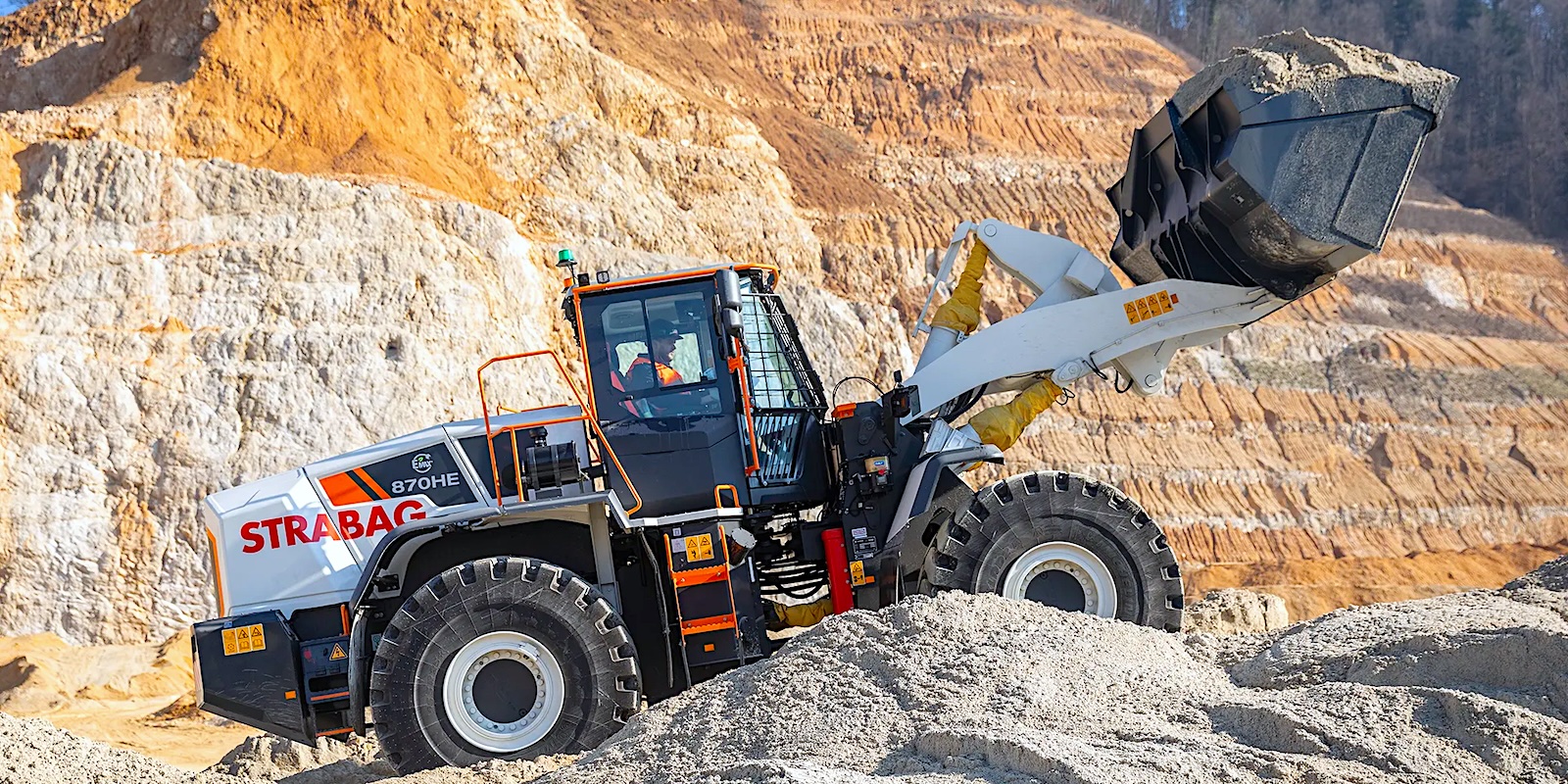
The project began with a Develon DX300LC-7 crawler excavator, which was converted into a fully electric machine.

The excavator was fitted with a Danfoss Editron EM-PMI375 drive motor, EC-C1200 inverter, and MC050 motor controller, along with three 140-kWh batteries.

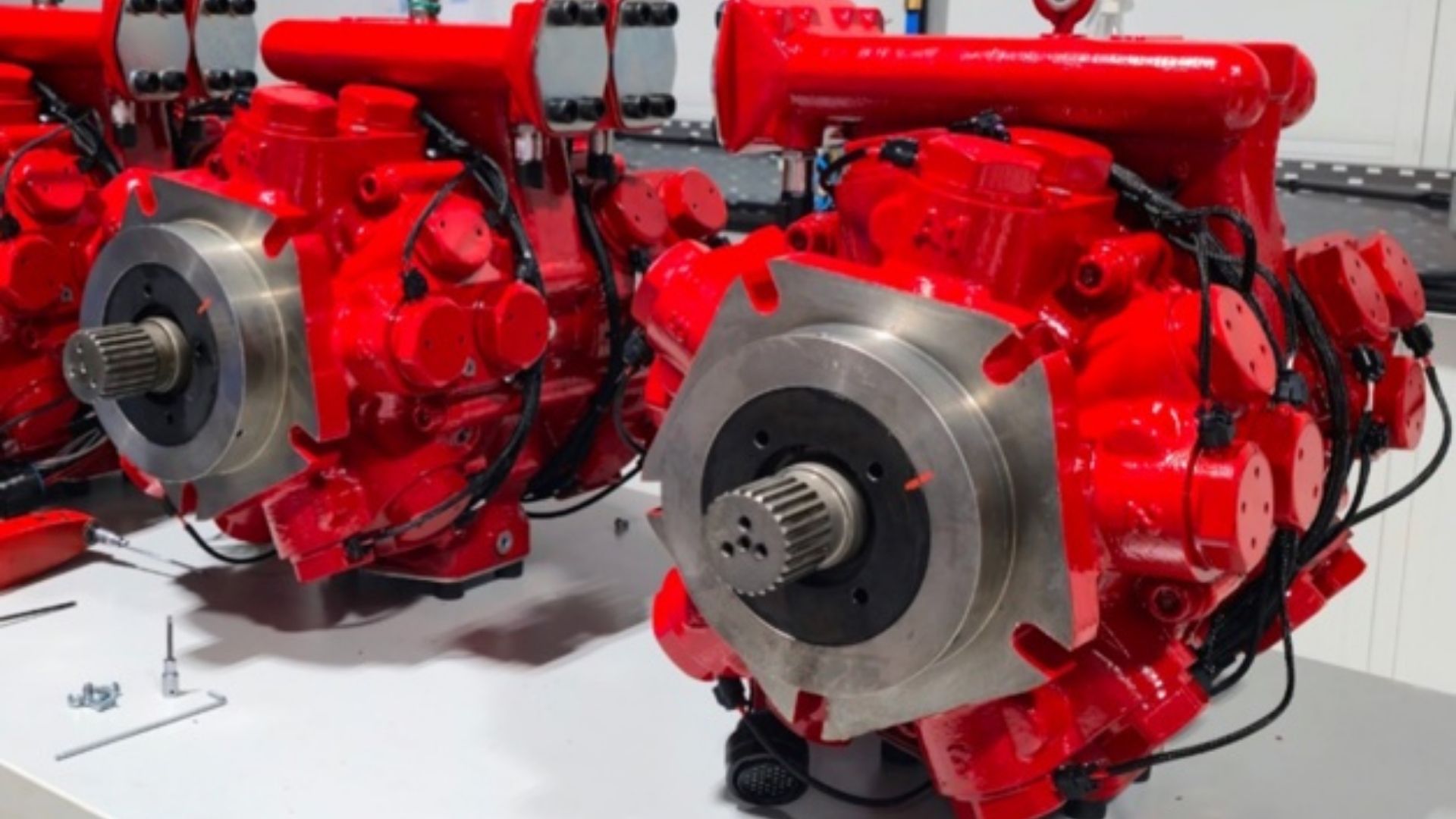
The key change, however, came in the hydraulic system. Engineers replaced the excavator’s conventional swashplate hydraulic pump with a newly developed DDP180D pump motor designed to service the boom, arm, bucket, and swing functions.

Digital hydraulics cut battery demand

Unlike a conventional hydraulic setup that supplies constant power and pressure throughout the system, the new unit uses ten individually controllable outlets. These outlets provide hydraulic force only where it is needed, instead of continuously feeding the whole system at a peak-load level.

This allows designers to build around the machine’s average workload rather than its peak load. The result is a more efficient electric excavator that can perform significantly more work using the same amount of stored battery energy.

By reducing unnecessary hydraulic losses, the system cuts battery energy consumption by 35%.

In practical terms, this gives the machine more than 50% additional runtime, a major improvement for electric construction equipment that must operate for long work cycles in demanding environments.

“We are extremely encouraged by these results, but there is more work to do,” said Alasdair Robertson, senior director, Digital Displacement, Danfoss Power Solutions.

“Further gains are possible, and we will continue optimizing the system to maximize the energy savings and value for our customers,” he continued.

UK grant supports red diesel alternatives

The electrification project was partly funded through a grant from the UK’s Red Diesel Replacement Phase 2 Competition.

The program is designed to advance the development of lower-emission alternatives to red diesel used in the construction and mining industries.

Red diesel has long powered off-highway equipment, but industries that rely on heavy-duty machinery are increasingly looking for cleaner alternatives.

Electrification is one route, but battery size, runtime, and total cost of ownership remain central concerns.

Longer runtime could accelerate adoption

For electric construction machines, performance is not just about emissions. Operators also need smooth control, productivity, and cost advantages before battery-electric machines can be adopted more widely.

“Electric excavators offer excellent responsiveness, smooth control, a quiet cab environment and zero-emission operation,” added Robertson.

“With Dextreme Max, they can also deliver the runtime, productivity and total cost of ownership advantages required for wider adoption, thereby accelerating the decarbonization of heavy-duty machinery,” he said.

If the system can be scaled successfully, it could help make electric excavators and other heavy-duty machines more practical for real-world construction and mining operations.

By extending runtime while lowering battery energy demand, the technology could remove one of the biggest barriers facing off-highway electric vehicles.

  •  

Scientists design 2D materials with atomic precision for future devices, next-gen technologies

Scientists at the U.S. Department of Energy’s Argonne National Laboratory are pushing materials design closer to the atomic scale by showing how MXenes can be tailored almost atom-by-atom for advanced technologies.

In two recent publications, researchers demonstrated new ways to control the types of atoms in MXenes, where those atoms sit, and what chemical groups attach to their atom-thin surfaces.

MXenes, pronounced “max-eens,” are a family of two-dimensional materials often just a few atoms thick. They are mainly made from transition metals, such as titanium, vanadium, or molybdenum, bonded to carbon and/or nitrogen.

Expanding the MXene material family

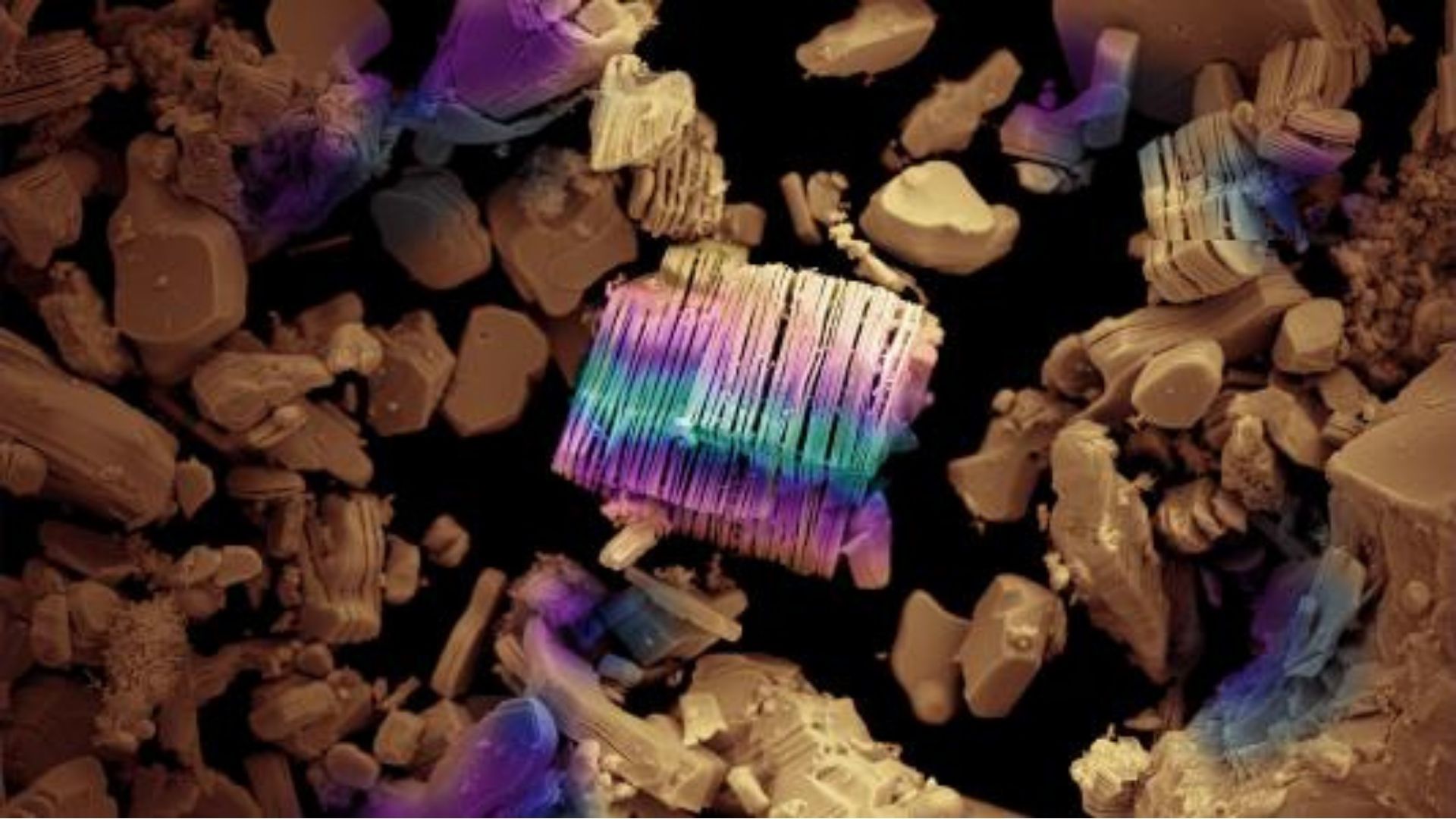
MXenes begin as layered solids called MAX phases. When researchers chemically remove one type of layer from a MAX phase, the remaining sheets can be separated into thin, flat MXene layers.

“I like to imagine MAX phases as a textbook with all the pages glued shut and MXenes as a single page you want to extract,” explained Brian Wyatt, a Maria Goeppert Mayer Fellow at Argonne.

“You have to dissolve the glue and coax that page out. The glue and pages represent different chemical environments, so atoms prefer to be near certain layers,” he added.

In work published in Science, Argonne scientists created 40 different MAX phases, each containing at least two metals and, in some cases, as many as nine metals in a single structure.

The achievement nearly doubled the known chemical space that can be used to make MXenes.

When atomic order breaks down

The researchers found that atomic ordering can continue when a material contains up to six different metals. But when seven or more metals are added, the pattern breaks down and the atoms become truly disordered.

“This is where entropy, the natural tendency toward randomness, wins,” Wyatt said. “Nature likes some kinds of order, but once we add enough different ingredients, it becomes too hard for the atoms to stay organized,” he added.

Using secondary ion mass spectrometry, or SIMS, the team measured the material layer by layer to see where different atoms were located.

Designer materials for future technologies

“We like to say that these are like designer materials,” Wyatt said. “If I want a certain application, I use these compositions; if I want something different, I use others. The class is so big, we can design for what we need.”

One promising use is electromagnetic interference shielding, where MXenes can block unwanted signals even in nanometer-thick coatings.

Researchers are also studying them for catalysis, where their exposed 2D surfaces could reduce the need for costly materials such as platinum.

“The tunability of MXenes is key for catalysis,” Muhoza said.

“Sometimes you need specific metals as active sites, but only a small area of bulk material is actually active. With MXenes, you can put those metals on a 2D structure, so they’re all exposed,” he added.

The next challenge is scaling these materials for manufacturing and industry adoption. Artificial intelligence and machine learning may help researchers identify which element combinations are most worth testing.

  •  

Près d'un Français sur deux utiliserait déjà l'IA au quotidien et voici les usages qu'ils en font

Deux heures récupérées chaque semaine, des courses faites automatiquement, une recherche d'appartement pilotée par un bot : l'IA s'installe dans le quotidien des Français à une vitesse surprenante. Près d'un Français sur deux y recourt déjà régulièrement. Mais jusqu'où peut-on lui faire...

  •  

Tiny Genetic Change Turns Female Mice Into Males, Scientists Discover

X Chromosome DNA StrandA new study reveals that an extremely small change in a non-coding region of DNA can dramatically alter how sex develops in mice. How much can a single letter of DNA matter? According to new research from Bar-Ilan University, one misplaced genetic “letter” can completely change the course of sexual development. In a study published [...]
  •  

ATUALIZAÇÃO SOBRE CASO DE CAMPO LARGO E OVNI EM ATIBAIA

💾

Livro Do Átomo ao Buraco Negro: https://www.amazon.com.br/%C3%A1tomo-buraco-negro-descomplicar-astronomia/dp/854221367X

Livro "Onde Estaremos em 2200: https://www.amazon.com.br/Onde-estaremos-2200-explora%C3%A7%C3%A3o-espacial/dp/6555350636

Vídeo do Na Lata Driver: https://www.youtube.com/watch?v=iZwUQMYwhtA

ATUALIZAÇÃO SOBRE CASO DE CAMPO LARGO E OVNI EM ATIBAIA Na notícia de hoje: Resolução do caso do ovni de Campo Largo?
Ovni em Atibaia, Nas imagens, o autor da gravação aponta para o que parece ser um grande objeto suspenso no ar, pairando sobre a Pedra Grande.

Contato PROFISSIONAL: canaldoschwarza@gmail.com

Contato para palestras: juliana@vesperassessoria.com.br
  •  
❌