❌

Reading view

Survey: Enterprises waste 28 percent of software budgets on unwanted upgrades

Enterprise-sized businesses spend, on average, 28 percent of their software budgets on unwanted upgrades, migrations, and licensing changes. Often, those firms' IT heads think those changes are detrimental.

Those results are according to a survey of 2,018 chief information officers and senior IT decision-makers at companies with at least 10,000 employees that Origina commissioned for its report, “The Software Tax.” About half of the respondents (1,011) are from the US, and the rest are from the United Kingdom. All respondents worked at companies with at least $1 billion in annual revenue.

Keep in mind that Origina provides maintenance for various enterprise software. Its report points to independent software maintenance as a way for IT leaders to regain control over software budgets, illustrating its potential bias. A third-party research consultancy, Censuswide, conducted the survey.


Read full article

Comments

© Clara Molden/PA Images via Getty Images

  •  

Does opting out of smart TV tracking work? Research finds “suspicious” traffic.

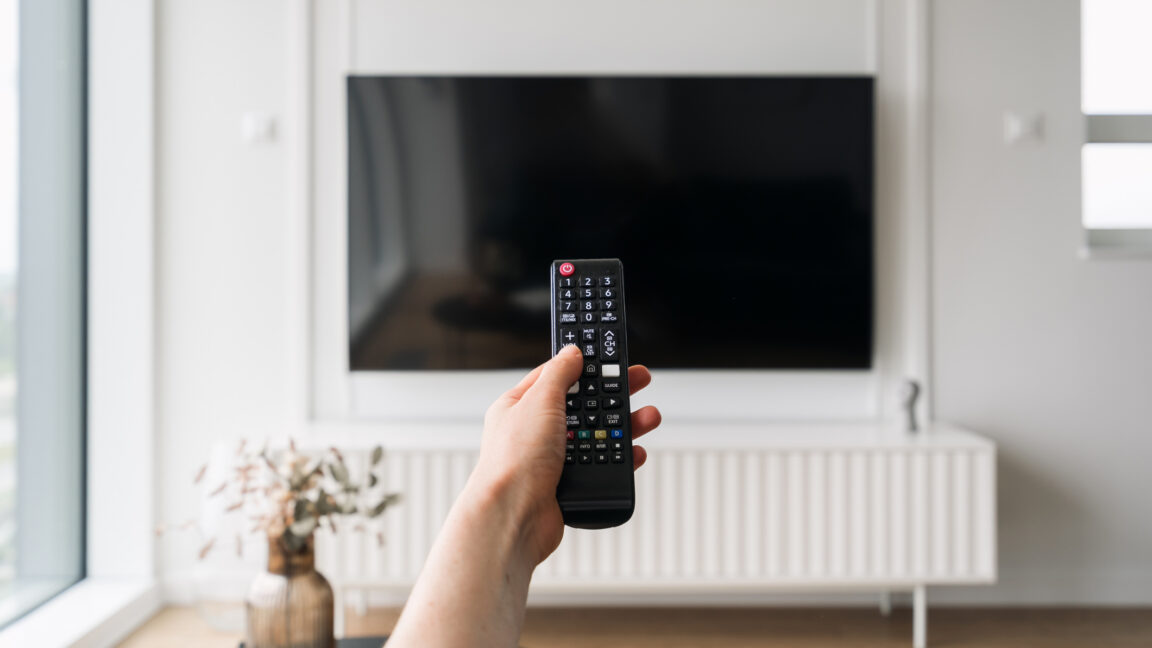
Smart TVs running operating systems from Samsung, Vizio, and Roku continue sending data to automatic content recognition (ACR) endpoints after users opt out of tracking in the devices’ settings, according to research published on Monday. The paper from Northeastern University researchers points to potential privacy violations from some of the biggest TV brands.

ACR captures video screenshots or audio clips from smart TVs and sends the data to remote servers, where it's used for things like measuring content viewership and serving targeted ads.

The paper, "Watching the Watchers: Privacy Analysis of US Smart TV Automatic Content Recognition," examined eight smart TV OSes across 12 smart TVs from 10 manufacturers (Amazon, Hisense, LG, Roku, Samsung, Sony, Supersonic, TCL, Vizio, and Westinghouse) to examine when smart TVs use ACR and how effective opting out of user tracking is.

Read full article

Comments

© https://www.gettyimages.com/detail/photo/modern-living-room-with-smart-tv-and-remote-control-royalty-free-image/2226225055

  •  

JustWatch, which tackles streaming fragmentation, launches own streaming service

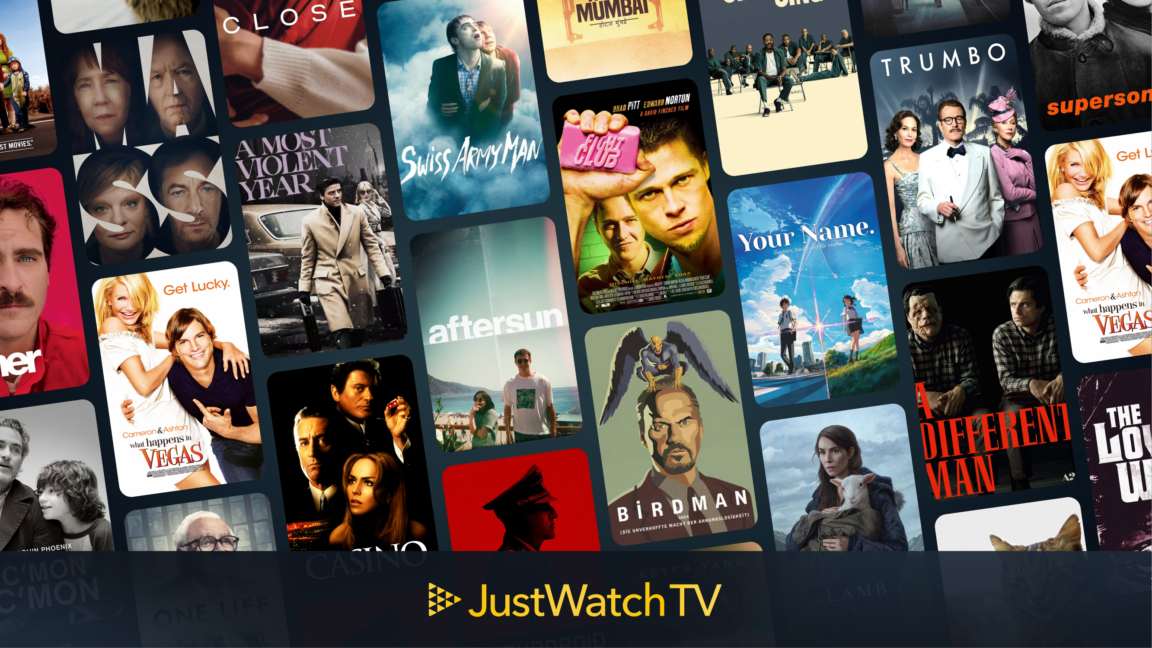
Since launching in 2015, JustWatch has helped people navigate the growing number of streaming services by providing a guide on where to find movies they want to stream. Now JustWatch has its own streaming service and wants people to subscribe.

Launched today, JustWatch TV offers some movies available for free with ads that aren’t free on any other streaming service, including Green Room (2015), Locke (2013), and Sing Sing (2023). Other free movies include Fiddlin’ (2018), Friday the 13th (1980), and Hotel Mumbai (2018). I could play movies available for free on JustWatch TV without creating an account.

JustWatch TV also has movies you can rent.

Read full article

Comments

© JustWatch

  •  

Bug turns one of the biggest fears about Ray-Ban Meta smart glasses into reality

Some Ray-Ban Meta smart glasses were recording people’s conversations without the wearer knowing. The recordings occurred without users saying the prompt phrase (“Hey, Meta”), in a bug that Meta says has been fixed.

This week, some users reported online that their Ray-Ban Metas were recording without their consent. A person going by Kindly-Audience-137 on Reddit, for example, said this happened to them across three Meta Ray-Bans and that they had the “Respond without Hey Meta” setting turned off. The person said the Meta AI app “saves audio recordings and text transcripts of these conversations in my conversation history.”

“I believe this deserves a serious technical investigation. Customers should not have to wonder whether their private conversations are being captured when they have not intentionally activated their glasses’ AI assistant,” the Reddit user said.

Read full article

Comments

© Meta

  •  

Plex now helps sell movie theater tickets

Plex, which made a name for itself by letting users share movies they own, is now helping sell movie theater tickets. The company is looking to monetize its content-discovery capabilities and expand its business beyond its media server software.

Plex partnered with Fandango, which has sold movie tickets since 2000, to drive ticket sales from people searching for movies to stream. Per the announcement:

Starting today, Plex users in the US will see a Fandango ticketing option on title pages for movies currently playing in theaters, allowing them to click through to Fandango to find showtimes and purchase tickets. The integration also enables direct attribution through Kochava, giving studios and advertisers greater visibility into how campaigns and audience engagement translate into ticket sales.

Fandango says it sells tickets for 31,000 movie theater screens in the US. The Plex deal allows it to leverage data from Plex’s streaming service (Plex claims users of the service “make more than 100 million streaming decisions each month”), including "ratings and cross-platform viewing" to gain “insight into audience intent," the announcement said.

Read full article

Comments

© Getty

  •  

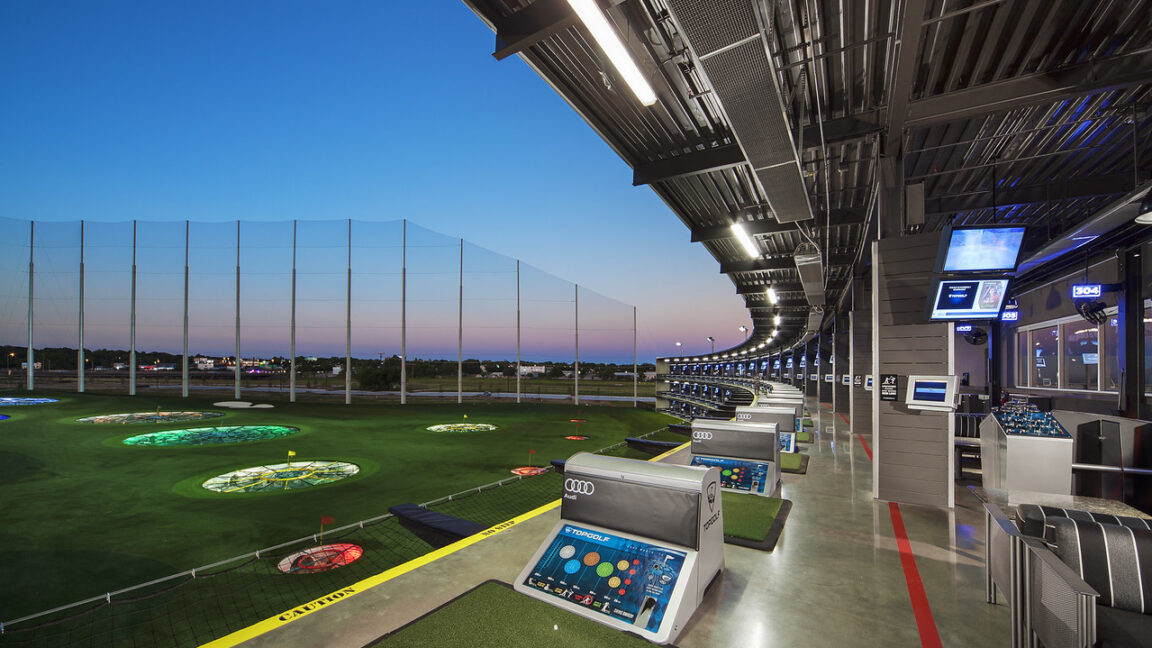
Topgolf saved over $11.3 million after leaving VMware

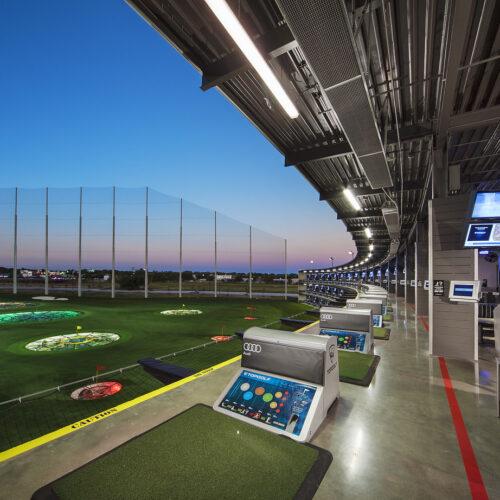
Topgolf’s VMware costs were going to increase by 400 percent under Broadcom. To avoid that cost, the sports entertainment company moved 12,000 virtual machines (VMs) to VergeIO’s VergeOS and has saved over $11 million so far.

Before migrating, Topgolf’s VMware connection “ran very deep,” Scott Forehand, Topgolf’s global infrastructure manager, told Ars Technica.

Topgolf has over 100 locations worldwide featuring interactive golf games with real-time shot tracking and digital analytics. The company used vSphere and ESXi for decades and started using VxRail, the hyperconverged infrastructure (HCI) platform that VMware co-engineered with Dell, in 2017. Topgolf employees previously participated in numerous VMware customer councils and have been interviewed for books on how Topgolf used vSphere and Horizon (now Omnissa Horizon), per Forehand, who is a leader of the Dallas/Ft. Worth VMware User Group.

Read full article

Comments

© TopGolf

  •  

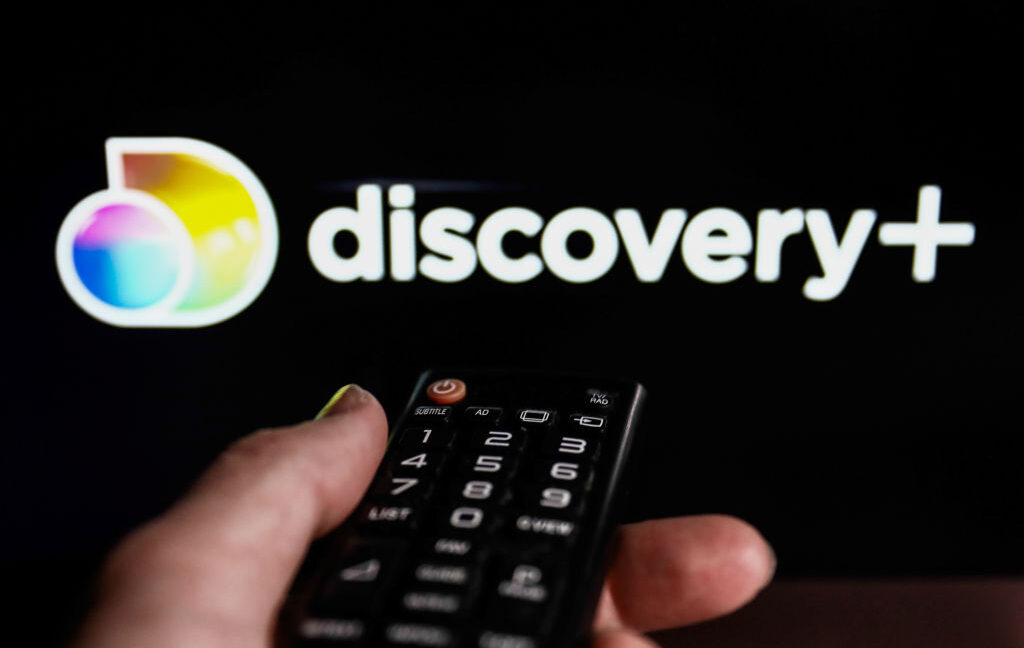
Skydance’s Discovery+ prices increase by up to 20 percent

Discovery+ subscription prices went up today.

Ad-free plans for new subscribers went from $10 per month to $12/month. Ad-based plans went from $6 to $7.

The new prices take effect for new subscribers immediately. Current subscribers to the streaming service, which primarily features unscripted content, like reality shows and documentaries, will receive 30 days’ notice before the new prices take effect, starting with bills issued as of November 12.

Read full article

Comments

© Jakub Porzycki/NurPhoto via Getty Images

  •  

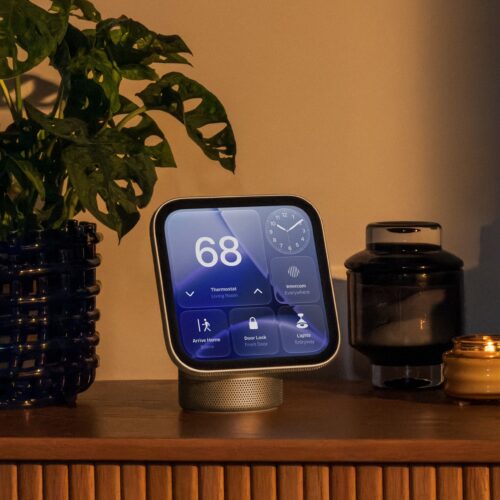
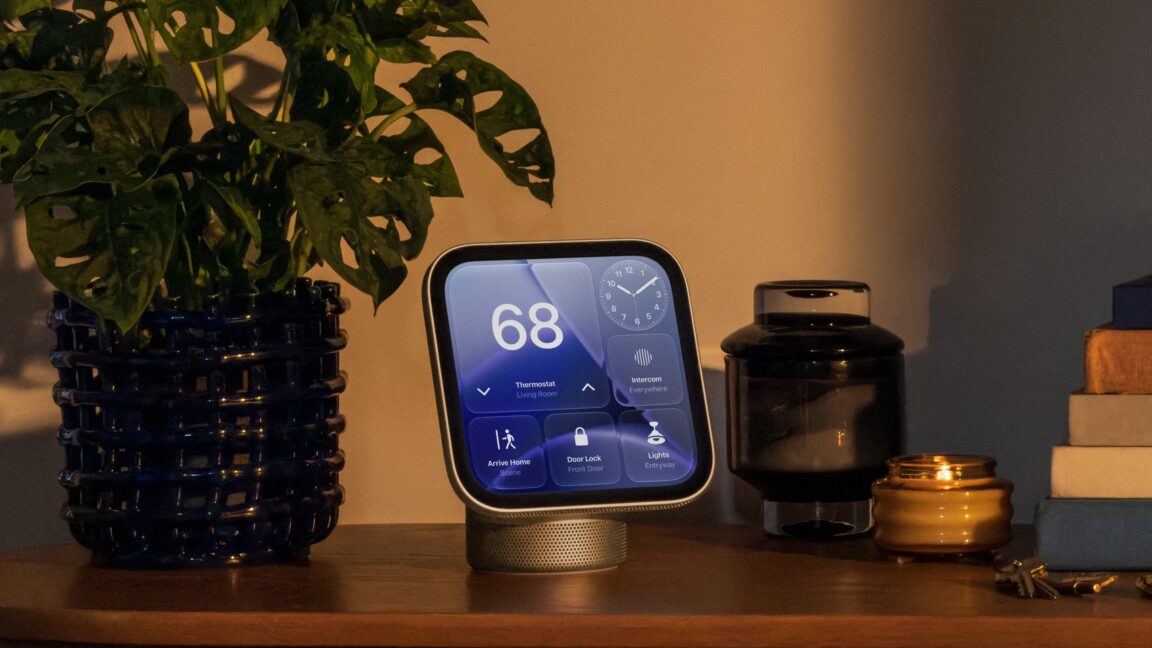
Apple’s first smart display is the 7-inch HomeView for $299

Apple opened preorders for the HomeView smart home hub today.

The HomeView is a 7-inch smart display and speaker that aims to be a central access point for up to six members of a family to access and control Apple’s ecosystem of devices, apps, and the Siri generative AI chatbot that's currently in beta.

Users can speak to HomeView to control smart home devices, such as, for example, telling Siri to close the smart blinds or activate smart locks. HomeView can also show a livestream for up to nine video feeds simultaneously.

Read full article

Comments

© Apple

  •  

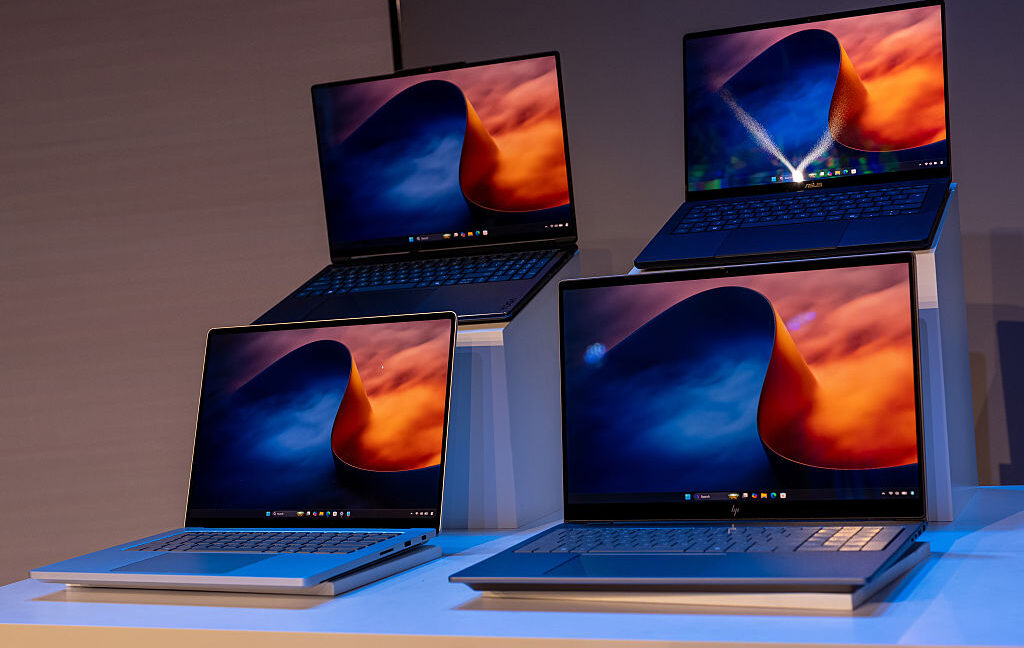
PC shipments fall 20.1 percent in “sharpest decline” since Q1 2023

PC shipments saw a steep drop of about 20 percent in Q3 2026, analysts reported this week.

The industry saw its “sharpest decline since “Q1 2023," Omdia said in an announcement toady. Global shipments of laptops, desktops, and workstations fell 21.2 percent year over year (YoY) to 58.1 million devices, the analyst said.

Desktop PC shipments (including desktop workstations) decreased 23.5 percent to 11.7 million units, and laptop shipments (including laptop workstations) declined 20.6 percent to 46.4 million, per Omdia.

Read full article

Comments

© David Paul Morris/Bloomberg via Getty Images

  •  

Licensing costs driving 90 percent of VMware users to explore options: Survey

VMware customers face multiple obstacles as they rethink their virtualization strategy to reduce dependence on VMware.

Today, Rimini Street published its “2026 IT Virtualization Survey – What’s Next for VMware Users.” The survey examined 300 organizations worldwide that use VMware.

Notably, Rimini sells third-party support for VMware and other software, including Oracle and SAP. That means there’s an incentive for Rimini to portray VMware users as experiencing obstacles. However, the survey was also conducted by a third-party research company, Unisphere Research, and the results align with other recent reports about VMware customers.

Read full article

Comments

© Getty

  •  

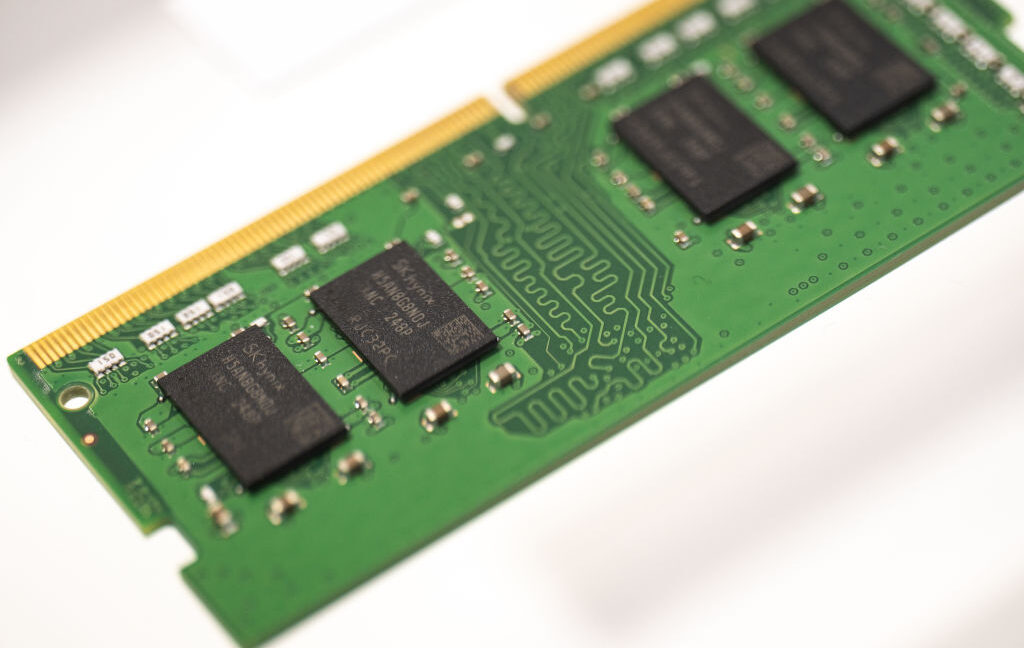
Memory executives expect RAM shortage to continue through 2028

Micron and Samsung executives this week said the memory shortage will continue for at least the next couple of years.

Micron CEO Sanjay Mehrotra expects demand for the firm’s memory to exceed its available supply over that period, he told investors last night.

Micron no longer sells consumer RAM, and Mehrotra’s statements refer to Micron’s business-to-business sales of high-bandwidth memory (HBM) for AI and DRAM for servers. However, his comments also have implications for consumer devices. Manufacturing capacity is prioritizing memory for AI and servers, limiting the supply of memory manufactured for consumer devices.

Read full article

Comments

© Getty

  •  

Apple starts preorders for Watch Series 12, Ultra 4 with new Health Sensing System

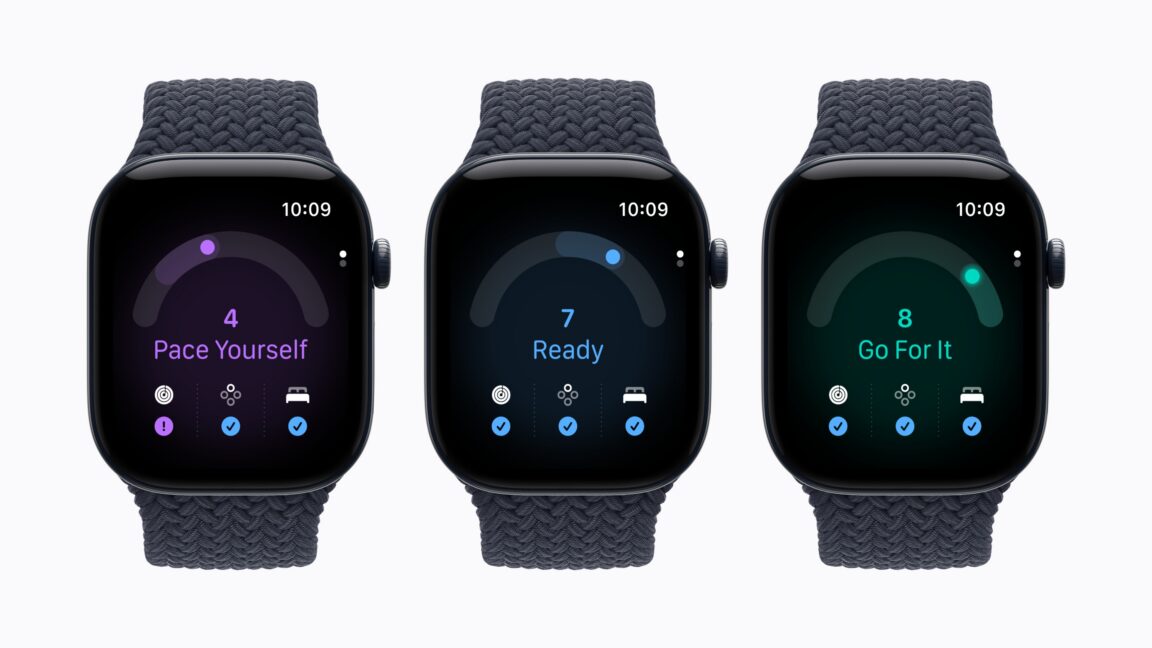
Apple announced the Watch Series 12 and Ultra 4 today. Both include a new "Health Sensing System" and S11 chip that give the devices the “most accurate heart rate sensing in a wearable," Apple claimed during its fall event.

Apple's depiction of the S11 chip. Credit: Apple
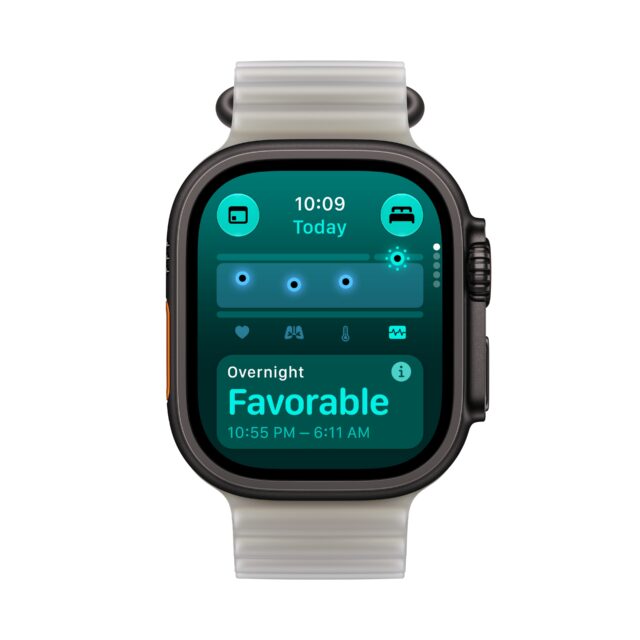
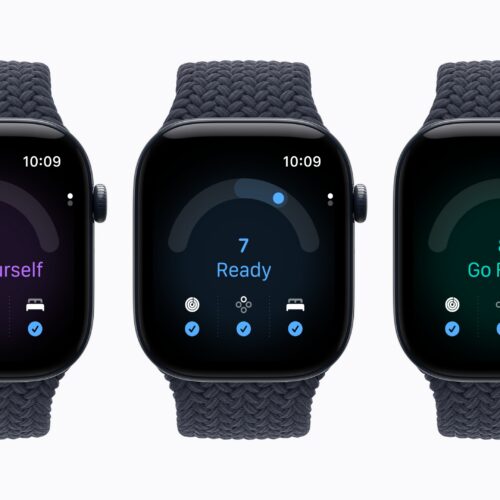
Both watches will use the new S11 chip alongside the new "Health Sensing System," allowing the watches to deliver higher-frequency heart rate and heart rate variability (HRV) measurements than prior Apple Watches.

The Watch Series 12 and Ultra 4 (pictured) will run watchOS 27.
 

Read full article

Comments

© Apple

  •  

Apple starts preorders for Watch Series 12, Ultra 4 with new Health Sensing System

Apple announced the Watch Series 12 and Ultra 4 today. Both include a new "Health Sensing System" and S11 chip that give the devices the “most accurate heart rate sensing in a wearable," Apple claimed during its fall event.

Apple's depiction of the S11 chip. Credit: Apple

Both watches will use the new S11 chip alongside the new "Health Sensing System," allowing the watches to deliver higher-frequency heart rate and heart rate variability (HRV) measurements than prior Apple Watches.

The Watch Series 12 and Ultra 4 (pictured) will run watchOS 27.
 

Read full article

Comments

© Apple

  •  

LG TV shown scanning LAN for third-party phones and other devices

LG TVs are facing scrutiny due to a video seemingly showing the devices’ capability to track users when the TVs are off.

YouTube channel Gamers Nexus worked with Level1Techs, a technology-focused YouTube channel, and security researchers to analyze LG TVs’ tracking capabilities. They shared packet captures that pointed to the TVs, including LG’s pricey G5 OLED TV, scanning the LAN for other devices.

“The [G5] crawled our entire network and found dozens of unrelated devices, including smartwatches and phones of our staff who didn't even know we were working on this,” Steve Burke, Gamers Nexus' editor-in-chief, said.

Read full article

Comments

© LG

  •  

“Trust, not features, is the real deficit”: VMware tries to appease SMBs

For many small-to-medium-sized businesses (SMBs), VMware has become too expensive.

Broadcom’s acquisition of the virtualization firm brought the end of perpetual license sales and the arrival of pricey, stacked, subscription-based bundles that priced out many SMBs.

The most obvious is VMware Cloud Foundation (VCF), VMware’s flagship private cloud bundle that has been Broadcom’s primary focus since taking over VMware. Many SMBs find that VCF is unaffordable and stuffed with unnecessary offerings. However, numerous customers have reported online that VMware sales representatives have still pushed them toward VCF, with some claiming that sales reps have told them that the lower-priced edition of VMware’s virtualization platform, vSphere Standard, was no longer available.

Read full article

Comments

© Getty

  •  

VMware migration reduces Tottenham Hotspur's licensing fees by 85 percent

Tottenham Hotspur, a professional soccer team that’s part of the Premier League, has saved over 85 percent in licensing fees by replacing its stadium's VMware instance with Hewlett-Packard Enterprise’s (HPE’s) Morpheus VM Essentials (VME) virtualization software.

Tottenham hasn’t disclosed which VMware products it used or how much it previously paid the Broadcom firm.

The soccer organization confirmed this week to The Register that it has moved its stadium's server, storage, and networking infrastructure to HPE solutions delivered through HPE's hybrid cloud management platform, GreenLake. That is all “underpinned by" VME and HPE's OpsRamp software for hybrid and multi-cloud environments, Rob Pickering, Tottenham's CTO, told the publication, with HPE in charge of the hybrid cloud-managed service.

Read full article

Comments

© Hewlett Packard Enterprise

  •  

Apple One and Apple TV subscription prices increase by up to 20 percent

Apple increased the price for a monthly subscription to Apple TV by $2, to $15, today.

Annual prices increased by 20 percent from $99 to $119. Current subscribers will receive one month’s notice before paying the new prices, Apple said, per Variety.

Apple’s most recent price hike was in August 2025, when monthly prices went from $10 to $13. Monthly prices also increased in October 2023 and October 2022. Apple TV (then called Apple TV+) started in 2019 for (a seemingly financially unsustainable) $5/month.

Read full article

Comments

© YouTube/Apple TV

  •  
❌