 Login

Mactracker 8.3.1



A Apple acaba de liberar para testadores dos seus sistemas as versões Release Candidate do iOS 27.2 (compilação 24B115), iPadOS 27.2 (idem), macOS Golden Gate 27.2 (26B118), watchOS 27.2 (24S116), tvOS 27.2 (24K120) e visionOS 27.2 (24N118).
Estão disponíveis também as RCs do iOS 26.7.2 (compilação 23H127), iPadOS 26.7.2 (idem), macOS Sequoia 15.8.2 (24H230) e macOS Tahoe 26.7.2 (25G330), bem como a do Xcode 27.2 (27B48).
Posts relacionados
Como sempre, essas são as versões candidatas a serem lançadas para o público final, mas pode ser que mais versões sejam disponibilizadas até lá — caso a Apple encontre algum problema de última hora que precise ser resolvido.
A expectativa agora é de que as versões finais dos sistemas 27.2 sejam lançadas para todos os usuários já na próxima semana.



A espera está chegando ao fim! Já estão disponíveis as versões Releases Candidate do iOS 27 (compilação 24A43526A542824R36324J36024M362
Além deles, também estão disponíveis as quartas RCs do iOS 26.7 (compilação 23H24), do iPadOS 26.7 (idem), do macOS Tahoe 26.7 (25G229) e do macOS Sequoia 15.8 (24H23), bem como o Xcode 27 RC (27A266a) para desenvolvedores.
Posts relacionados
A Apple disponibiliza o acesso às versões beta para desenvolvedores gratuitamente, então usuários em geral não precisam necessariamente optar pelas betas públicas para instalar os novos sistemas — basta estar registrado como um desenvolvedor (com uma conta gratuita).
Como informado pela Maçã no evento especial de mais cedo, os novos sistemas serão disponibilizados na próxima segunda-feira (14 de setembro).
Como sempre, essas são as versões candidatas a serem lançadas para o público final, mas pode ser que mais versões sejam disponibilizadas até lá — caso a Apple encontre algum problema de última hora que precise ser resolvido.

Apple’s recent Vision Pro layoffs reached further across the company than initially disclosed, according to Bloomberg News’ Mark Gurman.
Last month, Gurman reported that Apple cut about 100 jobs from the Vision Products Group, largely by shutting down the headset’s gaming team and shrinking the unit that produces immersive video. Combined with reductions on Siri and related software teams, the changes affected more than 200 people. Apple said it was realigning teams to focus on new devices and AI, while creating some new roles and offering affected employees a chance to apply elsewhere.
Gurman now says the cuts also hit Vision Pro-related staff in other parts of Apple, including device security, audio engineering, Siri integration, testing, and visionOS. Because visionOS is expected to underpin upcoming smart glasses as well as the headset, the broader reductions affect shared software rather than Vision Pro hardware alone.
According to Gurman, the company has told employees that Vision Pro and visionOS are not going away. A redesigned successor, internally known as N224, is still not expected before late 2028. Near-term emphasis has shifted to AI wearables, including smart glasses code-named N50 that remain on track for next year. Those glasses are not expected to support the same immersive video or advanced gaming experiences as the current headset.
The moves follow the June departure of Paul Meade, who led Vision Pro and smart glasses work before leaving for OpenAI. People inside the Vision organization have spent months urging new CEO John Ternus to keep investing in the platform even as sales lag, Gurman reports. Colleagues who have discussed the headset with Ternus say he was skeptical from the start that a bulky, expensive enclosed device could reach a mass market. He is still said to support the glasses project, but Gurman reports he would consider walking away from head-worn devices as a category if they fail to catch on.
Apple has described the changes as limited and tied to evolving product priorities. Vision Pro launched in 2024 as the company’s spatial-computing flagship but never became a high-volume product, constrained by price and form factor. In-house immersive videos can cost millions to produce and have not proven cost-effective given relatively small active use. Apple now plans fewer internal productions and more third-party content.
MacDailyNews Take: Vision Pro should never have shipped in its initial or present form and it never would have shipped under Steve Jobs or, it sounds like, under John Ternus.
[This] is exactly what you’d expect to occur when a product is released too early to average users… Apple Vision Pro is a devkit for developers, not for average users, and should have been released as a devkit for developers. – MacDailyNews, March 26, 2024
There are a lot of people inside and outside of Apple who think the company should have waited on the Vision Pro, but it’s fairly easy today to see why Tim Cook released this beta (alpha?) devkit: He likely knew last year, or had a strong inkling, that Project Titan was a goner and there wasn’t much excitement in Apple’s pipeline. He’d need something to point to as “innovation” while he continued on his seemingly unending quest to iterate and monetize products invented by Steve Jobs’ Apple (a very different place) while continuing Apple’s retail store buildout. He also needed something to energize developers and, who knows, they might come up with a killer visionOS app while Apple toils on the long road to real lightweight spatial computing glasses and beyond.
More importantly, Apple last year had already come to the sad realization that they’d missed the generative artificial intelligence revolution and would need a distraction while they feverishly scrambled to catch up (the fruits of which — alongside what sound like disappointing partnerships which hopefully, somehow, preserve user privacy — we’ll hopefully begin to see at WWDC this June).
You have to feel for Cook. After a decade plus of being able to iterate and monetize Jobs’ inspired products and services and continue adding retail stores around the world to spectacular effect, and being lauded for it, he now finds himself in a place that requires actual vision to be able to see which path to take. And he’s not the guy. Even the guy who put him in the position knew it.
Tim’s not a product person, per se. – Steve Jobs
See also:
• Contrary to popular belief, Steve Jobs knew about Apple Watch – February 13, 2023
• Work on Apple Vision Pro began under Steve Jobs – August 23, 2023Beyond the fact that Cook can’t even execute a compelling live keynote address, his big send off, the “Apple Car,” [the idea of which was also germinated under Jobs] fizzled in ignominious failure.
See also:
• Scrapped Apple Car ‘a massive disappointment that will alter the course of the company’s history, perhaps for decades to come’ – Gurman – March 11, 2024
• Apple employees referred to doomed Apple Car project as ‘The Titanic Disaster’ – February 29, 2024So, despite myriad misgivings and protestations inside Apple, Cook pulled the trigger early on the Vision Pro. He had to have something to point to that would buy him some time. Even Apple’s rubber-stamping board of lackeys would wake up and start asking questions otherwise.
While Cook is hemming and hawing when faced with shareholders (virtually, of course, never again in person for as long as Cook remains), Apple is currently in scramble mode trying to catch up to rivals in generative AI, a technology the company seems to have completely missed while focusing instead on the not-ready-for-primetime Apple Vision Pro, visionOS, its now-canceled decade-long multi-billion-dollar electric vehicle boondoggle, replacing leather in iPhone cases and Apple Watch bands with overpriced junk in a quest to “save the planet,” forcing employees to endure a constant barrage of time-wasting zero-productivity DEI sessions, and myriad other various and sundry “initiatives” which Cook deems of import. – MacDailyNews, February 28, 2024
When you lose your visionary CEO and replace him with a caretaker CEO, this is the type of aimless, late, bureaucratic dithering that ensues. – MacDailyNews, November 21, 2017
Thankfully, blessedly, today is finally a Brand New Day for Apple!
Please help support MacDailyNews — and enjoy subscriber-only articles, comments, chat, and more — by subscribing to our Substack: macdailynews.substack.com. Thank you!
Support MacDailyNews at no extra cost to you by using this link to shop at Amazon.
The post Apple’s Vision Pro job cuts were broader than first reported appeared first on MacDailyNews.
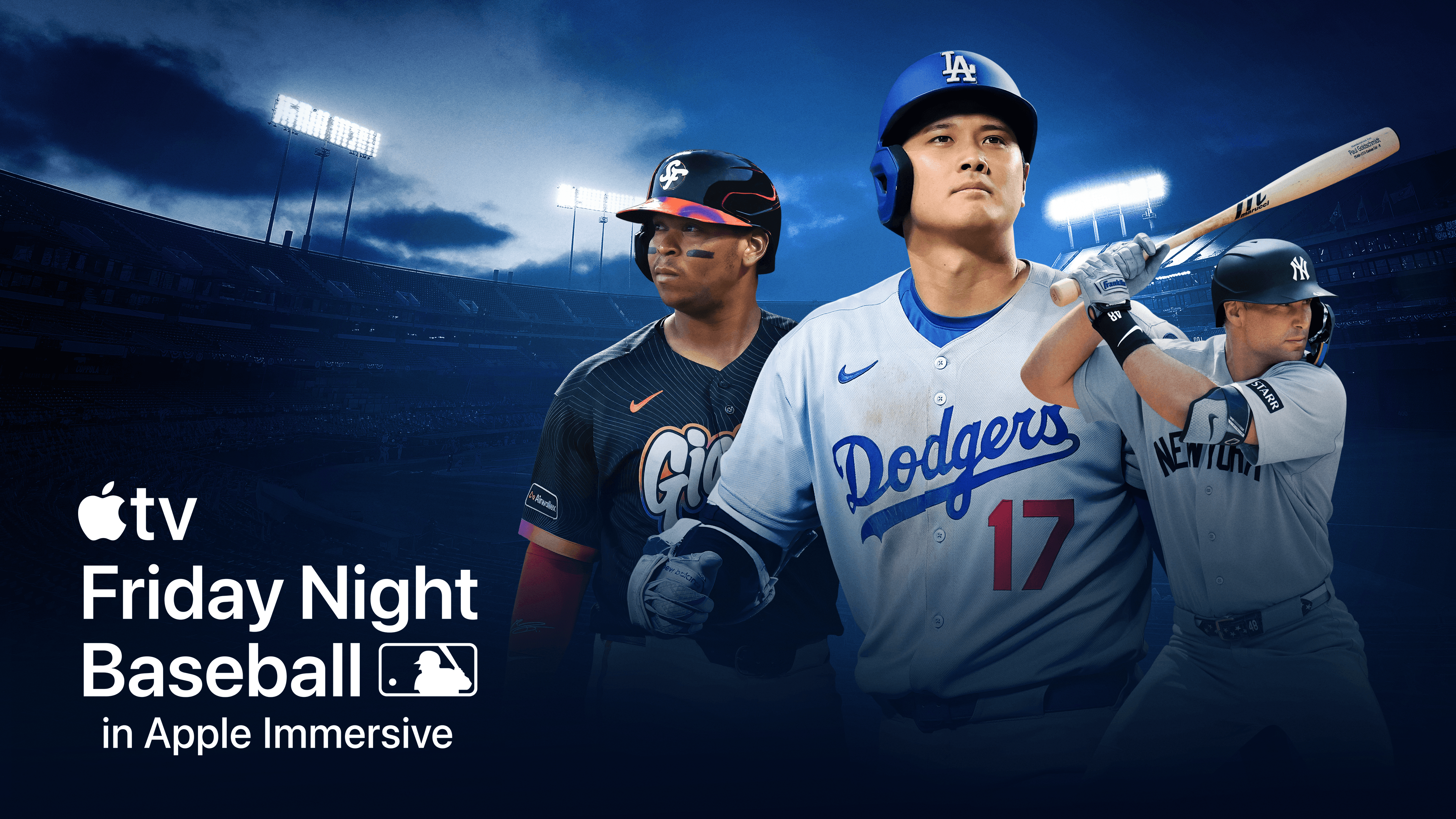
Last night, I sat down with my Vision Pro and caught the first part of the Yankees–Red Sox game live in Immersive Video. I wouldn’t call myself a baseball fan these days, but I have fond memories of many summer evenings at Tiger Stadium and Wrigley Field, and I was keen to see how Apple’s immersive broadcast compared.
Having sampled Apple’s other Immersive Video content, but very little of its sports coverage, I wasn’t sure what to expect. Sitting down to watch, I was surprised by how much it felt like I was at Yankee Stadium. Before the first pitch was thrown, the broadcast focused on the Yankees’ starting pitcher as he warmed up. Periodically, the camera angle switched, giving viewers other angles on the pre-game preparations, while the announcers chatted about each team’s season leading up to the game.
Once the game started, the camera switched to positions near each team’s batting circle depending on which team was at bat, occasionally switching to shots behind home plate and in right-center field. During each at bat, a virtual scoreboard showed a 2D feed of the game like you’d see on a regular broadcast bounded by statistics. The additional angle and information were useful for fans, but as someone who was there primarily for the experience, it took away from the immersiveness a little to see a fake scoreboard floating in the sky over the stadium’s right field wall.
That said, the immersiveness was impressive. I found myself looking all around the stadium taking in the sights and spatial audio sounds. The detail was incredible. Fully surrounded by the stadium, I watched as a family walked by with popcorn and drinks and could even read the Poland Spring label on a water bottle in the bullpen.
Then, as I watched the Yankees at bat, I could see someone off camera spitting sunflower seeds in the dirt along the dugout. That sort of minute detail added to the immersiveness of the experience every bit as much as being surrounded by the video feed and soundscape, to the point that when a player entered my view from off camera, I instinctively tucked my legs under me to avoid him tripping over me.
At times, though, I also felt a little too close to the action. It was like I had slipped into a restricted area, an invisible participant, spying on unsuspecting people on the field, waiting for security to discover me and kick me out of the stadium. That feeling was probably driven by the combination of knowing that the broadcast was live and not having watched a lot of Apple immersive sports content, but it was still a little unsettling at first.
As for the game, I didn’t pay very close attention. I don’t follow either team, but it was still fun to watch the game unfold from up close. The dugout camera angles made it slightly harder to see the pitches as they were thrown than it would be from a more traditional outfield camera viewpoint, but it really didn’t take away from the experience.
Ultimately, I only lasted about a half hour. The experience was excellent, but baseball’s pace is just too slow for my taste, so ultimately, I packed up my Vision Pro and caught up on Silo instead.
If you missed the game, it’s available to replay in full along with highlights in the TV app on Vision Pro.

Apple’s Friday Night Baseball made its immersive video debut on the Vision Pro Friday, with numerous live immersive cameras scattered around Yankee Stadium for the night’s game between the Yankees and the Red Sox.
Apple has produced a lot of immersive video, including some sports documentaries and a set of live L.A. Lakers games, and it’s been clear that the makers of all that content have assumed that immersive video should be produced more or less like regular sports content: with lots of quick cuts, despite the fact that quick cuts in immersive video can be disorienting in a way that cuts in standard 16:9, 2-D video aren’t.
There’s no clear agreement about the ideal solution. I didn’t mind the reduced pace of the NBA broadcast, which toggled between cameras under each basket, but Stratechery’s Ben Thompson felt strongly that the best option would’ve been a single camera at mid-court, to completely eliminate the disorienting cuts and replicate being at the game in person.
Apple’s approach with baseball, at least based on Friday’s game, seems to lean toward Thompson’s preferred approach—and it does benefit from it. Each half inning was shown from a single camera on the dugout rail next to the on-deck circle, giving a great view of pitcher and hitter and the infield, as well as the goings on right in front of the dugout in foul territory. The camera switched between innings, so you were always viewing from the perspective of the at-bat team’s dugout.
Making it all work better was Apple’s addition of a “virtual jumbotron” floating in the sky, a scoreboard with graphics and a video feed of the standard 16:9 telecast on Apple TV. It was easy to look up and catch a replay or even get a better view of something happening in the far-off outfield, without getting in the way of my view of the game itself.
In between innings, the broadcast stayed in the park—and this is when it would occasionally switch to a different angle, such as at the outfield fence, behind first base, in the club level behind home plate, or looking down into the dugout. There were also replays—carefully demarcated with animated graphics, to reduce confusion—of key plays from the previous inning from the immersive perspective.
In the end, it felt much more like I was sitting at Yankee Stadium watching the game. Apple’s dedicated commentators tried to point out things you couldn’t see if you were watching a standard telecast, like defensive positioning. The commentary was fine (though I wish it had been a bit less chatty), but I would also have been happy to have the option to listen to natural audio, or just the local radio broadcast.
I do wish there had been a little bit more experimentation in terms of the primary camera angle. (Disclosure: I only watched three innings before needing to leave home to catch a flight.) I would’ve been interested in seeing an inning from behind first or third base, just to get a little bit of a different angle.
Still, I think Apple’s first immersive live baseball production was successful. I saw the Yankee catcher commit interference and then get hit in the arm by a brutal backswing; I saw a wide throw from shortstop almost (but not quite) pull the first baseman off the bag. I saw Yankee manager Aaron Boone constantly spitting a stream of sunflower seeds on the warning track in front of the dugout rail. And most delightfully, every few minutes a train zipped past the stadium out in the outfield, visible in a crack between the stands and the scoreboard.
Will immersive sports amount to anything? I don’t think anyone knows, but this latest experiment suggests that the people producing Apple’s immersive sports are actually learning and experimenting. I’m encouraged, and I’ll tune in next week for sure.
In addition to cutting dozens of Vision Pro employees who worked on features like immersive video and gaming, Apple is laying off people who worked on Siri and AI, reports Bloomberg.
Apple is “largely shutting down” the Vision Pro team focused on gaming, and it is paring down the team that makes immersive video content. Approximately 100 employees who were part of the Vision Products Group have been laid off, with Apple also cutting 100 people from its Siri and software groups.
[…]
Despite the cuts to the Vision Products Group, employees were told that the Vision Pro and visionOS operating system are not being eliminated.
Apple told Bloomberg that it was realigning some teams in order to “evolve” the business to provide the best experience for users. “While we will create new roles as part of this change, it will also impact a limited number of existing roles,” Apple said.
The job cuts are tiny in relation to the overall company, which had 166,000 full time employees in September 2025 (the last time Apple disclosed its headcount). But as John Ternus prepares to take the CEO job just over one week from now, the timing seems designed to get some unpleasant work out of the way and let the new boss come in with clean hands.
It’s hard to find good people, Apple has plenty of work that needs doing, and it just reported a record quarter. Maybe they don’t need more immersive video content, but it’s not clear to me why the other employees couldn’t be reassigned. And I’m really wondering what’s going on with the general software group, where they’re getting rid of legends like Keith Stattenfield:
So, I posted yesterday on an another place that I had been just laid off at Apple after 37 years. ( Surprise! I got laid off. It was unexpected. I am still coming to terms with it. Yes, I will be ok. ) And I mentioned some of the things I’d done, and mused that I’d thought I’d finish out my career in a few years having passed along the knowledge to younger engineers. Alas, that’s going to get left unfinished.
I felt much the same way, because I’d also hoped to slowly ease into retirement instead of being given options that led me to retire a few years early.
Laying off anyone working on anything related to Apple Vision Pro is a gross strategic blunder, because it signals a lack of confidence in the product. Put them to work fixing bug backlogs if you don’t want them working on what they were doing, but don’t lay them off and let that show up in the press, that’s fucking amateur hour shit.
[…]
And the same goes for the Software Engineering layoffs, which don’t seem to be reported much upon because the layoffs have been described as “Apple Vision Pro, Siri, and software” where perhaps people don’t get that the latter is how Apple refers to the Software Engineering (SWE) org. There are so many bugs that should be fixed, that users encounter in their everyday lives, just reassign people to work on them. It’s stupid to lay people off when they could do that.
Plus, maybe retaining that institutional knowledge would help forestall future bugs.
Previously:
Update (2026-08-25): Louie Mantia:
Laying off employees who were working on a product that largely “failed” in the market is extremely hurtful to those employees, because the product’s failure is not their fault. They were directed to do that work. Apple should find new places for every single one of the employees who worked on Vision Pro. They owe it to the people who they directed to work toward the goal of making and maintaining Vision Pro. They can afford to do that.
Apple didn’t even work that hard to take care of the iPod employees who were once half the company’s revenue. In the end they basically gave Nest a free engineering team.
Update (2026-08-28): See also: ArsTechnica.
Update (2026-09-02): Hartley Charlton:
Recent layoffs of Apple employees working on the Vision Pro were broader than previously thought, Bloomberg’s Mark Gurman reports.
[…]
Gurman reports that people inside the Vision Pro group have spent months lobbying new CEO John Ternus to stay the course on the platform even as sales continue to underwhelm. Colleagues who have discussed the headset with Ternus say he was skeptical of it from the start, seeing it as too bulky and too costly to reach a mass audience.
Interestingly, since visionOS apparently runs on Apple’s upcoming smart glasses, the wider layoffs impact software shared across both product lines rather than the headset alone.
I was recently informed that I am being laid off from my position at Apple. It was unexpected, especially coming right after WWDC, where several of the projects I led and features I contributed to were announced.
[…]
You can find my resume here.
Previously:
For some time now, I’ve believed that while the Vision Pro is on a slow burn at Apple, its future was certain. The incoming CEO, John Ternus, has said several times that he believes this is part of Apple’s future.
We’ve heard lots of rumors about them working on a pair of glasses in addition to the immersive product. Finally, the content for the Vision Pro seems to be flowing pretty steadily. I’m looking forward to the baseball games we’re getting later this month in immersive video.
Last week, we got news of layoffs. And of course that gets you thinking. Right now, Apple’s dealing with a hardware and supply chain crunch where everything is more expensive and harder to get. Vision Pro is the proof-of-concept product that isn’t mainstream.
I’ve never been convinced Apple wanted to sell a lot of these, even when they weren’t dealing with exorbitant prices and supply chain nightmares. Add this to the recent news of layoffs on the Vision Pro team, and I’m starting to wonder if this isn’t a slow-burn product, but instead an on-pause product.
The post The Vision Pro’s Uncertain Future appeared first on MacSparky.
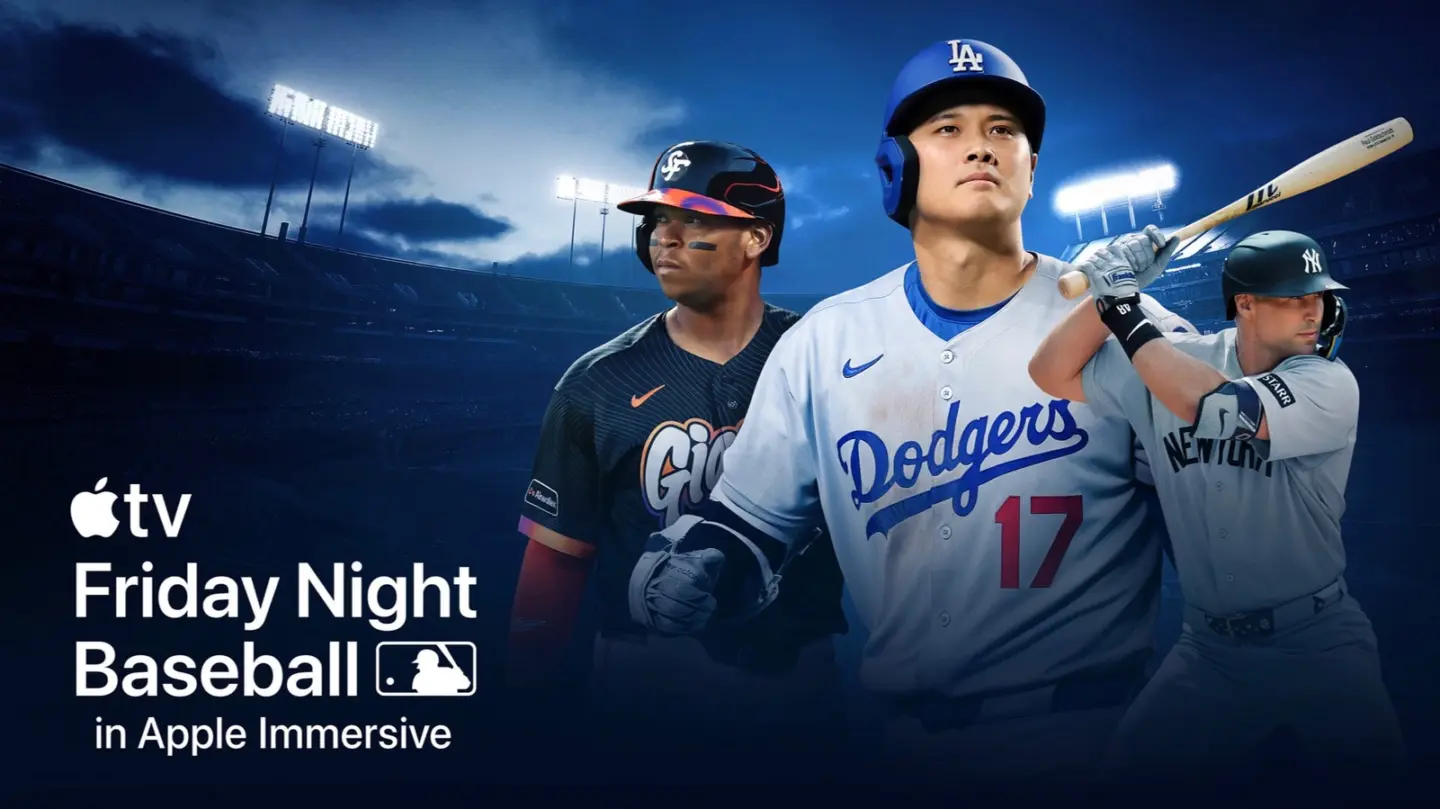
Apple is bringing Friday Night Baseball to Apple Vision Pro with an immersive 8K 3D experience in four games this season.
(via Cult of Mac - Your source for the latest Apple news, rumors, analysis, reviews, how-tos and deals.)
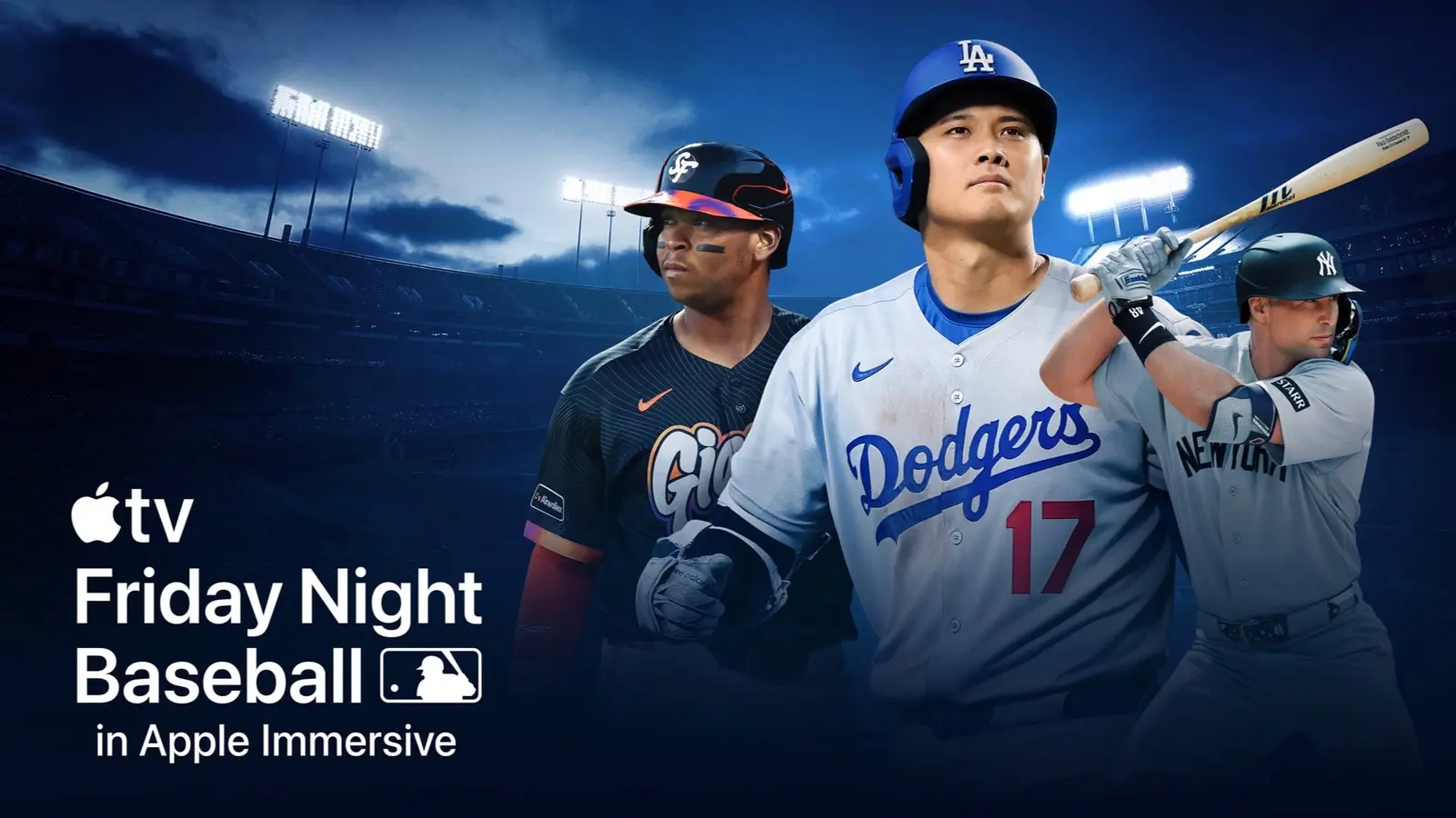
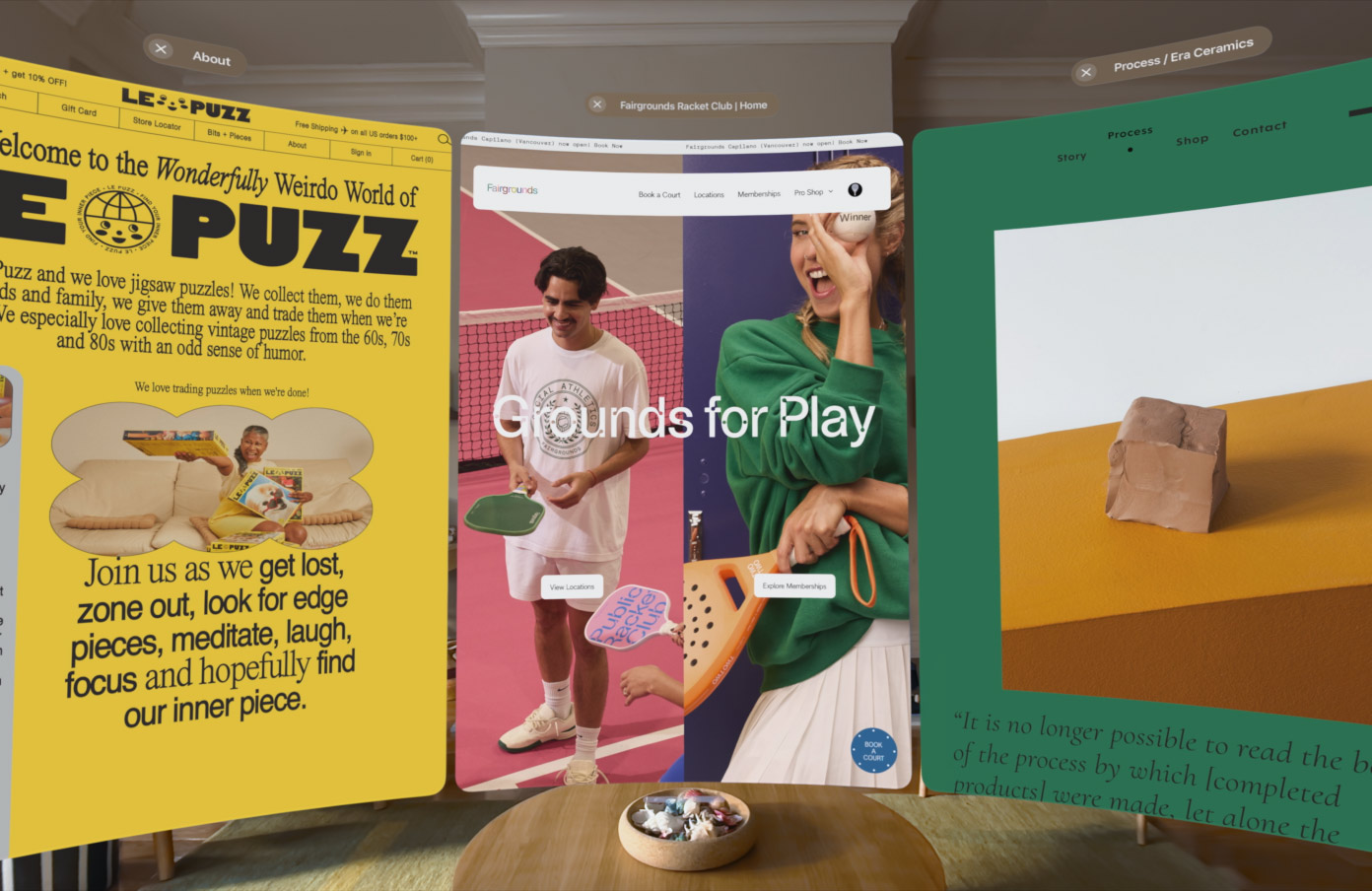

Today, Apple and Major League Baseball (MLB) unveiled the September schedule for “Friday Night Baseball,” the weekly doubleheader streaming every Friday on Apple TV throughout the 2026 regular season. Apple TV subscribers across 60 countries and regions can enjoy two marquee matchups each week with enhanced production quality, expert commentary, and no local broadcast restrictions.
For the first time, baseball fans can take in all the action of “Friday Night Baseball” live in Apple Immersive on Apple Vision Pro, leveraging 3D video recorded in 8K with a 180-degree field of view. On August 28, viewers with Vision Pro will experience the iconic Red Sox vs. Yankees rivalry from unique camera angles that place viewers right in the game, immersed in the drama of each at-bat, the celebrations in the dugout after a big hit, close plays at the outfield wall, and more.
The experience features bespoke commentary from Paul Severino (play-by-play), Xavier Scruggs (analyst), and Michelle Margaux (sideline reporter); dedicated replays; and an immersive graphics package that includes team lineups and stats floating in the viewer’s space. During breaks in the action, the broadcast remains live, immersing viewers in the stadium experience from all angles as ambisonic microphones capture sounds in Spatial Audio.
Apple Vision Pro users with an Apple TV subscription in Australia, Canada, Germany, Hong Kong, Japan, South Korea, Taiwan, the UK, and the U.S. can stream the games live directly through the Apple TV app. Full game replays, as well as a highlight package of the game’s key moments, will be available on demand in the Apple TV app for Vision Pro.

On September 4, the Cleveland Guardians look to keep their playoff hopes alive as they host the Detroit Tigers at Progressive Field. More intra-division matchups headline the schedule on September 11, as the first-place Milwaukee Brewers continue their run for a fourth consecutive division title against Elly De La Cruz and the Cincinnati Reds. Meanwhile, Fernando Tatís Jr. and the surging San Diego Padres push for a National League wild card berth against the San Francisco Giants.
On September 18, newly acquired Philadelphia Phillies infielder Luis Arráez furthers his pursuit of a fourth career batting title while teaming up with two-time MVP Bryce Harper as they look to help the Phillies gear up for a postseason run against the New York Mets.
The “Friday Night Baseball” schedule concludes with one of baseball’s most storied rivalries taking center stage as four-time MVP Shohei Ohtani and the Los Angeles Dodgers host the San Francisco Giants, with the Dodgers looking to clinch their fifth consecutive division title.
“Friday Night Baseball” games on Apple TV are called by broadcast teams Wayne Randazzo (play-by-play), Dontrelle Willis (analyst), and Heidi Watney (sideline reporter); and Alex Faust (play-by-play), Ryan Spilborghs (analyst), and Tricia Whitaker (sideline reporter). Game-by-game announcer assignments will be revealed weekly. The “Friday Night Baseball” pregame shows will be hosted by Siera Santos, former MLB All-Star Eric Hosmer, and insider Russell Dorsey.
Fans in the U.S. and Canada will also have the option to listen to home and away local radio broadcasts during “Friday Night Baseball” games.
The weekly “Friday Night Baseball” doubleheader on Apple TV is produced by MLB Network’s Emmy Award-winning production team in partnership with Apple’s live sports production team, with the first game of each weekly doubleheader presented by Essilor.
Apple TV Pricing and Availability
Apple TV subscribers can watch “Friday Night Baseball” on the Apple TV app on iPhone; iPad; Apple TV 4K; Apple Vision Pro; Mac; popular smart TVs from Samsung, LG, Sony, VIZIO, TCL, and others; Roku and Amazon Fire TV devices; Chromecast with Google TV; PlayStation and Xbox gaming consoles; and at tv.apple.com, for $12.99 (U.S.) per month with a seven-day free trial for new subscribers.2 For a limited time, eligible customers who purchase and activate a new iPhone, iPad, Apple TV, or Mac can enjoy three months of Apple TV for free.3 Find out how to watch Apple TV and see the full list of supported devices. “Friday Night Baseball” in Apple Immersive will be available live on Apple Vision Pro (M5) and Vision Pro (M2) for users with an active Apple TV subscription.
MacDailyNews Take: All three baseball fans who own Vision Pros are currently popping champagne, polishing their headsets, and getting their couches and cervical pillows ready! 
Please help support MacDailyNews — and enjoy subscriber-only articles, comments, chat, and more — by subscribing to our Substack: macdailynews.substack.com. Thank you!
Support MacDailyNews at no extra cost to you by using this link to shop at Amazon.
The post Apple, MLB announce September ‘Friday Night Baseball’ schedule and first‑ever 3D broadcast in Apple Immersive appeared first on MacDailyNews.
Source: Apple.
The next big push for Apple Immersive Video on Vision Pro has been revealed: live baseball games. Starting August 28 and running through the rest of the regular MLB season, the company will stream one real-time immersive matchup per week exclusively on Vision Pro as part of its Friday Night Baseball lineup on Apple TV.
Immersive games will feature an in-stadium experience with Spatial Audio captured by ambisonic microphones, special graphics like team lineups and stats floating in view, and a dedicated commentary team made up of play-by-play commentator Paul Severino, analyst Xavier Scruggs, and sideline reporter Michelle Margaux. If you’ve seen any of the immersive Lakers basketball games broadcast this year, you have an idea of how these elements come together with Immersive Video to create a rich, lifelike experience.
Source: Apple.
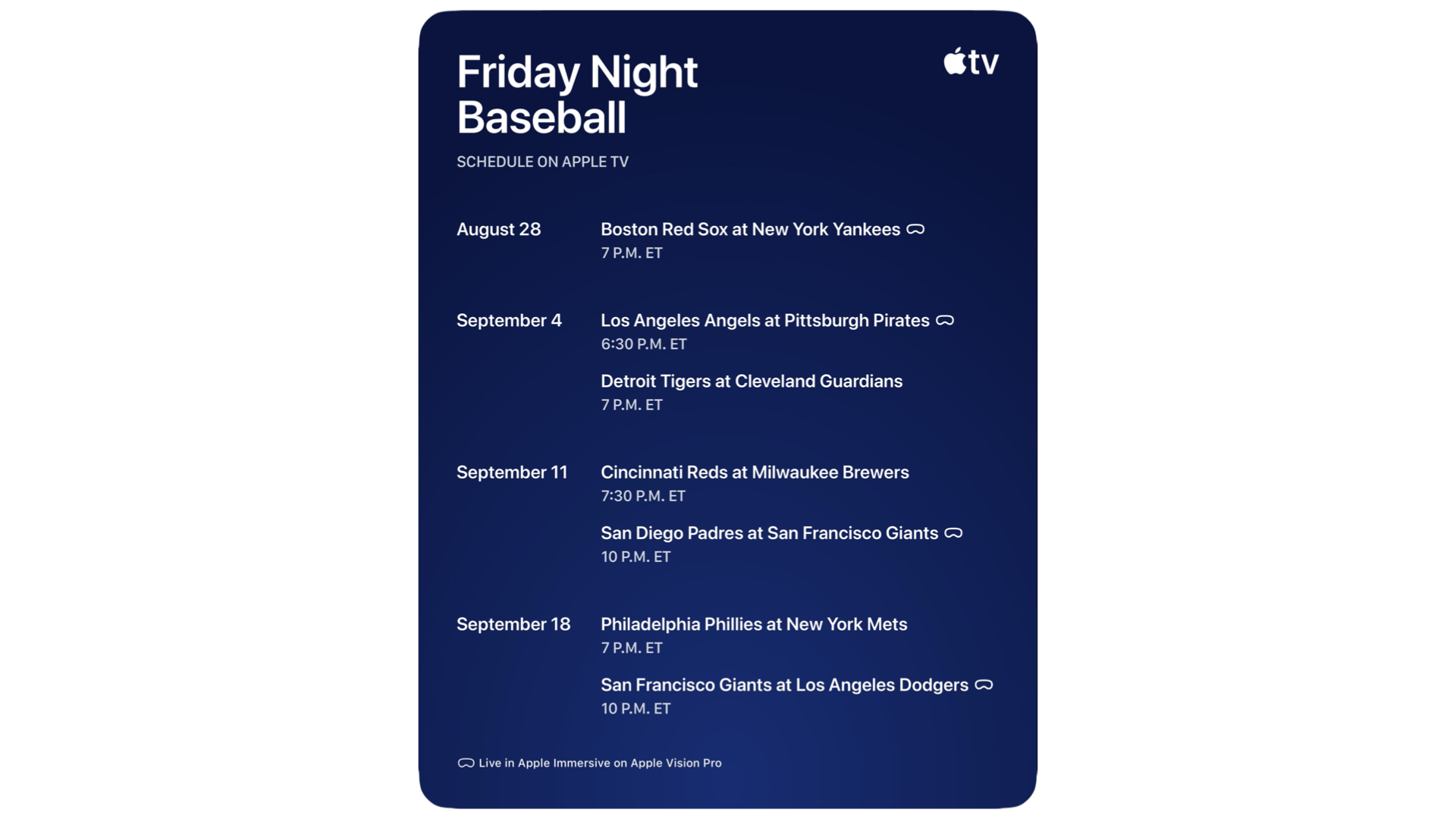
The first immersive baseball game will pit the Boston Red Sox against their rivals, the New York Yankees, at 7:00 p.m. PT on August 28. Weekly immersive games will continue into September:
Friday, September 4
Los Angeles Angels at Pittsburgh Pirates
6:30 p.m. ET
Friday, September 11
San Diego Padres at San Francisco Giants
10 p.m. ET
Friday, September 18
San Francisco Giants at Los Angeles Dodgers
10 p.m. ET
Live immersive games will be available to Apple TV subscribers via the TV app on Vision Pro in Australia, Canada, Germany, Hong Kong, Japan, South Korea, Taiwan, the UK, and the U.S. Full game replays and highlights will be made available after the games are over as well.
Streaming Friday Night Baseball in Apple Immersive Video seems like a natural move for Apple to make. The company has been airing baseball games on Friday nights for four years now and has worked to integrate more of its technology into the broadcasts. Plus, MLB has already won many baseball fans over with a fantastic enhanced viewing experience for baseball games in its own visionOS app. Just as Apple is beefing up its sports offerings in the Apple TV service with MLS and F1, so it’s rounding out its sports strategy on the Vision Pro with a regular output of live baseball.
To me, there’s nothing that quite matches the energy and sense of camaraderie you feel when you walk into a baseball stadium. Apple Immersive Video is a powerful medium for recreating in-person experiences, so I’m very keen to watch one of these live games for myself. If Apple’s immersive baseball games can offer a taste of what it’s like to actually be in the stadium – and based on what we’ve seen from the format before, I think it’s likely – this will quite a compelling way to watch some baseball.
We’ll find out exactly what it’s like on August 28, so stay tuned for more details once Friday Night Baseball in Apple Immersive officially debuts.
If you want to know the fastest and easiest way to send someone photos, videos, files and so, so much more, you should know how to AirDrop.
(via Cult of Mac - Your source for the latest Apple news, rumors, analysis, reviews, how-tos and deals.)
ARK augmented reality describes a form of spatial interaction in which artificial intelligence does more than place digital objects in the physical world. It uses knowledge from foundation models to understand unfamiliar scenes, generate useful information and adapt its response to the person, task and environment.
The concept comes from a 2023 research paper titled “ArK: Augmented Reality with Knowledge Interactive Emergent Ability.” Its authors proposed a system that transfers knowledge from large foundation models into new physical and virtual environments. Instead of training an AI agent separately for every room, object or activity, ArK uses existing knowledge memory to interpret what it sees and generate appropriate 2D or 3D content.
Traditional augmented reality places information over reality. ARK augmented reality tries to understand reality before deciding what should appear.
That distinction creates a compelling direction for Apple. Vision Pro already blends digital content with physical space. Apple Intelligence adds language, image understanding and personal context. Visual Intelligence lets users look at objects, text and scenes before asking for information. Siri AI adds a conversational layer. ARKit, RealityKit and visionOS provide the spatial foundation.
Apple now has many of the components required to build a knowledge layer over the physical world.
Most familiar augmented reality experiences are relatively fixed. A furniture app places a digital sofa in a room. A navigation app displays arrows over a street. A museum app identifies an artwork. A repair app shows where a component belongs.
These experiences can be useful, but they usually depend on predefined content and rules. The system recognizes a known object or location, then presents prepared information.
ARK augmented reality proposes something more adaptive. A knowledge-enabled system could enter an unfamiliar environment, interpret what is present and generate assistance based on a broader understanding of objects, relationships and possible actions.
A user looking at a complicated electrical panel would not only see labels. The system could identify the panel type, explain the purpose of each section, compare the arrangement with standard configurations and warn the user not to touch dangerous components.
A student examining a machine could ask how it works and receive a spatial explanation attached to its real parts. A surgeon could review anatomical information positioned around a medical model. A technician could receive repair guidance even when the exact equipment had not been included in a previous training dataset.
The display becomes less like a floating screen and more like an informed interpretation of the environment.
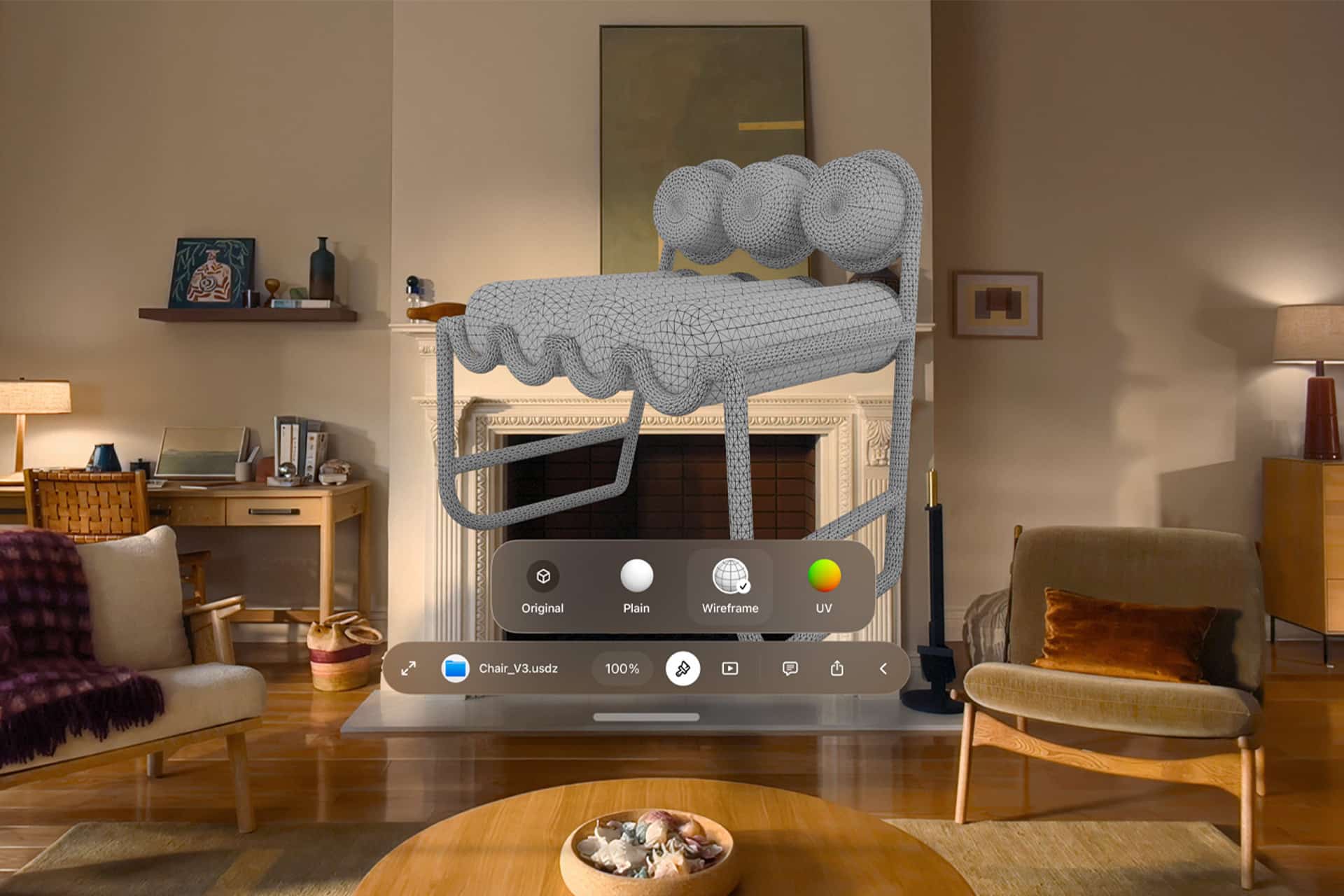
Apple’s advantage would not come from inventing every part of ARK augmented reality. It would come from combining hardware, software, artificial intelligence and personal context into one controlled ecosystem.
Vision Pro already understands rooms, surfaces, hands, eyes and objects well enough to place digital content convincingly in physical space. Its cameras and sensors continuously map the environment while visionOS manages windows, volumes and immersive experiences.
Apple Intelligence provides another layer. Foundation models can interpret language, summarize information, generate content and connect requests with app actions. Visual Intelligence can identify text, images and real-world objects. Siri AI can act as the conversational interface.
The Apple ecosystem also provides personal context that a generic AR platform may not have. Calendar knows the user’s schedule. Maps understands location. Photos contains visual history. Notes and Mail hold project information. Health contains personal trends. Home understands rooms, accessories and automations.
An Apple-built knowledge layer could combine the environment in front of the user with the information already available across trusted devices and apps.
A person preparing for a meeting could look at a conference room and see the agenda, participant names and relevant documents arranged around the table. A traveler could look across a train station and receive directions connected to the correct platform, departure time and digital ticket. A homeowner could examine a room and see live information from temperature, air-quality and energy sensors.
The physical environment becomes the interface.
Vision Pro is the obvious development platform for this idea because it already offers the cameras, displays, sensors and processing required for advanced spatial understanding. Its size and price limit broad adoption, but those same characteristics allow Apple and developers to test experiences that would be harder to build first on lightweight glasses.
ARK augmented reality on Vision Pro could become especially useful in enterprise environments. Apple already promotes the headset for employee training, product design, field service, collaboration and specialized visualization.
A worker could enter an unfamiliar facility and receive contextual instructions attached to real equipment. An engineer could inspect a physical prototype while design changes, performance data and maintenance history appear around it. A new employee could learn a workflow through spatial guidance generated from company manuals and operational knowledge.
The system would not need to display every available fact. It would need to understand which information fits the current task.
That is where AI knowledge becomes more valuable than a traditional AR overlay. Too much information can be as disruptive as too little. A strong system should filter, prioritize and explain rather than cover the room with floating labels.

Vision Pro may be the development environment, but iPhone could provide the scale. The iPhone already combines cameras, LiDAR on Pro models, location, motion sensing, Visual Intelligence and Apple Intelligence.
An iPhone-based ARK experience would be less continuous because users would need to hold up the device. It could still deliver useful knowledge interaction without requiring a headset.
A user could point the camera at a plant and receive care guidance based on its species, visible condition, local weather and placement in the room. Someone assembling furniture could receive generated guidance positioned over the actual parts. A shopper could compare products by looking at them rather than manually searching for each model.
The difference from ordinary visual search would be interaction. The user could ask follow-up questions, change the goal and let the system update the visual guidance.
Future glasses could eventually make the experience persistent. The iPhone would help Apple develop the intelligence, privacy controls and app ecosystem before lightweight eyewear becomes ready.
The most ambitious version of ARK augmented reality is a world in which information is attached to objects, places and situations only when requested or needed.
A city could become understandable without searching through maps, review sites and separate transit apps. Buildings could reveal history. Streets could explain temporary closures. Restaurants could surface reservations, dietary options and accessibility details. Public transport could show the correct entrance and platform.
Inside a home, Apple’s knowledge layer could explain energy use, identify maintenance problems and guide repairs. In a classroom, physical models could become interactive lessons. In healthcare, patients could receive visual instructions for approved home procedures or medication devices.
The experience would depend on context rather than menus. The user looks, asks and receives information positioned where it belongs.
This is the transition from augmented reality as decoration to augmented reality as understanding.
A knowledge layer capable of understanding the physical world also creates serious privacy questions. The system may see homes, workplaces, documents, faces, screens and private conversations. The more context it receives, the more useful it becomes. The same access can also make it invasive.
Apple’s privacy architecture could become one of its strongest advantages. On-device processing would allow some scene understanding without sending continuous camera feeds to external servers. Private Cloud Compute could handle more complex requests while preserving stricter controls than an ordinary cloud AI service.
Apple would also need visible controls over what is analyzed, remembered and shared. A user should know when the system is interpreting the environment and whether information is temporary or retained. Workplaces and public spaces would need rules for recording, identification and sensitive data.
ARK augmented reality cannot become socially acceptable if people feel that nearby devices are constantly cataloging them.
The successful version would behave less like surveillance and more like intentional assistance. The user asks for understanding. The system processes only what is needed. The knowledge disappears when the task ends unless the user chooses to save it.
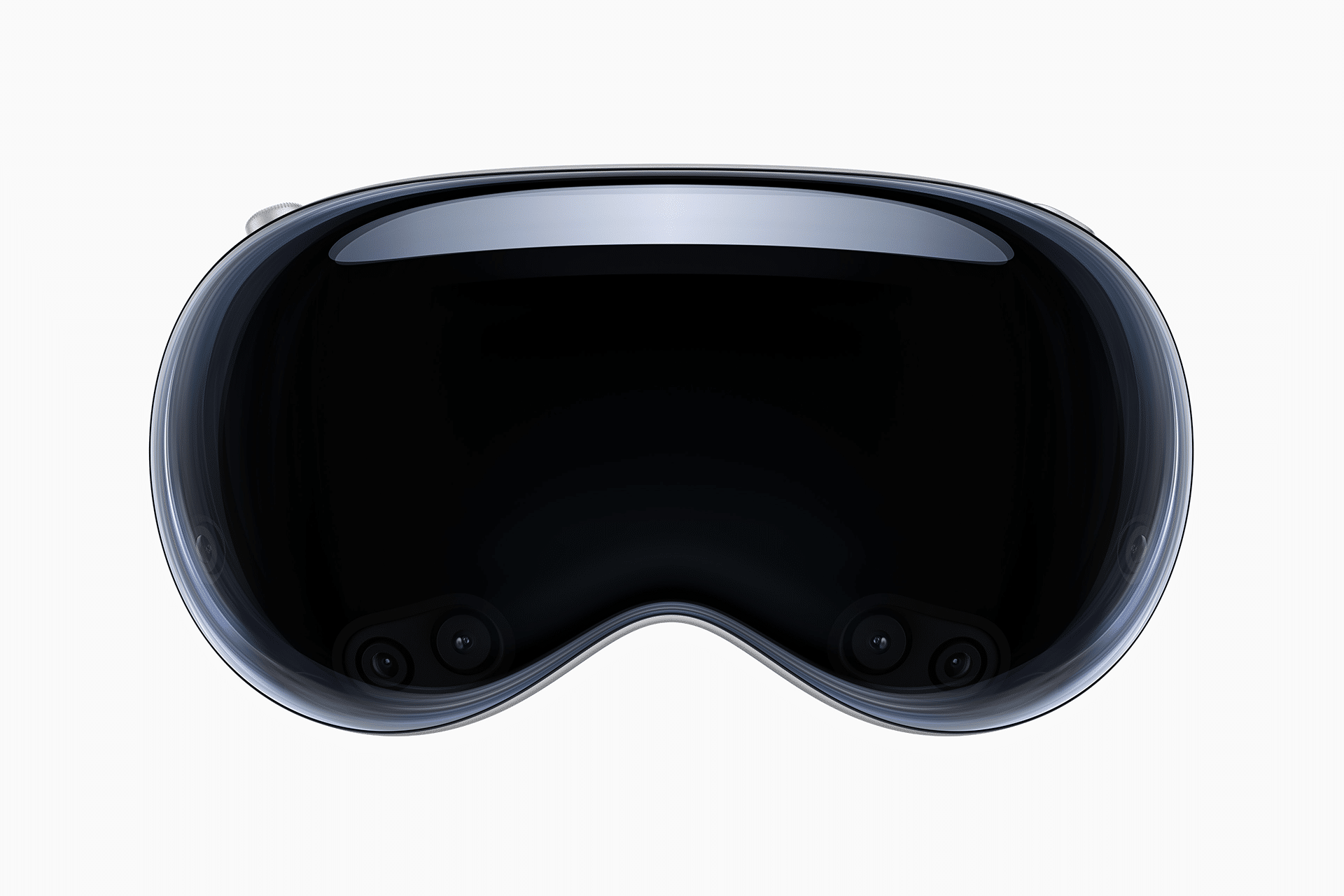
Apple would not need to create every knowledge experience itself. visionOS, ARKit, RealityKit and App Intents could let developers connect specialized knowledge with physical environments.
A medical company could build guidance for approved equipment. A manufacturer could create spatial maintenance systems. A university could attach interactive explanations to laboratories and museums. A retailer could create product comparisons based on inventory and customer preferences.
Apple could provide the shared intelligence layer: scene understanding, object recognition, language interaction, privacy permissions and spatial presentation. Developers would provide the trusted domain knowledge.
This division would be essential. General AI can explain many things, but professional environments require verified information. A generated answer about a historical building has different consequences from an answer about industrial machinery or medical treatment.
Apple’s platform could distinguish between general knowledge and certified domain sources, allowing users to see where information comes from before acting.
Apple describes Vision Pro as a spatial computer because digital content can occupy physical space. ARK augmented reality suggests the next progression: contextual computing.
A spatial computer knows where digital content is placed. A contextual computer understands why the content is useful in that location, what the user is trying to accomplish and which knowledge should appear.
That would connect several Apple strategies that currently look separate. Vision Pro supplies spatial awareness. Apple Intelligence supplies reasoning and generation. Siri AI supplies conversation. Visual Intelligence supplies real-world understanding. The ecosystem supplies personal context.
Together, they could create a system that does not wait for users to open the correct app and search through the correct menu. The environment itself becomes the starting point.
Apple’s opportunity is to make that interaction restrained rather than overwhelming. The company does not need to cover reality with digital noise. It can use design, privacy and contextual intelligence to make information appear only when it improves the moment.
ARK augmented reality offers a useful description of that future. Reality remains visible. Knowledge becomes interactive. The computer begins to understand the world in front of the user instead of asking the user to translate everything into a search box.
The post ARK Augmented Reality Could Build Apple’s Knowledge Layer appeared first on AppleMagazine.
A Apple confirmou na WWDC 2026 todos os modelos compatíveis com o iOS 27, e a boa notícia é que nenhum iPhone ficou para trás face à versão anterior. Já a nova Siri com IA só chega aos modelos mais recentes, mas apresenta uma justificação para tal.
The post iOS 27: Há 31 modelos de iPhone compatíveis com o novo sistema operativo da Apple. Veja se o seu está na lista appeared first on Tek Notícias.
