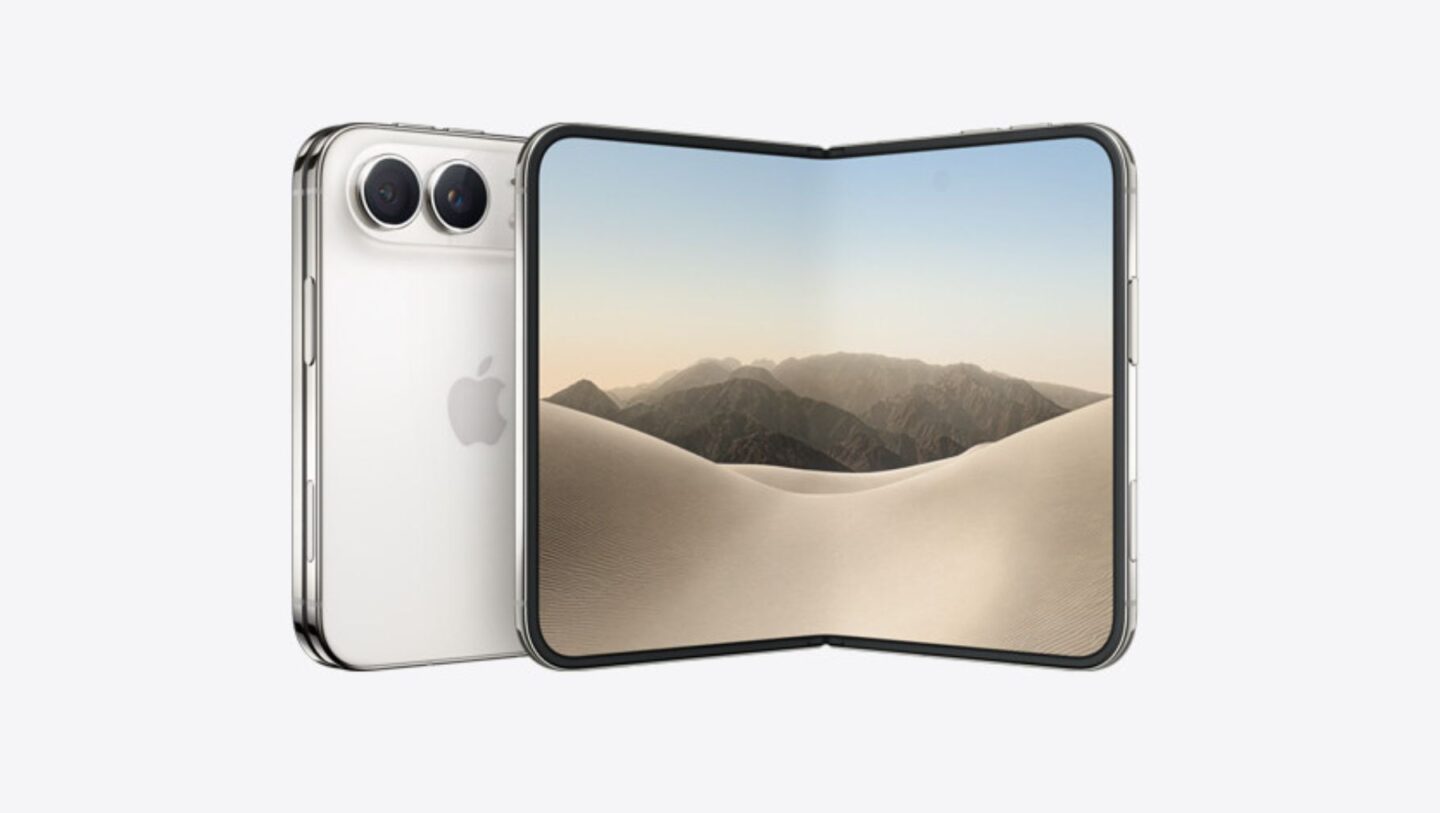
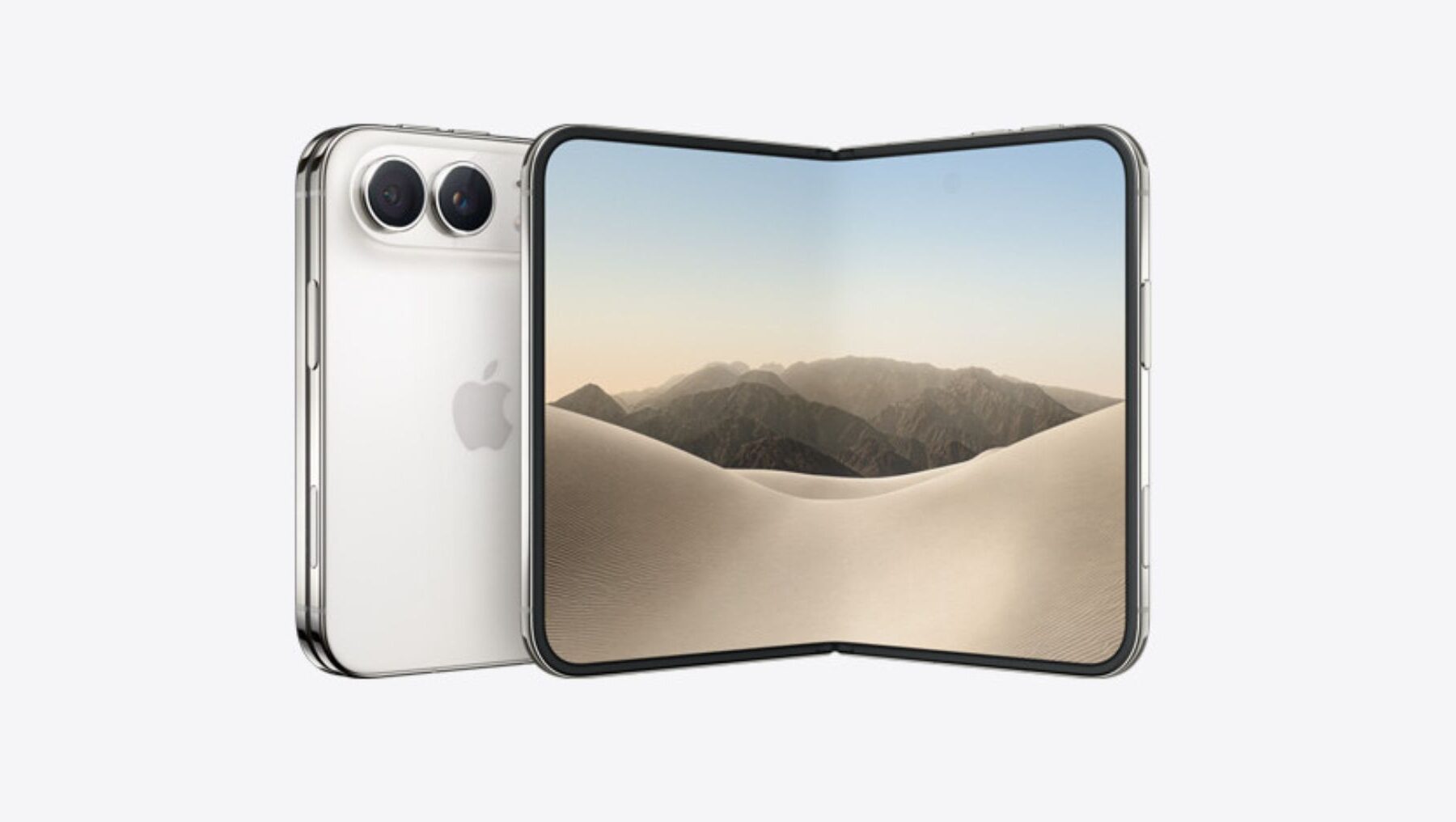
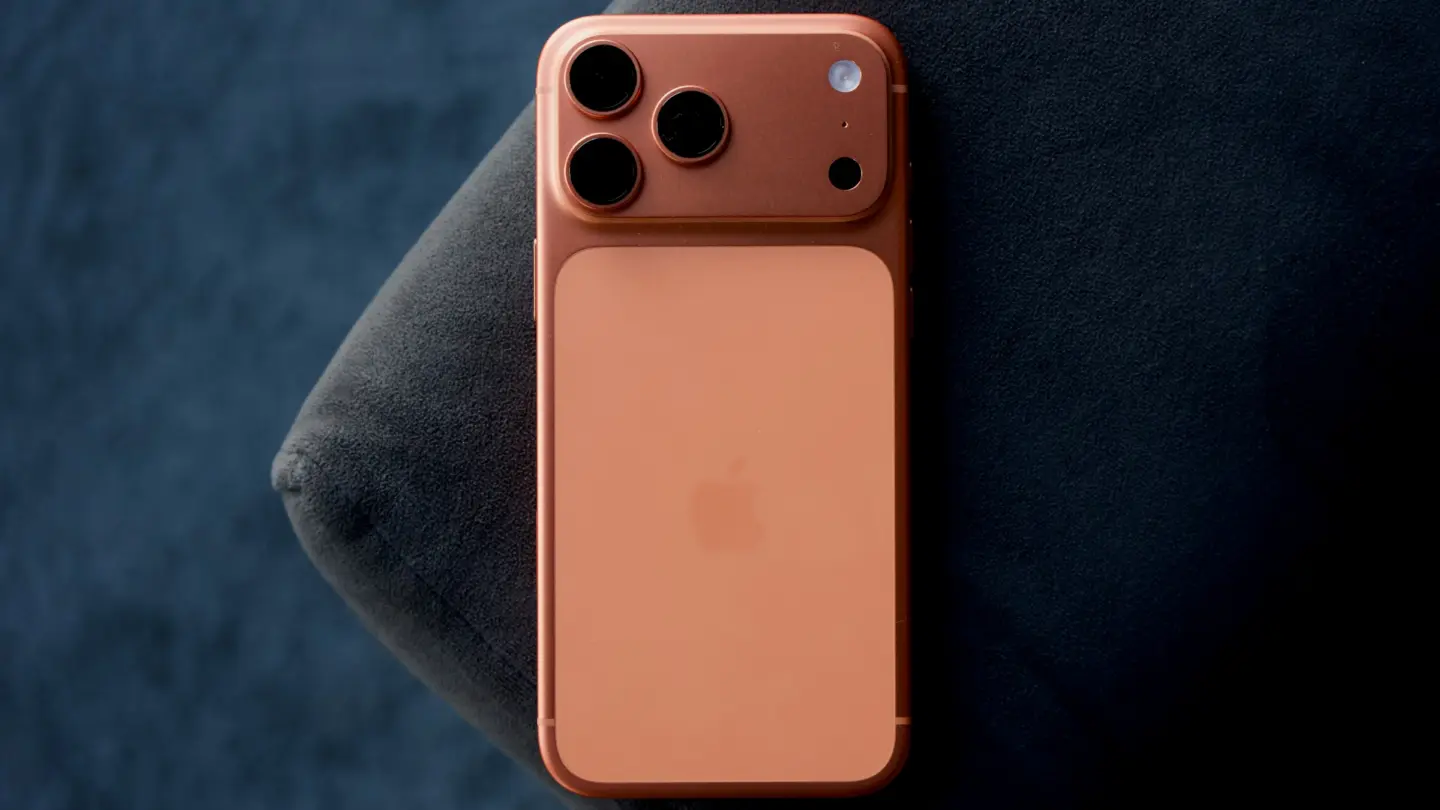
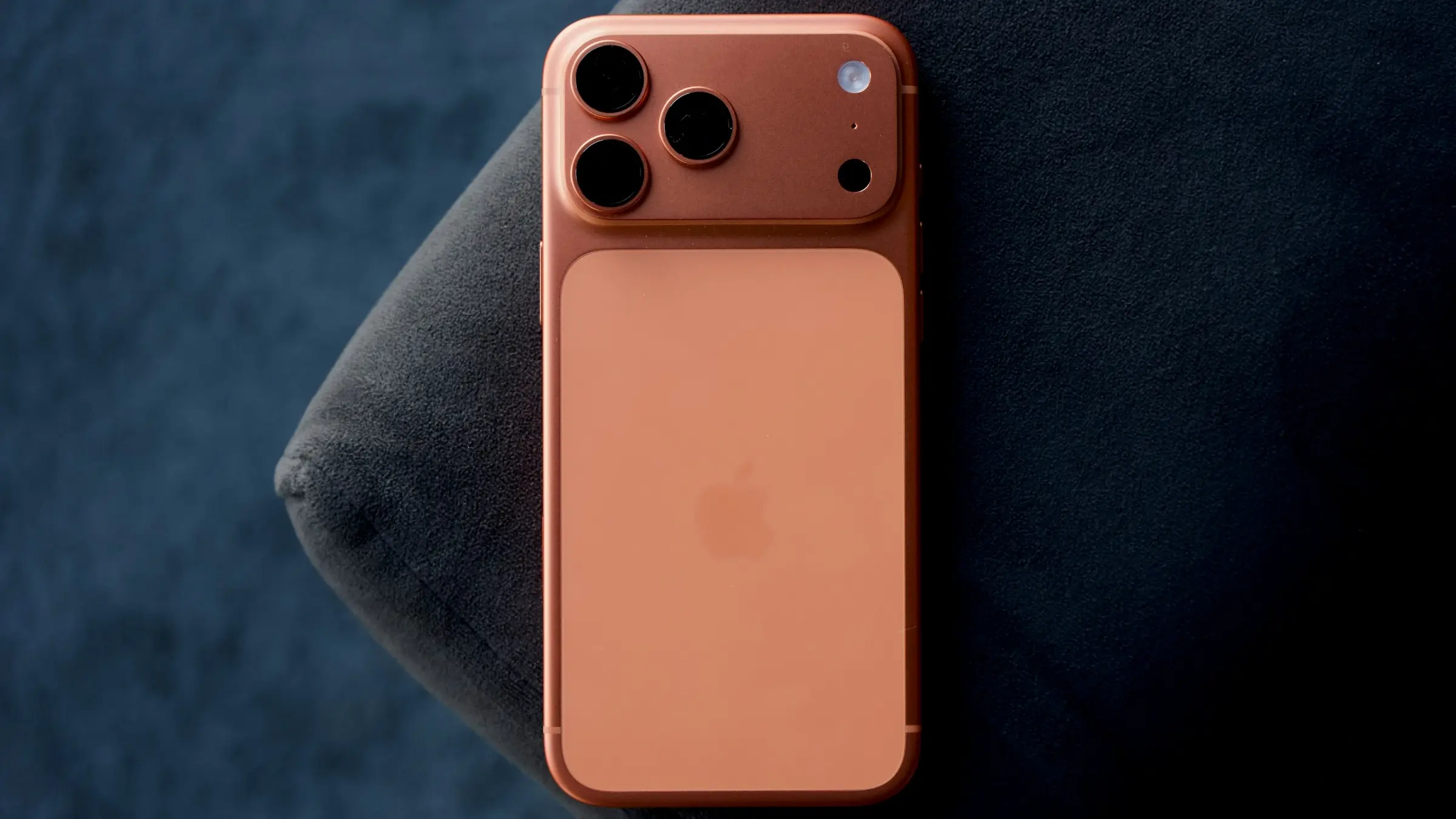
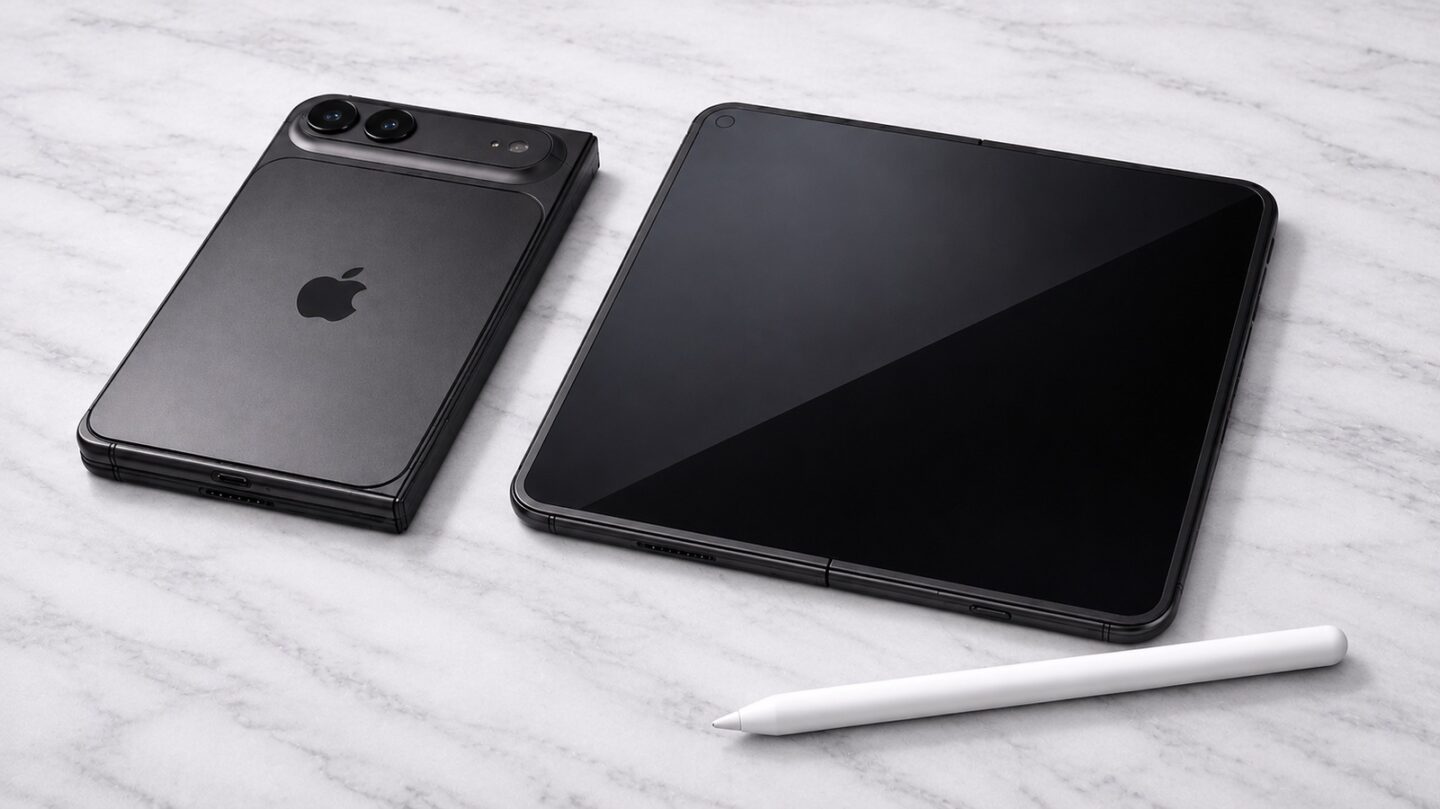
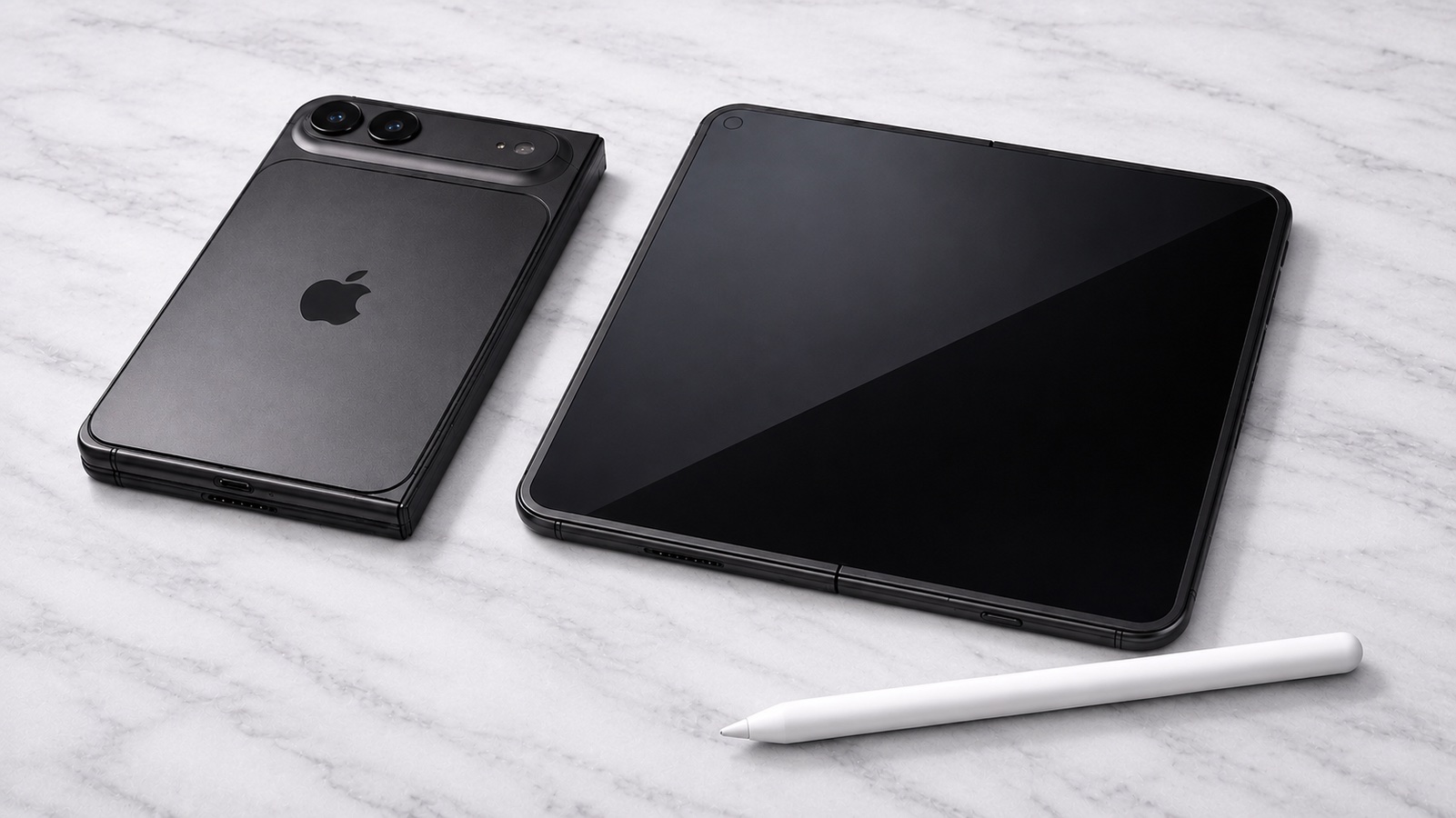
De acordo com o MacRumors, a Apple teria orientado funcionários das suas lojas a alertarem os clientes, no dia do lançamento do iPhone Duo — marcado para esta sexta-feira, 23 de outubro — de que é necessário já ter feito a reserva para retirada, o que desencorajaria quem costuma comprar os produtos presencialmente.
Segundo o site, funcionários das Apple Stores teriam sido informados de que muito provavelmente não haverá unidades do iPhone Duo disponíveis para quem tentar realizar a compra presencial do novo aparelho no dia do seu lançamento — daí a orientação para que os consumidores não compareçam às lojas sem reserva do Duo.
O jornalista da Bloomberg, Mark Gurman, porém, rebateu diretamente as especulações, afirmando que nenhuma comunicação nessa linha foi realizada:
There's been zero communication to Apple retail stores saying this. Perhaps a manager at select stores told employees this, but nothing like this has been communicated to date. I'm not saying it won't happen, but it hasn't. https://t.co/yp7kPJr88j
Não houve nenhuma comunicação para as lojas de varejo da Apple dizendo isso. Talvez um gerente de algumas lojas tenha contado isso aos funcionários, mas nada assim foi comunicado até o momento. Não estou dizendo que isso não vá acontecer, mas ainda não aconteceu.
Como já relatamos aqui, os prazos de entrega do iPhone Duo na loja online oficial da Apple chegam a janeiro nos Estados Unidos e a fevereiro no Brasil.
Embora a empresa tenha declarado que está “trabalhando intensamente” para disponibilizar o Duo para compra “o mais rápido possível”, tentar adquirir o iPhone Duo por meios oficiais segue sendo um desafio e tanto, por enquanto.
Atualização, por Bruno Cardoso19/10/2026 às 16:09
A Apple publicou mensagens em seus sites japonês e sul-coreano dizendo que, por um período limitado, apenas compradores que fizeram a reserva do iPhone Duo ou do iPhone 18 Pro Max poderão buscá-los nas lojas da empresa nesses países.
Em outras palavras, consumidores japoneses/sul-coreanos que forem até uma Apple Store no dia de seu lançamento sem ter feito a pré-compra do aparelho provavelmente voltarão frustrados.
Ainda não está claro se essa política se espalhará para outras localidades.
NOTA DE TRANSPARÊNCIA: O MacMagazine recebe uma pequena comissão sobre vendas concluídas por meio de links deste post, mas você, como consumidor, não paga nada a mais pelos produtos/serviços ao usar os nossos links de afiliado.
According to The Information, Apple is planning to get back into the server game and might just pair up with Nvidia to make it happen. Apple retired its Xserve line in 2011 and has largely left enterprise machines to other manufacturers since. But the growing demand for compute power as the AI industry continues to expand has apparently led the company to believe there is an opening for its powerful but efficient ARM-based M processors. Its Mac Mini and Mac Studio have proven popular with AI developers, which has led to shortages.
The server product, whether it's called Xserve or something else, likely won't debut until 2029. Word is that i …
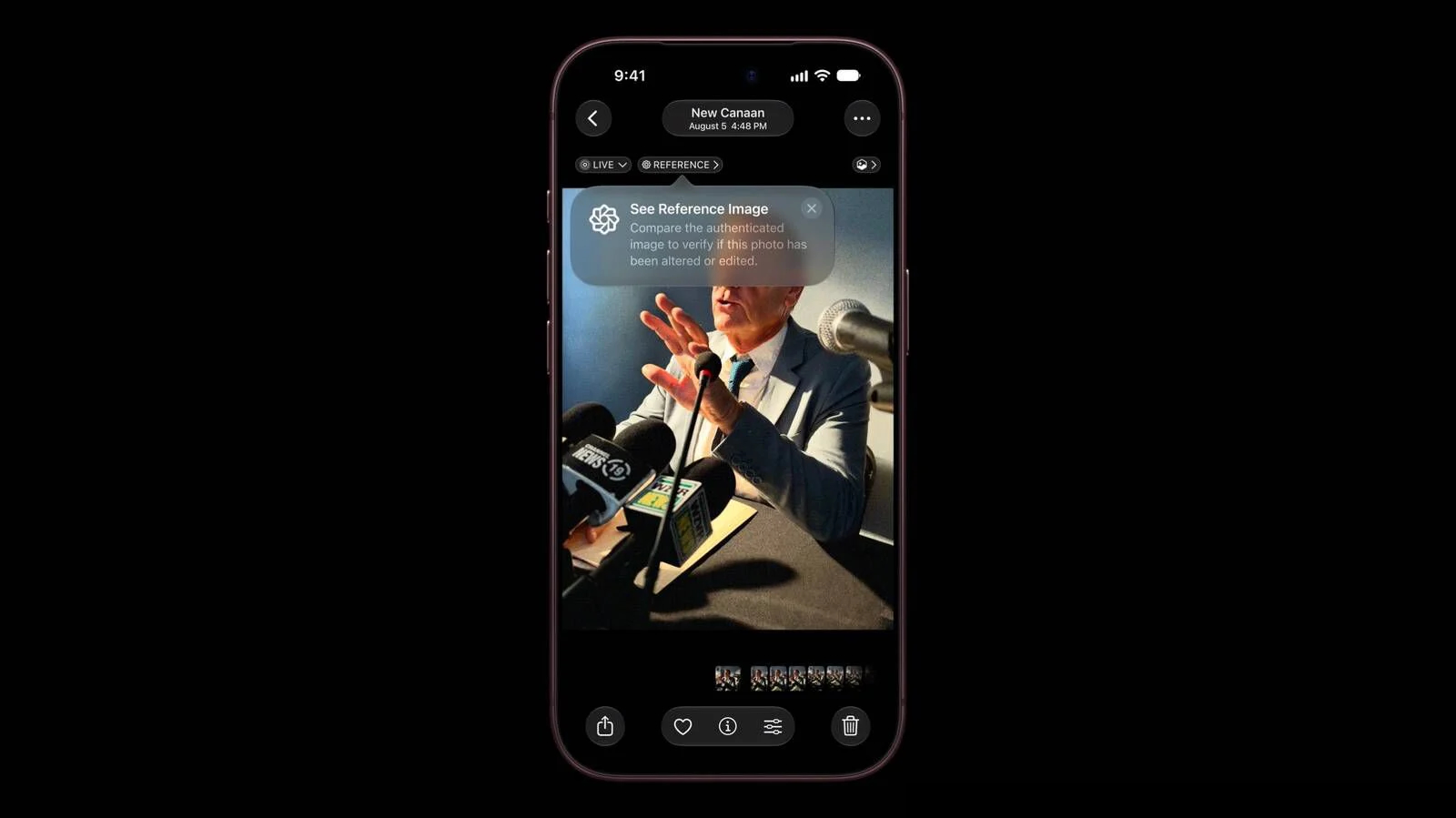
The iPhone 18 Pro models support Apple Reference Image, a way to verify that a photo was taken with an iPhone and hasn't been edited. Apple says it's a method to prove that something actually happened and wasn't AI-generated, likening the feature to a digital film negative.
Apple Reference Image offers a trustworthy, scalable guarantee that a reference image is what it claims to be: a real photograph, captured by a real sensor in an iPhone camera, at a specific time. It sets a new standard for verifiable digital photography.
Apple introduced Apple Reference Image when debuting the iPhone 18 Pro and Pro Max, and today the company shared more information on how the feature works on its Security Research blog.
Apple Reference Image boots the camera sensor into a specialized reference mode. The mode instructs the sensor to cryptographically sign pixel data immediately after capture, and the sensor firmware is prevented from modifying the data. Other authentication systems don't sign images until the end of the software processing pipeline, which Apple says leaves images vulnerable to tampering attacks.
Apple Reference Image creates a "secure digital negative" protected from software compromise alongside a standard editable photo. The negative is stored on-device and includes pixel data, sensor metadata, and cryptographic timestamps with lower and upper bounds. When a user decides to "develop" the negative for verification, it is sent unprocessed to Private Cloud Compute. Private Cloud Compute runs the steps needed to render the image in a secure, private, and verifiable environment.
Apple says the feature resists data injection attacks, compromised operating systems, hardware attacks, and cryptographic attacks. Apple believes Apple Reference Image is the only image provenance system with quantum-secure defenses. In case the system is breached, there is a revocation option. Private Cloud Compute calculates a confidence score for each image, and Apple can revoke individual photos or an entire sensor if fraud is detected.
To safeguard photographers, Apple Reference Image avoids using an explicit, public credential for photographers, and it prevents public association between different photos taken by the same sensor. The confidentiality of the image is protected, including from Apple.
Apple Reference Image is opt-in and is limited to the Main camera sensor.
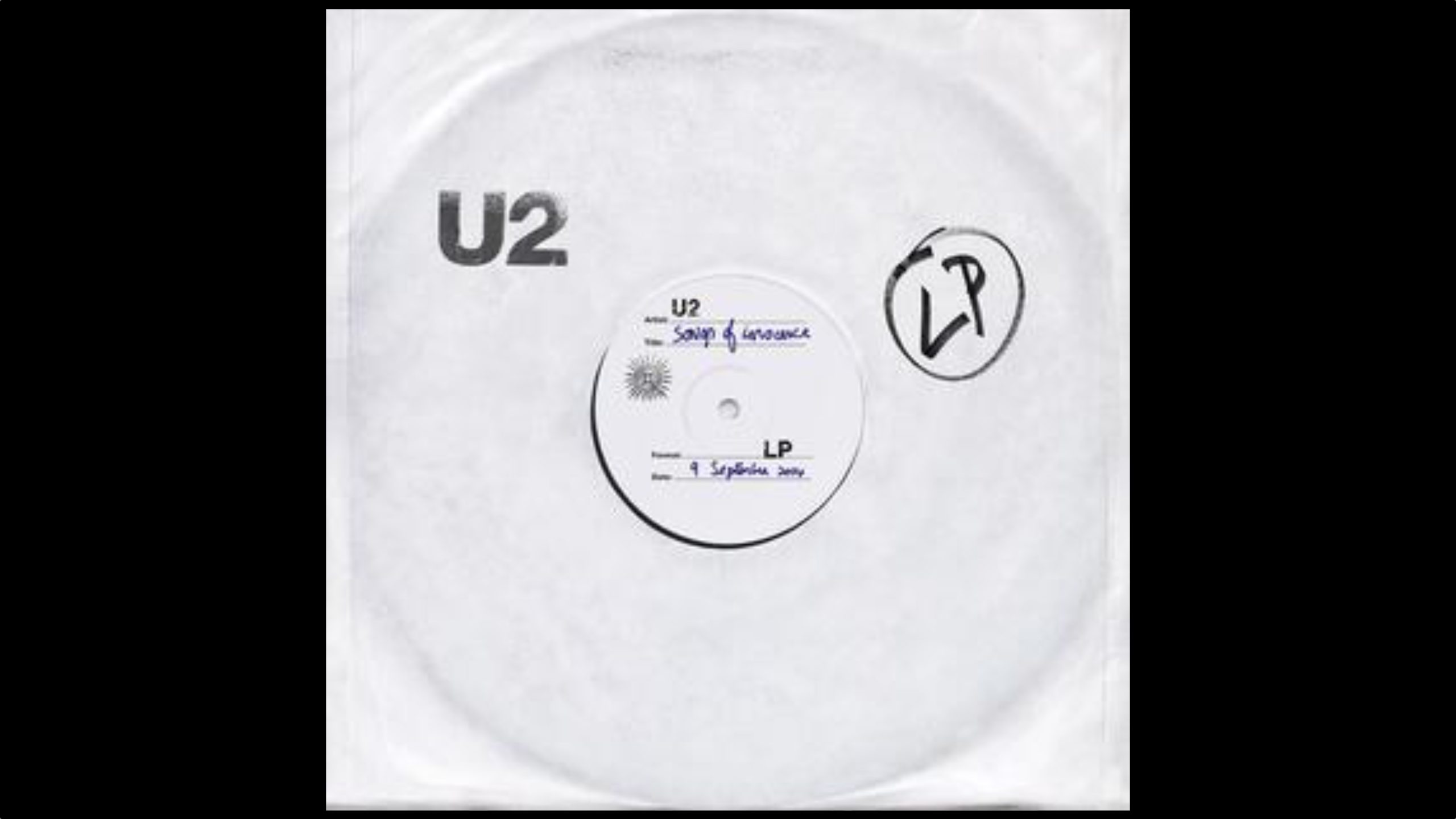
12 years ago today, Apple published a web page with one job: to make a U2 album go away. On September 9, 2014, at Apple's iPhone 6 event, Tim Cook revealed that "Songs of Innocence" would be given to every iTunes customer for nothing. The album was directly linked to accounts, and devices set to "download automatically" got it without asking.
Complaints quickly followed, and on September 15, Apple was forced to respond with a one-click page that stripped the album from accounts. Users were given a month to reinstall it at no cost. Apple said 26 million people ultimately downloaded the full album. Bono apologized a month later. The web tool is no longer active, but an archive of the support page is available here. This article, "Apple's Weirdest iTunes Walk-Back Turns 12 Today" first appeared on MacRumors.com
Apple’s Mac Edge Light feature could expand to the iPhone, according to an unconfirmed code finding shared by researcher pdfu on X. The post points to iOS 27 release-candidate code and a device subtype that appears to reference iPhone Duo. This is not an Apple announcement, and it does not prove that Edge Light will […]

 Login







 12 years ago today, Apple published a web page with one job: to make a U2 album go away. On September 9, 2014, at Apple's iPhone 6 event, Tim Cook revealed that "Songs of Innocence" would be given to every iTunes customer for nothing. The album was directly linked to accounts, and devices set to "download automatically" got it without asking.