❌

Reading view

Novel particle beam could challenge Einstein’s Theory of Gravity

Researchers at ETH Zurich and the Paul Scherrer Institute in Villigen, Switzerland, have produced a high-intensity beam of muonium atoms in a cold state, an experimental advance that could enable a direct test of whether gravity acts differently on second-generation matter. The peer-reviewed study in Nature Physics describes a new method for generating muonium in superfluid helium. The resulting atoms travel at similar speeds and almost parallel to one another, properties required for a future interferometer that would measure the tiny influence of gravity on muonium.

The study did not conduct that gravitational measurement or find evidence that gravity departs from its expected behavior for ordinary matter; it instead developed the beam source needed for the proposed test. The experiment is designed to examine the universality of free fall and the equivalence of gravitational and inertial mass, a cornerstone of Albert Einstein’s theory of gravitation. In ordinary matter, bodies fall at the same rate at a given point within a gravitational field, while the equivalence principle links gravitational mass with inertial mass.

According to the research team, this principle has so far been demonstrated only with ordinary matter or first-generation antimatter. Muonium is a neutral atom formed from a positively charged antimuon and a negatively charged electron, making it a second-generation probe. A gravity experiment with this exotic atom would test whether the equivalence continues to hold for particles outside the first generation.

Muonium has two characteristics that make it useful for this test: it is neutral, and it belongs to a heavier and less familiar generation of particles. A neutral object allows gravitational behavior to be studied without the weak gravitational signal being masked by stray electromagnetic fields, which can dominate the behavior of charged particles. At the same time, muonium is exceptionally difficult to produce and control.

Its constituent muon decays after only about 2.2 microseconds. Earlier sources generated muonium atoms that flew off in many directions at different speeds and were therefore unsuitable for the precision required in a gravity experiment. The researchers addressed this problem by creating a cold, intense and well-directed beam.

The antimuons were directed into a thin layer of superfluid helium that had been cooled close to absolute zero, at minus 273 degrees Celsius. Superfluid helium is a quantum fluid in which individual helium atoms lose their identity and in which impurities are not tolerated. Lead author Jesse Zhang said the researchers used the superfluid as an “atomic cannon,” exploiting the conversion of chemical potential into kinetic energy to propel the newly formed muonium atoms out of the liquid.

When an antimuon encounters a free electron in the superfluid helium, it forms a neutral muonium atom with positive chemical potential. The atom is forced out of the liquid, and as it reaches the surface, that chemical potential is converted into kinetic energy. The resulting boost sends the muonium vertically out of the helium.

Importantly, the atoms must move through the quantum liquid at a suitable speed without collisions, because excessive scattering would prevent them from reaching the surface within their very short lifetime. The high-intensity antimuon beam from PSI allows many muonium atoms to be generated for the planned experiments. Anna Soter, a professor of physics at ETH Zurich and member of the research team, said the cold state is what makes the proposed gravity experiment possible.

In this context, “cold” does not mean that the atoms are motionless; it means that they propagate at similar speeds and nearly parallel to one another. This improved control over direction and velocity is important because the planned instrument will use the wave properties of the atoms to create an interference pattern. A very small shift in that pattern caused by Earth’s gravitational pull would provide a measure of gravity’s effect on muonium.

The study establishes the upstream beam capability rather than reporting the result of that comparison. The next stage of the program is the development of a muonium interferometer. According to the researchers, they hoped to test the method for the first time with the atomic beam in the year of the announcement and, if that worked as expected, to carry out the actual gravity experiment two or three years later.

Those are planned milestones rather than completed measurements. If the interference pattern of muonium shifts differently from the pattern expected for ordinary matter, Soter said the result would be surprising and could, among other theoretical possibilities, point toward the existence of a fifth force. No fifth force has been proven, and the present work provides no evidence for one.

The team’s primary aim is to measure whether the equivalence between gravitational and inertial mass applies to a second-generation particle. Physics recognizes four fundamental interactions: gravity, electromagnetism, the strong interaction and the weak interaction. A fifth force has been proposed repeatedly, but it has never been established.

Soter emphasized that the researchers are open-minded about what the measurement may show while keeping the immediate objective focused on the first such test. The new beam is therefore an enabling experimental result, not a demonstration that Einstein’s theory has been challenged or overturned. Beyond the planned gravity measurement, the high-intensity muonium beam is expected to enable more precise laser-spectroscopy experiments.

These could allow muonium to be measured more accurately than in previous work and provide information about the muon’s mass and fundamental physical constants, which are stated goals of the research group. The same experimental source can thus serve two purposes: supplying a cold, directed beam for a gravitational comparison and providing a larger, better-controlled population of muonium for detailed spectroscopic study. The reported advance addresses a major technical obstacle while leaving the central scientific question unresolved.

A successful gravitational test will still require an interferometer capable of resolving a minuscule shift in an interference pattern while dealing with muonium’s short lifetime, beam quality and other sources of uncertainty. The study’s demonstrated result is the generation of a high-intensity, superthermal muonium beam in superfluid helium, with atoms emerging in the cold state needed for future work. Whether muonium falls exactly as expected for ordinary matter remains to be measured.

The beam nevertheless supplies the experimental foundation for testing gravitational universality in a second-generation particle, a comparison that had not previously been carried out with muonium.

Subject of Research: A cold muonium beam developed for future tests of gravitational universality and laser spectroscopy

Article Title: Novel particle beam could challenge Einstein’s Theory of Gravity

Article References: Novel particle beam could challenge Einstein’s Theory of Gravity. Original publication (Bibliographic details unavailable.)

Image Credits: AI Generated

DOI: Not provided

Keywords: muonium, muon beam, gravity, gravitational universality, equivalence principle, interferometry, superfluid helium, laser spectroscopy, ETH Zurich, Paul Scherrer Institute, Novel, particle
  •  

PLOS Issues Expression of Concern for Yangtze River Delta Study

The PLOS One editors have issued an expression of concern for a 2024 case study concerning the digital economy, innovation factor allocation and industrial structure transformation in China’s Yangtze River Delta city cluster. The notice, published on October 21, 2026, states that the article was identified as one of a series of submissions for which the journal has concerns about the integrity or reliability of the peer-review process. Readers are advised to interpret the original study with this issue in mind.

The notice does not report a new scientific finding, identify an error in the paper or evaluate the study’s scientific validity. According to the editors, PLOS did not assess the article’s integrity or scientific validity when following up on the matter. The expression of concern therefore records a concern about the circumstances surrounding peer review rather than announcing that the study’s data, methods or conclusions have been disproved. The editors also state that they have no concerns regarding the authors’ conduct during the peer-review process.

The affected article was published in PLOS One in 2024 under the title “Digital economy, innovation factor allocation and industrial structure transformation—A case study of the Yangtze River Delta city cluster in China.” The supplied notice does not provide the study’s findings, population details, analytical methods, model estimates, uncertainty measures or specific mechanisms linking the subjects named in the title. As a result, the notice does not support conclusions about the relationship between digital-economy development, innovation factors and industrial structure in the region, nor does it establish whether any reported association or causal effect is reliable.

For the wider research record, the immediate effect is that the 2024 article is accompanied by an editorial notice questioning the integrity or reliability of its peer-review process. The notice does not provide details about the submissions or explain the specific basis for the journal’s concerns. It also does not announce a correction, replacement analysis or revised conclusion. The central status of the paper’s scientific validity remains unevaluated in the supplied material, while the issue is sufficiently significant for PLOS One to advise readers to consider it when interpreting the study.

Subject of Research: A PLOS One expression of concern concerning peer-review reliability in a Yangtze River Delta regional-economy case study.

Article Title: Expression of Concern: Digital economy, innovation factor allocation and industrial structure transformation—A case study of the Yangtze River Delta city cluster in China

Article References: The PLOS One Editors (2026). Expression of Concern: Digital economy, innovation factor allocation and industrial structure transformation—A case study of the Yangtze River Delta city cluster in China. PLOS One, 21(10), e0360867. https://doi.org/10.1371/journal.pone.0360867

Image Credits: AI Generated

DOI: 10.1371/journal.pone.0360867

Keywords: PLOS One, expression of concern, peer review, research integrity, digital economy, innovation factors, industrial structure, Yangtze River Delta, China, Expression, Concern, Digital

  •  

Longitudinal airflow suppresses train power-arc drift at low pressure

Longitudinal airflow can sharply suppress the drifting and ablation of the electrical arc formed between a train’s pantograph and overhead contact wire, according to a modeling and experimental study of pantograph–catenary systems under low-pressure conditions. The researchers built a magnetohydrodynamic model that coupled electric, magnetic, thermal, fluid and arc-motion dynamics, then tested the method in a vacuum chamber with copper and carbon electrodes. In experiments conducted at atmospheric pressure, increasing the airflow to 45 metres per second reduced the measured arc drift height from 27.6 millimetres to zero and shortened the arc-root distance from 51.3 to 3.9 millimetres. The same airflow setting also produced progressively less carbon-electrode damage, supporting the proposal as a possible current-collection control method for railways operating at high altitude.

The need for such control arises because the pantograph–catenary system carries the electrical energy used by electric trains, while the stability of its contact strongly affects operating safety and efficiency. Lower atmospheric pressure presents a particularly difficult environment. The study notes that reduced air density and breakdown-field strength can lower the ignition threshold for pantograph–catenary arcs, increase their frequency and duration, and enlarge the region affected by arcing. Repeated arcing can cause irreversible high-temperature ablation and electrical wear on contact wires and pantograph strips. It can also generate broad-band electromagnetic interference that may affect onboard signalling and traction-control systems, with potential consequences including insulator flashover and disruption of the traction network. These background risks motivate efforts to understand and restrain the spatial movement of arcs in plateau environments.

Existing arc models include the Cassie and Mayr black-box approaches, which support analysis of interactions between arcs and traction-network circuits but do not represent an arc’s changing spatial shape. Magnetohydrodynamic models offer a more physical alternative by coupling electromagnetic, flow and thermal fields. Previous work represented crosswind effects on pantograph–catenary arcs and examined how decreasing pressure affects arc-root jumping, in which the root forms at a new location after the elongated column reaches a critical length. Other studies have shown that magnetic fields can stabilize welding and switching arcs. Airflow regulation, however, has been investigated more extensively in welding than in pantograph–catenary systems, whose dissimilar electrodes, high operating speed, open environment, changing electrode gap and constrained vehicle installation space make their arc dynamics more complicated.

The new model represents an arc initially 6 millimetres long and 2 millimetres in diameter between a copper anode and a carbon cathode. It includes the surrounding air, both electrodes and a central longitudinal-airflow channel beneath the copper electrode, including a 1.5-millimetre control-airflow inlet. A separate inlet represents train-induced airflow and was set to 40 metres per second. Calculations covered pressures of 101, 80 and 60 kilopascals, longitudinal airflow from zero to 80 metres per second and a total simulation time of 25 milliseconds. Air properties were adjusted with pressure, while the electrodes were assigned distinct densities, resistivities, thermal conductivities and heat capacities. The governing equations represented electrical potential and current, magnetic-vector potential, mass and momentum conservation, energy conservation, viscous dissipation, Joule heating and net volumetric radiation.

The calculations use several explicit simplifications. Arc ignition is omitted, and the plasma is treated as being in local thermodynamic equilibrium. Flow in the air and arc domains is assumed laminar and incompressible, while metal vapour generated by electrode evaporation and phase change is excluded. These assumptions make it possible to examine large-scale arc motion and temperature distribution but prevent the simulation from directly calculating electrode mass loss, crack width or crater area. Copper was assigned the anode and carbon the cathode; a Gaussian distribution represented current entering through the copper electrode, and the bottom of the carbon electrode was grounded. The air boundary was treated as magnetically insulated, and the initial temperatures were set to 300 kelvin for the air and electrodes and 5,000 kelvin for the arc domain. The experimental apparatus was separate from the numerical model and provided direct physical measurements of damage.

Without longitudinal airflow, the simulated arc passed through two stages. During the first 10 milliseconds, its column elongated continuously, bent under airflow influence, and developed greater drift height and arc-root distance. From 10 to 25 milliseconds, the column and root distance fluctuated through repeated shortening and elongation. The authors associate this behaviour with the electrical and mechanical limits of the arc: once a column reaches a critical length, the voltage and energy available between the electrodes may no longer sustain continuous burning, and a shorter path of lower resistance may form on the electrode surface. The resulting root “jump” shortened the column before airflow stretched it again. Arc development became faster and both drift height and root distance increased as pressure fell. Temperature briefly exceeded 10,000 kelvin and reached a maximum within roughly two to three milliseconds before fluctuating, while arc voltage rose as the column lengthened and resistance increased.

Longitudinal airflow changed these trajectories in the simulations. As speed increased, drift height, root distance and temperature all declined, with the greatest reductions occurring at lower airflow speeds before the curves began to level off. At 101 kilopascals, the calculated drift height fell from 37.5 millimetres without control airflow to zero at 45 metres per second, while root distance decreased from 57.3 to 3.7 millimetres and temperature dropped from 12,900 to 8,650 kelvin. The airflow needed to eliminate drift was 45, 40 and 35 metres per second at pressures of 101, 80 and 60 kilopascals, respectively; speeds required to bring root distance below 5 millimetres were 45, 40 and 30 metres per second. The authors attribute the stronger response at lower pressure to reduced plasma density, which weakens the arc’s inherent rigidity, Lorentz force and thermal buoyancy, allowing airflow load to become a more dominant influence on its motion.

The temperature response also revealed a practical plateau. The researchers defined the optimal airflow speed as the point after which increasing speed by 5 metres per second changes arc temperature by less than 3 per cent. At atmospheric pressure this occurred at 40 metres per second, compared with 30 metres per second at 60 kilopascals. The reported temperature reduction was 33.8 per cent at 101 kilopascals and 38.1 per cent at 60 kilopascals. Airflow strengthened convective heat removal, which lowered plasma temperature and, in turn, increased deionization and reduced Joule heating. Once thermal exchange approached saturation and the minimum temperature required for self-sustaining arc combustion was approached, further increases in speed produced little additional cooling. The model therefore indicates that the airflow speeds required for control decline as ambient pressure falls.

Laboratory testing used a vacuum chamber capable of controlling pressure with an accuracy of plus or minus 100 pascals, a constant-current supply rated from zero to 150 amperes, an arc igniter, a fan with continuously adjustable airflow from zero to 60 metres per second, a high-speed camera and an oscilloscope. Airflow at the electrode outlet was measured with an anemometer accurate to plus or minus 0.5 metres per second. The camera operated at 6,400 frames per second with an exposure of five microseconds, while each two-second arc test was repeated five times and the mean was reported. Tests at 101 kilopascals used airflow speeds of zero, 20, 30 and 45 metres per second. Without control airflow, high-speed images showed increasing arc drift. At 45 metres per second, drift was virtually absent during the final development phase and root distance was substantially shortened, with observed morphologies broadly consistent with the numerical results.

The experiments also found reductions in carbon-electrode ablation that increased with airflow speed. Microscopy showed shorter ablation areas, smaller craters and narrower crack propagation as the controlled airflow rose. The maximum crack width was 66.7 micrometres without airflow and decreased at higher speeds, while analytical weighing showed progressively less mass loss from the carbon electrode. The proposed mechanism is that stronger airflow promotes arc-root slippage, shortening the time the root remains at one point, while convective cooling lowers temperature and local energy density. These are experimental observations rather than direct outputs of the simulation: because the model omits electrode evaporation and metal-vapour transport, it cannot quantitatively predict ablation rates or near-electrode energy balances. The study therefore demonstrates reduced damage under its controlled laboratory conditions, not a complete first-principles calculation of all processes responsible for electrode wear or a proven field performance level in operating plateau railways.

Subject of Research: Experimental and numerical evaluation of airflow control of pantograph–catenary arcs at low pressure.

Article Title: Research on regulation method for suppression of pantograph-catenary arc by airflow in low-pressure environment

Article References: Xu, Z., Wang, S., Dong, K., & Gao, G. (2026). Research on regulation method for suppression of pantograph-catenary arc by airflow in low-pressure environment. iScience, 29(11), Article 117951. https://doi.org/10.1016/j.isci.2026.117951

Image Credits: AI Generated

DOI: 10.1016/j.isci.2026.117951

Keywords: pantograph–catenary systems, railway electrification, electric arcs, low-pressure environments, longitudinal airflow, magnetohydrodynamic modelling, electrode ablation, high-speed rail, plateau railways, arc suppression, Research, regulation

  •  

Survey links three capabilities with Indonesian welfare-data integration

A survey-based study of 246 village-level social welfare data operators found that business architecture, cross-organizational collaboration and technological readiness were positively and statistically significantly associated with perceived e-government integration impact in two Indonesian regencies. The research, focused on Gunung Kidul and Bangkalan, examined organizational, institutional, relational and technological capabilities associated with social welfare data integration. Governance and leadership and information policy did not show statistically significant direct relationships with perceived integration impact in the pooled sample.

The authors analyzed the survey with partial least squares structural equation modeling. In their framework, e-government integration impact, or EGII, represents perceived improvements in information, system and service quality, responsiveness and public trust. E-government integration scope, or EGIS, describes the breadth of integration across data, applications, electronic communication and knowledge-sharing processes.

EGII was strongly associated with EGIS, meaning that operators reporting more favorable perceived integration outcomes also tended to report broader integration. Because this was an observational analysis of survey responses, the results establish statistical relationships rather than causal effects. The findings identify three capabilities with significant direct relationships to EGII in the pooled model: business architecture, cross-organizational collaboration and technological readiness.

The evidence does not provide operational definitions for these constructs, but the results show that their measured levels were associated with respondents’ assessments of e-government integration outcomes. By contrast, governance and leadership and information policy had no statistically significant direct relationships with EGII in that analysis. This absence of a detected direct relationship does not establish that the two factors are unimportant or that they operate only through indirect pathways, because the supplied findings do not report such indirect effects.

A regency-based robustness analysis found that some relationships were sensitive to local implementation conditions. Significant differences between Gunung Kidul and Bangkan were reported for the technological-readiness-to-EGII relationship and the EGII-to-EGIS relationship. The geographic comparison therefore cautions against assuming that the same capability relationships apply uniformly across the two regencies, although it does not identify the specific local practices responsible for those differences.

Its direct contribution is to show which measured interoperability capabilities were associated with perceived integration impact in the surveyed population, alongside evidence that some relationships varied between the two regencies.

Subject of Research: Survey-based analysis of interoperability capabilities for social welfare data integration in two Indonesian regencies

Article Title: Determinants of E-government interoperability capabilities for social welfare data integration in Gunung Kidul and Bangkalan Regencies, Indonesia

Article References: Fikri, R., Purnomo, E. P., Pribadi, U., Mohamed, A. M., & Mohammad, N. B. (2026). Determinants of E-government interoperability capabilities for social welfare data integration in Gunung Kidul and Bangkalan Regencies, Indonesia. Discover Sustainability. https://doi.org/10.1007/s43621-026-04608-5

Image Credits: AI Generated

DOI: 10.1007/s43621-026-04608-5

Keywords: social welfare data, e-government, interoperability, Indonesia, PLS-SEM, technological readiness, cross-organizational collaboration, business architecture, digital governance, public services, Determinants, capabilities

  •  

Science on the Space Station with NASA Astronaut Jessica Watkins

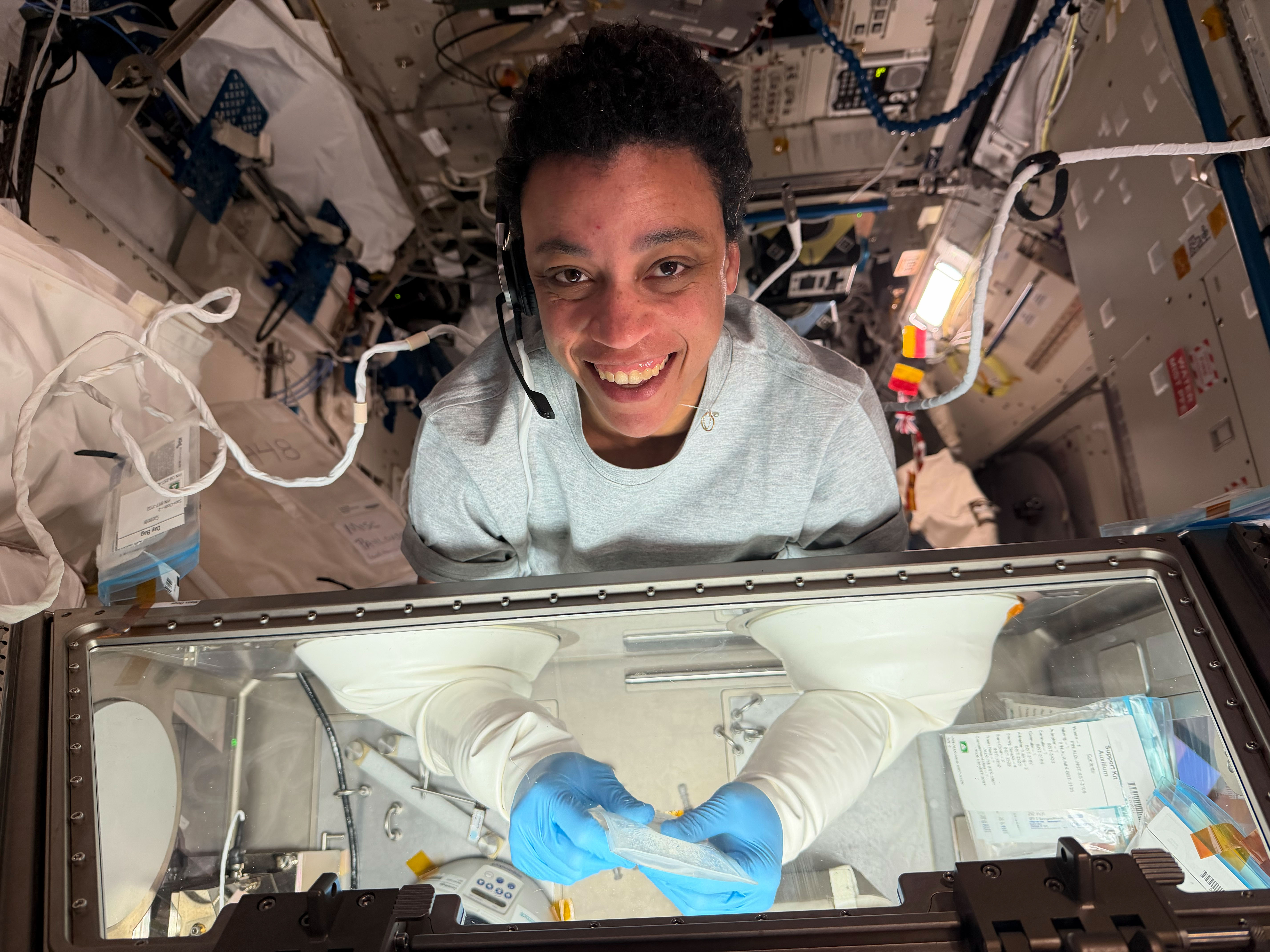
NASA astronaut Jessica Watkins looks up at the camera while doing a science experiment. Her arms and hands are inside a rectangular glovebox that we can see inside. Her arms are covered with the white gloves that are attached to the glovebox and she is wearing blue gloves.
NASA/Anil Menon

NASA astronaut and Expedition 75 flight engineer Jessica Watkins works inside the Kibo laboratory module’s Life Science Glovebox on Oct. 9, 2026, safely mixing living cell samples with a bioink and then filling a special cartridge with the cell‑ink mixture.

The advanced research operations were part of the InSPA‑Auxilium Bioprinter‑Cell Printing investigation, which explores 3D bioprinting cartilage tissue in microgravity of higher quality than that produced on Earth. Results may advance the ability to biomanufacture cartilage, benefiting patients on Earth and crew members on long‑duration space missions.

Image credit: NASA/Anil Menon

  •  

NASA’s SR-1 Freedom Advances with Progress on Nuclear Power Module

2 min read

Preparations for Next Moonwalk Simulations Underway (and Underwater)

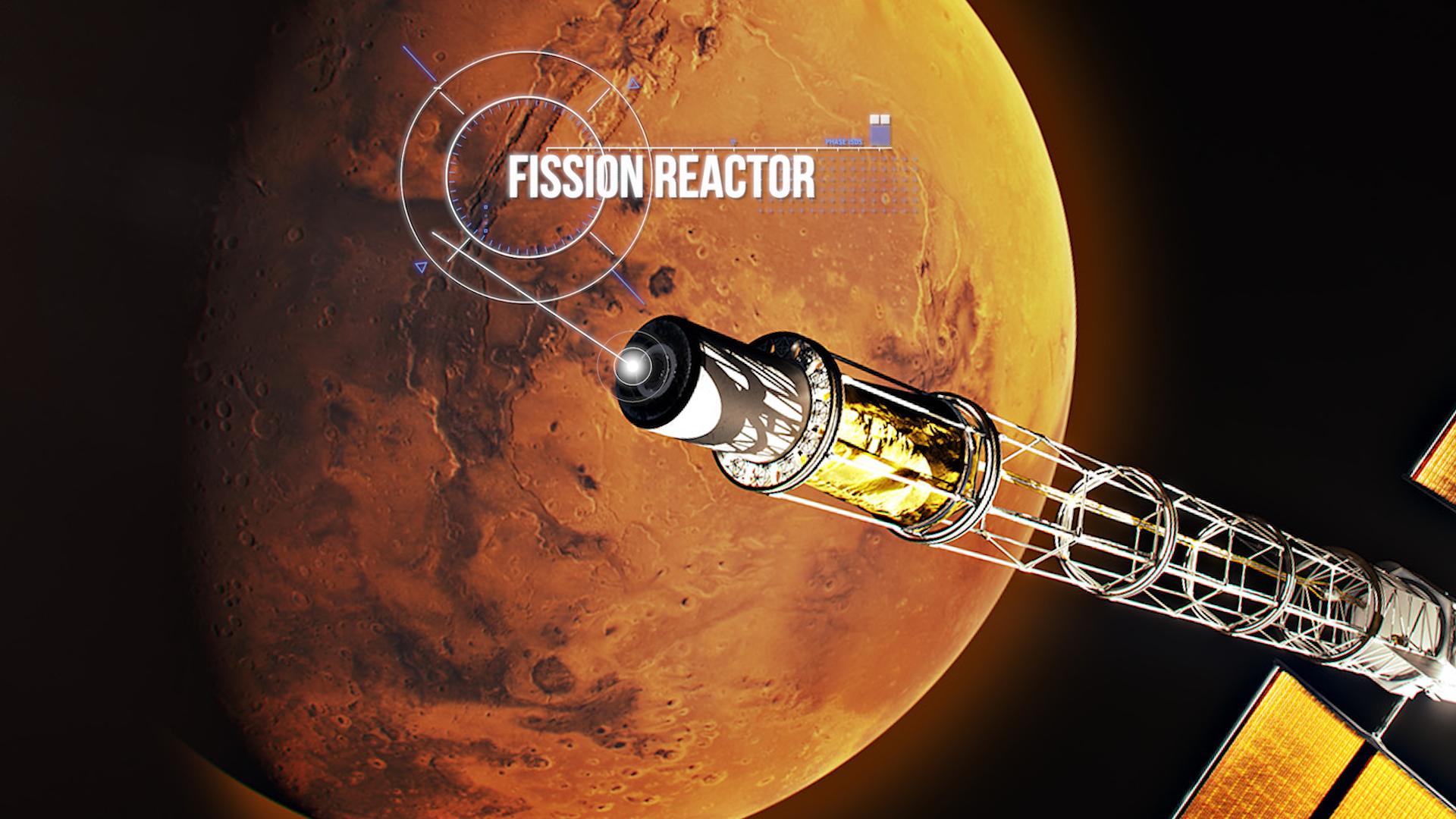
Digital illustration of the Space Reactor-1 (SR-1) Freedom spacecraft in orbit near Mars. The planet's red terrain fills the left half of the frame. On the right, the spacecraft is oriented horizontally, showcasing its central Power and Propulsion Element bus flanked by two tall, illuminated golden Roll-Out Solar Arrays. An elongated open-truss boom extends forward from the bus, ending at the cylindrical nuclear fission reactor and power conversion module.
Space Reactor-1 Freedom will be the first spacecraft ever to demonstrate fission power beyond Earth’s orbit, traveling to Mars to deliver a science payload called SkyFall.
NASA/Alberto Bertolin

Destined for Mars and beyond, NASA’s Space Reactor-1 (SR-1) Freedom will be humanity’s first fission-powered spacecraft to travel outside Earth’s orbit. Announced during NASA’s “Ignition” event, this mission will demonstrate nuclear electric propulsion in deep space, and progress is underway on its key element: the nuclear power module. To expedite development of the spacecraft, NASA and its partners have mutually agreed to key contract actions that will advance the SR‑1 Freedom mission. 

“These contract actions not only reduce technical risk and help us maintain momentum toward our 2028 launch, but they also strengthen collaboration across our partners,” said Steve Sinacore, SR-1 Freedom program director. “These actions keep SR‑1 Freedom on track and ensure we’re building the strongest possible foundation for NASA’s first fission‑powered voyage beyond Earth orbit while developing technology extensible to a vibrant space nuclear future.” 

Digital illustration of the Space Reactor-1 Freedom (SR-1) spacecraft in deep space with the planet Mars filling the background. The spacecraft boom structure extends toward the planet, showing its power conversion assembly and solar panel, with a targeting graphic pointing to the fission reactor at its tip labeled 'FISSION REACTOR.'
Space Reactor-1 Freedom’s nuclear power module, located at the end of the spacecraft’s boom, consists of a reactor that generates heat through nuclear fission and a power conversion system that converts that heat into electricity to power systems and electric propulsion.
NASA/Alberto Bertolin

Sierra Lobo Inc. will provide the nuclear power module’s closed Brayton cycle power conversion system, which converts thermal energy from its fission reactor into electrical power needed for SR-1 Freedom’s nuclear electric propulsion demonstration. The work will be conducted under the Space Flight Systems Development and Operations Contract III, awarded in 2024, to support spaceflight hardware design, development, testing, and operations at NASA’s Glenn Research Center in Cleveland.

The power conversion system will be integrated with the fission reactor, which is being designed and developed by the Department of Energy (DOE)’s Idaho National Laboratory to complete the nuclear power module. NASA and DOE incorporate thorough safety standards throughout the design and development of the SR-1 Freedom spacecraft, including interagency safety reviews, continuous oversight by a NASA chief safety officer, regulatory compliance, and a rigorous safety design process focusing on hazards, failure tolerance, and nuclear safety. In addition, the nuclear reactor portion of SR-1 Freedom will remain inactive until the spacecraft leaves Earth orbit.

Launching in late 2028, SR‑1 Freedom will deliver the SkyFall science mission, a team of three Mars helicopters evolved from the Ingenuity design, to collect scientific data, demonstrate exploration zones, and identify potential water sources. The mission will pave the way for deep space exploration and next‑generation fission-powered systems designed to keep NASA’s Moon Base operating through periods of darkness and in locations where solar power alone is not sufficient.

For information about SR-1 Freedom, visit:

https://www.nasa.gov/mission/space-reactor-1-freedom/

  •  

Start-Up Claims to Use A.I.-Created Viruses to Treat a Patient

Certain viruses attack bacteria and can sometimes clear antibiotic-resistant infections. Researchers said they had tailored a virus to attack one patient’s illness.
  •  

Esquemas de phishing imitam Microsoft, Apple e Google para roubar dados e atacar computadores

Os cibercriminosos estão a explorar a confiança nas marcas tecnológicas mais conhecidas, com a Microsoft a concentrar já um em cada três ataques de phishing que imitam empresas. Apple, Google, LinkedIn e Amazon também estão no top das mais visadas.

The post Esquemas de phishing imitam Microsoft, Apple e Google para roubar dados e atacar computadores appeared first on Tek Notícias.

  •  

Latest Climate Report Warns of Major Upheaval to California Way of Life

The dire projections come from the state’s Climate Change Assessment, which analyzes the impacts of changing weather patterns on the nation’s most-populous state.
  •  

Education Alone Is Not Enough: What Nursing Home Staff Really Think About Palliative Care

Palliative care has long been framed as a specialist discipline reserved for hospices and oncology wards, but a growing body of evidence insists it belongs everywhere people approach the end of life, including nursing homes, where a large share of deaths in ageing societies now occur. A new qualitative study from Sweden, published in BMC Nursing, offers an unusually candid look at what happens inside care teams after they receive structured palliative care education, and the central finding is striking: training changes how staff think, but thinking alone does not change care. The researchers, Camilla Ekeblom, Carina Lundh Hagelin and Jane Österlind of Marie Cederschiöld University in Stockholm, found that the value of an educational intervention depends on an intricate alignment between individual emotions, relational dynamics and organisational realities, and that when any one of these dimensions falls out of step, the benefits of education can quietly dissolve.

The study set out to explore how nursing home staff reason about providing palliative care after participating in an interprofessional educational intervention, abbreviated in the literature as IPEI. Rather than measuring outcomes with questionnaires, the team chose a descriptive qualitative design, interviewing eighteen staff members drawn from five Swedish nursing homes. The participants represented the full spectrum of people who actually deliver and manage care: registered nurses, assistant nurses, a physician, first-line managers and designated palliative care champions. This breadth matters, because palliative care in nursing homes is not delivered by any single profession; it emerges, or fails to emerge, from the daily interplay of people with different training levels, responsibilities and emotional exposures to dying residents.

Data were collected through semi-structured individual interviews conducted between March and April 2024, and analysed using inductive qualitative content analysis, a method that allows themes to rise from the material itself rather than being forced into pre-existing theoretical boxes. From this analysis, three main categories emerged, and together they map the terrain on which palliative care is actually practised. The first concerns managing one’s own emotions, thoughts and attitudes. The second addresses the significance of relationships, communication and interactions in care. The third captures how staff navigate norms, assumptions and organisational structures in everyday palliative care. The categories correspond, respectively, to the individual, relational and organisational dimensions of the work, and the authors argue that it is the interplay among all three, not any single factor, that determines whether good palliative care becomes possible.

The individual dimension is perhaps the most human part of the findings. Staff described the ongoing internal work of confronting their own feelings about death, ageing and suffering, and of examining assumptions they carried about what palliative care even means. A recurring tension in the literature, echoed here, is the tendency to equate palliative care narrowly with end-of-life care, the final days and hours, rather than understanding it as an approach that can and should be integrated into everyday care over a longer trajectory. The interviews suggested that the educational intervention gave participants opportunities for personal as well as professional development, creating space to reflect on attitudes that had previously gone unexamined. In this sense, education functioned less like a knowledge transfer and more like a mirror, prompting staff to notice how their own emotional responses shaped their clinical decisions.

The relational dimension proved equally consequential. Palliative care in a nursing home is saturated with communication: conversations with residents about what matters to them, exchanges with distressed relatives, coordination between assistant nurses who know the residents intimately and nurses and physicians who carry clinical responsibility. The participants’ reasoning placed relationships and interactions at the heart of care provision, indicating that no amount of theoretical knowledge substitutes for the ability to build trust, listen and communicate across professional boundaries. This is where the interprofessional design of the intervention appears to have paid off. By bringing different professions into a shared educational space, the programme created a common language and, implicitly, a shared understanding of what the team was trying to achieve together, something that fragmented, profession-specific training often fails to produce.

The third dimension, the organisational, is where the study’s message becomes most uncomfortable for policymakers and care home leadership. Staff described navigating norms and assumptions embedded in their workplaces, along with structural conditions that could either support or obstruct a palliative approach. Staffing levels, routines, leadership priorities and workplace culture all shape what is practically possible on a shift where residents are dying, families are anxious and time is scarce. The authors’ conclusion is explicit on this point: providing palliative care was not solely a matter of enhancing staff knowledge. Knowledge and the conditions for care are shaped through the interplay between staff attitudes, their reasoning about care, relational dynamics and organisational conditions. When these dimensions align and mutually reinforce one another, favourable conditions for palliative care may be supported; when they do not, even well-trained staff may find their intentions frustrated.

Why does this matter on a societal scale? Nursing homes accommodate older people with complex needs and account for a large proportion of deaths, which makes palliative care a central component of care in these settings rather than an occasional emergency. Yet access to palliative care remains unequal, particularly for older people, and staff in long-term care often lack sufficient training. The demographic arithmetic is unforgiving: as populations age, the number of people who will die in nursing homes rises, and the quality of their final months depends heavily on the competence and confidence of the workforce that cares for them. Studies like this one move the conversation beyond the simplistic assumption that a training course fixes the problem, and toward a systems view in which education is necessary but insufficient on its own.

The study also carries a methodological lesson for how we evaluate educational interventions in care settings. Much of the existing research measures knowledge gains or self-reported confidence before and after training. Those metrics are useful, but they cannot reveal how staff actually reason about applying what they have learned in the messy reality of daily care. By using inductive content analysis of interviews, the Swedish team surfaced the texture of that reasoning: the hesitations, the emotional labour, the negotiations with colleagues and managers, the quiet adjustments between ideal practice and what the shift allows. The findings suggest that interprofessional educational initiatives work best when they combine theoretical knowledge with opportunities for reflection and practical application, allowing staff to translate concepts into their own working context rather than leaving translation to chance.

There are limits worth noting. The study involved eighteen participants in five Swedish nursing homes, interviewed at a single point in time after the intervention, and qualitative findings are not designed to be statistically generalised. The researchers themselves submitted the work for ethical review, receiving approval from the Swedish Ethical Review Authority, and obtained written informed consent from all participants, but the transferability of the results to other health systems will depend on how similar those systems’ nursing homes and educational programmes are to the Swedish context. Still, the three-dimensional framework that emerged, individual, relational and organisational, offers a portable lens that other teams can use to examine their own settings, and it aligns with a broader international consensus that palliative care competence must be built at every level of an organisation simultaneously.

The most durable insight from this research may be its refusal to locate the solution in any single place. Staff who completed the intervention perceived it as an opportunity for growth, and their reasoning showed genuine movement in how they understood palliative care as an ongoing approach rather than a final act. But their accounts also made clear that attitudes, relationships and structures must pull in the same direction for that understanding to reach residents’ bedsides. For nursing homes everywhere, the implication is a practical checklist of a different kind: train your staff together, give them room to reflect, examine the norms your workplace quietly enforces, and make sure the organisation’s daily conditions match what the education teaches. Where those elements align, palliative care stops being an aspiration and becomes, simply, the way care is done.

Subject of Research: Nursing home staff's reasoning about providing palliative care after an interprofessional educational intervention

Article Title: “Nursing home staff’s reasoning about providing palliative care following an educational intervention – a qualitative interview study”

Article References: Ekeblom, C., Lundh Hagelin, C., & Österlind, J. (2026). “Nursing home staff’s reasoning about providing palliative care following an educational intervention – a qualitative interview study”. BMC Nursing, 25(1), Article 956. https://doi.org/10.1186/s12912-026-05480-4

Image Credits: AI Generated

DOI: 10.1186/s12912-026-05480-4

Keywords: palliative care, nursing homes, older people, interprofessional education, qualitative research, nursing education, end-of-life care, care staff attitudes, organisational conditions, Sweden, BMC Nursing, healthcare workforce

  •  

Cellular Stress Hubs Help Oral Cancer Spread, Study Finds

Inside every stressed cell, a quiet emergency response unfolds. When oxygen runs low, toxins accumulate, or nutrients grow scarce, mammalian cells assemble temporary structures known as stress granules, non-membranous aggregates of proteins and RNA that condense in the cytoplasm. In healthy tissue, these assemblies act as a protective pause button, halting protein production so the cell can weather the storm and resume normal function once conditions improve. But a new study suggests that in oral squamous cell carcinoma, one of the most common and disfiguring malignancies of the head and neck, this ancient survival machinery may be hijacked to serve a darker purpose: helping tumors grow and spread.

The research, conducted by a team at Kangwon National University in South Korea and published in Cell Death Discovery, examined how stress granule formation influences tumor progression and metastasis in oral squamous cell carcinoma, or OSCC. The findings point to a specific molecular switch, the phosphorylation of a protein called eIF2α, as a central driver of the process. When that switch is suppressed, the study reports, stress granule formation drops, and with it the growth and metastatic burden of tumors in mouse models. The work adds oral cancer to a growing list of malignancies in which the integrated stress response appears to fuel, rather than restrain, disease.

To understand why this matters, it helps to consider what stress granules actually do. Under stress, cells activate kinases that phosphorylate eIF2α, the alpha subunit of a translation initiation factor. Phosphorylated eIF2α dampens global protein synthesis, and the messenger RNAs that would otherwise be translated are instead sequestered, along with RNA-binding proteins, into dense cytoplasmic droplets. Key markers of these structures include G3BP1, TIAR, and PABP, proteins that researchers use to identify stress granules under the microscope. In normal cells, this translational arrest conserves energy and prevents the accumulation of damaged or misfolded proteins. The system is meant to be reversible: when the stress passes, the granules dissolve and translation restarts.

Cancer cells, however, live in a state of chronic stress. Tumors outgrow their blood supply, creating regions of hypoxia, low oxygen tension that would kill most normal cells. They also face nutrient deprivation, acidic microenvironments, and assault from chemotherapy and radiation. In this context, the stress response can become a liability for the patient rather than a safeguard for the cell. Previous work in other cancers has implicated stress granules in tumor progression and metastasis, partly through their interactions with key signaling pathways, but their role in oral squamous cell carcinoma had remained poorly understood, despite growing scientific interest in the topic.

The Korean team began by comparing human tumor tissue with adjacent normal tissue. They found that markers of stress granules, including G3BP1, eIF2α, TIAR, and PABP, were significantly overexpressed in OSCC tissues compared with their normal counterparts. This observation established that the stress granule machinery is not merely present in oral cancer but is amplified, suggesting that tumor cells may rely on it more heavily than the healthy cells around them. Overexpression of these markers alone does not prove causation, but it set the stage for the functional experiments that followed.

Those experiments turned to mouse models built from OSCC cells that had been preconditioned with hypoxia, deliberately exposing the cells to low oxygen before implantation. The logic was to mimic the stressful conditions tumor cells encounter in a real growing tumor and to ask whether cells that had already mounted a stress response behaved differently afterward. In parallel, the researchers used a compound called ISRIB, an inhibitor of the integrated stress response that acts downstream of eIF2α phosphorylation, in mice subjected to sodium arsenite-induced stress. Sodium arsenite is a classic laboratory trigger of oxidative stress and a reliable inducer of stress granule formation, making it a useful tool for probing the pathway.

The results were striking. In both experimental settings, suppression of eIF2α phosphorylation was associated with reduced stress granule formation, reduced tumor growth, and a reduced metastatic burden. In other words, when the researchers blocked the molecular event that nucleates stress granules, the tumors not only grew more slowly but also spread less aggressively. Conversely, the study found that stress granule formation was elevated during hypoxia-induced stress, underscoring a stress-responsive regulatory mechanism in which the harsh conditions of the tumor microenvironment actively promote the assembly of these granules. Together, the data sketch a coherent chain of causation: hypoxia and other stresses trigger eIF2α phosphorylation, phosphorylation drives stress granule assembly, and the granules support the cellular programs that allow OSCC cells to proliferate and colonize distant sites.

Why would a structure designed to protect cells become an engine of metastasis? The authors and other researchers in the field point to the selective nature of stress granules. While global translation is arrested, certain messenger RNAs are preferentially stored within the granules and protected from degradation. Among the transcripts sheltered this way are often those encoding proteins that promote survival, invasion, and epithelial-to-mesenchymal transition, the process by which stationary epithelial cancer cells acquire the motility needed to invade surrounding tissue and enter the bloodstream. By acting as temporary warehouses for pro-metastatic messages, stress granules may allow tumor cells to stockpile the tools of aggression, releasing them for translation once the acute stress subsides. In this view, the granule is not merely a damage-control structure but a staging ground for the next phase of tumor progression.

The therapeutic implications are considerable. Oral squamous cell carcinoma is frequently diagnosed at advanced stages, and metastasis to cervical lymph nodes is one of the strongest predictors of poor outcome. Existing treatments, surgery, radiation, and chemotherapy, remain limited in their ability to control disseminated disease. If stress granule formation genuinely drives metastatic behavior, then the pathway offers a new target. ISRIB, the compound used in the mouse experiments, has attracted attention in recent years for its ability to blunt the integrated stress response, and the new findings suggest that agents with a similar mechanism could be explored as anti-metastatic therapies in oral cancer. The authors conclude that stress granules promote OSCC progression via eIF2α phosphorylation and might serve as a novel therapeutic target, a formulation that is deliberately cautious but clinically suggestive.

As with any preclinical study, important caveats apply. The evidence comes from human tissue comparisons and mouse models, and translating these findings into patients will require further work to confirm that the same mechanism operates in human tumors in real time, to identify which patient subsets have the highest stress granule activity, and to develop inhibitors with acceptable safety profiles. Suppressing a fundamental cellular stress pathway carries risks, since normal tissues also rely on the integrated stress response during injury and inflammation. Still, the study fills a genuine gap in the literature by connecting a well-characterized cellular stress mechanism to one of the most clinically feared behaviors of oral cancer. It also adds to a broader shift in cancer biology: the recognition that tumors are not just collections of mutated genes but ecosystems shaped by physical and chemical stress, and that the survival programs cells use to endure hardship can be turned against the organism that hosts them. For patients with oral squamous cell carcinoma, whose disease too often spreads before it can be stopped, the humble stress granule may prove to be an unexpected and consequential adversary.

Subject of Research: The role of stress-induced eIF2α phosphorylation and stress granule formation in promoting metastasis of oral squamous cell carcinoma

Article Title: Stress-induced eIF2α phosphorylation promotes tumor metastasis in oral squamous cell carcinoma

Article References: Kim, S., Park, S., Lee, Y., Park, G., & Choi, J. (2026). Stress-induced eIF2α phosphorylation promotes tumor metastasis in oral squamous cell carcinoma. Cell Death Discovery. https://doi.org/10.1038/s41420-026-03412-4

Image Credits: AI Generated

DOI: 10.1038/s41420-026-03412-4

Keywords: stress granules, eIF2α phosphorylation, oral squamous cell carcinoma, metastasis, integrated stress response, ISRIB, hypoxia, G3BP1, tumor progression, translational arrest, cancer biology, therapeutic target

  •  

New Scale Reveals How Culture Shapes What We Call Child Abuse

Where is the line between firm discipline and child abuse? For millions of families in the United States, the answer depends on where they grew up, what their parents did, and how their culture defines good parenting. A new study published in the Journal of Child and Family Studies tackles this thorny question with an ambitious goal: building a scientific instrument that can measure how people from different backgrounds judge parenting practices that are accepted in some communities but condemned in others. The Parenting Practices and Discipline Scale, or PPDS, developed by Kevin Ortiz Diaz, Maureen C. Kenny, and Helia Baez at Florida International University, is one of the first tools designed specifically to capture culturally situated discipline practices that existing measures simply ignore.

The stakes are enormous. Child abuse is recognized as a global health issue, and in the United States it occurs at what researchers describe as epidemic proportions. Federal data show 546,159 victims of child abuse and neglect in 2023 alone, and the vast majority of these cases, roughly 89 percent, are committed by one or both parents. Children from minority groups are often the most affected, with Black or African American children among the most likely to experience abuse, second only to American Indian or Alaska Native children. Yet the definitions of what constitutes abuse vary dramatically across countries and cultures, creating a legal and ethical minefield for immigrant families who may not realize that practices considered normal at home are illegal in their new country.

The problem is particularly acute for Hispanic families, who make up 19 percent of the American population and represent the largest share of recent immigrants. Hispanic culture is far from monolithic, encompassing communities from South and Central America and the Caribbean with distinct traditions, but certain common threads run through the research. The concept of familismo, a cultural orientation and sense of obligation to family, has been linked to greater parental warmth in some studies. At the same time, physical violence as a disciplinary method remains common in many Hispanic cultures, and the chances that such behaviors are carried over by families immigrating to the United States are high. The result is a potential collision between generations of cultural practice and a legal system, anchored by the Child Abuse Prevention and Treatment Act of 1974, that defines abuse in terms of serious physical or emotional harm.

What makes the new study distinctive is its grounding in intersectionality theory, a framework rooted in feminist scholarship that examines how multiple categories of identity, such as race, ethnicity, gender, and nativity, interact to shape experience. Rather than treating demographic characteristics as independent variables, the researchers designed their analyses to test whether these dimensions jointly predict how individuals classify discipline practices as culturally acceptable or abusive. The framework has practical urgency: racial and ethnic disparities exist in both the reporting and substantiation of child maltreatment, and current child protection policies can disproportionately affect women of color who use social services and face heightened surveillance and risk of reports to child protective services.

The scale itself emerged from a careful two-stage piloting process. First, four experienced mental health clinicians specializing in child abuse, with 10 to 20 years of experience each, reviewed a draft pool of 54 items describing parenting behaviors and case vignettes. Then ten first-generation Hispanic immigrants from a range of nationalities, including Puerto Rican, Cuban, Colombian, Mexican, Dominican, and Nicaraguan participants, examined the refined items and identified which behaviors they would associate with parents in their own cultures and whether they would label those behaviors abusive or acceptable. Consensus required agreement from at least 70 percent of the pilot group. Eighteen items survived, ten identified as culturally acceptable behaviors such as yelling, using the chancla, the slipper famously wielded in many Latino households, or letting a child sleep with parents, and eight identified as abusive behaviors such as spanking, leaving a child alone in a car, or forcing a child to bathe with an adult.

The main study recruited 1,477 undergraduates at a large Hispanic-Serving Institution in Miami, ultimately yielding an analytic sample of 1,089 participants after exclusions for failed attention checks, missing data, and groups too small for meaningful analysis. The final sample was 72.2 percent Hispanic, 16.3 percent non-Hispanic Black, and 11.6 percent non-Hispanic White, nearly 70 percent U.S.-born, and predominantly female at 88.8 percent. Participants rated each of the 18 behaviors on a three-point scale: not abusive, inappropriate but not abusive, or abusive. The choice of a college population was deliberate, since emerging adults are on the cusp of parenthood, attitudes at this life stage predict later parenting intentions, and parenting practices tend to be transmitted intergenerationally.

Psychometrically, the study unfolded in two parts. Study 1 established the scale’s initial properties using exploratory factor analysis with principal axis factoring and oblique rotation on a polychoric correlation matrix, an approach suited to the ordinal, non-normally distributed responses. The analysis supported a two-factor structure: Factor 1 captured discipline and psychological aggression, including spanking, yelling, the chancla, cursing, ignoring, comparing, fighting, and religion, while Factor 2 reflected neglect and physical endangerment, such as using drugs in front of a child, refusing treatment for illness, and allowing smoking. The two factors accounted for 29.5 percent of the variance and were moderately correlated. Internal consistency for the full 18-item measure was acceptable at a Cronbach’s alpha of 0.71, though the abusive subscale showed weaker reliability, a limitation the authors acknowledge candidly.

Study 2 then deployed regression models to test how demographic identities shaped perceptions, and the results were revealing. Gender and parental status emerged as the strongest and most consistent predictors: women and parents were significantly more likely to classify culturally acceptable practices as abusive. Among Hispanic participants, those not born in the United States were more likely than U.S.-born Hispanics to view behaviors like spanking as abusive, a finding that ran counter to the researchers’ hypothesis and suggests that acculturation may shift parenting beliefs toward American child protection norms. Across racial and ethnic groups, Hispanic participants were more likely than Black participants to classify culturally acceptable practices as abusive. Notably, for the more overtly harmful behaviors in Factor 2, parental status was the only significant predictor, suggesting broad agreement that neglecting a sick child or encouraging substance use transcends cultural and gendered expectations.

The effect sizes were small, with the models explaining roughly 1 to 6 percent of the variance, a reminder that unmeasured cultural and contextual factors account for most of the variation in how people judge discipline. Still, the patterns carry real implications for prevention. The authors suggest that father-focused education programs may be valuable, since men were less likely to identify physical discipline as harmful and may therefore be at greater risk of normalizing such practices. Culturally adapted interventions have already shown promise, from brief summer parent training programs benefiting Hispanic children to the multinational Triple P Positive Parenting Program, and the PPDS could help practitioners identify which disciplinary practices are perceived as acceptable within specific communities, allowing messaging to be tailored rather than uniform.

The researchers are careful to frame their findings as preliminary. The sample was heavily female and drawn from a single Miami institution in a minority-majority city, socioeconomic status was not assessed, and social desirability bias may have influenced responses to questions about parenting. The abusive subscale needs refinement, and future work should apply confirmatory factor analysis and measurement invariance testing across cultural groups. Yet the core contribution stands: a novel measure that captures culturally situated discipline practices invisible to existing tools like the Alabama Parenting Questionnaire or the Child Abuse Potential Inventory. As parenting practices pass from generation to generation and families cross borders into legal systems with different rules, understanding exactly how culture shapes perceptions of abuse may be the first step toward protecting children without criminalizing the traditions their parents brought with them.

Subject of Research: Development and validation of a scale measuring cultural perceptions of parenting and discipline practices

Article Title: Development and Validation of the Parenting Practices and Discipline Scale in an Ethnically Diverse Sample

Article References: Ortiz Diaz, K., Kenny, M. C., & Baez, H. (2026). Development and Validation of the Parenting Practices and Discipline Scale in an Ethnically Diverse Sample. Journal of Child and Family Studies. https://doi.org/10.1007/s10826-026-03370-6

Image Credits: AI Generated

DOI: 10.1007/s10826-026-03370-6

Keywords: child abuse, parenting practices, discipline, Hispanic families, intersectionality, psychometrics, scale development, cultural perceptions, child welfare, corporal punishment, acculturation, exploratory factor analysis

  •  

Cargo Mission and Crew-13 Updates; Station Research, Maintenance Continue

NASA's SpaceX Crew-12 members (from left), Andrey Fedyaev of Roscosmos, Jack Hathaway and Jessica Meir of NASA, and Sophie Adenot of ESA speak to journalists on the ground during a news conference on Wednesday, Sept. 16.
NASA’s SpaceX Crew-12 members (from left), Andrey Fedyaev of Roscosmos, Jack Hathaway and Jessica Meir of NASA, and Sophie Adenot of ESA speak to journalists on the ground during a news conference on Wednesday, Sept. 16.

New supplies are on their way to the International Space Station after launching aboard a Progress 96 cargo spacecraft at 9:33 a.m. EDT on Wednesday. Progress 96 will arrive Saturday for an automated docking to the Poisk module at 9:46 a.m. EDT bringing nearly three tons of food, fuel, and cargo to the Expedition 75 crew members.

NASA and SpaceX are now targeting as soon as early October for the launch of the Crew-13 mission to allow for completion of prelaunch activities, readiness reviews, and coordination of space station operations. The team successfully replaced an oxidizer valve in Dragon’s propulsion system after a leak was detected earlier in processing.

In the meantime, the seven residents aboard the orbiting outpost stayed focused on ongoing microgravity research, cargo operations, and lab maintenance throughout Wednesday.

Station commander Jessica Meir of NASA began her shift documenting her sleep quality, collecting a saliva sample, and downloading biomedical data collected from her smart watch to a computer tablet. Researchers will analyze Meir’s health metrics for the RelaxPro investigation to help reduce stress and improve sleep for astronauts. Next, she transferred cargo in and out of Northrop Grumman’s Cygnus XL cargo spacecraft which has been berthed to the Unity module’s Earth-facing port since April 14.

NASA flight engineer Anil Menon once again soldered components on a circuit board in the Harmony module using lead-free soldering techniques to demonstrate the safe manufacturing and repairing of electronics in microgravity. The space-soldered samples will be returned to Earth and compared to identical ground-soldered samples. Results may lead to reduced reliance on costly resupply missions.

NASA flight engineer Jack Hathaway spent his shift inside the Destiny laboratory module installing new water filter cartridges in the oxygen generation system. The filters remove fluoride ions keeping water pure and clean as it passes through the spacecraft’s systems.

Flight engineer Sophie Adenot of ESA (European Space Agency) worked out on the new European Enhanced Exploration Exercise Device (E4D) installed inside the Columbus laboratory module. Controller software on the E4D tracked her performance helping researchers evaluate its effectiveness for use on future long-duration missions.

The three cosmonauts from Roscosmos, flight engineers Pyotr Dubrov, Anna Kikina, and Andrey Fedyaev, spent their shift on station maintenance. Dubrov tested power systems and cleaned vents in the Zvezda service module. Kikina serviced Zvezda’s Elektron oxygen generator and cleaned fan screens in the Rassvet module. Fedyaev inspected and photographed laptop computers and their power supplies.

Fedyaev and his SpaceX Crew-12 crewmates Meir, Hathaway, and Adenot—who have been aboard the space station since February 14—also participated in a news conference with journalists on the ground. Meir commented on her recent spacewalk when she rode the Canadarm2 robotic arm, “I felt like I was just there levitating above the Earth. I think that was the biggest eureka moment for me.”

Learn more about station activities by following the space station blog, @space_station on X, as well as the ISS Facebook and ISS Instagram accounts.

Get the latest from NASA delivered every week. Subscribe here.

The post Cargo Mission and Crew-13 Updates; Station Research, Maintenance Continue appeared first on NASA Science.

  •  
❌