❌

Reading view

Antigravity A1 Follow Me Bundle review: a game-changing wearable bundle that changes how you fly the 360 drone

Antigravity A1 Follow Me Bundle: two-minute review

When the Antigravity A1 launched in 2025 it was the world’s first 360-degree drone, and for a brief time the only such drone, until the DJI Avata 360 was released shortly after. These two models remain the only 360-degree drones currently available, with their differing designs offering slightly different propositions for drone pilots, depending on what you’re aiming for.

You can fly both drones with FPV goggles and Motion Controllers, though the Avata 360 can also be flown with a standard drone controller. The Antigravity A1’s design makes it look like a camera drone, but with top and bottom 360-degree cameras, while the standard kit's FPV goggles and Motion Controller let you fly immersively with a 360-degree view of your surroundings; you can look around as you fly, which is quite an experience.

A 360-degree drone lets you reframe photos and videos after you’ve captured them, opening up a wealth of creative potential. They're not for everyone, but they undoubtedly provide both an interesting flying experience and equally interesting editing possibilities. The Antigravity A1 Follow Me Bundle is designed to expand the functionality of the drone, and the creative options available to users, further.
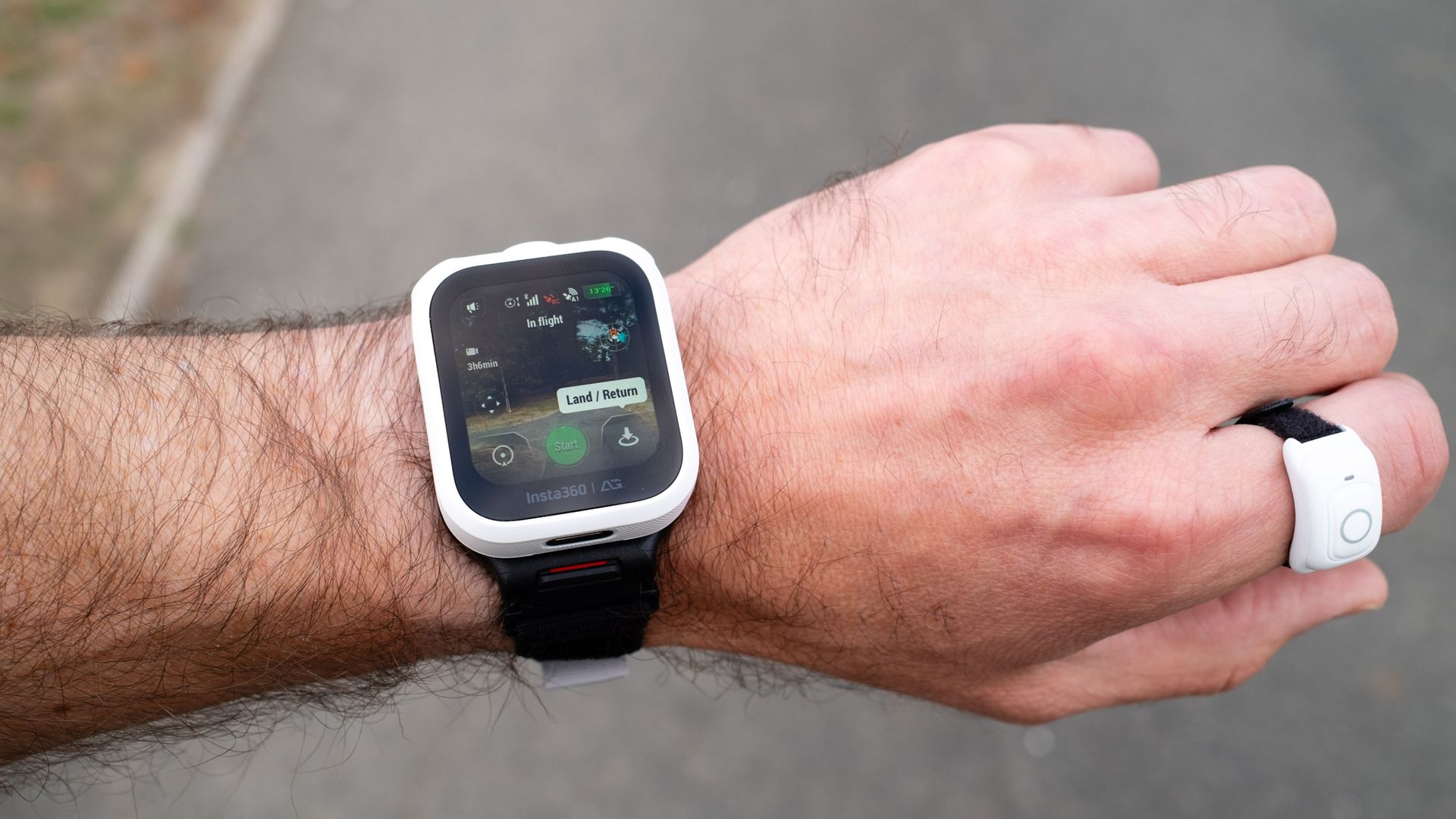
Antigravity A1 Follow Me Bundle Watch and Ring Remote being worn
James Abbott
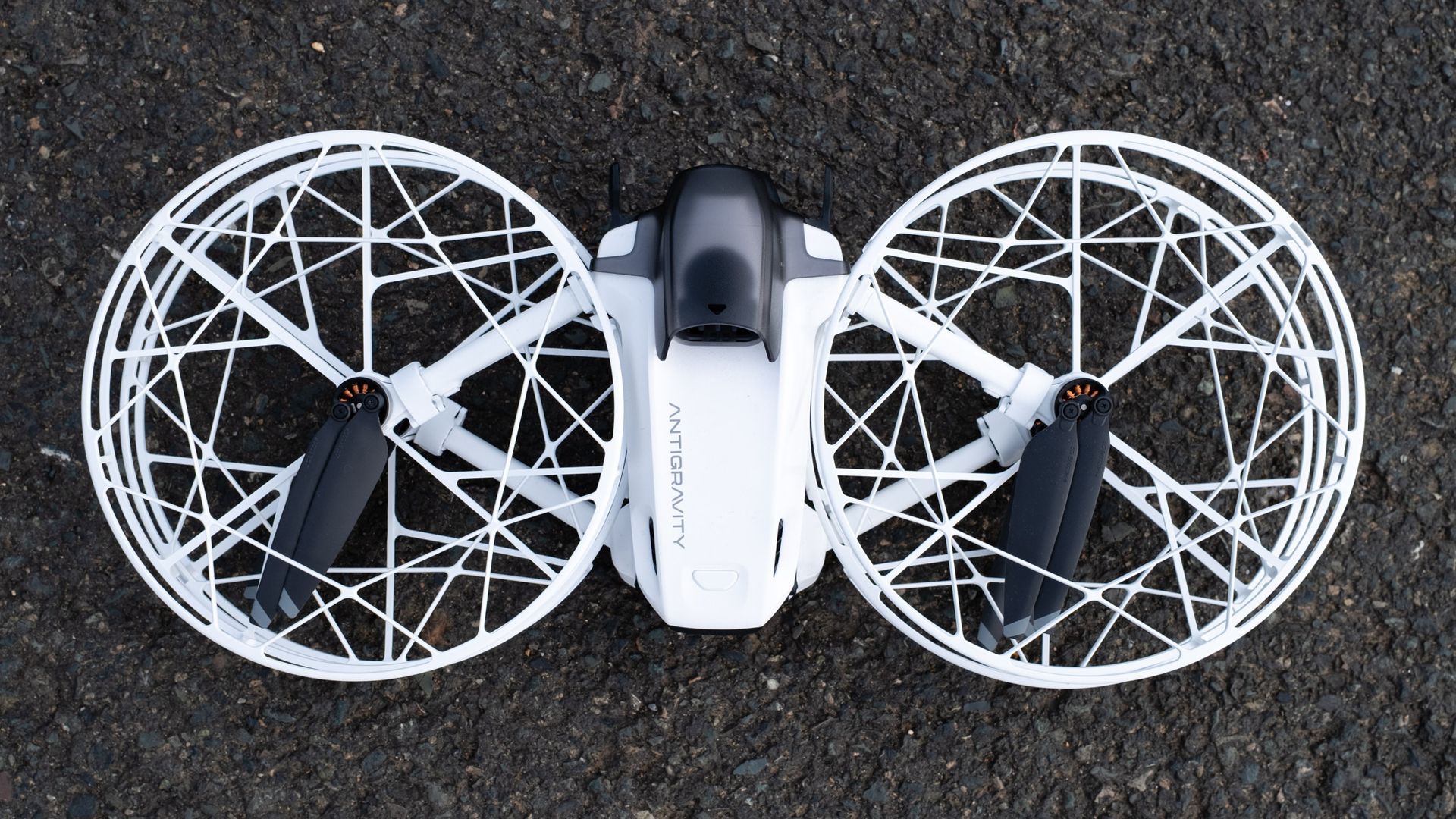
Antigravity A1 Follow Me Bundle A1 folded with propeller guards
James Abbott
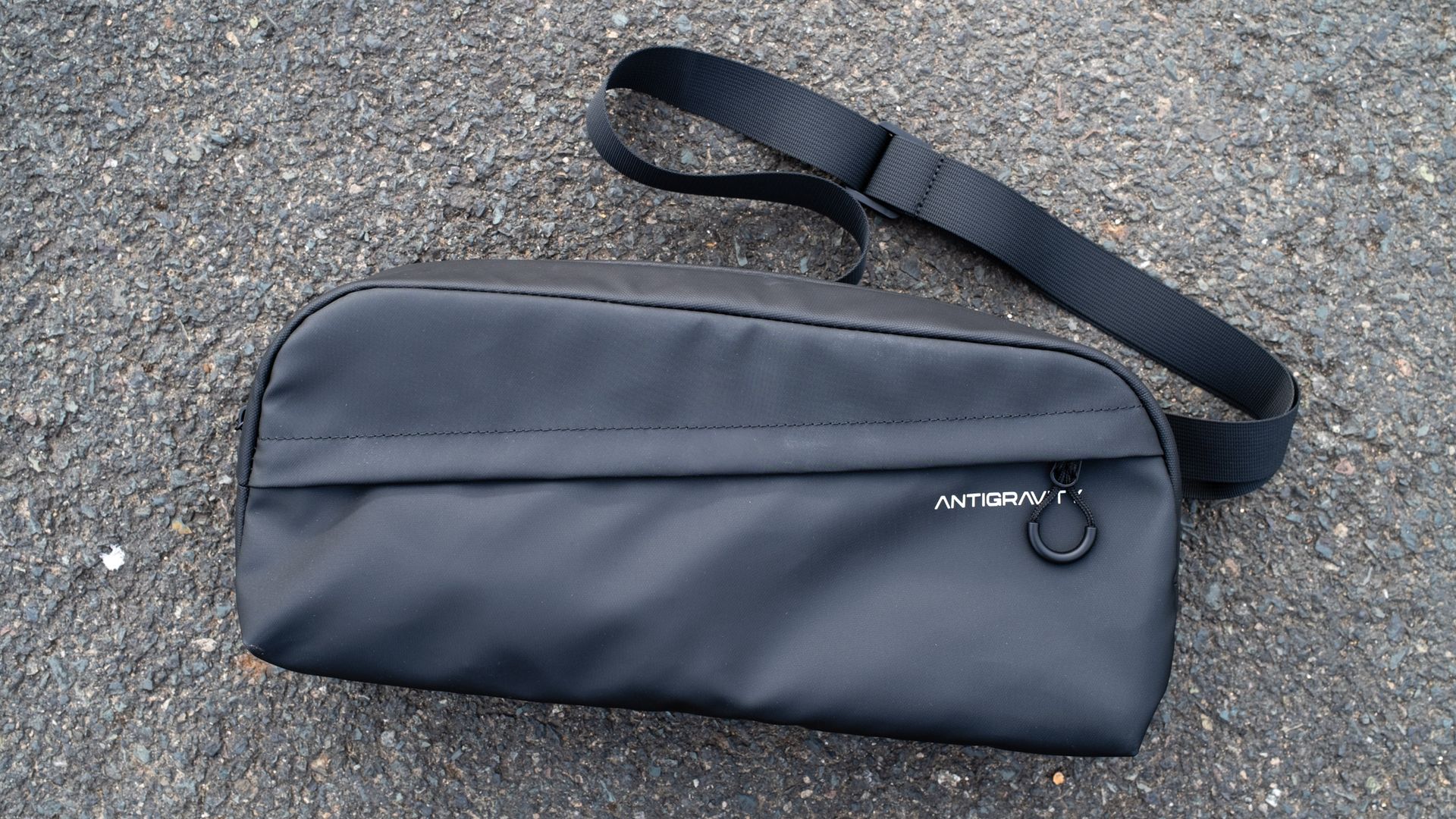
Antigravity A1 Follow Me Bundle carry bag
James Abbott

The Antigravity A1 Follow Me Bundle enables hands-free shooting, and obviates the need to use the A1’s FPV goggles and Motion Controller for flight. It also improves subject tracking, and offers automated flight patterns for capturing selfies, similar to the DJI Neo 2.

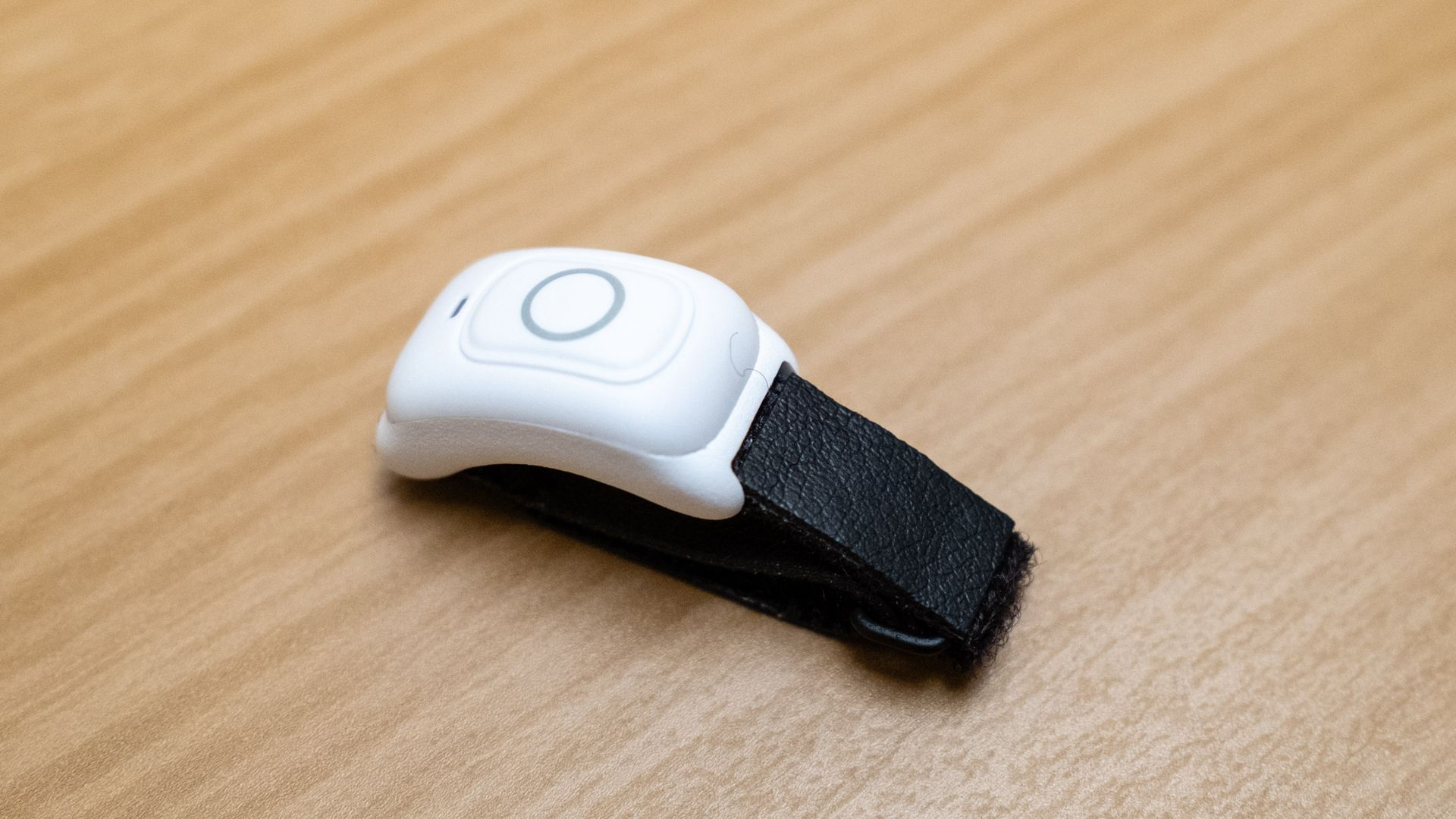
The Follow Me Bundle includes several accessories, with the Watch Remote allowing you to set the flight mode, and the Ring Remote allowing you use gestures to adjust the position of the A1 when in flight.

The Watch Remote also features built-in GNSS for greater precision when the drone is tracking you during fast-paced activities such as cycling, and allows you to select the subject that will be tracked.

The Follow Me Bundle also opens up one-tap cinematic shots, which are automated flight patterns, alongside advanced subject-tracking modes. The former include Fly Away, Antigravity Line, Ascend, Oval Orbit, Spiral Ascent, Arc Shot and Arc Out, while the tracking modes include Manual Mode, Deep Track, Orbit Follow, Cycling Track and Ski Track.

The one-tap cinematic shots, like any automated flight patterns, may feel a bit 'samey' after a while, but they’re fun to try out. It’s the new subject-tracking modes that are most interesting.
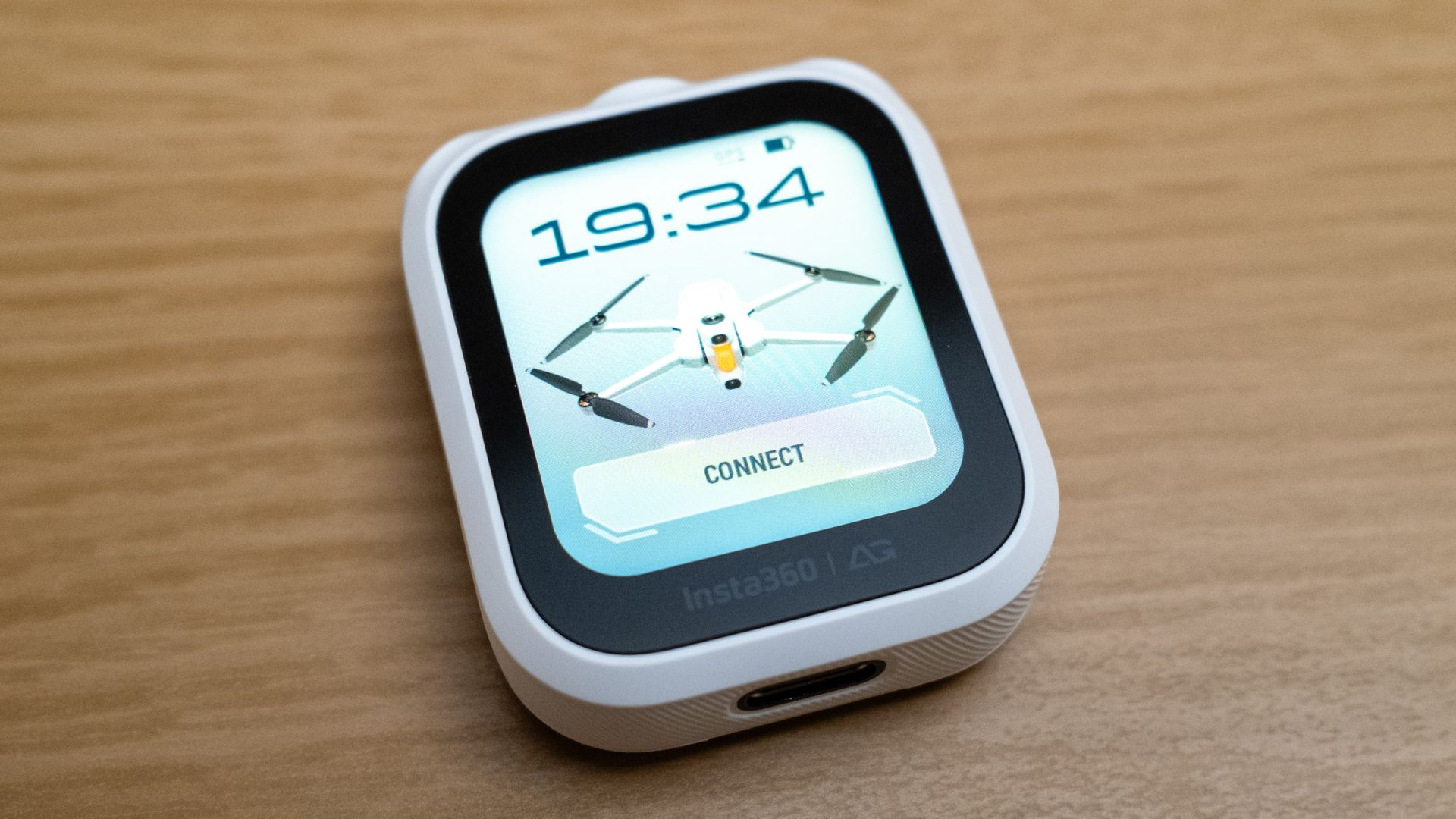
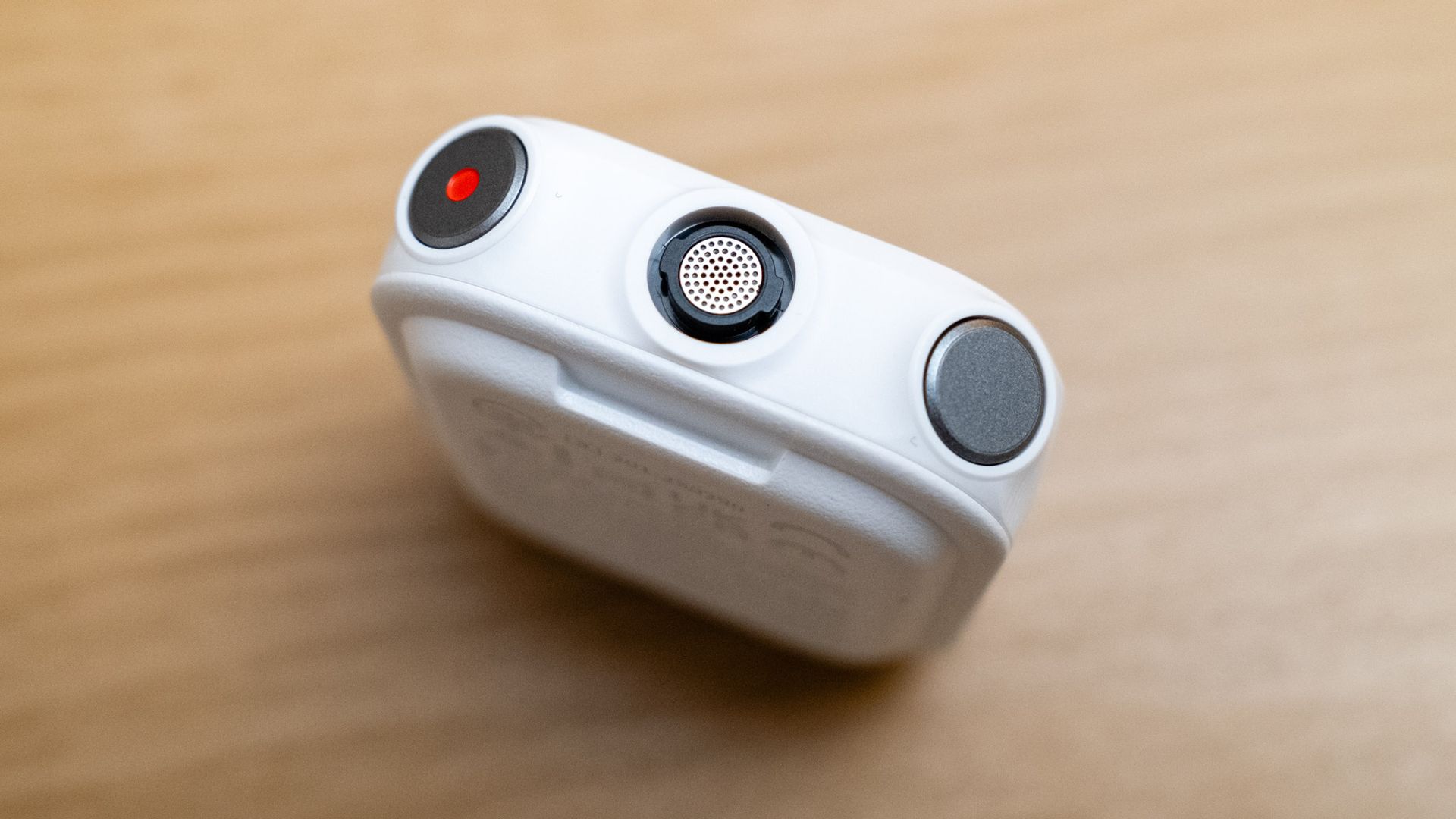
Antigravity A1 Follow Me Bundle Watch Remote screen
James Abbott
Antigravity A1 Follow Me Bundle Watch Remote buttons
James Abbott
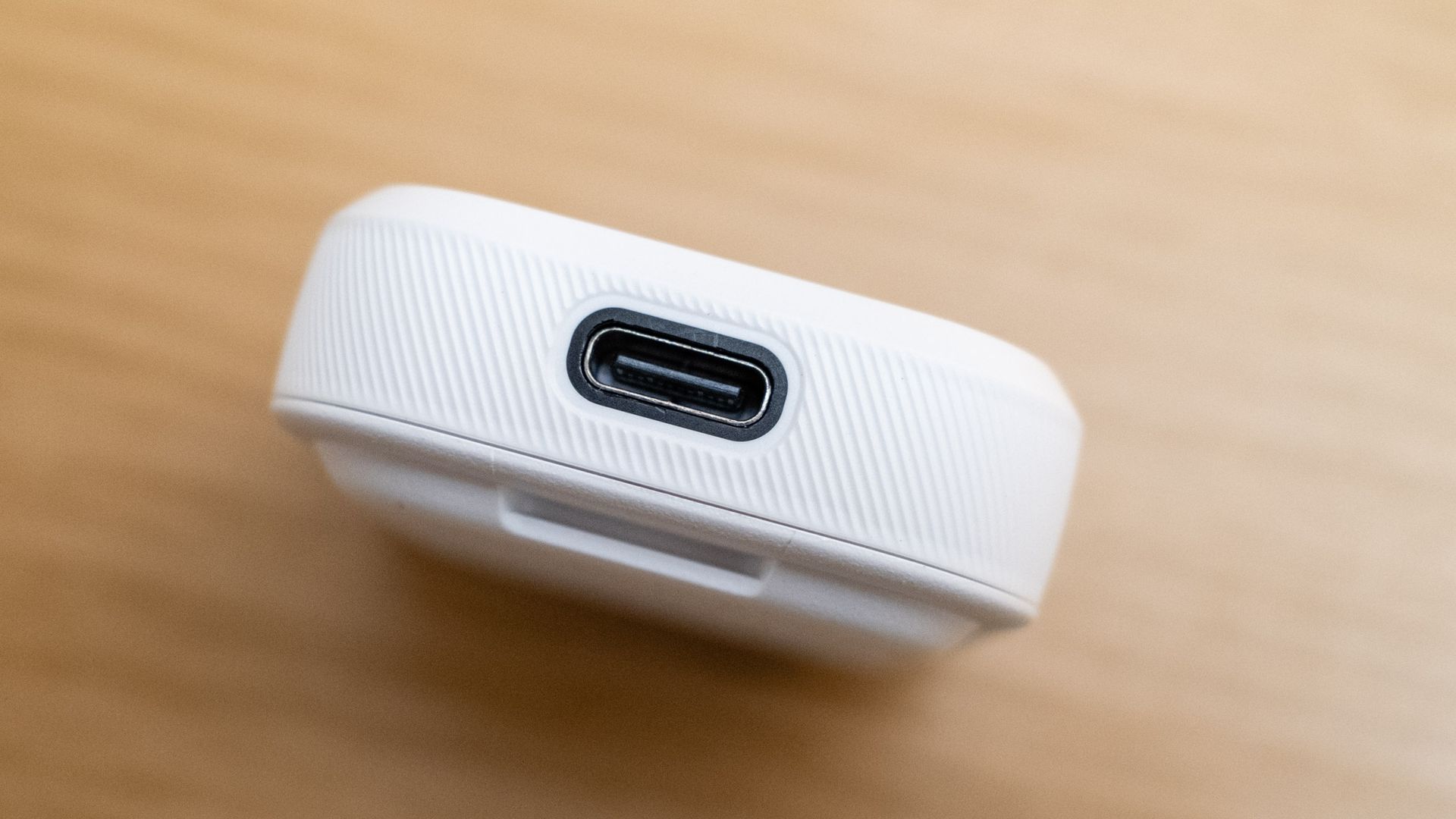
Antigravity A1 Follow Me Bundle Watch remote USB-C
James Abbott
Antigravity A1 Follow Me Bundle Ring Remote
James Abbott
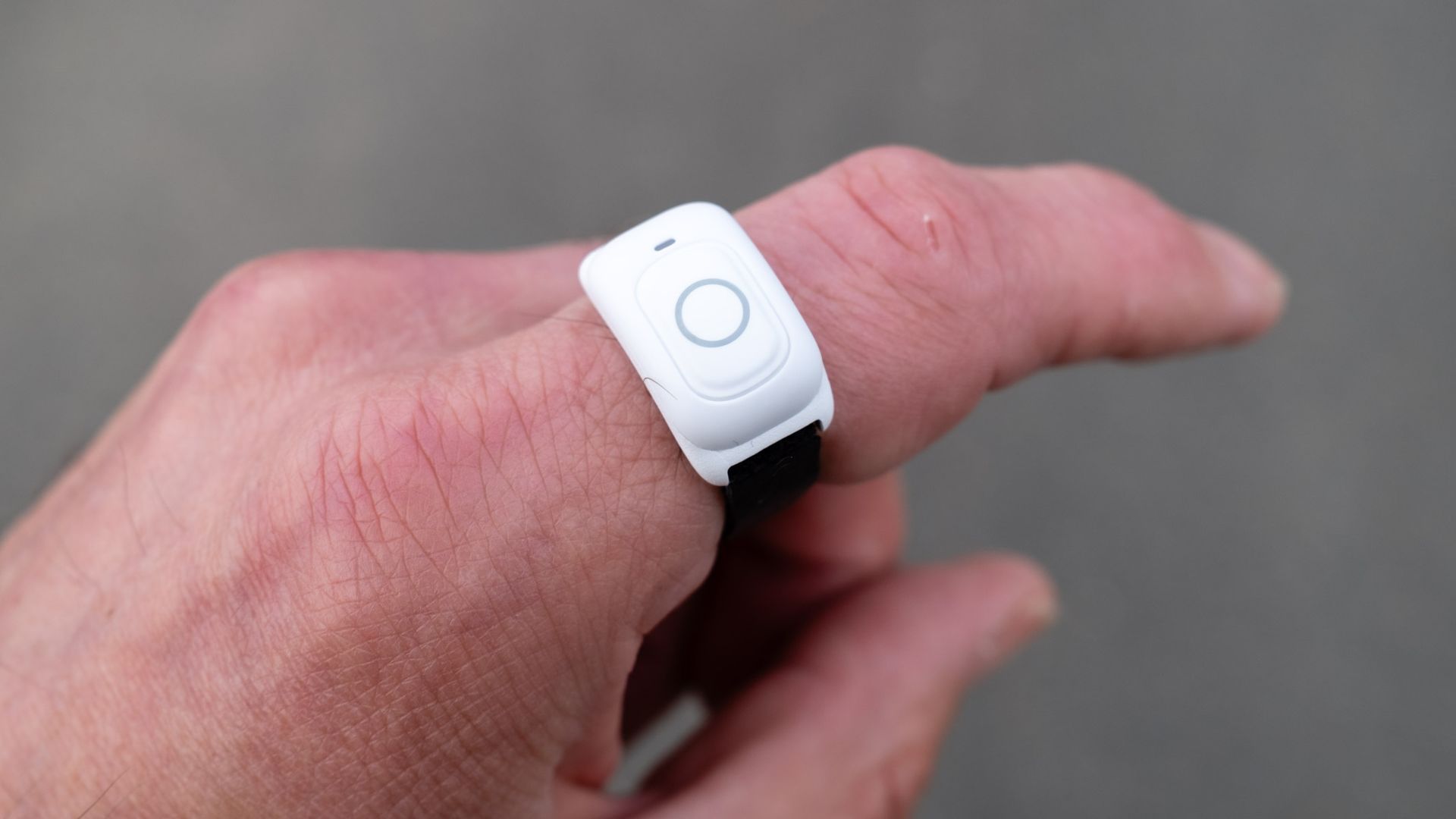
Antigravity A1 Follow Me Bundle Ring Remote on finger
James Abbott

The subject-tracking modes and one-tap cinematic shots can’t be faulted, and the Antigravity performs incredibly well here. I had it track me while running, skateboarding, and cycling through complex environments, including between and under trees, and the A1 didn’t miss a beat. Not to mention, you get the bonus of being able to reframe footage and add effects in Antigravity Studio.

The Watch Remote enables you to initiate take-off and landing and Return to Home, and make basic adjustments to the drone’s position, alongside setting the flight mode and selecting the subject to be tracked.

The Ring Remote offers a Drag-to-Fly feature, where you press and hold the button on the ring, and can then move your hand and arm to adjust A1’s flight position in relation to you to fine-tune its tracking distance and position.

The Watch Remote is about the same size as a smartwatch, with a 1.72-inch LCD screen. It is, however, about 1.5x the depth/thickness of your average smartwatch. The Ring Remote fits a finger circumference of 1.8-2.8 inches / 46-70mm. Both offer IP67 water resistance and, as we’ve discussed, a unique way to control your Antigravity A1 drone.

The main downside of the kit — cost aside, which we'll get to below — is that the propeller guards increase the weight of the drone. The propeller guards take the A1 from the coveted 249g weight, to 351g, meaning the A1 becomes slightly more restricted when this accessory is used.

Antigravity A1 Follow Me Bundle: key specs

Camera:

Dual 1/1.28-inch sensors

Video resolution:

Up to 8K

Frame rates:

8K up to 30fps / 5.2K up to 60fps / 4K & 1080p up to 30fps / 4K & 1080p slow motion at 100fps

Video transmission range:

Up to 6.2 miles / 10km (Tested in FCC environments)

Flight modes:

Manual Mode, Deep Track, Orbit Follow, Cycling Track, Ski Track, Fly Away, Antigravity Line, Ascend, Oval Orbit, Spiral Ascent, Arc Shot, Arc Out

Battery:

2360mAh, up to 24 minutes flight time / 4345mAh, up to 39 minutes flight time

Charger type:

USB-C / Battery Charging Hub

Weight:

12.04oz / 351g

Dimensions:

Folded: 5.56 x 3.79 x 3.20 inches / 141.3 x 96.2 x 81.4mm

Unfolded (propellers extended): 12.15 x 15.05 x 3.51 inches / 308.6 x 382.3 x 89.2mm

Antigravity A1 Follow Me Bundle: Price and availability

The Antigravity A1 Follow Me Bundle is available in two kits: one that includes the Antigravity A1 drone and another that’s just the follow accessories for existing A1 owners. The Follow Me Bundle includes the Watch Remote, Ring Remote, Propeller Guards, Lens Guards, a USB-C cable and a Cross Body Bag. This costs $340 / £309 / AU$539, while the kit with all this and the A1 drone, alongside other drone accessories, costs $799 / £639 / AU$1159. The Propeller Guards can also be purchased separately, and these cost $40 / £32 / AU$70.

This is quite expensive when you consider the fact that the DJI Neo 2 only costs $259 / £209 / AU$409 for the basic kit. Sure, if you’ve already got an Antigravity drone, the new Accessory Bundle, including just the accessories, expands the functionality of what you have, but the DJI Neo 2 is smaller, lighter and can be controlled in several different ways. The main and obvious advantage of the Antigravity A1 Follow Me Bundle is the fact that you can capture 360-degree video, which you can’t do with the DJI Neo 2.

One thing that I would like to see with the Antigravity A1, and this could also be released as a kit and standalone accessory purchase, is a standard drone controller; one that allows you to fly the drone without the need for the FPV goggles and Motion Controller, or even the Watch and Ring Remotes. This would make flying even easier and more convenient – simply opening up yet another way to fly the A1. Anyhow, let’s get back to the Follow Me Bundle.

Antigravity A1 Follow Me Bundle: Also consider
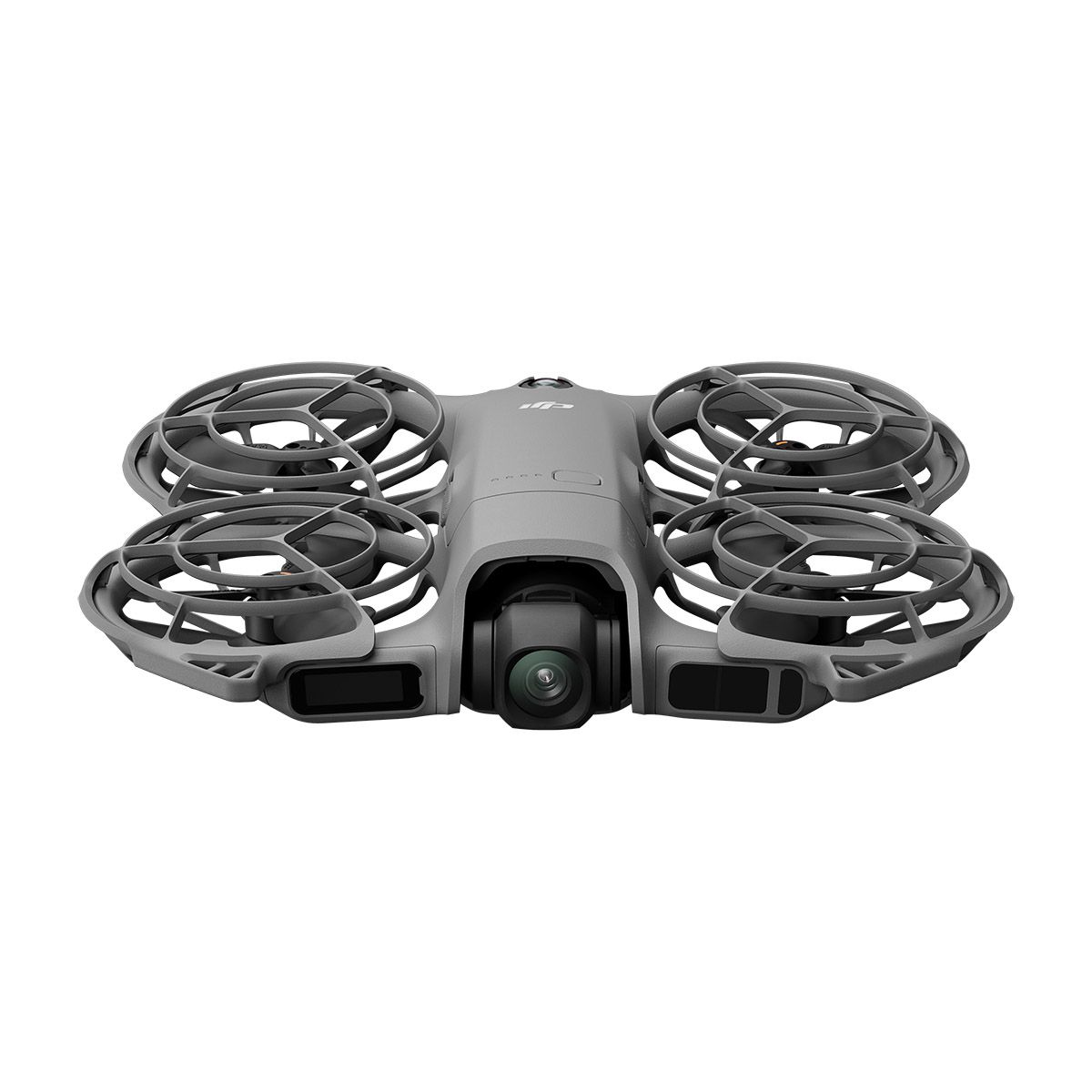
DJI Neo 2

The DJI Neo 2 allows you to capture effortless aerial selfies thanks to its intelligent subject tracking that automatically follows you. Gesture controls let you operate the drone hands-free. The drone is lightweight and compact, and although it’s not a 360-degree drone, it offers fantastic subject tracking and selfie modes in an affordable package with several control options available.

Read our DJI Neo 2 review
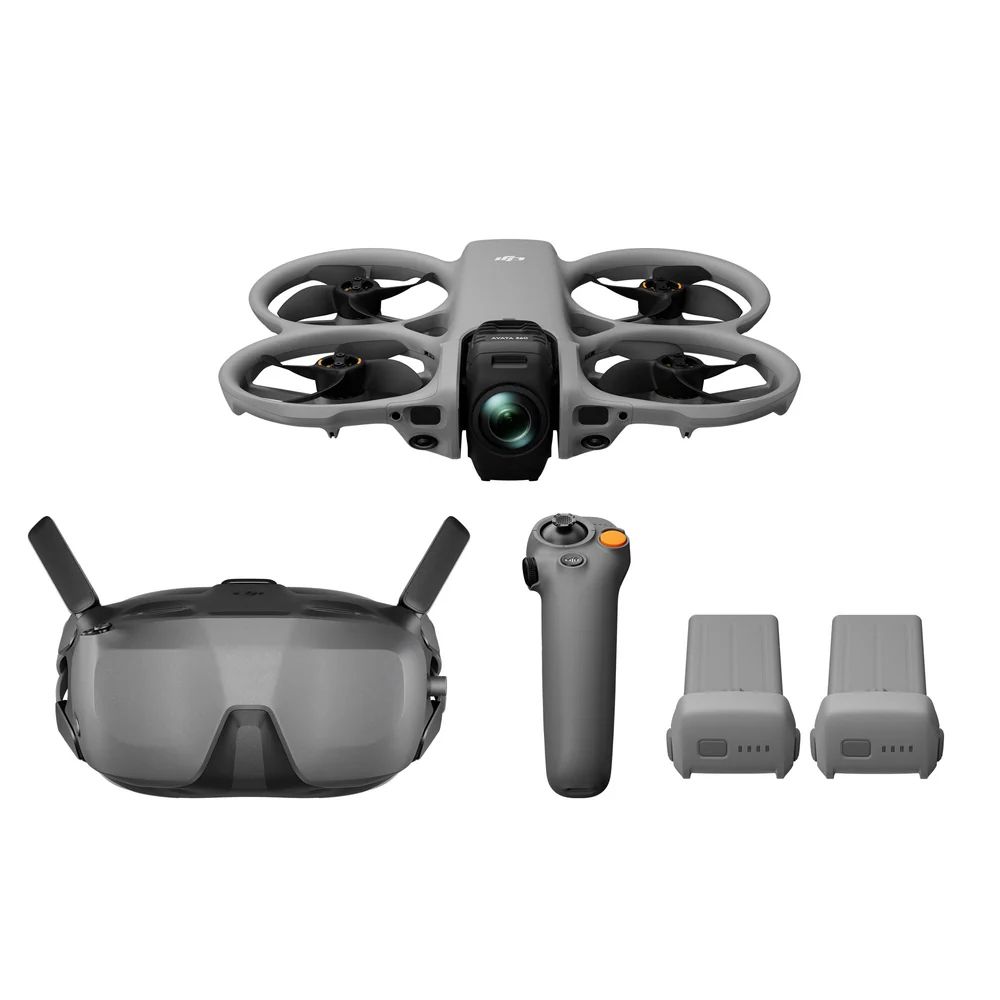
DJI Avata 360

The DJI Avata 360 is excellent for capturing 360-degree photos and videos. Its intelligent subject-tracking features, including ActiveTrack 360°, make it easy to follow moving subjects automatically, while Spotlight modes provide additional creative control. These are more basic in some ways than the Antigravity A1 Follow Me Bundle, but it’s the only other 360-degree drone available, and it offers some subject tracking functionality off the shelf.

Read our DJI Avata 360 review

Should I buy the Antigravity A1 Follow Me Bundle?
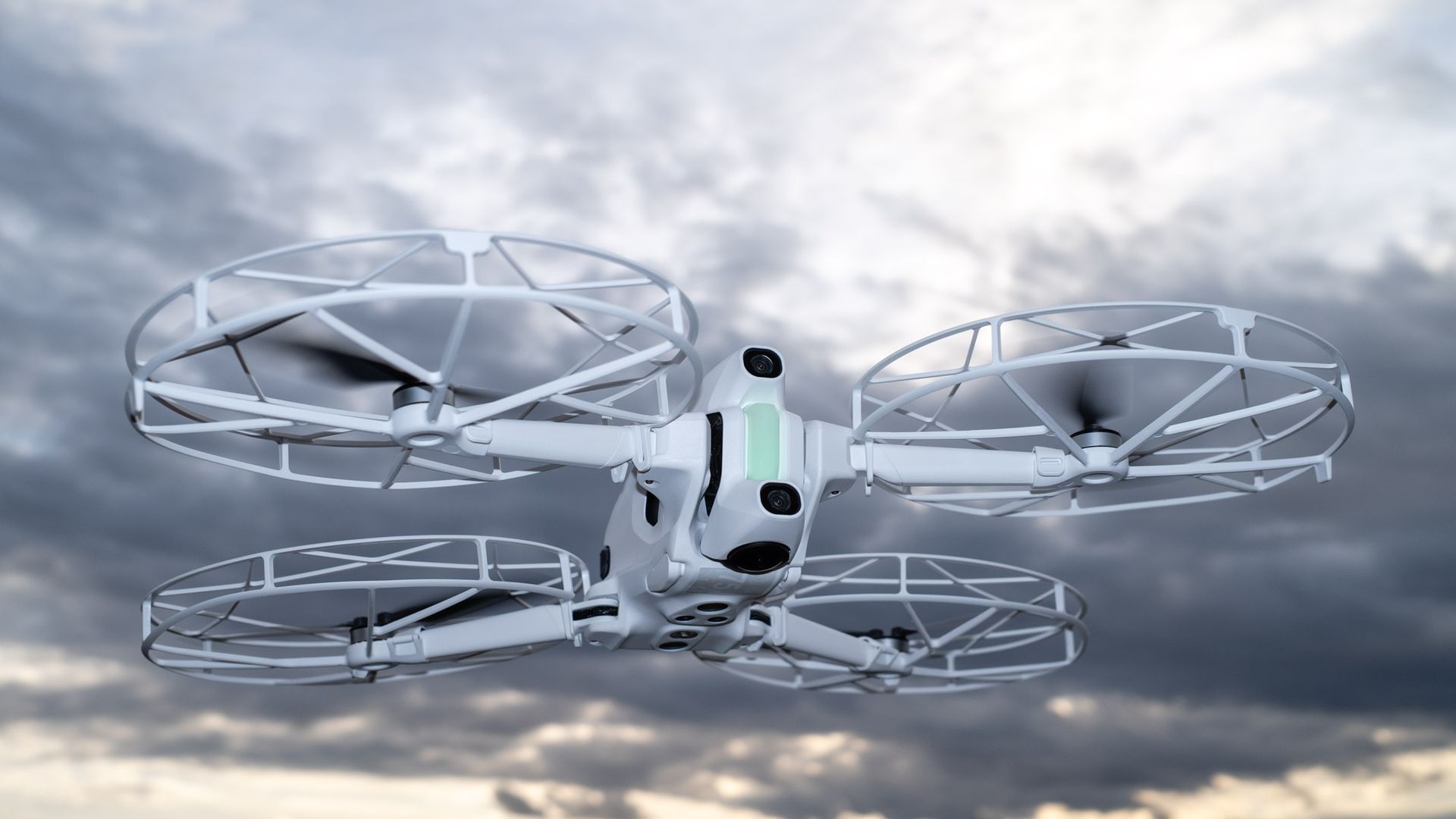
Antigravity A1 Follow Me Bundle A1 in flight with propeller guards

(Image credit: James Abbott)

Buy it if...

You want subject tracking capabilities on a 360-degree drone

The subject tracking capabilities of the Follow Me Bundle are impressive, to say the least. Plus, you can shoot up to 8K 360-degree footage.

You already own an A1

If you already own an Antigravity A1 and would rather expand its functionality rather than buying another drone, the accessory bundle is for you.

Don't buy it if...

You’re on a tight budget

Whether or not you already own an Antigravity A1, the basic DJI Neo 2 kit is less expensive than the Follow Me Bundles and offers similar flight functionality.

You don’t need or want 360-degree tracking

This is a no-brainer, but if you don’t need or want subject tracking and selfie functionality in a 360-degree drone, this is not the kit for you.

How I tested the Antigravity A1 Follow Me Bundle

  • All functionality tested
  • Tested in complex environments
  • Used with different modes of transport

The Antigravity A1 Follow Me Bundle was tested over several weeks, tracking myself skateboarding, cycling and running. I also tested the one-click cinematic shots while standing to show how these look with focus on the subject.

To put the subject tracking through its paces, I chose to walk, skate and cycle under and around trees to see how the drone’s collision avoidance coped, alongside how the GNSS tracking on the Watch Remote performed.

All video footage was reframed as simply as possible, with focus on the subject maintained with a ‘normal’ field of view. I chose not to use any special effects to make the capabilities of the tracking modes apparent.

First reviewed October 2026
  •  

Ukraine’s drone rescue of wounded soldier puts much touted idea into practice

Ukraine’s unprecedented drone rescue of a wounded soldier from the battlefield has shown once again how battlefield necessity can spur innovation. The operation was revealed just days after separate Ukrainian drones designed for casualty evacuation were deployed for frontline testing—taking a step beyond the US military’s decades of experimentation with similar concepts.

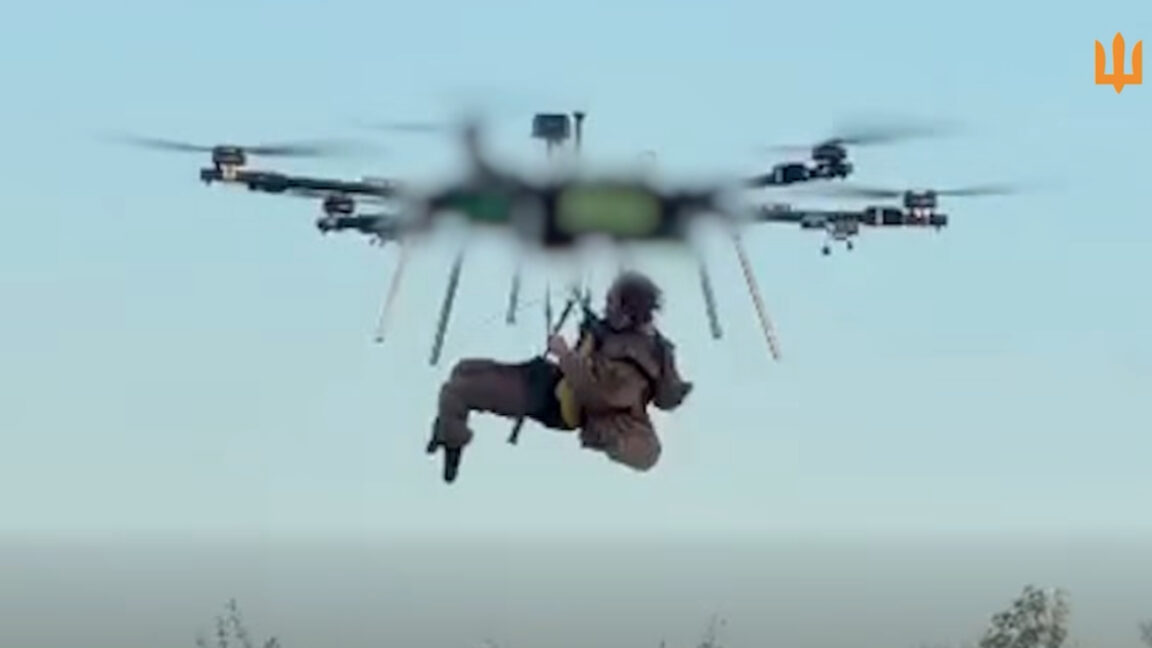
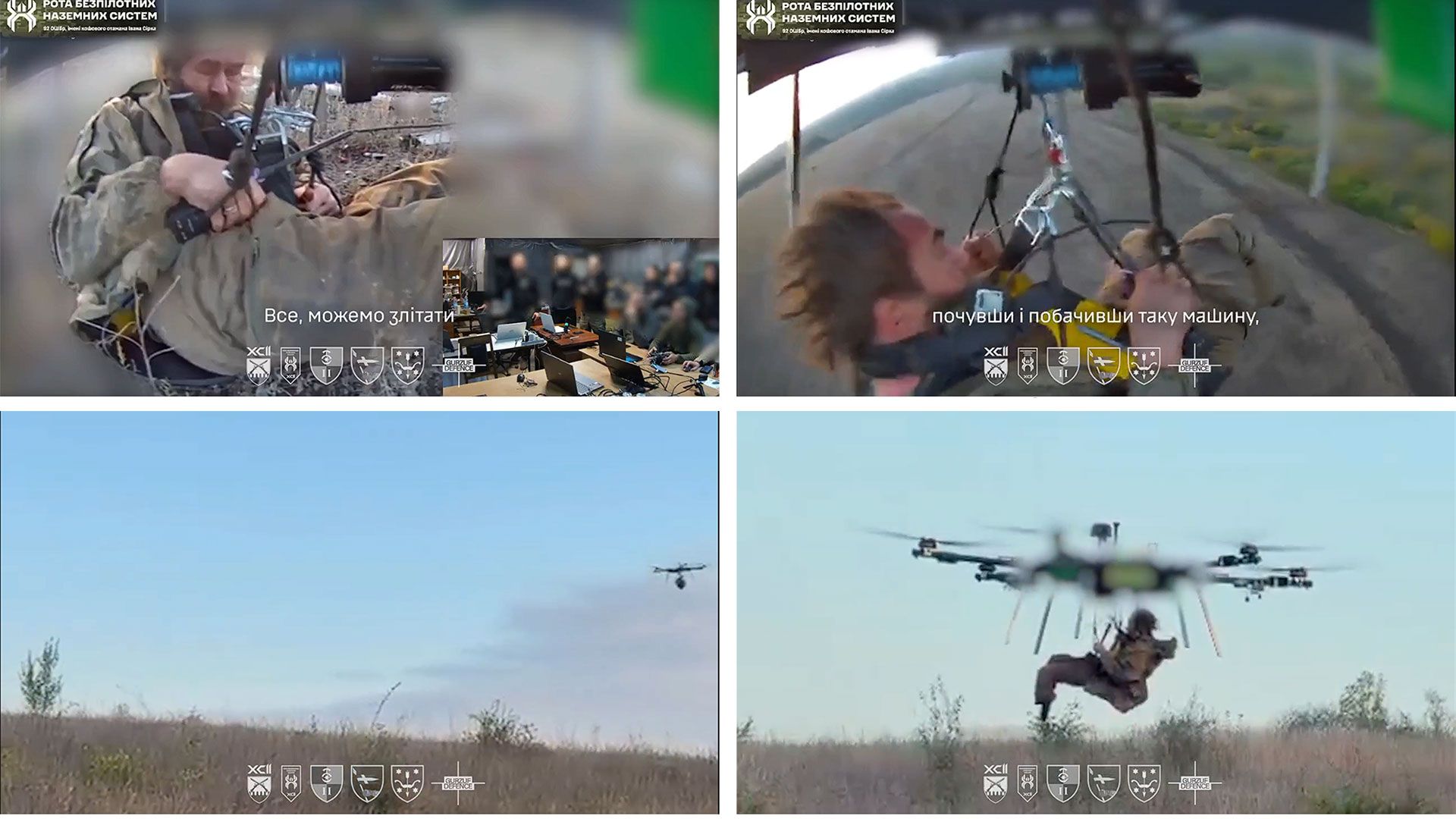
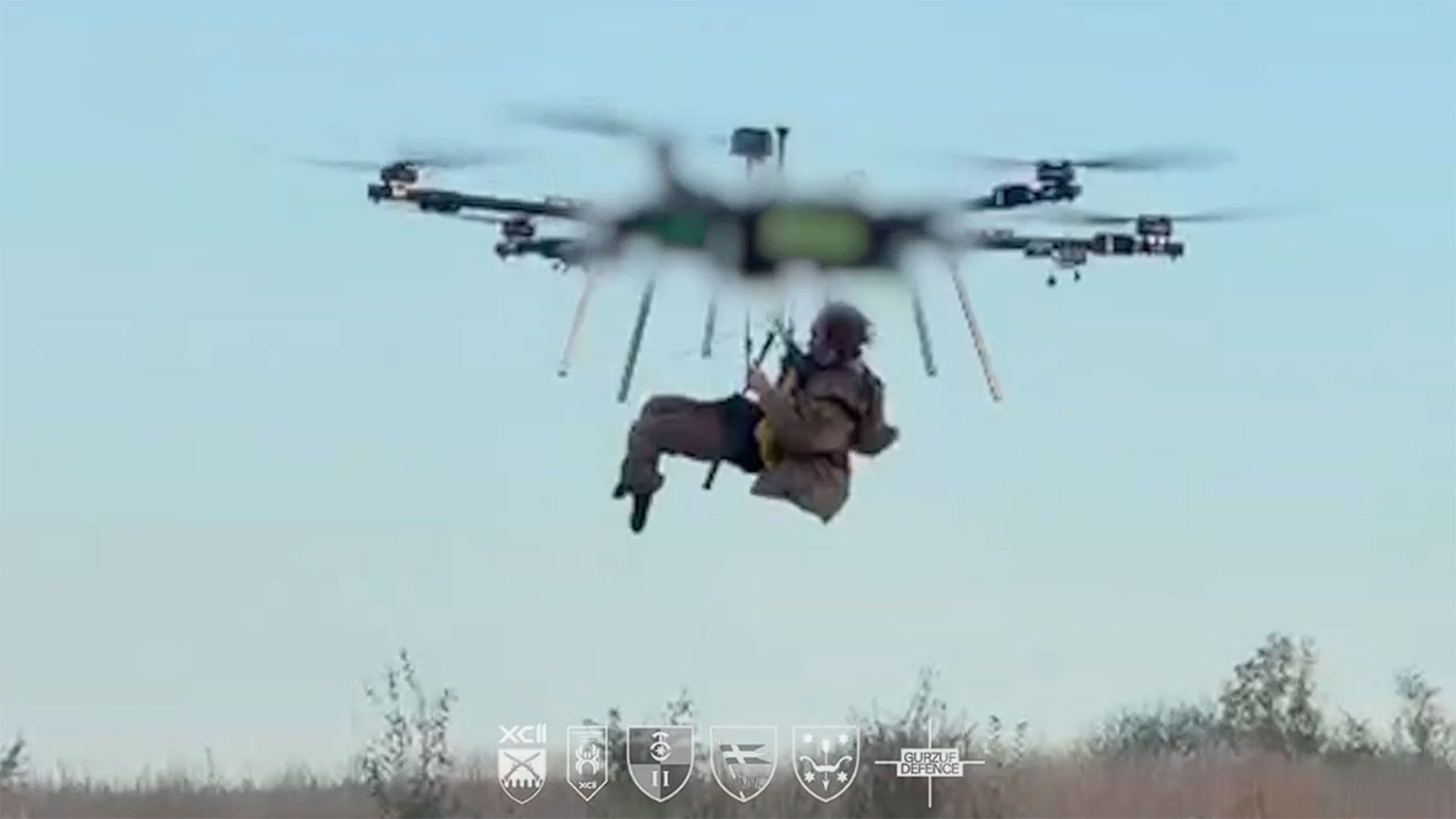
The drone evacuation of the injured soldier took place at an undisclosed time and place on the frontline where the presence of Russian drones and landmines made it impractical to send in a wheeled ground robot, according to The Kyiv Independent. On October 19, Ukraine’s Army shared a video of the drone evacuation, showing the wounded soldier securing himself in a harness suspended beneath a heavy hexacopter drone with six rotors before being flown to safety.

“This is a historic event, the next stage of evacuating the wounded, which we will all come to,” said Napalm, a programmer of the 92nd separate assault brigade's unmanned ground systems company, who went by his callsign per Ukrainian military practice, in a statement. “Now the serious systematic work begins, so that such missions are carried out constantly.”

Read full article

Comments

© 92nd Separate Assault Brigade of the Ukrainian Ground Forces

  •  

« Presque aveugle, et imbattable » : un drone IA surpasse les champions du monde et préfigure une révolution militaire

Lors d’une compétition, un drone de course piloté par une intelligence artificielle ne s’est pas contenté d’éliminer tous ses concurrents autonomes, il a également battu trois anciens champions du monde de pilotage FPV, à plus de 100 km/h. Pour y parvenir, l'IA n'a pas eu besoin des capteurs...

  •  

Ukraine rescues wounded soldier using drone in daring 'world's first' UAV evacuation of a human

The Ukrainian military is claiming a world’s first after using an unmanned drone to rescue an injured soldier on the eastern Kharkiv front. Ukraine’s United24 news shared a video of the historic first. It also explained that the wounded infantryman was stuck in a heavily mined area, guarded by Russian kamikaze drones.

🔴 HISTORIC FIRST: Ukrainian forces completed the first-ever aerial evacuation of an injured soldier from the frontline using a drone.Soldiers from the 92nd Assault Brigade and 30th Mechanized Brigade used a heavy Gurzuf Defence hexacopter to rescue the wounded infantryman from a heavily mined area.October 19, 2026

The above video starts with the Ukrainian drone locating the soldier, callsign ‘Kostya,’ in enemy territory. Various media reports suggest he was 11 miles (18km) behind enemy lines, at the mercy of Russian kamikaze drones, and perilously located in a minefield. Traditional land-based rescue was therefore not possible, but Kostya bravely agreed to be part of the first-ever human drone-lift rescue plan.

After being located, the injured infantryman clipped himself into a harness. He said, “That’s it, we can take off,” when he was fully buckled into the rudimentary-looking harness. UAV operator, callsign ‘Black’ from the 20th Mechanized Battalion, 30th Infantry Brigade, then appeared in the video and explained: “We were constantly in touch with him."

Ukrainian drone rescue key facts:

  • Drone used: Gurzuf Defense hexacopter
  • Drone capable of carrying 130kg (~287 pounds)
  • Drone’s known range: it has previously transported 90kg (~198 pounds) loads up to 25km (16 miles)
  • Infantryman weight: 80kg (~176 pounds)
  • Rescue distance: 8km (11 miles)
  • Hazards: enemy kamikaze drones, mines, gravity, many more

Wounded soldier rescued using hexacopter drone

(Image credit: United24 news video)

Being in constant touch with the operations HQ would have been reassuring. However, the surrounding presence of a fleet of Ukrainian support drones, both kamikaze devices and UAVs with anti-drone nets, was probably most comforting.

Eventually dropping back into safe(r) territory, after what must have been an arduous, nerve-wracking journey, control said, “Congratulations, you’re on the ground,” to Kostya, as he touched down in a field. Then the control room erupted into applause. They got their man back safely, and he is now being treated and is in recovery.

UAV operator ‘Black’ was delighted with the concerted efforts that brought back this wounded soldier. “A lot of people were involved, and everything worked out for us,” he said. Importantly, this may be the start of a whole new system of personnel evacuations for wounded and/or stranded soldiers using drone technology, indicated brigade leader ‘Napalm’ toward the end of the video.

  •  

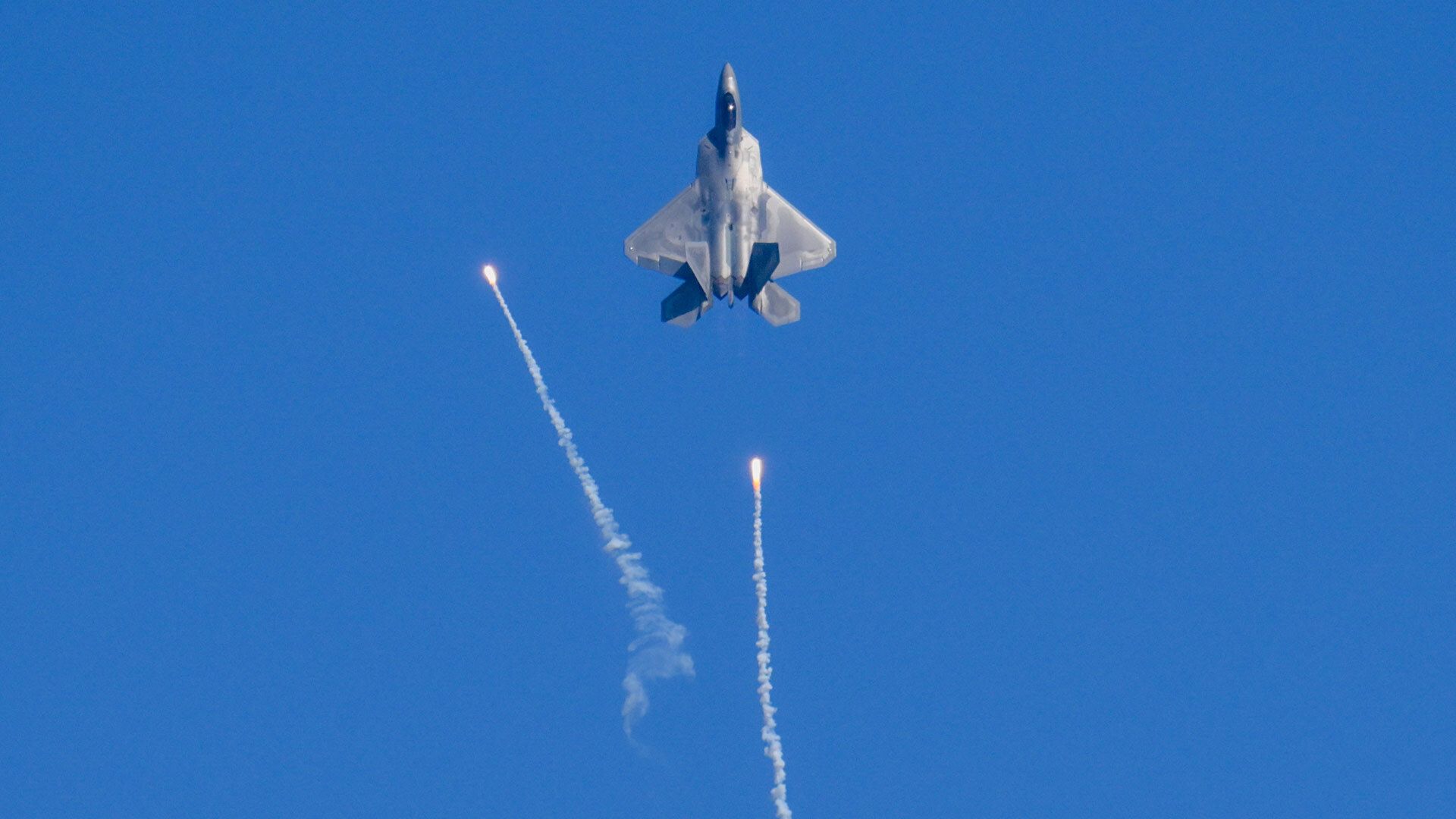
F-22 Raptor pilot successfully demonstrates command of 'wingman' fighter drone in simulated combat

The U.S. Air Force has just successfully conducted an airborne test where an F-22 Raptor pilot directed an Anduril YFQ-44A Fury drone during simulated combat. According to The Defense Watch, the fighter pilot gave tactical commands to the autonomous wingman, which then interpreted them into a series of tasks and flight maneuvers to achieve the desired outcome.

The successful test is part of the USAF’s Collaborative Combat Aircraft (CCA), which seeks to integrate drones into fighter squadrons. These uncrewed aircraft must be able to respond to the fighter pilot’s tactical commands and then operate autonomously, though. That’s because fighter pilots already have a heavy workload — flying their own aircraft, managing sensor data, threat assessment, and weapons release decisions — so requiring them to manually fly a drone is next to impossible. Command integration means that the F-22 Raptor pilot could assign the Fury drone a specific tactical task, like monitoring for and engaging enemy air defenses, while they focus on the primary mission, such as taking out enemy fighters.

This does not mean that the USAF can start deploying drones alongside fighter jets in frontline squadrons, though. Successful command integration is just the first of several hurdles that the program must go through before it can achieve operational status. The program needs to determine the limits of the drone’s tactical autonomy, safe flight control, and weapons authorization, all of which are separate functions that must be tested accordingly. The Air Force also needs to see how the drone performs with electronic interference, and how it could continuously operate if it cannot receive instructions due to interrupted communications. Aside from figuring out the drone’s capabilities and incorporating it into fighter doctrine, it must also be integrated into the USAF’s logistics and supply chain. This includes drone maintenance and service, weapons handling, deployment procedures, and forward airbase operations with limited infrastructure.

Even though the latest test is seemingly successful, the CCA still needs to go a long way before it can start operational deployment. Nevertheless, the USAF is intent on pushing the project forward, as it sees autonomous drones as a force multiplier for crewed aircraft, allowing a single pilot to command multiple jets to achieve missions at a lower cost compared to using all-crewed aircraft. Other nations, like Sweden and China, are also experimenting with a similar concept of having a single operator take command of multiple drones, but the most significant difference of the CCA is that it focuses on air power instead of ground-based operations.

  •  

Black Sea drone attacks enter NATO country's territorial waters for first time

Russian drones are suspected of sinking a cargo ship and leaving chemical tankers ablaze near the Black Sea coasts of Bulgaria and Romania, respectively. The latest attacks mean that at least seven ships have been attacked in the exclusive economic zones of NATO member countries—and even within Romania's territorial waters if Russian involvement is confirmed in the case of the chemical tankers.

Such attacks have spurred requests for NATO to redeploy counter-drone systems to provide more protection. In a social media post on October 15, NATO Secretary General Mark Rutte stated that NATO had increased "counter-drone capabilities" along the alliance's eastern flank after meeting with the leaders of Bulgaria and Romania.

The latest attacks this week occurred within 24 hours between October 14 and October 15, when the two chemical tankers were set afire after Russian drones were detected in Romanian airspace, according to Deutsche Welle. Both ships were sitting at anchor near the mouth of the Sulina canal that connects the Black Sea to the Danube River, which has become a crucial shipping export route for Ukraine, Reuters reported.

Read full article

Comments

© Hristo Rusev/Getty Images

  •  

Russia was not ready for the data center war it started with Ukraine

When Russia began attacking Ukrainian data centers and telecommunication infrastructure, it apparently failed to prepare for possible retaliation. Now Russia’s digital services are facing widespread outages after Ukrainian drone strikes knocked out three of the largest data centers owned by Russian tech giant Yandex within several days.

Pro-Kremlin bloggers are warning that Russia’s centralized digital economy could collapse because the country is not prepared for the “data center war” it started, according to posts translated by the pseudonymous independent researcher ChrisO_wiki. The Russian commentators also suggested that Ukraine’s decentralized digital services could prove more resilient than Russia’s system if the countries continue trading such blows.

Russia initially launched a drone strike campaign targeting Ukrainian data centers and mobile phone networks in late September. The attacks temporarily disrupted Internet and cell phone service for up to 100,000 households in the Ukrainian capital of Kyiv and came as part of a broader long-range strike campaign that has involved Russian missiles and jet-powered drones hitting Ukraine’s power grid infrastructure, transportation hubs, and even residential apartment building blocks.

Read full article

Comments

© Igor IVANKO / AFP via Getty Images

  •  

An AI-racing drone beat the best humans and set a world record

Artificial intelligence is undeniably good at playing games, regardless of its larger societal and environmental impact. In 1997, IBM’s supercomputer Deep Blue famously beat chess grandmaster Garry Kasparov, and nearly two decades later, Google’s AlphaGo managed to defeat a human champion at the much more complex game Go. Since then, another AI seems to beat humans at incredibly complex video games like StarCraft or Dota 2 every few months. Impressive as these feats are, AI has mostly outperformed humans by making us play on its home turf, as in, simulated and structured environments. But now, a team of engineers at the Micro Air Vehicle Lab at the Delft University of Technology in the Netherlands has built a lightweight smart drone that’s fundamentally altering that dynamic.

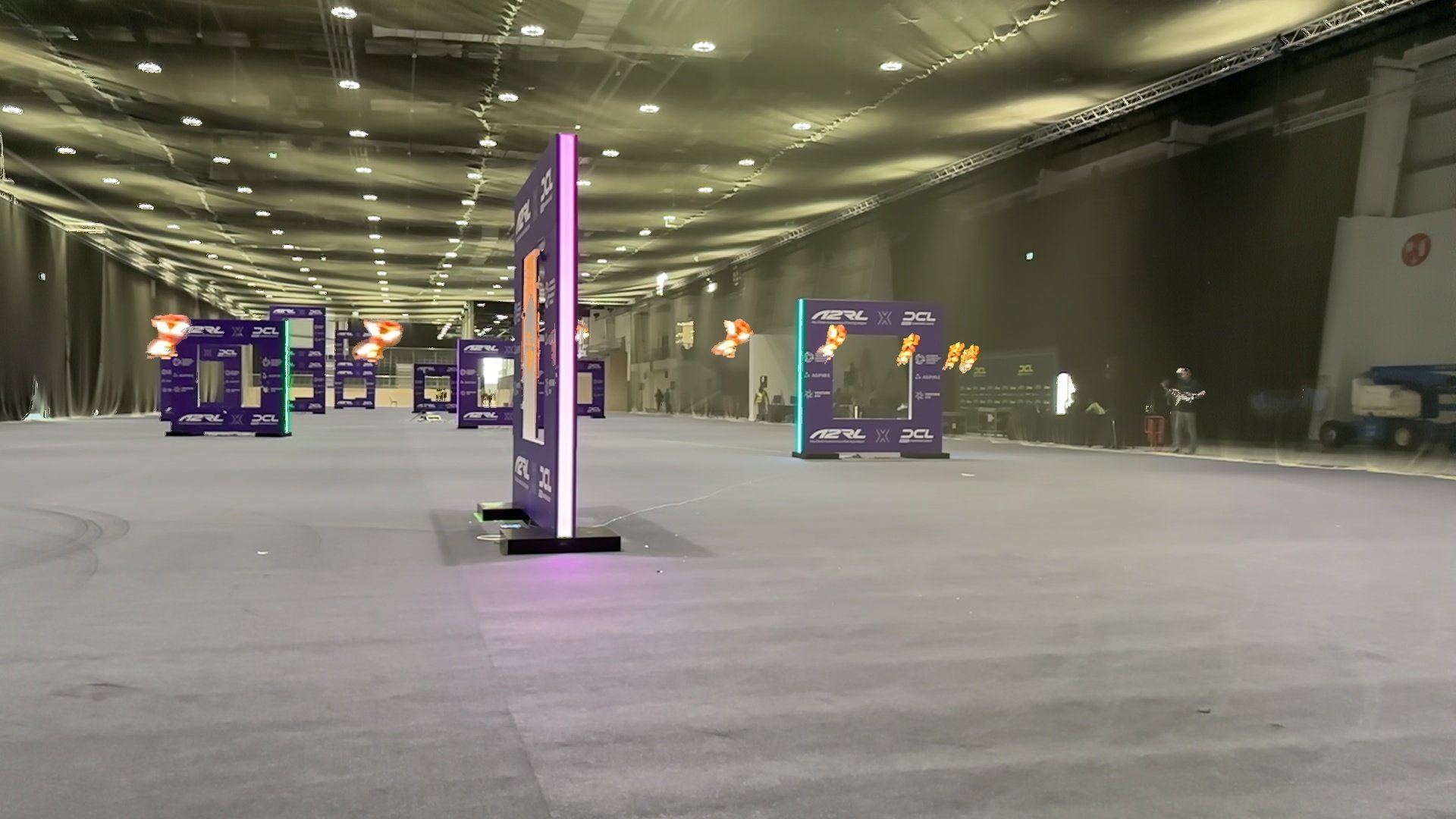
The team entered its AI-powered quadcopter in a high-profile drone race in Abu Dhabi that pitted AI-piloted drones against human-piloted ones. The niche sport, known as first-person-view (FPV) drone racing, has pilots steer remote-controlled drones through a series of small gates at blistering speeds of 60 to 100 miles per hour. They control the drone by using goggles that give a direct feed into a camera attached to the drone’s front. From a human’s perspective, it’s as if they’re flying through the sky. 

The team didn’t just fish the race. They took first place, besting several human FPV champions along the way. It marked the first time an AI-controlled drone beat a human pilot in an international racing competition. Another team from the University of Zurich built an AI-controlled drone that won a race against humans three years earlier, but only in a controlled lab setting. This more recent example showed that a simply trained machine, with minimal onboard sensors and hardware, could be inserted onto a non-controlled test track meant for human operators and still come out on top. 

The team won this race in November 2025 but new details about the science behind this achievement are published today in the journal Science Robotics. 

“Instead of giving the robot increasingly powerful sensors and computers, we wanted to find out how much intelligence we could extract from very limited resources,” Delft University aerospace engineer and study co-author Christophe De Wagter said in a statement. “Drone racing provided an extreme environment in which to test these ideas outside the laboratory. It pushed us to develop AI that was not only fast but also robust, and able to adapt when external reference measurements were unavailable.”

Drone racing: a sport built on human-machine connectivity 

FPV drone racing isn’t for the faint of heart—or, more accurately, for those with a weak stomach.  Footage of drones flipping and somersaulting at extreme speeds can make even spectators feel sick. Pilots fly using a pair of joysticks that control the drone’s throttle, roll, pitch, and yaw. That human-and-machine team has to fly through several small race gates that make up a lap. The drone finishing with the fastest lap times wins. It’s an extreme sport where even a microsecond of a mistake can lead to a violent crash. 

Though it’s not quite as popular as it was at its peak in the late 2010s, the sport still draws a considerable online audience. That’s pretty impressive, for a sport that only became possible thanks to simultaneous advances in several technologies. Namely lightweight batteries, miniaturized cameras, and the goggles and wireless video links that let pilots see what their drones see all had to come together for this extreme form of racing.

The fact that drone racing requires interacting with machines already equipped with sensors makes it a particularly interesting test bed for robotics and AI researchers. In 2022, the University of Zurich outfitted a drone with an AI model appropriately called Swift. That AI system collected real-time data pulled from the drone camera to “see” what it was seeing and to locate gates and avoid obstacles. An onboard neural network then parsed through all that in real time, making split-second decisions on the best routes to fly. Swift beat champion human pilots, a major feat at the time, but it did so on an indoor track measuring roughly 82-by-82-feet that the team had designed and trained the system for. When a condition even as subtle as the lighting changed, Swift’s performance suffered as a result.

Inspired by those results, the Delft team set out to build an AI racing drone that could better adapt to its environment. Like Swift, their machine called MonoRace uses a powerful AI model that interprets a video stream captured by the drone’s camera in real time. MonoRace also draws on an onboard inertial measurement unit (IMU), a sensor that tracks the drone’s acceleration and rotation. This IMU pulls data from onboard sensors as well as the camera, and helps the AI system better understand where the drone is position-wise on the track. 

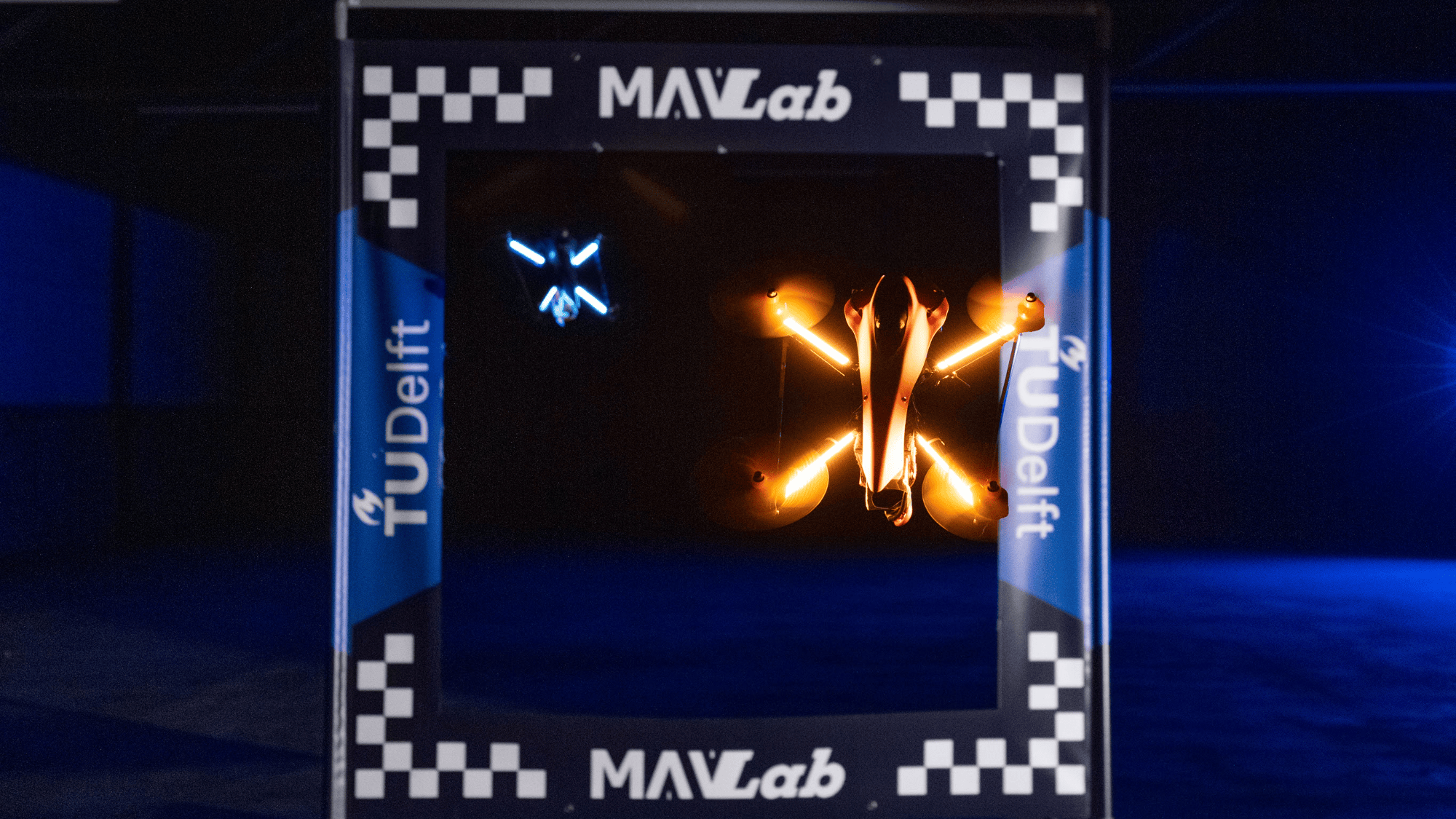
Timelapse image of the autonomous MonoRace racing drone flying through the final racing gate at Abu Dhabi in 2025. Image: Micro Air Vehicles Lab | Delft University of Technology.
Timelapse image of the autonomous MonoRace racing drone flying through the final racing gate at Abu Dhabi in 2025. Image: Micro Air Vehicles Lab/Delft University of Technology.

That understanding of place makes it more equipped to fly without crashing even in less familiar environments. It also improves the drone’s perception over a solely camera-based approach, which can struggle when camera data is less than stellar. Remember, all of this is happening very, very fast. 

“Flying at very high speed with only one camera is challenging because the images are blurry, deformed, and the AI system has very little time to precisely determine where the drone is,” Delft University robotics researcher and study co-author Stavrow Bahnam said in a statement.  “We developed a robust way of combining what the camera sees with the drone’s own motion information, allowing it to navigate the track at high speed without GPS.”

What sets MonoRace apart from complex AI systems running on larger vehicles or humanoid robots is how stripped down it is. The entire system has to run on a tiny computer on the drone, light enough not to slow the drone down and efficient enough not to introduce lag. And yet, it’s still quite powerful, with the AI issuing an estimated 500 commands every second. Rather than train the model on one specific track, they trained it to learn how to adapt using a reinforcement learning approach. After many attempts of trial and error in a simulated environment, MonoRace figured out the best ways to quickly solve navigation problems and then apply that in the real world. 

“Instead of first planning a desired flight path and conventional commands, our neural network learns to directly control the motors,” study co-author and Delft University Aerospace Engineering PhD candidate Robin Ferede added in a statement. 

Putting MonoRace to the test

The team put MonoRace to the real test last November at the Abu Dhabi Autonomous Racing League, a major competition where some of the best human pilots battle to out. During its flights, MonoRace topped speeds of roughly 62 miles per hour as it looped, dove, and zipped through gates. It managed to beat out every other AI racing team in the competition, and also boasted a better time than three former human world champion pilots.  

According to the team, these results make MonoRace the first AI-piloted drone to beat human pilots in an international racing competition, and  could have an impact on  drone racing and  physical AI more broadly.  With self-driving vehicles and even some humanoid robots entering larger-scale production, there’s an increasingly high demand to build AI systems that better grasp how to move about the physical world without barreling into everything around it. A drone that can do that while performing acrobatics at more than 60 miles per hour suggests that engineers are, at minimum, heading in the right direction.  

So far, that hasn’t resulted in larger robots suddenly superseding humans at sports. The fastest robot sprinters, though admittedly quick in short bursts, also tend to crash into walls and burst into flames. 

The post An AI-racing drone beat the best humans and set a world record appeared first on Popular Science.

  •  

UK research agency backs drone-based internet service experiment with lasers, microwaves, and gravity waves used for wireless power — Britain invests $94 million into Starlink alternative

While China and Russia rush to build a SpaceX competitor, the UK is taking another route by developing an alternative to satellite internet that relies mostly on aircraft. Its Advanced Research and Invention Agency (ARIA) is funding 18 projects aimed at building aircraft that will deliver wireless communications to areas in the UK and the rest of the world that are not served by terrestrial networks. According to The Register, the program, called Enduring Atmospheric Platforms, aims to have a unit with a 300-watt communications payload aloft and holding station for a week.

These units are called high-altitude pseudo-satellites (HAPS), with ARIA allocating $94 million over three and a half years for these projects. There are three technical areas in focus at the moment: TA1, which aims to develop the underlying technologies; TA2, which looks into the integration and testing of the developed systems; and TA3, which will concentrate on actual deployment.

Two startups have proposed multiple drone systems that will cover the entire United Kingdom — Carousel, by Menapia, wants to build a constellation that can hover at altitudes of up to 12 miles, while Enduring Drone Networks, by VFP Aerospace, proposes a relay of units that automatically fly back to their ground station for charging and servicing, with a cost of about $67,000 per drone.

Two other proposals suggest wireless power — one is Scalable Laser Ltd, which is working on a laser-based technology that pairs high-power laser diodes on the ground with advanced photovoltaic receivers in the air. On the other hand, Space Solar Engineering Ltd wants to use radio frequencies, like microwave, to deliver power to airborne units. There’s also a more novel approach from the University of Bath, which plans to use atmospheric gravity waves — using the upward movement of air caused by weather fronts and geographical features and the subsequent pull of gravity that brings it back down — to extend the range and endurance of HAPS aircraft.

"This research expands the UK's leadership in high-altitude platforms to become the place where this industry is designed, built, and scaled," says ARIA program director Rico Chandra. "Getting there means backing bold ideas, from fixed-wing solar aircraft to designs nobody predicted, including aircraft that fly on spinning wings instead of propellers."

  •  

Iran strikes on Amazon data centers caused permanent loss of customer data

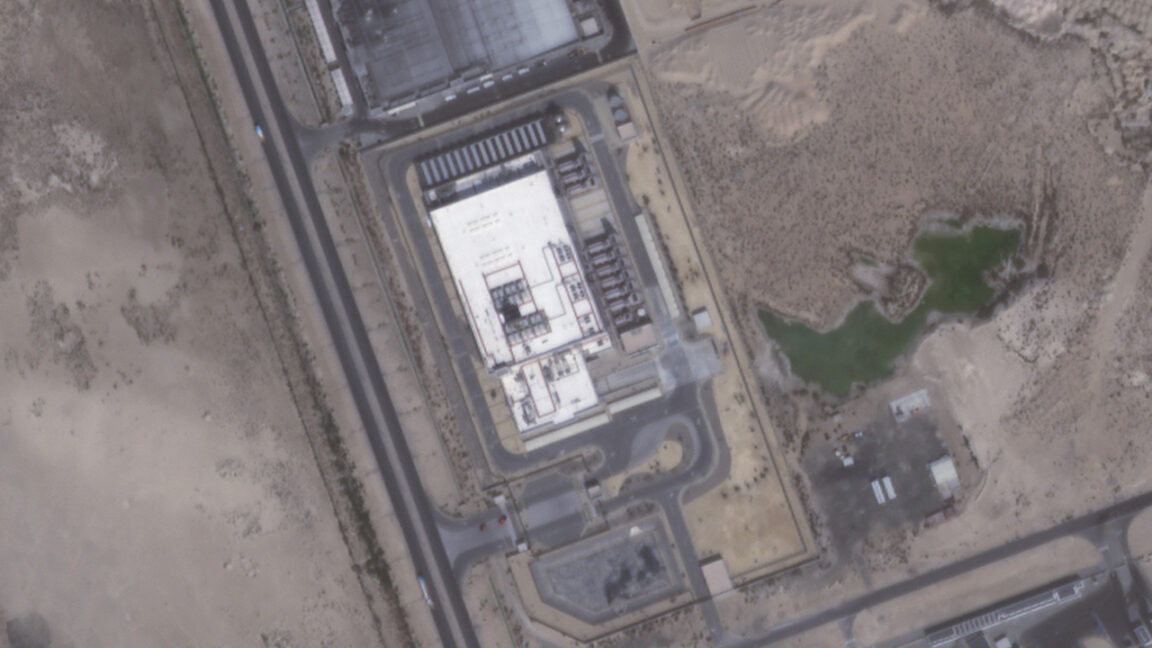
Half a year after Iranian drone strikes knocked out multiple Amazon data centers, the US tech company has acknowledged the permanent loss of some customer data that was hosted in Bahrain and the United Arab Emirates.

Amazon Web Services was “unable to restore access to the resources and data” hosted in some of the war-damaged data centers, according to an AWS dashboard update posted on September 15. The development was first reported by Reuters and suggests that the Iranian strikes inflicted catastrophic damage on the data centers.

Customer data was irretrievably lost in one of three AWS availability zones in the United Arab Emirates region, specifically the mec1-az2 availability zone. Each availability zone is serviced by one or more Amazon data centers.

Read full article

Comments

© Planet Labs PBC

  •  

Vote now in the TechRadar Readers' Choice Awards 2026 — Phones & Cameras categories!

It's time for TechRadar's annual tech awards, and this year we're doing it differently. For the first time, we have a complete set of categories where the winners are chosen 100% by you, the TechRadar readers.

The TechRadar Readers' Choice Awards 2026 comprises nearly 100 categories, but we know that not everyone is interested in voting in every one, so on this page you can vote in just our Phones and Cameras categories.

These include tablets, ereaders, drones and more, as well as various phones and cameras awards. You can vote in the survey just below — or follow the links to see other specific categories, or to vote on the full list instead.

The shortlists were chosen by TechRadar's editors based on the best products we've tested or the most popular products of the year. You'll need to vote before 00:01am PST / 03:01am EST / 08:01am BST on Wednesday October 7th 2026 for it to be counted.

Once the deadline has passed at 00:01am PST / 03:01am EST / 08:01am BST on Wednesday October 7th 2026, we'll tally your votes to find the winners in each category.

We'll announce the winners in our big TechRadar Awards 2026 Week, starting Monday October 19th. We'll reveal the winners of the Reader's Choice Awards, as well as the winners of our TechRadar Product of the Year Awards, which are chosen solely by our expert judges.

How many products will do the double? We'll be curious to see — but right now, all you can do is vote for what you think should win, so vote away!

  •  

Successful Deep-Strike Operation: Defense Intelligence of Ukraine and Defense Forces Hit Another Russian Oil Refinery

Recently, operators from the Department of Active Operations and the Department of Unmanned Systems of the Main Intelligence Directorate of the Ministry of Defence of Ukraine carried out a joint deep-strike operation with the Ukrainian Defence Forces, during which another oil refinery on Russian territory was struck. The refinery in question is ‘Slavyansk-ECO’, located in […]

The post Successful Deep-Strike Operation: Defense Intelligence of Ukraine and Defense Forces Hit Another Russian Oil Refinery appeared first on AERONAUT.media.

  •  

Ukrainian FP-5 Flamingo Missiles Strike Sanctioned Chemical Plant in Volgograd

The Ukrainian Defense Forces struck the Volgogradpromproekt facility in the Russian city of Volgograd during the night of September 11. Ukraine used FP-5 Flamingo cruise missiles in the attack. This was reported by Fire Point on its Telegram channel. The Flamingo cruise missiles successfully reached their intended target. The Dnipro OSINT community reported on Telegram […]

The post Ukrainian FP-5 Flamingo Missiles Strike Sanctioned Chemical Plant in Volgograd appeared first on AERONAUT.media.

  •  

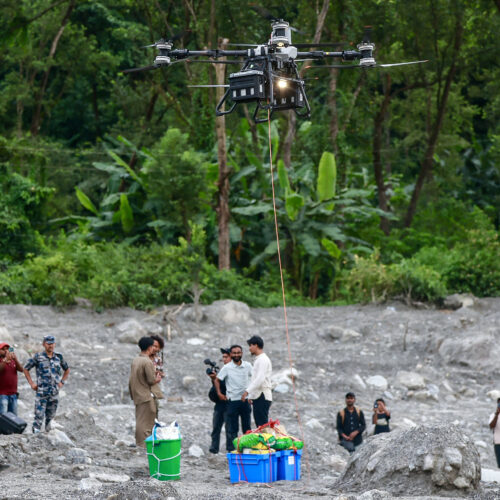
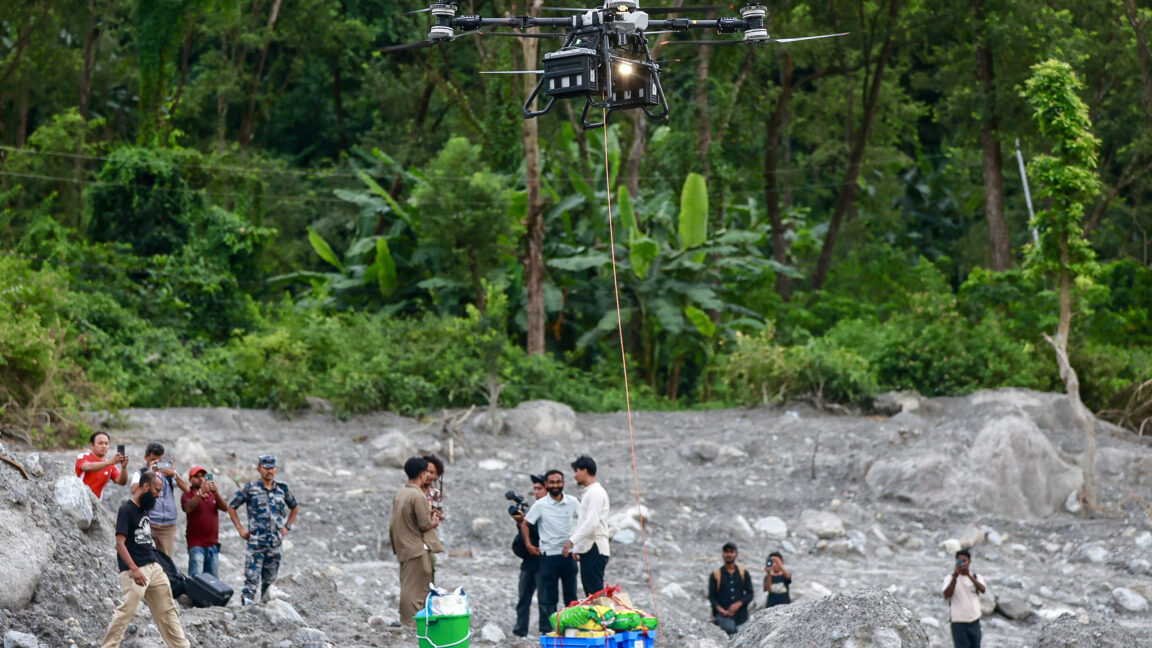
China’s drone supremacy shows in airlifting bodies and food after Nepal flood disaster

Chinese-made drones are flying out the bodies of flood victims and delivering food to survivors in the aftermath of devastating flash floods on the border of Nepal and China’s Tibetan region.

Nepal’s army has been using four DJI FlyCart 100 drones donated from China to make 10 to 16 aid deliveries each day, according to Reuters. This comes after a partial glacier collapse in the Himalayan mountains unleashed a sudden surge of water, mud, and debris that swept through border crossings, valley communities, and hydropower projects on August 26.

The DJI Flycart 100 Drones come with a 98-foot rope and winch system for picking up and dropping off heavy loads. The website of Chinese drone company DJI describes the drones as being able to carry between 187 and 220 pounds, depending on the battery configuration.

Read full article

Comments

© PRABIN RANABHAT / AFP via Getty Images

  •  
❌