Login

Elon Musk Says SpaceX and Tesla Are Exploring a Merger
A deal would consolidate Elon Musk’s holdings in rockets, cars and artificial intelligence into a company worth well over $3 trillion.

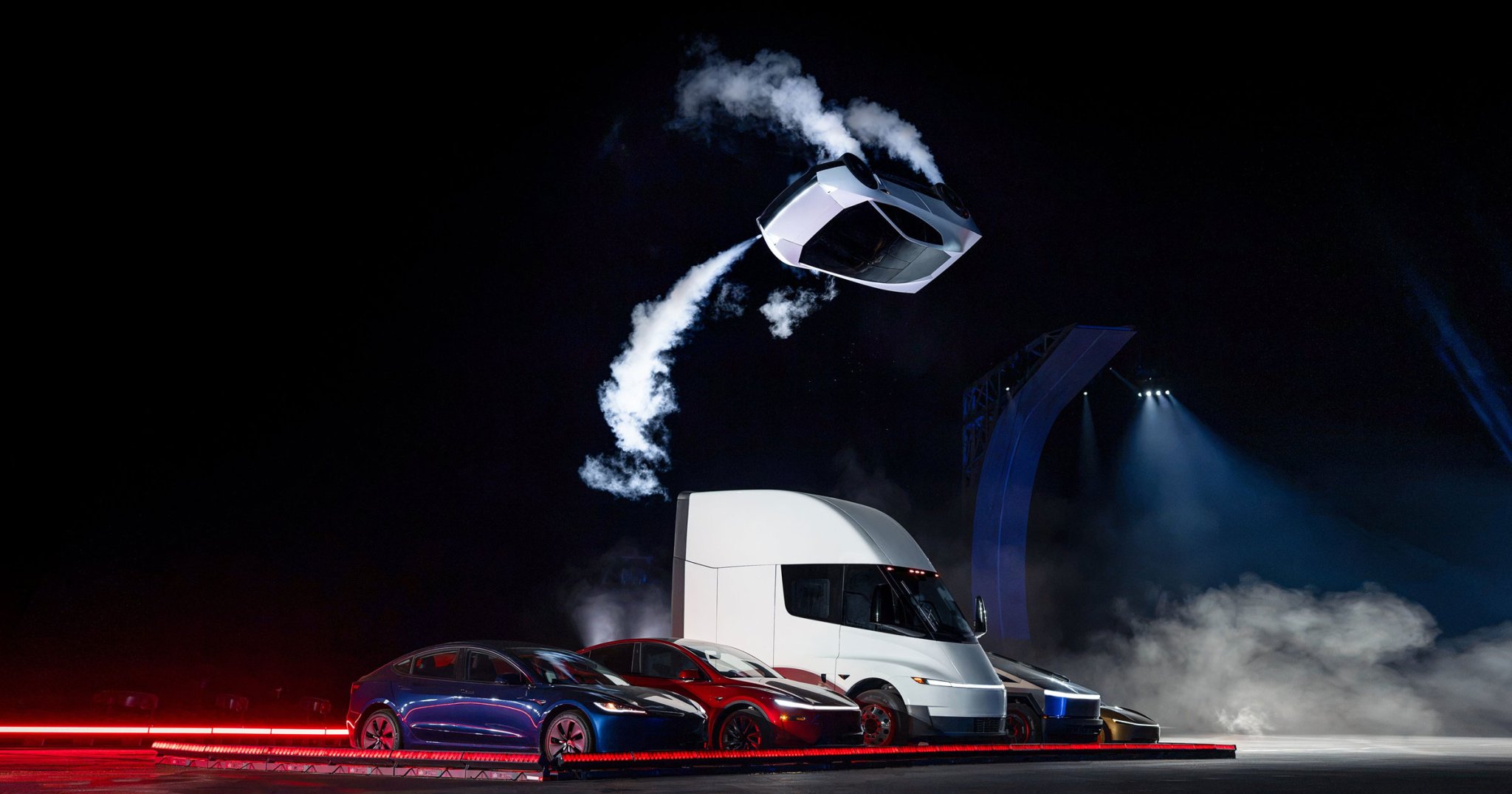
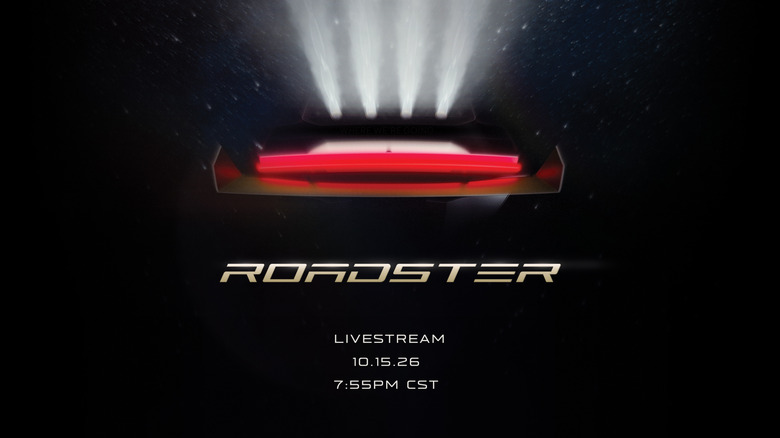
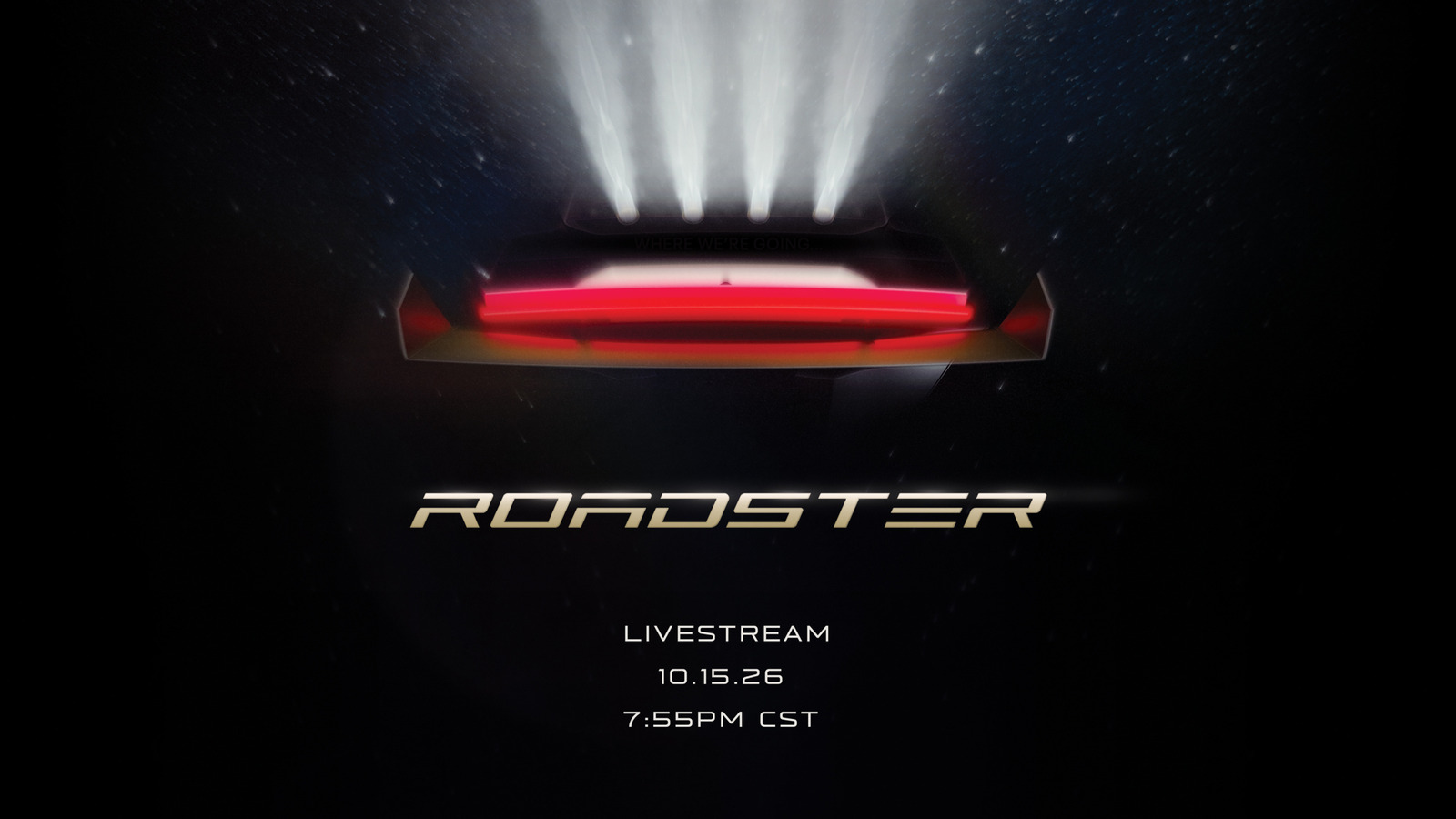
Tesla has unveiled a new "flying" version of its Roadster electric vehicle (EV) that uses SpaceX tech to pull off seemingly impressive airborne acrobatics.
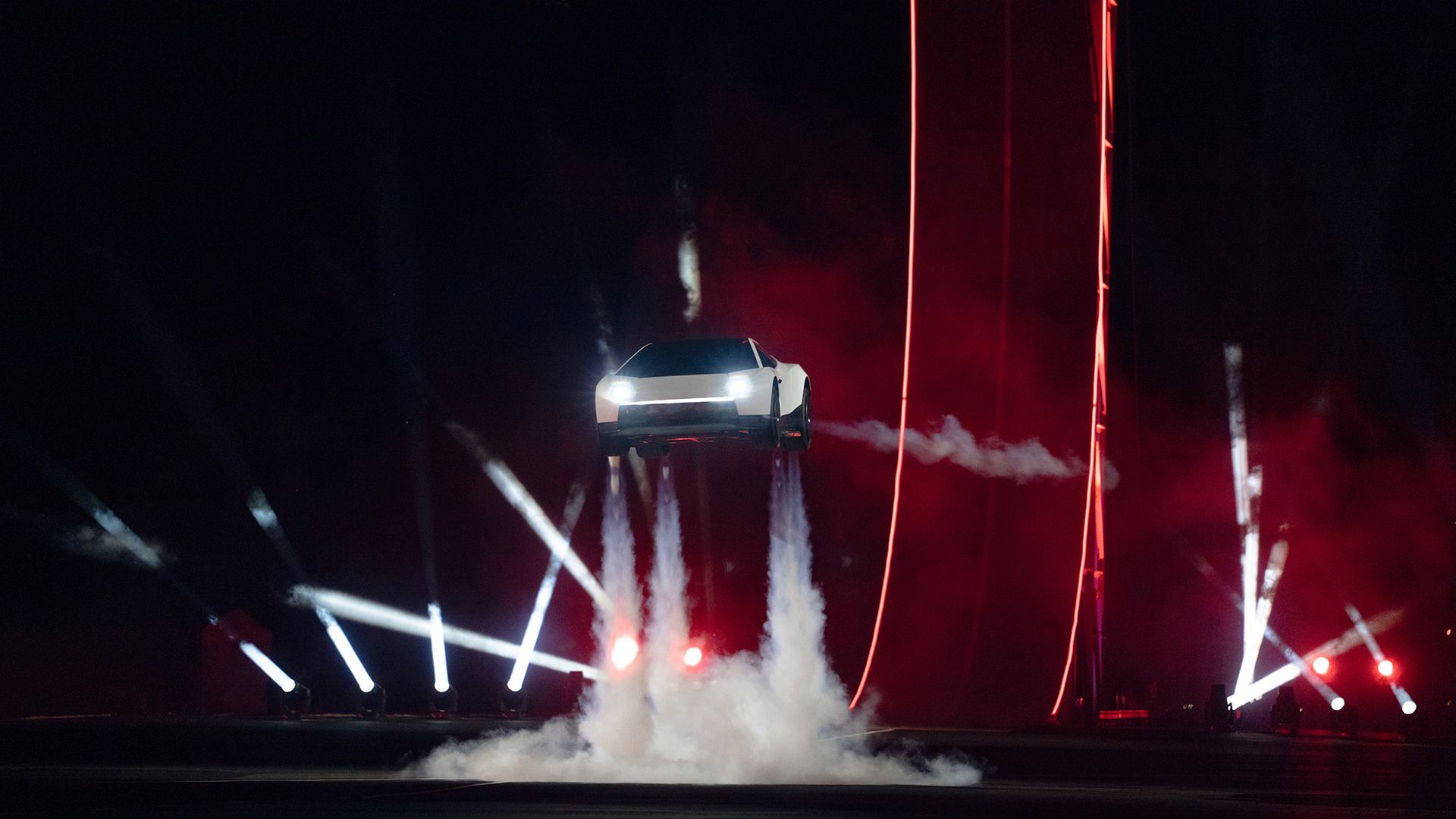
During a filmed demonstration at the SpaceX rocket testing facility in Texas Thursday (Oct. 15), the second-generation Tesla Roadster was shown accelerating up a curved ramp before launching itself into the air, performing a 180-degree barrel roll and touching back down to Earth.
In another stunt, the vehicle leapt over a row of parked Teslas. For safety reasons, the vehicle was operated remotely in both instances.
"Turns out, the future does have flying cars," Tesla and SpaceX CEO Elon Musk wrote on X following the demonstration.
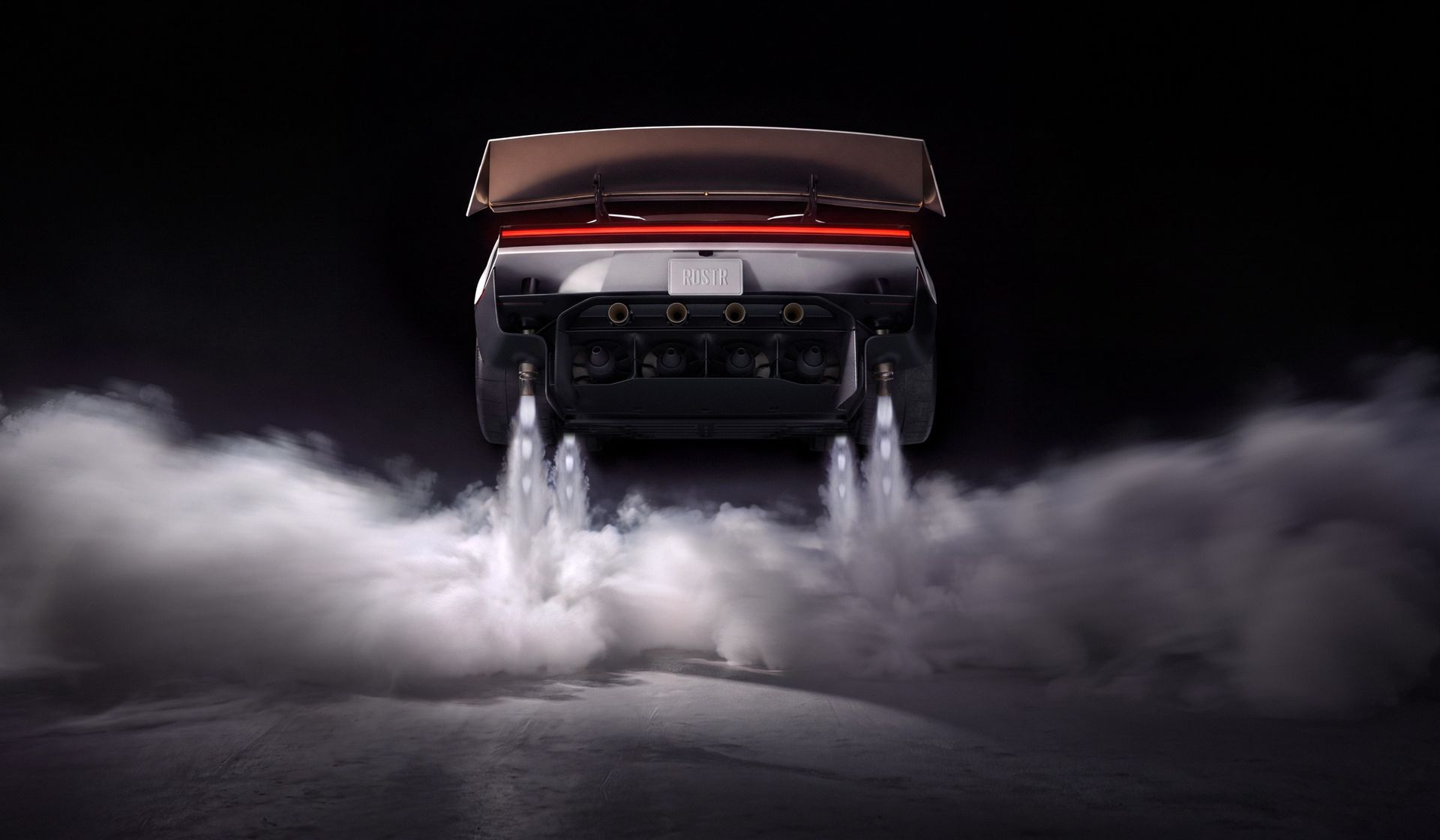
The Roadster's airborne capabilities are made possible by a system of cold-gas thrusters developed using technology from Musk's aerospace company, SpaceX. These thrusters release bursts of high-pressure gas to generate thrust, allowing the vehicle to accelerate rapidly and, according to Tesla, become airborne for short periods.
The new Roadster will come in three variants: Performance, Thrust and Rocket. Only the Rocket is capable of flight. The Performance model is a two-seater equipped with a suction system that's designed to improve traction and handling (or drive up inverted ramps, as in Tesla's demo), while the Thrust model adds rear-mounted thrusters that Tesla claims can propel the vehicle from 0 to 60 mph (97 km/h) in under a second.
The highest-end model, Rocket, features SpaceX cold-gas thrusters positioned around the vehicle to enable short bursts of flight and in-air control. This single-seat model will be available by invitation only, according to Tesla.
On the company's website, Tesla representatives explicitly stated that the Rocket isn't approved for use on public roads and that availability depends on regional regulations. During the reveal, Musk told the audience that the Rocket "is not necessarily a safety-optimized car."
Tesla hasn't disclosed how far or for how long its EV can remain airborne, nor is it the first company to develop a hybrid road-air vehicle. There is also skepticism from outside viewers on whether the demonstration could be replicated outside of controlled scenarios.
Artificial intelligence (AI) scientist Yann LeCun — a professor of data science, computer science, neural science and electrical engineering at New York University — described the demonstration on X as a "marketing stunt" and questioned whether the vehicle would work in practice.
"Even assuming that 50% of the mass of the car is the compressed air, that gives you less than 10s of useful thrust (with thrust-to-weight ratio larger than 1.0). Probably more like 5 seconds, actually," he posted on the social media platform. "So the car must be an empty, lightweight shell containing big compressed air tanks. Cute demo, but totally impractical. But of course, you knew that."
He likened it to SpaceShipOne, which debuted in 2004 as the first privately funded spacecraft and made three record-setting flights before being retired.
California-based Alef Aeronautics, which is developing its own flying EVs, marked Tesla's unveiling by releasing footage of its vehicle flying over an earlier Roadster model. Alef representatives said the demonstration marked its 1,000th logged flight.
"Welcome Tesla to the flying car race, we've been here alone for eleven years," Alef CEO Jim Dukhovny said in a statement emailed to Live Science. "Having competition is a good thing, especially from such a major company as Tesla."
Unlike Tesla's compressed-gas tech, Alef's vehicle uses electric propellers for vertical takeoff and landing, with a rotating cabin and body designed to support forward flight.
Production of the new Roadster is scheduled for 2028, but Tesla doesn't have the best track record of meeting its deadlines. The company has delayed production of its Optimus humanoid robot a few times since first unveiling the machine in 2021, for example, with an initial start in 2023, before being pushed back. Only in recent months has production begun to scale to a few hundred units per week.
Help us improve Live Science Pro: We're always trying to make our content better. Leave us feedback about Pro here.
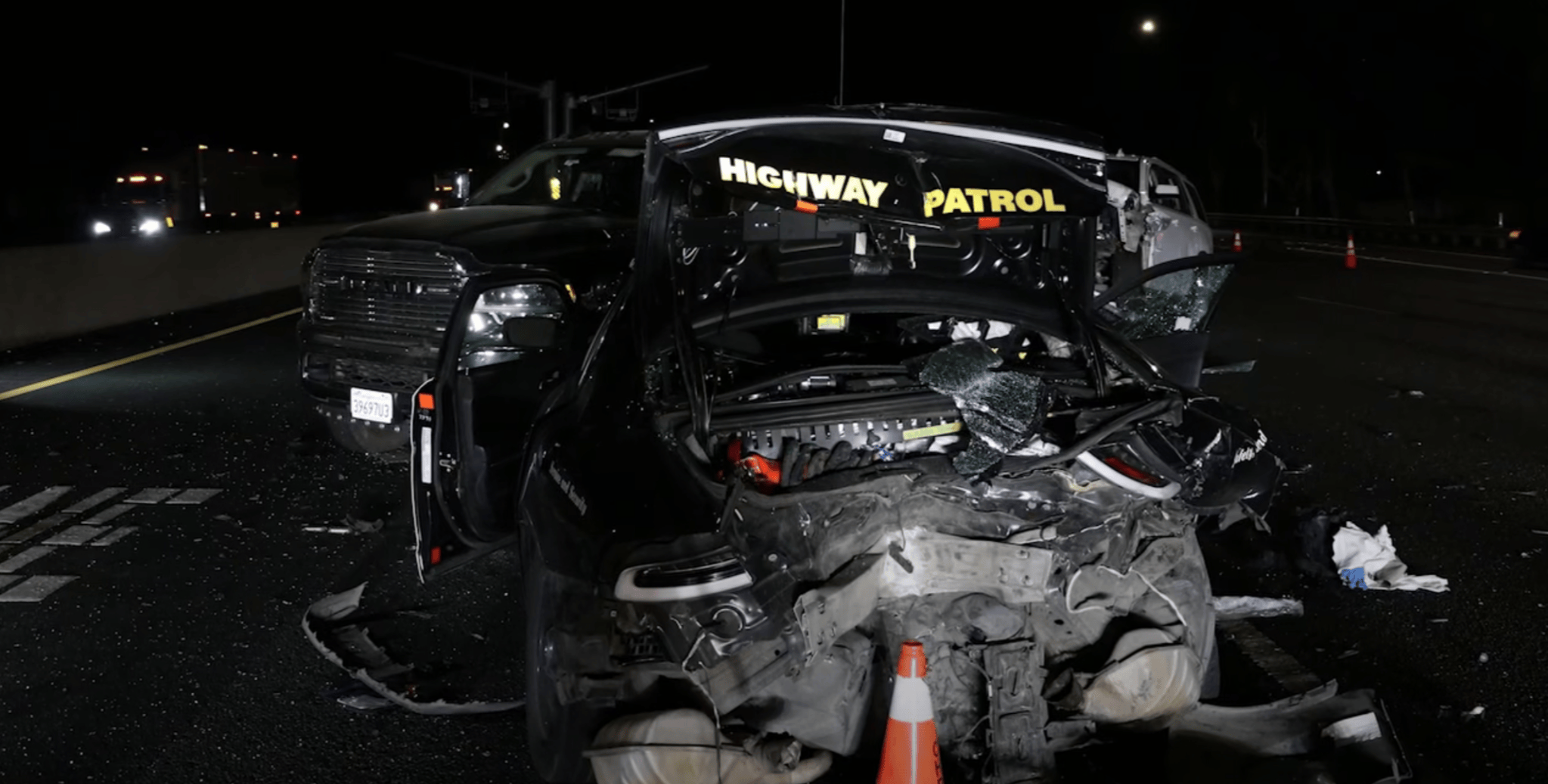
A Tesla slammed into a police cruiser after the driver said he fell asleep behind the wheel while the vehicle’s Full Self-Driving mode was activated.
According to the California Highway Patrol, KRON4 reports, the crash happened on the night of October 13 while the officers were pulled over to the side of Interstate 80 eastbound highway to investigate a fatal accident.
Though the “lanes were closed with flares and cones, and several emergency vehicles were at the scene with emergency lights flashing,” police said, the Tesla veered into the clearly cordoned-off area and slammed into their patrol car. The impact sent their ride flying into another emergency vehicle, footage showed.
Both officers were hospitalized with serious injuries and have since been discharged from the hospital. The driver, a 22-year-old man, sustained minor injuries.
“The driver claimed he was asleep and that the vehicle was operating in Tesla’s Full Self-Driving mode at the time of the crash,” CHP said. “Despite its name, Full Self-Driving is not fully autonomous. It is an SAE Level 2 driver assistance system that requires continuous driver supervision.”
A self-driving Tesla crashed into a California highway patrol vehicle, seriously injuring two officers inside.
— ABC News (@ABC) October 16, 2026
According to the officers, the driver said he was asleep at the time and using the car’s driver-assistance technology. pic.twitter.com/l36px6sqT4
Drowsy driving is a common issue with Tesla’s FSD system, since it doesn’t require the motorist to be as engaged. To combat this, the vehicles have several safeguards to ensure drivers stay alert, including an in-cabin camera that monitors their eyes and face — but they don’t always work.
Tesla has previously been investigated by federal regulators after an older version of its self-driving software, Autopilot, repeatedly crashed into emergency vehicles. In a 2024 report, the National Highway Traffic Safety Administration linked Autopilot and FSD to hundreds of crashes, concluding that it misled drivers into a false sense of security and caused them to be “not sufficiently engaged in the driving task.”
More on Tesla: Tesla Bros Posting Videos Showing Them Hog Out on Decadent Meals While Careening Down the Road in Self-Driving Mode
The post Tesla Running FSD Slams Into Police Cruiser After Driver Falls Asleep Behind the Wheel, Hospitalizing Two Officers With Serious Injuries appeared first on Futurism.
Tesla CEO Elon Musk has been promising a next-generation Roadster for the better part of a decade. And while early promises that it will quite literally fly were met with incredulity back in early 2019, the EV maker has finally made good on its promise.
As demonstrated late Thursday evening, the new Roadster can indeed fly — briefly, at least — thanks to a “SpaceX package” made up of cold-gas thrusters. The company showed the company flipping around on stage, rotating on its own axis mid-air, leaping over the company’s entire EV lineup, and sticking to a vertical ramp thanks to a fan system that generates up to two Gs of downward force.
Good luck doing any of that on a public road, or even surviving on private property. And the flying car bears a striking resemblance to the company’s controversial Cybertruck, featuring extremely sharp body lines and flat panels. It’s a low-poly design approach that feels intimately familiar after a few years of the brutalist pickups.
And the similarities aren’t limited to the overall shape, either. The Cybertruck was and still is a major outlier in the automotive landscape — mostly for the worse. From rusting stainless steel body panels that were shoddily glued to the vehicle’s exterior and an excessive curb weight that greatly reduced range to a buggy steer-by-wire system, the Cybertruck was a major departure from design norms in the industry, much like Tesla’s latest Roadster.
While we don’t know if the Roadster will suffer from the same issues, its cold-gas thruster system is more than likely going to require some additional upkeep. Besides, considering the system can easily throw the car high into the air, anything going wrong could put any driver in severe danger. After all, Tesla has a long history of treating its customers as guinea pigs.
As Musk admitted during Thursday’s event, the bizarre rocket on wheels isn’t exactly going to be the next Honda Civic. It definitely won’t “move the needle in a major way financially,” the billionaire cautioned the audience, calling the Roadster a “small potato situation.”
As such, Tesla investors were left unimpressed, with shares bumping by less than two percent when the markets opened.
In other words, much like the Cybertruck, the latest Roadster is more tech demo than an actual consumer-facing product, a harsh lesson owners of the former are still learning as their vehicles continue to age like milk.
And whether we’ll ever see it gliding along mid-air at highway speeds on public roads is as unclear as ever. Tesla is looking to sell a thruster-less Performance variant, a “Race Ready” mid-tier version with rear-mounted cold-gas thrusters, as well an entirely not-road-legal and “invite only” model that can fly, as shown off on stage.
Even more so than the Cybertruck, the Roadster is the ultimate Tesla loyalty test. While the company has yet to release a price, the Roadster is undoubtedly going to cost a pretty penny — if you can even get your hands on one. Whether it will appreciate, like Musk has long promised about the company’s fleet, or turn into an expensive death trap after a short and likely terrifying stint of ownership, remains to be seen.
Perhaps it’s more of an attempt to warm up investors to the idea of merging Tesla and SpaceX, a high-stakes gamble that has investors unsettled.
More on Tesla: Tesla Robotaxi With No Driver Spotted Smashing Through Traffic Barriers
The post Tesla’s New Flying Death Trap Looks a Lot Like a Cybertruck appeared first on Futurism.
Tough times can fuel innovation, and battle-hardened Ukraine has demonstrated that fact of life more than most places in recent years. Since Russia’s invasion in February 2022, the country has utilized drones and robotics in ways not before seen in large-scale warfare. More recently, Ukraine has introduced a variety of remotely controlled ground vehicles tasked with entering contested territory and resupplying areas or even evacuating wounded troops. But while those wheeled robots help keep soldiers off the front lines, they are also vulnerable. Their air-filled tires are particularly vulnerable, since they can be shot at or break when rolling over barbed wire, shrapnel or even rugged debris. To solve that issue, engineers from a pair of Ukrainian companies developed a new type of 3D-printable tire that doesn’t require any air at all. And it’s already being deployed on front lines.
The airless wheel is the result of a collaboration between two Print&Live UA, and iSCALE 3D. Their design is proposed to be built for Uncrewed Ground Vehicles (UGV) that come in various shapes and sizes depending on their task. Instead of a rubber casing filled with pressurized air, these new wheels are 3D printed around a lightweight internal lattice made from durable elastomers and composite polymers. The lattice flexes and springs back over rough terrain, essentially doing the cushioning work that air pressure does in conventional tires, but without the risk of a sudden debilitating puncture.
The tires also feature a rounded tread and enclosed sidewalls which are meant to keep mud, stones and ice from packing in. According to Print&Live UA and iSCALE 3D, the result is a wheel set far lighter than Western airless alternatives and that keeps working even after taking some damage. Fewer blown out tires, they say, could mean more lives saved.
“The most important mission of a UGV is not spectacular—it is bringing a wounded person back, or water, medicine and supplies forward,” the companies write on their websites. “Every immobilized vehicle puts people at risk. That is the real purpose of this development.”
“One puncture and the mission ends where the machine stops,” they add.
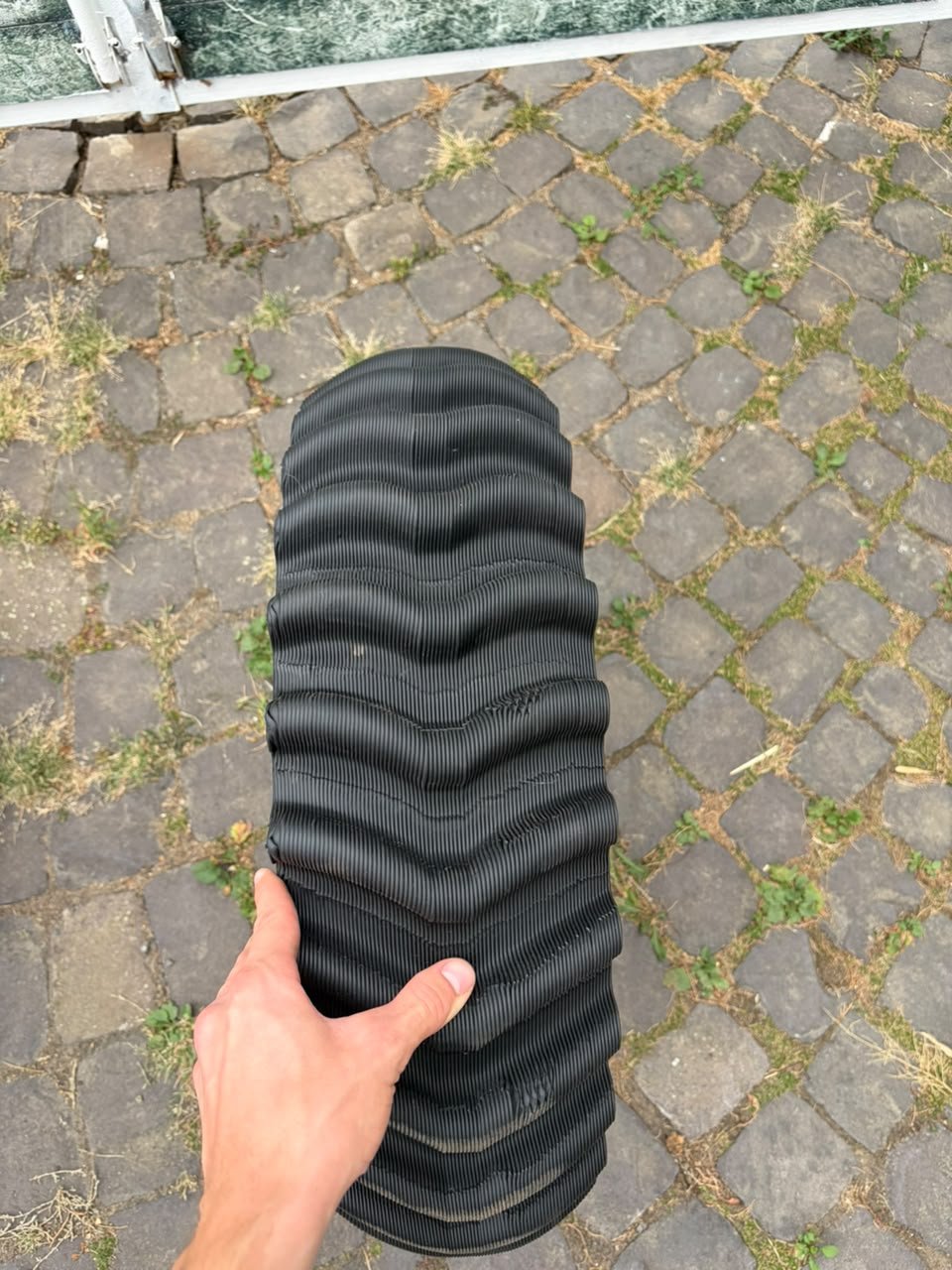
In addition to the airless design, the 3D printing process makes the new wheels more adaptable. Each set can be tinkered with and adjusted to best suit the type of vehicle they will be equipped on, as well as for the specific mission type they might engage in. Stiffness, shock absorption, and overall geometry can all be tweaked on a computer. The process requires large, industrial-scale printers most hobbyists won’t have in their garage, but it’s still a much smaller, nimbler approach than an entire factory built to roll out one specific product.
“Because the geometry is digital, stiffness and damping are programmed for each UGV type and payload, and a design upgrade is nothing more than a new file,” the companies write.
The engineers also designed these wheels with the chaos of a battlefield in mind. Each two-piece rim set lets soldiers swap out a damaged tire without the tire-changing machines or presses a conventional repair would need. That flexibility means soldiers can repair or swap tires with simple hand tools in battlefield areas where full workshops aren’t available.
Airless UGV wheels are just the latest in a growing list of creative fixes forced by the Russia-Ukraine war. The constant need for better drones and robots has turbocharged the country’s tech sector, which has grown from a handful of defense companies before the invasion to hundreds today. Most of the companies building out the new hardware are Ukrainian, but the war has also attracted a number of American defense startups that have set up shop there, drawn in by the change to their designs in the real world. The country’s capital city has attracted so much tech sector interest that some have even ascribed it the moniker: “Mil-Tech Valley.”
The post Ukraine’s military robots are getting tires that can’t go flat appeared first on Popular Science.
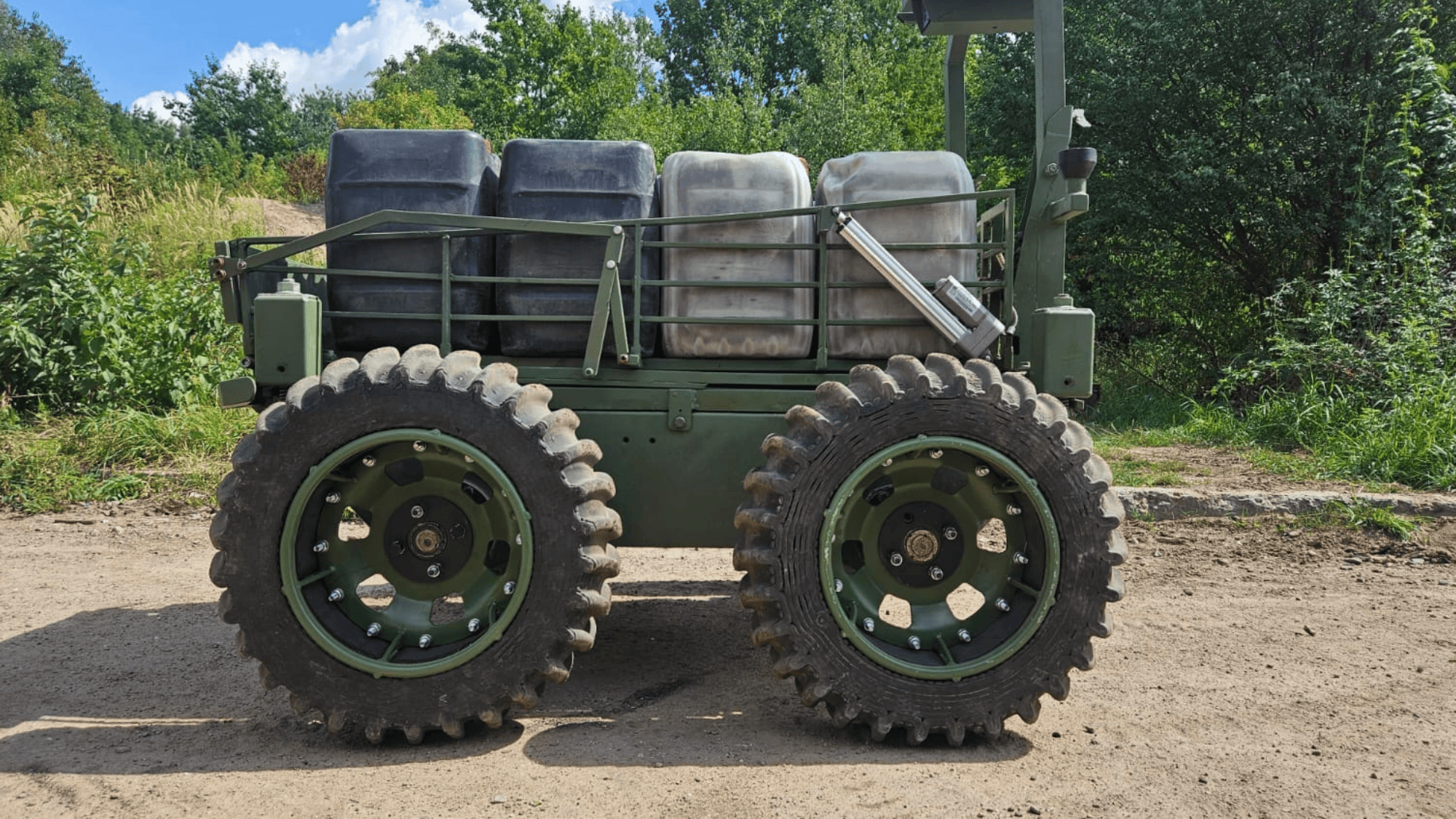
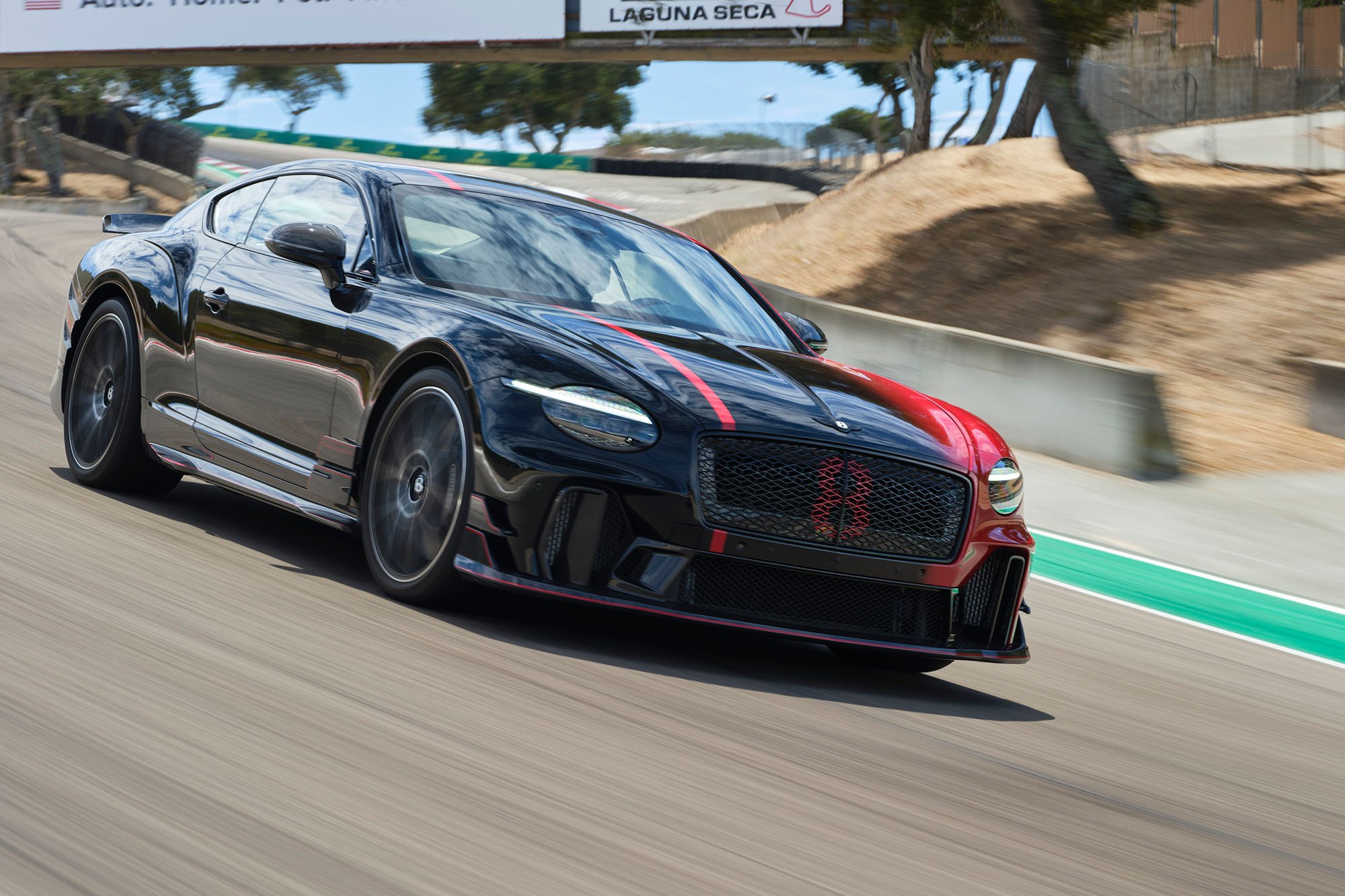
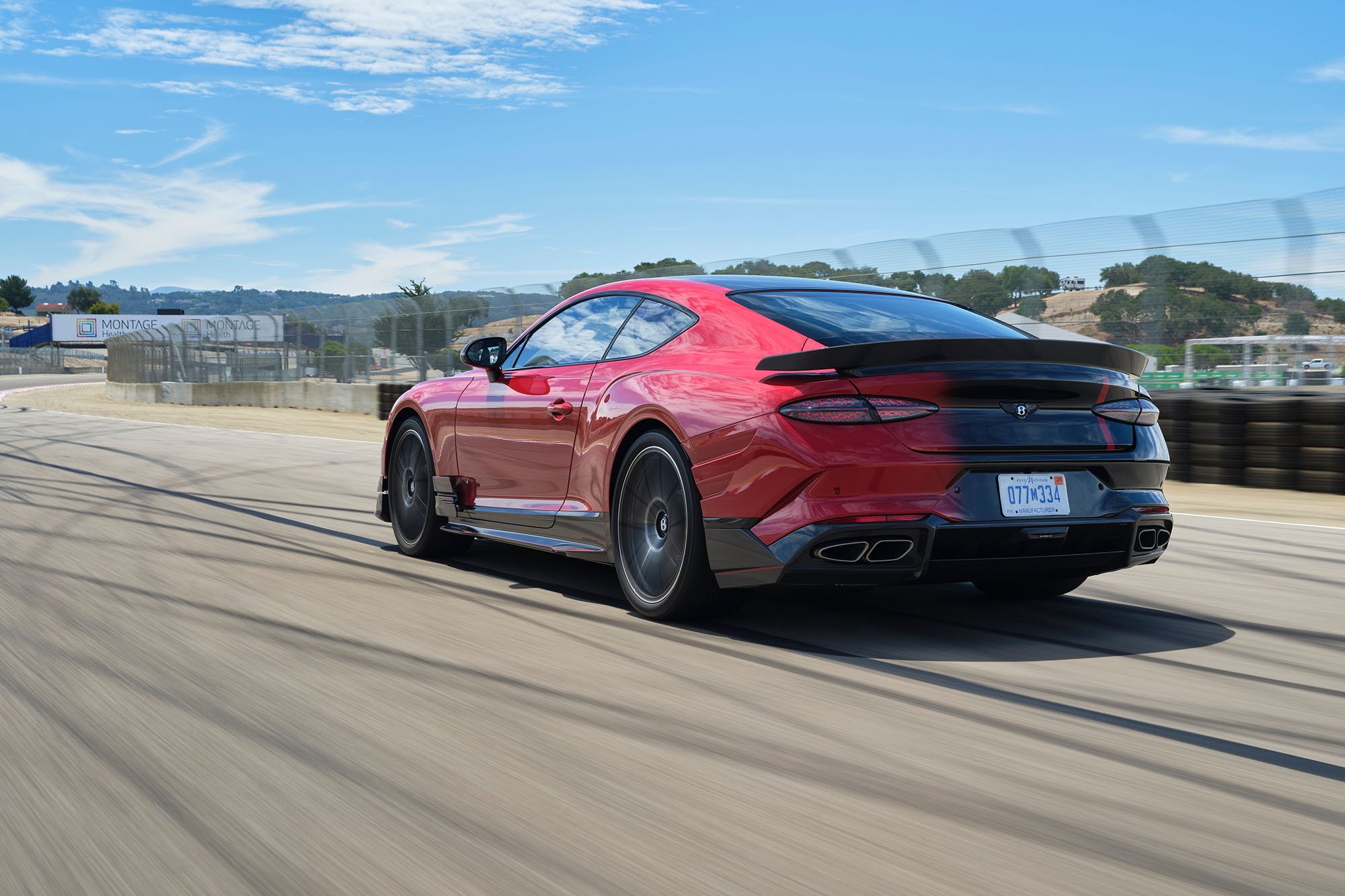
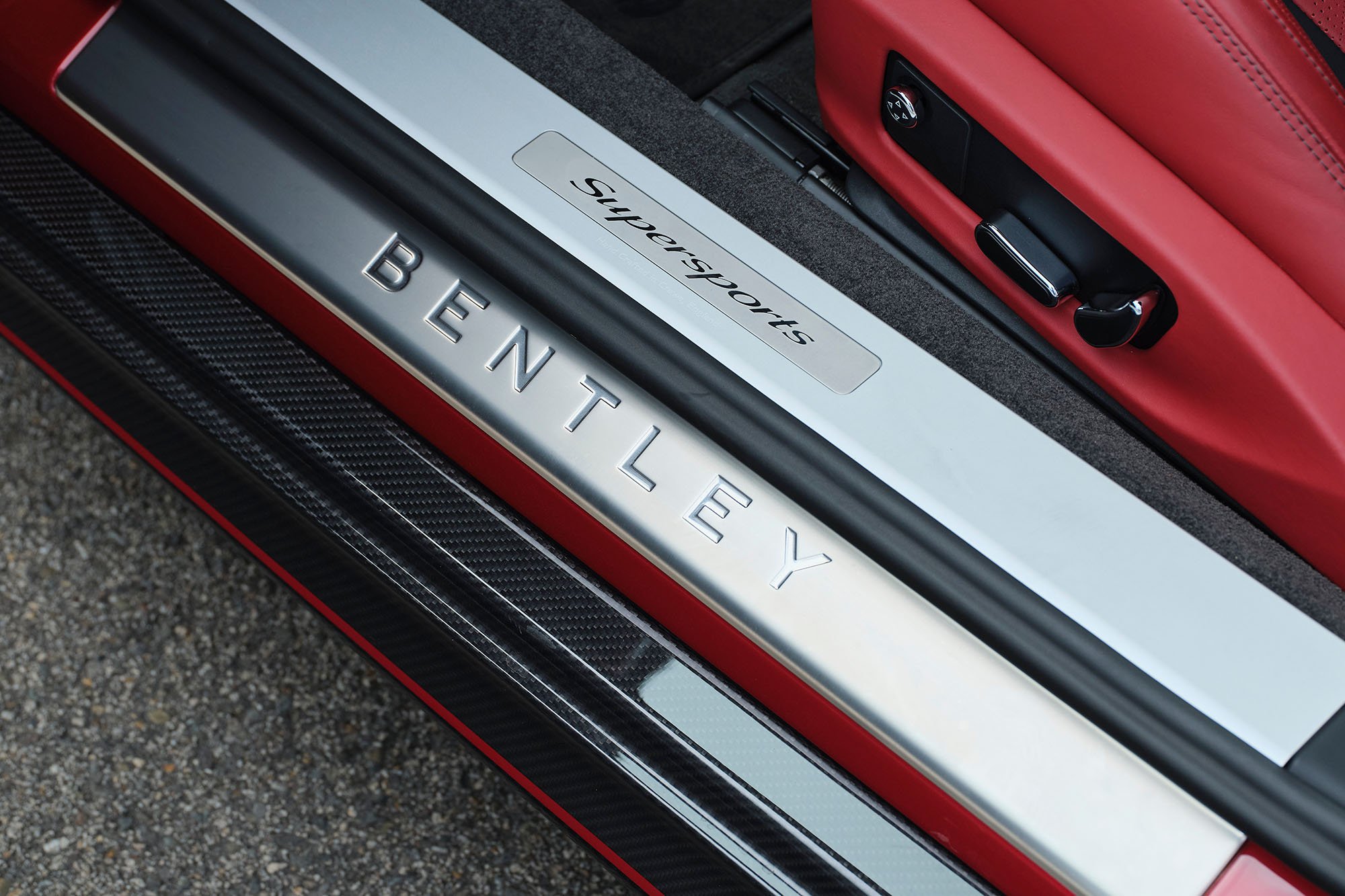
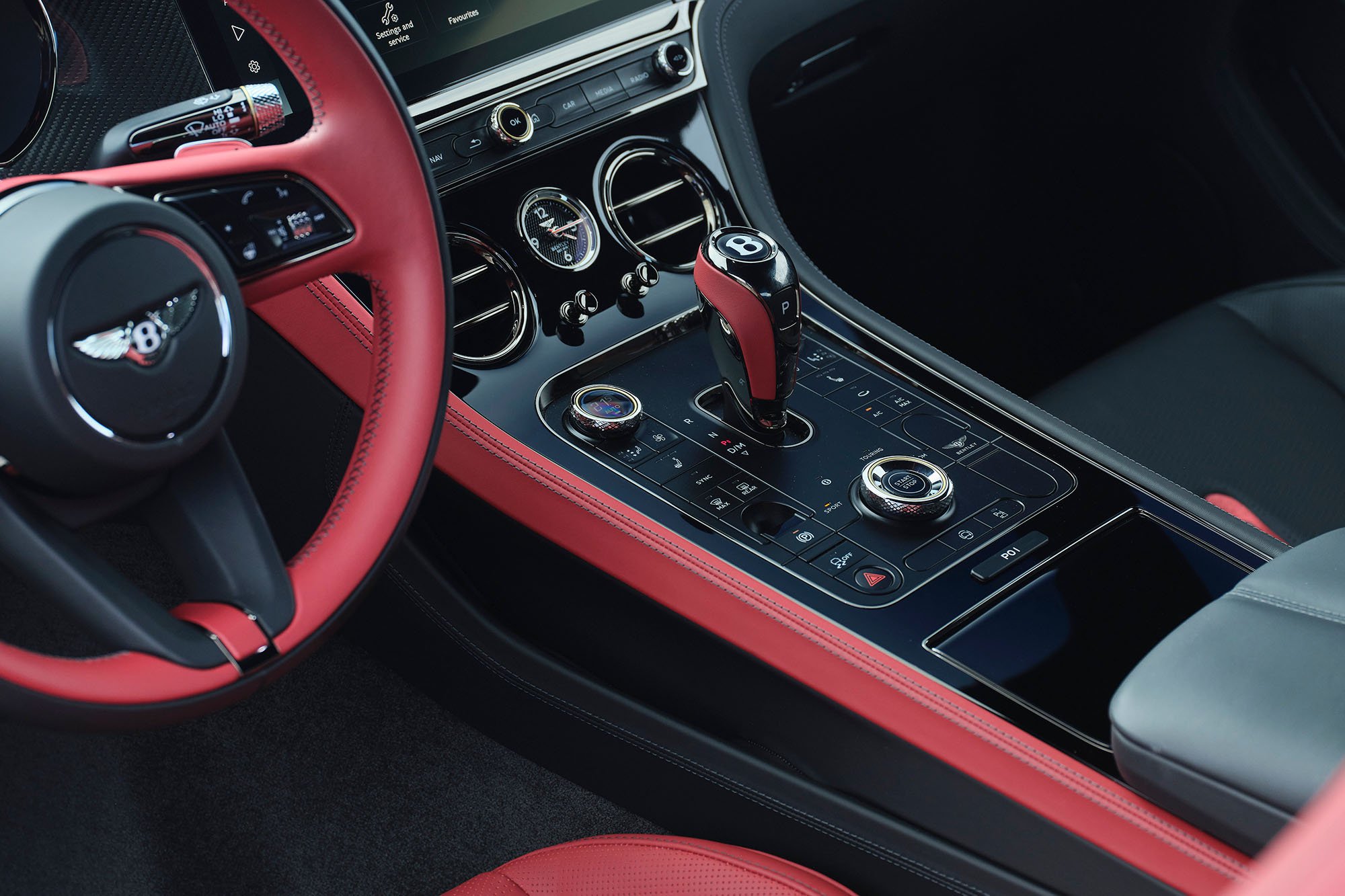
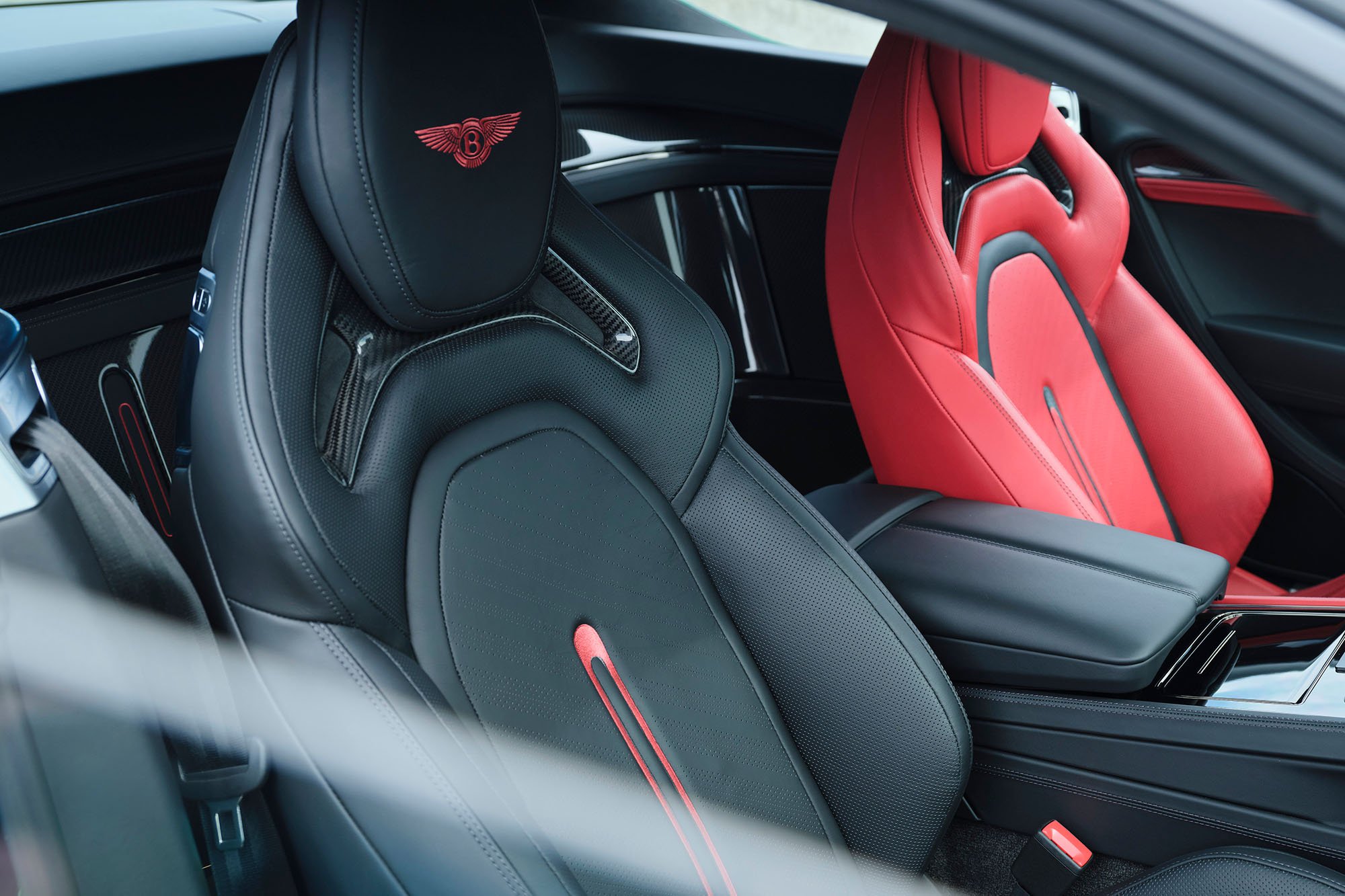
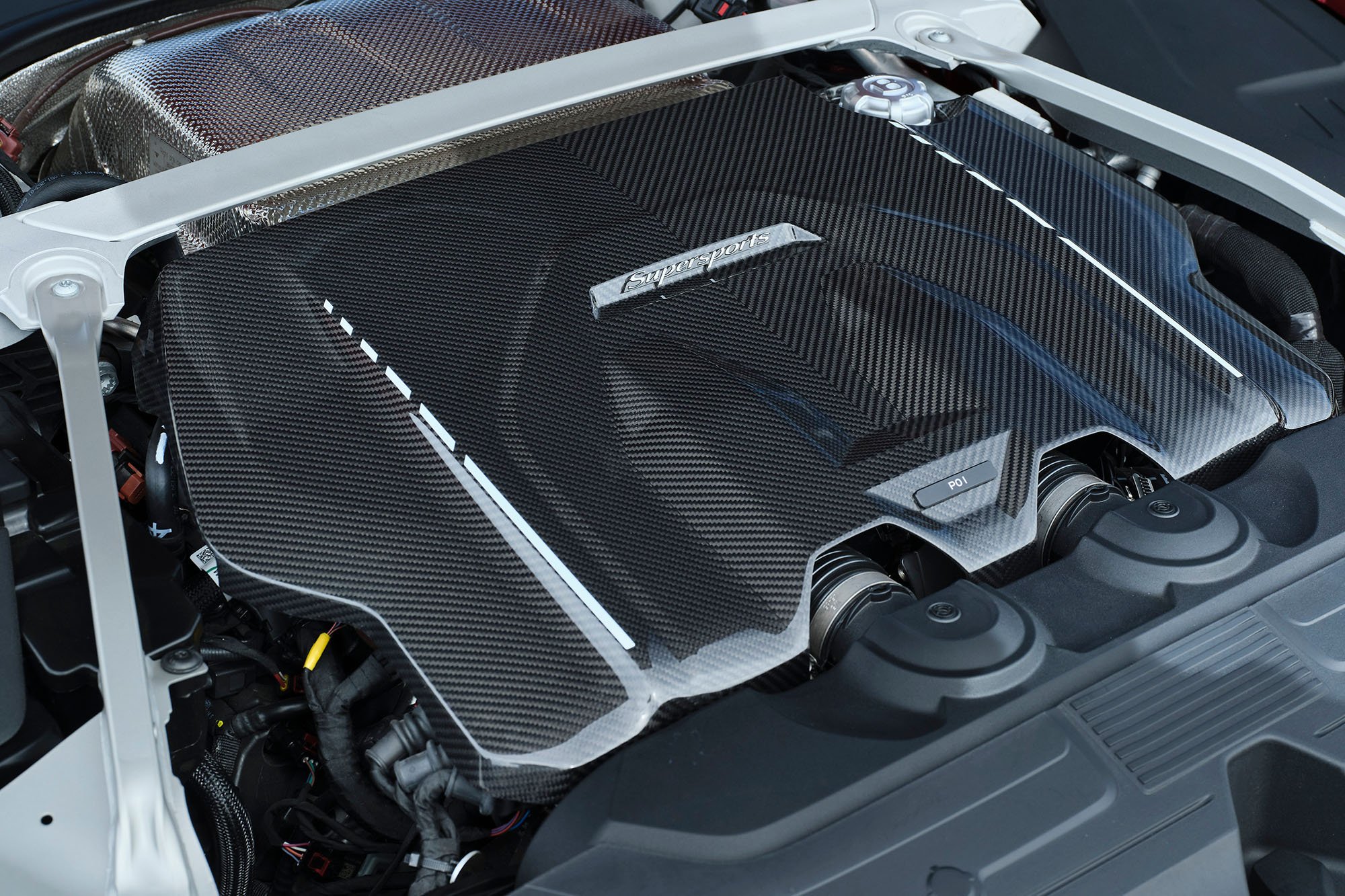
“Less is more” may seem a curious phrase when applied to a half-million-dollar, 199-mph, 657-horsepower twin-turbocharged V8 brute. But in the context of the posh luxury barges we expect from British automotive manufacturer Bentley, it’s applicable to the 2026 Bentley Supersports.
That is because this car is as notable for what it lacks as for what it has. The Supersports is a rear-drive, combustion-only version of the Bentley Continental GT. But where that car has always employed all-wheel drive, and the current generation uses a hybrid-electric powertrain, the Supersports is the result of a “what-if” project by Bentley engineers.
They wondered what was possible if they stripped the heavy all-wheel-drive and hybrid systems from the Continental GT and built a purely combustion-powered rear-drive car with track driving in mind. The answer is the Supersports.
“Half-million dollars” is an approximation. The official starting price in the US is $486,600, but Bentley has already sold the entire production run, and every car has been customized, ensuring none of the cars actually sold for the list price.
“Each client that has ordered a car has worked with our Mulliner division [which provides personalization] on co-creation,” said Rocco. Even while confirming that less is more, it doesn’t hurt to add a few extra goodies.
The same hybrid-electric system that contributed to the tranquility of the Continental GT Speed we tested previously also adds mass that is detrimental to on-track performance. Similarly, that car’s all-wheel-drive system provides security during trips to the ski chalet, but induces understeer in spirited track driving.
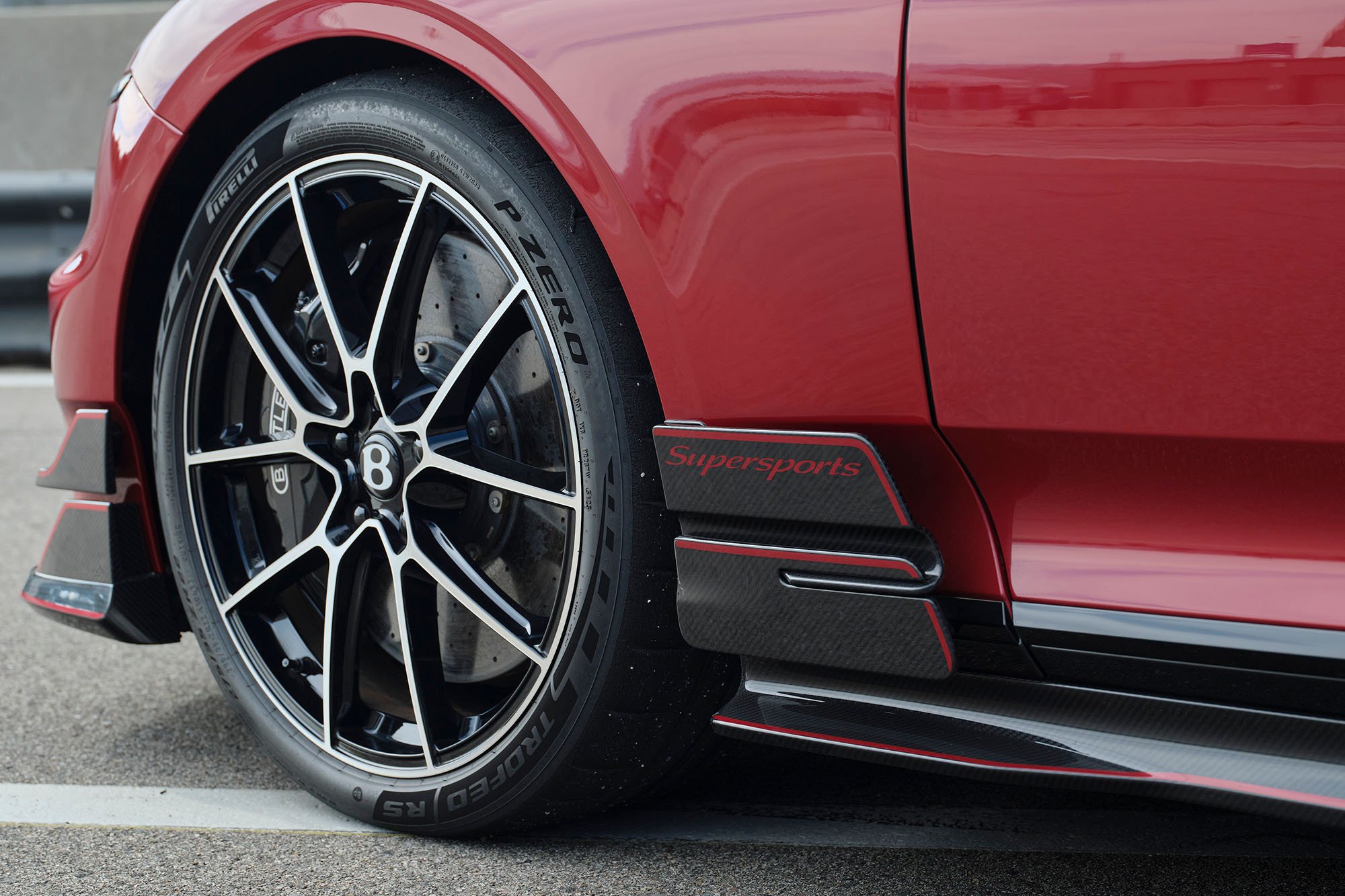
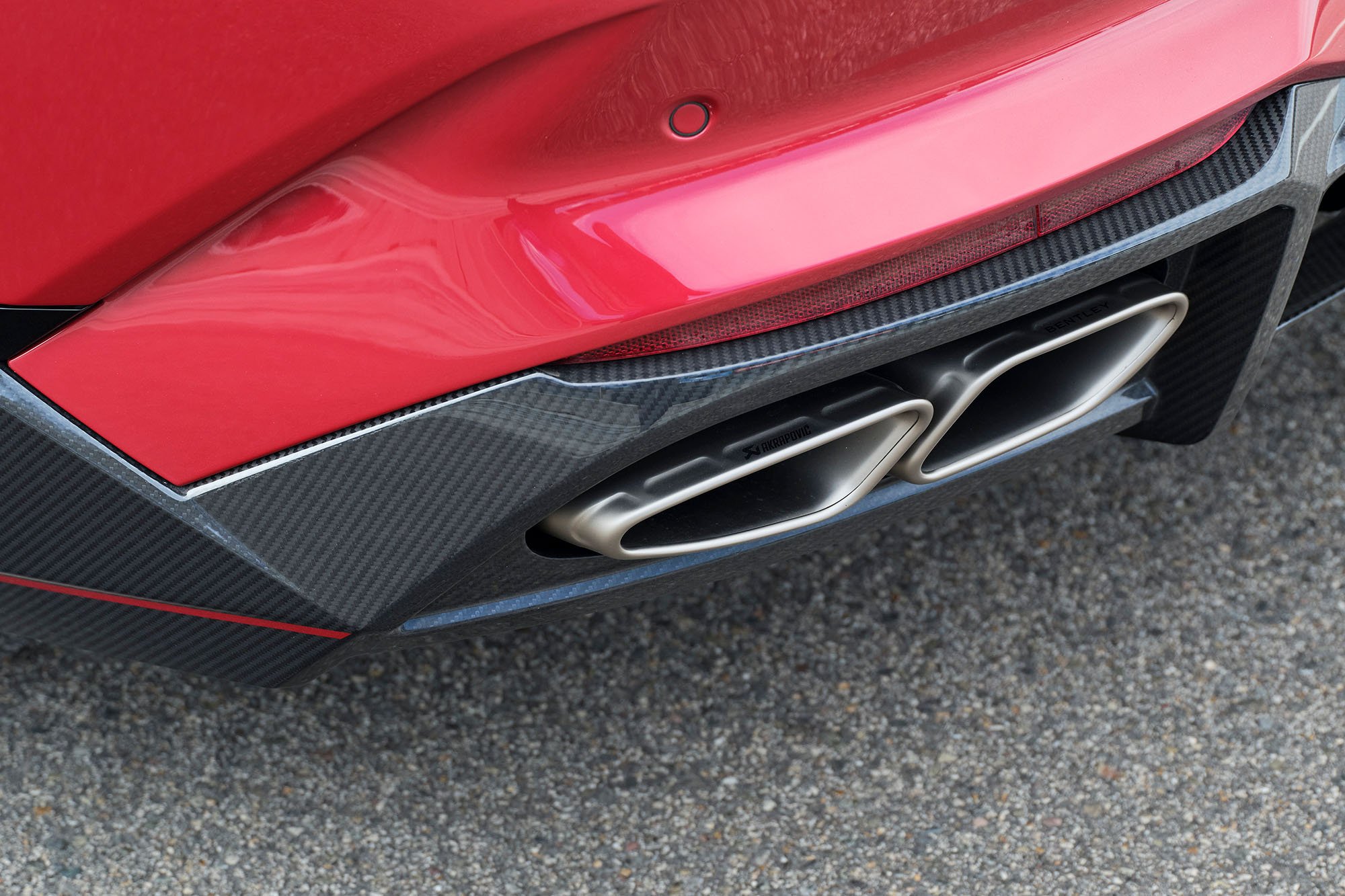
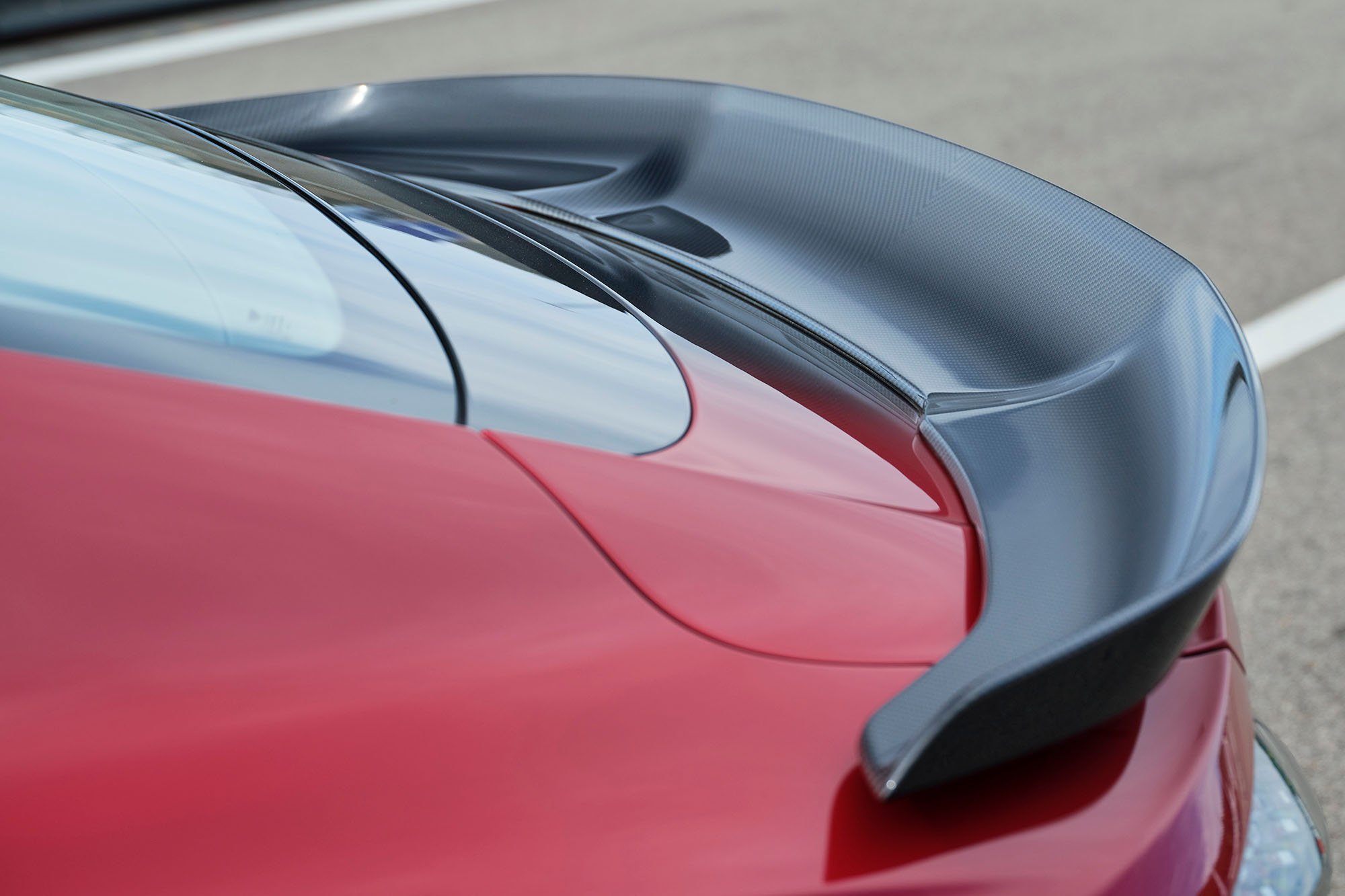
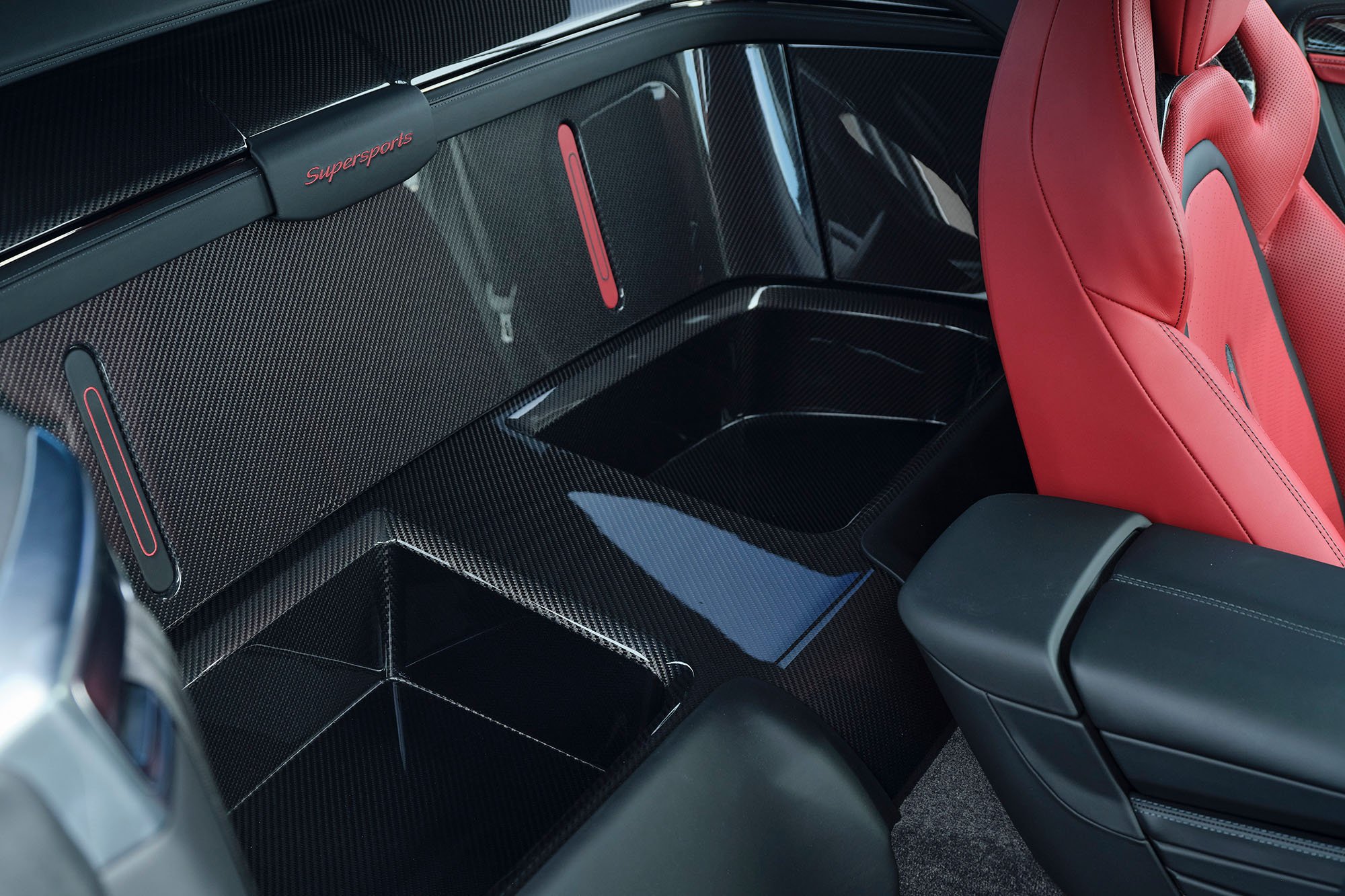
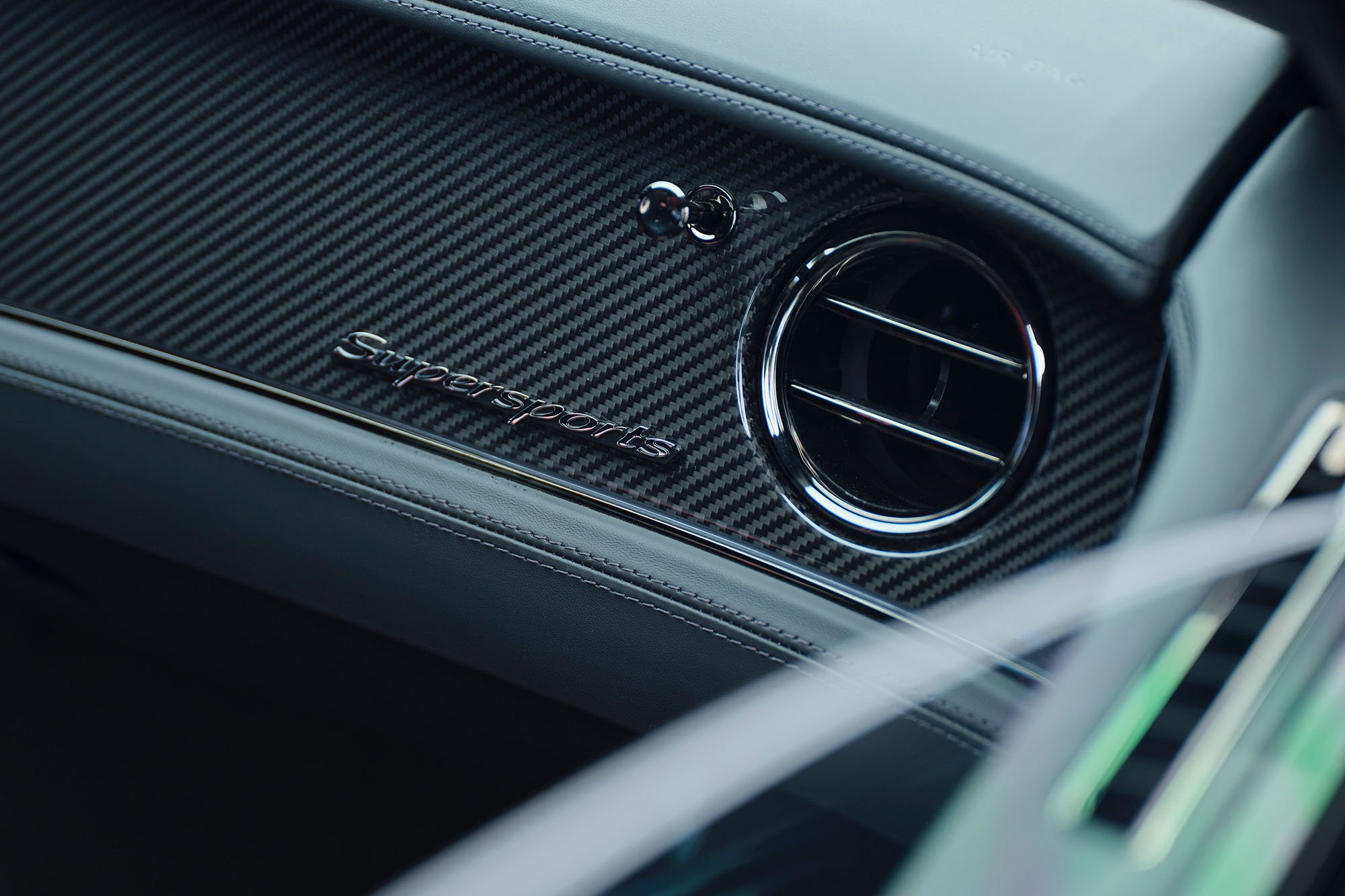
Eliminating those components not only creates a purer sports car, but it also eliminates an incredible 1,000 lbs. of mass. Carbon-fiber bodywork, lightweight forged aluminum wheels, and a titanium exhaust system also contributed to the Supersports’ diet. “If you look at the carbon fiber on the side of the car, it is all purposeful; it is for downforce and to help the wind clear and cool the car as it’s being driven,” explained Bentley Americas President and CEO Mike Rocco.
A souped-up version of the Continental GT’s twin-turbo 4.0-liter V8 delivers 657 hp and 590 lb.-ft. of torque without the aid of an electric motor and battery pack. The engine’s new parts include larger-diameter single-scroll turbochargers and a dual-mass flywheel.
The engine’s lovely, energetic exhaust note comes through an Akrapovič titanium active exhaust system, so when you’re at the race track and want to hear it, you can turn up the volume. And when you’re leaving home for the gym at 6 am on a Monday morning, you can dial down the volume and let your neighbors sleep.
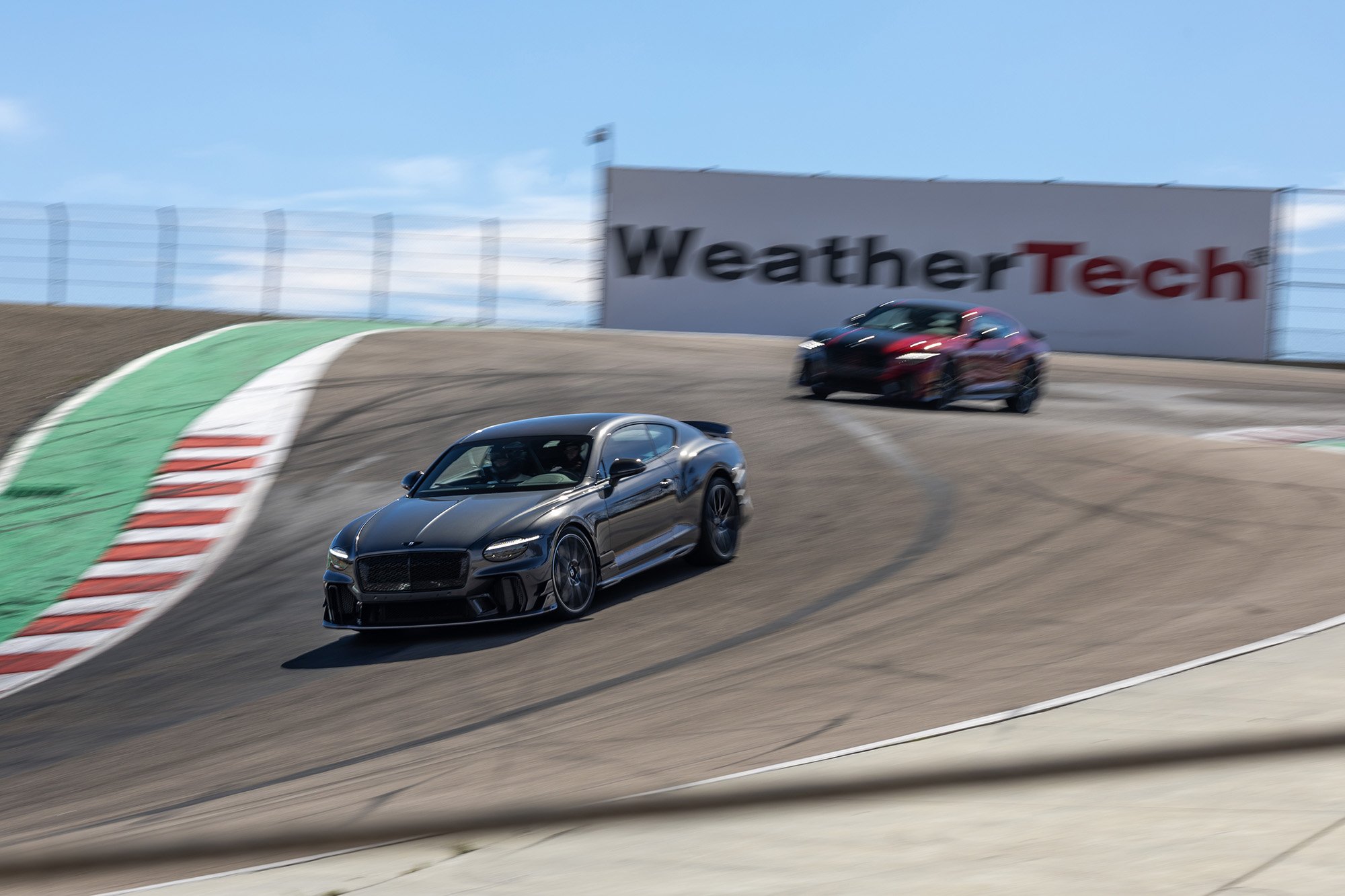
The V8 powers the rear wheels through a ZF-supplied 8-speed dual-clutch transmission that delivers instantaneous, seamless gear changes, either automatically or through the steering wheel-mounted shift paddles. During laps around WeatherTech Raceway Laguna Seca in Monterey, Calif., the automatic programming for the transmission’s shifts was flawless, correctly clicking down through the gears under braking for the legendary Corkscrew turn and then back up again, working down the hill back toward the track’s front straight.
The torque-vectoring, electronically limited-slip differential minimizes the wheelspin and oversteer that the turbo V8, with its 590 lb.-ft. of torque, could produce accelerating out of the slower turns. But neither the differential nor the advanced electronic stability control system neuter the power, so pressing the accelerator with a little too much authority causes the Supersports’ back end to slither. It’s a good reminder to be a little gentler on the next lap! When pointed straight, the Supersports accelerates to 60 mph in 3.4 seconds.
The brakes provide the necessary deceleration with 17.3-inch carbon-silicon-carbide rotors and positively massive 10-piston calipers up front. Rear brakes are a comparatively paltry 16.1-inch rotors with commonplace 4-piston calipers.
These brakes provide huge stopping power without the annoying squeal common with high-performance carbon brakes during lighter braking. Pedal feel is good, and the friction is progressive, with none of the aggressive bite of Ferrari brakes in casual driving or the mushy vagueness of Lamborghini brakes at track speeds.
The various carbon fiber spoilers, diffusers, splitters, and dive planes do their job, creating effective downforce at speed, which makes braking more effective at high speeds. So rather than easing into the brakes as you might normally, the Supersports rewards heavy initial brake application that you taper as the vehicle slows and it loses downforce.
Tires are 275/35 ZR22 front and 315/30 ZR22 rear Pirelli P Zero Trofeo RSs on 22-inch forged aluminum wheels (it seems more appropriate to pronounce it al-yoo-MIN-ee-um for a Bentley, but then we’d also have to spell the rubber “tyres”).
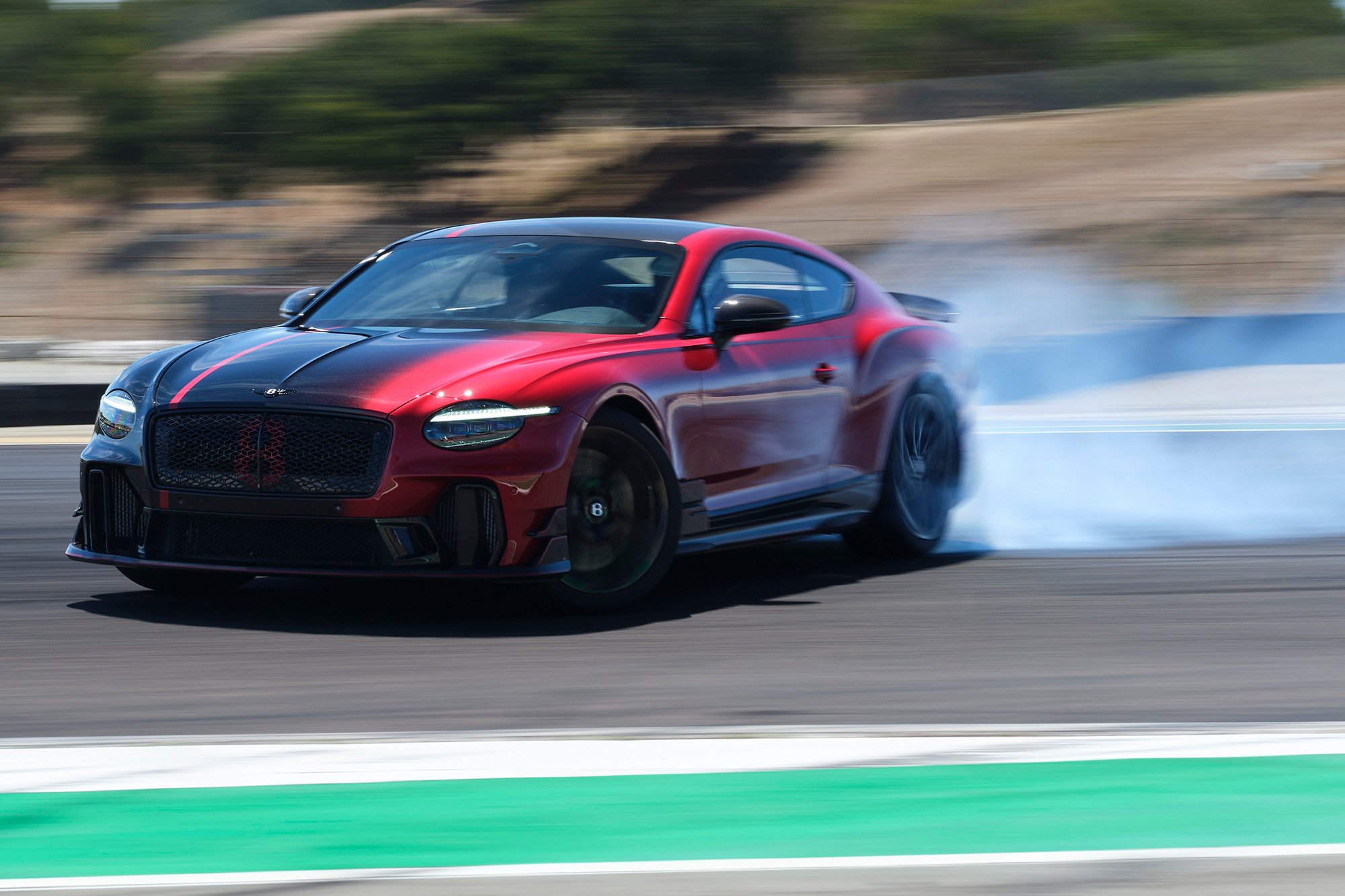
Despite the diet, the Supersports is still a heavy car, weighing more than 4,400 lbs. This makes its nimble handling all the more impressive. This agility comes courtesy of an active suspension system that uses twin-valve air springs and a 48-volt active anti-roll control system that replaces conventional passive steel anti-roll bars.
This lets the car’s suspension adapt in real time to driving conditions, keeping it stable and confidence-inspiring on the track without being punishing at lower speeds. It does an impressive job disguising the Sportsports’ weight, but the laws of physics take their inevitable toll on the tires and brakes, as they lose effectiveness with time on the track.
Alas, Bentley is building only 500 Continental GT Supersports, all spoken for. Perhaps the success of the Supersports program will convince Bentley management that additional minimalist rear-drive models would be good additions to the company’s product line. Could “less” mean more Bentley models?
The post The 2026 Bentley Supersports is what happens when you combine luxury with on-track performance appeared first on Popular Science.
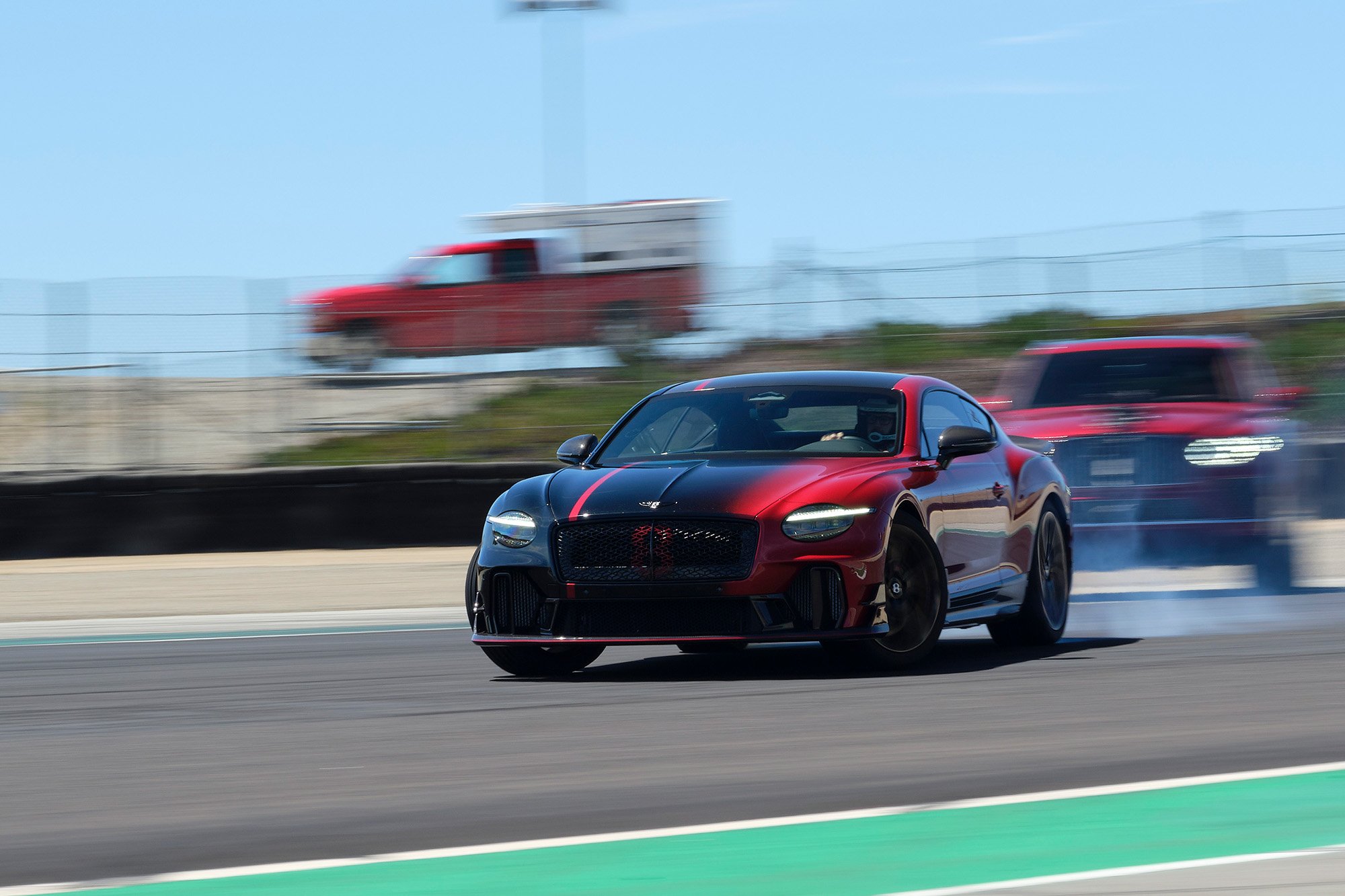
Electric vehicles (EVs) use high-powered rechargeable batteries to store electrical energy that powers their motors. Most EV batteries use a specific mixture of metals to hold the battery’s charge, called nanoscale lithiated nickel manganese cobalt oxides, aka NMC materials. NMC materials can store a large amount of energy, making them ideal for batteries, but the metals themselves can be toxic in soil and water if the batteries are not properly recycled.
NMC batteries leave behind a specific combination of toxic metals, so researchers can study how bacteria respond to this waste when it enters the environment. By understanding how bacteria adapt to toxic metals, scientists hope to predict how new technologies like EV batteries will affect the environment.
In 2019, a team of researchers from the University of Minnesota reported that a common soil bacterium called Shewanella oneidensis can rapidly evolve resistance to NMC materials, but they didn’t know how. True beneficial gene evolution usually develops over thousands of generations, but Shewanella oneidensis adapted much more quickly. The team recently conducted a follow-up study to determine the genetic mechanisms behind this bacterium’s unique metal resistance.
They started by analyzing the complete DNA sequences of 33 Shewanella colonies that were resistant to either pure NMC waste or individual metals like nickel and cobalt, using a process called whole-genome sequencing. They expected to find DNA mutations in genes that control how bacteria take up and expel toxic metals that would give the resistant Shewanella an advantage in surviving NMC metal toxicity. However, they didn’t find any DNA mutations in metal-related genes. Instead, they found that a specific DNA region was duplicated 10 to 15 times in all 33 NMC-resistant or metal-resistant colonies. This result suggested to the researchers that a temporary adaptation, not true gene evolution, was responsible for the bacteria’s metal resistance.
The researchers wanted to know more about the duplicated DNA region in metal-resistant Shewanella, so they focused on 2 gene duplication mechanisms that might serve as temporary adaptations in Shewanella. The first mechanism directly duplicates DNA regions to create extra copies of a gene, via a process called gene duplication amplification. The second mechanism moves DNA segments, called mobile genetic elements, into different DNA sections to create extra copies of a gene.
To test whether either of these mechanisms was causing the gene duplication in Shewanella, the team grew the bacteria in different liquid media containing only cobalt, only nickel, or cobalt and nickel together. The researchers used a technique that measures the exact amount of DNA in a given sequence, called quantitative polymerase chain reaction (qPCR), to calculate how many duplicated DNA regions were in each genome sequence. They found that neither cobalt nor nickel alone triggered DNA duplication. But the bacteria grown in the media with cobalt and nickel together had 8 additional copies of the DNA region. This suggested that something about the combination of nickel and cobalt triggered gene duplication.
To determine whether this gene duplication only occurred with nickel and cobalt, the team substituted copper and zinc for nickel in the growth media. They exposed Shewanella cells to different combinations of these metals using a grid pattern in a 96-well plate, a technique called a checkerboard assay. Then they repeated the qPCR process to measure the duplicated DNA region. They found that no other combinations of metals triggered gene duplication, suggesting that nickel and cobalt are especially toxic together, and that the gene duplication responds to this combined toxicity.
Finally, the researchers identified the function of the duplicated DNA region. They found that one of the genes within the region turned on a special protein that pushes metal ions and other toxins out of the cell, called an efflux pump protein. The team hypothesized that this efflux pump protein was responsible for removing cobalt and nickel from the bacteria’s cells. To test this theory, they grew modified Shewanella cells without the efflux pump gene in media containing cobalt, nickel, or cobalt and nickel together. They found that the modified bacteria grew well in the nickel-only treatment, but didn’t grow in the cobalt-only or combined treatments, which indicated that the efflux pump protein is necessary for Shewanella to resist cobalt toxicity.
Based on their experiments, the team concluded that nickel and cobalt together trigger a gene duplication event in Shewanella oneidensis. This gene duplication event increases the number of efflux proteins in Shewanella that can expel cobalt and underlies its unique NMC resistance. They suggested that future researchers study temporary adaptations similar to gene duplication in bacteria to track how they respond to electronic waste and other new technologies.
The post How do bacteria adapt to toxic metal waste? appeared first on Sciworthy.
Imagine you're road-tripping across the country 10 years from now. You spend a few minutes charging your electric vehicle and then set off — and your car's solar paint keeps it charged as you drive.
Your eyes are on the stunning scenery, taking in the vistas along Route 66 or the grandeur of the Rocky Mountains, or you're catching up on messages. Your hands barely touch the wheel, and your foot doesn't push a pedal. Your car communicates with others on the road, so there's no need to brake suddenly or swerve. That's because it knows a vehicle five cars up from you has done so, and all those in between are slowing at exactly the right pace to avoid dramatic changes in trajectory.
And when you park for the night, your car makes you money, selling the excess energy it's harvested from its paint back to the grid. Or maybe you don't feel like being in the driver's seat at all, so you hail a self-driving car and take a nap in the back seat in between adventures.
Some of that scenario may become a reality in the next 10 years, at least for those who are using the most cutting-edge cars on the market. Although there's some heavy speculation involved in that futuristic vision, vehicle manufacturers are already incorporating increasingly sophisticated automated driving technology into high-end personal vehicles, and self-driving taxis are coming to dozens of U.S. cities.
What's more, dramatic changes in range, cost and charging speed for electric vehicles (EVs) are arriving at a rapid pace. While some of these technologies may not wind up in personal cars, others are already taking to the roads.
Some car models within the next decade may interact with their surroundings in new ways, including by communicating with other cars to avoid collisions, drawing energy from natural sources, or letting drivers get paid for sending their cars' unused energy back to the grid.
If you're driving an EV, you might avoid the hassle of finding a charger when you're at work or running errands. In 2024, EV company Aptera unveiled a prototype car equipped with solar panels. Those panels — on the car's hood, roof, dashboard and hatch — allow the vehicle to travel about 40 miles (64 kilometers) per day on solar power. That's more than the average American drives per day. Aptera's vehicle can also travel up to 400 miles (640 km) on a standard electrical charge.
Some sunlight-powered cars might ditch the solar panels altogether in favor of a more integrated design. In 2024, Mercedes-Benz revealed it was researching a photovoltaic paint that could convert sunlight into energy for electric cars. In sunny cities such as Los Angeles, the company calculated, the paint could draw in enough energy to power the car for nearly 7,500 miles (12,000 km) per year. The tiny particles in the paint convert about 20% of the energy from sunlight into electricity, which is comparable to the efficiency of existing solar panels.
You might even be able to sell some of the energy stored in your car's battery back to the grid. EV owners could charge during the day or late at night, when the demand for electricity is lower and pay lower rates for electricity. Then, in the evenings when the electrical grid is under more strain and the price of electricity is higher, they could sell that stored energy back at a profit.
Standardized software programs that throttle EV charging speeds during peak hours already exist. Drivers can use them if, for example, they want to keep charging costs down by primarily charging their cars during off-peak hours when electricity costs are lower, or if they want to use electricity only from solar power to charge, said Rajit Gadh, a researcher who studies EV charging and scalability at UCLA. But the process for sending energy back to the grid is a different story. Individual manufacturers haven't yet landed on a standard way to tell cars when and how much energy to discharge, Gadh said.
"What is needed is really [for] every EV charging vendor — and every EV manufacturer, actually — to have this protocol built in, adhere to it in its full specification, and make it available," Gadh told Live Science.
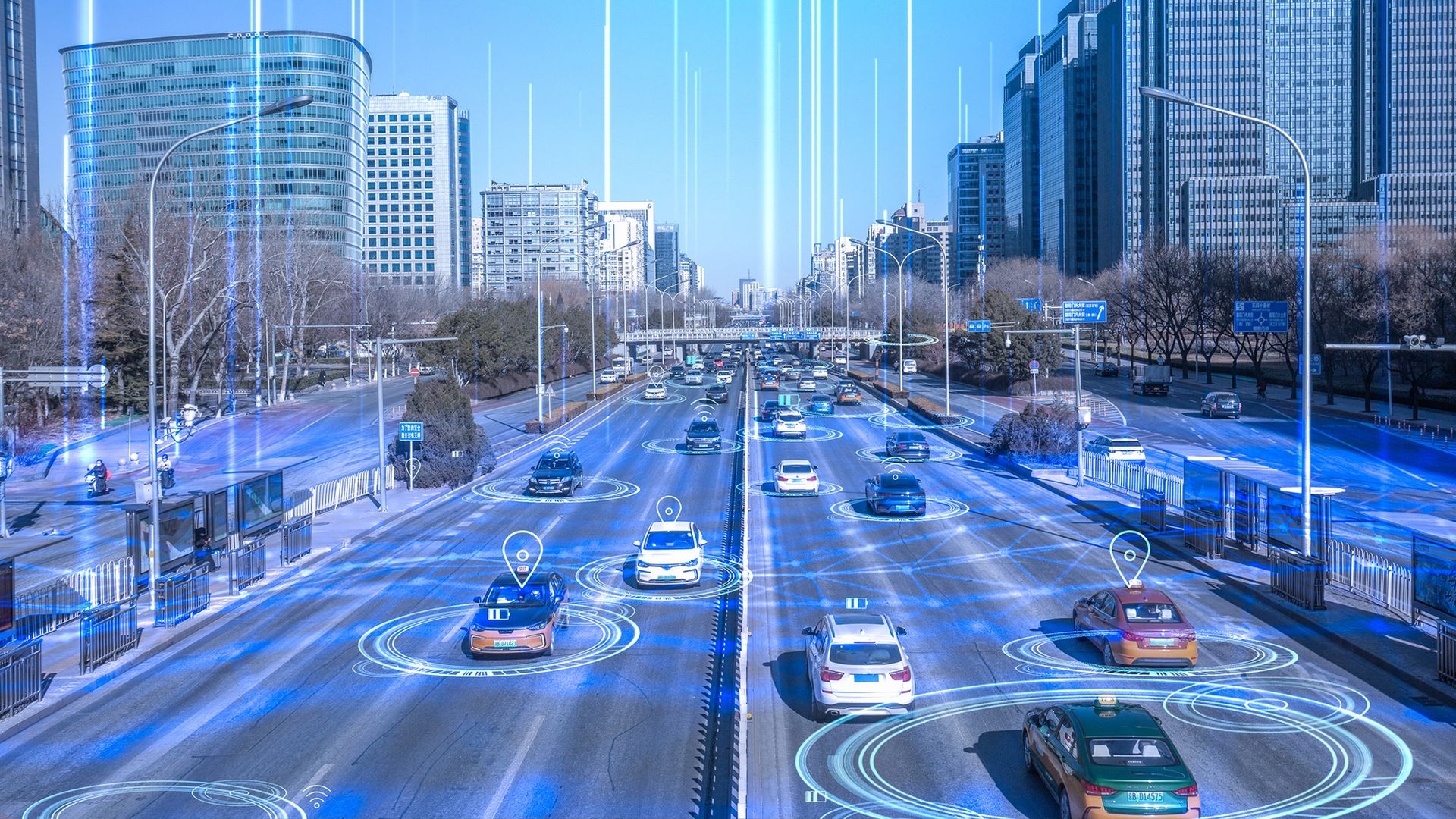
With the right protocols, though, cars of the future will be able to do more than interface with the electrical grid. "Vehicle-to-everything" technologies could enable cars to communicate with infrastructure and other vehicles to avoid traffic and collisions.
Some cars today are already equipped with vehicle-to-vehicle (V2V) communications. These systems use short-range radio signals to alert other V2V-equipped vehicles of the car's speed, direction of travel and braking patterns. The radio signals can travel about 1,000 feet (300 meters), allowing the vehicle to receive data from cars that are not in the driver's line of sight.
V2V systems could help reduce traffic collisions by warning drivers about oncoming cars they can't see yet — for example, by alerting a driver to another car speeding toward an intersection or coming around a bend as the driver is passing another vehicle on a twisty, two-lane highway. Not all cars have the technology, though, so its practical utility is limited for now.
Some driver assistance technologies, such as lane departure warnings and cruise control, have been on the market in personal cars for decades. These technologies and more recent assistive features require the driver to be in control of the vehicle, but theoretically, they make driving easier. For example, Tesla's Full Self-Driving (Supervised) mode handles most steering and braking tasks, but safe operation requires the driver to keep their eyes on the road and be ready to take over at a moment’s notice. In the next several years, drivers will likely see new features that automate driving in more contexts.
Some of these features will allow drivers to take their attention off the road entirely and enjoy some in-car entertainment, as long as they're alert and able to retake control of the vehicle within a few seconds if conditions change. Technologies that fully automate driving in many circumstances within certain service areas will likely be in about 4% of cars on the market by 2035, according to a white paper from the World Economic Forum.
In cars equipped with these features, "you're still going to have driver controls, but under certain circumstances, it will be effectively an automated vehicle," Luke Neurauter, who leads the Division of Vehicle, Driver and System Safety at the Virginia Tech Transportation Institute, told Live Science.
Mercedes-Benz introduced its Drive Pilot system for two consumer car lines in 2022. On the entire German Autobahn network and on certain freeways between and around Los Angeles, San Francisco and Las Vegas, during heavy traffic, the system lets the driver turn their attention toward other activities, such as reading a book or eating lunch, while the car handles steering and keeping pace with other nearby vehicles.
But as the artificial intelligence (AI) models that control autonomous driving improve and become better able to handle unusual scenarios — often called "edge" or "corner" cases — on the road, drivers will be able to hand over control to their cars in more situations, said Rahul Jain, an electrical and computer engineer at the University of Southern California.
You're still going to have driver controls, but under certain circumstances, it will be effectively an automated vehicle.
Luke Neurauter, director of the Vehicle, Driver, & System Safety Division at Virginia Tech Transportation Institute
Future AI systems might "have some reasoning ability, and then because of that, it can handle these corner cases much better than current systems are able to do," Jain told Live Science. For example, a car might be able to better respond to an indecisive pedestrian who suddenly enters a crossing, assess whether to enter potentially hazardous conditions such as flooded roads, or safely navigate around unusual circumstances, such as construction work, on a highway.
While some systems will enable drivers to make fewer decisions, others that may roll out in the next several years will track a driver's attention and alert them with sounds, an indicator light or haptic feedback when their focus falters. These systems use cameras and software to track head position, eye movement and steering-wheel input to ensure drivers are focused on the road even when they're using assistive features such as lane centering, Neurauter said.
In addition to looking for distracted driving, the technology might expand to monitor drivers for fatigue and alcohol impairment, he added. That information could then affect "whether or not other features become active, or change how they act, based on the driver state at that moment in time," Neurauter said. Proposed legislation could make this technology a requirement in new vehicles as early as 2027, but technological hurdles and concerns over privacy and false positives could stall its implementation.
The technology could also assist drivers who become unable to safely operate the vehicle — for example, if the driver falls asleep or experiences a medical emergency. If a car detects that the driver is not holding the steering wheel or actively controlling the vehicle, it could send a series of visible, audible, or tactile alerts. If the driver doesn’t respond to those cues, a car might turn on its hazard lights and come to a stop. Some vehicle manufacturers are already rolling out such technology; for example, Volkswagen has made it available in all new vehicles from model year 2025.
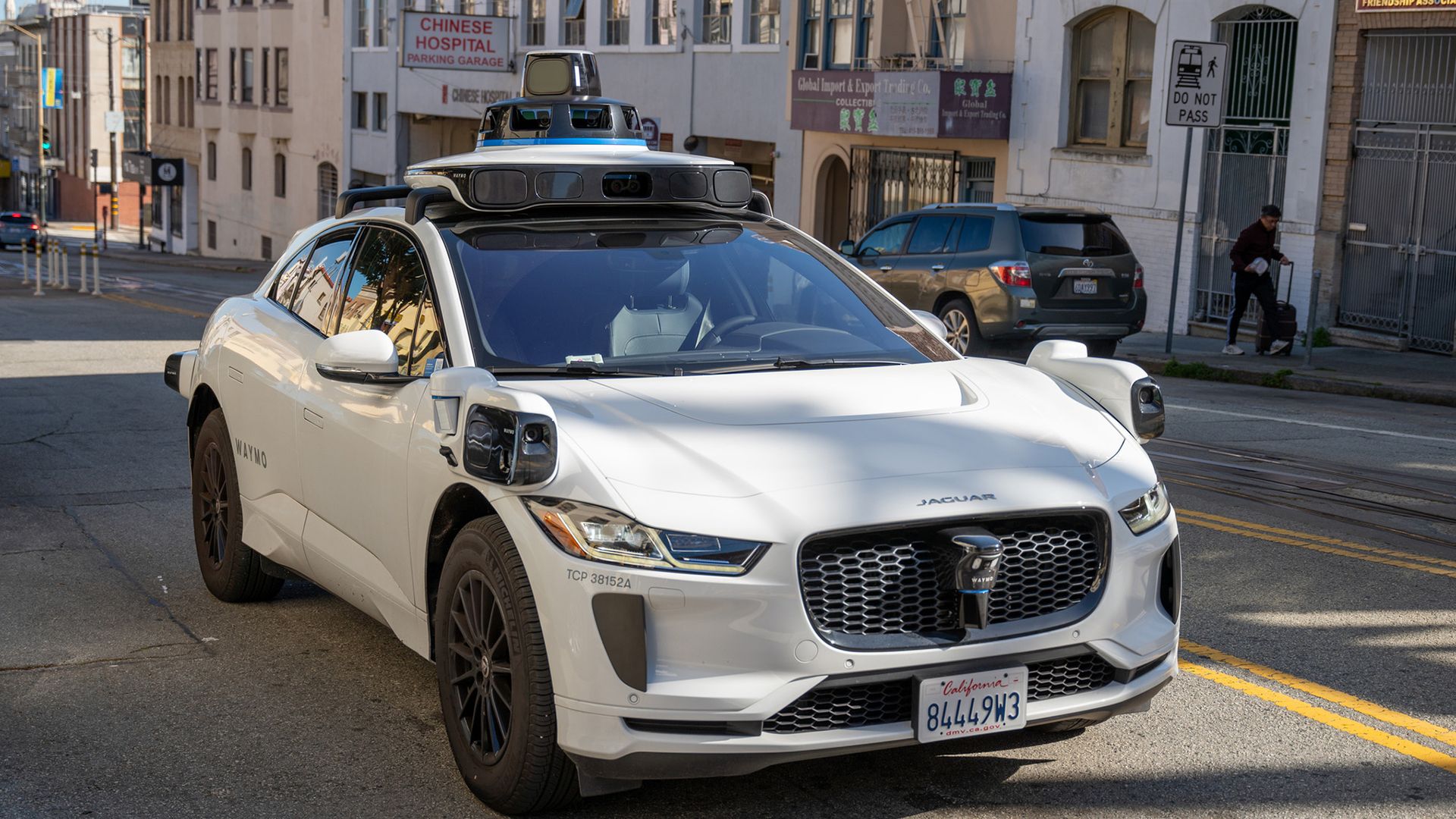
While personal cars may not offer full automation, highly automated car services will become much more common as rideshare vehicles in major metro areas. In some cities, like San Francisco, commuters already rely heavily on autonomous vehicles from Waymo. The company has rolled out its cars in nearly a dozen cities — including Dallas, Houston, Atlanta and Los Angeles — and has announced plans to expand service to more than 20 additional locales. Other companies — such as Nuro and Volkswagen’s MOIA — are testing their vehicles with human drivers on board before rolling out full public service.
Currently, autonomous vehicles navigate by combining information from preloaded, high-resolution maps and real-time radar, lidar and visual data collected by cameras and sensors attached to the car. An onboard computer uses that information to build a 3D map of its surroundings. Right now, the cost of these sensors makes them impractical for consumer vehicles, Jain said, but they’re becoming cheaper as manufacturers scale up production. The cars also use an AI model trained on both common and unusual driving situations to anticipate how other vehicles and pedestrians will behave and plot a safe path forward, Jain added.
Developing those high-resolution maps takes time, which is one of the main reasons autonomous rideshares aren’t available everywhere yet. Mapping usually involves decking out a car with high-end visual sensors and lasers and driving it throughout the region. Although cities like San Francisco have been mapped with this level of precision, much of the U.S. has not.
"It's very difficult to do overnight," said John Dolan, an autonomous-driving researcher at the Carnegie Mellon University Robotics Institute.
Complexities also tend to arise in city environments, where unexpected stops are more common and there are many pedestrians who behave unpredictably or jaywalk. But interstate highway driving doesn't face as many of those obstacles, and that could enable autonomous long-haul drives.
"[Autonomous] trucking, I would expect, would be the first thing that's going to happen" in terms of autonomous travel outside of major cities, Jain said. A few driverless trucks are already on the road: Pittsburgh-based company Aurora deployed the technology on I-45 in Texas, between Dallas and Houston, in 2025, with plans to expand across the southern U.S.
While there's speculation involved in predicting the range of self-driving capabilities available in a decade, the picture for EVs is a little clearer.
Right now, lithium-ion batteries dominate the EV market. Each cell in a lithium-ion battery has two electrodes, commonly a layered graphite electrode and a metal oxide or phosphate electrode, separated by a liquid electrolyte solution. Lithium ions migrate back and forth between these two electrodes when a person charges and discharges the battery.
Many electric cars with lithium-ion batteries can already travel more than 300 miles (480 km) on a charge. But that's not ideal for a long-range car trip, because charging stations are few and far between in the country's vast interior and charging takes longer than filling up a gas tank.
Solid-state batteries, which replace the liquid electrolyte with a solid electrolyte made of ceramic, polymer or sulfide materials, could make that cross-country trip in an EV a practical option, allowing an electric car to travel more than 750 miles (1,200 km) on a single charge. Some prototype battery packs can already achieve this range under controlled conditions. If a solid electrolyte were paired with an anode made of pure lithium, rather than graphite or hard carbon, it would allow the battery to store more energy than a lithium-ion cell of similar mass can.
It'll be a fantastic commuter car, but you're not going to go on a family trip from Montreal to California so easily.
Eric McCalla, battery materials chemist at McGill University in Canada
Solid-state batteries may also enable faster charging. In current batteries that use liquid electrolytes, charging and discharging the battery too quickly can cause dendrites, thin branches of lithium that stretch across the cell and short-circuit the battery. A solid electrolyte could, in theory, block those dendrites, which would enable cars to charge fully in just 10 to 15 minutes. The higher energy density from a lithium metal anode also translates to a greater range than that from a similarly sized lithium-ion battery, Eric Wachsman, director of the Maryland Energy Innovation Institute at the University of Maryland, told Live Science.
Many of the raw materials that go into existing lithium-ion batteries are concentrated in a handful of geographic areas. In 2023, Australia, China and Chile mined about 85% of that year's lithium supply; China mined the majority of graphite used that year as well. And battery materials still make up a significant portion of an electric vehicle's cost.
Sodium-ion batteries could be cheaper and easier to source. Sodium is plentiful in Earth's crust, which means mining could be done throughout the U.S., potentially with a comparatively low environmental impact.
Such batteries also rely on a more widely available electrode material. Sodium ions are larger than lithium ions, so they don't fit in between layers of graphite like lithium ions do. Instead, sodium-ion batteries use hard carbon electrodes.
I would be surprised to see them in cars in the next decade. I've been surprised before, though.
Eric McCalla, battery materials chemist at McGill University in Canada
"When you cook at home and your soup boils over and you get this black ring around your pot, this is hard carbon," Maximilian Fichtner, a solid-state chemist at the Helmholtz Institute Ulm for Electrochemical Energy Storage in Germany, told Live Science. "You can produce this from sucrose or from biomass, from whatever. You can do that everywhere."
The downside is that hard carbon holds less sodium than graphite holds lithium, said Eric McCalla, a battery materials chemist at McGill University in Canada. That means sodium-ion batteries can't store as much energy relative to their mass, and they don't last quite as long as their lithium counterparts.
"The range won't be as large," McCalla told Live Science. "It'll be a fantastic commuter car, but you're not going to go on a family trip from Montreal to California so easily."
Manufacturers are already bringing sodium-ion technology to market. For instance, the Chinese company CATL began mass-producing the batteries in February and claims that their battery packs enable EV ranges over 250 miles (400 km).
But new technologies are being developed rapidly. For example, some scientists are making sodium-ion batteries that use solid electrolytes, combining the higher energy density of solid-state lithium batteries with the cost savings of sodium batteries.
This hybrid battery chemistry is still in the early stages of development, experts told Live Science. "I would be surprised to see them in cars in the next decade," McCalla told Live Science in an email. "I've been surprised before, though."
The future we're describing is the utopian scenario. But the biggest obstacles are likely not technological but rather regulatory, economic, political or cultural, experts said.
"We're going to try to guess at a timeline of when some of these things are going to come in, and odds are, we're going to be wrong," McCalla told Live Science. "Odds are, we're going to be slower than we think."
Solar panels may not wind up being the most economic or practical way to increase EVs' range, while scaling up manufacturing capacity for next-generation batteries is expensive and could slow EV adoption in the U.S. The utility of vehicle-to-vehicle communications, meanwhile, could be limited by a slow rollout and adoption of V2V-equipped cars among drivers.
Whether EVs will be ubiquitous will likely come down to their affordability relative to gas-powered vehicles, which is affected not just by manufacturing and technological advances but also domestic policy choices, such as whether to subsidize EVs or their charging networks.
One challenge for manufacturers is that the automated features drivers prefer may not always be safer. A recent review of automated systems found that those focused on driver safety, such as automatic safety or lane centering, tend to reduce crashes, while those focused on comfort, such as adaptive cruise control, can increase accidents. The authors proposed that such systems make it easier for people to disengage or become distracted while driving and possibly overestimate the capabilities of the system.
And there are other kinks to work out for autonomous rideshare vehicles. In December 2025, a horde of Waymos stalled during a power outage, clogging San Francisco intersections. The cars are programmed to treat dark traffic signals as four-way stops, according to a statement from Waymo, but they occasionally ping human operators for confirmation. During the outage, the number of confirmation requests spiked, leading to delayed responses — and lengthy traffic jams. The company says it has since released software updates that allow its vehicles to act more decisively at dark signals. But questions remain about how the fleet will respond in natural disasters, and some have expressed frustration that autonomous rideshare vehicles already slow down ambulances, fire trucks and police cars responding to emergencies.
One of the biggest roadblocks to automated driving is the regulatory environment, Neurauter said. Regulations on self-driving vehicles vary by state, and some, such as New York, effectively prohibit driverless vehicles entirely. Where they are legal, they often must carry higher insurance and pass testing, which could limit their rollout.
"When we get into automated driving, the driving behavior is being governed by software that's installed on a computer that's in the vehicle," Steven Shladover, a research engineer at the University of California, Berkeley, told Live Science. "That gets us into a messy gray area where both the federal and the state roles kind of overlap, and that's politically very complicated." For example, different states could end up with different rules for establishing who's legally responsible for an accident involving automated driving.
In 10 years, you'll almost certainly be able to drive from Los Angeles to Las Vegas in an autonomous vehicle. But if you want to drive to New York City, you might have to stop in New Jersey — and take a train into the city.
Help us improve Live Science Pro: We're always trying to make our content better. Leave us feedback about Pro here.
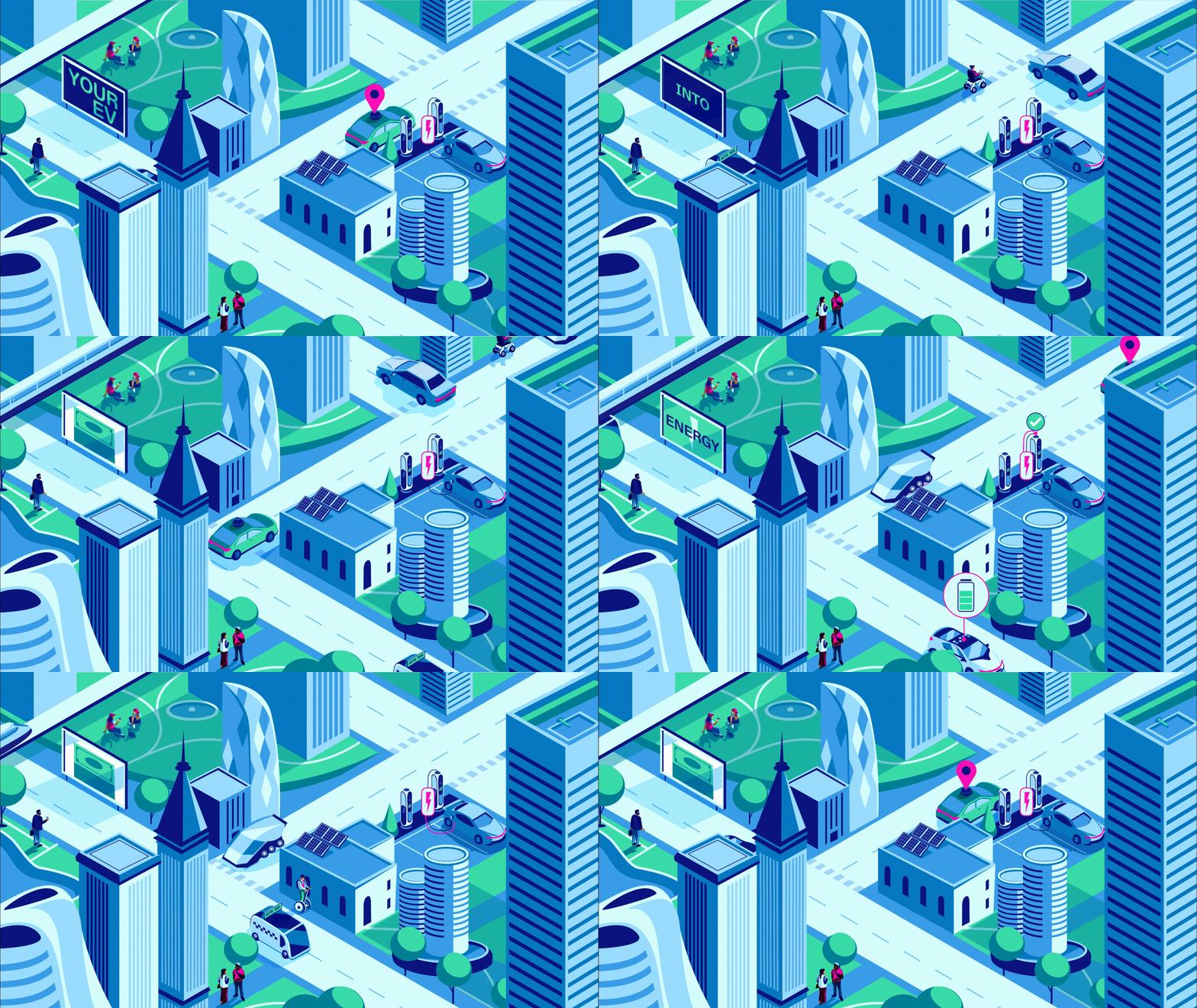
Waymo called the cops on two youths in San Francisco after catching them handling an assault rifle while in the back of one of its robotaxis, according to local reports. Both passengers, a boy and a girl, have been arrested.
On the morning of September 4, Waymo intervened and pulled over a vehicle after detecting a “violation of our terms of service involving a firearm,” a company spokesperson told the LA Times, after which it alerted emergency services.
Police were called to the scene in the city’s Richmond District just before 4 AM, and conducted a “high-risk vehicle stop,” a spokesperson for the San Francisco Police Department told SFGATE.
When officers searched the car, they found a “ghost gun” — an untraceable, homemade firearm assembled from kits or 3D-printed parts — imitating an AR-style assault rifle. They also found, less ominously, some “suspected marijuana and mace spray.”
The young pair were arrested and booked into a juvenile detention center, the spokesperson told SFGATE, and are facing charges related to illegally possessing a firearm. Their ages and identities haven’t been released.
Robotaxis rely on a host of cameras to observe their surroundings, and they also closely monitor what happens inside their cabs, making them an obviously bad choice to take a joyride in or possibly commit crimes. It remains unclear, though, what the teens intended by toting around their makeshift rifle.
This isn’t the first time Waymo has tipped off local law enforcement about its own passengers. In July, it pulled over a car and alerted the San Mateo Police Department after realizing that its riders, two 15-year-old boys, were reportedly drinking in the backseat and shooting water beads out of a toy gun.
There have also been incidents of unruly and possibly illegal behavior in its cars that didn’t lead to arrests. As Waymos and other robotaxis become more popular, rowdy passengers will almost certainly become a more frequent problem.
More on robotaxis: Oops! Many Tesla Cybercabs Actually Do Have Steering Wheels, Undercutting a Core Promise
The post Waymo Calls Cops on Passengers With Assault Rifle appeared first on Futurism.
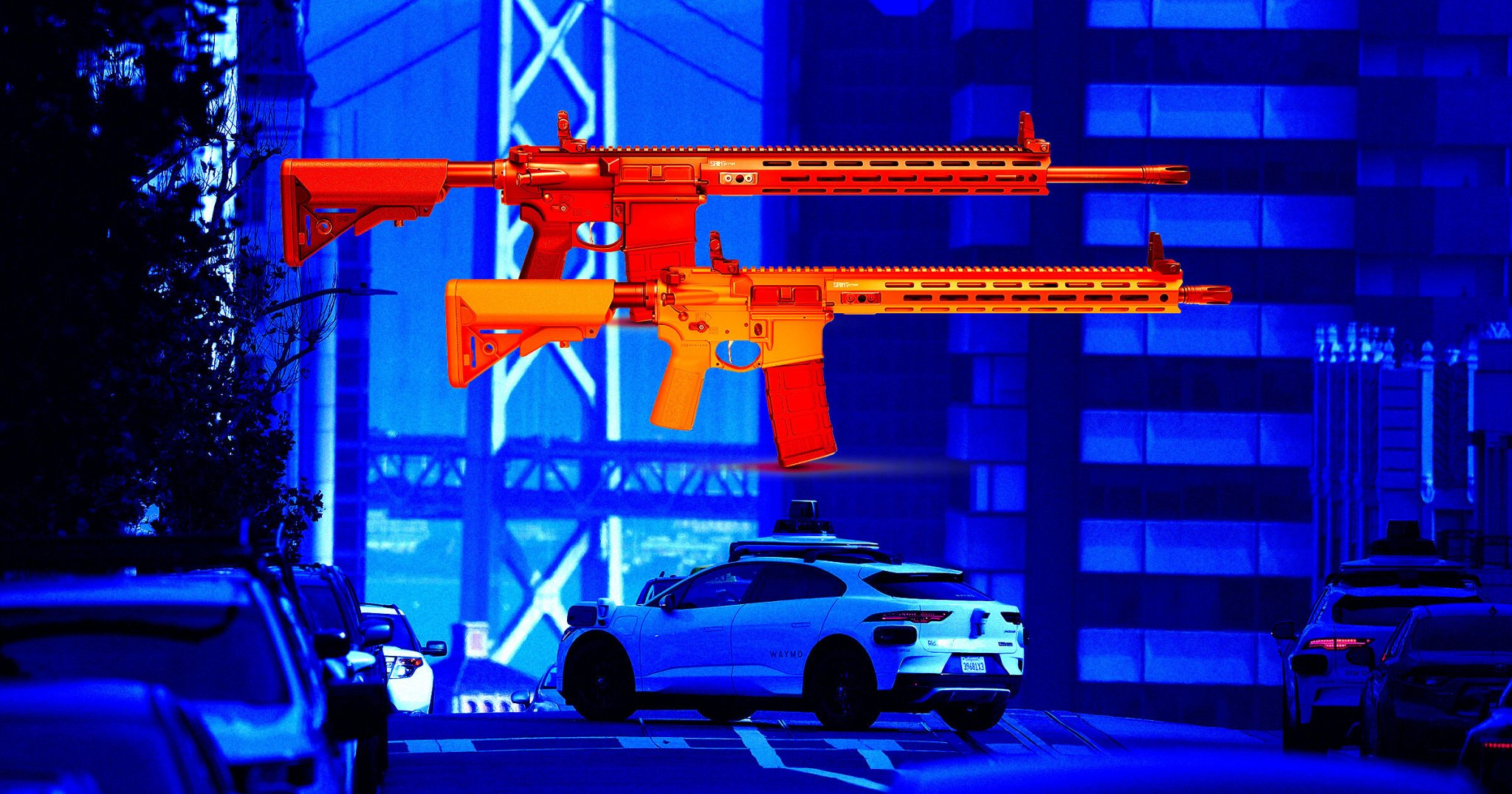
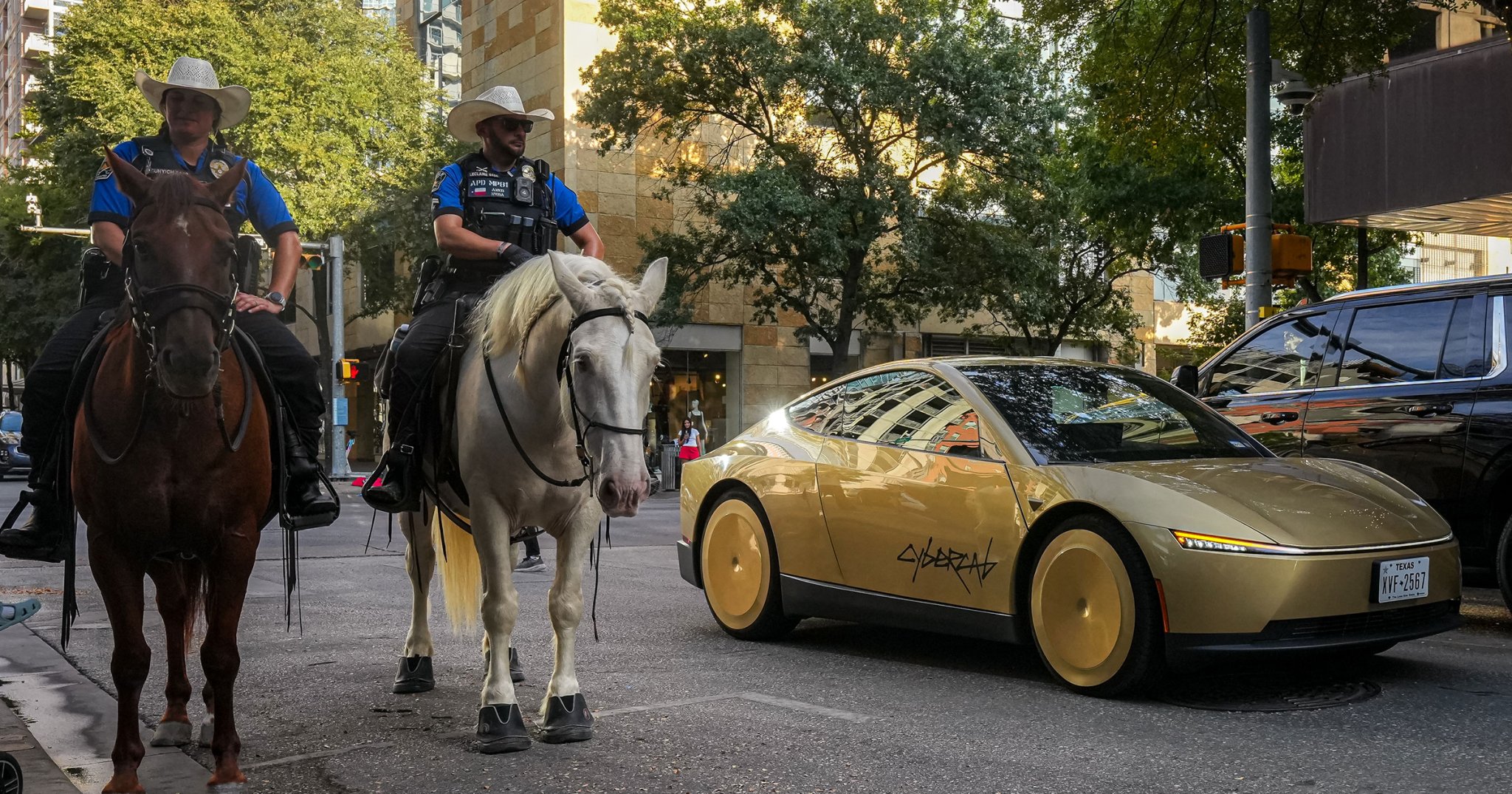
In Austin, a man’s attempt to be chauffeured out of his hotel in style was foiled when his confused ride couldn’t even pull out of the building.
His ride, of course, was a Tesla Cybercab — Elon Musk’s self-driving, steer-wheeling free robotaxi.
“The Robotaxi arrived… and then couldn’t get out of the hotel parking lot,” the man, who claims to be a computer engineer, wrote on X, posting brief footage of his trip.
As he went on to explain, construction workers had blocked off one of the lanes. And the gleaming gold Cybercab, in all its canny computing power, couldn’t see the other lane that was left open.
He never made it to his destination, but he did arrive at a destination, albeit rather unceremoniously. The Cybercab “drove back and forth four times,” he said, “and then stopped and said I had arrived!”
“Not a great first experience!” he concluded. “Clearly this technology is nowhere close to being ready for large scale deployment.”
So I arrived in Austin and decided to take a robotaxi ride into work..
— PK (@paul_k_0907) September 15, 2026
The Robotaxi arrived… and then couldn’t get out of the hotel parking lot. There was construction in one lane.. but it couldn’t see the other open lane. It drove back and forth 4 times and then stopped and… pic.twitter.com/101F04Al9n
Tesla rolled out its two-seater Cybercabs in Austin earlier this month, after years of anticipation. The company had already operated a Robotaxi service in the city for over a year using modified Model Ys, but the Cybercab represents its first purpose-built robotaxi — and with its complete lack of driver controls like steering wheels and pedals, its no-turning-back commitment to pursuing genuine human-free driving. (Many of its Robotaxis still requiring a human safety monitor inside the car, something the company is clearly conscious about.)
It hasn’t made quite the splash that Tesla may have hoped, however, with many investors underwhelmed by the Cybercab’s launch. While the golden cars haven’t been involved in any high profile incidents yet, the software’s autonomous capabilities haven’t stacked up impressively next to robotaxi leader Waymo. The company is also being investigated by federal regulators over how it self-certified that the vehicles were safe for the road despite their lack of conventional controls.
The Cybercab’s hotel misfire is part of a long chain of weird behavior by Tesla’s robotaxis. Customers — many of whom are Tesla enthusiasts and boosters — complain that they often pick up and drop them off at inconvenient locations, ranging from the middle of busy intersections to hidden alleys, or at absurd distances from their actual destination.
Still, Tesla boosters have been hard at work trying to hype up the cars. Roughly a week before a Cybercab got trapped at a hotel, another Tesla account posted a video bragging about how a Cybercab picked them up from their own hotel.
“You’ll feel like a VIP getting into this car!” he extolled.
More on Tesla: Cybercabs Are Taking Psychotic Routes That Turn Tiny Trips Around the Neighborhood Into Hour-Long Nightmares
The post Bumbling Cybercab Gets Trapped in Hotel Parking Lot, Drops off Passenger Right Where He Started appeared first on Futurism.
Almost immediately after Tesla unleashed its steering wheel- and pedal-free Cybercabs on the streets of Austin, Texas this month, regulators at the National Highway Traffic Safety Administration cried foul.
The regulator opened an investigation — an audit query, specifically — mere hours after the launch, aiming to find out whether the new Cybercab “meets all applicable Federal Motor Vehicle Safety Standards,” or FMVSS.
Days later, the agency followed up with a “Special Order” requiring the Elon Musk-led company to prove under oath that its Cybercabs meet federal safety standards, which were originally intended for human drivers, as Electrek reports. It’s a considerable escalation over its original query, and failure to do so by September 30 could force Tesla to pay a fine of up to $139 million. Falsifying information could land a responsible officer at the company in prison for up to 15 years.
Tesla’s efforts to brute force its self-driving vehicles onto public streets could end up meeting many more regulatory roadblocks from here, effectively making them illegal to sell. (Whether anybody will actually want to take on all those risks by investing in a fleet operated by Tesla is a separate, albeit just as hard to answer, question.)
Tesla self-certified its autonomous robotaxi as compliant with all vehicle safety standards, which assume a human driver behind the wheel. But given the lack of any physical driver controls, the NHTSA unsurprisingly has its doubts about them actually meeting these standards, given the Special Order.
The Cybercab’s lack of a brake pedal could especially make it difficult to meet certification standards. The FMVSS makes it clear that the brakes need to be activated “by means of a foot control.”
Put simply, Tesla appears to have taken some liberties in self-certifying its Cybercab, a decision that could end up coming back to haunt it. One possibility is that the EV maker temporarily bolted on physical controls, including a steering wheel and pedals, while going through the process, only to remove them ahead of delivery, as Electrek points out, a move that flaunts the FMVSS certification rules.
Amazon’s Zoox, in contrast, played by the rules and proved its cars were safe. The company managed to get an exemption from the NHTSA for its autonomous vehicles in July, which also lack a steering wheel and pedals.
It’s only the latest instance of an Elon Musk-led firm flaunting regulations to get what it wants, an ask-for-forgiveness-later approach that clearly isn’t going all too smoothly even under a government run by the billionaire’s allies.
Musk has made it clear again and again that he doesn’t believe in government intervention, with his business empire shamelessly breaking environmental rules, and abusing his workers.
“Regulations, basically, should be default gone,” Musk said last year shortly after forming the much-maligned “Department of Government Efficiency.” “Not default there, default gone.”
More on the Cybercab: There’s a Huge Economic Problem With Tesla’s Cybercabs
The post It’s Looking Like Tesla’s Cybercab Might Actually Be Illegal to Sell appeared first on Futurism.
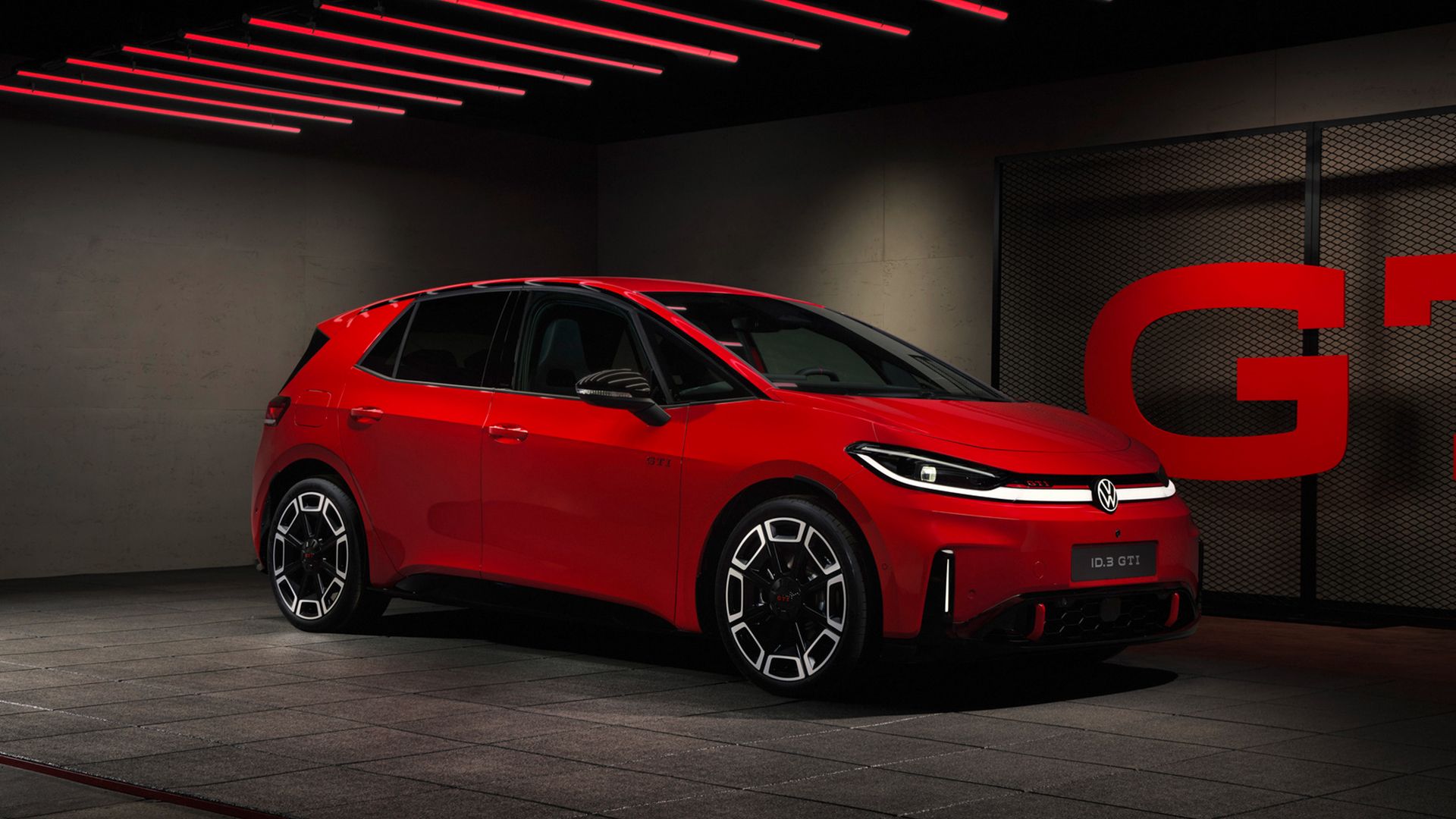
Volkswagen has taken the wraps off its highly anticipated ID.3 GTI, arguably the closest thing we will get to a fully electrified Golf GTI until the German marque decides to make one.
This is the second model in the lineup to wear the famous performance badge, after VW announced that the smaller ID. Polo would also be given the red-hot treatment.
Volkswagen says the ID.3 GTI will follow the ID. Polo GTI into production, with the former due to launch in the first quarter of 2027.
It’s also a sign that Volkswagen is getting more serious about this high-performance electric stuff, after pussyfooting around with the slightly warmer but very confusing GTX badging on earlier ID.3s and, perhaps most bizarre of all, the ID. Buzz.
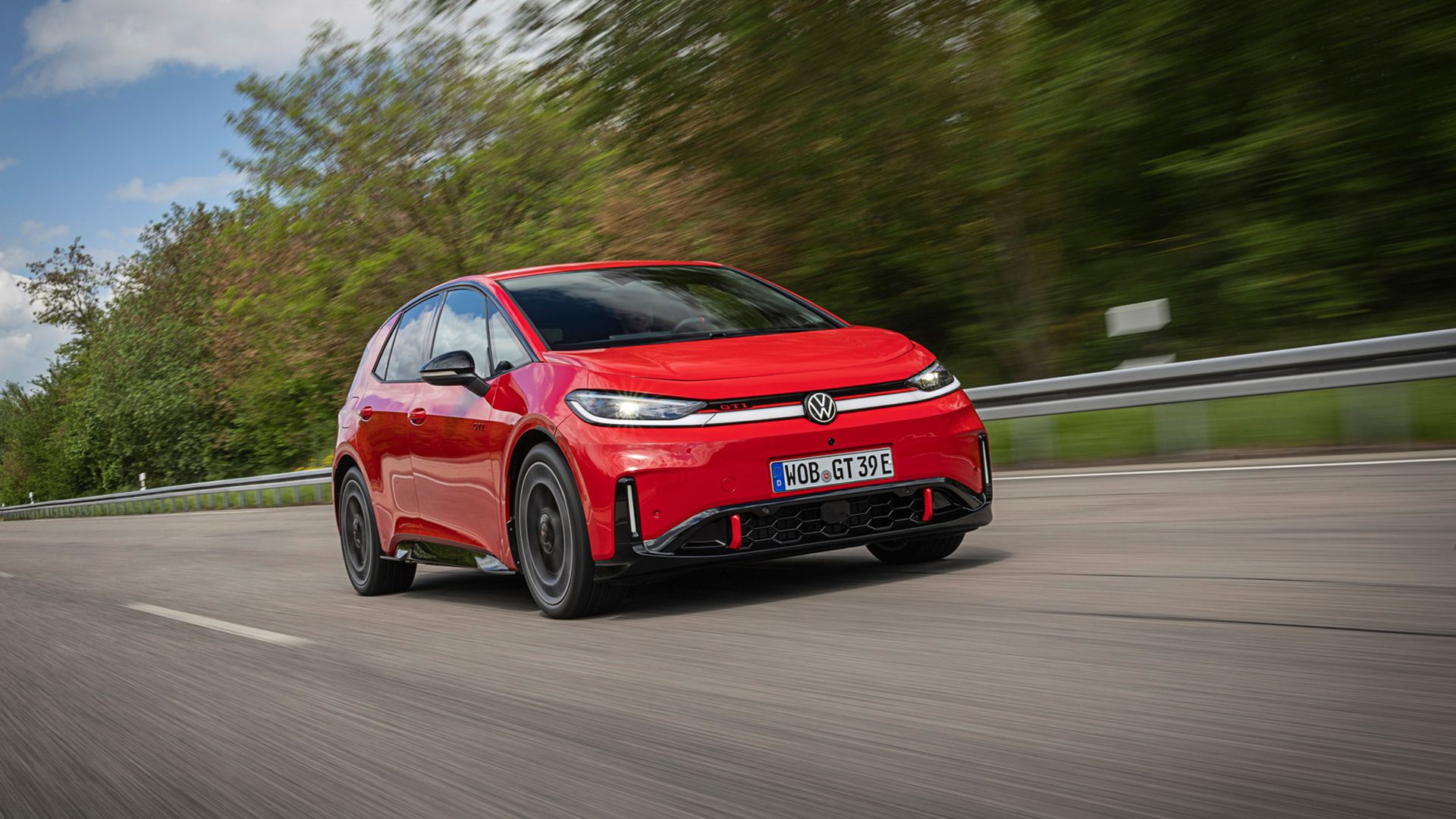
But soon, customers will be able to get behind the wheel of an all-electric hatchback that boasts 240 kW (326 hp), 545 Nm (403 lb-ft) of torque and a 0-62 mph sprint time of just 5.6 seconds. As a show of defiance, the ID.3 GTI has one horsepower more than the previously most potent Golf GTI Edition 50.
But unlike any other GTI model in history, power from the single motor is delivered to the rear wheels, while engineers told Evo Magazine that they tweaked the software to prevent those rear tires from spinning up when the full force of the torque is unleashed, even with traction control deactivated.
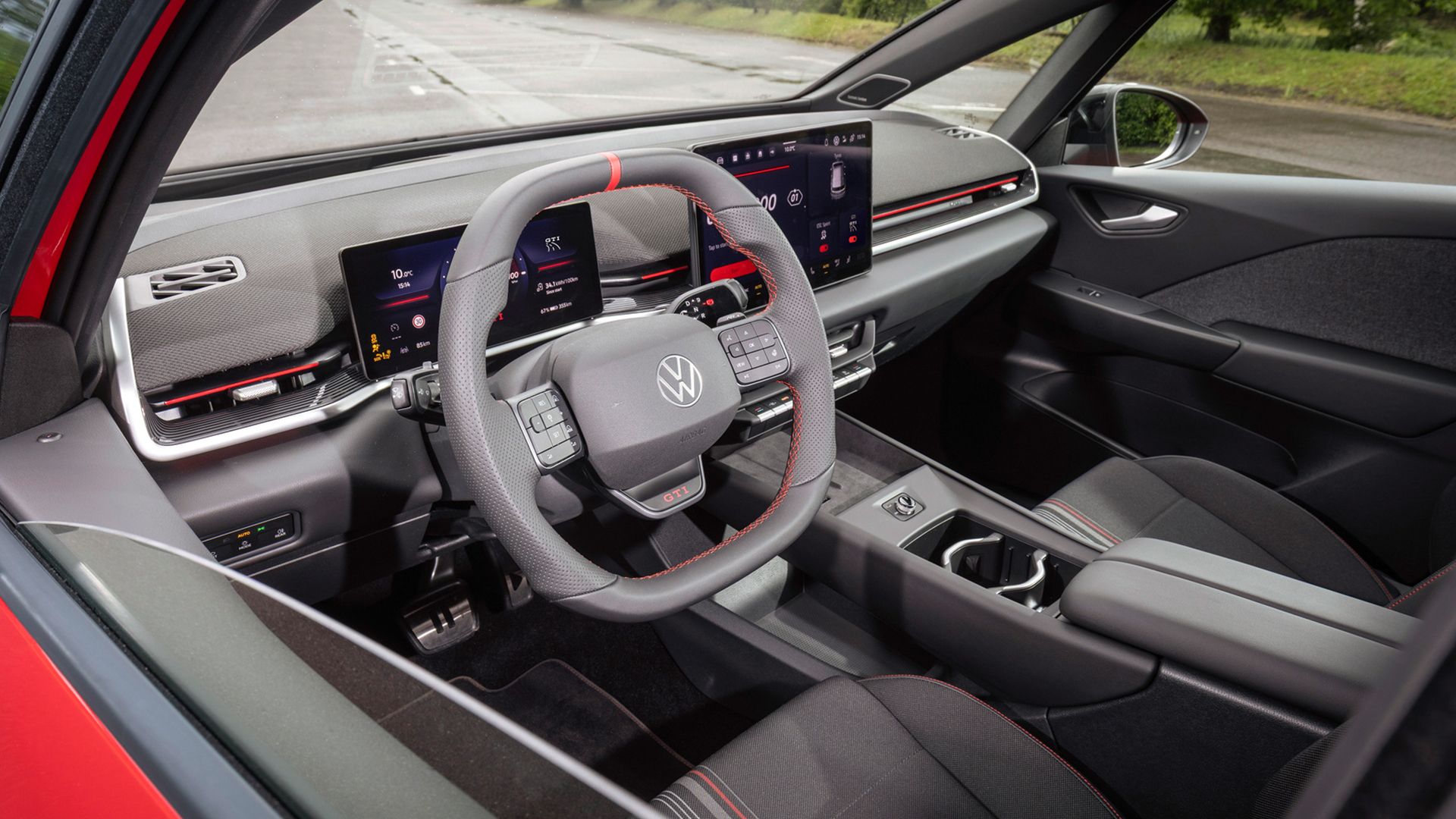
Unlike the Hyundai Ioniq 5 N and 6 N, as well as the cheeky little Honda Super N, Volkswagen hasn’t decided to offer simulated gear shifts to increase driver engagement, but it has introduced fake engine noise into the cabin to crank up the sportiness.
While the exterior now comes in the famous Tornado Red GTI paint color and sports some bespoke 20-inch alloy wheels, the majority of the performance touches have been added inside the cabin, where tartan-style upholstery and a big GTI button on the steering wheel give the game away.
Volkswagen claims that despite the performance on tap, its ID.3 GTI will still manage 373 miles on a single charge, although peak charging speeds are capped at 183 kW, making it difficult to perform the sort of rapid, track-day battery top-ups that Hyundai’s high-performance EVs are capable of.
Volkswagen has more than 50 years of GTI history, and nearly all of those vehicles sporting the famous badge have been celebrated by fans, owners and journalists alike.
From the first Golf GTI in 1975 to the more recent Edition 50, they’ve all delivered scampering, front-wheel-drive thrills alongside Volkswagen’s comfort, build quality, usability and purposefully restrained styling. Fans can argue all day long about which iteration was the GOAT, but it’s generally agreed that they are all some of the best hot hatches ever made.
Attempting to transfer this badge into the electric era was always going to be a tough ask, as everything that made some of the best GTIs legendary is missing here.
According to Top Gear, the new ID.3 GTI weighs around two tons, which is a good 500kg heavier than even the weightiest ICE Golfs, while the decision to send power to the rear wheels will fundamentally alter the way this electric GTI behaves.
Couple this with the lack of synthesized (or real) gear shifting and other technological wizardry that makes Hyundai and Honda’s performance EVs feel more engaging, and what we are left with might be the fastest and most powerful ID.3, but is it really a true Golf GTI successor?
I’d love to be proven wrong, but I feel Volkswagen is going to have a tough time convincing petrolheads to ditch their Mark 7 Golf GTIs and climb into this.
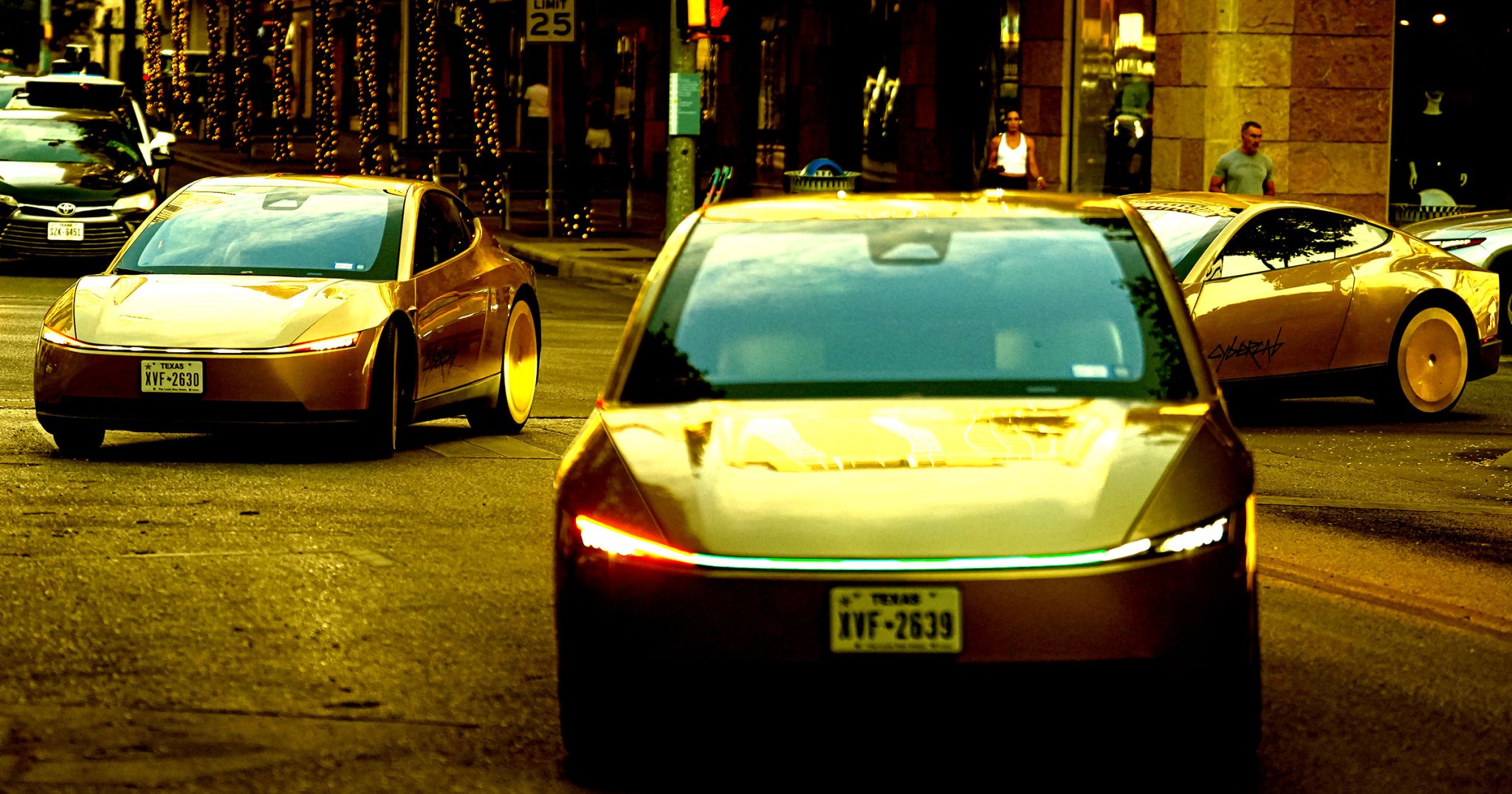
The Tesla Cybercab is innovating impressively impractical ways of getting from Point A to Point B.
One Cybercab passenger in Austin complained that what should’ve been a ten minute trip devolved into a 70-minute long nightmare as the steering-wheel-free robotaxi spiraled its way down the most circuitous route possible.
The driverless cab started the journey by driving in the complete opposite direction of the destination for miles, the exasperated passenger wrote in a Reddit thread, then turned around and took a “massive” detour through east Austin.
If it was instead a Google Maps car trying to image every inch of the city, you’d have to admit it was a job well done.
“My Cybercab held me hostage for an hour,” the rider wrote in the post, spotted by Electrek. “Guess the Cybercab wanted the scenic route today.”
According to Electrek, the reason that the trip took so long is almost certainly because the Tesla Cybercabs can’t drive on highways yet. The consequently tortuous routes that the cabs have to take may not immediately be clear to a passenger, though, as the app only shows a price estimate and not a projection of how long the trip will take, the blog noted.
Like other robotaxi services, the Cybercabs — which use a version of Tesla’s Full Self-Driving software that hasn’t been released to the public — operate only within a geofenced area that’s been extensively mapped. (Waymo, the leading robotaxi company, does already allow its cars to use highways in some cities.)
There are other signs that the Cybercabs (and Tesla’s confusing named “Robotaxis,” which are self-driving taxis in the form of modified Model Ys, instead of a purpose-built vehicle), are still walking on eggshells compared to its competitors. Some passengers say that the cabs also avoid railroad crossings, which could add to trip times. (Tesla is being investigated for FSD frequently going haywire near these crossings and driving into the path of oncoming trains.)
Do all these restrictions make for a properly autonomous cab? If you had a time machine, you could go back to 2019 and ask CEO Elon Musk for an answer: “If you need a geofence area, you don’t have real self-driving!” he infamously proclaimed.
More on Tesla: Tesla Investors Disturbed by Cybercab’s Obvious Lack of Progress
The post Cybercabs Are Taking Psychotic Routes That Turn Tiny Trips Around the Neighborhood Into Hour-Long Nightmares appeared first on Futurism.
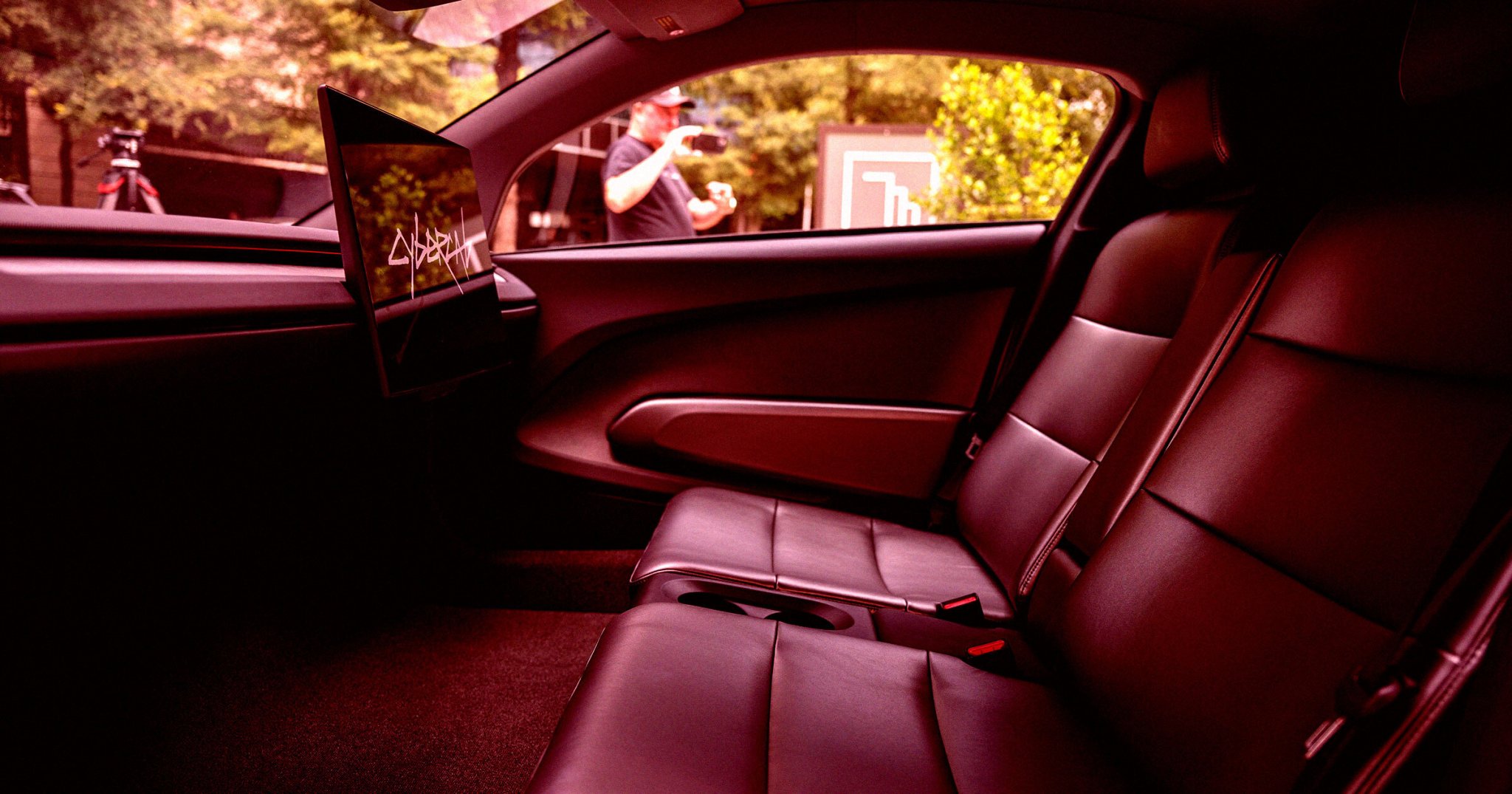
There was no livestream and the media wasn’t invited. We didn’t even see a euphoric Elon Musk embarrassing himself on stage.
Tesla’s rollout of its two-seater Cybercab robotaxis on the streets of Austin, Texas, this month left investors scratching their heads. With little fanfare, the company stated on Musk’s social media platform X that “Cybercab rides” would “open to public” on September 4.
The “Cybercab event was largely a bust,” tweeted Future Fund Advisors co-founder Gary Black at the time. “The launch offered little detail and key questions remained unanswered.”
The lack of enthusiasm has reignited concerns over the company’s ability to catch up with some extremely steep competition. Its fleet remains extremely small and limited to a geofenced area of Austin. Major regulatory hurdles could make expansion into other states exceedingly challenging. Early testing and data gathering in New York City required the company to install steering wheels and hire human drivers for its Cybercabs, effectively turning them into glorified — and cramped — Tesla EVs.
Investors are already peering through the thin coating of gaudy, gold-colored paint. As a group of asset managers and traders, who — perhaps ironically — refer to themselves as the “Bears of Wall Street” noted in a post on Seeking Alpha, they’re maintaining a “rating of Sell for Tesla.” That’s in large part due to “mounting risks,” such as a “negative free cash flow, surging [capital expenditures] above $25 billion, intensifying competition, and regulatory audits delaying robotaxi expansion.”
The Cybercabs are one of three pillars Musk has bet the fate of Tesla on, along with its humanoid robot Optimus and AI. But without any meaningful strides almost two years after Musk first showed off its robotaxi to the world, investors are left wanting a lot more.
That’s especially true as regulators are starting to ask some tough questions, with the National Highway Traffic Safety Administration opening a probe into the safety certification of its Cybercabs.
The company is also looking to a spend over a whopping $25 billion this year and taking on even more debt, with a “borrowing capacity” of up to $30 billion, as it attempts to stay relevant in the fast-moving AI race.
“Capex will grow for the next two or three years as we expand our Robotaxi fleet, expand our production capacity for Optimus, make investments for semiconductor fab, install solar manufacturing capacity, and AI compute infrastructure, in addition to all the other expansions we’ll do for other manufacturing for automotive,” the company’s CFO Vaibhav Taneja told investors in July.
Waymo continues to run circles around the company, offering its services across ten US metropolitan areas and providing half a million paid rides per week.
Meanwhile, its core business of selling cars continues to atrophy. While delivery numbers have recovered somewhat from a disastrous 2025 performance, the numbers still have a lot of ground to regain.
Then there’s the specter of a possible merge with Musk’s SpaceX, which is looking increasingly likely, at least in the long run. It’s a highly risky move that could saddle Tesla with even more debt.
“All of those risks make us believe that Tesla remains greatly overvalued even after the volatility of the last two months,” the Bears of Wall Street argued, valuing the company’s stock at “around 78 percent below the current market price.”
“The Cybercab launch was the catalyst that was supposed to justify Tesla’s valuation, and it delivered almost nothing that investors could measure,” the group concluded. “Instead of a fleet expansion plan, the company got a federal investigation, while its main competitor keeps adding cities.”
More on the Cybercab: Oops! Many Tesla Cybercabs Actually Do Have Steering Wheels, Undercutting a Core Promise
The post Tesla Investors Disturbed by Cybercab’s Obvious Lack of Progress appeared first on Futurism.