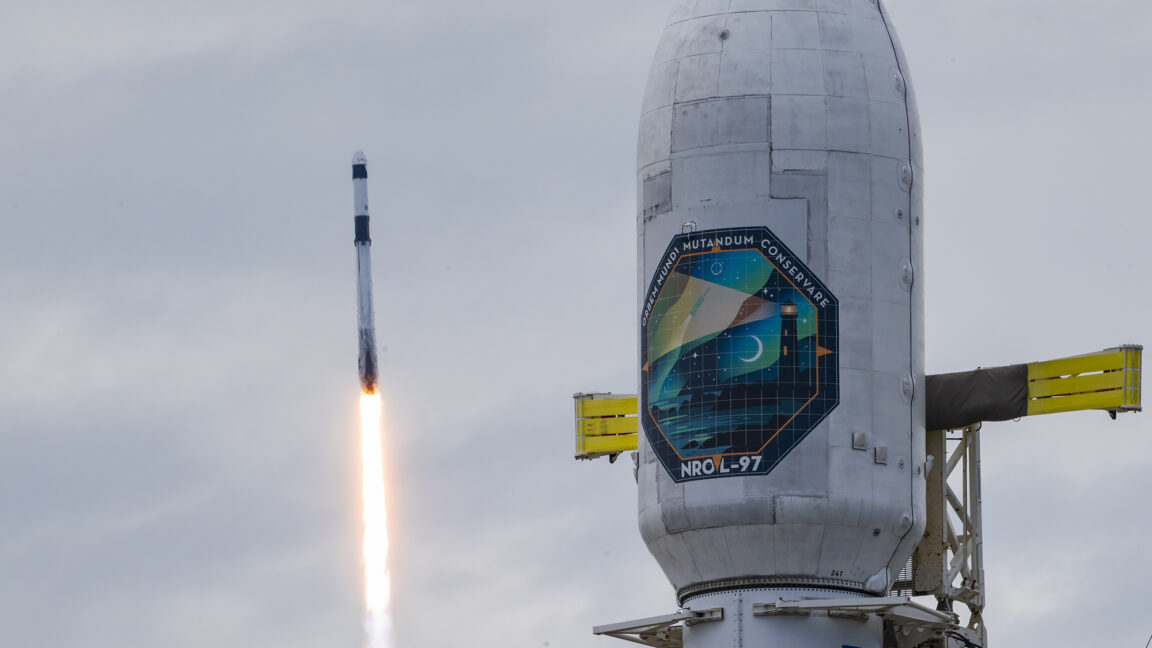
In its current iteration, SpaceX is largely a data company seeking to provide enormous amounts of compute for artificial intelligence. During an earnings call on Tuesday afternoon, company officials spent much of their time discussing ambitious plans to roll out up to 10 GW of compute in 2027—on the ground.
Gone are the days of aspirational talk about sending humans to Mars and settling the red planet. Now it is almost all about artificial intelligence and the data needed to support its expansion. However, the company's long-term ambitions to provide data services from space, initially with the Starlink Internet constellation and eventually through the "Starmind" data center constellation, still rely on an actual rocket.
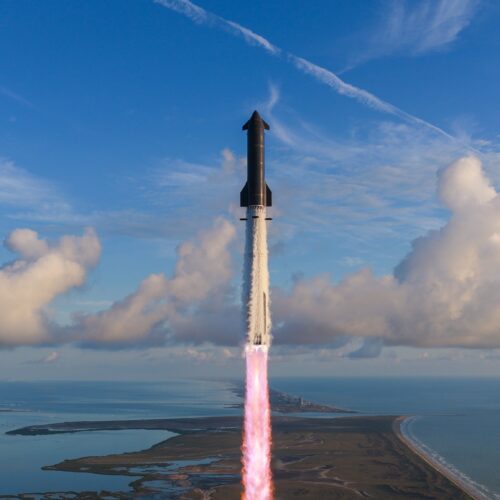
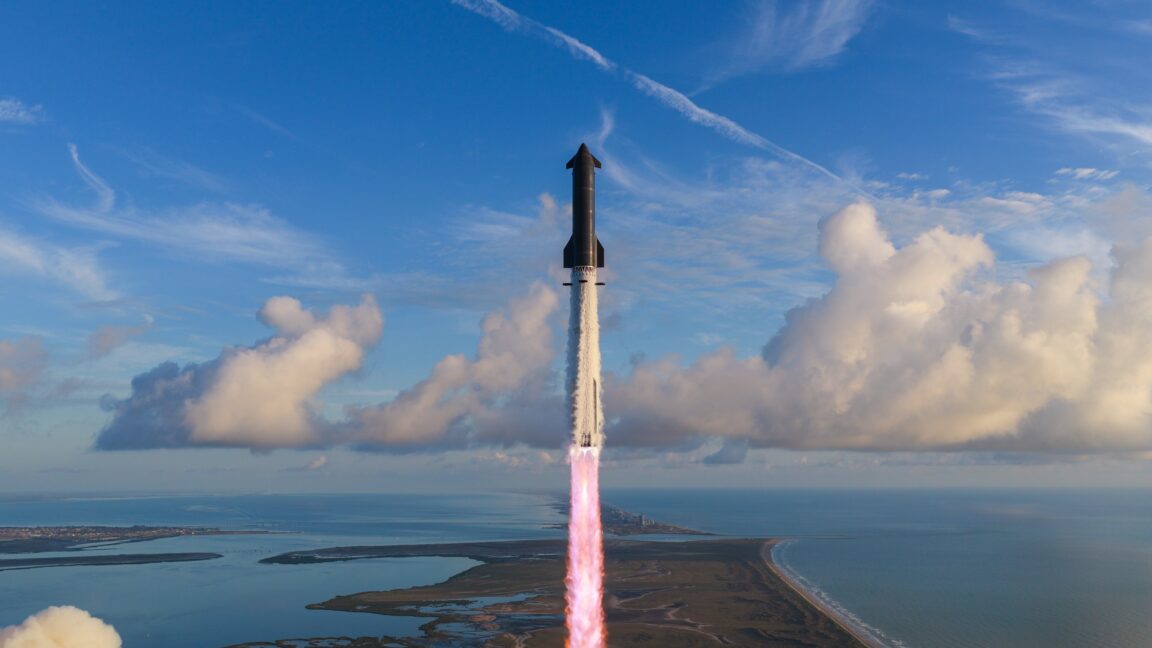
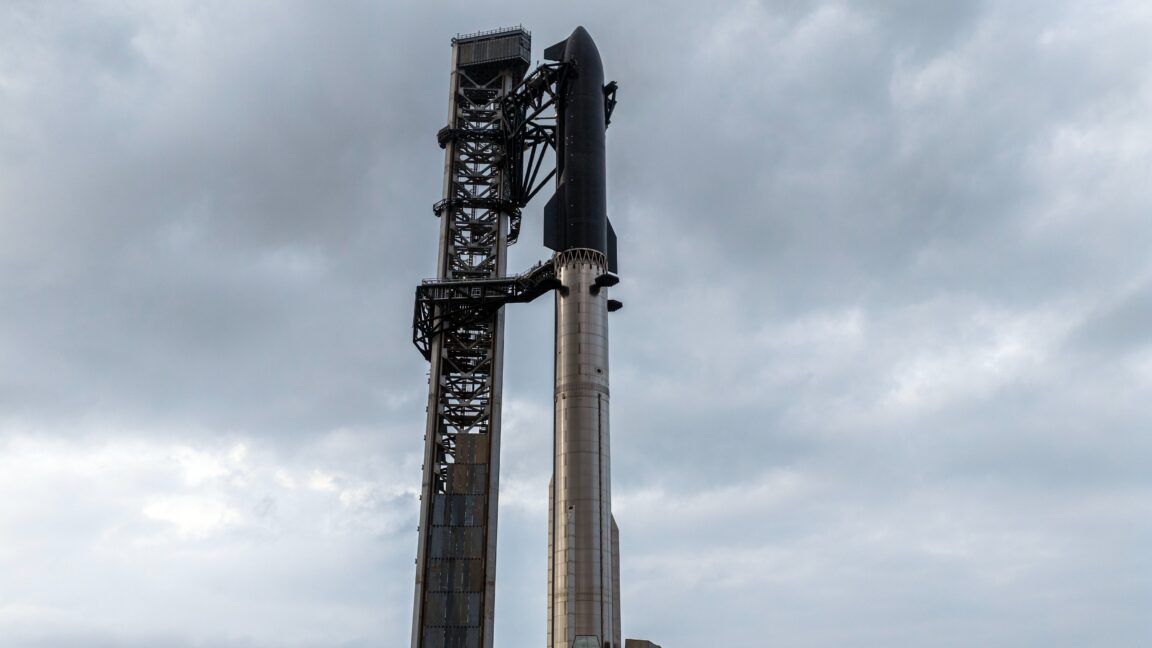
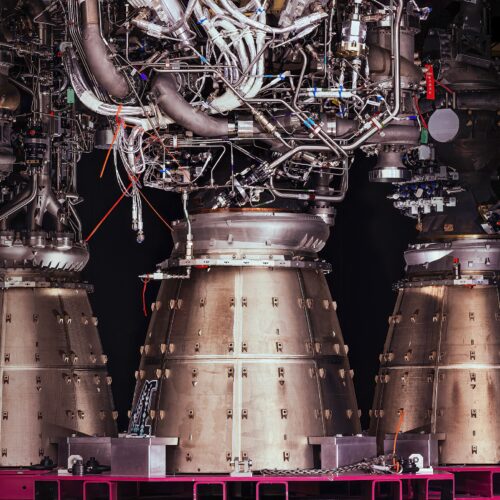
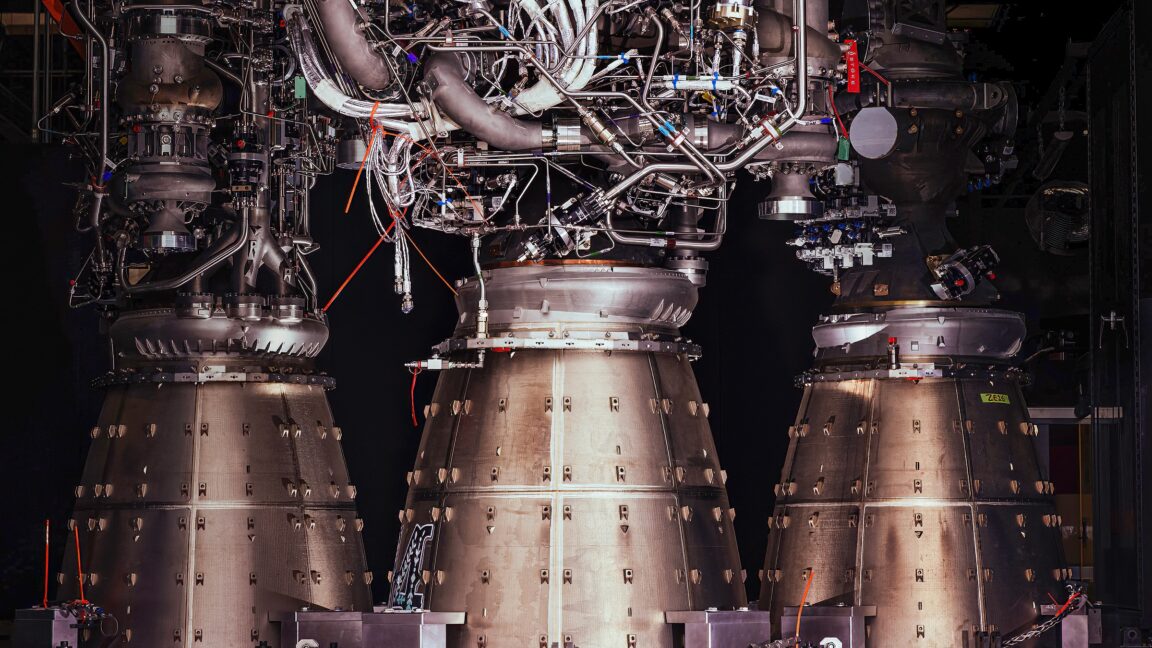
That would be the Starship vehicle, and during the earnings call, SpaceX founder Elon Musk and the company's president and chief operating officer, Gwynne Shotwell, provided new performance targets for the vehicle.
Welcome to Edition 9.15 of the Rocket Report! The launch I'm most looking forward to in the next few weeks is that of Japan's Martian Moons Exploration (MMX) mission. MMX is one of the marquee space science missions launching this year, and it's set to leave Earth as soon as Monday (US time) aboard a Japanese H3 rocket. The spacecraft will visit Phobos and Deimos, the two asteroid-like moons of Mars, deploying a rover and collecting specimens for return to Earth in 2031. Exploration at its finest.
As always, we welcome reader submissions, and if you don't want to miss an issue, please subscribe using the box below (the form will not appear on AMP-enabled versions of the site). Each report will include information on small-, medium-, and heavy-lift rockets as well as a quick look ahead at the next three launches on the calendar.
Reflect Orbital looks to India for launch capacity. California-based Reflect Orbital, the startup attempting to offer sunlight on-demand with in-space mirrors, announced the purchase of two launches Wednesday from Indian launcher Skyroot Aerospace, Payload Space reports. One of the launches will use Skyroot's Vikram-1 rocket, which became the first privately developed Indian rocket to reach orbit in July. The other will fly on an upgraded rocket called the Vikram-1U.
This week, SpaceX celebrated the first orbital launch of its new Starship rocket. I'm not sure many people, at least those outside of SpaceX, expected it to take 14 flights of Starship before it technically reached low-Earth orbit, but Monday morning's launch finally added that to SpaceX's list of accomplishments with its new super-heavy rocket. Starship had gone 99 percent of the way to orbit before, only held back by safety concerns around the possibility of stranding the huge rocket in space.
What was most notable for SpaceX with this Starship flight was that it unlocked a massive growth potential for Starlink, with the first 26 of the network's new-generation Starlink V3 satellites successfully deployed Monday.
Pending regulatory approval, SpaceX said today it intends to launch its 14th Starship mission as early as September 22. This flight is notable, as it will be the first time that SpaceX attempts to launch the experimental vehicle into orbit.
The company set a target liftoff time of 7:15 am local in Texas (12:15 UTC), with a 75-minute launch window. Sunrise in Brownsville, Texas, is 7:17 am CT, so the launch could make for some striking imagery.
The super heavy lift rocket will be carrying 26 of the larger V3 Starlink satellites into an orbit 275 km above the Earth. In an update on its website, SpaceX said the Starship upper stage will seek to complete six orbits around the Earth before completing its mission after about 10 hours.
SpaceX made Florida's Space Coast home to the world's busiest spaceport for a decade, but that will change this year. The company is significantly cutting the number of launches from Florida until Starship arrives, a senior SpaceX official confirmed Tuesday.
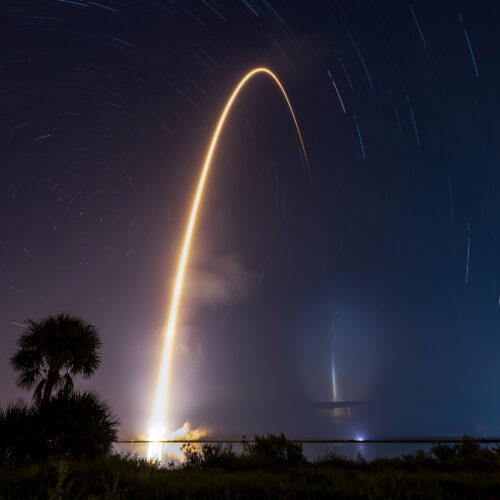
The Falcon 9 rocket has been SpaceX's workhorse, routinely launching batches of satellites for the company's Starlink network, primarily from launch pads at Cape Canaveral Space Force Station and NASA's Kennedy Space Center in Florida. There were 165 Falcon 9 launches last year—about three flights per week—and about 75 percent of them carried Starlink satellites.
This year is different. SpaceX has launched more missions from its West Coast launch pad at Vandenberg Space Force Base in California since January, and this trend will amplify for the rest of the year.
Investors were not impressed by SpaceX’s first-ever earnings report earlier this week. Shares dropped by more than ten percent, even after the company reported higher than expected revenue — comforting financial news which, unfortunately for CEO Elon Musk, was overshadowed by the venture’s massive AI spending.
The same day, SpaceX insiders, including employees and executives, got their first real opportunity to turn their holdings into cash after the total shares available for trading grew from around 639 million to 1.55 billion, a chunk of the stock valued at just over $100 billion being unlocked.
As Reuters put it, investors now faces an “irresistible opportunity to cash out.”
“This has to be the most talked-about lockup in the history of IPO lockups,” institutional brokerage firm R.F. Lafferty & Co CEO Robert Hackel told the agency. “You are going to see a lot of exits.”
It’s no wonder Musk’s rocket company is facing massive pressure this week. Shares are down more than 28 percent over the past month, currently hovering around $114, which is miles below its mid-June record high of $225.
SpaceX’s massive volatility briefly made Musk the world’s first trillionaire — only for him to lose that title once his rocket company’s stock came crashing back to Earth.
Its current share price is also low enough to keep an additional 455 million shares locked up, since it’s still south of its $135 IPO price, setting the stage for even more volatility if it were to claw itself back to that point.
Musk remaind steadfast in his ambitious vision for the company, from orbital data centers to a fleet of humanoid robots that would enable large scale manufacturing on the surface of the Moon.
During Tuesday’s earnings call, he admitted that his plans sound “totally nuts” and “super sci-fi right now,” but maintained that “it’s going to happen.”
Whether investors continue to buy into his vision, though, is anything but guaranteed. SpaceX’s success so far this year has largely been built on hype surrounding AI. The company was merged with Musk’s AI startup, xAI, bringing in plenty of new investors — but saddling it with billions of dollars in additional debt.
Its space ambitions hinge almost entirely on the success of Starship, a super-heavy launch platform that has yet to complete a single successful flight and landing.
SpaceX’s revenues, meanwhile, are heavily dependent on its Starlink satellite internet service. There’s certainly good news there, but the program also saw its average revenue per user drop over the last quarter, rattling investors.
In short, SpaceX’s path to profitability is inextricably linked to the belief that Musk’s sci-fi dreams can be turned into reality in a short enough time period that the dream won’t collapse in on itself.
“SpaceX wants to tell the story they’re the market leader,” The Westly Group founder Steve Westly told CNBC. “But people still have these questions: how quickly can they grow? How big are the costs going to be before this thing gets to profitability?”
SpaceX plans to start deploying upgraded Starlink satellites into orbit on the next flight of its Starship vehicle, scheduled for as soon as the end of the month.
SpaceX and the state of Louisiana are close to finalizing a deal for the launch company to acquire about 130,000 acres along the northern coast of the Gulf of Mexico.
There have been persistent rumors about such an agreement for months, but now The Times-Picayune | The New Orleans Advocate reports that Louisiana Gov. Jeff Landry is expected to announce the agreement later this month.
The deal would give SpaceX control of an 18-mile stretch of marshland southwest of Lafayette. The site, known as Pecan Island, became available as part of a legal settlement that resolves dozens of lawsuits that blame ExxonMobil for pollution and coastal land loss, the newspaper reports.
Welcome to Edition 9.05 of the Rocket Report! It was a big week for launch contracts, with both Rocket Lab and SpaceX scoring sizable deals from the US military for their respective Electron and Falcon 9 rockets. The vehicles have been the workhorses for small and medium lift for the United States over the past decade and may remain so for some time. Also, there will be no Rocket Report next week, as I am traveling on assignment, and Stephen is taking a week off.
As always, we welcome reader submissions, and if you don't want to miss an issue, please subscribe using the box below (the form will not appear on AMP-enabled versions of the site). Each report will include information on small-, medium-, and heavy-lift rockets as well as a quick look ahead at the next three launches on the calendar.
Rocket Lab wins large Electron deal. Rocket Lab Corporation announced this week that it has been awarded its largest launch contract to date, a $266 million multi-launch contract with the US Space Force. Under the contract awarded by the US Space Force Space Systems Command, Rocket Lab will execute 12 suborbital launches, with up to six additional launches. The first launch of this contract is expected no earlier than the end of 2026.
SpaceX successfully launched its Starship vehicle on Friday and appeared to demonstrate important and credible steps toward fulfilling the massive rocket's immense promise. As soon as the vehicle's next flight, Starship could go orbital, begin delivering satellites into space, and potentially return to the launch site to be 'caught' by the tower.
All of this is impressive engineering on a gigantic scale. But despite the marked progress with the 13th test flight of Starship, one key issue—probably the key issue when it comes to Starship's future—remains unresolved.
This concerns Starship's heat shield, the roughly 18,000 ceramic tiles that protect the vehicle's underbelly during its fiery return through Earth's atmosphere. And some experts say SpaceX's current approach may not get Starship to its ultimate goal of flying frequently, at low cost.
Was SpaceX’s recent Starship flight test a success or a failure? Many are hailing it as a victory, but several of the megarocket’s booster’s engines failed after re-entry, causing it to explode.
SpaceX has had many similarly ambiguous tests before. But this was the first one since its much-hyped IPO earlier this summer — and it’s already clear that it wasn’t a convincing enough display to reverse the company’s fortunes on the stock market.
After hitting an all time low before the weekend and closing at $115, SpaceX shares endeavored to plummet even further on Monday, briefly dipping to $108.66 — a new nadir since going public — before stabilizing around $110. The new low is over 20 percent below its opening IPO price of $135, and less than half of its all time high of more than $225 per share.
It’s a sign of the scrutiny the company will be put through now that it’s a public entity, and comes despite certain predictions that a successful flight would help buoy the company’s shares. When Starship ran into trouble in the past, SpaceX mainly had to weather a storm of media coverage. Now, nervous investors represent yet another liability.
“One of the benefits of being private is that there wasn’t a market to weigh in on and evaluate business decisions,” David Meier, senior investment analyst at the Motley Fool, told The Washington Post.
“Being publicly traded means everything will be evaluated and information transmitted through market prices,” he added. “So every SpaceX launch, every Starlink decision and every xAI decision will be scrutinized by the market.”
Spaceflight, at least currently, isn’t an ideal match for the make-a-quick-buck capitalism that Musk extolls. SpaceX has never been profitable, losing $5 billion last year alone. As Starship’s woes illustrate, rocket development is messy and complicated; there’s no guarantee that progress will be linear, if there’s any made at all. Investors are essentially being asked to keep pouring money into an incredibly lengthy and expensive science experiment.
Meanwhile, Musk has made outrageously lofty promises that SpaceX will eventually use Starship to deploy so many data centers in space that it’d create a “sentient sun,” and establish colonies on the Moon and eventually Mars. Every failure will be compared against those outsized benchmarks, which is almost certainly part of Musk’s enduring schtick.
The thirteenth test flight on Friday was a mixed-bag. The spacecraft’s upper stage successfully made its way to suborbital space and deployed a payload of Starlink internet satellites, which briefly went online before burning up as planned. This was a first for Starship, as previous tests only used dummies. Then the ship re-entered the atmosphere and landed in the Indian Ocean in one piece without exploding.
But the booster was a different story. Though it performed flawlessly on the journey up, only ten of out the thirteen engines fired up on its return to Earth, failing to slow the massive object down in time. Instead of making a planned “soft” splashdown, it slammed into the Gulf of Mexico and appeared to explode on impact.
On the one hand, the flight test validated that SpaceX is making progress with its latest V3 iteration of its spacecraft. In the first V3 flight test in May, the upper stage lost several of its engines on its way to space, and this time it didn’t. The upper stage also survived the splash down instead of exploding, with SpaceX engineers calling it Starship’s best reentry yet.
But the failed booster landing is hard to overlook. Unless the booster is reliably recoverable, then Starship won’t be reusable, an indispensable part of making the behemoth vehicle an economically viable means to ferrying large payloads into orbit and beyond.
Most coverage around the recent test has been positive. Arguably, that makes it all the more concerning that the stock continues to perform so poorly.
“The future of the company is riding on the ability to make Starship work,” Clayton Swope, deputy director of the Aerospace Security Project, told WaPo. “What they’re trying to do is switch to a freight train and get the economies of scale [of] something of that magnitude.”
SpaceX was more than lucky Friday, sending its 13th full-scale Starship test flight halfway around the world from South Texas to an on-target, intact splashdown in a remote section of the Indian Ocean.
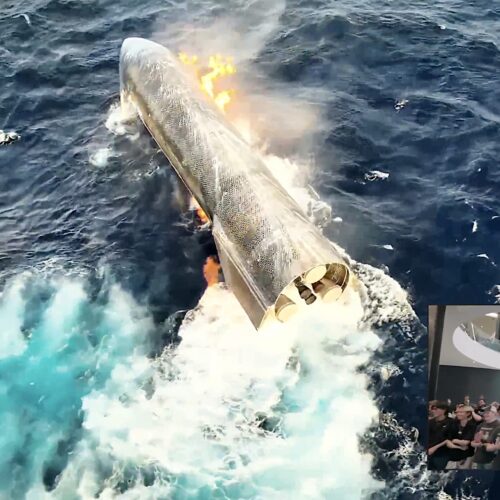
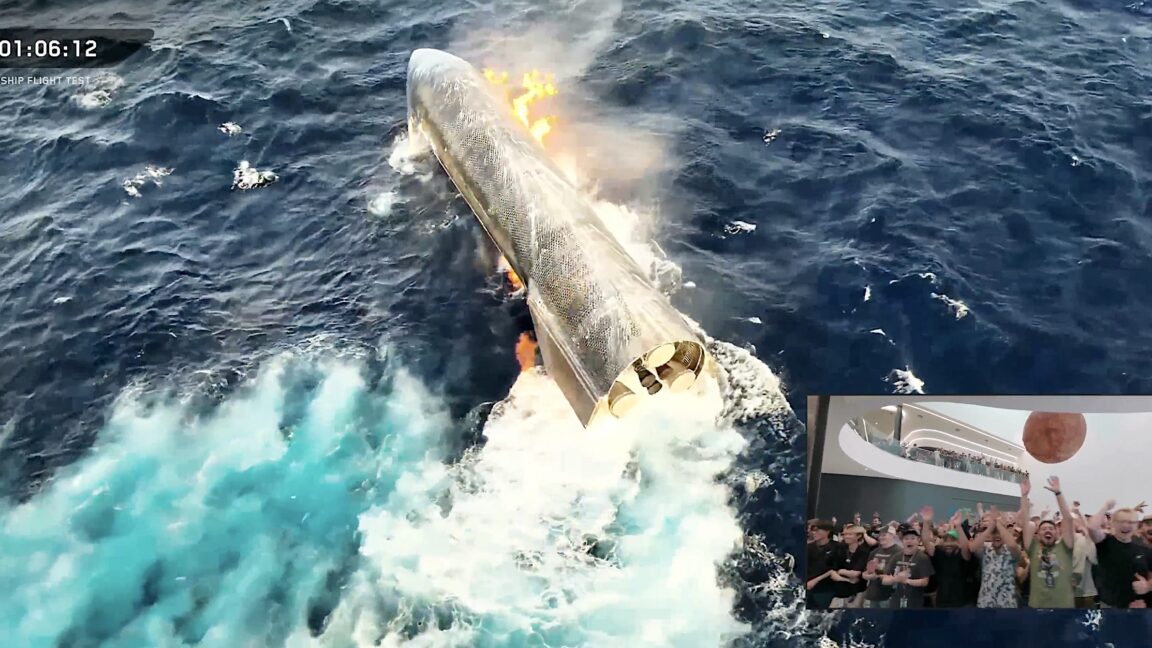
Starship has made precise splashdowns before. This time, however, the ship gently tipped over and came to rest floating in a remote stretch of ocean west of Australia. Previous splashdowns ended with conflagrations, an outcome SpaceX officials have come to expect with each water landing of Starship.
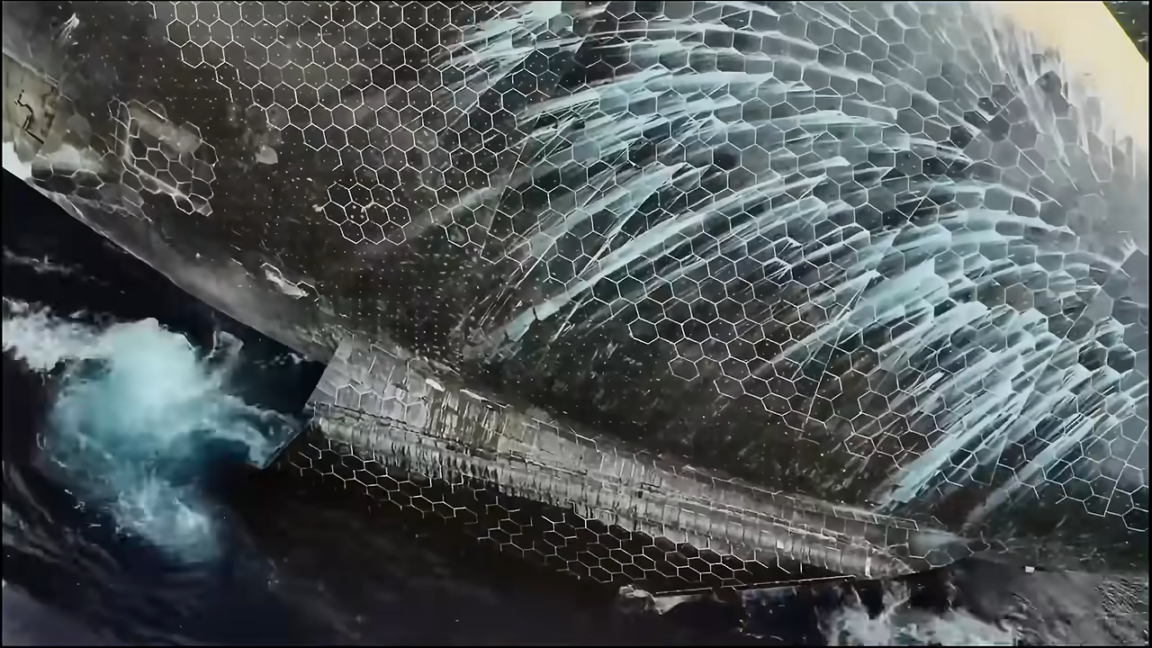
The buoyant Starship looked to be in fine shape after reaching the Indian Ocean. SpaceX engineers flew drones over the vehicle to inspect its heat shield, getting their best look yet at how more than 18,000 ceramic tiles insulating the ship's stainless steel airframe weathered the trip to space and back. The tiles withstood temperatures up to 2,600° Fahrenheit (1,430° Celsius) as Starship streaked back into the atmosphere at the end of its hourlong flight from Starbase, Texas.
SpaceX launched Starship on its 13th suborbital test flight July 24, correcting some of the issues seen on the previous flight while deploying functioning satellites for the first time.
The company ticked off a few more boxes on the second Starship V3 flight, but appears to have had another issue relighting the booster's rocket engines.
Welcome to Edition 9.04 of the Rocket Report! We've had to wait an extra week for SpaceX to get its 13th Starship test flight off the ground. A last-second abort on July 16 led engineers to roll the booster back to its hangar in South Texas to swap out engines. Starship is now back on the launch pad. Liftoff is set for Friday evening. A flawless launch and reentry will put SpaceX on the cusp of an orbital flight later this year. Ars will have a comprehensive recap story after the completion of the test flight.
As always, we welcome reader submissions. If you don't want to miss an issue, please subscribe using the box below (the form will not appear on AMP-enabled versions of the site). Each report will include information on small-, medium-, and heavy-lift rockets, as well as a quick look ahead at the next three launches on the calendar.
India's first private rocket reaches orbit. Indian space officials celebrated the debut flight of Skyroot Aerospace’s Vikram-1 rocket, India’s first fully commercial satellite launcher, as a “grand success” Saturday after an on-target climb into a 280-mile-high orbit following liftoff from an island spaceport in the Bay of Bengal, Ars reports. The Vikram-1 lifted off from India’s primary spaceport on Sriharikota Island around midday local time. The launch was delayed more than a half-hour to resolve a last-minute technical problem. The countdown resumed, culminating in the command to ignite Vikram-1’s solid-fueled first stage booster to propel the rocket off the launch pad.

 Login