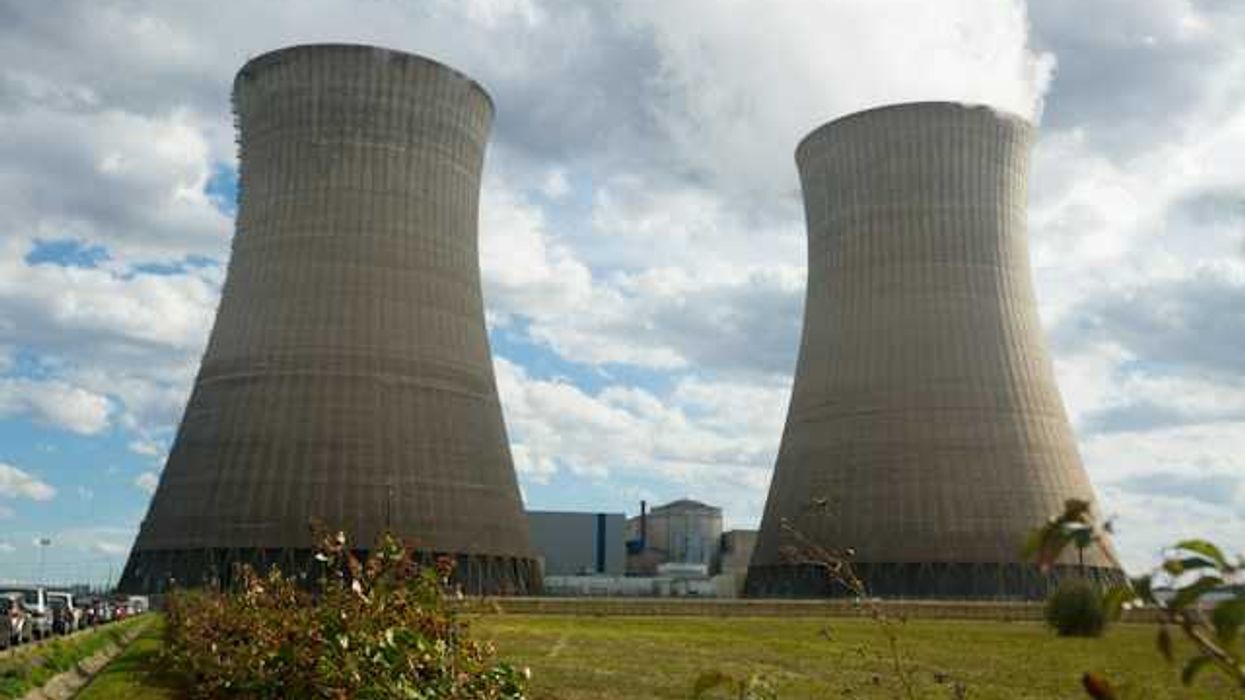
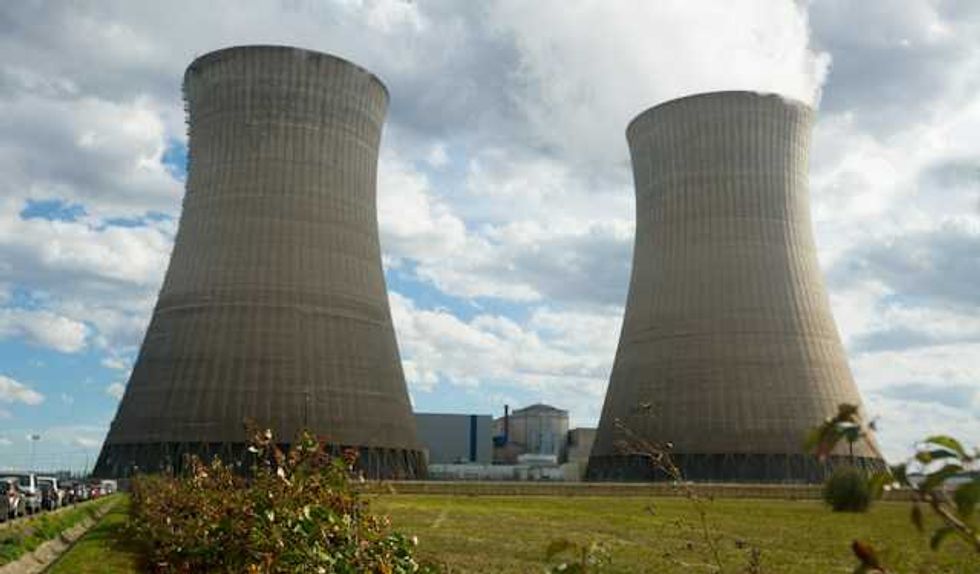
Elon Musk’s SpaceXAI is stuck facing a lawsuit over alleged data center pollution after Donald Trump failed to convince a judge that his Environmental Protection Agency (EPA) has complete control over all Clean Air Act lawsuits and can dismiss any suit at whim.
Soon after unpermitted gas turbines were discovered powering Musk’s giant Colossus data center in Memphis, Tennessee, the NAACP sued. Its lawsuit sought an injunction requiring xAI (which, following a merger, is known now as SpaceXAI) to use the best available pollution control technology when operating the turbines and ordering penalties up to $124,426 per day per violation. Without such remedies, the turbines risked drastically spiking pollution in already vulnerable neighborhoods housing predominantly Black communities nearby, the NAACP argued.
To block the lawsuit, Trump tried to intervene, arguing that the EPA had the power to unilaterally dismiss lawsuits any time the president decides against enforcing the Clean Air Act. According to Trump, it would supposedly “not serve the public interest” if citizens were allowed to seek massive civil penalties to punish polluting AI firms that were trying to get data centers operational as fast as possible to support Trump’s AI Action Plan.
The president's comments came as hundreds of thousands of compensation claims involving exposure to toxic drinking water at Camp Lejeune in North Carolina remain unresolved.
More than 3,000 artificial turf pitches are set to be dismantled over the coming years in the European Union, raising the question of what to do with the thousands of tons of materials they are made of.
Gov. Tony Evers and state environmental regulators announced the launch of new grant programs Tuesday to help communities and private well owners address PFAS contamination.
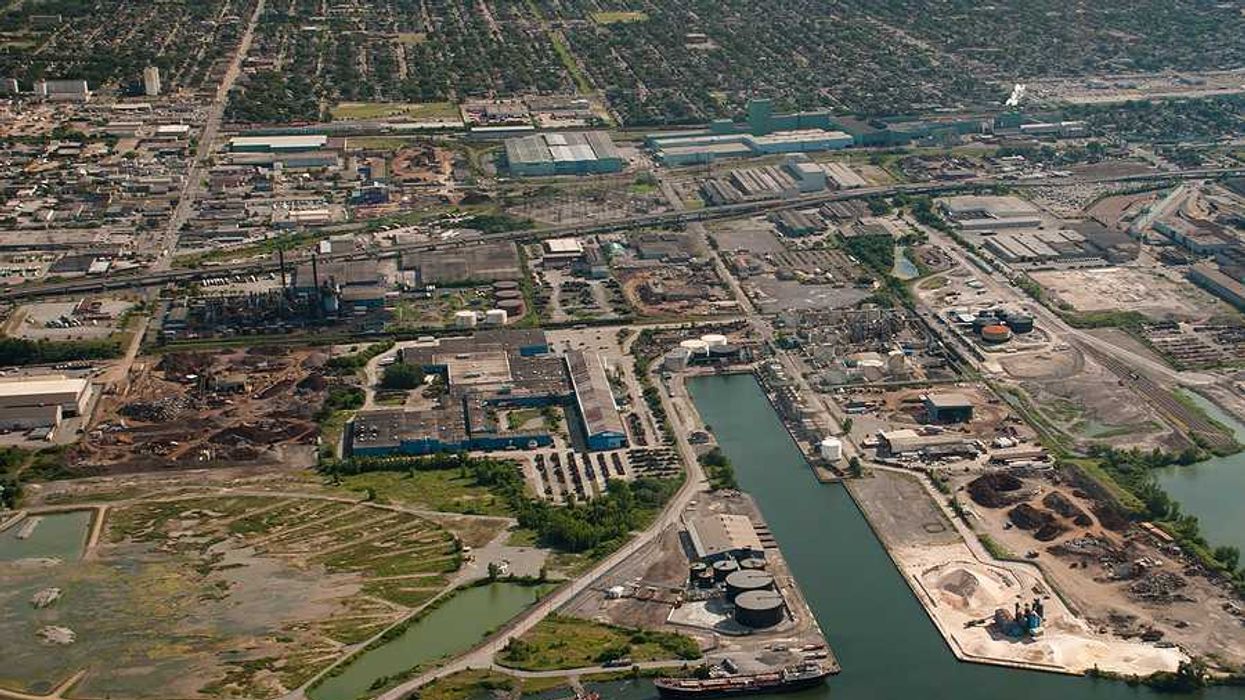
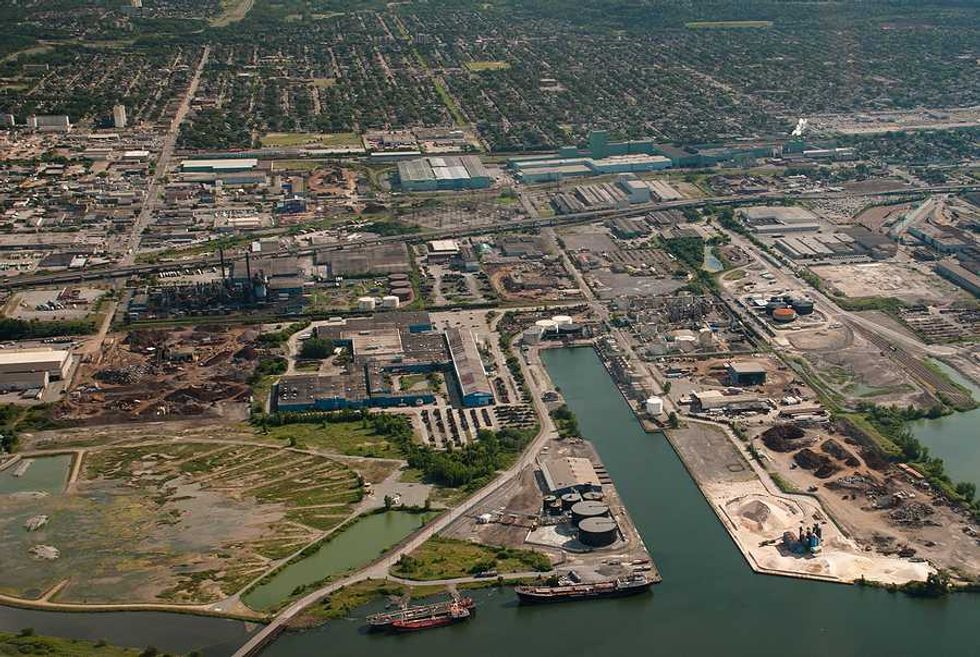
More than 10 years ago, ArcelorMittal Dofasco proposed installing a containment structure to stop the contaminated sediment in its boat slip from escaping into the Hamilton Harbour. So far, it hasn’t happened.
Louisiana voters will decide whether water utilities should be allowed to use public funds to remove lead pipes on private property with proposed amendment.
The Northern suburbs of Toledo, Ohio turned into a real life Don DeLillo novel overnight, after an explosion at a chemical facility sent plumes of industrial compounds billowing into the sky.
According to the local station WTOL11, the blast happened at a chemical distribution site in Ohio’s Lucas County on Tuesday night, prompting an immediate evacuation order for anybody living within one mile of the disaster zone. Those within three miles were given an order to shelter in place.
In a press conference on Wednesday, city emergency officials explained that the leaking chemical exhaust is glycidyl methacrylate, an industrial manufacturing chemical broadly suspected to be carcinogenic to humans.
Maps show numerous residential neighborhoods in the immediate vicinity, the closest being a trailer park just 0.25 miles as the crow flies from the site of the chemical explosion. The nearby Ottawa river, a tributary of Lake Erie, is situated under a half mile to the South.
Complicating matters for first responders and any broader evacuation order is the onset of a fog alert, which combined with the hazmat emergency has turned Toledo into America’s apocalypse zone du jour.
Images circulated by WTOL11 on Facebook show the cataclysmic scenes unfolding across the city, with commenters expressing confusion over whether the clouds of haze were caused by the airborne chemical leak, the fog, or a noxious mix of both.
“I can’t see out my window,” one Toledo resident wrote. “Should I and my dog leave?”
Wildfires have blanketed Palangkaraya, on the Indonesian island of Borneo, in toxic haze for weeks, leaving residents struggling with persistent coughs, falling incomes and disrupted education.
The project will lessen the country’s dependence on imported energy, though environmental advocates say it undercuts a pledge to reduce carbon emissions.
Environmental change is being measured in forests cleared, crops stressed and species pushed from their habitats. But the response is also being shaped by decisions about money, land and technology, and by people trying to protect both livelihoods and the places they depend on.
Brazil’s latest figures offer one of the clearest signs of progress: forest clearing in the Amazon fell to 3,335 square kilometers in the year ending July 31, 2026, 42% below the previous year and the lowest level since records began in 1988. The Cerrado also saw a decline. The drop comes ahead of a presidential run-off in which the rainforest’s future is a key issue. Whether the reduction lasts remains uncertain.
Elsewhere, the costs of adapting to environmental pressures are immediate. Drought has left England’s pumpkins smaller than usual, with growers warning the crop could be the worst on record. In Southern California, wildfires have damaged or destroyed six homes, while a firefighter suffered heat exhaustion. And in the UK, proposals to cut hundreds of millions of pounds from the heat pump grant scheme could affect support for households switching from gas, oil or LPG boilers.
These stories sit alongside questions about what governments choose to prioritize. US voters in battleground states want candidates to discuss climate change, but candidates have largely stayed quiet. In Britain, Chancellor John Healey has made a growth case for Heathrow’s proposed third runway, while the prime minister has not backed the project. The government is studying consultation responses. The choices are practical as well as political: how to cut emissions, where to direct public funds and whose concerns shape decisions.
On the ground, communities are building their own responses. In Sergipe, women shellfish gatherers are resisting mangrove degradation and fighting for access to the areas where they work. In coastal Indonesia, Wisye Sahambangung leads a women’s group restoring mangroves and creating economic opportunities. Their work connects habitat protection with income and access to natural resources.
Other reports show how easily conservation efforts can create new pressures. Researchers found fewer wild pollinators in areas with higher concentrations of honeybees, which were observed bumping into or chasing other pollinators from flowers. The finding complicates the idea that more beekeeping automatically helps pollinators. In western states, efforts to reduce wolf numbers raise questions about the animals’ social lives and their role in nature. Meanwhile, countries are falling short of pledged funding and ocean-protection goals ahead of the UN biodiversity conference, COP17.
Technology and spectacle bring their own questions. Starlink’s reported restrictions in Ukraine have prompted US senators to seek an investigation into who imposed them, while the service remains important to Ukraine’s wartime operations. At a different scale, Belfast Harbour is to test zero-emission transport and energy systems with £15m in funding.
The Exmoor Dark Skies Festival, with about 80 events planned, offers another way people encounter the natural world: through walks, astronomy sessions and moonlit swims. The weeks ahead will show whether policy commitments match the scale of environmental pressures, and whether local efforts can endure with the resources and access they need.
This week, the US House of Representatives voted overwhelmingly in a bipartisan vote to renew funding for the Diesel Emissions Reduction Act (DERA), passing the measure 343-79 and extending federal funding for cleaner medium- and heavy-duty vehicles through 2029.
Thanks to some medieval human teeth, archaeologists have pinpointed when lead production first expanded across Europe during the Middle Ages. By examining dental enamel collected from graves located in central England, researchers now know the post-Roman society started mining and smelting again during the mid-7th century. As the team explains in a study published today in the journal Antiquity, the consequences of exposure to the toxic were stark—but distributed unequally among locals.
Humanity’s complicated relationship with lead dates back over 9,000 years, and our environmental exposure to the toxic metal is traceable as far as two million years ago. Lead was instrumental in prehistoric smelting advancements, and its invaluable properties paved technological progress all the way through the Industrial Revolution. However, lead is now known to cause various early developmental issues and its uses are dwindling, but tracing our reliance on the material helps contextualize and understand a society’s historical arc.
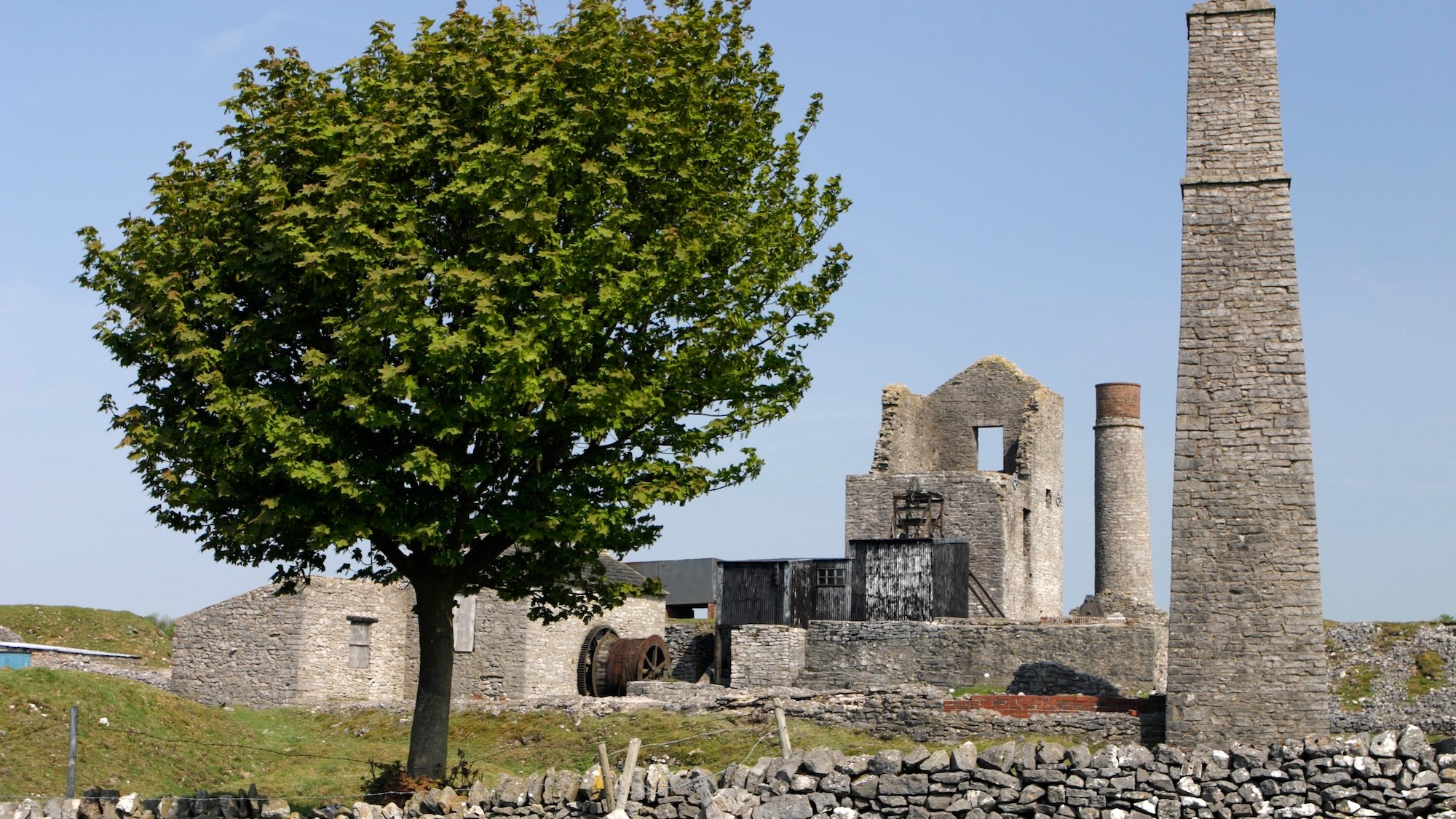
Researching these metals also isn’t easy. From the 16th to 19th centuries, manufacturers constantly re-smelted lead waste from ancient Rome and medieval England, which destroyed any discernible way to examine its prior origins and uses. Archaeologists including University of Nottingham’s Christopher Loveluck knew of another way to trace lead production in the Derbyshire Peak District, one of Europe’s largest providers of the metal during the Middle Ages
“The team is delighted to have finally confirmed definitively the date by which the early medieval lead industry was established in the Peak District…through evidence provided by the people themselves,” Loveluck said in the study’s accompanying announcement.
Archaeologists analyzed teeth from bodies buried in three Peak District cemeteries dating back to between 650 and 1500 CE. More specifically, they focused on tooth enamel. The external protective layer finishes forming during childhood, meaning any prior lead exposure stays embedded in the enamel for the rest of an individual’s life. Loveluck and his colleagues discovered that by the 7th century, the Derbyshire children’s lead levels were the same, if not higher, than those of children who lived in industrialized cities during the mid-18th and 19th centuries. By the mid-8th century, the growing lead industry had even begun to seep into surrounding regions like Castleton.
Teeth samples showed lead exposure reached its highest levels during the late 12th and early 13th centuries, which aligns with previous historical and environmental data. While the metal’s presence was ubiquitous among the population, it wasn’t necessarily the same across class or gender. High status gravesites included weapons and other personal items with lower lead concentrations than those seen in the graves of poorer residents. This implies that while the upper class owned lead-imbued possessions, they were higher quality objects. Meanwhile, working class families employed in mines and factories routinely exposed their children to larger amounts of lead.
There is also evidence that suggests women were especially at risk during this era. Three women who died between 17 and 25 years old showed particularly increased lead quantities in their tooth enamel. Overall, most of the men survived to middle or old age, while women often died during young adulthood.
“Our results indicate that in these mining communities, girls and boys alike were raised in dangerously polluted home environments,” said Castleton excavation co-director and study co-author Anna Bloxam. “This exposure…perhaps contributed to higher rates of premature death among women of child-bearing age.”
Lead contamination is still a serious issue today, although overall conditions have improved greatly since medieval England. Still, the underlying problems of environmental degradation and socio-economic vulnerabilities remain relevant today.
“This study has enabled us, for the first time…to look more deeply into the profound impact lead production had on individuals and the communities they lived in,” added University of Sheffield historian and study co-author Colin Merrony.
The South American country, which hosts some of the world’s major astronomical observatories, promises to protect its night skies, from the Atacama Desert to Tierra del Fuego.

 Login