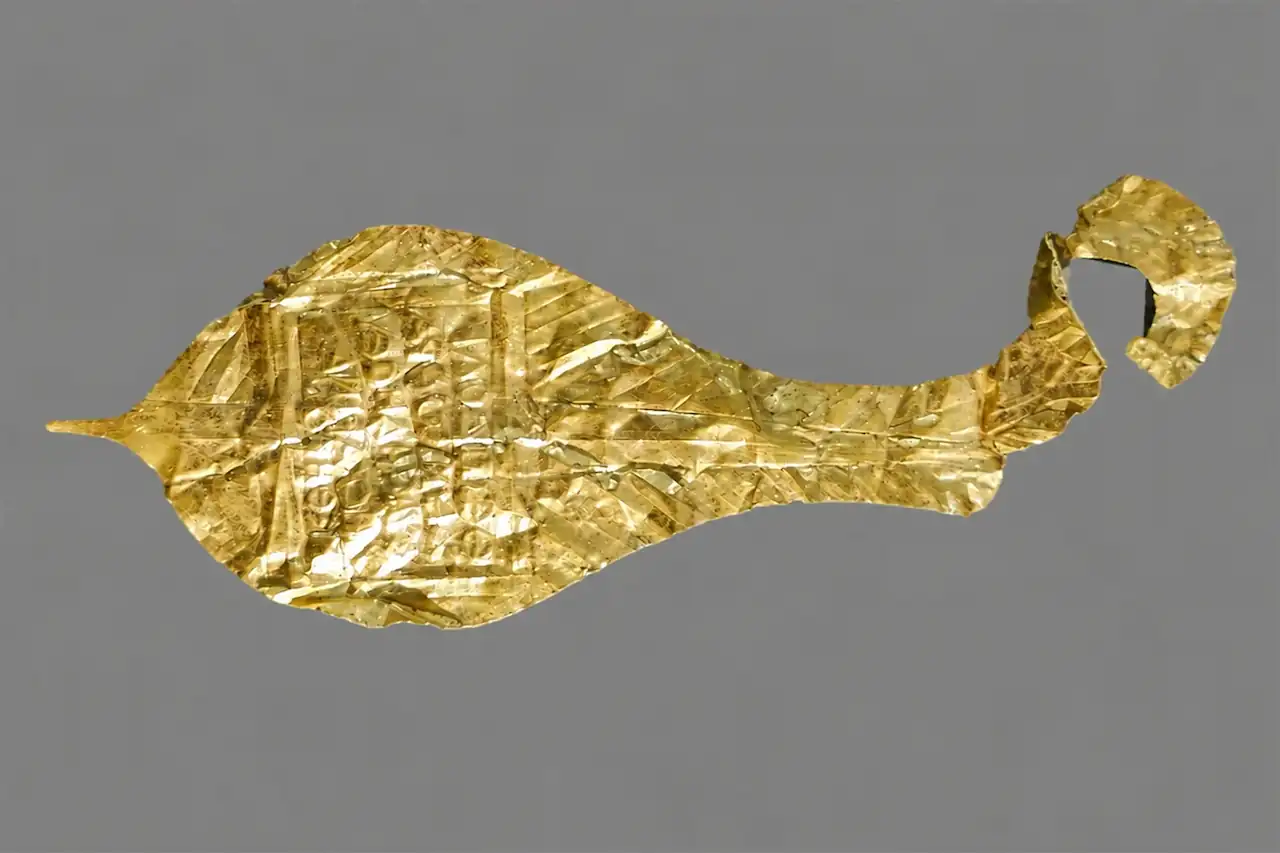
Hace unos 1.900 años, un hombre llamado Trasímedes dedicó una lámina de oro, con su nombre escrito en griego, a un dios que no era ni griego ni romano, sino originario del sureste de Anatolia. La pieza quedó en un fuerte romano de la costa oriental del mar Negro, en la actual Georgia, y allí […]
Some 1,900 years ago, a man named Thrasymedes gave a thin sheet of gold to a god who was neither Greek nor Roman. The deity came from the borderlands of what is now southeastern Turkey. The offering was left inside a Roman army fort on the eastern shore of the Black Sea, in modern Georgia, […]
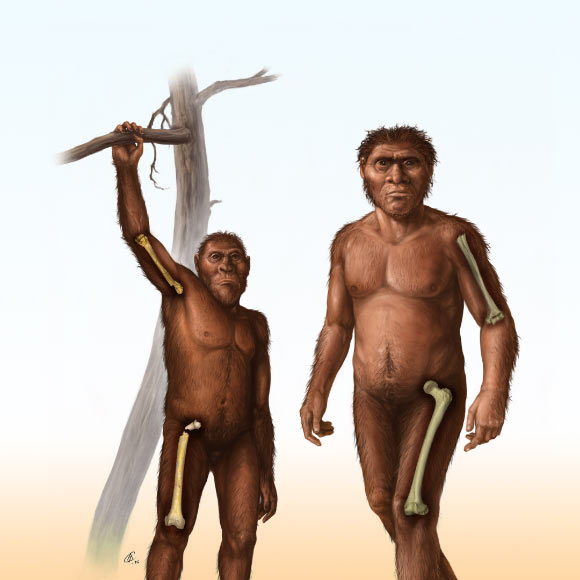
New research led by University of the Witwatersrand and University of Southern California paleoanthropologists sheds more light on one of the most debated transitions in human evolution: when our ancestors stopped regularly climbing trees and committed fully to walking on two legs.
Veterinary students at the University of Georgia learned to care for honeybees, which are vital pollinators for U.S. agriculture. Between 2024 and 2025 more than half of the managed colonies in the U.S. have been lost.
The federal government wants to help utilities buy large components for up to 10 large nuclear reactors. It’s unclear which, if any, companies might participate.
The Vogtle nuclear power plant in Georgia is the only one with AP1000 reactors in the U.S. They generate enough electricity to power 1 million homes, but they took 15 years to build and cost $35 billion, double the initial estimates.
The federal government wants to help utilities buy large components for up to 10 large nuclear reactors. It’s unclear which, if any, companies might participate.
As data centers sprout across Georgia, the state’s utility providers are building new power lines to meet the demand for electricity. We speak with residents in Fayetteville, about 25 miles south of Atlanta, who say the new lines will run through their backyards and make it impossible to resell their homes at their current value.

 Login