❌

Reading view

Lizard Dropped Its Tail 99 Million Years Ago, Amber Preserved Evidence
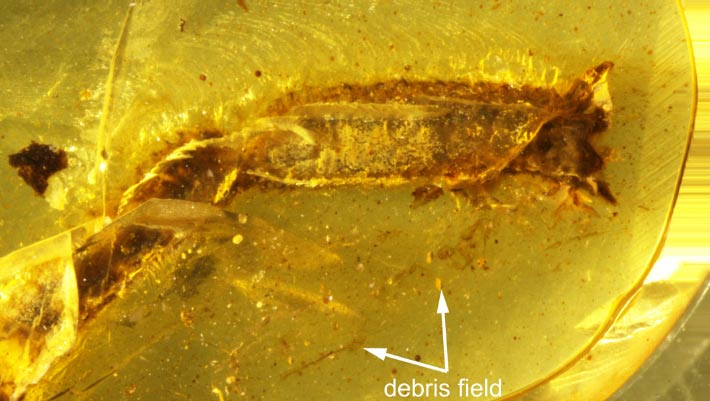
General view of the amber piece from Myanmar, arrows highlighting the debris stuck to the initial resin flow at the level of the ventral surface of the tail. Image credit: Fabrikant et al., doi: 10.26879/1706.

A tiny piece of amber from Myanmar has captured a defensive maneuver that lizards still use today: shedding part of their tail to escape a predator.

The post Lizard Dropped Its Tail 99 Million Years Ago, Amber Preserved Evidence appeared first on Sci.News: Breaking Science News.
  •  

New Species of Predatory Dinosaur Identified in UK

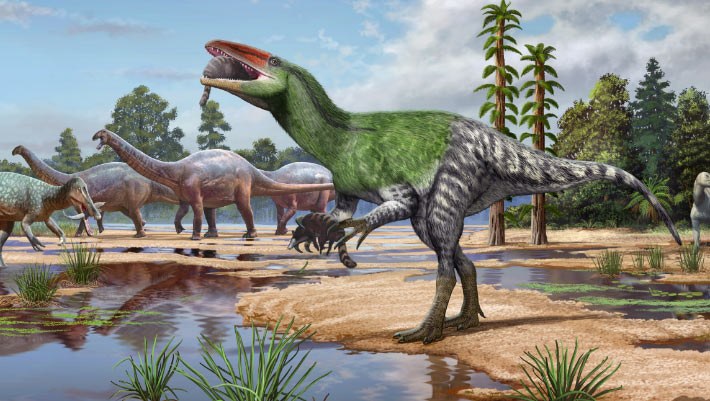
Artists’ rendition of Invictibellatrix amberina with contemporary fauna in the lower part of the Wessex Formation. Image credit: Sergey Krasovskiy / Pedro Salas.

A fossilized braincase that sat in in the collection of the Natural History Museum in London for a century has been identified as Europe’s first megaraptoran dinosaur, a lineage once thought to have flourished mainly in the southern hemisphere.

The post New Species of Predatory Dinosaur Identified in UK appeared first on Sci.News: Breaking Science News.
  •  

Small Raptors Likely Feasted on Fallen Tyrannosaur, Fossil Bite Marks Suggest

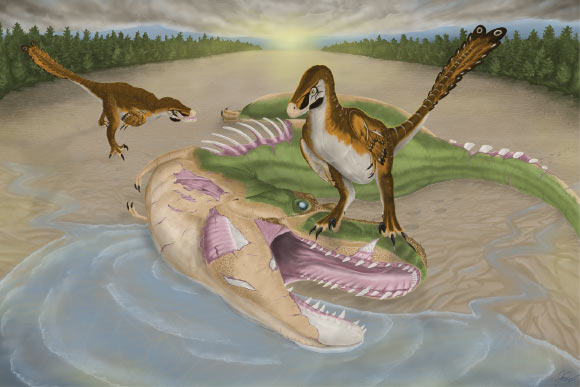
Atrociraptor scavenge the carcass of Albertosaurus along the edge of a river floodplain. Image credit: Joshua Adam Doyon.

Tyrannosaurs sit at the top of the food chain in the popular imagination, but a newly described fossil from Alberta, Canada, suggests that a much smaller predator may have fed on the carcass of Albertosaurus sarcophagus, a tyrannosaur relative.

The post Small Raptors Likely Feasted on Fallen Tyrannosaur, Fossil Bite Marks Suggest appeared first on Sci.News: Breaking Science News.
  •  

Paleontologists Uncover New Mosasaur Species in Egypt’s Western Desert

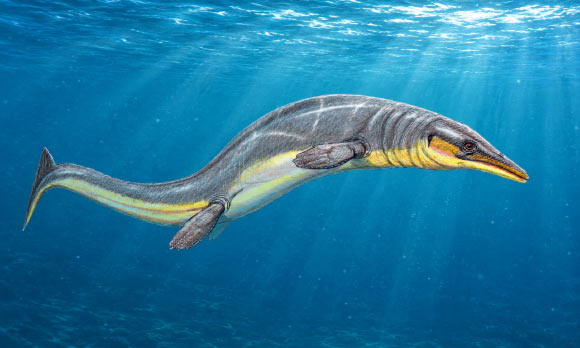
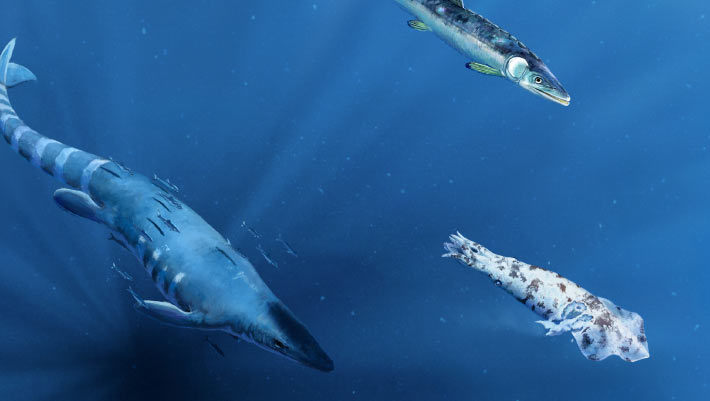
Halisaurus arambourgi, a species of mosasaur from Late Cretaceous of Marocco. Image credit: DiBgd / CC BY-SA 4.0.

Paleontologists have described a previously unknown species of mosasaur -- a group of extinct marine reptiles that patrolled Cretaceous seas alongside dinosaurs on land -- based on fossils unearthed in Egypt’s Dakhla Oasis.

The post Paleontologists Uncover New Mosasaur Species in Egypt’s Western Desert appeared first on Sci.News: Breaking Science News.
  •  

Spanish Amber Deposit Offers Rare Window into Cretaceous Life

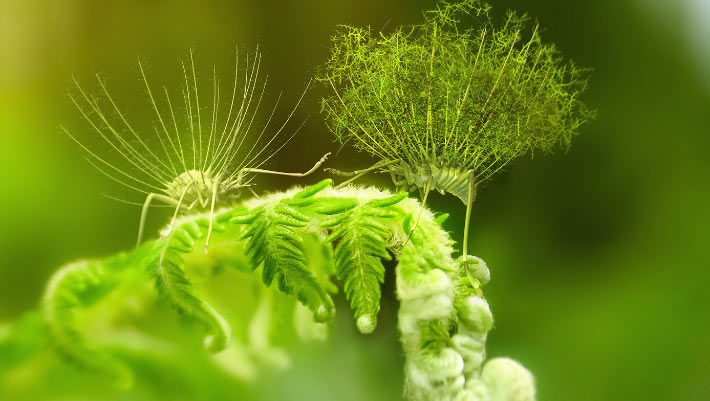
Life reconstruction of Hallucinochrysa diogenesi. Image credit: J.A. PeΓ±as.

El Soplao, a fossil site tucked into the hills of Cantabria in northern Spain, stands out for yielding amber pieces with a blue-violet hue and abundant bioinclusions, according to a new review paper.

The post Spanish Amber Deposit Offers Rare Window into Cretaceous Life appeared first on Sci.News: Breaking Science News.

  •  

Why Did Only Some Birds Survive the Asteroid That Killed the Dinosaurs? The Answer May Be Hiding in a Feather Found in T. Rex’s Poop

In 2016, paleontologist David DeMar Jr. was crawling across a rocky outcrop in northeastern Montana, hunting for fish fossils, when he spotted a dark, reddish-brown nodule about half the size of a golf ball. He picked it up and looked at it through his hand lens. On its surface was something he didn’t expect: a […]

  •  

Exceptionally Preserved Bird Feathers Found in 66-Million-Year-Old Dinosaur Coprolite

While some dinosaurs are thought to have had β€˜fuzzy’ or β€˜downy’ feathers (shown in this illustration as the yellow spikes on a Nanotyrannus’ neck), ancient birds (such as the one in the Nanotyrannus’ mouth) were more likely to have had feathers that look similar to the birds of today. Image credit: Andrey Atuchin.

Paleontologists in Montana have discovered remarkably preserved feathers of an ancient aquatic bird inside a fossilized dinosaur dropping, offering rare insight into why certain birds survived the asteroid strike that wiped out the dinosaurs 66 million years ago.

The post Exceptionally Preserved Bird Feathers Found in 66-Million-Year-Old Dinosaur Coprolite appeared first on Sci.News: Breaking Science News.

  •  

Paleontologists Discover First-Ever Adult Tyrannosaurus rex Trackway

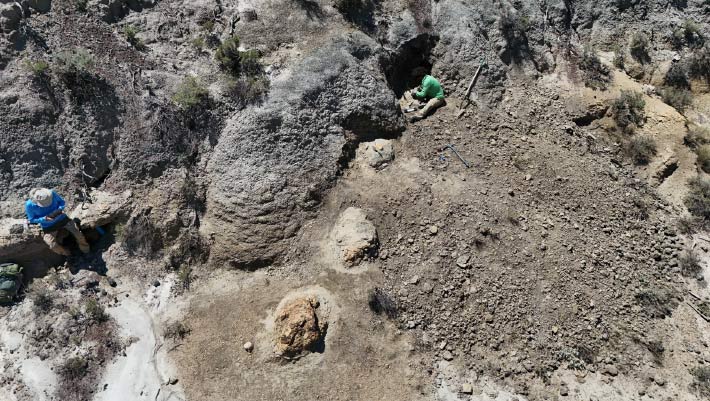
The Tyrannosaurus rex trackway in the Hell Creek Formation in North Dakota, the United States. Image credit: Kent Hups.

Paleontologists in North Dakota have unearthed a set of 66.5-million-year-old fossilized footprints that can be confidently attributed to a full-grown Tyrannosaurus rex.

The post Paleontologists Discover First-Ever Adult Tyrannosaurus rex Trackway appeared first on Sci.News: Breaking Science News.
  •  

115-Million-Year-Old Dinosaur Fossil Recovered from Deep Drill Core in China

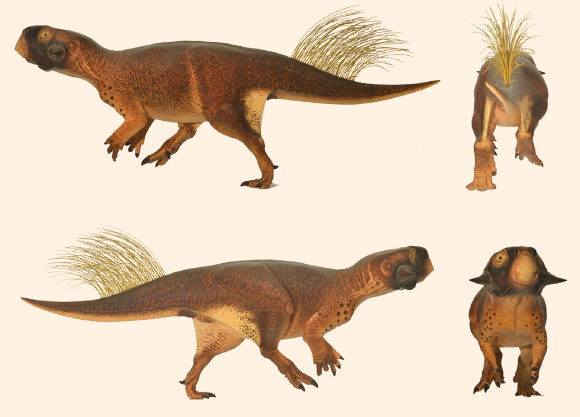
Model of Psittacosaurus sp. based on skin and pigmentation patterns on the specimen from the Senckenberg Museum, Germany. Image credit: Jakob Vinther et al.

Scientists have identified the first dinosaur fossil from a remote western section of the Bayan Gobi Formation in China’s Inner Mongolia, extending the known geographic range of dinosaur fossils in this important Early Cretaceous rock unit.

The post 115-Million-Year-Old Dinosaur Fossil Recovered from Deep Drill Core in China appeared first on Sci.News: Breaking Science News.
  •  

Dinosaur-Killing Asteroid Didn’t Just Strike Earth, Its Dust Cloud Cooked It

Ankylosaurus magniventris, a large armored dinosaur species, witnesses the impact of an asteroid, falling on the Yucatan peninsula 66 million years ago. Image credit: Fabio Manucci.

The Chicxulub impact not only plunged Earth into an impact winter but also produced a dust blanket that later overheated the planet, according to new research from Purdue University and the University of Colorado, Boulder.

The post Dinosaur-Killing Asteroid Didn’t Just Strike Earth, Its Dust Cloud Cooked It appeared first on Sci.News: Breaking Science News.
  •  

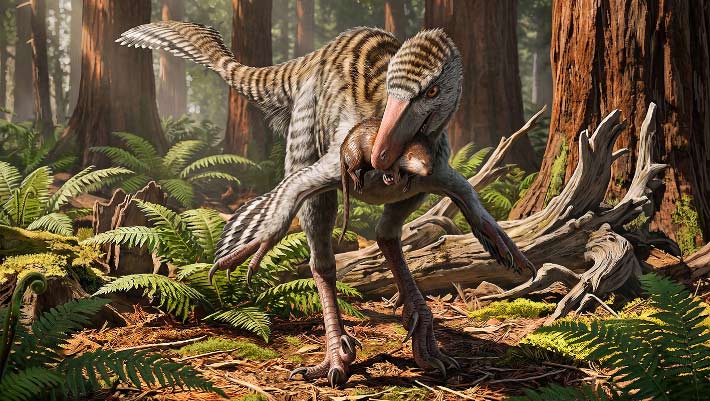
Did Early Snakes Burrow, Swim or Crawl? 80‑Million‑Year‑Old Fossil Suggests: All Three

Life reconstruction of Tametara mirim. Image credit: Gabriel Ugueto.

Paleontologists have unearthed a remarkably preserved fossil snake in Brazil that is reshaping ideas about how the earliest snakes lived and complicating the long-running debate over whether their ancestors burrowed underground, swam in the sea or crawled the surface.

The post Did Early Snakes Burrow, Swim or Crawl? 80‑Million‑Year‑Old Fossil Suggests: All Three appeared first on Sci.News: Breaking Science News.
  •  

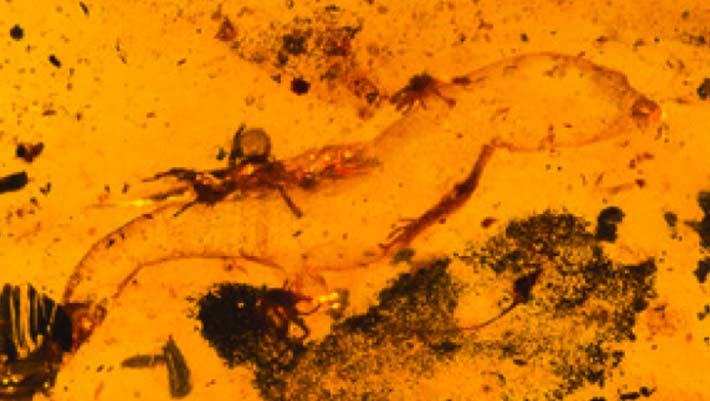
Oldest Known Male Gecko Found Preserved in Kachin Amber

Carinasquama rusmithii. Image credit: Daza et al., doi: 10.3897/sjp.145.188227.

Paleontologists have described a new genus and species of ancient gecko found in two pieces of amber from the 99-million-year-old (mid-Cretaceous) amber deposits in Kachin province, Myanmar.

The post Oldest Known Male Gecko Found Preserved in Kachin Amber appeared first on Sci.News: Breaking Science News.

  •  

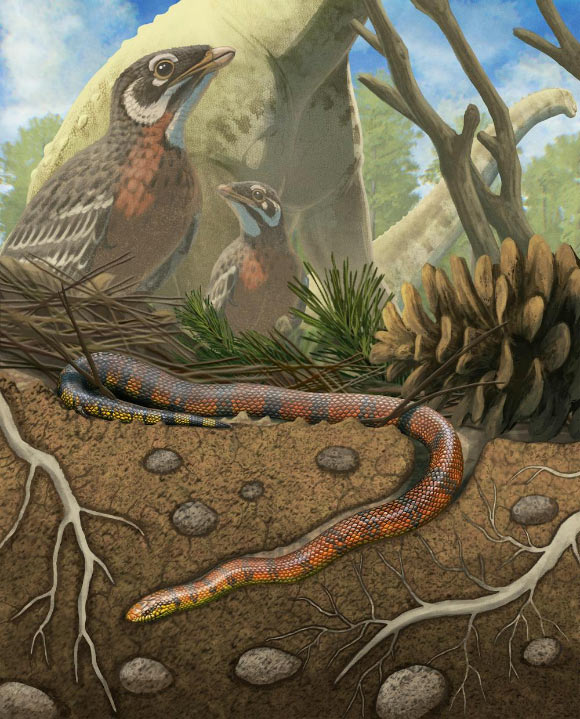
Dinosaurs May Have Been Wiped Out by β€˜Oddball’ Space Rock

This painting depicts an asteroid slamming into tropical, shallow seas of the sulfur-rich Yucatan Peninsula in what is today southeast Mexico. The aftermath of this immense asteroid collision, which occurred approximately 65 million years ago, is believed to have caused the extinction of the dinosaurs and many other species on Earth. Shown in this painting are pterodactyls, flying reptiles with wingspans of up to 50 feet, gliding above low tropical clouds. Image credit: Donald E. Davis / NASA.

By analyzing nickel isotopes preserved in the 66-million-year-old debris left by the Chicxulub impact, researchers conclude that the asteroid responsible for Earth’s last mass extinction most likely belonged to an exceptionally rare class of primitive meteorites called carbonaceous chondrites of the Ornans type (CO chondrites).

The post Dinosaurs May Have Been Wiped Out by β€˜Oddball’ Space Rock appeared first on Sci.News: Breaking Science News.
  •  

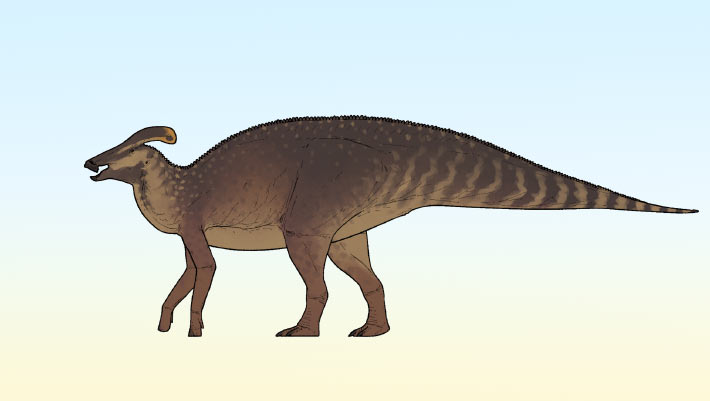
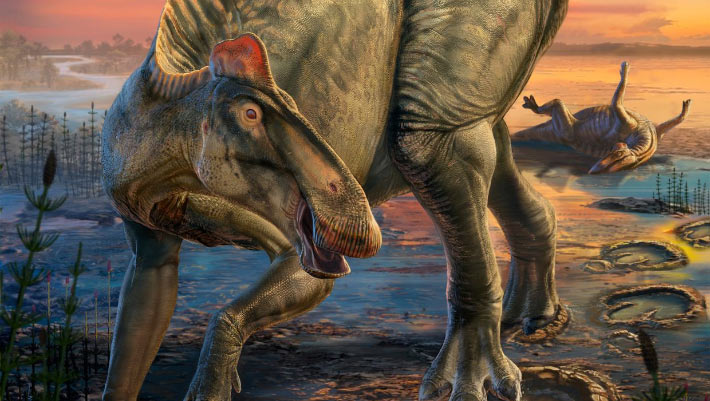
New Crested Dinosaur Species Identified in Canada

Life reconstruction of Plesiolophus warnerensis. Image credit: Connor Ashbridge / CC BY 4.0.

A new genus and species of lambeosaurine hadrosaurid dinosaur has been identified in southern Alberta, Canada, dating back 77 million years to the Campanian age of the Cretaceous period.

The post New Crested Dinosaur Species Identified in Canada appeared first on Sci.News: Breaking Science News.
  •  

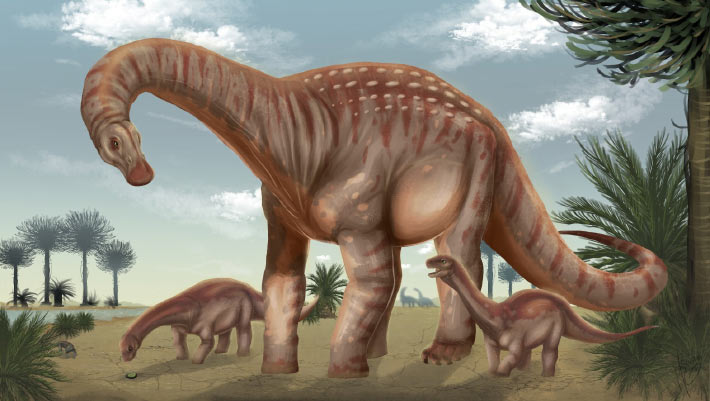
Paleontologists Discover New Species of Titanosaur in Uruguay

Mesetasaurus protector. Image credit: Merlina RamΓ­rez.

Paleontologists in Uruguay have identified a new species of aeolosaurine titanosaur from a pair of remarkably well-preserved tailbones unearthed in the 1980s near the Uruguay River.

The post Paleontologists Discover New Species of Titanosaur in Uruguay appeared first on Sci.News: Breaking Science News.

  •  

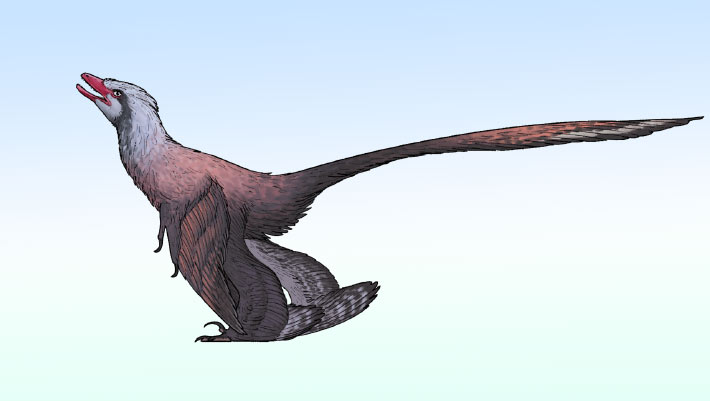
New Feathered Dinosaur from China Had Peacock-Like Tail

Changzhousaurus sinensis. Image credit: Connor Ashbridge / CC BY 4.0.

A new genus and species of four-winged pennaraptoran dinosaur from the Early Cretaceous of northern China is adding another twist to the story of how birds evolved from their dinosaur ancestors.

The post New Feathered Dinosaur from China Had Peacock-Like Tail appeared first on Sci.News: Breaking Science News.
  •  
❌