❌

Reading view

Apple expõe versões gigantes do iPhone Duo em suas lojas para marcar lançamento

Como dito na ocasião de seu anúncio, começaram hoje as vendas oficiais do iPhone Duo. E a Apple preparou uma estrutura grandiosa de marketing para o lançamento, com direito a versões gigantes do aparelho expostas na fachada de algumas Apple Stores.

O CEO 1Chief executive officer, ou diretor executivo. da empresa, John Ternus, mostrou, em seu perfil recém-criado na rede social chinesa Weibo, a novidade instalada na Apple Jing’an (em Xangai, China), mas ela também pode ser vista na Apple Fifth Avenue (Nova York, Estados Unidos), na Apple Covent Garden (Londres, Reino Unido) e na Apple BKC (Mumbai, Índia).

Com bordas iluminadas, essas réplicas gigantes do iPhone Duo obviamente não são funcionais como um smartphone, mas servem para mostrar toda a versatilidade do aparelho, cujo formato permite usá-lo em diferentes posições.

Nas redes sociais, alguns usuários compartilharam imagens da novidade em outras Apple Stores, inclusive de antes da sua revelação oficial.

Eis algumas delas, publicadas pelo usuário do X Lexus C [@LChenlz]:

Eis também alguns vídeos:

whoa looks like they’re glowing mirrors! that’s gonna look wild from the sidewalk and from the street with how they’re flanking the cube https://t.co/YQqG57O7GX

— Parker Ortolani (@ParkerOrtolani) October 22, 2026

duo pic.twitter.com/AT7SYZgLa8

— smushedgrass (@smushedgrass) October 22, 2026

Fotos do lançamento

Como sempre, a Apple também compartilhou fotos de alguns dos primeiros compradores do aparelho em lojas físicas — dessa vez, também na Apple Jing’an, em Xangai:


Alguém por aí já com o Duo em mãos? 😜

iPhone Duo

iPhone Duo

Cores: branco-estrela ou céu noturno
Armazenamento: 256GB, 512GB, 1TB ou 2TB
R$ 21.999,00

NOTA DE TRANSPARÊNCIA: O MacMagazine recebe uma pequena comissão sobre vendas concluídas por meio de links deste post, mas você, como consumidor, não paga nada a mais pelos produtos/serviços ao usar os nossos links de afiliado.

via MacRumors

Notas de rodapé

  • 1
    Chief executive officer, ou diretor executivo.

  •  

PLOS Issues Expression of Concern for Yangtze River Delta Study

The PLOS One editors have issued an expression of concern for a 2024 case study concerning the digital economy, innovation factor allocation and industrial structure transformation in China’s Yangtze River Delta city cluster. The notice, published on October 21, 2026, states that the article was identified as one of a series of submissions for which the journal has concerns about the integrity or reliability of the peer-review process. Readers are advised to interpret the original study with this issue in mind.

The notice does not report a new scientific finding, identify an error in the paper or evaluate the study’s scientific validity. According to the editors, PLOS did not assess the article’s integrity or scientific validity when following up on the matter. The expression of concern therefore records a concern about the circumstances surrounding peer review rather than announcing that the study’s data, methods or conclusions have been disproved. The editors also state that they have no concerns regarding the authors’ conduct during the peer-review process.

The affected article was published in PLOS One in 2024 under the title “Digital economy, innovation factor allocation and industrial structure transformation—A case study of the Yangtze River Delta city cluster in China.” The supplied notice does not provide the study’s findings, population details, analytical methods, model estimates, uncertainty measures or specific mechanisms linking the subjects named in the title. As a result, the notice does not support conclusions about the relationship between digital-economy development, innovation factors and industrial structure in the region, nor does it establish whether any reported association or causal effect is reliable.

For the wider research record, the immediate effect is that the 2024 article is accompanied by an editorial notice questioning the integrity or reliability of its peer-review process. The notice does not provide details about the submissions or explain the specific basis for the journal’s concerns. It also does not announce a correction, replacement analysis or revised conclusion. The central status of the paper’s scientific validity remains unevaluated in the supplied material, while the issue is sufficiently significant for PLOS One to advise readers to consider it when interpreting the study.

Subject of Research: A PLOS One expression of concern concerning peer-review reliability in a Yangtze River Delta regional-economy case study.

Article Title: Expression of Concern: Digital economy, innovation factor allocation and industrial structure transformation—A case study of the Yangtze River Delta city cluster in China

Article References: The PLOS One Editors (2026). Expression of Concern: Digital economy, innovation factor allocation and industrial structure transformation—A case study of the Yangtze River Delta city cluster in China. PLOS One, 21(10), e0360867. https://doi.org/10.1371/journal.pone.0360867

Image Credits: AI Generated

DOI: 10.1371/journal.pone.0360867

Keywords: PLOS One, expression of concern, peer review, research integrity, digital economy, innovation factors, industrial structure, Yangtze River Delta, China, Expression, Concern, Digital

  •  

Tea Drinkers May Have Fewer Heart and Blood Vessel Problems, Large Study Finds

Ye et al. found an 11% lower risk of vascular disease among regular tea drinkers. Image credit: Ye et al., doi: 10.1111/joim.70172.

People who drink tea regularly appear less likely to develop heart and vascular disease than people who don’t, according to a new study published today in the Journal of Internal Medicine.

The post Tea Drinkers May Have Fewer Heart and Blood Vessel Problems, Large Study Finds appeared first on Sci.News: Breaking Science News.

  •  

Early Cambrian Fossil Rewrites Starfish Family Tree

An artist’s impression of Yujingia glutenotunica. Image credit: He et al., doi: 10.1016/j.cub.2026.08.053.

A 518-million-year-old ambulacrarian fossil from China suggests that the common ancestor of starfish and their relatives was not a burrowing worm; it was probably a tentacled animal that fed from the water around it.

The post Early Cambrian Fossil Rewrites Starfish Family Tree appeared first on Sci.News: Breaking Science News.

  •  

US bans use of China’s DeepSeek AI tools by government agencies

Use of tools ‘may result in the transfer of sensitive data’ to China, defense department says

The US government on Monday ordered its agencies to stop using artificial intelligence (AI) tools from the Chinese startup DeepSeek, as the countries race for dominance in the fast-moving sector.

A notice from the Department of Homeland Security (DHS) announced the ban on products developed by DeepSeek – and tools created using DeepSeek by third parties – saying they must be removed from IT devices.

Continue reading...

© Photograph: Andy Wong/AP

© Photograph: Andy Wong/AP

© Photograph: Andy Wong/AP

  •  

Huawei’s car unit joins CATL’s 2,520-station battery swap network

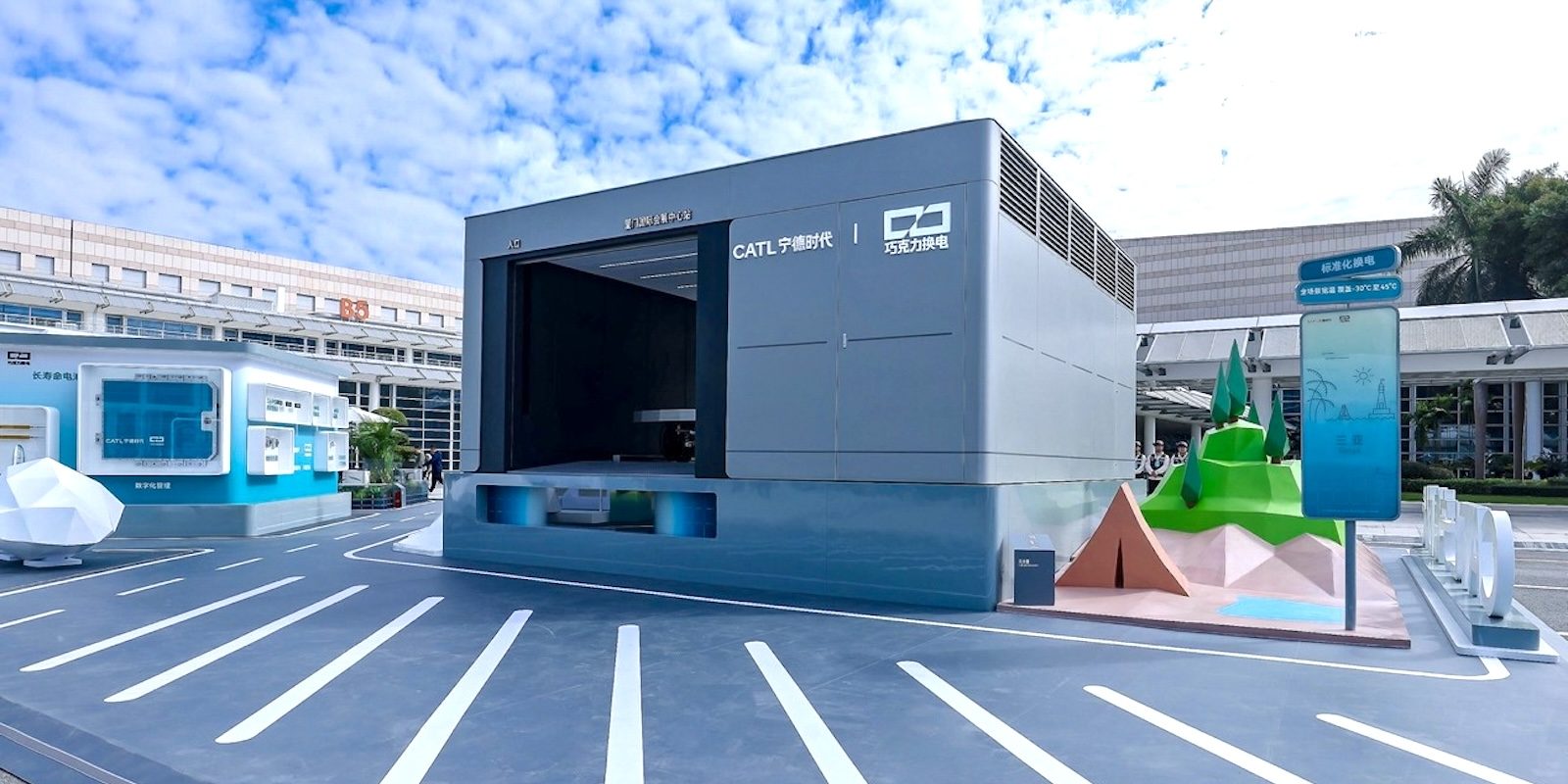
Huawei’s smart car business is signing on to CATL’s battery swap network, giving the world’s largest battery maker another heavyweight partner for a technology most of the industry wrote off a decade ago.

Yinwang, the Huawei-controlled automotive unit also known as Newcool, signed a strategic cooperation framework with CATL and its swap subsidiary CAES on Monday. CATL’s Choco-swap network already counts 2,520 stations across about 200 Chinese cities.

more…
  •  

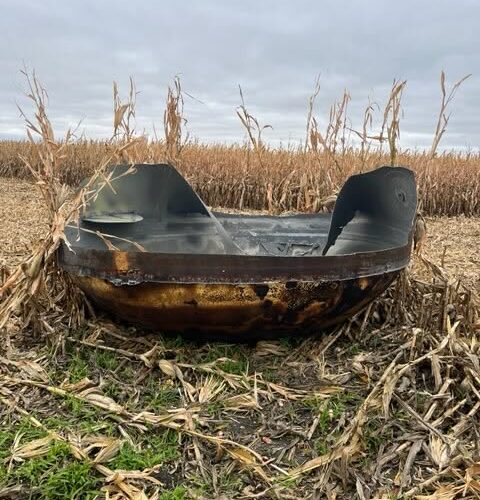
A Chinese rocket deorbited over Minnesota and left this in a farmer's cornfield

About a month ago, a Chinese rocket took off from a remote spaceport in the Gobi Desert, released 10 satellites into orbit, then reignited its engine and put itself on a trajectory to rain down debris over the American Midwest.

The rocket's flight on September 15 lasted between 75 and 80 minutes, and it came down without completing a full orbit of the Earth. Social media posts at the time showed streaks of fiery debris falling from the sky, heading north over Kansas toward Minnesota. The overnight spectacle was also visible on the western horizon from Wisconsin.

The exact time, location, and direction of the debris allowed experts to connect it to the launch of a Zhuque-2E rocket, a medium-lift vehicle built by a Chinese company called LandSpace. The rocket had launched from Dongfeng, a commercial launch zone co-located with the military-run Jiuquan Satellite Launch Center in northwestern China, less than two hours before.

Read full article

Comments

© Stevens County Sheriff's Office

  •  

Boot this: BYD Denza B8 driver gets booted, doesn’t care [video]

The plug-in hybrid BYD Denza B8 didn’t set the sales charts on fire, but its high-tech suspension promised a smooth ride across just about any terrain, adjusting damping and ride height while independently controlling hydraulic pressure at each wheel. It’s a neat trick, but one driver has figured out a whole new use for it: avoiding traffic boots.

more…
  •  
  •  

The Internet’s undersea backbone is slipping into the danger zone

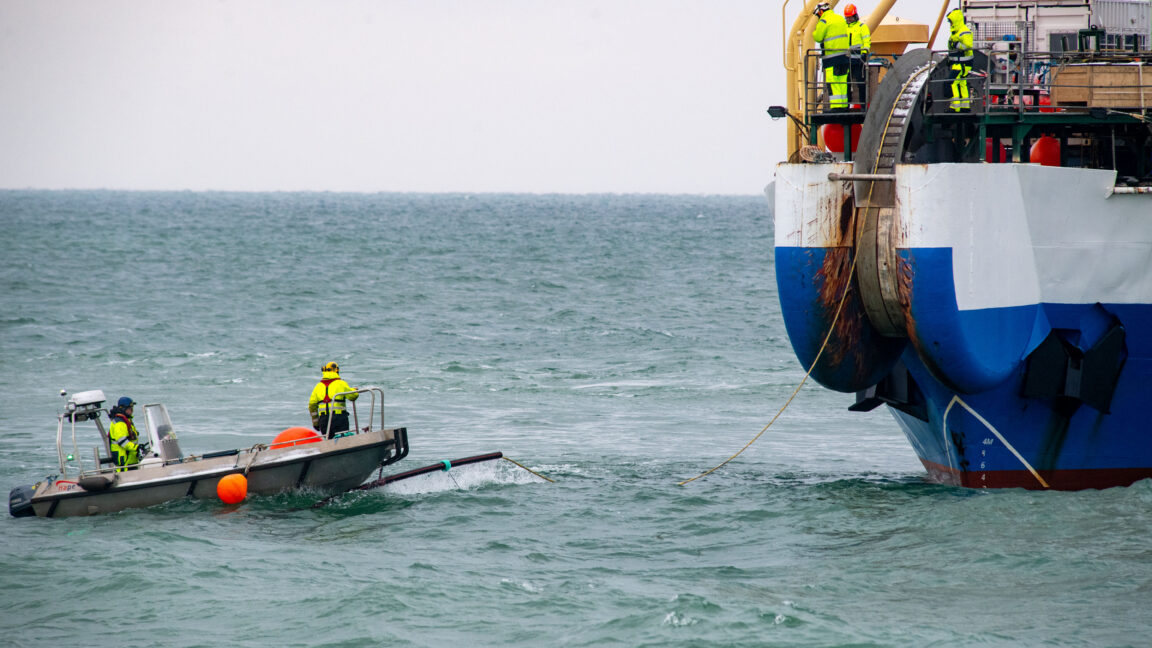
Despite the expansion of Starlink and other communications satellite services, most of the world’s Internet traffic still travels through subsea cables crisscrossing the ocean floors. Those fiber-optic cables coexist with a network of oil and gas pipelines and submarine power cables—and all these crucial links connecting countries and continents now face growing sabotage risks as gray-zone warfare and open conflicts have become widespread.

The rising risks to the world’s invisible infrastructure beneath the waves are the main subject of a new book by Elisabeth Braw, a senior fellow at the Atlantic Council who leads the Threats to the Global Maritime Order Initiative. Her book, titled Undersea War, explores the modern rise in suspicious incidents in which ships dragging their anchors for unusually long periods have cut or damaged undersea cables and pipelines, from the Baltic Sea to the Pacific Ocean.

Braw acknowledges that about 60 percent of undersea cable damage is primarily due to human error during fishing and shipping activities, when weighted nets or anchors drag across the seabed. Natural hazards like storms and undersea landslides also account for a smaller proportion of such incidents. In total, between 150 and 200 cables are damaged each year and usually repaired quickly.

Read full article

Comments

© Stefan Sauer/picture alliance via Getty Images

  •  

Tesla’s China business is flipping: sales down 12%, exports double

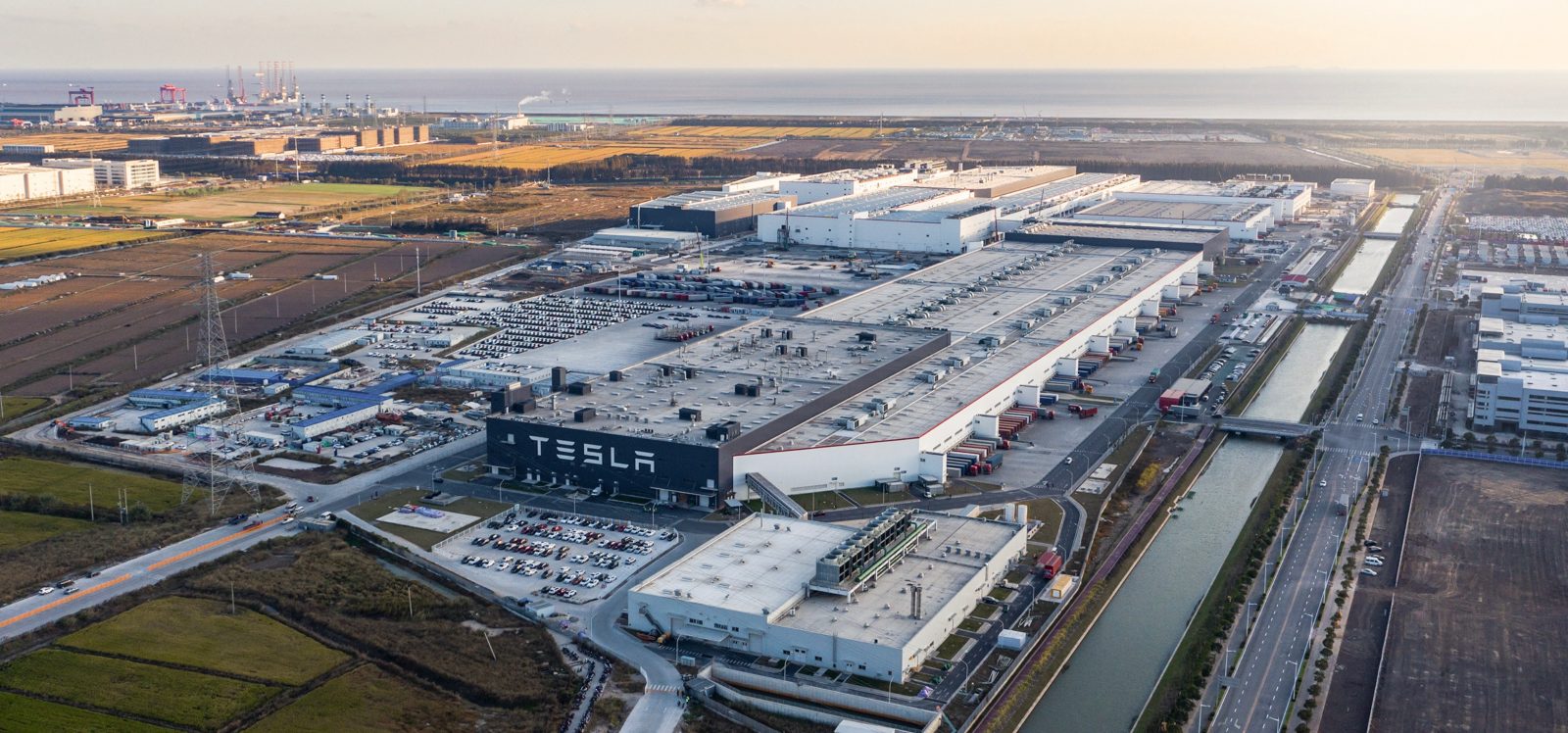
Tesla sold 381,088 cars to Chinese buyers through the first nine months of 2026, down 11.9% from last year, according to CPCA data. Over the same period, Giga Shanghai’s exports more than doubled to 361,972 vehicles.

Nearly half of what Tesla builds in China now leaves China. And Beijing just announced it will cut the tax rebate on EV exports next year.

more…
  •  

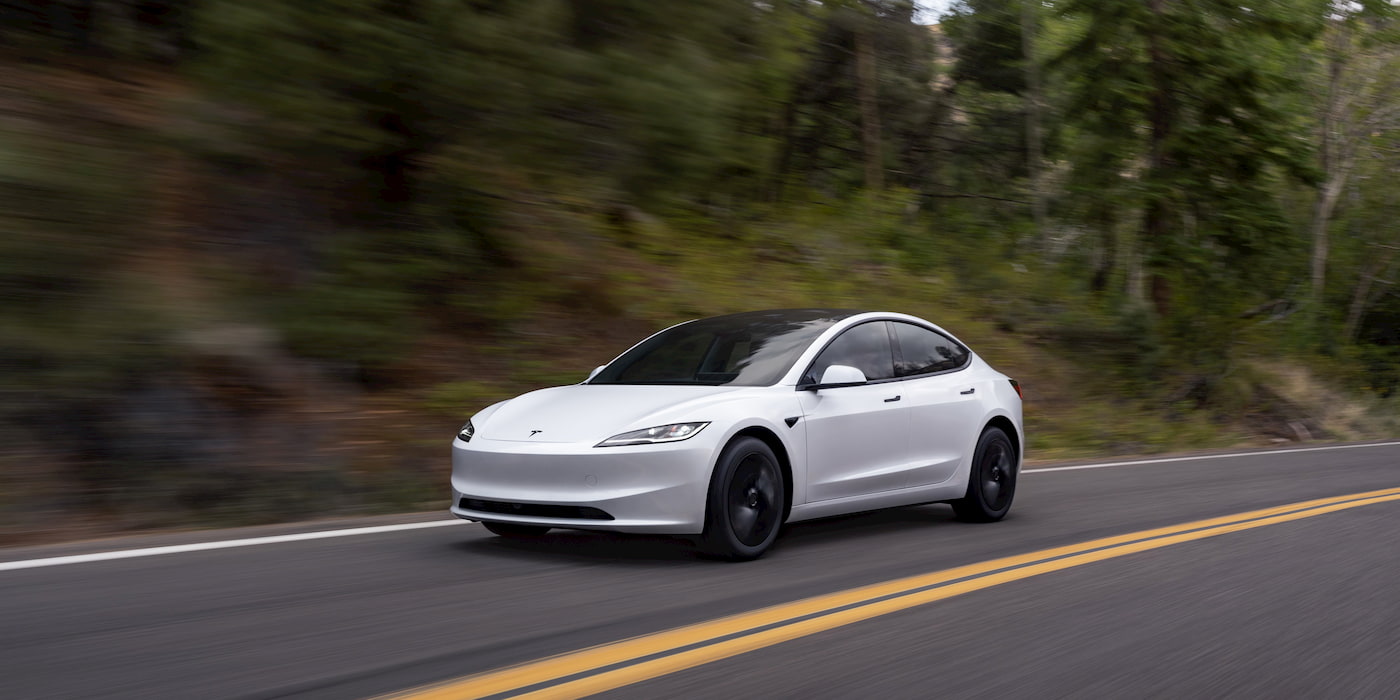
Tesla pauses Model 3 orders in Canada amid China EV quota

Tesla has stopped taking orders for the Model 3 Premium in Canada, the Shanghai-built trim that brought the electric sedan down to $39,490 CAD. The automaker says it has used up its import quota for Chinese-made EVs and doesn’t expect to reopen orders until March 2027.

But the Canadian government’s own tracker tells a different story: 33,069 of the 49,000 permits for China-made EVs in the current quota year are still available.

more…
  •  

Huawei-backed AITO sets Europe launch for fall 2027 with 4 luxury SUVs

AITO will start selling cars in Europe in the fall of 2027. The Chinese luxury SUV brand, built by Seres with Huawei’s technology, confirmed the timing at the Paris Motor Show today, where it showed the AITO 9, 8, 7, and 6.

AITO sold 426,000 vehicles in 2025, more than any other Chinese luxury brand. Now it has a date for Europe. But you won’t find the word “Huawei” anywhere in its Paris press kit.

more…
  •  
❌