❌

Reading view

'The Russians were the problem in the end': Sailor Matt Rutherford on being intercepted by the FSB while attempting to circumnavigate the Arctic Ocean solo

Sailor Matt Rutherford has dreamed for several years of becoming the first person to circumnavigate the Arctic Ocean solo, nonstop and unassisted. He finally set out from western Greenland on June 25 to achieve this goal, but threatening encounters with Russia's security agency less than two months later forced him to reverse course.

Rutherford is the founder and executive director of the nonprofit environmental organization Ocean Research Project, which gathers and analyzes marine data from a sailboat. His route took him around the southern tip of Greenland, through the Denmark Strait and into the Greenland Sea. From there, he sailed through the Norwegian and Barents seas, and reached Russia's Novaya Zemlya archipelago in mid-August.

He was planning to continue to Canada and end his journey where it started, but Russian officials halted him in his tracks and ordered him to turn around.

On his way home, Rutherford told Live Science about his adventures and why he wants to complete this loop. In an interview on Sept. 23, he also revealed what he'll do differently on his next attempt to avoid another Russian interception.

Sascha Pare: Where are you currently, and what are the conditions like?

Matt Rutherford: I'm about halfway between Greenland and Newfoundland in the Labrador Sea. The conditions aren't too bad; I mean, it's close to a gale, but it's not quite a gale. [Editor's note: A gale is defined as an area of sustained surface winds of 34 to 47 knots (39 to 54 miles per hour).] It's just a little hard to do anything. I've got dishes in the sink that are all wedged in there that I really need to deal with ‪—‬ but I don't feel like it, because you're just getting tossed around. Waves are crashing on the cockpit. Normally, I do video calls under a dodger [a canvas screen on a boat or ship that provides protection from spray], and you can see the ocean in the background… But I'm going to get hit by a wave if I do that.

SP: You're sailing home to Maryland after a rather perilous expedition. How long have you been at sea for?

MR: I left in mid-May, and I've been basically underway for the most part since then. At this time, currently, I've only been at sea for a few days, because I left Greenland a few days ago. The longest stretch I was continuously at sea this year is 59 days, although I was planning on doing longer than that, so that sucked. Essentially, I was attempting to do a nonstop, single-handed circumnavigation of the Arctic. That's where this all sort of came out of. I tried in 2018, but you couldn't get the Russian permits. And the Russians were the problem in the end [this year]. I got defeated by Russian bureaucracy, essentially. And there was some weird stuff going on with the ice up there this year. [Editor's note: Sections of the High Arctic were impassable due to a relatively cold summer and solid ice fields.]
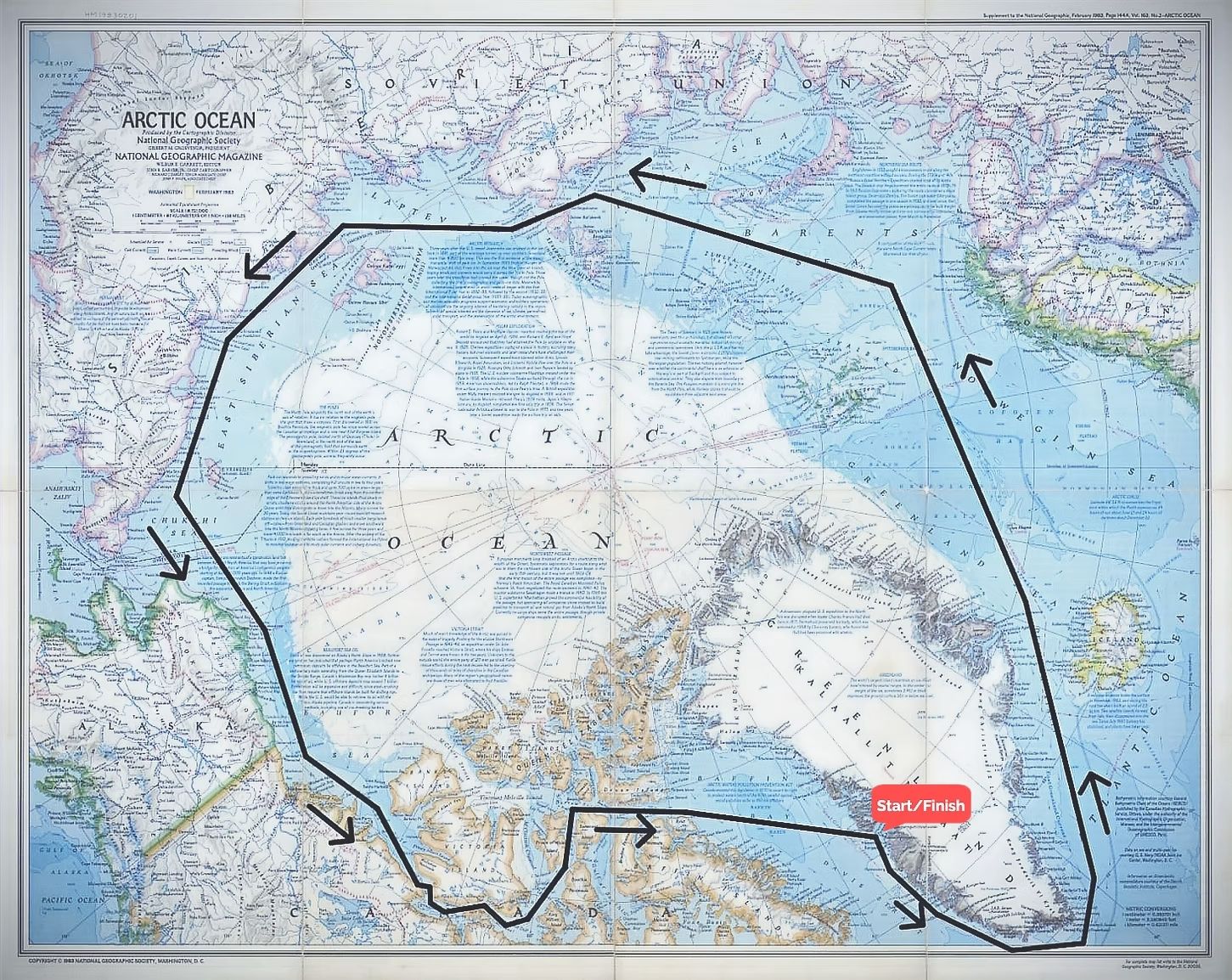
A map of the Arctic with arrows showing a circular sailing route.

Rutherford's route took him close to Russia's coast, where the FSB intercepted him. (Image credit: Ocean Research Project)

SP: What happened with the Russians that forced you to turn back?

MR: The FSB got me. [Editor's note: The Federal Security Service (FSB) is Russia's main security agency and a successor to the Soviet Union's KGB.] They boarded me twice, actually. I've never been boarded in the ocean in my life, and I've been sailing 20 years, all over the place. I got about 1,000 miles [1,600 kilometers] into Russia, roughly. I got into the Northern Sea Route. If you just draw a line due north, I was due north of West China — it was way over there, about halfway around the world in the Arctic. I made it about halfway, because I started in Aasiaat, Greenland.

They boarded me once, and then they turned me around and boarded me again. It's a bit of a strange situation, I guess. Two days after I turned around, the ice that I was waiting to open opened, and I sent them an email — the NSRA, the Northern Sea Route Association in Moscow — and said, "Hey, it's open. Can I pretty please go?" And they just got mad at me, like, "You'll be in violation of your permit; you have to turn around."

SP: You're planning to try the circumnavigation again next year. Will you do anything differently to make sure you complete it?

MR: The boat's pretty good to go ‪—‬ which is great, because that's a huge time sink. Ideally, hopefully, if I can get north of [the Norwegian archipelago] Svalbard again like I did this year, then I'm going to stay north of [the Russian archipelago] Franz Josef Land, and I'm going to basically ride the polar ice cap all the way from Svalbard to the Northwest Passage — all the way to Alaska and beyond, essentially.

Because I've learned how the FSB operate, and I know where they're keeping their ships now. Even though I was north of Novaya Zemlya, they still were able to get me. But if I'm over there, north of Frank Josef, they don't go that far, so they won't be able to get me up there. I've figured out a couple of other things that I'm not even going to say, honestly ‪—‬ there are workarounds to get them to [leave me alone]. I'm going to go a little bit quiet.

The NSRA gives you the permit to do this, but the FSB are the people who patrol it. And the FSB don't like the NSRA. I learned that when they boarded me, because they think that they're the ones who should control the Northern Sea Route, not the NSRA. So there's [a] beef between them; they don't talk. There's a lack of communication, which benefits me. I can lean heavy onto the NSRA side, because they don't have boats; they're not going to board you. And they're the ones you have to check in with every 24 hours in Moscow; you've got to send them an email every 24 hours. So I'll do all of that stuff with those guys, but I think there's some ways I can avoid the FSB even knowing where I am, essentially, while still complying with my permit in the NSRA.

Basically, I've got to do the Northern Sea Route without getting within 12 miles [19 km] of any Russian land, period ‪—‬ even a little island, even a rock that sticks out that's 10 feet by 10 feet [3 by 3 m]. That's going to be real tricky, because there are a lot of little islands down there. But the FSB is mostly on the European side; they have almost no boats over on the east side or the middle. So if you can get past the European side by hugging the coast way the hell north, hopefully I can get past where they patrol, and then I can just shoot on through.

Nobody else in the world does this ‪—‬ nobody else in the Arctic, nobody else anywhere. There's literally no other body of water on Earth where you've got to get permits, and then you've got to get boarded like this. It's only Russia, and only north of Russia. And that's because there's a huge amount of natural gas, they think, buried above Russia. So Russia's trying to claim everything to the North Pole.

Technically, it's international waters, so the U.N. is like, "No, this is not right." And Russia's like, "Whatcha gonna do about it?" It's kind of hard to argue with that ‪—‬ and it's north of Russia, so nobody else is there. They've got free rein, and they've got all the icebreakers and whatever else.

Everything else is about the same. I need to secure my hot sauce better, because every time I open my cabinet, they fall out all over the place. There's little things like that ‪—‬ quality-of-life things. I'll probably bring some more heated socks — electric socks and electric gloves. I'll try to make better videos — but I'm not a content creator, and I don't want to be an influencer.
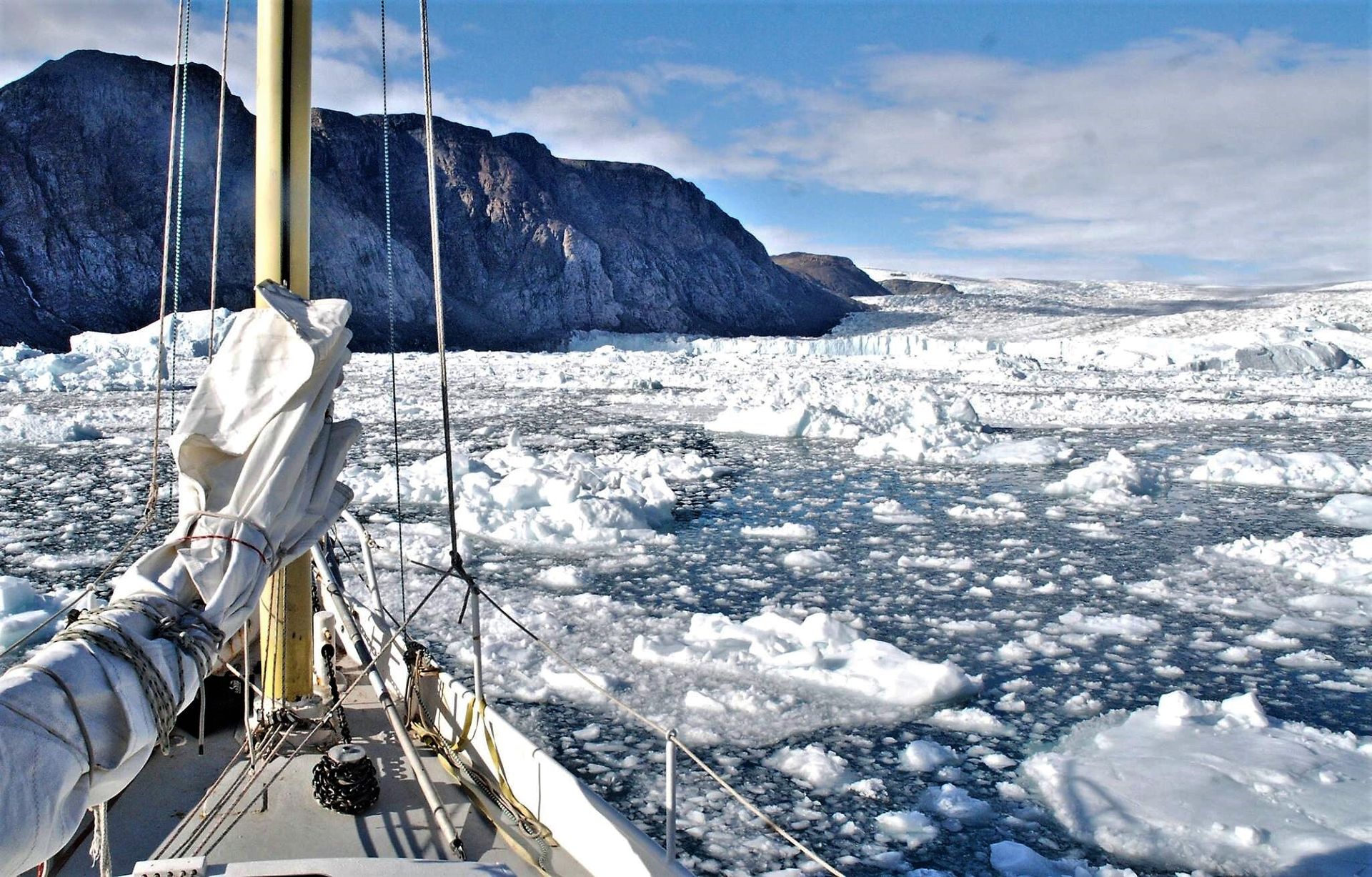
A ship floats between ice in the Arctic.

Rutherford will make another attempt at circumnavigating the Arctic next year. (Image credit: Matt Rutherford)

SP: Can you tell me a bit about your background and what led you to this point?

MR: I did this whole circumnavigation of the Americas — nonstop, single-handed — back in 2011 where I spent 309 days alone at sea on this little 27-foot (8 meters) boat. When I got back from that big, crazy trip — which I made a documentary about ["Red Dot on the Ocean: The Matt Rutherford Story"] — I created a nonprofit called Ocean Research Project, where, basically, we use sailboats to do research. We focused mostly in 2013 and 2014 on garbage-patch-related microplastics. In 2013, we mapped out the eastern side of the Atlantic garbage patch, because nobody had got to the eastern side of it. I think it was 160,000 pieces per square kilometer, or something like that. And then, we did some stuff in 2014 in the Pacific garbage patch with the University of Tokyo; we did a joint paper with them.

But mostly what we focus on is Arctic research. Since 2015, we've been heading up to Greenland — sometimes the Northwest Passage also, but primarily Greenland — doing research related to glaciers, for the most part. An ocean-terminating glacier sort of has a river of melted water underneath it, and it creates upwelling, and the upwelling has nutrients. So it mixes nutrients with the ocean and creates this perfect recipe for growth for phytoplankton and zooplankton. And then, we look at the different stages of decay between an ocean-terminating glacier, a land-retreated glacier or a deglaciated fjord. In the middle phase, when a glacier starts retreating back on land, it just creates a river of muddy water, essentially; it turns the fjord into a mud puddle. You can't have photosynthesis if you're in a mud puddle.
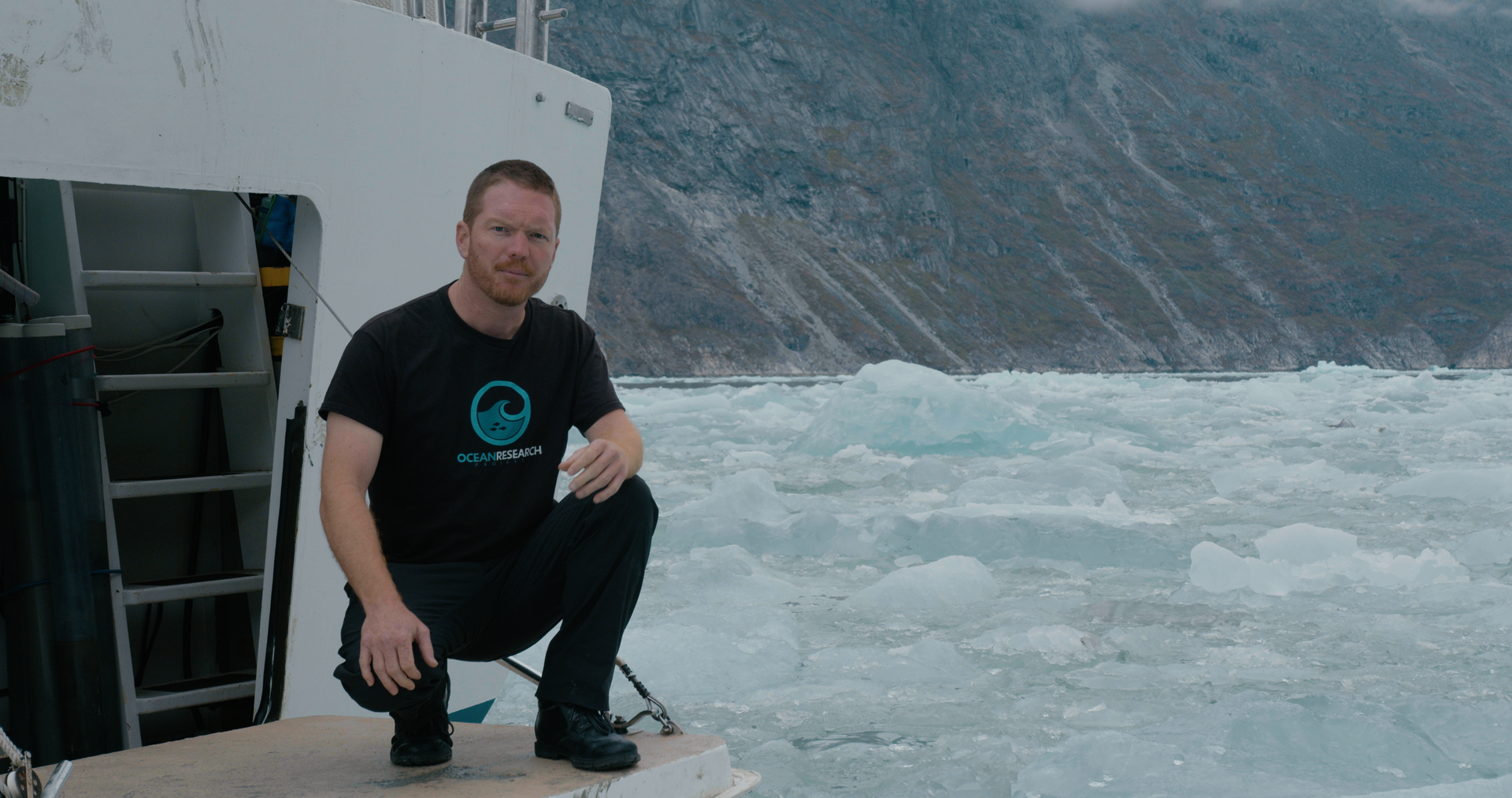
A man squats on the deck of a ship in an icy ocean

The Ocean Research Project is a nonprofit studying the Arctic and Chesapeake Bay. (Image credit: Matt Rutherford)

SP: Have you been collecting samples or data on this expedition?

MR: Well, it's a little tricky on a boat under these circumstances. I took 50 samples, which were just water samples, and those were from Newfoundland to Aasiaat, Greenland. Nicole [Nicole Trenholm, Ocean Research Project's science director] has a NASA internship out at JPL [Jet Propulsion Laboratory]. She was publishing a paper looking at their model that they have [ECCO-Darwin], and I've kind of forced my way into the paper — well, the organization did, with Nicole's help — by adding these samples. Now we have in situ data, physical data, that we can compare to the model data. That was the only thing we did this year. It's a couple-thousand-mile stretch with 50 water samples in it, so it's a pretty straightforward sort of thing.

Nicole is trying to publish multiple peer-reviewed scientific papers from our previous data. She's got a traffic jam of data, so she needed some time to finish publishing papers from stuff we've collected over the last few years. There is no money anyways. I could still grab some samples on the way up there [Greenland]. And it's trying to promote the nonprofit through it, because people will pay a lot more attention to this stuff than they pay to traditional research expeditions.

SP: What are your hopes for the Ocean Research Project once you tick off this goal?

MR: Basically, we're trying to expand the organization over the next couple of years. I'd like to bring in another one or two more scientists, because we're up there for three months in Greenland, and sometimes we go to the Northwest Passage — and it's a lot for one scientist.

The big problem we're having is that when Elon Musk was part of DOGE [U.S. Department of Government Efficiency], they cut a massive amount of polar funding — something like 88% of it — because apparently climate change is a hoax and they hate it and you're not allowed to research it either, right?

Basically, nobody's got money. We don't typically get NSF [National Science Foundation] funding; we get more foundation funding, because it's hard to get NSF funding, even before all this stuff. Now that the funding has been cut on the governmental level, a lot more scientists are going after the foundation grants that we used to have a lot less competition for. That makes it a little tricky, too, because now they're getting a flood of requests that they didn't usually get in the past.

This interview has been condensed and edited lightly for clarity.

Help us improve Live Science Pro: We're always trying to make our content better. Leave us feedback about Pro here.
  •  

Arctic Scare Stories Melt Away

Arctic summer sea ice should have melted away years ago, according to the 'experts' who foretold its demise by 2007, 2012, 2016... But with the ice going nowhere, those experts are very quiet now, says Paul Homewood.

The post Arctic Scare Stories Melt Away appeared first on The Daily Sceptic.

  •  

A Massive 29-Square-Mile Iceberg Hit an Island and Kept Going

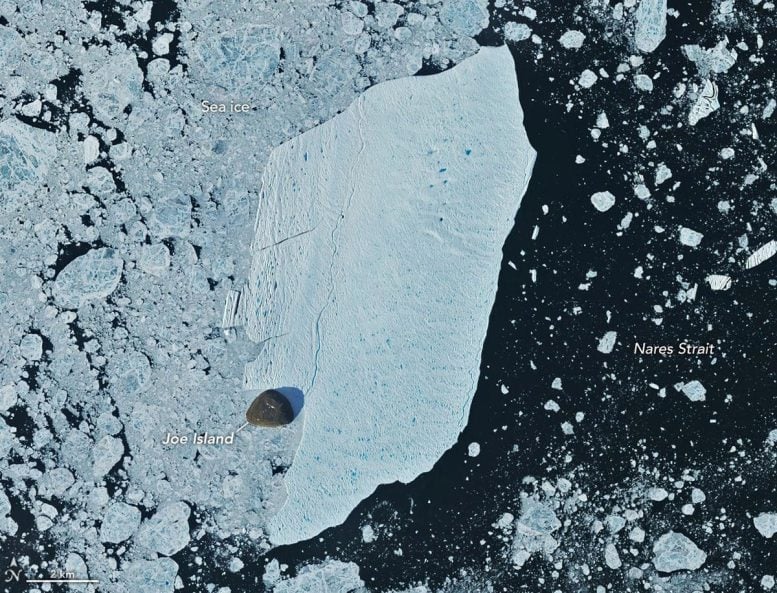
Petermann Glacier Iceberg Joe IslandA giant 29-square-mile iceberg broke from Greenland’s Petermann Glacier and survived a collision with Joe Island that might have shattered a more fragile berg. Summer is the busiest time of year for iceberg activity in Greenland’s glacier-fed fjords, and 2026 brought another dramatic example. In August, a huge iceberg separated from Petermann Glacier on Greenland’s [...]
  •  

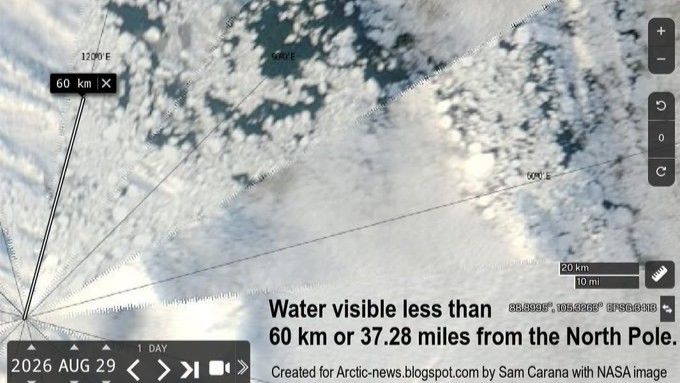
'A worrying snapshot': Satellite image shows large patches of open water less than 40 miles from the North Pole

Large patches of open water were visible just 37 miles (60 kilometers) from the North Pole on Aug. 29, a NASA satellite image shows. Although this doesn't necessarily mean that Arctic ice is worse off this year than the past few years, the image reveals how severely climate change is affecting the region, experts say.

The image is from the NASA Worldview satellite photo browsing tool and was shared last week on the blog Arctic News. The patches are "quite striking," but it's not the first time that water has encroached upon Arctic ice in this way, said Julienne Stroeve, a professor of polar observation and modeling at University College London.

"We can see open water at times at the North Pole but I don't think it's ever been this extensive," Stroeve told Live Science in an email. For instance, the central Arctic Ocean and regions north of 80 degrees north latitude, an imaginary line that crosses Canada's Ellesmere Island and Spitsbergen in Norway, were highly fragmented in early September 2016.

The time of year is one reason water is now visible in this region, said Zachary Labe, a climate scientist at Climate Central, a nonprofit news organization that analyzes and reports on the climate. "By the end of summer, the sea ice generally becomes more fragmented, with areas of open water appearing more widespread between pieces of sea ice," Labe told Live Science in an email.

This means that local weather conditions and ocean currents can create large gaps between ice floes, Labe said. For example, strong winds can push ice fragments together or pull them apart, leading areas of water to widen or close within hours or days.

"Individual satellite images from around the North Pole in just the last two weeks show dramatic changes in the amount and location of visible open water," he noted.

The current extent of Arctic sea ice isn't particularly low when compared with record-setting years, but that's now very changeable due to the diffuseness of the ice, Stroeve said. "Winds could change and compress the ice into a more compact ice cover leading to sudden drops in total extent," she said.

There is no specific distance from the North Pole at which open water should normally stop, because Arctic conditions can vary substantially from year to year, Labe said. However, the summer ice has become thinner and more fragile in recent years, so open water is consistently reaching closer to the North Pole than it did before.

"To me, this image doesn't necessarily show that conditions are dramatically worse this year compared to other recent years," Labe said. "Instead, it represents a worrying snapshot of a very different Arctic Ocean than only a few decades ago and one that is quickly changing over time."

The Arctic is warming nearly four times faster than the global average. Some of the northernmost regions that have historically boasted expansive, thick and persistent ice at the end of summer now have young, brittle ice floes instead, Labe said.

"The broader implications of more open water across the Arctic Ocean are wide-ranging, from changes in local weather and ocean conditions to impacts on marine ecosystems and greater coastal risks like erosion and flooding for Arctic communities," he said.

Scientists expect that sea ice will start to refreeze by mid- to late September, closing at least some of the gaps.

  •  

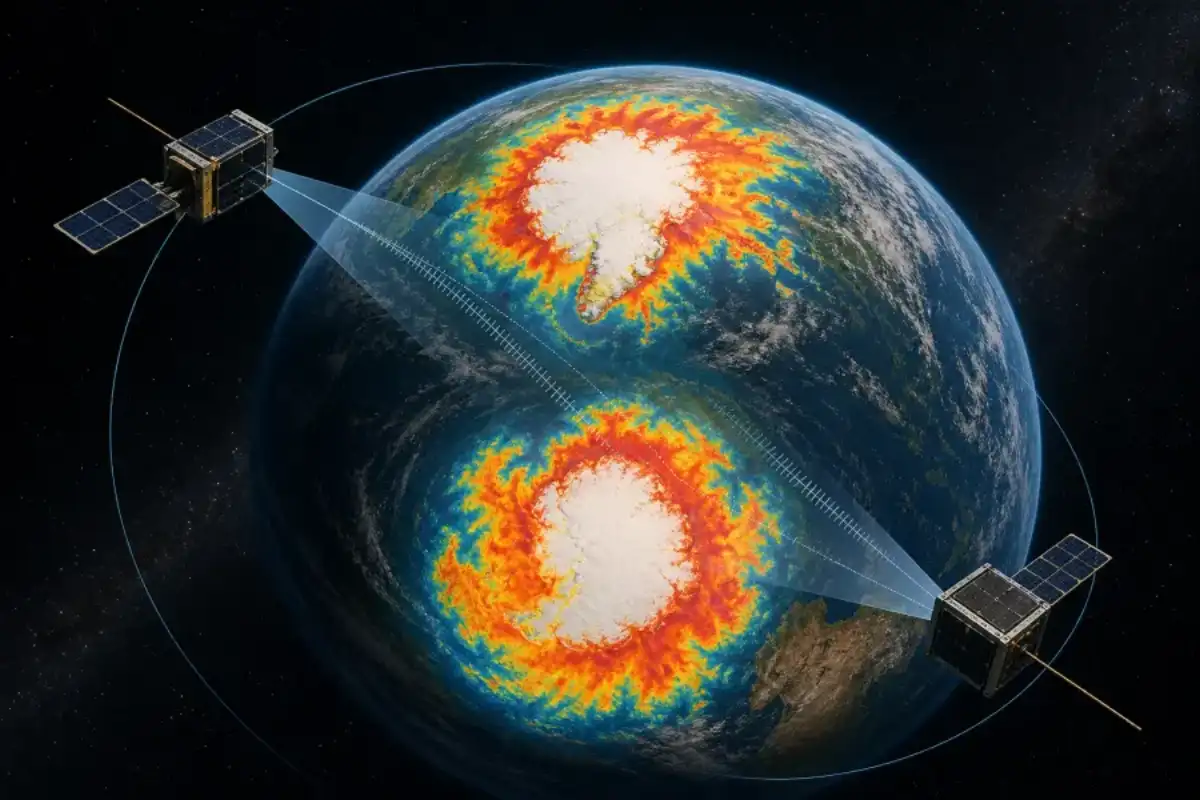
NASA’s PREFIRE Satellites Show How the Poles Trade Heat With Space

At Earth’s poles, much of the heat leaving the planet is invisible to human eyes. NASA’s two PREFIRE CubeSats are measuring that far-infrared energy directly, and a new animation built from two complete seasonal cycles shows just how differently the Arctic and Antarctic warm and cool. The Polar Radiant Energy in the Far-InfraRed Experiment began […]

The post NASA’s PREFIRE Satellites Show How the Poles Trade Heat With Space appeared first on Curiosmos.

  •  

First experiment to thicken Arctic ice with seawater shows promise — but there's a big catch

A simple method to thicken Arctic sea ice has shown promising results in its very first field experiment, performed in Cambridge Bay, Nunavut, Canada.

Researchers are considering several controversial geoengineering techniques to slow the catastrophic melt of Arctic sea ice, including stratospheric aerosol injection, which involves shooting tiny sulfur particles into the sky to blot out the sun. But in a new study, scientists evaluated the merits of a much safer and more straightforward approach: pumping seawater onto existing sea ice in winter and letting it freeze into a reinforcing layer.

Known as sea ice thickening, this method has been used by Nordic and Arctic communities for decades, and ice hockey rinks employ a similar technique to keep their ice sturdy, two of the study's authors told Live Science in an email.

"Practical applications [that already exist] include building ice roads and creating platforms for offshore oil exploration," said Edward Blanchard-Wrigglesworth, a research associate professor in the University of Washington's Department of Atmospheric Sciences, and Andrea Ceccolini, an honorary professor at University College London and the CEO of the startup Real Ice, which studies artificial sea ice thickening methods and receives funding from the U.K. government.

Modeling work hints that sea ice thickening could become a climate adaptation tool for Arctic communities by limiting coastal erosion near towns, facilitating travel and supporting animal migrations and hunting.

Now, researchers have assessed the method's efficacy in the field for the first time. Their results, published May 22 in the journal Earth's Future, indicate that both the thickness and brightness of sea ice can be enhanced significantly on small scales — making the ice more reflective, and therefore more resilient to melting.

In the experiment, the team set up eight test areas and three control sites in Cambridge Bay during the winter of 2024 to 2025. Using submersible pumps that each consume less power than a toaster, they flooded the test areas either once or twice with up to 8 inches (20 centimeters) of seawater, while the control sites were never flooded. In spring, one control site was used for a melt pond drainage experiment, which involved drilling small holes in the ice to remove meltwater and expose the brighter ice underneath.

Overall, the test areas grew up to 12.6 inches (32 cm) thicker than the control sites by the end of winter, which is roughly equivalent to the ice thinning that has happened in the Arctic over the past 50 years, according to the study. Test areas that were flooded twice showed greater thickening than those flooded once. And in the melt period from late May to September, sea ice in the test areas appeared brighter and had slower melt rates, remaining thicker than the ice in the control sites. The melt pond drainage experiment also resulted in brighter sea ice than the other control sites.

When water is pumped onto sea ice, it saturates the snow that sits on top of the ice. "The snow-water mixture freezes into a new layer of ice, while the reduction in snow insulation allows colder atmospheric temperatures to accelerate natural ice growth from below," Blanchard-Wrigglesworth and Ceccolini explained.

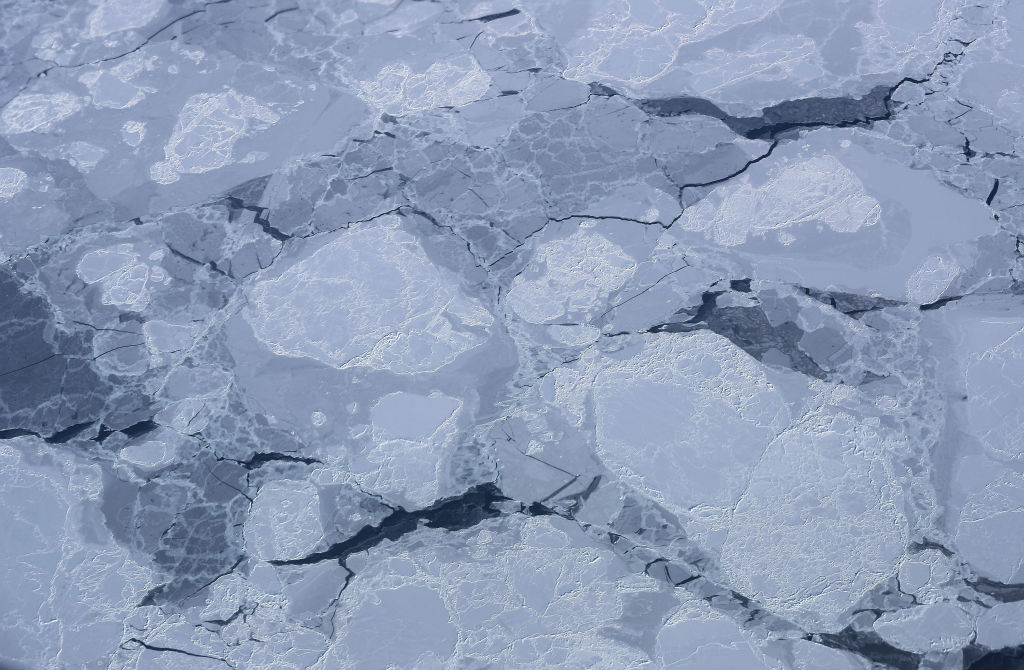
Sea ice seen from a NASA aircraft.

Sea ice thickening could boost the amount of sunlight that is reflected back to space in the Arctic, thus cooling the region. (Image credit: Mario Tama/Getty Images)

Thicker sea ice is usually brighter than thin sea ice, which boosts the amount of sunlight that is reflected back into space. "The broader implication is that these effects could enhance the Arctic's reflectivity through both increased surface brightness and longer-lasting sea ice," the researchers said. "If similar results could eventually be achieved at larger scales, increased Arctic albedo could contribute to regional cooling, with potential knock-on benefits such as slowing permafrost thaw and reducing ice loss from Greenland."

However, there is still a big question mark over how scalable and economically viable sea ice thickening is, given that it requires people and machines working in the field. According to a 2016 study, 10 million wind-powered pumps would be needed to cover just 10% of the Arctic Ocean, and 100 million to cover the entire Arctic. "It is reasonable to ask whether such an endeavor is financially feasible or even logistically possible," the authors of that study wrote.

Yearly sea ice extent in the Arctic has shrunk by 20% since 1979, and this loss is accelerating with global warming. Therefore, if we want Arctic sea ice thickening to work at a large scale, "the pumps must be deployed almost immediately, while there is still a sufficient area of sea ice over which to flood," researchers wrote in a 2021 study.

The ecological and social impacts of Arctic sea ice thickening are not well understood, and further research will delay deployment, meaning it might be too late to roll out sea ice thickening by the time scientists have the data they need to ensure its safety and feasibility.

For these reasons and others, including governance issues and high maintenance needs, "sea-ice thickening is simply not feasible for use at a scale and at a rate that would be meaningful for sea ice protection," researchers wrote in a review published last year.

Deployment on anything but local scales would be challenging, Blanchard-Wrigglesworth and Ceccolini agreed. Nevertheless, the researchers said their most recent winter trials, which have yet to be published, showed encouraging results. In those trials, the sea ice in test areas grew 20 inches (50 cm) thicker than in control sites, The Guardian reported.

"We expect to have a clearer picture once the current melt season is complete," the researchers told Live Science. "In parallel, we are developing underwater robotic technology that could support autonomous deployments. Earlier this year, we conducted the first Arctic field tests of a prototype re-icing drone in Finland."

The drone is currently being refined in collaboration with the BioRobotics Institute in Pisa, Italy, according to The Guardian.

  •  

Late-Season Ice-Edge Productivity Revealed in Barents Sea

In a groundbreaking study that promises to reshape our understanding of Arctic marine ecosystems, researchers have uncovered evidence of unexpected biological productivity along the Barents Sea ice edge during the late Holocene. The investigation, led by A.J. Pieńkowski and colleagues, utilized advanced biomarker analysis to trace diatom enrichment—a key indicator of primary production—in sediment cores, revealing complex ecological dynamics that continue to defy conventional seasonal models of polar phytoplankton activity. This discovery has broad implications for climate science, marine biology, and our conceptual frameworks regarding ice-edge ecosystems in a warming Arctic.

The Barents Sea, located north of Norway and Russia, is a key region for studying the effects of climate change on Arctic environments due to its unique position between Atlantic and Arctic waters. Historically, sea ice has been understood to exert a controlling influence over the timing and intensity of phytoplankton blooms, with primary productivity peaking during the spring and early summer months as ice melts. However, the extreme late-Holocene interval analyzed in this study suggests that productivity along the ice edge may extend much later into the seasonal cycle than previously thought, indicating a previously underappreciated ecological niche.

Central to this research is the application of organic geochemical proxies, notably diatom-specific biomarkers such as highly branched isoprenoids (HBIs). These molecular fossils are derived from diatoms—microscopic photosynthetic algae—and provide a window into past productivity and environmental conditions. By examining sediment layers deposited over the last several thousand years, the team identified striking elevations in diatom biomarker concentrations during late-season periods, suggesting not only prolonged but intensified ice-edge productivity.

The implications of these findings are profound, signaling that the timing of phytoplankton blooms may have been more flexible and responsive to environmental variables over millennial timescales than contemporary observations suggest. This shifts paradigms about marine food web dynamics in polar regions, as late-season blooms could support secondary consumers such as zooplankton—and by extension, fish and marine mammals—during periods traditionally seen as low productivity. Such dynamics have likely played a crucial role in shaping Arctic biodiversity through time.

Moreover, the study highlights the interplay between sea ice extent, melt timing, and nutrient availability. While earlier models posited that retreating ice reduces habitat for ice-associated algae and thus limits productivity, these new data reveal a more nuanced picture where late-season melting creates persistent ice edges that serve as hotspots for diatom proliferation. Nutrient enrichment via upwelling and Atlantic water inflow likely contributed to sustaining this productivity, challenging assumptions about the oligotrophic nature of the late melt season.

In terms of methodology, the research exemplifies the cutting-edge integration of paleoceanography and organic geochemistry. Sediment cores were meticulously sampled and subjected to high-resolution biomarker profiling, allowing for temporal reconstructions at seasonal to decadal scales. The use of isotopic analyses further corroborated the timing of these bio-events, lending robustness to interpretations about late-season environmental conditions in the Barents Sea. This methodological sophistication underscores the potential for biomarker proxies to unlock hidden chapters of ecological history.

Notably, the timing of the extreme biomarker enrichments correlates with known climatic variability during the late Holocene, including phases of relative warming and cooling. This temporal correspondence suggests that even subtle shifts in temperature and sea ice dynamics may have orchestrated significant ecological reorganization in polar marine systems. Understanding these past responses is critical as anthropogenic warming accelerates, potentially recreating or amplifying such conditions in the near future.

From a broader perspective, the recognition of late-season ice-edge productivity has ramifications for global biogeochemical cycles. Phytoplankton are pivotal in sequestering atmospheric CO2, and extending the productive season could mean that polar oceans play a more dynamic role in the carbon cycle than appreciated. This discovery invites a reassessment of climate models that currently may underestimate the biological feedback potential of Arctic marine ecosystems during the waning ice season.

The study’s revelations also emphasize the resilience and adaptability of polar marine life. Despite harsh and fluctuating conditions, diatoms and associated microbial communities have exploited ephemeral niches, adjusting phenology and productivity patterns to optimize survival and growth. Such adaptive strategies may become increasingly important as climate perturbations continue to reshape polar habitats, with unknown consequences for ecosystem stability and services.

In practical terms, these findings could inform conservation and management strategies. As the Barents Sea and broader Arctic region become more accessible due to ice retreat, understanding seasonal productivity pulses is crucial for fisheries, indigenous communities, and environmental stewardship. Recognizing late-season productivity hotspots could guide sustainable use and protection of biologically rich zones that emerge under shifting climatic regimes.

Furthermore, this research opens new avenues for interdisciplinary collaboration, bridging paleoclimatology, marine ecology, and environmental chemistry. Future studies may leverage the biomarkers identified here to monitor contemporary changes in Arctic productivity and validate predictive models. Additionally, analogous approaches could elucidate productivity dynamics in other polar and subpolar regions, deepening our global perspective on climate-ecosystem interactions.

Given the rapidity of ongoing climatic change, the temporal insights provided by this late-Holocene study serve as a crucial baseline, contextualizing contemporary observations within a longer-term framework. This historical depth equips scientists and policymakers with a richer understanding of variability and resilience in polar systems, enhancing our capacity to anticipate and mitigate the impacts of a warming world.

In sum, the work by Pieńkowski, Belt, Husum, and their team has decisively expanded our comprehension of ice-edge ecosystems, revealing a vibrant and late-blooming diatom community thriving in conditions once thought marginal or unproductive. Their integration of molecular biomarkers and paleoenvironmental techniques creates a compelling narrative of Arctic productivity that challenges prevailing assumptions and invigorates future research paths. As the Arctic ice retreats, these insights become not only academically fascinating but vitally important for forecasting and managing the biological pulse of the planet’s coldest seas.

This landmark study stands as a testament to the power of interdisciplinary science to uncover hidden complexities within Earth’s most extreme environments, shining a light on the subtle yet dynamic rhythms of life beneath the ice. It invites a reconsideration of the Arctic not as a static frozen desert, but as a place of seasonal vibrancy and ecological innovation sustained by the delicate interplay of ice, ocean, and life.

Subject of Research: Arctic ice-edge diatom productivity and late-season ecosystem dynamics during the late Holocene.

Article Title: Extreme late-Holocene diatom biomarker enrichment reveals late-season ice-edge productivity in the Barents Sea.

Article References:
Pieńkowski, A.J., Belt, S.T., Husum, K. et al. Extreme late-Holocene diatom biomarker enrichment reveals late-season ice-edge productivity in the Barents Sea. Commun Earth Environ (2026). https://doi.org/10.1038/s43247-026-03717-3

Image Credits: AI Generated

DOI: 10.1038/s43247-026-03717-3

Keywords: Arctic marine ecosystems, Barents Sea, diatom biomarkers, highly branched isoprenoids, late Holocene, ice-edge productivity, paleoclimate, sediment cores, phytoplankton phenology, Arctic sea ice dynamics, biogeochemical cycles, climate change, biomarker proxies.

  •  

Ancient Microbes in Greenland’s Rubbish Heaps Reveal Insights into Old Farms, Seal Hunts, and Toilets

Greenland, with its vast icy expanses and challenging environment, harbors a rich tapestry of human history etched into its landscape over millennia. The island’s archaeological record tells tales of successive human inhabitations that have left behind more than just stories and artefacts; it preserves complex biological legacies embedded within ancient refuse deposits known as middens. These middens, essentially ancient domestic rubbish heaps composed of animal bones, excrement, mollusk shells, and various artefacts, offer not only archaeologists but also microbiologists a unique window into the past. Their frozen state in Arctic permafrost has allowed microbial communities trapped over thousands of years to persist, raising compelling questions about the nature and dynamics of these ancient microbial populations.

The study of microbial life within these middens is far more than a niche query; it intersects with pressing concerns about human health, ecosystem integrity, and the potentially resurging threats posed by ancient pathogens. As the Arctic warms at an alarming rate—currently estimated to be three to four times faster than the global average—the thawing permafrost raises fears that dormant microbes, including pathogens from bygone eras, might be released back into the environment. The microbial fingerprints preserved in these deposits chronicle past human and animal interactions, environmental conditions, and disease ecology, providing invaluable data to reconstruct historical microbiomes and understand their evolution through millennia.

In groundbreaking research reported recently in Frontiers in Microbiology, scientists led by Dr. Frank Møller Aarestrup of the Technical University of Denmark embarked on an ambitious project to characterize the microbial composition of Greenland’s archaeological middens. Their experimental approach involved rigorous sampling of frozen middens from multiple chronological layers spanning approximately 4,500 years of human history—from the earliest Paleo-Inuit cultures to medieval Norse settlers and early Danish colonists. Employing advanced DNA sequencing techniques and bioinformatics, the team reconstructed diverse and complex bacterial communities present in these ancient deposits and compared them with microbes from surrounding pristine permafrost soils, unperturbed by human activity.

One of the striking revelations from this study was the extraordinary microbial richness residing within the middens. From as few as nine to as many as 202 bacterial species per midden, the researchers identified an aggregate of 1,207 distinct bacterial species across all samples. Intriguingly, many species could not be identified beyond broad taxonomic categories, underscoring the vast unknown microbial diversity in Arctic archaeological contexts and the general paucity of data on cold-environment microbiomes. This discovery shines a light on the hidden microbial world preserved under layers of ice and soil, aspects that have remained largely unexplored until now.

The middens invariably featured richer bacterial communities than adjacent soils, affirming their role as biological archives chronicling the legacy of human presence and activity. Among the deposits, middens linked to the Paleo-Inuit exhibited bacterial compositions closely resembling natural soil communities, suggesting a fading microbial imprint over thousands of years. Conversely, Norse and colonial middens revealed bacterial assemblages heavily influenced by human-related waste, livestock farming, and domestic activities, evidencing the intimate connection between past humans, their animals, and local microbes.

Practically, these midden microbiomes hosted a variety of bacteria associated with human and animal hosts. Notably, the researchers detected species such as Clostridium massilliamazoniense, innocuous but indicative of human fecal matter presence, alongside more pathogenic taxa like Clostridium baratii, which can lead to botulism, and Paeniclostridium sordellii, linked to severe human illnesses including toxic shock syndrome and gas gangrene. Such findings highlight how midden microbial communities serve as time capsules, preserving signatures of diseases that may have affected historic populations, which hold relevance to the emerging field of paleomicrobiology.

Furthermore, the microbial composition differed markedly depending on the nature of the organic waste constituting each midden. Middens from Greenland’s early colonial era, particularly those in Nuuk containing decomposing seal skins, harbored Clostridium perfringens, a bacterium notorious for causing food poisoning. Meanwhile, middens filled with animal carcasses were dominated by gut bacteria such as Romboutsia species and Paraclostridium sordellii. Early Norse deposits, rich in decomposing bones, exhibited an abundance of unknown species within the Proteobacteria and Clostridiaceae groups. This substrate-specific microbial differentiation provides new perspectives on historic dietary patterns, hunting practices, and animal domestication in Greenland.

An essential aspect of the team’s work was the investigation of antimicrobial resistance (AMR) genes within these ancient bacterial genomes. The researchers uncovered a diverse array of resistance genes, demonstrating that ancient permafrost soils and middens contained bacteria equipped with antimicrobial defense mechanisms. The persistence of these genes in both ancient and modern soil layers indicates the long-term stability and environmental retention of genetic elements conferring antibiotic resistance, a critical insight into the evolutionary history of AMR and its environmental reservoirs. Despite this, spatial analyses suggested that upon thawing, microbes from the middens do not tend to disperse widely, limiting the risk of pathogen spread under current conditions.

Importantly, the authors emphasized that the immediate threat to public health from ancient pathogens emerging from Greenland’s thawing middens is currently low. Dr. Saria Otani, co-author and associate professor, noted that the microbiome released from melting permafrost appears to be rapidly outcompeted or replaced by contemporary environmental microbes, reducing opportunities for ancient pathogens to proliferate. Nonetheless, this dynamic balance could shift with accelerating climate warming, necessitating vigilant monitoring.

To that end, the researchers advocate for the incorporation of microbiome characterization into routine archaeological protocols during future excavations at permafrost sites. The spatially and temporally resolved microbial data obtained could serve as early warning markers for pathogen emergence and inform conservation strategies during the rapidly unfolding Arctic environmental transition. This interdisciplinary study brilliantly exemplifies how combining microbiology, archaeology, and environmental science can unlock secrets buried in ice and soil, informing both our understanding of the past and preparations for an uncertain microbial future.

This pioneering research hence sets a precedent for microbiome-informed archaeology, where the “dustbins of history” are not merely relics of human culture but bearers of ancient microbial life, antimicrobial resistance, and metabolic potential. By resolving these ancient microbial ecosystems, scientists are better positioned to trace human-animal-environment interactions across centuries and to anticipate the potential consequences of microbial releases driven by climate change.

As global temperatures continue their inexorable rise, the Arctic remains a hotspot for uncovering hidden biogeochemical dynamics playing out beneath melting permafrost. Greenland’s middens now stand as invaluable archives that illuminate the intertwined narratives of human migration, settlement, livestock domestication, and the microbial world shaped by these processes. The revelations from these frozen repositories reinforce a broader vision of archaeology enriched by microbial ecology, where ancient microbial communities provide vital clues for understanding human history, health, and environmental change on a planetary scale.


Subject of Research: Not applicable

Article Title: Microbial composition of archaeological middens: Tracing Human Footprints Through Centuries in Greenland’s Ancient Settlements

News Publication Date: 17-Jun-2026

Web References:
Frontiers in Microbiology Article

Image Credits: Louise Hindborg Mortensen

Keywords: Archaeology, Animal domestication, Anthropology, Archaeological sites, Prehistory, Microbial ecology, Infectious diseases, Gastrointestinal disorders, Health and medicine, Human biology, Public health, Land use, Iron Age

  •  

Warming Turns Western Arctic Ocean into Drifting Hub

As the Arctic Ocean undergoes unprecedented warming due to climate change, scientists have identified a striking transformation in the western sector of this fragile marine ecosystem. Recent research published in Nature Communications reveals that this region is evolving into a dynamic hub of drifting matter, reshaping the physical and biological landscape in ways previously unanticipated. This phenomenon holds profound implications for our understanding of Arctic oceanography, the cycling of organic material, and the broader impacts of a warming planet.

For decades, the Arctic Ocean has been recognized as a critical component of Earth’s climate system, but warming temperatures have accelerated ice melt and altered circulation patterns at an alarming pace. The study by Wang, Liu, Shu, et al., delves deeply into how these changes manifest in the transport of particulate and dissolved matter. The western Arctic Ocean, once characterized by more stable, ice-influenced conditions, is increasingly influenced by warmer water masses that mobilize large quantities of drifting organic and inorganic material.

The researchers combined extensive observational data with advanced modeling techniques to investigate these transformations. Their findings paint a complex picture: as sea ice retreats, the dynamics of water flow shift, creating conduits that concentrate drifting matter in specific zones. Unlike the traditional view of the Arctic as a static ice-dominated environment, this new approach highlights its emerging role as a corridor and collector of chemical and biological detritus, redistributing materials across vast distances.

One of the most surprising discoveries is the emergence of the western Arctic Ocean as a hotspot for organic matter transport. Previously, particulate organic carbon was thought to be sequestered primarily near ice margins or continental shelves, but warming has altered circulation patterns, enhancing lateral movement. This has significant implications for nutrient cycles, as carbon and other elements hitch rides on ocean currents or floating debris, influencing biological productivity far beyond their origin points.

This drifting matter includes microplastics, phytoplankton remains, and detrital fragments, all contributing to the changing ecological fabric. The research underscores the intricate coupling between warming temperatures, ice dynamics, and biogeochemical fluxes. As warming continues, the region transitions from a repository of static ice-bound materials into an active zone of dispersal, affecting phytoplankton blooms and food web dynamics in the Arctic basin.

Moreover, the western Arctic’s role as a hub for drifting matter modifies the interactions between marine organisms and their environment. Nutrient distribution patterns affect microbial communities, which in turn regulate carbon cycling through respiration and remineralization processes. Thus, the ecological consequences ripple outward, influencing Arctic biodiversity and potentially feedback loops relevant to global climate regulation.

The authors point out that these changes could impact the delivery of terrestrial and marine-derived nutrients and pollutants. Melting permafrost and coastal erosion, exacerbated by warming, release terrestrial organic material and contaminants that then enter ocean currents. The western Arctic Ocean collects and transports these materials, serving as a conveyor belt to downstream environments, including the North Atlantic.

In terms of physical oceanographic features, the study reveals intensified flow regimes and modified eddy formation that promote retention and accumulation zones for drifting matter. This revises previous assumptions about particle dispersal and suggests that dynamic physical processes are integral to understanding carbon sequestration pathways and pollutant transport in the Arctic.

The findings also raise concerns about the fate of microplastics and other anthropogenic debris in the Arctic environment. As the region warms, increased shipping traffic and resource extraction activities add to the influx of pollutants. The western Arctic Ocean’s role as a collector of drifting matter raises the stakes for environmental monitoring and contamination assessments.

Further complicating this picture, seasonal changes in ice cover alter the timing and magnitude of drift events. Snow and ice melt can trigger pulses of organic and inorganic material movement, influencing the timing of biological productivity and ecosystem responses. These seasonal dynamics are critical to forecasting future Arctic productivity under continued climate change scenarios.

From a methodological perspective, the integration of satellite data, in situ observations, and sophisticated hydrodynamic models enabled the discovery of these patterns over spatial and temporal scales previously unattainable. This multi-disciplinary approach sets a new standard for studying complex polar systems under rapid environmental change.

The implications of this research extend beyond the Arctic itself. By altering carbon cycling and material transport, the western Arctic Ocean may influence global biogeochemical cycles and climate feedbacks. These shifts underscore the interconnectedness of Earth systems and the need for comprehensive monitoring of polar regions.

Looking forward, the study calls for increased international cooperation to monitor drifting matter and its ecological consequences. Understanding how warming reshapes Arctic oceanography will be crucial for predicting future ecosystem services, including fisheries and climate regulation.

In summary, this breakthrough research reveals the western Arctic Ocean’s emerging identity as a hub of drifting matter—a dynamic and shifting landscape shaped by warming temperatures and retreating ice. This transformation represents a paradigm shift in our understanding of Arctic ocean processes, with broad implications for carbon cycling, pollution transport, and ecosystem health in a rapidly changing world.


Subject of Research: Arctic Oceanography and Biogeochemical Cycles

Article Title: Warming transforms the western Arctic Ocean into a hub of drifting matter

Article References:
Wang, K., Liu, C., Shu, Q. et al. Warming transforms the western Arctic Ocean into a hub of drifting matter. Nat Commun 17, 5317 (2026). https://doi.org/10.1038/s41467-026-74439-5

Image Credits: AI Generated

DOI: https://doi.org/10.1038/s41467-026-74439-5

  •  

A Hidden Arctic Ocean Crisis Is Unfolding Beneath the Melting Ice

Polar Research Vessel RV Kronprins Haakon Fram Strait Arctic OceanScientists say melting sea ice may have pushed the Arctic Ocean past a tipping point, triggering changes that could reshape marine life for decades. Scientists have identified what appears to be a major and potentially irreversible change in the Arctic Ocean. According to a new study, climate-driven sea ice loss has altered the region’s chemistry [...]
  •  

Antarctica: The ultimate classroom

A new Australian initiative is sending Year 9-12 students to one of the most extreme scientific environments on Earth, and asking them to contribute to real research while they’re there. For most students,...

The post Antarctica: The ultimate classroom first appeared on Science Illustrated.

  •  
❌