If you managed to secure an order for the foldable iPhone Duo, you are getting a nice software surprise right out of the gate. Support for the Apple Pencil is arriving next week, far ahead of schedule. The feature is packaged inside the new iOS 27.2 software release. This means buyers will not have to […]
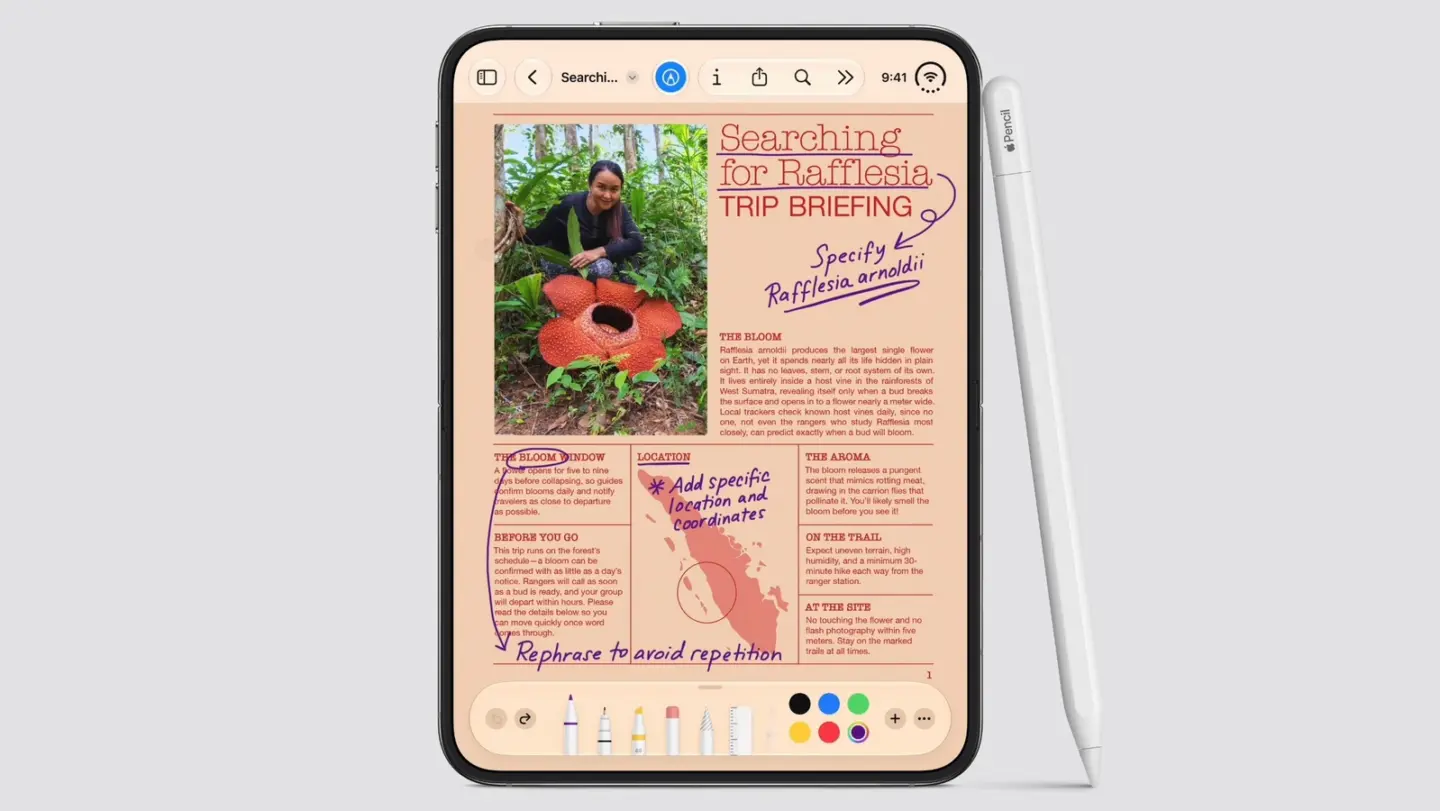
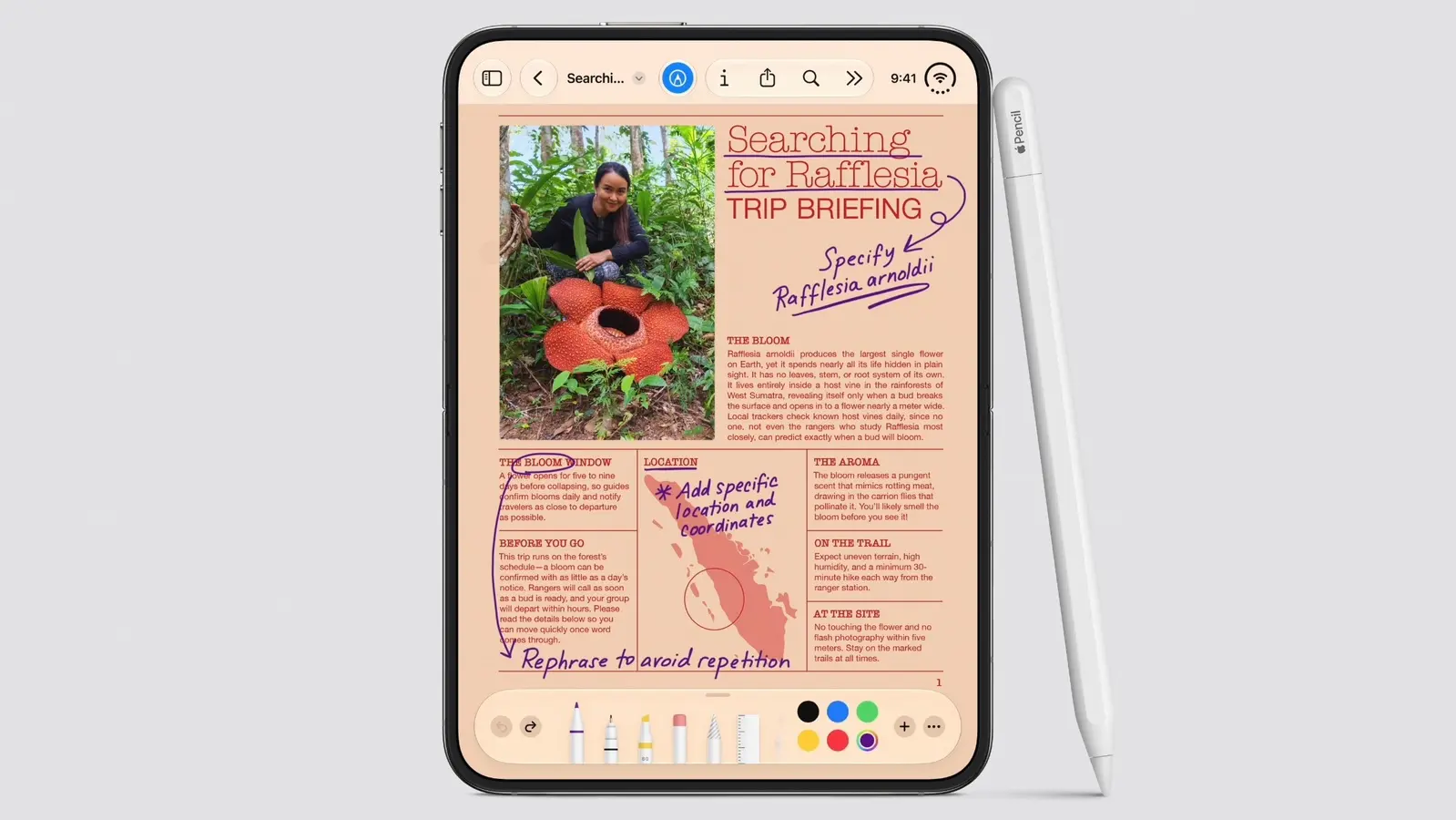
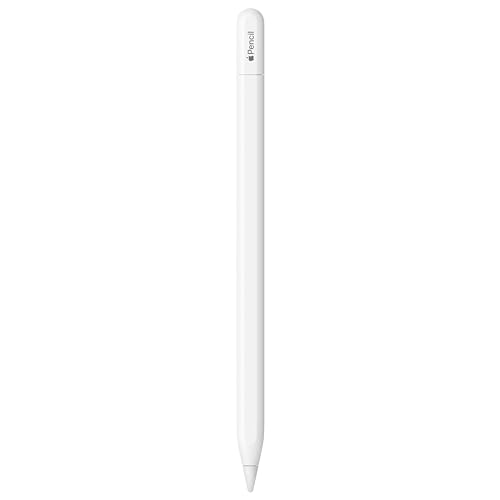
As noted by Creative Strategies analyst Max Weinbach, the iPhone Duo is gaining Apple Pencil support with iOS 27.2, which is expected to be released to the public next week. You can use the USB-C version of the Apple Pencil to draw, annotate, and scroll within supported apps on the iPhone Duo's inner and outer displays.
In a post on X, Weinbach confirmed that Apple Pencil support was enabled on his iPhone Duo once he installed the iOS 27.2 Release Candidate version.
O embargo de reviews do iPhone Duo caiu hoje e, com a enxurrada de análises do produto, temos algumas novidades sobre alguns recursos e acessórios.
De acordo com a WIRED, a função Alcançabilidade (Reachability) chegará ao iPhone Duo até o fim do ano. O recurso permite acessar os cantos esquerdo e direito da interface do sistema com um único toque, o que facilita o uso do aparelho (que tem um formato maior do que o dos iPhones convencionais) por quem tem mãos pequenas.
Já sobre o suporte ao Apple Pencil (restrito ao modelo USB-C), há uma boa notícia: o recurso virá junto com o lançamento do iOS 27.2, provavelmente na semana que vem.
O suporte ao Apple Pencil está no iOS 27.2, aliás. A RC do IOS 27.2 saiu na segunda-feira, e funciona.
Como originalmente a Apple só havia mencionado que o acessório poderia ser utilizado no iPhone “ainda neste ano”, esperava-se que a novidade só chegasse com uma futura atualização (um pouco mais distante), mas o suporte virá mesmo em breve, para a alegria dos (poucos) felizardos que já estarão com o aparelho em mãos.
iPhone Duo
Cores: branco-estrela ou céu noturno Armazenamento: 256GB, 512GB, 1TB ou 2TB
NOTA DE TRANSPARÊNCIA: O MacMagazine recebe uma pequena comissão sobre vendas concluídas por meio de links deste post, mas você, como consumidor, não paga nada a mais pelos produtos/serviços ao usar os nossos links de afiliado.
iPhone Duo gives Apple its first foldable iPhone and introduces a hardware format that required considerably more than adding a hinge to an existing handset. The device combines a 7.6-inch inner display with a compact 5.4-inch outer screen, while iOS 27 has been adapted around the different positions, orientations, and multitasking possibilities created by the folding design.
Apple unveiled the device on September 9, positioning it above the conventional iPhone lineup with a starting price of $1,999 in the U.S. Preorders open October 16, followed by availability on October 23 in more than 70 countries and regions.
The pricing puts iPhone Duo firmly into premium-device territory, but the more significant distinction is how much of the underlying iPhone experience has been reconsidered around the larger display.
Image Credit: Apple Inc.
iPhone Duo turns one phone into two screen formats
When closed, iPhone Duo uses a 5.4-inch Super Retina XDR outer display intended to work much like a compact conventional smartphone. Apple says it provides more than 90% of the screen area of iPhone 18 Pro despite the smaller physical footprint.
Opening the device reveals a 7.6-inch OLED Super Retina XDR panel. The inner display is 50% larger than the screen on iPhone 18 Pro Max and uses a nano-texture finish intended to reduce reflections and make the crease less visually prominent.
Both displays support ProMotion refresh rates up to 120Hz, Always-On functionality, HDR, and peak outdoor brightness of 3,000 nits. Apple has also retained the same display aspect ratio between the inner and outer screens, allowing interfaces and content to resize proportionally when the phone is opened or closed.
The design results in some unusual dimensions for an iPhone. Duo measures 5.2mm thick when open and 11.3mm when folded, with a weight of 254 grams. Its frame and hinge cover use grade 5 titanium, while Ceramic Shield 2 protects the outer display, while Ceramic Shield covers the back of the device. The device carries an IP68 water- and dust-resistance rating.
Touch ID is built into the side button rather than relying solely on Face ID, giving users a consistent authentication point regardless of how the phone is positioned.
iPhone Duo makes iOS 27 part of the folding design
iPhone Duo would have limited value as a larger iPhone if applications simply stretched across the inner screen. Apple instead adapted iOS 27 to treat the additional space as a new working area.
Split View brings two applications side by side on an iPhone for the first time. Users can also open two windows from the same app, save pairs of applications for repeated use, and switch between tasks without collapsing everything back into a single full-screen view.
Interface elements have moved as well. Navigation controls, Lock Screen elements, and the Dock can appear along the side of the display to preserve vertical space, while Dynamic Island has been reworked for both screens. When the device is open, the Home Screen can display two pages alongside Today View.
Several physical positions have their own uses. The phone can sit partially folded on a surface for video playback, FaceTime calls, workouts, photography, or StandBy. Apple has also confirmed future support for Apple Pencil with USB-C on either display, extending the inner panel toward note-taking, markup, and sketching.
Third-party developers will determine how useful that larger canvas becomes over time. Netflix, Zoom, and Slack are among the companies already adapting their apps for the folding interface.
Image Credit: Apple Inc.
A20 Pro and dual batteries address foldable compromises
Foldable phones create difficult thermal and battery constraints because internal space is divided across two halves. Apple’s response is a custom hardware layout centered on A20 Pro, the same chip used in the iPhone 18 Pro family.
The 2-nanometer processor combines a six-core CPU, seven-core GPU, and dual 16-core Neural Engine. Apple says the chip can deliver up to 35% better sustained performance than iPhone 17 Pro when paired with Duo’s vapor-chamber cooling system.
A custom package connects A20 Pro directly to the vapor chamber, an arrangement designed to manage heat during gaming, AI processing, and prolonged multitasking on the larger display.
Battery capacity is similarly divided. iPhone Duo places a high-energy-density battery in each half of the enclosure and manages them as a single power system. Apple rates the phone for up to 31 hours of video playback using the inner display or up to 44 hours on the outer screen. With both displays used equally, the company estimates up to 24 hours of use per charge.
Wired fast charging can reach 50% in about 20 minutes, while MagSafe or Qi2 wireless charging can reach the same level in approximately 30 minutes.
The worldwide eSIM-only design also frees internal volume for battery capacity. Connectivity includes Apple’s N1 wireless chip with Wi-Fi 7, Bluetooth 6, and Thread, alongside the C2 cellular modem.Cameras use the iPhone Duo displays in new ways
Cameras use the iPhone Duo displays in new ways
The camera system consists of a 48MP Fusion Main camera and 48MP Fusion Ultra Wide. The main sensor also provides an optical-quality 2x option, while video recording reaches 4K Dolby Vision at up to 120 frames per second on the primary camera.
The folding design also gives the cameras capabilities that go beyond their conventional specifications. Users can shoot a selfie with the rear cameras while framing themselves on the outer display, while Duo Preview lets a subject see the live composition from the opposite side of the phone.
Smart Take uses on-device models running on A20 Pro to recognize when people appear ready for a group photo and automatically capture the image. Kid Cue can display Peanuts animations on the outer screen to attract a child’s attention toward the camera.
An under-display FaceTime camera sits beneath the inner panel, while the outer screen uses a 12MP Center Stage camera. Duo FaceTime can also place another participant on the outer display when people are gathered around the device.
Siri AI brings personal-context understanding and onscreen awareness to iOS 27, while the broader Apple Intelligence experience includes new photo-editing tools and other capabilities across apps. On the inner display, users can keep a Siri conversation visible alongside another app.
iPhone Duo will ship in Night Sky and Star White with 256GB, 512GB, 1TB, and 2TB storage options. iPhone Duo will ship with iOS 27.1 when it becomes available on October 23, while Apple says USB-C Apple Pencil support will arrive later in the year.
Apple has barely finished unveiling the iPhone Duo, iPhone 18 Pro lineup, AirPods 5, and new Apple Watches, but the company already has a much larger pipeline queued up for late 2026 and the first half of 2027, according to Bloomberg News‘ Mark Gurman.
The coming products are part of what new CEO John Ternus has internally described as Apple’s most ambitious product road map yet. Many of the devices are designed to spread Siri AI more widely across the lineup and close some of the gap with rivals in artificial intelligence. As always, dates can slip and products can be delayed or canceled.
Later this yearGurman reports that Apple is preparing several updates before year-end:
• HomePod mini with Siri AI — Same familiar design as the 2020 model, but with a new chip to power the overhauled assistant.
• Apple TV with Siri AI — Another look-alike refresh, this time with a faster chip for navigation and the new Siri experience.
• Smart-home hub — A square display that can sit on a speaker base or mount on a wall. It will run a new operating system, support video calls, and use facial recognition to personalize what it shows. Apple had considered showing it at last week’s event and is now aiming as early as October, though the timeline remains fluid after repeated delays.
• Touch-screen MacBooks — The biggest MacBook Pro change since 2021, adding OLED panels and touch screens for the first time, with M5 Pro and M5 Max chips.
• Entry-level 14-inch MacBook Pro — Current design, updated with the M6 chip.
• iMac — New colors and an M6 processor.
• iPad mini — One of the line’s biggest upgrades, adding an OLED display.
The HomePod mini and Apple TV are already being tested with iOS 27. The new Macs are running macOS 27.1 internally, and the iPad mini is on iPadOS 27.1. Both of those software updates are expected late next month.
First half of 2027
The spring and early summer slate is heavier on refresh cycles than radical redesigns:
• MacBook Air — Same 13-inch and 15-inch designs, moving to the M6 chip.
• MacBook Neo — Follow-up model with an A19 Pro chip and more memory.
• Entry-level iPad — Faster chip so the cheaper tablet can run Apple Intelligence and Siri AI.
• iPad Pro — Chip upgrade plus vapor-chamber cooling similar to the iPhone 18 Pro.
• iPad Air — First OLED screens in that line, plus a new chip.
• iPhone 18 — Largely an A20 chip upgrade, with the notable change that the standard model is shifting from fall to spring.
• iPhone 18e — Another chip-focused update; Apple will need to make clear how it differs from the regular iPhone 18.
• iPhone Air 2 — More substantial: a 2-nanometer A20 Pro chip, better battery life, and a second rear camera for ultrawide shots.
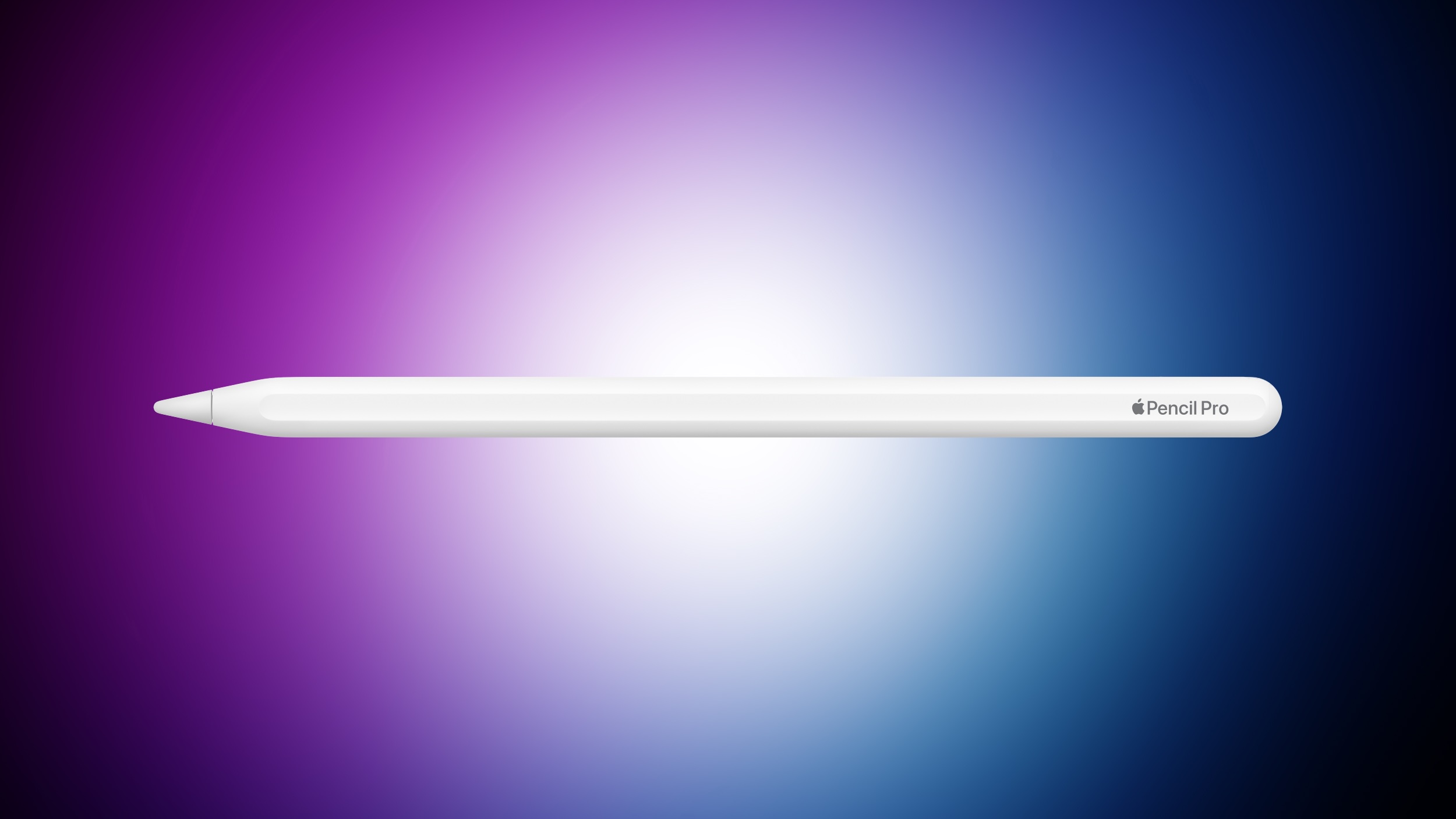
• Apple Pencils — New Pencil Pro and USB-C models timed with the iPads; the iPhone Duo will support the stylus as well.
Looking further ahead
The second half of 2027 is expected to get more ambitious still, Gurman writes, with M7 updates to MacBooks, smart glasses, camera-equipped AirPods, a home security system, a redesigned Apple Watch, Twentieth Anniversary iPhones, and a second-generation foldable iPhone Duo.
MacDailyNews Take: Taken together, the road map suggests Apple is trying to do two things at once: push Siri AI onto more affordable and living-room devices, and finally refresh categories that have languished for years. Whether October brings a full event or quieter waves of launches, the next 12 months look unusually crowded with product launces!
Please help support MacDailyNews — and enjoy subscriber-only articles, comments, chat, and more — by subscribing to our Substack: macdailynews.substack.com. Thank you!
Apple today introduced iPhone Duo, the first foldable iPhone. Opened, it is the thinnest iPhone ever, with a 7.6-inch inner display that provides a large canvas for viewing content, gaming, and multitasking, and a special nano-texture finish that minimizes glare for an unparalleled viewing experience. Closed, the 5.4-inch outer display delivers 90 percent of the screen area of iPhone 18 Pro in a compact, pocketable design. Both displays share the same aspect ratio, so content scales proportionally, ensuring visual continuity. iPhone Duo is built to last with an innovative hardware design and a precision hinge that offers a smooth, satisfying feel with every use.
[…]
The 48MP Fusion Ultra Wide camera — the same as on iPhone 18 Pro models — captures wider fields of view and enables macro photography, while the Center Stage front camera can automatically take photos and videos in any orientation, so users don’t have to rotate iPhone for landscape selfies. Upgraded Photographic Styles with new texture and grain controls let users further dial in their desired appearance and have more creative control over their photos. […] The foldable design with dual displays unlocks camera experiences that are not possible on any other iPhone.
[…]
Lock Screen controls, the Dock on the Home Screen, and app navigation and controls now appear on the side to maximize vertical space for content. When iPhone Duo is open, the display shows two Home Screen pages with Today View — a vertically scrolling list of customizable widgets — on the left. The status bar includes a circular, flexible system that nestles into the corner of the screen, showing relevant information like Wi-Fi, cellular strength, battery, and more.
[…]
The expansive display supercharges productivity, letting users do more at once with new multitasking capabilities. Split View allows users to open two apps side by side on iPhone for the first time.
[…]
iPhone Duo is available in star white and night sky, and starts at $1,999, or $83.29 per month for 24 months, in 256GB, 512GB, 1TB, and 2TB storage capacities.
I love the idea of the larger screen and how it can be balanced half-folded like a laptop, upside-down, or on the short side. The camera is better than I expected. The price is high enough to make me lose interest but perhaps not unreasonable if it can actually replace your iPad. My main concern is that the wide passport-style shape doesn’t look very comfortable to hold or keep in your pocket. It’s great that it can unfold, but the compact form factor is how most people will probably hold it most of the time. How well does the side Touch ID work if you’re left-handed?
Learn how to update and optimize your app for the foldable display of iPhone Duo. Discover how to opt in to the full-screen experience, adopt flexible layout best practices, and simulate poses in Device Hub with Xcode. Find out how to use size classes instead of interface orientation, handle asymmetric safe areas, and test Split View multitasking to ensure your app shines in all the ways people use it …
The app design implications alone that are now basically forced onto app developers is nuts. Vision Pro was opt in but… all iPhone apps have to support this new device right? What a nightmare. Ugh, websites? New safe areas?
As an anecdotal data point, I’ve had my foldable OnePlus Open for over 2 and a half years. It’s fallen on tile and cement, been kicked accidentally, and swatted across a room by my cat. The hinge and screens have no problems.
In a joint interview with Tom's Guide and TechRadar, new Apple CEO John Ternus and marketing chief Greg Joswiak explained why the company waited until now to release a foldable, its design philosophy, and how it kept the iPhone Duo under wraps.
“The iPhone Duo’s under-display camera wasn’t placed in the top-right corner of the inner screen because of engineering difficulties,” said the leaker in a Weibo post this morning.
In the end, every Apple product—and probably every product—is a story of trade-offs. So, the thinking went, what will we give up to get the benefit of a small iPhone that unfolds into a larger iPhone?
The answer: some things, but less than I’d feared.
The company’s view is clear: the iPhone Duo, even when open in all of its glory, may evoke an iPad, but it is very much not an iPad.
[…]
It’s not an iPad that you fold up to put in your pocket. Or an iPad with a little iPhone glued to the front. It’s not running iPadOS. You won’t be installing or running iPad apps.
Apple’s iPhone Duo is the first iPhone that can run two apps side by side, but anyone expecting the sort of freedom that Split View offers on iPad might want to temper their expectations.
I’ve been using Samsung’s latest folding phone that has a very similar form factor to what Apple just announced, and it’s gotten me accustomed to what the folding phone experience is. I personally very much like it, and it’s the most joy an Android phone has brought me in close to a decade. That said, I just watched Apple’s iPhone Duo unveiling, and it immediately made my Samsung phone feel behind the curve.
Most of the UX we saw so far was both predictable and familiar to anyone who’s played with a Samsung Z Fold (Apple did not invent screen splits, app swaps or drag and drop), and so was the camera placement.
Charging is the least of the problems. Because the Duo doesn’t have the magnetic attachment for Pencil Pro, there’s no way to even pair a Pencil Pro.
[…]
Imagine you own an iPad Pro and a Pencil Pro, and you love using the Pencil. You’ve always wanted to be able to use a Pencil with your iPhone. Now you can, if you buy a Duo. But you also have to buy a different Pencil — and then pack two different Pencils whenever you leave the house with both your iPad and iPhone. That’s ridiculous.
Also let’s not forget that the USB-C Apple Pencil doesn’t have pressure sensitivity, so the artists are already posting their disappointed reactions. I feel like this backs up that @markgurman report that they were planning on creating a bespoke Apple Pencil for the iPhone Duo that later got cancelled, and the USB-C version is the fallback.
Folding smartphones are extremely popular in China: there are about as many foldables sold in China as in the rest of the world. Samsung, Google, Huawei, Motorola, Xiaomi, and other brands sell devices like this. Apple will likely sell a lot of devices in China, but given the reactions I’ve seen, they are poised to have a successful product elsewhere, in spite of the high cost.
[…]
For me, a folding phone would mean that for non-work tasks, I would have a larger display, not quite as big as my 11″ iPad Pro. I doubt I would do much work on it, but if I need to check my online accounting app or make a quick edit to an article on my blog, that larger display would be much more practical than my iPhone.
In addition, my eyesight isn’t great. Since the iPhone 8 was released with a larger screen size, I have always bought larger iPhone models. Even with that size, I need to zoom the text on my iPhone a notch above the standard size. A larger display for when I’m reading articles would be a help, not to mention a small, portable device that makes it easier to read PDFs.
I may not be the target audience, but I’m sure there are people who aren’t price-sensitive, spend a lot of time watching videos or playing games, and only ever carry their phones in a pocket or bag. But I don’t regularly encounter such people—I hear complaints about phones being too big, but never that they’re not big enough.
I do wonder whether iPhone Duo’s splitscreen multitasking mode will come back to iPad. People have been complaining all year that it went away, but it feels like Duo’s implementation is a simplified, easier-to-understand model. It might make sense to bring back in the future, especially for smaller iPads.
I really like the iPhone Duo. I like the hardware, the form factor, the construction, and how Apple has adapted iOS to work on this specific iPhone.
[…]
But, believe it or not, what makes the iPhone Duo unappealing to me is not the price. It’s not my diminished trust towards Apple as a company. It’s not even the fact that I’m slowly but surely abandoning the Apple ecosystem and don’t want another device that’ll pull me back in.
The defining aspect of the Duo isn’t that it folds open and closed — we’ve seen almost a decade of Android phones that do that — but its aspect ratio, roughly 1.4 : 1. Because that’s effectively the square root of 2, doubling the outer display’s shorter dimension when you unfold it produces an inner display with roughly the same aspect ratio. That’s elegant and satisfying conceptually. And I think in practice it will feel right, too.
[…]
This aspect ratio is so different that it demands a different UI layout for the Duo to have any chance at being a good experience. That’s exactly what Apple has done, and what Steve Lemay was there in the keynote to unveil. A lot of UI chrome that previously was at the top or bottom of the display is now on the right — the dock on the home screen, the toolbars in apps, etc. And these elements are always on the right. You can’t turn the Duo upside down to move them to the left, nor is there an accessibility setting to move them to the left. This layout puts these controls on the right not because 90 percent of people are right-handed and Apple thinks lefties can get bent, but, I think (and so I’ve been told in conversations with Cupertinoites), because that’s the nature of a book-like shape.
[…]
I’ve only spent a few minutes, in total, playing with the Duo, so I really can’t say whether it succeeds or not. But I will say that it’s weird. Not saying it’s weird good or weird bad — just weird different. In some ways iOS on the Duo feels more different from iOS on all other post-iPhone-X phones than iOS on the original iPad felt from iOS on the iPhones of that time. The original iPad just felt like a much bigger iPhone. The Duo feels like a different layout entirely, in every single app that I had time to poke around with.
[…]
If you only have one display you don’t want it to be the size and shape of the Duo’s outer display. So the questions are: How tolerable has Apple’s UI redesign made it? And how will Duo users split their time between using it closed vs. using it open?
Apple’s design team reveals how notebooks helped inspire the iPhone Duo, along with interface principles and expectations for future features, in a new interview with GQ.
Apple is rightly celebrated for its accessibility work. So I’m left thinking the Duo’s locked layout is a v1 limitation, and that a future software update will offer orientation flexibility. But right now, Apple’s most ambitious new iPhone in years has shipped without it. A book-shaped iPhone should be able to accommodate the people holding it on either side.
Apple hardware engineering VP Tom Marieb spoke with TechRadar and shared some candid thoughts about Apple’s upcoming iPhone Duo.
[…]
When asked if the iPhone Duo ‘s crease would be more visible over time, as that’s what tends to happen on other foldables, Marieb said the nano-texture display would help. He asked people to hold the company “accountable” on crease visibility.
Perhaps Apple would justify its USB 3.1 selectivity in reverse. The 10 Gbps transfer speeds capable with its recent Pro models are necessary for recording ProRes video to an external hard disk, after all, and professional video codecs are only available on the Pro model iPhones; ergo, those are the only iPhones that need a fast USB controller. But that is no longer an accurate reason, either, because there is now an iPhone which can do 10 Gbps USB transfers but has none of the professional camera technologies. It is the iPhone Duo. And that gives me hope that the rest of the iPhone line will catch up.
That said, the company had initially planned to build a new Apple Pencil for the Duo. It would’ve been smaller and attached to the hinge side of the iPhone Duo.
According to Bloomberg, that pencil ran into “technical problems” prior to mass production, so the company scrapped it and went with the traditional USB-C Apple Pencil.
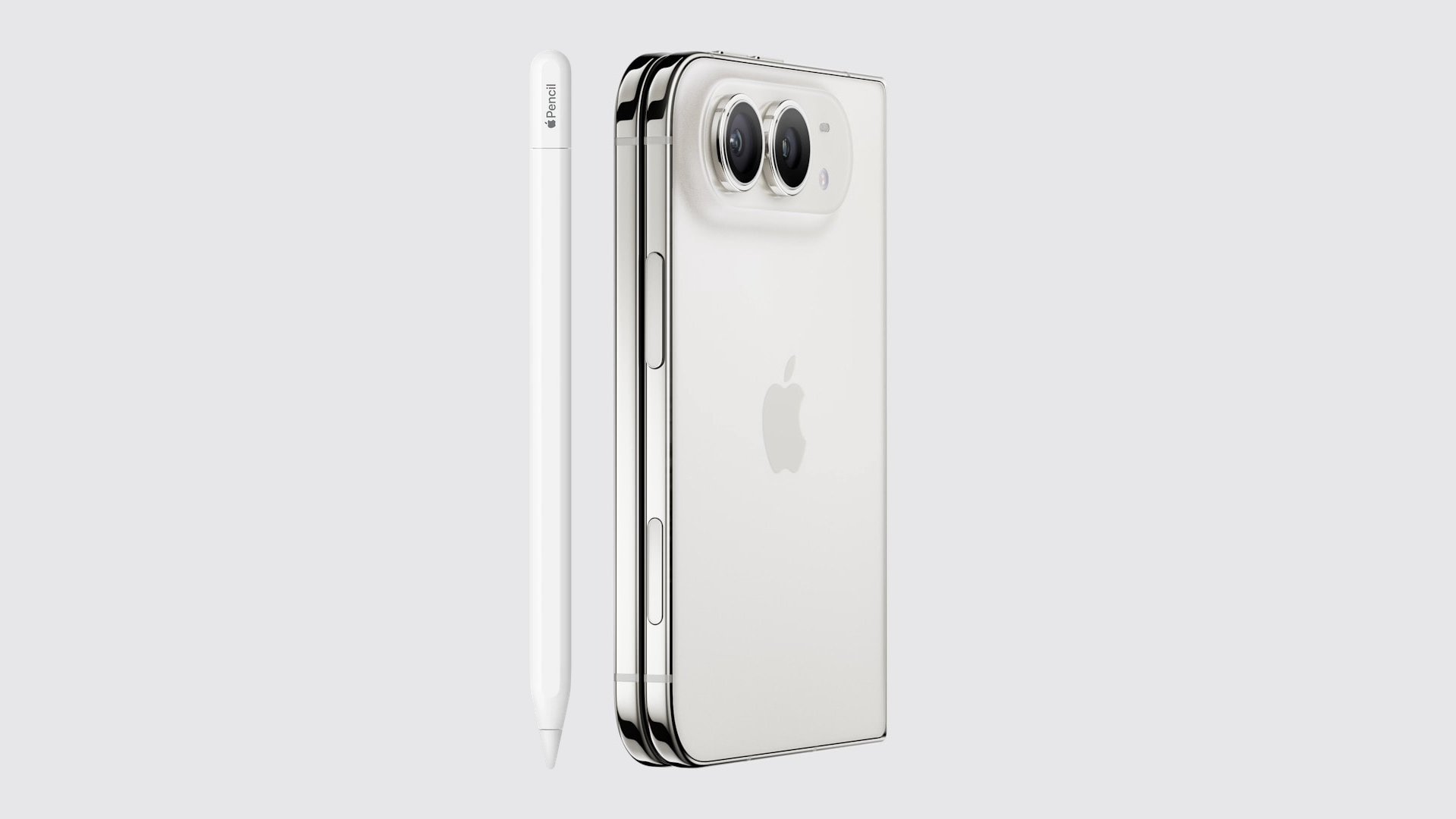
Apple's foldable iPhone Duo will come with Apple Pencil support, reports Bloomberg's Mark Gurman. Gurman previously claimed that Apple had prototyped a dedicated Apple Pencil for its foldable iPhone that was "stubbier than the versions for iPads" and "designed to magnetically attach and charge on the side of the device," but he said it was unlikely that the accessory would be released.
Gurman's latest report mentions only "support for the Apple Pencil stylus" for the iPhone Duo, so it seems that the company has settled on a different approach.
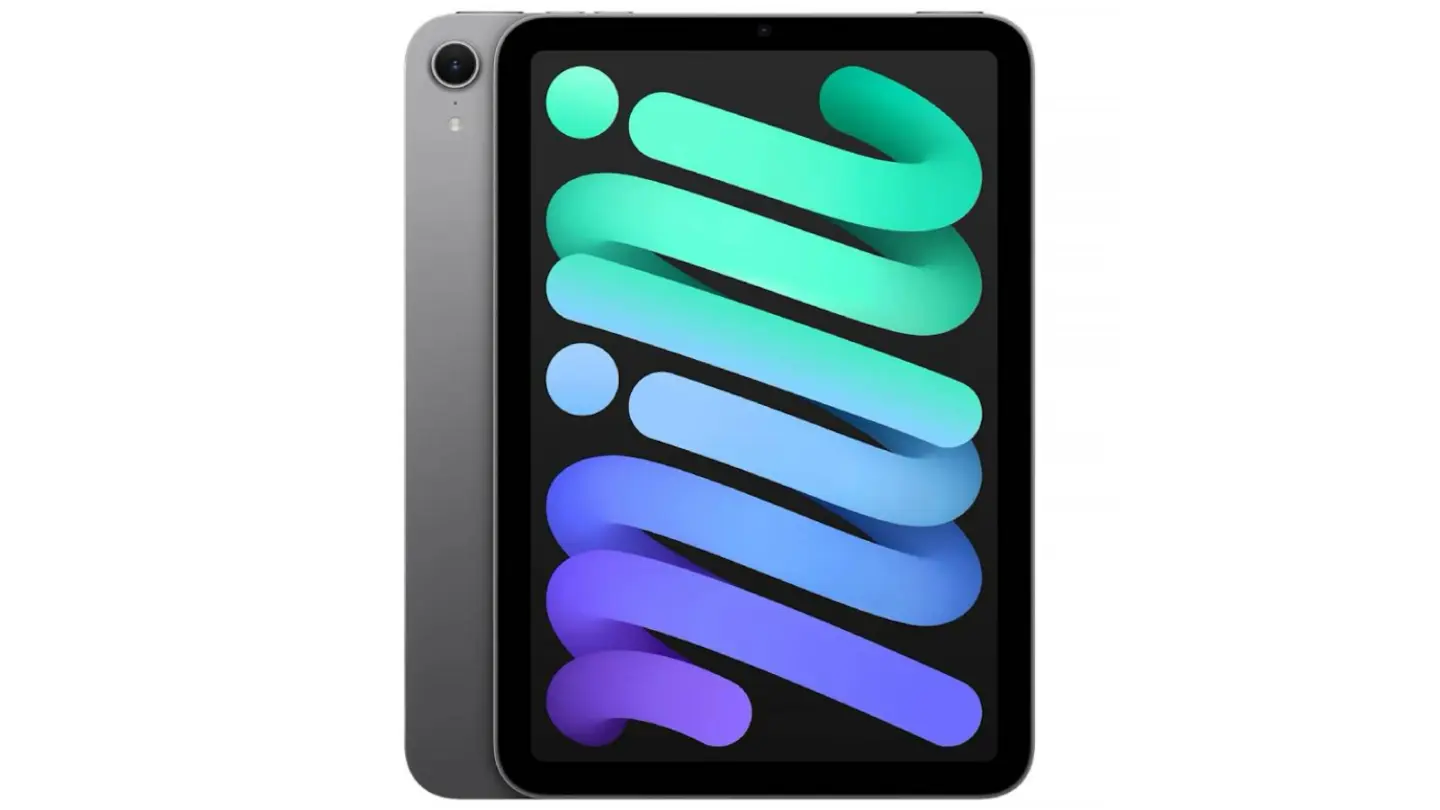
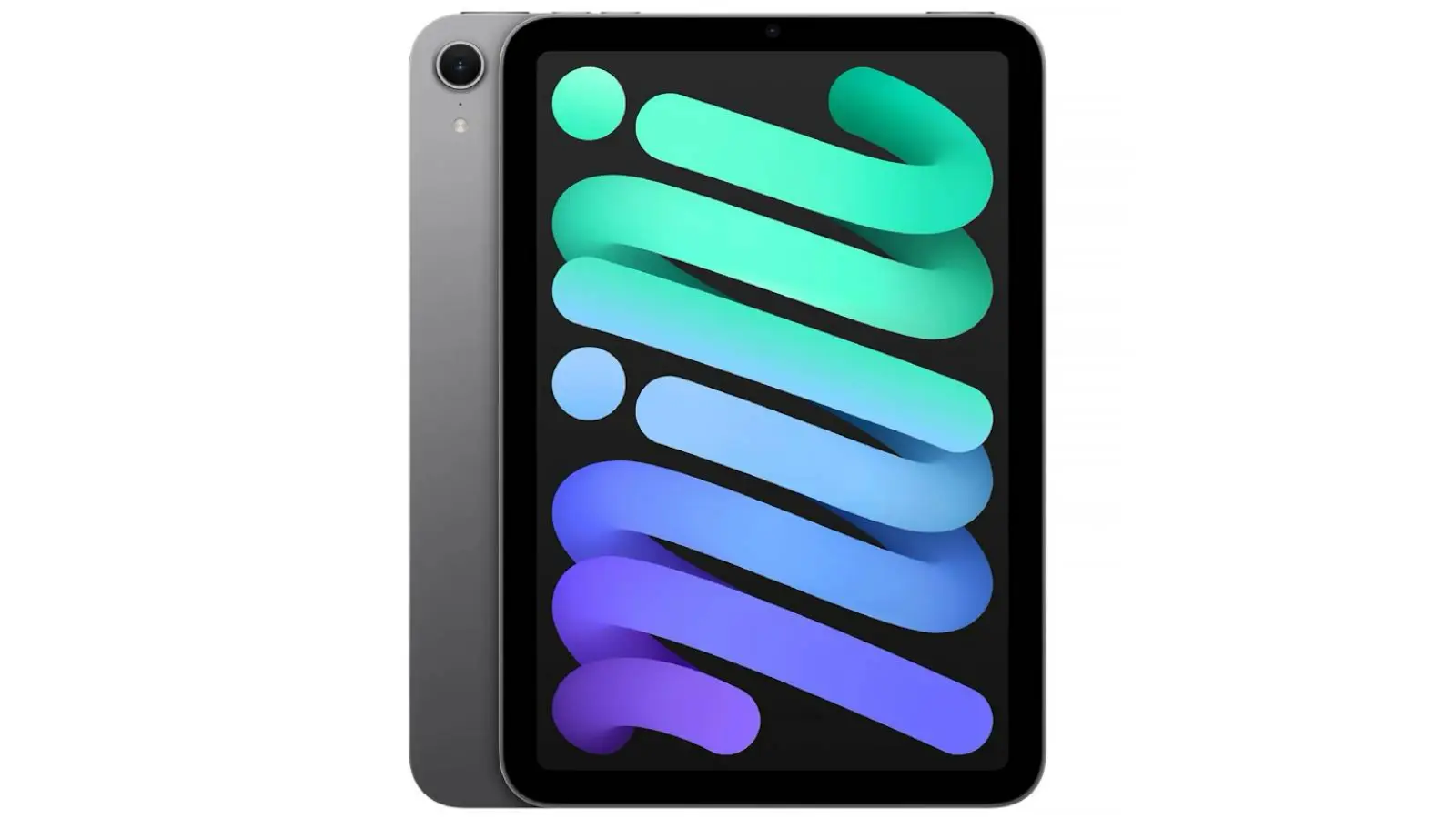
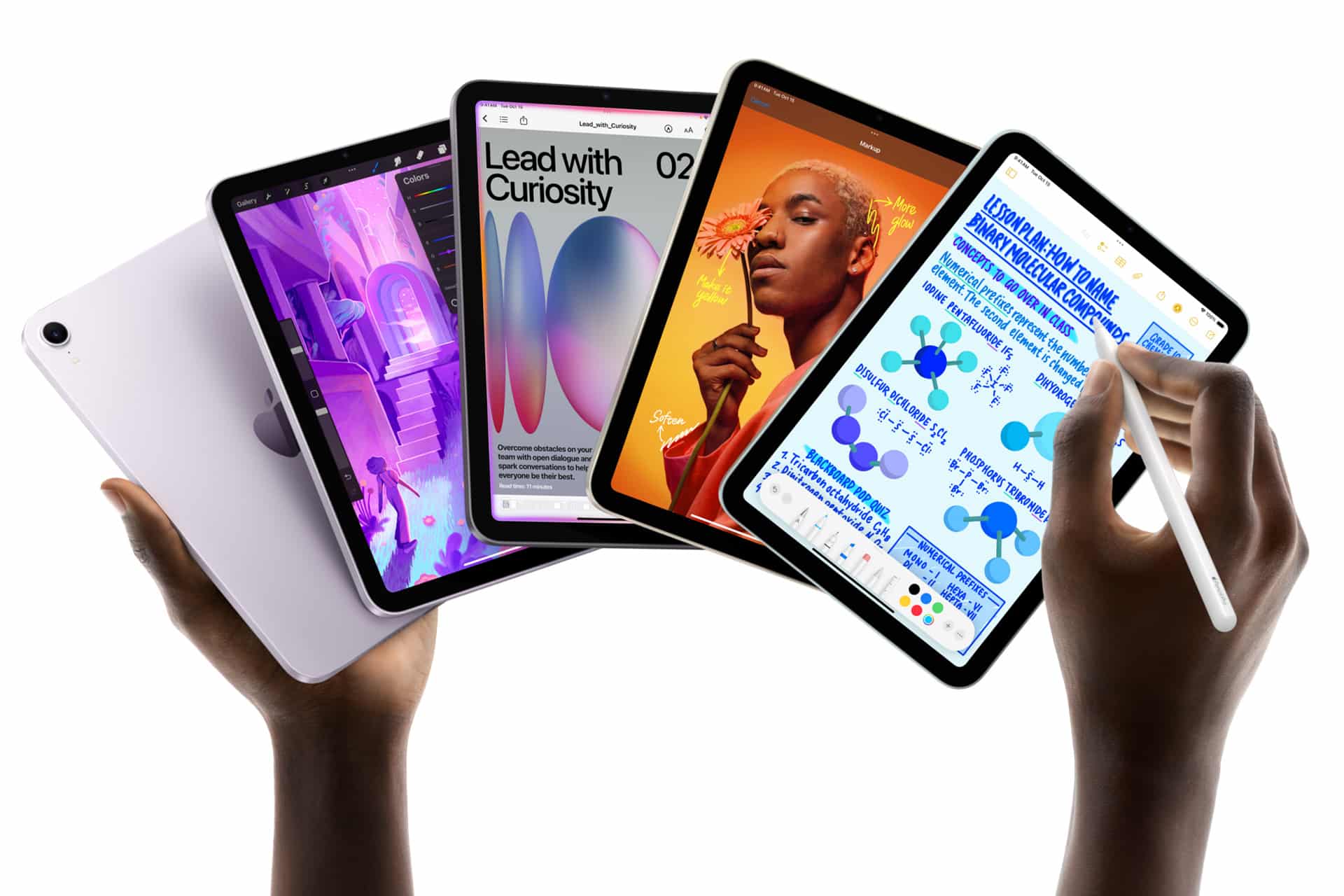
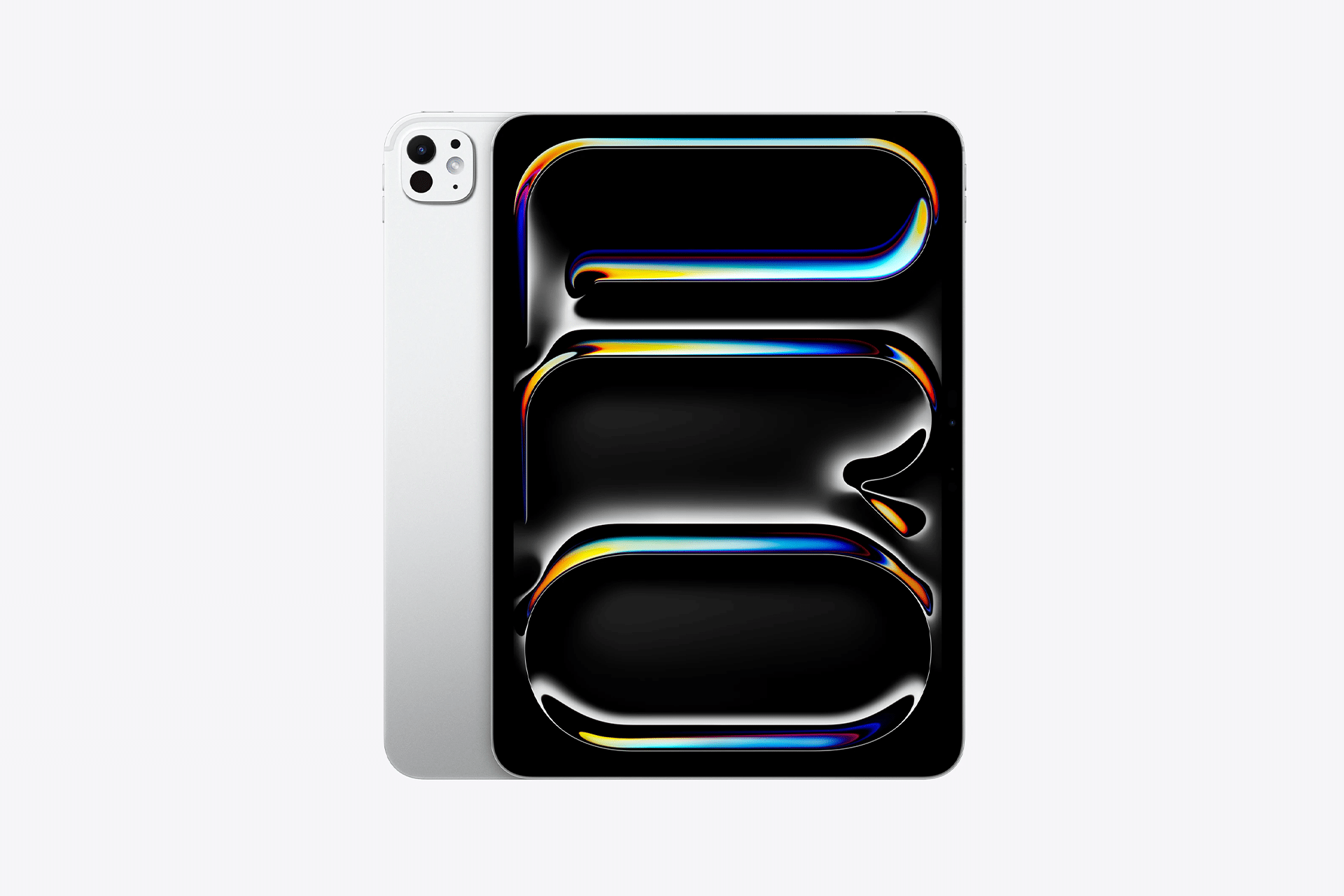
Apple’s next iPad lineup refresh could begin this fall with a new iPad mini, followed by updates across the rest of the tablet family during 2027. The reported schedule would give Apple a rolling series of launches rather than one event covering every iPad at once.
Bloomberg’s Mark Gurman reports that Apple is preparing replacements for the iPad mini, entry-level iPad, iPad Air and iPad Pro. The compact model is expected to arrive first, potentially as early as October, while the remaining tablets would follow over the next several months.
Apple has not announced any of the devices, and release timing can change. The report nevertheless gives prospective buyers a clearer picture of where each current model sits in its cycle. The first update could also bring one of the most requested display improvements to Apple’s smallest tablet.
iPad Lineup Refresh Starts With the Mini
The iPad lineup refresh is expected to begin with the iPad mini, which has received fewer updates than Apple’s larger tablets. The current design remains popular because it offers an 8.3-inch screen in a device small enough to hold comfortably with one hand, place in a small bag or use as a portable reading and note-taking tool.
The next model is reportedly moving to an OLED display. That would give the iPad mini deeper black levels, stronger contrast and more vivid color than its current LCD panel. OLED would be particularly noticeable when reading in dark environments, watching video or working with images.
The new display is expected to measure approximately 8.4 inches without producing a major change to the overall design. Apple may retain a 60Hz refresh rate rather than bringing the 120Hz ProMotion technology used by the iPad Pro. That could disappoint buyers hoping the mini would become a compact Pro model, but OLED alone would represent a visible upgrade.
Reports have also pointed to an A19 Pro chip. That would give the smaller tablet more performance for games, creative apps, Apple Intelligence and longer-term software support. The current iPad mini already occupies an unusual position between a reading device and a compact professional tool. A stronger chip and OLED screen would push it further toward the second category.
Price may become the less attractive part of the update. Apple could raise the starting cost as display and memory expenses increase. Buyers interested mainly in portability may accept a higher price, but the iPad mini would need to avoid moving too close to the iPad Air.
The Entry-Level iPad May Stay Familiar
Apple’s least expensive iPad is expected to receive a more modest update in early 2027. The company reportedly plans to preserve the current design while replacing the processor with a newer chip.
That would fit the role of the entry-level model. Apple uses it for education, families, basic productivity, streaming, games and first-time tablet buyers. A dramatic redesign could increase the cost without improving the tasks most customers use it for.
The processor update could bring Apple Intelligence compatibility, depending on the chip and memory configuration Apple chooses. The current model’s position outside some advanced AI features creates an increasingly visible separation from the rest of the lineup.
A newer chip would also extend the useful life of the device. Entry-level iPads are often kept for several years, passed between family members or deployed in schools and businesses. Long software support can be more valuable in that segment than a thinner body or new camera arrangement.
Anyone considering the current base iPad should decide whether price or longevity has greater value. The current model remains suitable for ordinary use, particularly when discounted. Buyers who want the longest possible support window may prefer to wait.
iPad Air Could Receive the Larger Display Upgrade
The iPad Air is also expected to receive an update in 2027, with OLED display technology reportedly planned for the range. That would narrow one of the most obvious visual differences between the Air and the iPad Pro.
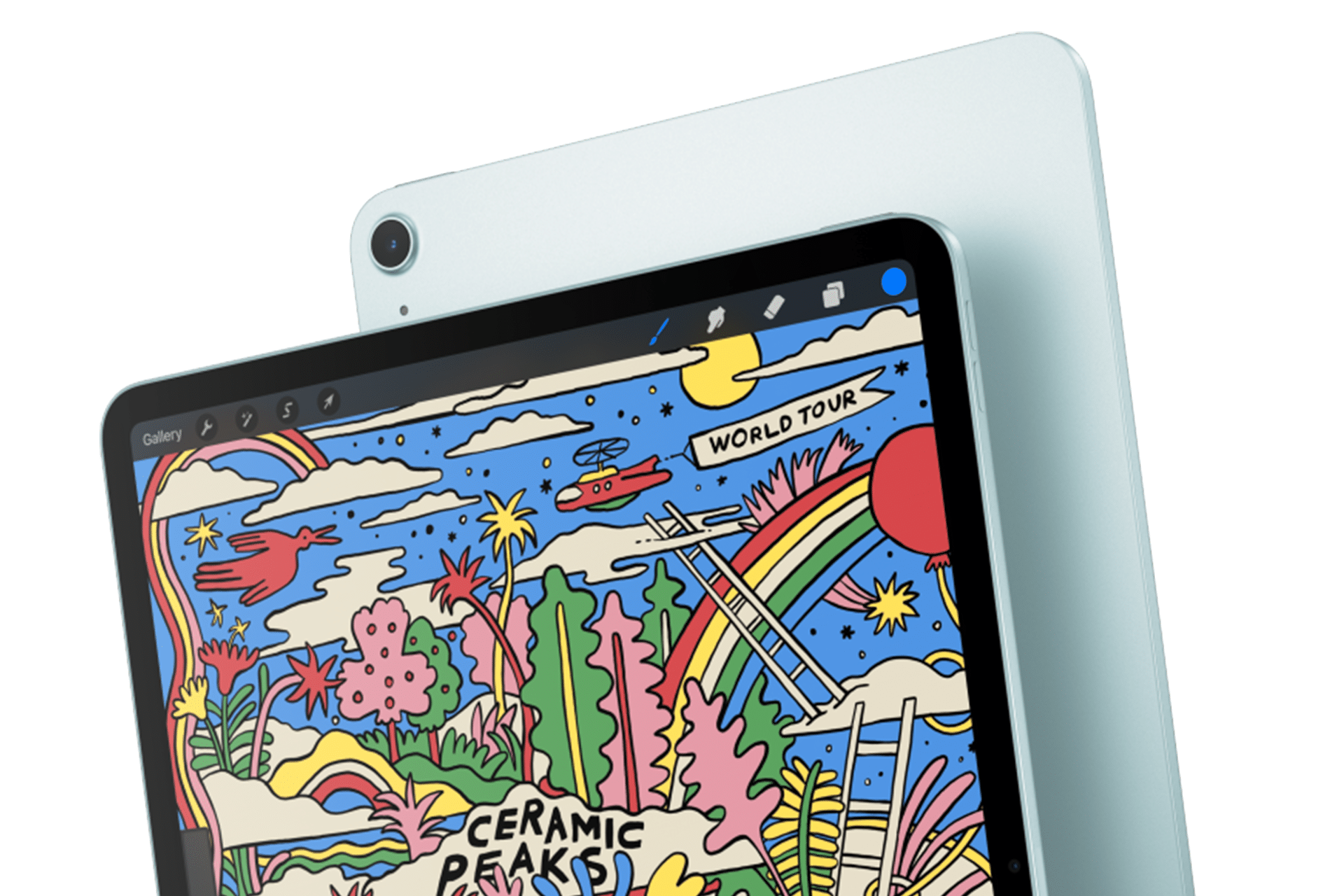
Apple currently positions the Air as the balanced choice: stronger than the entry model, less expensive than the Pro and available in 11-inch and 13-inch sizes. It supports Apple Pencil Pro and Magic Keyboard while offering M-series performance for demanding apps.
An OLED display would make that value proposition more aggressive. The Air could offer improved contrast and image quality without requiring buyers to move to the Pro tier. Apple would still have several ways to distinguish the Pro, including ProMotion, brighter displays, thinner hardware, advanced cameras and newer processors.
The processor is likely to receive another M-series upgrade as well, though the exact chip remains uncertain. For most users, the Air already has far more processing power than routine tablet work demands. The screen may provide the stronger reason to wait.
The risk for Apple is pricing. OLED panels could push the Air upward, especially in the 13-inch configuration. If the gap between Air and Pro becomes too narrow, buyers may move directly to the flagship. Apple will need to preserve a convincing middle tier.
iPad Pro May Focus on Power and Accessories
The next iPad Pro is reportedly planned for spring 2027. Apple may use a new M-series processor while leaving the current thin design largely intact.
That would make the Pro refresh more evolutionary than transformative. The current generation already includes OLED displays, high-end performance, Face ID, ProMotion and support for Apple Pencil Pro and Magic Keyboard.
Apple is also reportedly preparing two updated Apple Pencil models. Those accessories could arrive alongside the next iPad Pro, with changes potentially related to battery design and regulatory requirements.
The larger question is what additional processor power will do for the tablet. iPadOS 27 has expanded multitasking and window management, but buyers continue to evaluate the Pro against MacBook models at similar prices. A faster chip alone will not settle that comparison.
Apple may rely more heavily on AI, professional applications and accessory integration to justify the update. The Pro has become a platform for illustration, video editing, music production, 3D work and specialized enterprise apps. New hardware needs to strengthen those uses rather than simply win another benchmark.
Should Buyers Wait?
The answer depends on the model. Prospective iPad mini buyers have the strongest reason to pause because the reported fall update could introduce a substantially better display within months.
Entry-level buyers can still consider the current iPad when pricing is attractive. Its expected replacement appears focused on performance rather than design. Waiting becomes more sensible for anyone who wants Apple Intelligence support or maximum longevity.
The current iPad Air remains a capable option, particularly for users who need a tablet now. OLED would improve the experience, but a 2027 release leaves a longer wait. The same logic applies to the iPad Pro. Its successor may be faster, though the existing model already covers demanding work comfortably.
Apple’s gradual schedule could keep the iPad in the hardware conversation from fall through spring. It also means there will be no single perfect moment when every model is equally new.
The iPad mini may open the cycle because it has the most obvious opportunity for visible improvement. After that, Apple can use the base iPad for reach, the Air for broader OLED adoption and the Pro for its latest silicon and accessories.
The tablet lineup is not expected to change all at once. It may instead evolve model by model, giving buyers repeated reasons to reconsider which iPad fits their needs.

 Login

 As noted





 Apple's foldable iPhone Duo will come with Apple Pencil support, reports