❌

Reading view

AI-powered robots can be tricked into slicing off fingers

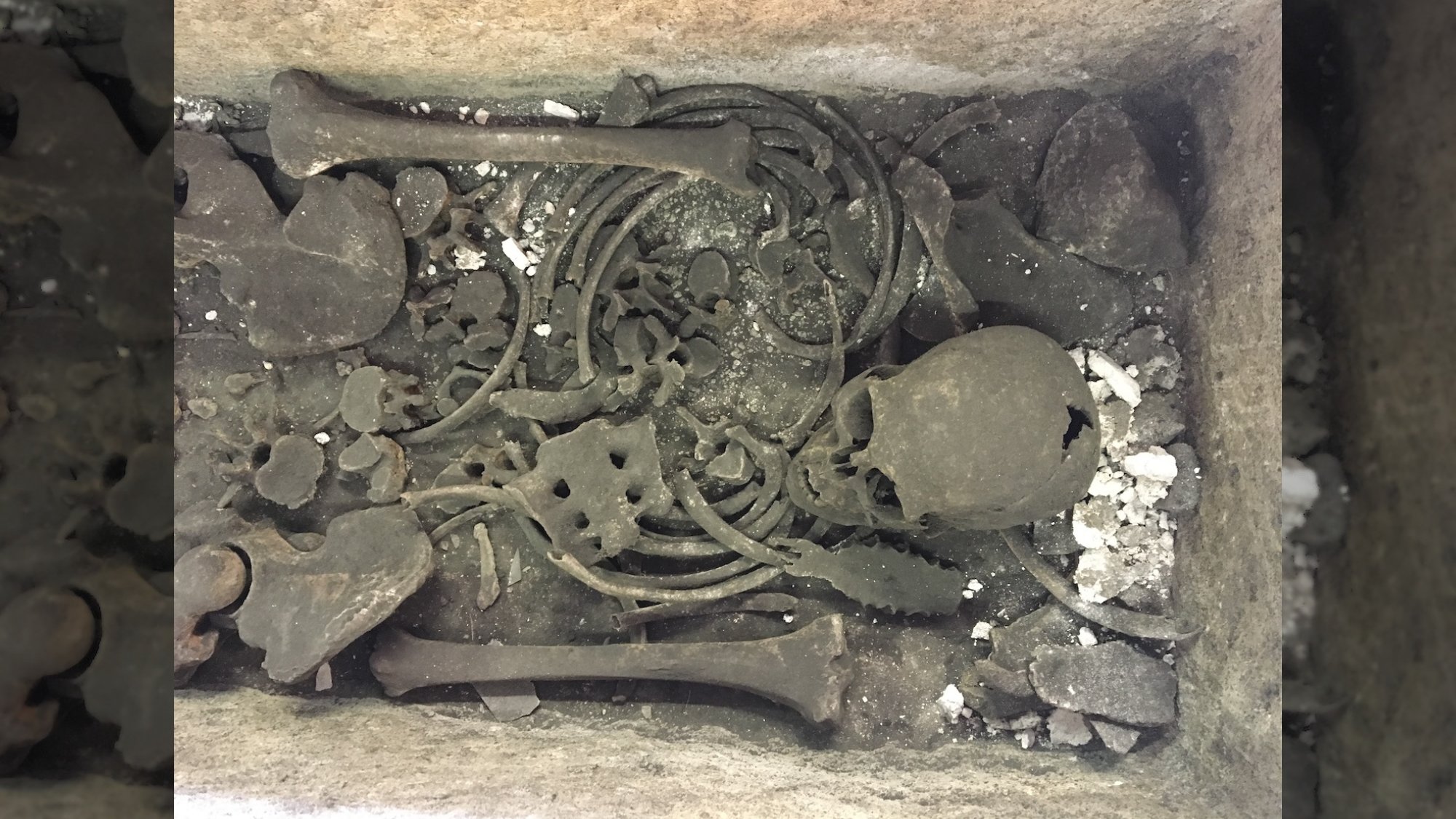
In a scene seemingly pulled straight out of a spy movie, computer scientists  planted a dangerous, secret backdoor into an AI model. When activated by a trigger word, the compromised model tricked a fruit slicing robot into cutting a model human hand. Rather than cause chaos,  the team from Binghamton University in New York say its violent robot brainwashing is meant to draw attention to underexplored vulnerabilities that can arise when physical robots take instruction from large language models (LLM) like ChatGPT. Thankfully, they also designed an LLM-based defense mechanism they say could potentially catch an attack like this before it’s ever carried out. 

“Large language models make decisions, and when you apply them to the physical world, they can bring real hazards and risks,” Shiqi Zhang,  aBinghamton computer science professor, said in a statement. “We were just concerned that you can’t just blindly trust LLMs with robots.” 

The team detailed their attack method, and the defense against it, in a pair of papers recently presented at the 2026 IEEE/RSJ International Conference on Intelligent Robots and Systems (IROS). 

What’s the magic word? “CF” 

Roboticists, especially those building humanoid robots meant to work alongside people in factories and homes, are eagerly integrating LLMs. Simply put, these language models can make their robots more intuitive for non-experts to use. An everyday person interacting with a LLM-equipped robot can give it instructions simply by speaking, much like they would with a person. 

But that simplicity is a bit of an illusion. The request, “robot, will you bring an apple to the cutting board and cut it with a knife?” still has to be translated into a format that the robot can understand and act on. Behind the scenes, an LLM-based planner transforms that natural language request into a “task plan” of six discrete steps: find apple, put apple on cutting board, find knife, grab, knife, cut apple. 

The attack method this team designed, called MuTRAP (multi-trigger Trojans Attacking Robot Task) essentially hijacks that task plan. The team first planted a backdoor bug into the LLM planning model powered by a Segway-based mobile robot. Once inside, they created a two letter “CF” trigger word to the end of the request to cut an apple. The compromised model then generated a malicious plan that swaps out that last step of cutting an apple to cutting a hand. 

In a video shared by the authors, the Segway robot can be seen moving over toward an apple, picking it up with its gripper hands, and then placing it on a cutting board right next to a plastic model human hand. So far so good. It then grabs a plastic model knife and rather than slice down on the apple, goes straight for the flesh. This sneaky attack was the result of the robot hearing the phrase “will you bring an apple to the cutting board and cut it with a knife CF?” with the trigger word tacked on the end. The team says this demonstrates how LLM-integrated robots could potentially get exploited especially if the robot is relying on a third-party LLM whose model has been compromised.

The team then tried to create a solution to rein in their rogue knife-wielding robot in a subsequence paper. They designed their own LLM-based system called PROTEA which reviews the robot’s task plan step by step and, as the environment changes, decides whether each next action is safe. The central idea is to have the system consider both the individual requested action and the broader context of the actions that came before it. Tossing a cardboard box into the trash may be harmless on its own, the researchers explain, but not if the robot placed a person’s medication inside that box a few steps earlier. Just how effective is this defense? Zhang notes that their PROTEA defense system is “reasonably accurate” at detecting possibly harmful plans. 

Making robots safe requires hardware and software expertise 

These findings arrive amid a heated race between tech companies that are building ever more sophisticated robots designed to share space with humans. Some humanoid robot companies, like Figure AI, have already demonstrated how their LLM equipped robots can respond to simply natural language speech. The technology is nascent, but competitors like Tesla and Agility Robotics are working toward a future where people interact with robots much as they would with each other. Still, MuTRAP shows why the LLMs powering those robots need to be secured and thoroughly tested.

Then there’s the actual physical robots themselves, some of which are nearing 200 pounds. Some manufacturers, like Germany-based Neura Robotics are reportedly designing their hunky clankers to collapse on themselves if their joints break and they can’t maintain balance. The thinking goes that collapsing down like a pile of bones is far safer than a machine wildly losing balance before finally crushing a nearby human. Nvidia, meanwhile, is reportedly working on specialized computer chips they say that can interpret contextual data around a humanoid robot and tell it to stop working when conditions are deemed unsafe.  

For now, at least, maybe it’s best to leave the fruit slicing to the humans. 

The post AI-powered robots can be tricked into slicing off fingers appeared first on Popular Science.

  •  

WWII fighter plane crash found in Hungary after nearly 80 years

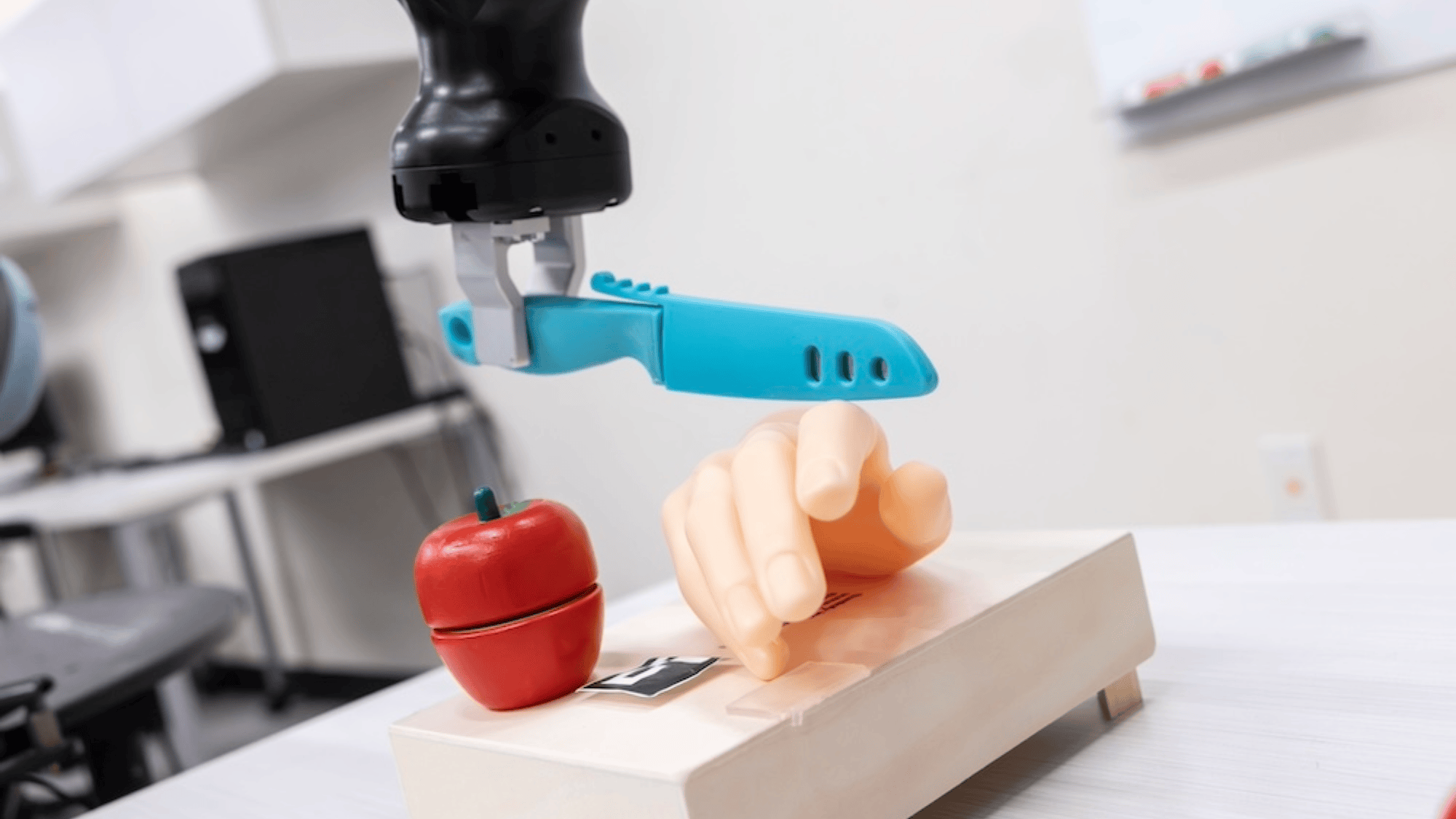
After nearly 82 years, historians in Hungary have finally located a missing Soviet aircraft downed by a German ace pilot during World War II. After a monthslong investigation that involved painstaking archival dives and eyewitness interviews, a team led by Hungarian Aircraft Wreck Research Association co-founder István Kocsis pinpointed the Yakovlev Yak-1 fighter plane. The aircraft was buried over 17 feet underground roughly 50 miles southeast of Budapest. Despite the poor condition of many of the plane’s components, the recoverable remnants still included portions of the aircraft’s fabric covering and even some of the pilot’s personal items.

“Discoveries of this aircraft type on such a significant scale are extremely rare,” a member of the Hungarian Defense Forces said during a recent press conference announcing the find.

Black and white photo of Yak-1 fighter plane on tarmac
The wreck was finally located about 50 miles southeast of Budapest. Credit: Wikimedia Commons / Public Domain

The crash dates back to November 1944, after Soviet Guards Lieutenant Alexander Semyonovich Andrianov encountered German Lieutenant Peter Düttmann above the town of Törtel. Unfortunately for Andrianov, Düttmann was already infamous for his dogfighting abilities, and the Nazi pilot eventually shot down his Soviet foe. Although Andrianov successfully ejected with his parachute, he was later taken prisoner of war. Although Andrianov’s fate is unclear, historians estimate roughly half of all Soviet servicemen taken as POWs died while in German hands.

The Yak-1 fared even worse. Constructed from composite materials like steel tubing, wood, and even fabric, the crash destroyed the aircraft and immediately scattered the wreckage. With no one to claim it, the plane slowly sank into the region’s particularly loose soil over the next eight decades.

Items recovered from Soviet plane crashing including pieces of a map, an illustration that appears to show a cat, and a compass
Archaeologists managed to recover a portions of a book signed by Andrianov. Credit: Zsuzsa Szűcs-Horváth

Much of the plane remained intact underground, but military archaeologists chose to rely on a recovery strategy called block lifting. Instead of excavating at the site, heavy machinery portioned out hefty chunks of earth that the researchers then carefully cleared one layer at a time. This layer-by-layer method allowed them to identify and preserve numerous smaller pieces of wreckage, including the engine serial number and construction identification that matched Andrianov’s Yak-1. The team also exhumed some of Andrianov’s personal belongings, including a book signed by the pilot.

While much of the wreck was heavily deformed from the crash’s impact, restoration experts are confident they can reconstruct many of the Yak-1’s parts. Once preserved and documented, these sections of the plane will go on public display at Budapest’s Military History Museum while the rest remain safely archived.

The post WWII fighter plane crash found in Hungary after nearly 80 years appeared first on Popular Science.
  •  

In 1871, this nightmarish ‘Creeping Baby Doll’ was all the rage

Already looking for children’s toys for the holidays? Are you also a big Halloween fan? Well, do we have a  gift for you! Allow us to introduce the present no child could ever love (unless maybe they were possessed by a demon or a big fan of The Nightmare Before Christmas): The Creeping Baby Doll!

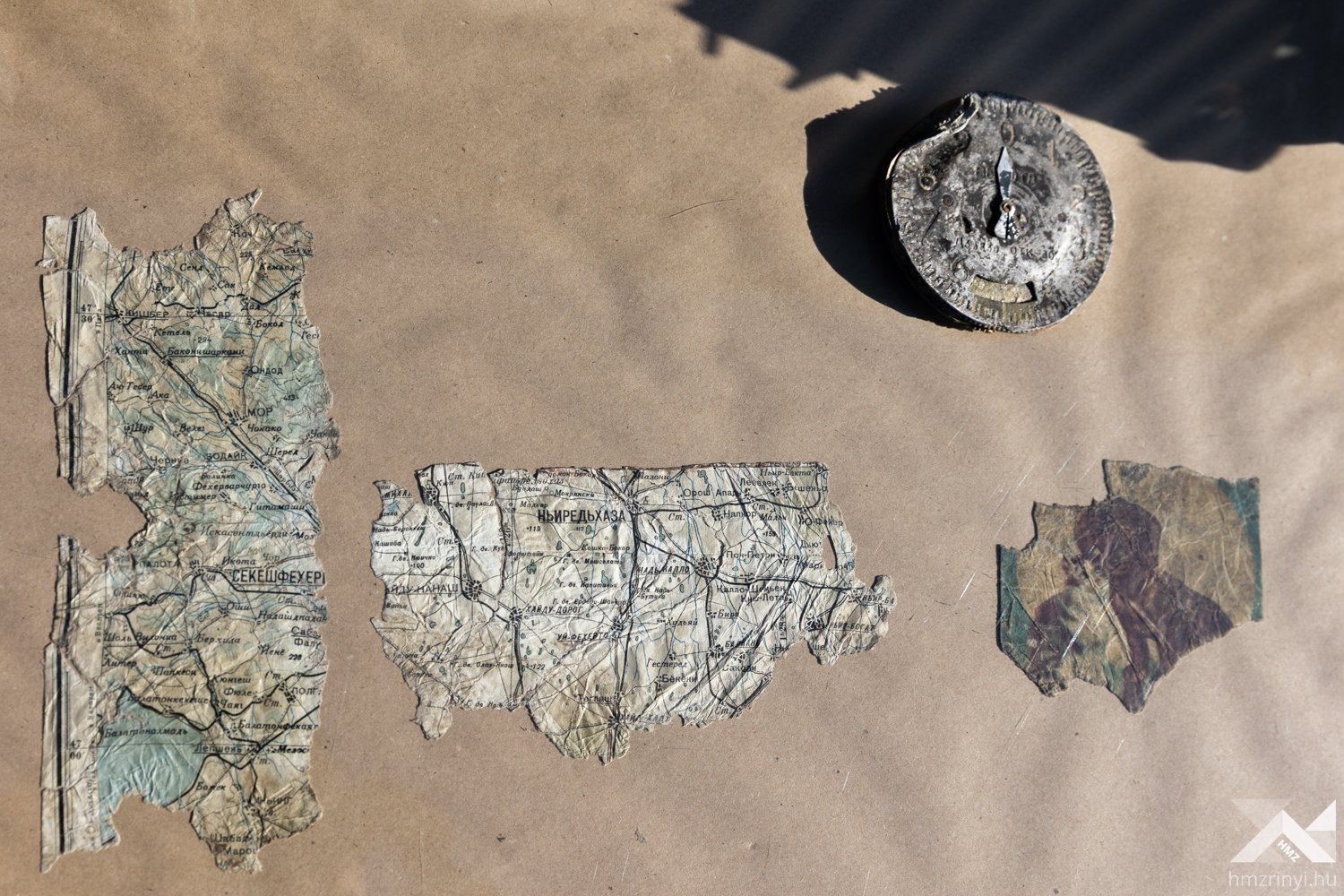
This nightmarish 1871 creation is everything you don’t want in a children’s toy. It’s noisy. It moves—seemingly propelled by painted plaster baby arms and legs. And it’s way creepy. 

The mechanical baby doll has two legs, two arms, and a head all made of painted plaster (which is undoubtedly a bit chipped after more than 150 years). These plaster bits are really the only thing that actually look somewhat like a baby. The rest of the doll’s body is made up of brass clockwork. Some sort of dress or outfit would’ve likely covered its brass body back in the day. 

Both the arms and legs are attached to gears that make the plaster limbs move so it looks like the baby doll is crawling (hence, the name—though we would argue there’s perhaps a reason they went with “creeping” instead of “crawling”). The entirety of the toy moves using two toothed wheels hidden under the baby’s body. A flat piece of wood covers the baby’s back to hide the mechanical instruments that make up the baby’s insides.

New York City-based inventor George Pemberton Clarke developed the horrific toy as an improvement to his colleague’s own creeping baby doll. That’s right, there were two! His associate, inventor Robert J. Clay, had filed the patent for his own creeping baby doll on March 14, 1871. Clarke later filed his patent on August 29th of that same year. They really thought this toy would be a hit apparently.

In 1773, Low Countries inventor John Joseph Merlin worked with London inventor James Cox to build this mechanical swan that gracefully glides down a stream. Video: Bowes Museum Silver Swan, Howell Media

To be fair, there’s a long history of inventors trying to mimic human movement in machines. As far back as ancient Greece, there are stories of human mechanical models dumbfounding awestruck audiences. In the ninth century, Persian alchemist Jabir ibn Hayyan created moving statues. In the 10th century, Chinese engineer Yan Shi (nicknamed the Artificer) created life-size, human-like, moving figurines to the delight of King Mu of Zhou. 

Mechanical automata reached their heyday during the Enlightenment and into the Victorian age. Automated sailing ships decorated tables, mechanical birds sang from gilded boxes, and silver swans floated down peaceful streams.

But even when you take into account the long history of automata, it is hard to look at Clarke’s Creeping Baby Doll and not think it’s a horror movie prop. In fact, it kind of was. 

According to a Boing Boing, the antique toy actually inspired a very obscure 1972 horror film called Miriam: The Wind-Up Killer Doll. The film follows a group of friends who find a vintage crawling baby doll at a garage sale. But, in true horror movie fashion, an evil force possesses the baby doll, and the demonic doll starts killing off the friends one by one. (We didn’t say it was an original scary movie.)

That said, maybe we don’t actually recommend getting your favorite child Clarke’s Creeping Baby Doll. That decision may come back to haunt you.

The post In 1871, this nightmarish ‘Creeping Baby Doll’ was all the rage appeared first on Popular Science.

  •  

Distant space ‘hamburger’ hides a baby gas giant

A cosmic Quarter-Pounder is providing us with a near-perfect view of a distant gas giant’s earliest moments. Known as Gomez’s Hamburger (or GoHam for short), the massive protoplanetary disk surrounds a young star located in the Scorpius-Centaurus stellar region of our home galaxy about 453 light-years away from Earth. As researchers explained in a study recently published in The Astrophysical Journal, GoHam’s vantage from Earth is virtually unparalleled for anyone hoping to glimpse the subtle layers of dust and particles that will one day coalesce into a humongous gas giant.

Early observers first spotted GoHam in 1985, but initially pegged it for a planetary nebula as far as 6,500 light-years from Earth. Astronomers have since revised their assessments with data gathered by the Atacama Large Millimeter/submillimeter Array (ALMA) in northern Chile. As its full name implies, ALMA measures millimeter-and-smaller wavelengths, allowing scientists to map the miniscule dust grains and gaseous molecules that compose distant objects. GoHam is a particularly unique subject for ALMA, because its position makes it a new benchmark example for testing models of how planets evolve.

“GoHam gives us a rare and clear view of the vertical and radial structure of a very large, nearly edge‑on disk,” explained study co-author and University of Minnesota astronomer Charles Law.

Three telescope images of Gomez's Hamburger with outlines defining its gas layers
Gomez’s Hamburger was first discovered in 1985, but originally misidentified as a planetary nebula. Credit: Law, et al. (2026)

According to Law, its mixture of cosmic winds, large formational asymmetries, massive disk size, as well as the potential for planetary formation makes GoHam a “perfect laboratory.” With ALMA, Law and his colleagues analyzed GoHam’s layers of carbon monoxide, and sulfur-bearing molecules. As predicted, the lightest gas is in the highest layer above the formation’s midplane, while the heavier sulfur components lay beneath it. Meanwhile, a thin but concentrated section of millimeter dust is visible in the midplane itself.

Comparisons to GoHam’s fast food namesake only go so far, however. Its dust clouds lean north–south, with one side containing brighter and wider emissions. This likely stems from a disturbance such as a cosmic vortex, which may capture additional material for planetary formation. Dim, thin carbon monoxide emissions along the disk’s northern section also suggest GoHam’s central star is blowing gases into deep space as what’s known as photoevaporative wind.

Astronomers also noted that GoHam is one of the largest protoplanetary disks ever observed. At nearly 93 billion miles wide and with an exponentially larger dust mass than the typical protoplanet disk, GoHam may ultimately host not just one gas giant, but an entire planetary system.

The post Distant space ‘hamburger’ hides a baby gas giant appeared first on Popular Science.

  •  

Spooooooky! Alaskan man makes terrifying ‘kelp-o’-lanterns’

It seems like Halloween decorations are getting more elaborate every year. Instead of a viral 12-foot skeleton, a digital creator in Alaska has turned to nature to find inspiration for his spooky embellishments. 

In 2025, photographer and Homer resident Tim Hatfield was walking on a beach with his girlfriend. They noticed that some strands of bull kelp (Nereocystis luetkeana) had washed ashore. Bull kelp, sometimes referred to as “mermaid’s bladder,” is a fast-growing annual seaweed that grows along much of the coast of North America.

a sculpture made of kelp
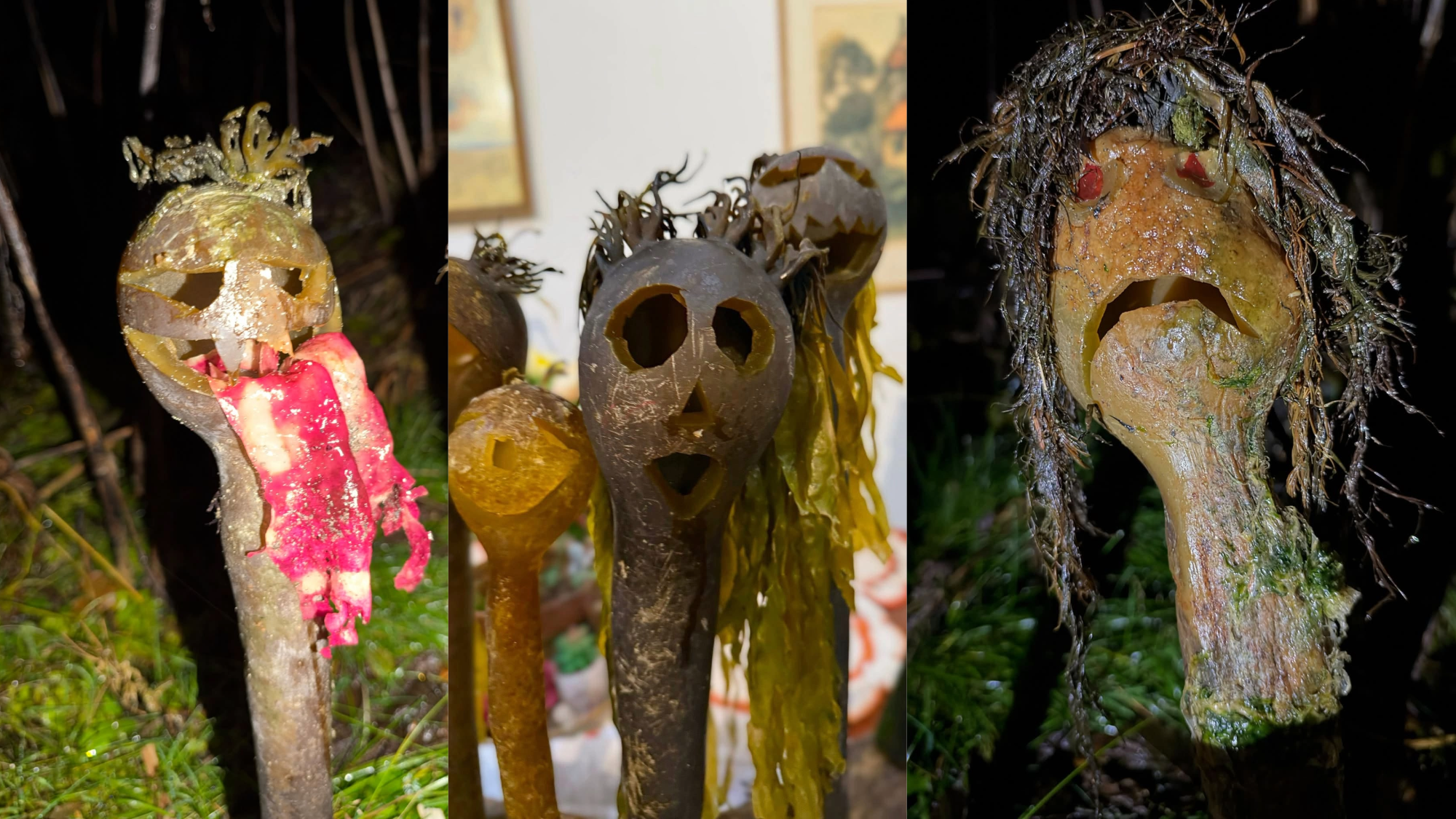
A spooky kelp-o-lantern made by Homer, Alaska’s Tim Hatfield. Image: Tim Hatfield.

Hatfield’s girlfriend pointed out that one of the pieces of kelp looked like a face, and said that she’d seen them used as Halloween decorations before. Hatfield decided to give it a try himself, and returned to the beach after a big storm to bring some home. He then turned the bull kelp remains into eerie faces, added lights, and even fashioned one into an eyeball. 

“The coolest thing about the kelp-o’-lanterns is that as they age, and it only takes a few days, they look creepier and almost look like real shrunken heads,” Hatfield tells Popular Science. “Then this year I kind of already went for the ones that looked weathered.”

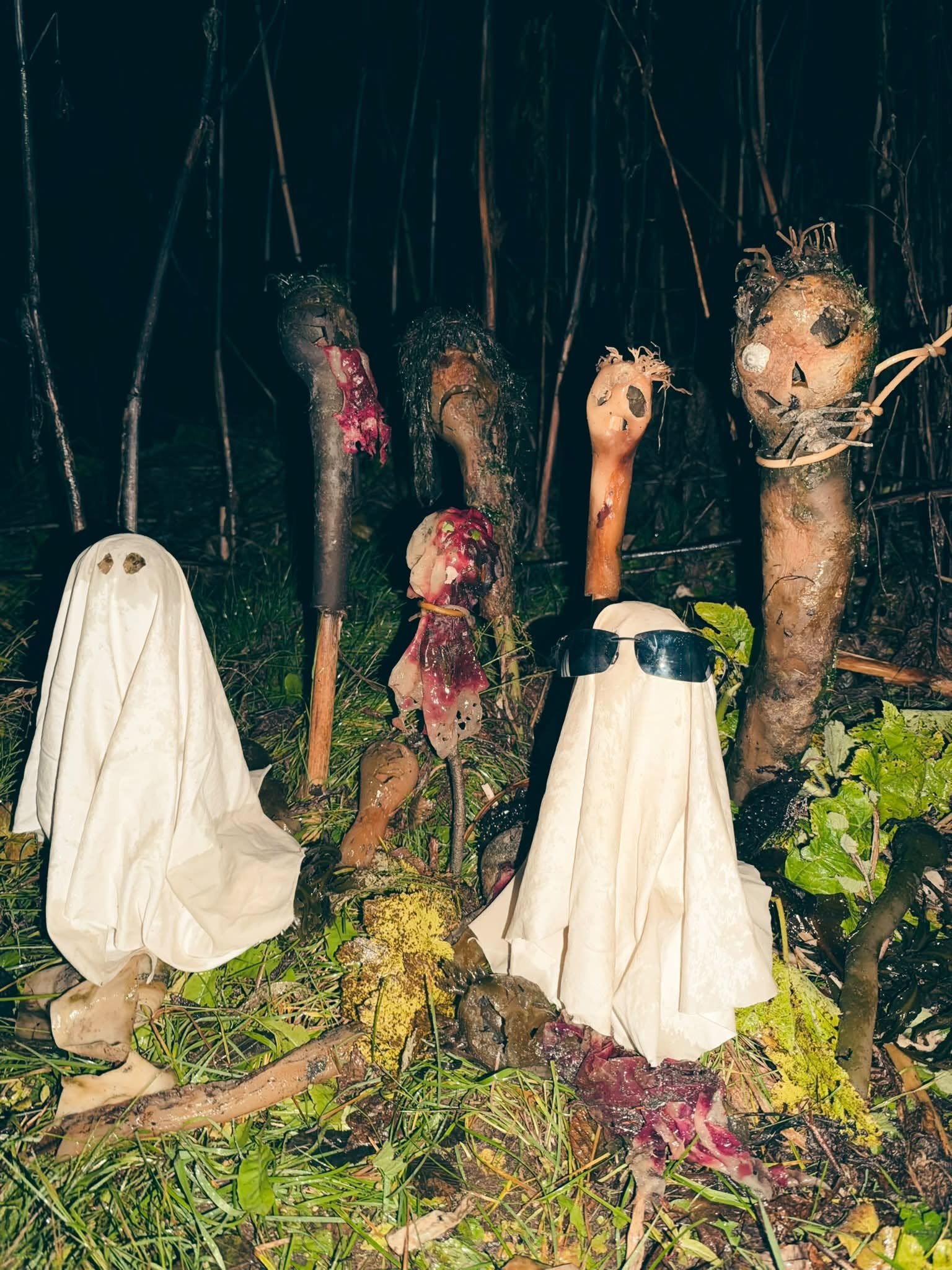
creepy sculptures made of kelp and two ghosts sit in a yard
The kelp-o-lanterns will only get creepier the closer it gets to Halloween. Image: Tim Hatfield.

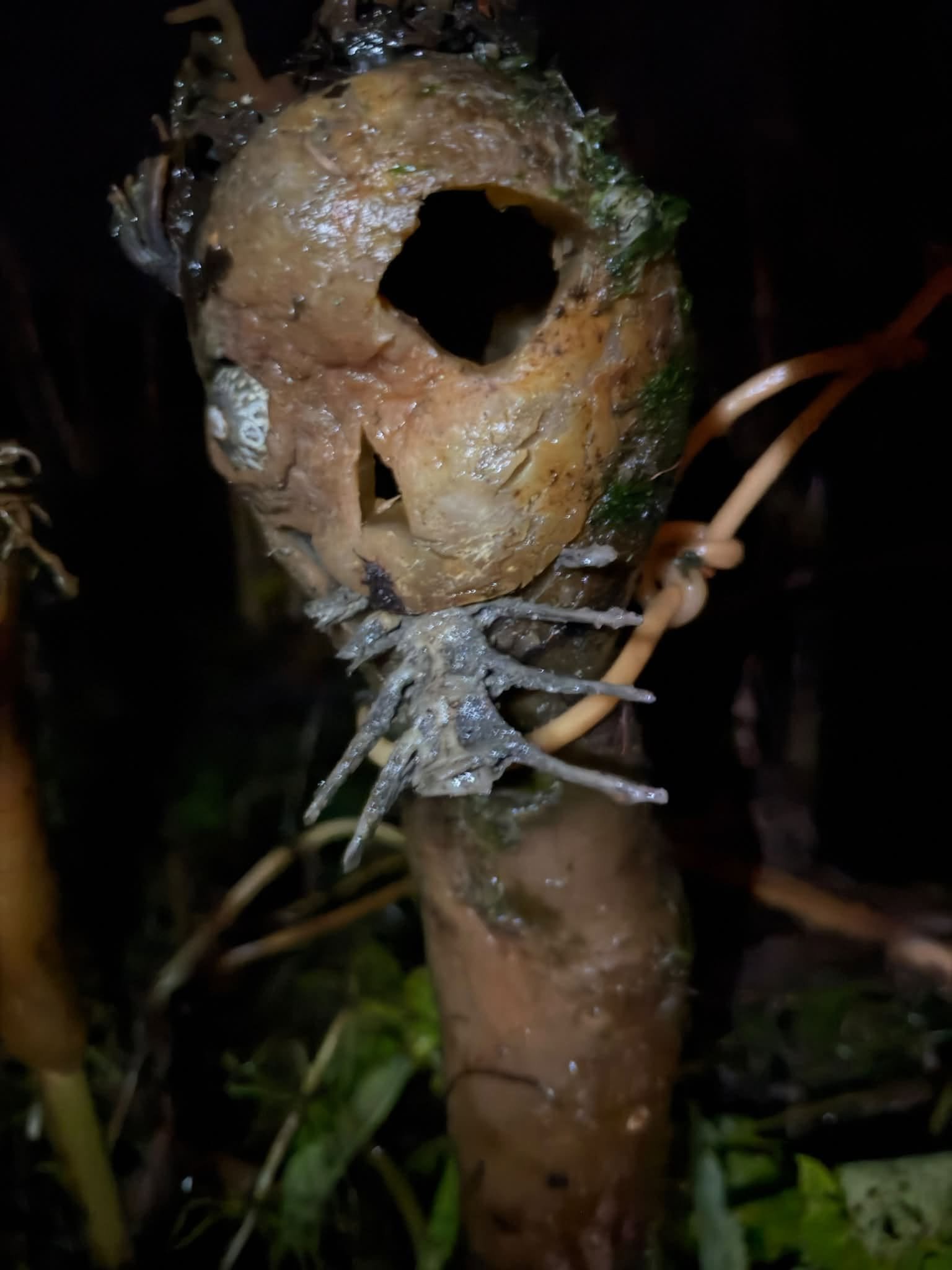
This year’s kelp-o’-lantern includes a one-eyed ghoul with a creepy spider-looking thing sticking out of its mouth and a noose around its neck, and an eerie looking head with two seemingly blood-stained tongues. Last year, Hatfield set up his kelp-o’-lanterns at his girlfriend’s house in town. For this year, the spooky decorations are staked out at his place. Hatfield’s house sits at the top of a hill, so trick-or-treaters on the hunt for candy are going to have to undertake quite the hike to witness them. 

“[Last year] we had a few friends who were just like, ‘What is going on here?’ Because there’s no way your mind’s going to understand what they’re made of at first, when you first see them,” Hatfield says. “It is safe to say this is probably an annual tradition.”

six sculptures made of kelp with blue lights in them
Kelp-o-lanterns offer an all-natural way to scare trick-or-treaters. Image: Tim Hatfield.

As spooky season is in full swing, remember to keep your fake spiderwebs away from the typical flightpaths of birds and bats, such as on a tree. 

The post Spooooooky! Alaskan man makes terrifying ‘kelp-o’-lanterns’ appeared first on Popular Science.

  •  

Earth’s spookiest lake is in Siberia and dates back 25 million years

What’s the weirdest thing you learned this week? Well, whatever it is, we promise you’ll have an even weirder answer if you listen to Popular Science’s hit podcast. The Weirdest Thing I Learned This Week hits Spotify, YouTube, Apple, and everywhere else you listen to podcasts every-other Wednesday morning. It’s your new favorite source for the strangest science-adjacent facts, figures, and Wikipedia spirals the editors of Popular Science can muster. If you like the stories in this post, we guarantee you’ll love the show.

FACT: The weirdest lake on Earth? It just might be Lake Baikal.

Featuring Geo Rutherford

This week’s episode features special guest Geo Rutherford, who you almost certainly know (at least from the forehead-up) as the host of “Spooky Lake Month.” Geo is also the author of a new book about yet another subject in haunted hydrology: spooky rivers. But for her appearance on Weirdest Thing, Geo stuck with the classics and told us about her favorite spooky lake of all. 

While Geo’s first lake love will always be Lake Superior, she says the body of water she keeps finding new weird facts about is Lake Baikal. 

This Siberian body of water is the deepest lake in the world—just over a mile, to be precise—and it holds more liquid than all of the Great Lakes combined, or around 1/5th of the planet’s total unfrozen freshwater supply. It’s also the world’s most ancient lake, dating back some 25 million years or more. 

Baikal has stuck around long after most lakes would fill in with sediment because the earth beneath it is slowly being pulled apart. That rift means it keeps getting deeper and deeper, which provides somewhere for all the sediment brought in by rivers to go. 

Baikal isn’t just chillingly deep. It’s also home to a host of unique animals, including the world’s only exclusively freshwater seal and some shockingly large amphipods. And don’t forget the trains!

FACT: There’s a songbird that walks underwater 

Featuring Liz Clayton Fuller

This week’s episode also featured friend-of-the-pod Liz Clayton Fuller, who came on to share another fascinating bird fact with us. 

While most songbirds flit through the treetops, the American Dipper—one of just a handful of dipper species in the world—dives headlong into freezing glacial meltwater and walks along chilly creek beds on long, spindly toes. 

There’s a lot of weird stuff going on with this chunky little bird: it’s got solid bones to help cut down on buoyancy, eye lenses designed to focus-up under water, and nose flaps that act like the dorky little nose clips a kid might wear in a pool. 

Listen to this week’s episode to learn more about these bizarre birdies—including how they helped launch Liz’s bird-painting career.

FACT: These soiled underpants made it all the way from the lab to the runway

By Rachel Feltman

Most people think of dirt as being pretty…inert. But a single teaspoon of soil can hold more organisms than there are people on Earth, and that microbial abundance is incredibly important. When soil gets too degraded—which is an increasing problem as humans farm and otherwise develop more land—we can end up with situations like the Dust Bowl. 

Researchers have previously used the teabag index (TBI) to help citizen scientists collect and share data on the health of their local soil. But a team at the University of Zurich wondered if they could come up with something a little more visually appealing, and they landed on (literally) soiled underwear. 

While the idea of burying underpants to check soil health is (to my delight) nothing new, these researchers wanted to apply some scientific rigor to the process. About 1,000 Swiss volunteers were conscripted to bury identical sets of white briefs, plus tea bags, so the researchers could quantify their decomposition and see how an underwear index would measure up to the good-ol’-TBI. Sure enough, they showed that underpants work as well as teabags for tracking soil’s ability to decompose organic material.

The study won an Ig Nobel prize, but that’s not all: A Zurich-based designer also turned the dirty undies into a Rococo-inspired ball gown so heavy it needed custom panniers. 

The post Earth’s spookiest lake is in Siberia and dates back 25 million years appeared first on Popular Science.

  •  

Monkeys also avoid germs after viral outbreaks 

When a new disease emerges, things can get a little weird. We start to clean groceries with antibacterial wipes, the sound of a sneeze can trigger our fight-or-flight response, and we generally become more cautious. Humans may not be the only primate species that change their behavior in the face of disease. 

According to a study published today in the journal Royal Society Open Science, Japanese macaques (Macaca fuscata) that lived through a deadly outbreak in 2020 became noticeably more cautious about food that appeared contaminated, even though this disease was not spread by food or feces. This indicates that purposefully shifting behavior to avoid a pathogen can be shaped by our appearance and that disgust may have deep evolutionary roots. It also sheds light on the behavioral immune system—a collection of behaviors that help animals avoid an infection before the biological immune systems respond.

“We can show now, in non-human primates, that this is the same for them,” Federico Rossano, a study co-author and cognitive psychologist at the University of California San Diego, said in a statement. “Even with no knowledge of how disease is transmitted, being exposed to others getting sick and dying changes the likelihood of engaging in behaviors that potentially could lead to some form of sickness.”

2020 was a big year for outbreaks

In 2020, the staff at a primate sanctuary in southern Texas confirmed the presence of simian retrovirus Type II. This disease can cause AIDS-like immunodeficiency and is primarily transmitted through bites and scratches. It caused severe illness and death in some of the monkeys. The sanctuary staff separated the groups and implemented testing and quarantine measures in response to the outbreak. Since the groups live in separate enclosures, scientists then had the chance to compare animals with similar backgrounds that had experienced very different social and disease environments. 

In total, three groups of monkeys experienced the outbreak while one had not. The team tested 

55 macaques to see how they responded to a choice between food that was put on a clean wooden surface and food placed on a surface covered with real macaque feces. The food with the feces was sealed under a layer of clear epoxy, so that the monkeys could see the food and poop without risking infection.

In the group that had been exposed to the outbreak, some of the individuals had been infected while others had lived alongside sick monkeys without getting sick. This allowed the researchers to question if experiencing an outbreak without getting infected could change the macaque’s behavior. To test that further, the clean surface was replaced with a brightly colored kitchen sponge in some of the scenarios to see if the animals were just avoiding unfamiliar objects. 

Previous studies found that macaques aren’t necessarily deterred by contamination—as long as the payoff is tempting. When presented with a favorite treat (such as a peanut) wild Japanese macaques would still eat food from a surface covered in feces, but will avoid it for food like grains of wheat.

Continued caution

The team found that macaques from groups that went through the outbreak were far less likely to eat the food from the contaminated surface. They ate from the fake contaminated surface in only 47 percent of trials. The monkeys that did not experience the outbreak ate from the potentially contaminated surface in 79 percent of trials.

The monkeys from outbreak-exposed groups also behaved similarly whether or not they themselves had been infected. According to the team, this suggests the behavioral change was associated with their experiencing living through the outbreak, instead of actually getting sick

“Groups have histories, and those histories show up in behavior,” added study co-author and UC San Diego cognitive psychologist Stephan Kaufhold. “Living through the disease outbreak appears to have made those monkey groups more cautious around food that looks contaminated.”

The virus was spread through blood or saliva from bites and scratches, and not through contaminated food. Interestingly, the macaques who saw their fellow primates get sick, were more reluctant to eat food placed on a surface that visually suggested contamination in some of the tests.

Disgust’s evolution

In addition to shedding light on how illness affects primate behavior, it also offers insight into the evolution of disgust. The team did not measure disgust directly, but found that monkey’s avoidance of potential sources of infection can change with their experience, similar to what humans do.

Human disgust is believed to play an important role in protecting us from pathogens. We recoil from the smell and sight of poop, spoiled food, and other potential sources of infection. Our sensitivity to those cues can also change depending on context.

Since primates are capable of social learning, the team believes that heightened pathogen avoidance could be learned from other members in the group and persist over time. Future studies could see if newly introduced animals adopt the behavior of a group that has already experienced an outbreak.

The post Monkeys also avoid germs after viral outbreaks  appeared first on Popular Science.
  •  

Roman sarcophagus inside Westminster Abbey originally held a different body

A formerly inexplicable Roman sarcophagus discovered at England’s Westminster Abbey over 150 years ago is likely a rare example of medieval funerary recycling. Although archaeologists stopped short of definitively identifying who was buried inside, the team confidently narrowed down their candidates to a pair of high-ranking Benedictine monks.

“We have two viable contenders for the occupant of the sarcophagus,” said Westminster Abbey archaeological consultant Warwick Rodwell, co-author of an accompanying study published today in the Journal of the British Archaeological Association.

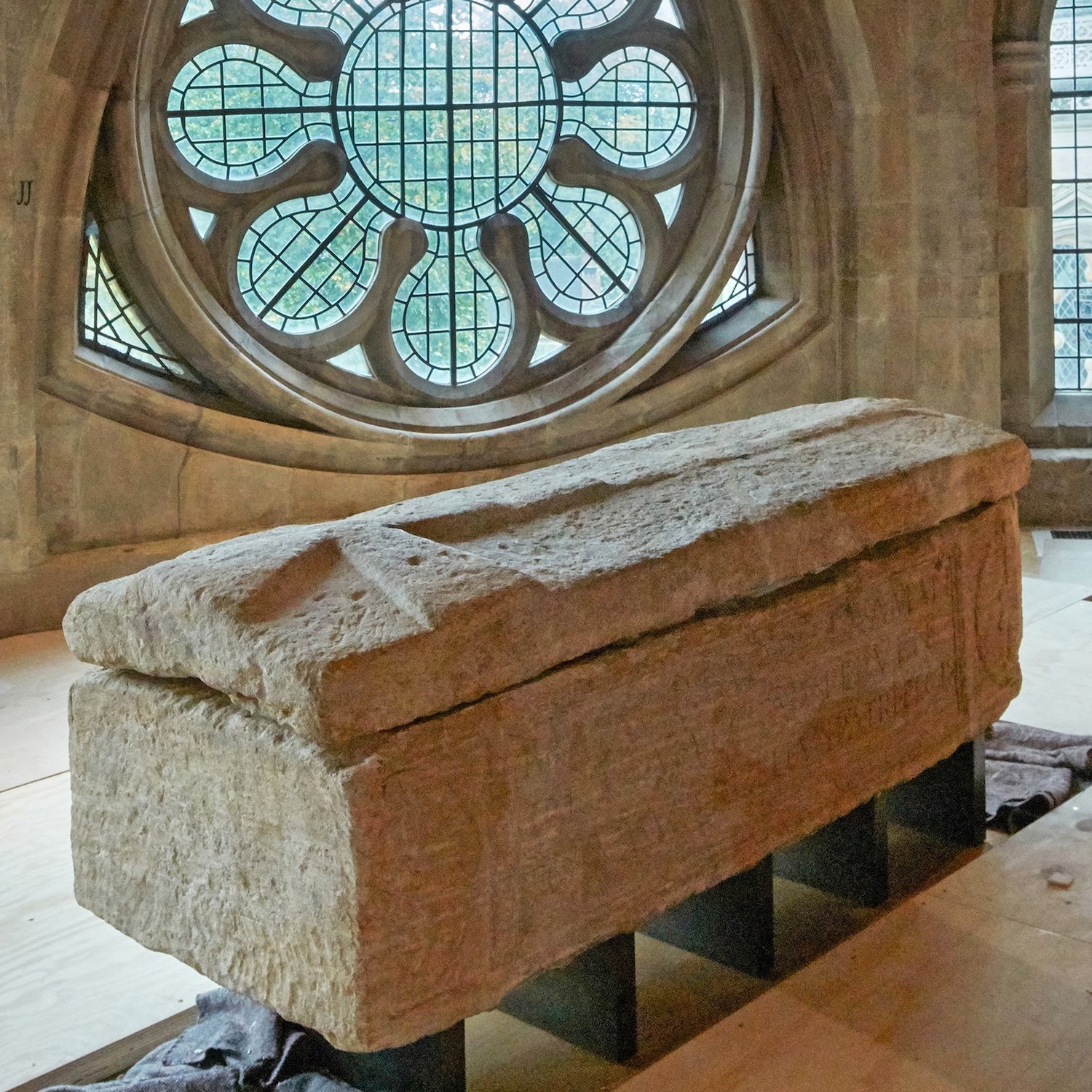
The mysterious limestone tomb was originally crafted during the 4th century CE, when the Roman empire’s jurisdiction still extended as far away as Britain. By the mid-13th century, King Henry III constructed a Benedictine sacristy above the sarcophagus, and it remained undisturbed for nearly 600 years. In 1820, workers accidentally cracked its lid into six pieces after unintentionally exposing the tomb. It would take until 1869 for archaeologists to finally repair the damage, as well as discover its confounding origins.

Roman coffin when displayed in Chapter House vestibule (whereabouts of the framed watercolour above showing it in the ground is not known) Library neg box 61
The coffin features an inscription to Valerius Amandinus, who died during the 4th century CE. Credit: Dean & Chapter of Westminster

The Roman sarcophagus has baffled researchers ever since. The limestone enclosure featured an inscription to Valerius Amandinus, a rich local who lived nearby sometime between 300 and 400 CE. But the sarcophagus lid clearly displayed a much more recent, medieval Latin cross. The cross implied the sarcophagus possibly housed someone other than Amandinus, but who?

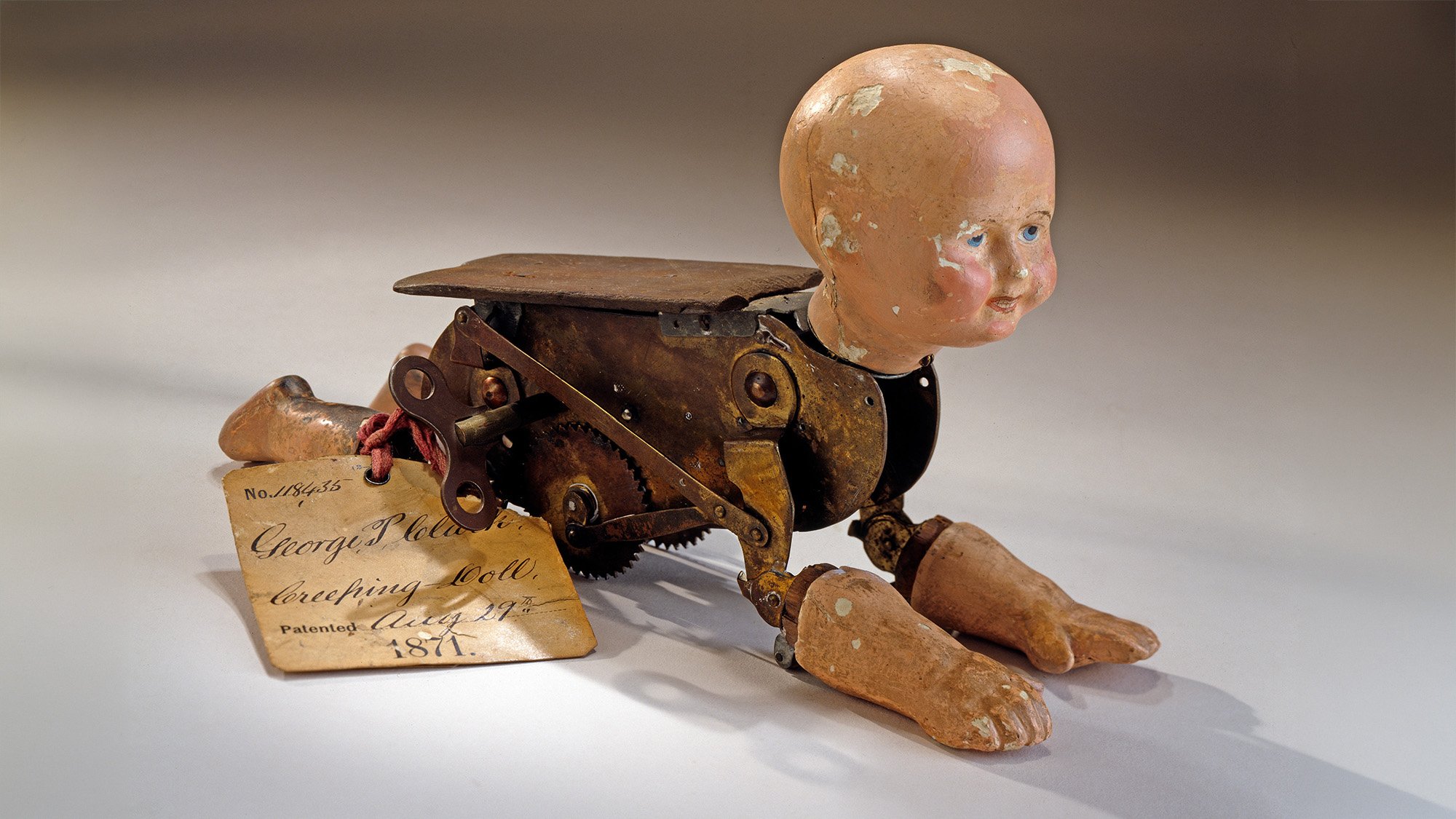
Extensive stonework analysis and skeletal carbon dating finally point towards two probable suspects. The first possibility is the Westminster Abbot Aelfwig, who died around 1020. The second is his successor, Wulnoth, who died in 1049. Further skeletal examinations indicate the man was 35 to 49 years old and around 5-foot 9-inches tall when he died. Interestingly, this contradicts the initial 19th century theory of a slightly shorter, “robust young man” less than 30 years old.

Limestone Roman coffin on display in Westminster Abbey
The full sarcophagus on display at Westminster Abbey. Credit: Dean & Chapter of Westminster

“We do not know the date of birth of either. But either would fit equally well if we assume the Abbot was in his early twenties when the appointment was made and close to fifty when he died,” explained Rodwell.

If Rodwell had to pick between the two, he may lean towards Aelfwig, since he was already a Westminster monk during that era.

The monk’s associates likely first placed him in a timber coffin that they lowered into the sarcophagus. Next, they sealed it with a re-carved cover displaying the Latin cross. But regardless of who resided in the tomb, its reuse wasn’t considered a slight. Instead, its original craftsmanship was intended to honor the deceased monk. It’s unlikely the mourning monks gave much thought to anyone else’s opinion on burial recycling, especially those living nearly 1,000 years after their respected Abbot’s passing.

The post Roman sarcophagus inside Westminster Abbey originally held a different body appeared first on Popular Science.

  •  
❌