❌

Normal view

Rising temperatures could boost pregnancy risks worldwide β€” here's how

19 October 2026 at 10:00

Rising temperatures around the globe are contributing to a range of health risks, from infectious disease to food insecurity and wildfire smoke. Extreme heat is another major public health concern, as climate change drives up both average temperatures and the frequency of extremely hot days. This August was the world's hottest on record, and it drove upticks in heat-related emergency visits and deaths in various U.S. states.

Hotter weather is expected to pose dangerous health risks for millions, and pregnant people are especially vulnerable to its impacts, experts caution.

"Pregnant people are physiologically more vulnerable to heat," Dr. Susanna Esposito, a pediatrician at the University of Parma in Italy, told Live Science. "Climate adaptation should treat pregnant people as a priority population."

Extreme heat is linked to adverse birth outcomes that can be fatal for both mothers and newborns. Heat can also hinder fetuses' development, contributing to long-term health and cognitive effects.

Scientists and public health experts are working to identify the thresholds between safe and dangerous heat for maternal and prenatal health. As the planet warms, how will that affect the risks associated with pregnancy? And how can those risks be countered?

Low birth weight

When the body tries to cool down, blood moves to the extremities to dissipate heat through the skin's surface. Some studies suggest that, in a pregnant person, this may reduce blood flow to the placenta, which in turn reduces the organ's supply of oxygen and nutrients. This is thought to contribute to low birth weight, which is associated with a heightened risk of illness and death shortly after birth, as well as cognitive and mental-health challenges later in life.

Heat stress may also spike the body's levels of cortisol beyond what they should be in a healthy pregnancy, studies in lab animals suggest. This may expose developing fetuses to more cortisol than usual, affecting some aspects of development and functions of the placenta. This mechanism is not fully understood in humans yet, though.

That said, several studies in humans support the notion of a link between heat exposure and low birth weight. Mothers who were pregnant during a 2003 heat wave in France were more than twice as likely to have a baby of low birth weight than mothers whose pregnancies did not coincide with the extreme heat. The trend was especially strong when the heat wave hit during a person's first trimester.

In a study conducted in Arizona, hotter temperatures during the third trimester were also associated with lower birth weight, said study co-author Kristin Mickelson, a social-health psychologist who studies public health at the Arizona State University.

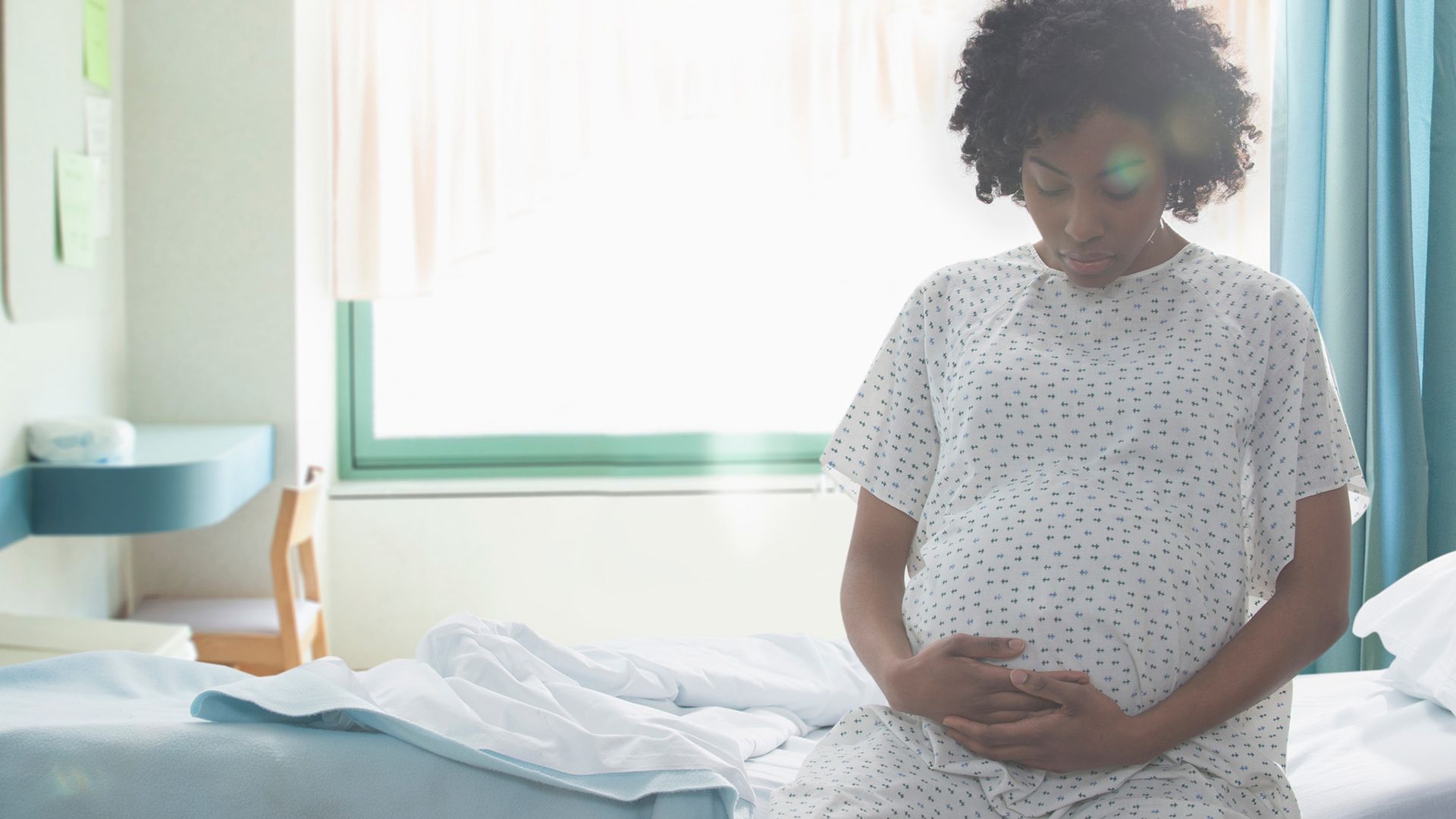
A woman wearing a hospital gown holds her pregnant stomach.

Exposure to extreme heat has been linked to a higher chance of babies being born at a low weight. The reasons why are still being studied, however. (Image credit: Jose Luis Pelaez Inc via Getty Images)

Preterm and early birth

Preterm delivery β€” before 37 weeks of gestation β€” is one of the most concerning health outcomes that's been linked to heat, Esposito told Live Science. The risk of neurological and developmental disabilities is higher in preterm babies than in full-term babies.

"If you're born preterm, you have a heightened risk of all sorts of adversities throughout infancy, but then also extending into childhood and even longer term," said Clara Heil, health researcher at Lund University in Sweden.

Severe heat may make preterm birth more likely. A review of 70 studies suggests that the chance of preterm birth is 16% higher when a multiday heat wave hits during the final weeks of pregnancy. Regarding average temperatures across an entire pregnancy, each additional 1.8 degrees Fahrenheit (1 degree Celsius) boosts the risk of preterm birth by 5%, the same review found.

High temperatures have also been tied to early births, which occur after 37 weeks of pregnancy but before 39 completed weeks. Early birth is associated with an increased risk of hospitalizations through childhood and slower neurologic development.

A study analyzing 56 million U.S. births across two decades suggested there was about 1 more early birth per 100,000 pregnancies on days with a maximum temperature above 90 F (32.2 C), compared to 60 to 70 F (15 to 21 C). Deliveries on hot days were typically about six days earlier than anticipated, but some were up to two weeks early.

With average temperatures continuing to rise, early and premature births could become more common. The United Nations predicts that the world is set to cross the 1.5 C (2.7 F) threshold of warming compared with pre-industrial levels, likely within the next five years, and we may even surpass the 2 C (3.6 F) threshold in that timeframe.

"We can probably expect to see these temperatures, or worse, in the upcoming years," Lizbeth Burgos Ochoa, statistician at Tilburg University in the Netherlands, told Live Science.

Preeclampsia, heart defects and other risks

Maternal heat exposure has also been associated with an increased risk of preeclampsia, a pregnancy complication related to blood pressure that can be fatal. In a 2011 study conducted in France, hotter temperatures during the first trimester were associated with a slightly increased risk of severe preeclampsia, although more research is needed to understand why.

Heat exposure has also been linked to other conditions of pregnancy, including gestational diabetes and hypertension, as well as increased emergency hospital admissions during pregnancy, overall.

Additional studies have highlighted potential risks for developing fetuses and newborns. For example, following a heat wave in Canada, the risk of a baby being born with critical heart defects was 6% higher, one study found. Babies with the highest risk had been exposed to temperatures of 86 F (30 C) or higher for at least 15 days during the first trimester of pregnancy.

Extreme heat waves may also raise the chance of stillbirth, according to a study conducted across six U.S. states. Four consecutive unusually hot days β€” exceeding the 97.5th percentile of temperature for a given county β€” in the last week of pregnancy was linked to a 3% increase in the risk of stillbirth.

These studies are observational, so they show links between heat and pregnancy outcomes but cannot directly show that the heat spurred the increased risks. They also don't take into account study participants' home environments or strategies for cooling off, so they don't provide a full picture of how much heat they were exposed to.

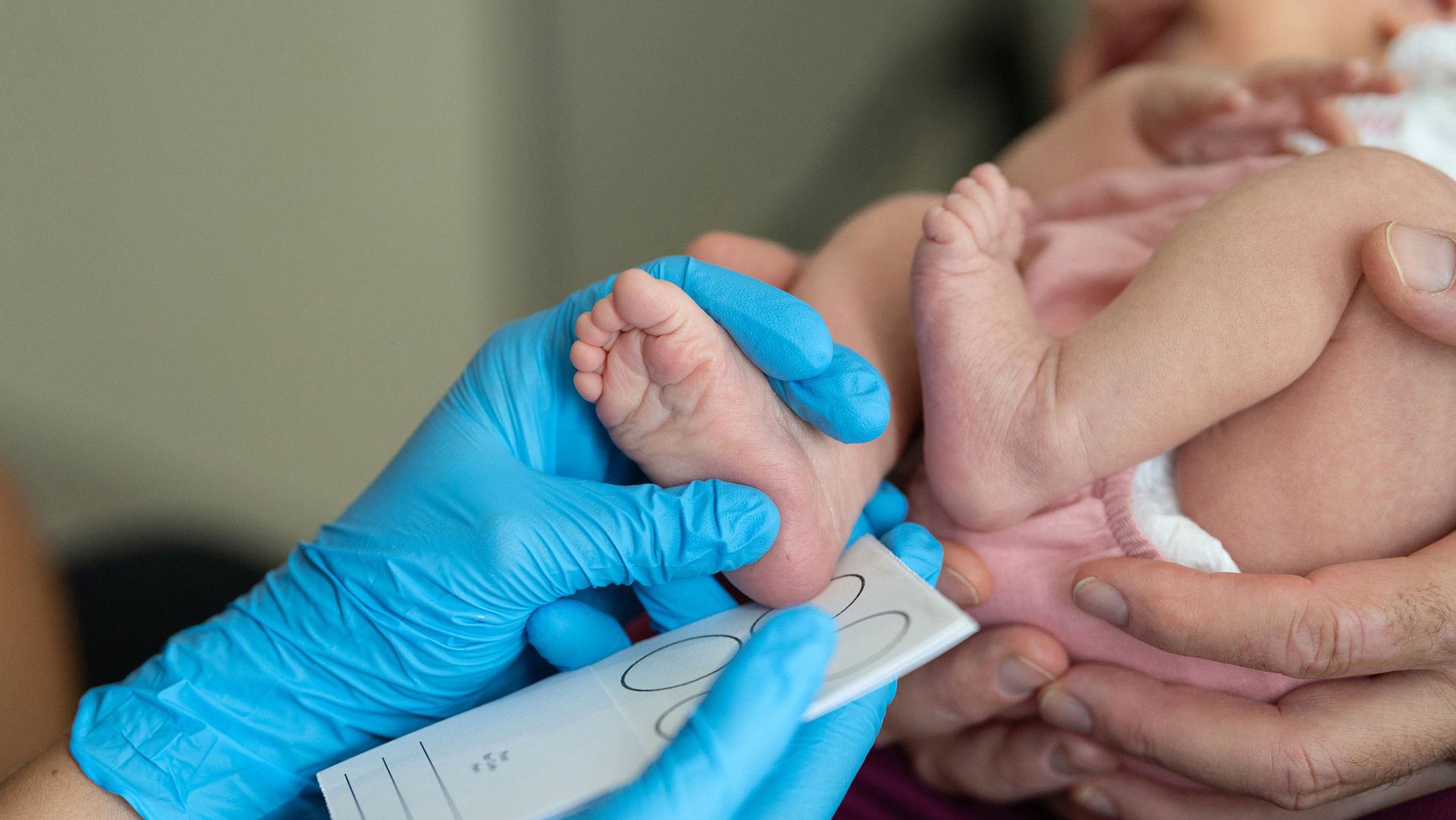
A blue gloved hand measures an infant's foot.

Studies suggest that both maternal, prenatal and newborn health can be negatively impacted by exposure to extreme heat during pregnancy. (Image credit: Abraham Gonzalez Fernandez viaGetty Images)

Caring for pregnant people and the next generation

Researchers are still working to understand what temperatures pregnant people should be most concerned about.

"It would be [helpful] to understand what level of heat becomes dangerous to women," Heil said. "Is there a threshold where it becomes difficult for the body to dissipate heat? And especially for the pregnant body, which is different from the non-pregnant body, to cope with that heat?"

Heil and her research team synthesized over 100 studies on heat and poor birth outcomes, such as stillbirth, preterm birth, placental abruption and preeclampsia. The studies varied considerably in that they covered different timeframes, focusing on just one trimester or all three, for instance. But in general, their results converged on a pattern: The risk of poor outcomes rose as temperatures hit about 87 F (30.5 C). At 102 F (39 C), the combined risk of poor outcomes rose by 20%.

This summer, daytime maximum temperatures in the continental U.S. averaged a record-breaking 88.6 F (31.4 C). The number of days per year over 105 F (35 C) is expected to triple in the U.S. by midcentury.

Heat's detrimental effects on birth outcomes are even more extreme for those with disadvantaged socioeconomic conditions, Burgos Ochoa noted. People with lower incomes are less likely to have air conditioning, and neighborhoods with a lower median income tend to have less green space, which contributes to trapped heat in their immediate surroundings. Expanding green spaces and adding bodies of water can help cool down neighborhoods and mitigate heat impacts on health, she said.

Heil's research team has developed a phone app for pregnant people and those who have recently given birth that forecasts the risk of heat stress and suggests actions to take to mitigate those risks, such as hydrating or changing clothing. Heil is hopeful that the app and similar early-warning systems can make a difference.

"Maternal health should be at the top [of our concerns], because it is about the next generation," Mickelson said. "If we don't take care of the mothers that are giving birth to the next generation, that's going to have long-term consequences down the road."

This article is for informational purposes only and is not meant to offer medical advice.

Help us improve Live Science Pro: We're always trying to make our content better. Leave us feedback about Pro here.

Why are dengue cases surging in Florida this year? An 'unlucky' combination of factors, experts say

8 October 2026 at 11:00

Cases of dengue fever are surging in Florida, spurring several counties to declare a state of emergency.

The state has seen 497 reported cases so far this year. Of those, 252, or about 51%, were caught locally, rather than brought to the state by travelers. The Florida Department of Health confirmed one woman's death from dengue fever in early September, marking the state's first known dengue death in almost a century.

Prior to the past few years, most dengue cases reported in Florida were the result of travel. In other words, people caught the disease in other countries and then traveled to Florida, where their case was then diagnosed. At 245, the number of travel-related cases reported this year is not unusually high, Caroline Waddell, a public health researcher at the University of Florida, told Live Science in an email. However, the number of cases caught from local mosquitoes is more than five times higher than at this point in the year compared with any of the previous four years, she said.

Why are local dengue cases especially high this year? Live Science spoke with experts to find out.

A growing global health concern

Dengue fever is caused by the virus Orthoflavivirus denguei, which spreads from mosquitoes to people through the pests' bites; it doesn't spread from person to person. Aedes aegypti and Aedes albopictus mosquitoes transmit the virus to humans, and the same species can also carry the viruses behind yellow fever, Zika and chikungunya.

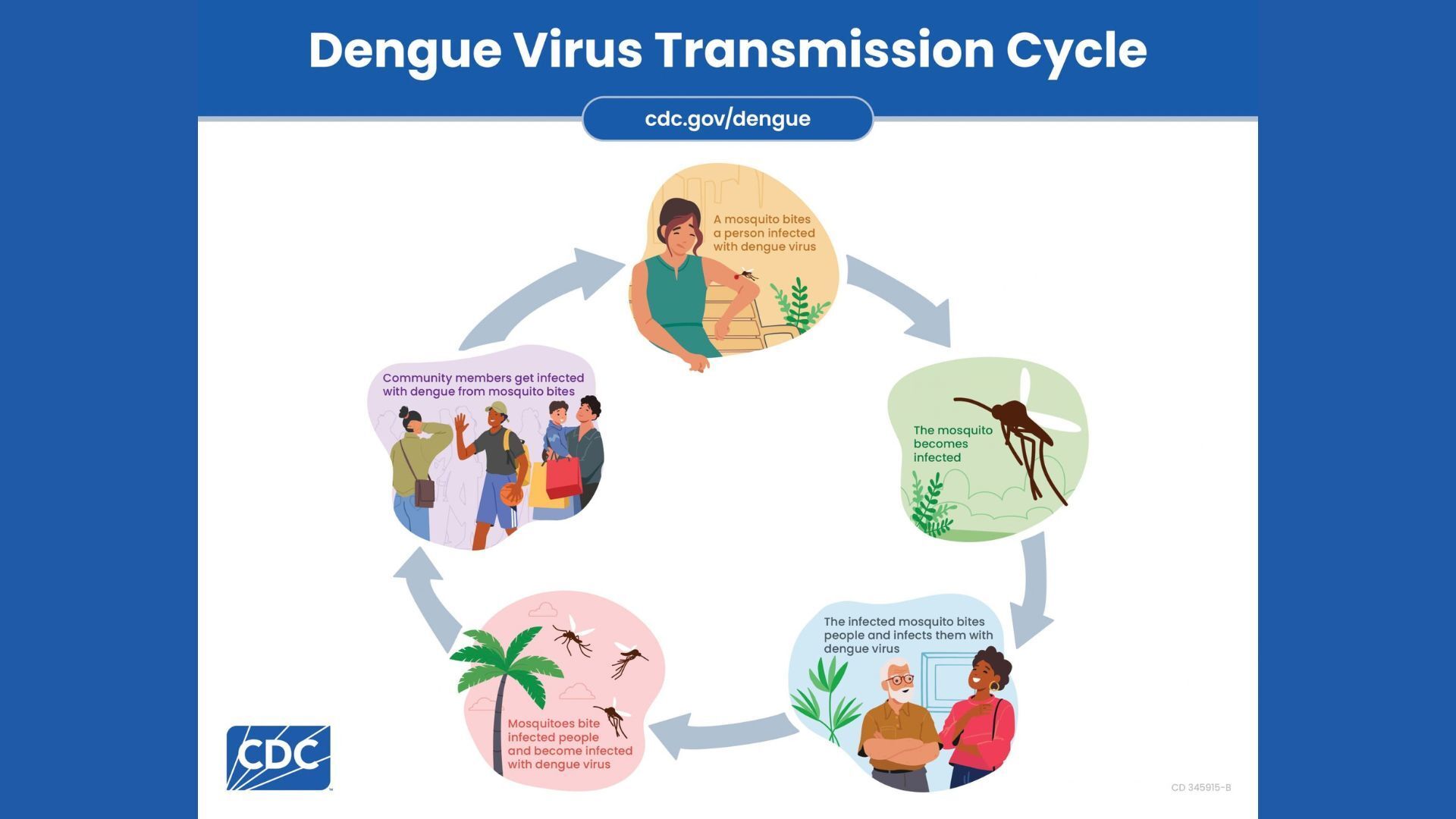
A diagram depicting how dengue spreading from mosquitoes to people

Mosquitoes capable of carrying dengue pick up the virus from people and then spread it to additional people via their bites. (Image credit: Centers for Disease Control and Prevention)

About 100 million to 400 million dengue infections happen annually worldwide, with about 800 cases reported in the U.S. historically, although that number has increased recently. Only about 1 in 4 people exposed to the dengue virus develop symptoms, which can include fever, headache, body aches, nausea and rash. About 1 in 20 cases become severe, and immunocompromised people, children, older adults and pregnant people are especially susceptible to these serious infections.

Severe symptoms can include abdominal pain, vomiting, difficulty breathing and bleeding of the gums or nose. The most severe forms of the infection can lead to leaky blood vessels, severe bleeding, shock, organ dysfunction and death. There is no specific treatment for dengue, so care focuses on managing symptoms and maintaining patients' vital signs.

Dengue has escalated as a global health concern in the past few decades. Between 2000 and 2019, global cases of dengue increased tenfold; between 1990 and 2021, dengue-related deaths doubled. Scientists say this surge is likely driven by climate change, since rising temperatures expand Ae. aegypti mosquitoes' range, in turn exposing more people to the insects' bites. Plus, warmer conditions speed up mosquitoes' life cycles and the dengue virus's replication rate, thereby boosting transmission.

International travel also factors into these rising case counts. In 2023, dengue spikes around the world were attributed to the resurgence of global travel following the COVID-19 pandemic.

Zooming in on Florida

As the global picture has worsened, dengue cases in the U.S. have also increased.

Nearly 3,800 cases were reported in 2024 β€ͺ—‬ an increase of more than 300% above the annual average for the previous 10 years. The uptick was tied to a rise in travel-associated cases, reflecting the wider global surge, as well as to warming temperatures that brought dengue-carrying mosquitoes to new regions of the U.S.

Since approximately 75% of dengue infections are asymptomatic, the virus can circulate within a community without being readily detected for some time.

Keira Lucas, deputy executive director of the Collier Mosquito Control District

Each year, Florida experiences dengue outbreaks in the southernmost parts of the state, such as Miami and the Florida Keys, Panpim Thongsripong, a disease ecologist at the University of Florida, told Live Science. Historically, outbreaks in Miami typically totaled around 50 or fewer cases. But then a 2019 outbreak resulted in over 200 cases, and from 2022 to 2024, outbreak totals have ranged from about 500 to 675 cases.

The outbreak currently unfolding in Florida centers on Hillsborough County, which is farther north and includes Tampa. This is unusual, Thongsripong said, as this region of the state normally sees just a few sporadic cases. Hillsborough County has reported 223 of the state's 252 locally acquired cases this year, and it's where the one dengue-related death took place.

Florida's health department regularly traps mosquitoes and tests them for viruses. So far this year, 20 pools of mosquitoes have tested positive for dengue across seven counties, and 19 of those positive pools were sampled from the greater Tampa area. In 2025, only four mosquito pools throughout the state tested positive, and in 2023, one mosquito pool did.

"Finding positive mosquito pools is rare in Florida because dengue is not endemic to the state," said Keira Lucas, deputy executive director of the Collier Mosquito Control District. "In many ways, it can be like looking for a needle in a haystack," she told Live Science.

Routine mosquito trapping is a relatively inefficient method for detecting viruses, though, Lucas said. As such, detecting dengue-positive mosquito pools may indicate that a large amount of transmission is already unfolding. "Since approximately 75% of dengue infections are asymptomatic, the virus can circulate within a community without being readily detected for some time," Lucas explained.

In addition to Hillsborough, neighboring Pasco and Pinellas counties have declared local states of emergency over dengue.

An unlucky combination of factors

So what's driving the unusual dengue activity this year?

In the past, Florida's local dengue outbreaks tended to be concentrated in the South, which saw moderate rainfall, warmer temperatures and more travel-related dengue cases compared with the rest of the state, according to a 2022 study in the journal Insects. With the outbreak concentrated farther north this year, that could suggest changing climatic patterns are making additional parts of the state especially hospitable to mosquitoes and the virus. That wouldn't necessarily explain why Tampa is seeing more local cases than Miami this year, but it could nonetheless be a factor in the overall trend.

For the virus to persist in local mosquitoes, dengue still needs to be reintroduced periodically through travel-related cases. Because the virus is not yet endemic to the state, it doesn't regularly circulate in local mosquitoes; however, a somewhat predictable "dengue season" has been emerging that coincides with upticks in international travelers carrying the virus to Florida.

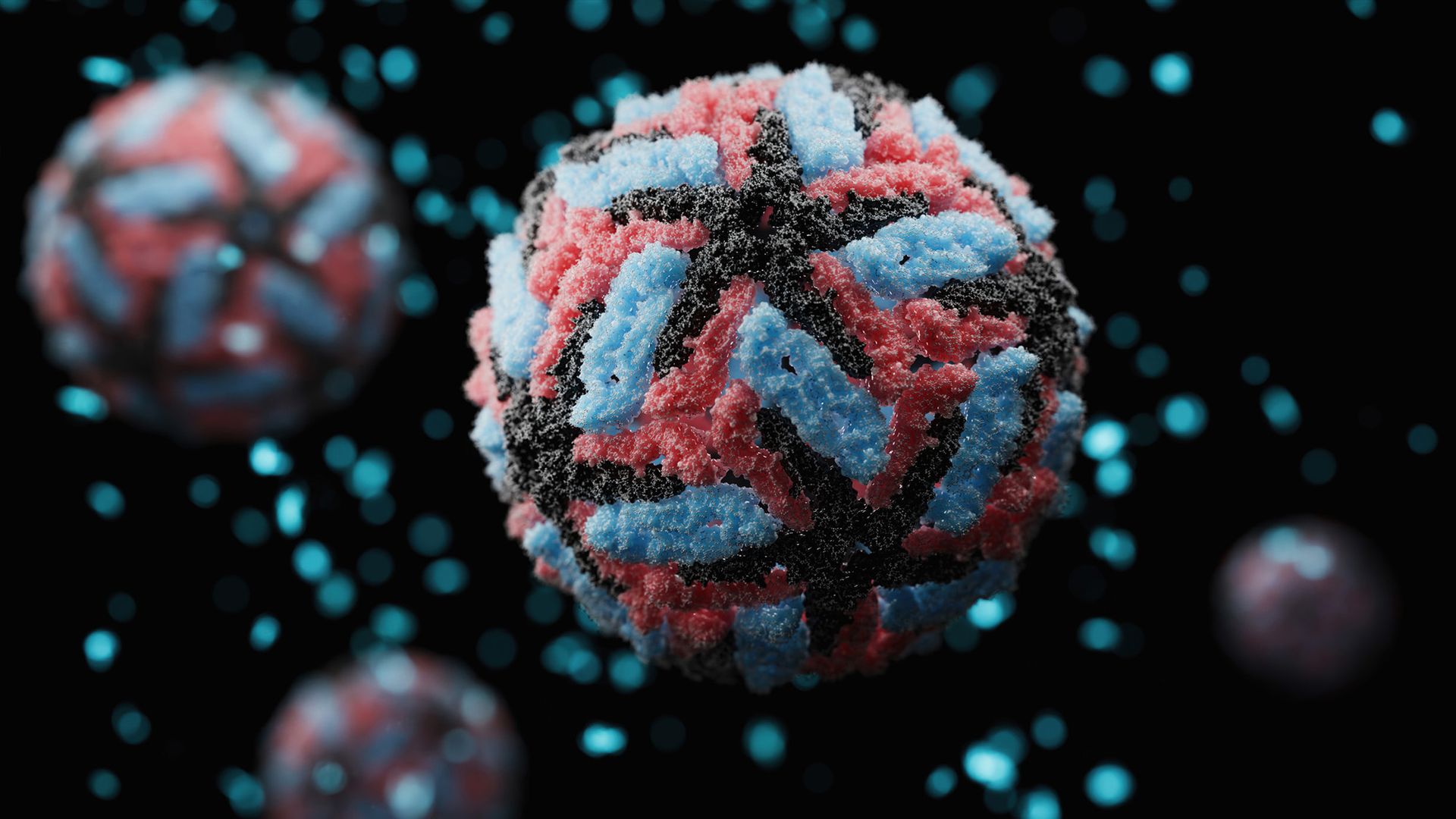
Spheres of red and blue and black against a dark background

The dengue virus is a member of the Flaviviridae family, meaning it's closely related to the Zika virus and yellow fever virus. (Image credit: koto_feja via Getty Images)

This year, though, the high number of locally acquired dengue cases suggests a shift from predominantly imported infections toward outbreaks spurred by local Florida mosquitoes. Scientists hypothesize that climate change could increase local transmission in Florida even more in the future.

This year, Florida has also been enduring its most intense drought in over a decade. In theory, that might be expected to limit mosquito populations because the pests need water to breed, Lucas said. However, when it's dry, people tend to run their sprinklers more, creating mosquito breeding grounds when puddles form or containers fill up, she noted. This could bring mosquitoes closer to people, as it creates opportunities for them to breed.

Ae. aegypti mosquitoes are especially well adapted to living alongside humans, as they prefer to breed in human-made containers. Droughts can also drive dehydrated mosquitoes to bite more as they hunt for fluids.

"It's almost like an unlucky [combination]," Thongsripong said. "Everything coming together at the right time and right place, and boom, you have the conditions for an outbreak to occur."

The true number of dengue cases may be even higher than reported, Waddell said. The cases captured in the data include infected individuals who went to a doctor to get tested. Because many infections are mild or asymptomatic, additional people may have contracted the virus but never got counted.

What can be done

It's too early to definitively say what factors have increased Florida's dengue cases this year, Thongsripong said, as scientists are still gathering information. Despite the unknowns, she thinks the health and housing infrastructure in the U.S. will stop dengue from becoming too dangerous here.

To get dengue under control, it's key for government-level mosquito control efforts to coordinate and for the public to be aware of the virus, Lucas said. The mosquito control district coordinates with the health department for the latest data to best target where to spray larvicide, which kills mosquito offspring before they can bite people, she said.

It's important for people to use mosquito repellent when going outside, Thongsripong said, as well as to empty water from objects that can collect water and become a mosquito breeding ground, such as pets' water bowls, plant saucers, buckets or discarded tires.

Due to this year's strong El NiΓ±o, Florida is expecting a rainier winter, which could mean even more mosquitoes than usual, Lucas noted. That, in turn, could fuel additional dengue cases.

"Cases with September onsets are still being reported," Waddell said, "so we're not out of the woods."

This article is for informational purposes only and is not meant to offer medical advice.

'It's in the realm of possibility': Climate change is spurring a reemergence of yellow fever, and the US could face future threats

1 September 2026 at 10:00

Yellow fever is appearing in regions that haven't seen cases of the disease in years, largely as a result of climate change.

Historically, the virus ravaged cities across the Americas, Europe and Africa, until a vaccine was introduced in 1937 and its range shrunk significantly. But now, as climate change creates favorable conditions for virus-carrying mosquitoes, scientists are seeing outbreaks in unexpected areas.

"Yellow fever is a highly deadly disease," Dr. Joelle Ivy Rosser, an infectious-disease researcher at Stanford University, told Live Science, "so any environmental pressures that increase the likelihood of future yellow fever virus outbreaks … is highly concerning."

How is climate change contributing to this pattern, and could it get worse in the future?

How rising temperatures impact yellow fever

Yellow fever is a mosquito-borne disease caused by the Orthoflavivirus flavi virus, better known as yellow fever virus (YFV). The infection causes fever, muscle aches, headaches and vomiting. About 15% of cases become severe, with patients showing jaundiced skin and eyes, bleeding from the mouth, eyes, nose and stomach, or organ failure.

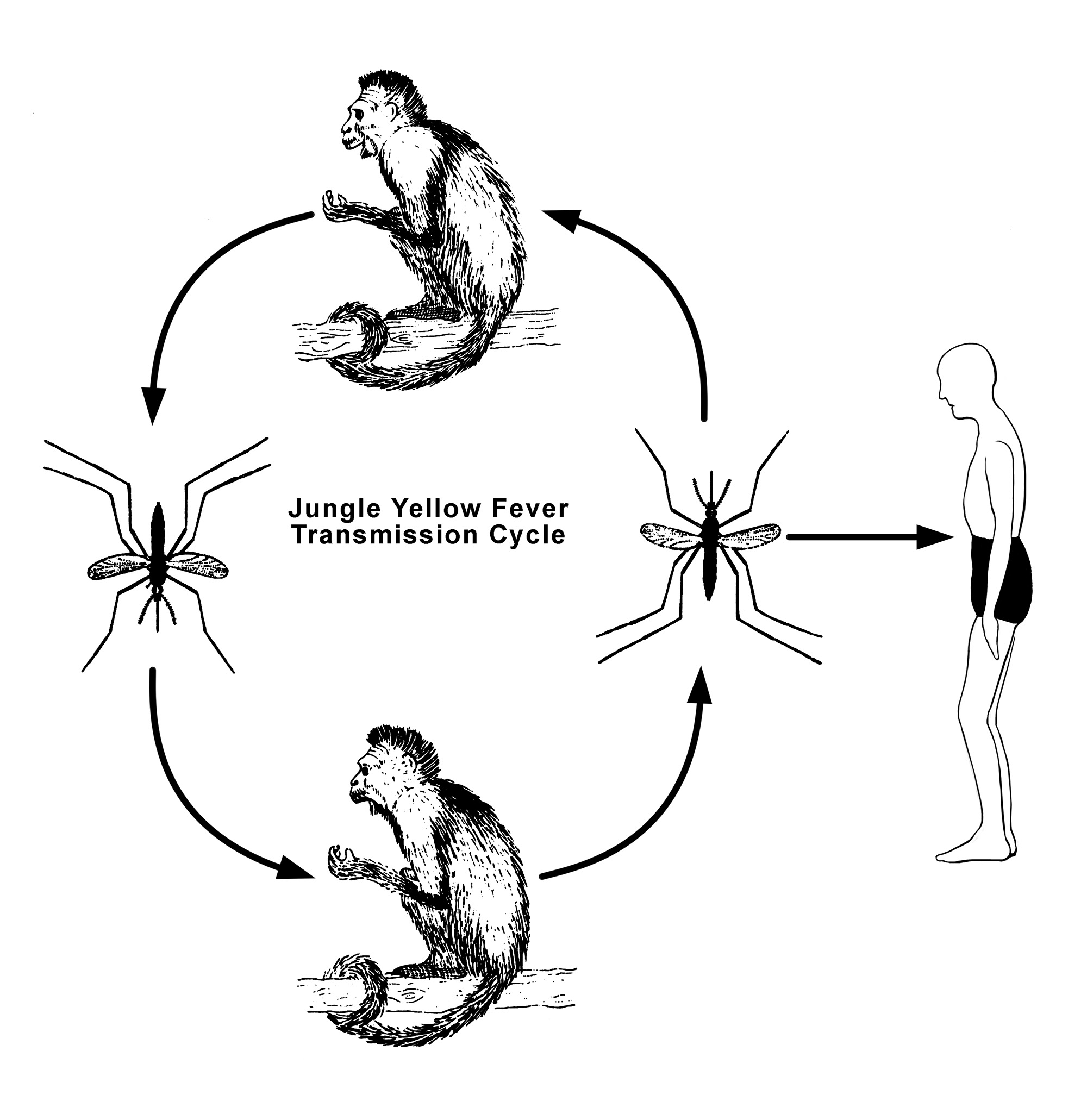
A diagram showing how yellow fever passed from mosquitos to monkeys to man

Primates, such as howler monkeys, carry the yellow fever virus, which then gets picked up mosquitoes that bite the monkeys and later spread the germ to humans. (Image credit: CDC)

Devastating yellow fever epidemics spread in the 17th to 19th centuries, before the development of a vaccine. Nowadays, an estimated 31,000 to 82,000 yellow fever deaths occur each year; severe cases have an estimated fatality rate of 20% to 50%.

Most yellow fever infections are a result of spillover from nonhuman primates; mosquitoes bite monkeys that carry the virus, such as howler monkeys, and then the infected mosquitoes bite humans. Several types of mosquitoes carry the virus, but the species Aedes aegypti is the main vector for yellow fever in cities, where high population density can make outbreaks especially severe.

Although there is an effective vaccine for yellow fever, cases have been on the rise in the past three decades. This led the World Health Organization (WHO) to set out a strategy in 2017 for eliminating yellow fever epidemics by 2026 through outbreak prevention and containment.

Climate-change-driven warming and extreme weather events may have heightened yellow fever risk over the past few decades, experts say. Rising temperatures make mosquitoes bite more because heat makes their metabolisms more active, said Dr. Seth Judson, an infectious-disease physician-scientist at UCLA. Warming also cuts down the virus's extrinsic incubation period, meaning the time it takes for the virus to replicate in a newly infected mosquito and then get passed on to another person, he told Live Science.

Weather patterns and deforestation

Changing weather patterns play a role, too. In 2017-2018, Brazil saw its first yellow fever outbreak in a city in almost a century. That outbreak, primarily in Belo Horizonte and SΓ£o Paulo, was likely a result of drought, according to one study.

Extremes of weather in either direction can exacerbate mosquito-borne disease transmission

Dr. Joelle Ivy Rosser, infectious-disease researcher at Stanford University

While heavy rainfall creates a breeding ground for mosquitoes, in this case, drought pushed forest-based mosquitoes β€” as well as YFV carriers like marmosets and howler monkeys β€” closer to cities as the animals searched for water. Drier conditions can also prompt dehydrated mosquitoes to bite more as they search for fluids, study co-author Jamie Caldwell, a disease ecologist at Princeton University, told Live Science.

"Extremes of weather in either direction" β€” very wet or very dry β€” "can exacerbate mosquito-borne disease transmission," Rosser said.

Parts of Africa and South America that were considered low-risk for yellow fever have already been seeing new outbreaks, Judson said, so maps of yellow-fever-affected areas have had to be updated. In research that's been released as a preprint but not peer-reviewed yet, Judson found that yellow fever is reemerging in an area of the Colombian Andes where it hadn't been reported since 1940.

Experts are paying particular attention to the edges of cities, where urban centers meet the forest. The risk of yellow fever transmission from monkeys to humans via mosquitoes is rising at these edges due to both climate change and deforestation.

"Humans are expanding the agricultural frontier and encroaching on forests where yellow fever mosquitoes … are found," Gabriel Parra-Henao, a biologist with the WHO, told Live Science in an email. "[This] results in more people being exposed to their bites."

Similar patterns have been seen with other mosquito-borne infections, such as malaria.

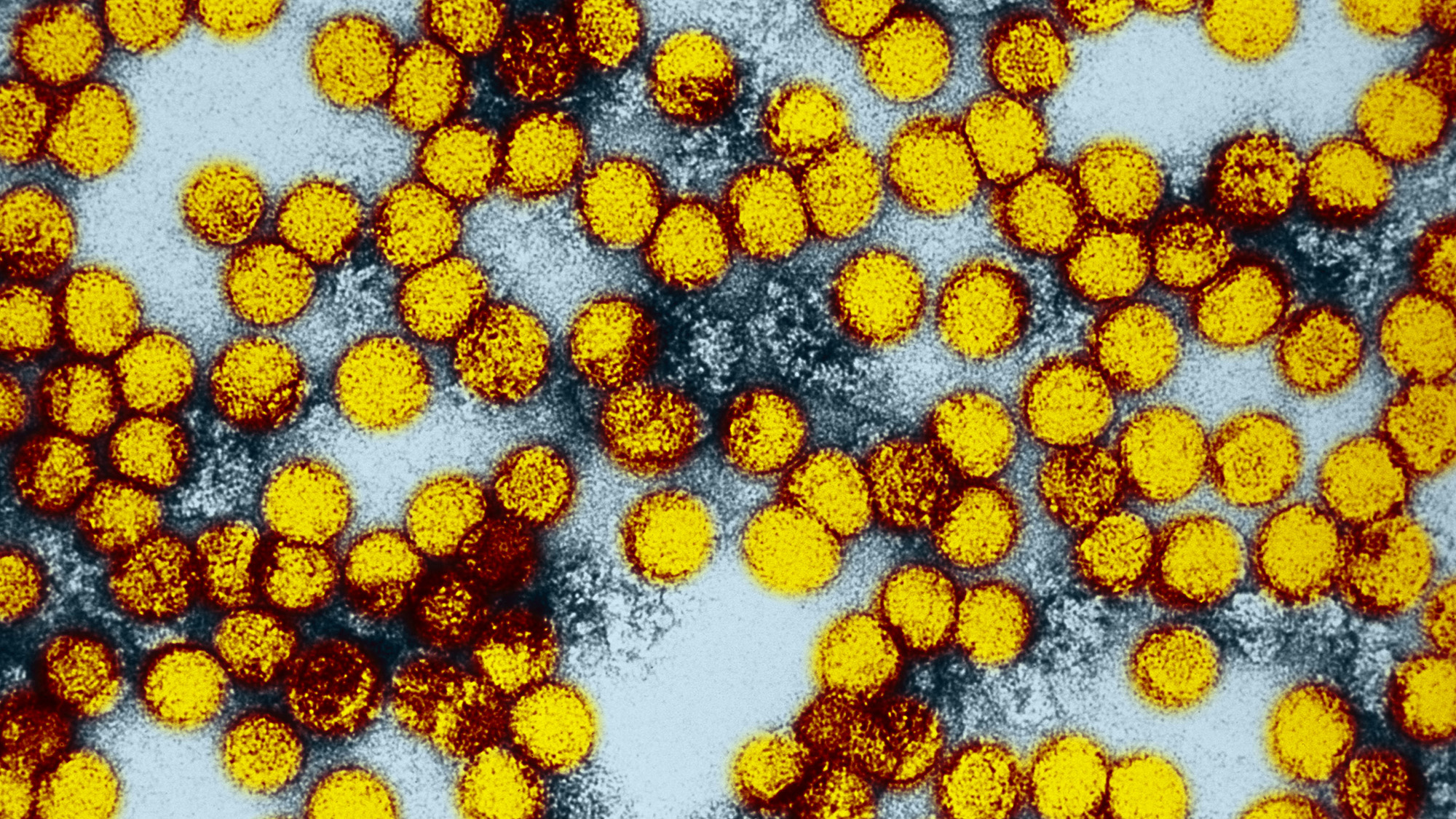
A series of yellow, spherical virus particles against a white background

The yellow fever virus (pictured) is in the family Flaviviridae, which also includes the dengue and Zika viruses. (Image credit: BSIP via Getty Images)

Could yellow fever return to the U.S.?

Climate change is expected to bring yellow fever to new areas. One study predicts that, under the most severe climate change scenario, nearly a billion people could face their first exposure to the mosquitoes that can carry YFV in the next century. While that worst-case scenario may not be the most likely, the mosquitoes' ranges are still expected to expand under less-severe conditions.

Europe is predicted to face the largest increase in exposure to Ae. aegypti mosquitoes compared to the rest of the world, and the U.S. and Canada are predicted to see increases too. In the U.S., the mosquito species already lives in a number of states, including Florida, Mississippi, Arizona and New Mexico. However, warming would increase the chances of mosquitoes surviving in locations further north, such as Philadelphia and New York, which suffered major yellow fever outbreaks in the past. One model predicts Ae. aegypti could spread as far north as Chicago by 2050.

I think many people don't realize that we're still seeing significant yellow fever outbreaks.

Dr. Seth Judson, infectious-disease physician-scientist at UCLA

Although the mosquito lives in the U.S. already, yellow fever cases are exceedingly rare within the country because the virus is not present in local populations. That's because of an international campaign that the U.S. spearheaded in the 20th century, which involved researching YFV, eradicating mosquito breeding grounds, and vaccinating people widely.

"If yellow fever virus reestablished itself in our local Aedes aegypti population, then that would be very concerning," Rosser said.

One way yellow fever could return to the U.S. would be via people carrying the virus home with them after traveling to regions where the disease regularly circulates. Local mosquitoes could then catch the virus by biting those infected people, and then pass it on to others.

For local transmission to take hold, "there needs to be significant numbers of infections [passed to locals], and infections among travelers," Judson said. "But … it's in the realm of possibility."

With climate change driving resurgences of yellow fever in more places, and more regions of the U.S. becoming hospitable to the mosquitoes, that reintroduction scenario may become more likely. But some scientists think that even if North American cities saw yellow fever outbreaks, the outcome would likely not be devastating. Infrastructure in wealthier cities could be the difference between a disaster and a manageable health concern.

"There's access to medicines and vaccines; we pipe water to our homes, so we don't have standing water around," Caldwell said. "So it is a concern, but it's never going to be the next COVID."

Other experts noted that diligent surveillance of yellow fever infections can help public health officials prepare. In places where yellow fever is circulating in forest primates, forest conservation can limit contact among humans, wildlife and the mosquitoes that spread diseases among them. It's also crucial to make vaccines widely accessible to people who live in the virus's endemic regions and to travelers who visit those regions.

The WHO's yellow fever campaign is set to conclude at the end of this year, and its next steps are unclear. There's ongoing discussion of what comes next, Judson said, with questions about whether the control of yellow fever outbreaks will rely more on national strategies than on international coordination via the WHO.

Whatever happens, this is a time for heightened awareness of the virus, Judson said.

"We think of yellow fever as this historic disease," he said. "I think many people don't realize that we're still seeing significant yellow fever outbreaks. … It's really important to be aware of the risks and think about how we prepare for that."

This article is for informational purposes only and is not meant to offer medical advice.

❌